






Abstract
Background
The problem, condition or issue
In late 2014, U.S. President Barack Obama established the President's Task Force on 21st Century Policing to respond to national concerns about police-community relations. The Task Force's report examined policing strategies to maximize both effective crime prevention and public trust and confidence in the police (President's Task Force on 21st Century Policing, 2015). Community-oriented policing (COP) features heavily throughout the report as one such strategy to promote community engagement in public safety and collaborative approaches to crime prevention and crisis management. However, while organizations like the International Association of Chiefs of Police have focused on developing strategies to help local police departments implement the Task Force's recommendations, 1 the priorities of the new Trump administration have so far signalled a shift away from community relations and collaborative reform toward a “law and order” approach.
The challenges that led to the creation of the President's Task Force, the emphasis on COP as a potential response, and shifting political orientations toward policing communities recall an earlier crisis in American policing. During the 1960s and 1970s, rising crime and challenges to the effectiveness and legitimacy of a broad range of criminal justice practices (e.g. Martinson, 1974; President's Commission on Law Enforcement and Administration of Justice, 1967) led to criticisms of the “standard model” of policing, which consists of generic, reactive, short-term strategies to prevent or respond to crime that rely heavily on traditional law enforcement powers (Weisburd & Eck, 2004). Around the same time, several high-profile research studies suggested that two key elements of the standard model—preventive patrol and rapid response—had little impact on crime rates (Kelling, Pate, Dieckman, & Brown, 1974; Spelman & Brown, 1984; see also Weisburd & Braga, 2006). Much as Martinson's (1974) findings about the limitations of research on rehabilitation famously led to the conclusion that “nothing works” becoming the defining characteristic of the entire field, these studies raised questions about the effectiveness of the police in general. By the early 1990s, many scholars believed that the police could do little to impact crime (e.g. Bayley, 1994; Goldstein, 1990; Gottfredson & Hirschi, 1990).
This dissatisfaction with the standard model provided the foundation for community-oriented policing, which recognized what both scholars and police practitioners had begun to observe—that much of the police role involved order maintenance, service provision, fear reduction, and conflict resolution rather than crime fighting (Kelling & Moore, 1988; Reiss Jr., 1971; Skogan & Frydl, 2004; Skogan & Hartnett, 1997; Weisburd & Braga, 2006). Thus, the emergence of community policing in the 1970s and 1980s provided an opportunity to reemphasize these “forgotten” police roles, reorient police priorities with the community at the center, and reconnect with disillusioned citizens (Scheider, Chapman, & Schapiro, 2009; Skolnick & Bayley, 1988). In the United States, the first Harvard Executive Session on Policing, 2 which ran from 1985 to 1991 and brought together leading police executives and researchers, was instrumental in bringing many of these ideas to the forefront, and the creation in 1994 of the Office of Community Oriented Policing Services (COPS Office) as a branch of the U.S. Department of Justice undoubtedly contributed to the widespread adoption of community-oriented policing across the country (see also Skogan, 2006; Skogan & Frydl, 2004; Weisburd & Eck, 2004; Zhao, Lovrich, & Thurman, 1999). Since its inception, the COPS Office has provided more than $14 billion in hiring, research and development, and training and technical assistance funding to a majority of U.S. police departments (Scheider et al., 2009). 3 In a 1997 Police Foundation survey 85 percent of all responding departments (and 100 percent of departments serving municipalities with populations of 100,000 or more) reported that they used or planned to adopt community-oriented policing (Skogan, 2004, see also Hickman & Reaves, 2001; Mastrofski, Willis, & Kochel, 2007).
Community policing is also a popular approach in other countries around the world, including Australia, France, Hong Kong, Japan, and the United Kingdom (e.g. Bennett, 1994; Fielding, 1995; Lo & Cheuk, 2004; Putt, 2010; Roché, 2005; Skolnick & Bayley, 1988). As in the United States, there is no consensus across countries on the exact definition of the approach, but the fundamental ideas of community engagement and partnerships, proactive approaches to crime prevention, and organizational transformation/decentralization are typically consistent (albeit to varying degrees; Donnelly, 2013). In the United Kingdom (specifically England and Wales) the concept of “neighbourhood policing” emerged in the early 1980s, inspired by both the rise in popularity of community policing in the United States and a period of civil unrest and racial tension at home (Longstaff, Willer, Chapman, Czarnomski, & Graham, 2015). This led to the development of the National Reassurance Policing Programme, and subsequently the Neighbourhood Policing Program, in the early- to mid-2000s. These programs focused primarily on targeted foot patrol and high visibility policing to enhance public trust and confidence, with a focus on “signal crimes”—issues that may not be the most serious criminal offenses but can greatly impact the public's feelings of safety, including anti-social behaviour and disorder (e.g. Tuffin, Morris, & Poole, 2006). In other Western European and Scandinavian countries the idea of “proximity” of police to citizens informs community policing efforts—citizens do not necessarily participate directly in crime prevention activities, but the police are expected to be a visible presence, use discretion in their interactions with the public, and collaborate with local authorities and crime prevention agencies (Donnelly, 2013).
One hallmark of community policing in England, the Netherlands, and New Zealand in particular is the use of specialized teams and even uniformed civilian staff such as Police Community Support Officers (PCSOs) to increase visibility and reassurance on the streets while allowing sworn officers to focus on more traditional law enforcement duties (e.g. Ariel, Weinborn, & Sherman, 2016; Davis, Henderson, & Merrick, 2003). PCSOs, which form part of the UK's Neighborhood Policing Program, wear uniforms similar to those of sworn officers and have limited enforcement powers.
The community policing model has also been adopted in developing nations, particularly in South American and African countries, as well as emerging democracies in Eastern Europe (Davis et al., 2003; Donnelly, 2013). Davis et al. (2003) report that the underlying features of community policing in developing countries are relatively similar, but implementation can be extremely challenging. Community policing has been implemented as part of order restoration and reform efforts, as a way of reaching out to the public to rebuild trust and accountability. However, the authors report that developing the relationships with the community necessary to achieve full collaboration can be extremely difficult where there is very low confidence in the police and a history of corruption, instability, racism, and/or colonialism in which the police, as agents of government, have often been complicit. Nonetheless, community policing has been advocated as a method of developing or restoring democratic policing principles and rebuilding public trust; the United Nations Police (UNPOL), for example, includes community policing in its standard operating procedures. 4
Despite the popularity of community oriented policing during the 1990s, the first decade of the 21st century saw a decline in the percentage of US police departments—especially those serving smaller jurisdictions—using full-time community police officers (Reaves, 2010). This may be attributed to the economic downturn during this period and also the terrorist attacks of September 11, 2001, after which many police departments reassigned officers to more security-focused duties (Fridell, 2004). However, some scholars (e.g. Mastrofski et al., 2007; Stone & Travis, 2011) suggest that some police departments also felt that the program did not live up to expectations (see below). Nonetheless, as noted above, community-oriented policing seems to have experienced a resurgence in the last two or three years as a means to increase trust and collaboration between police and citizens (President's Task Force on 21st Century Policing, 2015) and even as a method for preventing terrorism and countering the development of violent extremism, as in the United Kingdom's Prevent program (Innes, Roberts, Innes, Lowe, & Lakhani, 2011; see also International Association of Chiefs of Police, 2014 and Schanzer, Kurzman, Toliver, & Miller, 2016 for US examples). The most recent Law Enforcement Management and Administrative Statistics (LEMAS) survey, conducted in 2013, indicates a significant increase in the number of police departments including a community policing component in their mission statements over the last decade (Reaves, 2015). Given the history of the development of community policing, it appears that the approach is again being held up as an answer to new versions of old challenges. Beyond the US context, it is important to note that other countries did not necessarily see a similar decline in the popularity of community policing. For example, in the United Kingdom neighbourhood policing was the dominant approach through 2009 and remains an important part of police culture despite substantial budget cuts and changing priorities for reform (e.g. Longstaff et al., 2015).
The intervention
Community-oriented policing is best defined as a law enforcement philosophy encompassing a set of strategies, rather than as a policing intervention or strategy in itself. This philosophy emphasizes the “co-production” of public safety by police and citizens, meaning that the police should work in collaboration with the community to define, prioritize, and address crime problems by drawing upon a wide range of resources, including “soft” civilian-led approaches, instead of relying on the use of traditional law enforcement powers such as arrest (e.g. Ariel et al., 2016; Weisburd & McElroy, 1988).
While the definition of community policing has shifted over time, one of the most widely accepted definitions comes from the COPS Office. It defines community-oriented policing as a combination of three key elements: community partnerships, problem-solving, and organizational transformation (Office of Community Oriented Policing Services, 2014; see also Skogan, 2006). The
Within these broad guiding principles, a number of different strategies, interventions, and tactics have been implemented by police departments under the umbrella of community-oriented policing. Broadly, Cordner (1999) argues that problem-solving is the “tactical” element of community-oriented policing; that is, the tangible activity that officers carry out on a daily basis. Community-oriented policing is thus distinguished from problem-oriented policing by the implementation of problem-solving strategies in collaboration with the community and within a community-focused organizational context. In practice, however, few police departments that claim to use community-oriented policing consistently implement all three elements of the approach (Morabito, 2010; Trojanowicz, Kappeler, Gaines, & Bucqueroux, 1998). Typically, community-oriented policing is implemented as a set of tactics used by individual officers in specific beat areas or neighborhoods, or by specialized community policing teams (e.g. Weisburd, McElroy, & Hardyman, 1988). These tactics include approaches as diverse as foot and bicycle patrols, community newsletters, door-to-door surveys and “knock-and-talks” (officers going door-to-door in a community to chat to residents about their concerns), school-based educational programs taught by police, neighborhood watch, community meetings, and multi-agency partnerships with municipal organizations and community members (Mastrofski, Worden, & Snipes, 1995; Skogan, 2006; Weisburd & Telep, 2014). As noted above, in the United Kingdom and other European countries, such as the Netherlands, the community policing model has also evolved to rely heavily on civilian positions working alongside sworn officers to provide visibility and reassurance and engage with the public.
How the intervention might work
Crime prevention is considered a key outcome of community-oriented policing, given (at least in the United States) the rising popularity of the approach during the “crime control” era of the 1980s and 1990s (Klockars, 1985; Skogan, 2006). However, the history of community-oriented policing indicates that it was not originally adopted by police departments as a crime prevention tool (Skogan, 2006). Conversely, the original goal was to reorient policing's “core function” away from crime control—at which law enforcement had come to be seen as ineffective—and toward relationship-building, problem-solving, reassurance, and order maintenance (Mastrofski et al., 1995). Similarly, in the United Kingdom the community/neighbourhood policing model has primarily focused on reassuring the public and building confidence in the police, with a focus on addressing “signal crimes” rather than reducing overall crime rates (e.g. Tuffin et al., 2006). Thus, there is no explicit theory of change directly linking community-oriented policing to reduced crime. However, the problem-solving element may be associated with crime prevention to the extent that solutions to problems incorporate situational crime prevention and opportunity-blocking strategies (see Scheider et al., 2009; Weisburd et al., 2008, 2010).
The original goals of community-oriented policing suggest stronger mechanisms of effectiveness for outcomes related to citizen perceptions of safety and attitudes to the police. Citizens’ perceptions of disorder in their community are theoretically and empirically linked with fear of crime (Hinkle, 2005). One proposed mechanism underlying this relationship is the “broken windows” hypothesis, which suggests that fear created by lower-level disorder leads to a breakdown in social control and forces citizens to withdraw or even flee the neighbourhood, generating more disorder and more serious crime (e.g. Skogan, 1990; Wilson & Kelling, 1982). Other scholars argue that both disorder and crime are symptoms rather than causes of social disorganization and low levels of collective efficacy—community social cohesion and willingness to intervene (e.g. Sampson & Raudenbush, 1999, 2001; see also Weisburd, 2012; Weisburd, Groff, & Yang, 2012; Yang, 2010). Thus, to the extent that community-oriented policing promotes reassurance and order maintenance, it may reduce citizens’ perceptions of disorder and, consequently, their fear of crime. McGarrell, Giacomazzi, and Thurman (1997) also find that police responsiveness to citizens’ concerns is related to reduced fear of crime in some circumstances, suggesting that the relationship-building and collaboration elements of community-oriented policing may also impact fear.
The prioritization of collaboration and positive police-community relationships over law enforcement and control may also improve citizens’ satisfaction with police performance and their perceptions of the legitimacy of the police. Perceptions of legitimacy are theorized to flow from procedural justice—when police treat citizens in a procedurally just manner, citizens perceive that they are being treated fairly, which in turn enhances their perception of the police as legitimate (Nagin & Telep, 2017; Sunshine & Tyler, 2003; Tyler, 2017; Tyler, 1990, 2004; Tyler & Huo, 2002). While no clear theoretical basis for community policing has been articulated, Tyler (2017) suggests that it comes the closest among the various policing strategies to achieving procedural justice and legitimacy. Community policing may achieve legitimacy because citizen participation is a key pillar of procedural justice, in addition to dignity and respect, neutrality, and trustworthiness (Mazerolle, Bennett, Davis, Sargeant, & Manning, 2013; Tyler, 1988). To the extent that community policing reconceptualises the police role away from reactive enforcement and toward citizen collaboration, it may tap into this and other elements of procedural justice, improving citizens’ perceptions of fair treatment by the police and subsequently their perceptions of legitimacy. Improved perceptions of legitimacy are also related to citizens’ satisfaction with police performance (e.g. Mazerolle, Antrobus, Bennett, & Tyler, 2013).
Returning to the relationship between community policing and crime prevention, it is possible that improvements in citizens’ perceptions of legitimacy and satisfaction may indirectly lead to reduced crime. Tyler's conceptualization of legitimacy suggests that it is directly related to citizen compliance and cooperation, and thus to crime reductions, although Nagin and Telep (2017) have recently disputed the strength of the evidence for this causal relationship. Nonetheless, Higginson and Mazerolle (2014) find a relationship between procedurally just policing (albeit not community policing specifically) and crime rates in neighborhoods and smaller areas. However, the relationship between satisfaction/legitimacy, cooperation, and crime reduction may be mediated by informal social control and the related concept of collective efficacy (citizens’ willingness to intervene). For example, Kochel (2012) suggests that legitimacy is essential to the development of shared norms that generate informal social controls in communities, while Silver and Miller (2004) find that satisfaction with police increases informal social control. Sargeant, Wickes, and Mazerolle (2013) find that policing strategies that promote both satisfaction and legitimacy enhance collective efficacy among citizens. Overall, research suggests that higher levels of informal social control and collective efficacy in neighborhoods are associated with lower levels of crime and disorder in neighborhoods and small places (e.g. Jackson & Sunshine, 2007; Kochel, 2012; Weisburd et al., 2012; Weisburd, Davis, & Gill, 2015; Wells, Schafer, Varano, & Bynum, 2006). Additionally, Kubrin and Weitzer (2003) note that community policing may reduce crime through the mutual reinforcement of formal social control by the police and informal social controls exercised by citizens.
Why it is important to do the review
As we suggest above, community-oriented policing is an approach to law enforcement that encompasses multiple and varied strategies. As a result, it presents numerous definitional and operational challenges. Most police departments that claim to use the approach have adopted “the language of community-oriented policing” (Trojanowicz et al., 1998, p. 2), but few have fully implemented the three key components of community partnerships, problem-solving, and organizational transformation (Morabito, 2010; Trojanowicz et al., 1998). As we have noted, the range of strategies that have been employed under the auspices of community-oriented policing are highly varied (both within and across different countries) and have not remained consistent over time. For example, in the United States foot patrol was seen as a key part of community policing culture in the 1980s but has fallen out of favour more recently (Weisburd & Eck, 2004), whereas in Europe and the United Kingdom foot patrol remains the cornerstone of community policing activities such as the PCSOs described above. Some of the strategies that have been adopted by police departments do not necessarily require community collaboration. Thus, in the absence of a full organizational commitment to community-oriented policing, the definition of the approach could be broad enough to include almost any traditional policing strategy.
The concept of “community” itself is also poorly defined in the community policing literature. “Community” can refer to a physical location, such as a neighbourhood; the people within such a location who participate in crime prevention efforts; or an abstract concept referring to a sense of place or belonging (Gill, 2016). Within a single place there may be multiple and overlapping communities organized by numerous geographic, socio-demographic, cultural, and practical factors including race, language, gender and sexual orientation, socio-economic status, role (e.g. resident, business owner), land use, whether the community is located in an urban, suburban, or rural area, and so on. These different communities may have different needs and desires in their interactions with police, and police must navigate potentially conflicting priorities as they build relationships with “the community” as a whole. Thus, the definition of “community” affects both the implementation and the outcomes of community-oriented policing. Citizens’ roles in community policing depend heavily on the context and may be active or passive, direct or indirect, and variable over time. Communities that have regular contact with the police, for better or worse, are likely to have different impressions of the police than those who rarely have a need for police service, and are likely to differ in the degree to which they are willing to engage and problem-solve with police.
Coupled with the lack of agreement on what the primary outcomes of community policing should be (as described above), these broad definitions of community and community-oriented policing strategies pose challenges for implementation and operation within police departments. There are no clear criteria for implementing community-oriented policing because the mission of each police department is supposed to be guided by the community it serves (Morabito, 2010). Mastrofski et al. (2007) note that community policing is therefore “vague and difficult to execute” in practice, and challenging to test rigorously (see also Eck & Rosenbaum, 1994; Moore, 1992; Skogan & Frydl, 2004). They found, in a national survey of police leaders in the United States, that more than half of the respondents found it very or extremely challenging to obtain sufficient resources to implement community-oriented policing appropriately and almost half found it difficult to obtain the support of their officers for community-oriented activities (see also Skogan & Hartnett, 1997). Stone and Travis (2011) argue that uncertainty within police departments about how to involve communities in problem solving caused some leaders to believe that community-oriented policing did not live up to expectations. They attribute some of the loss of momentum and interest in community policing over the last decade to these problems.
Prior reviews have been undertaken on community policing that reflect this uncertainty. Non-systematic reviews of the evidence by Sherman and Eck (2006), Skogan and Frydl (2004), and Weisburd and Eck (2004) all conclude that the crime prevention effect of community-oriented policing is limited, especially when it is implemented without systematic approaches to identifying and solving problems (i.e. problem-oriented policing). They also note that many of the individual strategies that have been used under the auspices of community policing have not been tested, and those that have shown variable effects on crime. However, these reviews found more support for the ability of community policing to reduce fear of crime and improve police-community relations.
Gill, Weisburd, Telep, Vitter, & Bennett (2014) conducted the only systematic review and meta-analysis of community-oriented policing to date. They found similar results: across 65 different tests of community policing involving at least a non-equivalent comparison group, there was a small but non-statistically significant effect on crime, a moderate, statistically significant improvement in citizen satisfaction with police, and promising results for citizen perceptions of disorder and police legitimacy. Unlike prior reviews, they did not find any evidence that community-oriented policing reduces fear of crime.
This protocol is for an update to the systematic review by Gill et al. (2014). The systematic search in the 2014 paper was originally conducted in the summer of 2011 and updated in the summer of 2012, so it is now almost five years out of date. The original review was also conducted prior to several high-profile police-involved deaths in communities of color in the United States, including Michael Brown in Ferguson, MO, Tamir Rice in Cleveland, OH, and Eric Garner and Akai Gurley in New York City. These events galvanized policy responses such as the President's Task Force on 21st Century Policing (2015), which heavily emphasizes community-oriented policing as a way of repairing fractured police-community relations. However, responses to the Task Force report indicate that there is still much to be learned about the effectiveness and optimal implementation of community policing (e.g. Lum et al., 2016). At the same time, the future of community policing seems uncertain under the new administration, as evidenced by initial reports that the COPS Office would be defunded in budget cuts. 5 While this proved unpopular among law enforcement leaders and subsequent budget drafts actually increased funding for the COPS Office, 6 other actions by the US Department of Justice relating to the COPS Office's functions, such as ending the collaborative reform program, raise questions about the future direction of the agency and community policing more broadly. Thus, as interest in community policing is renewed at the local level in a time of uncertainty about its place in federal justice priorities, an update to this review is timely.
Objectives
The objective of this review is to update the prior systematic review and meta-analysis by Gill et al. (2014) by conducting a comprehensive search and synthesis of the published and unpublished literature on the effectiveness of policing programs and strategies collectively described as “community-oriented policing.” Specifically, we seek to answer the following research questions: To what extent does community-oriented policing reduce crime and victimization in target communities/neighborhoods? To what extent does community-oriented policing reduce citizens’ fear of crime? To what extent does community-oriented policing improve citizens’ perceptions of disorder in their communities/neighborhoods? To what extent does community-oriented policing improve citizens’ satisfaction with the police? To what extent does community-oriented policing improve citizens’ perceptions of police legitimacy? Do the effects of community-oriented policing vary according to the specific strategies used and/or the level of community involvement?
Methodology
Criteria for including and excluding studies
Types of study designs
The study design must involve a quantitative analysis including a control or comparison condition and both pre- and post- (or pre- and during-) intervention measures of outcomes. Randomized controlled trials do not require a baseline assessment. Time series studies, in which outcomes are measured multiple times before and after the intervention with adjustment for secular trends, are also eligible. Simple pre-post studies without a comparison condition are excluded due to the risk of historical bias with such studies.
Types of participants
The unit of analysis in many evaluations of community-oriented policing is the geographic area in which the intervention is implemented. Community-oriented policing may be targeted at areas within a police department's jurisdiction, such as police beats, precincts, or neighborhoods, or it could involve a common set of services or organizational strategies for the whole jurisdiction (Weisburd & Eck, 2004). Studies that measure outcomes at the individual level, such as fear of crime and perceptions of police, will also be included in the review. These individuals will be members of the community or communities in which the community policing intervention is implemented.
Types of interventions
As we have noted, while the accepted definition of community-oriented policing involves three elements—community partnerships, problem-solving, and organizational transformation—implementation of the approach varies widely across police departments. In order to maximize the utility of this review to policymakers and practitioners, we will include studies that assess community-oriented policing as it has come to be understood in practice, rather than limiting our search to studies that meet a theoretical ideal (see Gill, Weisburd, Telep, Vitter, & Bennett, 2014). Thus, eligible studies will evaluate policing strategies that involve, at minimum,
We will also include studies that, in addition to the community collaboration element, involve
Thus, community collaboration is the primary distinguishing characteristic between community-oriented policing and other related policing strategies such as problem-oriented policing. Problem-oriented policing can be implemented with or without a community collaboration element. We will exclude studies of problem-oriented and other policing strategies that do not utilize community engagement as a primary feature, such as proactive police responses to identified issues that are identified and implemented within the police department rather than through collaboration with local citizens. We will also exclude studies related to community policing but which do not involve an evaluation of a specific community policing program implemented in a defined area, such as assessments of the impact of federal COPS funding on national crime rates (e.g. J. S. Zhao, Scheider, & Thurman, 2003).
The comparison condition in eligible studies will comprise neighborhoods, police beats, etc. that received “policing as usual,” the definition of which will vary across studies, or another policing intervention that does not include a community consultation element. For outcomes related to citizen perceptions, community members in the comparison areas will comprise the comparison condition.
Types of outcome measures
Eligible studies must include at least one outcome measure relating to crime or disorder, such as arrests, police calls for service, incident reports, or victimization reports; citizen satisfaction with police; fear of crime; citizen perceptions of physical and social disorder; and/or citizen perceptions of police legitimacy. Crime and disorder-related outcomes may be measured using official police data, victimization surveys, or observations. Citizen perception outcomes will be measured via citizen surveys.
Duration of follow-up
Studies meeting the above criteria are eligible regardless of the length of the follow-up period. We will search for studies conducted between 1970 and the present, covering the period during which interest in and evaluation of policing strategies in general, and community policing in particular, began to increase.
Types of settings
We will not exclude studies on the basis of language or geographic location; however, limited resources prevent us from searching for studies in languages other than English. We will obtain and translate any non-English language studies with English abstracts or keywords that are identified in our search. We will also consult with international colleagues to identify non-English speaking countries where police agencies are likely to have implemented community policing strategies.
Search strategy
We will closely follow the search strategy used by Gill et al. (2014), which is summarized below. All studies included in that review will also be included in this update, but we will also rerun our searches from 1970 on to ensure we did not miss any older studies in the original review. We will search for studies using the following keywords, which have been updated to include several additional search terms to ensure a more thorough search for studies:
“community policing”
“community-oriented policing”
“neighbo*rhood policing”
“re*assurance policing”
(police OR policing OR law enforcement) AND (community OR neighbo*rhood OR “problem*solving” OR collaborat* OR consult* OR store*front OR “foot patrol” OR satisf* OR “citizen satisfaction” OR fear OR “fear of crime” OR legitima* OR “procedural justice” OR “procedurally just” OR “community empower*” OR “community engage*” OR “public opinion” OR “citizen survey” OR “police*community relations”
We will use these terms to search for published and grey literature in the following databases, agency websites, journals, and other publications, which have also been updated to reflect changes in availability and new sources:
CINCH Criminal Justice Abstracts EconLit First Search—Dissertation Abstracts Global Policing Database Google Scholar HeinOnline Home Office RDS Archive (UK) JSTOR National Criminal Justice Reference Service (NCJRS) Abstracts OVID Peter Neyroud's list of RCTs in policing Policy Archive PolicyFile ProQuest Criminal Justice ProQuest Dissertations and Theses PsycINFO PubMed Public Affairs Information Service Rutgers University grey literature database Safetylit.org Social Science Research Network (SSRN) Social Sciences Citation Index Social Services Abstracts SocINDEX Sociological Abstracts Worldwide Political Science Abstracts
American Society of Evidence-Based Policing Australian Institute of Criminology Canadian Society of Evidence-Based Policing Center for Evidence-Based Crime Policy at George Mason University (Evidence-Based Policing Matrix) Center for Problem-Oriented Policing (Goldstein Award submissions, Tilley Award submissions, Situational Crime Prevention Evaluation Database) CEPOL (European College of Policing) European Police Science and Research Bulletin College of Policing (UK) Danish National Police (Politi) Finnish Police (Polsi) Institute for Law and Justice Justice Research and Statistics Association (State Statistical Analysis Centers Publication Library) Ministry of Justice (UK) Netherlands Police (Politie) New Zealand Police New Zealand Ministry of Justice Norwegian Ministry of Justice and the Police Office of Community Oriented Policing Services Police Executive Research Forum Police Foundation RAND Corporation (public safety publications) Royal Canadian Mounted Police Society of Evidence-Based Policing (UK) Swedish National Council on Crime Prevention (Brå) Swedish Police Service Urban Institute U.S. Department of Justice grants database Vera Institute of Justice
Australian and New Zealand Journal of Criminology
British Journal of Criminology
Cambridge Journal of Evidence-Based Policing
Crime and Delinquency
Crime and Justice
Crime Prevention and Community Safety: An International Journal
Criminal Justice Press (Crime Prevention Studies, vols. 1-27) Criminal justice publisher websites (Routledge, Sage, Springer, Wiley)
Criminology
Criminology and Public Policy
Evaluation Review
Journal of Criminal Justice
Journal of Criminal Law and Criminology
Journal of Experimental Criminology
Journal of Quantitative Criminology
Journal of Research in Crime and Delinquency
Justice Quarterly
Justice Research and Policy
Law and Society Review
Police Practice and Research
Police Quarterly
Policing: An International Journal of Police Strategies and Management
Policing: A Journal of Policy and Practice
Policing and Society
Security Journal
We will also ask leading scholars in community-oriented policing (i.e. those who have published studies that are eligible for our review) to provide feedback on our final list of studies to ensure we have not missed any. We will also consult with an information specialist.
Titles and abstracts (and PDF files of the full study where available) will be downloaded into reference management software, such as Zotero. Gill, Vitter, and/or their graduate students will remove duplicates and review the remaining titles and abstracts for initial eligibility (i.e. does the publication appear to involve a quantitative evaluation of a community-oriented policing intervention?). Gill will review and make the final determination where a screener is unsure whether a title or abstract is potentially eligible for further review. We will then obtain the full text of potentially eligible titles. We anticipate that most of these will be available electronically through the George Mason University or Arizona State University libraries. Where electronic copies are not available we will attempt to obtain the print version from these libraries or use the Washington Research Library Consortium (WRLC) and Interlibrary Loan Office (ILL) to obtain the publications from other schools. If these methods do not work, we will contact the original authors and/or the agency that funded the research to obtain a copy of the full text. The same team will then read the full text for eligibility using the attached Eligibility Checklist. Again, disagreements about eligibility will be resolved by Gill.
Description of methods used in primary research
Gill et al. (2014) found that a majority of studies in their earlier review used time series or other quasi-experimental methods to assess change in crime rates over time in neighborhoods or beat areas with and without community policing interventions. The simplest of these quasi-experimental designs provided a count of crimes in the treatment and comparison areas prior to the intervention, and a count during or after the intervention (e.g. one year after implementation). Gill et al. (2014) only found one randomized controlled trial, and were not able to calculate effect sizes for some of the time series studies in which other data (such as counts or means) were not provided. We anticipate that any additional studies identified for this updated review will use similar methods. Our approach for handling effect sizes is described in more detail below.
Criteria for determination of independent findings
We anticipate, based on the findings of Gill et al. (2014), that eligible studies will include multiple comparisons and/or multiple outcome measures for the same construct. In some studies we will assume statistical independence across multiple comparisons for the purpose of performing a meta-analysis; for example, where a program was implemented in several neighborhoods, each with its own separate comparison neighbourhood, and results for each treatment-comparison pair are reported separately. However, if a study includes non-independent comparisons, such as two separate treatment neighborhoods but only one overall comparison neighbourhood, we will randomly select a treatment-comparison pair for inclusion in the meta-analysis.
While methods exist for incorporating all measures of an outcome into a meta-analysis using robust standard errors (Hedges, Tipton, & Johnson, 2010), we will prioritize outcomes in this review for consistency with Gill et al. (2014) and for the same reasons (complexity of the intervention and likely inconsistencies in measures across studies). For crime outcomes we will select the most general measure of crime, rather than specific crime types. For studies conducted in the United States, this is usually UCR Part I crimes. Part I violent crimes are homicide, aggravated assault, rape, and robbery, and Part I property crimes are burglary, larceny-theft, motor vehicle theft, and arson. U.S. police departments are required to report these incident types to the FBI so they are likely to be the most consistent and reliable across jurisdictions. We will also include calls for police service as a separate outcome measure. For citizen-based outcomes we will prioritize drug dealing and selling as the key measure of citizen perceptions of disorder; feeling of safety while walking at night as the measure for fear; effectiveness of police or perception that the police are doing a good job as the measure for satisfaction with police; and degree of trust in the police or perception that the police treated people fairly as the measure for legitimacy.
Details of study coding categories
All studies initially rated as eligible will be coded according to the attached coding forms. A variety of details will be recorded, including: Intervention details . How the crime problem or other reasons for intervention came to the attention of the police, and whether/how the community was involved in defining the problem . The specific nature of the crime problem (location, types of crimes etc.) . How the problem was analyzed and the involvement of the community in this process . Details about the nature of the community policing intervention, including the level of implementation (entire department, special units etc.) . Any implementation problems recorded in the study . Geographic location of the intervention (country, city/state) . Size and features of the treatment and control/comparison groups and any catchment areas used to measure displacement of crime or diffusion of crime control benefits . Research design used to assess the impact of the intervention* Outcome details (coded separately for each individual outcome in the study) . Outcome type (crime, satisfaction, legitimacy etc.) . Type of data used to measure the outcome . Whether data quality was assessed and any concerns about quality, if so* . Sources of nonequivalence and bias in the outcome/analysis:* . Selection bias . Differential attrition . Historical artifacts . Confounding . Non-comparable or nonequivalent treatment and control/comparison groups . Inappropriate statistical analysis or failure to control for nonequivalence Effect size details (coded separately for each individual outcome in the study) . Unit of analysis . Sample size in treatment and control/comparison groups . Direction and statistical significance of effect . Data for calculating effect size: . Pre-post counts . Means and standard deviations . Pre-post change . Regression coefficient . Time series . Standardized effect size . Evidence of displacement and/or diffusion of benefits . Cost-benefit analysis or other assessment of cost-effectiveness . Authors’ conclusions
* denotes a risk of bias item
Due to the complexity of many community-oriented policing interventions, we will also capture quotations from the studies for qualitative analysis to ensure all important characteristics of the interventions and their implementation are recorded. Trained graduate students will independently code each eligible study under the guidance of Gill and Vitter. Where there are discrepancies, Gill will review the study and consult with Weisburd and Bennett if necessary to determine the final coding decision.
Methodological quality and risk of bias will be captured through several coding categories, denoted with an asterisk in the list above. Specifically, we will measure risk of bias based on the study design (item 43 of the coding protocol); whether the outcome was originally intended as a study outcome (item 47a); whether data quality was assessed in the original study and if so, whether the authors expressed concerns about data quality (items 52 and 53); whether any sources of nonequivalence or bias were indicated in the study and the implications of these for the findings (item 54); and whether attrition was a problem for the outcome (item 58).
Statistical procedures and conventions
Based on our prior work on this topic we expect to find sufficient studies to perform a meta-analysis for each outcome measure. Our methods for calculating effect sizes for meta-analysis will vary depending on the outcome measure and unit of analysis. For example, data on crime outcomes will typically come from geographic areas, while attitudinal/perception-based data such as fear of crime, satisfaction with police, and measures of legitimacy will typically be obtained from citizen surveys. Wherever possible, we will follow standard procedures for effect size calculation and meta-analysis as set out in Lipsey & Wilson (2001). Deviations from these methods are described below. All effect sizes will be converted to odds ratios (OR, where OR > 1 indicates that community policing had a favorable effect on the outcome) for interpretation and comparison.
Studies of policing interventions at places present challenges for effect size calculation because interventions are often targeted at a single geographic area and crime outcomes are compared to a single control area. Thus, there is only one observation in each group, meaning that standard measures of effect size that rely on means and standard deviations cannot easily be used. Studies using time series analysis, which is often used in place-based policing studies, present similar difficulties because they are also effectively single-subject designs and the statistical tests from time series models such as ARIMA are not analogous to other group-based statistical tests.
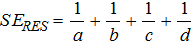
Most of the studies we found in our earlier review presented pre- and post-intervention counts of incidents, calls for service, and other crime types for the treatment and comparison areas. We expect this to be the case with any newer studies identified in this update. Following our prior work and other meta-analyses of place-based interventions (e.g. Bowers, Johnson, Guerette, Summers, & Poynton, 2011; Braga & Weisburd, 2012; Weisburd et al., 2010), we will use the “relative effect size” (RES: Farrington, Gill, Waples, & Argomaniz, 2007) to obtain a measure of the relative change in counts of crime and disorder events that is analogous to the OR. The limitation of this approach is that the standard error of the RES is not likely to be the same as the standard error of a true OR. The standard errors would be equivalent if crime counts followed a Poisson distribution, but crime counts tend to be over dispersed so this assumption is not realistic at places (Bowers et al., 2011). Farrington et al. (2007) adjust for this limitation by using the square of the OR standard error to approximate the variance of the RES, increasing the size of the confidence intervals and providing a more conservative estimate of statistical significance. We will follow this approach in our review. The RES and its variance are calculated as follows:

Effect sizes for crime outcomes in studies that test interventions at multiple places, such as groups of “hot spot” street segments or multiple beat areas, will be calculated using standard effect size formulas depending on the data available. Many of these studies report mean crime counts and standard deviations that can be used to calculate the standardized mean difference, which can in turn be converted to an OR. Outcomes where the unit of analysis is the individual citizen, such as perceived fear of crime and disorder, perception of police legitimacy, and satisfaction with police, may also be calculated using standard approaches. These outcomes are typically binary measures (yes/no questions) reporting the number or proportion of people who felt safe, trusted the police etc., which allows a true OR to be calculated. We will adjust ORs for these outcomes to account for pre-post changes in perceptions by subtracting the pre-test log OR from the post-test log OR. 7
In our prior review we found that the studies were either too similar or too heterogeneous to conduct meaningful moderator analyses looking at the impact of country/setting, publication type, methodological quality, and characteristics of the intervention. However, we used quantitative and qualitative information gathered from our study coding to assess whether or not systematic problem-solving was a feature of the intervention. Problem-solving is a key part of the definition of community-oriented policing, and there is evidence that it can be effective in its own right (i.e. regardless of whether or not it is part of a community policing intervention: Weisburd et al., 2010). We will conduct the same moderator analysis again to explore whether community-oriented policing interventions that incorporate problem-solving are more effective than those that do not. This will indicate whether increased conformity to the “ideal” model of community-oriented policing impacts effectiveness, and whether there is any confounding between the two approaches. If data permit, we will also explore conformity to other aspects of the model, such as organizational transformation and the nature or strength of the community collaboration (i.e. whether the community is fully integrated into the problem-solving and response, or if consultation is basic and community involvement largely passive).
All conversions of odds ratios, meta-analytic and moderator calculations, and assessments of publication bias will be performed using Comprehensive Meta-Analysis software (Borenstein, Hedges, & Rothstein, 2005). We plan to use inverse variance weights for meta-analytic calculations to account for the greater precision of effect size estimates from larger samples, and we will assume a random effects model to account for the diversity of approaches that we expect to find under the “community policing” definition. We will use the Duval and Tweedie (2000) trim-and-fill method to assess publication bias. Our prior review indicated that there is a substantial amount of grey literature (such as government technical reports) on community-oriented policing.
Treatment of qualitative research
We do not plan to include qualitative research in this review of community-oriented policing outcomes. However, there is a wealth of qualitative research describing the process and implementation of community policing, and we will use this literature to provide background information and give context to our findings.
Footnotes
Review authors
| Name: Charlotte Gill | |
| Title: Assistant Professor | |
| Affiliation: Department of Criminology, Law & Society, George Mason University | |
| Address: 4400 University Dr, MS 6D12 | |
| City, State, Province or County: Fairfax, VA | |
| Post code: 22030 | |
| Country: USA | |
| Phone: (703) 993-6085 | |
| Email: |
|
|
|
|
| Name: David Weisburd | |
| Title: Distinguished Professor | |
| Affiliation: Department of Criminology, Law & Society, George Mason University Institute of Criminology, Hebrew University, Jerusalem | |
| Address: 4400 University Dr, MS 6D12 | |
| City, State, Province or County: Fairfax, VA | |
| Post code: 22030 | |
| Country: USA | |
| Phone: (703) 993-4079 | |
| Email: |
|
| Name: Cody Telep | |
| Title: Assistant Professor | |
| Affiliation: School of Criminology and Criminal Justice, Arizona State University | |
| Address: 411 N Central Ave, Ste 600, Mail Code 4420 | |
| City, State, Province or County: Phoenix, AZ | |
| Post code: 85004 | |
| Country: USA | |
| Phone: (602) 496-1295 | |
| Email: |
|
| Name: Zoe Vitter | |
| Title: Research Associate | |
| Affiliation: Department of Criminology, Law & Society, George Mason University | |
| Address: 4400 University Dr, MS 6D12 | |
| City, State, Province or County: Fairfax, VA | |
| Post code: 22030 | |
| Country: USA | |
| Phone: | |
| Email: |
|
| Name: Trevor Bennett | |
| Title: Emeritus Professor | |
| Affiliation: Centre for Criminology, University of South Wales | |
| Address: 3 Forest Grove | |
| City, State, Province or County: Treforest, Pontypridd | |
| Post code: CF37 1DL | |
| Country: UK | |
| Phone: (01443) 482236 | |
| Email: |
|
Roles and responsibilities
Please give a brief description of content and methodological expertise within the review team. It is recommended to have at least one person on the review team who has content expertise, at least one person who has methodological expertise and at least one person who has statistical expertise. It is also recommended to have one person with information retrieval expertise. Please note that this is the recommended optimal review team composition. Content: All authors Systematic review methods: Gill, Weisburd, Telep Statistical analysis: Gill, Telep Information retrieval: Vitter, Gill
Sources of support
An earlier version of this review was funded by the National Policing Improvement Agency of the United Kingdom as part of a grant to George Mason University to fund Campbell Collaboration systematic reviews on policing topics.
Declarations of interest
All members of the review team have been involved in primary research and/or systematic reviews on community-oriented policing or related topics, including an earlier version of this review that was published in the Journal of Experimental Criminology in 2014 (Gill et al., 2014). David Weisburd and Charlotte Gill have received research funding from the U.S. Department of Justice's Office of Community Oriented Policing Services for primary research. David Weisburd was a member of the Committee to Review Research on Police Policy and Practices, National Research Council of the National Academies, which examined the impact of community policing among other strategies and is cited in this protocol (Skogan & Frydl, 2004). Charlotte Gill and Cody Telep were members of a research team that examined the research basis for recommendations of the President's Task Force on 21st Century Policing, which is cited in this protocol and has a community policing focus. The entire team is committed to a neutral, evidence-based approach to crime policy evaluations and systematic reviews, and to identifying what research can tell us about the effectiveness of community policing in general. Our primary research on community policing has found both positive and negative impacts.
Preliminary timeframe
Submission of protocol April 2017
Revision and approval of protocol September 2017
Update of search October 2017
Coding of new studies November-December 2017
Statistical analysis January 2018
Preparation of report February 2018
Submission of completed report March 2018
Plans for updating the review
We will attempt to update this review 3-4 years after publication, subject to funding and team member availability.
AUTHOR DECLARATION
1
2
“Harvard Executive Session on Policing, 1985-1991.” http://wayback.archive-it.org/8983/20170707214832/  . Accessed October 6, 2017.
5
6
7
The procedure for calculating the variance in this approach depends on whether the same people are interviewed in the pre- and post-intervention surveys. If the samples are different, the variance is simply the sum of the variances of the pre- and post-test ORs. If the studies report panel data, the variance falls between the post-test variance and the sum of the variances, depending on the pre-post covariance (which is unlikely to be available in study reports). In our earlier work we found that studies did not consistently report whether panel or new samples were used; we used the approach suited to different samples as this reflected the majority of the studies we identified and is also more conservative, as it overestimates the variance. We will use the same approach in this updated review.