







Abstract

Laboratory managers face numerous challenges. Since each manager must deal with a unique set of circumstances, it is unlikely they all would list the same challenge as their greatest obstacle. However, if such a list were compiled, the lack of comprehensive management information likely would appear more often than any other paramount obstacle listed. This assertion is based on the fact that, over the years, many laboratory issues have been worked and competent solutions are generally available for adoption.
For example, numerous commercial vendors offer effective Laboratory Information Management System (LIMS) software packages. Laboratory instruments generate voluminous amounts of data; thus, a good LIMS can efficiently process the data and eliminate or lessen management problems associated with manual operation.
You might be asking, “Why would a laboratory manager list lack of management information as the greatest concern if the lab was using one of the good LIMS software packages on the market?” It is this seeming contradiction that has caused laboratory managers much consternation over the years.
In cases where the laboratory manager and staff did extensive research prior to making the decision to install a LIMS, it likely was installed for one or more of the following reasons. First, because the laboratory manager and staff were focused on standardization and installed the LIMS in an effort to reduce variability and improve quality. Second, because it was costly to manually maintain the volume of data and number of reports generated within the laboratory. Third, because there was a frequent need to research historical records and reports as background related to current investigations. Finally, the LIMS was installed as part of overall capability enhancement while pursuing ISO 9000 registration, accreditation and/or certification.
Generally, LIMS installations are smoother and acceptance quicker in cases where the laboratory manager and staff have realistic expectations and a clear understanding that a LIMS is designed to assist with sample management, to collect data generated by specific instruments within the laboratory and to provide information related to customers. For example, the amount of backlog, location of any bottlenecks and the identification of customer work by type and volumes demonstrate useful management information that can be provided by a LIMS.
It is not always possible for managers and senior staff to be personally involved in research related to LIMS acquisition; thus, the LIMS may be selected based on nothing more than a good sales pitch, or the fact that a competing laboratory is using like software. It should be noted that staff resistance is more likely when there is not a clear understanding of what their role will be and how they will be affected. In fact, it should never be taken as a given that people, in general, are anxious to change the way they go about their work.
The Robins Science & Engineering Laboratory is an Air Force Depot Maintenance Industrial Laboratory. It is located on Robins Air Force Base, adjacent to Warner Robins, Georgia. The Industrial Laboratory includes environmental, chemical, fuel, materials engineering and metrology functions. Laboratory personnel also perform specialized Non-Destructive Inspection (NDI); train and test NDI personnel assigned to production organizations and certify welders. The laboratory tests various shelf life materials when they are beyond the expiration date and serves as Executive Agent for the Air Force Shelf Life Extension Data System. The laboratory is certified by the State of California, accredited by the American Association for Laboratory Accreditation and has special accreditation from the National Institute of Standards and Technology to test aircraft safety critical fasteners. In addition, the laboratory is registered under ISO Guide 25 and ISO 9001.
The Robins Laboratory has installed a LIMS that has proven to be a good operational fit. The LIMS has become so much a part of day-to-day business that when it goes off-line numerous users find and question the system administrator relative to when it will be back on-line. Laboratory managers routinely use the LIMS to monitor backlog and check project status. Also, in relation to sample processing, throughput increased and overtime use decreased after the LIMS was fully implemented.
However, let me stress that a LIMS is not the solution to all problems and is not capable of providing all of the information needed to manage a laboratory. Another way of addressing the issue is to point out that installing a good LIMS does not mean you have installed a comprehensive Laboratory Management System. Not understanding this important distinction can lead to unwarranted expectations and the consternation mentioned earlier.
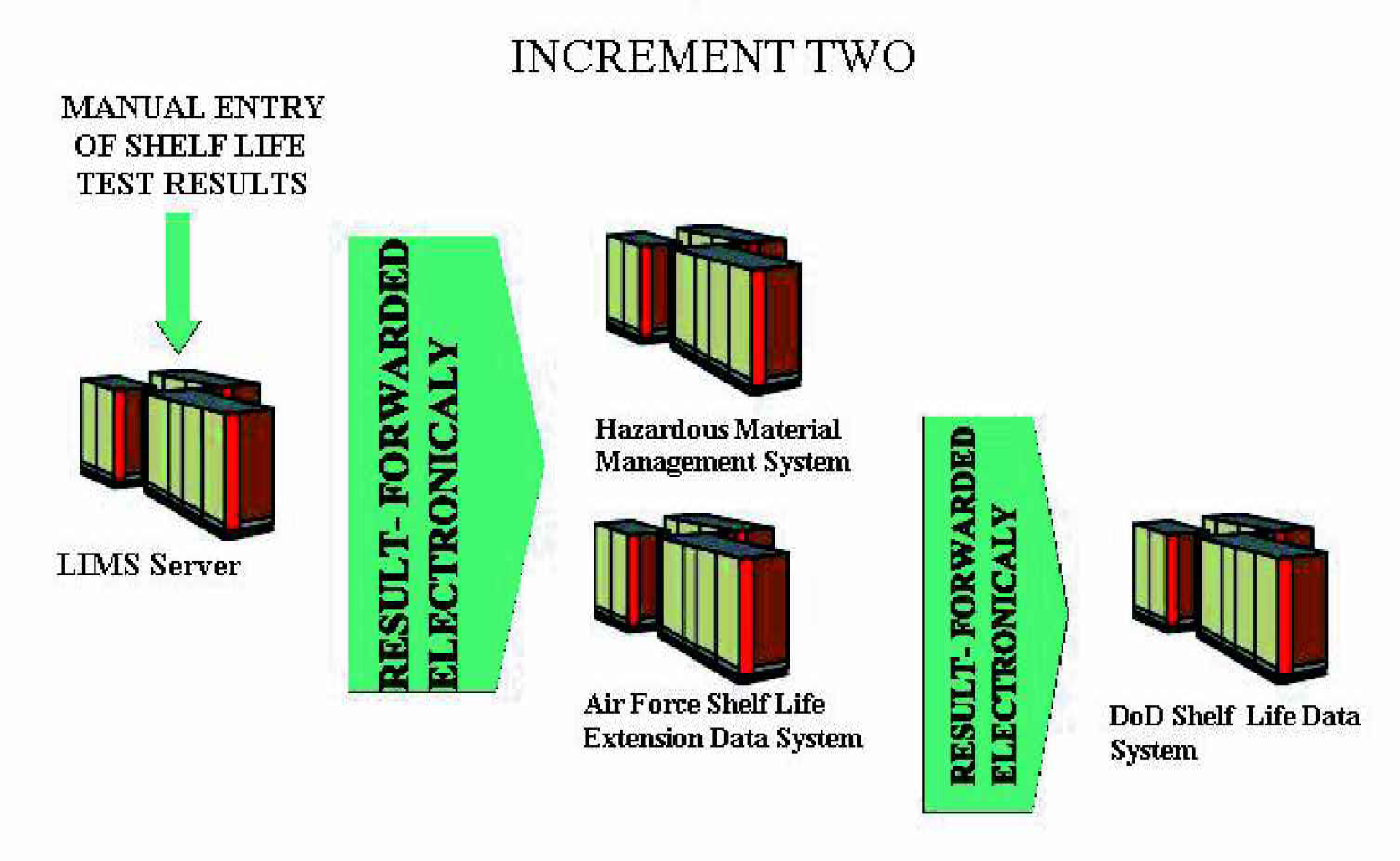
The Robins Laboratory learned many valuable lessons implementing the LIMS. In the following example two issues are involved. First, needs are not always recognized beforehand. Second, improvement usually comes in increments.
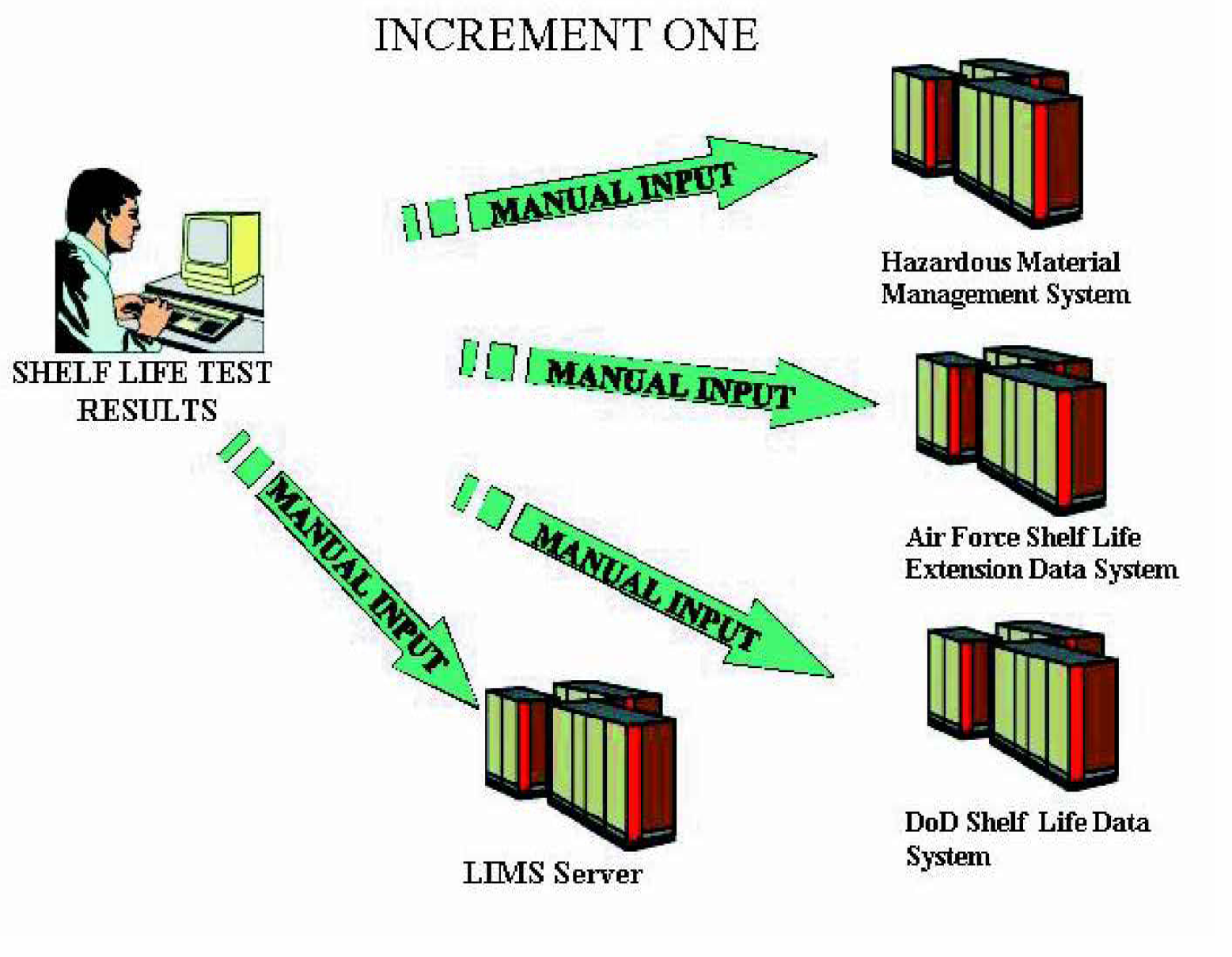
Prior to LIMS implementation, shelf life test results were manually input to three data systems.
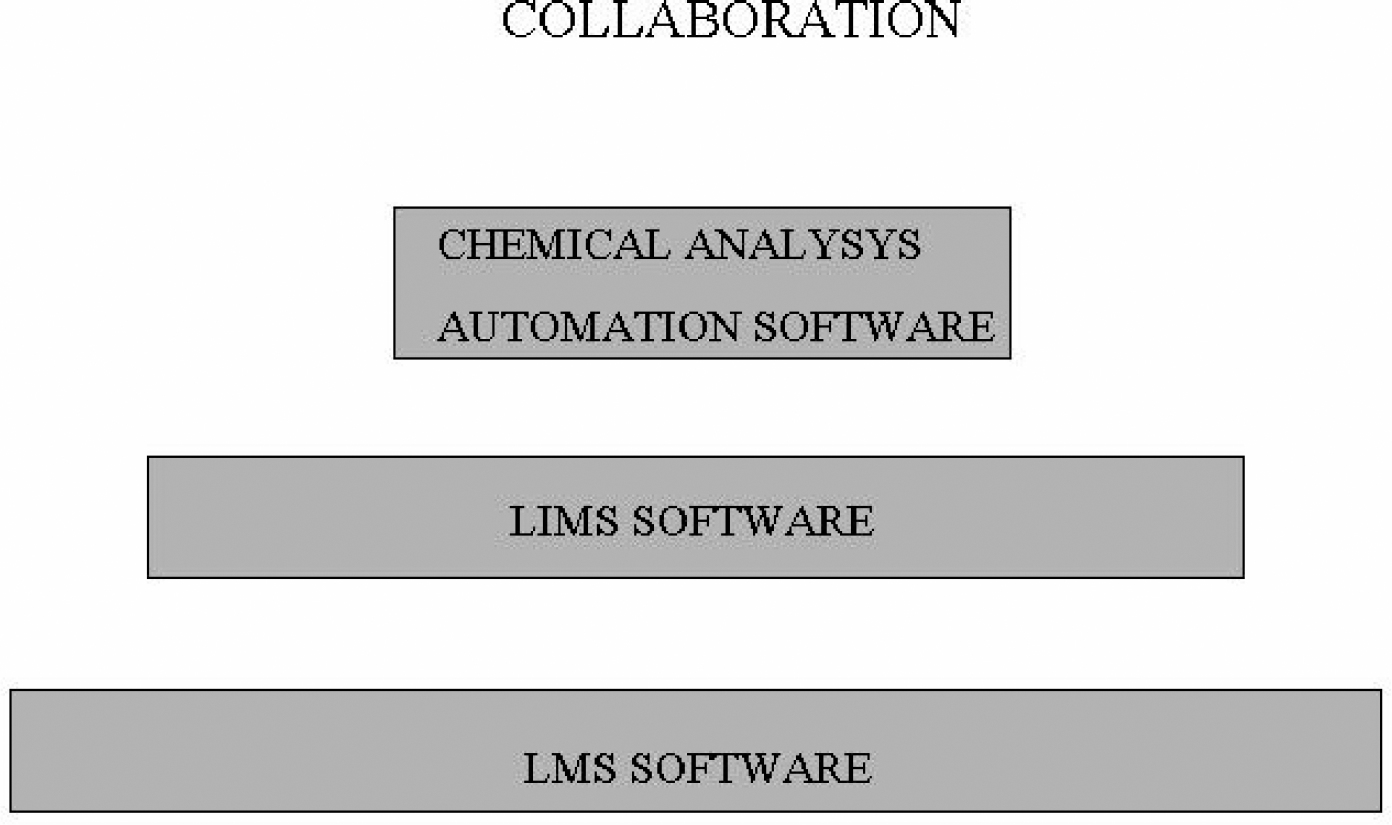
To date, Robins Laboratory personnel have concentrated their efforts on fully implementing the LIMS. Now that significant progress has been made integrating the LIMS into day-to-day business, laboratory personnel plan to expand their focus to include the types of information needed to manage a laboratory. The intent is to identify and document the types of information not currently available, yet needed for more effective day-to-day laboratory management. This information can serve as a baseline to assess the need for Laboratory Management software.
It is with the task of identifying management information needs that are not satisfied by a LIMS that we are soliciting input from other government and commercial laboratories. If you are willing to help identify such needs, or assist in some other way, please complete the survey at the following web site (