






Abstract

I was fortunate enough to be able to attend the annual American Psychiatric Association Conference in San Francisco the week after our incredibly successful College Congress in Hobart. Like our conference, it also attracted the largest number of registrations ever, with over 20,000 people in attendance. While their program was very extensive — with a wide variety of lectures, update sessions and symposia — I did not find that it offered any more in terms of scientific content nor did it match the collegial atmosphere of our Congress.
For me, the great benefit of attending the APA conference was the opportunity it offered to meet and exchange ideas with a number of key figures in international psychiatry. All of the people I spoke with acknowledged the lack of funding for mental health services. They all recognised that while mental health problems account for 20 per cent of disease burden the funding to adequately deal with this disease burden is generally insufficient.
I had a very informative meeting with the executive of the APA — Paul Appelbaum (President), Marcia Goin (President-Elect, who was about to start her term as President) and Medical Director, Jay Scully. It became very clear to me while talking with them that the challenges we face as a College are not unique. Their public mental health systems are stretched; there are insufficient acute beds, inadequately funded community mental health programs and a lack of medium- to long-stay facilities contributing to the high rates of homelessness in their large cities. The APA has now produced a vision for psychiatry; this vision is in many respects similar to the Australian Mental Health Plans.
Rural access is also a major issue in the US. The APA executive was very interested in the initiatives that the College has been implementing to improve access to psychiatric services in rural areas. It seems that we are the leaders in developing models to improve rural access, especially the use of telemedicine. They were impressed that psychiatrists are now able to get rebates for telemedicine consultations.
The other access problem they have is with access to private psychiatric services. There is no doubt that managed care has had dire consequences. There are long waits to see a private psychiatrist and even when it is possible, funding is severely restricted so that patients are only able to obtain limited consultations. This has led to a serious decline in psychotherapy; an issue that has been compounded by the prevailing psychopharmacological/biological paradigm that seems to dominate American psychiatry. There are very few trainees now having any experience in psychotherapy and knowledge of psychodynamic principals is on the decline.
The APA is taking very seriously the issues of boundary violations. Like us, they are starting to use statutory bodies to investigate serious matters of boundary violation such as sexual misconduct. They are also working on the more subtle issues of boundary violation (such as accepting gifts, social contacts etc), many of which were identified in our Boundary Transgressions Project. They recognise the difficulties in dealing with these matters and as yet do not have solutions to how to tackle them. I am hopeful we will be able to enter into dialogue with them on this issue and share our experiences.
Next month I will be meeting with the executive of the Royal College of Psychiatrists in the UK, I have already met with their President, Mike Shooter, and had some discussions about the problems with mental health services in the UK.
I believe it is important for us, as a College, to form strong relationships with similar bodies internationally, particularly those in the Asia Pacific region. We can learn from them and I think we have a lot to offer them.
Introducing Dr Julian Freidin President-Elect 2003–2005
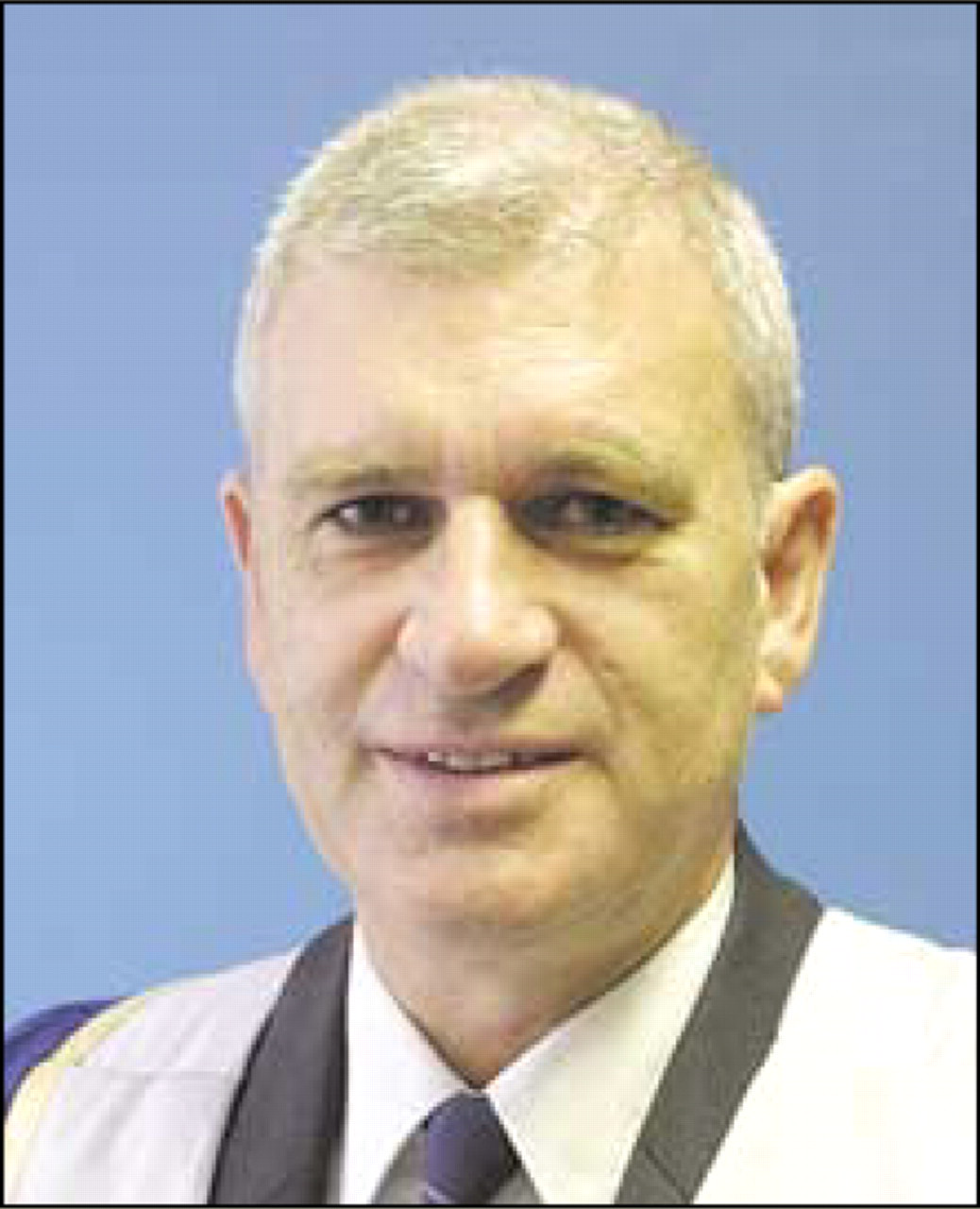
At the May meeting of General Council, Dr Julian Freidin, General Councillor from Victoria, became the new College President-Elect. Dr Freidin comes to the role after four years as a Councillor and two years as a member of the College Executive Committee. Dr Freidin's face is very well-known around the Victorian Branch and the College Secretariat in Melbourne, and to anyone who has been involved with MOPS or registrar training within the College in recent years. For those of you who may not have had the opportunity to meet him, we offer the following introduction.
Dr Freidin was born and grew up in the seaside Melbourne suburb of East St Kilda and is still living and working in the area. He currently divides his time between his public work at the Alfred Hospital, Homeless Outreach Psychiatric Service, and a little private work — mainly seeing people with chronic medical problems. To have time for his new role with the College, Dr Freidin is giving up his involvement in registrar training and some consultation-liaison work.
Dr Freidin trained in psychiatry at Prince Henry's Hospital with a strong focus on psychotherapy and consultation-liaison psychiatry. He then took on a mix of public and private work including Deputy Director of the State-wide psychiatry training program in 1989. Since then he has worked in three different services to build up the registrar training program, and also done a mix of public community practice, private practice and CL.
Dr Freidin's involvement with the College has been extensive. He started with the Victorian Psychiatry Training Committee in 1989 then joined the Victorian Branch Committee a few years later. He took on responsibility for MOPS at the branch level and that soon led to membership and then Chair of the binational CME Committee. As chair of the CME Committee he became a member of the Board of Practice Standards and the Chair of the Congress Convenors Committee. In addition, Dr Freidin has served the College on the committee reviewing the MOPS Program and the review of the College training and examinations. In very recent times, he has developed the framework from which the College health policy unit will be developed.
Dr Freidin describes himself as someone who has always had an interest in working out what structures were needed to make a service or program achieve its goals. Clearly, some of that same interest was at work in his decision to nominate as College President. He would like to see the College develop structures to make better use of the enormous expertise residing in the Fellowship and to have a louder voice in the community. He is looking forward to working with College Executive and staff to maximise this potential.
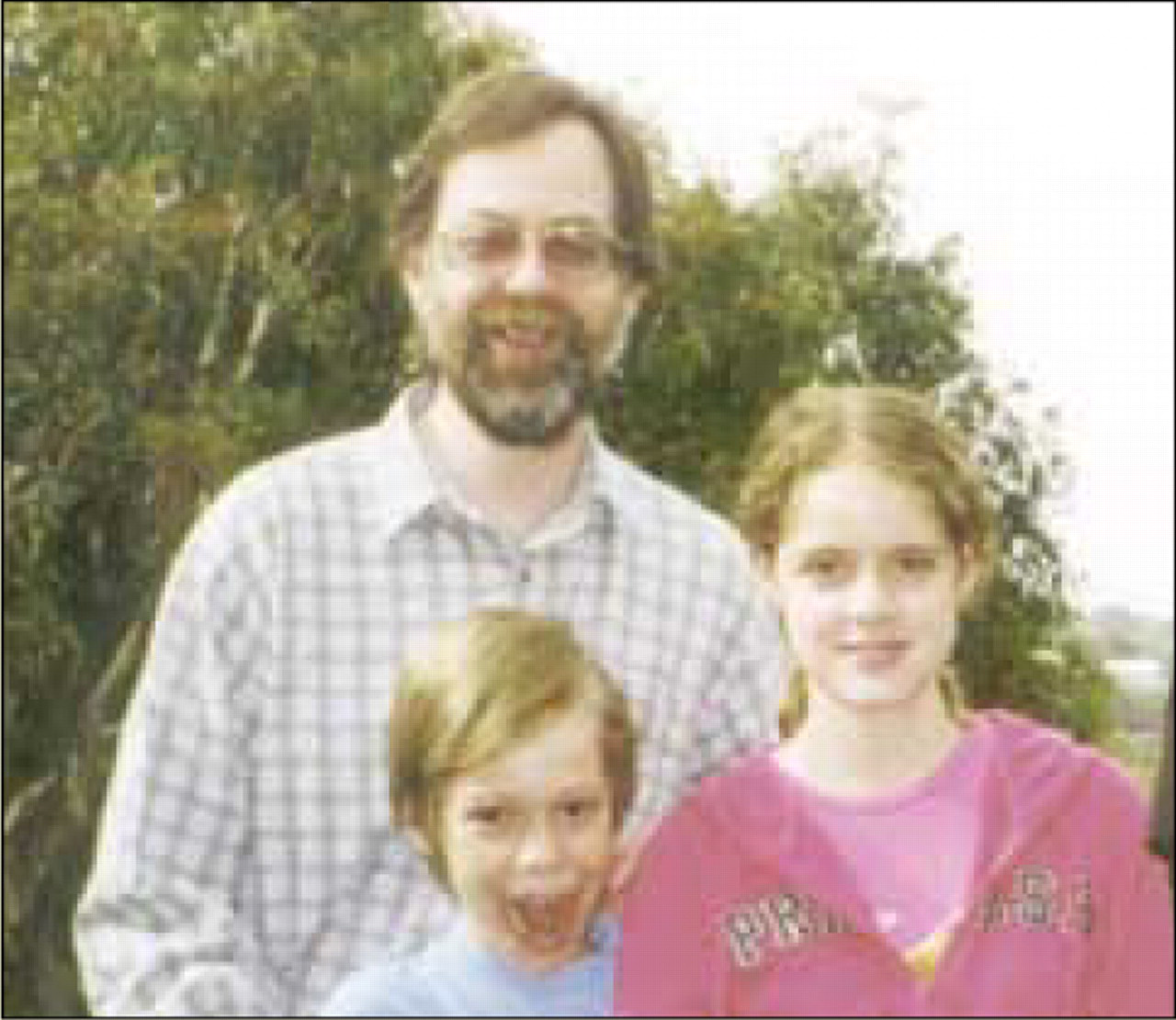
When Dr Freidin finally finds time to relax, he enjoys spending time with family — his wife Judith, daughter Lara 13 and son Evan 10 — spending time with friends and the occasional drop of red wine.