






Abstract

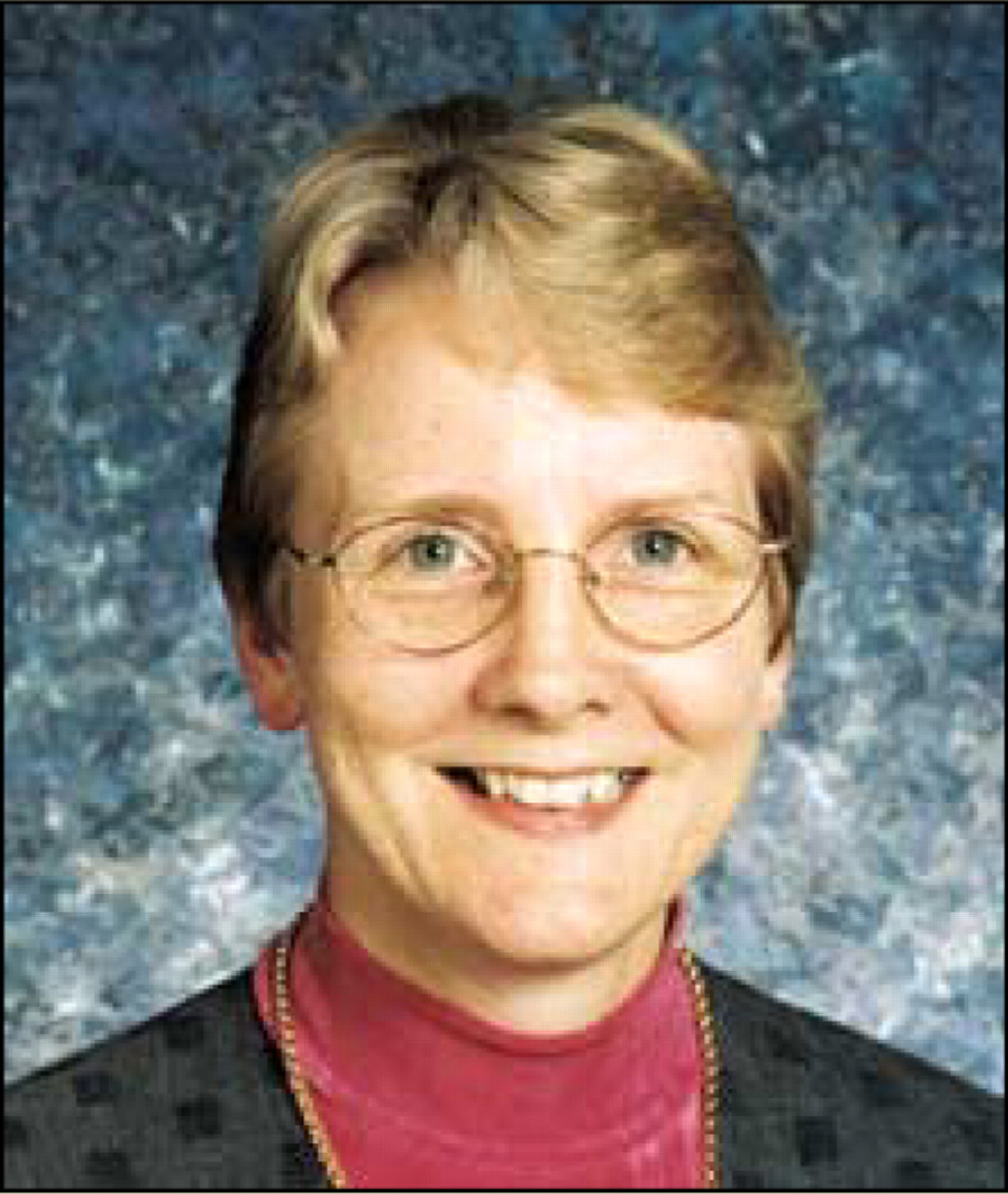
The past few months have been a very hectic time for the College. A lot of effort went into organising College Executive Committee (CEC) and General Council meetings. Then there was preparing for Congress and the AGM. All this occurred at the same time as there was a change of leadership at the College, with a change both of President and CEO.
In this issue you will find the AGM minutes and a report on the General Council meeting held in Hobart in May. Those reports will give you a very good overview of the issues on the College agenda in recent times.
Ms Sharon Brownie was warmly welcomed at the CEC meeting, the General Council meeting and the College Congress in Hobart. Since June, she has been working hard in Melbourne. By now many of you will have met her and will have been welcomed by her friendly manner. I am sure you have also been impressed by her ability to quickly grasp the complexities of many of the issues that are of concern to Fellows and Trainees. She is looking forward to meeting more of you over the next few months.
Congress in Hobart was a wonderful event as those attending will attest. It was one of the friendliest conferences I have ever attended. The venue was brilliant as was the beautiful city of Hobart. Even the weather was good! The program was exciting and stimulating. Well done Professor Ken Kirkby and team for a fabulous conference! Now we can all look forward to an equally exciting Congress in Christchurch next year.
I had the privilege of attending a celebration dinner in honour of Dr John Ellard held in Sydney in June. It was a wonderful occasion attended by many Fellows and members of Dr Ellard's family. So often we only celebrate a life after a person has died and it was good to be able to do this whilst Dr Ellard was still very much alive. A distinct advantage to such a recognition was being able to listen to his erudite speech. Dr Ellard has contributed to many aspects of College life and is a recipient of the College Medal Of Honour.
One of the matters which has occupied the minds of Executive Officers in recent times, is the proposed third National Mental Health Plan, 2003-2008. We have been involved in the various reviews of the previous plan and have contributed to the proposed Plan. A summit was held in May where more detail was put into the new Plan. We believe that for the Plan to be successfully implemented more resources will need to be allocated. In addition, we would like to see proper accountability as part of the implementation of the proposed measures.
Ms Leonie Young has been appointed as the new CEO of beyondblue, the National Depression Initiative. Professor Ian Hickie resigned some time ago to take up a new position in Sydney. He has done an admirable job of translating an idea into a reality. Beyondblue has made a significant contribution in increasing the awareness of depression in the community and in decreasing the stigma associated with mental illness. We welcome Ms Young and wish Prof Hickie all the best for the future.
The Department of Veterans' Affairs has developed a free package of informative, comprehensive and up-to-date materials for veterans and health professionals on alcohol related problems. The Right Mix: Your Health and Alcohol can be used as part of an intervention service or can be given directly to veterans, defence personnel or anyone else with alcohol related problems. The Right Mix website, www.therightmix.gov.au is another useful source of information. It includes an interactive self-assessment tool that helps users to evaluate their own drinking pattern and behaviour. To order the materials contact. Email:
Special Interest Groups have been a very useful means in the past few years for Fellows with similar interests and concerns to work more effectively together. There is a Special Interest Group for rural and remote practitioners, a private practitioners network, and an academic network. Now some Fellows with an interest in management of mental health services are wanting to form a Special Interest Group. Anyone interested in joining a Special Interest Group in Management of Mental Health Services is asked to contact A/Prof D.K. Arya by email at. Email:
In the spotlight — Committee for Training
The Committee for training (CFT) met in Brisbane, at the Mater Hospital, for its meeting in August 2002.
The Committee for Training attempts to meet outside of the secretariat in Melbourne, for one of its two meetings in the year to gain an understanding of the local issues of the branch training programs. In 2003, the August meeting will be in Sydney, and we hope that in 2004 the committee will be able to visit the New Zealand Branch Training Committee.
The Committee is currently working with all the local programs to implement the new Training and Assessment Regulations. We understand this is a time of enormous change for those involved. We believe that by the end of 2004 we will all be working in a training program that is useful to Trainees and provides the competencies needed to successfully practice psychiatry in Australia and New Zealand.
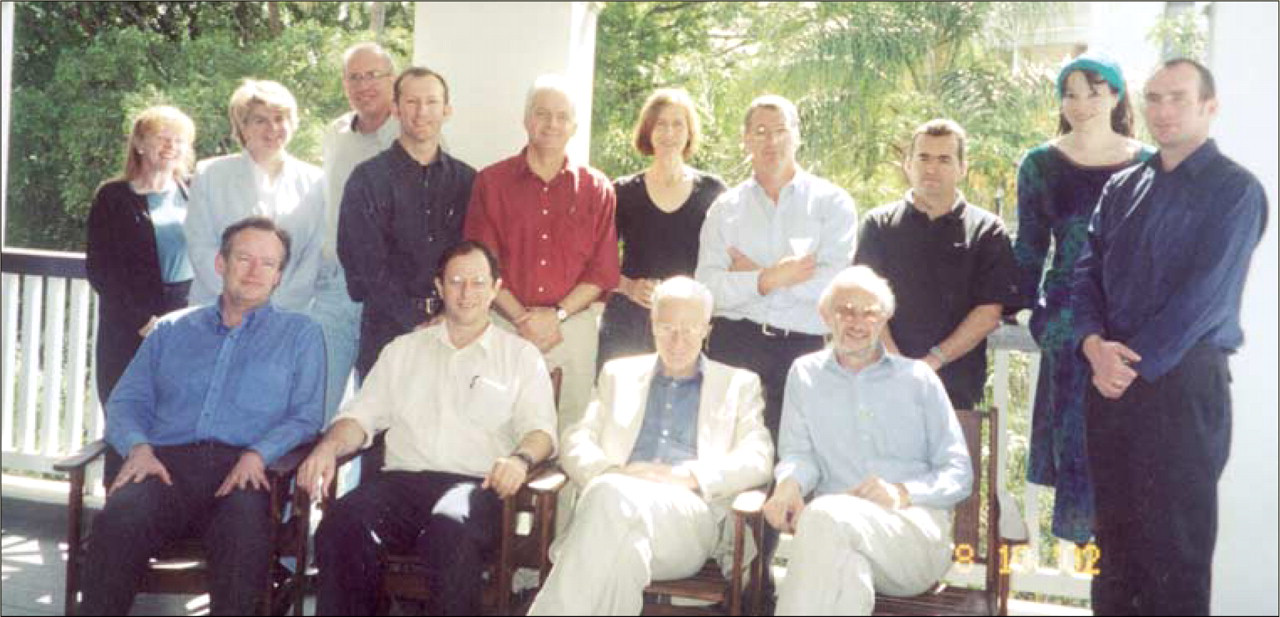
Back row from left to right: Dr Helen Slattery (representing WA Branch Training Committee), A/Prof Alex Cockram (Committee Secretary), Dr Bruce Boman (representing NSW Branch Training Committee), Dr Warren Ward (Chair Queensland Branch Training Committee), A/Prof Brian Kelly (Co-opted member), Dr Margaret Pentony (Chair ACT Branch Training Committee), Dr David Burke (Chair), Dr Ian Goodwin (Chair New Zealand Branch Training Committee), Dr Angela Harte (Bi-national President ANZAPT), Dr Richard Newton (representing Victorian Branch Training Committee).
Front row from left to right: Dr Kurt Fischer (Chair Tasmanian Branch Training Committee), Dr Robert Parker (Chair Northern Territory Branch Training Committee), Dr Steve McLean (Chair South Australian Branch Training Committee) and Dr David Lonie (Representative CATCAP).]