






Abstract

Results of the MOPS Survey

There were 730 surveys received and tallied before the AGM this year. The results were consistent throughout no matter which groups were compared — male/female, rural/urban, enrolled in MOPS/not enrolled in MOPS, public/private. Most respondents favoured model 2, the more flexible model based on hours of participation rather than points. Most respondents wanted peer review to remain a mandatory component of the Program. Most respondents wanted the name changed to continuing professional development (CPD). Most respondents wanted the program to become compulsory.
The recommendations of the Interim MOPS Committee to General Council were that:
The Program name should be changed from Maintenance of Professional Standards to Continuing Professional Development (CPD). CPD Program 2 as outlined in the survey preamble, replace the current MOPS program. A time based approach for determining, measuring and recording CPD activities should replace the current points system. Peer reviewed activities should be an integral part of the Program requiring at least 10 hours per year. In addition to the 10 hours of peer reviewed activities, there should be 2–3 other activities making up a further 40 hours of participation per year.
Although most respondents wanted the Program to become compulsory the Committee did not recommend that General Council require this change. The Committee considers the revised Program needs to be operational for at least one year to ensure that all Fellows have access and that any problems are ironed out before it becomes compulsory for continued fellowship of the College.
General Council accepted the recommendations of the Committee and the new CPD Program will now be developed. It is expected that this Program will be presented to General Council in October this year and implemented in January 2004.
How are these recommendations going to be implemented?
At the time of writing this report, the MOPS Development Committee is considering how to proceed to design a new MOPS Program. By the time you read this report you should have received a draft plan of the Program requesting your feedback, and the MOPS Reports in the Branch Newsletters should have given you updated information about how the CPD Program is shaping up. By now the final plans, which have been worked up following the consultation in July, will be with Council for their consideration and hopefully it will be full steam ahead to get the Program operational for January 2004.
The MOPS Development Committee
At General Council this year the MOPS Development Committee was officially created — till now it has been an interim committee. The membership of this new Committee remains largely the same and is as follows — the new chair of the Committee is Dr Clive Allcock (NSW), the members are Dr Simon Byrne (WA), Dr Tom Paterson (SA), Dr Murray Patton (TAS), Dr Jan Lancaster (Vic), Professor Philip Morris (Qld) and Professor Roger Mulder (NZ). This is the Committee that will develop the new rules and regulations around what will be called CPD. This it the group you should lobby if you have any particular concerns in this area or ideas that you did not express through the survey.
The Committee will keep you informed of its progress through these MOPS Reports and if you have any questions please don't hesitate to contact me.
MOPS Certificates for 2002
134 psychiatrists have completed their first MOPS Cycle at the end of 2002 — congratulations. These certificates were sent in early June. Those who did not complete their cycle have been asked which option they would like to exercise at this stage — drop their first year and add a year, restart from 2003 or restart the new Program in 2004.
TO ADVERTISE IN AUSTRALASIAN PSYCHIATRY CONTACT BLACKWELL PUBLISHING ASIA
Vesna Josevska
Business Development Executive
For bookings phone: (03) 8359 1056 or
Email:
Vale
It is with sadness and regret that we advise College Fellows and colleagues of the recent death of Dr Bernice Eldred of Queensland.
A Change — Educational Challenge
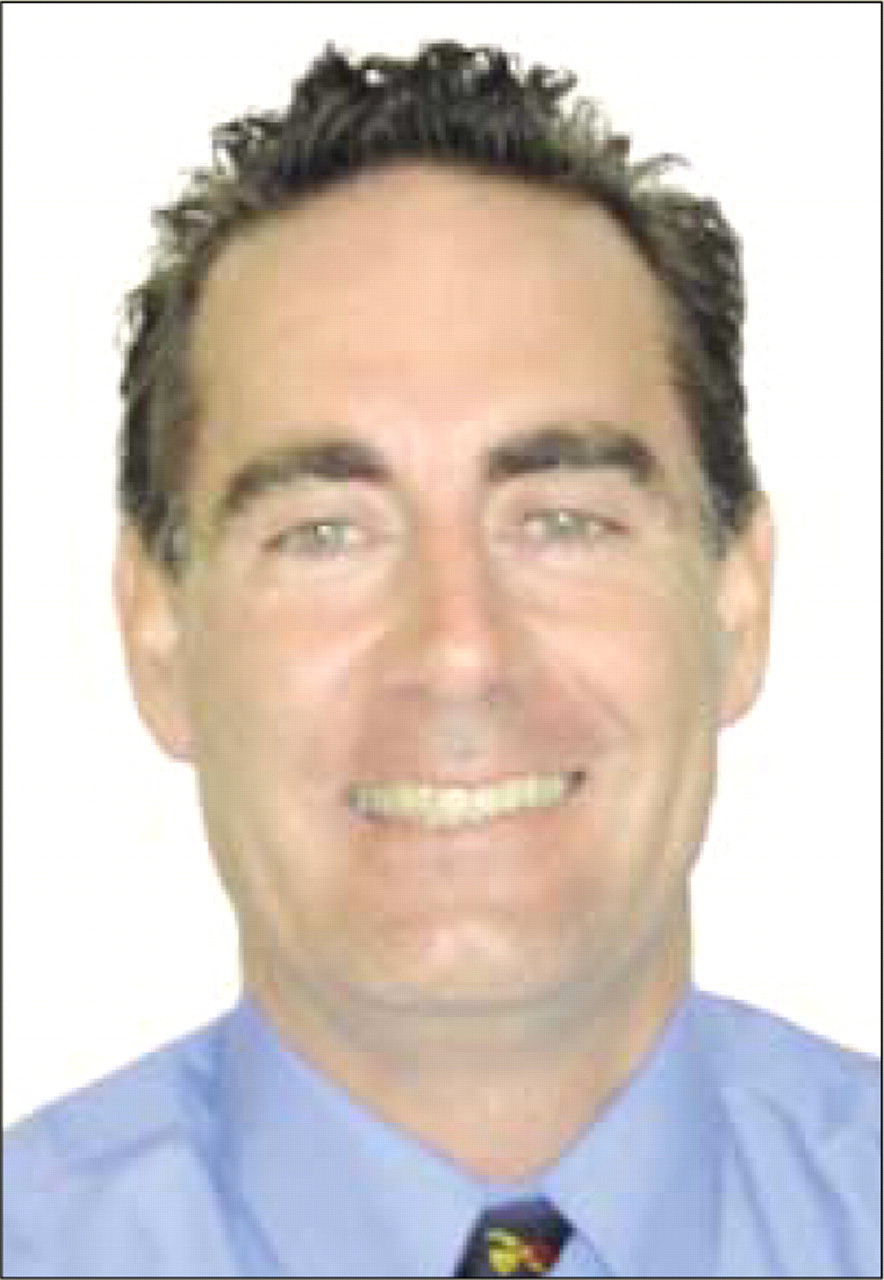
It has been nearly three months since my appointment to the newly created position, Director of Education, at the College.
During this time, I have had the opportunity to observe a variety of College activities; listen to a range of views; ask many questions of Fellows and Trainees and gain some interesting insight into a range of issues that impact on the broader ‘education’ portfolio.
Many of the issues that have come to my attention require additional probing to give me a better and balanced perspective. However, what is clear is that the College is going through a period of change — and much of that change has an impact on the education portfolio. Although some of the products of change are reactive — a response to external factors such as AMC accreditation — there is a real opportunity to look beyond these influences and initiate a series of changes from within.
One way to start the process is to ask questions such as:
‘Is the primary emphasis on the trainee selection process designed to address the shortfall of psychiatrists in the profession or is it designed to enhance the quality of the applicant?’
‘Can the College say with honesty and conviction that the quality of training experienced by trainees is at a consistent and acceptable standard across branches and over time?’
‘What assurances do consumers have that Fellows deliver services in a competent and ethical way?’
‘Does involvement in continual professional development deliver better health outcomes?’
Putting the questions on the table and in the open can be a hard process. Working towards a solution can be harder again. Similar to many member organisations and associations, the College membership represents a range of views, agendas and interests that don't necessary see eye-to-eye. However, my initial impression is that the collective goodwill of the College is committed to improving the quality of services available to the community. Changes to the Fellowship training program and CPD program are just the start of the change process.
I look forward to working with you to identify, and work towards, change that will strengthen the education and training experiences available to Trainees and Fellows.