






Abstract

Russell Meares trained in Medicine at the University of Melbourne. It was not surprising that he trained in psychiatry as he had been much influenced by his father, Ainsley Meares, a psychiatrist with a major interest in the interaction between the mind and body and wrote several books on this, and to avoid criticism of ‘advertising’ voluntarily withdrew from medical registration.
Russell Meares trained in psychiatry at the Maudsley hospital London, one of the most prestigious training centres in Europe. While there he was strongly influenced by Dr Bob Hobson, a Jungian analyst who ran a psychotherapy ward at the Bethlem Royal Hospital, Hobson's influence is clear in his subsequent research in psychotherapy.
After a time as senior registrar at the Maudsley, he took up a post as First Assistant in the Department of Psychiatry at the University of Melbourne and Head of Psychiatric services at the Austin Hospital. He was Chair of the Melbourne University Department of Psychiatry in 1977.
In 1981 Russell was appointed as the foundation Professor of Psychiatry and Director of Psychiatry at the new Westmead Hospital. As one of the foundation Professors at Westmead Hospital he has contributed to the success of Westmead Hospital over the past 20 years.
Professor Meares' achievements are wide and include research into psychosomatic medicine, psychophysiology and psychotherapy. His initial research was in psychosomatic medicine from his time at the Maudsley. One of his earliest research activities has become recognized as an authoritative text on what was then an ill understood disorder, spasmodic torticollis. What stood out about his research was his endeavours to link together the phenomenology of psychosomatic disorders with psychophysiological measurement (a mind-brain interaction which has been a continued focus for his research). While he started this work in London and Melbourne, he continued and developed it at Westmead Hospital where he achieved the unusual distinction for a psychiatrist of publishing in ‘Nature’. He established at Westmead what has become the leading laboratory in the country for the study of brain function in psychiatric illness. This laboratory (the Brain Dynamics Centre) is currently led by the senior lecturer in psychiatry in Westmead, Evian Gordon. Findings from this laboratory will be the basis of a plenary address at the World Congress of Psychosomatic Medicine next year, to which Professor Meares has been invited in recognition of his contributions in psychosomatic medicine.
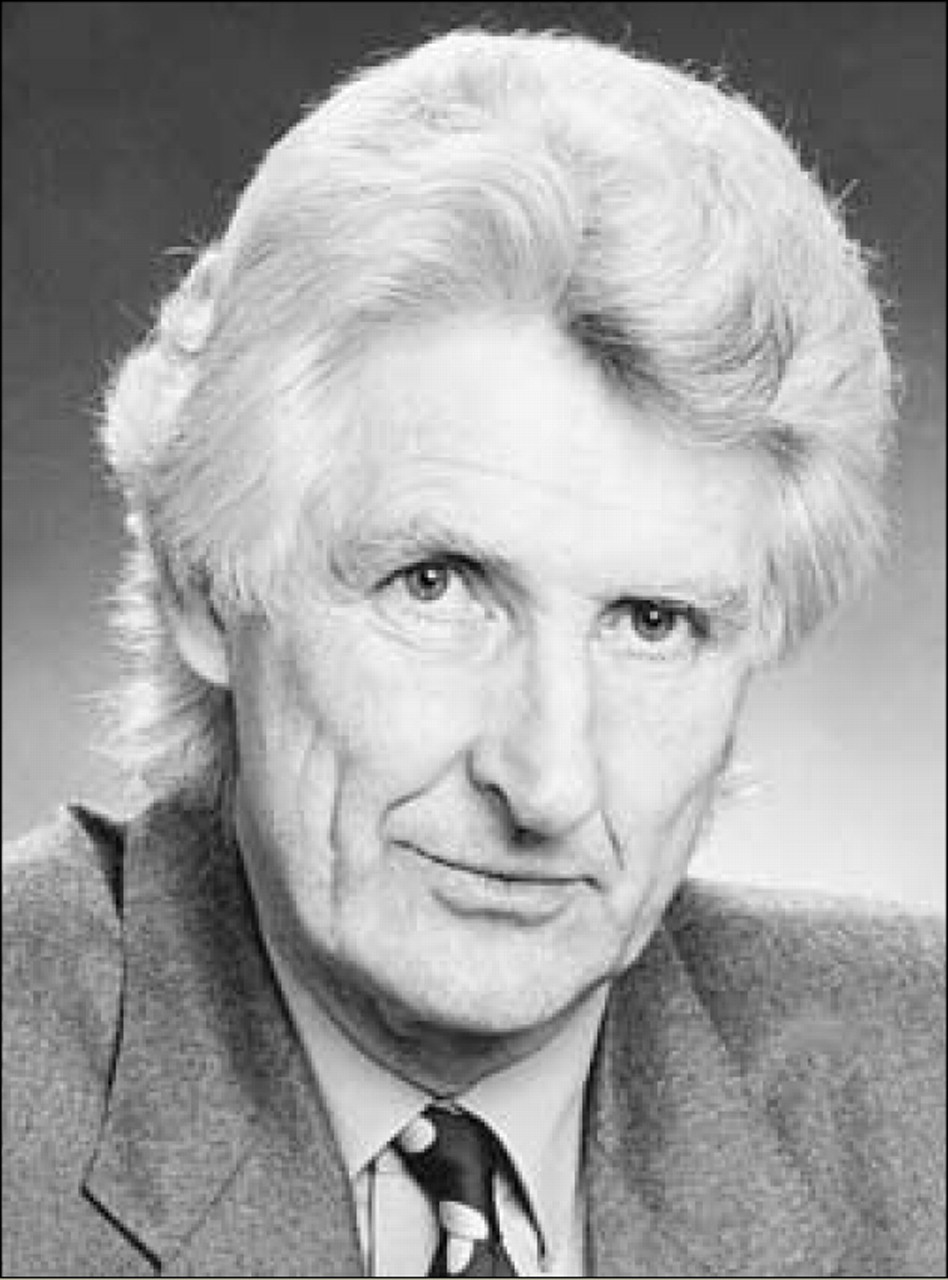
Russell is probably better known for his psychotherapy research and teaching. He has had longstanding interest in psychotherapy and he has developed a specific model for therapy which he attracted international acclaim. His psychotherapeutic work has focused upon understanding and helping those people with the most difficult and therapeutically challenging, personality disorders – the borderline personality disorder. This has been developed using a different paradigm of psychotherapy that he developed initially with Dr Bob Hobson (who had greatly influenced him during his time at the Maudsley), called the ‘Conversational Model of Psychotherapy’. Russell was able to develop and extend Hobson's ideas and train others in the application of this model of psychotherapy. He has been able to demonstrate the efficacy of this approach in a landmark study published in 1992, which is one of the very few outcomes studies that have been conducted in psychotherapy. In the recent American Psychiatric Association Clinical Practice Guidelines on the treatment of Borderline Personality Disorder, this study was one of the three empirically supported treatments that they were able to identify.
Russell recognized that Borderline personality disorder is prevalent in the community and uses considerable health care resources and carries with it significant disease burden. He was quick to recognize that there was considerable need for properly trained therapists for these patients. He therefore established a Masters programme at Westmead Hospital to train psychotherapists in this effective model of psychotherapy. This Masters course is nationality and internationally recognized as an important and innovative psychotherapy training programme. It was probably one of the earliest applications of distance learning, as he has been conducting training courses in the major cities in Australia and New Zealand. In order to encourage continuing education for graduation of this course he formed the Australia and New Zealand Association of Psychotherapy so that the therapists he trained could have a forum to exchange ideas and develop their skills further.
He has also been involved in some very basic research in understanding the origins of severe personality dysfunction; this has included critical work in child development and in particular the mother/infant interaction. This work was ahead of its time, and it is only now that the importance of this research is being fully recognized.
He was awarded the premier research award of the Royal Australian and New Zealand College of Psychiatrists; the Organon Senior Research Award in 1983. He has been productive, with over 100 publications in refereed journals and has published five books; two of which are about to be reissued in paperback. He has published a number of ‘classic’ papers which are considered to be required reading for anyone involved in psychotherapy or with an interest in mother-infant interaction.
In summary, Professor Meares has made important contributions with his research and teaching in psychotherapy and psychosomatics. He always brought style and scholarship to his work and this will be greatly missed for this. We are grateful he will continue to teach on the master's programme over the next few years.
College welcomes new MHCA Chair
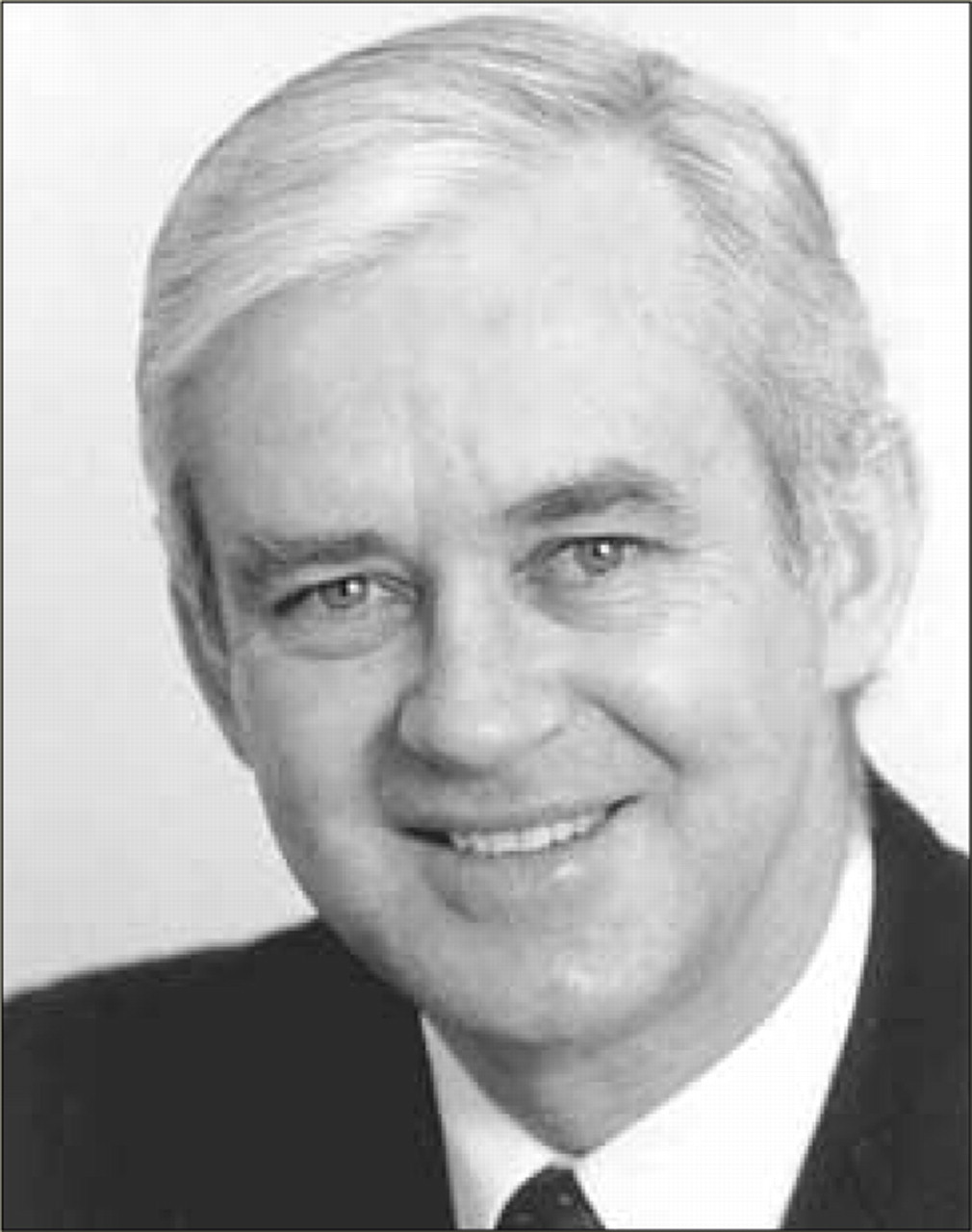
In November 2002, the Mental Health Council of Australia announced the election of Mr Keith Wilson as its new Chair.
Mr Wilson's appointment brings to an end the chairmanship of Mr John McGrath, who led the Council from its inception five years ago.
Mr Wilson will be supported in his role by Ms Sue Feeney (Ramsay Health Care) as Deputy Chair, A/Prof Joan Lawrence (College representative to the Council) as Secretary/Treasurer, Ms Judy Hardy (Network of Australian Community Advisory Groups) and Ms Helen Connor (Australian Mental Health Consumer Network).
Mr Wilson, who is currently the President of the WA Association for Mental Health, brings to the role his experiences as a former teacher, Anglican priest and State Member of Parliament. Mr Wilson is also a parent carer (with his wife) of an adult son with schizophrenia.
On accepting the position Mr Wilson said: ‘It is an exciting time for the MHCA and the sector as a whole and I look forward to driving the mental health care reform agenda to achieve positive outcomes for consumers, carers, the sector and the community.’
The College would like to take this opportunity to welcome Mr Wilson to the role and we look forward to working with him in the years ahead.
[Coming up in the next issue, we pay tribute to the outgoing chair of the Council, Mr John McGrath.]