







Abstract
This paper assessed the antifouling activities of a superhydrophobic surface with a contact angle of 161.6° and a sliding angle of 4.1° which can be employed on large scales. The preparation of PDMS/silica nanoparticles composite was first described for the production of superhydrophobic surfaces with different contents of silica nanoparticles. Then, the surface roughness of the produced samples was investigated. Subsequently, the surface reaction against the algae was evaluated at different immersion times. The samples coated with PDMS-to-Silica ratio of 100% exhibited higher stability against algal growth for more than 10 h while samples with a coating ratio of 25% withstood algae for less than 2 h, indicating the influence of surface roughness. Although the withstanding time of this coating cannot compete with the commercial antifouling coatings, it becomes vital when it comes to the use of this coating as a drag-reducing surface in which fouling worsens the effectiveness.
Introduction
Fouling is defined as the accumulation of marine organisms and materials in water on the surface of ships, oil platforms, as well as power plants equipment and desalination system which are in contact with seawater. The surface of marine equipment can be colonized by different microorganisms such as bacteria, algae, and fungi. Algae are considered as one of the most common types of water pollution with a significant effect on the performance of marine systems [1]. The demand for environmentally-friendly antifouling structures has increased in the past two decades following the ban in 2003 which prohibited the use of tributyl-tin compounds in antifouling coatings [2]. Nowadays, nature-inspired strategies are utilized to resolve various problems including marine biofouling [3]. Recent years have witnessed significant growth in the fabrication of hydrophobic surfaces, inspired by the lotus leaves and their self-cleaning properties [4]. So far, various methods such as photolithography [5,6], sol–gel [7–9], chemical vapor deposition (CVD) [10,11], electrospinning [12], and hydrothermal techniques [13,14] have been employed in the fabrication of superhydrophobic surfaces.
The adhesion of microorganism on the surfaces depends on many factors, such as the surface energy at the solid–liquid interface and surface roughness [15]. There have been conflicting reports on the effects of such properties on the adhesion of microorganism. For example, while some studies have reported weaker adhesion of microorganisms on smooth surfaces with low surface energy [16,17], others have expressed contrasting observations [18,19]. Some studies have shown an increment in the adhesion sites with increasing the surface area of the rough surfaces [20,21]. However, the micro/nano-structured valleys in the rough surfaces can also offer suitable places for the settlement and mechanical lock [22]. A few studies have shown that antifouling coatings with low surface energy and well-defined topography can reduce biological adhesion [22]. For example, the presence of microstructures on the shark skin acts as a defense system against microorganisms [23,24]. While surface roughness causes the accumulation of air bubbles on the surface to prevent fouling, increased roughness can facilitate the movement of the air by the microorganisms, leading to their settlement [25]. Thus, the effects of surface energy, surface hydrophobicity, and the amount of air bubbles on the interface, as well as their stability over time, must be experimentally studied during the process of the microbial attachment to understand the specifications of a coating. Superhydrophobic surfaces refer to a surface whose water contact angle (CA) and water sliding angle (SA) are larger than 150° and lower than 10°, respectively [26–29]. A superhydrophobic surface requires two features: surface roughness and chemical hydrophobicity. The surface roughness plays a vital role in the application of superhydrophobic surfaces as an anti-algae coating. The coated surfaces should provide a well-designed roughness structure in terms of roughness distance and height, otherwise, opposite effects might be observed on the antifouling behavior of the coating. A diverse range of marine organisms can form biofouling (e.g. bacteria, algae, and barnacles) with settling steps ranging from nanometers to centimeters. Such a wide range must be considered in designing the topography of the surface [30].
Numerous studies have recently addressed the use of superhydrophobic coatings as antifouling surfaces [31–35]. Inspired by the skin of fast-moving sharks, Carman et al. [36] developed a structured surface based on polydimethylsiloxane which includes pillars and ridges. They observed an 86% reduction in the accumulation of spores of Ulva linza, green algae, and fouling on the surface of a hydrophobic sample with the highest contact angle of 135°, since the distance between surface structures was smaller than the diameter of the spores. Hellio [1] came to the same results and reported the higher significance of topographic height and spacing between roughness in the antifouling behavior of the surface rather than its chemical hydrophobicity. Efimenko et al. [30] experimentally developed new marine coatings with hierarchical wrinkle surface topography (HWTS) whose wrinkle length ranges from tens of nanometers to a fraction of a millimeter. Based on the field experiments, HWST coatings were generally free of biofouling despite long-term exposure to saline water. Zhao et al. [37] developed a superhydrophobic surface on magnesium alloy using a simple immersion process involving the use of iron chloride, deionized water, tetradecanoic acid, and ethanol. The coating exhibited a WCA of 165° and resistance to bacterial growth. Ivanovich et al. [38] examined the contact angle and the extent of biofouling settlement on the shipbuilding steel A40S. Their experimental results demonstrated that for surfaces with contact angles greater than 130°, the distance between the droplet and the surface structure hindered the first settlements. Ansari et al. [39] investigated the size and content of aluminum flake particles in tri glycidyl isocyanurate (TGIC) polyester composites. The hydrophobic particles smaller than 45 µm prevented microalgae settlement in the laboratory for six days. Among various methods used to deposit superhydrophobic coatings, some can be used to prepare antifouling coatings. The deposition of superhydrophobic surfaces through a simple, large-scale, and cost-effective procedure to serve as an antifouling coating is a serious research and industrial challenge.
In the current study, a one-step approach was utilized to prepare superhydrophobic samples capable of applying on large scales through a painting-like procedure. Our previous work confirmed the promising drag reduction in this coating which motivated us to evaluate its antifouling properties. The surfaces were spray-coated with a combination of PDMS/toluene/hydrophobic silica nanoparticles. The layer was then cured to form the final nanocomposite layer. The antifouling activities of the fabricated samples were assessed in a fouling medium. The results showed that the antifouling feature of the superhydrophobic hydrophobic silica/PDMS nanoparticles composite, which was improved by enhancing the weight percentage of nano silica and the formation of a nano/micro hierarchical structure.
Materials and methods
Materials
Silica nanoparticles, with an average diameter of 20 nm, were received from US Research Nanomaterials. PDMS (Sylgard 184) with the curing agent was supplied by Dow Corning. Trichloromethylsilane (TCMS), sodium hydroxide (NaOH), and acetone (99%) were purchased from Merck Co. Toluene (anhydrous, 99.8%) and nitric acid were obtained from Sigma-Aldrich Chemical Co. In all the experiments, deionized water with a conductivity of 0.1 umho/cm was used if required.
Surface treatment of silica nanoparticles
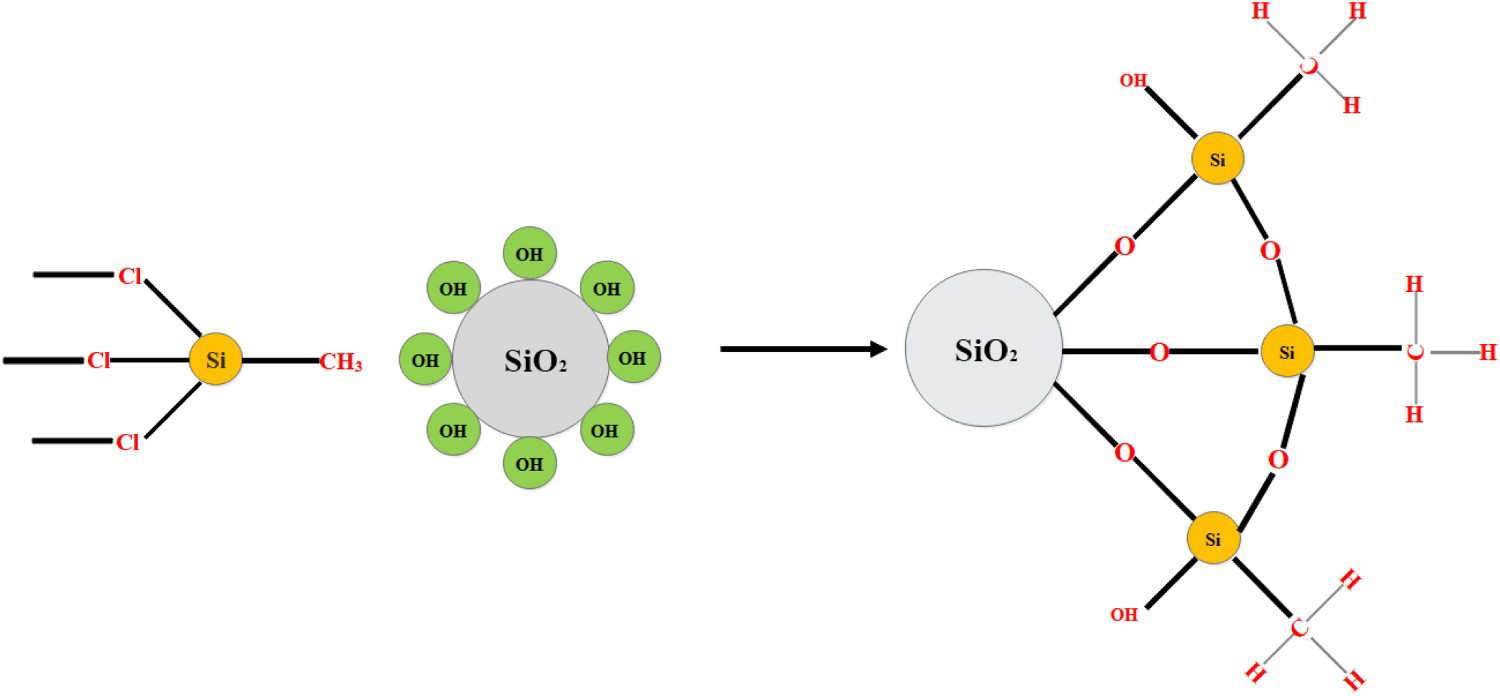
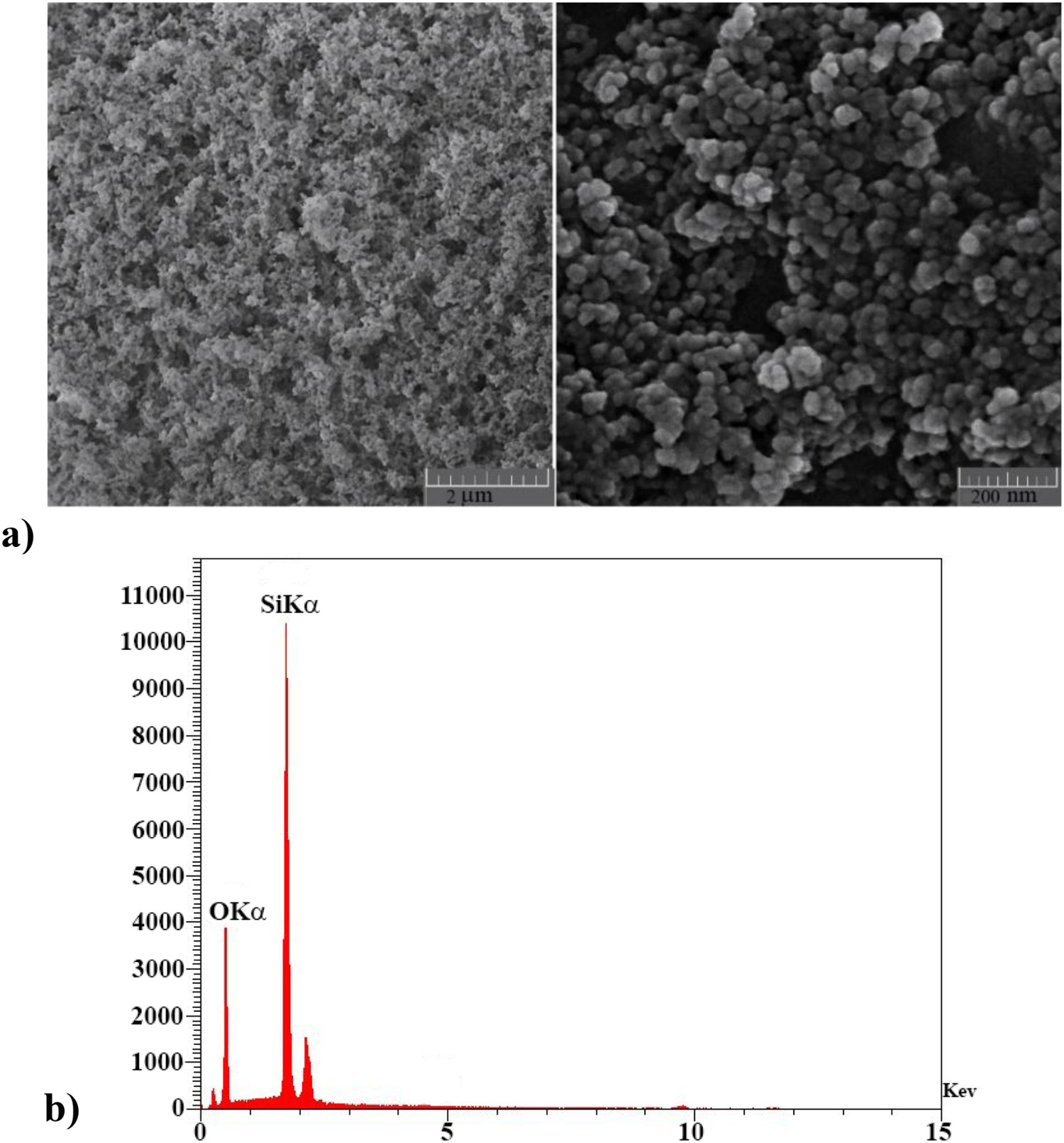
Surface modification of SiO2 nanoparticles with TCMS is an initial step to induce hydrophobicity to the silica nanoparticles. According to Figure 1, silica nanoparticles were coated in the gas phase in a custom-built reaction chamber. After adjusting the humidity, TCMS was injected into the Petri dish at the center of the coating chamber and 300 μl of TCMS was pipetted into the container for the exposure time of 12 h. Next, silica nanoparticles were placed in a radiative oven for 12 h to stabilize CH3 molecules on nanoparticles. A schematic representation of SiO2 surface treatment with TCMS is illustrated in Figures 1 and 2 while Figure 3 depicts the SEM image and EDX of the coatings.
Schematic of the coating process of SiO2 particles. Schematic of the surface modification of SiO2 with TCMS. Silica nanoparticles after CVD, (a) SEM images, and (b) EDS analysis.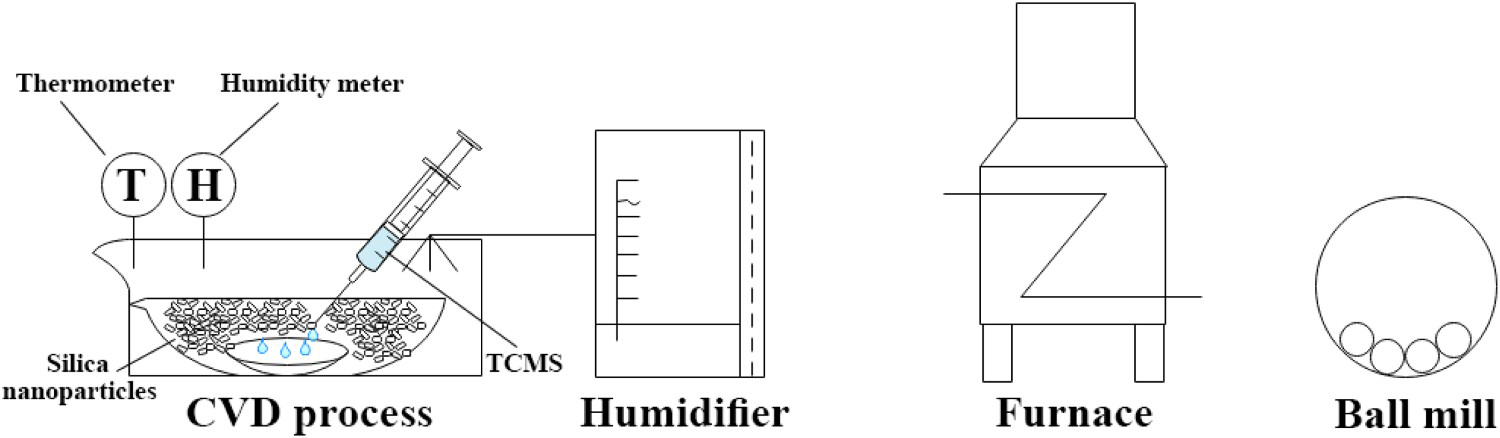
FTIR spectroscopy was also used to assess the chemical bonds of the samples as presented in Figure 4. Silica nanoparticles exhibited extremely strong infrared bands at 1130–1000 cm−1 which can be assigned to the Si-O-Si stretching vibrations. The presence of the Si-CH3 group can be verified by an intense and sharp band at ∼1260 cm−1 along with some strong bands at 865–750 cm−1 [40]. The peaks in the FTIR spectrum of PDMS/silica coating can be attributed to either silica nanoparticles or PDMS.
FTIR spectra of PDMS-coated substrates, hydrophobic silica, and PDMS/silica-coated substrates.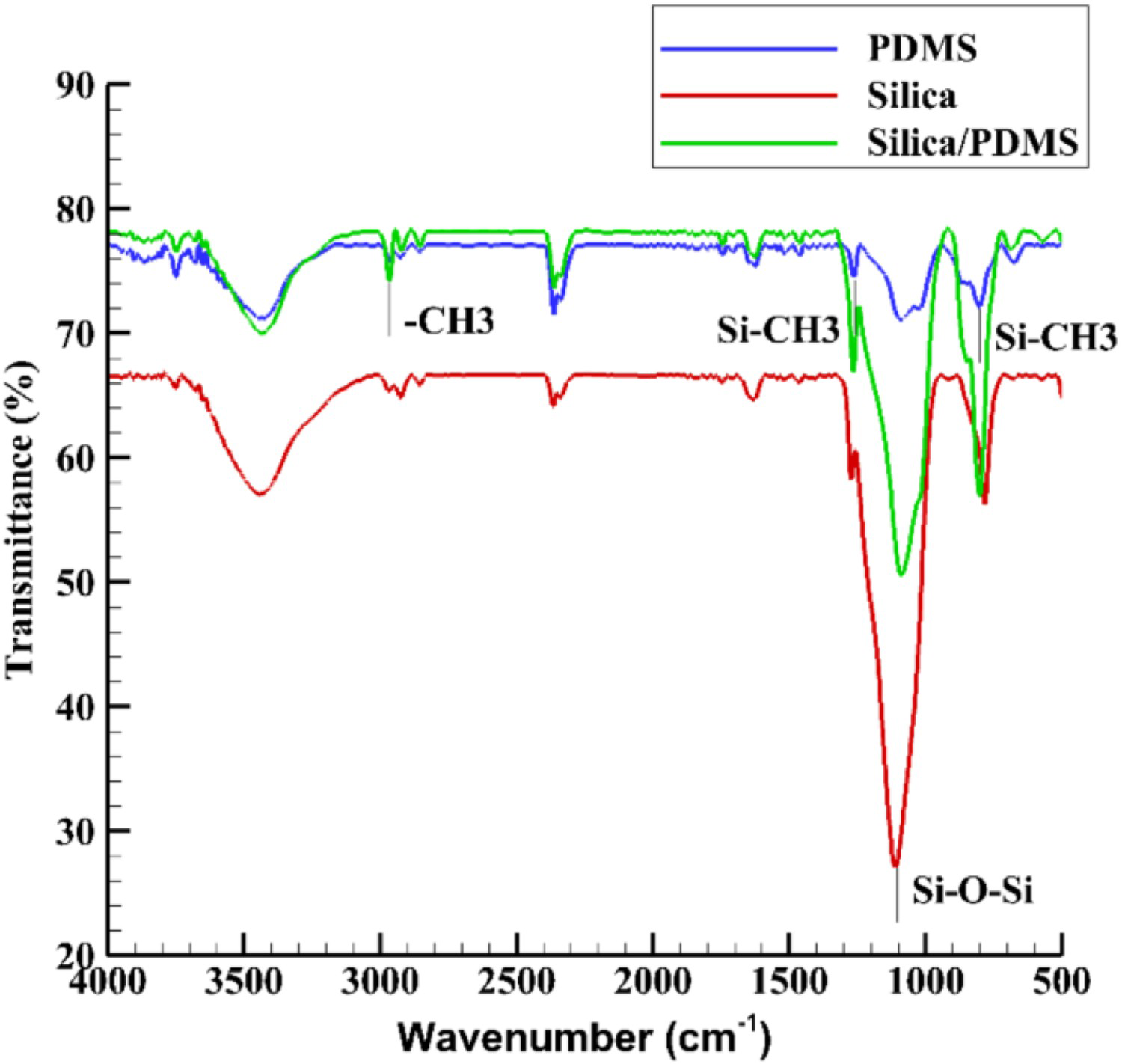
Preparation of PDMS/silica nanoparticle composite
PDMS was dissolved in toluene to produce solutions with a concentration of 10% w/w. A specific quantity of hydrophobic silica nanoparticles (25, 50, 70, and 100 wt.% relative to PDMS) was added to the PDMS/toluene solution. The suspension was stirred for 30 min before sonication for another 30 min. Glass slides were cleaned by ultrasonication, and the substrates were dried by airflow. The hydrophobic silica/PDMS particles were sprayed onto the glass substrates at a distance of 25 cm using an air spray gun with a nozzle diameter of 1 mm connected to the compressed air (2.5 bar). The spraying process was continued until depositing four layers of hydrophobic silica/PDMS composite on the substrates. The produced film was then cured in an oven at 100°C for one hour after the full evaporation of toluene at room temperature (30 min). Figure 5 schematically shows the coating process.
Schematic of the coating process.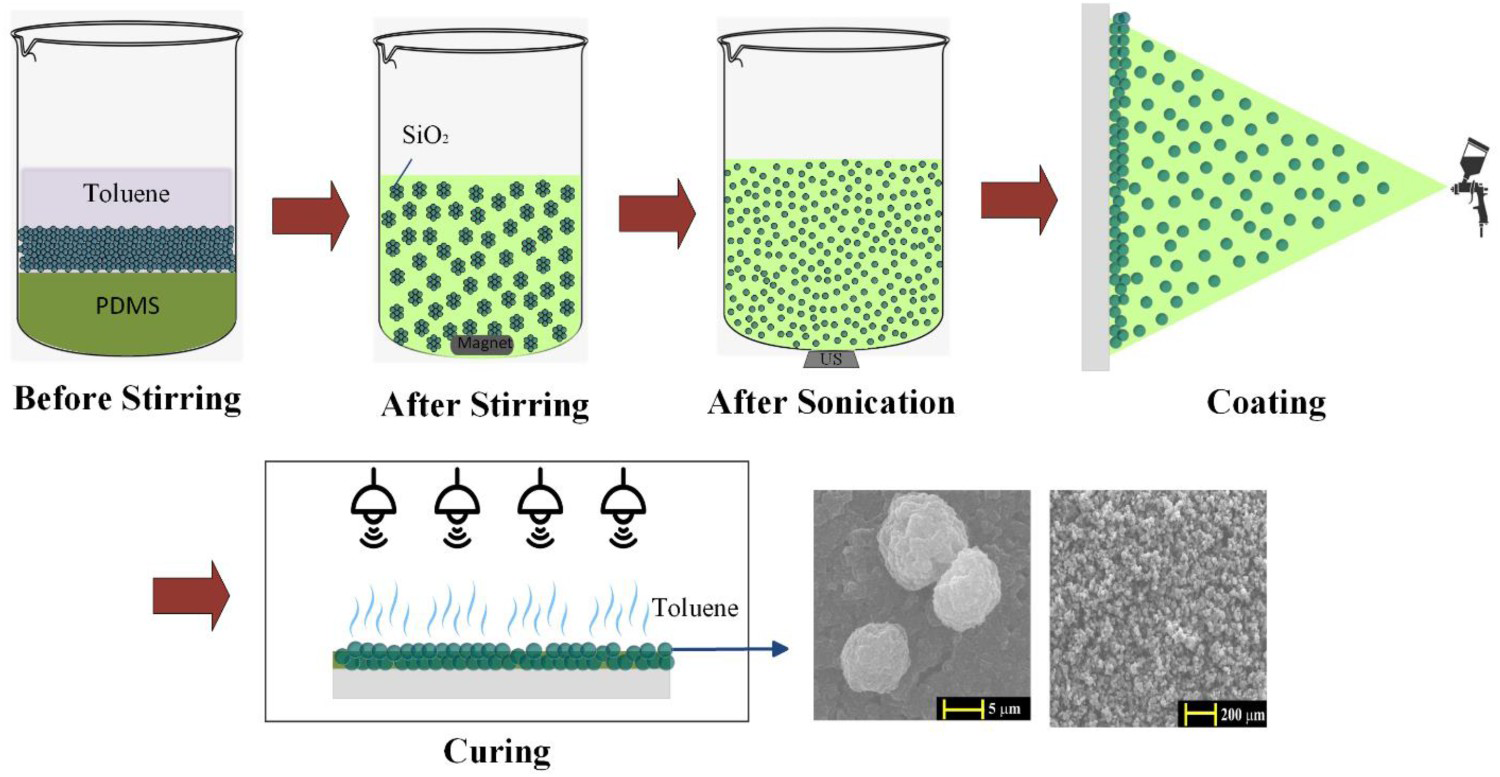
Characterization instruments
A Dataphysics OCA 15 Plus device was used at room temperature (25 ± 1°C) to measure the static contact and sliding angles. During the tests, 5 µl of deionized and double-distilled water was used. To measure the contact and sliding angles of each sample, five measurements were considered at five distinct sites. Scanning electron microscopy (SEM; TESCAN VEGA/XMU) was also used to examine the surface of the samples. Before SEM, a thin layer (5 nm) of gold was deposited to acquire high-quality pictures. Elemental analysis was also carried out by energy-dispersive X-ray spectroscopy (EDS). The three-dimensional (3D) topography of PDMS/silica nanoparticle composites was obtained using an optical profilometer (MOA-ZA, Fanavari Kahroba Co). Root mean square roughness (RMS) was determined from the surface topography.
Antifouling test setup
To evaluate the antifouling properties of superhydrophobic coatings and their resistance to the fouling environment, the samples were exposed to green algae cultured in the Walne's medium which was explained in detail in [39]. Figure 6 shows a schematic of algae growth process.
A schematic of algae growth.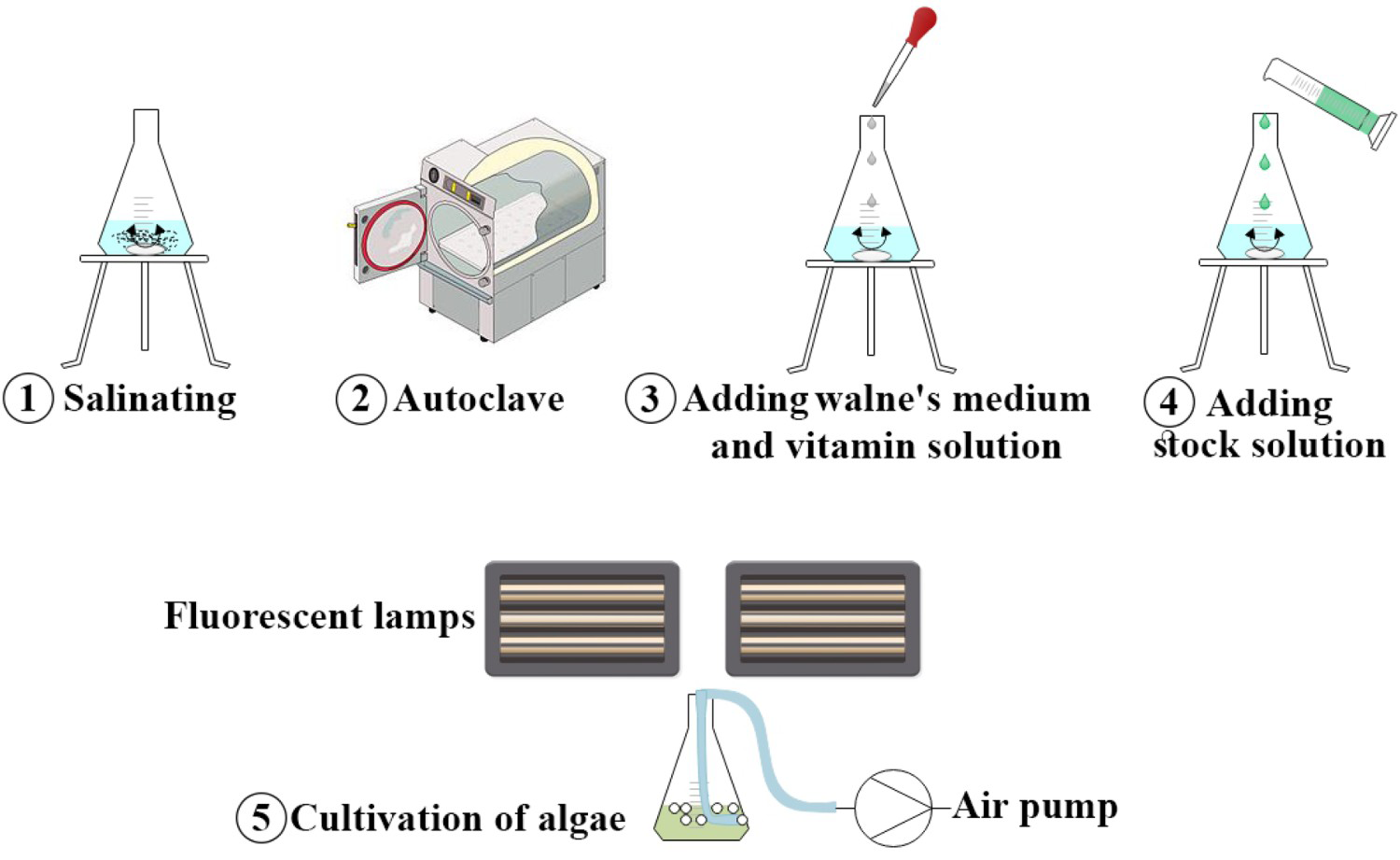
Results and discussion
SEM studies
Figure 7 shows the SEM images of PDMS and hydrophobic silica/PDMS-coated surfaces at different scales. Figure 7(a) indicates no roughness in the PDMS-coated surface. Hierarchical micro- and nano-roughness can be observed on the surfaces by introducing the hydrophobic silica/PDMS composite layer. A comparison between Figure 7(a, e) shows an increment in the surface roughness by enhancing the hydrophobic silica/PDMS ratio. On the other hand, no linear relationship was detected between hydrophobic silica/PDMS ratio and roughness. For example, the surface roughness was enhanced more intensely at higher ratios (70–100%), while it was less noticeable at lower ratios (25–50%). The PDMS content was constant at all spraying ratios. An increase in the hydrophobic silica content also raised the thickness of the coated layer, thus, PDMS cannot cover all the coated nanoparticles. Furthermore, after gradual evaporation of the toluene, a large portion of the sprayed PDMS tended to move to lower layers. Besides, a small content of PDMS remained on the top to stick the nanoparticles to each other. Therefore, with increasing the hydrophobic silica content, a considerable amount of these particles can be settled on the top of the coated layer and enhance the surface roughness. The uniform roughness was randomly dispersed on the surface with a hydrophobic silica/PDMS ratio of 100% (Figure 7(e)). Numerous pores can be found on the surface with sizes ranging from 10 to 50 µm (Figure 7(e, d). In addition to the pores, quasi-spherical particles with an average diameter of 5-10 µm can be detected on the surface (Figure 7(e)) whose presence enhanced the sliding angles. These structures were made out of smaller nanospheres. Consequently, it can be assumed that the dispersion of the spraying mixture and the coating procedure were both adequate to generate micro-and nanoscale surface roughness with raspberry-like particles.
SEM images of (a) PDMS-coated substrates and (b) hydrophobic silica/PDMS-coated substrates with PDMS /hydrophobic silica ratios of (c) 50%, (d) 70%, and (e) 100%.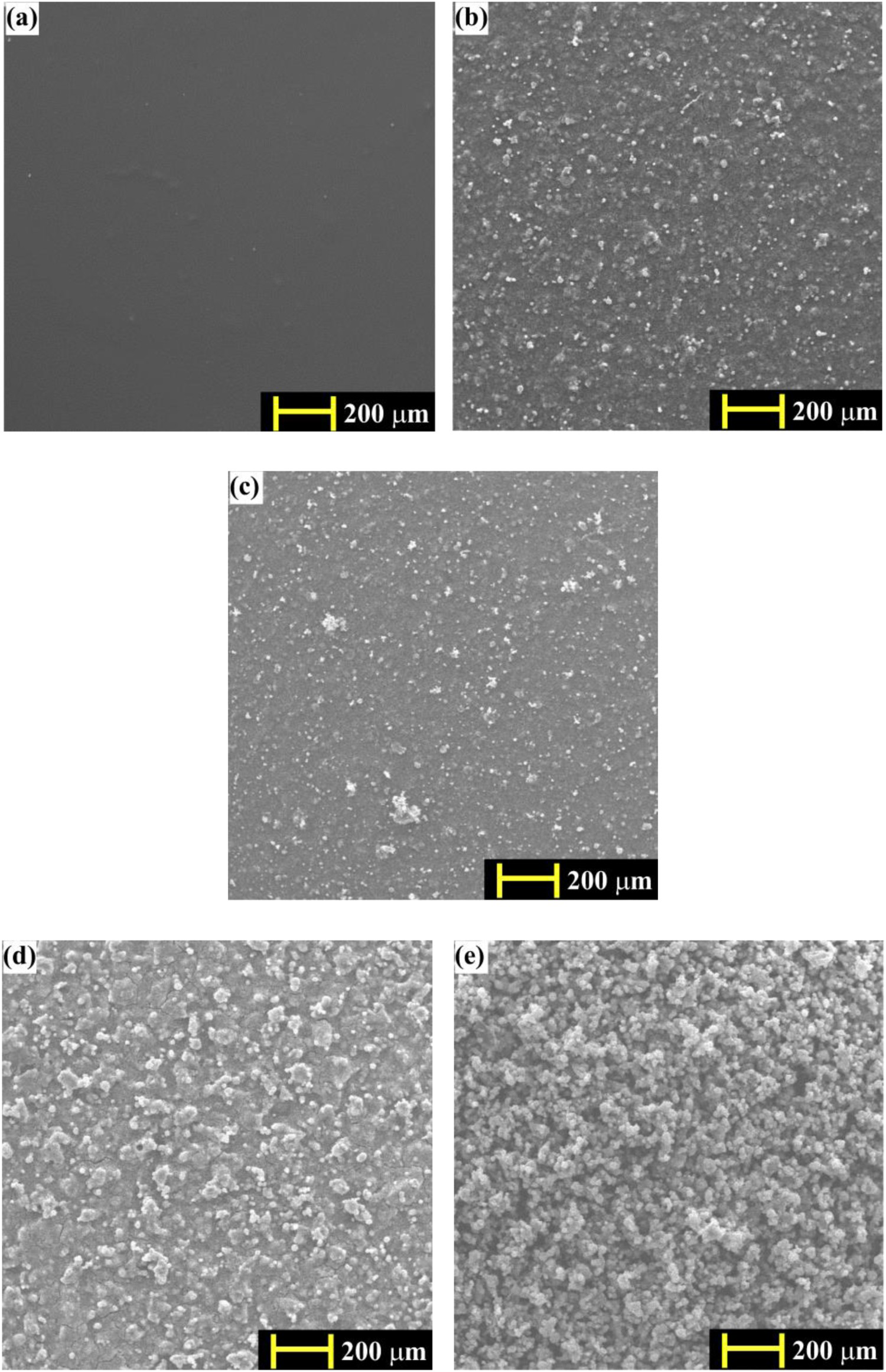
Static water contact angle and sliding angle
The CA was measured on the PDMS and hydrophobic silica/PDMS-coated substrates (Figure 8). The CA of the smooth PDMS surface was around 112° which was significantly enhanced by adding hydrophobic silica nanoparticles, even at low contents. The CA was increased to 155.1° and 161.6° at nanoparticle contents of 25% and 100%, respectively. Sliding angle (SA) is another measure in the evaluation of the quality of superhydrophobic surfaces which can be defined as the difference between the advancing and receding contact angles (hysteresis). The SA depends on the hydrophobic silica/PDMS ratios. By enhancing this ratio from 25% to 100%, the SA was reduced from 90 to 4.1°. Surface roughness appears to have a more significant impact on the SA of composite samples compared to its impact on the CA.
The variations of (a) contact angle and (b) sliding angle as a function of the hydrophobic silica/PDMS ratio (wt/wt%)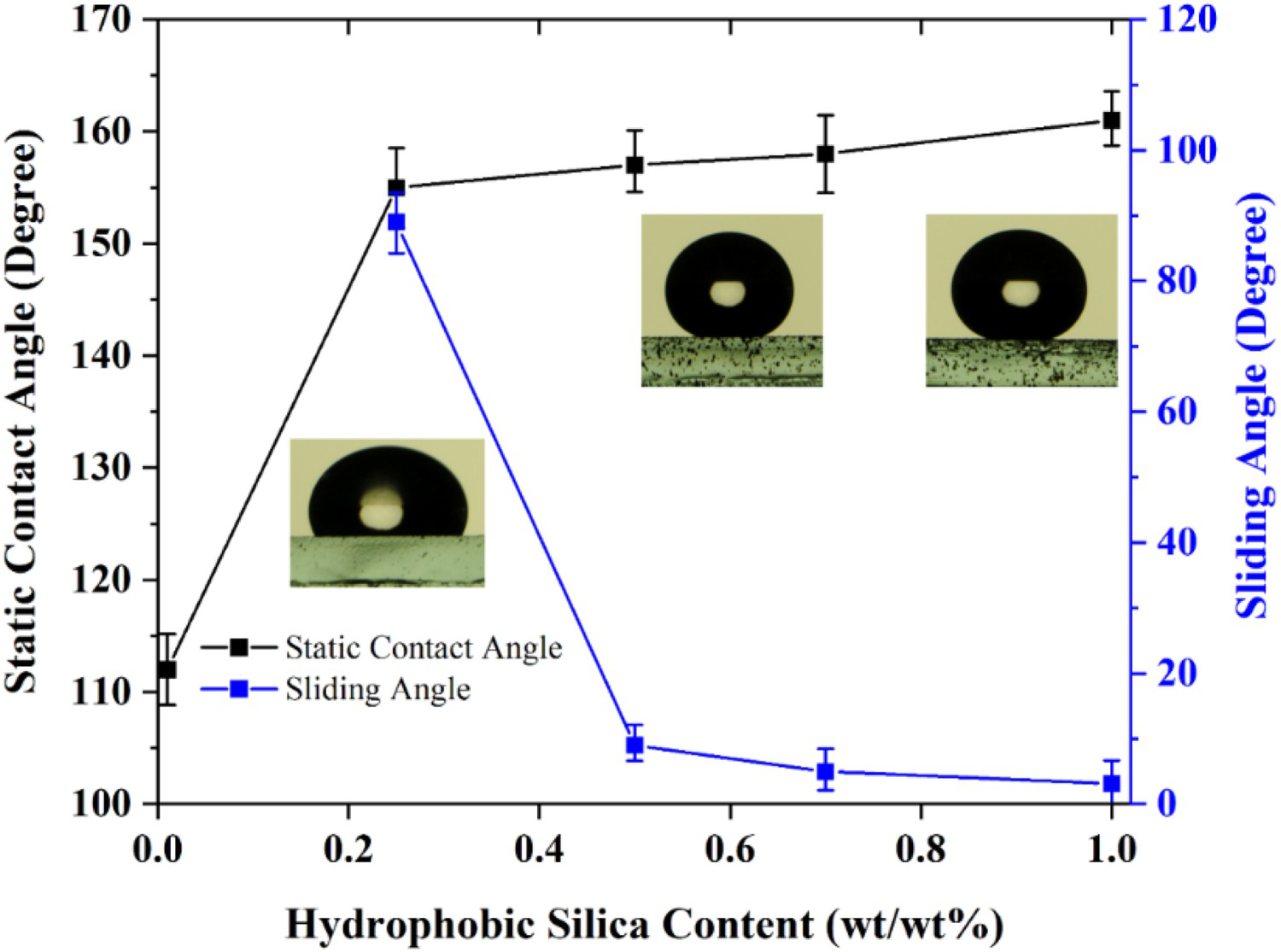
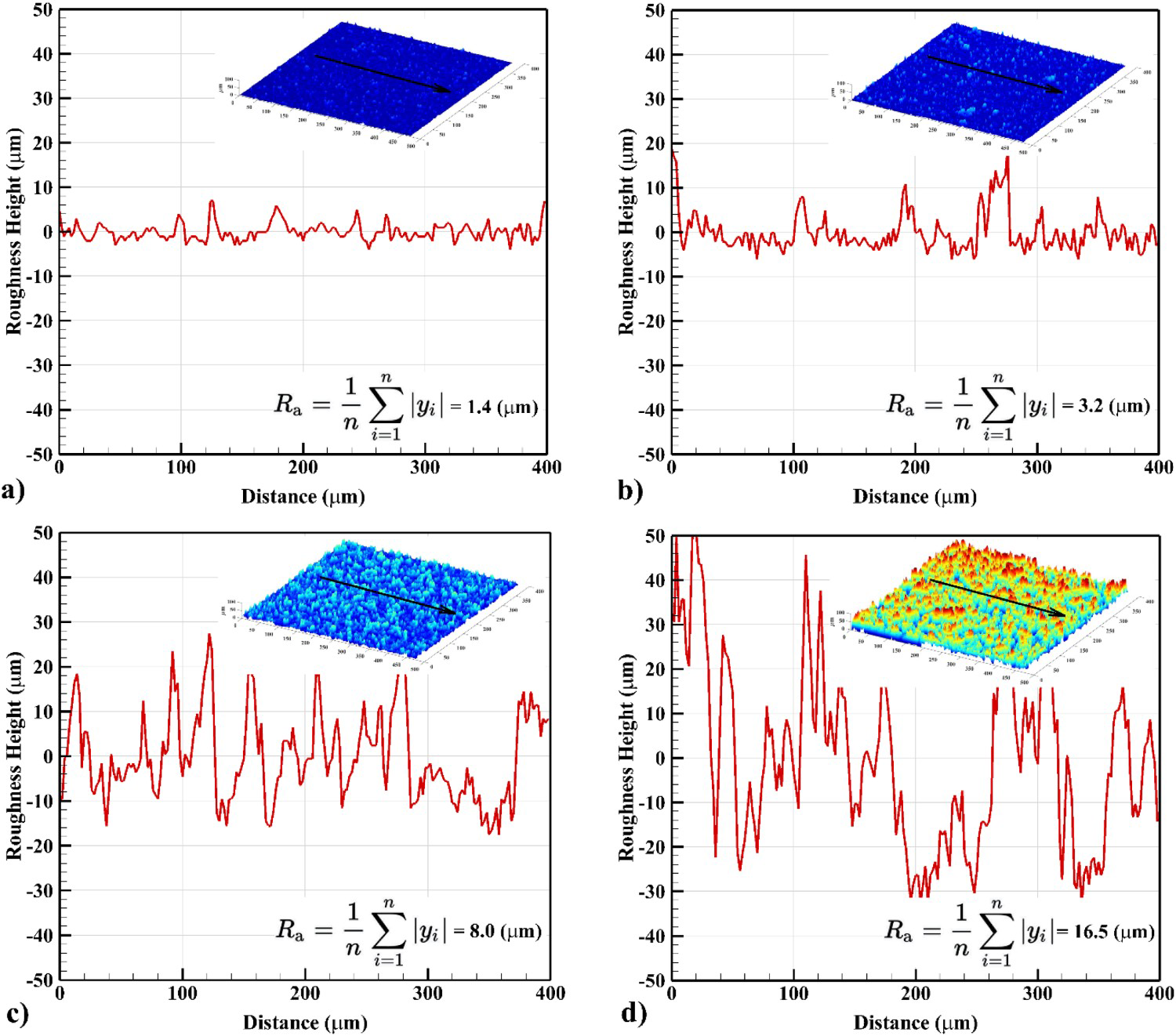
Figure 9 shows the surface topography of hydrophobic silica/PDMS-coated substrates at ratios of 25%, 50%, 70%, and 100%. As can be seen, the surface roughness increased and peaks and valleys emerged with raising the silica ratio. A 2D view of the surface roughness on a central line of the samples can be found in Figure 10. The arithmetic average of the absolute values of the profile height deviations from the mean line (Ra) over the evaluation length is 1.4, 3.2, 8.0, and 16.5 µm for silica/PDMS ratios of 25%, 50%, 75%, and 100%, respectively. As shown, a rise in the silica/PDMS ratio enhanced the roughness due to the accumulation of materials on top of each other. Such a rough structure can keep the algae away from the surface by providing more stable air/water interface to help the surface withstand against the algae settlement. The decrease of the settlement by increasing the roughness will be evaluated in the next section.
The topography of hydrophobic silica/PDMS-coated substrates with different hydrophobic silica/PDMS ratios (a) 25%, (b) 50%, (c) 70%, and (d) 100%. 2D surface roughness graph on center line of the samples with hydrophobic silica/PDMS ratios of (a) 25%, (b) 50%, (c) 70%, and (d) 100%.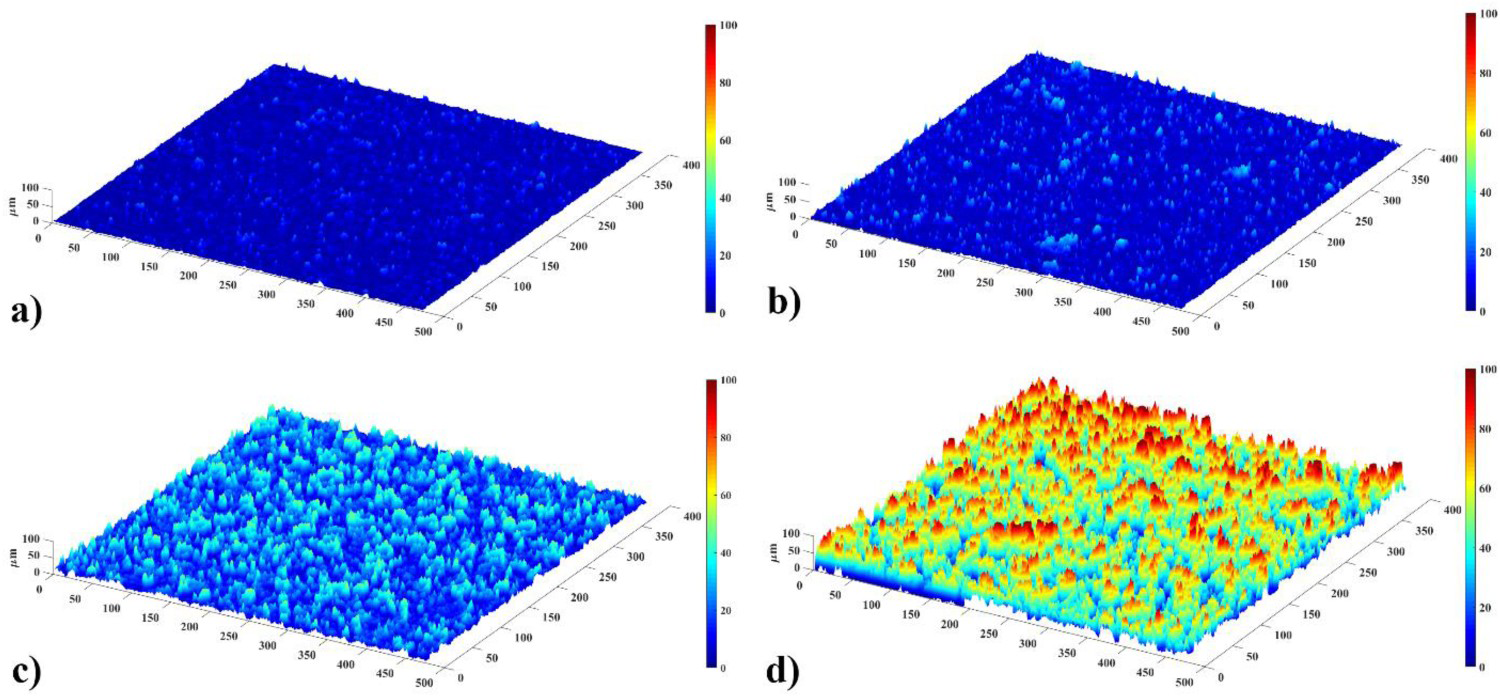
Antifouling properties
In this study, all coatings were analyzed by the laboratory-scale experiments in an algal medium. composite-coated samples with different coating ratios and control samples (uncoated glass slides and PDMS-coated glass slides) were placed in algae-containing medium, and the algae coverage on these coatings was photographically recorded every two hours and subsequently analyzed by image processing software. It should be noted that all the tests were conducted in two replications.
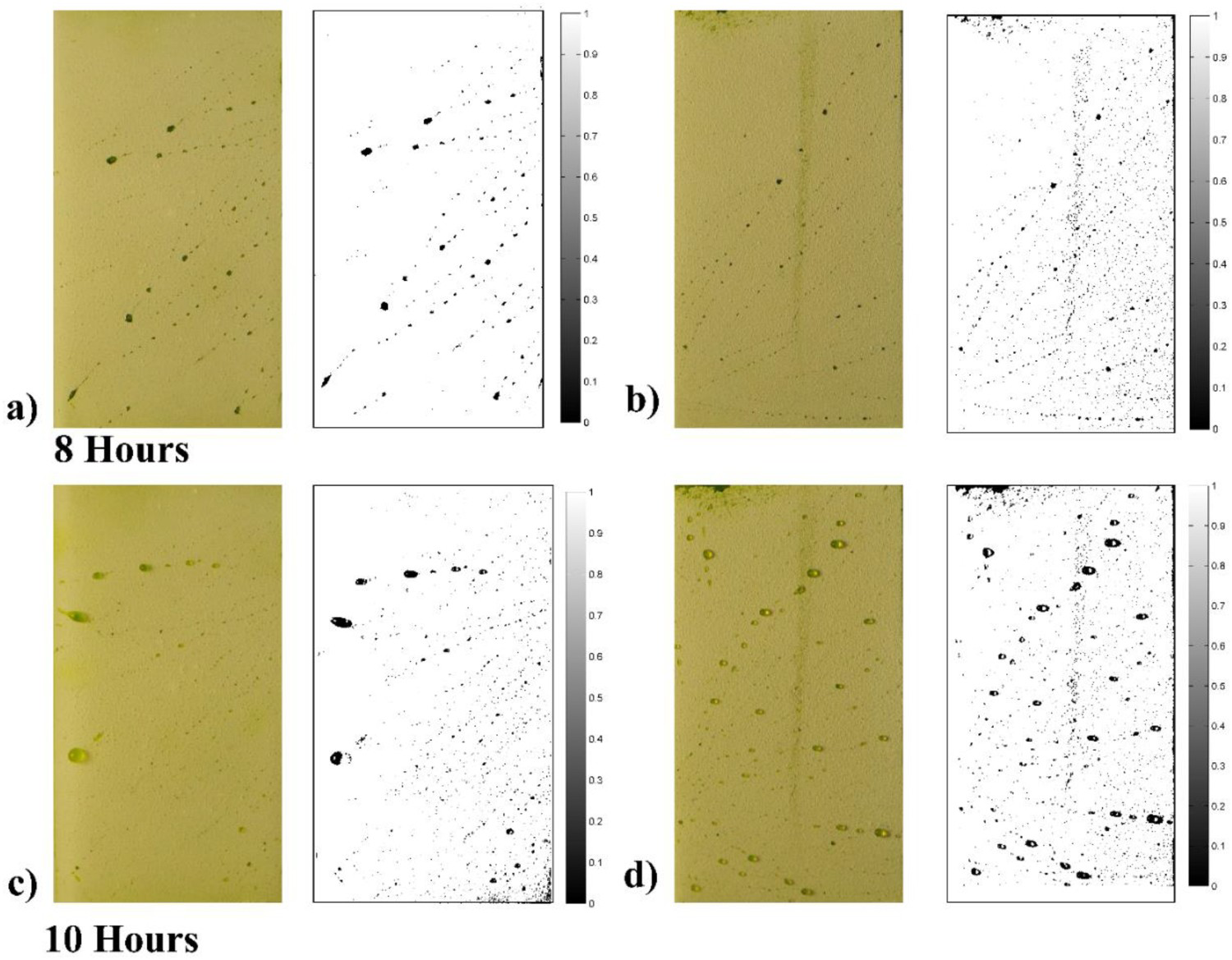
After adjusting the light for photography, the samples were taken out of the algae culture chamber in two-hour intervals and the images were taken with Nikon D300 camera (Figure 11). Figure 12 shows the image processing results for two samples with silica/PDMS ratios of 70% and 100% after 8 and 10 h of exposure (as achieved by MATLAB software).
Settled algae on the sample, (a) Glass, (b) PDMS, (c) Silica/PDMS ratio of %25, (d) Silica/PDMS ratio of %70, and (e) Silica/PDMS ratio of %100. Image processing step for two samples with silica/PDMS ratios of (a) 70% and (b) 100%.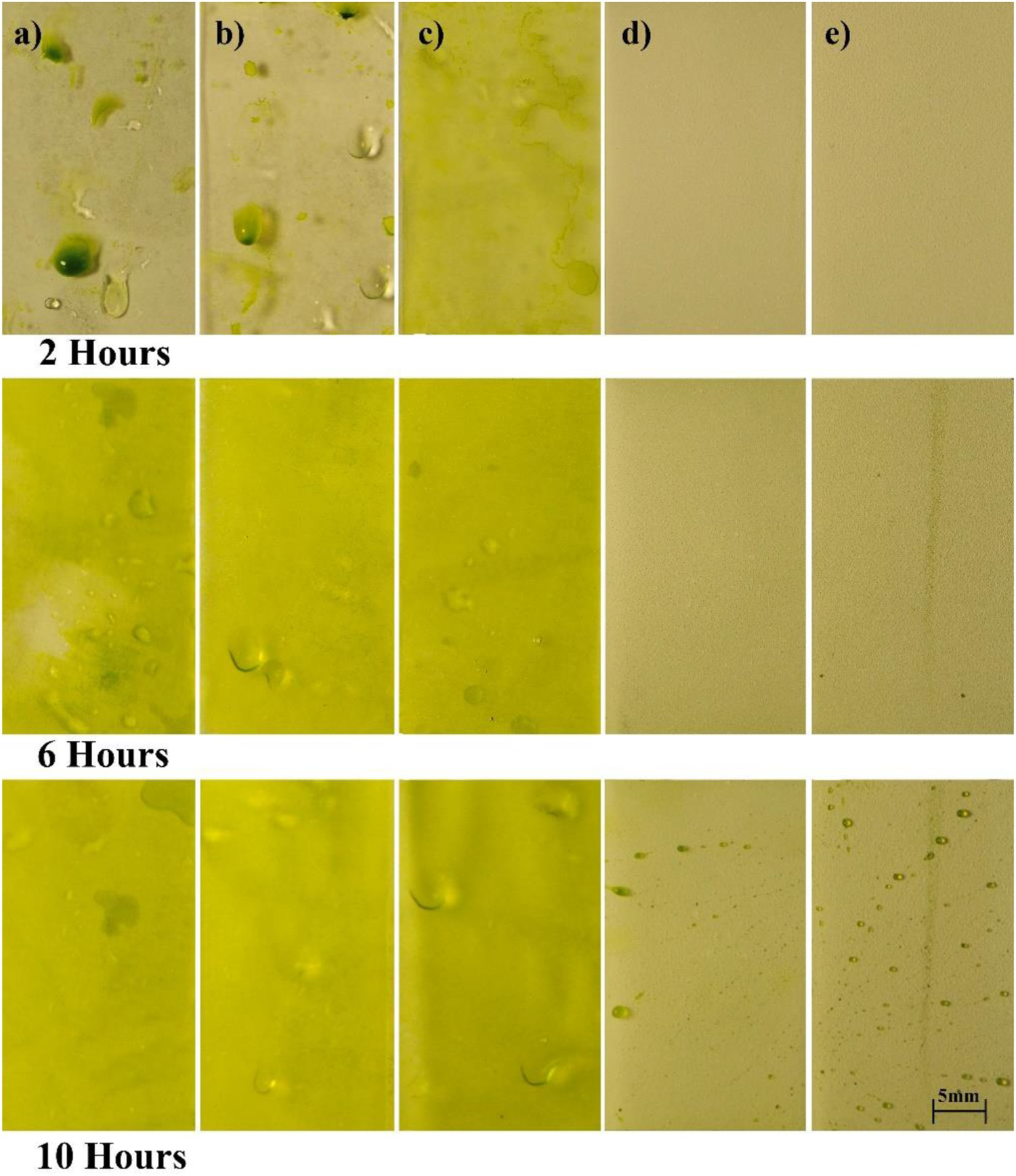
According to Figure 13, the microalgae coverage of the superhydrophobic samples increased over time due to the destruction of the air layer between the superhydrophobic layer and the algal medium. In the superhydrophobic film with silica/PDMS ratio of 25%, the surface is destroyed in the first hour and its superhydrophobicity was lost due to insufficient surface pores to keep the microalgae spores away from the surface. Although the coated samples with silica/PDMS ratio of 25% exhibited hydrophobic behavior (Figure 8), their percentage of microalgae coverage was more than uncoated glass slides and PDMS-coated ones. This interesting result reveals that inappropriate surface roughness can further deteriorate the algae settlement as emphasized in Introduction section. Among the samples, hydrophobic coatings with a silica/PDMS ratio of 70% and 100% outperformed others as their roughness magnitude is smaller than the diameter of the spores of microorganisms. Moreover, the trapped air film hinders the settlement of these organisms on the surface in the early stages of the test. The algae settlement on the surface affected the CA, representing a gradual change in the surface wetting regime from Cassie–Baxter to Wenzel state (Figure 14). This phenomenon confirms the importance of surface roughness in the anti-algae properties of superhydrophobic surfaces compared to the chemical hydrophobicity of the surface.
Performance of the superhydrophobic coating after (a) 2, (b) 4, (c) 6, (d) 8, and (e) 10 h of exposure to algae culture. The variation of contact angle of hydrophobic silica/PDMS-coated substrates in the algae environment over time at hydrophobic silica/PDMS ratios of (a)%70 and (b)%100.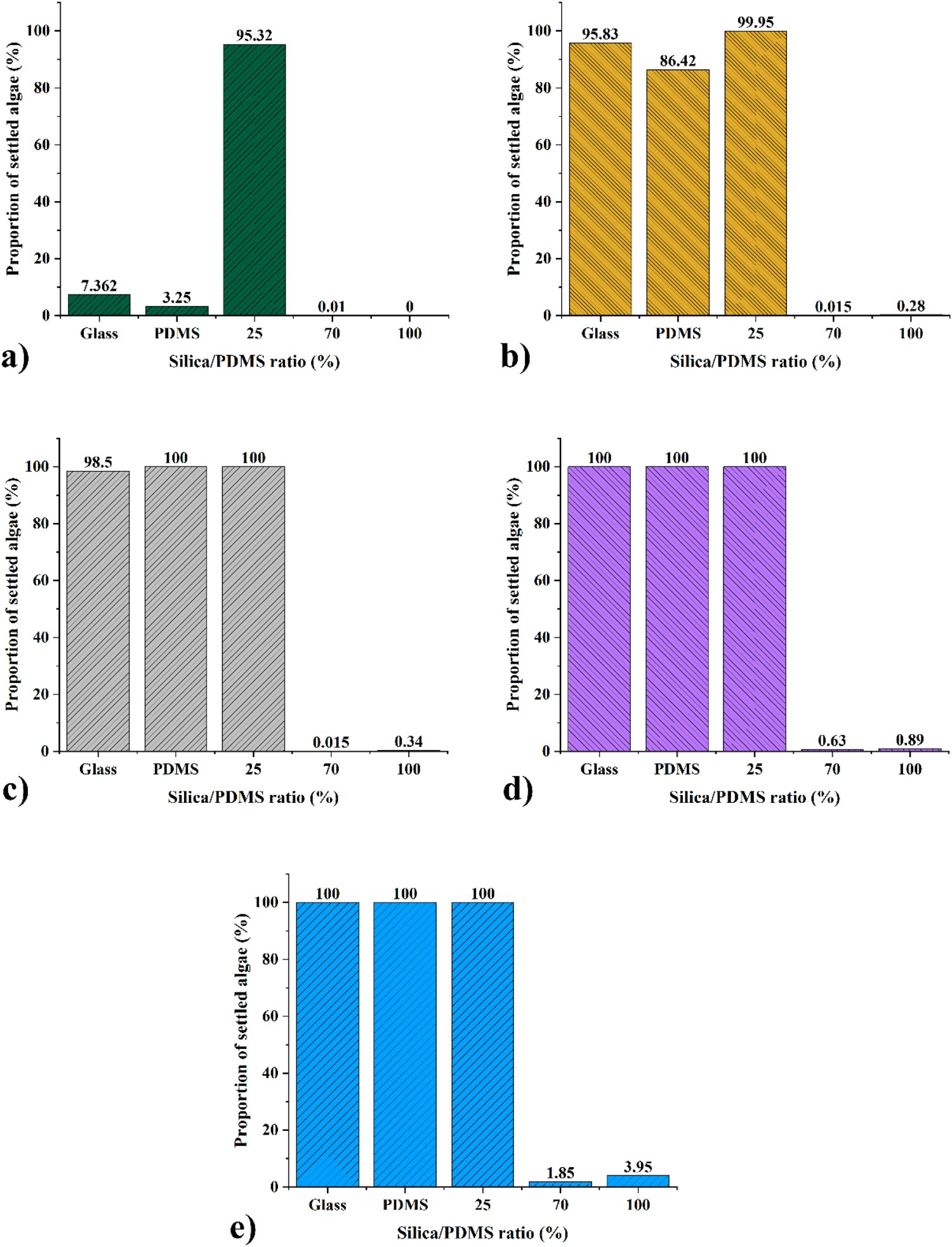
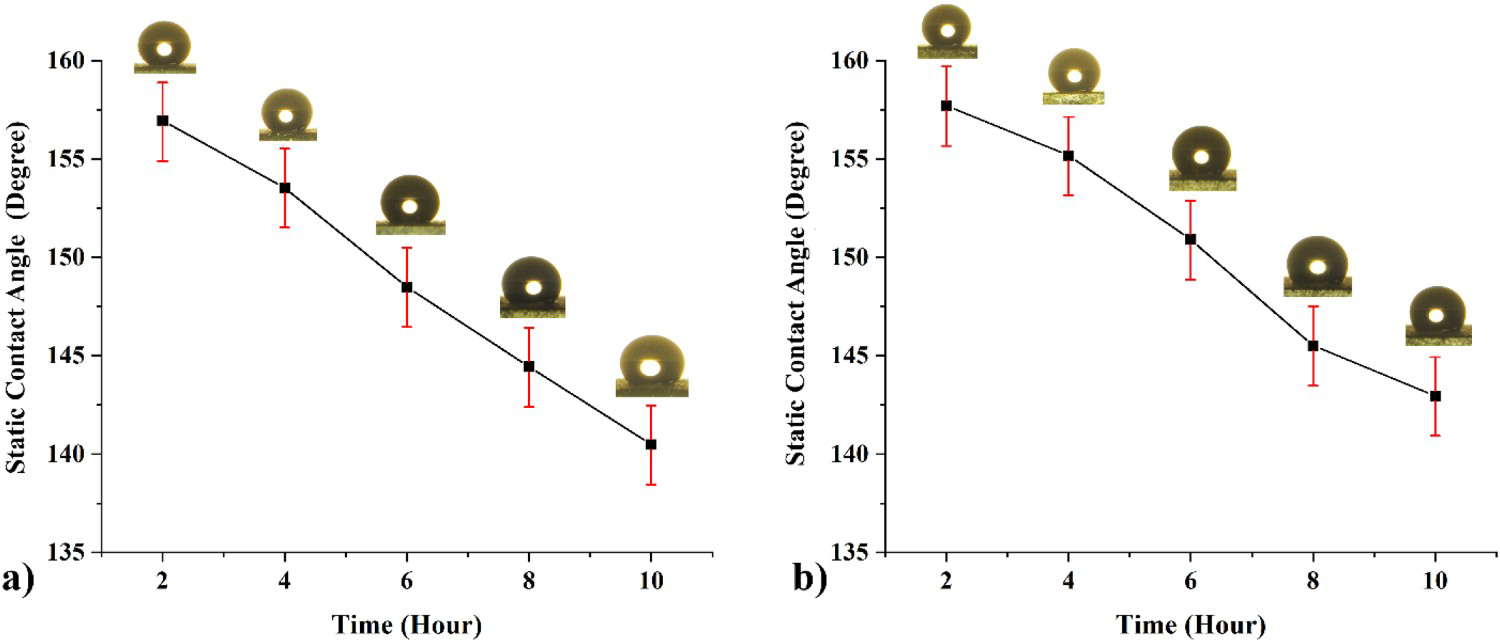
Figure 14 shows the downward trend of the CA in the superhydrophobic samples with a silica/PDMS ratio of 70% and 100%. This reveals the movement of the air layer and their replacement by the microorganisms by prolonging the exposure time.
The effect of the silica/PDMS ratio on antifouling properties is schematically shown in Figure 15. Larger hydrophobic silica/PDMS ratios showed smaller distances between roughness peaks. If these distances exceed the microorganism dimensions, the air layer can be destroyed, and microalgae can attach to the surface, eliminating the surface hydrophobicity. However, according to the surface topography illustrated in Figure 10, the distance between larger surface structures (e.g. for Ra > 8 µm) is reduced for higher silica contents, explaining the harder penetration of microorganisms.
The effect of PDMS/silica ratio on the antifouling properties.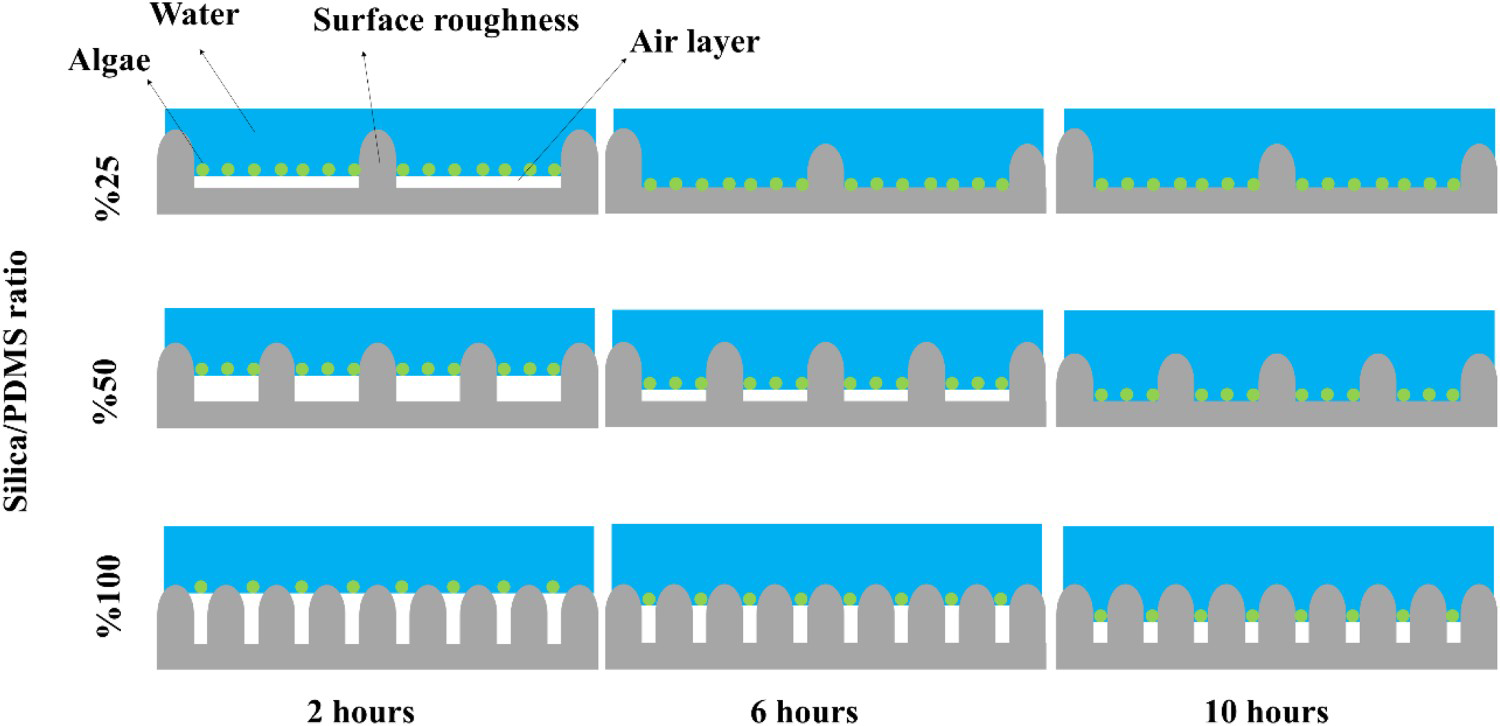
Superhydrophobic self-cleaning properties
It is essential to evaluate the self-cleaning ability of superhydrophobic surfaces and their reliable performance in different conditions. Figure 16 shows a water droplet hanging from a needle while it is moving on a contaminated superhydrophobic surface. As indicated by Figure 16, coffee particles are picked up by the moving droplet while the superhydrophobic surface cannot capture the droplet due to its low surface energy. Consequently, the droplet could remove most of the coffee particles from the surface.
Demonstration of the self-cleaning ability at silica/PDMS ratio of 100%. Parts a–c show a moving droplet which removes the coffee particles.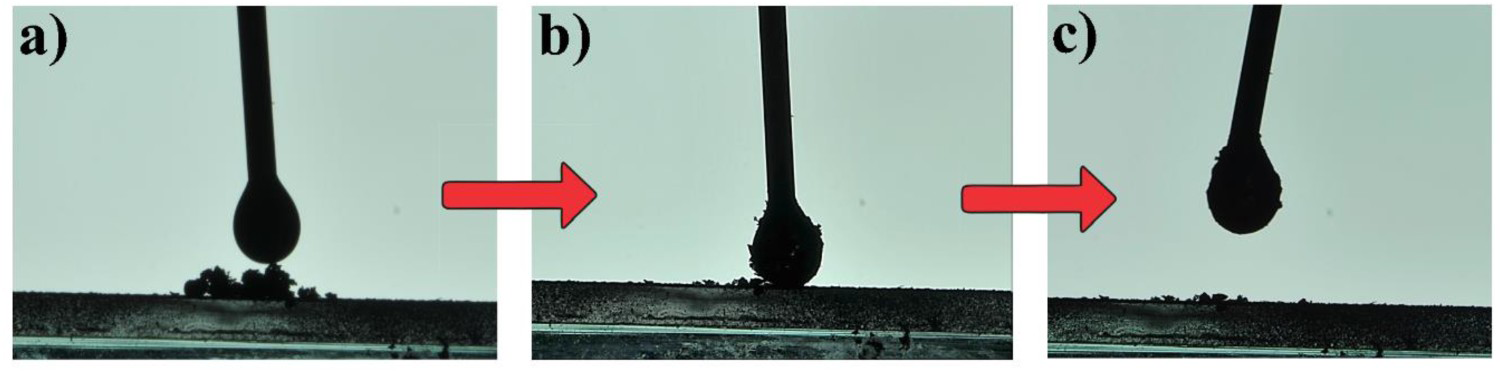
Two contamination with completely different structures were employed to demonstrate the self-cleaning ability of the surface to maintain its properties upon exposure to various contaminants. Moreover, droplets of four fluids (water, cola, lemon juice, and black tea) were considered to investigate the superhydrophobic self-cleaning behavior of the sample with a silica/PDMS ratio of 100%. The moving droplet is shown in Figure 17 which removes carbon and coffee particles. The motion of droplets was recorded in three locations on the surface to obtain the surface response. Figure 17 indicates that the surface behavior did not change by altering the fluid type.
Superhydrophobic self-cleaning property of the sample with silica/PDMS ratio of 100% against carbon and coffee particles using various fluids: (a) water, (b) black tea, (c) cola, and (d) lemon juice.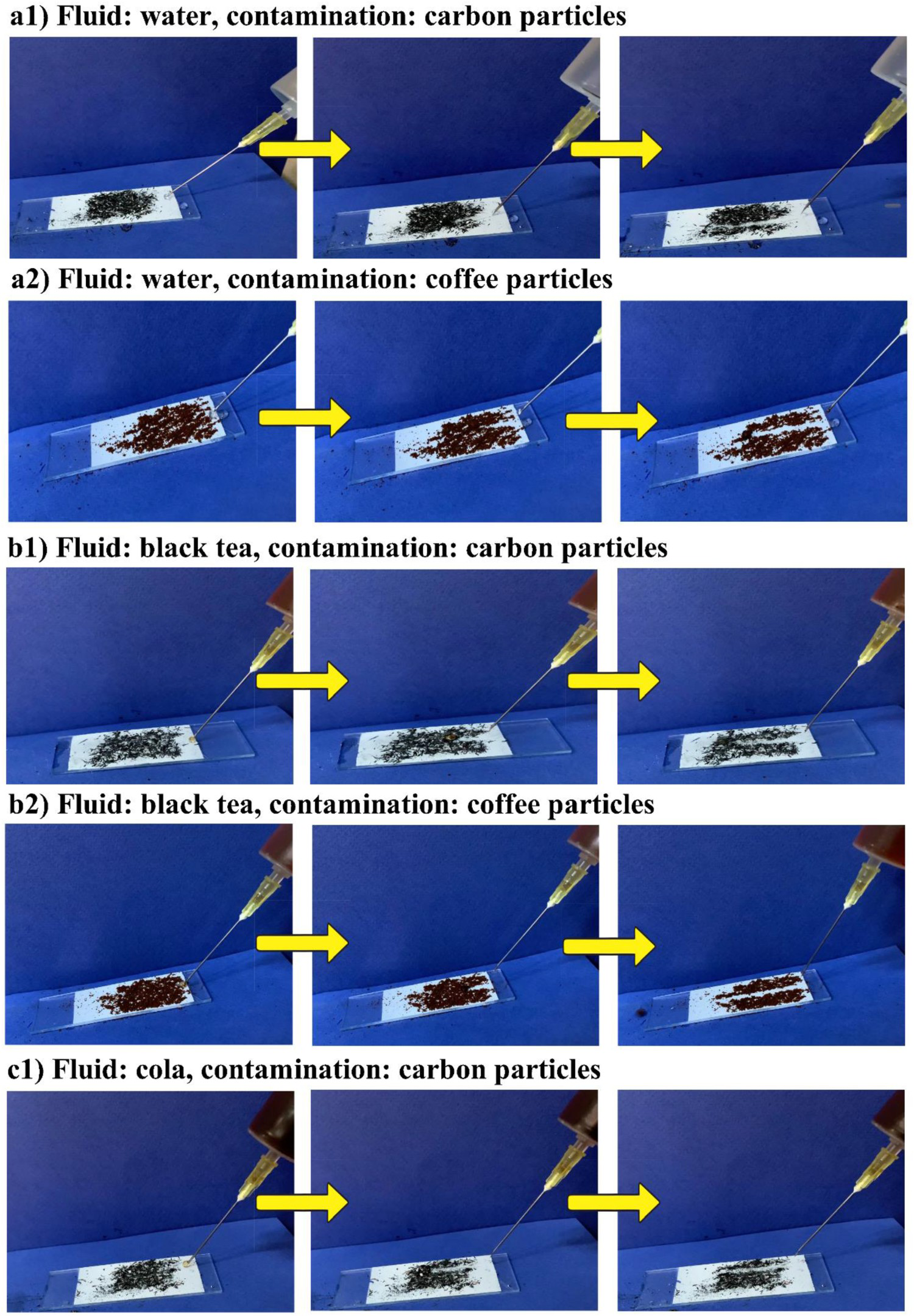
Chemical stability
The behavior of the prepared superhydrophobic surface with a silica/PDMS ratio of 100% was also evaluated in different fluidic environments. Nitric acid and sodium hydroxide were used to adjust the pH of the solutions. The surfaces were dipped into the solutions for 6 h, followed by one-hour exposure to airflow. Then, the static contact angles were measured as illustrated in Figure 18. Despite a decline in the contact angles by altering the solution pH from neutrality, the changes were not significant.
Chemical stability of the sample with silica/PDMS ratio of 100% after 6 h of immersion in several solutions of different pH values.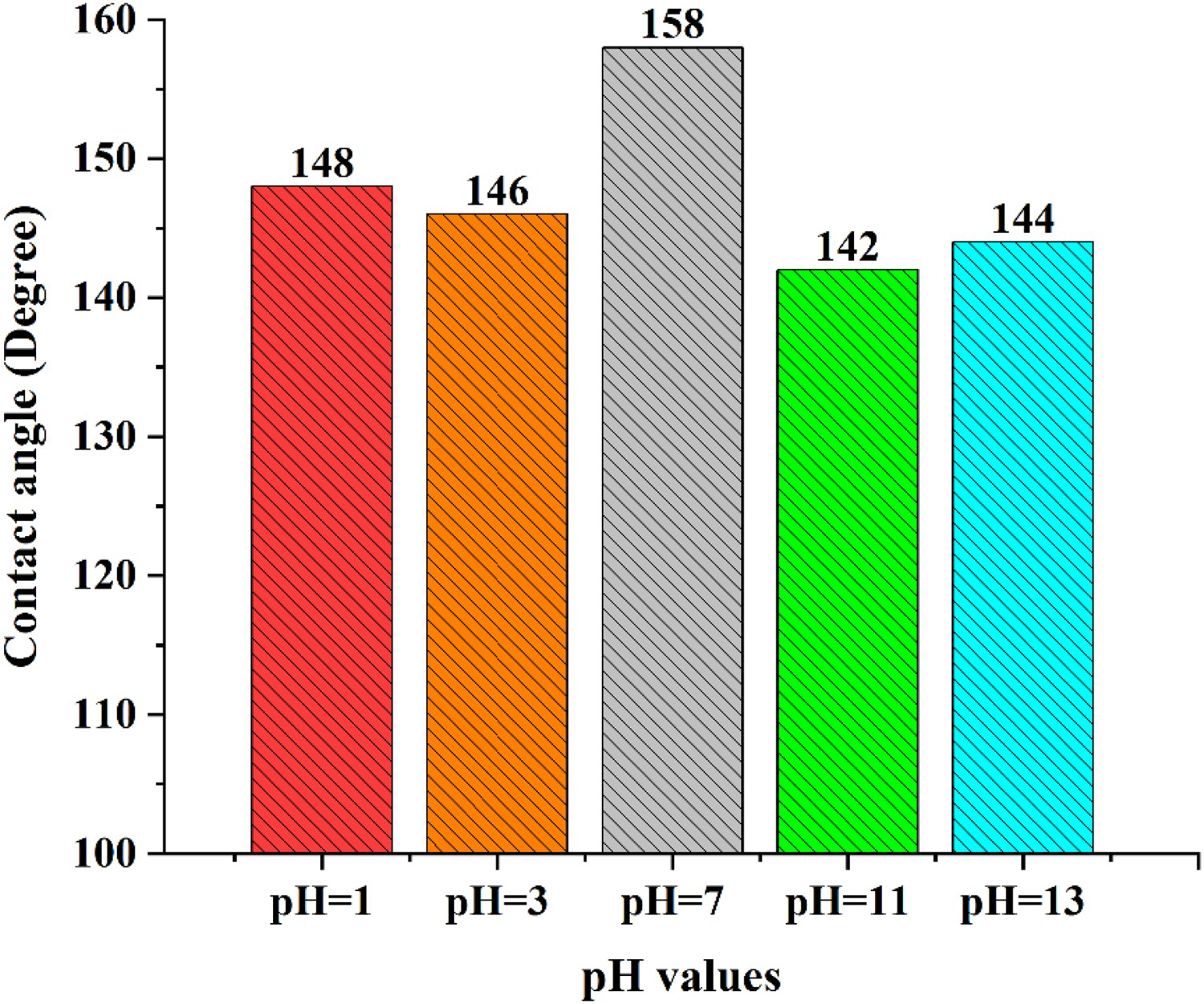
Conclusion
According to the results, the following conclusions can be drawn.
A rise in the content of silica nanoparticles in the polymer composite increases the static contact angle of the surface while decreasing its sliding angle. Superhydrophobic coatings with a silica/PDMS ratio of 70% and 100% showed better antifouling performance than other samples. The samples coated with a PDMS/Silica ratio of 100% showed more durability against algae for more than 10 h, suggesting more appropriate surface structure to control the microorganism settlement. This withstanding time is not comparable with the commercial antifouling coatings. However, it becomes crucial when the samples are used for drag reduction since the slippery behavior of the coatings will vanish completely due to fouling surface roughness. The samples with a silica/PDMS ratio of 100% showed superhydrophobic self-cleaning for water, cola, lemon juice, and black tea (as the fluid) while carbon and coffee particles were used as contamination.
Footnotes
Acknowledgment
The authors would like to appreciate Dr. Ali Asgari for his kind support.
Disclosure statement
No potential conflict of interest was reported by the authors.