






Abstract

Mentoring and skills development programs have been launched by the RANZCP to assist overseas trained psychiatrists living in Australia.
The mentoring program is designed to help overseas trained psychiatrists fulfil their training requirements, prepare for psychiatric examinations and gain admission as Fellows of the RANZCP.
RANZCP Fellows across Australia who are appointed as mentors under the program will be paired with overseas trained psychiatrists in their local area to provide them with non-clinical guidance and support to prepare them for RANZCP examinations.
Eligible psychiatrists who participate in the program will be able to access Fellows who are expert in the various fields of psychiatry through online mediated discussion forums, traditional face-to-face mentoring and group teleconferencing or videoconferencing support.
Eligible candidates will be able to seek reimbursement of costs up to $2250 to cover training and revision courses, formal tuition, books and other resources and travel expenses.
The skills development program will give Australian-based overseas trained psychiatrists who are working in salaried hospital positions access to appropriate training, support and supervision to assist them in gaining fellowship of the RANZCP.
Both programs are being delivered in partnership with the Department of Health and Ageing as part of the improved training arrangements initiative announced in the Federal Government's ‘Strengthening Medicare’ package.
They will continue for the next two years.
RANZCP president, Dr Julian Freidin, said the two programs would greatly assist in the professional development of overseas trained psychiatrists who were now living and working in Australia.
“The Federal Government is to be commended for supporting these two valuable initiatives”, he said.
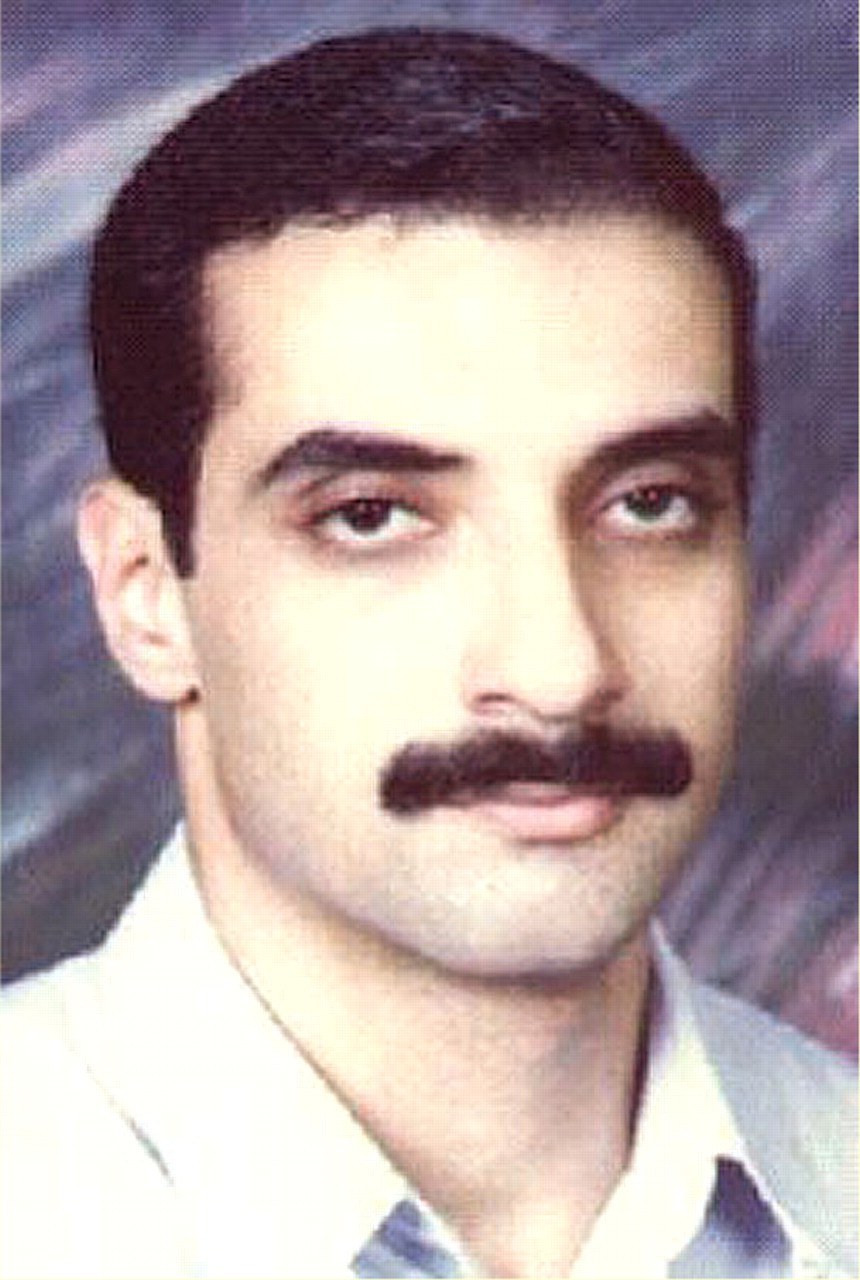
Help programs “a great initiative”
The RANZCP's mentoring and skills development programs are a great initiative, according to Dr Mohammad Allam, who migrated to Australia from Cairo in 2004.
He said the two programs reflected the concerns and needs of overseas trained psychiatrists.
“The mental health system is very different in Egypt and the Middle East.
“There are not many high risk patients in the community as they are usually admitted to hospital and for a longer time than in Australia”, Dr Allam said.
This led to some challenges in adapting to the Australian system, which he described as “one of the best psychiatry systems in the world”. However, he was able to overcome these challenges with the support he received from his colleagues, psychiatrists and the college.
Dr Allam said his ultimate goal in enrolling in the mentoring program was to improve his potential and gain fellowship of the college, especially after coming so close the last time he attempted the college examination.
He also hopes to set up his own practice in order to give back to the community.
“It is my duty and my genuine belief that giving back to the community outweighs the monetary benefits of psychiatry. My intention is to set up a practice that reflects the special circumstances of patients in the community and that bulk bills.
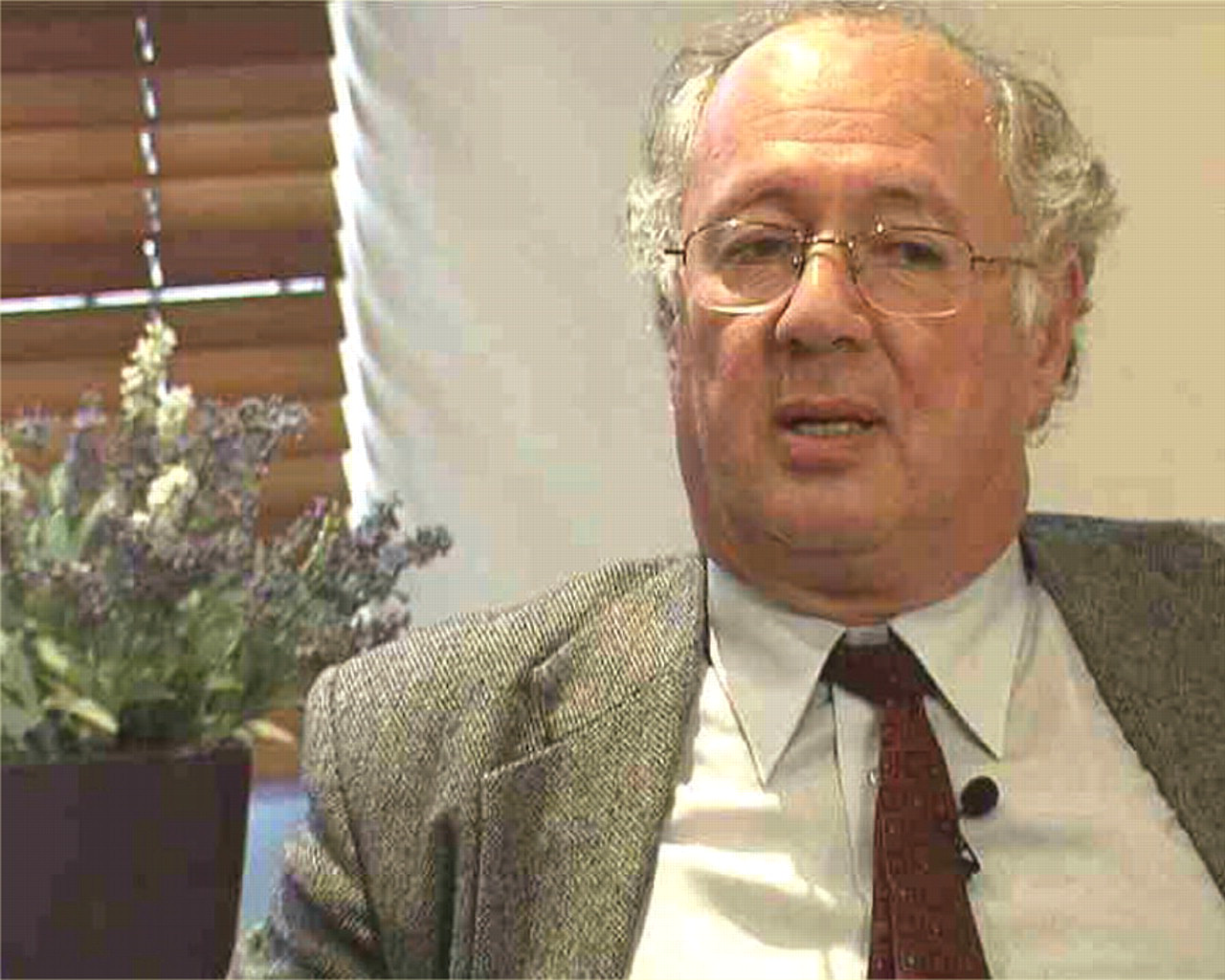
Colleagues ask overseas trained psychiatrist to be mentor
“The UK was once perceived as the Mecca of opportunity.
“Now Australia is rapidly becoming known amongst overseas trained specialists for its first class system and as a better place to practice, especially Victoria”, Dr Allam said.
Melbourne Fellow, Dr Andras Perenyi, first heard about the RANZCP's mentoring program when two of his colleagues - both overseas trained psychiatrists - asked him to be their mentor.
“When they asked me to be their mentor, I contacted Ms Sarah Gafforini at the college and asked how I could join.
“I think I am qualified to be a mentor, especially since I too am a foreign trained psychiatrist.
“I have been in Australia for many years and I have worked with both Australian trained and overseas trained psychiatrists. I know what is involved in getting RANZCP fellowship”, he said.
Dr Perenyi has taken a keen interest in teaching in Australia since migrating from Hungary in 1992, and is a member of the RANZCP training subcommittee for the observational structured clinical exams.
He has worked in both the public and private sectors in Australia and is aware of the pressure some overseas trained psychiatrists feel when endeavouring to be admitted as a Fellow of the college.
“I wish all candidates sitting the exams every luck”, he added.
The RANZCP's decision to introduce the mentoring program was an important one that required the active participation of all Fellows, according to Melbourne Fellow, Dr Sathya Rao.
“Being an overseas trained psychiatrist myself, I am acutely aware of the needs of the international medical graduates who are in the process of obtaining their fellowship.
“When I migrated to Australia a decade ago, I was fortunate to have a senior fellow of the college as a mentor who was instrumental in helping me get through the fellowship exams and also in kindling my interest in college activities.
“Having had the benefit of mentorship, I feel morally and ethically obliged to extend the privilege to others”, Dr Rao said.
Dr Rao said he hoped the program would improve the overall success rates and to some extent help address the workforce issues in rural and public mental health services.
“If senior Fellows of the college are able to mentor, it can really make a difference to the international medical graduates.
“They will feel ‘belonged’ to the college. It will also help change the perceived ‘us and them’ attitude”, he said.
Other mentors have expressed similar sentiments to Dr Perenyi and Dr Rao with many having provided informal mentoring in the past. All of them have had significant experience in RANZCP exam preparation, occupying positions on various RANZCP training committees.
And like Dr Perenyi, many are overseas trained psychiatrists who feel a special bond with overseas trained psychiatrists enrolling in the college's mentoring program.