






Abstract

RANZCP President, Professor Ken Kirkby, led a college delegation to South Australia in July to offer support to the South Australian branch, Fellows and trainees during a protracted dispute involving staff specialists.
At the height of the dispute, 43 staff specialists – about two thirds of their number-tendered their resignations with effect from Monday 16 July.
Professor Kirkby said the college at both a branch and bi-national level had been greatly alarmed at the dispute's implications for the care of patients, the standards of mental health care and the implications for training supervision.
The South Australian branch was active in supporting Fellows at this difficult time and in communicating the gravity of the situation to the public through the media.
Both the Minister for Mental Health, Ms Gail Gago, and the Minister for Industrial Relations, Mr. Michael Wright, took up invitations to meet with a college delegation and were attentive to the concerns raised by the college.
“We indicated the RANZCP's interest in a long-term constructive partnership with government and services in areas of mutual concern such as practice standards, clinical governance, training and continuing medical education”, Professor Kirkby said.
The South Australian branch chair, Dr James Hundertmark, RANZCP Honorary Secretary, Dr Maria Tomasic, and RANZCP Chief Executive Officer, Dr Sharon Brownie, supported Professor Kirkby.
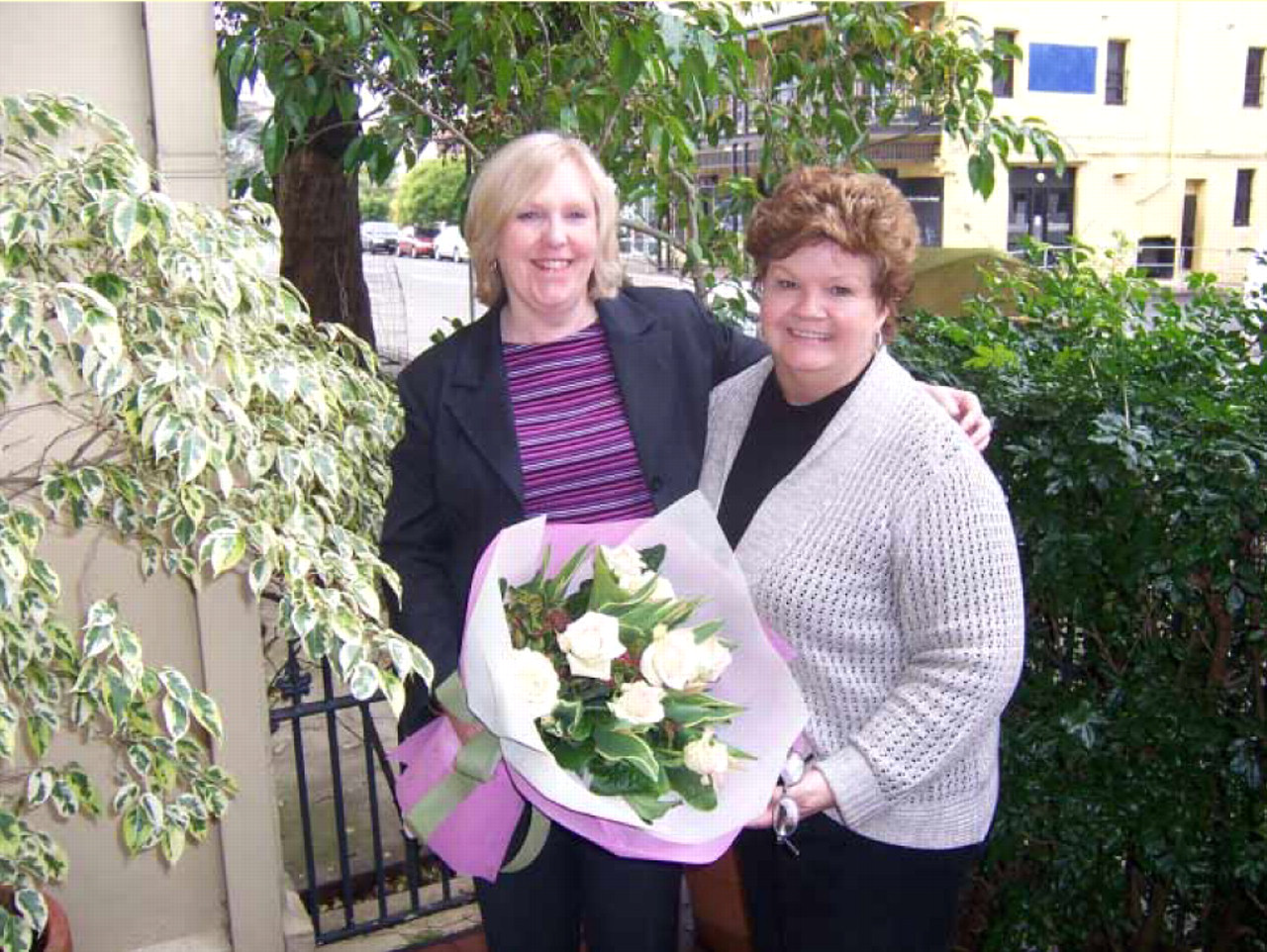
SW branch manager, Ms Pam Allen (right) farewells NSW branch “survivor” Ms Carolyn Delohery after 11 years sterling service.
The RANZCP was not party to the industrial dispute.
The South Australian Salaried Medical Officers Association represented the public sector psychiatrists in the dispute.
The psychiatrists withdrew their resignations and accepted a temporary solution, which involved hiring eight more staff, and paying a salary loading while their pay and workload dispute was arbitrated.
Professor Kirkby said the RANZCP applauded all parties for reaching an agreed way forward.
The RANZCP is to undertake a long-term review of its fellowship training, assessment and examination processes.
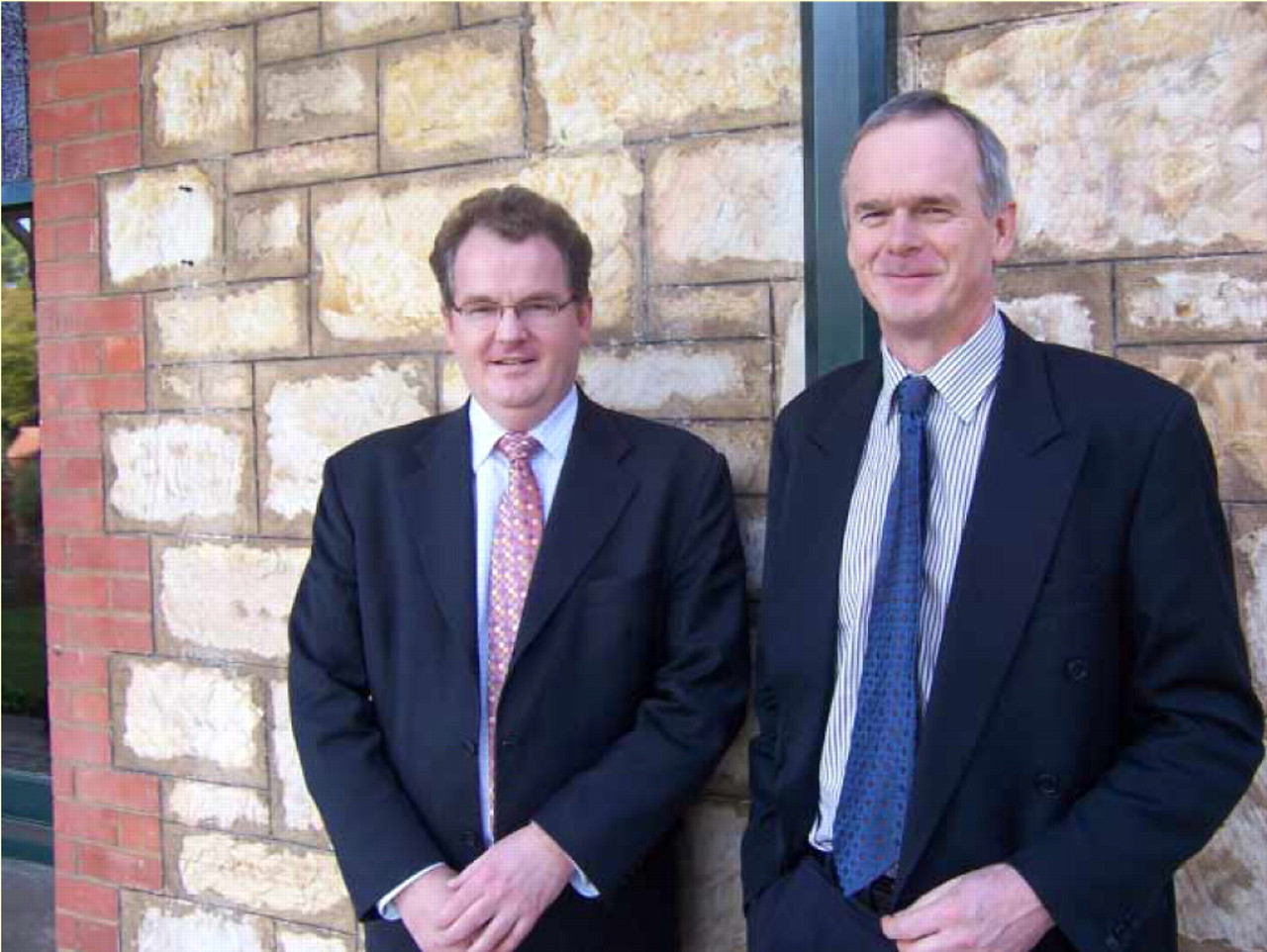
South Australian branch chair, Dr James Hundertmark and RANZCP President, Professor Ken Kirkby, in Adelaide during the psychiatrists' dispute.
The review follows national mental health reforms announced by Council of Australian Governments in 2006, and will be funded by the Australian Government.
The RANZCP's Committee for Education Projects, chaired by Sydney Fellow, Professor Phil Boyce, will oversee the project and work with the Commonwealth Department of Health and Ageing to progress the review.
Extensive consultations will be held with trainees, specialist international medical graduates, supervisors and directors of training in Australia and New Zealand during an initial six-month “establishment phase” of the project.
A key objective of the establishment phase will be to develop the five-year curriculum proposal.
Trainees and specialist international medical graduates will be invited to participate in focus groups to discuss their training experience and competencies in psychiatry.
Feedback from the focus groups will inform the development of an online survey, which will be sent to key stakeholders as part of the project's curricula review consultation process.
The Council of Australian Governments’ reforms depend on the availability of an adequately trained mental health workforce, large enough to deliver the enhanced mental health services.
It is anticipated that the RANZCP curricula review will lead to an increase in the number of consultant psychiatrists entering the workforce over time.
Further information is available from the RANZCP's Education Project Officer, Ms Claire Evans, by emailing.
New South Wales Fellow, Professor Bryanne Barnett, has been recognised for her service to psychiatry.
Professor Barnett was made a Member of the Order of Australia in the Queen's Birthday honours.
The honour acknowledged her service to psychiatry and to the community through research and development of intervention programs and services in the areas of infant, child, and adolescent and maternal mental health and well-being.
She was also recognised for her contribution to professional organisations.
Professor Barnett, who is a perinatal and infant psychiatrist at the Sydney South West Area Health Service, previously held a chair of perinatal and infant psychiatry at the University of New South Wales.
She is chairman of the board of Karitane, Caring for Families and president of the International Marce Society, a body committed to advancement of research and clinical services relating to the perinatal mental health of mothers and children.
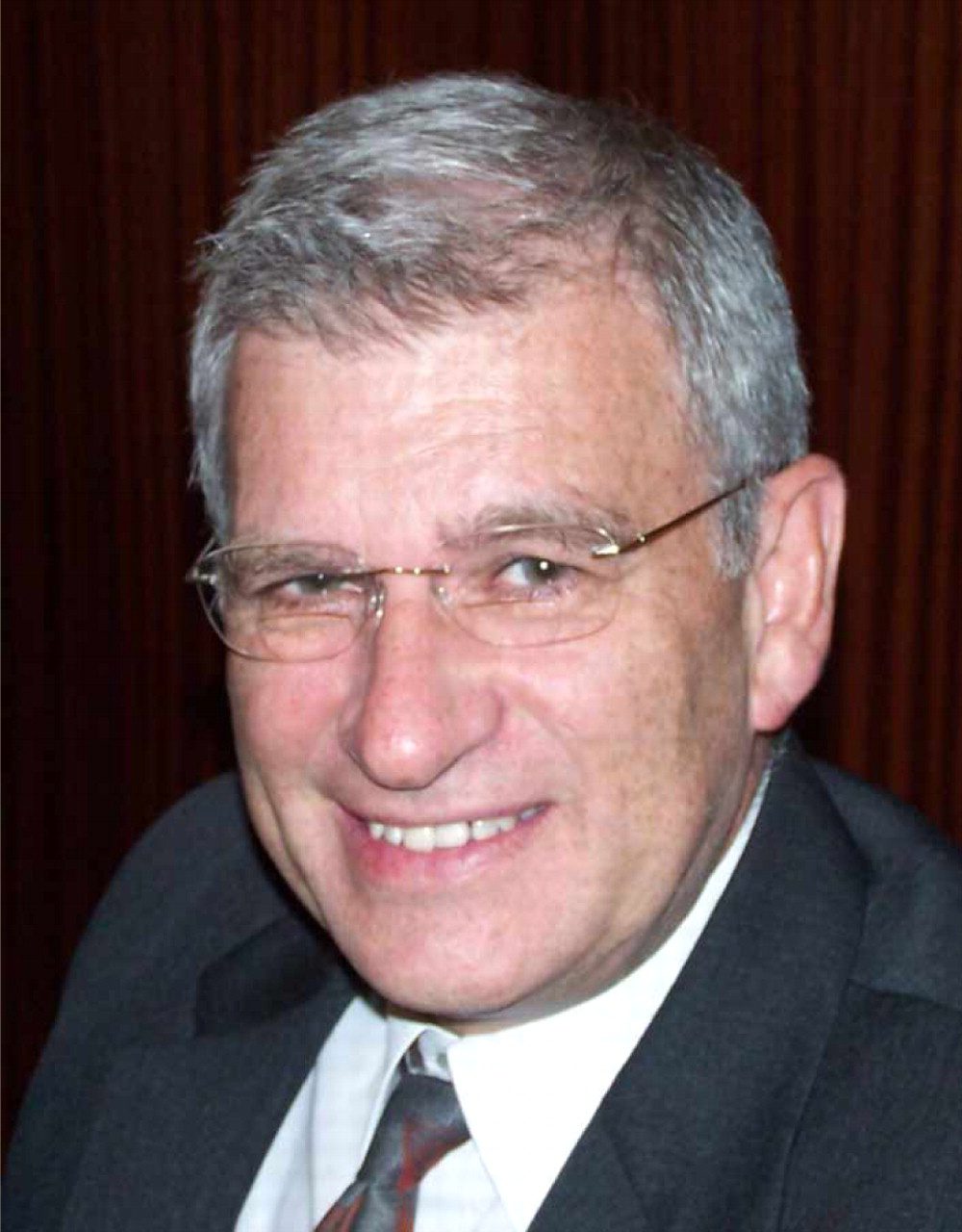
Professor Phil Boyce – Chair of the RANZCP's Committee for Education Projects.
Professor Barnett managed the New South Wales component of stage one of the beyondblue postnatal depression program, and is national deputy director of stage two-development of the perinatal mental health national action plan.
Postnatal depression affects up to 50,000 women in Australia each year.
The Mental Health Professionals’ Association (MHPA) met the Parliamentary Secretary to the Minister for Health and Ageing, Senator Brett Mason, at the RANZCP's bi-national headquarters in Melbourne in July.
Senator Mason congratulated the group on forming a collaborative body, which represents the key four mental health professions – the RANZCP, the Royal Australian College of General Practitioners, the Australian Psychological Society, and the Australian College of Mental Health Nurses.
RANZCP Immediate Past President, Dr Julian Freidin, who is continuing in his role with the MHPA, said there was a natural synergy between the organisations and that they were working well together.
He said the MHPA would continue to work on projects, but have a political lobbying focus to address workforce and community needs.
During the meeting, the RANZCP discussed mental health priorities with Senator Mason, including workforce issues, the need for increased mental health research funding, and the requirement for a single integrated system of care for people with mental illness.
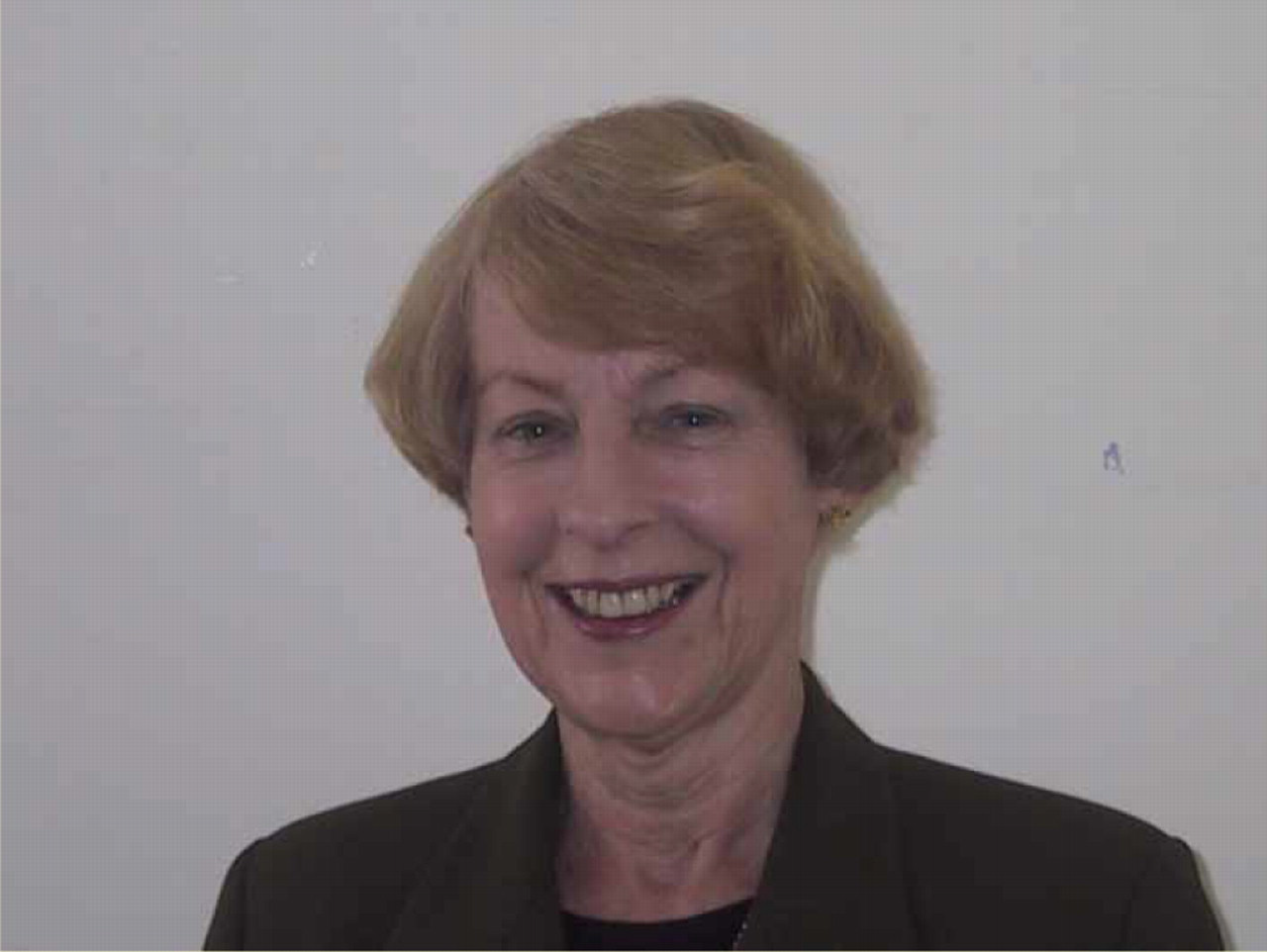
Professor Bryanne Barnett-Member of the Order of Australia.
A formal launch of the Better Access education and training package was to be held at Parliament House in Canberra in August.
A member of the RANZCP's secretariat staff in Melbourne, Ms Anna Stitzel, has been appointed national manager of the Mental Health Professionals’ Association (MHPA) education and training project.
She joined the college in August 2005 after working in the Victorian Department of Premier and Cabinet and the Federal Department of Health and Ageing.
Ms Stitzel has worked on several college policy initiatives including the preparation of a discussion paper for government on changes required to the telepsychiatry item numbers and an Australian DVD – Psychiatry: a better understanding – to encourage medical students to consider specialist training in psychiatry.
She also managed an online orientation project to support international medical graduates in working in the Australian mental health system.
The RANZCP – the lead organisation of the MHPA–has received funding from the Australian Government's Department of Health and Ageing to develop a multidisciplinary education and training package for the Better Access to Psychiatrists, Psychologists and General Practitioners through the Medical Benefits Schedule (Better Access) initiative.
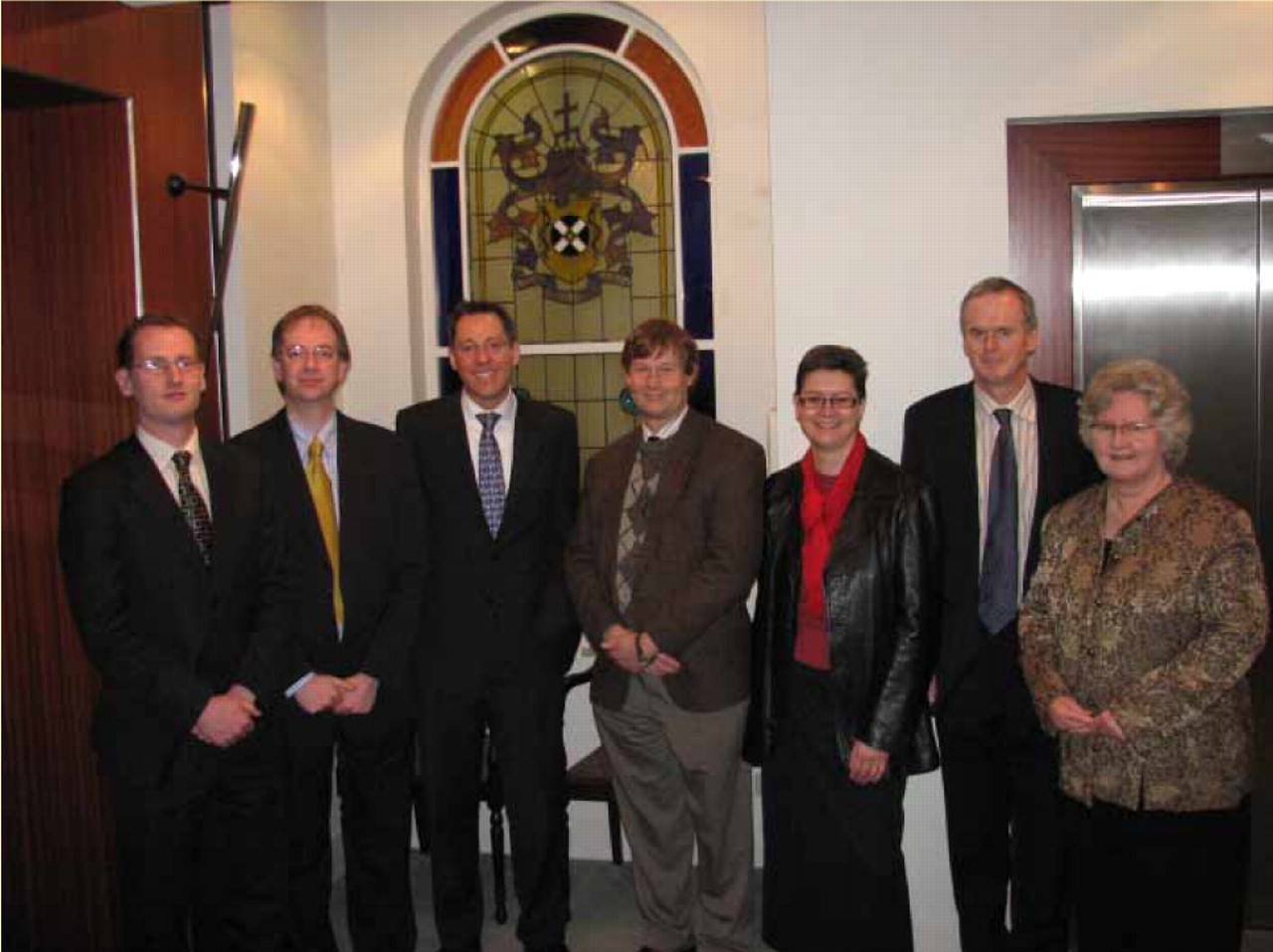
Pictured at the Melbourne meeting are (left to right) Mr Julian Elliott Thomas, Royal Australian College of General Practitioners, Dr Julian Freidin, RANZCP, Senator Brett Mason, Dr Morton Rawlin, RACGP, Dr Caroline Johnson, RACGP, Professor Ken Kirkby, RANZCP, and Professor Lyn Littlefield, Australian Psychological Society.

The package will include an environment scan, a multidisciplinary training package, and a website information portal for new and existing mental health arrangements.
If you have any questions about the MHPA or the MHPA education and training project, please contact Ms Stitzel on 61 3 9601 4956 or by emailing.
The RANZCP's New South Wales branch marked the retirement of Ms Carolyn Delohery at the end of June after 11 years service.
The Melbourne-based Mental Health Professionals’ Association National Manager, Ms Anna Stitzel.
Ms Delohery originally joined the branch to support the convenor of the 1997 congress in Sydney.
She subsequently became a highly valued team member in support of training.
NSW Branch Manager, Ms Pam Allen, said that in doing so Ms Delohery became the main source of local wisdom for NSW Branch Training Committee members and trainees.
“Carolyn has worked through, and survived, the changes which have taken place over recent years in relation to training by-laws, examinations and Australian Medical Council accreditation.
“She has now decided to take time off to spend with her husband John”, Ms Allen said.
The NSW Branch Training Committee and staff farewelled Ms Delohery at a lunch in her honour.