






Abstract
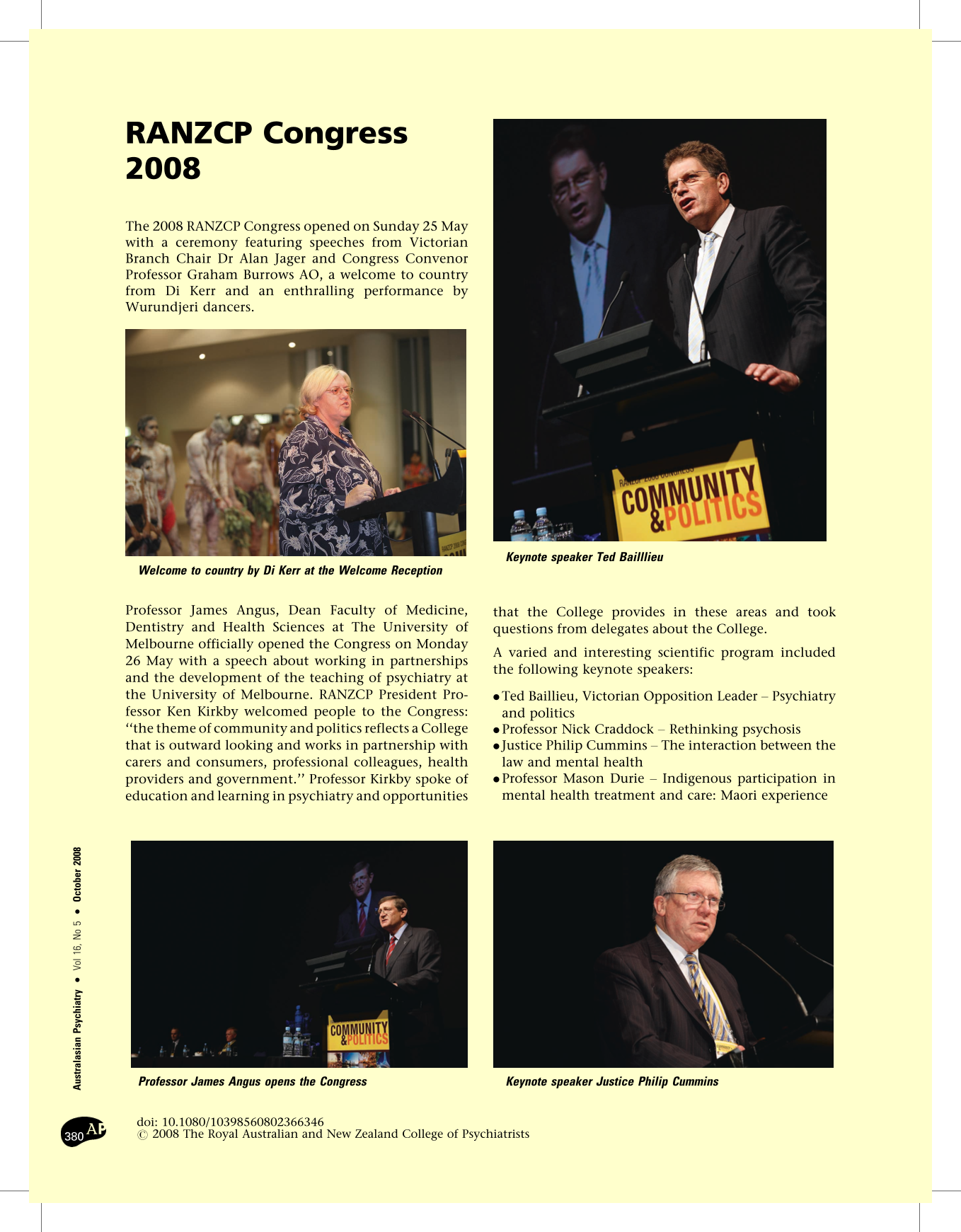
The 2008 RANZCP Congress opened on Sunday 25 May with a ceremony featuring speeches from Victorian Branch Chair Dr Alan Jager and Congress Convenor Professor Graham Burrows AO, a welcome to country from Di Kerr and an enthralling performance by Wurundjeri dancers.
Welcome to country by Di Kerr at the Welcome Reception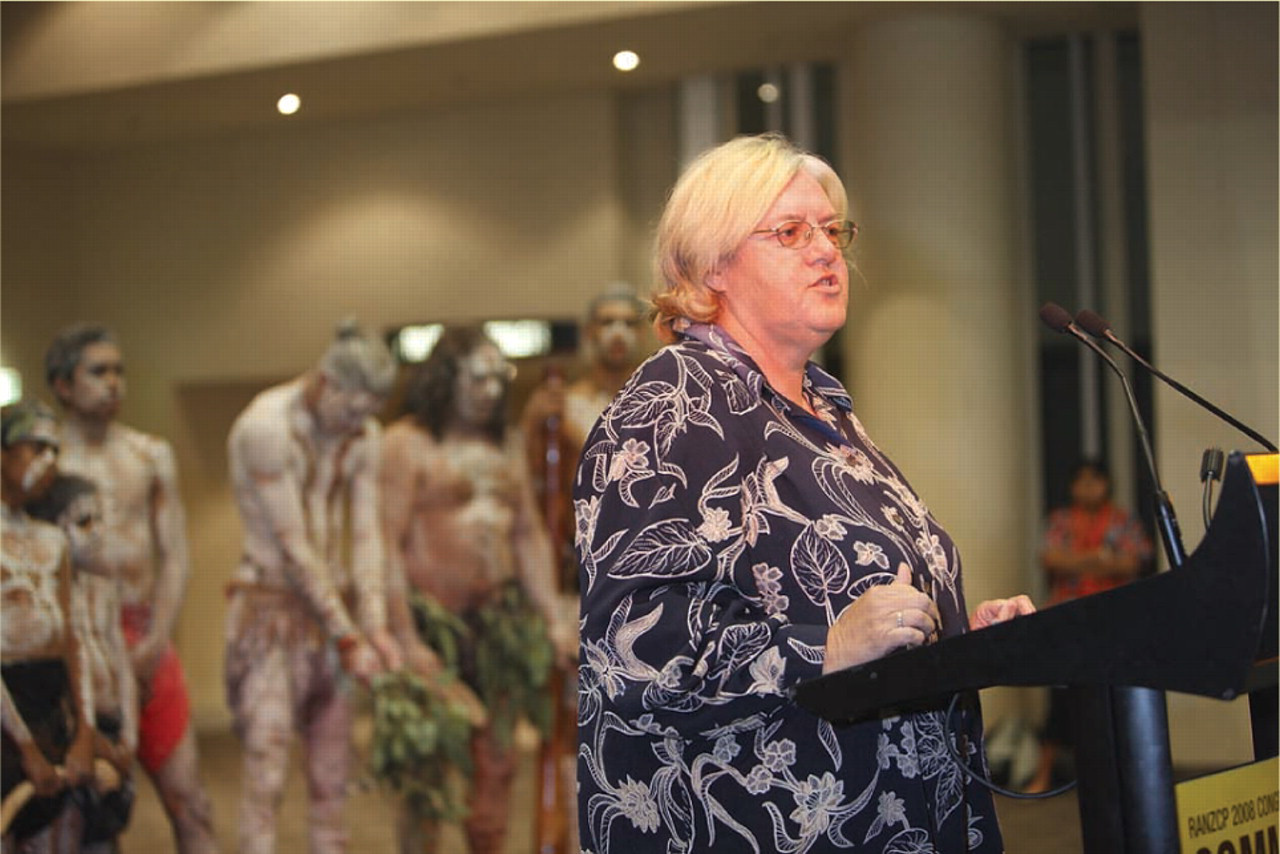
Professor James Angus, Dean Faculty of Medicine, Dentistry and Health Sciences at The University of Melbourne officially opened the Congress on Monday 26 May with a speech about working in partnerships and the development of the teaching of psychiatry at the University of Melbourne. RANZCP President Professor Ken Kirkby welcomed people to the Congress: “the theme of community and politics reflects a College that is outward looking and works in partnership with carers and consumers, professional colleagues, health providers and government.” Professor Kirkby spoke of education and learning in psychiatry and opportunities that the College provides in these areas and took questions from delegates about the College.
Professor James Angus opens the Congress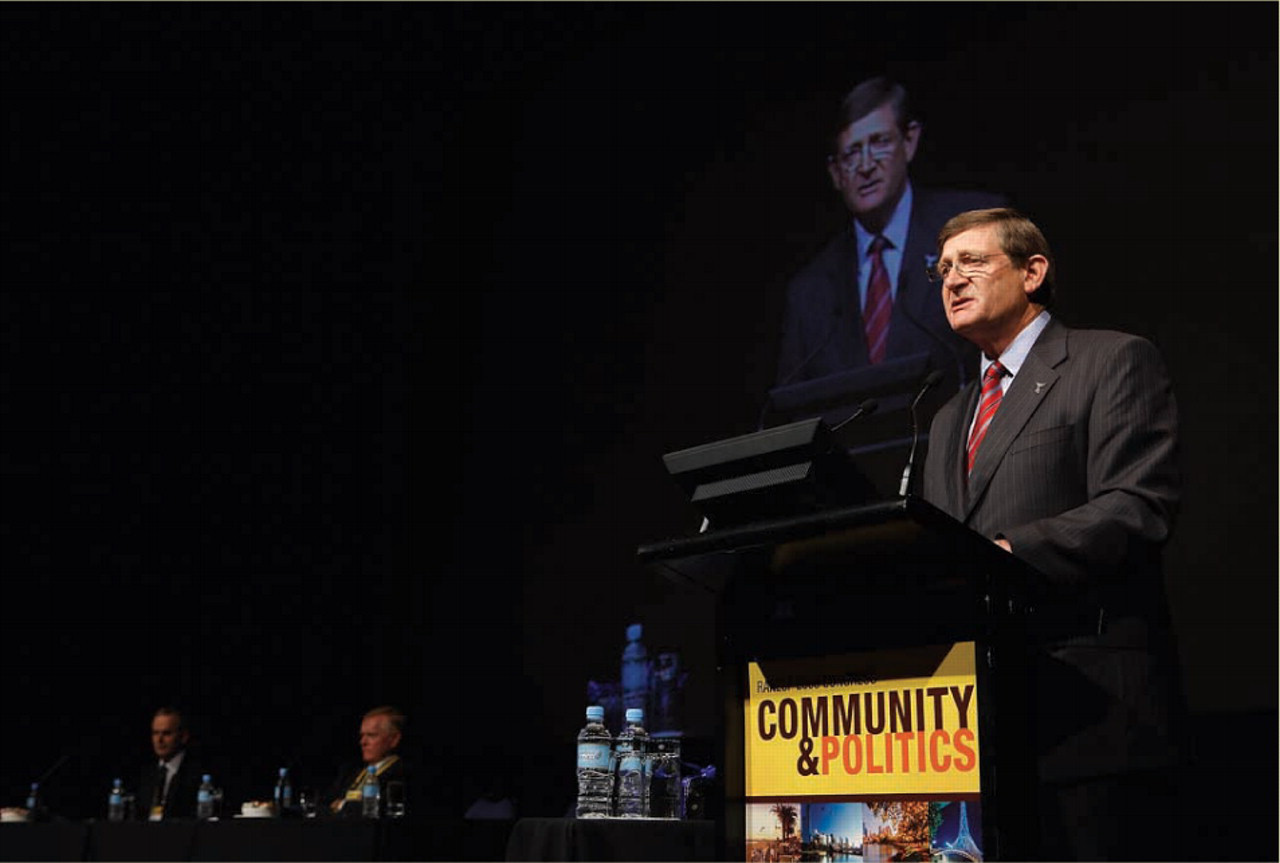
A varied and interesting scientific program included the following keynote speakers:
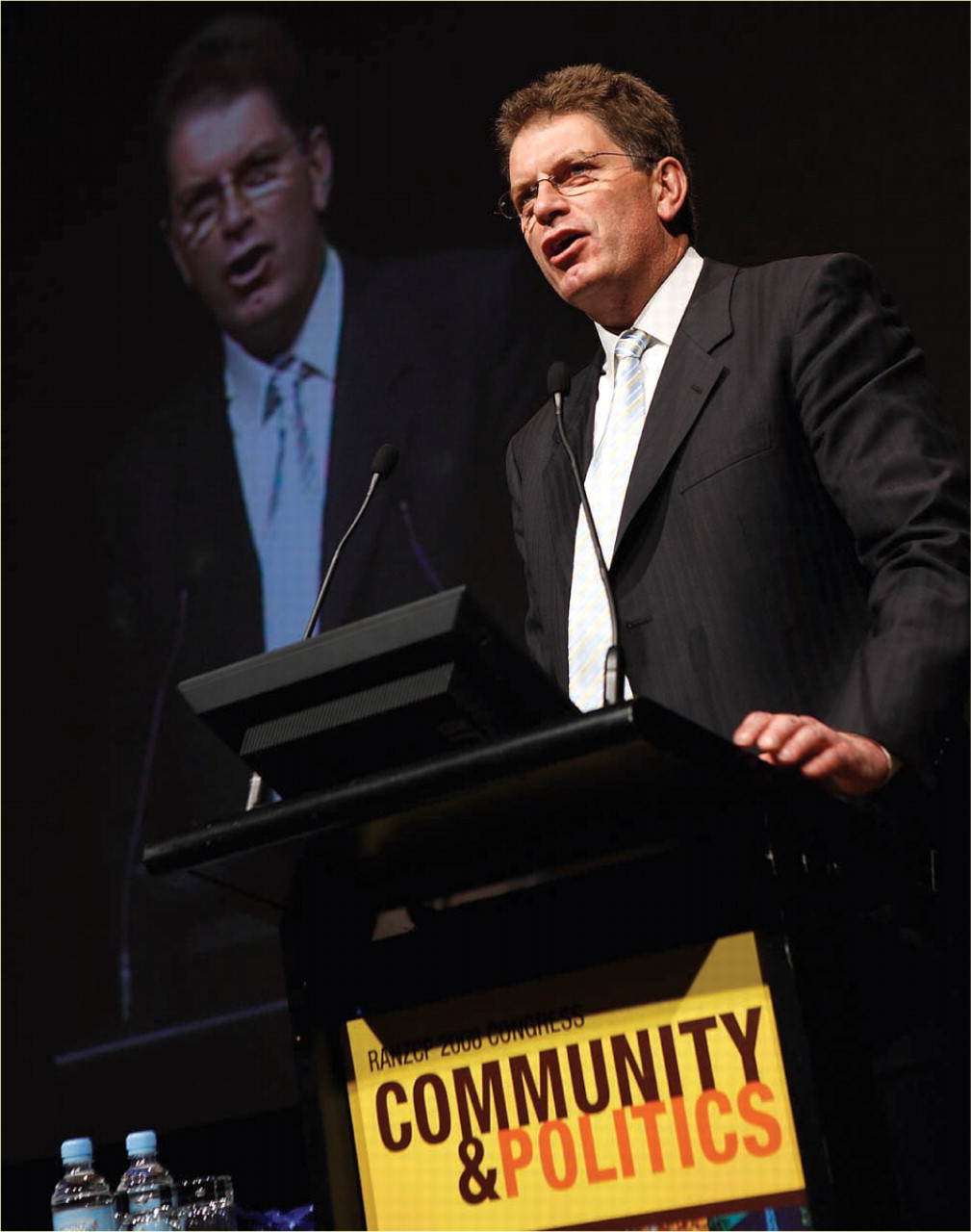
Ted Baillieu, Victorian Opposition Leader – Psychiatry and politics Professor Nick Craddock – Rethinking psychosis Justice Philip Cummins – The interaction between the law and mental health Professor Mason Durie – Indigenous participation in mental health treatment and care: Maori experience Barbara Hocking, SANE Executive Director – The interaction between psychiatry and consumers of psychiatric services Professor Alexander McFarlane – Organon Senior Research Presentation Dr Ruth Vine – Margaret Tobin Oration Dr Harvey Whiteford – The interaction between economics and mental health Keynote speaker Ted Baillieu Keynote speaker Justice Philip Cummins
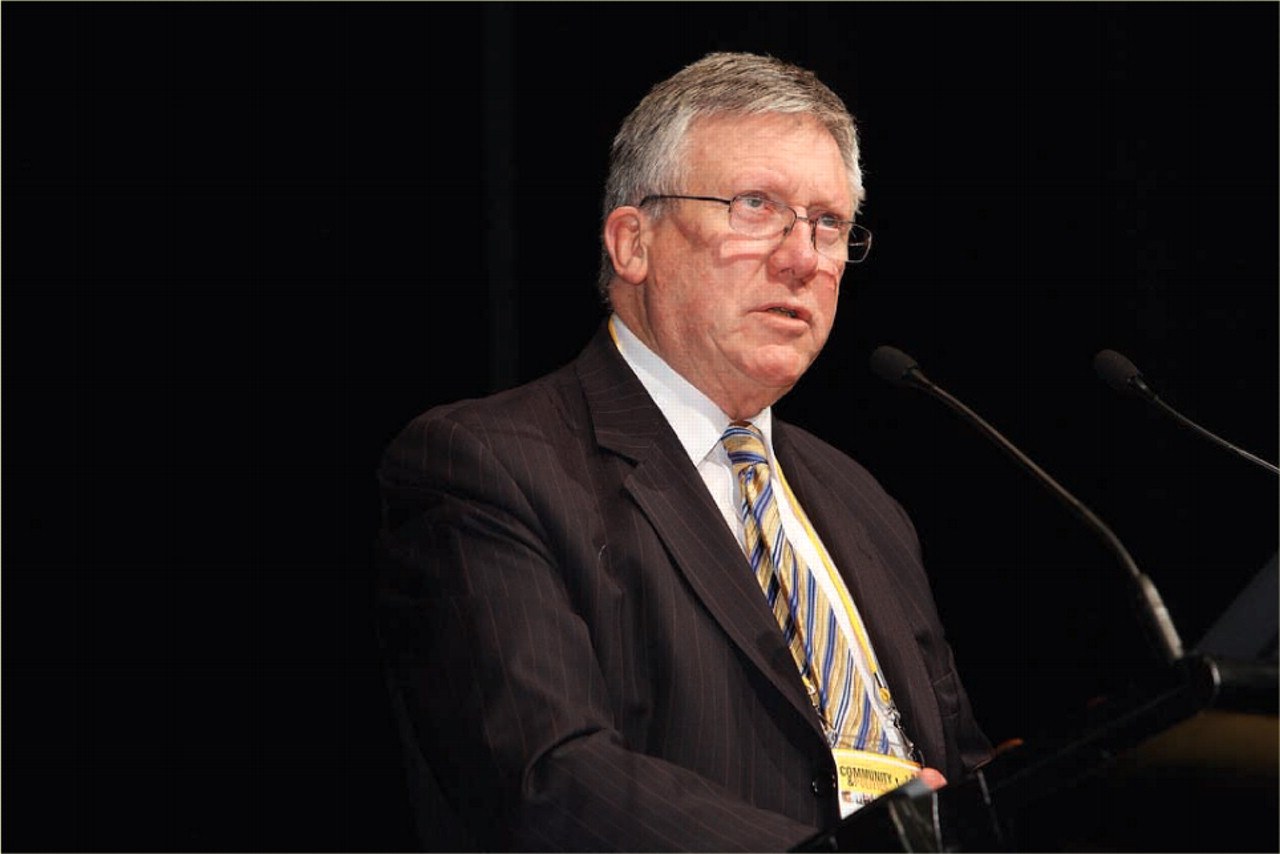
At the College Ceremony Professor Bruce Singh AM, Deputy Dean Faculty of Medicine, Dentistry and Health Sciences at The University of Melbourne, gave the annual College Address, new Fellows and those who had gained certificates of advanced training were congratulated and the following awards were presented:
The College Medal of Honour – Professor Beverley Raphael AM, NSW The College Citation
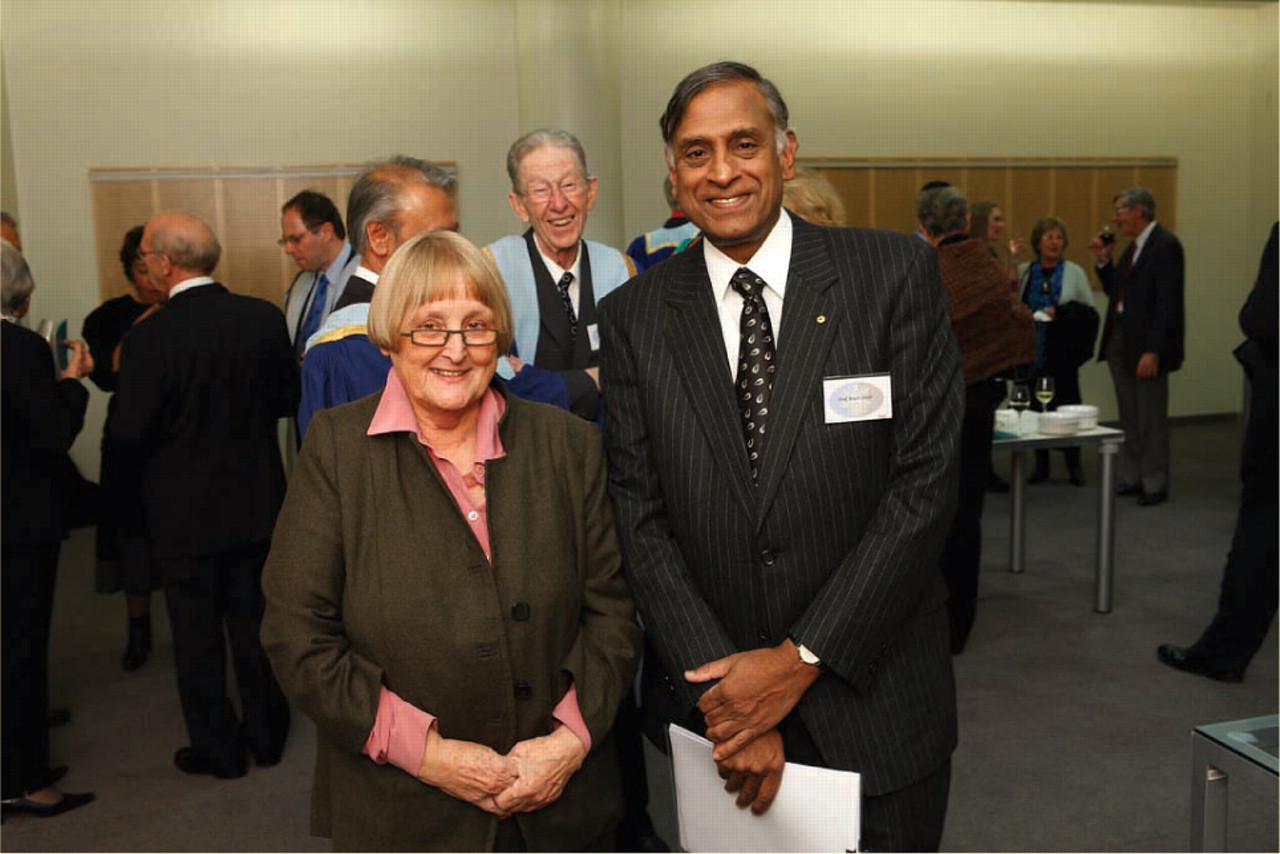
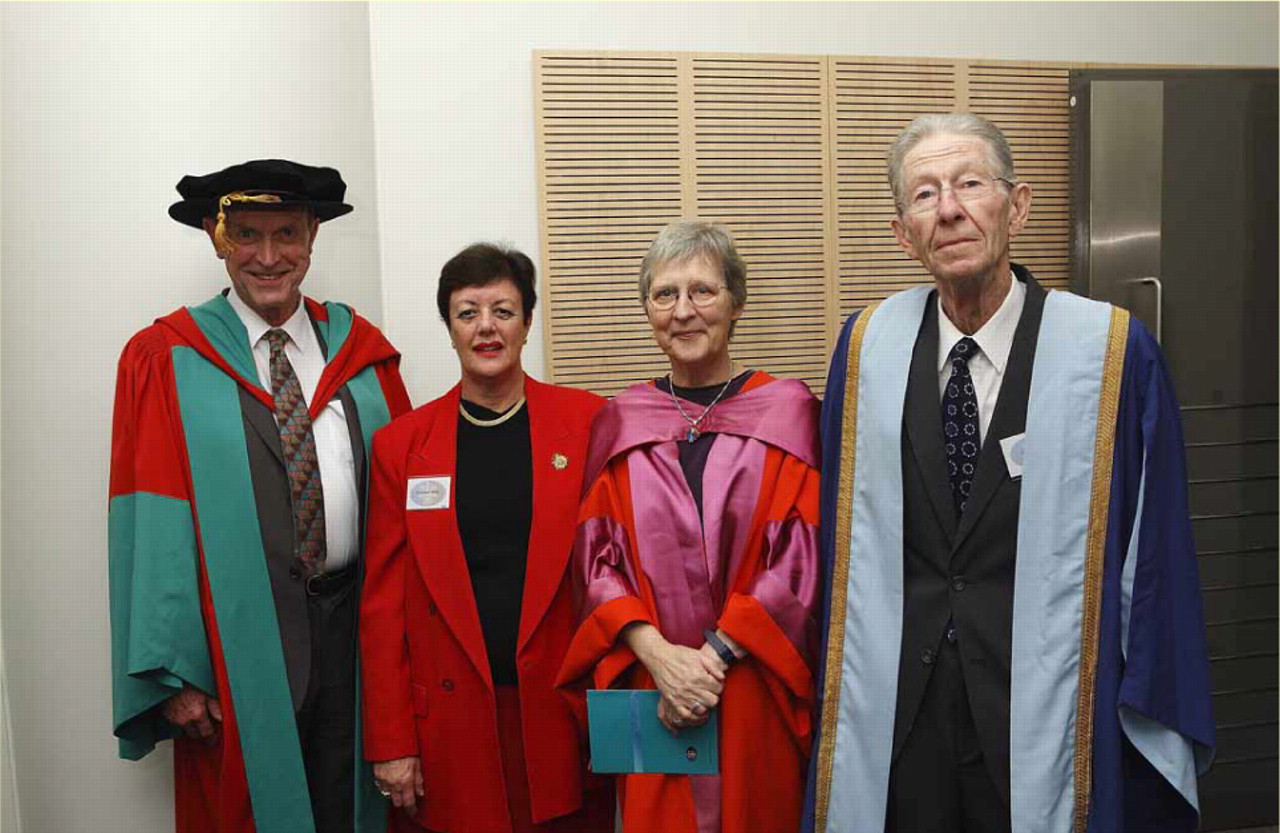
Professor A Scott Henderson AO, ACT Dr John Tooth OAM, Tasmania Dr Yvonne White, NSW Professor Kay Wilhelm AM, NSW The Maddison Medallion – Dr Lucinda Smith, Victoria The Mark Sheldon Prize – Professor Mason Durie, New Zealand The Margaret Tobin Award – Dr Ruth Vine, Victoria Lilly Psychiatry Fellowship – Dr Astrid Rogoz, NSW Howard Cooper Travelling Fellowship – Dr Norharlina Bahar, Malaysia Organon Young Psychiatrist Award – Dr Christopher Davey, Victoria Organon Senior Research Award – Professor Alexander McFarlane, South Australia Medal of Honour recipient Professor Beverley Raphael AM with College Address presenter Professor Bruce Singh AM College Citation recipients Professor A Scott Henderson AO, Dr Yvonne White, Professor Kay Wilhelm AM, Dr John Tooth OAM
The College's Annual General Meeting was held on Wednesday 28 May and the reports of the College Officers and the annual financial and auditor's reports were received.
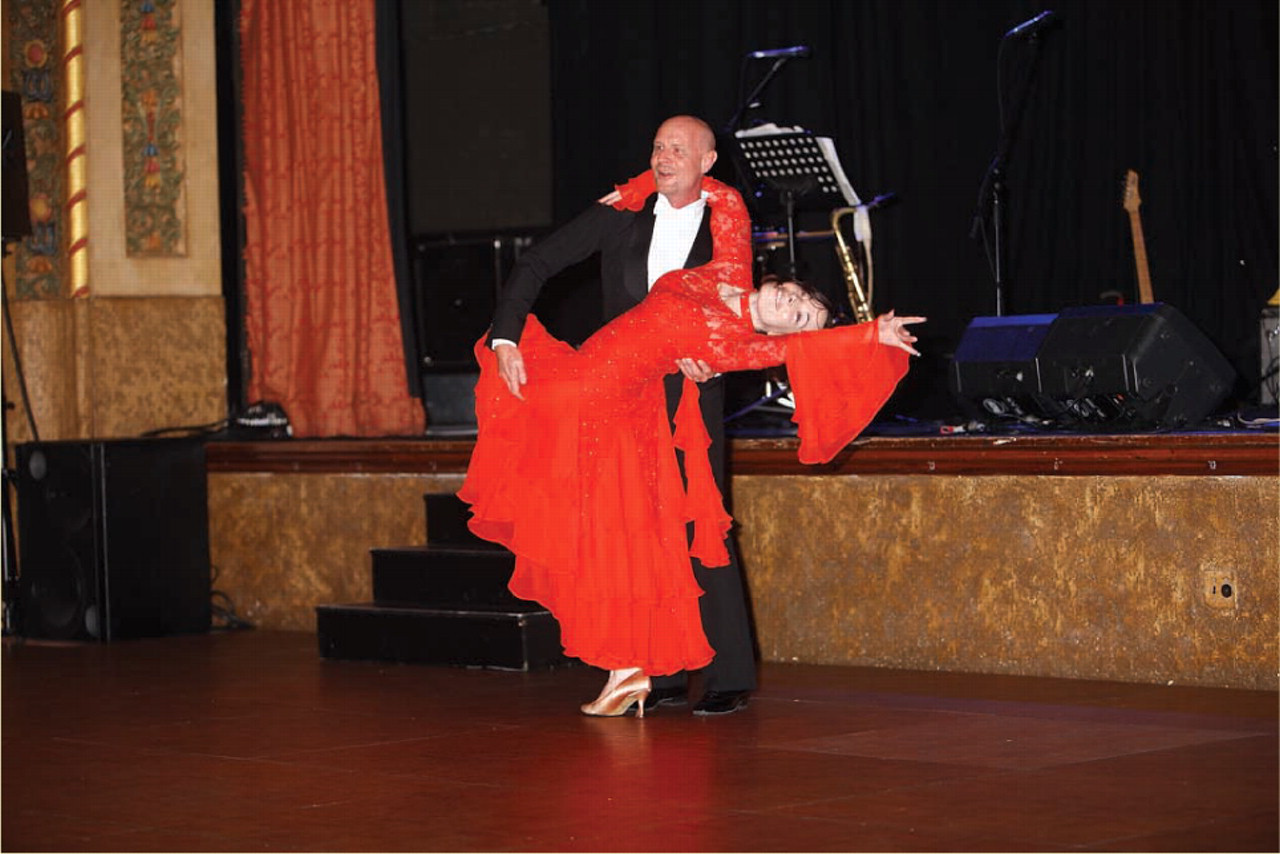
In the enchanting setting of the Plaza Ballroom in the Regent Theatre delegates enjoyed a Gala Dinner complete with performances by Fellows with special talents, including singing by Professor David Copolov, dancing by Dr Angela Livingstone and partner, and The Beatles/Aussie rock band led by Victorian Branch Chair Dr Alan Jager. Awards were also presented at the dinner to trainees or recent Fellows. The Pfizer Congress Presentation Award was given to Dr Jiangyi Zhang of Victoria for his presentation on “Factors Associated with Length of Stay and the Risk of Readmission at an Acute Psychiatric Inpatient Facility”. The Pfizer Congress Poster Awards were given to Dr Kaveh Monshat, Dr Daniel Mosler and Dr Tad Tietze.
Professor David Copolov performs at the Gala Dinner Dr Angela Livingstone performs at the Gala Dinner Dr Alan Jager and his band at the Gala Dinner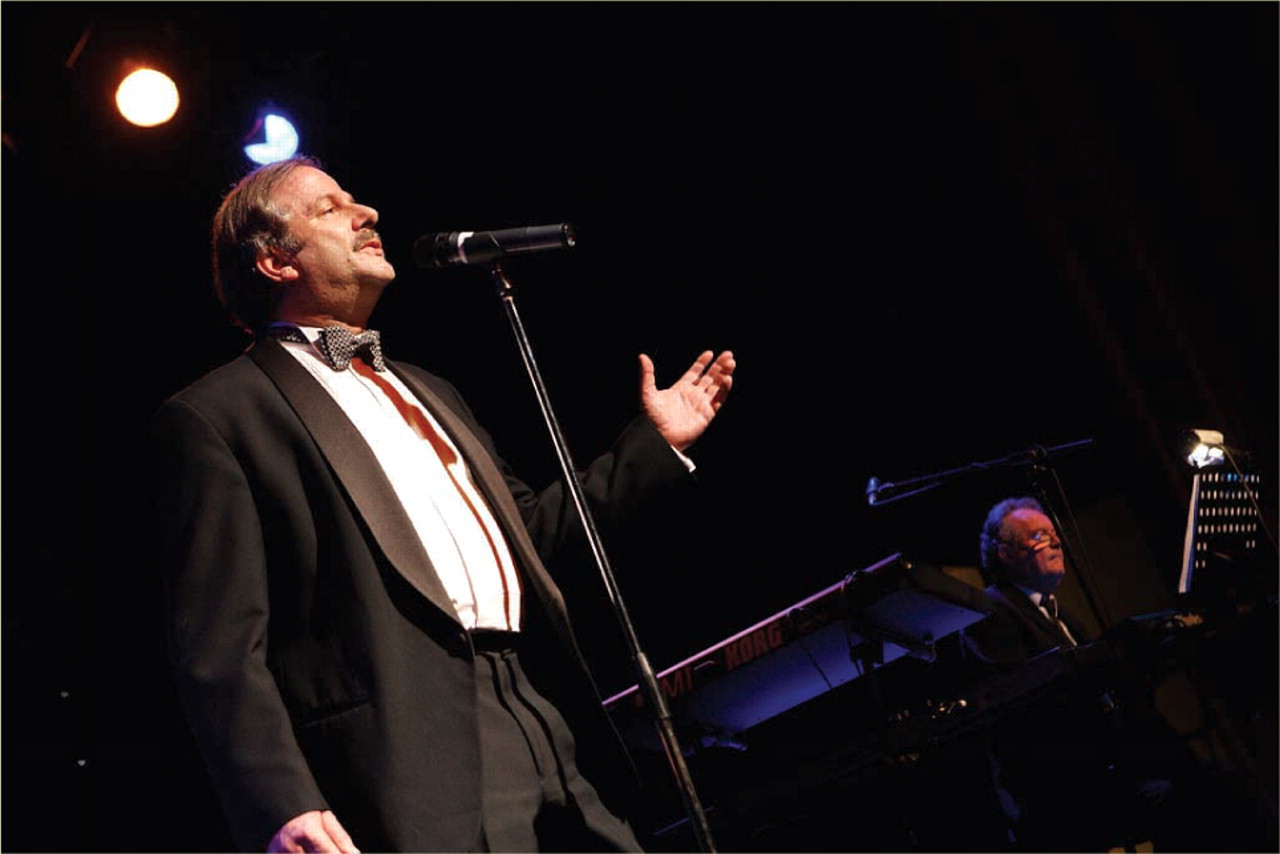

The Congress received media coverage throughout Australian television, radio and print media with a particular focus on eating disorders in children, asylum seekers and post-traumatic stress disorder.
The Congress was closed with speeches by Professor Ken Kirkby and Professor Graham Burrows AO and an invitation to the Adelaide Congress in 2009 by Co-Convenor Professor Robert Goldney.
A successful and smooth running event was enjoyed by all, with thanks to the Branch Congress Organising Committee, chaired by Professor Graham Burrows AO, and to the Scientific Program Coordinator Associate Professor Mal Hopwood.
Professor Bruce Singh AM, Professor Ken Kirkby, Associate Professor Mal Hopwood and Professor Graham Burrows AO before the College Ceremony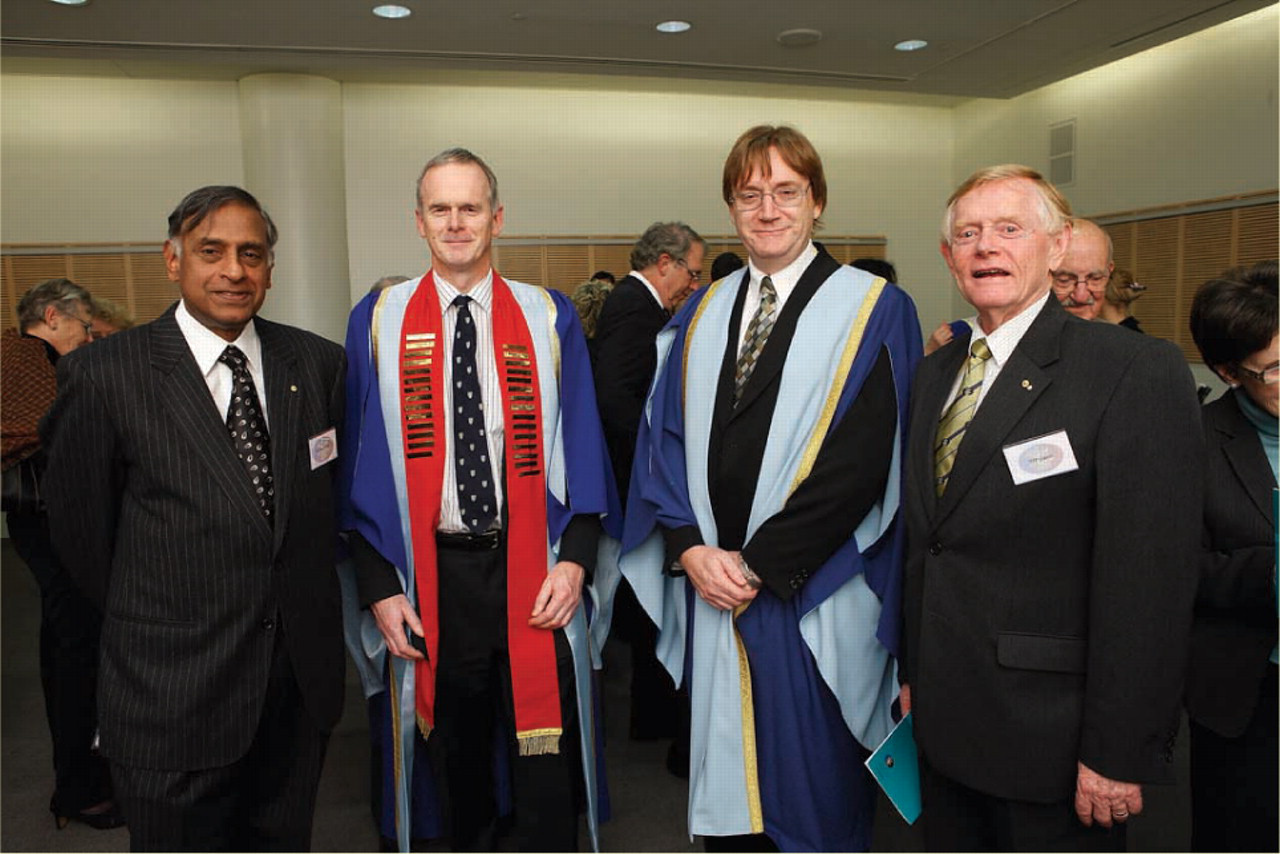
College Awards
The RANZCP recognises outstanding achievements and contributions by its Fellows and trainees with a variety of awards and prizes. Over the years the College has established awards of honour, awards recognising excellence in particular fields, and awards which promote further research and education amongst the membership.
At the 2008 Congress in Melbourne, the following awards were formally presented as part of the College Ceremony.
The College Medal of Honour
The College Medal of Honour is the RANZCP's highest and most prestigious award, and it is presented for distinguished and meritorious service to the College.
The 2008 College Medal of Honour was awarded to Professor Beverley Raphael AM.
Her citation reads:
Professor Beverley Raphael AM
The Royal Australian and New Zealand College of Psychiatrists is pleased to award the College Medal of Honour to Professor Beverley Raphael AM.
Professor Raphael is an outstanding Fellow of the RANZCP who has a remarkable research background, has provided direction for the College as President and on a multitude of College committees, and who has made her expertise available to governments at state, national and international levels throughout a long and distinguished career.
Professor Raphael entered psychiatry in 1964, and has been involved with mental health service development and planning since 1968.
She has contributed extensively to mental health research in the fields of bereavement, psychological trauma, disasters and terrorism, child and adolescent mental health, women's mental health, HIV aids and mental health, depression, domestic violence, and mental health aspects of physical illnesses including respiratory disease, cancer and stroke.
A past President of the RANZCP, Professor Raphael has also chaired a wide range of other committees relevant to service development in mental health, including the National Health and Medical Research Council's Mental Health Committee and the Australian Transcultural Mental Health Network. Together with Mrs Pat Delaney (Swan), Professor Raphael was responsible for the national consultancy and report on Aboriginal Mental Health (Ways Forward 1995). She has been a member of the Repatriation Medical Authority since its inception.
Professor Raphael has contributed greatly to policy development in quality of health care, and was part of the founding group for the development of National Mental Health Policy having prepared in 1984 a report on “Problems of Mental Ill Health and the Relevance for the Australian Community” whilst President of the RANZCP.
As the Director, Centre for Mental Health (NSW Health), she oversaw the development and implementation of mental health policy and planning in New South Wales with major programs and initiatives in child and adolescent mental health, older peoples’ mental health, Aboriginal mental health, transcultural mental health, and suicide prevention.
Her international consultancies have included the World Health Organisation for the development of psychiatric education to the People's Republic of China, and for disasters and mental health in the Philippines. She has been an invited consultant to the US Government mental health response to mass violence.
Professor Raphael has held a number of senior positions in universities and been responsible for educational program development and implementation at undergraduate and postgraduate levels in mental health. She is currently Emeritus Professor of Psychiatry at the University of Queensland, Professor of Psychological Medicine at the Australian National University and Professor of Population Mental Health and Disasters, at the University of Western Sydney.
Because of the high esteem in which she is held, her commitment to the College and her extraordinary contribution to psychiatry in general, Professor Beverley Raphael is a most worthy and meritorious recipient of the College Medal of Honour.
Professor Beverley Raphael AM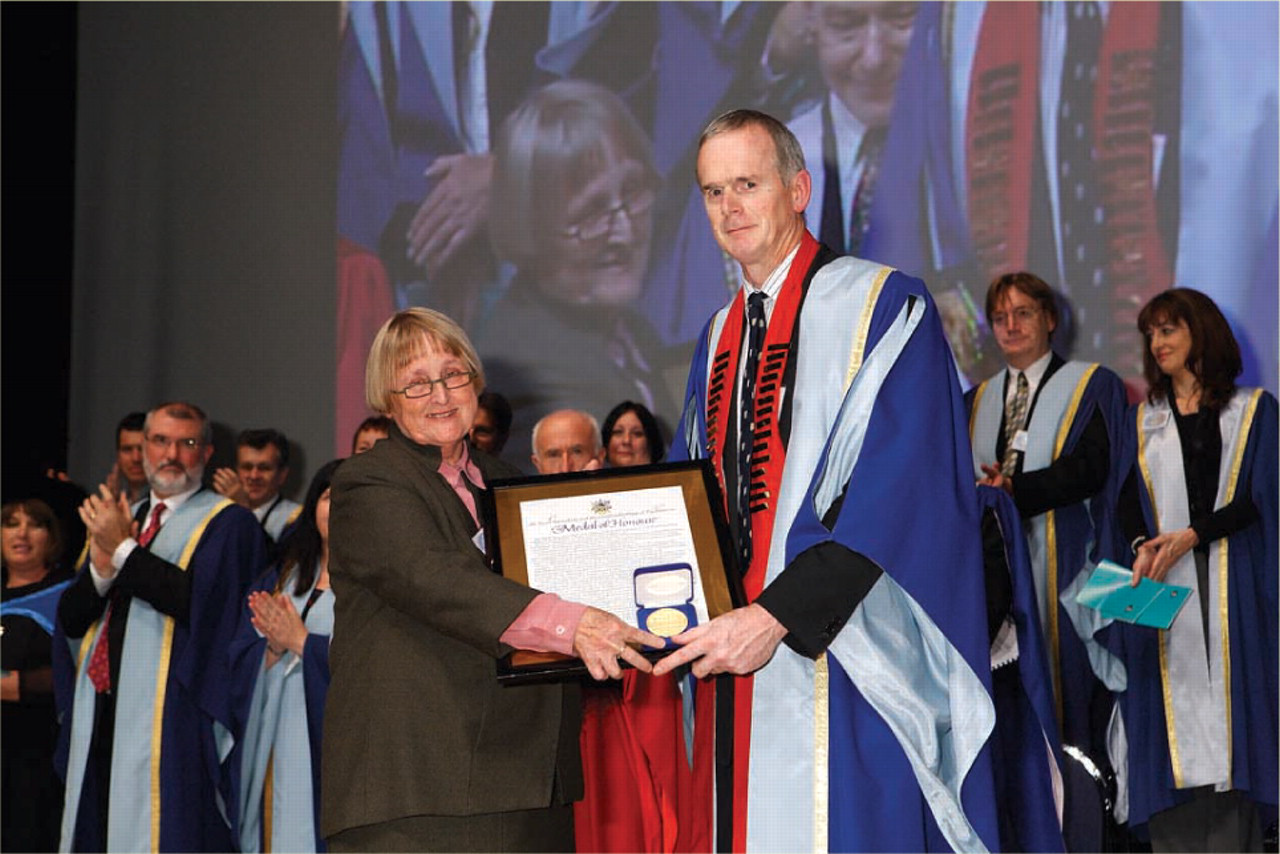
College Citations
College Citations recognise special service to the RANZCP or to psychiatry, and may be awarded to a Fellow or other medical or non-medical nominee. This year College Citations were awarded to four Fellows: Professor A Scott Henderson AO (ACT), Dr John Tooth OAM (Tasmania), Dr Yvonne White (NSW) and Professor Kay Wilhelm AM (NSW).
Their citations read:
Professor Alexander Scott Henderson AO
Professor A Scott Henderson AO has had a long and distinguished academic career initially in the United Kingdom, and then in Tasmania and the ACT.
He has published extensively in the fields of social psychiatry and epidemiology and has a significant international reputation.
Professor Henderson was appointed as Foundation Professor in Psychiatry at the University of Tasmania after emigrating from Scotland in 1968. He went on to become Director of the Australian National University's Centre for Mental Health Research (formerly the Social Psychiatry Research Unit) in 1975, a position which he held for more than a quarter of a century.
The Centre for Mental Health Research was the first NHMRC research unit established in Australia, and under Professor Henderson's leadership gained bi-national and worldwide renown and credibility.
Some of Professor Henderson's major research contributions have been in the areas of environmental risk factors for Alzheimer's disease and for depression, and the linkages between molecular genetics and psychiatric epidemiology.
He has worked as a clinical advisor to the Commonwealth Department of Health and Ageing and is a co-founder of the Australasian Society of Psychiatric Research.
In 2003 Professor Henderson was made an Officer of the Order of Australia for service to medicine in the field of mental health as a leading clinician, researcher and scientist, and to the development of national and international policy in regard to greater awareness, education and improved treatments.
In the latest phase of his career, Professor Henderson continues to provide a clinical service in one of the Mental Health ACT Community teams, chairs the ACT Health and Medical Research Council and is an associate editor of the Australian and New Zealand Journal of Psychiatry. He serves as an adviser to the Department of Defence on the health surveillance of service personnel deployed to war zones. He also leads a weekly clinical audit and journal club for registrars and is valued as a mentor to many.
Professor Scott Henderson is held in the highest regard by the RANZCP and by the general medical community.
He is a worthy and meritorious recipient of a College Citation.
Professor Alexander Scott Henderson AO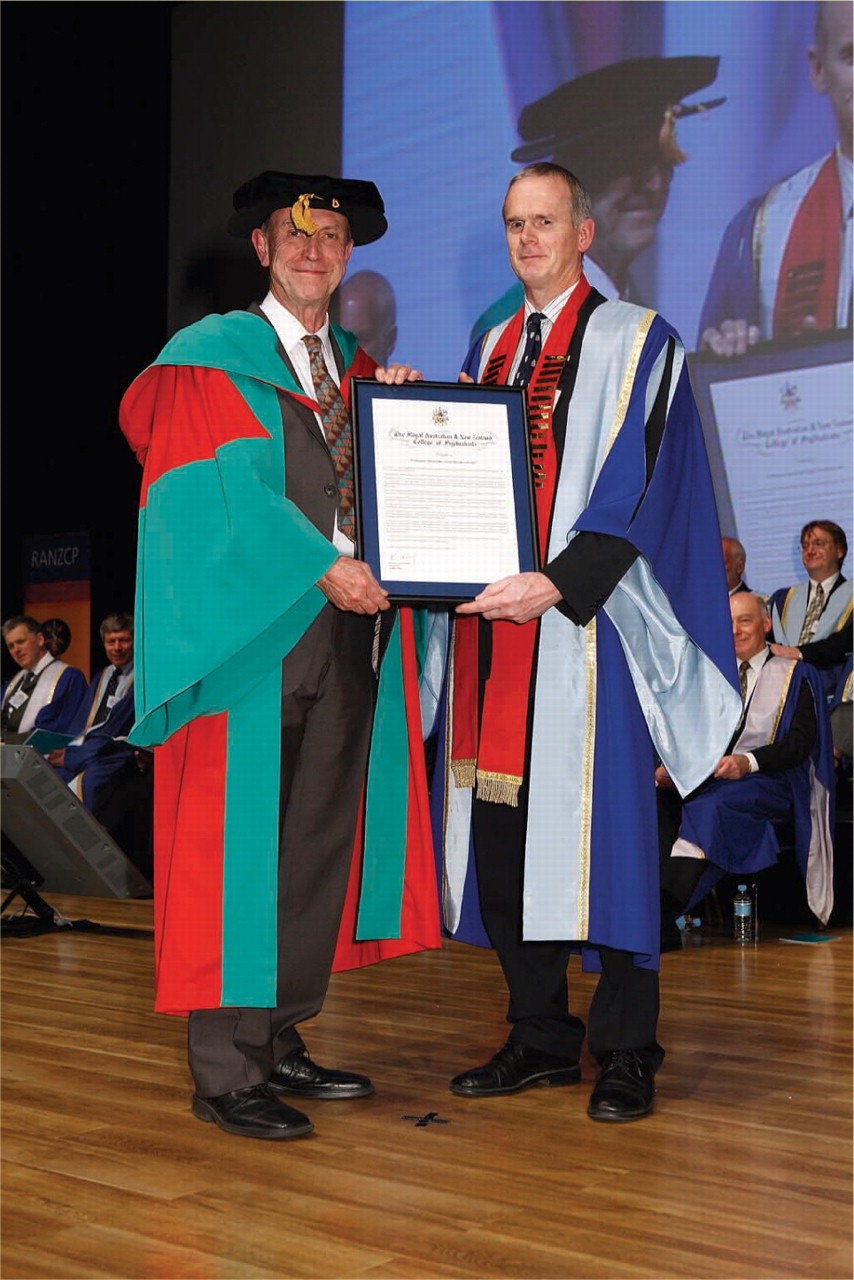
Dr John Tooth OAM
Dr John Tooth OAM has provided many years of outstanding service to the RANZCP and to psychiatry through pioneering work in the field of old age mental health and in particular dementia care.
Dr Tooth emigrated from England after qualifying as a psychiatrist, and became a Fellow of the College in 1968. His first position in Australia in 1965 was as psychiatrist at Kenmore Hospital Goulburn, a psychiatric hospital of 1200 beds. He inspired a charitable community group to establish after-care hostels in Goulburn and these are still operational after 40 years.
In 1969 he moved to Devonport to establish for the Tasmanian state government a comprehensive community psychiatric service in that area. Through both of these experiences, Dr Tooth became aware of the inadequacies of the institutional care being provided for people with dementia in mental health facilities.
In 1983 he was appointed Chairman of the Tasmanian Mental Health Services Commission and he developed plans to abolish the old psychiatric hospital and replace it with small residential facilities in the community. A major challenge was to develop appropriate facilities which could accommodate persons with dementia and severe behavioural problems in a humane manner and in homelike surroundings.
In 1991, after the Mental Health Services Commission had been abolished and with Dr Tooth as the honorary consultant psychogeriatrician, the ADARDS Nursing Home was opened in Hobart and immediately set a world standard for residential dementia care.
He has lectured around the world on the success of the ADARDS Nursing Home, and from the mid-1990s Japanese aged care workers began to visit ADARDS to attend training courses and learn more about his methods of dementia management. The dementia residential care guidelines established by Dr Tooth at ADARDS now have to a large extent been adopted by the Japanese Department of Health.
Dr Tooth has made a major contribution to mental health services in Australia, and in 2001 was awarded the Medal of the Order of Australia and a Centenary Medal for service to the welfare of the aged. In 2003 and then again in 2007 he was the Tasmanian selection for Australian of the Year – thus his pioneering work was further recognised.
Dr John Tooth is a foundation member of the RANZCP's Faculty of Psychiatry of Old Age, and is highly regarded by members of the Faculty as both a colleague and for his expertise.
He is a worthy and meritorious recipient of a College Citation.
Dr John Tooth OAM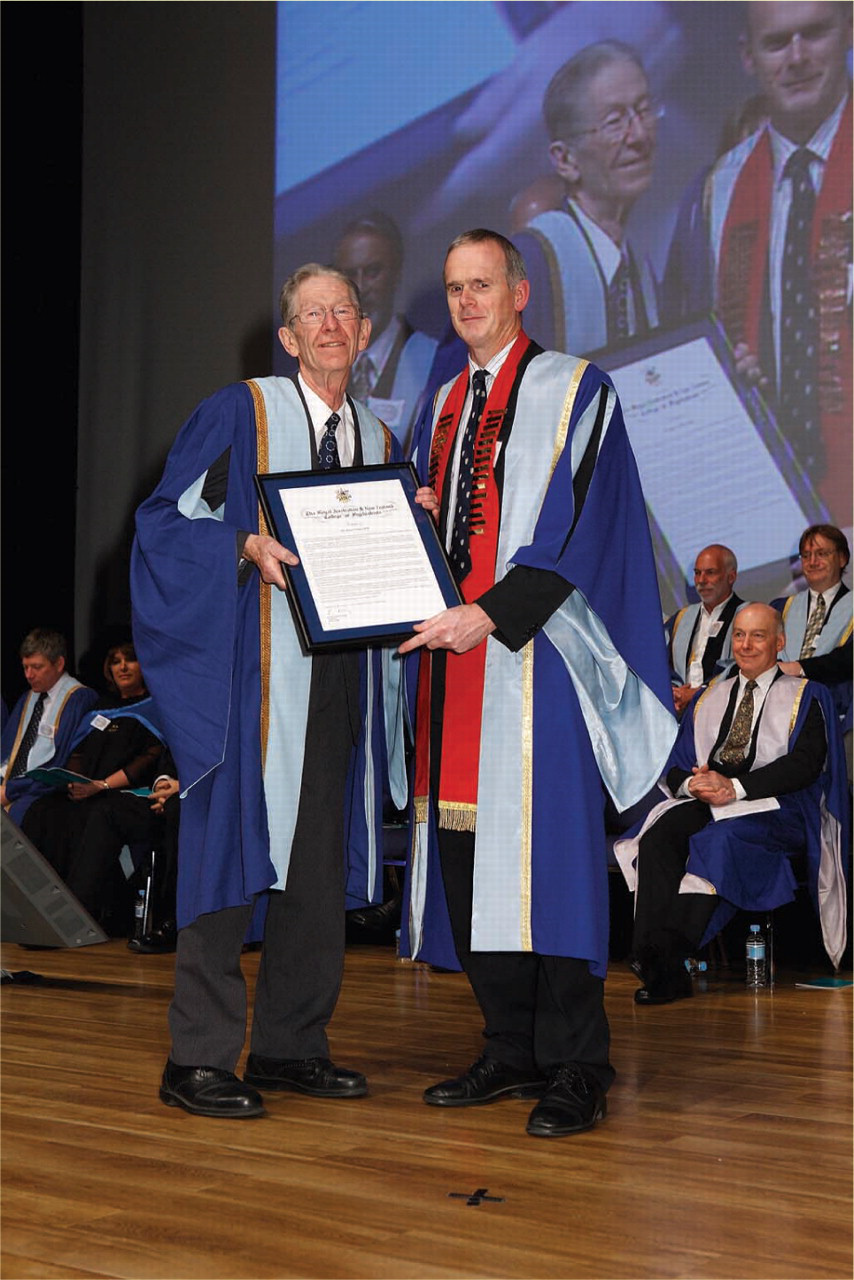
Dr Yvonne White
Dr Yvonne White has given many years of loyal service to the Royal Australian and New Zealand College of Psychiatrists and to the profession of psychiatry since 1974.
Her service to the College, the community and psychiatry is remarkable both for its consistency and longevity.
Dr White has worked for nearly 30 years as Visiting Psychiatrist at St Vincent's Hospital in Sydney, whilst at the same time maintaining a private practice.
Dr White served on the NSW Branch Committee of the College for 14 years as both a Committee member and as Chair, and was subsequently a General Councillor for New South Wales.
Concurrently Dr White was heavily involved in the work of the Australian Medical Association (AMA), and chaired the New South Wales AMA Section of Psychiatry. As an AMA Federal Councillor representing psychiatry, she also chaired many other AMA committees including the Taskforce on Youth Suicide, Women in Medicine Committee, Mental Health Funding Models Committee, and others.
In 1996, through her involvement with the AMA, Dr White helped to establish the Strategic Planning Group for Private Psychiatric Services, a group which she later chaired on behalf of the RANZCP.
She has served on World Psychiatric Association committees, and on the Psychiatric Subcommittee of the New South Wales Medical Services Committee as a member (and currently as Chair).
Dr White's advice and advocacy to governments on a wide variety of mental health issues has been valued highly by those governments, and by her colleagues whose respect for her contribution is enormous.
Throughout she has maintained a private practice, and fulfilled her commitments to both her patients and the wider community in an outstanding way.
Dr Yvonne White is held in the highest regard in the New South Wales Branch and by the general medical community.
She is a worthy and meritorious recipient of a College Citation.
Dr Yvonne White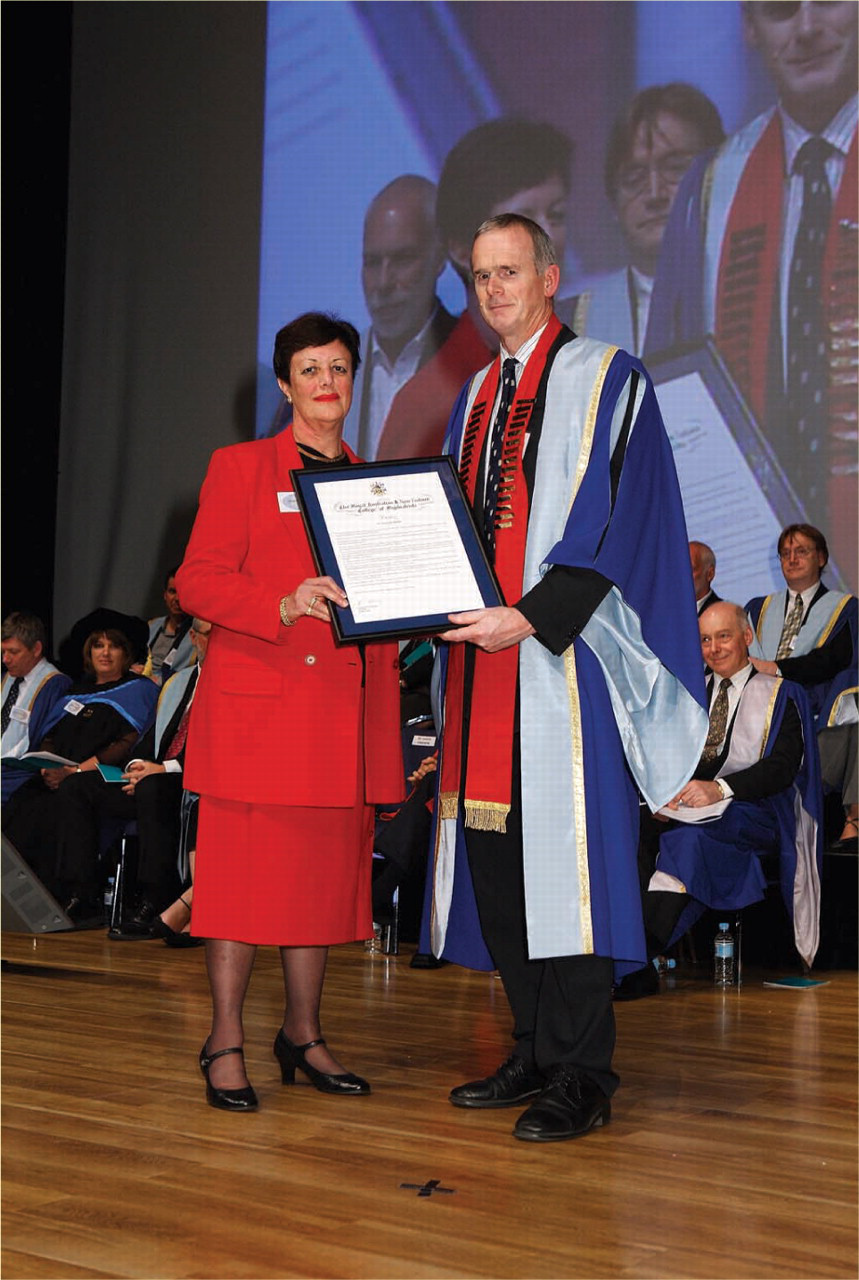
Professor Kay Wilhelm AM
Professor Kay Wilhelm AM has provided outstanding service to the Royal Australian and New Zealand College of Psychiatrists and to the profession of psychiatry since 1975.
Her service to the College, the community and psychiatry is remarkable both for its consistency and longevity.
Professor Wilhelm is currently Senior Staff Specialist and Head Consultation-Liaison Psychiatry at St Vincent's Mental Health Service. She also holds a conjoint Professorship at the University of New South Wales.
Professor Wilhelm has had an extraordinary career in academic psychiatry and is widely published in many areas of psychiatry. She has published over 175 papers and book chapters, as well as a body of educational material. She was awarded the Founders’ Medal of the Australasian Society of Psychiatric Research in 2005, for lifelong contribution to psychiatric research. She became a Member, Order of Australia, in 2006.
Professor Wilhelm has also had a long interest in the mental health of doctors, and has been the nominee of the New South Wales Branch of the College to the New South Wales Medical Board, chairing the Board's Doctors’ Health Committee. She has been instrumental in developing policy on and for the mental health and wellbeing of medical students and doctors.
For the broader community, Professor Wilhelm has written a number of workshops, programs and clinician aids for GPs, mental health services and for the Black Dog Institute on aspects of depression and its management. She is responsible for a series of workshops as part of the Better Outcomes in Mental Health initiative and other educational initiatives of the Black Dog Institute. She is responsible for programs targetting deliberate self harm, including the Green Card Clinic and Self Mood Mapping for Men.
Professor Wilhelm was the first civilian member of a Board of Inquiry for the Royal Australian Navy in 2005.
She chaired the Student Support Working Party, Faculty of Medicine, University of New South Wales, and then went on to chair the Student Wellbeing Committee.
Having been the RANZCP representative to Action on Smoking and Health over the past ten years, Kay has participated consistently and for some time in other College activities. She was an external examiner between 1988 and 1995, a member of the Committee for Examinations from 1995 to 2001, and member of the Fellowships Board from 1998 to 2001.
Professor Kay Wilhelm is held in the highest regard in the New South Wales Branch and by the general medical community.
She is a worthy and meritorious recipient of a College Citation.
Professor Kay Wilhelm AM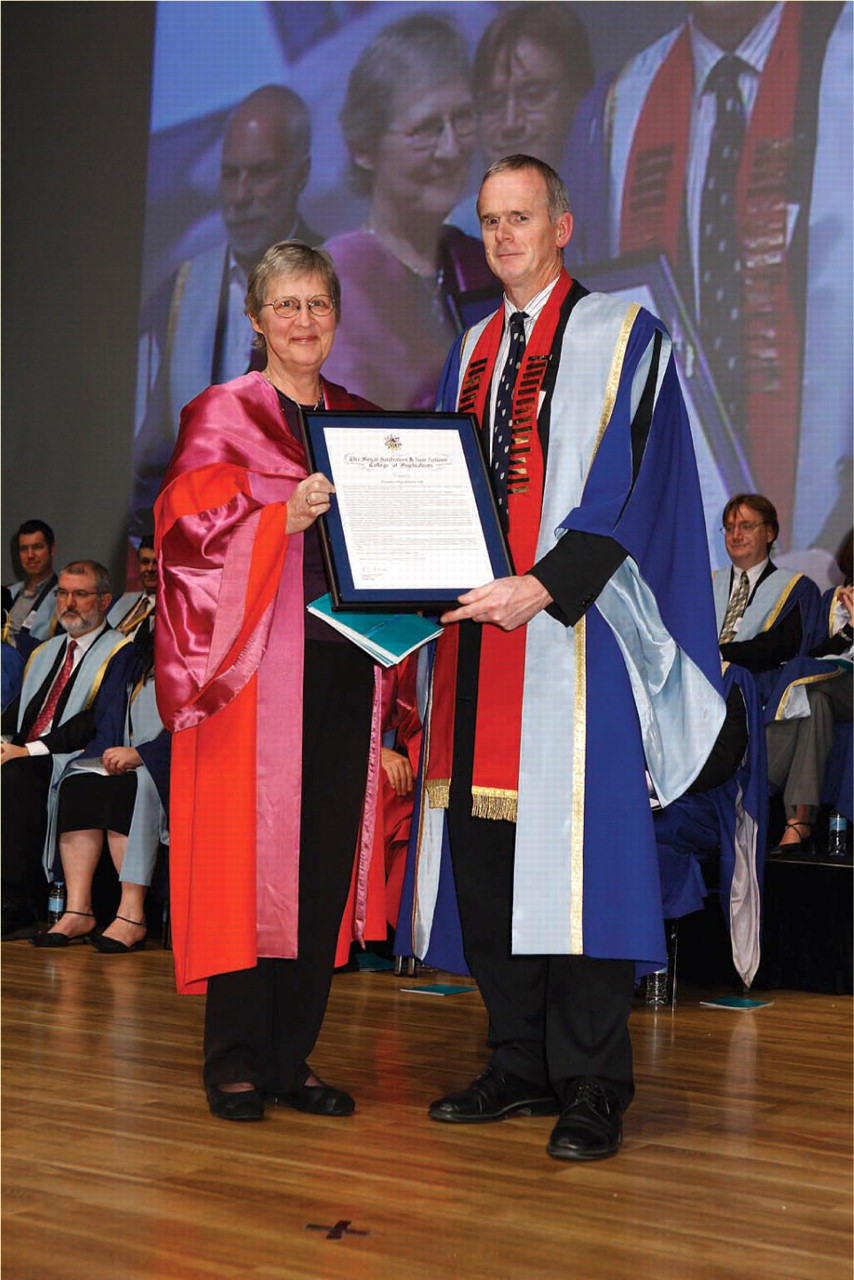
The Maddison Medallion
Dr Lucinda Smith from Victoria was the 2008 recipient of the Maddison Medallion, which acknowledges meritorious performance throughout the RANZCP's training and examination program.
The Mark Sheldon Prize
Professor Mason Durie's outstanding contributions to indigenous mental health research and service provision were recognised with the Mark Sheldon Prize. Professor Durie is the first New Zealander to receive the Prize, which was named in honour of the late Dr Mark Sheldon, who until his death in 1998 strove to provide psychiatric services to remote Aboriginal communities.
Professor Mason Durie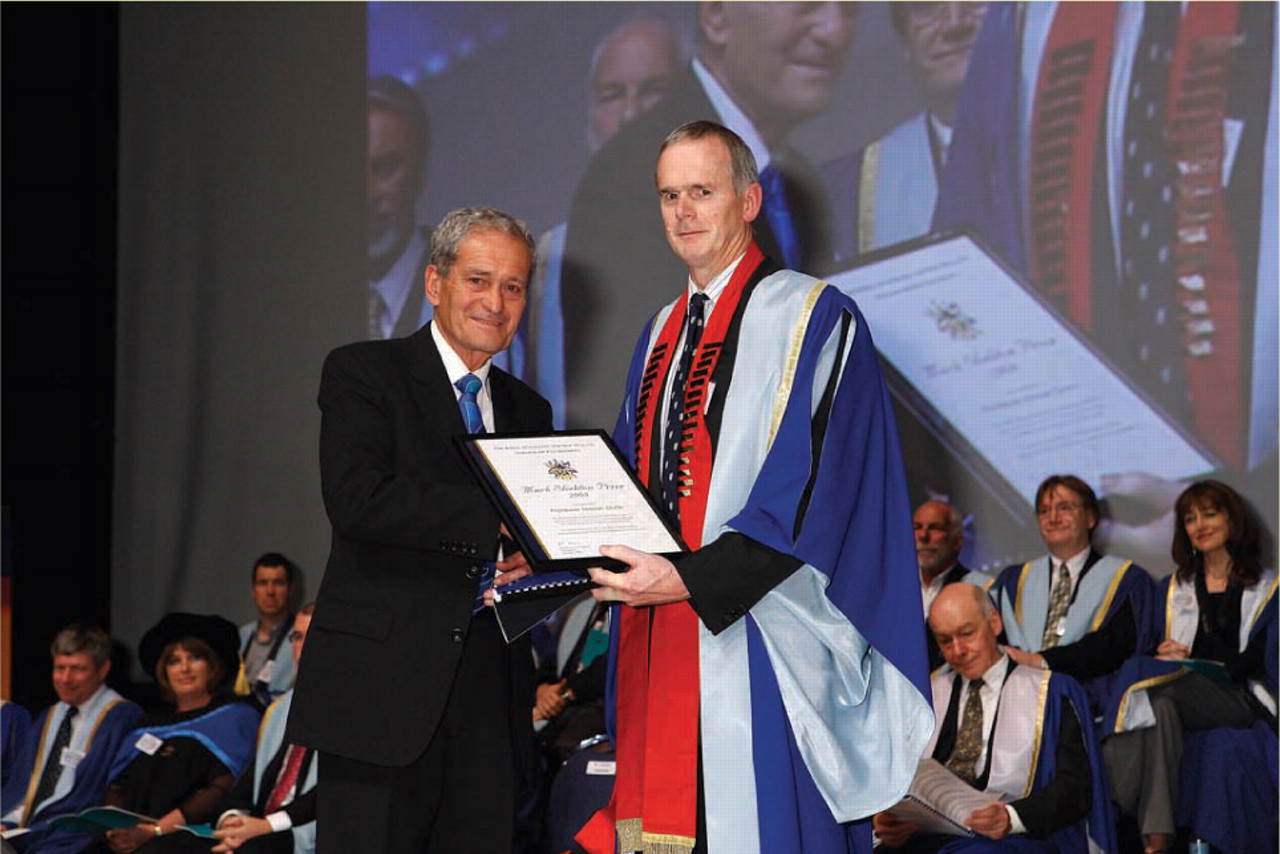
The Margaret Tobin Award
Dr Ruth Vine from Victoria received the 2008 Margaret Tobin Award, given each year to the Fellow who has made the most significant contribution to administrative psychiatry in Australia or New Zealand over the preceding five years. Dr Vine delivered the annual Margaret Tobin oration during Congress.
Organon Senior Research Award
South Australian Fellow, Professor Alexander McFarlane, received the prestigious Organon Senior Research Award for his significant contributions to psychiatric research throughout his career. Professor McFarlane, from the University of Adelaide's Centre of Military and Veterans' Health, also delivered the annual Organon Senior Research Presentation during Congress.
Organon Young Psychiatrist Award
In addition to being welcomed as a new Fellow at the College Ceremony, Dr Christopher Davey from Victoria was also presented with the Organon Young Psychiatrist Award for 2008, for his research into first episode depression.
Lilly Psychiatry Fellowship
An important study into cognitive impairment in the elderly homeless being undertaken by Sydney researcher and trainee Dr Astrid Rogoz, has been supported further through the awarding of the Lilly Psychiatry Fellowship for 2008.
Howard Cooper Travelling Fellowship
Named in honour of the late Dr Howard Cooper, a former chair of the Faculty of Child and Adolescent Psychiatry, the Howard Cooper Travelling Fellowship enables a psychiatrist from the Asia-Pacific region to gain experience in child and adolescent psychiatry in Australia and New Zealand. It was awarded to Dr Norharlina Bahar from Kuala Lumpur, Malaysia.
College Ceremony and Congress photos
Photographs taken by photographer Larry Pitt at the RANZCP Congress 2008 in Melbourne, including the College Ceremony, are available online at www.ourphotographer.com.au
Larry Pitt may be contacted by telephoning 1300 727 008 or by emailing
Queen's Birthday Honours for fellows
Congratulations to the following Fellows who were honoured in the Queen's Birthday Honours in June 2008:
Dr Kenneth Fielke OAM
Dr Kenneth Fielke was awarded the Medal of the Order of Australia for service to the communities of rural and remote South Australia through the delivery of mental health services and programs, and contributions to professional organisations.
Dr Ken Fielke commenced training as a Psychiatric Registrar at South Australia's Rural and Remote Mental Health Services (RRMHS) in 1997. Dr Fielke was appointed as staff specialist at RRMHS in 1999 and later as Clinical Director of RRMHS in 2003. As a Psychiatric Registrar, Dr Fielke completed a dissertation on the establishment of a psychiatric consultation and liaison service in Loxton. This model was expanded upon and ultimately provided the foundation for a pilot initiated by Dr Fielke to establish a clinical network for mental health care across the Riverland region. The model now extends to other regions including Port Lincoln and the Clare Valley.
In addition to his work as Clinical Director at RRMHS, Dr Fielke provides visiting psychiatric services to remote regions, and is well regarded for his work in developing strong partnerships with regional communities and local services. He has also pioneered the use of video conferencing technology to improve health service access in remote indigenous settings.
Dr Fielke has made an enormous contribution to rural and indigenous psychiatric services, as well as to psychiatric education and training. Highly respected by colleagues for both his impressive leadership and exceptional commitment to rural mental health, Dr Fielke continues to work tirelessly to demonstrate that an effective mental health service can be delivered to even the most remote places and the most socially isolated individuals.
Dr Kenneth Fielke OAM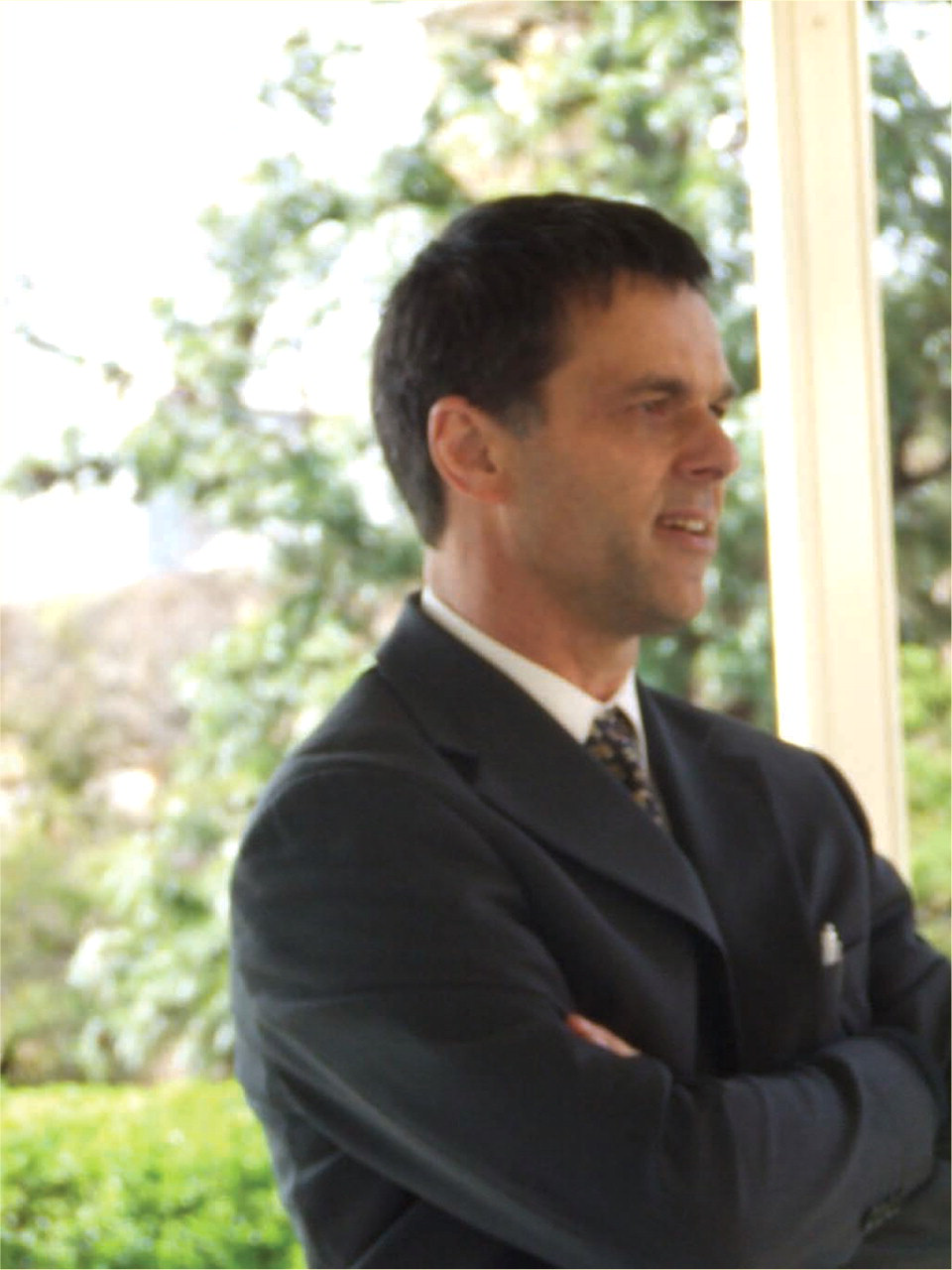
Associate Professor Norman James OAM
Associate Professor Norman James was awarded the Medal of the Order of Australia for service to medicine in the discipline of psychiatry through the development and delivery of mental health services, to professional organisations, and to the community.
Professor James gained his medical and psychiatric education in Melbourne and New Zealand.
In the past three decades Professor James has held numerous senior psychiatric posts in both South Australia (including Chief Executive Officer, Hillcrest Hospital and Clinical Director, Glenside Campus) and Victoria and has had a major influence on public psychiatric policy in both states.
He has also held senior positions with the Royal Australian and New Zealand College of Psychiatrists as well as authoring or contributing to many research publications including papers on the major mental illnesses, the history of psychiatry and of psychiatric service delivery. He has also been much involved in assisting overseas trained psychiatrists to gain further experience and training in Australia.
Professor James has long standing interests in psychopharmacology and mental health service delivery. These two aspects come together in the management of the seriously and chronically mentally ill whose care has been a long term focus of his work.
Associate Professor Norman James OAM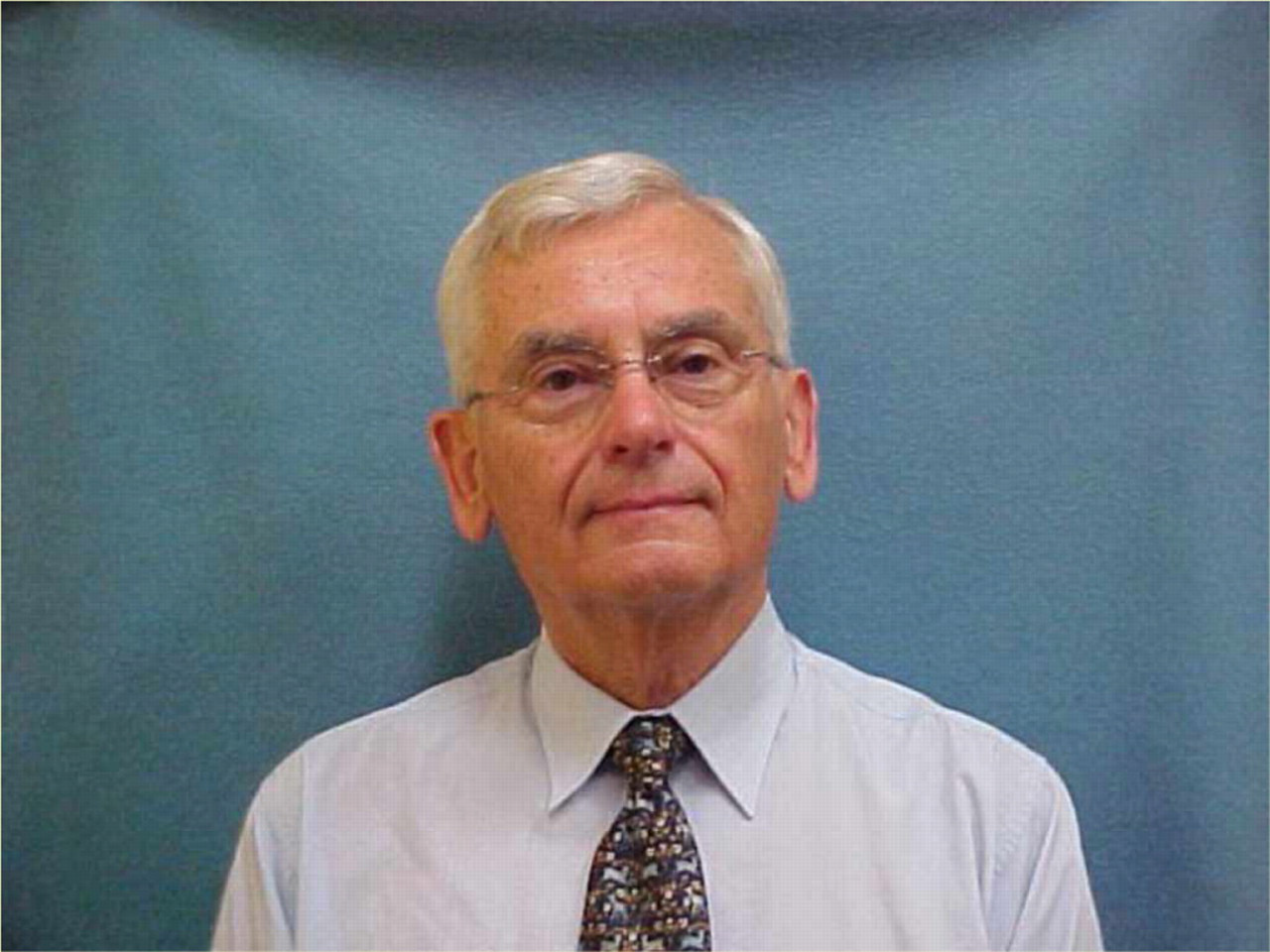
New Fellows
The RANZCP's General Council has admitted the following new Fellows to the College after successful completion of training and examination requirements. Congratulations to:
Dr Emma Louise Glanville
Dr Michael Atherton
Dr Gerald Sen Min Chew
Dr John Gnanathikkam Kasinathan
Dr Linton James Meagher
Dr Tanniru Vijaya Mohan
Dr Ratna Ratna
Dr Daud Saeed
Dr Shirley Sharmila Sharma
Dr David John Bettany
Dr Abdulatif M Burhan
Dr Paul Jones
Dr Collette Lowe
Dr Yolisha Singh
Dr Benjamin James Duke
Dr Nicole Korman
Dr Jonathan Ralph Mann
Dr Jane Catherine Schouten
Dr Anthony Sol-Song Tie
Dr Sean Tracey
Dr Julia Hanna
Dr Kenneth John Hooper
Dr Allan Nelson
Dr Christopher Craig Veale
Dr Halimah Margaret Hassan
Dr Akshay Ilango
Dr Annette Lidgerwood
Dr Kah-Seong Loke
Dr Sarah Mackay
Dr Josephine Frances McKeown
Dr Kevin Shyong-Tze Ong
Dr Jane Helen Phillips
Dr Samuel Robson
Dr Matthew Hearps
Dr Geoffrey Ingram
Dr Johana Stefan