






Abstract
The majority of EPDM materials are produced by traditional Ziegler–Natta/Vanadium catalyst and process technology. In recent decades, EPDM metallocene catalyst technologies have increased the efficiency of production and quality of materials. For the next generation, Dow introduces its Advanced Molecular Catalyst technology that further expands the molecular capability to produce new EPDMs for production of automotive sponge weather-strip (WS). These new EPDMs provide homogeneous mixing during production, faster curing and foaming during processing, and finally, an excellent surface to the EPDM automotive WS. The design and microstructure of these EPDMs are tailored to impart superior collapse resistance to the extruded profile that results in the successful production of complex WS. Case studies are also shown that demonstrates the advantages that the new EPDM brings to the automotive profile producers.
Introduction
Automotive weather-strips are responsible for keeping the wind and rain out of the car, dampening vibrations to isolate road noise, and preventing wear and contact of other metal and plastic components. In addition to these performance requirements, the aesthetics and lifetime appearance of the seals are critical and are used across vehicle segments from economy compacts to luxury [1].
EPDM is a synthetic hydrocarbon rubber; EPDM is the name given to a saturated polymethylene polymer chain consisting of ethylene, propylene, and reactive diene. It is important to remember that EPDM rubber overcame many of the deficits of natural rubber, styrene-butadiene rubber and polychloroprene rubber which are prone to ozone and heat cracking. This contributed to the improved durability of automotive cars that we rely on today. Dynamic weather seals account for almost 30% of the EPDM rubber in a vehicle. The design of EPDM for weather-strip (WS) profiles is one of the most demanding of all raw materials typically used in a rubber compound. The dynamic sealing characteristics of the profile provide NVH (noise, vibration, harshness) dampening and weather resistance to the interior cabin and must provide functional sealing under a variety of extreme conditions (temperature, vibrational load, aging, etc).
From the perspective of one of the world's largest EPDM manufacturers, the polymer characteristics of an EPDM for dynamic sealing are complex in order to achieve the balance of viscosity and elasticity required to form an automotive weather seal with a sponge/foamed structure, Class A surface, and high productivity.
The performance of the WS that car passengers experience can be distinguished from compact to luxury vehicles in terms of wind noise, vibrations, door and glass rattles, etc. For a WS producer, EPDM polymer should be such that it not only provides fast and homogeneous mixing but also, good foam expansion and maintains dimensional stability to the extruded profile. Such requirements can be achieved by designing an EPDM with a specific molecular architecture: high molecular weight (MW) and broad molecular weight distribution (MWD), high diene content, and homogeneous long-chain branching (hLCB). This paper will discuss the research approach used to design a new EPDM from the lab benchtop to use in a commercial foaming application. As a result of recent advances Dow's catalyst and process technology, i.e. the expanded MW capability, improved monomer incorporation efficiency, and the ability to control the long-chain branched architecture from sparse to dense, new products of NORDELTM EPDM are enabled tailored to meet the specific needs for automotive sealing systems.
Dow advances in catalyst and process technology
Figure 1 shows the differences between the different catalyst technologies that exist today to produce EPDM rubbers. The heritage Ziegler–Natta/Vanadium (Z–N) catalysts developed in the 1960s are still in use and produce several EPDM grades used in the automotive WS process. However, this process technology is now antiquated due to its low production efficiency and high energy and water usage. In terms of catalyst and process, the Z–N catalyst suffers from low catalyst efficiency that operates at ambient and sub-ambient reaction temperatures and requires the removal of catalyst residues by steam stripping followed by drying of the polymer crumb [2].
Different catalyst technologies to produce EPDM rubber.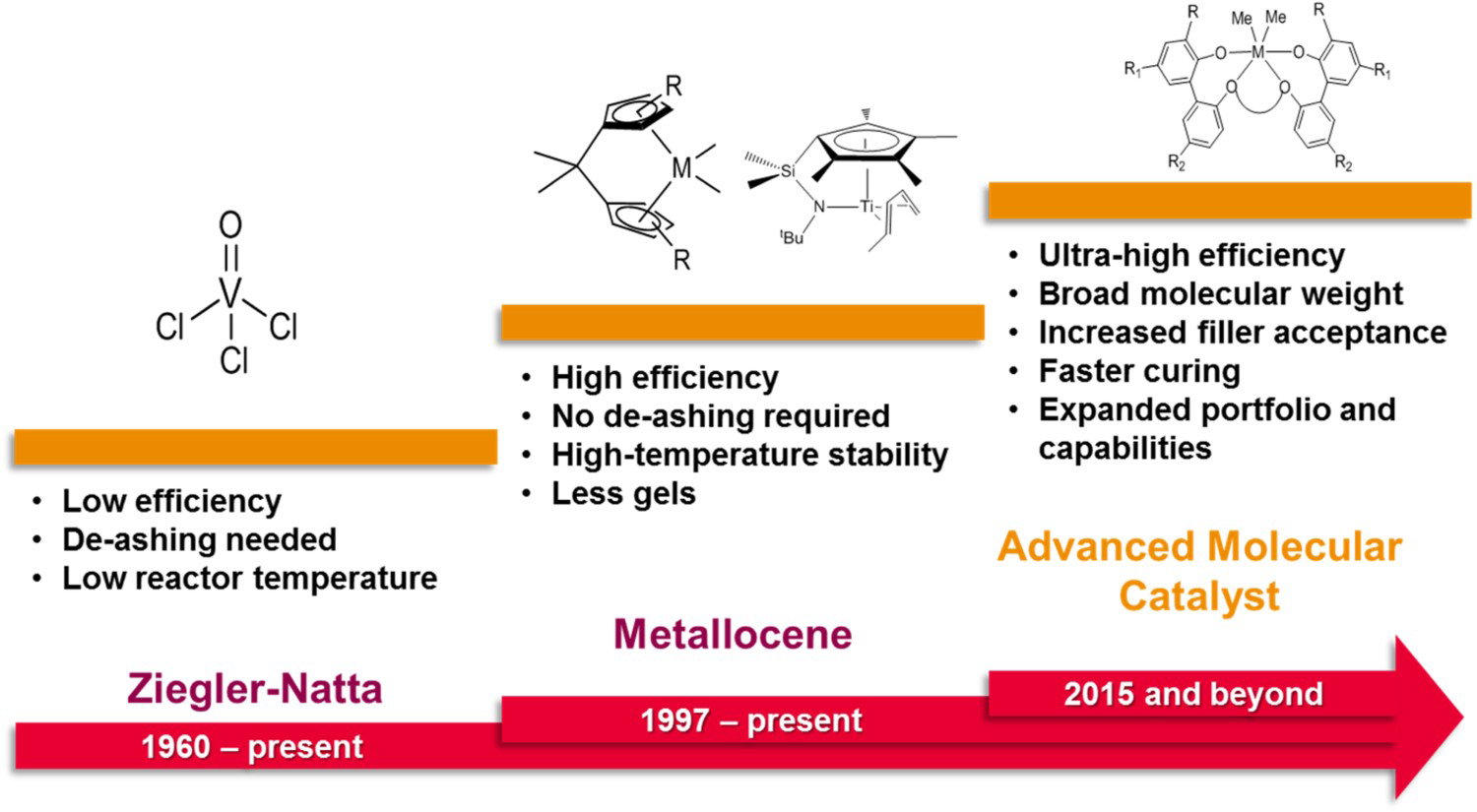
A recent life-cycle analysis reports that a Ziegler–Natta EPDM production process can use up to 50% more energy and has 30% more impact on the environment than Dow's state-of-the-art solution process [3]. Dow first revolutionised the production of EPDM in 1997 with the introduction of its INSITETM technology and use of metallocene catalysts in a high-temperature solution process (4). The direct advantages included catalyst efficiency, 10-100 times higher than that of a Z–N catalyst and operated at significantly higher reaction temperatures and do not require the removal of catalyst residues. Owing to the plants high-temperature operation and special plant design, resulted in EPDM grades with almost no gels and improved product consistency that elevated the quality of EPDM and enabled Dow's industrial partners to extrude products with Class A surface finish and reduced scrap.
Since the introduction of metallocene catalysts, Dow has continued with its generational development of polyolefin catalysts. Using high-throughput catalyst screening technology, new catalysts were screened against targeted product-process improvements [5]. In the high-throughput screening and molecular modelling process, thousands of catalyst combinations are screened and optimised (see Figure 2). As an output of the high-throughput (HTR) screening process, Dow has introduced its new Advanced Molecular Catalyst (AMC) technology that leads the EPDM industry by enabling even higher process sustainability and catalyst efficiency. For the end-user of EPDM rubber, Dow's AMC technology unlocks new molecular capabilities for the development of new products. For instance, the new AMC technology can efficiently produce EPDM with ultra-high MW, higher diene content, and increased levels of long-chain branching. In addition to process upgrades, oil-extension capability further extends the possibility to design and produce EPDMs with even higher molecular weights than conventionally used.
The flow of experiments through the high-throughput development process.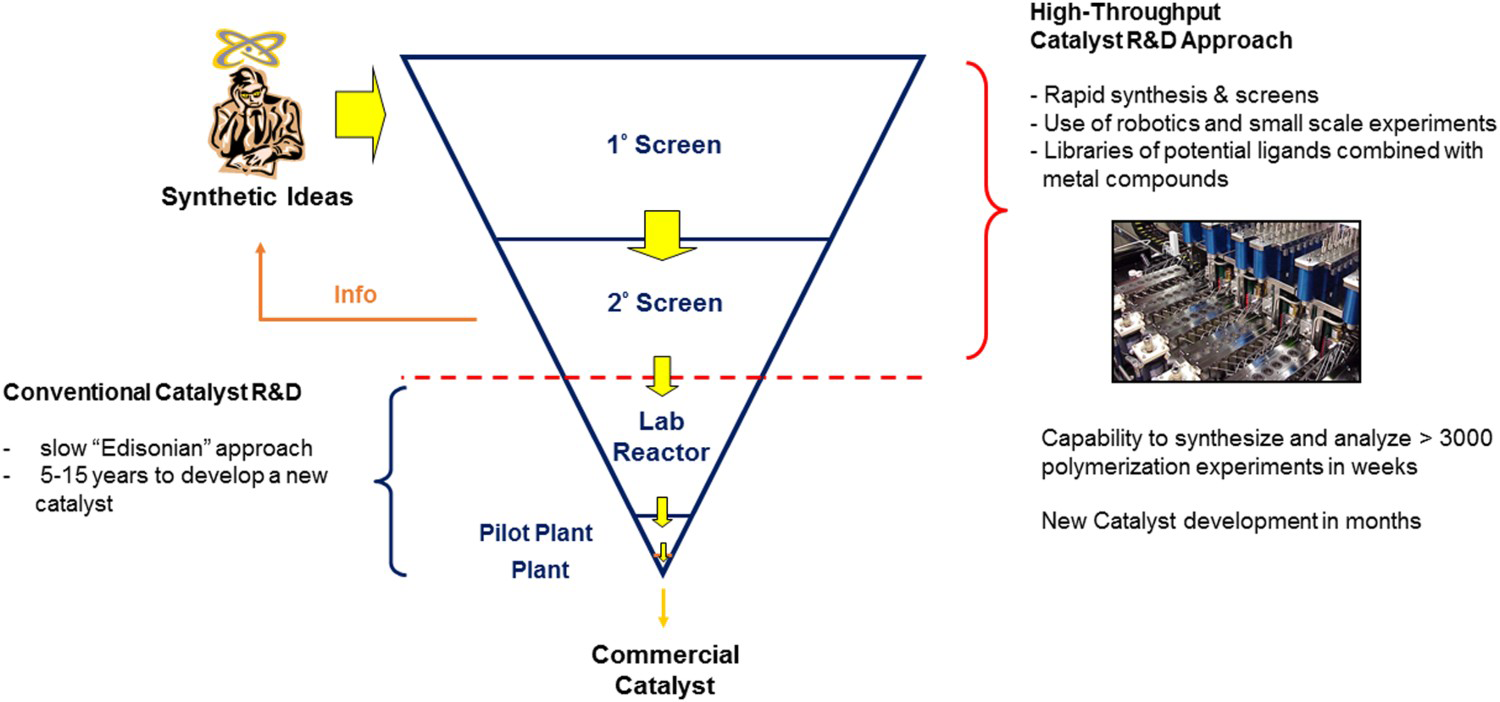
Designing a new EPDM
In-silico design tools can be used to predict the architecture of homogeneous long-chain branched polymers produced by Dow's Advanced Molecular Catalysts [6, 7]. By using first principles modelling based on chain polymerisation and monomer incorporation statistics, modelling approaches and simulation tools such as the integral solutions based on Flory's most probable and Stockmeyer's distribution are effectively used to predict the MWD and comonomer distribution of the to-be-made-polymers [8]. Figure 3 shows an example of a simulated MWD using a two-site weight fraction model. In this distribution model, each of the sites is fitted with a Flory–Schulz distribution with a polydispersity of two, which has been convoluted (and thus broadened in polydispersity) with a normal distribution function of width in log (M) units.
Simulated MWDs.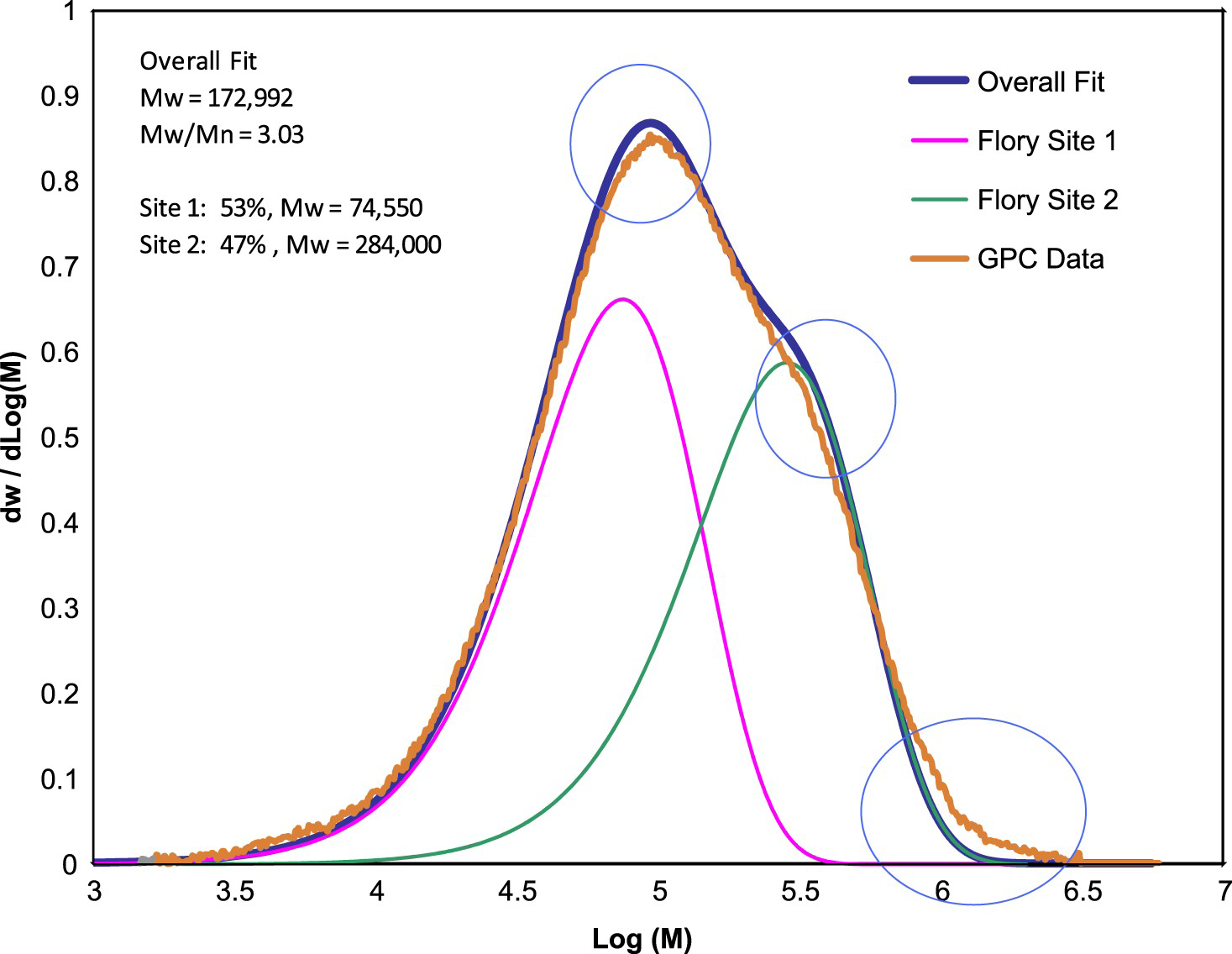
Variables that were iterated were weight fraction of the peak, the MW target of the Flory Distribution, and a width parameter representing the convolution of Flory–Schulz distributions about a normal distribution. The result shows relatively good fit between the MWD measured by Gel Permeation Chromatography (GPC) and the weighted Flory–Schulz distribution. However, in some cases, slight differences are observed between the fit and the measured distributions which are sometimes related to the resolution of the GPC measurement and/or broadening effects such as heat and mass transfer effects experienced during production.
The incorporation of hLCB is specific to Advanced Molecular Catalysts and other single-site catalysts. The Branch-on-Branch (BOB) model, originally developed by McLeish et al. has been adapted to predict flow and elastic properties of homogeneous long-chain branched polymers [9, 10]. The ability to predict structural effects on viscosity and elasticity a priori allows for virtual experimentation and reduces the time for development.
BOB model simulation parameters provide ‘population balance’ accounting for the individual polymer's chain length and branching frequency.
The model develops a population balance of chains with MW and branching frequency and type Based on the combined and interactive contribution of each polymer chain, viscosity and elastic behaviour can be predicted.
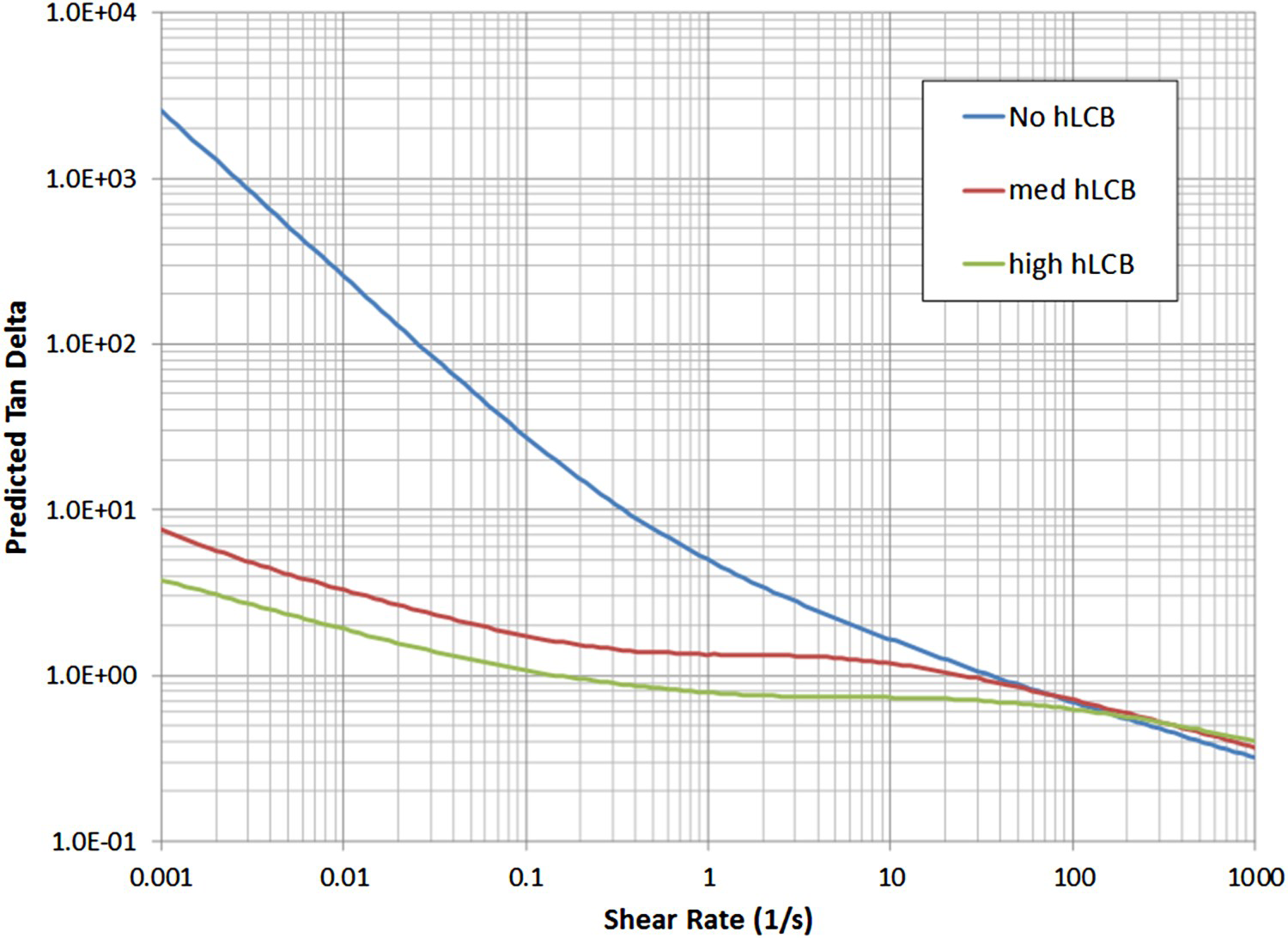
Figures 4 and 5 show the simulation results for polymers with a constant MW and varying degrees of long-chain branching (LCB) (from zero to medium to high). Similar to the experimental data, the results show that with increasing LCB, the low shear viscosity increases while the high shear viscosity decreases, at constant MW. Similarly, the tan delta response (at low shear) is shown to decrease with increasing LCB, indicating that the melt elasticity of the polymer and relaxation time of the polymer chains increases also. Simulations with increasing MW at fixed LCB show increase of both low and high shear viscosity, and a decrease in tan delta. Thus, using the combined variation of MW and LCB as design knobs, target combinations of these rheological properties can be achieved. Such simulation tools have been complimentary in the design of EPDM polymers through virtual experimentation in the development of NORDELTM EPDM.
Simulated viscosity response of hLCB EPDM. Simulated tan delta response of hLCB EPDM.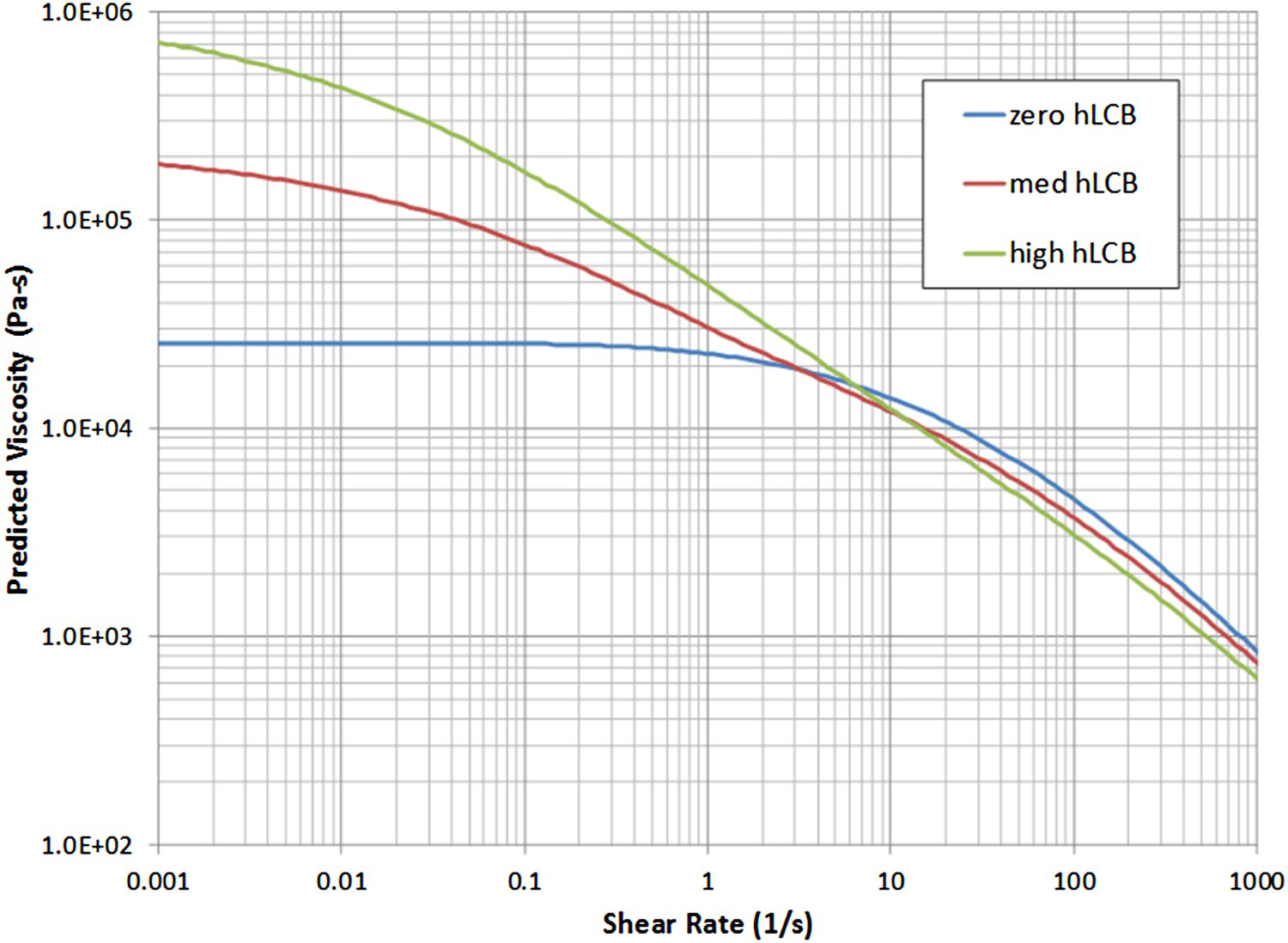
Development of a sponge grade EPDM
Based on first principles modelling, it was predicted that increasing levels of homogeneous LCB will result in a corresponding decrease in tan delta as related to changes in the elastic nature of the polymer. Increased elasticity is a desired feature for sponge EPDM resins that require additional melt elasticity during the blowing phase. Figure 6 shows the tan delta versus frequency response of three different experimental EPDM polymers produced over a wide degree range of homogeneous LCB. The first (hLCB1) and second polymer (hLCB2) are in a similar range of MW but have a low and medium level of homogeneous LCB, respectively. The third polymer (hLCB3) has higher MW and a very high level of homogeneous LCB. As shown, a combination of high MW and high level of homogeneous LCB results in the lowest tan delta response.
Tan delta response of laboratory evaluation of EPDM.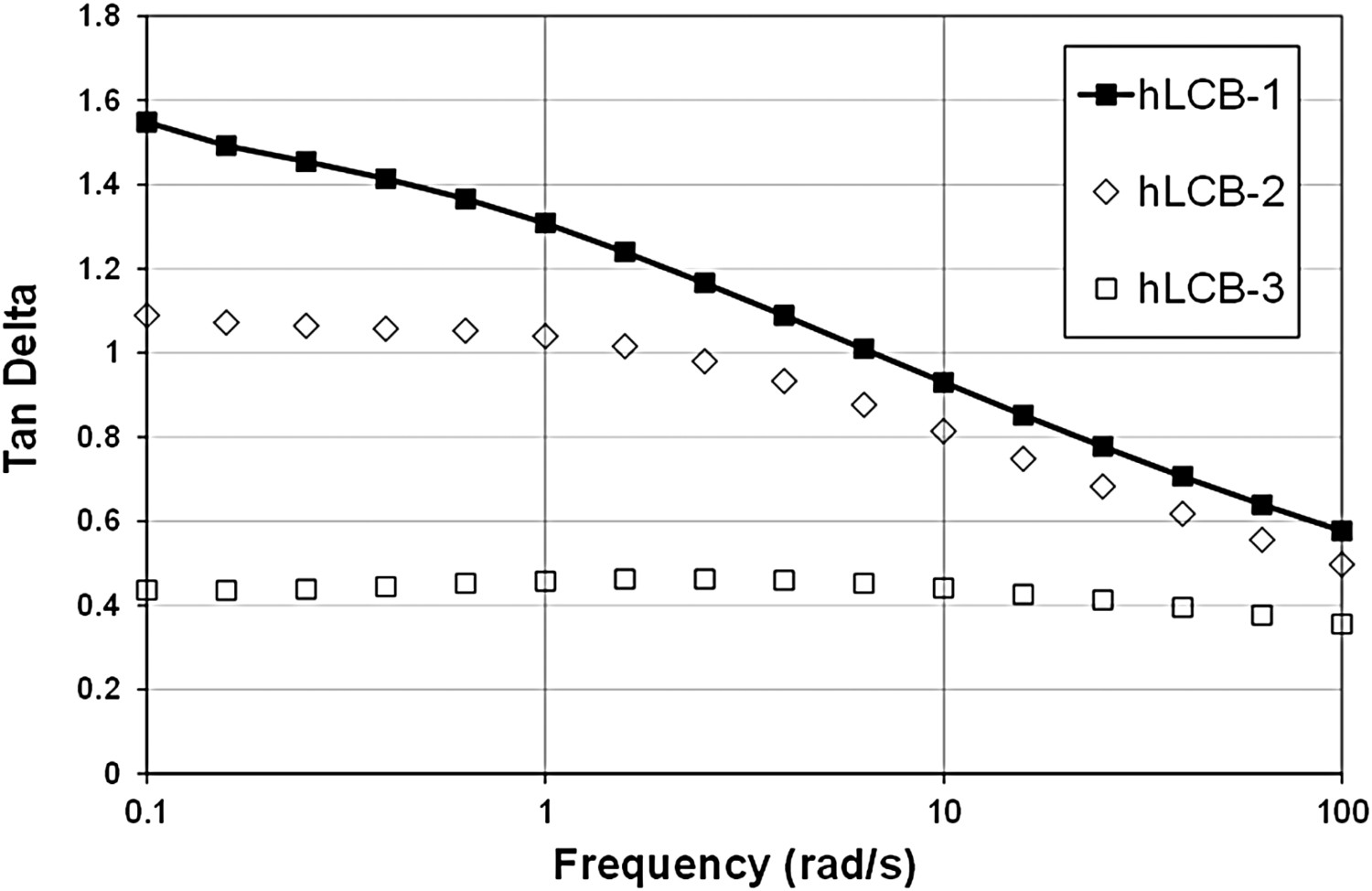
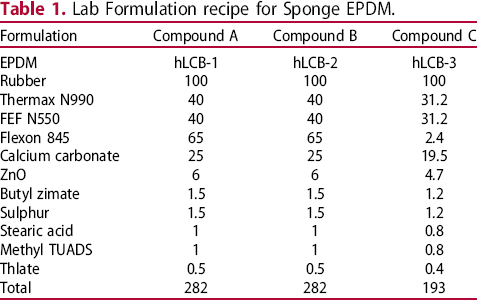
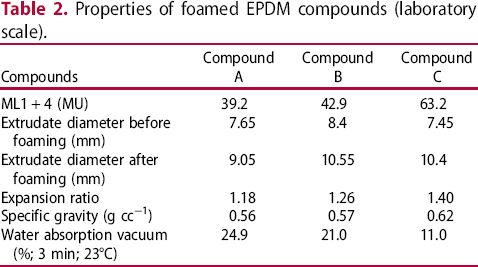
To test the effect of these EPDM polymers with varying melt elasticity, each polymer was mixed according to the laboratory sponge recipe shown in Table 1. In the second stage of mixing, 3 phr of Celogen OT (blowing agent) was introduced into the mix and then further roll milled. The laboratory mixed compounds were then extruded into 7 mm rods and then the rods were expanded and cured in a hot sand bath at 220°C for 4 min. Figure 7 shows the light microscopy image from the cross-section of each of the expanded rods. Visually, it can be seen that the Compound B and Compound C resulted in the rounder and more uniformly expanded rods while Compound A had an irregular and poorly developed shape. In terms of cellular structure, foamed cells in Compound C were the most uniform and smallest in size; Compound B had a less uniform structure with larger average sizes; Compound A had the broadest distribution of cell sizes. Table 2 summarises the properties of each of the foamed samples. First, comparing compound A, the expansion ratio was the lowest at 1.18 and increased from 1.26 to 1.40 for compounds B and C. The data confirms that the degree of melt elasticity as controlled by the level of homogeneous long-chain branching and MW of the polymer directly impacts the foaming and expansion of the compounds. For these specific examples, the specific gravities for the foamed profiles ranged from 0.57 to 0.62 g cc−1, which is in line with the values obtained for typical sponge WS profiles. The specific gravity relates to the expansion of the compound but is not an indicator of its closed cell content. Water absorption is an indirect measure of the closed cell content. Water absorption tests carried out at room temperature under vacuum for 3 min, showed that compound A (that foamed poorly), absorbed about 25 wt-% of water. Compound B, although expanded well, also had high water absorption of 21 wt-%. Impressively, compound C showed the lowest water absorption of 11 wt-%, validating the hypothesis that a combination of high MW and high homogeneous long-chain branching, resulted in a balanced rheology to form an article with good cell structure.
Light microscopy of cross-section of foamed EPDMs. Lab Formulation recipe for Sponge EPDM. Properties of foamed EPDM compounds (laboratory scale).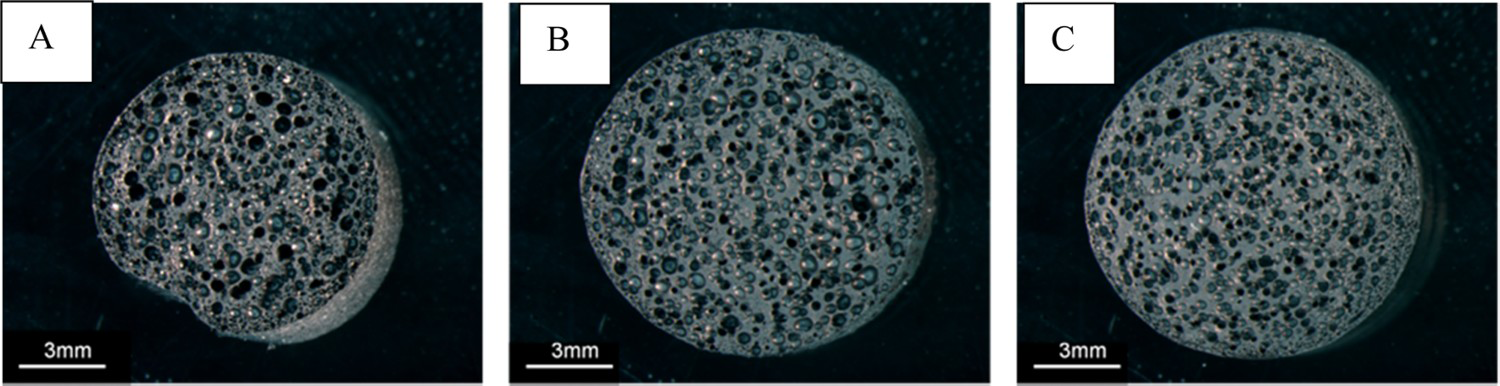
Production of a sponge EPDM (NORDELTM 6555OE)
Based on the above modelling experiments and customer validation of several pilot plant EPDM designs, the polymer attributes shown in Table 3 were chosen as final and the new NORDELTM 6555OE (OE: Oil Extended) was made at production scale. The new sponge grade is tailored to balance the viscosity, cure speed, and melt elasticity for production of foams in continuous vulcanisation (CV) systems. To make a high-quality sponge profile, the EPDM rubber needs to be cured and foamed simultaneously. To form a nice skin and closed cell morphology, the EPDM compound must be mixed efficiently, extruded smoothly, and have excellent collapse resistance and dimension stability. This new EPDM grade has been developed for high productivity, one-pass mixing operations to result in Class A surface quality to meet the specifications for global OEM's. A 19 wt-% of clean paraffinic oil is added in order to provide excellent mixing characteristics and homogeneous dispersion of filler and curatives in the rubber. Figure 8 represents the dynamic melt elasticity curve where phase angle is plotted against complex modulus. A comparison is made between NORDELTM 5565, the new NORDELTM 6555OE, and a benchmark EPDM typically used in this application. It can be observed that there is a significant difference in the melt elasticity (phase angle shifted lower and more to the right) between NORDELTM 5565 and NORDELTM 6555OE. NORDELTM 6555OE looks very similar to the benchmark EPDM in terms of melt elasticity that will also be translated into improved shape retention and collapse resistance of the extruded sponge profiles.
Dynamic melt elasticity showing phase angle versus complex modulus for NORDEL 5565, NORDEL 6555OE, and a benchmark EPDM. Polymer attributes of NORDEL 6555OE. Note: C2 – ethylene, ENB – 5-ethylidene-2-norbornene, MWD – molecular weight distribution.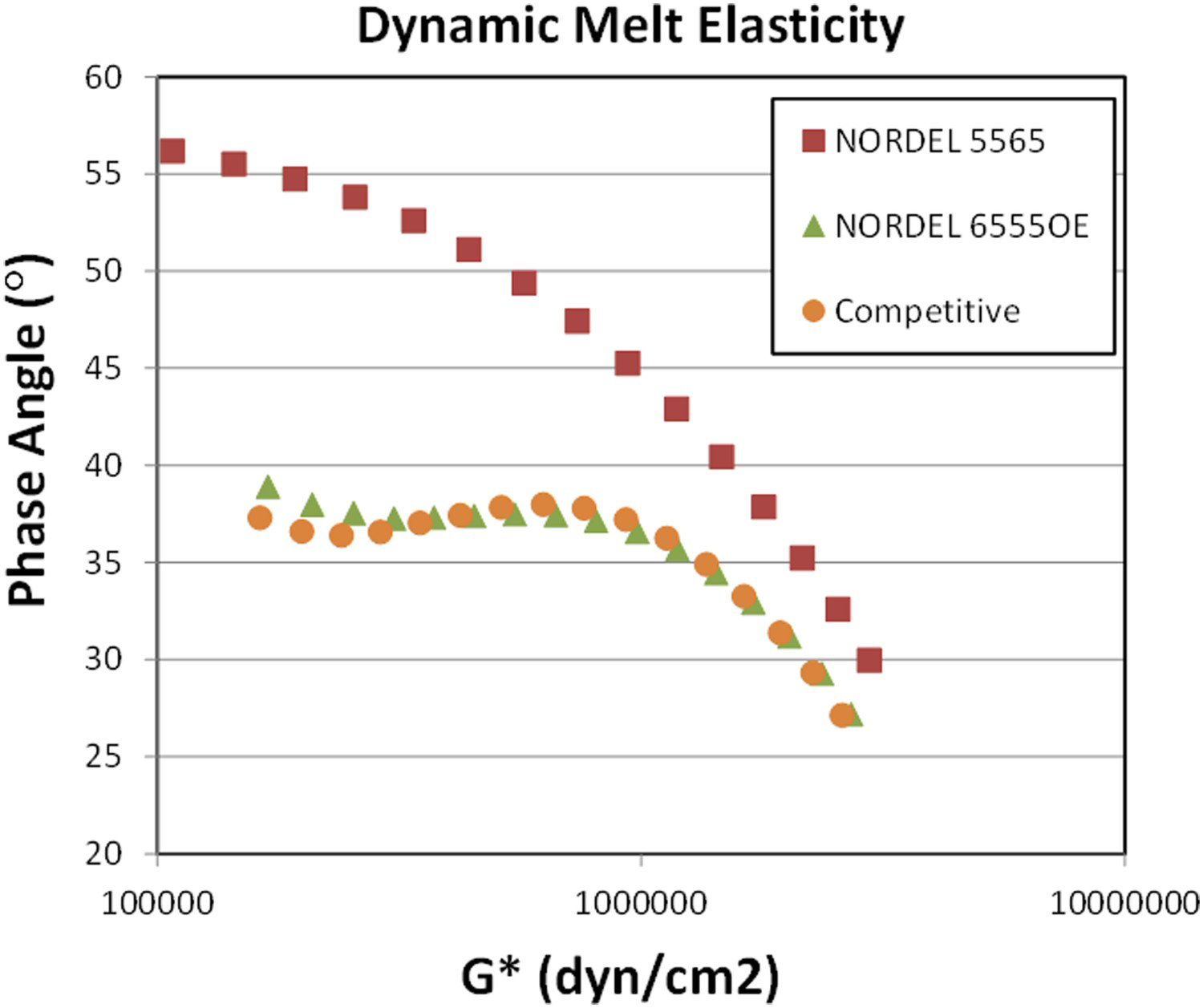

Commercial validation of NORDELTM 6555OE in sponge profile production
Commercial trial formulation with NORDEL 6555OE for single-pass mixing.
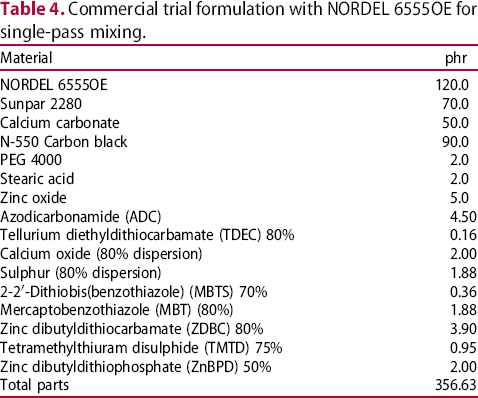
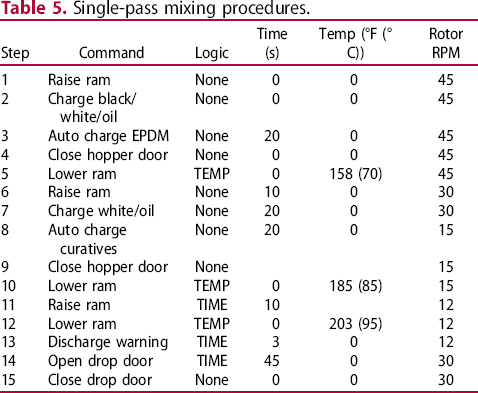
Single-pass mixing procedures.
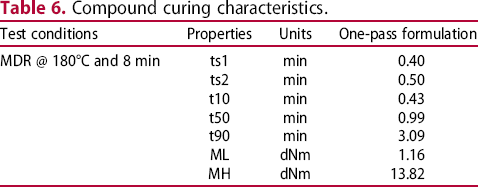
Compound curing characteristics.
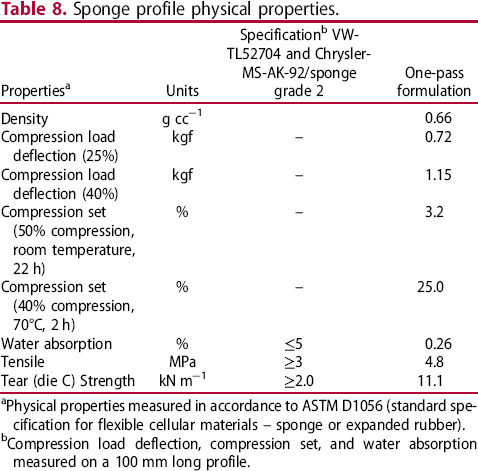
Then the mixed sponge compounds were extruded on a 3.5″ rubber cold feed extruder with a 10:1 L/D ratio to form the desired profile shape shown in Figure 9. The extruded profile was continuously cured on a CV line, which is a combination of multiple hot air ovens and microwave ovens. In this particular study, the CV line consists of a total of three 20 ft ovens. The first and third ovens are hot air ovens with adjustable speed, temperature, and air velocity. The second oven is a 20 ft microwave oven with three adjustable power outputs (max power 6 kW each) as well as adjustable speed, temperature, and air velocity. The process conditions used for the extrusion and curing are listed in Table 7. The physical properties of the sponge profile are listed in Table 8. High quality closed cell sponge profiles were successfully produced via the above-mentioned process.
Omega testing profile design and actual sponge profile after extrusion/curing. Sponge profile extrusion and curing process conditions. Sponge profile physical properties. aPhysical properties measured in accordance to ASTM D1056 (standard specification for flexible cellular materials – sponge or expanded rubber). bCompression load deflection, compression set, and water absorption measured on a 100 mm long profile.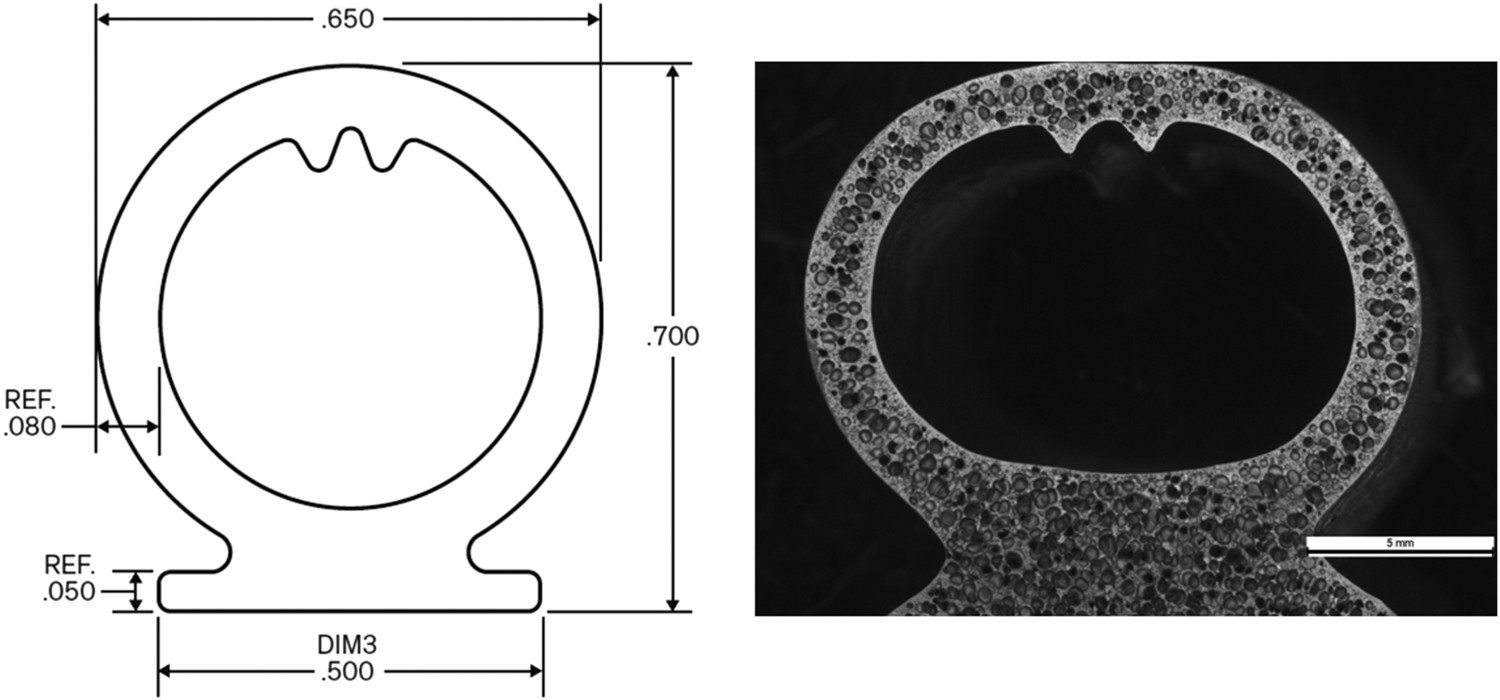
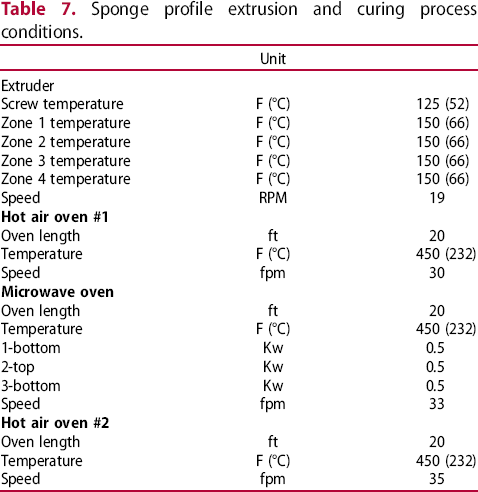
It is worth mentioning that the oven temperature/microwave power setting should be set appropriately to allow the EPDM sponge profile to go through the pre-cure, foaming/curing, and final curing steps. The oven conveyer belt speeds are also to be adjusted to match the sponge profile expansion in the oven. The microwave oven is very effective in applying heat into the sponge profile. The microwave provides quick and uniform heat throughout the profile and can cause drastic changes in the curing and foaming process. Therefore, the microwave generator power setting should be adjusted carefully to effectively control the state of cure and foaming.
From this commercial trial, it was concluded that NORDEL 6555OE enables the sponge profile manufacturer to use this high filler loading/low-cost formulation and most efficient manufacturing process (Single-pass mixing) in their production.
Customer validation
NORDELTM 6555OE was compared against incumbent OE EPDM in a commercial 1-pass sponge formulation at a profile producer. The EPDMs were interchanged 1:1 without any change in recipe and sponge OEM profiles were produced and analysed.
NORDELTM 6555OE was found to give similar mixing characteristics as benchmark EPDM in terms of faster torque pick-up, quick temperature rise, and shorter mixing time (180–200 s) for a lower drop temperature (106–110°C). The curing and processing properties were also in line with the production specifications as indicated by MDR, Mooney viscosity/scorch, and Rubber Process Analyser measurements. The mixed compound was then extruded to produce a multi-component (sponge and dense) WS profile. The extruded profile gave an excellent surface finish with homogeneous cell distribution along with very smooth sponge skin. All other properties such as compression set, compression load deflection, and water absorption. were found to be similar or better than the incumbent EPDM.
The samples of both sponge profiles were analysed in Scanning Electron Microscopy (SEM) in terms of the skin surface and cell size distribution. Figure 10 represents the SEM images of the cross-section (left) and of the skin (right) of both EPDM profiles. The excellent skin surface and more homogeneous cell size distribution can be clearly seen in the SEM images. The foamed cells were smaller in size and were much more homogeneous for NORDELTM 6555OE compared to the incumbent EPDM. The incumbent EPDM also showed many foamed cells close to the skin surface that also resulted in less smooth skin surface when compared to NORDELTM 6555OE.
SEM pictures of the cross-section (left) and skin (right) of both EPDM profiles.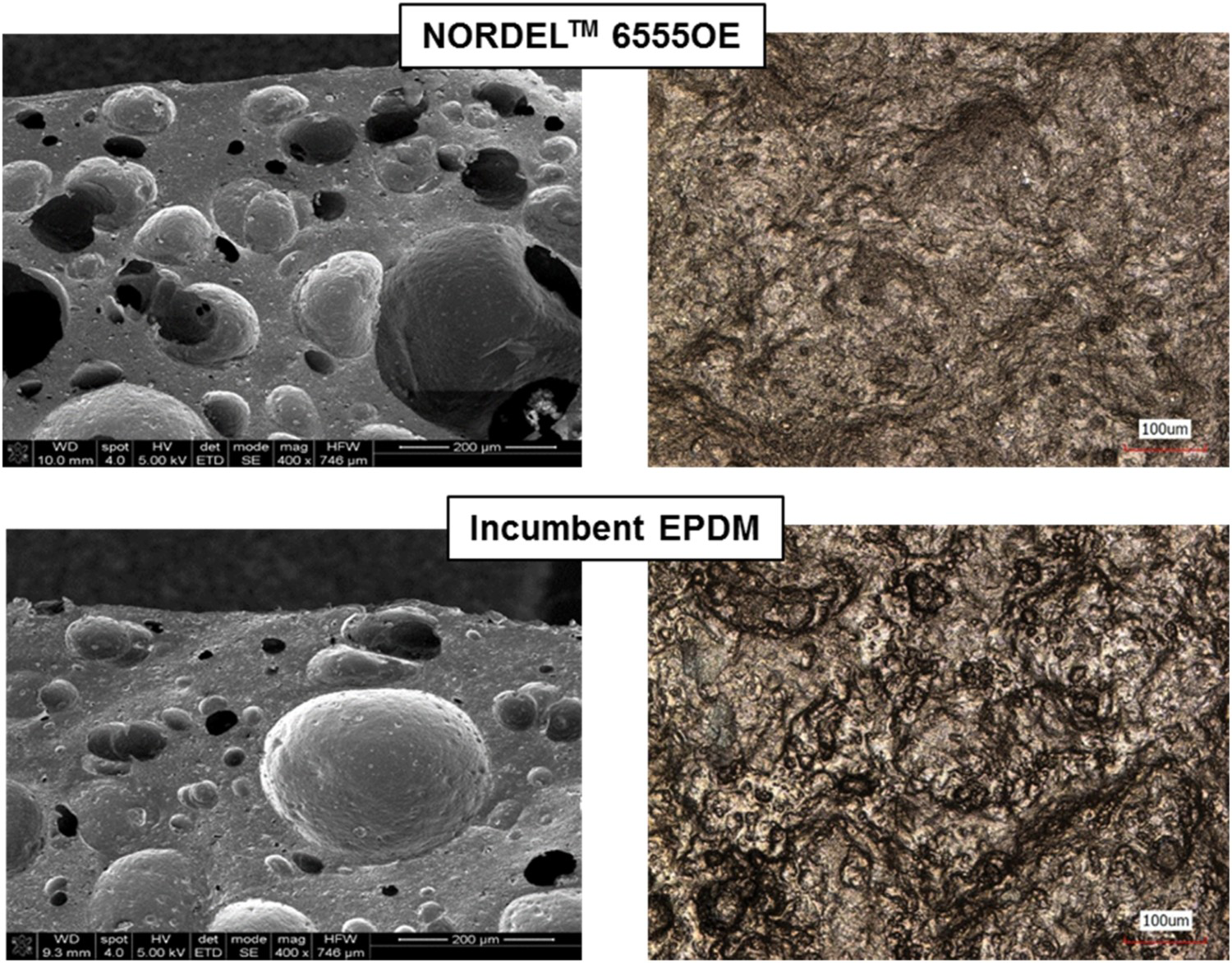
Figure 11 shows the confocal laser scanning microscopy (CLSM) images of the two sponge profiles in order to provide deeper insights into the surface roughness. The SEM analysis was further confirmed in CLSM images with NORDELTM 6555OE giving the better surface compared to incumbent EPDM. The hills and valleys were more pronounced in incumbent EPDM and resulted in rougher surface compared to NORDELTM 6555OE.
CLSM images of two sponge EPDM profiles.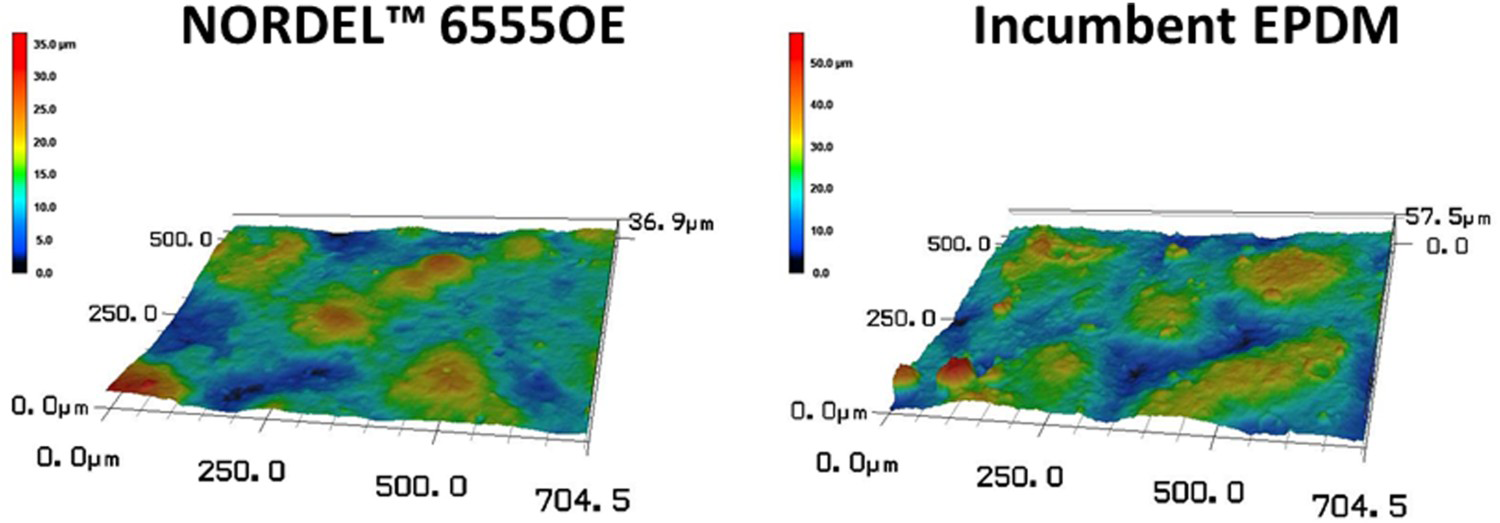
Conclusions
The rubber industry uses EPDM materials from three different generations of catalyst and process technologies; traditional ZN, metallocene, and now Dow's new AMC technology. This new AMC technology leads the EPDM industry in process sustainability and production efficiency; saving up to 50% less energy and having 30% less impact on the environment in comparison to the traditional ZN process. Automotive WS producers are readily adopting EPDM materials from newer and more energy efficient production plants. The type of EPDM and its molecular architecture plays a key role in the performance and production of WS profiles. To fully harness the features of Dow's AMC technology, in-silico modelling and simulation methodology was used to understand the effects of the MWD and branching rheology on sponge foaming; a case study was presented illustrating the polymer design from lab benchtop to the end-use manufacturing of a new EPDM polymer.
The new polymer design was commercially demonstrated to produce a sponge WS with superior surface and physical properties than the benchmark incumbent (made from ZN technology). The new NORDELTM 6555OE EPDM was compared to the incumbent EPDM in a typical one-pass mixing sponge formulation and commercial sponge trials were performed at an automotive WS profile producer. The new EPDM was successfully used to produce a complex WS; the new EPDM exhibited superior collapse resistance during extrusion and improved surface quality of the finished profile (verified by SEM and CLSM analysis) raising the quality standard from the incumbent EPDM.
Footnotes
Disclosure statement
No potential conflict of interest was reported by the authors.