







Abstract
The effects of the amount of acetylene black on viscosity and thermal conductivity and the effects of operating pressure and temperature of capillary rheometer on thermal conductivity were investigated. Five different natural rubber compounds were prepared as 3NAB, 4NAB, 5NAB, 6NAB and 7NAB, which contain different amounts of acetylene black. Thermal conductivities were measured at different temperatures and pressures. The viscosity of the five compounds was measured and it was found that viscosity increases as the amount of acetylene black increases. Thermal conductivity measurements were performed at different temperatures and pressures by using a capillary rheometer. The obtained results indicated that thermal conductivity increased with the increasing acetylene black. The relationship between thermal conductivity-pressure and thermal conductivity-temperature have also been examined. Additionally, the mechanical properties, electrical conductivity, and thermal stability of the compounds were analysed. The change of these properties with the amount of acetylene black was examined.
Keywords
Introduction
Natural rubber, which is an important polymer that is commonly used in many areas such as tyres, health and sports equipment, adhesives, surgical gloves, and sealing materials, has great physical and chemical properties, such as high elasticity, flexibility at low temperatures, high tear strength, impact resistance and resilience, corrosion resistance, antivirus permeation, and biodegradability [1, 2]. The most important properties of natural rubber include high elasticity and abrasion resistance, good tensile strength, good flexibility, low heat build-up, and excellent dynamic properties [3, 4]. However natural rubber has low thermal conductivity [3].
Thermal conductivity can be expressed by the following equation which is based on the Newton-Laplace equation and the kinetic theory.
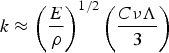
 is the phonon mean-free path [5]. The SI unit for thermal conductivity is W/mK [6]. Thermal conductivity is the main parameter characterising the capacity of materials to remove heat [7]. Thermal conductivity of the elastomer is lower compared to materials such as metals and ceramics [5]. Due to the low thermal conductivity of most rubber materials, the produced heat accumulates and causes a high local temperature [8]. Natural rubber has low heat build-up in comparison to other polymers due to its better dynamic properties. That's why natural rubber is mostly used in anti-vibration applications. On the other hand, in general terms, most rubber materials have a lower thermal conductivity in comparison to other engineering materials. The high temperature causes a decrease in final strength before the designed service life of the rubber components [9].
The thermal conductivity of polymers varies according to the density, molecular weight, orientation, and other structural properties of the material [10]. Thermal conductivity of polymers can be increased in two ways. The first method is the synthesis of a structural polymer with high thermal conductivity. The second method is to mix thermally conductive fillers into the polymer [11].
Polymers have low thermal conductivity due to their complex molecular structure, and thermal conductivity of polymers can be enhanced by changing their crystal structure [12]. Thermal conductivity of polymer composites is directly dependent on thermal conductive fillers [13-16]. The thermal conductivity of composites increases with the increase of fillers [14, 17-19].
Polymers are blended with highly thermally conductive fillers such as metal nanowires, ceramic particles, and carbon fibre, carbon nanotube, graphite, carbon black, metal particles, ceramic powder to increase the thermal conductivity of polymers. Besides these, alumina, boron nitride, graphene, and graphene derivatives are also used to prepare thermally conductive polymer composites [12, 20-22].
The main purpose of filling addition is to improve certain features and lowering the price of the compound [23]. Among the different fillers, carbon-based fillers are the most ideal filler that can improve the thermal conductivity and mechanical properties of polymers because of their high intrinsic thermal conductivity and strength at nanoscale [24]. One of the most effective ways to improve the properties of rubber composites is to fill the rubber with carbon black [19, 25-28]. Carbon black is widely used in industry to prepare thermally conductive polymer because it is a low cost and easy to supply as filling material [25, 29-31]. The graphite crystallite structure of carbon black causes it to have an excellent effect on the thermal conductivity of rubber [25]. The studies on the thermal conductivity of carbon black reinforced rubber composites are of scientific importance to reduce the temperature increase of rubber [25]. Carbon black has an enhanced effect on the increased volume physical properties of rubber mixtures and strengthens vulcanisation. The addition of carbon black affects the properties, viscosity, and strength of the rubber compound [4, 32, 33]. As the filler loading increases, the viscosity increases [31, 34].
Carbon blacks grouped into acetylene blacks, channel blacks, furnace blacks, lamp blacks, and thermal blacks [35, 36]. Acetylene black is a highly conductive material [37-39]. Acetylene black is commonly used as a conductive and reinforcing filler material in rubber mixtures [35].
Many studies have been done to examine the effect of carbon black which is filled into rubber composites as filler on mechanical and conductivity properties [4, 25, 27, 40, 41]. Many studies have found that thermal conductivity increases with the amount of carbon black [14, 17-19, 42, 43]. Many theoretical and empirical models can be used to determine the thermal conductivity of filled polymer composites such as Russell's model, Maxwell-Eucken's model, Bruggeman's model, Fricke's model, Hamilton-Crosser's Model, Nielsen's model, Agari's model, Mixed empirical model, and Percolation model [11]. For example, Song et al. preferred the modified Agari model instead of one of the classic models to estimate the thermal conductivity of the carbon black-filled natural rubber composites. They worked with six carbon blacks, including acetylene black. The analysis had been done with many mixtures containing different amounts of different types of carbon black. The study found that the thermal conductivity of acetylene black-filled rubber composites was much higher than other carbon black-filled rubber composites [25]. In the other study, the thermal conductivity of mixtures filled with eight different carbon blacks was examined. Acetylene black had been found to increase the thermal conductivity of rubber more than other used carbon blacks. Significant improvement had been proven even with little acetylene black loading. The thermal conductivity of mixtures containing different carbon blacks ranging from 10 phr to 80 phr was studied. Acetylene black was found to be the filler material that contributes most to thermal conductivity and the greatest increase in thermal conductivity with the increase in the amount of filler occurred in the acetylene black-filled rubber composites [30].
The thermal conductivity of a system changes depending on also the structure of the system. Structural changes are present in different temperature regions for polymers, the major structural change is in the glass transition temperature region. The glass transition temperature is in the maximum thermal conductivity zone [44]. There were studies in which the effect of temperature was investigated at two different regions that are above the glass transition region and below the glass transition region [10, 44-46] Below the glass transition temperature, thermal conductivity increases when the temperature increases, but thermal conductivity decreases with the increase in temperature above the glass transition temperature [47]. The mobility and defect density of polymeric chains increases with the increase in temperature at the region over the glass transition temperature, and as a result, thermal conductivity decreases [44]. So above the glass transition temperature, the relation between thermal conductivity and temperature is inversely proportional [45, 47]. There were studies that examine the effect of temperature on thermal conductivity. For example, in P. Dashora's study, relations and studies about the relationship between temperature and thermal conductivity were presented for two different regions below and above the glass transition temperature [44].
The thermal conductivity of rubber compounds is strongly improved by applying pressure [48]. Thermal conductivity increases when the free volume decreases [47]. There are several studies that associate thermal conductivity and pressure. It was reported that thermal conductivity increases with the increase of compression pressure in some studies [49, 50]. D.Hands reported that a pressure increase of 30 MPa increased thermal conductivity by about 3% [51].
The addition of carbon filler materials in a rubber compound formulation is the most common method used to obtain electrically conductive elastomer compounds also [52]. As the amount of carbon filler increases, the electrical resistance decreases and accordingly, the electrical conductivity of rubber compound increases [1, 42, 53].
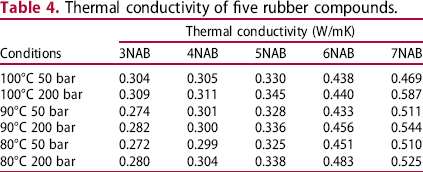
Thermal conductivity of five rubber compounds.
Materials and methods
Materials
Compound Formulations of the acetylene black-filled natural rubber composites in PHR*.
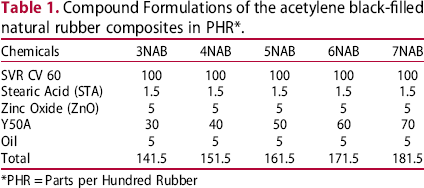
*PHR = Parts per Hundred Rubber
The main properties of used acetylene black.

Figure 1 represents an SEM image of some aggregates and agglomerates of Y50A which is the acetylene carbon black used in this study [54].
SEM image of Y50A.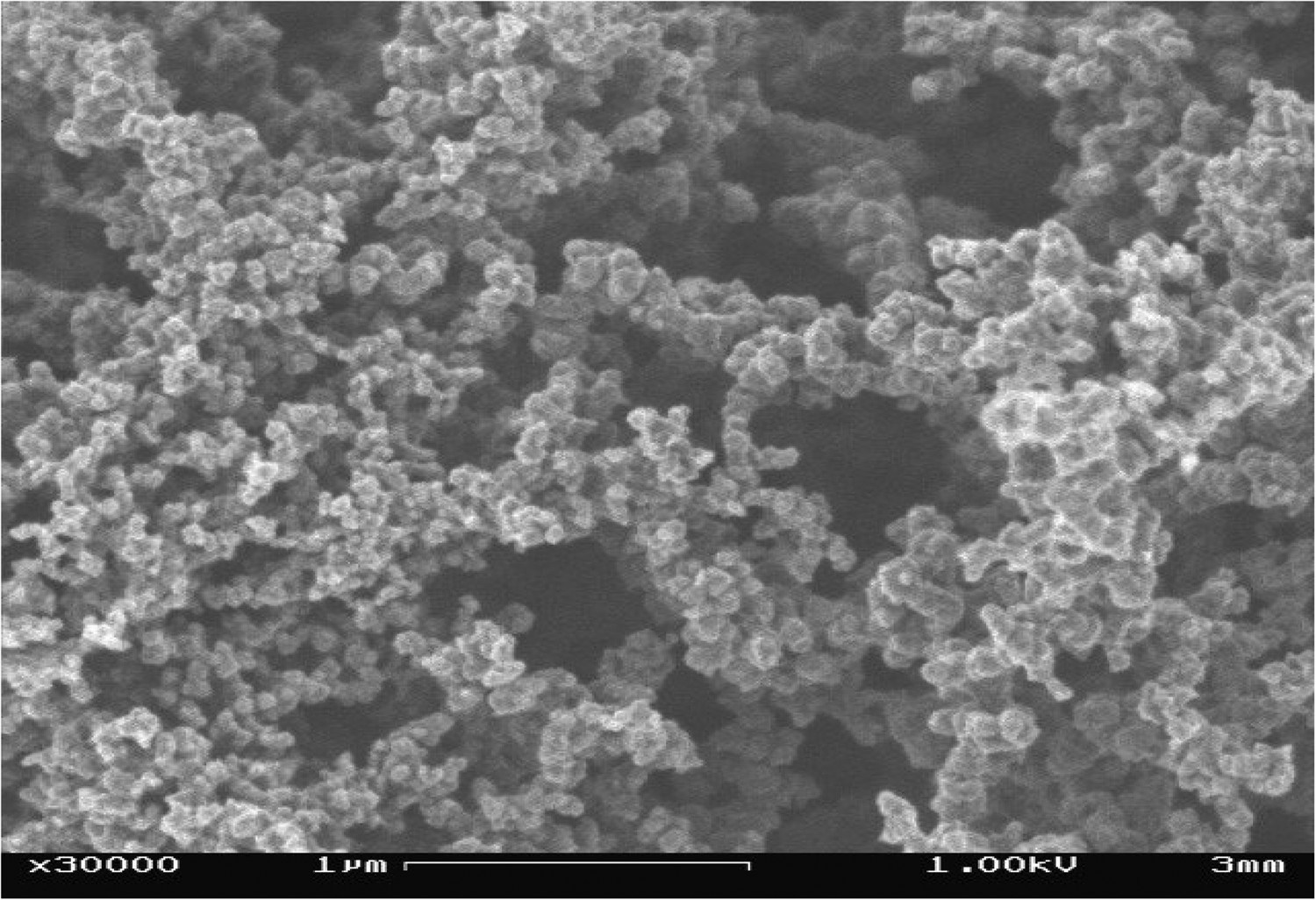
Methods
Preparation of the compounds
The following ingredients SVR CV 60, activators, acetylene black, and oil were added to the mill respectively. Each compound was mixed in a laboratory size two-roll open mill for 15 min. The dispersion of acetylene black in natural rubber is an important factor in the final thermal conductivity. If the acetylene black is not dispersed well in the polymer matrix, then there would be some inconsistencies in both mechanical properties as well as thermal conductivity values. Mixing the compound in two-roll open mill is a good way to disperse the acetylene black into the rubber polymer. The influence of processing conditions on dispersion is studied by Xu et al. They applied three different and typical processing approaches (mechanical mixing, solution blending, and ball-milling procedure) and compared the influence on dispersion levels. In our study, two-roll mill mixing method is used for 15 min to disperse the filler into the polymer matrix and consistent data on mechanical results showed that a good dispersion is achieved [55].
Determination of viscosity by using a rubber process analyser (RPA)
Approximately 5 grams of samples were taken from each prepared mixture, and the dynamic shear viscosity of the compounds was measured. The viscosity of all compounds was determined by using RPA2000 Rubber Process Analyser from Alpha Technologies. Temperature of the test was 100°C with 33 Hz frequency for 1% and 0.1 Hz frequency for 2% angle strain values. The dynamic shear viscosity was measured in Pa.s unit.
Determination of thermal conductivity
The thermal conductivity of all compounds was measured by using Göttfert RHEOGRAPH Capillary Rheometer.
Twenty-five grams of strip-shaped samples were cut from mixed compounds. The bottom of the barrel was closed by using an apparatus. The barrel was filled with 25 grams of strip samples. A thermal conductivity probe was inserted, and the material was injected into the circular cavity. The probe consists of a heating rod and a thermocouple in the centre with a thin-walled piston. The temperature increase in the probe was measured. Heat flow was generated through the sample with a power supply. A sealing ring was fixed at the top end of the probe to create different pressures. Thermal conductivity was calculated by using increasing temperature and heat flux.
Thermal conductivity was determined at different temperatures and different pressures for each mixture by using a capillary rheometer.
Determination of mechanical properties
The tensile test is performed in accordance with ASTM D412-16 test standard by testing instrument model ZWICK ROELL Z010. Five dumbell-shaped samples are prepared and tested for each compound. The average of five test results has been taken.
Hardness samples are prepared for all compounds and hardness measurements are made in accordance with ASTM D 1415 standard. Three measurements are made for each compound, and the average of these values is determined as the hardness value.
Dynamic properties of the samples are characterised by using a DMA from Metravib model DMA + 1000. Frequency sweep tests are carried out starting from 1 to 150 Hz at 10 different points. Tests are done at room temperature. Dynamic testing parameters are as follows: 0,15 static strain in compression mode and 0.005 peak-to-peak dynamic strain.
Determination of thermal stability
The thermogravimetric analyser is used to determine the mass loss and/or increases that occur as a function of temperature or time in the samples being tested. The change in the mass of the sample and the interval at which this change occurs are indicators of the thermal stability of the material. The PERKIN ELMER Thermogravimetric Analysis (TGA PYRIS I) is used to determine thermal stability. Approximately 5 mg sample pieces are placed in the test compartment for the prepared compounds and the samples are heated with nitrogen from 25°C to 600°C with a constant heating rate, at intervals of 20°C, and oxygen from 600°C to 900°C. Mass losses are recorded as a function of temperature.
Determination of electrical resistance
Test plates with a thickness of 2 mm were prepared for each compound that is 3, 4, 5 NAB, 6NAB, and 7 NAB. The probes were placed with an interval of 1 cm and an electrical resistance measurement was made for each compound at room temperature.
Results and discussion
Rubber process analyser (RPA)
Viscosity of prepared five compounds.
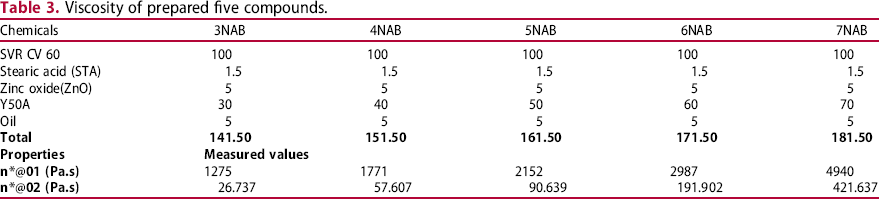
The measured viscosity values with 1% angle strain, which vary depending on the amount of acetylene black in phr, are shown in the figure below.
As shown in Figure 2, as the amount of acetylene black increased, the value of viscosity increased. The viscosity for 1% angle strain increased from 1275 Pa.s to 4940 Pa.s when the amount of acetylene black increased by 40 phr. The viscosity increases with the addition of filler [4, 31, 34, 56].
Viscosity for 1% angle strain values versus varying amount of acetylene black.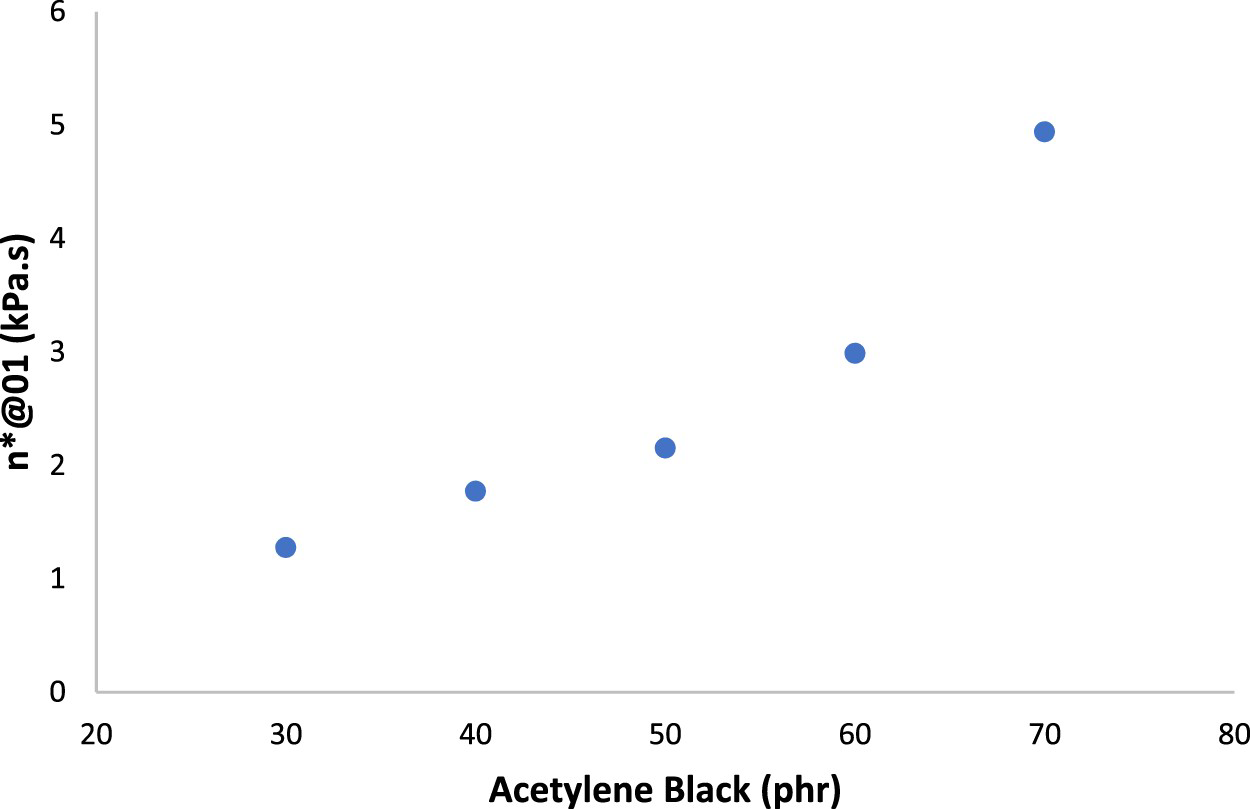
In addition, the viscosity for 2% angle strain values that vary depending on the amount of acetylene black was given in Figure 3 above. The viscosity for 2% angle strain increased from 26737 to 421637 Pa.s when the amount of acetylene black increased by 40 phr.
Viscosity for 2% angle strain values versus varying amount of acetylene black.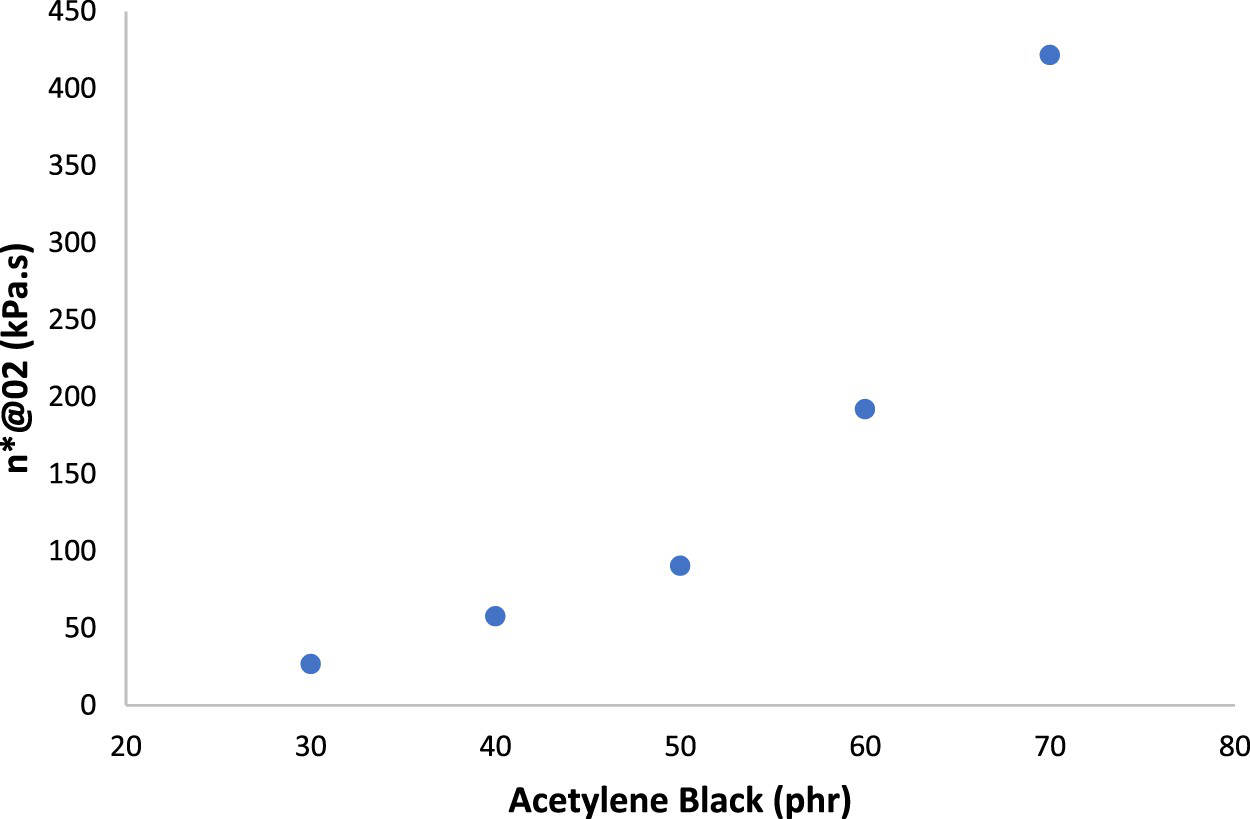
Capillary rheometer
The measured thermal conductivity values for five mixtures are shown in Table 4. Thermal conductivity values at 50 and 200 bar pressure at 80°C, 90°C, and 100°C are included in the table below (Table 4). In all six conditions, it can be clearly seen that the thermal conductivity of all recipes increases with the increased amount of acetylene black.
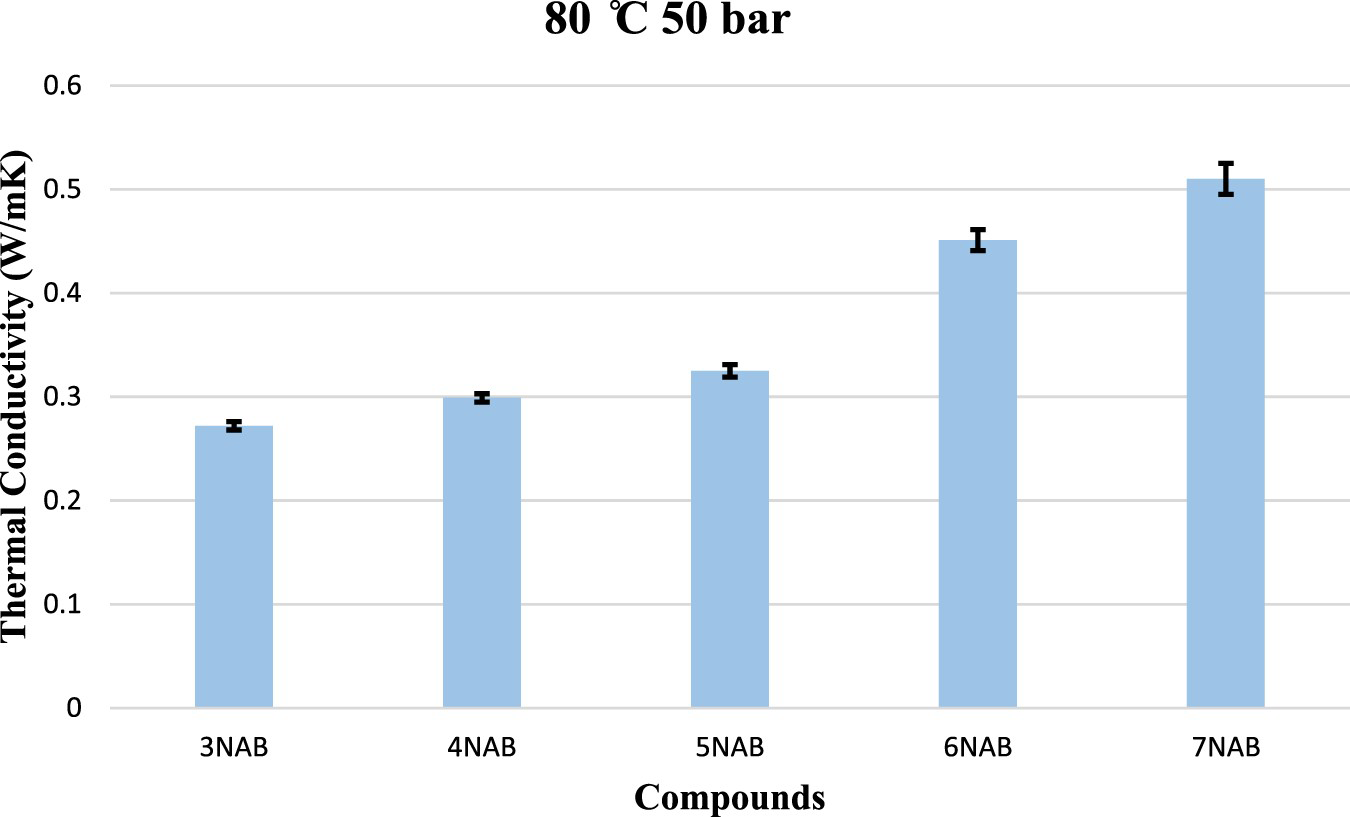
The thermal conductivity measurements are averaged for each compound at all conditions. The data error of the thermal conductivity values of the natural rubber compounds is given in Figures 4–9.
Thermal conductivity of all compounds and error bars at 100°C 50 bar. Thermal conductivity of all compounds and error bars at 100°C 200 bar. Thermal conductivity of all compounds and error bars at 90°C 50 bar. Thermal conductivity of all compounds and error bars at 90°C 200 bar. Thermal conductivity of all compounds and error bars at 80°C 50 bar. Thermal conductivity of all compounds and error bars at 80°C 200 bar.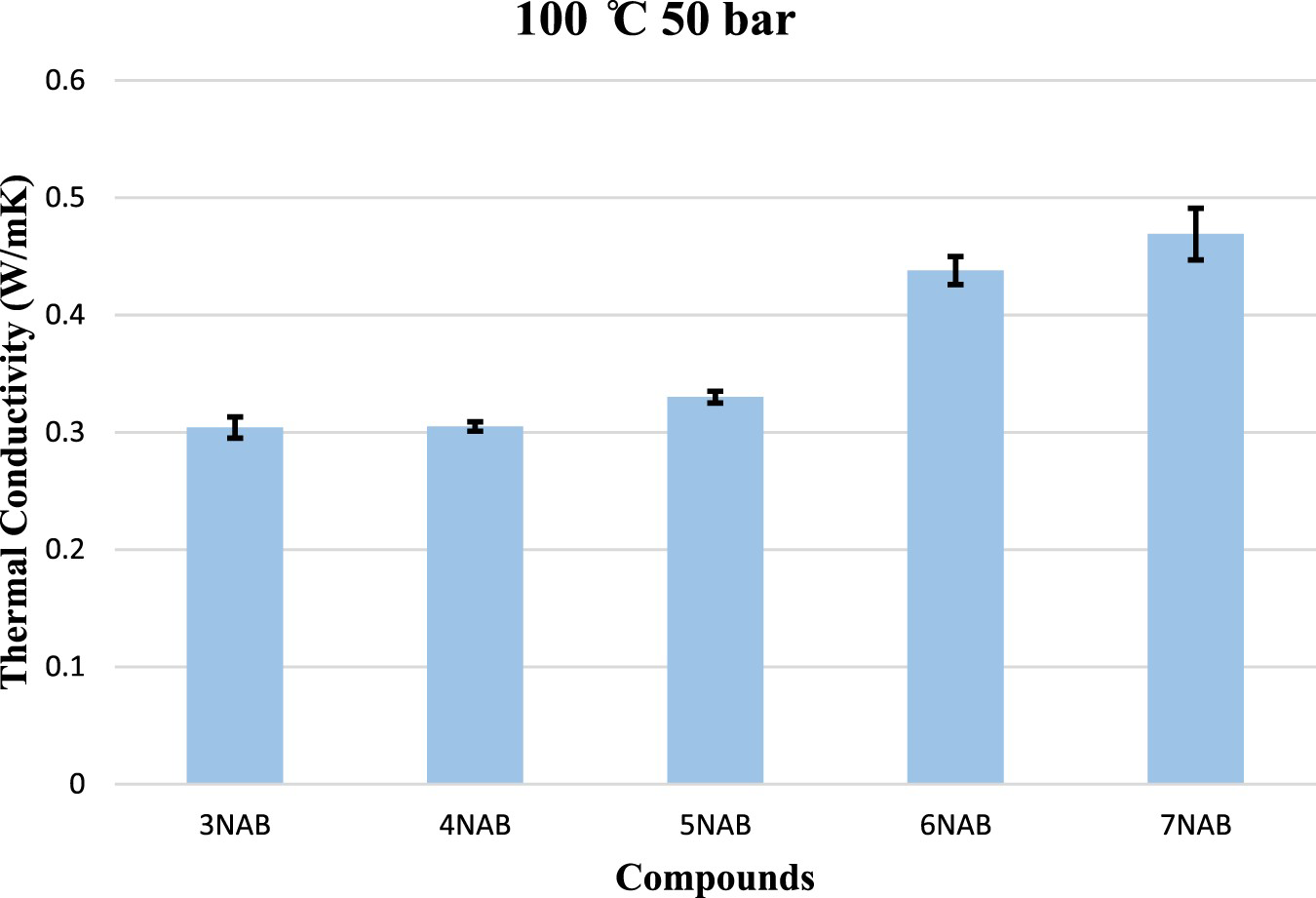
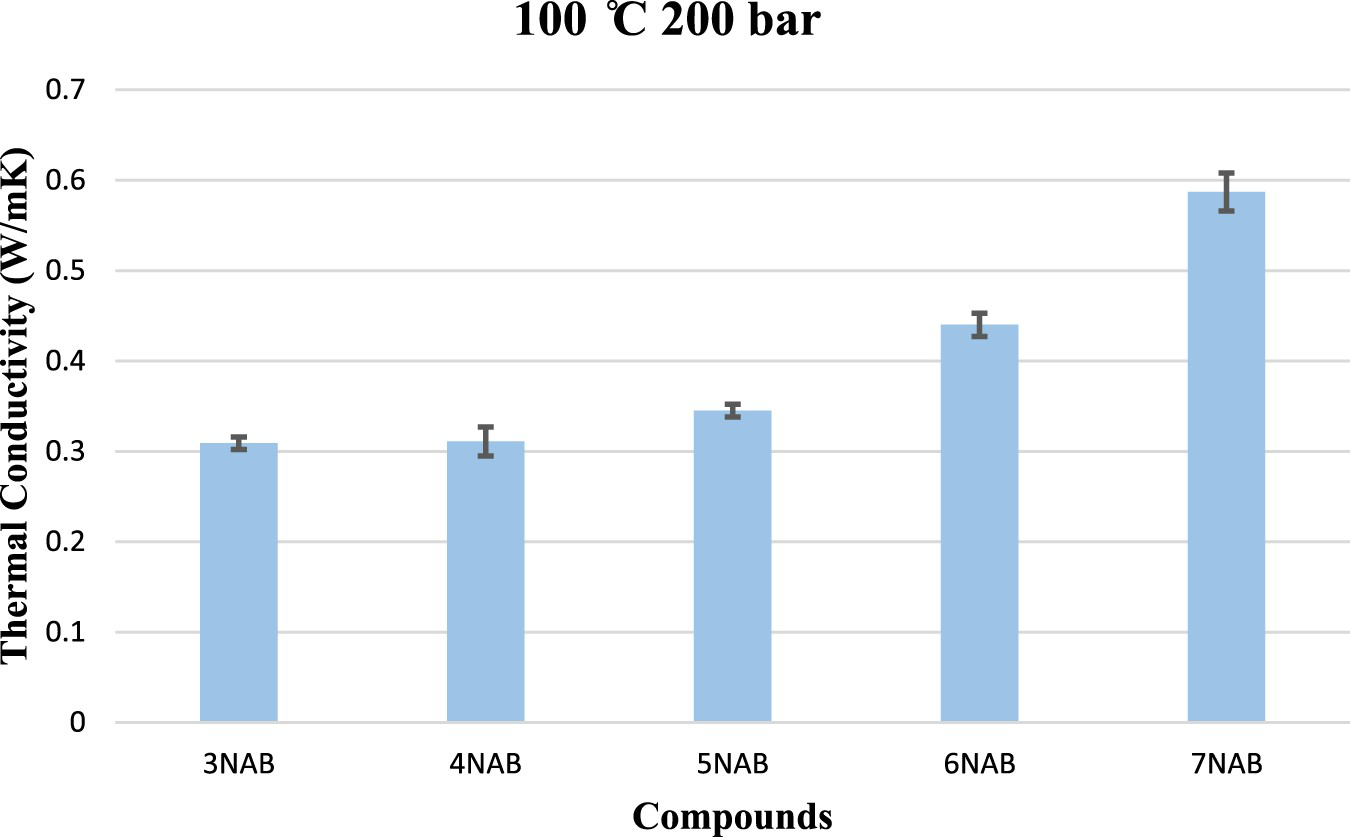
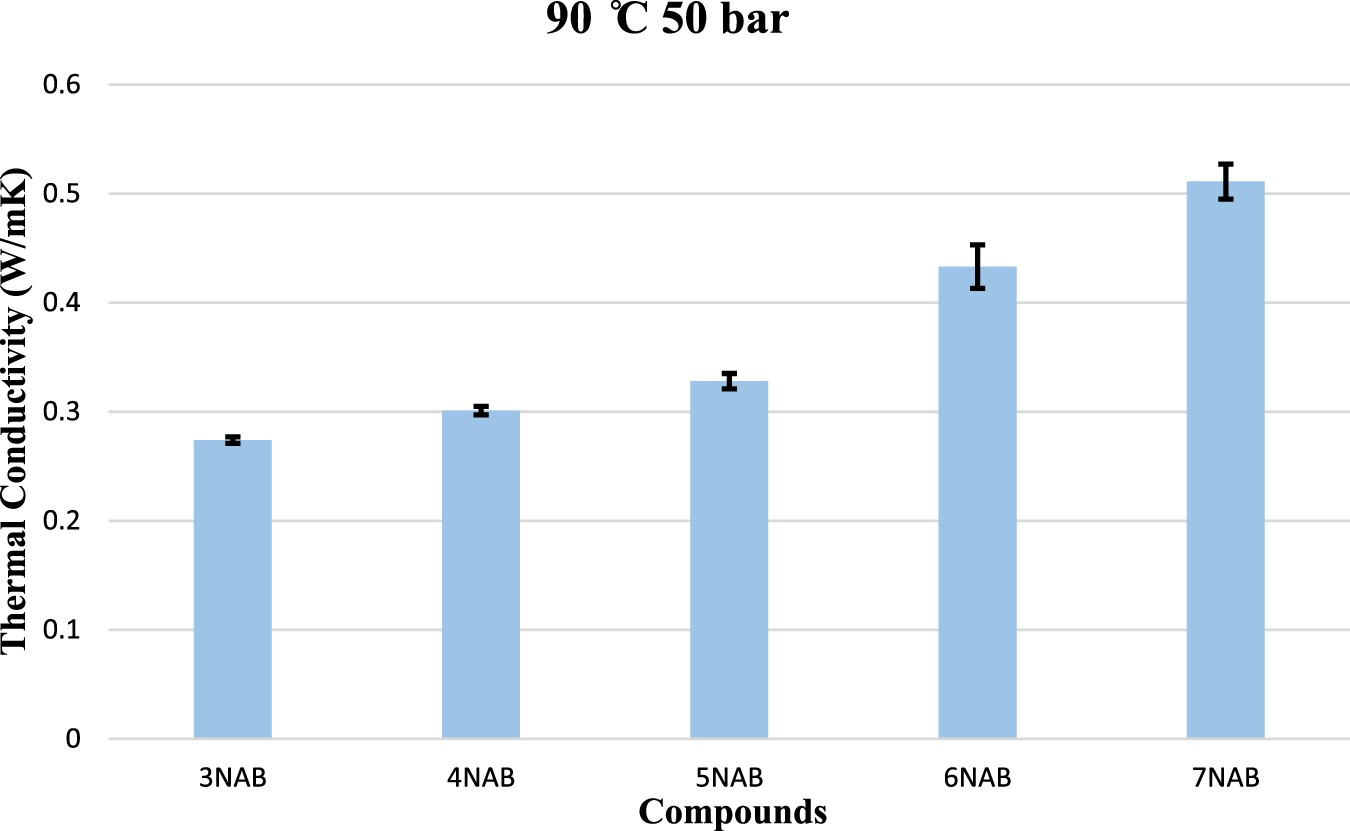
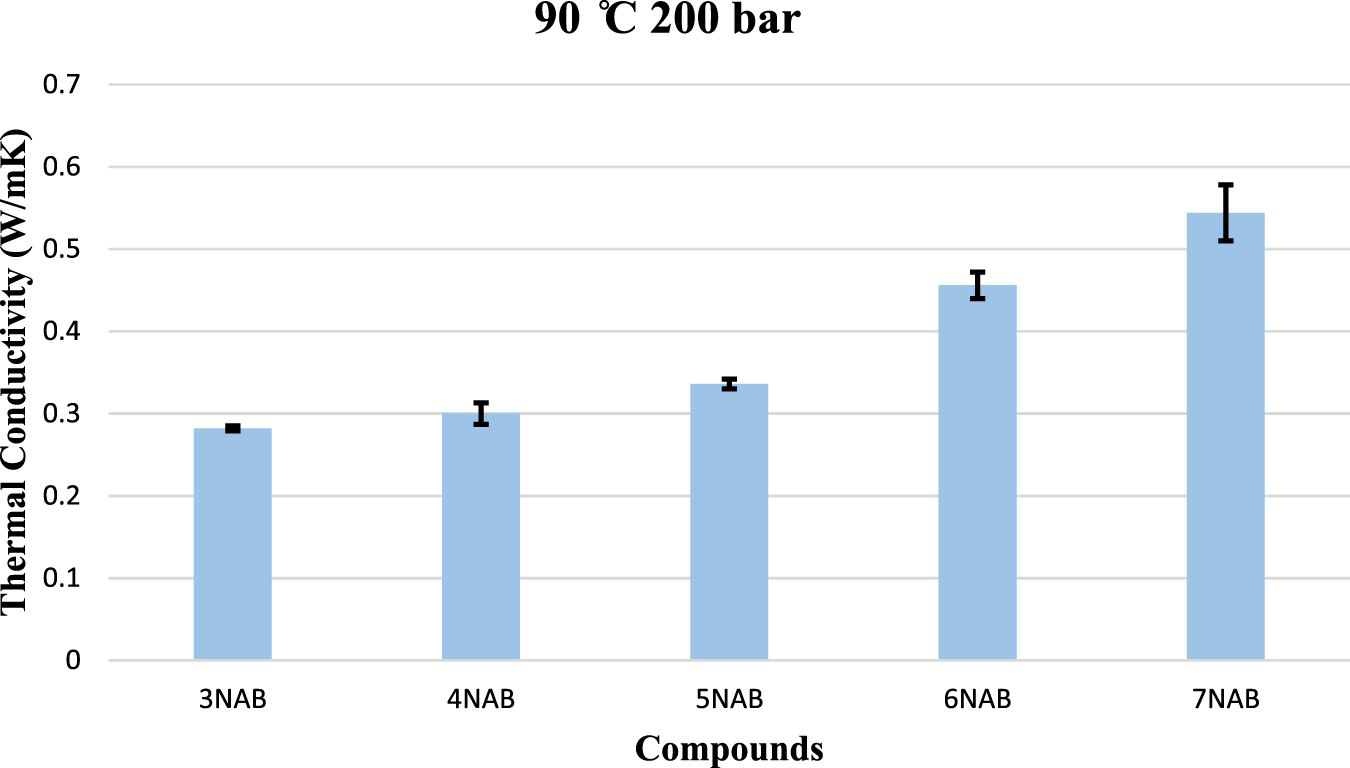
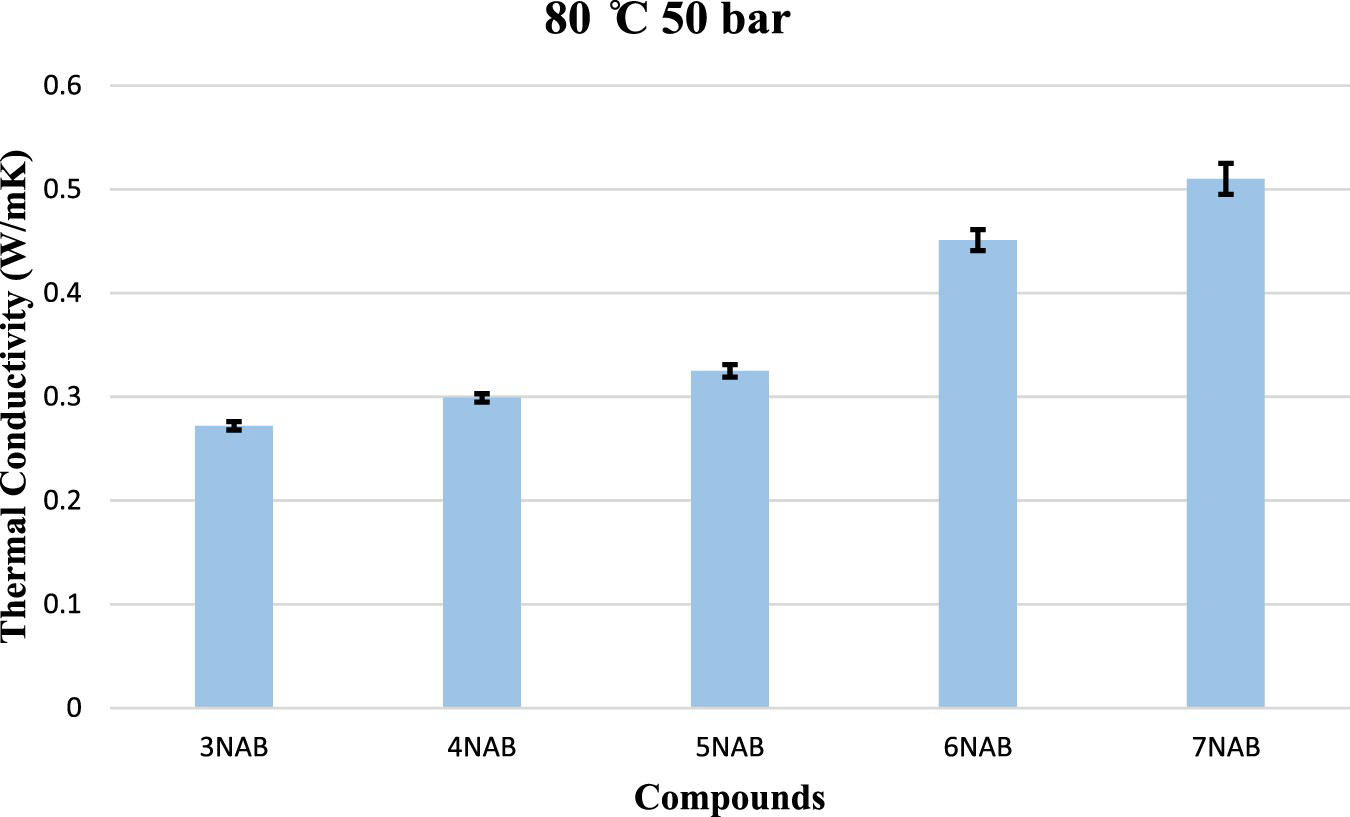
The relationship between the amount of acetylene black and the thermal conductivity of five compounds in all conditions had been investigated in the following graphs.
The change in thermal conductivity with the amount of acetylene black in all conditions which were at different temperatures and different pressures are given in Figure 10(a–f). According to Figure 10, thermal conductivity was increased as the amount of acetylene increased in all conditions. Thermal conductivity increased by over 50% in all six conditions when the amount of acetylene black increased from 30 PHR to 70 PHR. The most increases were observed at 90°C 200 bar that the increase was 93% when the amount of acetylene black increased by 40 PHR. Increasing the amount of filler increases thermal conductivity [14, 17-20, 25, 26, 42, 43]. Song et al. were worked with acetylene black and reported that thermal conductivity increased as the amount of acetylene black increased [30]. Li et al. were studied with different geometries of thermally conductive fillers that are aluminium oxide, irrregular aluminium nitride, and 2D boron nitride on the processing, mechanical, and thermal properties [57]. The Figure that is the thermal conductivity of LSR composites with different contents of fillers in this study is similar to the graph that is the change of thermal conductivity versus acetylene black amounts in our study.
Change of Thermal conductivity versus acetylene black amounts at (a)100°C, 200 bar, (b) 100°C, 50 bar, (c) 90°C, 200 bar, (d) 90°C, 50 bar, (e) 80°C, 200 bar, (f) 80°C, 50 bar.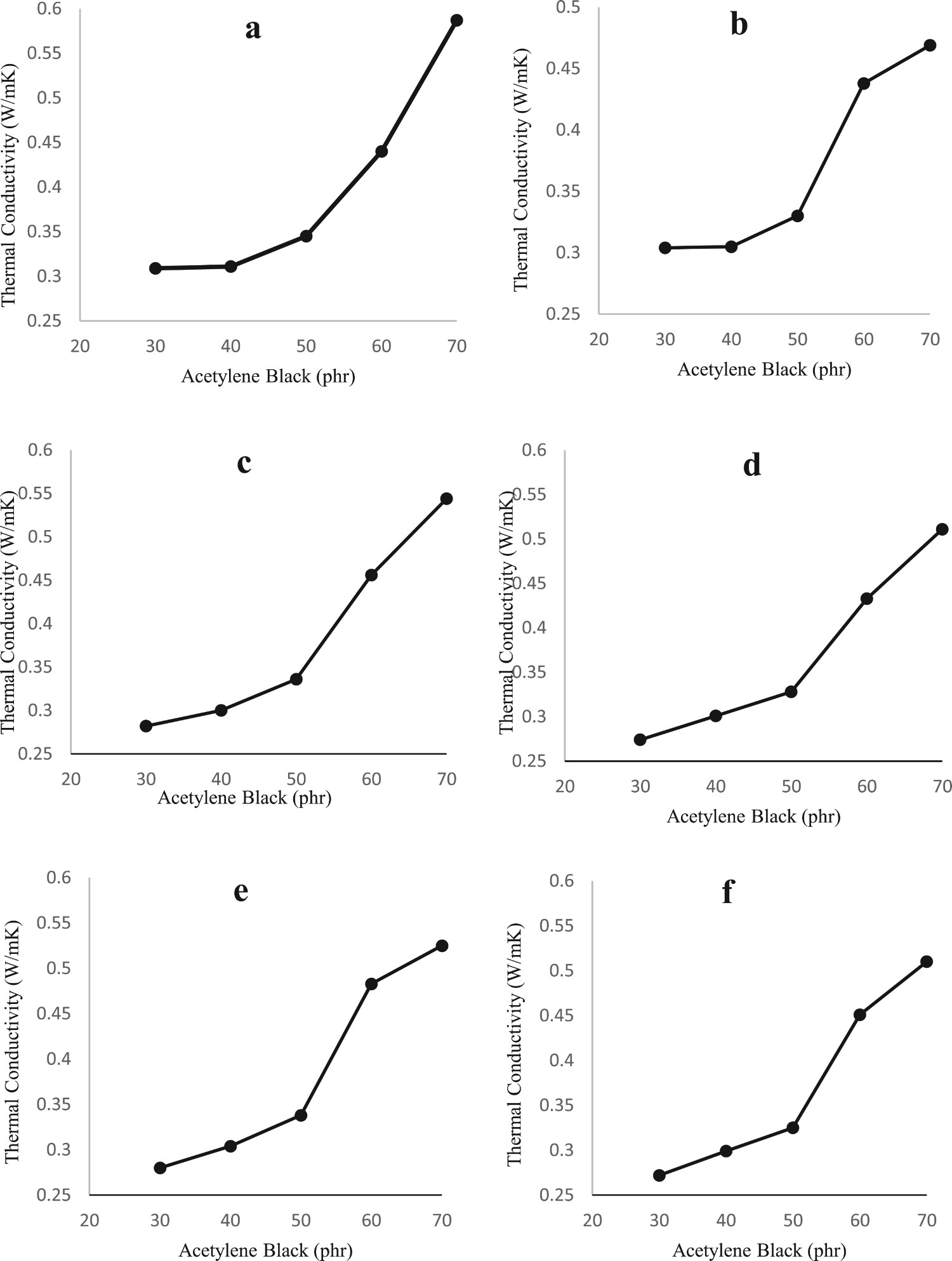
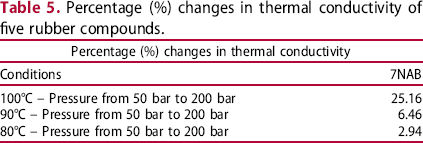
Figure 11 was given for the analyse of the effect of pressure on thermal conductivity. The change in thermal conductivity due to the amount of acetylene black that was 30, 40, 50, 60, and 70 phr at 100°C but at different pressures which were 50 and 200 bar was presented together in Figure 11(a). At the same temperature i.e., isothermal condition, it was seen from Figure 11(a) that thermal conductivity was higher at high pressure. These phenomena were seen in all five compounds. There is a small effect in thermal conductivity when the pressure increased from 50 bar to 200 bar which is a result of the compressibility of the filler in rubber polymer. The density of the compound can increase with the increase in pressure. This change can result in a small increase in thermal conductivity.
Change of Thermal conductivity versus acetylene black amounts at (a) 100°C, 50 bar and at 100°C, 200 bar (b) 90°C, 50 bar and at 90°C, 200 bar (c) 80°C, 50 bar and at 80°C, 200 bar.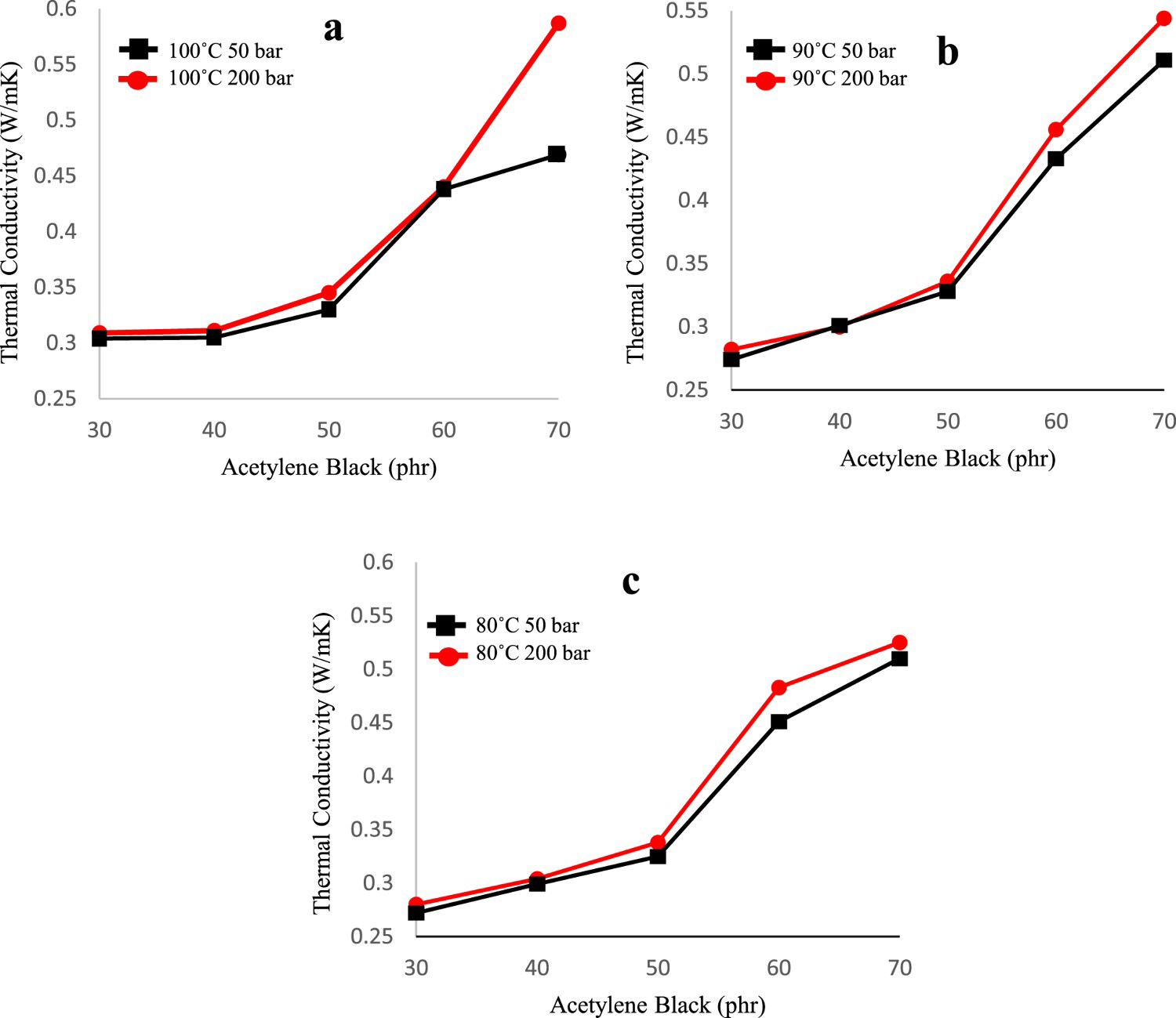
The change in thermal conductivity due to the amount of acetylene black at 90°C at different pressures which were 50 and 200 bar were presented together in Figure 11(b). It was seen in Figure 11(b) that thermal conductivity increases as pressure increases in four recipes. This increase in thermal conductivity was not observed in the one recipe that was only containing 40 phr of acetylene black. Thermal conductivity would have been expected to be higher at high pressure normally but the thermal conductivity of compound that contain 40 phr acetylene black was almost equal at 90°C but at different pressures.
Thermal conductivity values measured at two different pressures at 80°C were given for the five compounds in Figure 11(c). As it appears in the Figure 11(c) that the thermal conductivity at higher pressure was higher than expected. It has been seen that the amount of acetylene black prominently increases the thermal conductivity of compound, on the other hand, thermal conductivity does not change significantly with the change in pressure. There is a small effect in thermal conductivity when the pressure increased from 50 bar to 200 bar which may come from the compressibility of the filler in rubber polymer that can result in a small increase in thermal conductivity. There are many studies in the literature that examine the effects of pressure on thermal conductivity in natural rubber compounds. Kerschbaumer et al. indicated that by increasing pressure, free volume decreases and thermal conductivity increases [47]. Also, D.Hands concluded that a pressure increase of 30 MPa increased thermal conductivity by about 3% [51].
Percentage (%) changes in thermal conductivity of five rubber compounds.
To examine the effect of temperature on thermal conductivity, thermal conductivity values at 50 bar and at different temperatures were compared in Figure 12(a) and thermal conductivity values at 200 bar and at different temperatures were compared in Figure 12(b). The glass transition temperature of natural rubber is 190–210 K [45]. In this study operating temperatures were 80°C (353.15 K), 90°C (363.15 K), 100°C (373.15 K). In fact, with the increase in temperature, thermal conductivity was expected to decrease because the operating temperatures were above the glass transition temperature. In our study, results that can relate between thermal conductivity and temperature were not obtained directly, especially at relatively lower loadings.
Change of Thermal conductivity versus acetylene black amounts at (a) 80°C, 90, 100° at 50 bar, (b) 80°C, 90, 100°C at 200 bar.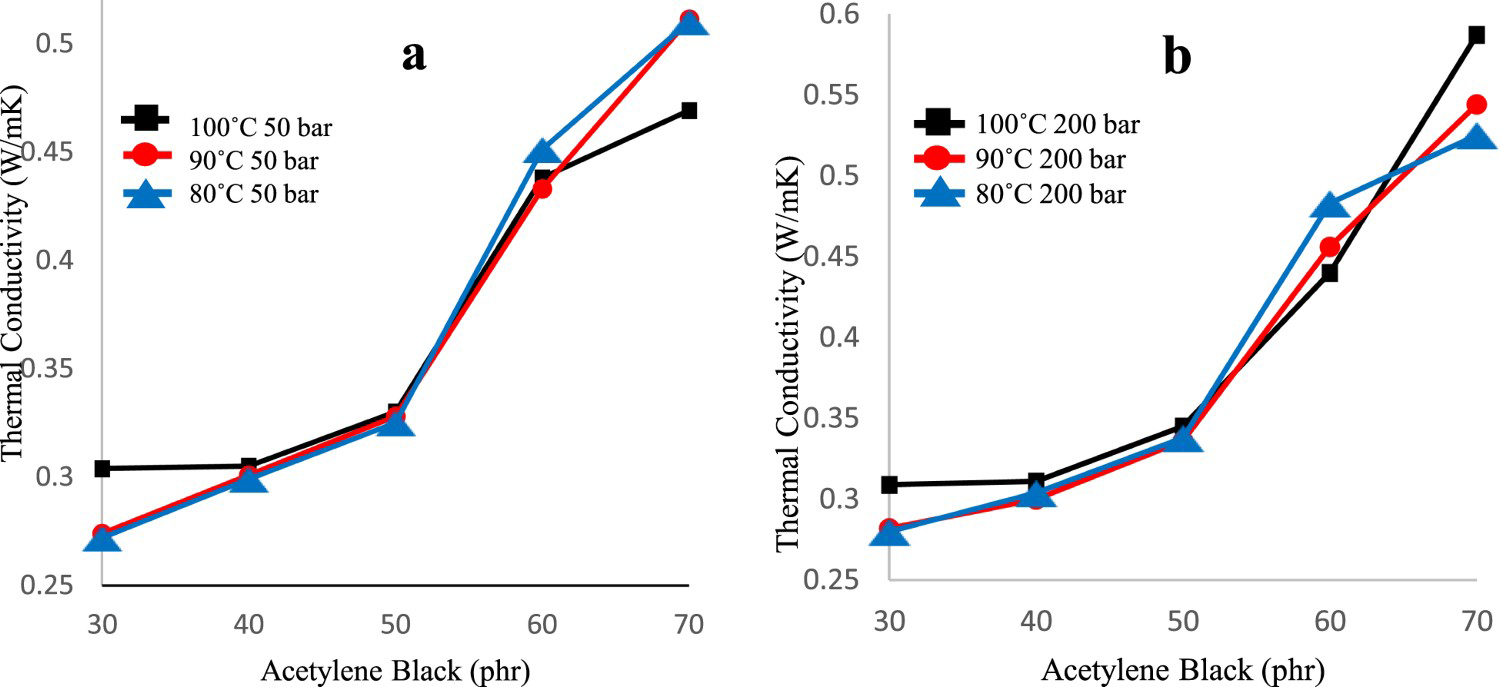
Song et al. examined the effect of temperature change on thermal conductivity in mixtures, which used five different carbon blacks that were N134, N234, N330, N375, and N 660. It was found that, for N134, N234, and N330, thermal conductivity increased as temperature increased but for N375 and N660, the thermal conductivity remained nearly the same at varying temperatures [27].
In P. Dashora's article, the effect of temperature on thermal conductivity was examined in two different regions that were above glass transition temperature Tg and below glass transition temperature Tg. It is inversely proportional to temperature and thermal conductivity above Tg [44]. Above the glass transition temperature, the relation between thermal conductivity and temperature is inversely proportional [44, 45, 47]
In this study, thermal conductivity measurements were made at 80°C, 90°C, and 100°C that were above the glass transition temperature. When the results obtained at 50 bar are examined, it was observed that recipes 6NAB and 7NAB were partially compatible with the relationship between temperature and thermal conductivity. The results of recipe 6NAB at 200 bars at different temperatures support the inverse ratio between temperature and thermal conductivity. The obtained thermal conductivity values suggest it can give more accurate results in rubber mixtures at the high filler loading to investigate the effect of thermal conductivity on temperature.
Mechanical tests
Tensile strenghth and elongation at break values of five rubber compounds.
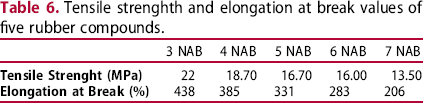
The relationship between the amount of acetylene black and tensile strength is also given in Figure 13.
Tensile strenghth of five rubber compounds.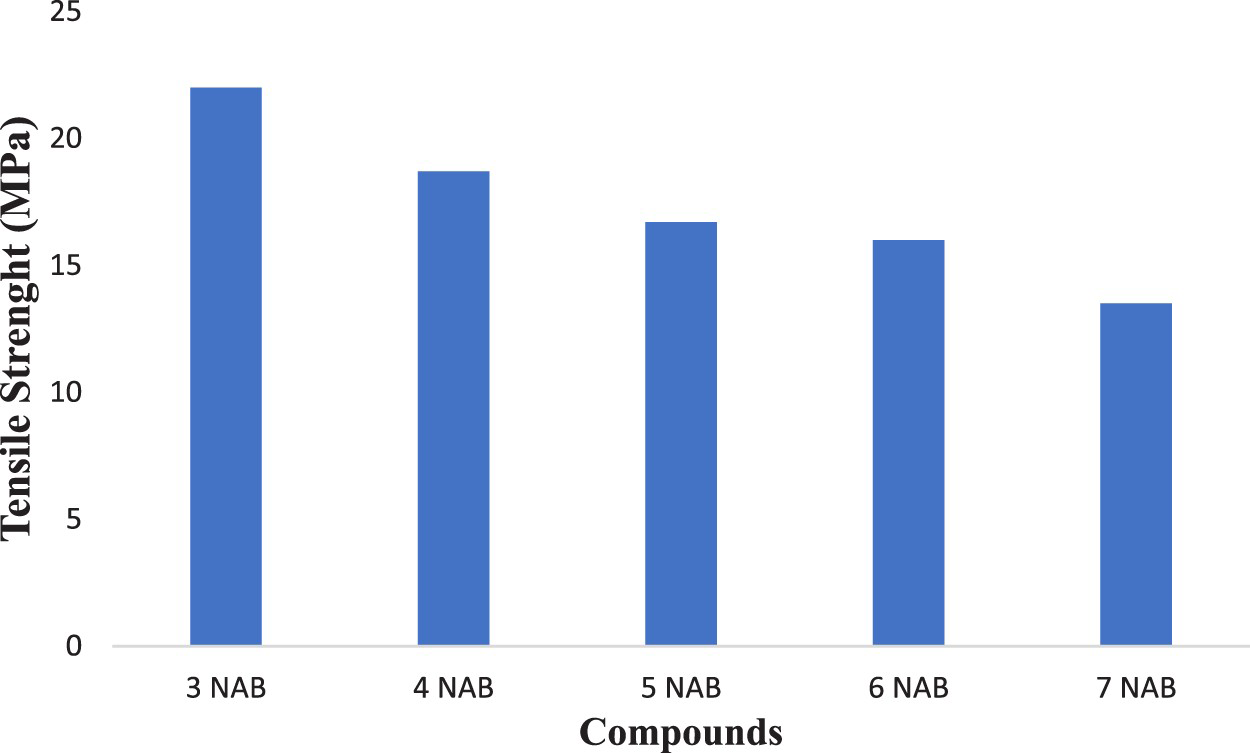
The hardness values in Shore A are given in Table 7. Hardness values increased due to the increase of acetylene black amount. The hardness changes of the compounds are given in the Figure 14.
Hardness of five rubber compounds. Hardness values of five rubber compounds.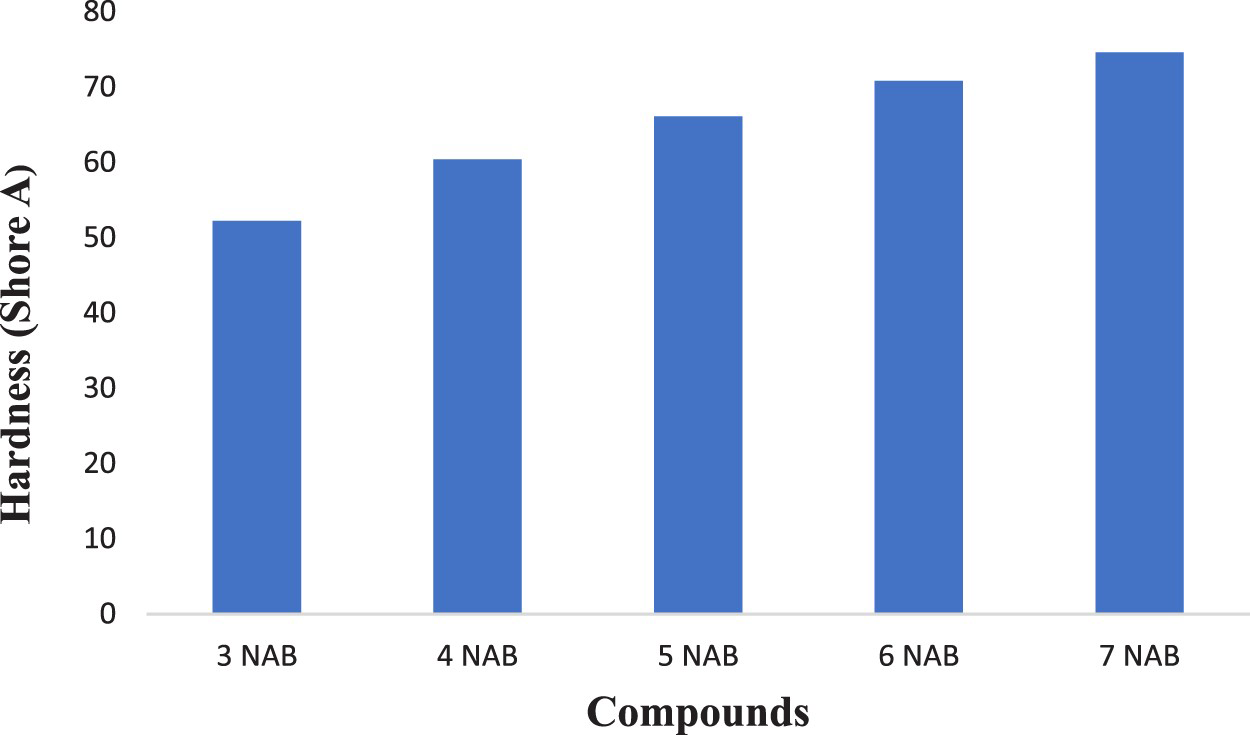

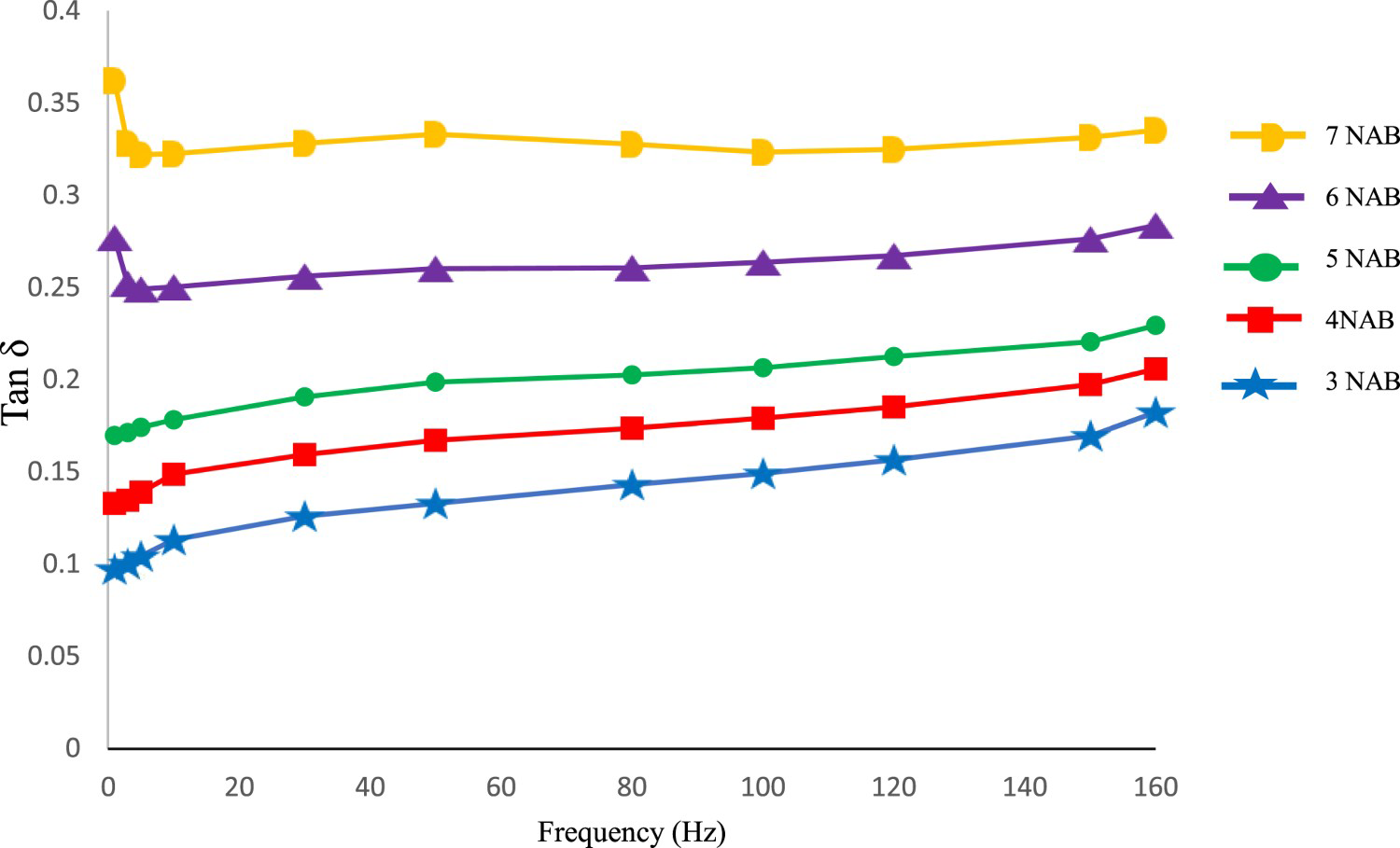
After the dynamic tests, t and young's modulus values are given as a function of frequency in Figures 15 and 16.
Young modulus of five rubber compounds. tan δ values of five rubber compounds.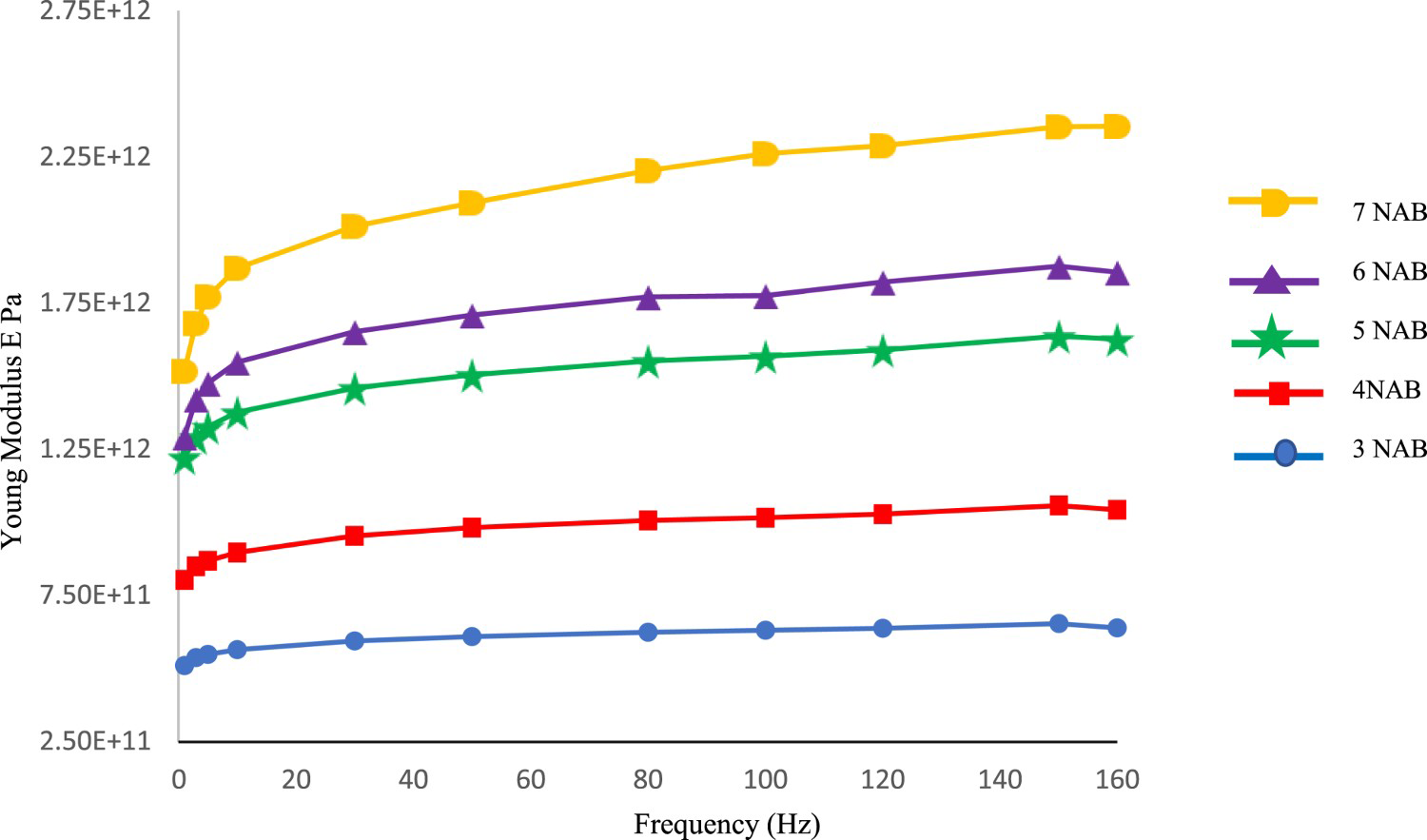
Thermogravimetric analysis
The decomposition curves for each compound are given in Figure 17. As the amount of acetylene black increased, the compounds began to decompose at a later temperature. This situation shows that the thermal stability has improved positively and the compound degradation at higher temperatures with acetylene black. The increase in the amount of acetylene black increased the thermal stability.
Decomposition curves of Five Rubber Compounds.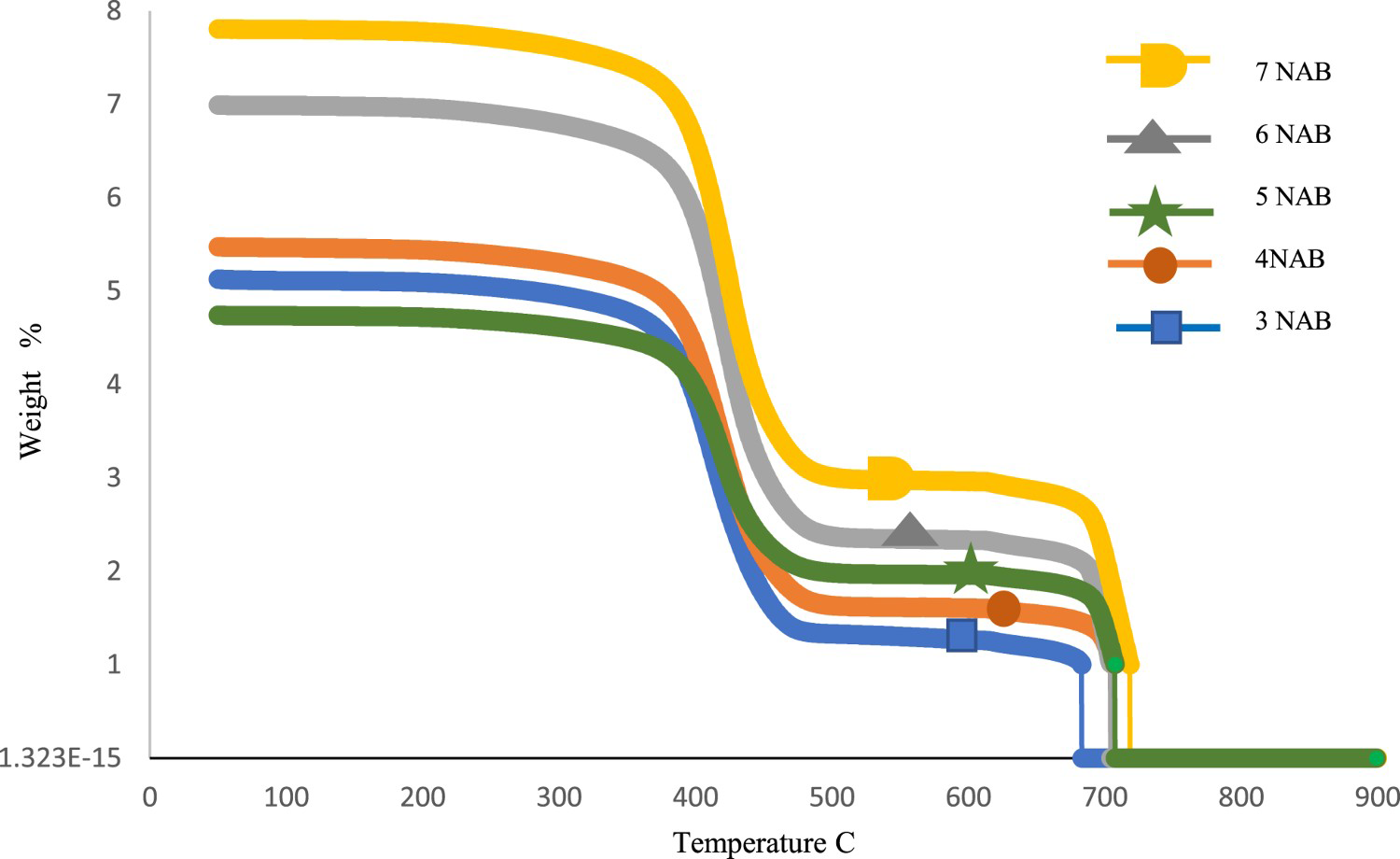
Electrical resistance
Electrical resistance of compounds.

As can be seen from Table 8, the electrical resistance decreased as the amount of acetylene black in the mixture increased. With the decrease of electrical resistance, the electrical conductivity of compounds is increased. As the amount of acetylene black is increased, the electrical conductivity of compounds is increased as expected.
Conclusions
In this paper, the effect of temperature, pressure, and acetylene black amounts on thermal conductivity and also the effect of acetylene black amounts on viscosity were investigated. It is concluded that with the increase of acetylene black amounts, the viscosity was obviously increased. As acetylene black loading increased from 30 phr to 70 phr by 10 phr in each recipe, thermal conductivity was increased. The effect of pressure on thermal conductivity was examined at 80°C, 90°C, and 100°C by keeping the temperatures constant at 50 and 200 bar. It was expected that with the same acetylene black content the pressure and thermal conductivity were stated to be directly proportional, and the obtained results proved this. It was seen that pressure change has a very slight effect on thermal conductivity of the compounds. There were very small differences as increase in thermal conductivity from 50 to 200 bars. And also, there are small errors in thermal conductivity measurements and the error bars are given in column charts from Figures 4 to 9. As a result of these errors and very small changes in thermal conductivity difference, in the case of Figure 11(b), the increase in pressure does not result in an increase in thermal conductivity. It was seen that the thermal conductivity increased with increasing pressure in all conditions except one result that was 4NAB at 90°C. Thermal conductivity remained almost constant in this condition. The reason for this can be considered as relatively lower loading of acetylene black. The effect of temperature on thermal conductivity was examined at 80°C, 90°C, and 100°C by keeping the pressures constant at 50 and 200 bar. Since the operating temperatures were above the glass transition temperature, thermal conductivity was expected to decrease with the increase in temperature. It was found that thermal conductivity tends to increase as temperature increases at lower acetylene black loadings. However, as the amount of acetylene black increases, the inverse ratio between thermal conductivity and temperature could be observed. In addition, a tensile test was performed for compounds containing different acetylene black loadings. As the amount of acetylene black increased, the tensile strength and elongation at break values decreased. Hardness measurements were done for each compound, and it was obtained that the hardness increased as the amount of acetylene black increased. As can be seen in Figures 15 and 16 both young modulus and tan δ increased, as acetylene black loading increased. With the performed thermal analyses, it was found that the thermal stability was positively affected as the amount of acetylene black increased in the compounds. Electrical resistance measurements were made to examine the effect of the amount of acetylene black on electrical conductivity. It was found that as the amount of acetylene black increased, the electrical resistance decreased, and accordingly, the electrical conductivity increased.
Footnotes
Acknowledgments
This work was supported by the SAMPA Automotive R&D Center. The use of facilities at Sampa Automotive R&D Laboratory is acknowledged. The authors are grateful to Sampa Automotive R&D Laboratory team members.
Disclosure statement
No potential conflict of interest was reported by the authors.
Declaration of competing interest
The authors declare that they have no known competing financial interests or personal relationships that could have appeared to influence the work reported in this paper.