







Abstract
ABSTRACT
Biofuels, like any high-affinity chemical mixtures; can cause tribological effects at interfaces with metallics (ferrous-nonferrous) and non-metallics due to medium assisted activation of corrosion by unsaturated components. The damages; corrosion and tribological effects on surfaces (abrasive wears and edge/cosmetic corrosion), also include contamination and biofuels replacement due to quality decrease. The most common phenomena include the oxidation of biodiesel which increases its affinity towards metallic counterparts, i.e. automotive parts or processing apparatus, via formation of peroxide compounds by oleic acid, linoleic acid, and linolenic acids. This corrosion receptive medium causes pitting; due to high water content and high electronegativity of dissolved oxygen, and galvanic corrosion; due to high electrical conductivity. The main factors for higher aggressive corrosivity of biofuels can be summarized as high electrical conductivity, polarity, solubility, and hygroscopicity. This paper closely reviews the materials deterioration in contact with biofuels and possible corrosions.
Nomenclature
American Society for Testing and Materials
Diesel fuel 100%
Biodiesel 10%–diesel fuel 90%
Biodiesel–diesel–ethanol
Polychloroprene rubber
Corrosion potential
European standard
Ethylene propylene diene monomer
Fluorocarbon
High-density polyethylene
Hydrogenated acrylonitrile butadiene rubber
Internal combustion engine
Corrosion current density
Jatropha curcas and Ceiba pentandra biodiesel (50:50 wt-%)
Microbiologically influenced corrosion
Metal matrix composites
Mils penetration per year
Nitrile rubber
Polytetrafluoroethylene
Stress-induced corrosion
Scanning electron microscope
sulphate-reducing
Total acid number
Techno-economic assessment
Under deposit corrosion
Volatile organic compounds
Overview
Biofuels with long-chain alkyl esters of C16 and C18 and intermediates products of the transesterification reaction (tri, di and monoglycerides) accompanied with free fatty acids, alcohol and sterols, are strongly prone to corrode metals/alloys/polymers/ceramics due to auto-oxidation activated formation of monocarboxylic acids (formic acid, acetic acid, propionic acid, caproic acid) via environmental condition like moisture absorption at high humidity and elevated temperatures. The corrosivity of biofuels and their blends is known to be affected by characteristics like the unsaturated molecules content, the number of total acids (TAN), the moisture content, the dissolved oxygen content and possible oxidations. While the relationship between the quality of biofuels and their ability to cause corrosion is not clear, the aftermath processes such as transesterification will indicate the contents of glycerol, fatty acids, alcohol and catalysts which can cause severe deposition and corrosion[1]. The cumulative corrosions in biofuels can cause catastrophic mechanical failures [2] such as crosswise fractures, jamming of moving parts, fuel system failures [3] and stress corrosion cracking (i.e. SCC) [4]. The material compatibility with biofuels, characterised by susceptibility to corrosion and solubility for metals and polymers/ceramic, respectively, will indicate their consumable and expandable conditions.
As the corrosion in biofuels is directly affected by the concentration and bond types of fatty acids, as those with higher concentrations of unsaturated and polyunsaturated fatty acids are more susceptible to higher oxidation rates (1:41:98 for the oxidation rate of oleate:linoleat:linolenate compounds [5]), the oxidative stability of the blends with higher contents of linoleic (two double bonds) and linolenic acids (three double bonds) decreases significantly [6].
Overall, the corrosion rate in biodiesel is dependent on (1) the type of the materials (copper (0.39278 mpy); brass (0.209898 mpy); aluminium (0.173055 mpy) and cast iron (0.112232 mpy)); which is always reported to be higher than normal diesel (copper (0.2117 mpy), brass (0.1653 mpy), aluminium (0.14492 mpy) and cast iron (0.00984 mpy)) [7], (2) microbial growth, (3) moisture content, (4) operating temperature and (5) the nature of biofuel and its’ origin. The corrosion mostly happens by the formation of the anodes near the area exposed to higher water contents and the cathodes along the water–biodiesel interface [8], which has resulted in a rust-covered anodes and oily cathode surfaces [9].
Introduction
The main attraction for growing biofuel utilisation can be summarised as the presence of mono-alkyl esters of long-chain fatty acids; lack of harmful elements and compounds like sulphur, benzene and other potentially carcinogenic compounds; biodegradability [10]; high-efficiency of combustion; improved lubricity; high cetane number; high flash point; and low harmful emissions of gaseous byproducts along with high calorific value. These advantages are accompanied by certain drawbacks, such as Ultra-low temperature actuation; high moisture absorption content; corrosive behaviour and oxidation of unsaturated esters [11]. The corrosive behaviour of biofuels is attributed to its hygroscopic nature (30 times more than normal fuels) [12]; moisture absorptions [13]; oxygen absorptions [14]; esters hydrolysation [15]; triglycerides hydrolysation [16]; gradual dissociation; microbial growth; unsaturated components content; polarity of ester [17]; environments conditions (temperature, air, light, moisture) and higher level of (poly-unsaturated) olefinic oxidation [18]. The possible changes in biofuels include an increase in acid and peroxide value, a decrease in methyl esters content, higher viscosity-lower flowability and smaller iodine content [19]. The potential corrosion directly depends on metal type, the fuel environment [20], the presence of possible inhibitors, their complex combinations’, residual impurities from processing (like sulphuric acid) as well as operational parameters [21]. The high tendency towards biodegradability results in microbial growth in biofuels [10] which causes higher metal corrosivity [22]; specially for bronze, brass and zinc [23]. This feature along with high hygroscopic capacity of biofuels (up to 35 times than fossil fuels [24]; specially at temperatures above 50°C [25]) exacerbates the corroding ability of biofuels [12]. The microbial growth can also decrease pH value of the fuel which further increases the corrodibility of the medium; promoting aerobic biodegradation with hydrolysation of methyl esters of biodiesel to fatty acids [13]. The increasing pitting corrosion in low-carbon steels are reported due to the biodegradation of biofuels (methyl esters hydrolysation to fatty acids) by anaerobic microorganism [26]; while no apparent decrease in the pH value was detected [27,28].
The corrosion at metal surfaces in biofuels is attributed to anodic/cathodic reactions with condensate moisture via the following reactions [19], as follows:



Further reactions of biofuels esters and fatty acids lead to links with soluble oxygen radicals [11] which quickly links and form volatile corrosive products (aldehydes, ketones, lactones, formic acid, acetic acid, propionic acid and caproic acid) [14]. This corrosion happens without the formation of solid products and damages the free surface with pits, environmentally assisted small cracks from pits and similar deformations. The cases of biofuel-related corrosion and their composition dependence are shown in Figure 1.
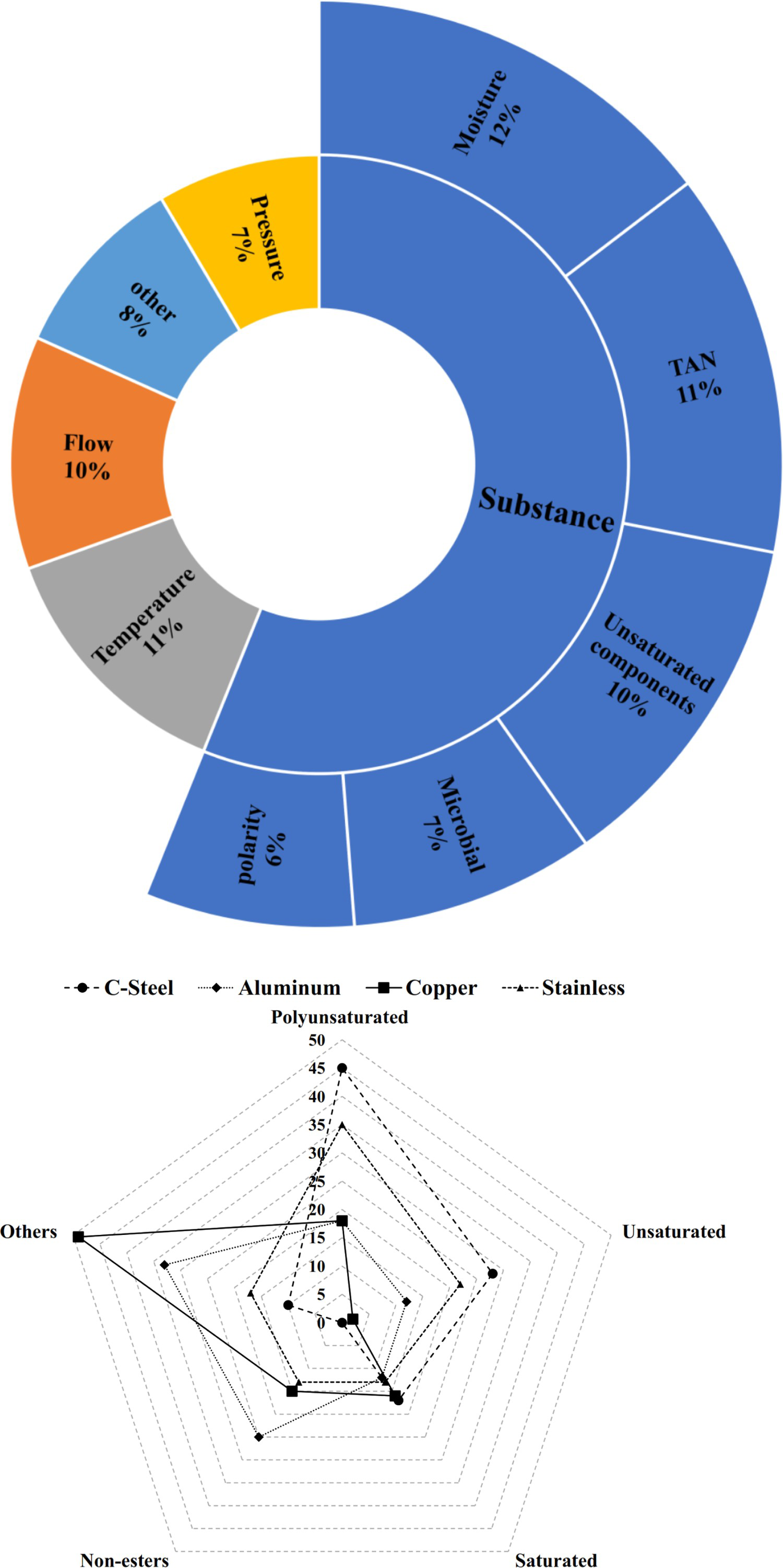
The corrosion-biofuel composition dependence is estimated in the order of importance to be as follows [16]:
The content of polyunsaturated molecules (45%) biodiesel with unsaturated fatty methyl esters and more carbon–carbon double bonds and fewer hydrogen molecules is more susceptible to oxidation, which implies a degradation in its physical–chemical properties and an increase in its corrosive activity. The content of unsaturated fatty methyl esters molecules (28%), The content of saturated fatty methyl esters molecules (17%), The content of other compounds (10%).
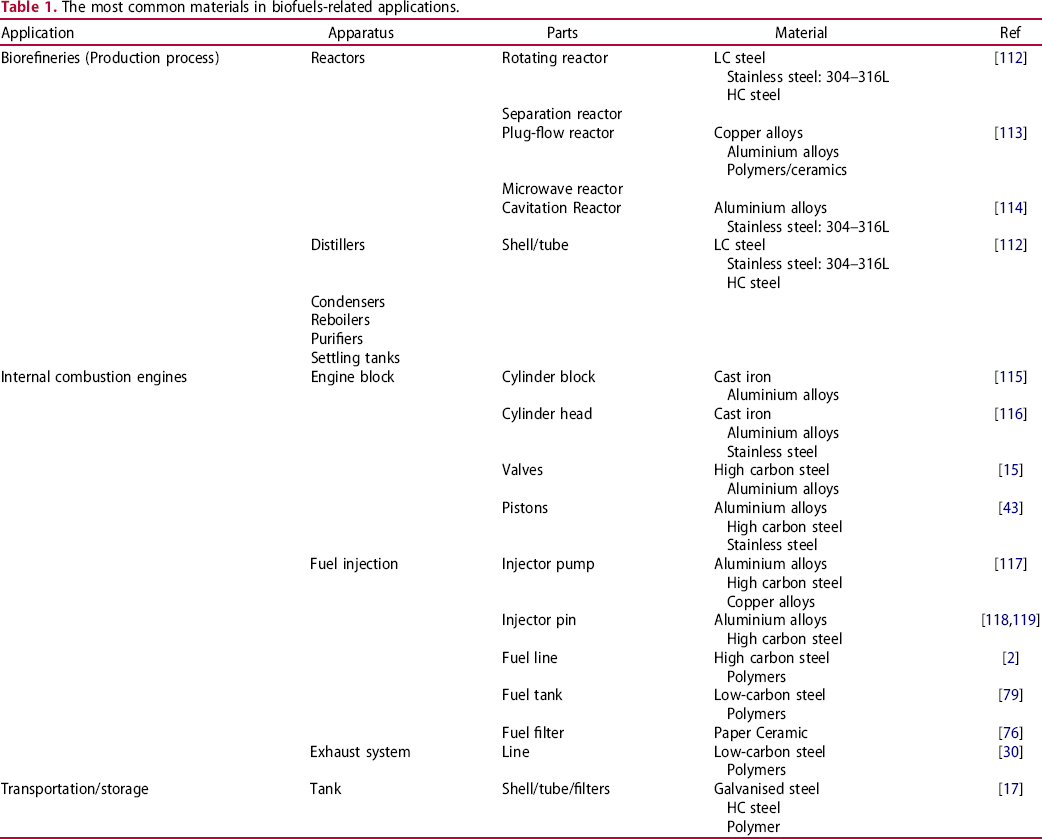
The possible contact with biofuels mostly happens in the presence of operating metals and alloys like steel, stainless steel, mild carbon steel, iron-based alloys, grey-cast iron, special-cast irons, copper-based alloy, aluminium-based alloys, cast aluminium, forged aluminium, sand-cast aluminium, die cast aluminium and polymers which are mostly used as the functioning material in production, storage [17], transportation and automotive parts [18]. Their direct contact with biofuels includes applications like processing line apparatus, fuel tanks, pumps, fuel lines, fuel filter, fuel pumps, fuel injectors, piston and cylinder, engine blocks, even exhaust systems, etc. The extent of corrosion depends on the oxidation potential of the metal, presence of impurities such as water, dissolved oxygen, catalyst residues, FFA, free glycerol, residual alcohol and methanol [29]. Table 1 and Figure 2 summarise the metal-biofuels possible contacts in different applications and apparatus.
The most common materials in biofuels-related applications.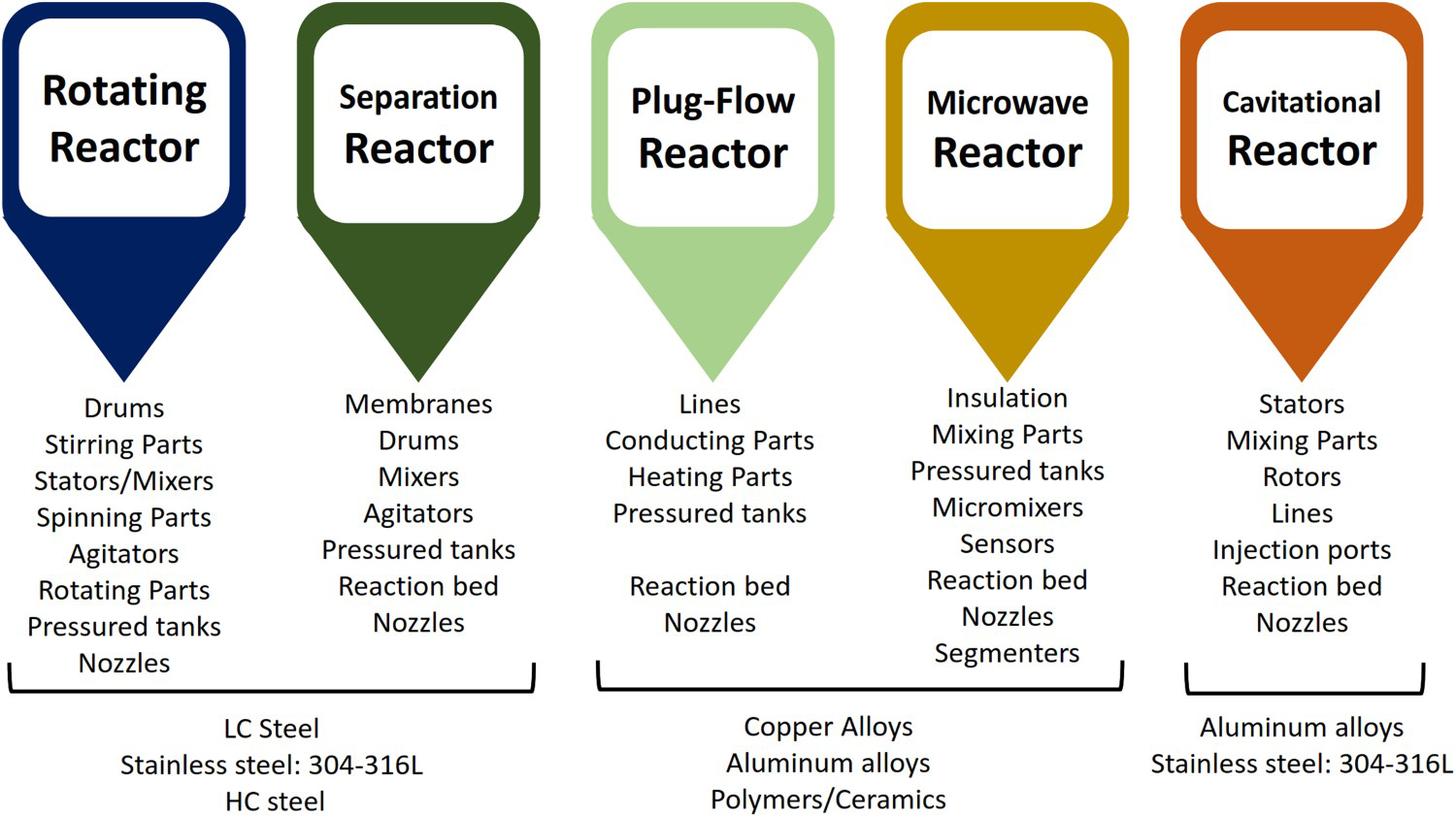
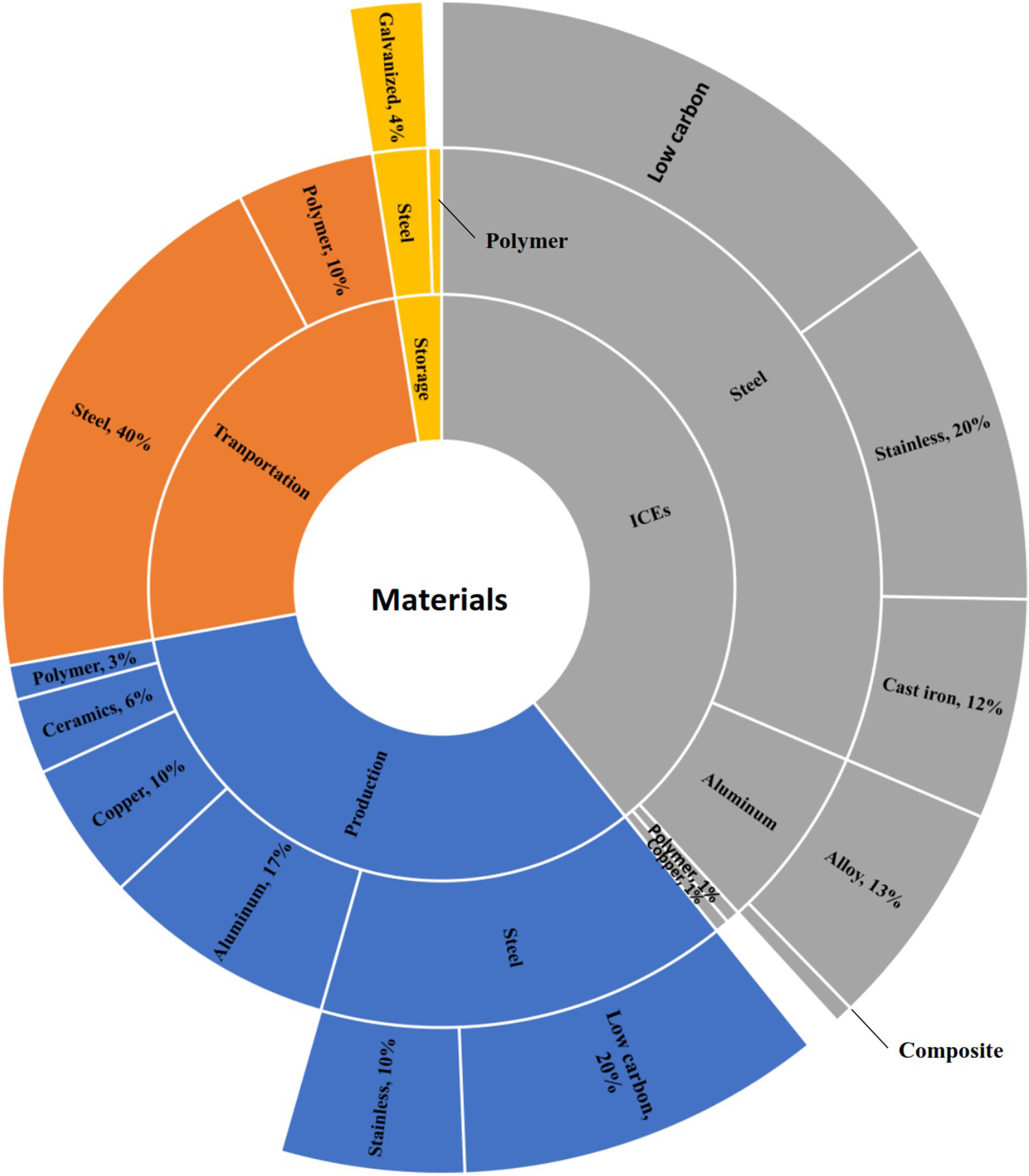
The recent advancement in materials selection has resulted in improvement in applications. The estimation of materials consumption share for these applications is shown in Figure 3.
Compatibility of metallic and non-metallic materials in biofuel environments.
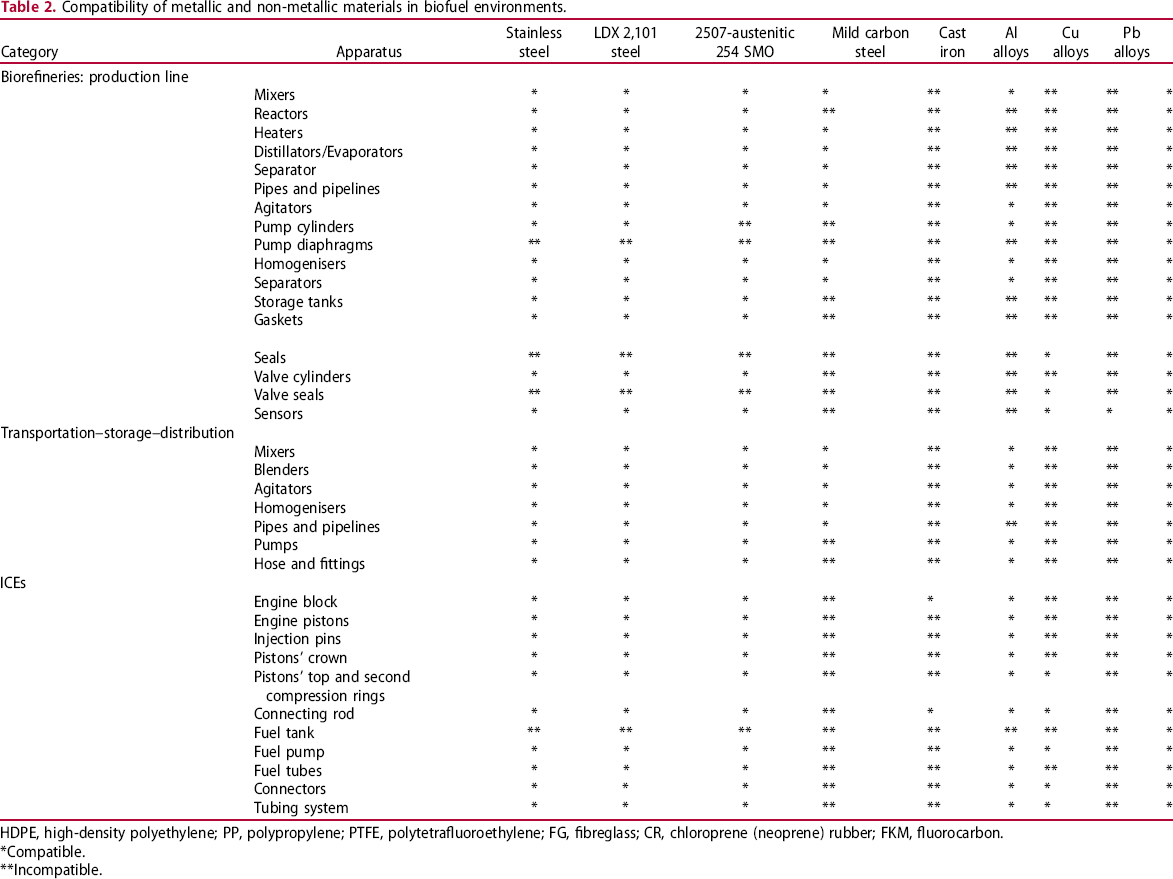
HDPE, high-density polyethylene; PP, polypropylene; PTFE, polytetrafluoroethylene; FG, fibreglass; CR, chloroprene (neoprene) rubber; FKM, fluorocarbon.
*Compatible.
**Incompatible.
Possible corrosion degradation
The possibility of materials deterioration due to corrosion phenomena is directly related to the intrinsic condition of biofuel and operation conditions. The corrosiveness of a specially formulated biofuel is dependent on the chemical and biological condition of the fuel, which can be related to its’ pH, temperature profile and microbial state.
The acidity (pH) effect
The biodegradation and bio-oxidation of biofuels transforms esters into monocarboxylic acids such as formic acid, acetic acid, propionic acid and caproic acid; which leads to the considerable increase of acidity, peroxide value and enhanced corrosion of components [22,30,31]. This acidity is further increased by the catalytic effect of metals ions, specially iron [32].
The temperature profile effect
As most reactions, higher temperatures can aggravate the metal corrosion and change in fuel properties at different levels [33], such as formation of oxidation products (i.e. aldehydes, alcohols, shorter-chain carboxylic acids, gum and sediment) which lead to fuel filter plugging, injector fouling and deposit formation [34]. The effect of temperature results in the increase in the water content and total acid number of the biofuel. The main operating temperature of biofuel (either during production or consumption) is in 25-85°C range. The corrosion results were calculated as 0.04821 mpy (B0), 0.054475 mpy (B50) and 0.0560 mpy (B100) for carbon steel in this temperature range, with an increase in the water content from 0.3 to 0.36% (despite 0.00% allowed water content according to ASTM D6751); and TAN number increase from 1.56 mg KOH/g to 1.98 mg KOH/g (despite 0.50% allowed TAN number according to ASTM D6751). The 13.5% increase in the pitting corrosion rate of mild steel in biodiesel was recorded during temperature increases from RT to operating temperature of 85°C [17,35] with the formation of iron oxides and carbides as corrosion products. On the contrary, some researchers have reported the decrease in corrosion rate at higher temperatures. They believe this behaviour is the result of severe oxygen consumption by biofuel degradation reactions, causing less residual dissolved oxygen and mitigation of byproducts formation reactions [36].
The microbial effect
Biofuels have the affinity to create a nutrient-rich breeding ground for bacteria. The as-produced and stored biofuels contain several anaerobic microorganisms (owing to high concentrations of sulphate and nitrate with a high chance of reduction phenomena and methane by methanogenesis reactions); besides high water content which acts as the accumulation and growing media for microorganisms. The combination of these situations aggravates the microbiologically influenced corrosion (MIC) in surrounding metals and alloys [37] by bacteria and fungi colonies [38], colonisation and gel-slime formation. The microorganism colonies consist of bacteria (e.g. Pseudomonas fluorescens, Bacillus sp., Bacillus subtilis, Alcaligenes sp., P. aeruginosa, Acinetobacter lwoffi, Flavobacterium sp., Micrococcus roseus and Corynebacterium sp.), fungi (e.g. Amorphoteca sp., Neosartorya sp., Talaromyces sp. and Graphium sp.) and yeast (Candida sp., Yarrowia sp. and Pichia sp.) [39]. The effect of microorganisms can be stretched to biofuel degradation by forming fatty acid with fewer carbons and CO2 and H2O, increasing acidity and corrosivity [40]. These biofilms have the ability to inhibit diffusion of dissolved ions, nutrients and oxygen, and drastically changing the chemical profile with their structure consisting of discrete, background patches, high nonorganic content of 60-70%, and up to 12 µm thick oxygen-free ennoblement zones [41]. The microprisms growth counts show up to 10 times increase after 28 days in biodiesel [38]. The cultivating capability of biofuels is also directly related to glycerol content in the medium; with four times increase after 96 h by 20-30 wt-% content of glycerol in the renewable biomass mediums [37]. Accumulation of aerobic and anaerobic microorganisms is also considered as the main cause increasing biodiesel acidity [42], while anaerobic conditions prevail whether heterotrophic microbial respiration consumes oxygen at a rate that exceeds diffusion. The biodegradation of soybean biodiesel via sulphate-reducing (SRB) and methanogenic reactions by anaerobic Inocula colonies increase pitting corrosion in low-carbon steels by three times [26]. Besides water content, the ethanol content in the biofuel can cause MIC due to phase separations (difference in density) [43]. The possible corrosion phenomena and materials susceptibility to each mechanism is charted in Figure 4. As seen, the dominant condition involves under deposit-oxygen/moisture-activated mechanisms such as pitting and crevice condition with a high probability of galvanic cell formation under deposits along metal–Biofuel interfaces.
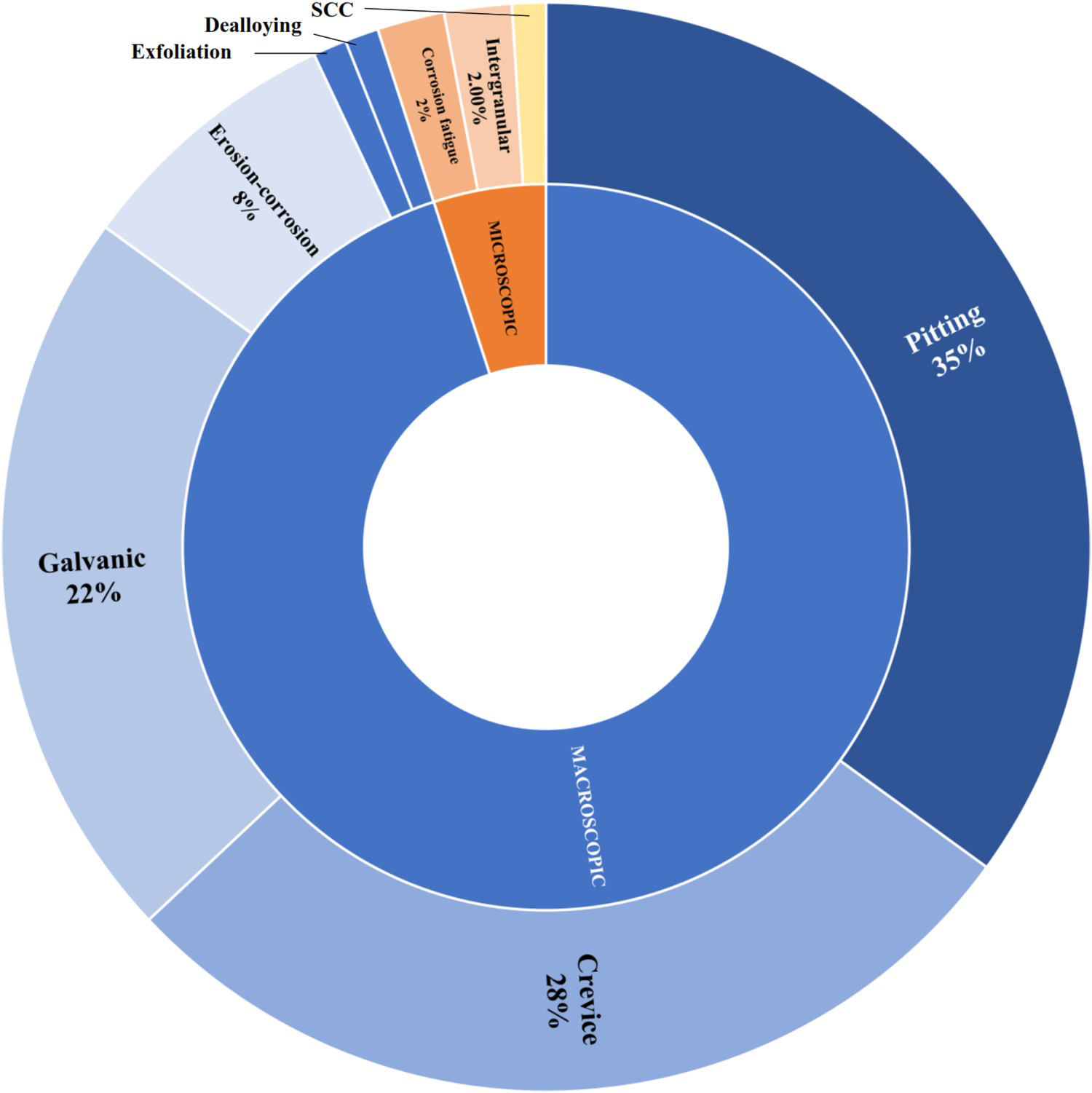
The materials intrinsic susceptibility and resistance towards different corrosion mechanisms.
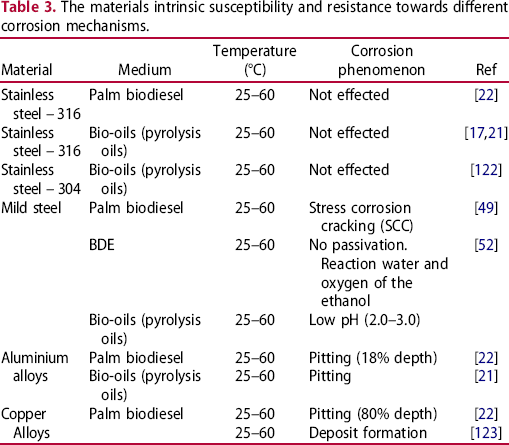
Application dependence of corrosion
Besides intrinsic property and medium parameters and their effect of materials degradation in biofuel environments, the application condition and their related effects control the corrosion susceptibility of metallic–non-metallic materials. These applications can be summarised in Production, ICE etc.
Production: Biorefinery
The corrosion concerns in Biorefineries and Bioprocess plants are related to their effect on biofuel quality (contamination and deteriorating chemical reactions) and durability of process apparatus [45]. The biofuel production process can be extremely corrosive [46]; specially during acidulation pretreatment and catalyst recovery [47]. The fuel properties such as density, viscosity, water content and acidity can be changed at different levels due to the exposure to different metals [22]. As biodiesel degradation is an oxidation process, as little as 10 ppm metal ions are enough to act as the catalyst, which can be supplied by leaching from the container walls, pipes, flanges and couplings. These soluble metal ions include Cu2+, Cu3+, Fe2+, Fe3+, Ni2+, Co2+, Mn2+, Zn2+, Cr3+ and Copper, brass, bronze [48]. The catalyst metal ions indicate that low alloyed steel and copper/zinc alloys are not suitable for biofuel production, line piping's and storage facilities [49]. The high alloyed steels, i.e. stainless steels, with thin uniform passive chromium and cobalt oxide/hydroxide protective layers mitigate iron leaching which makes them a good candidate for biofuel industry applications [50]. Further studies on the role of metallic contaminates have shown that small concentrations of residual metal ions and atoms have a similar effect on the oxidation of biofuels as larger amounts [51]. The most important factor is the changes in water content of the fuel. This changes are reported up to 17% in BDE-mild steel mediums [52]; while exposure to mild steel for long exposure period (1200 h) barely effects gravimetric density of biofuels like: from 0.8849 to 0.8891 (0.86-0.90 g/cm3 allowed range according to EN 14214)in B100 [33]; from 0.8468 to 0.8553 in BDE [52]. The changes in TAN are the other concern after long exposure periods. The changes are reported as: from 0.25 to 1.15 mgKOH/g for mild steel in BDE [52]. The change in viscosity of biofuels is strongly affected by metal–biofuel contact [19] such as from 2.4796 to 2.757 mm2/s [52] in BDE. Some researchers have verified that the presence of microorganisms does not influence changes in biofuel viscosity after 4400 h immersion of stainless and carbon steel in diesel oil/FAME biocomponent solution [34]. As reported in Table 2, the process plant apparatus is generally made of steel, aluminium alloys, copper alloys, metal base composites, polymers and ceramic membranes which their behaviour upon exposure to biofuels can be summarised below:
- Aluminium and its alloys
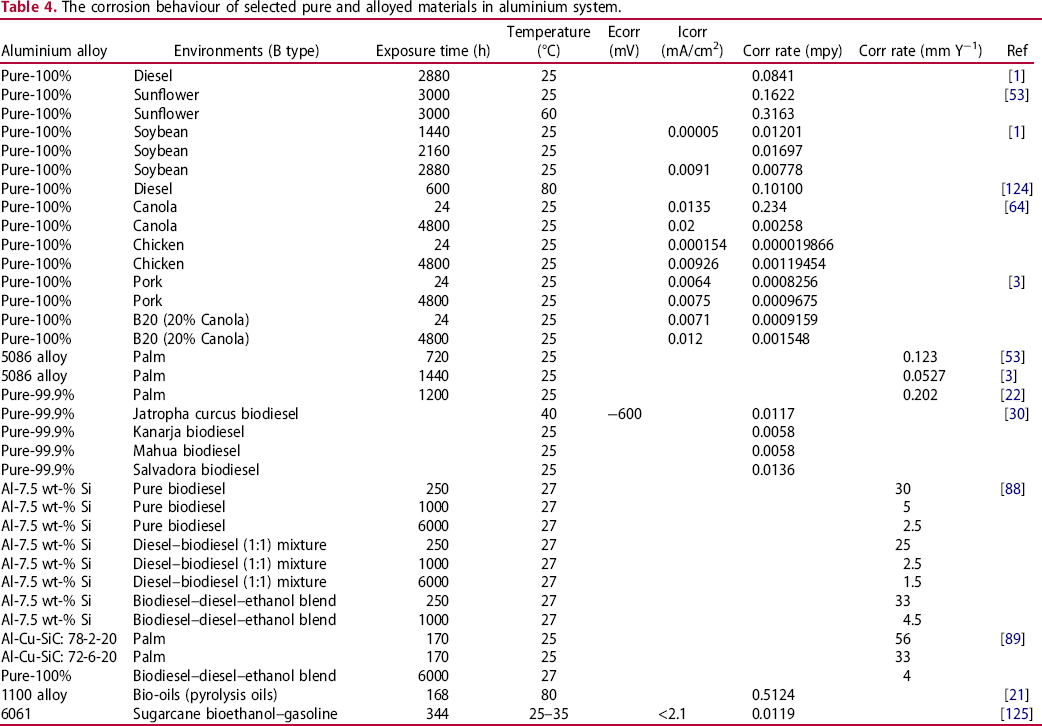
Aluminium and its alloys generally show similar corrosion behaviour in biofuels to in aqueous or ethanol alkaline solution [53]; which is caused by residual alkaline hydroxide (KOH and NaOH) catalysts of transesterification process [54]. The corrosion has resulted in AlO(OH) on metal surfaces [55]. The studies on corrosion behaviour of aluminium and its alloys are mentioned in Table 4. The controlling reaction is shown in reaction (2):
- Steel (low carbon and stainless) The corrosion behaviour of selected pure and alloyed materials in aluminium system.

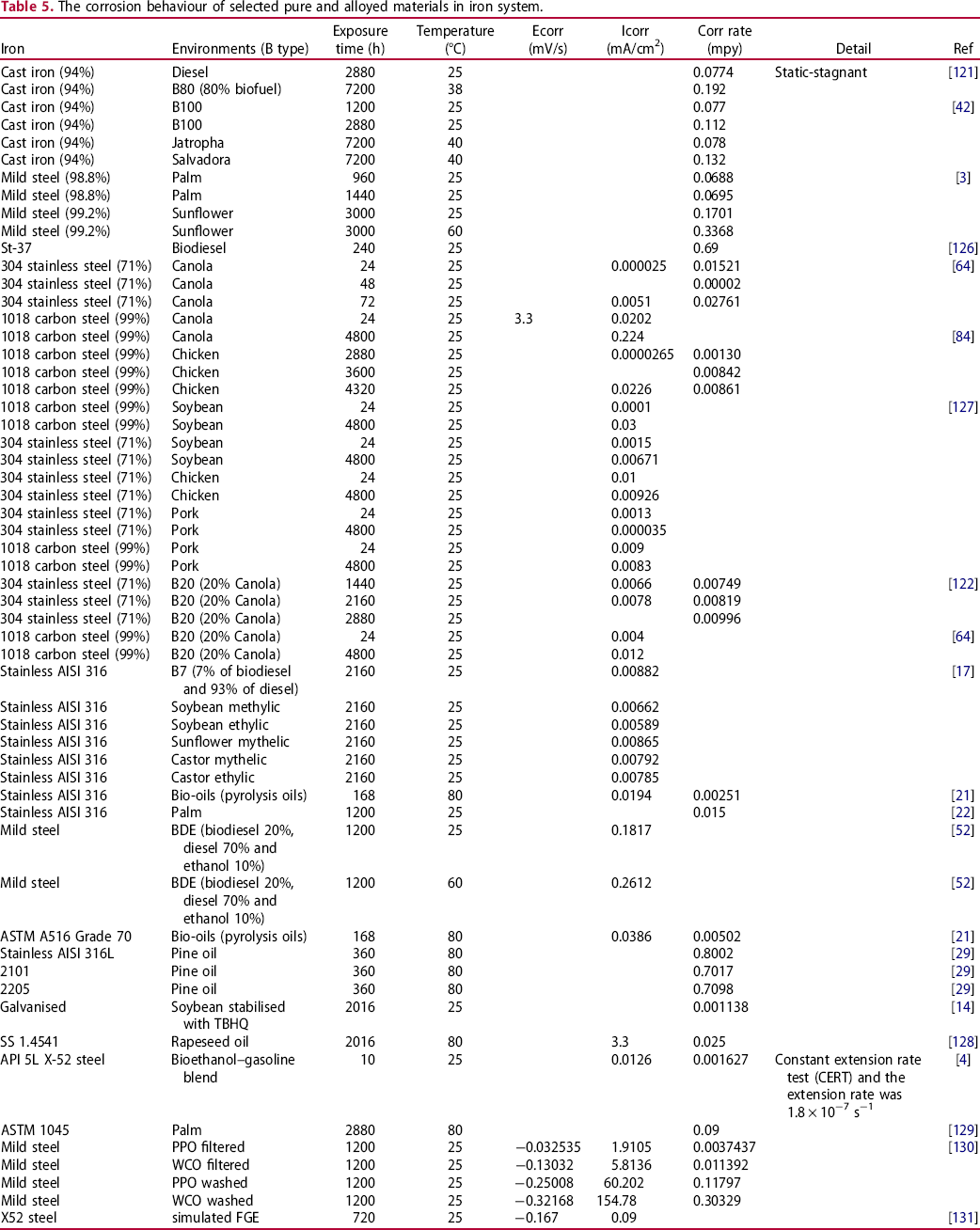
The corrosion rate of mild carbon steel is known to be 12-13.5 times faster in biofuels than in most fossil diesels [56]. High quantity of oxygen and moistures in biofuels drastically increases the corrosion susceptibility of iron and steels; facilitates the formation of galvanic cells and localised corrosion [44]; forms corrosion products such as FeO(OH) (product of redox reaction between Fe, O2 and H2O) [57], Fe2O2CO3 (product of CO2 solution in biofuels causing reaction between H2CO3 and FeO(OH)) [58], FeCO3 (product of RCOO− carboxylate radicals reaction with Fe radicals) [59], Fe(OH)3 (final product of FeO(OH) reaction with dissolved H2O) [19] and Fe2O3 (product of direct oxidation of iron with highly moist and oxygenated biofuels) [42]. The high concentration of α-FeOOH, β-FeOOH, δ-FeOOH and Fe2O2CO3 are reported as corrosion byproducts for most iron-based materials. The sequence of iron corrosion in biofuels environment is reported in reaction (3). Overall, the lower corrosion susceptibility of steels is contributed from mid to high carbon content (0.2-2.1 wt-%) and its high corrosion resistance [59]. During the production process, the operating parameters such as low pH, soluble chlorides, residual thermal stress, creation of aggressive conditions (harsh electrolytes and extreme environments and/or susceptible microstructures) [60] and temperature gradients (70-95°C) increase the failure of stainless steel parts (904L austenitic stainless steels (SS), and of SAF 2205, 2507 duplex SS) [61]. Concise inspection of steel failures in biodiesel plants have shown that 45.5% has occurred in the biodiesel circuit (during decanting and washing process) and 54.5% in the glycerin circuits (during naturalising and distillation process). The corrosion failures mostly consist of pitting corrosion along contact area and crevice corrosion at junctions and welding zones [44]. The iron and steels have been the focus of corrosion study in biofuels, as the main constructive material in bio-production plants and ICEs (Table 5)
- Copper and its alloys The corrosion behaviour of selected pure and alloyed materials in iron system.


The corrosion rate of copper was approximately six times faster in biofuels than in fossil diesel [62]. The dissolved molecules of gaseous environment and oxygenation byproducts of biofuels like O2, H2O, CO2 and RCOO− radicals are known to be the main source for corrosion of copper [62]; while the formation of certain oxygenated compounds such as cuprite, cupric, cuprous and Cu(OH)₂ decreases the corrosion rate at the copper surface [63]. The main form of corrosion in copper and its alloys is reported as pitting corrosion, with the formation of an unstable Cu2O phase which gradually transforms to CuO by highly concentrated dissolved oxygen in biofuels. The unstable Cu2O layer interlayer (CuO-Cu2O-copper) is continuously reduced by copper alloys at the interface and formed to non-stoichiometric copper carbonates, such as CuCO(3-x) [64]. This reaction will be further promoted by the presence of moisture, dissolved oxygen, carbon monoxide and carboxylate salts (like RCOO− as the byproduct of RCOOH acids) radical in biofuels. The final corrosion products include CuCO3, Cu(OH)2 and their complex compounds (Cu(OH)2.CuCO3)[35]. The exposure period dependence of copper alloys corrosion can be summarised as Cu2O, CuO, Cu(OH)2, CuCO3 products at early stages; followed by transformation to CuCO3 after a couple of hundred hours[62], as shown in reaction (4). The high electrical conductivity of copper and its’ alloys further exacerbates these corrosions [64]







Copper and its alloys can be in direct contact with biofuels as heat sinking materials in heat exchangers and even in ICE blocks and their corrosion behaviour (Table 6) indicates the chance for application.
- Magnesium and its alloys The corrosion behaviour of selected pure and alloyed materials in copper system.

As magnesium and its alloys are less likely to be used as a functional material for biofuels application, there are few studies regarding their behaviour. Some of the results are reported in Table 7.
- Ceramic membrane The corrosion behaviour of selected pure and alloyed materials in magnesium system.

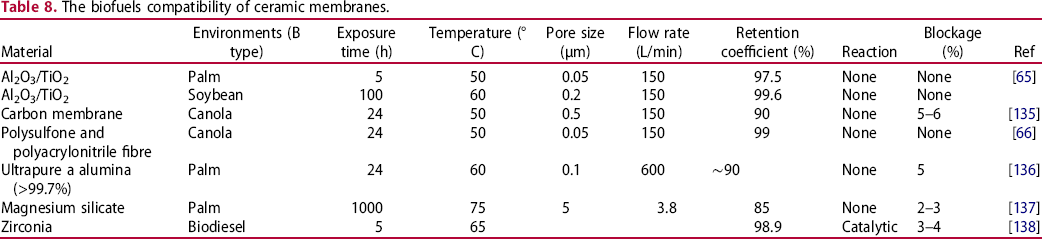
The ceramic micro and mesoporous membranes are extensively used in biofuels production process as bioreactors, separators for pretreatment, enzymatic hydrolysis [65], fermentation, dehydration, purification [66], concentrating [67], separation (free glycerol and soapy matters) [68] and removal of inhibitory products purposes [69]. The ceramic membranes facilitate the retrieving, retaining activity, recycling and reusing of bioprocess catalysts, product and byproducts by multichannel tubular membrane submicrometre (<1 µm) pores and operating parameters such as pressure, temperature and flow rate. The ceramic membranes have enabled the replacement of the wet purifying process (with up to 150 wt-% wastewater) to a dry separation process by the use of active carbon, silicate, activated clay and activated ceramic fibres. The efficiency of ceramic membranes is defined by retention coefficient, which is directly affected by chemical reaction between biofuel and ceramic and possible pore blocking. Table 8 shows the behaviour of the most common ceramic membrane materials in contact with selected environments.
- Polymers The biofuels compatibility of ceramic membranes.
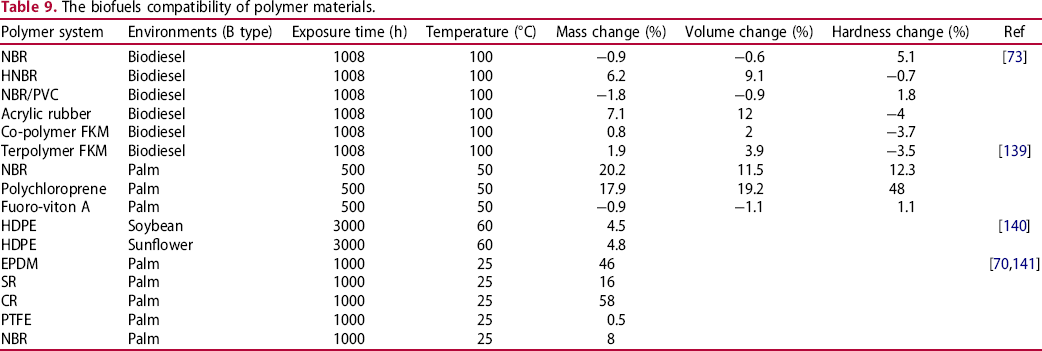
The biofuels compatibility of polymer materials.
Internal combustion engine
The biofuel-assisted corrosion of engine parts is more destructive as they require high precision, geometric dimensioning and tolerancing [75]. The risk of wear-deterioration between metal interfaces and lower surface quality due to corrosion products are the main concerns in this application [43]. While materials behaviour in process plants and ICEs are generally similar [76], special concerns should be addressed due to high combustion temperatures and severe interfacial frictions in engine blocks [77]. The oxidised biofuels can form sediments and deposits [78] (filterable insoluble – fatty acid esters and carboxylic acids as with carboxylic acid salts [50]) on engine parts such as injectors and fuel pump components and acidic medium around engines parts due to breaking acid chains to chain acids and aldehydes [32]. This situation can become more corrosive at higher soluble water contents and hard adhesive deposits and cause severe under deposit corrosion (UDC) [79]. Pitting corrosion could occur by the acids formed (oxidation products) and closed acidic medium under deposits. Products of oxidised biofuel may include gummy polymers (adherent insoluble [51]) with high adhesion; as the other source of UDC. Corrosive wear, a degradation process during which tribomechanical occurs against material surface within a corrosive medium [7], is occasionally reported in direct contact between functional metals and alloys with biofuels and their blends [80]. Meanwhile, the diesel engines require lubricating properties in the fuel to avoid direct contact between moving counterparts [81]. Biofuels have shown superior lubricity comparing to fossil diesel and have become a promising alternative for diesel [82]. Generally, corrosion and wear act as two independent mechanisms; while during biodegradation in ICEs application, they tend to happen simultaneously and promote automotive materials degradation [83]. The biofuel content has opposite effects on corrosive wear and surface friction degradation of metals [84]. While increasing biofuel content (biodiesel concentration) causes a decrease in the wear rate and surface deformation due to increase in lubrication effect even at higher temperatures [82]; high biofuel contents results in severe oxidation and corrosive wear and stress crack corrosion phenomenon at mild low carbon and austenitic steels [80], specially at elevated temperatures [33]. The fewer friction and corrosive wear at higher temperatures coincides with the oxygen solution in the ester molecules with the presence of carboxylic acids which improve the lubricity [85,86]. The gradual increase in temperature improves the molecular motion of polar components and enables them to be distributed evenly on the metal surfaces and to enhance surface lubricity [87]. This behaviour can be further progressed by more chemical adsorption of polar compounds on the metal surface at high temperatures [83]. Researches have documented higher coefficients of friction for sunflower biodiesel, probably due to the moisture present in this fuel [23]. To avoid erosion–corrosion in ICEs parts, reinforcing metallic matrix and composite formation is an applicable solution. As composite materials consist of at least two constituents, the simulations behaviour of all components in biofuel should be considered. The composites are mostly chosen from metal matrix composites (MMC) with ceramic reinforcement particles or fibres with consideration of physical or chemical properties at microscopic and macroscopic scales. The usage of these composites guarantees higher wear resistance with higher specific modulus, specific strength, high-temperature properties and lower coefficients of thermal expansion for the automotive engine block and cylinder liner applications. The aluminium matrix composite with SiC micronised particles with Si [88] and copper [89] and their solid solution phases are reported to be acceptable candidates. These composites are more susceptible to corrosion at higher water contents; as the gradual increase in the water content from ∼0.04, 0.09 and 0.17% (in vol.) increases the corrosion rate about 130% [88].
Corrosion control and inhibition
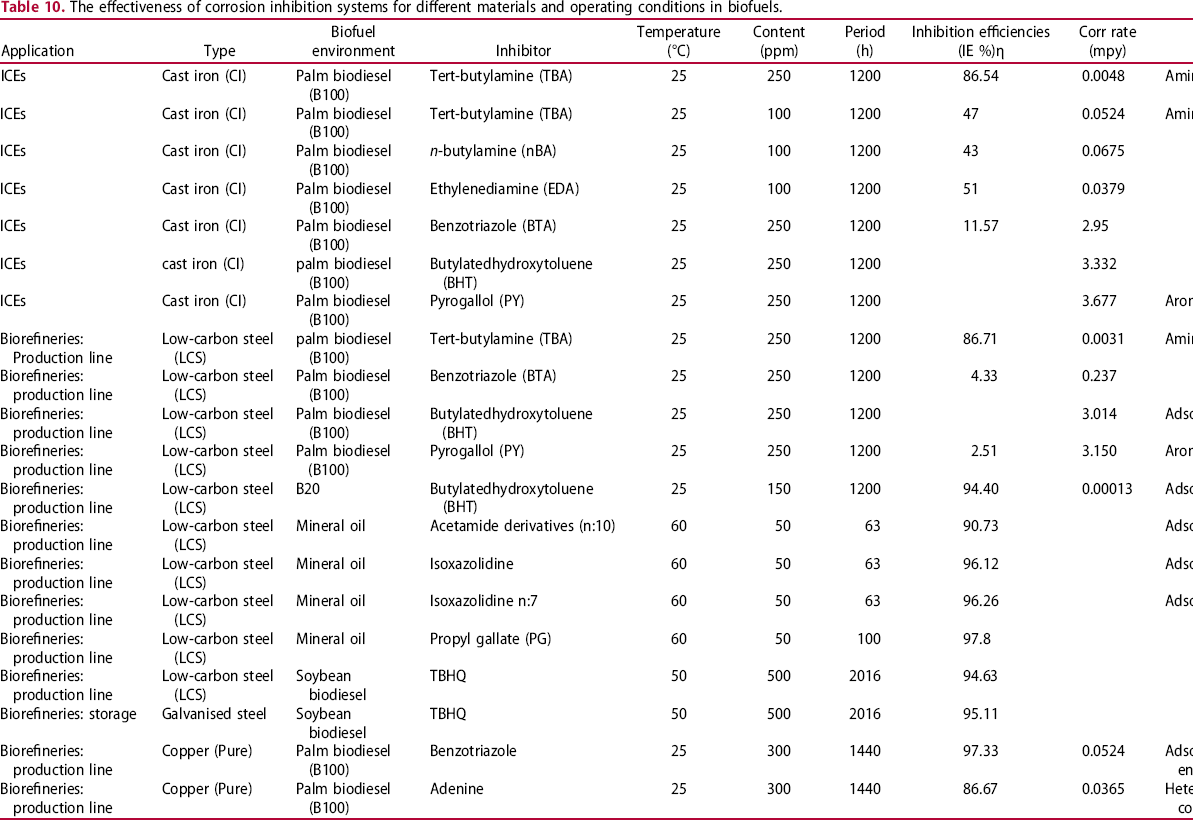
The control of biofuels corrosiveness is mostly carried out by adding additive chemicals to act as neutralising and antioxidation agents [90]. Meanwhile, the presence of polyamine mixtures activates corrosion inhibition mechanisms like protective film-forming and decreases the metal surface affinity towards the most corrosive agents (water and fatty acid) by super-hydrophobicity [91] and super-oleophobicity [92] tribological properties. The methods which are based on inhibited autoxidation are the most promising for terminating antioxidants and for chain-breaking antioxidants [93]. The oxidative deterioration mitigation methods can be classified into primary antioxidants, synergists, oxygen removers, biological antioxidants, chelating agents and mixed antioxidants; among which 2,2′-azinobis-(3-ethylbenzothiazoline-6-sulphonate) radical (ABTS) scavenging, 1,1-diphenyl-2-picrylhydrazyl (DPPH) radical scavenging, Fe3+–Fe2+ transformation assay, ferric reducing antioxidant power (FRAP) assay, cupric ions (Cu2+) reducing power assay (Cuprac), Folin–Ciocalteu reducing capacity (FCRiassay), peroxyl radical (ROO·), superoxide Radical anion (O2-), hydrogen peroxide (H2O2) scavenging assay, hydroxyl radical (OH·) scavenging assay, singlet oxygen (1O2) quenching assay, nitric oxide radical (NO·), 2-tert-butyl-4-hydroxyanisole and 3-tert-butyl-4-hydroxyanisole (BHA), 2,6-bis(1,1-dimethylethyl)-4-methylphenol (BHT), 2-(1,1-dimethylethyl)-1,4-benzenediol [93] have shown promising responses in biofuel mediums. These antioxidants are usually mixed with synergists; compounds with no or very little antioxidant content which can activate the main antioxidant [94]. The chemical with the high affinity for oxygen such as ascorbic acid and β-carotene have the mutual role of activating antioxidants and oxygen scavenging [95]. The chemicals with unshared pair of electrons in their molecular structure activate the action of complexation including biological antioxidants of enzymes like glucose oxidase, catalase and superoxide dismutase; even with simultaneous chelating action in ethylenediamine tetra-acetic acid (EDTA), salts of EDTA, citric acid and salts, phosphoric acid, phosphates and amino acids [96,97]. The high antioxidation capacity of poly-phosphorous (hydroperoxide dissociation agent), synthetic phenolic, BHT, gallic acid (GA), BHA, PG, TBHQ, pyrogallol (PY), 2,5-di-tert-butyl-hydroquinone (DTBHQ), IONOX 220, Vulkanox, ZKF, Vulkanox, BKF and Baynox as additives for Biofuels are frequently documented [48,98]. Comparing results indicates that antioxidants efficiency can be summarised as PY > PG > Ethanox-4760E > N,N′-di-sec-butyl-p-phenylenediamine > 2,2′-methyl-ene-bis-(4-methyl-6-ter-butylphenol) > BHA > TBHQ∼BHT > 2,5-di-tert-butyl-hydroquinone > α-T with special mention for binary and ternary blends like TBHQ/BHA [6,99 101] for Biofuels during consumption and caffeic acid > ferulic acid > tert-butyl-hydroquinone during storage [102,103]. The efficient biofuel corrosion inhibitor organic compounds can be chosen from nucleophile chemicals with free electrons on their heteroatoms and the ability of electron transfer into the electrophile metal surface and cohesive film-forming along the metal–medium interface via their chelate and complex compounds. The selection of appropriate corrosion inhibitor in biofuels also relies on their effect on lubricity and combustion efficiency [100]. The natural corrosion inhibitor additives have shown high effectiveness in biofuels, such as propyl gallate (83%), stearic acid (75%), Beta-carotene with (62%) [104]. Corrosion inhibition against biofuels is mostly successful via chemical compounds with the ability to form adherent interface layers by pi-electron bonding [105]; film-forming agents via physical adsorption of N-containing compound which creates a protective layer over the metal surface[106]; antioxidation agents via chain termination reactions between functional groups (OH or NH) hydrogen [100] and peroxide free radical that can be easily abstracted by the [106,107]. Polar amine groups in amine-based inhibitors are capable of ionising the interfaces and adsorbing heterocyclic moiety via N atoms, which results in enhanced inhibiting properties for metal surfaces [108]. The most applicable include organic compounds that contain N, O or S atoms; heterocyclic compounds [109]; and pi electrons via polar functional groups [110]. A solvent-free coating that does not contain, or contains very little, solvents and volatile organic compounds (VOCs) and can act as a capable MIC (i.e. SRB) corrosion inhibitor [109]. A summary of corrosion controllers and inhibitors for different biofuels is reported in Table 10. The overall corrosion control process is shown in Figure 5.
The corrosion control-inhibition cycle for metallic and non-metallic materials in contact with biofuels. The effectiveness of corrosion inhibition systems for different materials and operating conditions in biofuels.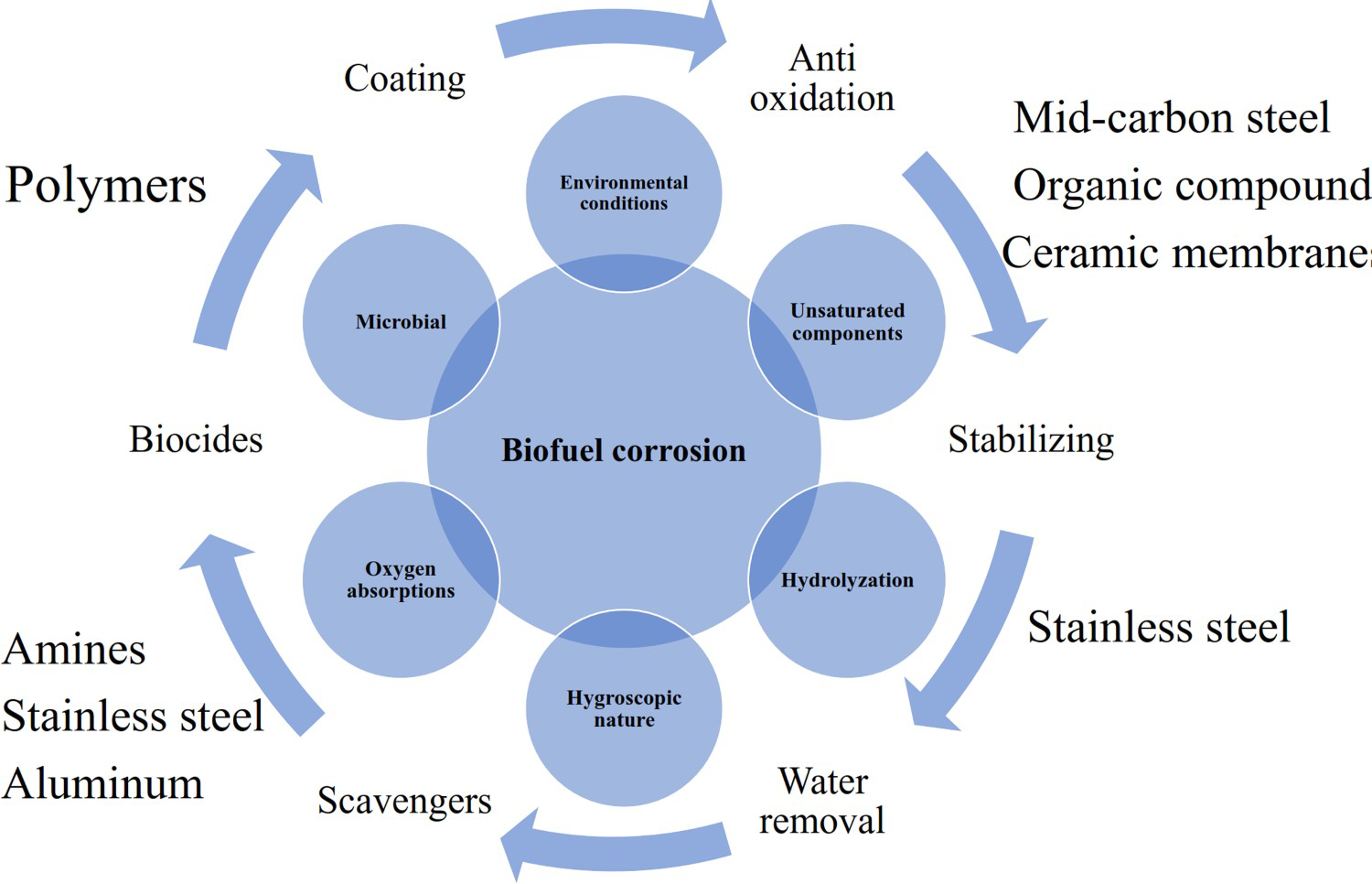
Footnotes
Disclosure statement
No potential conflict of interest was reported by the author(s).