







Abstract
The Areca catechu tree has been cultivated in large quantities and is widely planted in the mountains. In the modern world, its connection with oral cancer has reduced consumption. The felled trunks discarded in the hills caused an additional burden on the local environment. The most effective use is to grow ornamental plants. When betel trunks are used for planting the irrigation nutrients will not flow out quickly. When the root of the plant is gradually extended, the humus fibre of the trunk is closely combined with the root and forms an excellent planting environment. Other reuse ideas about the sheath proposed with specific light shadows with a unique texture. An adhesive was utilized to combine wood sheets into block material and further process into everyday products. The particulars of the materials, examples of application, and the possibility of cultural design applications were discussed.
Introduction
The Areca catechu (areca tree hereinafter) is a type of palm tree found commonly in tropical and subtropical regions. Areca trees grow to an average of 15 m in height and 16 cm in diameter and have an average lifespan of 60 years. The trunk has a circular raised ring pattern. Each tree bears 6–9 leaf clusters at the top of the stem, which in turn is attached to the trunk by a sheath. These unisexual, monoecious inflorescences can be extracted from the lower part of the sheath. The fruit-harvesting period starts at the end of August and lasts until the following June. The outer skin of the fruit is hard and contains granular seeds. The tree has four parts: (1) leaf: sheath, body, and buds; (2) fruit: ripe and unripe; (3) trunk: external hard xylem and inner vascular structure; and (4) root: round and radiant, with enlarged nodes.
Areca nut
The areca nut, commonly known as the betel nut, is the primary source of the economic value of the areca tree. When ripe, the areca nut grows to a large size (5.5 cm) with a hard inner seed. It is typically chewed with the leaves of the Piper betle and acts as a mild stimulant. Areca nut consumption is a part of many Asian cultures; an estimated 200–400 million people of varying age groups and social classes utilize it in socio-cultural and religious activities. However, areca nut consumption has been linked to obesity and an increased risk of oral and oesophageal cancer (Chang et al. 2006; Lin et al. 2006). Knowledge of the cancer-causing characteristics of the areca nut has reduced its popularity, and areca nut consumption in the general population is decreasing (Warnakulasuriya et al. 2002).
The husk of the areca nut is rich in fibre. Owing to its high cellulose content (57.35 wt-%), areca nut husk fibre exhibits considerable tensile strength (231.66 MPa). Its physical and mechanical properties make it suitable for use in a variety of textiles. The areca nut itself is valued for its lustre and texture and can be used in handicrafts or carved into toys, ornaments, and rings.
Leaf
The leaf-blade fibres have a considerable length (1240 μm ± 470 μm) and the highest aspect ratio, which are excellent characteristics for use as reinforcement fibres (Chen et al. 2017). Areca trees have very few leaves, and these leaves are tough when freshly harvested. The areca leaf sheath is commonly used in food packaging materials, baskets, or as ornaments. The leaf sheath can also be used to make household items, such as lampshades or slippers (Chao et al. 2018). Its toughness and breathability gives it excellent potential for applications in manufacturing.
Trunk
Apart from the coconut and African oil palm, the potential use of most palm species remains underexploited (Barfod et al. 2015). Most significantly, the possibility of using the trunk in manufacturing has barely been explored. The trunk of the areca tree can grow to heights of up to 20 m. It is divided into three distinct sections: the lower trunk, main trunk, and upper trunk. The lower trunk is thicker and provides support for the rest of the tree; the internal part of the main trunk contains rigid vascular bundles with a unique xylem texture; and the core of the upper trunk is flexible. Water and nutrients are transported to the leaves through nodes between the leaf sheath and the trunk.
Structurally, the areca tree is exceptionally resistant to gale force winds because of the rigid vascular bundles embedded in its trunk (Barfod et al. 2015). This makes it an ideal candidate for construction; areca wood is traditionally used as housing material by the people of the Mekong River Delta and other parts of Southeast Asia (Dung 2018). The physical properties of the fibres extracted from windmill palm have been examined. Individual fibres extracted from the vascular bundles differed significantly in terms of morphological parameters (Chen et al. 2017). The water absorption ability of these fibres makes them suitable for use as potting soil.
Felling policy and reuse
The landscape of Taiwan is mainly covered with secondary forests dominated by Eutrema japonica, A. catechu, and unplanted farms. The pattern of dense growth and cultivation in hillside areas is shown in Figure 1(a). The area is prone to heavy rainfall, which induces landslides (Shih et al. 2018). Taiwan's agricultural policy has encouraged the cutting of areca trees, which are then left as waste. The area under areca tree cultivation can still withstand storms (Ashok et al. 2018). The fallen trees obstruct water flow and create a negative impact on the environment (Figure 1(b)). However, in wood-scarce areas, local betel palm is used as a building material to repair traditional buildings under partnership schemes, nongovernmental organizations have been able to turn former waste into a resource (Tam et al. 2016).
(a) Pattern of dense areca tree growth and cultivation in hillside areas and (b) wood burden in local environment.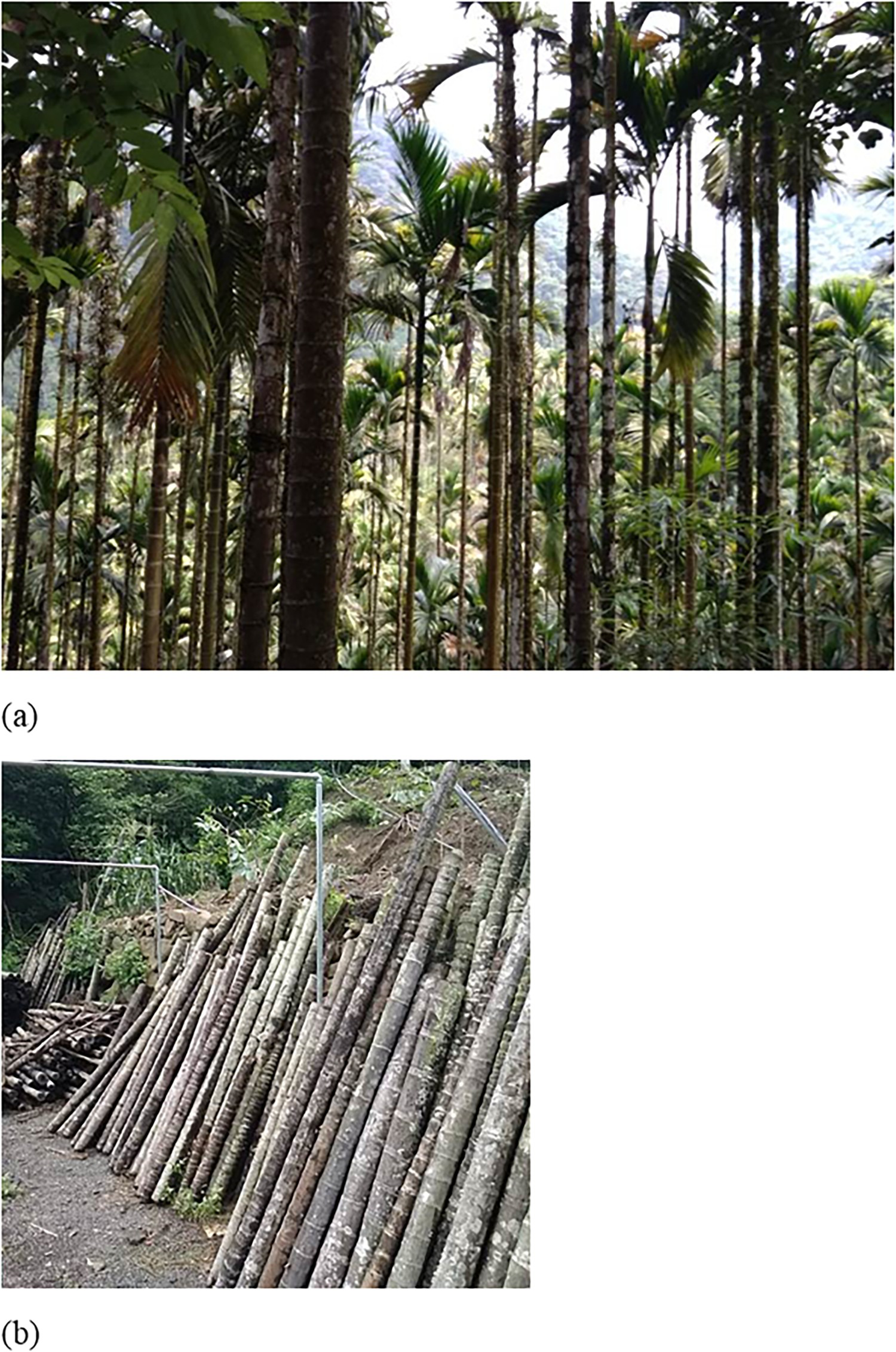
A previous study introduced information about potential uses of the areca tree to the public through an online blog (Chao et al. 2018). The objectives of the study were as follows: (1) collect knowledge related to the areca tree to enable people to access the applications mentioned above, (2) collect related case studies involving areca tree use to inspire discussion. The blog distributed knowledge concerning the areca tree through a summary of facts and case studies. The demonstration indicated an increased willingness among designers to participate and generate new ideas.
Materials and results
After being cut, areca wood is typically disposed of in situ and used for fertilizer. Density tests were conducted on dry areca wood in order to determine its physical properties for potential new applications.
Raw material test
The strength of wood is dependent upon its location in the trunk. Wood moisture content also has a significant impact on a wood's density. Air-dry density is the weight-to-volume ratio when wood reaches equilibrium moisture content. Although the X-ray method is accurate (Yang et al. 2008), it is time-consuming. The Resistograph system is a mechanical drill system that measures the relative resistance as a drill bit is driven into the wood. It produces a corresponding resistance profile. The diameter of the drill bit is 1.5 mm; the weakening effect on the material is negligible. Gwaze and Stevenson (2008) investigated the relationship between wood density and amplitude (Resistograph drill resistance).
The density profile was analysed using the Drill resistance test. The resistance amplitude was taken at 1.0 mm interval (Figure 2). The horizontal axis is the width (in centimetres), and the vertical axis is amplitude %. We found that the amplitude % on the periphery could be as high as 65, and gradually decreases toward the inside; when the density drops to 25%, the total width (thickness) is about 1 cm. When it falls to 5%, the entire width is about 1.5 cm. The interior region is the vascular bundle. In general, the amplitude % of softwood is 5–10%, and that of Cedar is 20–30%.
Drill resistance density measurement.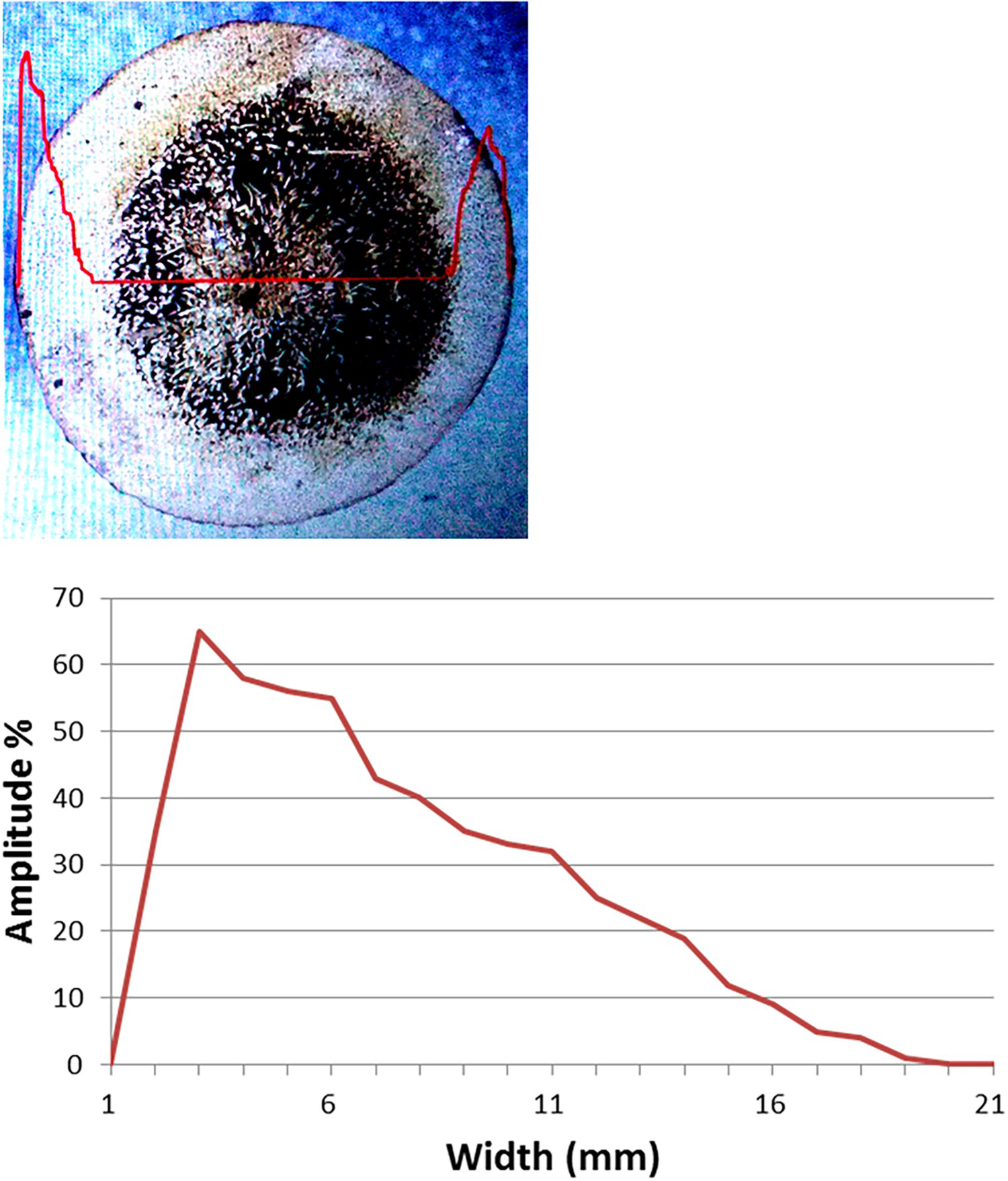
Staking and adhesive sample
Because each hardwood block was approximately 1.5–2.0 cm in width, we stacked several blocks together to increase reuse potential. An environmentally friendly wood adhesive was developed by crosslinking cornstarch and polyimide. A melamine-formaldehyde crosslinking agent was found to successfully improve both water resistance and physical strength. A silane coupling agent could also significantly increase the water resistance of a starch-based wood adhesive (Zhang et al. 2015). The adhesive was comprised of two patented agents (Chen et al. 2018), one of which included a polymeric quaternary amine.
This glue was used to combine wood strips into sheets. The areca wood trunk was cut into four pieces with a band saw machine (Figure 3), ground, and glued together. The first and second components were mixed at a ratio of 0.25:1. The adhesive was applied to the surface of eight 10 cm×2 cm×1 cm wood blocks. The blocks were then fixed together by pressing with clamps. The test sample was heated in a 95°C oven for 15 min before being cooled to room temperature.
(a) External xylem and an inner strip of the vascular bundle and (b) cross-section after the trunk was quartered and the vascular bundle was removed.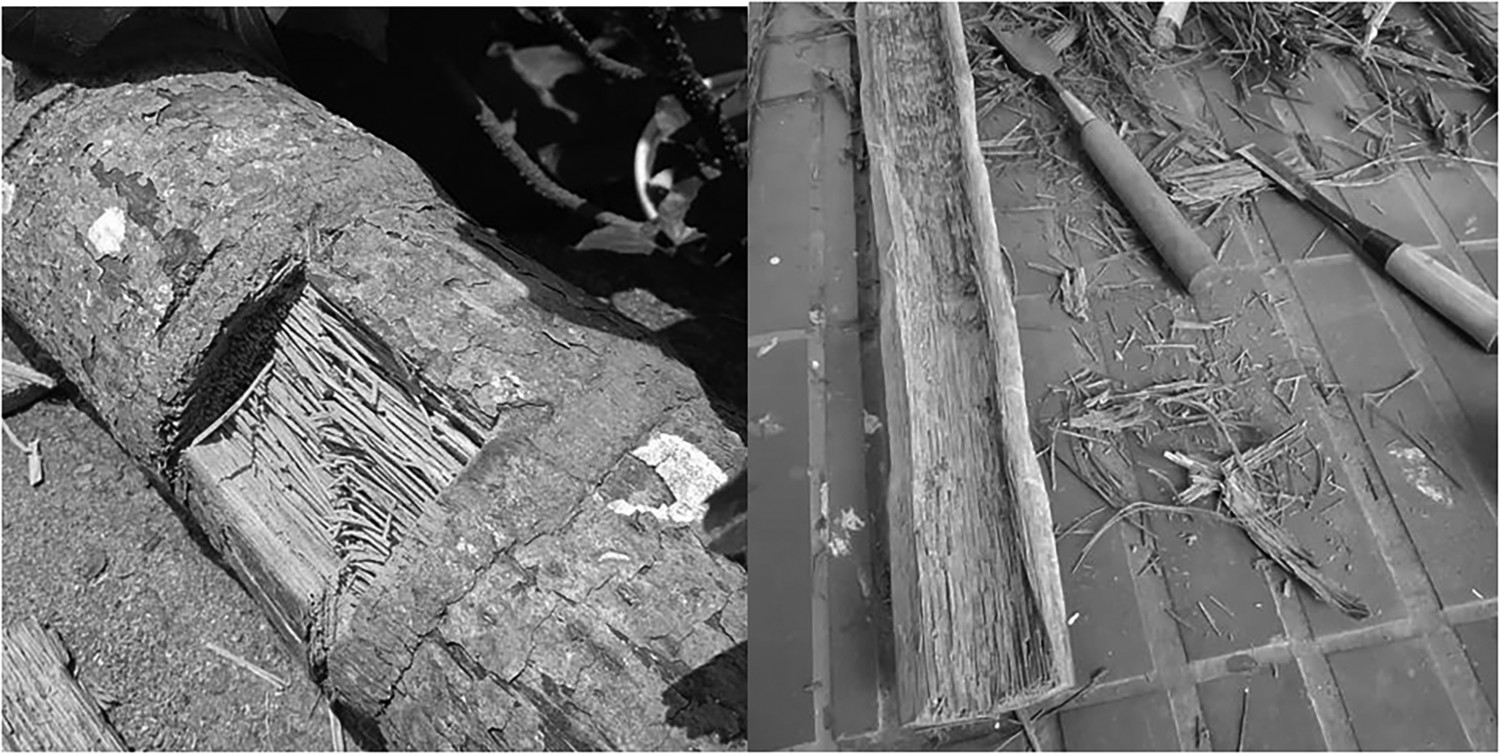
Adhesive test
The physical properties of the original material and the stacked material were investigated. The outer edge of a dried trunk was cut and a composite woodblock was constructed by the aforementioned gluing and pressing process. The testpiece was then cut into two sections. One section was subjected to a destructive test, and the other to a dip-peel test (Figure 4).
Glued stacked areca wood blocks. The cracked section within the block indicates high adhesive strength (Chao and Lin 2019).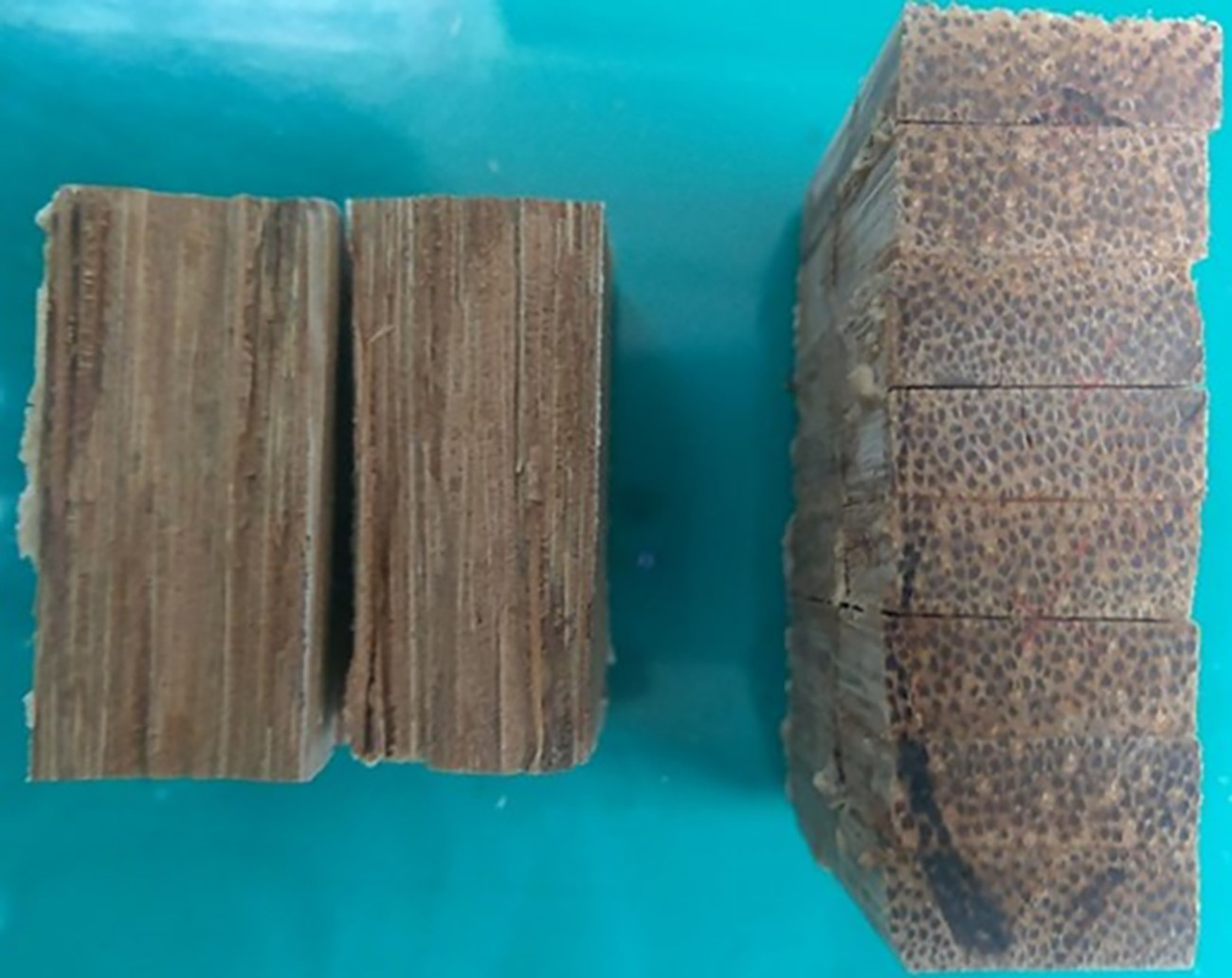
The first sample was damaged with a direct strike from a hammer. It was observed that the fracture surface was within the areca wood block and not the adhesive layer, indicating high adhesive strength. The second sample was subjected to a dip-peel test: First, it was immersed in water at a temperature of 63°C for 3 h, and then dried in a 63°C oven for 3 h. No glue separation occurred during long-term high-temperature thermal expansion and contraction. As the blocks maintain sheet structure, the water resistance of the adhesive material was confirmed.
Reuse and product design
Leaf reuse design
Felled wood is usually left in the mountains, and it is not easy to transport for long distance. Moreover, the cost of reusing and recycling the felled areca trees is high. The path to greater sustainability is to draw attention to this material and its value through unique designs. The natural material is dry, sturdy, and non-slip. Several new ideas for reusing the leaf and trunk are proposed below.
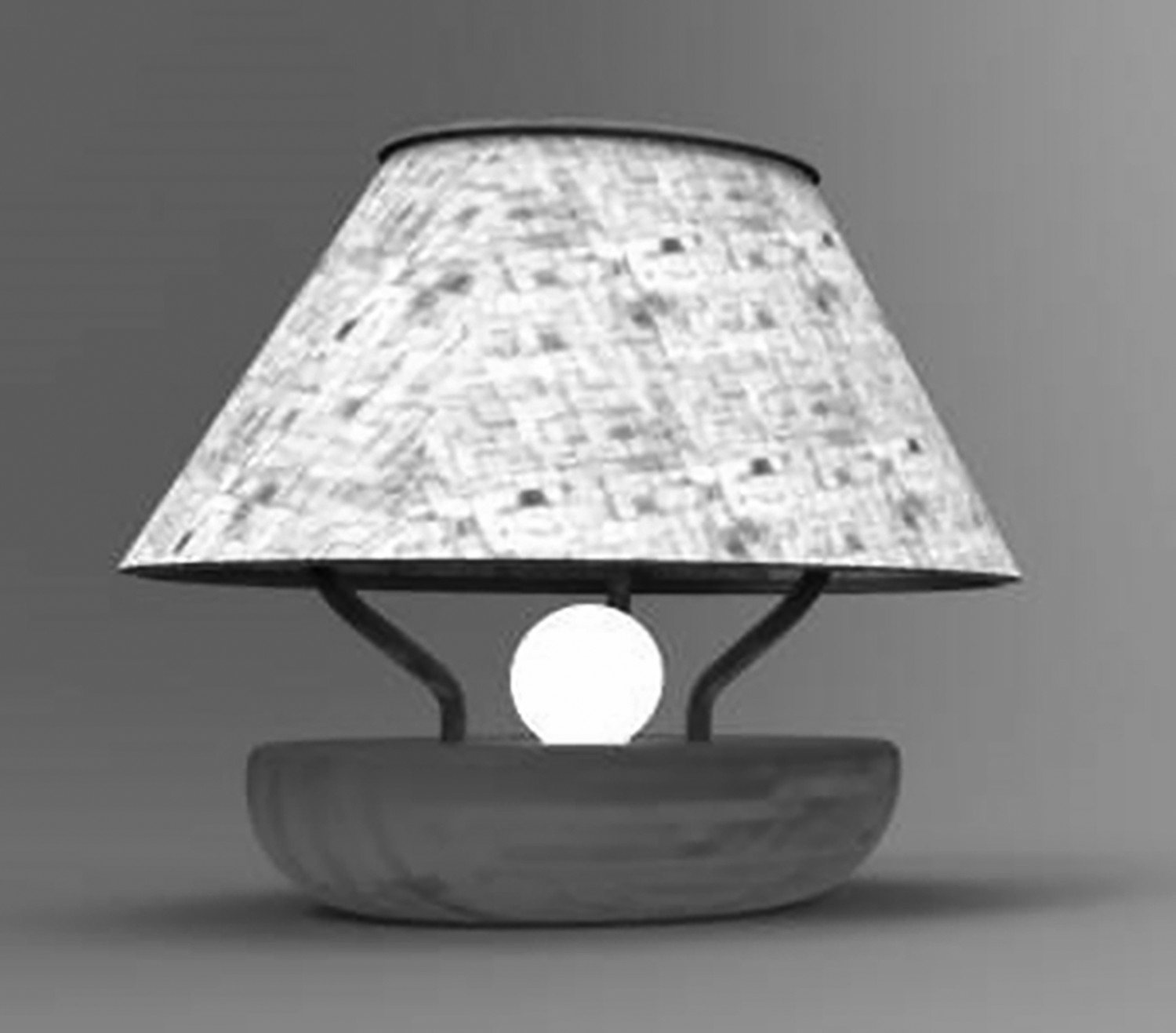
The outer film on the surface of the leaf was removed by immersion. The leaf was then cut into strips and woven into a network structure (Figure 5). Unique fibres can show special light transmission. The pattern of the tough but transparent fibres provided decorative variation in light and shadow, while a base made of areca wood offered additional warm colours to the lamp (Figure 6). Substrates with a diameter of 18 cm or less can be cut from a single stem. If designers need to get larger substrate sizes, it can be formed by splicing three sections and then bonding with adhesive.
Leaf reuse design and material treatments. Lampshades made using fibre collected from leaves (by S.L. Huang).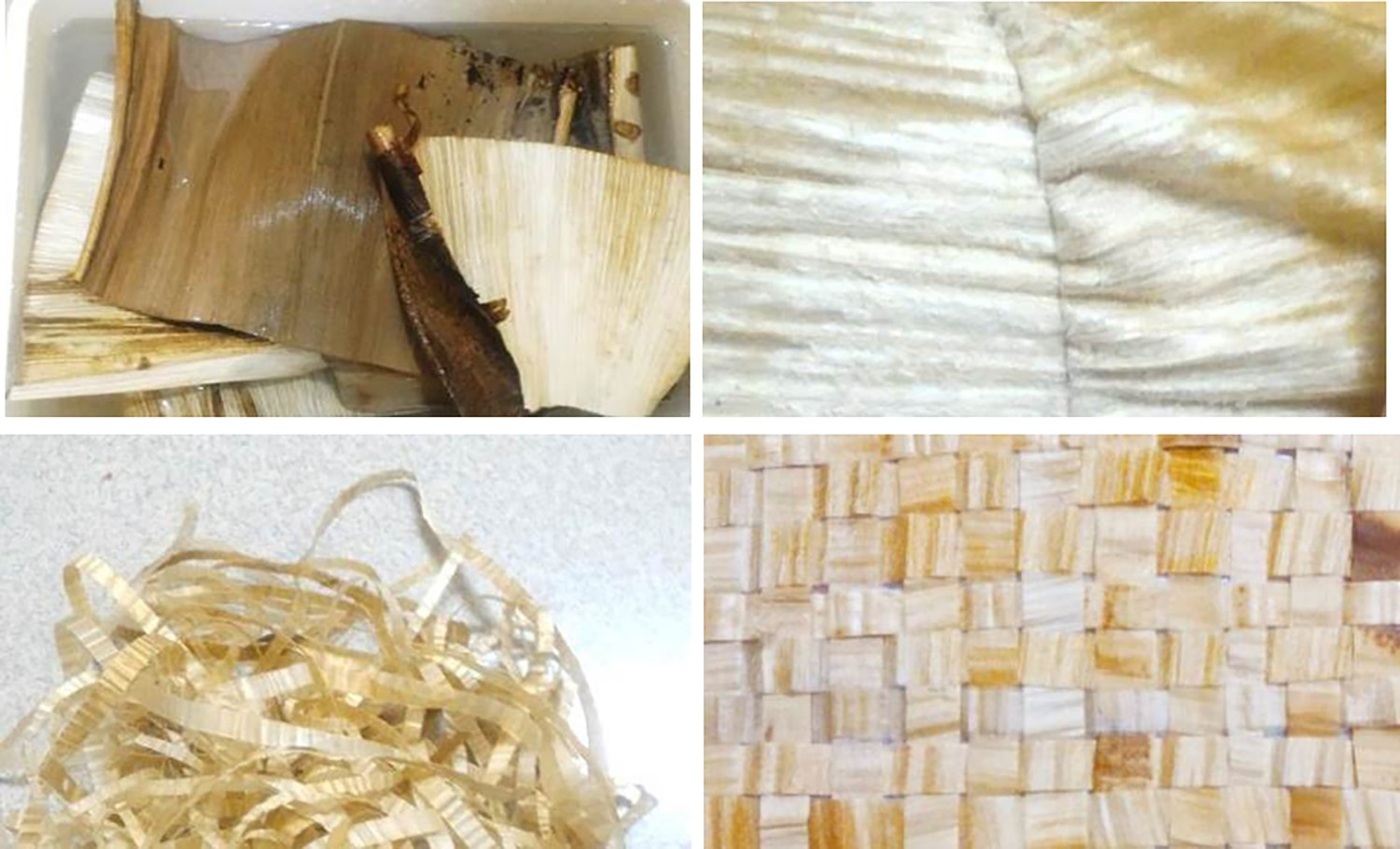
Modern people value the unique style of individual designers and no longer insist on well-known brands. Cultural creative goods are not only presented in decorative appearance. Through the integration of design and local historical life experience, it can reveal the meaning of uniqueness and emotion (Yeh and Lin 2011). With the characteristics of betel nut tree, unique cultural and creative products can be developed. In addition to the material characteristics, areca plants are also linked to the tradition of rural culture. By designing an item to connect it with the concept of sustainability, people will be willing to learn more about its past and convey its message.
Full trunk reuse in planting
Areca trees naturally grow in an orderly pattern in mountainous areas, and the distance between two trees is typically equal. Their trunks can therefore be used directly as pillars to build tree houses. This casual tropical scaffolding has attracted attention from tourists. However, the main use of the betel nut tree in Taiwan is still chopped as a mushroom substrate or mulch. Farmers have also begun to grind the areca wood into chips for growing fungus.
The problem associated with reuse is that the internal soft tissue of the trunk gradually decays, which makes the material unsuitable for use in manufacturing. These fibres have the ability to transfer and hold moisture. The trunk can be used as the main body of the plant, and vines can be cultivated in openings cut into the trunk.
Figure 7 shows a setup in which vines planted in an areca trunk were able to grow well for several months. While a small amount of liquid was used for watering, the areca fibre could maintain the required moisture for the plants. Both horizontal and vertical planting methods were implemented. When planted vertically, the upper section of the trunk remained relatively dry, which was suitable for growing plants that required less water. In the case of a horizontal device with limited daily water supply, no significant outflow of irrigation water will occur. There is an outflow of irrigation water at the tail end of the vertical device, and water recovery considerations are required to avoid dripping to the ground.
Areca trunk used as a host body for other plants (horizontal and vertical).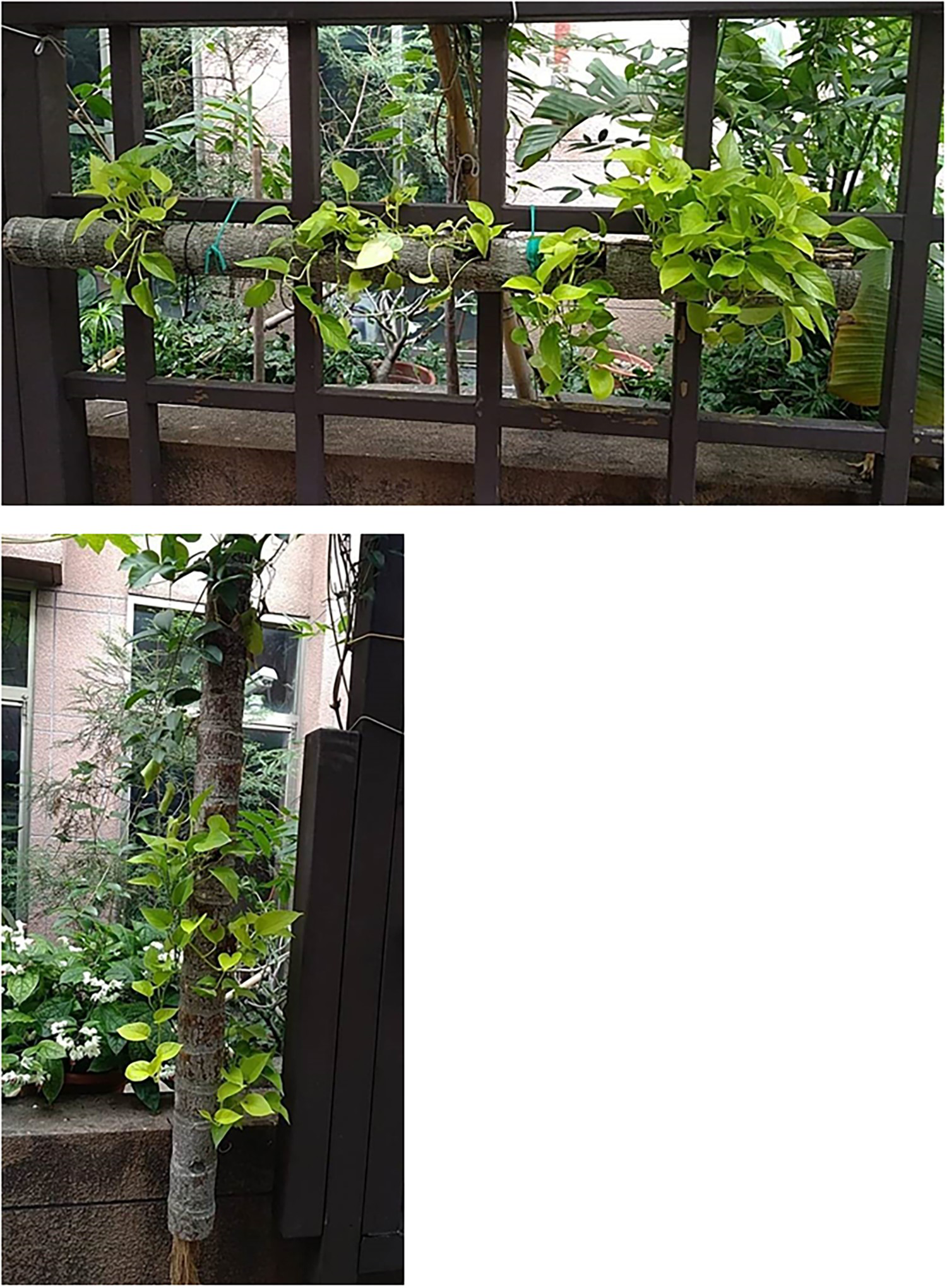
Trunk wood and design
The outer edges of the dried trunk samples were cut and stacked together for reuse. The texture of the blocks and the toughness of the sections meant the blocks had potential for use in household items. Design proposals are shown in Figures 8–10. The H-shaped structure in Figure 8 is the main object. On both sides of the H-shaped structure is a stable structure composed of a thick trunk section and a middle horizontal bonding piece. The user can repeat the stack to increase its height. Since it is not mass produced, the quality and flatness of each stack is slightly different, which also increases the skills and challenges required for stacking.
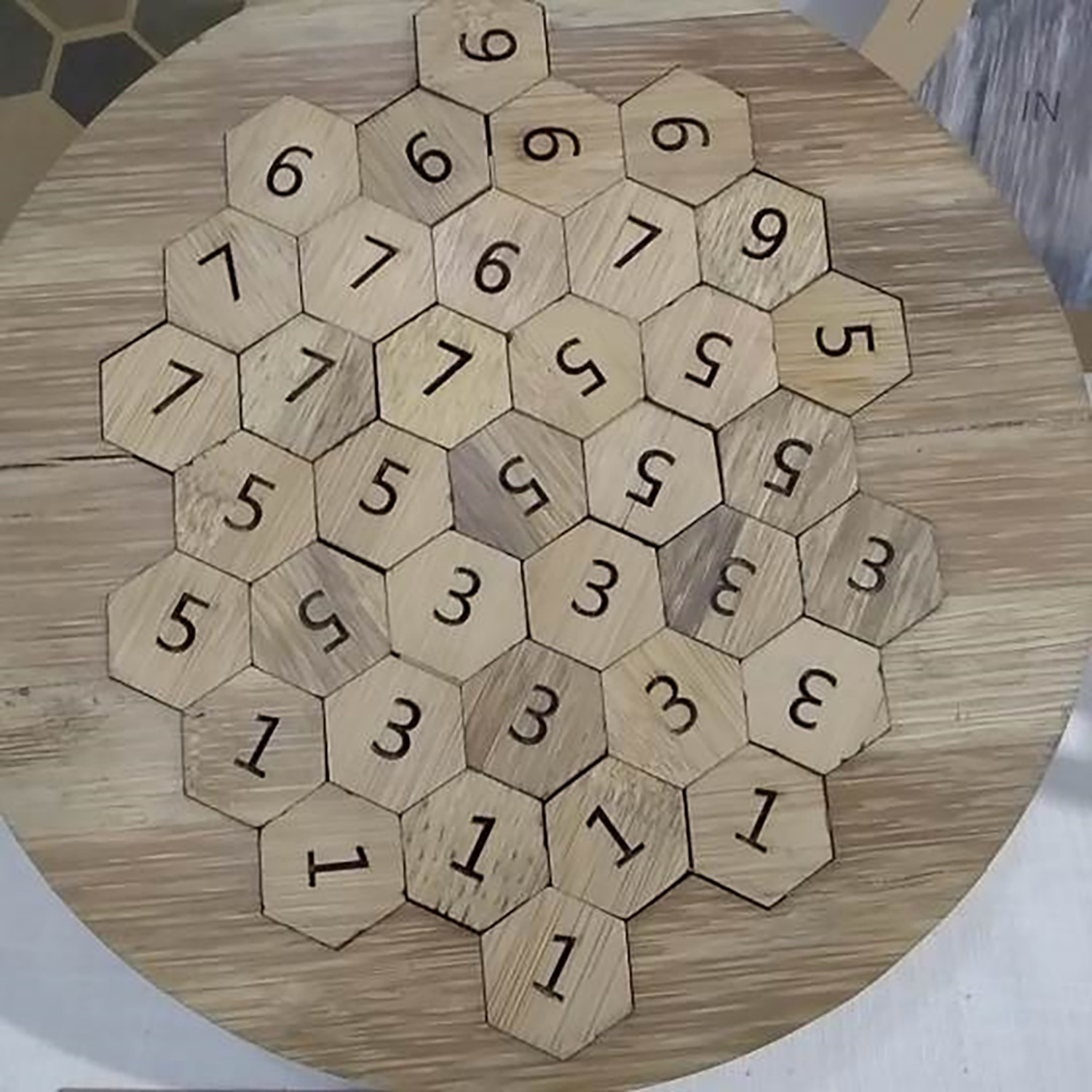
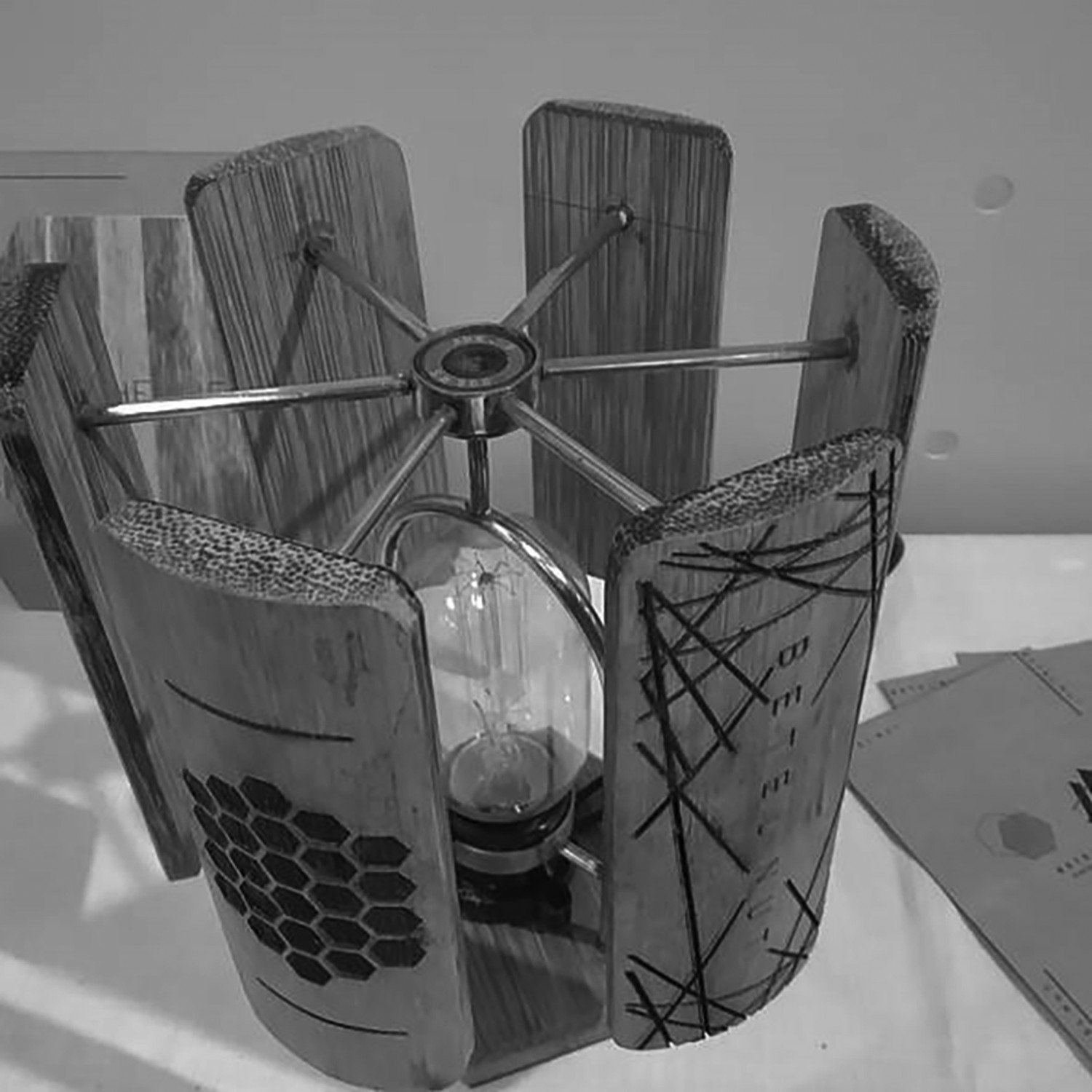
Toy blocks made of areca wood. Disc of building blocks used in a puzzle game. Change in light owing to the rotation of blades.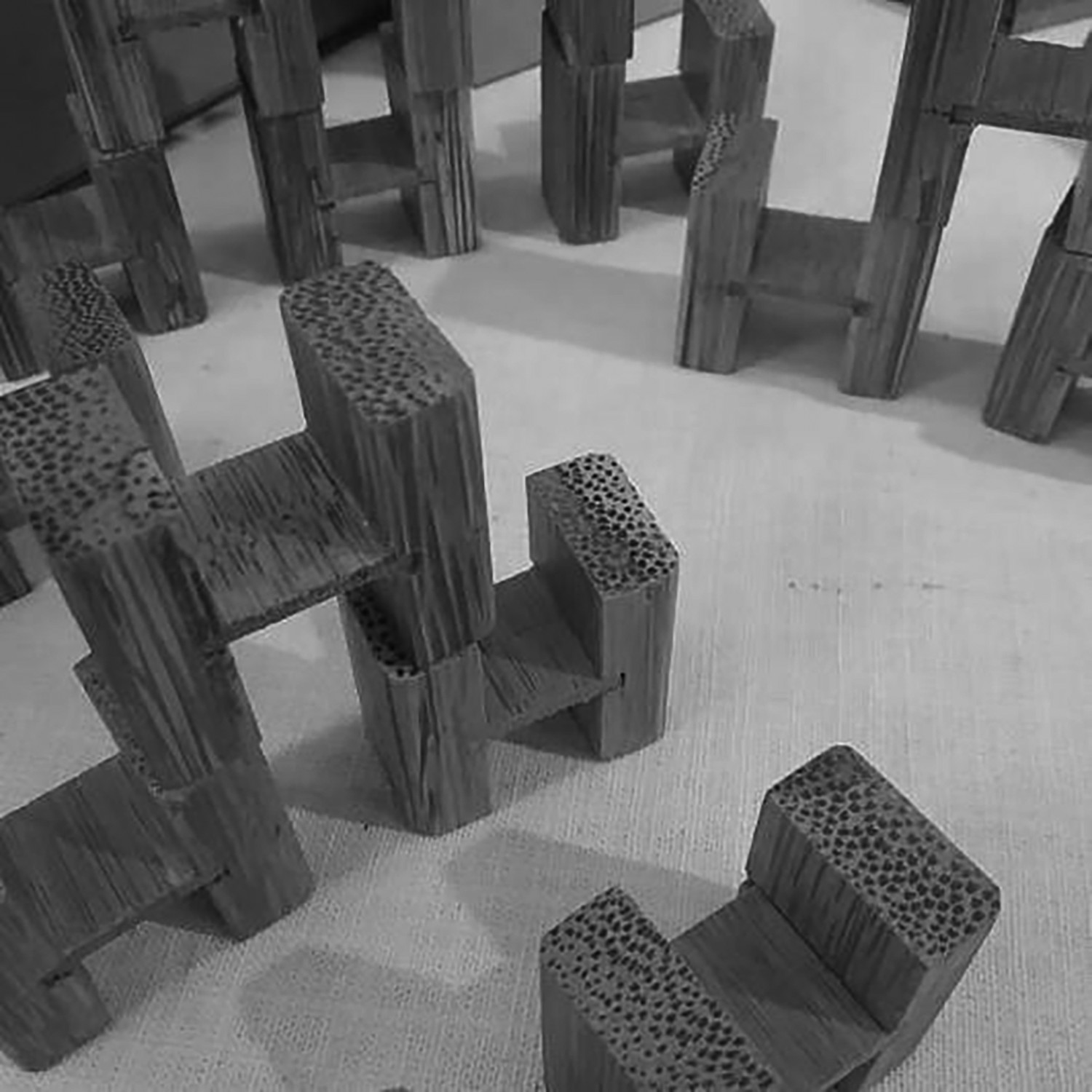
A block stacking game was made from bonded laminated wood (Figure 8). Players stack the blocks on top of one another; the winner is the player who can stack the blocks the highest.
A puzzle building block game (Figure 9) consists of a base and hexagonal blocks, each of which has an arithmetic progression number (1.3.5.7.9.). A hammer is tapped to drop the building blocks, and the score of the specified building blocks is reversed.
This is similar to the game of playing ice bricks [https://www.aliexpress.com/item/32820046541.html]. Using the characteristics of connecting ice bricks to each other, the player must exert force to knock on the connected bricks, calculate the number of falling glaciers, and generate interesting competitive effects. Then, the starter touches the building blocks to be dropped in a selected order. Finally, the points scored by both parties are calculated, and the party with the highest score is considered the winner.
A lamp design was also constructed in which the hard outer segments obtained from trunk side slice of an Areca tree were arranged into a ring on a metallic base. The light bulb is mounted on a fixed seat above the base, and a rotatable joint is provided on the outside of the fixed seat. It uses ball bearings on the upper axis to connect to the outer blades; it can rotate according to external forces.
When the lamp (Figure 10) is switched on, the outer blades can be rotated, which changes the pattern of shadows on the wall. This design does not use a special colour arrangement, only the characteristic colour of the original betel nut material. The user can have custom images laser-engraved on the blade surface to show a unique style.
Discussion
Based on our material experiment and reuse design cases, possible strategies for areca wood utilization are summarized below. The trunk of the areca tree is ideal for use as a planter owing to the loosely packed fibres in its core, which provide excellent water retention capacity. Planters in both vertical and horizontal manners are viable owing to the trunk's high water permeability and efficiency in nutrient transport. Gardeners do not need to provide very much soil. When the fibre inside the trunk decays, it can combine with the soil to form an excellent planting bed.
The hard exterior wood can be stacked in layers to form blocks. However, a considerable amount of hardwood is lost during reprocessing, as the wood is naturally curved and requires surface smoothing after cutting. From physical experiments, we found that the near outermost section of the areca trunk is the hardest. The inner portion of the trunk consists of long strips of fibre, which are not easy to remove by normal sanding equipment. Sanding process work well at achieving a good looking smooth finish in a relatively short time span. An electric power sander with variable speed control is preferred. A soft interface pad prevents excessive pressure from over-removing material. Further study is required to increase wood usage and reduce processing steps.
During processing, the length of the trunk is first cut into a long strip of material. These pieces are sturdy enough to be used in furniture, and the rest of the blocks can be designed into different objects. As seen in Figure 11, the percentage utilization of hard trunk is limited for rectangular planks. In addition to the physical properties of the wood itself, the design process for new products can be influenced by local culture. The areca tree is commonly found in mountains inhabited by aboriginal tribes. Unique gifts using areca wood can be designed for promotional purposes – for example, stationery gifts with local designs which appeal to tourists.
Percentage utilization of areca trunk for rectangular planks.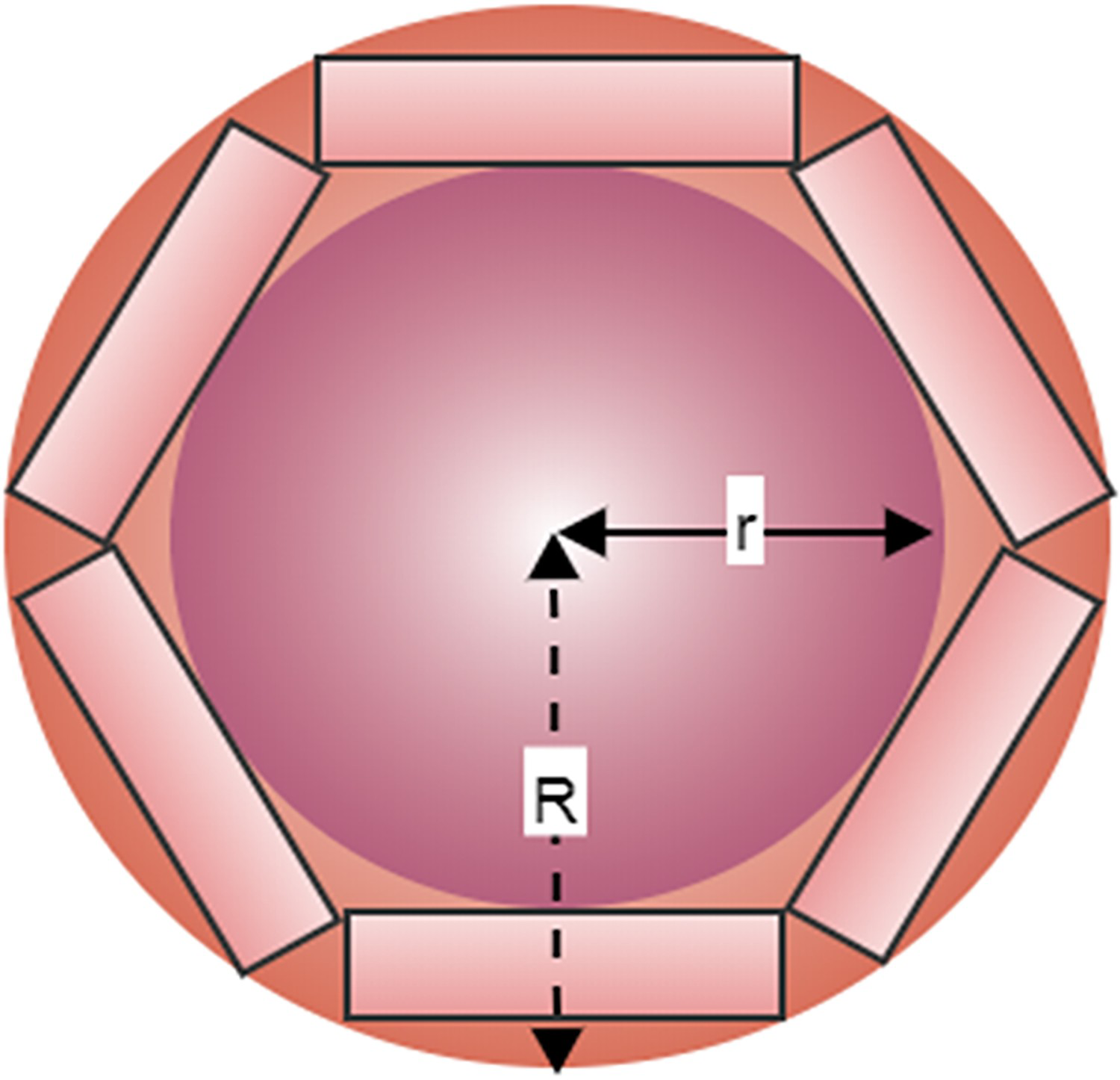
Conclusion
Areca trees are being chopped down as a matter of policy, and the chopped trees are burdening the environment. Felled areca trees have been previously discarded or utilized for fertilizers after being chipped. Through the induction and design of this study, the abandoned areca tree can have many different uses that can reconnect people with nature and contribute unique economic opportunities. A review of the facts related to the areca tree provides insights into its reuse.
Examples of reuse cases related to the areca tree were collected in order to promote the generation of ideas. Lampshades were made using fibre collected from the leaf. Wood adhesive has used cellulose derivatives as its raw material, which possesses excellent adhesion and water resistance. The adhesive forms a sheet with proper temperature and pressure and is helpful in areca wood reuse. Designers have come up with several designs for utilising wood: (1) a toy stacking block set, (2) a rotating blade light shade using ball bearing, and (3) an educational puzzle game. Young people value the unique style of individual designers. Cultural and creative designs are not just decorative, but, with the characteristics of the betel nut tree, unique cultural and creative products can be developed.
