







Abstract

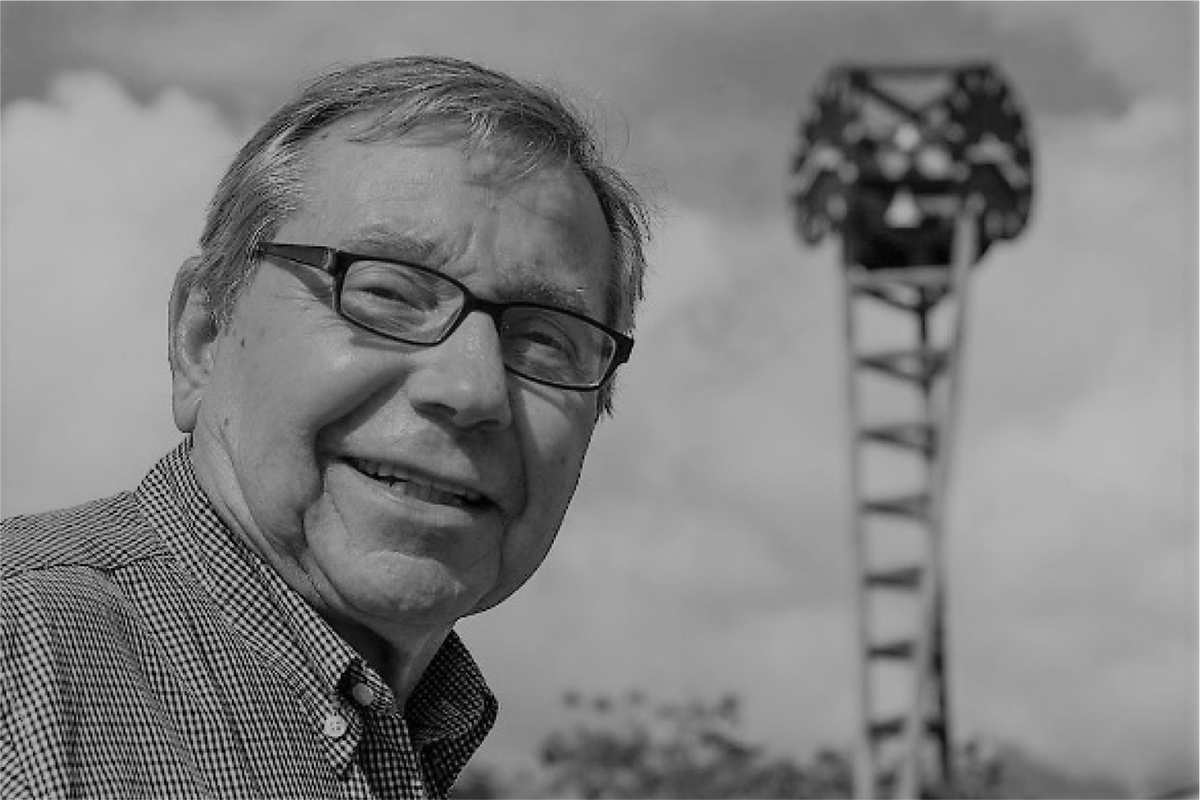
Euclides Sánchez has left us. A travelling companion, a friend, a role model has left us. I knew Eu, as I liked to call him, far away in both space and time, in some corner in Latin America, that big homeland that housed us, nurtured us and made us suffer many a time. I met him under the wing of the Sociedad Interamericana de Psicología (Interamerican Psychological Society), the mother of our adventures in knowledge and in striving for a better world. From the very first moment I was impressed at that most singular, walking melting pot that he was. For Euclides Sánchez was the perfect combination: a thinker trapped by the passion with which he imbued the construction of knowledge, by the unrepentant freshness with which he imbued comradeship and friendship.
When I think of him, the first thing that comes to mind is the image of someone who worked indefatigably, from within the bosom of the SIP, to foster the development of our beloved psychology throughout the continent. And even further. When we take a look at his life’s work, the unquestionable standout is his total dedication and the prodigious production that he sprawled all over our continent. In innumerable academic institutions from North to South we can find his fingerprints, and from all that myriad of contributions to me, of course, stand out those that led him to travel my country: Buenos Aires, San Luis, Rosario, Córdoba, La Plata. His work was spread equally from Mexico to Chile, and also spilled into the North. The United States and Europe were blessed by his contributions. I have no doubts that all that work is today knitted into the fabric of contemporary social and community psychology.
Indeed, what Euclides helped build settled, before anywhere else, in his beloved Venezuela, where he was born, in Cumaná, in 1940. His generosity and audacity spurred him into inviting me to visit Caracas, to teach psychotherapy in the Universidad Central de Venezuela, the institution that served as the backbone of his teaching activity. It would be impossible to forget the days I lived throughout different visits to that magnificent institution, visits that included, outside of the classroom, a piece of his daily life, of his home, in which he and his inseparable partner gave me shelter. For, when speaking of Eu, it is indispensable to bring to the forefront the presence of Esther Wiesenfeld, with whom he walked a large portion of their road in life, in a somewhat unusual way. Unusual because they were the living proof that romanticism was not a thing of the past but a source of light in the very present.
What I just wrote is not rhetorical. Anyone who has heard Euclides relate how that relationship came to be knows that I am not using such large words in vain.
Eu’s affection was ostensible also in his friendships. Many of us have been fortunate to receive his dedication and to enjoy his company. This evocation would not be complete if I omitted to mention our ‘riskiest’ trip — the one we undertook along with our wives. We visited marvellous Copan, as an extension of the SIP Conference in Guatemala, and we crossed the border the very instant in which a coup d’état shook the country. In a few instants we were, literally, in the air. But together. And with a renewed spirit after visiting such wondrous ruins, replenished and ready to go back to our daily lives.
This postcard moment summarizes dramatically Latin American history. And it also illustrates why the main themes of social and community psychology were the domain of Euclides Sánchez’s concerns. This was patent in the enormous number of books and journal articles he published, such as those in AVEPSO, SIP or the Journal of Environmental Psychology, many of them along with a wealthy plethora of other researchers, among which the company of Esther is quite logically prominent.
Within the social-communitarian domain, Euclides paid special attention to environmental psychology. It may be stated, with no need for euphemisms, that he was a trailblazer when it came to warning about the terrible circumstances that surround our current society’s fatal neglect of the home we inhabit. His contribution in participant research has borne splendid fruits, and he sensibly proved that research in our discipline must not be relegated to an ivory tour but rather demands to invoke users and citizens from the real world in which we live.
His work received ample recognition and resulted in several awards. I think one of the most deserved, and one that brought more smiles to his face, is the Interamerican Psychology Award, received from SIP in 2003. A society in which he tirelessly worked, traversing all the rungs in its ladder, until he became its president between 1995 and 1997.
When I think this took place almost 30 years ago, my eyes water — a token of the profound sadness that his parting has caused in me. But, to conclude, I do confess that from the very core of my being another feeling surfaces, a gentle and open smile, recalling all the pleasant moments we spent together, speaking about our families, our children, our hopes, sharing the confidence of trusting each other to the very end.
In memoriam Euclides Sánchez
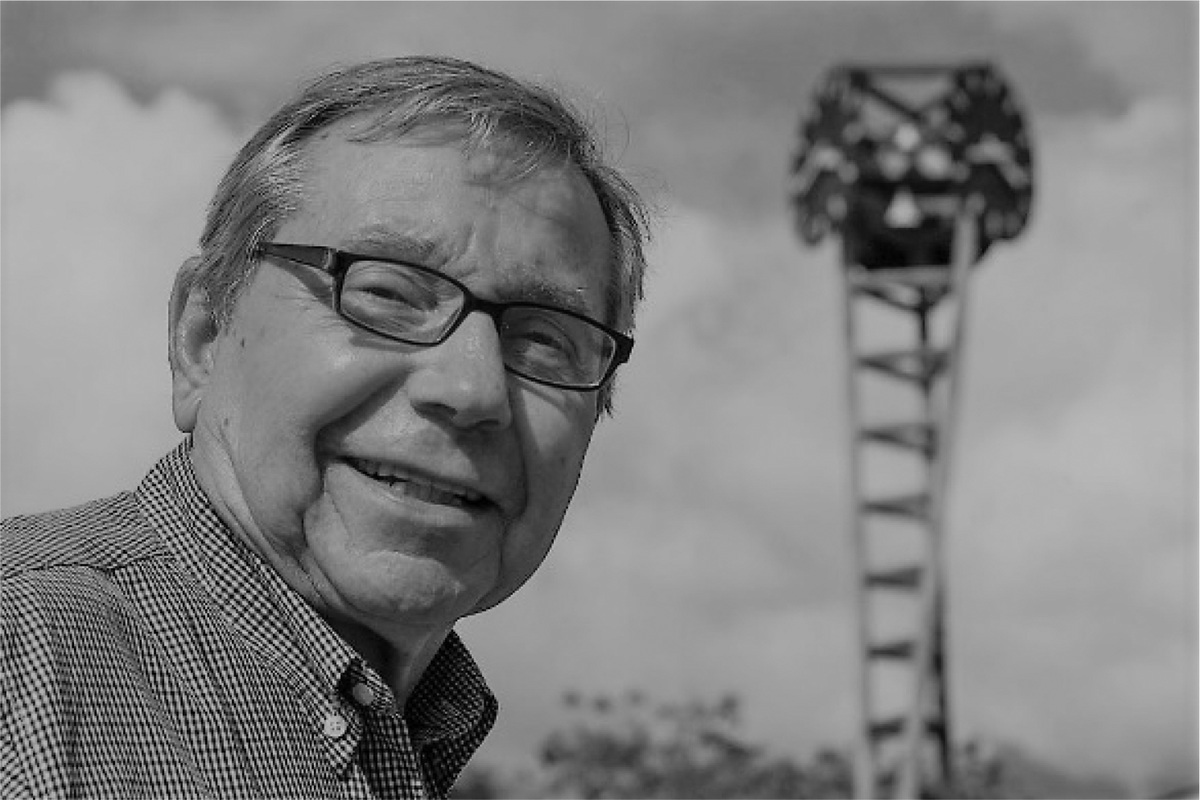
Euclides Sánchez se nos fue. Se nos fue un compañero de ruta, un amigo, un ejemplo de vida. A Eu, como más me gustaba llamarlo, lo conocía allá lejos y en el tiempo, en algún rincón de Latinoamérica, esa patria grande que nos alojó, nos nutrió y nos hizo sufrir muchas veces. Lo conocí en el seno de la Sociedad Interamericana de Psicología, la madre de nuestras aventuras del conocimiento y de la lucha por lograr un mundo mejor. Desde un primer momento me impresionó esa amalgama singular que lo caracterizaba. Porque Euclides Sánchez era una combinación perfecta del pensador atrapado por la pasión puesta al servicio de la construcción del conocimiento y una frescura irredenta puesta al servicio del compañerismo y la amistad.
Cuando pienso en él, lo primero que me visita es la imagen de alguien que trabajaba incansablemente en el seno de la SIP para promover nuestra querida psicología en el continente. Y más allá. Cuando observamos lo que ha sido su obra sobresale, sin dudas, la enorme dedicación y la ingente producción que desparramó a lo largo de nuestro continente. De Norte a Sur podemos encontrar marcas que dejó en innumerables centros académicos, y dentro de esa miríada de aportes sobresalen para mí, por supuesto, aquellos que lo llevaron a recorrer mi país: Buenos Aires, San Luis, Rosario, Córdoba, La Plata. Su obra se diseminó igualmente desde México hasta Chile y también derramó en el Norte. Estados Unidos y Europa fueron agraciados por sus contribuciones. No tengo dudas que toda esa obra está hoy incorporada al tejido de la psicología social y comunitaria contemporánea.
Y, por supuesto, lo que Euclides ayudó a construir se asentó, antes que en ningún otro sitio, en su amada Venezuela, donde había nacido, allá en Cumaná, por 1940. Su generosidad y audacia lo animaron a invitarme a visitar Caracas para impartir seminarios de psicoterapia en la Universidad Central de Venezuela, el ámbito que fuera columna vertebral de su labor docente. Imposible sería olvidar aquellas jornadas que viví en varias oportunidades en ese magnífico centro académico. Y que se proyectaban, fuera de las clases, en la vida cotidiana y en su casa, donde me arropó junto a la que fuera su compañera inseparable. Porque para hablar de Eu es indispensable poner en primer plano la presencia de Esther Wiesenfeld, con quien compartieron de manera inusual un largo recorrido de sus vidas. Inusual porque lo que hacían sentir es que el romanticismo no era algo del pasado, sino una fuente iluminadora del presente.
Y esto que acabo de escribir no es algo retórico. Cualquiera que hubiera escuchado contar a Euclides como se originó esa relación sabría que las palabras que utilizo no son vanas.
Digamos, al mismo tiempo, que el afecto de Eu se hacía ostensible también en el plano de la amistad. Muchos hemos sido receptores de su entrega y disfrutado de su compañía. No puede faltar en esta evocación el que fue nuestro viaje más ‘arriesgado’, que llevamos a cabo con nuestras esposas. Fuimos a visitar la maravilla de Copán, como prolongación del Congreso de la SIP en Guatemala, y cruzamos la frontera, en el mismo instante que se desataba un golpe de estado. En unos instantes estábamos literalmente en el aire. Pero juntos. Y, con el ánimo renovado como para gozar esas ruinas maravillosas y retornar a nuestros quehaceres cotidianos.
Es una postal que compendia dramáticamente la historia latinoamericana. Y también ilustra por qué los temas de la psicología social y comunitaria fueron los ámbitos que absorbieron las preocupaciones de Euclides Sánchez. Algo que quedó plasmado en una enorme cantidad de libros y artículos de revistas como las de AVEPSO, la SIP o el Journal of Environmental Psychology, en muchos de los cuales encontramos una plétora riquísima de otros investigadores, entre los cuales, lógicamente sobresale la compañía de Esther.
Dentro del territorio socio-comunitario, Euclides le dedicó una atención especial a la psicología ambiental. Puede afirmarse, sin eufemismos, que fue un adelantado en alertar sobre las terribles circunstancias que muestran el descuido fatal de la sociedad actual por el hogar que habitamos. Su contribución en el terreno de la investigación participativa ha dado magníficos frutos y mostró, cabalmente, que la investigación en nuestra disciplina no debe quedar alojada en una torre de marfil, sino que exige convocar a los usuarios y a los ciudadanos que están inmersos en la realidad que vivimos.
Producto de su labor recibió diversos premios y reconocimientos. Creo que uno de los más merecidos y que más sonrisas despertó en él fue el Premio Interamericano de Psicología que la SIP le otorgó en 2003. Una sociedad en la que trabajó incansablemente, recorriendo todos sus peldaños, hasta llegar a ser su Presidente en el período 1995–97.
Cuando pienso que esto ocurrió hace casi 30 años se me hace agua en los ojos. Como expresión de la profunda tristeza que me ha generado su partida. Pero, para concluir, tengo que confesar que también me aflora, desde el fondo de mi ser, una sonrisa gentil y abierta, recordando los momentos tan agradables que pasamos juntos, hablando de nuestras familias, nuestros hijos, nuestras ilusiones y compartiendo la seguridad de confiar cada uno en el otro hasta el día final.
Footnotes
No potential conflict of interest was reported by the author. / El autor no ha referido ningún potencial conflicto de interés en relación con este artículo.