







Abstract
Digital Twins (DT) have become popular in various industries to solve complex problems. A true DT allows for bidirectional real-time data flows between the physical and virtual worlds.
The term DT was often overused, leading to confusion about its capabilities therefore this paper provides a review of the current state of DT and its applications in the minerals industry. Existing literature shows a slow adoption of DTs in the minerals industry, which is largely due to challenges associated with geological unpredictability, legacy system integration, cost, skill gaps, cybersecurity, and lack of standards.
Combining immersive visualisation with real-time spatial computer graphics could improve the usability and acceptance of DTs in the minerals industry which has been used successfully in training while underexplored for operational scenarios. The study concludes by highlighting the need for further research to understand the effectiveness of such an approach in mineral operations.
Keywords
Introduction
Background
Timeline of Digitalisation (modified from Qi et al. 2021)

The fourth industrial revolution, commonly referred to as Industry 4.0, came to the world around the mid-2000s with the integration of cyber-physical capabilities, specifically the introduction of cloud computing, Internet of Things (IoT), Digital Twin (DT), and Artificial Intelligence (AI). In recent years, DTs were seen by many as an emerging star in transforming entire industries into a digitalised future, especially under the growing interest around the concept of corporate Metaverse (Liu et al. 2023; Stothard 2023), a hypothetical future iteration of the Internet as a collective, immersive and collaborative virtual space where people can work, entertain, trade as well as other things they could do in life using technologies such as Virtual Reality (VR), Augmented Reality (AR), and Mixed Reality (MR) to provide human-centred experiences. Despite being an emerging concept to the general public, companies such as Apple and Meta – formerly known as Facebook, have invested heavily in its potential values towards social interaction, entertainment as well as productivity (Hirsch 2022; Dieck et al. 2023).
In this rapidly changing space of industrial digitalisation, it is important to examine the past, present, and future of DTs along with their surrounding technologies in order to stay up to date with the knowledge. By analysing and comparing the literature across several leading industries, this paper is aimed at informing readers from the mining and mineral processing industry about the gaps, misconceptions as well as opportunities presented by the literature.
Definitions
The term ‘Digital Twin’ came from the pioneering vision of having a data-driven, digital replica that accurately simulates a real-world entity in terms of its attributes and real-time behaviours. The concept was first introduced as an idea for product lifecycle management in 2002 by Dr. Michael Grieves who later illustrated a Digital Twin as the ‘Mirrored Spaces Model’ in 2005 (Grieves 2005). Kritzinger et al. (2018) further categorised different ‘so-called’ Digital Twins based on their levels of data integration in a Two-space analogy shown in Figure 1.
Classification of data integration in a two-space analogy (modified from Kritzinger et al. 2018).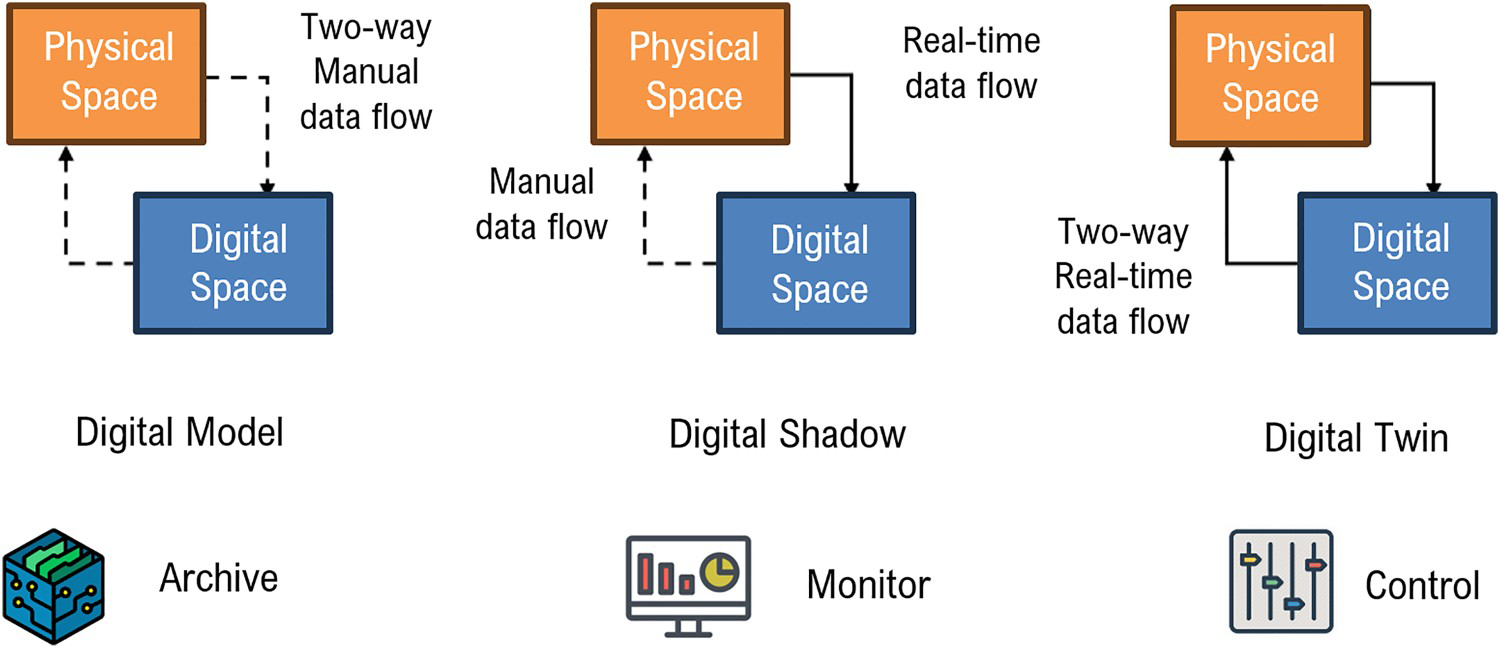
Digital model
A digital model (DM) would be a static digital representation of an existing or planned object in the physical space (Kritzinger et al. 2018). The accuracy of such representation does not rely on real-time data exchange between the two spaces but rather, relies on the manual update of historical data in the digital space or the addition of new design information in the physical space in a timely manner (Fuller et al. 2020).
Digital shadow
Built on the definition of DM, a digital shadow (DS) exists when states and attributes in the physical space are reflected in the digital space via real-time data exchange while the digital shadow cannot affect the behaviours of real-world objects (Kritzinger et al. 2018). An example of this would be some kind of real-time monitoring system for a mining operation with no control capability.
Digital twin
Kritzinger's theory states that a true DT should have two-way integration of real-time data exchange between the digital space or the ‘mirrored space’, and the physical space containing the real object (Kritzinger et al. 2018). A change made in the digital space automatically leads to a change in the physical space and vice versa (Fuller et al. 2020). In such a configuration, the DT may also serve as a controlling instance of the physical object (El Bazi et al. 2022).
In an ideal scenario, a true DT that features bi-directional, real-time data flows across the cyber-physical system will not only see its benefits in conceptualisation, prototyping, and design validation but also assist in remote monitoring and control, process optimisation, operation and maintenance, as well as training for current and future projects (Figure 2).
Relevance of DT in project life cycle.
Existing literature around the topic of digital twins in the minerals industry and beyond has demonstrated an adequate level of understanding of the history and incentives of the DT approach. Many research efforts towards implementing this approach have brought tangible value to industries throughout the world. These achievements are to be recognised as valid contributions to the field of DT research. However, it is also worth recognising the common misconceptions about what makes up a true DT in the minerals industry to avoid any confusion during a time of booming ideas and promises.
Tao and Zhang (2017) proposed a five-dimensional model to formulate the working principle of DTs. The theory was originally presented as a concept for shop-floor management towards smart manufacturing which formulated the initial dimensions of a DT – physical space, virtual space, data, connections, and services. Upon examining the literature on recent DT developments across numerous industries under the context of realising interconnected corporate metaverses, the author of this paper expanded Tao and Zhang (2017)’s model by adding two additional dimensions – human interface, governance, and standards to form the Seven Dimensions of DTs (Figure 3).
Seven dimensions of digital twin (modified from Tao and Zhang 2017).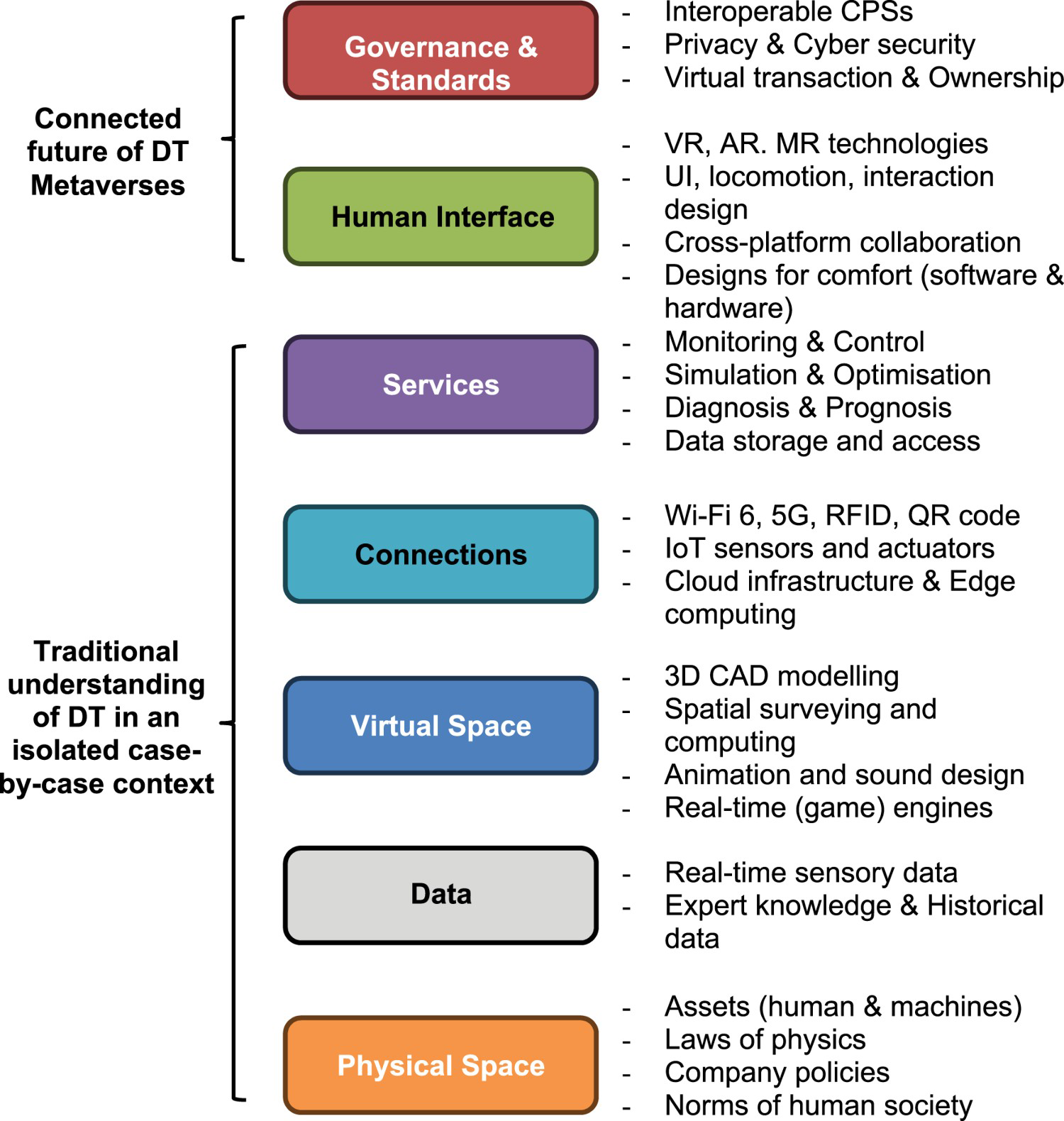
In the traditional understanding of DT, the service aspect of DTs forms an essential part of DTs by defining the use cases that create values in the real world. From the user's perspective, DT services can include while not limited to data visualisation, simulation, operation monitoring and control, design validation, failure diagnosis and prognosis, as well as process optimisation. In the background, services concerning the acquisition and management of data, knowledge, and algorithms are considered equally essential to building a functioning DT. Certain types of services may also contain useful data that record user interactions, performance, and historical behaviours of the DT software which can then be analysed to provide valuable insights for the future improvement of the physical product or process.
Under the vision of a corporate Metaverse where people can perform a range of business functions collectively in a virtual space, DTs will not only need to be functional and accessible within the enterprise itself, but also be compatible with CPSs operated by industry partners, clients, and even competitors to a certain degree. Therefore, the inclusion of effective human interfaces and governance becomes relevant to maximise human productiveness, engagement, and comfort while maintaining standards for interoperability, privacy and security, as well as ethical practises in the context of virtual transactions and ownerships.
Values and benefits of digital twins
DT provides a unique way to dynamically represent physical entities in the digital space with respect to their specifications, functionalities, appearances, positions, and behaviours (Söderberg et al. 2017). When paired with technologies such as big data analytics supported by the endless possibility of sensory data acquisition, Artificial Intelligence and Machine Learning, DT has the potential to realise long-term strategic benefits through real-time diagnostics and process optimisation (Lu et al. 2020). This gives DT the ability to help plant operators, engineers, and management make informed decisions in a timely manner, therefore greatly reducing the cost associated with responding to unexpected future events, maintenance scheduling, and design validation.
Thanks to their high level of fidelity with respect to the physical entity, DTs can also be used as a training platform for operators, maintainers, and service providers in certain cases where sub-features such as the environment, facilities, vehicles, and human resources are accurately represented into the virtual space. When combined with visualisation technologies such as Virtual Reality (VR), Augmented Reality (AR) as well as Mixed Reality (MR) (Stothard 2008; Stothard et al. 2015), DTs can provide dynamic training scenarios that are generated based on accurate real-world operational parameters, making the experience more immersive to the trainees there for shortening the training cycles (Kizil et al. 2001; Kerridge et al. 2003).
Another benefit of DT is the digitisation of expert experience. The minerals industry has experienced an ongoing challenge in handovers of aged projects due to the lack of efficient information management in the digital format. Some mining projects can date back half a century which leads to discontinuities and inconsistencies in expert knowledge. With DTs, documentation, technical drawings, and resources can also be digitally stored and shared throughout the organisation, providing a universal point of access that encourages communication and collaboration across multiple business functions (Qi et al. 2021).
Challenges of digital twin development
Challenges of DT Development Faced by the Minerals Industry
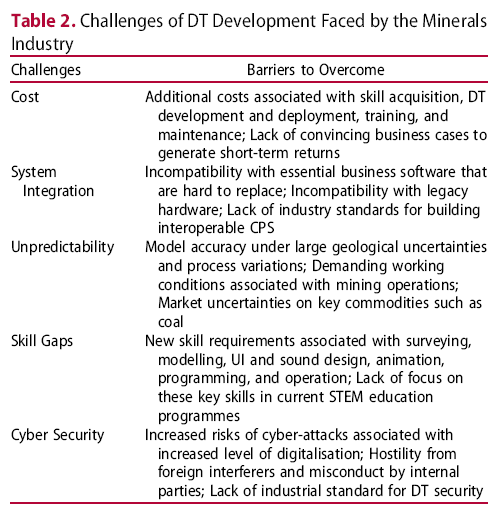
Building a DT can be a time-consuming process that not only requires new tools and technologies that serve different purposes to work together (Stothard et al. 2019) but also introduces a new challenge concerning existing business workflows that are hard to replace in a short period of time. Software platforms may not be able to work simultaneously due to compatibility issues related to file formats, network protocols, and programming interfaces (Qi et al. 2021). This can be especially problematic for mining companies running legacy systems dating back by decades. DT development in the minerals industry is also facing high levels of unpredictability due to large geological uncertainties and process variations (Hodgkinson and Elmouttie 2020; Nagovitsyn and Stepacheva 2021; Okol'nishnikov et al. 2021). Unlike the manufacturing industry which produces standardised products under controllable working conditions, the demanding working conditions in the minerals industry call for a more flexible approach to DT implementation that puts more emphasis on the safety and well-being of its people and communities while ensuring the accuracy of the virtual replica (Stothard 2023).
DT development under the vision of a mining Metaverse calls for specialised skills and knowledge beyond those that are currently focused on in STEM education. The skill gaps can also be present on the user level if the current workforce is not familiar with emerging technologies such as VR and 3D spatial computing. Cyber security is a never-ending war, and industries are often targeted by cyberattacks. With new challenges introduced to the global commodity market by international competitors, implementing complex Digital Twin technology can increase the risk of cyberattacks, and companies are forced to take costly measures to ensure the security of their systems and data (Alshammari et al. 2021).
State of the art
Early history of digital twins
The history of digital twins has its root traced back to the minerals industry. Long before the term was invented, a report published by CSIRO Exploration & Mining as a part of the Australian Coal Industry's Research Program presented the application of virtual reality programming and visualisation to the integration of multi-dimensional data sets that are commonly seen in the mining environment such as geological, geophysical and mine planning data. The research not only demonstrated a cyber-physical integration but also did so with the pioneering vision of virtual reality (LeBlanc Smith et al. 1998). The first concept of Digital Twin emerged in 2002 from the University of Michigan by Dr. Michael Grieves as a conceptual idea for product lifecycle management (PLM) (Figure 4). In 2005, Grieves referred to his idea as the ‘Mirrored Spaces Model’ in the publication ‘Product Lifecycle Management: Driving the Next Generation of Lean Thinking’ (Grieves 2005) where the founding elements of real space and virtual space were introduced. In 2010, the National Aeronautics and Space Administration (NASA) first applied a DT concept in the aerospace sector and in the same year, the US Air Force (USAF) listed the DT concept as a key technology for future developments. In 2011, The DT concept was further expanded in Grieves’ publication ‘Virtually Perfect: Driving Innovative and Lean Products Through Product Lifecycle Management’ where the term Digital Twin was formally mentioned in literature for the first time (Grieves 2011).
Early history of DT research and development (modified from Qi et al. 2021).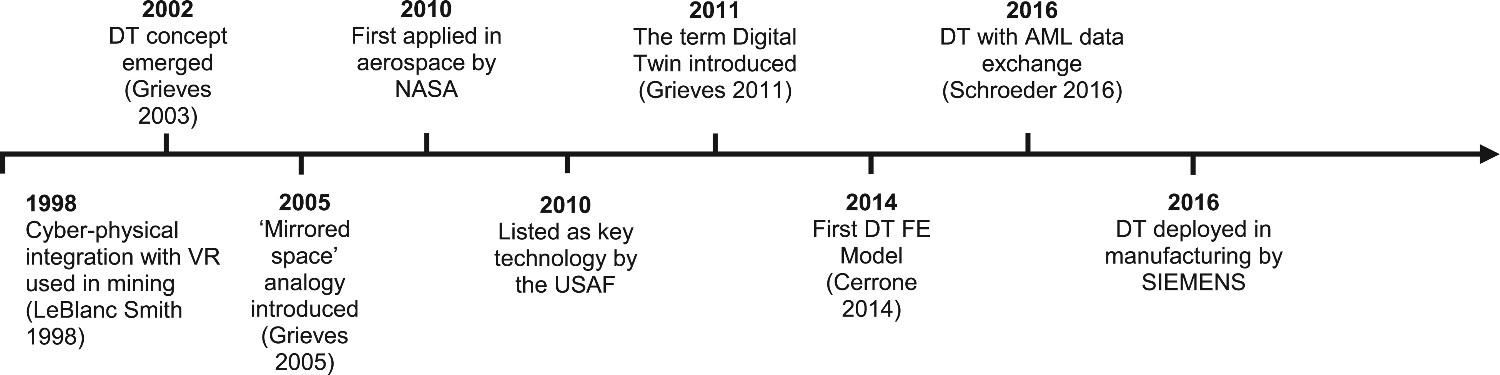
In 2014, the first DT Finite Element (FE) model was presented in the article ‘On the effects of modelling as-manufactured geometry: Toward Digital Twin’ by Cerrone et al. (2014). In 2016, Schroeder et al. (2016) proposed a method for DT data exchange using Automation Markup Language (AML) in the article ‘Digital Twin Data Modelling with AutomationML and a Communication Methodology for Data Exchange’ and later in the same year, manufacturing giant SIEMENS adopted the DT approach in its industrial assembly lines.
Enabling technologies
– Enabling Technologies for the Seven Dimensions of DT (modified from Qi et al. 2021)
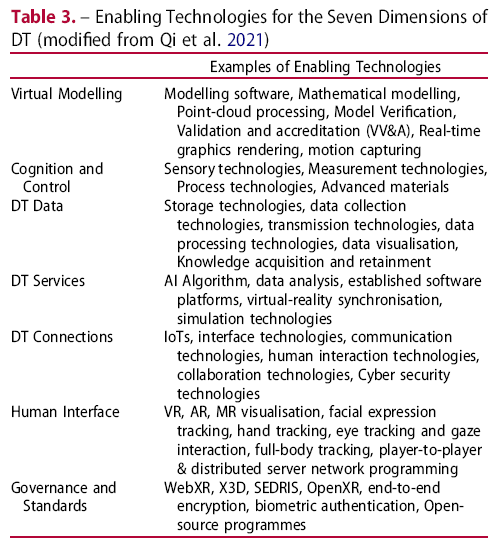
There is still a lack of standardisation and governance to DT development both horizontally across different industries as well as vertically across companies within the same industry that tend to choose the tools that are best suited to their needs, skill sets, and workflows (Qi et al. 2021). This decentralised approach drives innovation yet proposes challenges to achieving interoperability between different DT modules in times when the need to integrate systems arises as well as concerns about cyber security (Stothard 2023).
Virtual modelling
The process of modelling a physical entity in the virtual space provides a visual representation to assist in design, analysis, condition monitoring, and construction management. This process involves the replication of geometries, physical properties, behaviours, and rules. DT modelling can be enabled by technologies associated with graphical visualisation, mathematical simulation, and model verification. Some enabling technologies for virtual modelling require a combination of resources in terms of hardware, data, and expert knowledge. In general, technologies that enable the modelling of real-world rules, behaviours, and model verification are more dependent on data and knowledge resources, whereas the virtual reconstruction of physical 3D geometries is more dependent on hardware resources.
As an example of this integrated modelling approach, the ANSYS Twin Builder software provides a comprehensive tool suite for DT modelling that enables the users to quickly build, validate, and deploy models of physical assets. It takes advantage of ANSYS's simulation capability to enable the modelling of geometries, physical characteristics, real-world behaviours, and rules of physics. The Twin Builder software also integrates design tools for embedded control systems and Human-Machine Interface (HMI) to enable testing of the control aspect of DT models in an integrated workflow (Calka et al. 2020).
Examples of DT Modelling Solutions (modified from Qi et al. 2021)
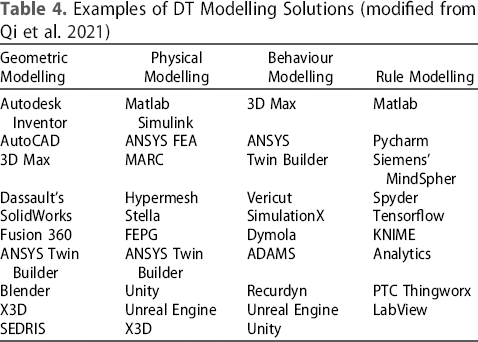
In recent years, real-time graphics engines such as Unity and Unreal have found their way into industrial applications such as training and risk management (Brune 2010; Kwok et al. 2020). Initially adopted for game development workflows, these tools have built-in capabilities for real-time 3D rendering, physics and lighting simulation as well as VR integration (Pérez et al. 2020). International standards such as Synthetic Environment Data Representation and Interchange Specification (SEDRIS) and Extensible 3D (X3D – formerly known as VRML) Graphics also play an important role in creating interoperable industrial virtual models (SEDRIS 2004; Web3D Consortium 2023).
Cognising and controlling physical entities
For a virtual model to be identified as a ‘twin’ of a physical entity, it first needs to be capable of perceiving the real world through technologies often associated with sensory, identification, and measurement as well as visualisation. Secondly, DT should also fulfil the purpose of manipulating the states of its physical entity through technologies associated with control, mechatronics, power systems, and process as well as human-machine interfaces.
A main driver that enables the cognising and controlling ability of DTs is IoT technology used to collect data from a network of smart sensors and execute commands using programmable logic controllers (PLC). Vision-based sensors such as Light Detection and Ranging (LiDAR) devices, and depth-sensing cameras are used extensively with the Global Positioning System (GPS) as well as robotic systems to automatically create point clouds of real-world environments for DT-related applications (Turner et al. 2020), therefore reducing the human overhead associated with generating a complex virtual environment in a 3D space (Stothard et al. 2019).
To control physical entities, software platforms such as TwinCAT and LabView enable remote, real-time operation of PLC systems from any compatible PC via an open-source IoT middleware such as IoTSyS to provide secure and reliable networking between smart devices in a DT application using a selection of standard protocols including IPv6, oBIX, 6LoWPAN, and XML (Pandya and Champaneria 2017). In this two-way process as described by Kritzinger et al. (2018), a large amount of information is parsed between the physical space and the virtual space in real-time, therefore it is also worth considering technologies that enhance human cognition and task handling in the virtual space. At the front end, effective HMI design using VR and MR technologies will not only exploit a wide range of human skills and senses when interacting with a DT but will also improve the usability (Litvinova et al. 2018), sustainability, and long-term relevance of the technologies themselves (Stothard et al. 2019; Stone 2012).
Data management
DT data management goes through the process of collection, transmission, storage, processing, fusion, and visualisation (Liang et al. 2023). Each stage of this process is enabled by a set of technologies as illustrated in Figure 5. Human factors can also come into play in this process.
Enabling technologies for DT data management (modified from Qi et al. 2021).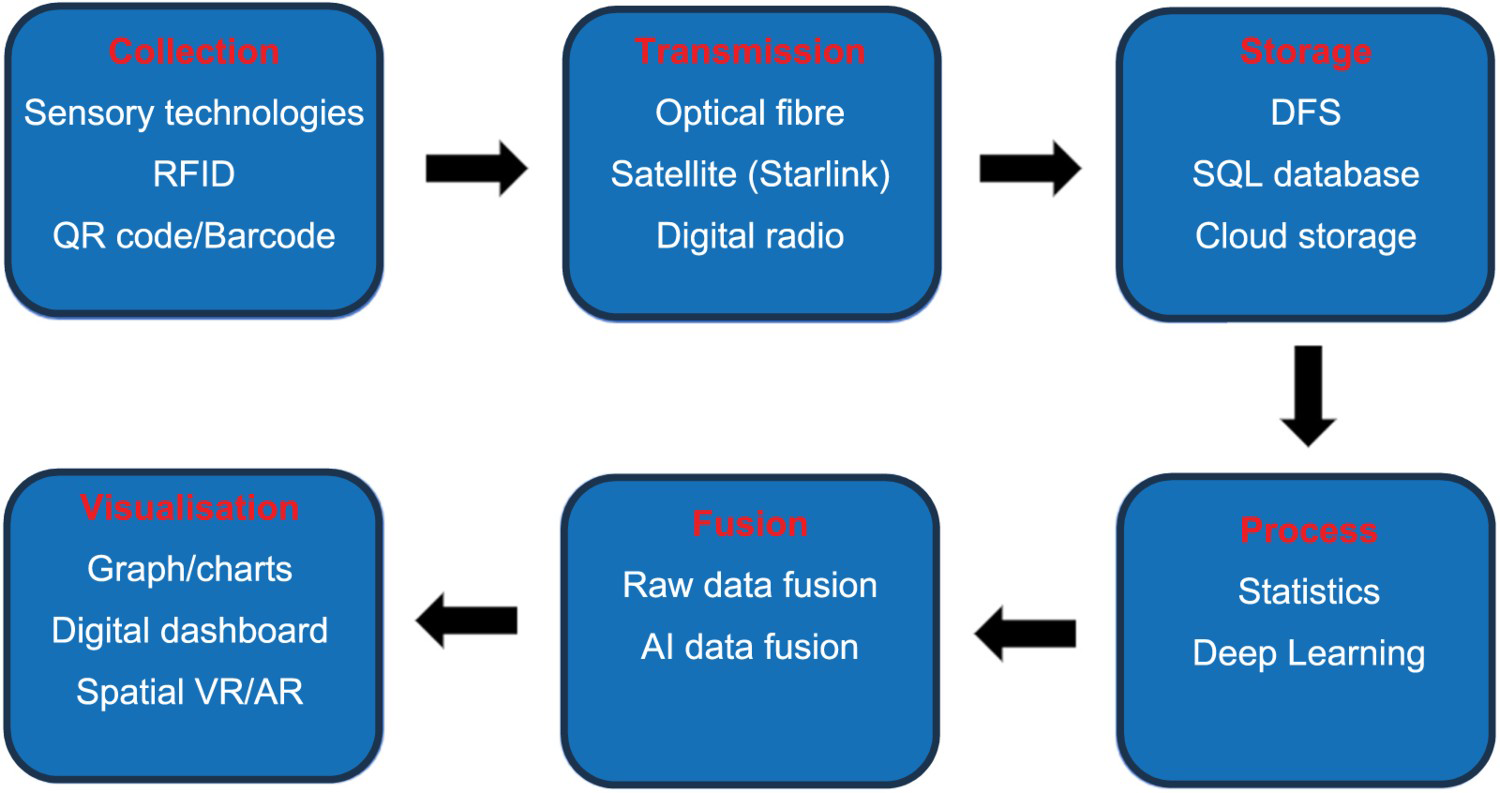
IoT Technologies such as sensors, QR codes, and Radio Frequency Identification Devices (RFID) form the backbone of data collection. Depending on the data type, collection can occur automatically in real-time or manually through human inputs. Data collection technologies aim to obtain complete, stable, and usable data from appropriately placed sensors. Several software suites like NI LabView, Siemens’ MindSphere, and GE's Predix are designed with data collection and other data functions in mind.
Data transmission can be done either through wires or wirelessly using technologies such as Wi-Fi, Bluetooth, and Near Field Communication (NFC) over short ranges, while technologies such as satellite communication and digital radios can be used for data transmission over longer distances. Besides the range of which data is transmitted, immerging technologies such as 5G can also enable high-speed, low latency, and secure data transmission. Once the data is transmitted, it needs to be stored securely for further processing and analysis. Technologies such as Distributed File Storage (DFS), SQL databases, and cloud storage services enable access to internally shared, high-volume data over the network across multiple users simultaneously. Through remote communication technologies such as digital radio and real-time video conferencing, the human factor can also play an integral role in enabling the transmission of data and information as well as the execution of commands as the living sensors and actuators.
Before the data can be used, it must be pre-processed to filter out any incomplete, noisy, inconsistent, and irrelevant data. Besides the statistical data processing methods such as distribution, correlation, and regression analysis, Deep Learning neural networks provide the technology for processing data in large volumes (Wang et al. 2018). Data fusion can be done the traditional way by using methods such as data reasoning and weighted average. When it comes to data that will be used for process optimisation and operational control, AI can be used to interrogate the data on a decision-making level.
Data visualisation serves the purpose of presenting information intuitively and neatly for human consumption. Immersive technologies such as VR, AR, and MR opened the possibility for intuitive human interaction with highly-fidelity DTs, allowing stakeholders to operate in the virtual space with a higher sense of presence and context fidelity compared to traditional 2D interfaces that were implemented widely for existing DTs (Lutters and Damgrave 2019). Besides the technologies themselves, design for interactive 3D experiences must keep the human factors in mind to ensure that the deployment of display and input techniques matches the human expectations of real-world interface layouts and contexts as Prof Robert Stone summarised in his studies in the virtual training sector (Stone 2012).
Enabling digital twin services
DT services are tangible representations of how people explore the benefits of DTs in the real world. The various types of interface technologies, such as VR synchronisation, and mobile platforms are integral parts of DT services as shown in Figure 6.
Enabling technologies for DT services (modified from Qi et al. 2021).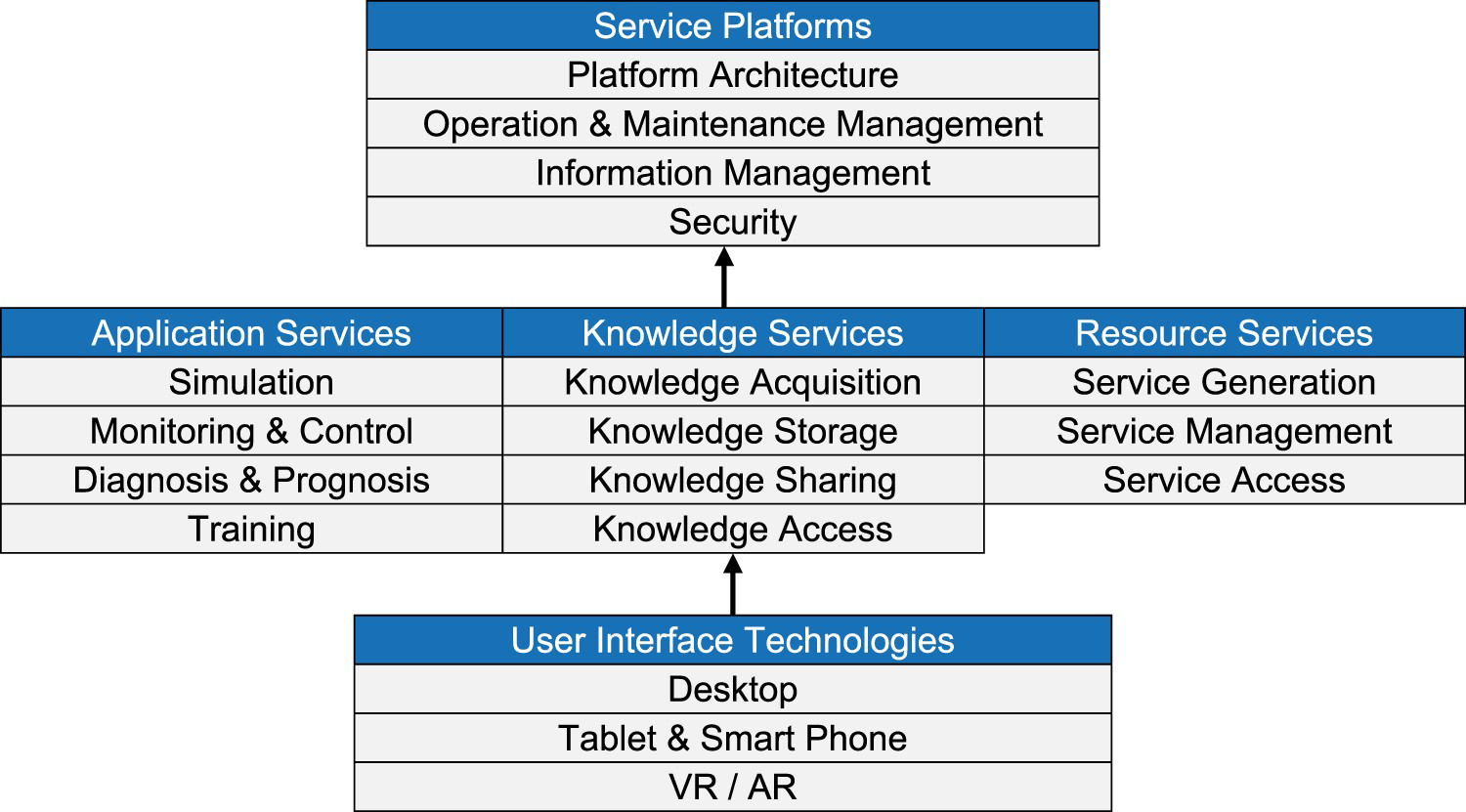
Besides interface technology, enabling technologies for DT services are classified into four main categories. On the surface, application services are achieved by technologies that enable simulation, monitoring, prognosis, and diagnosis. For example, simulation technologies can involve structural simulation, simulation of fluid dynamics, thermodynamics, electrical circuits, control systems, and processes. Monitoring applications would involve computer graphics technologies, image and video processing technologies, and content visualisation technologies supported by IoT sensory technologies. Diagnostic and prognostic applications are based on data analysis which may involve statistics, machine learning, or deep learning neural networks. In the background, hardware and software resources, and specialist knowledge also form important parts of DT services.
On a larger scale, DT services are supported by technologies related to the design of platform architecture, operation management, maintenance management, and security. Among these, the enabling technologies related to service platform architectures are the most crucial. This is because some tasks like data fusion, data analysis, and model building usually require a high level of specialised skills and knowledge that most users do not necessarily have. Service-based platforms for DTs enable DT components (i.e. models and data) to be shared, purchased, and reused across multiple users.
Establishing connections
Examples of technologies needed to establish connections between the physical space, virtual space, data, and services can include but are not limited to wireless IoT sensors and controllers, RFID, human–computer interaction technologies such as VR and AR, and data communication technologies represented by the network protocol, parsing, conversion, security, network gateway, and interface technologies (Redelinghuys et al. 2020). Similarly, cyber security must also be incorporated to protect the devices, networks, and information associated with the DT architecture. This is especially crucial when it comes to corporate applications in the industrial sectors such as mining, manufacturing, and aerospace.
From the existing studies published in the minerals sector (LeBlanc Smith et al. 1998; Xie et al. 2019; Savolainen and Urbani 2021; Shibanov et al. 2021; El Bazi et al. 2022), variations were evident in areas of application, key features, and capabilities of these proclaimed Digital Twins. The degree of variations was further amplified when considering other industries, and it was rather impossible for one configuration to definitively represent the entirety of Digital Twin for all industries (Liu et al. 2019; Lu et al. 2020).
Industrial applications
The number of DT-related literature throughout the world saw an exponential increase due to the growing interest in industrial digitalisation and until recently, the interest in the realisation of the corporate metaverse (Liu et al. 2023). Data from Scopus provides a complete picture of this trend showing over ten thousand pieces of literature containing the keyword ‘digital twin’ since 2017.
Examples of DT Literature Outside of the Mining Industry
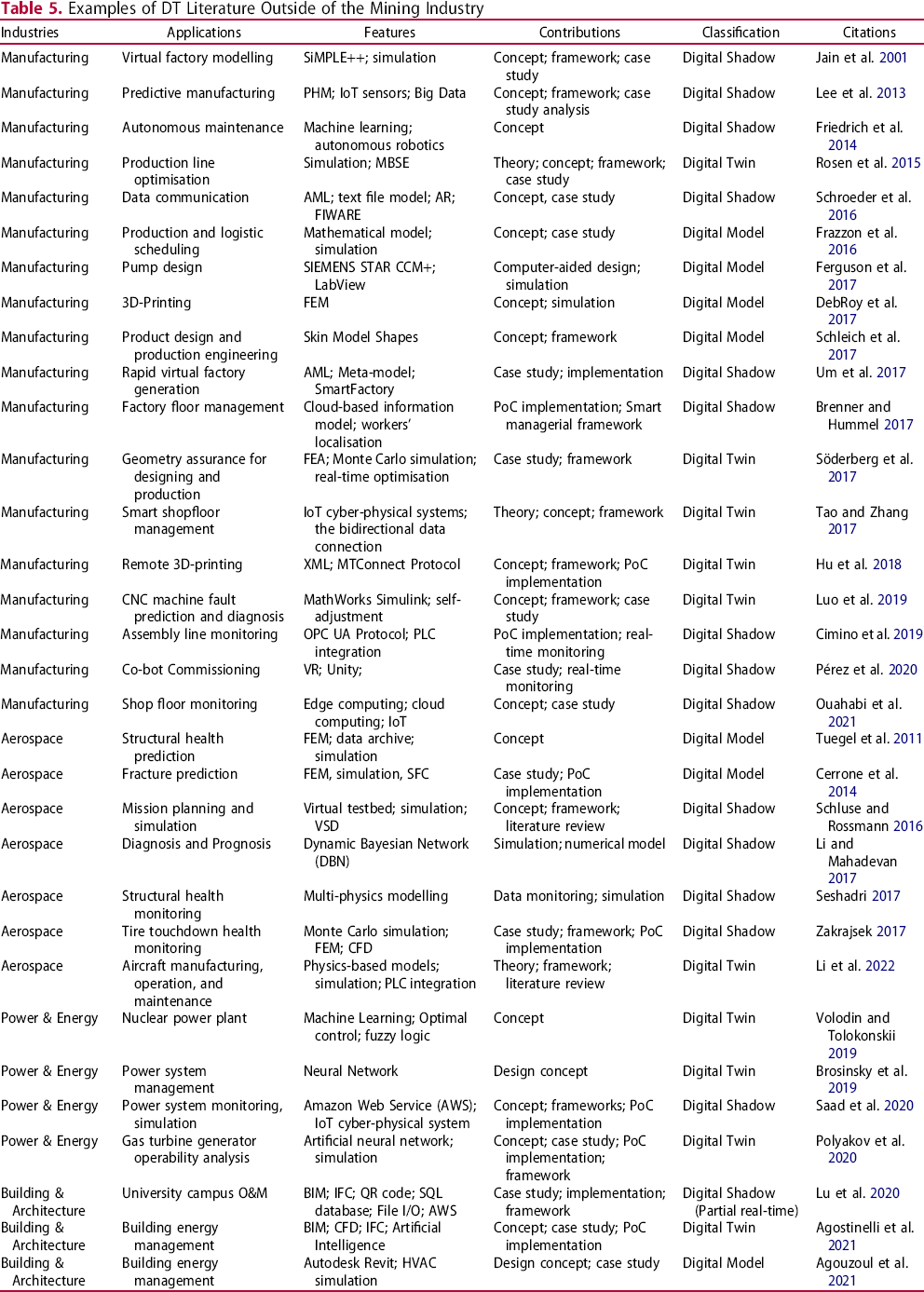
There had been increasing DT-related research across all industries involved during the second half of the 2010s led by manufacturing and aerospace applications. This trend is also consistent with statistics provided by the Scopus database shown in Figure 7 where a search query was made with ‘Digital Twin’ in the publication's title, abstract, and keyword search field (Kukushkin et al. 2022). By cross-referencing literature reviews by Kritzinger et al. (2018) and Li and Mahadevan (2017), it is clear that the number of publications on digital twins increased exponentially after 2017.
Number of publications on digital twins (data exported from Scopus).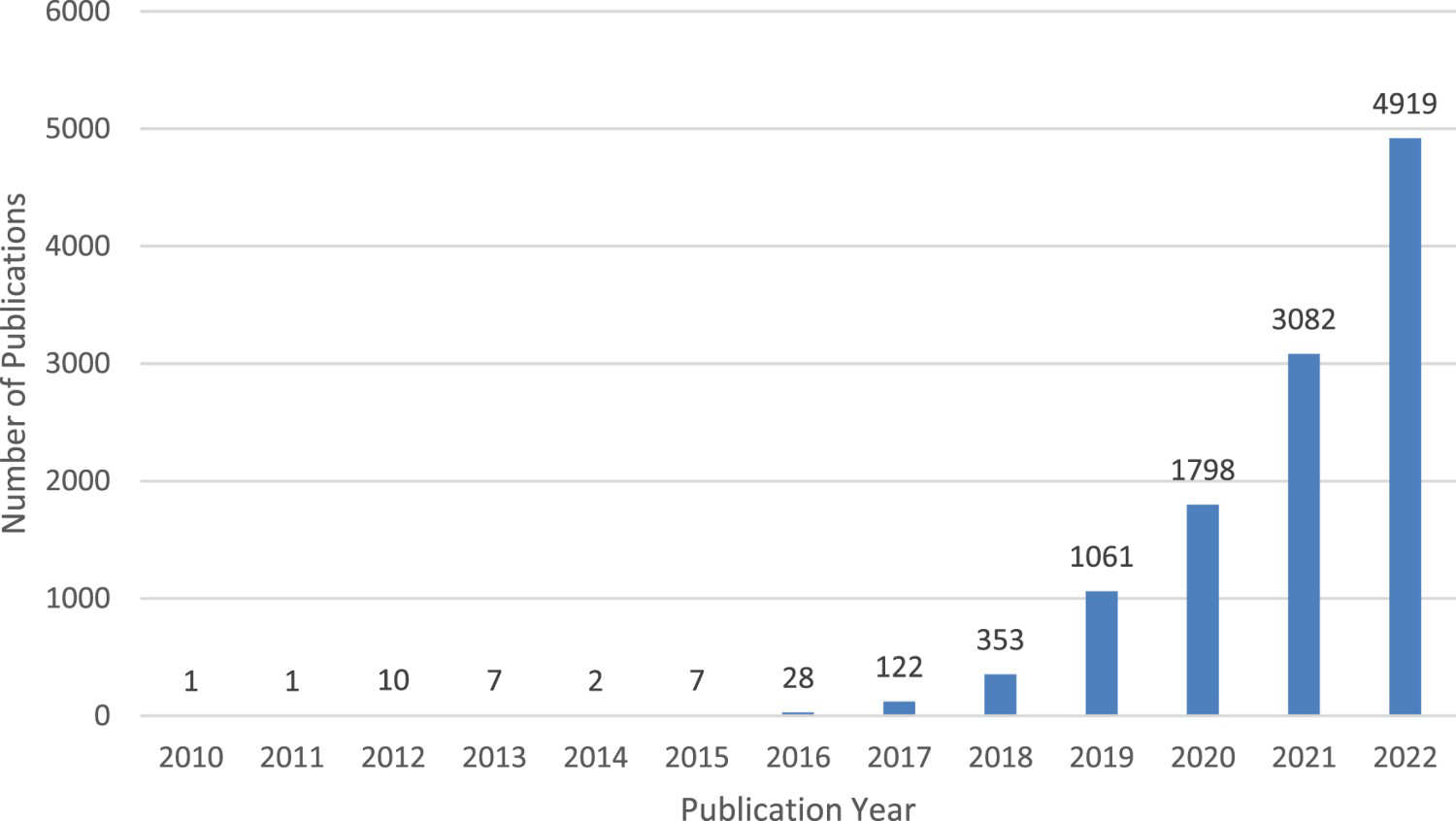
Manufacturing
Since Prof. Michael Grieves pioneered the ‘mirrored space’ concepts of what was later known as Digital Twin (Grieves 2005), the manufacturing industry had been leading the field of DT research throughout the 2010s and by the end of the decade, there had been a large number of DT-related literature presented across a wide range of applications. A search query was made using the Scopus database with the keywords ‘digital twin’ AND ‘manufacturing’ as shown in Figure 8. The latest publications mostly focus on leveraging IoT technologies, cloud computing as well as data analysis to achieve real-time production monitor and optimisation.
Distribution of literature by industries (data exported from Scopus).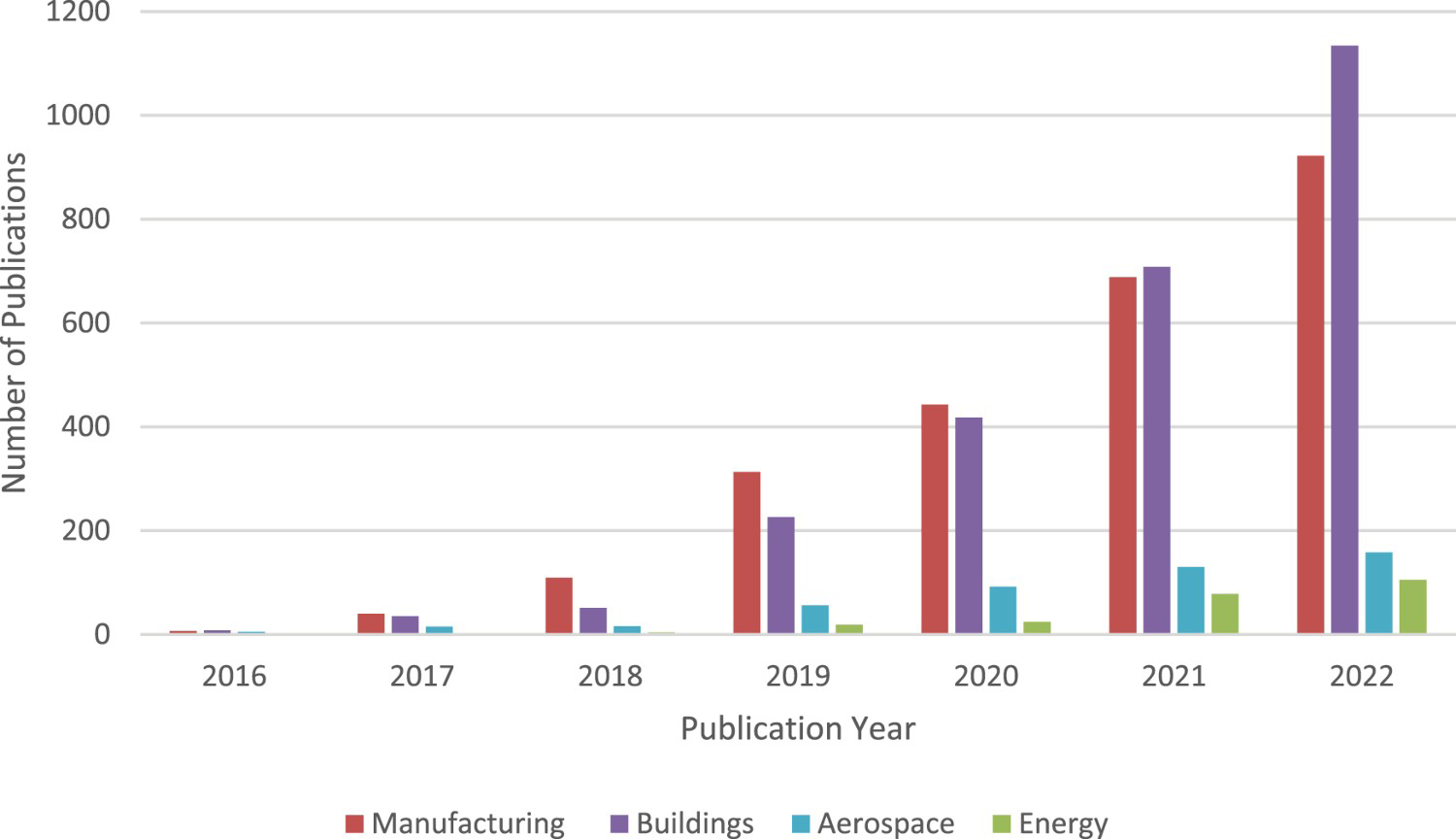
Aerospace
The aerospace industry contributed largely towards DT-related research and development with support from space and military programmes during the early 2010s (Li et al. 2022). A search operation was conducted using the Scopus database with the keywords ‘digital twin’ AND ‘aerospace’ OR ‘aircraft’. Upon deeper examination, the literature shows a large portion of digital shadows that demonstrated the use of real-time sensory data for FEA and other types of simulations aimed to continuously improve the safety of the vehicles. This could be due to the industry's need for rigorous planning and simulation to ensure a high possibility of mission success. A specialised area where true digital twins with bi-directional data flows saw potential is unmanned aerial vehicles (UAV) in military applications where building reliable autonomous systems with real-time situational awareness and mission adaptiveness was made possible.
Power and energy
The power and energy industry has also utilised the Digital Twin concept to streamline plant monitoring and improve operational safety. Despite the smaller number of publications throughout recent years, the literature shows a predominant representation of applications or concepts that demonstrated bi-directional real-time data flow between the virtual model and the physical space (digital twins) for conventional applications (Volodin and Tolokonskii 2019; Brosinsky et al. 2019; Polyakov et al. 2020), and real-time monitoring capability (digital shadows) for unconventional applications such as nuclear power generation (Saad et al. 2020). This trend is aligned with the nature of use cases commonly found in the energy sector which places a focus on operational safety and system redundancy.
Building and architecture
Another major area in which a lot of work has been done is the building industry. The DT concept introduced new ways to manage and operate building environments with the help of different tools for modelling, data collection and management, analysis, simulation, and data visualisation (Lu et al. 2020; Agostinelli et al. 2021; Agouzoul et al. 2021). Some of these tools had been adopted by the AEC sector for many years before the introduction of DT. Surprisingly, the data obtained from Scopus containing the keywords ‘digital twin’ AND ‘buildings’ OR ‘architecture’ OR ‘AEC’ shows a predominant percentage of DT-related literature in the building industry over the aerospace industry which pioneered a lot of the earlier works in this area. In 2021, it overtook manufacturing to become the largest sector with 718 listed publications.
Applications in the minerals industry
The first reference of DT for the mining industry can be traced back to the Common Mine Model proposal by CSIRO (Fraser and Duff 2012; Farrelly and Davies 2021). Into the 2010s, wider adoption of the term ‘Digital Twin’ among the mining community started relatively late. This was stimulated by a growing interest in digital transformation in recent years with a focus on automation and interoperability (Farrelly and Davies 2021). Despite showing growth in recent years, the number of DT-related publications in the minerals industry is still significantly lower even compared to the power and energy sector as shown in Figure 9. This difference is largely due to the unique challenges associated with model complexity and unpredictability of mining systems (Hodgkinson and Elmouttie 2020; Okol'nishnikov et al. 2021).
Number of DT Publications in the Minerals Industry (Data exported from Scopus)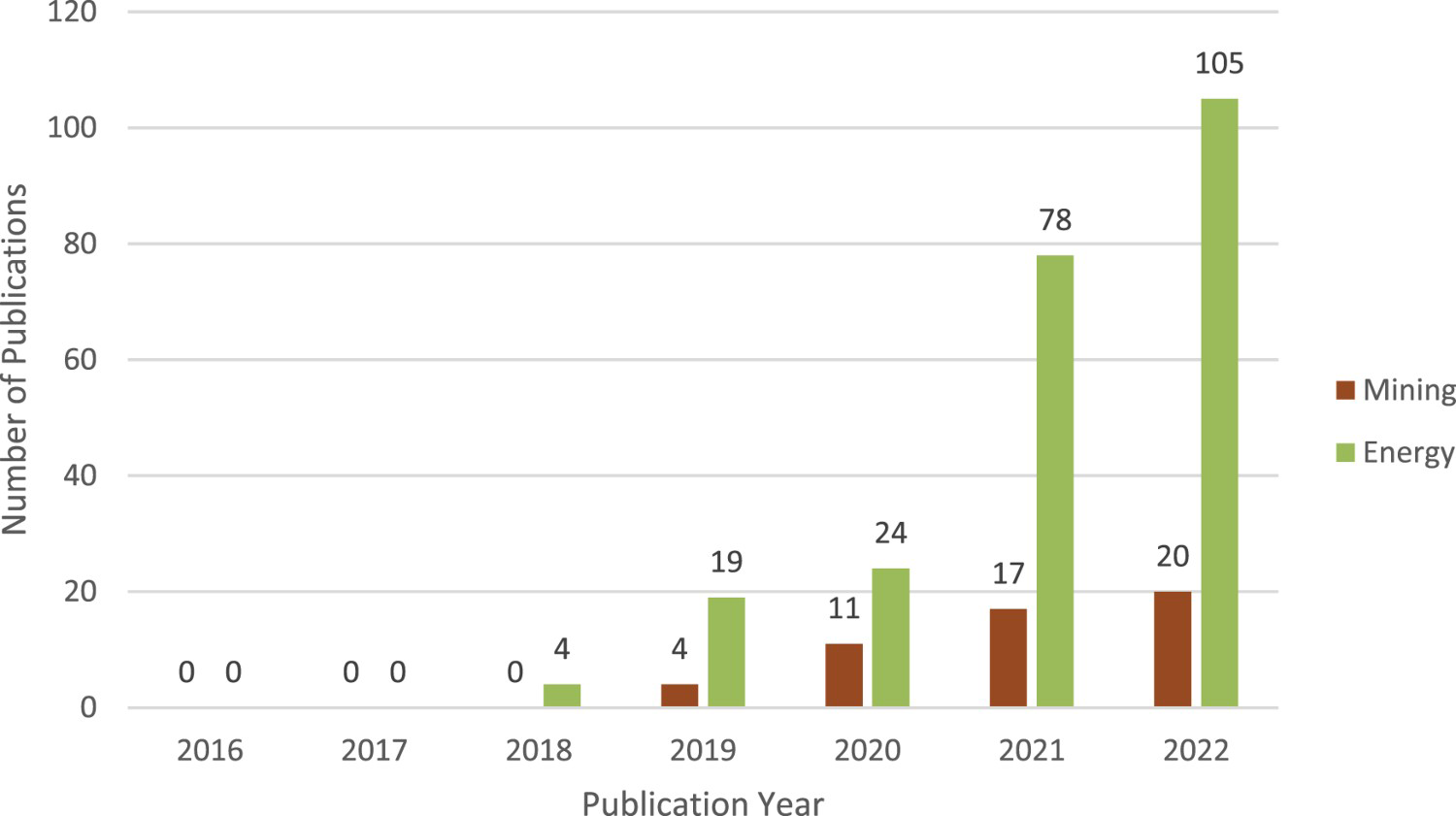
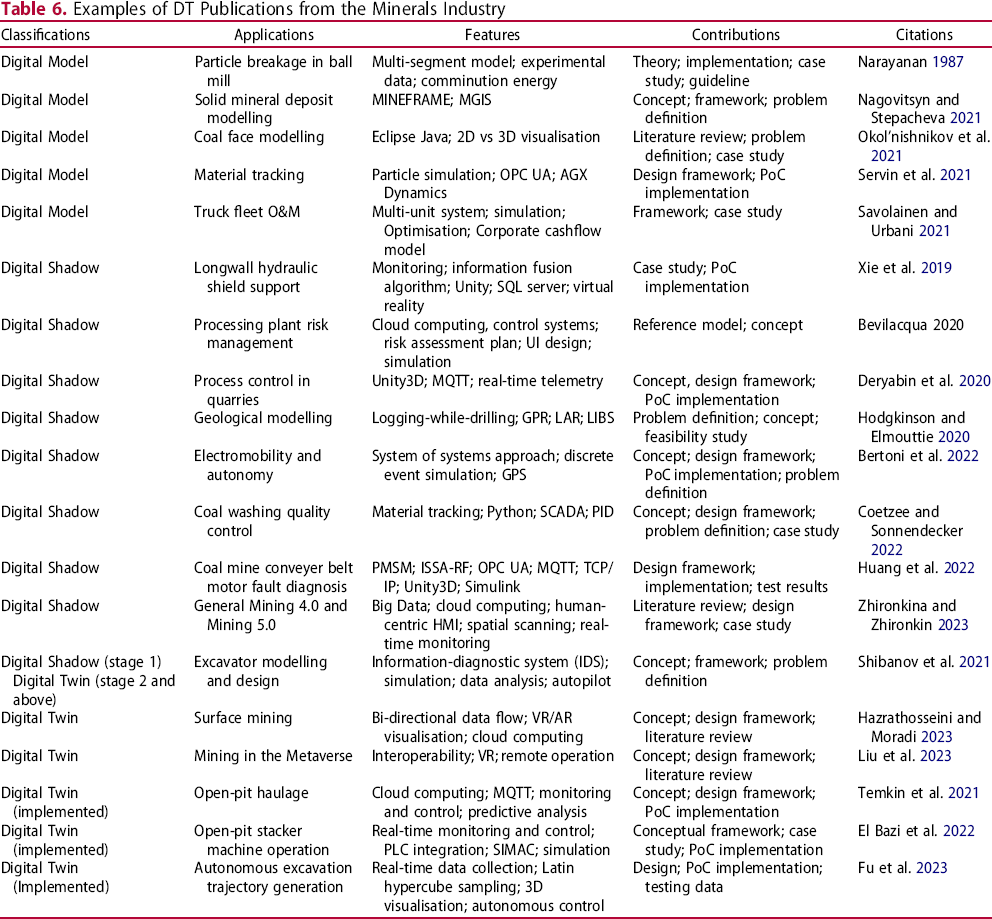
Examples of DT Publications from the Minerals Industry
Longwall hydraulic shield support
Xie et al. (2019) applied the DT theory in the publication ‘Virtual monitoring method for hydraulic supports based on Digital Twin theory’ to investigate the potential of real-time mine equipment monitoring using a 3D interactive HMI (Figure 10). The study proposed a framework for remote attitude monitoring using a digital shadow that incorporated modelling using CAD software and animated 3D visualisation in the Unity Engine (Unity Technologies 2023). It is worth noting that the proposed framework only facilitates real-time data flow from the physical space to the virtual space and not vice versa. Based on Kritzinger et al. (2018)’s classification theory shown in Figure 1, the work would better resemble a Digital Shadow rather than a true Digital Twin.
Digital Shadow Framework for Longwall Hydraulic Support (Xie et al. 2019)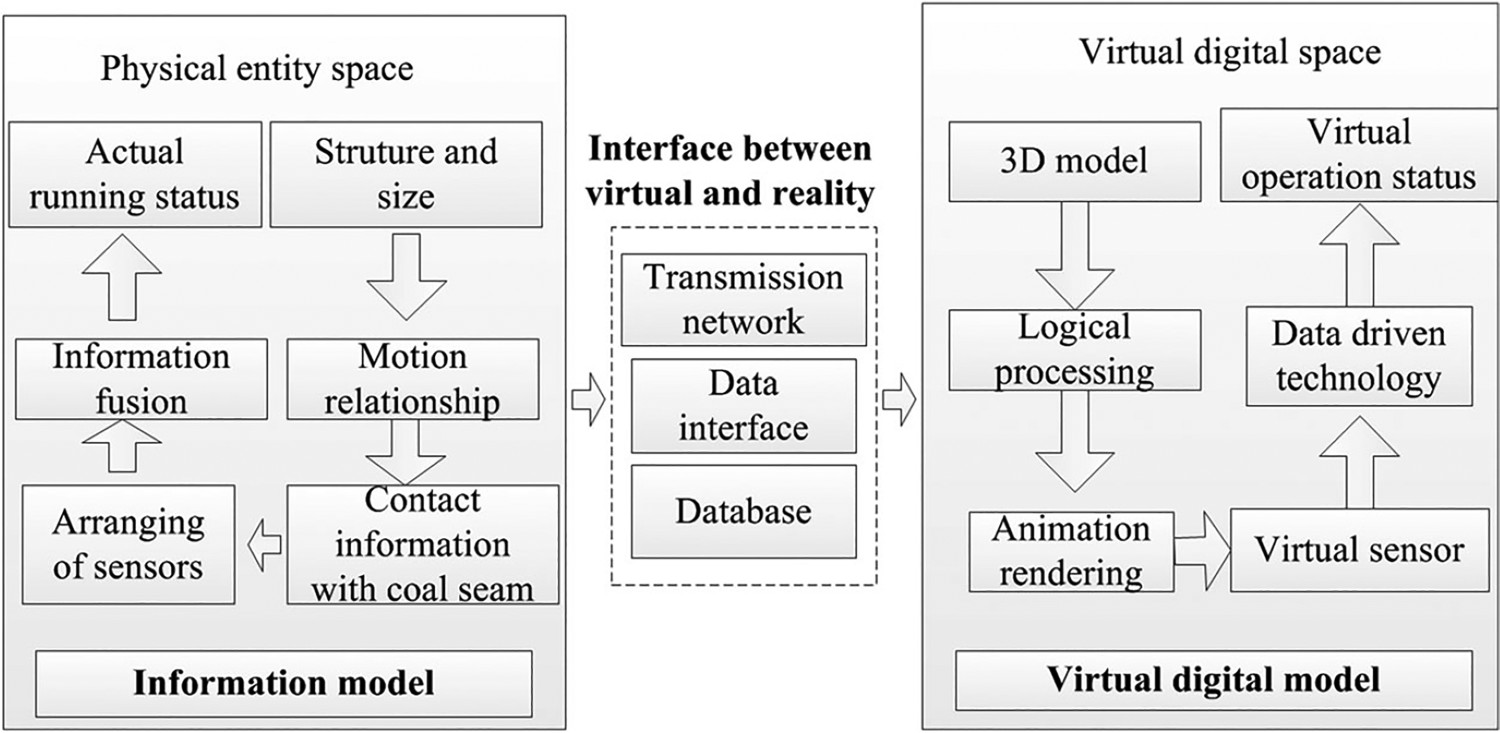
As shown in Figure 11, the documented approach is comprised of a cyber-physical system that models the real-world attributes of a longwall hydraulic shield support and feeds the live data to a virtual digital model through a transmission network comprised of SQL databases and network I/O modules.
Network Architecture of the Proposed Cyber-Physical System with Hydraulic Support (Xie et al. 2019)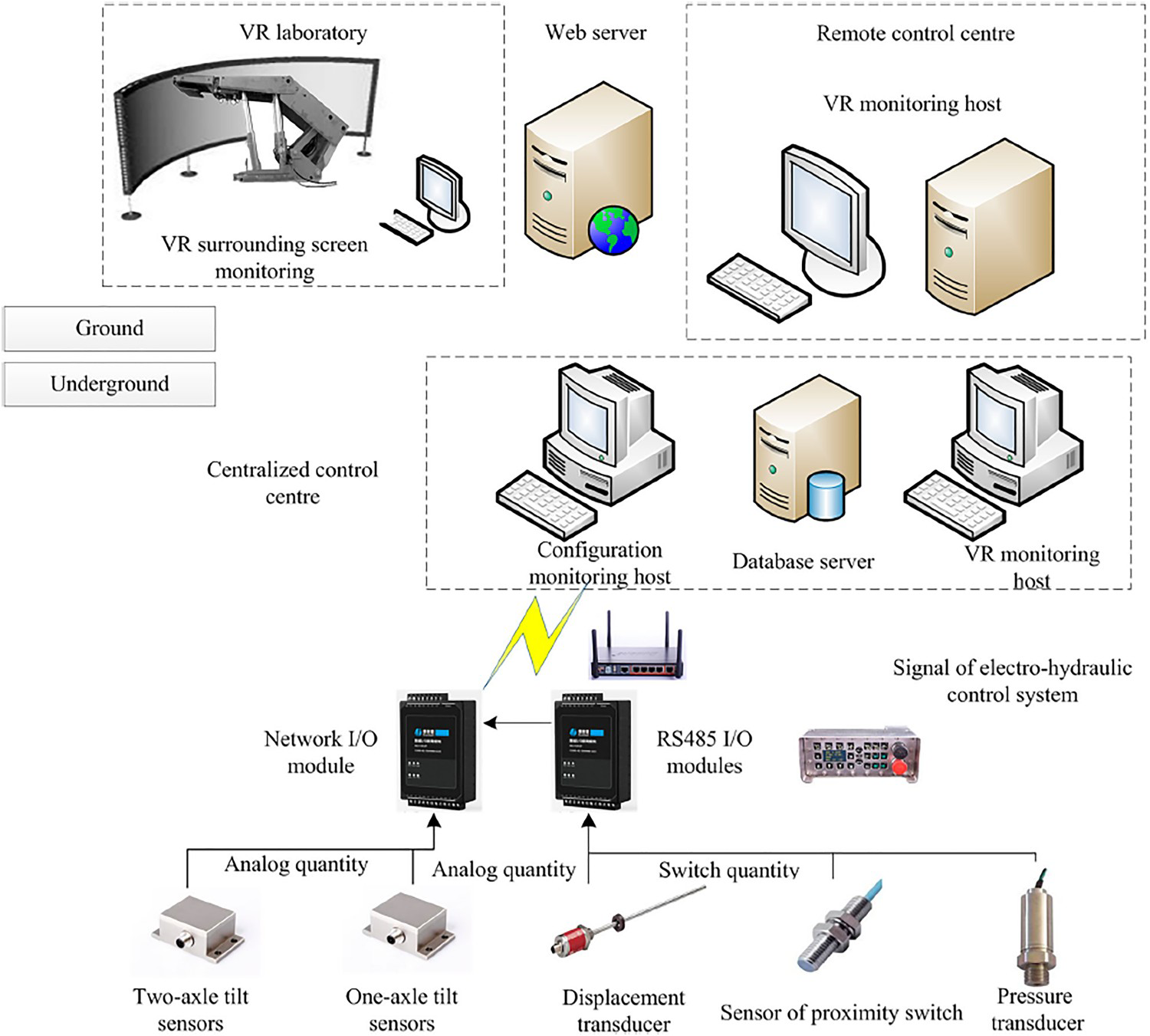
Xie et al. (2019) implemented a lab-scale proof of concept consisting of a closed network I/O connection between sensors installed on a full-size hydraulic shield support and a centralised control centre via Modbus TCP protocol, and a front-end VR interface for remote monitoring through SQL web server distribution. The system architecture fits the characteristics of edge computing which was adopted in several DT-related literature across many industries.
As another example, LeBlanc Smith et al. (1998) presented an application in the Australian Coal Industry's Research Program at the time as a part of the initiative taken by the CSIRO which highlighted the use of interactive connections between Big Data, databases, models and 3D visualisations in solving problems for the mining industry. LeBlanc Smith et al. (1998)’s case study was built on VRML, the first web-based ISO certified 3D modelling format and the predecessor to X3D.
Based on Xie et al. (2019)’s description, the tested configuration was able to synchronise real-time data with the two remote monitoring centres (Figure 12) through the web server within a time delay averaging around 900 milliseconds which was considered reasonable by the literature.
The two remote monitoring centres tested in the literature (Xie et al. 2019)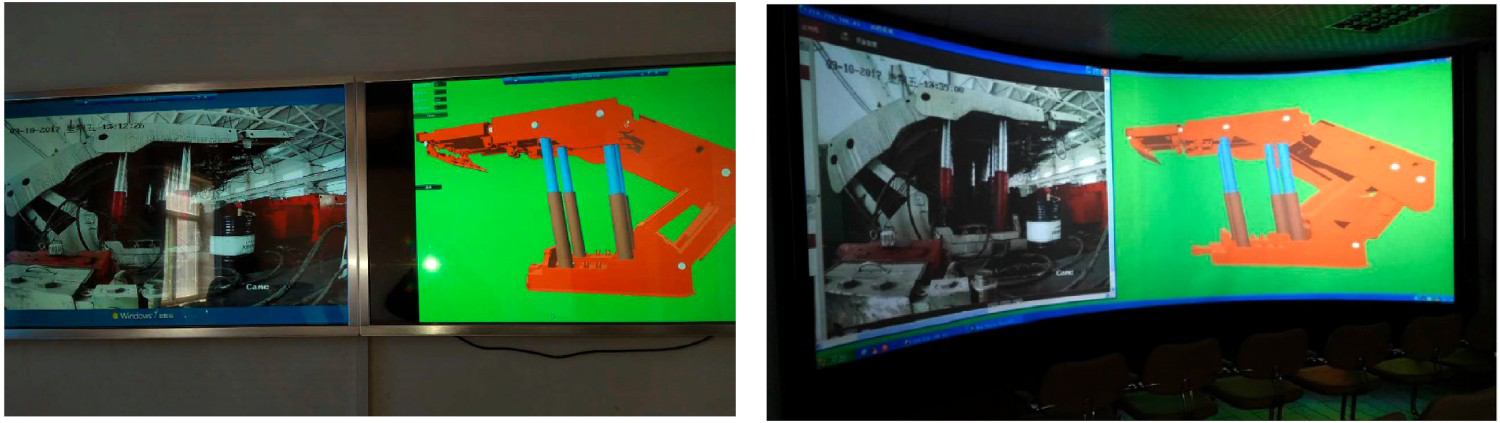
Overall, the case study proved a working concept by the use of digital shadow on a longwall shield support system through multi-sensor monitoring and data fusion techniques. Although the potential to remotely control the mechanised mining system was not demonstrated, the work provided a considerable contribution to the knowledge around visualisation, HMI design, and system integration. Xie et al. (2019) also suggested that the proposed application could be expanded towards industrial training to promote safe practices and improve decision-making in underground coal mining environments. The absence of standard-based 3D modelling methods like X3D could raise questions about its interoperability in real-world industrial applications. On the other hand, the adoption of mainstream real-time graphics (game) engines such as Unity in industrial applications presents new opportunities to enterprises by offering a large community of skilled developers, accessible learning materials, and low cost of entry. In fact, Standards Australia published a whitepaper report produced by Wallace et al. (2023) from the Responsible Metaverse Alliance (RMA) highlighted the enabling role of game development tools towards the future of Metaverse.
Truck fleet maintenance repair and overhaul (MRO)
In Savolainen and Urbani (2021), a multi-system simulation model (Figure 13) was published using a DT approach to improve truck fleet maintenance, repair, and overhaul (MRO) management. The study demonstrated a framework concept combining an existing managerial cash flow model with a dynamic mine site trucking simulation to inform the sourcing of spare parts and fleet design under a pre-set economic uncertainty factor, resulting in improved overall profitability from preliminary testing.
Concept Illustration of a Multi-unit System Used in Truck Simulations (modified from Savolainen and Urbani 2021)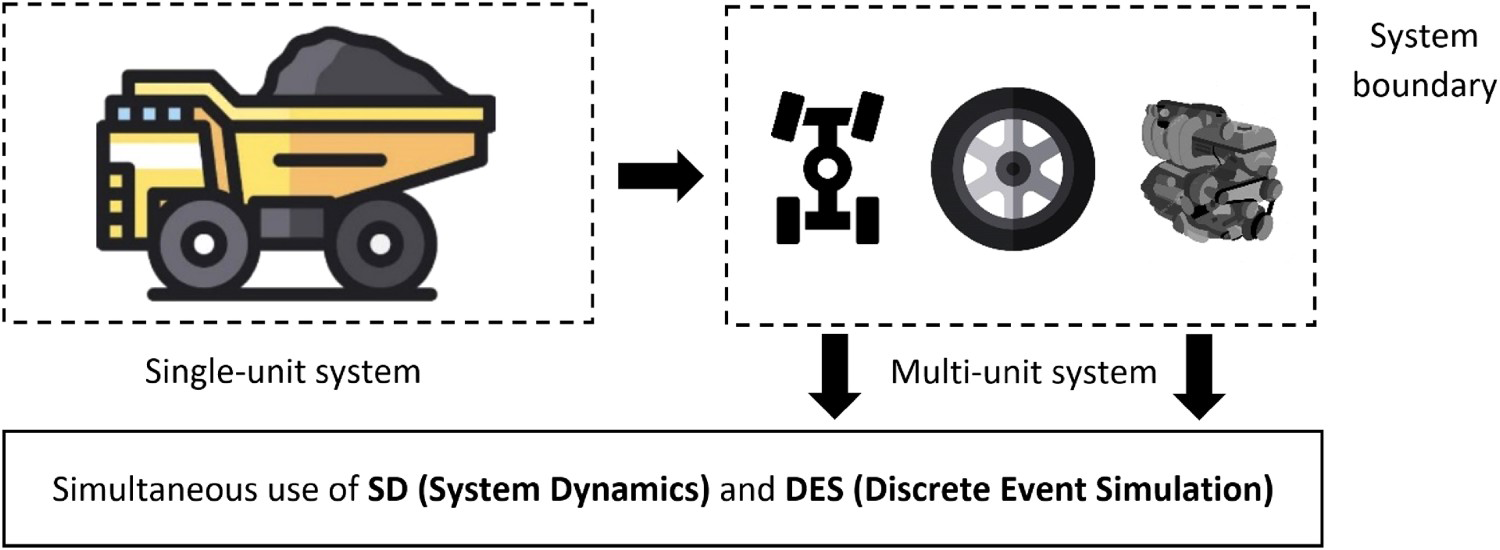
A multi-unit system consists of several non-identical sub-system components that are categorised by their commonalities in features, working principles, and roles. The approach considerably improves the fidelity of the model as each component of the system can be individually managed to fit either a time-based maintenance (TBM) strategy or a condition-based maintenance (CBM) strategy.
The significance of this research was demonstrated by its combined approach using a multi-unit system model and a managerial cash flow model which had been a source of critique of such modelling approach previously due to the lack of integration and compatibility with existing corporate managerial systems. A schematic of the adopted cyber-physical integration presented by Savolainen and Urbani (2021) is shown in Figure 14.
Schematic of the Adopted Modelling Approach (Savolainen and Urbani 2021)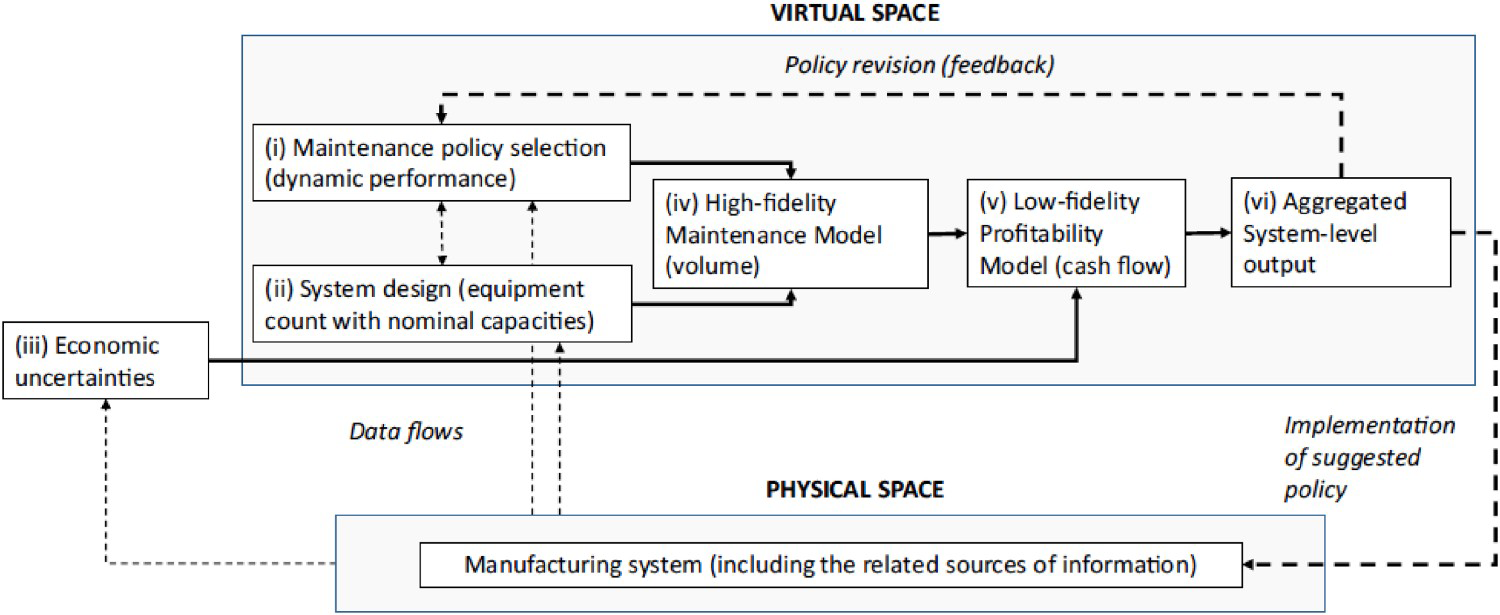
A high-fidelity maintenance model consisting of (i) maintenance policy and (ii) system design (a module that reflects asset management in the mine) was constructed using the multi-unit modelling approach. In conjunction with a profitability model designed to analyse the cash flow performance of the mining operation, the proposed framework optimises maintenance and production for a metal mining operation with respect to economic uncertainties such as the changing price of the commodity in the real world.
The system output was then used to provide suggestions on improving the existing maintenance policy and deliver tangible values by reducing downtime and uncertainties in MRO operations. However, data flows between the physical space and the virtual space were not carried out in real time as Savolainen and Urbani (2021) described in the literature. From a technical standpoint, the framework presented would closer resemble a Digital Model as described by Kritzinger et al. (2018) rather than a true Digital Twin that is capable of two-way real-time data flows between the virtual space and the physical space.
Processing plant risk management
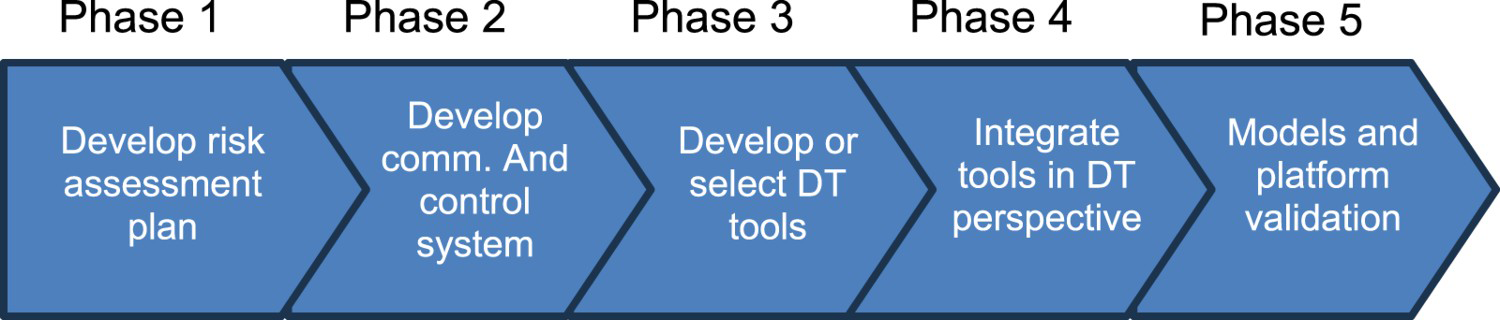
For fixed plant operations, Bevilacqua et al. (2020) proposed a DT reference model and a five-step process to implement such a concept (Figure 16). Although the literature did not demonstrate any specific development tools or software implementation used for this study, it provided a structured approach to the implementation of DTs in the mining industry from a conceptual standpoint.
The DT presented in the study consisted of four main modules (Figures 15–16). The intercommunication in the cyber-physical environment is enabled by a control and execution tool that elaborates Digital and Analog signals from sensors and executes a command on the actuators.
DT Reference Model to Enhance Safety in Processing Plants (Bevilacqua et al. 2020) Five Steps of Implementing Risk Mitigating DT for Processing Plants (Bevilacqua et al. 2020)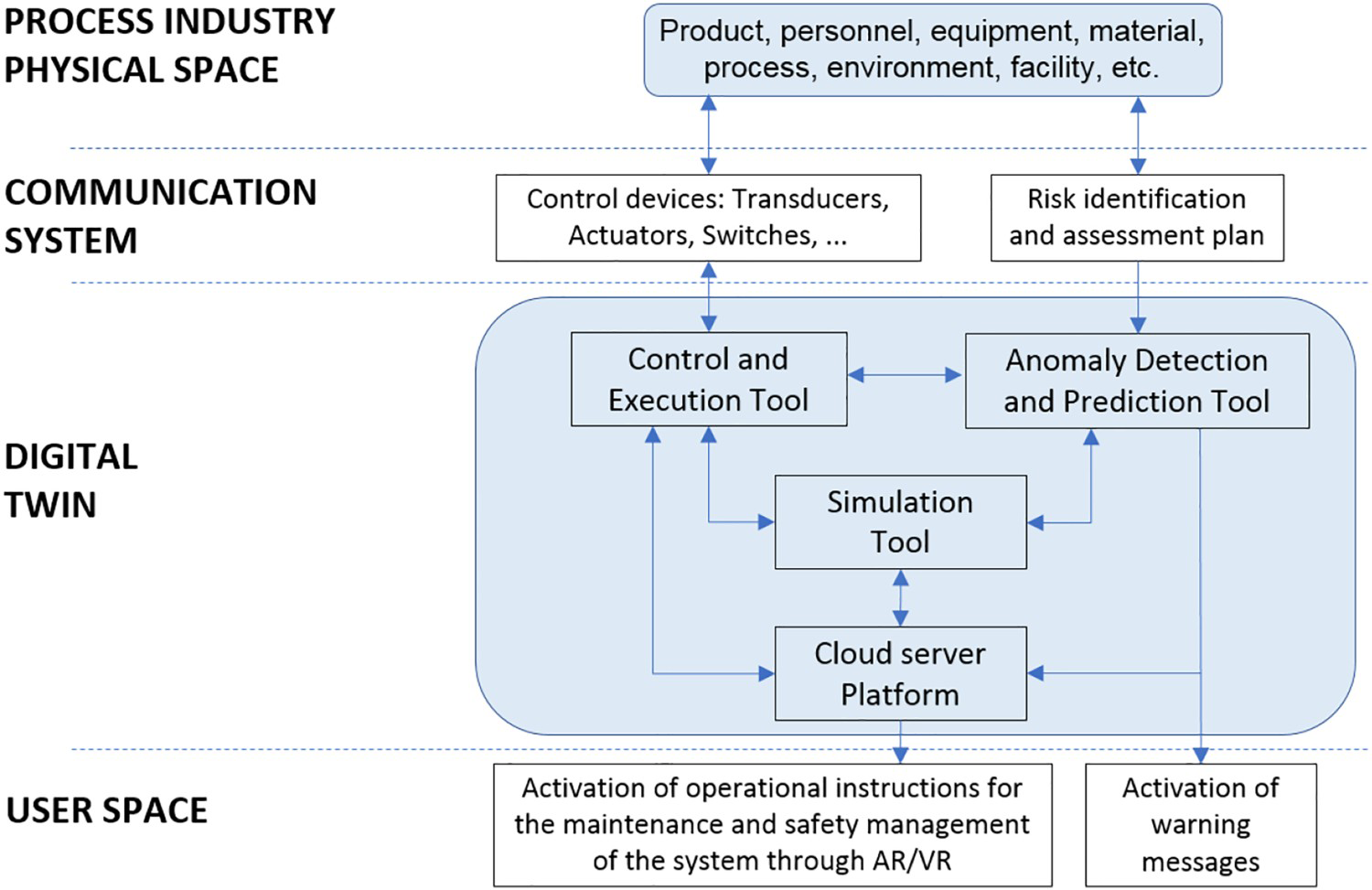
Bevilacqua et al. (2020) acknowledged the role of DT simulation which functions both in online and offline modes. When working offline, the simulation tool acts as an informer to plant operators and managers by presenting a virtual representation of the ‘what-if’ scenarios before actions are performed in the real world. When working online, the system takes account of the real-time sensor data while running the simulation in the background. This also allows the DT to detect abnormal behaviours from the physical plant using AI trained to identify anomalies between the real-world data and the simulated data. The anomaly detection system then informs the users about the risk with warning messages and operational instructions through a VR and/or AR interface. The term ‘user’ in the context of this study, can refer to a human, or a system similar to an integrated IDS mentioned in Shibanov et al. (2021). The use of a cloud server platform gives the DT the ability to manage the enormous quantity of data flowing between the sensors, the simulation model, the 3D model of the plant, and the PLCs. Outside of laboratory setups, Bevilacqua et al. (2020) argue that conventional server architecture would not be able to handle such a workload in a stable manner.
Excavator modelling and design
A conceptual framework was presented by Shibanov et al. (2021) to highlight the potential values of DT in future designs of autonomous mining excavators (Figure 17). In the literature, the author proposed a four-stage roadmap to realising full autonomous excavator operation which comprised real-time state and parameter monitoring, real-time data collection and storage, and novel features such as human-error detection and adaptive operating mode selection through real-time data analysis, autopilot under human supervision, MRO optimisation through an integrated information-diagnostic system (IDS).
Roadmap to Developing Intelligent Mining Excavators (Shibanov et al. 2021)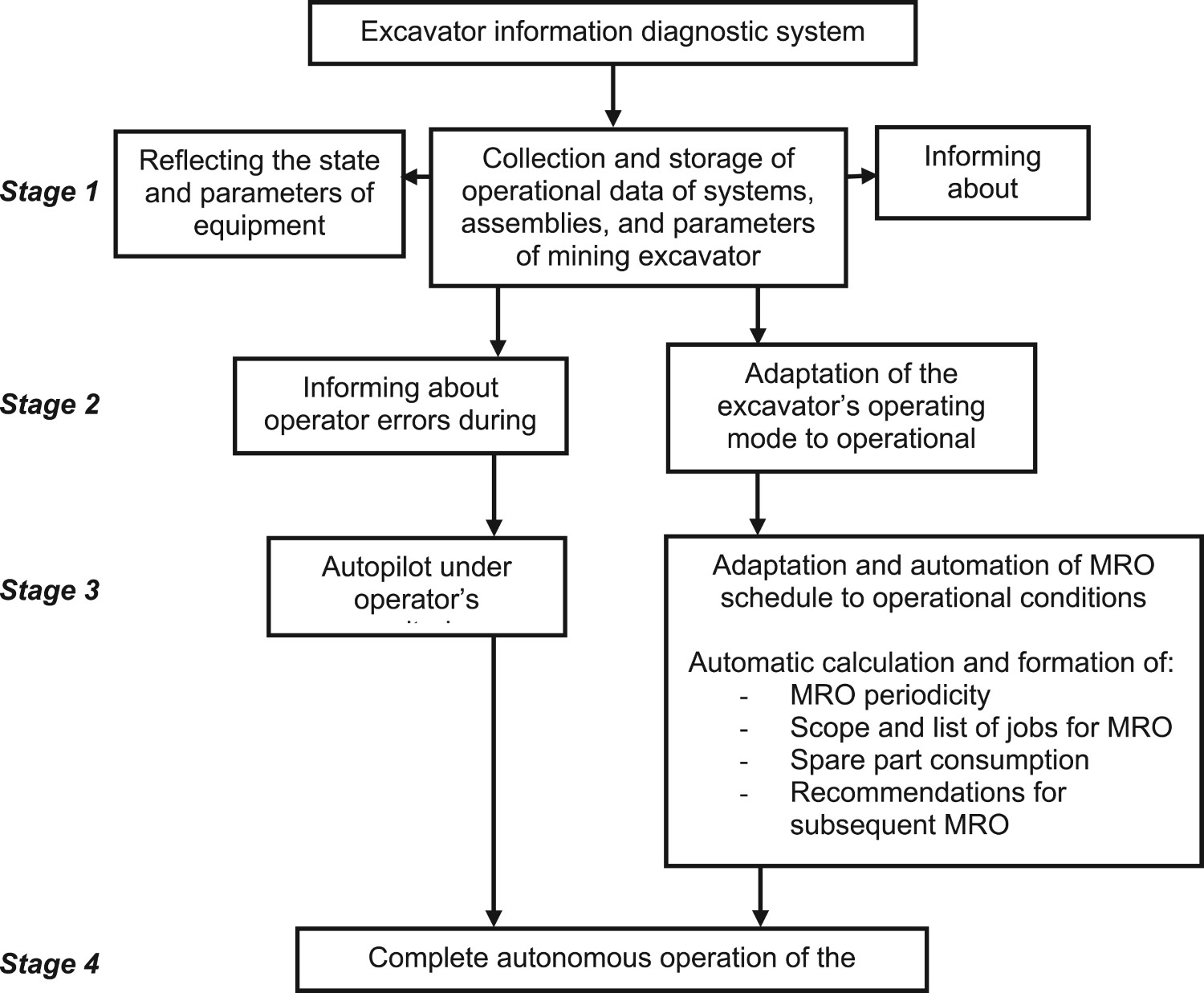
Shibanov et al. (2021) stated that capabilities presented in the first stage of the roadmap had already been implemented in newer mining excavators which are equipped with sensors to collect real-time operational data related to the excavator's operating modes, temperature and pressure around vital mechanisms, electrical, pneumatic and hydraulic systems energy consumption, and possible failures.
In the second stage, the IDS would be capable of informing the operator of errors and applying corrective actions to the excavator's operating parameters to protect the mechanical equipment from undesired human inputs by analysing real-time data collected from the excavation. Conceptually, the functionalities of a stage-two IDS are similar to that of a fly-by-wire flight control system adopted in the aerospace industry illustrated in Figure 18 where a DT with the capability to affect the response of a physical entity through control system integration keeps the machine operating in optimal conditions by filtering out undesirable human inputs.
Conceptual Framework of DT Improving Operational Safety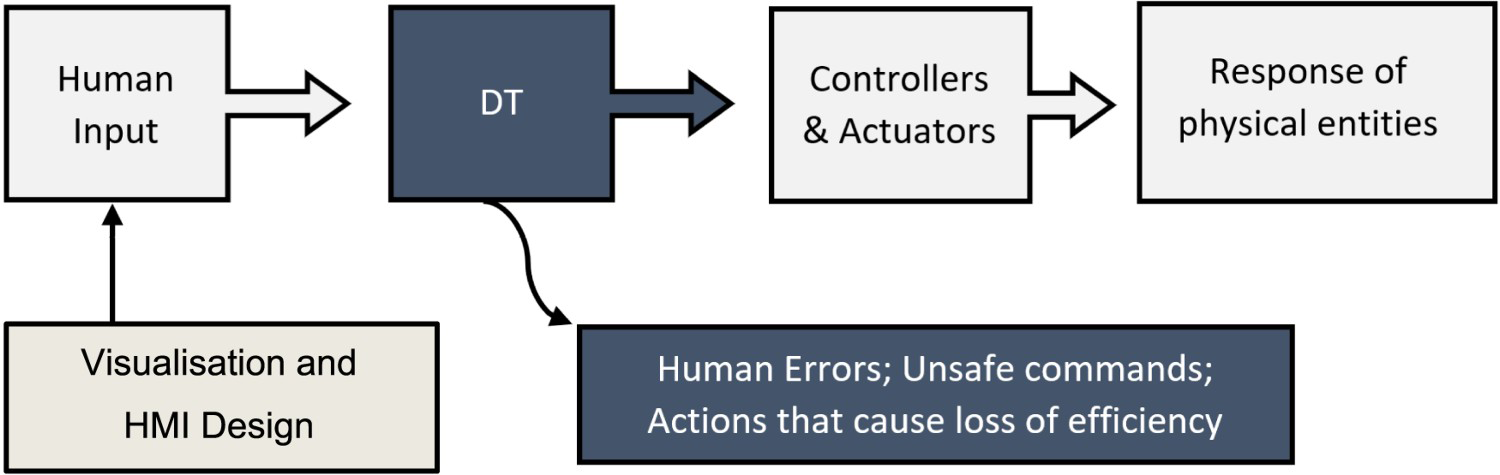
Before achieving complete autonomous excavator operation, Shibanov et al. (2021) envisioned a third development stage where a human operator supervises the mining asset operates under Autopilot control while an advanced IDS adapts the MRO strategy to operational conditions of the specific excavator unit to determine periodicity and scope for MRO, spare part acquisition, and recommendations for subsequent MRO actions. The second part of this idea is similar to the functionality presented by Savolainen's model from the previous section. Although the literature did not present an implementation of the concept, it was another clear demonstration of interest in using the DT approach to improve operational performance, safety, and MRO for an essential mining asset.
Open-pit stacker machine
Most recently, a group of researchers from Morocco published their work on stacker machine operation in an experimental open pit mine (El Bazi et al. 2022). The literature proposed a conceptual Digital Twin architecture for not only monitoring but also control of a stacker machine's displacement and orientation by directly linking with system PLCs. The literature emphasised the difference between DM, DS, and DT in their levels of data integration (Figure 19), which shares a close resemblance to Kritzinger et al. (2018)’s classification model previously shown in Figure 1.
Levels of Integration of Different Cyber-Physical Systems (El Bazi et al. 2022)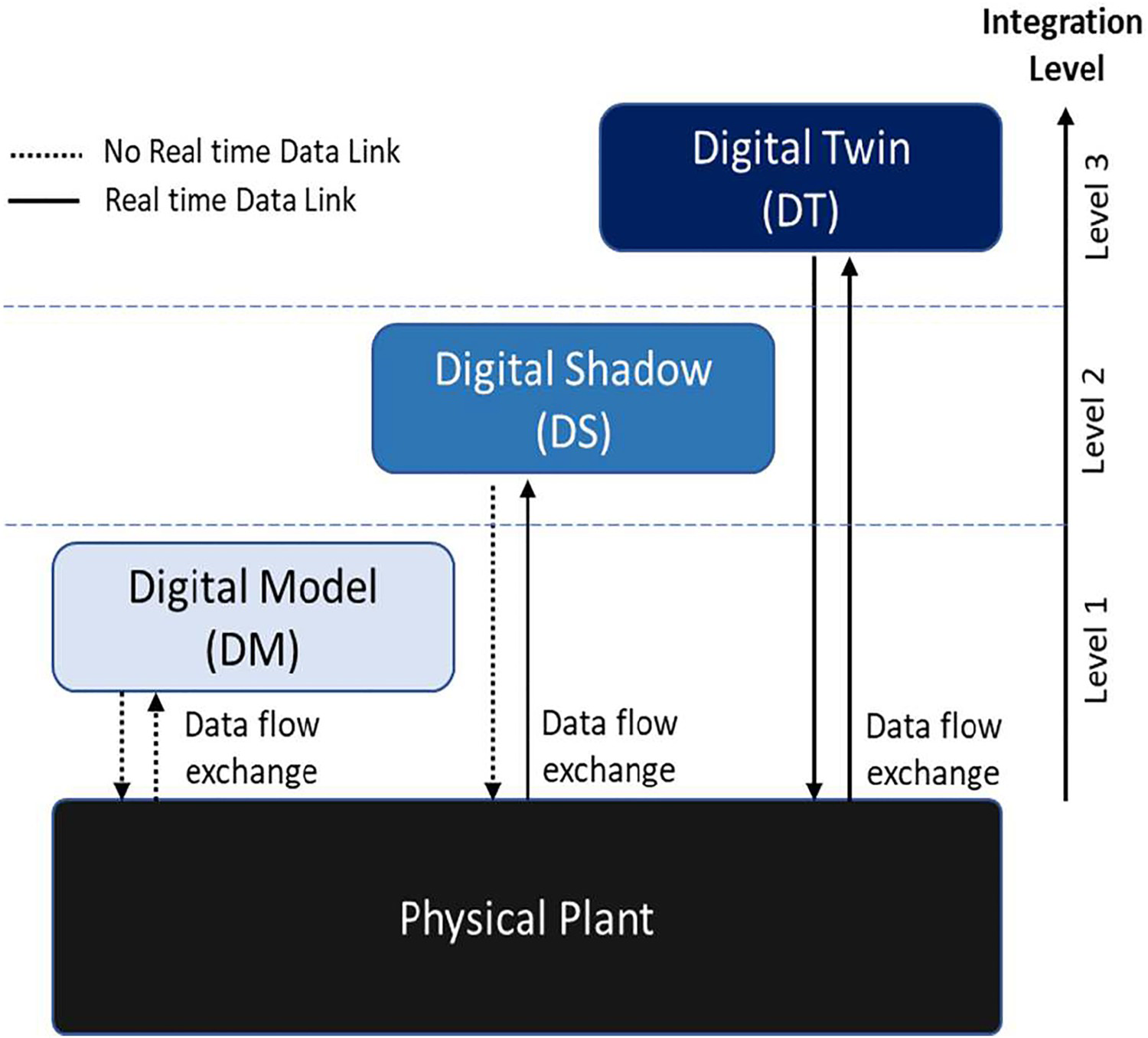
The proposed architecture from the literature utilised an edge computing layer linked with supervisory control and data acquisition (SCADA) on the mine site for real-time monitoring, and a cloud layer for process optimisation, predictive maintenance, and scheduling through historical data analytics.
According to El Bazi et al. (2022), edge computing takes place near a system's data point or end user where information is coming from or going. Whereas the cloud layer is characterised by a network of hosting databases that either store or distribute data to where they are needed. By applying this understanding to Figure 20, an edge layer could exist in the physical system where real-time data is collected and processed on-site before being distributed and stored across a network of SQL databases before being consumed by the end user for applications related to planning, design, maintenance, and operation where multiple edge computing nodes can co-exist. The use of edge and cloud computing has also been discussed in many DT-related literatures across several industries.
Components of Digital Twin Configured with Edge and Cloud Computing (modified from El Bazi et al. 2022)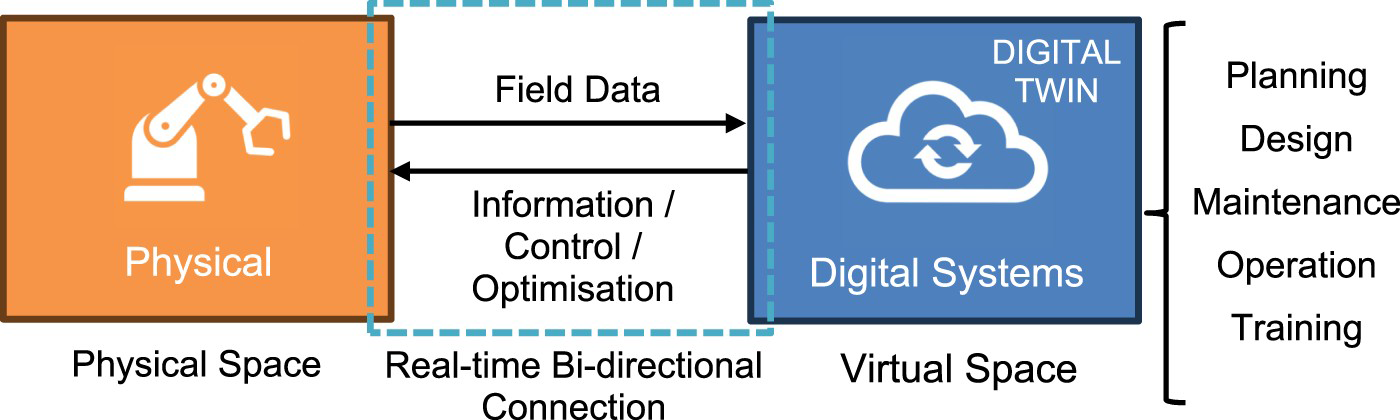
El Bazi et al. (2022) presented the case study using a DT developed for an open-pit stacker machine that was made in compatibility with a single Schneider M340 Modbus CPU installed on the machine to control its mechanisms. Based on the description provided by the authors, the case study presented a significant approach towards designing a DT with the capability to control a piece of mining asset on two modes of operation, the automatic mode and manual/local mode. However, the literature did not document the technical steps related to integrating the DT with PLC, nor the visualisation layer in detail.
Discussion and future considerations
At a glance, all DT-related publications discussed in this paper have demonstrated the concept of cyber-physical integration in their own ways, which was characterised by having a physical space and a virtual space connected through various means. For a true DT as defined by Kritzinger et al. (2018) and Fuller et al. (2020), data must flow between the physical space and the virtual space through a bi-directional connection that enables real-time state synchronisation, meaning that a change in the virtual domain can be automatically reflected in the real world and vice-versa.
Despite the recent growth, the number of DT-related publications in the mining sector is still significantly lower even compared to the power and energy sector as shown previously in Figure 9. Publications before the 2010s (LeBlanc Smith et al. 1998; Kizil et al. 2001; Kerridge et al. 2003) that did not wear the more newly established label of ‘digital twin’ contributed to the concept of cyber-physical systems in the minerals industry, but it is unlikely that the number of these early explorations would overthrow the overall trend shown in the analysis. The existing research undoubtedly demonstrated values and contributions in their specialised areas, it is also important to clarify the differences in capability during the booming age of Industry 4.0 where the term ‘Digital Twin’ had been used interchangeably to deliver mixed promises. The analysis of the literature from the minerals industry shows a combined 30% that demonstrated an understanding of a true digital twin and half of which were implemented in the forms of proof of concept and case study (Figure 21). 45% of the listed publications demonstrated the concept and/or implementation of digital shadows while the remaining 25% were simply digital models that do not encompass a real-time cyber-physical system. The paper presented nineteen DT-related publications in the minerals industry from the University of Queensland Library database, some of which were also found on the Scopus database. Currently, there is no search filter setting on these academic databases to differentiate digital models, digital shadows, and digital twins. Therefore, this classification process can only be done manually on each piece of literature and may not guarantee complete coverage. However, it does provide a decent guideline of the big picture.
Distribution of DT Literature in Mining by Classification (derived from Table 6)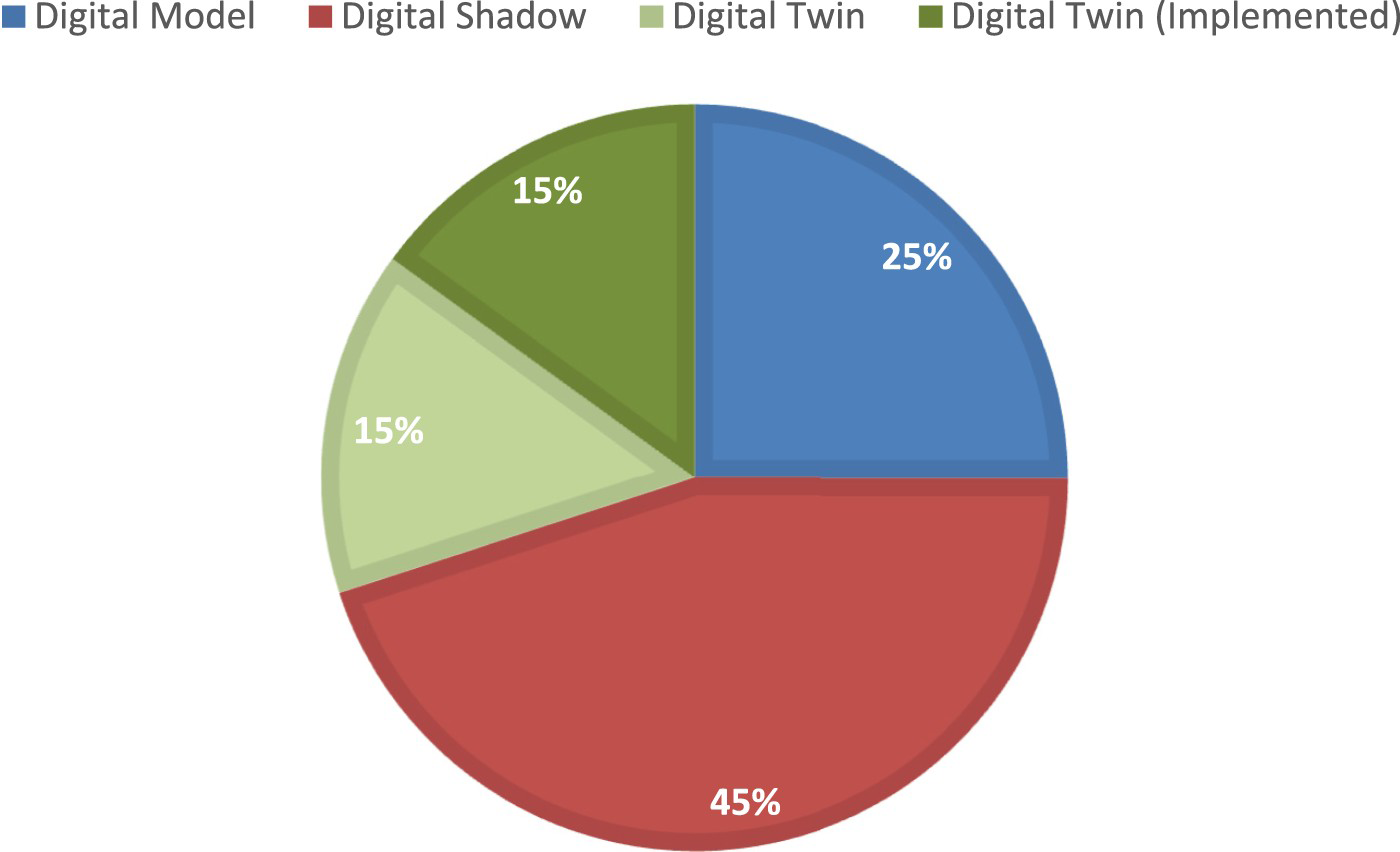
The minerals industry is putting a large emphasis on sustainable operation in response to the rising concern about its contribution towards climate change (Ali et al. 2017; Stothard et al. 2019; El Bazi et al. 2023), and the ongoing labour shortage among younger generations at remote locations. The concept of having DTs that can control and monitor physical entities in real-time has been explored in the literature (Temkin et al. 2021; El Bazi et al. 2022; Hazrathosseini and Moradi 2023; Fu et al. 2023) which involves establishing bi-directional data flows through the integration of sensors, PLC, databases, and front-end HMIs for human operators to visualise as well as interact with the DT (Figure 22). The use of cloud computing in DT allows remote data access by multiple users across an organisation to maximise flexibility and redundancy in mining applications which are subjected to harsh environmental factors. Storing DT data on the server side also serves as a single point of truth for future developments which may utilise data in different ways such as performance analysis, maintenance, and continuous improvement of assets. A human-centred approach using real-time 3D graphics paired with immersive technologies such as VR, AR as well as MR shows the potential to improve the usability and acceptance level of DT in the minerals industry that is largely people-focused (Kizil et al. 2001; Brune 2010; Stothard et al. 2019; Xie et al. 2019; Deryabin et al. 2020; Huang et al. 2022; Liu et al. 2023). More understanding is still needed on the effectiveness of combining spatial visualisation and interaction with DTs in operational scenarios before the extra cost associated with adopting the 3D workflow can be justified.
DT with Real-time Monitoring and Control Capability
However, a small number of works were documented in the literature on implementing such a concept in the minerals industry as shown in Figure 21. This is partially due to the challenges associated with legacy system integration, skill gaps, and cost-related concerns (Stothard et al. 2019; Qi et al. 2021). Another underlying reason for this gap could be related to businesses’ hesitation in sharing operational data with external parties to protect trade secrets. Complex organisational structures in big mining corporations can also create managerial challenges internally when trying to deploy interoperable DTs across several departments. Without sufficient levels of trust and collaboration with the academic community, companies must endure the full cost of DT development which is a hard sell in the minerals industry that focuses on short to mid-term planning. As discussed in several IEEE publications (Fuller et al. 2020; Farrelly and Davies 2021; Liu et al. 2023), more work is needed to establish standard practices industry-wide to ensure interoperability and security in cyberspace.
Conclusions
This paper discussed the definition, history, and enabling technologies of Digital Twins, as well as their applications in the mining and mineral processing industry compared to adjacent industries such as manufacturing, buildings, aerospace, and energy. Publications in the minerals industry were identified, and the data shows a slowly increasing, yet smaller number of DT-related research.
From the literature review, it was evident that the term ‘Digital Twin’ was also overused in many cases where the applications did not demonstrate or mention the use of bi-directional, real-time data transmission between the physical and the virtual domains which would fundamentally limit one's ability to influence real-world entities in an operational scenario. Meanwhile, around 30% of the publications from the minerals industry that are listed in this paper had either discussed or implemented a true digital twin as defined by Kritzinger et al. (2018). Given the lack of filtering options and the time-consuming process of differentiating between digital models, digital shadows, and digital twins in a case-by-case manner, the industry needs to understand the differences to avoid possible confusion in future publications.
Finally, several papers discussed the idea of leveraging real-time 3D graphics and immersion technologies such as VR, AR, and MR in conjunction with DTs to improve usability and acceptance levels in the minerals industry. While the recent hype created by the big techs surrounding the concept of metaverses is gaining public attention, future research should focus on quantifying human effectiveness with objective measures when applying the spatial format to justify the cost associated with additional modelling, programming, and computing.
List of acronyms
Architecture Engineering and Construction
Artificial Intelligence
Automation Markup Language
Augmented Reality
Amazon Web Service
Cyber-physical System
The Commonwealth Scientific and Industrial Research Organisation
Building Information Management
Digital Model
Digital Shadow
Digital Twin
Finite Element (Model/Analysis)
Ground-penetrating Radar
Global Positioning System
Human-machine Interface
Industry Foundation Classes
Internet of Things
Improved Sparrow Search Algorithm Optimised Random Forest
Look-ahead Radar
Laser-induced Breakdown Spectroscopy (Geological Surveying)
Light Detection and Ranging
Model-based Systems Engineering
Mining and Geological Information System
Message Queue Telemetry Transport (Network Protocol)
Mixed Reality
The National Aeronautics and Space Administration (US)
Personal Computer (Windows)
Prognostics and Health Management (Predictive Maintenance)
Programmable Logic Controller
Product Lifecycle Management
Permanent Magnet Synchronous Motor
Proof of Concept
Quick Response (Code)
Supervisory Control and Data Acquisition (System Architecture)
The Sandia Fracture Challenge (Structural Analysis)
Structured Query Language (Data Programming)
Time of Flight (Depth Sensors)
Unmanned Aerial Vehicle
User Interface
United State Air Force
Virtual Reality
Versatile Simulation Database (Information Management System)
Three-dimensional (Spatial Geometry)
Footnotes
Disclosure statement
No potential conflict of interest was reported by the authors.