






Abstract
Adequate nutrition is paramount to optimal physical and mental health. The standard American diet is characterized by a high intake of refined and processed foods, saturated fats, and omega 6 fatty acids, and a low intake of omega 3 fatty acids, fruit, and vegetables, which are rich in antioxidant and anti-inflammatory compounds. As a result, there is an increased risk for vitamin and mineral deficiencies, increased oxidative stress, food sensitivities, and intestinal hyperpermeability. These, in turn, may lead to symptoms such as digestive disturbances, eczema, low energy, brain fog, anxiety, depression, headaches, joint aches, nausea, and dizziness. In this case report, a 35-year-old female completed a three-week Institute for Functional Medicine (IFM) Elimination Diet, followed by a two-week reintroduction phase and a four-week IFM Detox Food Plan, resulting in significant qualitative and quantitative improvements in physical and neurological symptoms, as measured by the Medical Symptoms Questionnaire and reported by the client during weekly meetings.
Introduction
The importance of adequate nutrition for optimal physical and mental health has become increasingly evident as studies continuously emerge highlighting the benefits of a whole-foods diet. 1 –6 A variety of vitamins, minerals, and antioxidants are needed to ensure the appropriate functioning of enzymes, cofactors, hormone production, cell signaling, and other physiological functions needed to maintain homeostasis and foster health.
Fat-soluble vitamins, such as A, D, E, and K, play important roles in cell-growth differentiation, bone development, immune function, antioxidant defenses, and blood clotting. 7 Low levels of vitamins D and E have been found in patients with depression. 8,9 Carotenoids—vitamin A precursors—are powerful antioxidants linked to improved eye and cardiovascular health. 7 Specifically, optimal intake of macular carotenoids has been associated with reduced stress and normalization of cortisol levels, while deficiency may lead to symptoms of suboptimal emotional and physical health. 10
Water-soluble vitamins, such as B6, folate, and B12, are key nutrients for adequate neurological function, stress tolerance, energy, and optimal red blood cell production and function. 7 Vitamin C acts as a powerful antioxidant and immune system modulator and also plays a role in skin health. 11
Similarly, minerals are required for many physiological functions. Magnesium is needed for DNA and RNA synthesis, reproduction, and protein synthesis, and is essential for the regulation of muscular contraction, blood pressure, insulin metabolism, nerve transmission, and neuromuscular conduction. 12 It has been linked to a variety of health benefits, ranging from decreased anxiety 13 to improved cognition. 14 Selenium is another potent antioxidant, which is also required for appropriate thyroid function. 15 Zinc plays a role in cell growth, membrane integrity, skin integrity, immune function, carbohydrate metabolism, and thyroid function. 7
Finally, the various phytonutrients present in fruits and vegetables also play key roles in health. They have a large number of benefits, including antimicrobial, antioxidant, anti-inflammatory, anti-allergic, anti-spasmodic, anticancer, and anti-aging properties. They are neuroprotective, hepatoprotective, and immune-modulators. They have been reported to lower blood pressure and cholesterol levels, to protect against diabetes, osteoporosis, and UVB-induced carcinogenesis, and to have analgesic, CNS stimulant, and carminative properties. 16
Given the specific and vital role of vitamins, minerals, and antioxidants in housekeeping physiological functions designed to promote and maintain an optimal health status, it is essential to ensure the intake of a variety of nutrients. Having a colorful, diverse whole-foods diet is one of the best measures to prevent dysfunction and disease. In contrast, the standard American diet is characterized by a high intake of saturated and omega-6 fatty acids, reduced omega-3 fat intake, and an overuse of salt and refined sugar. 17,18
In other words, it is a diet high in processed foods and devoid of essential nutrients that often leads to vitamin and mineral deficiencies, intestinal hyperpermeability, and potential food sensitivities. 19 Food sensitivities, in turn, can cause digestive disturbances, eczema, low energy, brain fog, anxiety, headaches, joint aches, nausea, and dizziness. 20,21 Studies suggest that an elimination diet might be helpful in identifying food sensitivities and decreasing or eliminating symptoms by reducing the burden on the immune system. 21 –23
In this case report, the Institute for Functional Medicine (IFM) Elimination Diet was used to reduce inflammation, support a healthy microbiome, increase phytonutrients to heal the digestive system, reduce toxic burden, promote body awareness, and identify food triggers. 21 Following the IFM Elimination Diet, the goal was to continue to avoid potential food triggers and to provide nutritional support to the digestive system, liver, and kidneys by encouraging the intake of nutrients needed for all phases of detoxification and for adequate elimination.
Key foods included quality protein, such as grass-fed beef and wild game, fish, poultry, eggs, and organic soy; high-quality fats such as avocados, olive oil, nuts, and seeds; a wide variety of leafy greens, colorful vegetables, and cruciferous vegetables; fruits such as mandarins, oranges, pomegranate, berries, apples, and pineapple; and gluten-free whole grains and legumes. 24
Case Presentation
S.M. is a 35-year-old female presenting with hormonal imbalances, fatigue, brain fog, anxiety, bloating, gas, dizziness, eczema, and allergies, including sinus complaints. S.M. currently works at a busy restaurant and is also a kayak instructor seasonally. She is very active and often engages in physical activities such as hiking, biking, swimming, and yoga. Due to her busy schedule, she often experiences significant stress and had challenges eating healthily, given the wide availability of processed foods and drinks at her disposal.
Methods
S.M. was selected and agreed to participate in the Online Detox Program spearheaded by Dr. Deanna Minich, PhD, and a team of clinical nutritionist interns as part of the Online Clinical Experience (CNS ONE) program. Selection criteria included being female between the ages of 35 and 65 years old, with no use of prescription medications and no scheduled surgeries throughout the duration of the program.
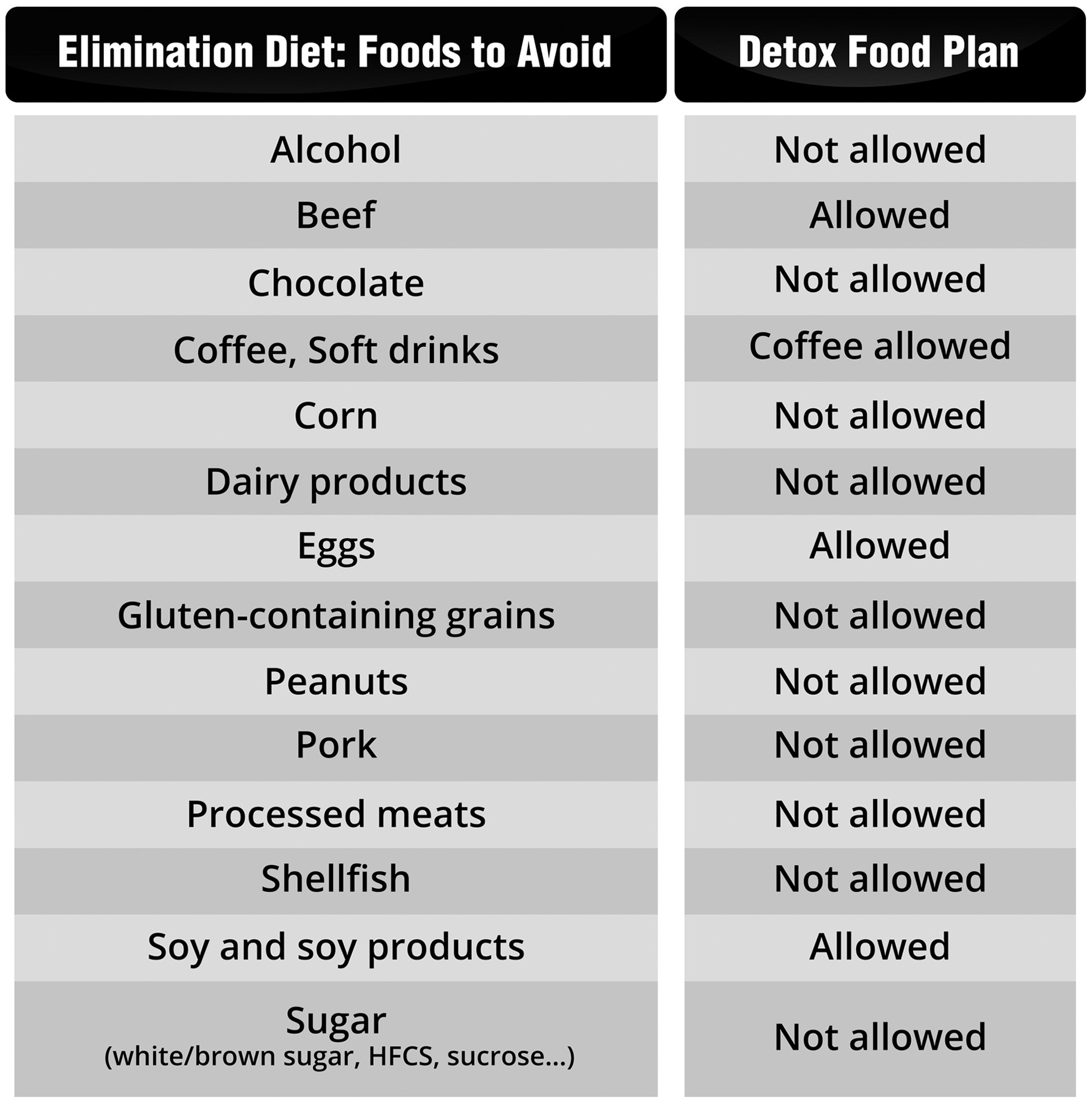
Participants were solicited through social media and screened upon demonstrating interest. Interns independently worked with their assigned clients to implement the IFM Elimination Diet and the IFM Detox Food Plan within the context of each client's individual needs. Selected participants completed a three-week IFM Elimination Diet, followed by a two-week reintroduction phase and a four-week IFM Detox Food Plan (Fig. 1). Participants' progress was discussed in weekly meetings and measured via the Medical Symptoms Questionnaire (MSQ), which measures symptom severity based on the subject's scores in different areas such as head, eyes, ears, nose, mouth, skin, heart, lungs, digestive tract, joints/muscle, weight, energy/activity, mind, emotions, and other.
Dietary Analysis
The initial dietary analysis revealed S.M.'s high intake of alcoholic beverages, caffeine, high glycemic foods such as pizza and pasta, low water consumption, and few servings of fruits and vegetables. Her daily caloric consumption averaged 1457 calories, with the majority of her energy coming from carbohydrates, mainly rice, pasta, and pizza. Her daily water consumption averaged 1233 g, while her fiber consumption was low at 17.3 g on average.
Her intake of vitamin B1, folate, vitamin E, calcium, copper, iron, magnesium, and potassium were below target values. While sodium and iodine also appeared to be below target according to the dietary analysis, it is important to note that additional salt intake was not included in the analysis. Therefore, it is possible, and likely, that the client met both target values for these nutrients.
The second dietary analysis after starting the elimination diet showed a lower than average daily caloric consumption, based on her predicted basal metabolic rate, as well as in comparison to the first dietary analysis. This significant decrease in calories could be attributed to S.M.'s elimination of refined and processed foods and increased vegetable consumption with each meal. The dietary analysis showed zero alcohol consumption, reduced caffeine intake, lower carbohydrate and higher protein consumption, and increased fruit and vegetable consumption at practically all three meals and snacks, and increased water and fiber consumption to 3338 g/day and 28.4 g/day, respectively.
The client's intake of vitamin B1, vitamin B2, vitamin B5, choline, folate, vitamin E, calcium, iron, and potassium were still below target. However, folate, vitamin E, calcium, iron, and potassium levels were higher compared to the previous analysis. Furthermore, nutrients that were also increased in the client's diet included vitamin B6, vitamin B12, vitamin A, vitamin C, vitamin K, copper, iodine (excluding salt intake), magnesium, manganese, selenium, and zinc.
The third dietary analysis revealed an increased average in caloric intake (meaning that during the third dietary analysis, the client was eating more calories, on average, than during the second and first dietary analyses: 1569 vs. 1188 vs. 1457 calories, respectively), following advice to increase energy intake, given S.M.'s previous complaints of experiencing fatigue and tiredness on occasion, particularly given her high activity level. Her caloric intake averaged 1569 calories per day, the majority of which came from complex carbohydrates and a variety of fruits and vegetables. The client's intake of fat decreased compared to the previous two dietary analyses. However, fiber intake increased to 36 g/day on average. Water consumption decreased slightly from the previous analysis to 2756 g/day. However, it was still higher than at baseline.
S.M.'s intake of vitamin B5, choline, vitamin E, calcium, and potassium were lower than target values. However, in comparison to the previous dietary analysis, levels of vitamins B1, B2, B5, and B6, folate, vitamin A, vitamin E, vitamin K, calcium, copper, iron, magnesium, manganese, phosphorus, potassium, and zinc were higher in the diet, while levels of vitamin B3, vitamin B12, choline, vitamin C, and selenium were slightly lower.
Elimination Diet Outcomes
During the first week of the elimination diet, S.M. reported a wildfire in her area that triggered a few allergic symptoms, including itchy and watery eyes, red and swollen eyelids, dark circles under the eyes—which she attributed to lack of sleep due to the smoke from the wildfire—headaches, stuffy nose, sinus problems, excessive mucus, and hives, as well as several other symptoms, adding up to a score of 48 on the Medical Symptoms Questionnaire (MSQ). While it is difficult to identify whether the symptoms arose in response to the elimination diet or were strictly due to the wildfire, S.M. believes the wildfire was the main culprit, as she reported to suffer from many seasonal allergies and is extremely sensitive to smoke.
Therefore, the first week of the elimination diet was doubly hard on her, as she had to deal with potentially detoxifying symptoms coupled with the known adverse reactions to the smoke from the wildfire. Additionally, given S.M.'s busy schedule, sometimes 10- to 11-hour shifts on foot, it required some effort to plan meals carefully and not allow hunger or stress cravings to dictate what she wanted to eat.
Work was the main source of stress for S.M., as she had a few negative experiences on the job that contributed to her feeling even more irritable and on edge. Another challenge to adherence included her social habits, which involved socializing with friends over drinks. Furthermore, S.M. lives in a fairly small city in the mountains with no access to large supermarket chains. She relied on small markets that don't always carry a wide variety of food, as well as farmers' markets that are an hour to an hour and a half drive.
Toward the end of the first week, however, once the wildfire was over, S.M. began noticing major improvements in her symptoms. In order to ensure she would not deviate from the elimination diet, she had to plan meals carefully in advance and take several containers to work with snacks, and sometimes dinner, in order to remain compliant. She incorporated lots of leftovers and ready-to-eat snacks, such as fruit with nut butter, mixed nuts, and smoothies.
The client started with a baseline score of 54 on the MSQ, with more pronounced scores for nose (11), mind (9), weight (6), eyes (5), digestive tract (5), energy/activity (4), emotions (4), skin (3), and joints/muscle (3), and a score of 1 for head, ears, and lungs, and for frequent urination (Fig. 2). This was still the case at the first consultation, since baseline and first consultation occurred only a couple of days apart.
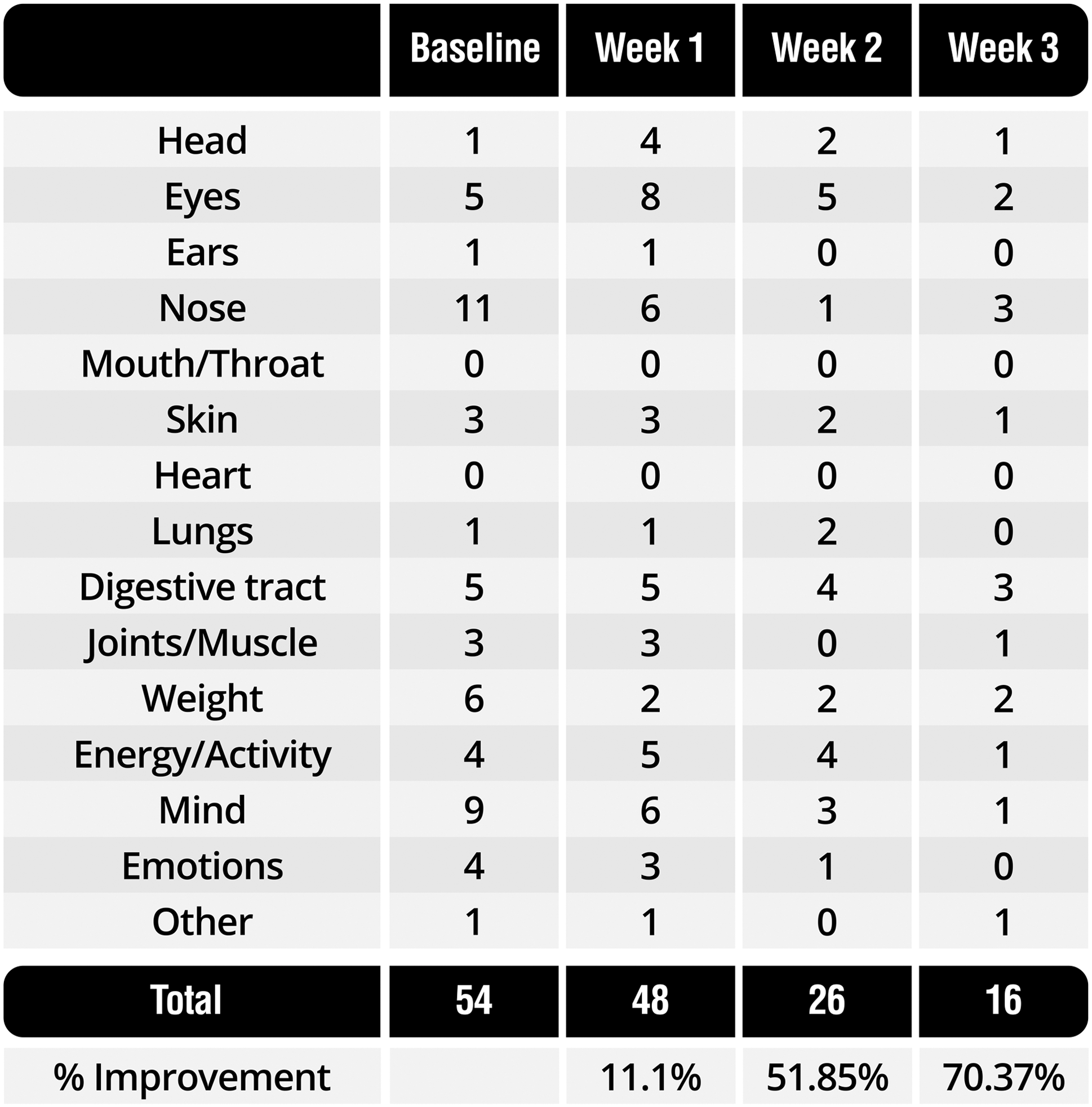
Once the client began the elimination diet, even with a challenging first week, the client had a lower MSQ score of 48 compared to the baseline MSQ score of 54 (Fig. 2). The worsened scores were attributed to the smoke from the wildfire that in addition to contributing to allergic symptoms also contributed to headaches and insomnia, which in turn contributed to fatigue and lethargy. The very early shifts at work also worried the client and disturbed her sleep. However, the client revealed still feeling slightly irritable at the beginning of the second week, but as the week progressed she felt more calm and stable.
Her MSQ score dropped from 48 in the first week to 26 in the second week as her allergies began improving, as well as her other symptoms (Fig. 2). The worsened score for lungs was attributed to S.M.'s allergies, as well as some shortness of breath due to stress at work. She reported experiencing fatigue only at the beginning of the week, and as the week passed it significantly improved, giving way to so much energy, which she described as “hyperactive/restless” but in a positive way. She also reported being really happy about the diet and not craving any particular foods, even when other people were eating appetizing foods near her. The anger experienced by the client was due to an incident at work, and did not appear to be directly related to the elimination diet.
S.M.'s MSQ score continued improving, dropping from 26 in week 2 to 16 in week 3 (Fig. 2). The worsened score for joint/muscle was attributed to long work shifts and strenuous exercise, as she described it as muscular pain from physical activity. The stuffy nose continued to be triggered by seasonal allergies, and though it improved overall, it was still present. Her skin was much better, as was her energy level and mood. Even though she was still experiencing some gastrointestinal disturbances, mainly bloating after eating beans, she also reported experiencing significantly less discomfort than at the beginning of the program.
Detox Food Plan Outcomes
The Detox Food Plan was designed to eliminate common allergens, reduce toxic load, and support the organs of elimination. S.M. reported enjoying the Detox Food Plan because it incorporated some of the foods excluded from the Elimination Diet, such as eggs, tempeh, and meat. Her symptoms continued to improve, as discussed during weekly meetings and illustrated by her decreased MSQ scores (Fig. 3).
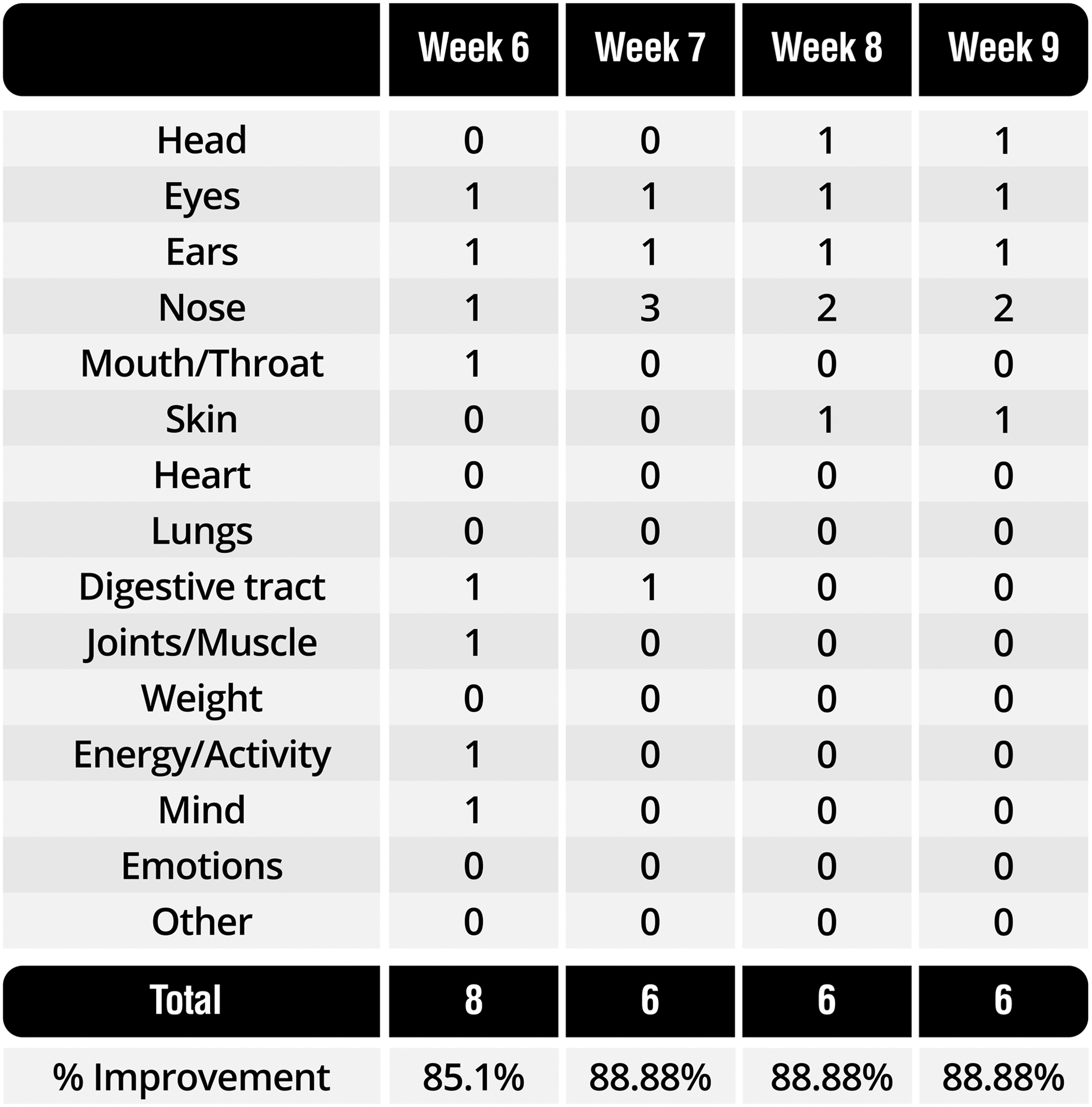
S.M.'s scores decreased significantly from 54 at baseline to 6 in week 9. She entered the Detox Food Plan with an already low score (<30) since the second week of the elimination diet. A couple of the symptoms were attributed to specific circumstances, such as a headache in week 6 due to dehydration following a long mountain climb, and in weeks 8 and 9 due to the smoke of yet another brush fire, and mild gas following the intake of beans in week 6.
S.M.'s allergies were the main reason she did not score 0 on the MSQ at the end of the program. She reported being extremely sensitive to rabbitbrush, a seasonal plant that triggers her allergy symptoms, causing itchy and watery eyes, headaches, itchy ears, stuffy nose, and hives. Nevertheless, S.M. reported a tremendous improvement in allergic symptoms, going as far as not needing to take allergy medication and noting that in previous years her allergic response had been far worse. This indicates an improvement in allergic symptoms following the Detox Food Plan.
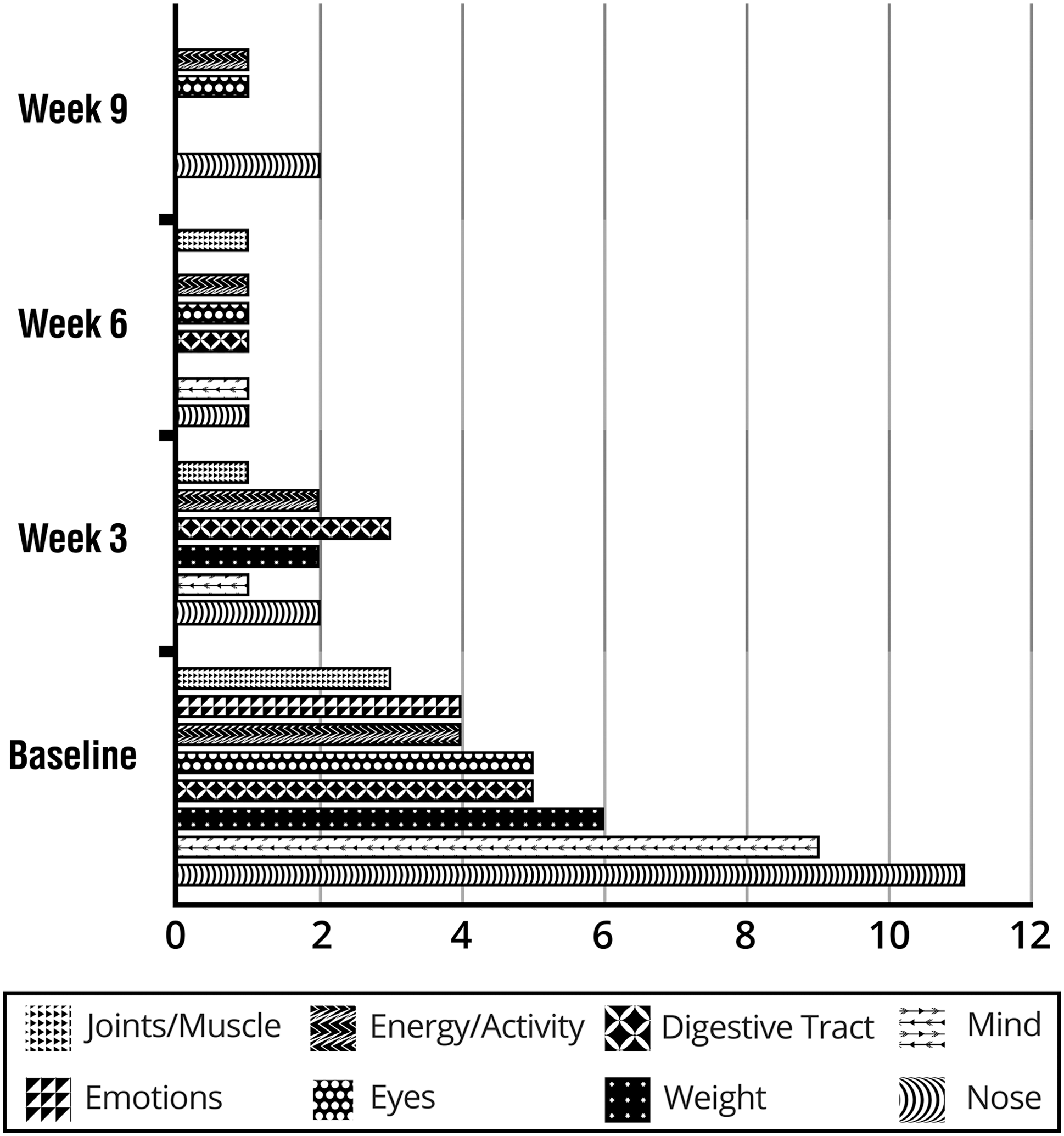
While she significantly improved in all categories throughout the program, such as digestive system, eyes, and nose, her main improvements following the Detox Food Plan were in the categories of joints/muscle, weight, energy/activity, mind, and emotions, all scoring 0 since week 7 (Fig. 4). The client was impressed with the lack of muscle/joint pain, even following long shifts at work or vigorous physical activity, and the amount of energy she felt throughout the day, even with her busy schedule and no coffee intake. When asked about her brain fog and difficulty concentrating, she replied “Oh god, it's so much better! I want to go back to school.”
S.M. was pleasantly surprised with how well and peaceful she felt during the detox, reporting no longer experiencing anxiety and feeling more headstrong and being able to “let things roll off her shoulders without stressing too much.” She even noticed a shift in her work environment from a previously negative place to an inspiring and supportive environment. As a result of the program, she also reported strengthening friendship and relationship bonds and inspiring friends and colleagues to also change their nutrition habits so they too can improve their health and well-being.
Discussion
The reported case illustrates the significance of optimal nutrition for overall health and mood. The client transitioned from the standard Western diet to a whole-food, nutrient-rich diet with a wide range of vitamins, minerals, and phytonutrients needed for optimal bodily function. While it is not possible to affirm that S.M. had any particular nutrient deficiencies prior to beginning the program, it is very likely that she might have been lacking in a few important nutrients. The majority of Americans do not meet the recommended intakes of vitamins A and C, B vitamins, calcium, magnesium, and zinc, despite consuming more calories than ever before. 25 It is safe to speculate that having a diet rich in quality meats, fish, legumes, whole grains, nuts, seeds, fruits, and vegetables likely replenished key nutrients missing from her regular diet.
The client's improvements all started with the IFM Elimination Diet. While elimination diets are not necessarily considered mainstream, they are not a new concept either. In 1976, a review was published considering the benefits of an elimination diet for headaches, convulsions, learning disabilities, schizophrenia, and depression. 26 Additionally, benefits were also found for atopic dermatitis and inflammatory bowel disease. 27,28 Elimination diets work mainly by halting inflammation caused by certain dietary components that react with the immune system. These reactions activate the inflammatory responses of the immune system, directly affecting gene transcription factors such as NF-κB or indirectly activating NF-κB by interacting with Toll-like receptors or cytokine receptors. 18
In turn, inflammation and oxidative stress have also been linked to depression, where diet quality can affect the function of the immune system and levels of systemic inflammation, which may subsequently predispose to depression. 29 The Western diet has been positively correlated with increased inflammatory markers such as CRP, IL-6, E-selectin, sICAM-1, and sVCAM, 30 while a diet rich in quality meat, fish, fruits, vegetables, and whole grains is associated with lower risk of depression and anxiety. 31
It is interesting to note how scores for mind and emotions were two of the most responsive earlier in the process. S.M.'s reports of increased well-being, deepened relationship bonds, less reactivity and anger toward life stressors, and even a change in perspective about her work environment illustrate the positive impact of adequate nutrition on mental health. This is in agreement with research findings highlighting the protective and therapeutic effects of whole-food diets for mental-health disorders.
In the SMILES trial, 6 a modified Mediterranean diet was prescribed for adults with major depressive disorders, yielding an improvement in symptoms. Similarly, in a six-week study in which older adults received dietary coaching, the incidence of major depressive episodes was significantly lower, and participants exhibited a 40–50% decrease in depressive symptoms, as well as enhanced well-being for approximately two years. 32
Additionally, the lack of specific nutrients such as folate, magnesium, zinc, 33,34 vitamins B6 and B12, 34 and omega 3 fatty acids 35 have also been associated with an increased risk of mental-health disorders. Thus, dietary interventions aiming at improving the intake of these nutrients can substantially lead to improved mental-health outcomes.
By eliminating processed foods and known allergens from her diet, S.M. was able to reduce her toxic load, decrease the burden on her immune system, and, likely, positively affect her microbiome. 24 Additionally, the Detox Food Plan incorporated nutrients needed for metabolic detoxification—such as amino acids, B vitamins, fiber, and antioxidants—and optimized functioning of the organs of elimination, promoting the excretion of toxins.
These benefits were reflected in S.M.'s decreased MSQ scores from 54 at baseline to 6 at week 9, as well as in her reported improvements during consultations. She was so pleased with her experience and progress that she decided to continue on the Detox Food Plan for the remainder of the year (three additional months), eventually using it as a template for her long-term eating habits.
Footnotes
Author Disclosure Statement
No competing financial interests exist. ■