






Abstract

The Rosalind Franklin Society (RFS), in partnership with Mary Ann Liebert, Inc., publishers, enthusiastically congratulate our distinguished recipient of the 2022 annual
Karine Dubé, et al., “Considerations for Increasing Racial, Ethnic, Gender, and Sexual Diversity in HIV Cure-Related Research with Analytical Treatment Interruptions: A Qualitative Inquiry,” AIDS Research and Human Retroviruses 38, no. 1 (January 2022): 50–63,
Abstract
Despite disproportionate incidence of HIV among transgender individuals, cisgender women, and racial and ethnic minority groups, all remain under-represented in HIV cure research. It is imperative that HIV cure researchers consider the implications of implementing ATIs in populations that are disproportionately affected by HIV but under-represented in trials. We sought to derive triangulated perspectives on the social and ethical implications regarding ATIs and partner protection strategies during ATIs among under-represented populations. Our study revealed the following key themes: 1) attention must be paid to gender and power dynamics in ATI trials; 2) ATI trials should be designed and implemented through the lenses of intersectionality and equity frameworks; 3) ATI trials may have both positive and negative effects on stigma for People living with HIV and their partners; and 4) partnership dynamics should be considered when designing ATI protocols.
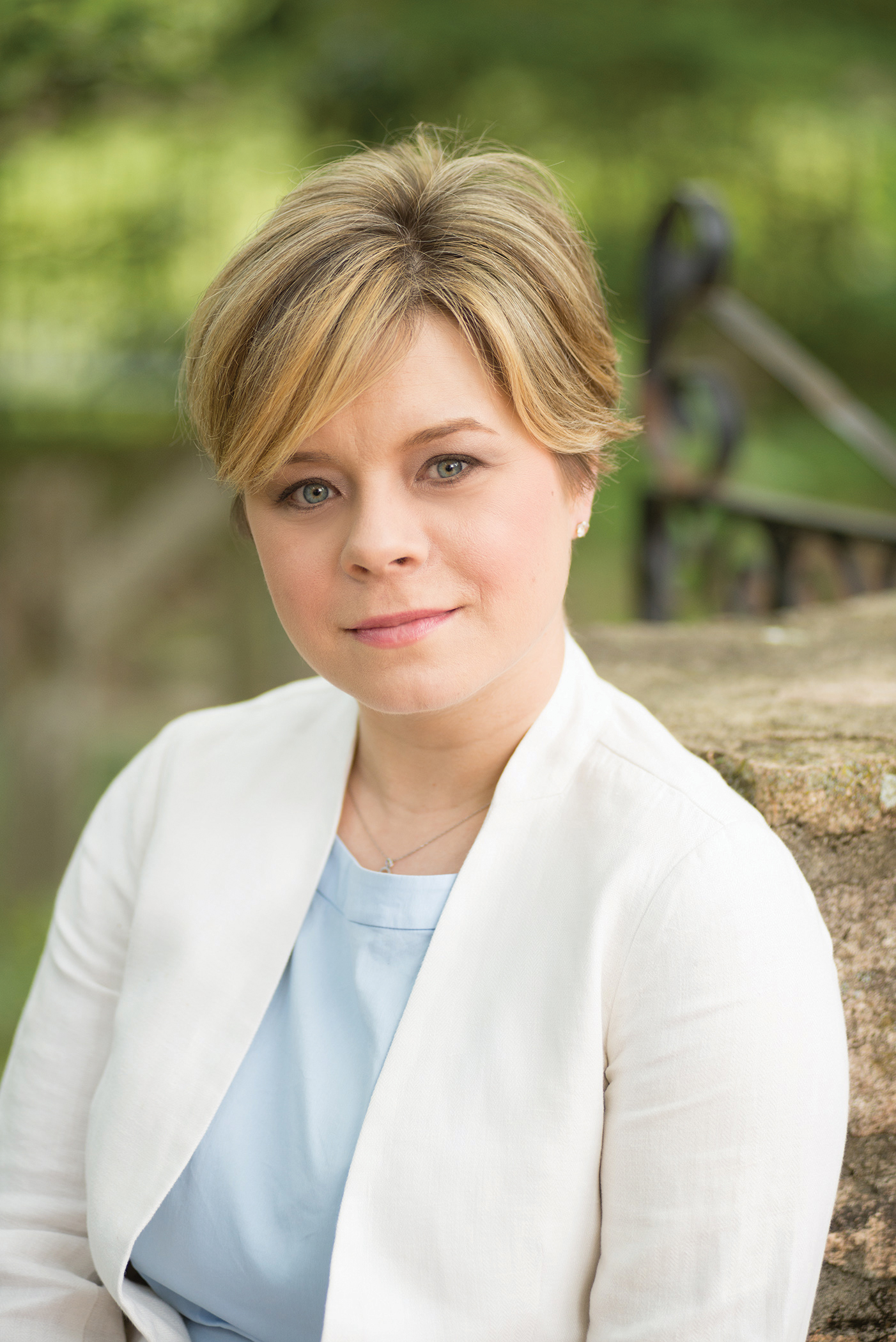
Biosketch
Dr. Karine Dubé is a senior socio-behavioral scientist and experienced research program manager who integrates biomedical, social sciences, ethics, and patient engagement around HIV-related research in the United States and South Africa. She has close to 20 years of experience in infectious disease-related work, including the socio-behavioral sciences and ethics of HIV cure-related research. Her research aims to increase diversity in HIV cure-related clinical trials across the lifespan.
She is the multiprincipal investigator of a National Institute of Mental Health (NIMH) R01 grant investigating psychosocial experiences of people with HIV who interrupt treatment during cure research as part of the AIDS Clinical Trials Group (ACTG) and at the University of California San Francisco (UCSF) (with Dr. John Sauceda, UCSF). She completed a R21-NIMH grant (as principal investigator/project director) that integrated participant-centered outcomes and socio-behavioral assessments in clinical trials in the ACTG.