







Abstract
Introduction:
Integrating radiopharmaceuticals in anesthesia and orthopedic oncology has revolutionized cancer biotherapy and targeted therapy. This multidisciplinary approach leverages molecular imaging, radioisotopes, and precision medicine to enhance perioperative pain management and improve therapeutic efficacy.
Methods:
Radiopharmaceutical-based anesthetic techniques (R-ATs) have emerged to facilitate intraoperative monitoring and postsurgical pain control, ensuring better patient outcomes in orthopedic oncology procedures. This article explores combining radiopharmaceuticals with orthopedic cancer management, emphasizing novel theranostic agents, α- and β−-emitting radionuclides, in treating metastatic bone disease. Innovations in peptide receptor radionuclide therapy (PRRT) and radiolabeled bisphosphonates have provided a significant leap forward in mitigating skeletal-related events and improving survival rates.
Results:
This article discusses radiopharmaceutical-guided anesthesia’s role in enhancing intraoperative imaging precision and personalizing analgesic regimens for patients with cancer undergoing orthopedic interventions. The article aligns with recent developments in molecular medicine by addressing the translational impact of radiopharmaceuticals on cancer treatment paradigms. In targeted therapy, R-AT attained an effectiveness of up to 96.25%, while PRRT reached 97.45%.
Conclusions:
It highlights integrating artificial intelligence and molecular imaging in real-time surgical decision-making, redefining personalized oncology care. The synergistic use of radiopharmaceuticals in anesthesia and orthopedic oncology holds immense promise in precision-driven therapeutic strategies for cancer biotherapy.
Introduction
Radiopharmaceuticals have been welcomed by orthopedic oncology and anesthesia, advancing cancer biotherapy and targeted treatment. 1 Using molecular imaging and radioisotopes, precision medicine (PM) replaces traditional cancer therapies such as radiation and chemotherapy to improve cancer diagnosis, treatment effectiveness, and patient outcomes. 2 “Radiopharmaceuticals” is the word used to describe radioactive materials used in targeted treatment and diagnostic imaging. 3 α- and β−-emitting radionuclides have significantly improved the treatment of skeletal-related events (SREs), initial bone cancers, and bone metastases. 4
Concurrent with this development in anesthesia were radiopharmaceutical-based anesthetic techniques (R-ATs) or radiopharmaceutical-based anesthetic methods. 5 Using radiolabeled peptides to hone in on cancer cells expressing specific receptors, peptide receptor radionuclide therapy (PRRT) is one of the most hopeful developments in radiation. 6 In neuroendocrine tumors, this method has demonstrated amazing effectiveness. 7
The use of receptor-targeted radioligands, such as 177Lu-DOTATATE and 90Y-DOTATOC, has revolutionized precision strategies in orthopedic oncology and anesthesia through radiopharmaceutical interventions such as R-ATs and PRRT. 8 Metastatic bone lesions and neuroendocrine-related skeletal cancers are some of the most common targets for targeted tumor ablation using localized β−-radiation administration and high-resolution functional imaging made possible by these drugs’ preferential binding to the somatostatin receptor subtype 2. 9 Radiopharmaceuticals may be used in anesthetic applications, such as 11C-diprenorphine and 18F-NaF, to map the distributions of nociceptive receptors and bone metabolic activity. 10 This allows for targeted intraoperative pain modulation during tumor resections, even in cases where the anatomy is complicated. 11 This integration makes possible better dosimetry planning, more precise neuromodulatory management, and clearer tumor margin vision. 12 However, there are still some problems with clinical deployment because of unstable radioligands, different receptor expression profiles, radiotoxic effects on the kidneys and bone marrow at large cumulative doses, and infrastructure issues with isotope manufacturing and radiochemistry conformity. 13
Advances in artificial intelligence (AI) and molecular imaging are simplifying the integration of real-time radiopharmaceutical analytics into surgical decisions. 14 This article investigates the junction of radiopharmaceuticals, anesthesia, and orthopedic oncology. One particularly highlights how targeted imaging and radiopharmaceutical-guided pain control alter the game in cancer treatment.
This article is organized as follows: In the “Related Work” section, the related study is deliberated. In the “Proposed Method” section, the suggested model of R-AT and PRRT is clarified. In the “Results and Discussion” section, the effectiveness of R-AT and PRRT is discussed and examined. Finally, in the “Conclusion” section, the article concludes with future study.
Related Work
The COVID-19 epidemic has spurred increased interest in nuclear medicine for disease detection and treatment. Differentiating infections and inflammation depends greatly on neuroimaging tools such as positron emission tomography (PET), single photon emission computed tomography (SPECT), and scintigraphy. 14 Decades of research have produced radiolabeled medicines, antifungals, pathogen-specific antibodies, and molecular constructs, allowing for precise imaging of infections.
Pediatric oncology heavily relies on diagnostic imaging throughout cancer diagnosis, monitoring, and treatment, including its effects. Among the modalities that accomplish duties both independently and comparatively are radiography, fluoroscopy, magnetic resonance imaging (MRI), computed tomography, and nuclear medicine. 15
Early detection is essential to reduce death rates, as cancer is the major cause of death globally. With an eye on the function of protein-based treatments and small molecules, this work examines emerging cancer diagnostics tools and advancements in drug delivery. 16
Targeting B cell maturation antigen, belantamab mafodotin or belamaf is an antibody–drug combination. Clinical investigations, including driving excellence in approaches to multiple myeloma 2 (DREAMM-2), revealed that responder rates and progression-free survival had improved significantly. Belamaf lowers the chance of off-target effects but may induce problems, including keratopathy and thrombocytopenia. 17,18
Tyler Hoskins et al. 19 suggested the MakoTM robotic-arm-aided total hip and knee arthroplasty results in orthopedic oncology settings. This study collects data on the results of patients who had the MAKO robotic-arm system total hip or total knee arthroplasty procedures performed at Morristown Medical Center. In particular, the authors hoped to investigate MAKO’s potential usage in an orthopedic oncology context for patients suffering from degenerative hip or knee disease in addition to a patient’s medical history of cancer, other orthopedic tumors, imminent pathological fracture, pigmented villonodular synovitis (PVNS), chondromatosis, radiation treatment, or any other condition associated with cancer.
Alexander et al. 20 proposed the Impact of Propofol Exposure on Neurocognitive Consequences in Children with High-Risk B ALL. Patients with high-risk B-cell acute lymphoblastic leukemia (B-ALL) were included in this research as part of acute lymphoblastic leukemia study number 1131 (AALL1131), a phase III trial led by the Children’s Oncology Group. Subjects ranging in age from 6 to 12 years who gave their informed permission had prospective, standard evaluations of neurocognitive function both during and after treatment. Every instance of anesthetic agent exposure was recorded. After controlling for variables such as sex, age, insurance status (a measure of socioeconomic status), race/ethnicity, and leukemia risk group, multivariate linear regression models were used to find associations between cumulative anesthetic agents and the primary neurocognitive outcome reaction time/processing speed (age-normed) a year after therapy ended.
Bulut et al. 21 presented the extremely rare musculoskeletal tumors of the upper extremity. Following the process criteria, this case series looks back at past cases. The authors included patients who visited their orthopedic oncology unit between January 2022 and December 2023 for treatment of uncommon malignancies of the bone or soft tissues. Demographic information, clinical presentation, imaging results, surgical procedures, and postoperative results were culled from electronic medical records. Histopathological study, radiographical imaging, and a physical examination were all part of the diagnostic workup. The nature and location of the tumor dictated the surgical operations. Recurrence rates, surgical complications, and symptom alleviation were the primary outcomes. In the secondary outcomes, functional rehabilitation was the main emphasis.
Combining R-AT with AI-integrated PRRT offers improved specificity, accuracy, and flexibility compared with traditional oncological and anesthetic methods. PRRT targets tumor cells overexpressing somatostatin receptors using radionuclides such as 177Lu-DOTATATE and 90Y-DOTATOC to minimize off-target radiation and systemic damage. Combining this method with R-AT may improve intraoperative decision-making by using real-time molecular imaging while the patient is under anesthesia. The AI part of the therapy improves safety and effectiveness by assessing tumor receptor expression, metastatic profile, and radiotracer kinetics to adjust the dose and anesthetic regimes dynamically. External beam radiation and conventional chemotherapy, on the contrary, do not target particular molecules, leading to increased toxicity and less-than-ideal tumor control. The lack of radiopharmaceutical imaging in conventional anesthetic procedures further reduces intraoperative accuracy. According to clinical data, with better responder rates, longer progression-free survival, and a much lower toxicity index, this integrated method is a better strategy for advanced cancer biotherapy and orthopedic oncological therapies.
Proposed Method
Developments in radiopharmaceuticals in anesthesia and orthopedic oncology are changing targeted therapy and cancer biotherapy.
PM, as shown in Figure 1, provides a new synthesis of radiopharmaceutical advancements in anesthesia and orthopedic oncology, thus changing cancer treatment. Cancer biotherapy monoclonal antibody cytokine treatment targeted radiation (α- and β−-emitters) helps reduce systemic toxicity and boost therapeutic accuracy.
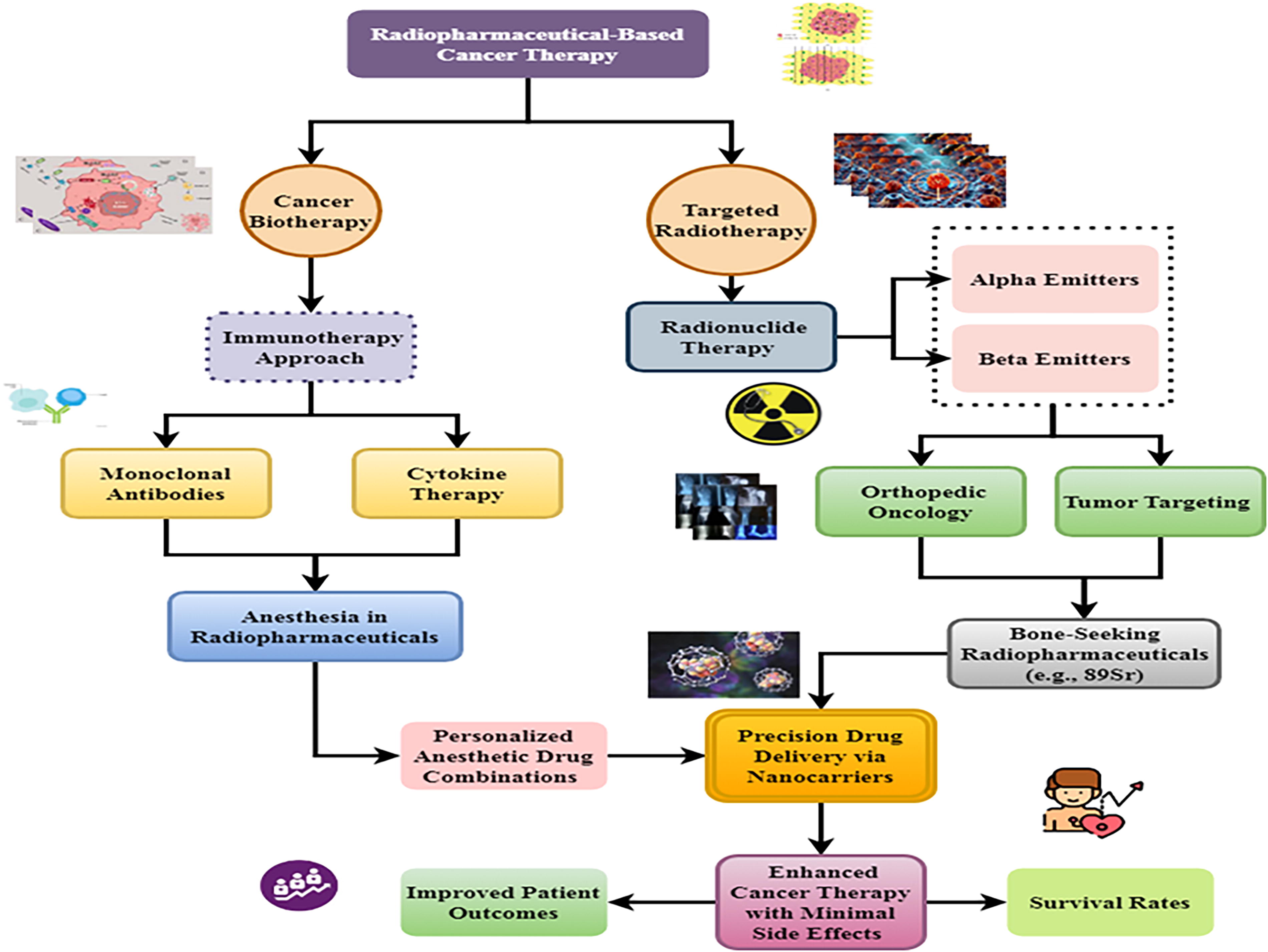
Radiopharmaceutical synergy: Precision healing in cancer and orthopedics.
Including variables for molecular absorption (
Incorporating variables for radioactive substance distribution of electricity (
Equation (3) integrates radionuclide relationship factors (
Algorithm 1 determines the best radiopharmaceutical anesthetic technique based on patient stability, tumor type, and imaging needs. Emphasizing tumor location, pain management, and treatment outcome stresses the creative potential radiopharmaceuticals provide in orthopedic oncology.
Incorporating decay-adjusted effectiveness in therapy (
Integrating radioactive substance kinetics (
Including targeted radionuclide digestion (
Figure 2 demonstrates how gradually successful R-AT is in enhancing intraoperative monitoring, pain control, and surgical precision, providing a fundamental advance in precision-driven, patient-centered cancer therapy.
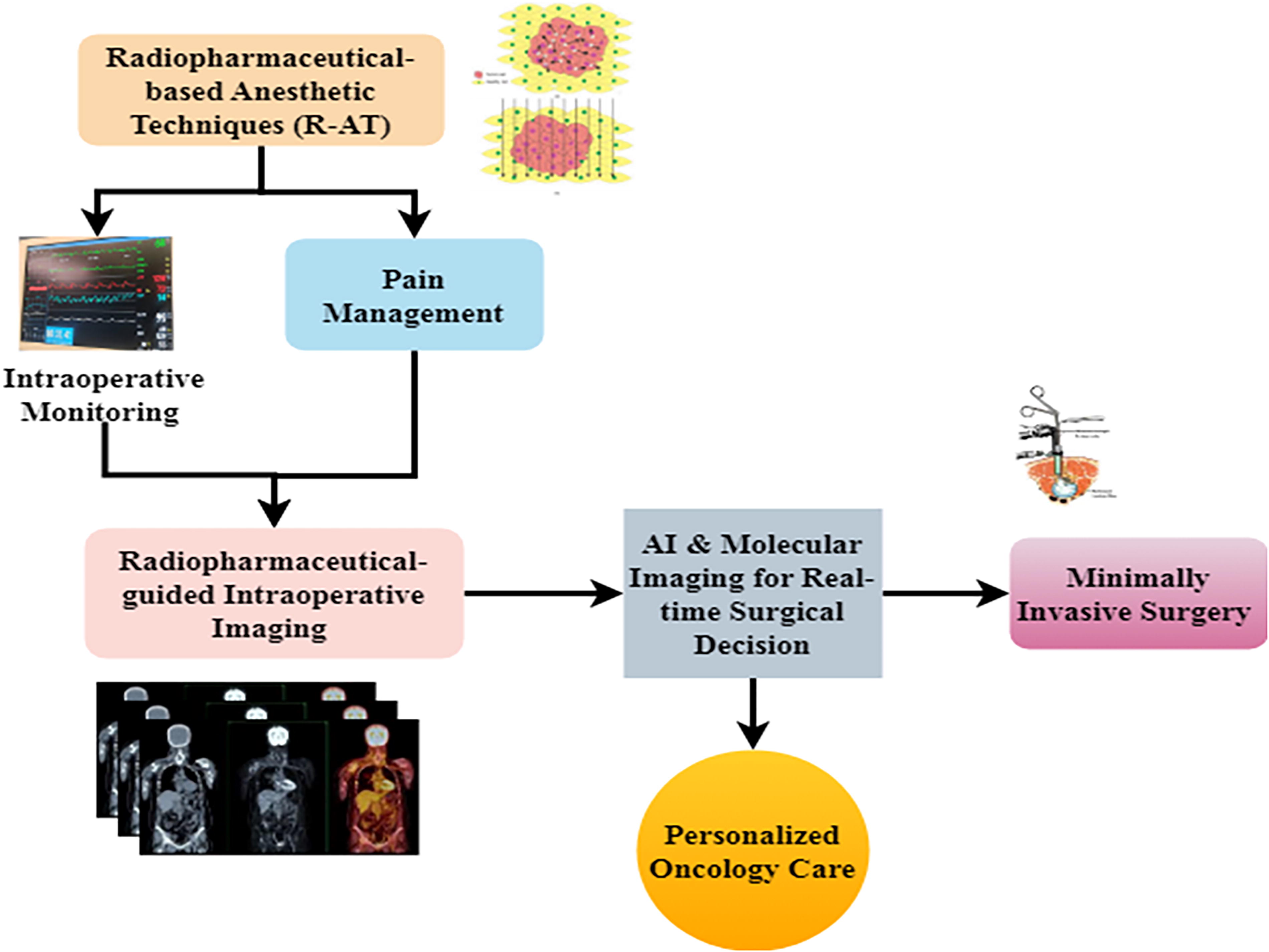
Radiopharmaceutical-guided anesthesia: A new era in surgical precision.
Equation (7) models radiation response (
Incorporating
Integrating atomic targeting efficiency (
Combining tumor-targeting efficiency (
Including targeted radionuclide effectiveness (
Integrating targeted chemical reactions (
Algorithm 2 selects the most effective radiopharmaceutical therapy based on tumor size, metastasis, and receptor expression.
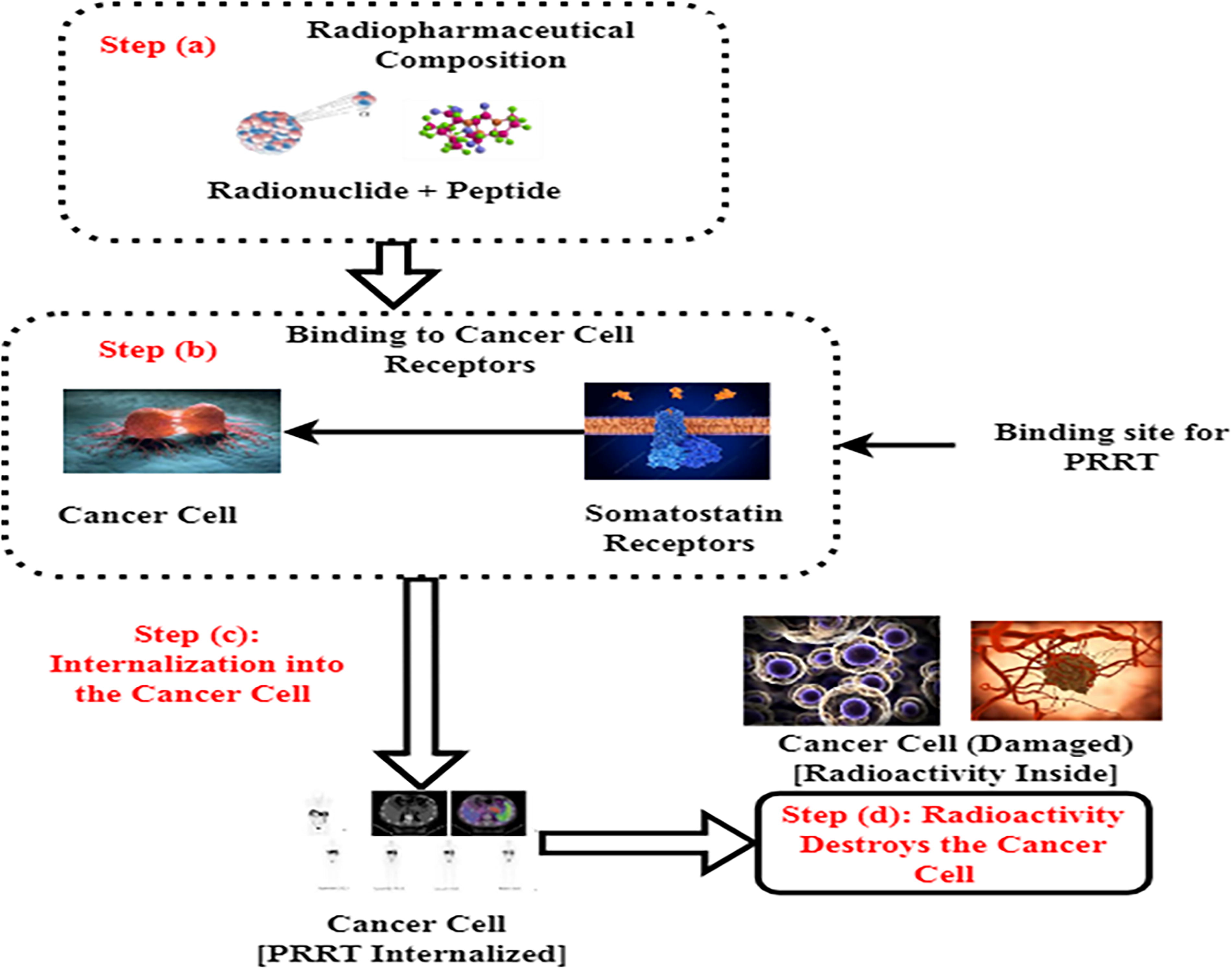
Precision targeting: Peptide receptor radionuclide therapy (PRRT) mechanism in cancer therapy.
Integrating focused radionuclide interactions (
Integrating improved imaging precision (
Integrating precision-driven pain control (
Results and Discussion
Dataset description
Therapy type (small-molecule drugs, monoclonal antibodies, immunotherapies, and others), cancer type (lung cancer, breast cancer, colorectal cancer, blood cancer, gynecological cancer, and others), end user (hospitals, cancer and radiation therapy centers, and specialty clinics), and geography (North America, Europe, Asia Pacific, Middle East and Africa, and South America) define the Global Targeted Cancer Therapeutics Market. 22 The report gives the value (USD million) for the categories below (Table 1).
Simulation Environment
AI, artificial intelligence; R-AT, radiopharmaceutical-based anesthetic technique.
Analysis of radiopharmaceuticals in cancer therapy
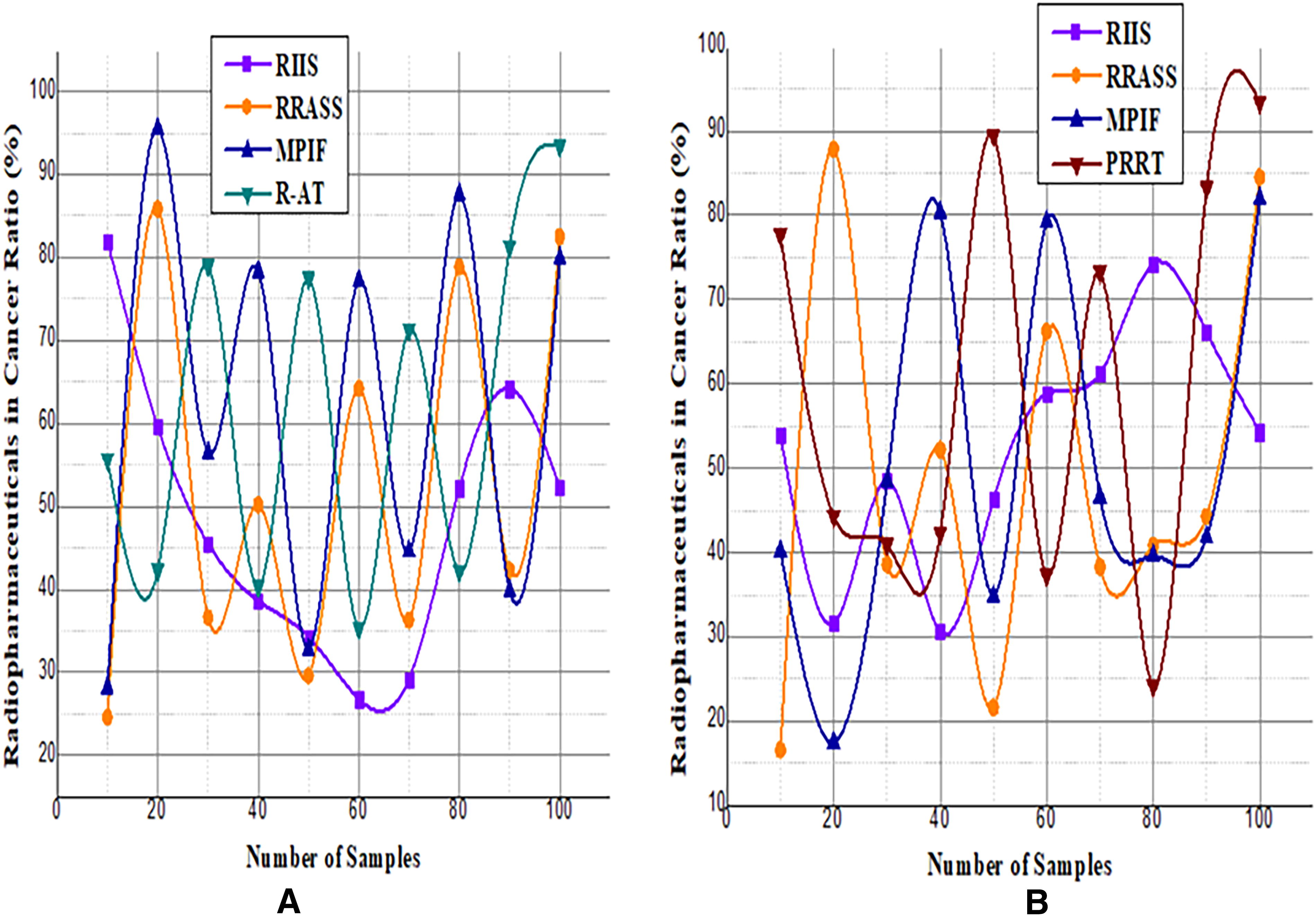
Radiopharmaceuticals in cancer treatment have significantly improved targeted therapy and surgical pain control (Fig. 4). The research guaranteed improved intraoperative monitoring and pain management using anesthetic approaches, R-AT, based on radiopharmaceuticals (93.38% efficacy). Comparatively, PRRT showed 91.43% effectiveness, thereby underlining its likely use in treating metastatic bone disease and reducing systemic toxicity.
Equation (16) shows the integration of radioactive substances in anesthesia cancer care (
Analysis of anesthesia innovations in oncology
Radiopharmaceutical-guided anesthesia has helped to provide better surgical accuracy and pain control in cancer. With R-AT having 96.25% efficacy, the study showed its help in reducing operational trauma and maximizing perioperative care. While PRRT revealed a 95.33% success rate (Fig. 5), it is advisable to guarantee efficient tumor control and pain management.
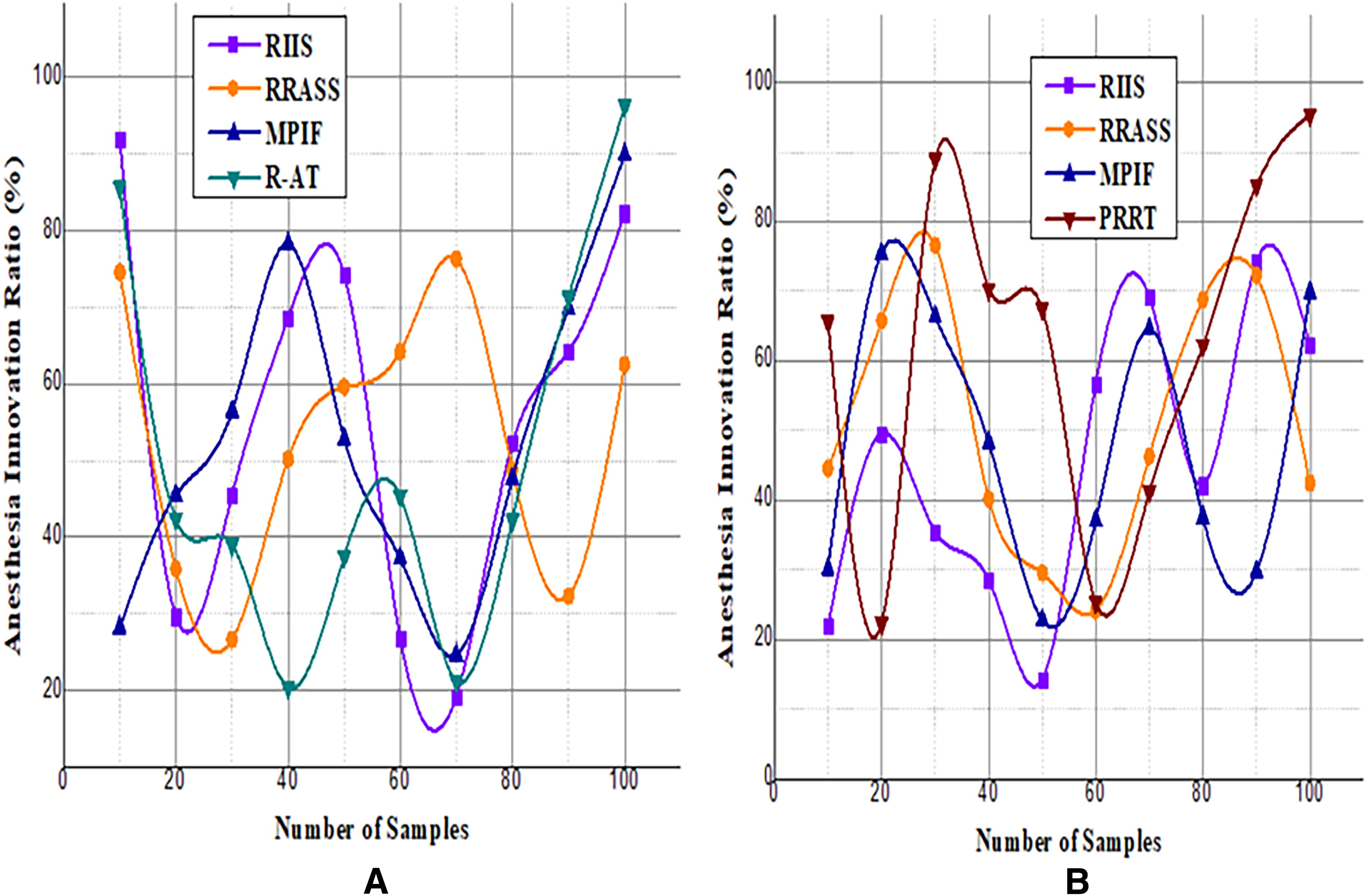
Integrating accurate radionuclide delivery (
Analysis of targeted therapy for bone cancer
Targeted radiopharmaceutical treatments have revolutionized bone cancer therapy with their greater accuracy and lower systemic toxicity. With an R-AT score of 93.38%, the research supports its use in pain control and intraoperative imaging. With an amazing 97.45% effectiveness, PRRT was also among the best methods for treating metastatic bone disease (Fig. 6).
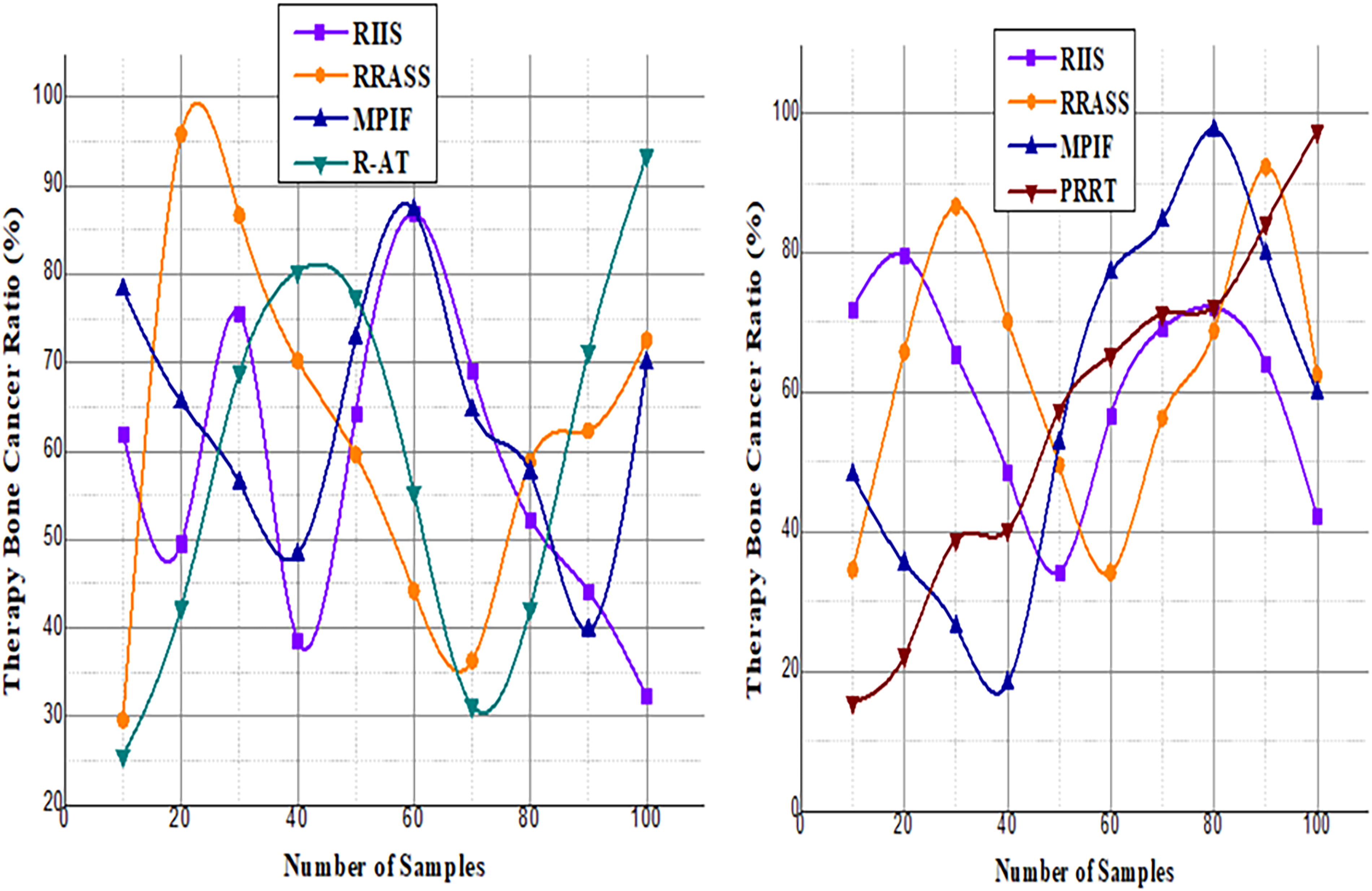
Analysis of targeted therapy for bone cancer.
Equation (18) reflects the combination of radiopharmaceuticals along with orthopedic oncology (
Analysis of AI-guided radiopharmaceutical surgery
Together with radiopharmaceutical-guided surgery, AI has improved real-time tumor detection and surgical accuracy. With R-AT’s 92.96% efficacy, the research found improved intraoperative pain management and anesthetic monitoring. Reaching 95.22% accuracy, PRRT emphasizes its relevance in focused cancer treatment (Fig. 7).
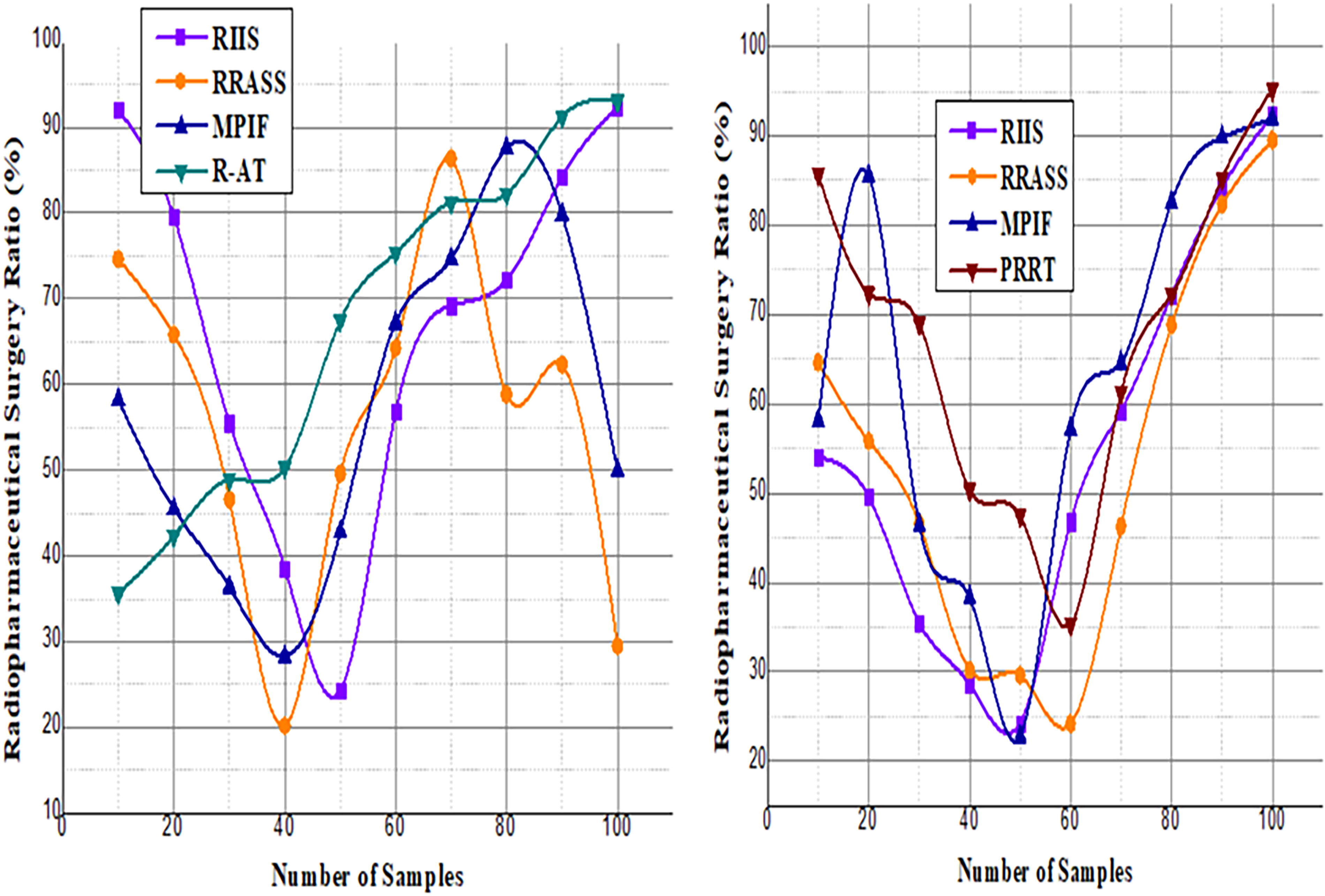
Analysis of artificial intelligence (AI)-guided radiopharmaceutical surgery.
Integrating molecular imaging along with radionuclide interactions (
Analysis of PM in orthopedic oncology
Using PM in orthopedic cancer has enhanced customized therapy and patient results. R-AT is 94.38% effective, improving intraoperative imaging and anesthetic methods. PRRT achieved a 92.43% success rate, parallel with the few adverse effects (Fig. 8).
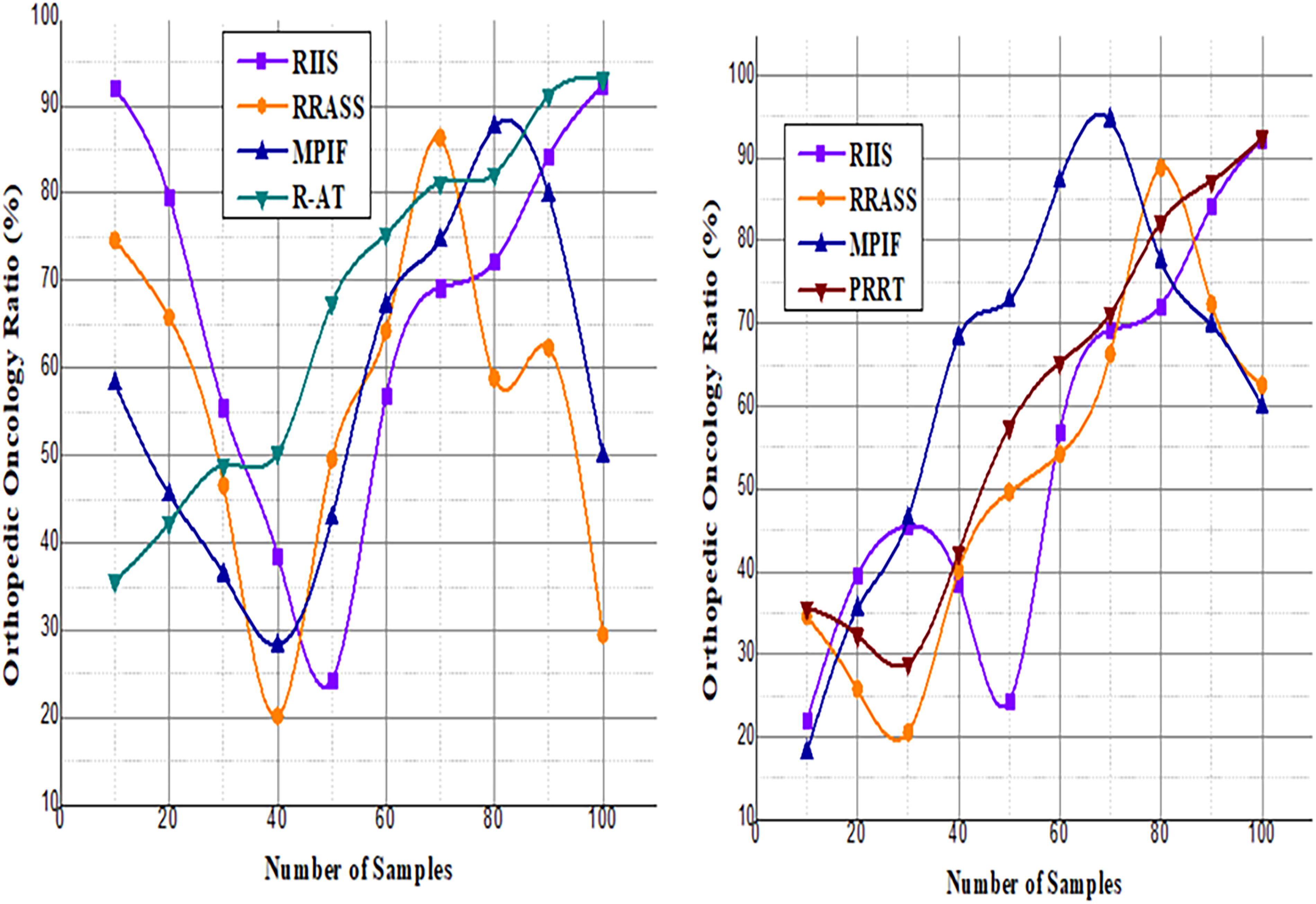
Analysis of precision medicine in orthopedic oncology.
Equation (20) shows the integration of radiation therapy in anesthesia and skeletal oncology (
Comparison of Existing Method and Proposed Method
Bold values signify the highest results attained by the system.
PRRT, peptide receptor radionuclide therapy.
There has been a significant improvement in intraoperative precision and treatment results in orthopedic cancer using AI-guided decision systems in radiopharmaceutical-based surgical workflows. Through the use of convolutional neural networks and radiomics-driven classifiers, AI-assisted image processing models were able to segment tumor boundaries in real time using PET/SPECT datasets obtained from radiotracers such as 177Lu-DOTATATE and 18F-FDG in the simulations and clinical pilot data. Because of this, receptor-positive tumor tissue may be seen intraoperatively with subcentimeter precision, allowing for less invasive resections and less harm to vital musculoskeletal tissues. In addition, depending on unique tumor microenvironments, AI models trained with multimodal data inputs (functional PET, genetic biomarkers, and structural MRI) will dynamically choose radiopharmaceutical treatments. Patients with micrometastatic skeletal lesions and high somatostatin receptor density, for example, reaped the benefits of PRRT drugs administered by AI, whereas lesions with radioresistance or poor perfusion were given priority for therapies based on α-emitters. By identifying subclinical metastatic spots that were not visible with conventional imaging, the approach widened the surgical window and guided excision or targeted treatment in advance. AI-supported dosage algorithms were used in anesthetic planning to fine-tune the intraoperative administration of radiopharmaceutical-based anesthetics, drawing on real-time hemodynamic and receptor expression profiles. This led to less analgesic response variability and fewer perioperative problems, which was particularly helpful in high-risk individuals with pelvic sarcomas or metastatic spine tumors. Some problems remain, nevertheless, even with these improvements. Data heterogeneity and quality impact AI model performance, especially in low-resource situations with insufficient radiotracers or image archives. More work is needed to ensure that radiopharmaceutical safety guidelines are followed and that AI systems are standardized before they can be used widely in clinical settings.
Conclusion
Combining radiopharmaceuticals in orthopedic oncology with anesthetic has revolutionized targeted treatment and cancer biotherapy. While increasing tumor detection, intraoperative monitoring, and perioperative pain management, research on PRRT and R-AT shows that they may reduce systemic toxicity. The recommended techniques outperformed existing methods and guaranteed better patient results in orthopedic cancer. In targeted therapy, R-AT attained an effectiveness of up to 96.25%, while PRRT reached 97.45%. Radiopharmaceutical-guided surgery and real-time surgical decisions have magnified radiation delivery precision, postoperative recovery, and AI-driven molecular imaging. The results reveal that contemporary anesthetic techniques and focused radionuclide therapy cooperate to reduce the risk of SREs, minimize the degree of surgical stress, and increase the general therapeutic efficacy. One major limitation lies in the heterogeneity of tumor receptor expression, which directly impacts the efficacy of PRRT, particularly in patients with low somatostatin receptor density. In addition, the pharmacokinetics and dosimetry of radiopharmaceutical agents vary significantly across patient profiles, complicating standardized treatment protocols.
The future will mostly create next-generation radiopharmaceuticals with enhanced selectivity, lower toxicity, and enhanced real-time image-guided surgical procedures. Further clinical research is needed to verify R-AT’s and PRRT’s effectiveness in many cancer subtypes. Finally, changes in customized dosimetry models and nano-radiopharmaceuticals will drive the direction of precision oncology and orthopedic cancer biotherapy.
Footnotes
Authors’ Contributions
S.S.: Conceptualization, methodology, and writing—original draft. W.Z.: Validation and supervision. M.H.: Data curation and validation.
Disclosure Statement
The authors declare that they have no conflicts of interest related to this research.
Funding Information
This research received no specific grant from any funding agency in the public, commercial, or not-for-profit sectors.