






Abstract

CIPhotos / Getty Images

The number of targeted medicines is not just growing but also breaking new barriers. The first breast cancer drug targeting PIK3CA mutations was approved in May 2019. Alpelisib (Piqray) targets hormone receptor positive, human epidermal growth factor receptor 2 (HER2) negative, PIK3 CA-mutated, advanced or metastatic breast cancer in men and postmenopausal women whose disease progresses despite endocrine-based treatment. This drug was approved with a companion diagnostic test.
Just a few months later, the FDA granted accelerated approval to entrectinib (Rozlytrek) for treatment of adult and pediatric patients with any of a variety of tumors positive for fusions in the neurotrophic tropomyosin receptor kinase (NTRK) gene. This approval is also notable because it is only the third tumor-agnostic drug approved. Because this biomarker can be found in multiple tumor types, it can be prescribed to any patients with locally advanced or metastatic solid tumors expressing NTRK gene fusions. (Mulcahy, N. Medscape, Aug. 15, 2019.)
This is the frontier of precision medicine, where scientists are uncovering biomarkers and targeted therapies for even the toughest-to-treat tumors. They are also establishing new paradigms, such as cancer type-agnostic treatments guided by companion tests and response biomarkers for drugs in the blockbuster cancer immunotherapeutic market.
Business is booming. The world cancer diagnostics market is expected to reach almost $250 billion over the next few years, and precision medicine will make up a large part of that. Already, more than 40 companion diagnostic tests have been approved by FDA, covering dozens of cancers and their subtypes.
Challenges
“We are in an exciting era of innovation in cancer treatment as we continue to see development in tissue-agnostic therapies, which have the potential to transform cancer treatment. We're seeing continued advances in the use of biomarkers to guide drug development and the more targeted delivery of medicine,” says FDA Acting Commissioner Ned Sharpless, M.D., in a press statement announcing entrectinib's approval.
While precision medicine in oncology is a flourishing field, it's still very challenging. “One area we need to do better is in translational medicine,” says biotech consultant John Sninsky. “We find a lot of biomarkers, but turning them into companion diagnostics is much harder. There are a lot of irreproducible discoveries and we need clinical grade assays to bring these tests into the clinic.”
Westersoe / Getty Images
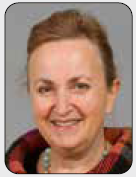
Daria Mochly-Rosen, Ph.D., concurs. She is founder and director of Stanford University's SPARK Program in Translational Research. “The omic era has produced a long list of potential biomarkers,” she says. “But finding out if X correlates with cancer type Y is not sufficient. We need to know how strongly it correlates, does it work in animals as well as people, and hopefully why it correlates as well.” SPARK was founded, she says, to provide the academic field with the missing “know-how” to create actual products that benefit society, including identifying valid biomarkers. “People think you are accusing them of not being thorough or reliable,” she says. “There are so many papers that announce interesting findings, but then just don't close the loop.”
Daria Mochly-Rosen
Some exciting new technologies have come into play that may help accelerate the basic biological understanding needed to advance precision medicine. Digital pathology, for example, can allow more accurate determination of pathology slide reads, and provide standardization across samples and new insights thanks to tools such as artificial intelligence (AI), which is coming into use.
Justin Paget / Getty Images

New technologies and approaches
“Artificial intelligence is potentially a powerful technology, but it has limitations, so we must be careful about how we put it to use,” says Sninsky. He points to publications by experts such as Cynthia Rudin, a professor of computer science at Duke University, who warns against using “black box” machine learning methods for “high stakes decisions.” Instead, she says researchers should use interpretable models so they can explain their findings. (C. Rudin, Nature Machine Intelligence, May 13, 2019.)
Machine learning and other advanced analytical approaches will become even more important as new technologies, such as liquid biopsies, deliver more data for analysis.
Liquid biopsies are another game changer in this field. Being able to take blood instead of tissue samples will make it much easier to get more samples and evaluate them. In one pivotal study, researchers showed for the first time that a liquid biopsy—or blood test—can be used to safely detect multiple types of cancer in patients with no previous signs of the disease. In their study, slightly more than 10,000 women with no indication of cancer underwent a liquid biopsy. The test detected 26 of 96 cancer cases identified during the trial. An additional 24 cancers were detected in this group using traditional screening methods such as mammography. (Lennon et al. Science, April 28 2020.)
“This is the first of its kind test,” explains Nickolas Papadopoulos, Ph.D., the paper's senior author and a professor of oncology at Johns Hopkins Medical School. “Because it was the first time a lab test was evaluated prospectively and the results were verified. It was not an observational study.”
Nickolas Papadopoulos
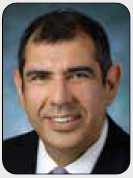
Papadopoulos's team uses a small panel of markers—with less than 20 genes—that aims to have the highest possible impact in a broad population. The test doesn't look for germline mutations in well-known genes such as BRCA 1 and 2, or Lynch syndrome, rather it tests for somatic mutations that are common in breast, lung, thyroid, colorectal, and several other common malignancies. “We wanted a test that could be applicable to millions, that was analytically manageable, reduced overall costs, and was highly specific,” he says.
Women who tested positive for cancer on the initial blood test, received a second blood test, and if that was positive, they were offered a full-body diagnostic PET-CT scan. Early diagnosis saves lies, and the researchers surmised that based on their study, “Multi-cancer blood testing combined with PET-CT can be safely incorporated into routine clinical care in some cases leading to surgery with intent to cure.”
This approach is an incremental step toward more advanced precision medicine. It essentially puts cancers into various “buckets” and over time those subpopulations will be divided even further. The group's next immediate goal, Papadopoulos says, is to demonstrate how specific the test is in a real-life population. “We need to get to a point where we have as few false positives as possible,” he says.
Another advanced approach uses mouse xeno-grafts. The Mayo Clinic's Breast Cancer Genome-Guided Therapy (BEAUTY) study aims to uncover novel genetic anomalies in cancer pathways, both at the time of diagnosis and after completion of chemotherapy, in women with high-risk breast cancer. This study includes sequencing of both germline and tumor genomes. Sequencing is done prior to therapy, after 12 weeks of paclitaxel, and at the time of surgery.
FatCamera / Getty Images

The BEAUTY study has so far compiled results from breast cancer patients enrolled in a registry between 2000 and 2016. Just more than 2000 patients were evaluated for germline pathogenic variants in nine breast cancer predisposition genes (ATM, RCA, BRA2, CDH1, CHEK2, NNF1, PALB2, PTEN, and TP53). The study compared the National Comprehensive Cancer Network (NCCN) hereditary cancer testing criteria with that of all women under the American Society of Breast Surgeons criteria. BEAUTY also incorporates patient-derived xenografts that comprise samples of patient tumor tissue that are kept alive by being implanted into immune-compromised mice before and after chemotherapy.
“This process helps us more quickly determine whether genetic alterations we find through sequencing are actually functional,” says Matthew Goetz, M.D., one of the authors of the group's most recent study (Couch, FJ, et al. J. Clin Oncol, May 1, 2020.). They determined that, “Some women who do not meet the traditional criteria for germline testing still carry pathogenic variants in genes that predispose for breast cancer,” says Judy Boughey, M.D., also an author on the study. Simply expanding germline testing to all women who are 65 or younger when they are diagnosed could identify a significant number of women with germline mutations, they argue.
Judy Boughey, M.D., Mayo Clinic

Outlook
All these advances are coming together to build a new process for cancer diagnosis and more precise treatments. “We are on the cusp of a big change in how we manage all cancers,” says Matthew Ellis, director of the Lester and Sue Smith Breast Center and associate director of precision medicine at the Dan L. Duncan Comprehensive Cancer Center at Baylor College of Medicine. “For example, we have to master proteomics in tumor profiling. We need to be able to measure the DNA, RNA, and the proteins—that last one will be through mass spectrometry.” He says we should also “be able to attack the targets that are now undruggable.”
Matthew Goetz, M.D., Mayo Clinic

Mochly-Rosen, meanwhile, sees a big advantage to pushing the entire field forward. “If we have better diagnostics and biomarkers, we can do much smaller clinical studies, and that makes it easier to achieve endpoints in clinical trials,” she says.
One particular area of importance in the future is cancer immunotherapy where a panoply of biomarkers is being studied, including PDL1 staining, tumor mutation burden, inflammation score, and more.
Now, says Ellis, “The focus is very much on nucleic acids, and 90% of that involves DNA analysis. The reason some cancer patients do badly is that we don't really know what is wrong with them. Precision medicine will let us answer that question.”