







Abstract
Abstract
Malodorous black water body is always with high organic contents under extreme anaerobic conditions and has pungent smell. With the large amount of living pollution entering rivers and lakes, water eutrophication occurs, and the water body gradually evolves into malodorous black water body, which seriously affects the safety of water quality and the health of humans. Biochemical method has been considered as the most economical and efficient method for the treatment of malodorous black water body. In this study, the directional screening technology of bacterial biofilm was used for the first time, and a variety of degrading strains of malodorous black water were obtained from various heavily polluted waters. Ammonia nitrogen removal efficiency of three strains was more than 60%, and the Chemical Oxygen Demand (COD) removal efficiency was over 75%. Through the mixed culture of the three kinds of bacteria, the removal efficiency can be improved. Optimized degradation conditions of mixed bacteria were as follows: with pH of 7, dissolved oxygen concentration of 2.5 mg/L, temperature of 30°C, the total bacterial concentration of 15%, the initial COD of around 50 mg/L, and the initial ammonia nitrogen of about 17 mg/L. Ammonia nitrogen and COD were totally degraded in 50 h, and total phosphorus degradation efficiency was also more than 80%. This research provides novel insights for the treatment of malodorous black water.
Introduction
Malodorous black water body means rivers or lakes with black and stinky phenomena and it has been a big problem in a developing country such as China. The main reason for such phenomenon is the water contamination by organic matter, sulfur and heavy metals, and so on. (Yu et al., 2008).
Insufficient water circulation conditions are the kinetic factors that cause malodorous black water body. And when water suffers from severe organic pollution, the dissolved oxygen is consumed in a large amount, and the ability of water reoxygenation is weakened. Under the action of anaerobic microorganisms, the oxygen consumption rate of water is greater than the reoxygenation rate, reducing the dissolved oxygen in water to <2 mg/L and forming an anoxic state of water. The decomposition of organic matter by microorganisms in water can be presented by the following reactions (Zhao et al., 2016):
In anaerobic water, anaerobic microorganisms decompose organic matter to produce a large amount of odorous gases such as methane, hydrogen sulfide, ammonia, amines, and other odor and volatile small molecular compounds. The produced gases escape from water and enter the atmosphere, which make such water smelly. Meanwhile, sediments generate CH4, N2, and H2S and other poorly water-soluble gases (which can be presented by the following reactions), carry the sludge into the aqueous phase during ascent, and finally formulate black water (Pucciarelli et al., 2008).
In addition, due to the large amount of nutrients in urban rivers, the algae in rivers are over-reproduced. These algae supplement the water with oxygen in the early stage of growth. But when the dissolved oxygen in water is insufficient for its growth, the algae will die in large quantities, decompose, and mineralize after death to form oxygen-consuming organic matter and ammonia nitrogen, resulting in a phenomenon of seasonal malodorous black water body and an extremely strong pungent smell (Wang et al., 2014).
Malodorous black water body originates from freshwater lakes and has become a serious natural ecological disaster (Lu et al., 2011). Bioremediation technology has received much attention due to its great ability to treat black water. Bioremediation technology is a biological method that uses specific organisms (protozoa, microorganisms, and plants) to absorb, transform, remove, or degrade environmental pollutants under controlled environmental conditions, thereby achieving environmental purification and ecological effect recovery. Compared with traditional physical and chemical methods, biochemical methods have become a research hotspot in the field of environmental protection due to their low cost, good effect, and little interference to the environment. As one of biochemical methods, microbial agents can improve the quality of malodorous black water body in a cost-effective, simple, and convenient manner, and the practices over the world have achieved satisfying results. In the treatment of malodorous black water body, there are still few microbial agents for simultaneous removal of phosphorus, nitrogen, and organics. With the ability to degrade water pollutants, biological agents have significant effects on the treatment of water bodies (Slezak et al., 2015). Therefore, the research on the development of microbial agents is remarkably necessary.
It is necessary to develop suitable microbial agents for the treatment of malodorous black water body. In this research, the microbial biofilm formed on the rock surface in the malodorous black water body was used to separate the highly-efficient degrading bacteria.
Microbial biofilm is one of the main survival methods of microorganisms in nature. The biofilm can provide shielding space for microorganisms and enhance the tolerance of bacteria to the environment. When the bacteria are adhered, the expression of bacterial gene has changed. Some bacteria have changed from planktonic to benthic. At the same time, the proliferation is slowed down, and the metabolism becomes active. A large amount of benign extracellular polymer such as polysaccharide is secreted to form a “glycocalyx” (Petrova and Sauer, 2012). It adheres to other bacterial neighbors and firmly adheres to the surface of rocks to form a biofilm (Flemming et al., 2007; Vertraeten et al., 2008). High-efficiency strains were obtained by separating and screening microorganisms on biofilm. At the same time, Chemical Oxygen Demand (COD) and ammonia nitrogen were selected as degradation indexes (Broughton et al., 2008), as the optimal conditions for water treatment were investigated.
Materials and Methods
Materials
All the analytical grade reagents used in the experiment were purchased from Tianjin Chemical Reagent Factory. The simulated wastewater components are shown in Table 1. The components of natural malodorous black water may not be stable for a long time due to factors such as time and temperature. To ensure the repeatability of the experimental results, simulated wastewater was used in the initial stage of the experiment. The actual malodorous black water was obtained from Tanghe River in Qinhuangdao City by brown glass sampling bottle. After the microbial degradation conditions were optimized, the actual wastewater was tested to provide technical support for practical applications.
Simulated Wastewater Components
Thirty liters of simulated wastewater was prepared and was then dispensed into different wide mouth reagent bottles (1 L) containing 50 mL of malodorous black water (filtered by medium speed filter paper). The bottles were covered and sealed with paraffin. After being placed in an incubator at 32°C, the water began to darken after 5 days. The COD of the simulated wastewater was about 50 mg/L, the ammonia nitrogen was about 17 mg/L, and the total phosphorus (TP) was about 0.5 mg/L. The parameters were basically the same as those of the actual malodorous black water.
Medium
Enriched medium (g/L): yeast extract of 5, tryptone of 10, and KNO3 of 10, pH was adjusted to 7. If the solid medium was prepared, 2% agar powder was added. The medium sterilization conditions were 121.3°C, 103.4 kPa, and 20 min. Primary screening medium (g/L): KNO3 of 1.0; sodium succinate hexahydrate of 1.0; KH2PO4 of 1.0; FeSO4·7H2O of 0.05; CaCl2 of 0.2; MgSO4·7H2O of 1.0; 1 mL of 1% bromothymol blue, the pH was adjusted to 7.2 (2% agar powder was added if solid medium was required), and the medium sterilization conditions were 121.3°C, 103.4 kPa, and 20 min. Rescreening medium (g/L): sodium succinate hexahydrate of 11; MgSO4·7H2O of 0.1; Na2HPO4·12H2O of 6.7; KH2PO4 of 1.0; NH4Cl of 1.5; pH was adjusted to 7.0–7.3. The medium sterilization conditions were 121.3°C, 103.4 kPa, and 20 min. If solid medium was prepared, 2% agar powder was added. Slant medium (g/L): yeast extract of 5, tryptone of 10, sodium chloride of 10, and pH was adjusted to 7. Two percent agar powder was added, and the medium sterilization conditions were 121.3°C, 103.4 kPa, and 20 min.
Isolation of strains
The malodorous or severely eutrophic rock film was selected for the screening of degrading bacteria. The samples were collected from the estuaries of Tang River and Yang River of Qinhuangdao and a canteen sewer in Yanshan University (Qinhuangdao City). The samples were quickly sent to the laboratory and placed in a refrigerator at 4°C. The rock was immersed in normal saline, and the rock surface film was cut by a sterilized scalpel. The mixture of membrane and saline was centrifuged in a centrifugal tube. The supernatant and rock debris were removed, and the biofilm was cultured. The enrichment medium was prepared. One hundred microliter sterilized enrichment medium was added to each of the three 250 mL conical flasks. Then 3 mL of the three sampled biofilms was added, and the conical flasks were placed at 30°C for 48 h on a shaker at a rotation speed of 120 rpm. After dilution with a series of dilution multiples, the samples were coated on the solid medium of primary screening and cultured in an incubator at 30°C for 3 days to grow distinct colonies. The colonies in 10−5 medium were observed to be more dispersed. Therefore, the colonies in 10−5 medium were used for the next step. The blue colonies in the medium below the colony were selected, separated, and purified by three segmentation, and the bacteria were purified. Under sterile conditions, the strains obtained by the initial screening were inserted into the rescreening medium, placed at 30°C, and cultured at a rotation speed of 120 r/min. After 48 h, the ammonia nitrogen and COD in the wastewater were measured, and the dominant strains were isolated and purified. These strains were preserved.
Identification of strains
For 16S rDNA gene amplification, the genomic DNA of optimum strain was extracted using Andybio DNA kit. The 16S rDNA was amplified using the universal primers. PCR amplification was performed under the following conditions: 4 min at 94°C; 35 cycles of 30 s at 94°C, 30 s at 52°C, and 2 min at 72°C, plus an additional 10 min cycle at 72°C. The automatic sequence was carried out by Beijing Sun Biotech Co., Ltd. The 16S rDNA sequence was checked in GenBank.
Treatment of simulated wastewater and actual wastewater by mixed bacteria
Malodorous black water body shows different features in terms of the origin, geographical location, pollution source status, water quality status, and influencing factors. Therefore, the evaluation of malodorous black water body is always different. There are still no definitive evaluation criteria and evaluation methods (Kuppusamy et al., 1998). In this research, the removal efficiency of COD and ammonia nitrogen was selected as the degradation indexes.
An expanded experiment was carried out for the degradation experiment. The experimental device was made of plexiglass. The device was composed of water inlet unit and wastewater treatment unit, as shown in Fig. 1. The effective volume of the inlet unit was 50 L (125 cm × 20 cm × 20 cm), and the effective volume of the wastewater treatment unit was 10 L (25 cm × 20 cm × 20 cm). The heating rod maintained the temperature at the optimum treatment temperature for optimal degradation conditions, optimal dissolved oxygen contented to maintain Dissolved Oxygen (DO) in optimal processing conditions by aeration, and the pH was adjusted to the optimum by 1% hydrochloric acid and 1% sodium hydroxide. At the same time, the concentration of the strain was set according to the optimal treatment conditions, and the Hydraulic Retention Time (HRT) was controlled by the bottom water inlet. The 200-mesh gauze was covered during the experiment to prevent other debris from falling into the experimental effect. This experiment used self-contained simulated wastewater to investigate the effects of temperature (25°C, 30°C, 35°C), pH (6, 7, 8), dissolved oxygen concentration (1.5, 2.5, 3.5 mg/L), wastewater concentration (COD of 25 mg/L and ammonia nitrogen of 8.4 mg/L, COD of 50 mg/L and ammonia nitrogen of 16.8 mg/L, and COD of 75 mg/L and ammonia nitrogen 25.2 mg/L), and inoculation amount of bacterial suspension (5%, 10%, 15%) on COD and ammonia nitrogen degradation. In each experiment under different conditions, a contrast experiment (the bacterial solution was replaced by the same volume of sterile water) was set up. The experimental results were compared and analyzed to obtain the best degradation conditions. To achieve effective degradation, the sampling time was set to 72 h, and the residual organic matter concentration (ammonia nitrogen concentration and COD concentration) in the liquid was measured at 0, 12, 24, 36, 48, 60, and 72 h. The degradation effect in the preexperiments was stable at about 50 h. To ensure the authenticity of the experimental data, the sampling time of the experiment was extended to 72 h. Three parallel samples were set for each single factor. The average removal efficiency was calculated. The actual wastewater treatment experiment was also carried out in this device. If emission standard was met, the treated water can be returned to the original water body as a way of water replacement.
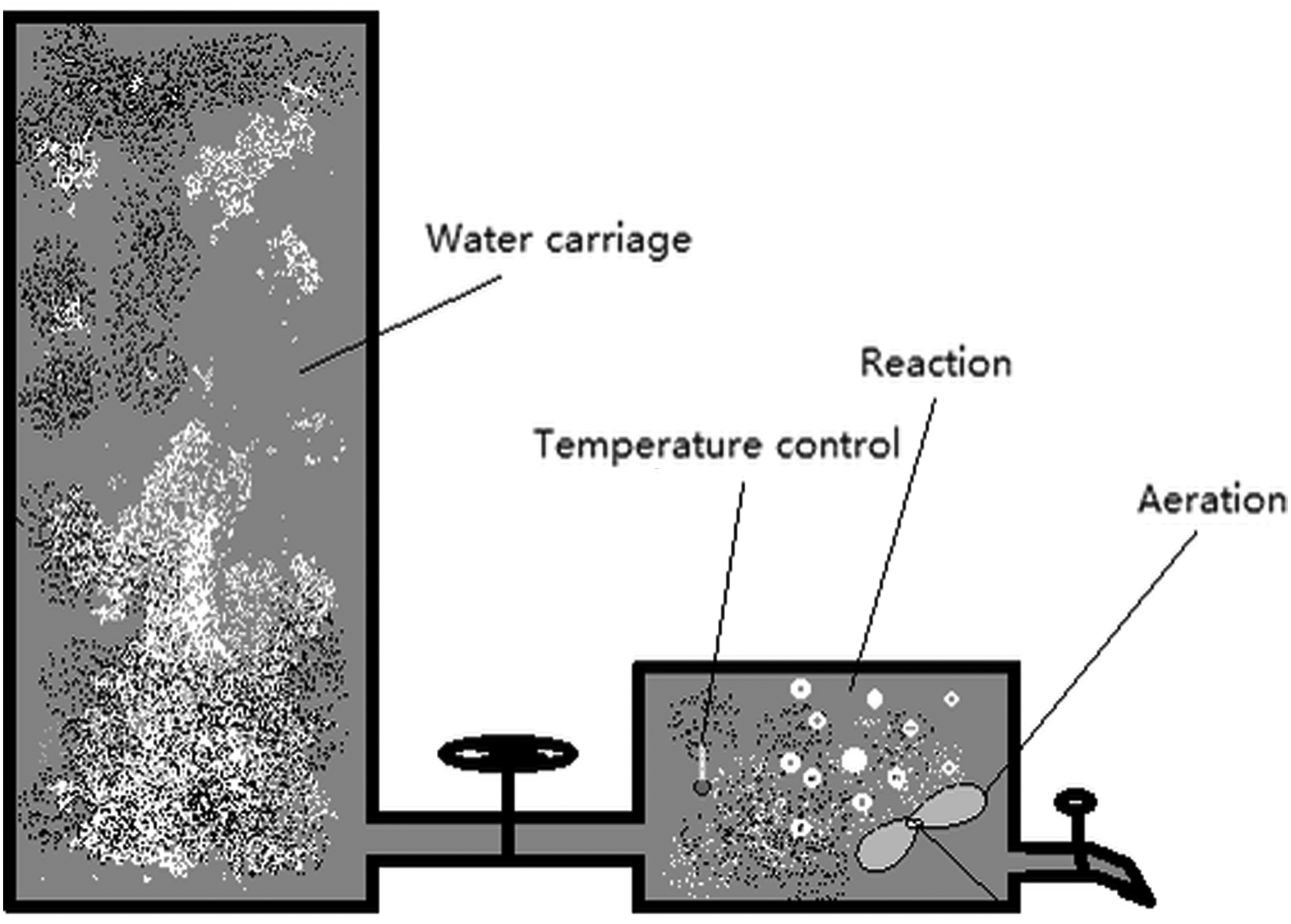
Schematic diagram of water treatment device.
Analytical method
In this experiment, the degradation of ammonia nitrogen and COD was selected as the screening standard and degradation parameter to conduct the degradation experiment. The degradation experiments with TP were used as the final auxiliary parameter. The measurement of COD, ammonia nitrogen, and TP was performed using a standard method. The measurement of ammonia nitrogen was performed by the phenol salt method. The absorbance was measured at a wavelength of 635 nm in a DR3900 visible spectrophotometer (US Hach). COD was measured using a closed-tube digestion method at a wavelength of 600 nm in a DR3900 visible spectrophotometer (US Hach). TP was measured using an ascorbic acid reduction method at a wavelength of 700 nm in a DR3900 visible spectrophotometer (US Hach). The dissolved oxygen was measured using a HACH HQ30D portable dissolved oxygen meter (US Hach). The proportion of bacteria in wastewater treatment systems was determined by the number of gene copies of various bacteria at different times (Shen et al., 2015). Real-time quantitative PCR was used to quantify L1, L2, and L3 in water treatment system. The reaction conditions were referred to the reported literature (Ding et al., 2015). The removal efficiency of COD, ammonia nitrogen, and TP was calculated as follows:
Removal efficiency of COD (%) = (initial COD value − COD value after treatment)/initial COD value
Removal efficiency of ammonia nitrogen (%) = (initial ammonia nitrogen value − ammonia nitrogen value after treatment)/initial ammonia nitrogen value
Removal efficiency of TP (%) = (initial TP value − TP value after treatment)/initial TP value.
Statistical analysis
All the above experiments were repeated in triplicate, and the average data are reported. A one-way analysis of variance with Tukey's test was used to determine any significant differences between treatments (p < 0.05).
Results and Discussion
Isolation of highly efficient malodorous black water degrading bacteria
The colony morphology of the isolated pure strains was observed using simple cell staining to ensure that the selected strains were different. In the experiment, more than 40 different strains were isolated and purified. The treatment effect on rescreening medium was measured. As shown in Table 2, the COD removal efficiency of up to six strains all reached 40%, and the ammonia nitrogen removal efficiency of three strains reached 60%. So, finally, L1, L2, and L6 strains with the best treatment effect were selected as the degrading bacteria.
Degradation of Malodorous Black Wastewater by Eight Bacteria
These three strains were screened and identified. According to the 16S rDNA identification, it was concluded that the L1 strain was Microbacterium esteraromaticum, and the L2 strain was Acinetobacter junii. The L6 strain was Acinetobacter johnsonii strain. And the evolution trees are shown in Figs. 2–4, respectively.
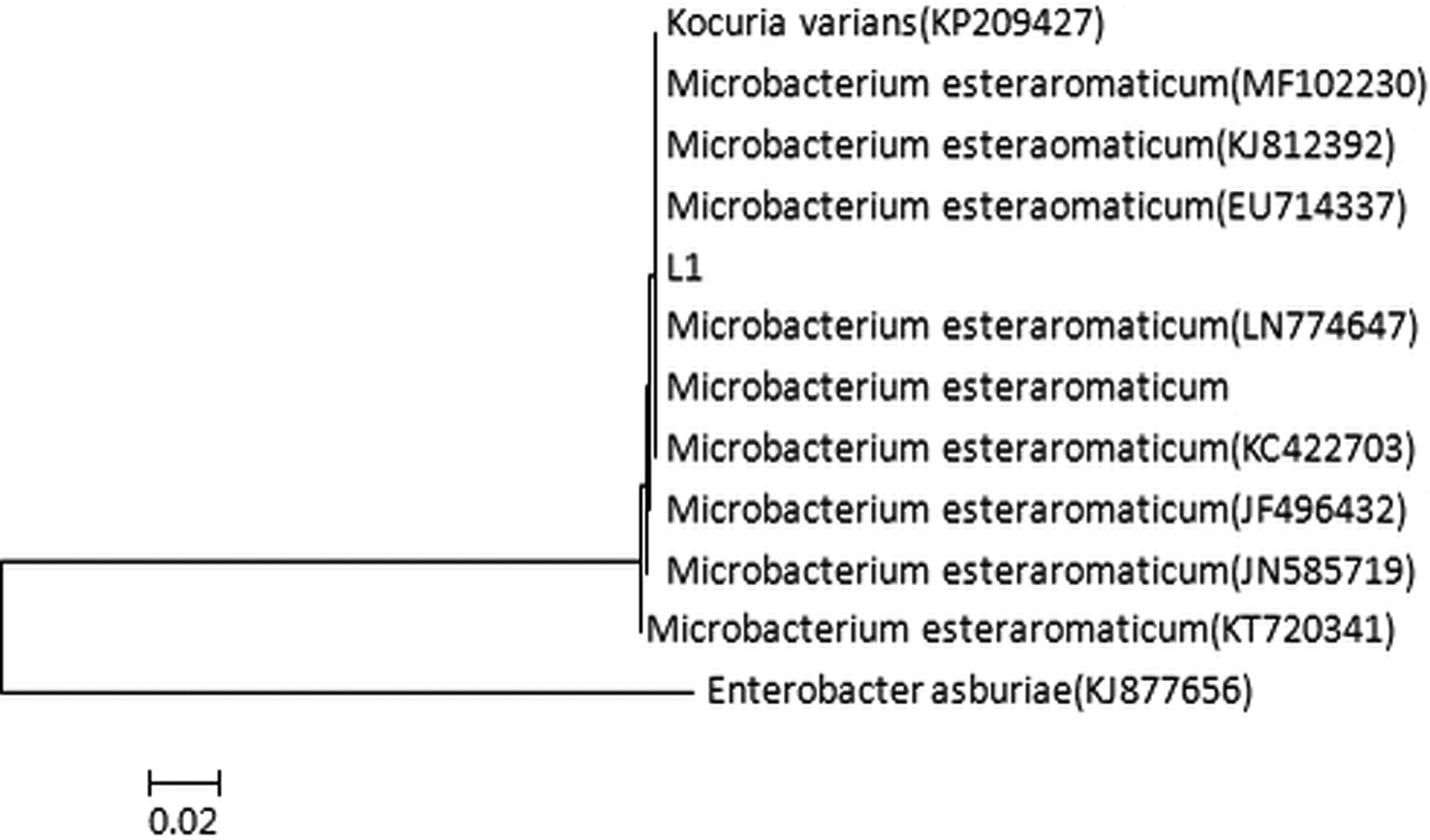
L1 evolutionary tree.
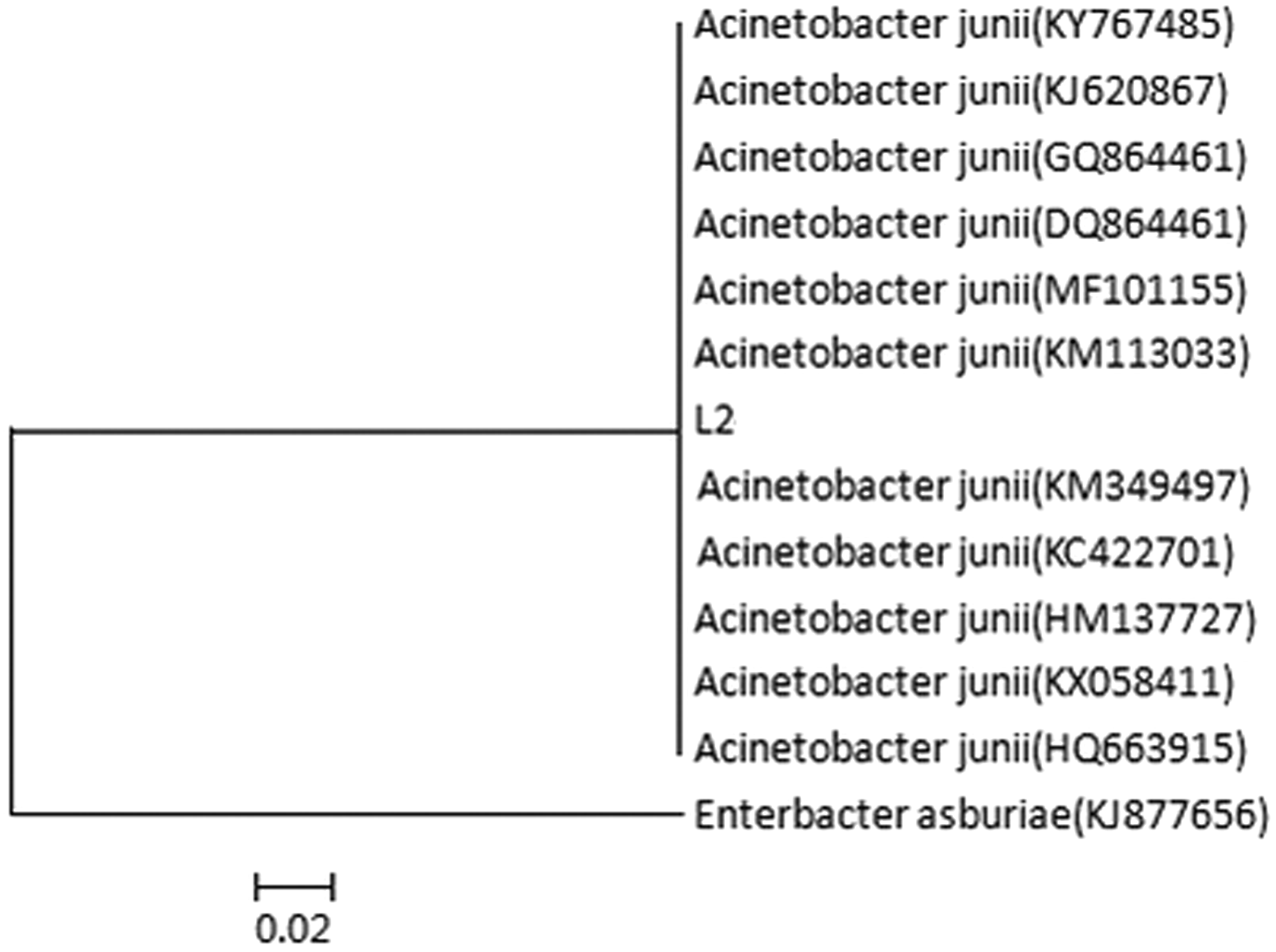
L2 evolutionary tree.
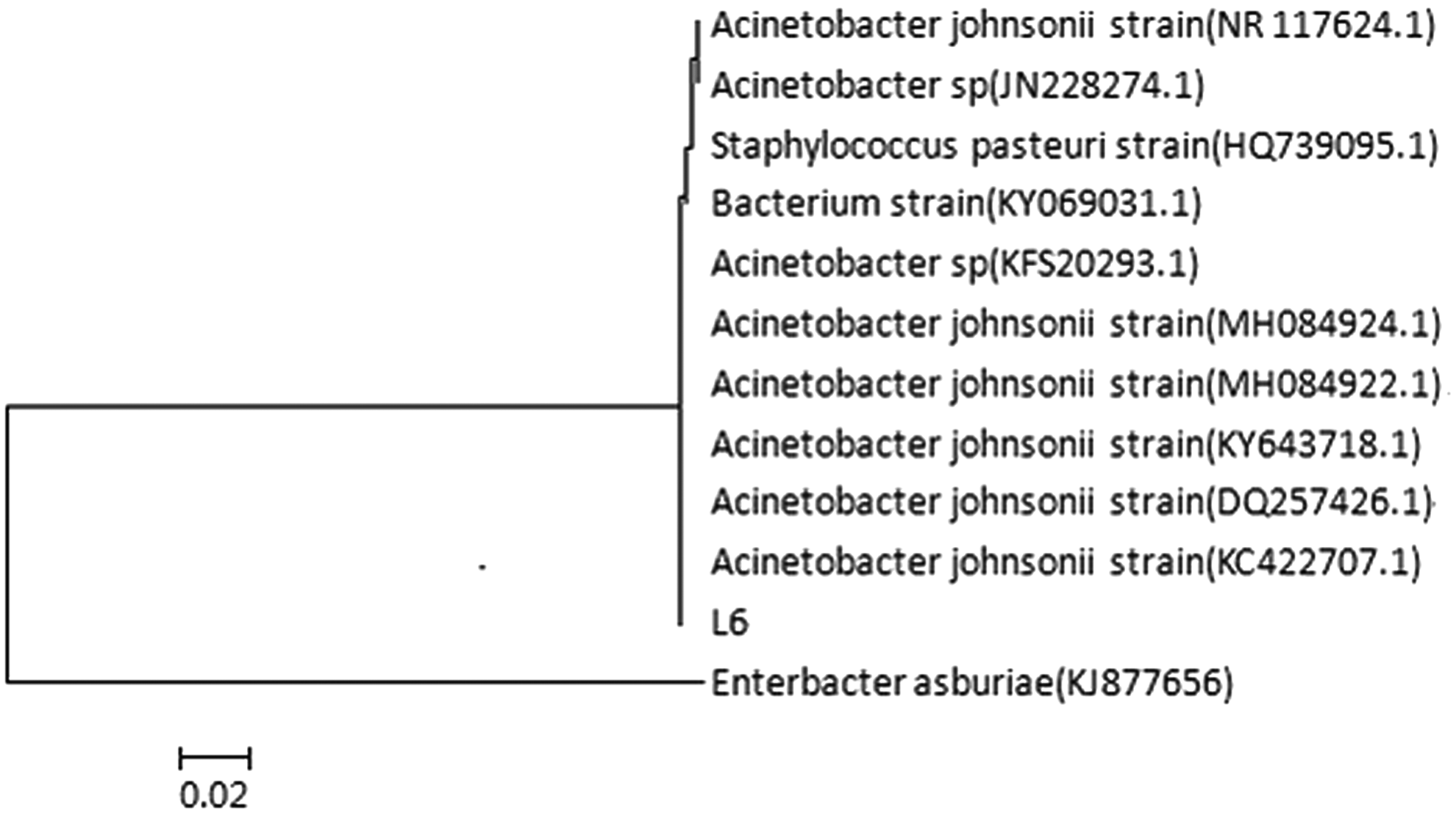
L6 evolutionary tree.
Condition optimization and analysis of degradation effect
Comparison experiment between mixed bacteria and single bacteria
The experimental data were calculated after 3 days with the inoculation amount of 10%, pH of 7, temperature of 25°C, rotation speed of 120 r/min, strain mixing ratio of 1:1, and duration of 3 days. It can be seen from Fig. 5 that the removal efficiency of COD of L1 strain was 78%, the removal efficiency of ammonia nitrogen was 76%, the removal efficiency of TP was 52%, and the removal efficiency of COD, ammonia nitrogen, and TP of L2 strain were 80%, 79%, and 65%, respectively. The removal efficiency of L6 strain was 85%, 82%, and 63.5%. When the L1, L2, and L6 strains were mixed, the degradation effects of COD, ammonia nitrogen, and TP were the best, being 94%, 92%, and 76%, respectively. Moreover, the combined strains had higher efficiency in degrading COD, ammonia nitrogen, and TP than a single strain. It was shown that the mixed strain had more advantages in degrading organic matter than the single strain, and the combination of all the three strains showed the most remarkable result. The reason was that the synergistic effect between the combined microorganisms could rapidly decompose organic matter and produce antioxidant substances, which can inhibit the growth and reproduction of harmful microorganisms (Comean et al., 1985; Corsino et al., 2017; Vashi et al., 2018).
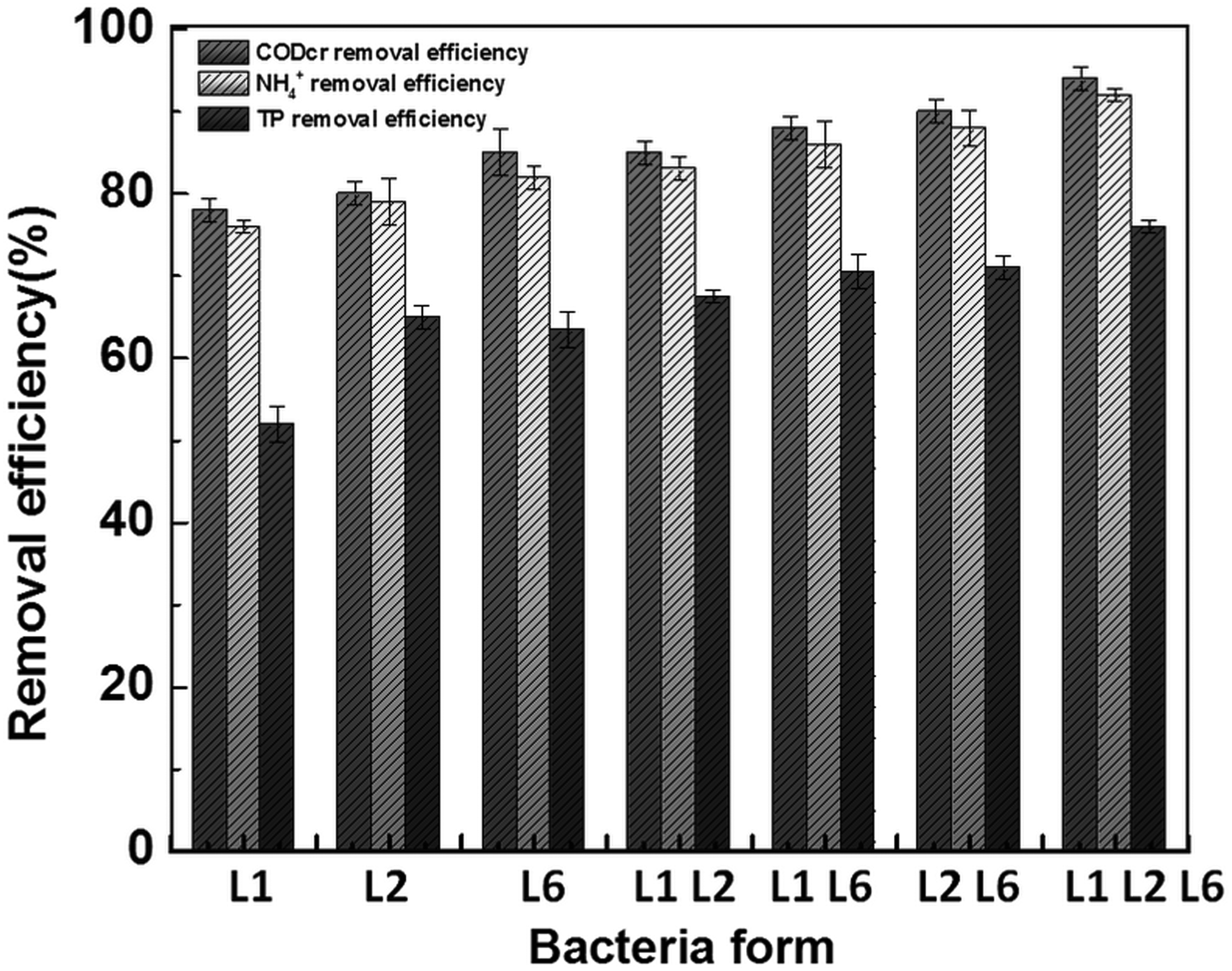
Comparison of the treatment effect between mixed strains and single strain.
Effect of temperature on degradation
In this experiment, three temperature gradients were selected: low temperature for 25°C, medium temperature for 30°C, and high temperature for 35°C. From Fig. 6a and b, it can be seen that the removal efficiency of ammonia nitrogen and COD increased with time. The contrast line in all graphs represents the average values of the three contrast group experiments. At 48 h, the removal efficiency tended to be stable. At 30°C, the ammonia nitrogen and COD reached complete degradation at 60 h. At 25°C, the highest removal efficiency of ammonia nitrogen was 92%, and the highest removal efficiency of COD was 94%. At 35°C, COD was completely reduced at 72 h, and the maximum removal efficiency of ammonia nitrogen at 72 h was 96.23%. It can be seen that 30°C was the optimum temperature for degradation. This may be due to the fact that most of the screening strains were mesophilic bacteria. As the temperature increased, the matrix dehydrogenase activity of the microorganisms increased, and the utilization rate of organic matter and ammonia nitrogen also increased gradually. However, if the temperature was too high, some microbial activity would decrease, then lysis and die. The release of soluble microbial products (Chipasa and Mgdrzycka, 2004) would interfere with the determination of ammonia nitrogen and COD, so the removal efficiency decreased. At 30°C, the cell metabolism was strong, and degrading microorganisms stored more nutrients in the body and reproduced them in large numbers, thus achieving the best degradation efficiency (Xing et al., 2010). The subsequent experiments were carried out at 30°C. Through significance test and analysis, temperature had a significant effect on the degradation efficiency of ammonia nitrogen and COD (p < 0.05).
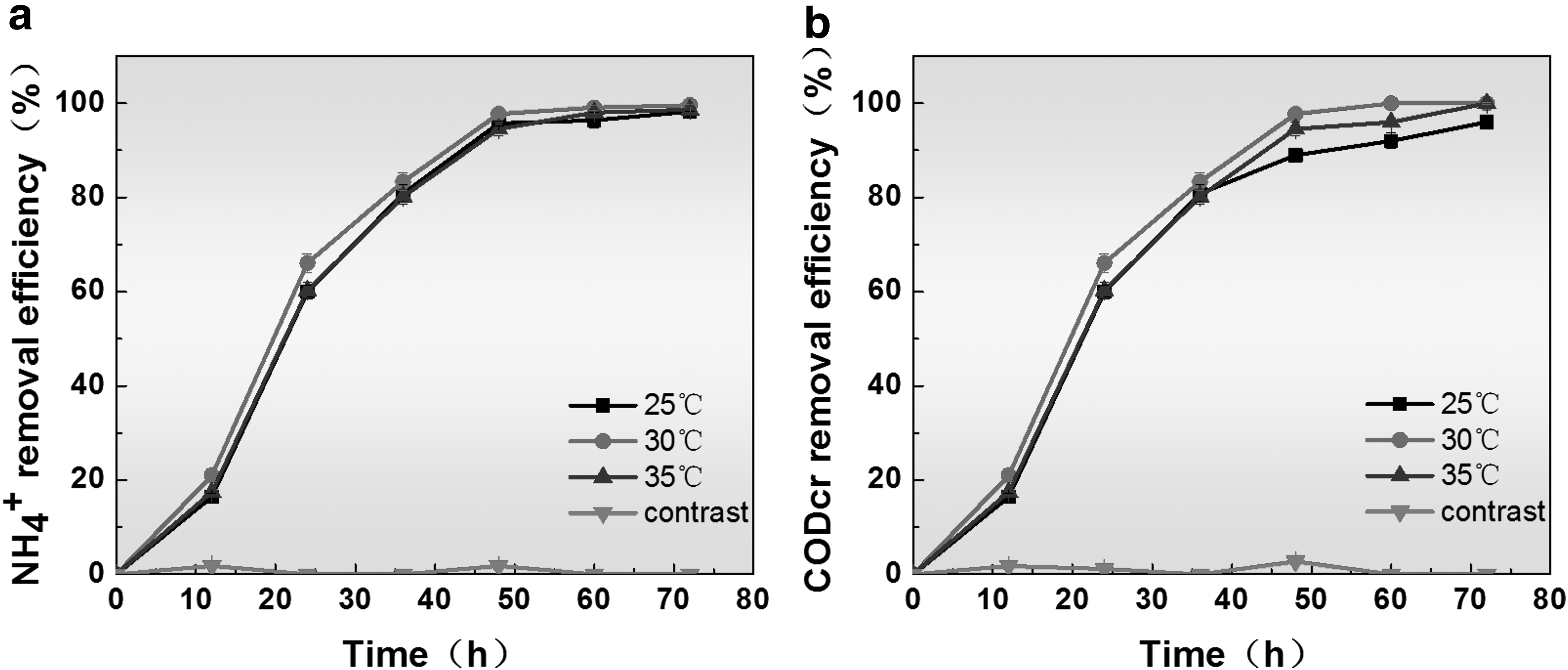
Effect of temperature on degradation.
Effect of dissolved oxygen on degradation
The mixed bacteria used in this experiment were aerobic microorganisms, and aerobic microorganisms needed oxygen supply, and the dissolved oxygen was preferably maintained at 2.5 mg/L. From Fig. 7a and b, we can see that when DO was 2.5 mg/L, the degradation effect was the best. Ammonia nitrogen and COD could be completely reduced after 60 h. When 3.5 mg/L was used, the degradation rate was the second, ammonia nitrogen was completely reduced after 72 h, and the final degradation rate of COD was 97.5%. At 1.5 mg/L, the treatment efficiency was slightly poor, the ammonia nitrogen degradation rate was 91%, and the COD degradation rate was 94.5%. This indicated that mixed strains were sensitive to dissolved oxygen content, and too low or too high dissolved oxygen had a negative effect on the degradation. Especially through significance test and analysis, dissolved oxygen had a significant effect on the degradation efficiency of ammonia nitrogen (p < 0.05). This conclusion was similar to that of other literatures (LaPara et al., 2001). So, the following experiments were conducted under the condition of DO 2.5 mg/L.
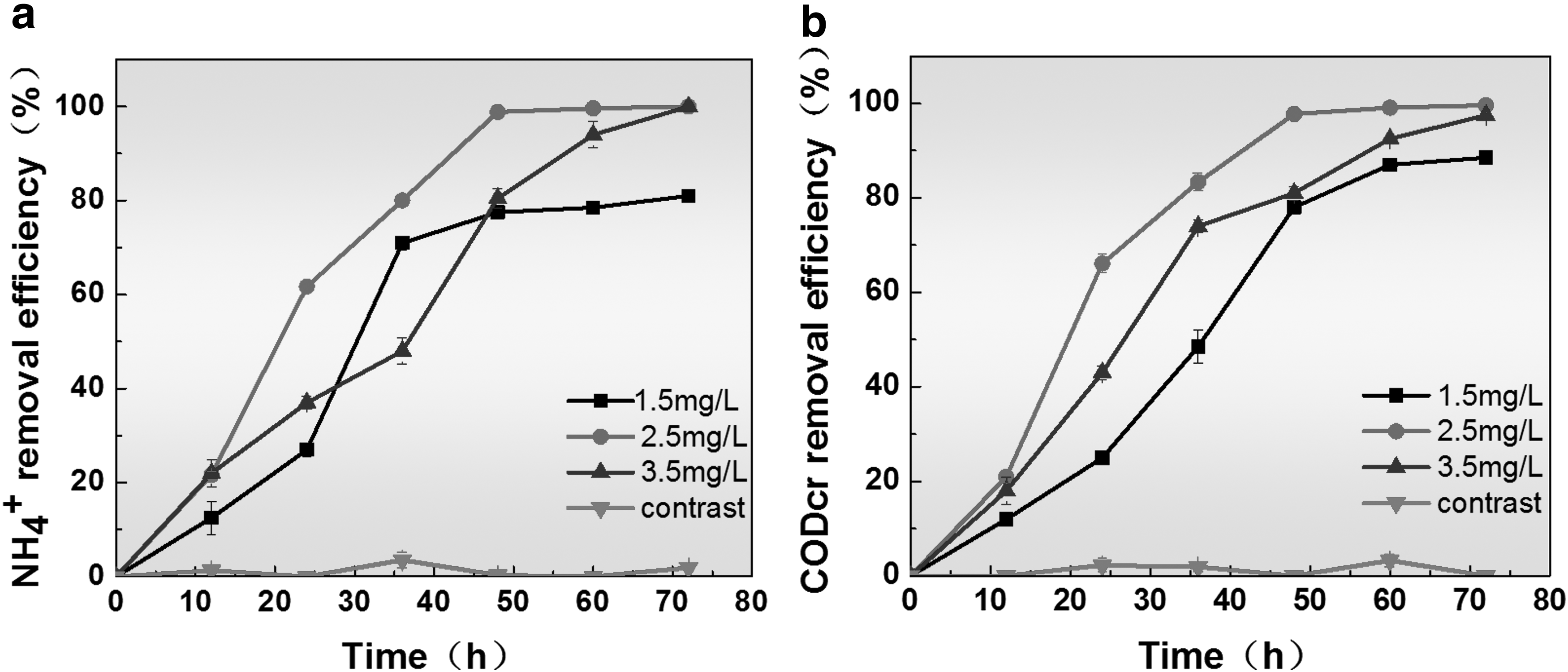
Effect of dissolved oxygen on degradation.
Effect of pH on degradation
Each microorganism has a most suitable pH for growth. pH changes the supply state of nutrients (Majdinasab and Yuan, 2017), affects the charged nature and stability of the cell membrane, and affects the ability to absorb substances. The environment of acid and alkali will denature the surface proteins of the cells, eventually leading to the death of the organism. pH also affects the activity of microbial enzyme. When pH exceeds the adaptation range of the microbial enzyme, the activity of enzyme will be affected accordingly (Kujawa-Roeleveld et al., 2005). The physiological and biochemical activities of microorganisms are disturbed due to the influence of pH. It can be seen from Fig. 8a and b that the removal efficiency of ammonia nitrogen was stable at 71.23% at 60 h at pH = 6. The reason might be that the nitrification reaction consumed the alkalinity and the inhibition of nitrification under acidic conditions (An et al., 2016). At the same time, COD degradation was slightly weakened at pH = 6. The final COD removal efficiency was stable at 79.28%. When pH = 7, ammonia nitrogen was completely removed and COD greatly reduced at 50 h. When pH = 8, the degradation effect was slightly worse. The reason might be that the environment pH affected the activity of the corresponding degrading enzyme, resulting in a low degradation effect. The optimal condition was pH = 7.
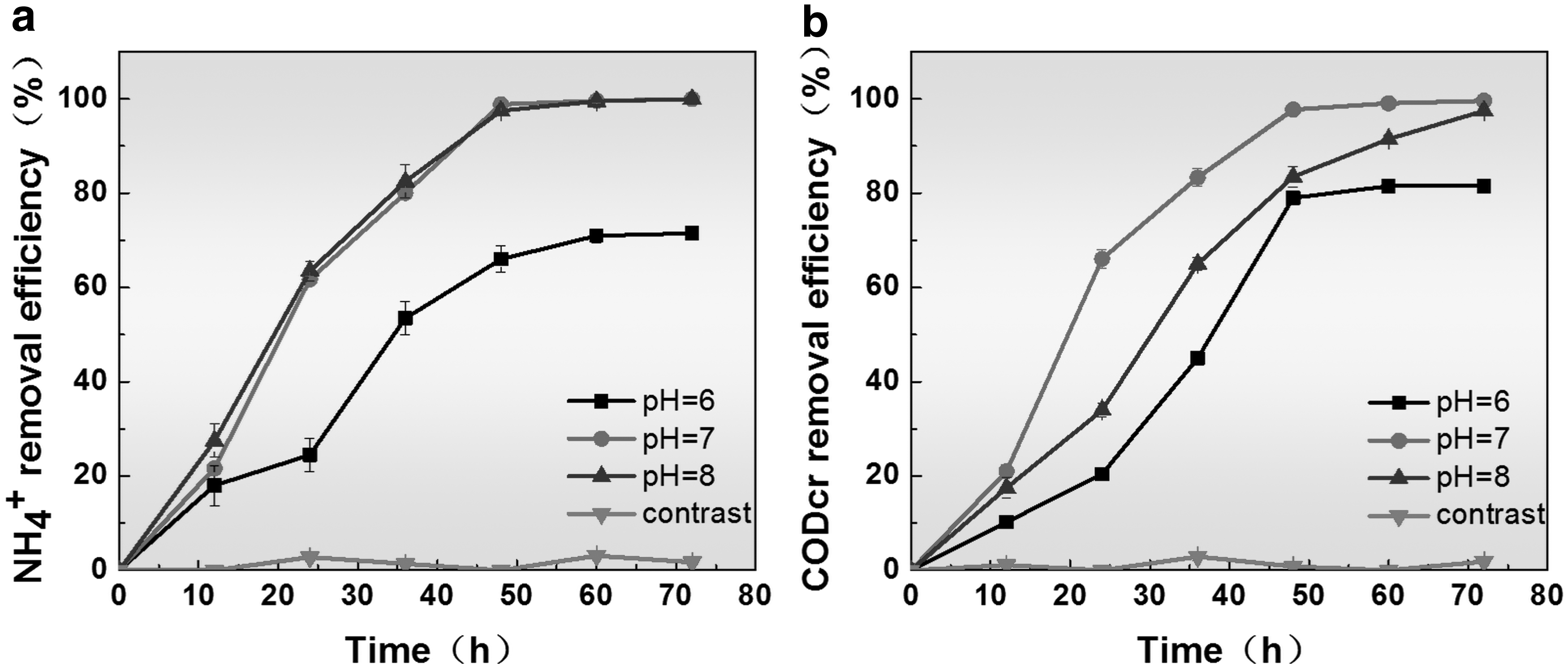
Effect of pH on degradation.
Effect of wastewater concentration on degradation
To obtain the optimal wastewater concentration of microbial degradation, three concentrations of 50%, 100%, and 150% were carried out (detailed data can be found in Section “Treatment of simulated wastewater and actual wastewater by mixed bacteria”). From Fig. 9a and b, the degradation curves showed an increasing and similar trend under all three concentrations. It can be seen from Fig. 9a that the concentration of 50% started with low degradation efficiency, which was different from the results under the concentrations of 100% and 150%, but it could still greatly reduce ammonia nitrogen and COD at 60 h. The reason might be that under the concentration of 50%, the nitrogen source and carbon source were low, and the amount of total microorganisms was large, thereby forming intraspecific competition. The cell death enhanced the mineralization of microorganisms and affected the efficiency of wastewater degradation (Chen et al., 2014, 2015; Huang et al., 2017), but after the final stabilization, the microorganisms could still greatly reduce the ammonia nitrogen and COD. The concentration of nitrogen and carbon sources under 150% concentration was relatively high. At 72 h, ammonia nitrogen and COD could be greatly reduced, but the overall degradation rate was not high. Under 100% concentration, ammonia nitrogen and COD could be greatly reduced at 50 h. In the follow-up experiments, concentration of 100% was adopted.
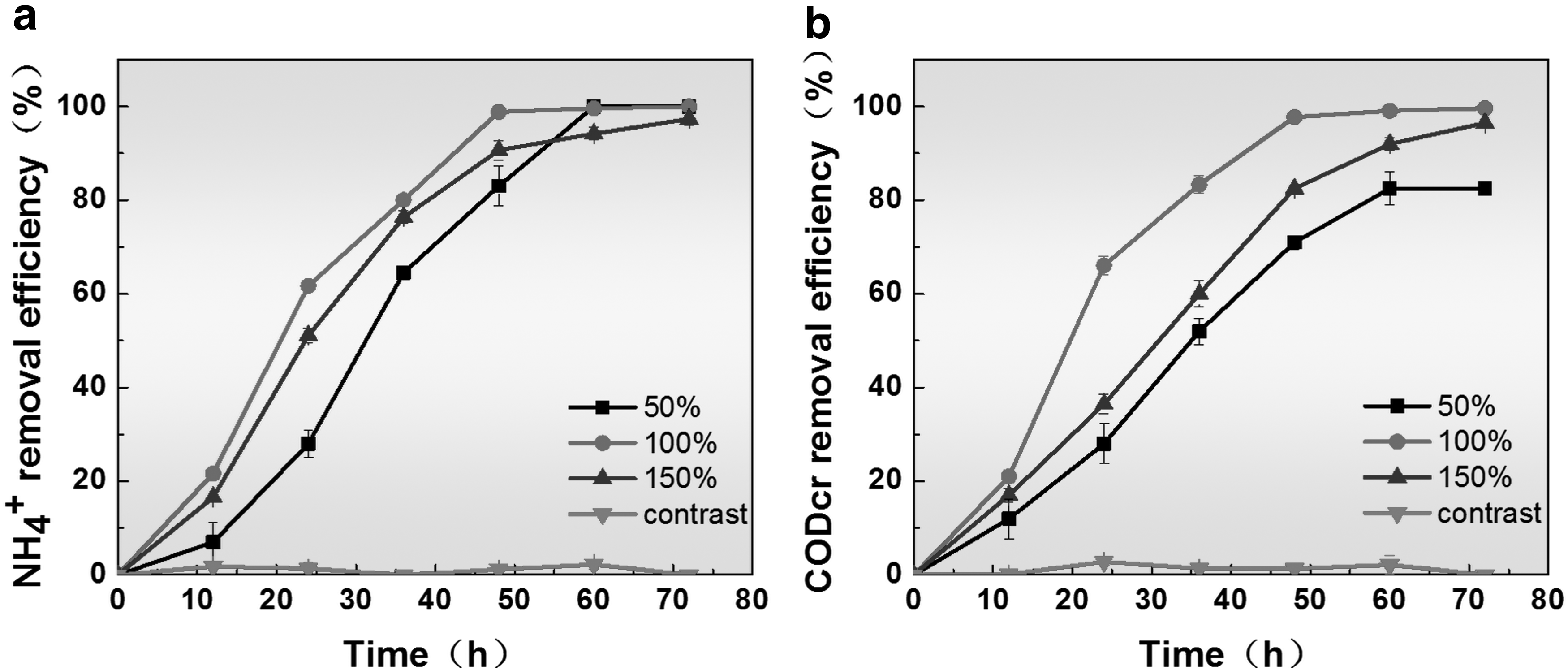
Effect of wastewater concentration on degradation.
Effect of inoculation amount on degradation
In the experiment, three kinds of inoculation amount were performed, that is, 5%, 10%, and 15%. In the degradation of wastewater, it can be seen from Fig. 10a and b that with the increase of cell suspension, the degradation effect was gradually enhanced. Under the concentrations of 15% and 10%, ammonia nitrogen can be completely degraded and COD greatly reduced at 50 h, and the degradation efficiency of 15% concentration was higher compared with 10% concentration. In comparison, the concentration of 5% was unsatisfactory, and the maximum degradation effect of ammonia nitrogen and COD was only 89.23% and 90.12%. When the inoculation amount was small, the adaptability of the bacteria to the environment was relatively weaker, so the adaptation time was increased; and the final degradation effect was affected (Shivajirao, 2012). In summary, inoculation amount of 15% was the optimal condition. At the same time, the degradability of TP was tested under the optimal conditions. The final removal efficiency of TP by 10% concentration was 76%, and the final TP removal efficiency by 15% concentration was 87%, which proved that the mixed bacteria had better phosphorus removal function than a single strain.
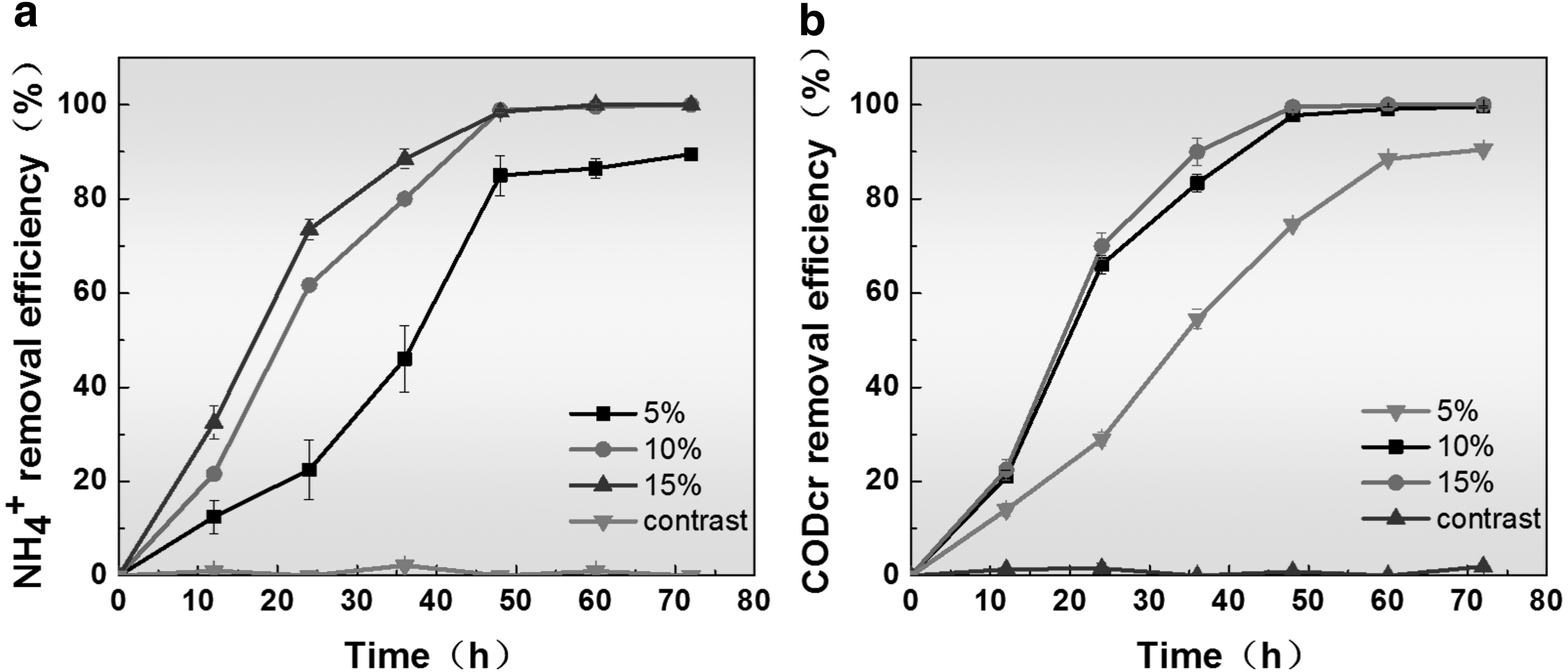
Effect of inoculation amount on degradation.
Treatment of actual wastewater by mixed bacteria
Figure 1 showed a schematic diagram of the enlarged reaction vessel. Detailed parameters can be found in Section “Treatment of simulated wastewater and actual wastewater by mixed bacteria”. The actual wastewater was used in the experiments. The actual wastewater was inferior V malodorous black water. The COD was 77 mg/L. The concentration of ammonia nitrogen was 14.38 mg/L. The TP was 0.42 mg/L. The wastewater was treated by mixed strains under the optimal conditions mentioned above. From Fig. 11, we can see that the removal efficiencies of ammonia nitrogen and COD were both higher than 75% at 48 h. When HRT was 72 h, the degradation of ammonia nitrogen and COD was complete, and the TP degradation reached 88.35%, which became class II water. The experimental results showed that the mixed bacteria have promising prospects in practice.
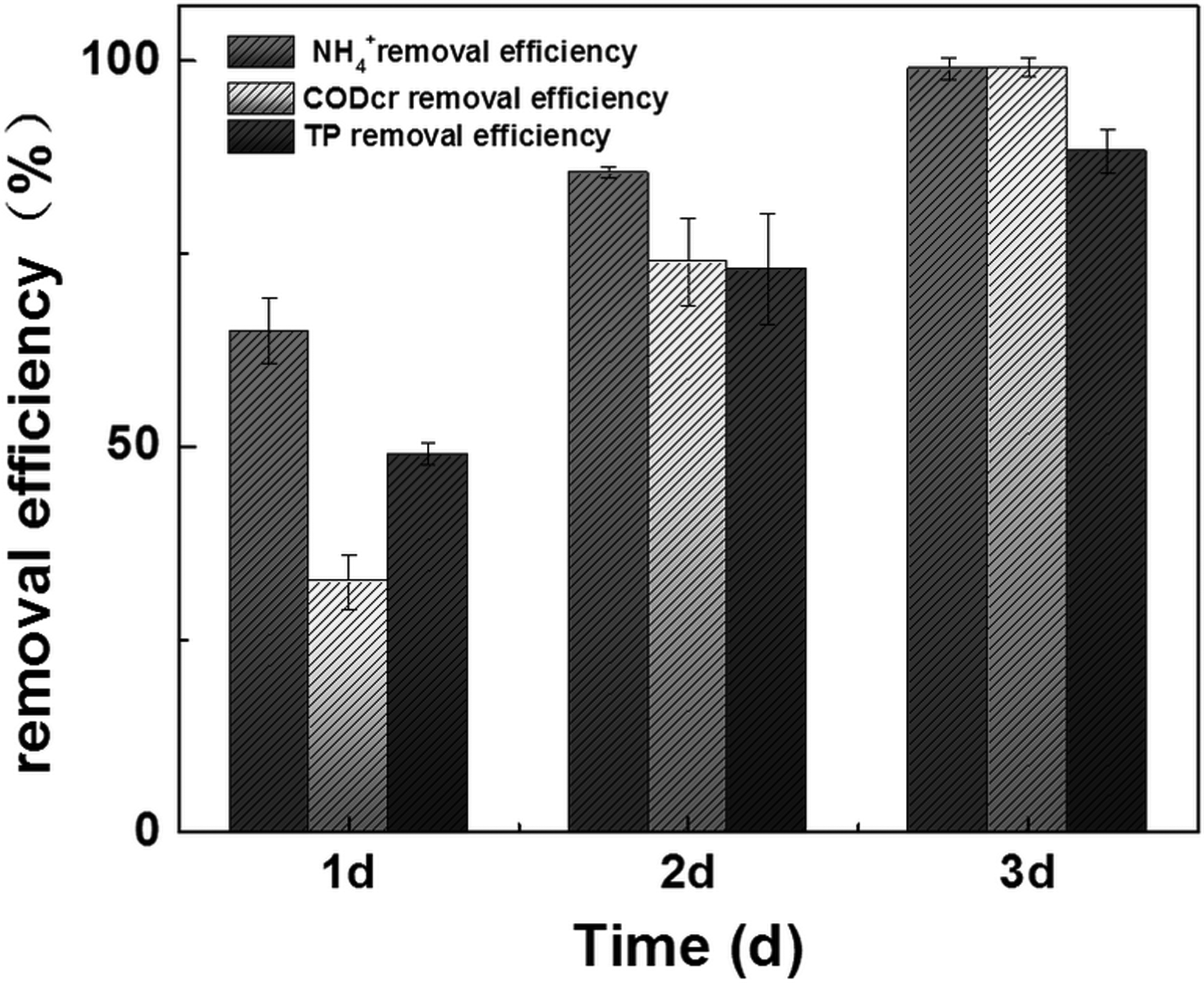
The treatment result of actual wastewater by mixed bacteria.
At the same time, it is important to know the proportion of three bacteria in this system and which one is the dominant species after mixed culture. As shown in Fig. 12, the number of L1, L2, and L6 bacteria was determined by qPCR every other day for three consecutive days. The results showed that the three bacteria could grow stably together, but the number of L6 began to increase after 1 day. It indicated that L6 had better adaptability and tolerance than L1 and L2, indicating that L6 was the dominant strain.
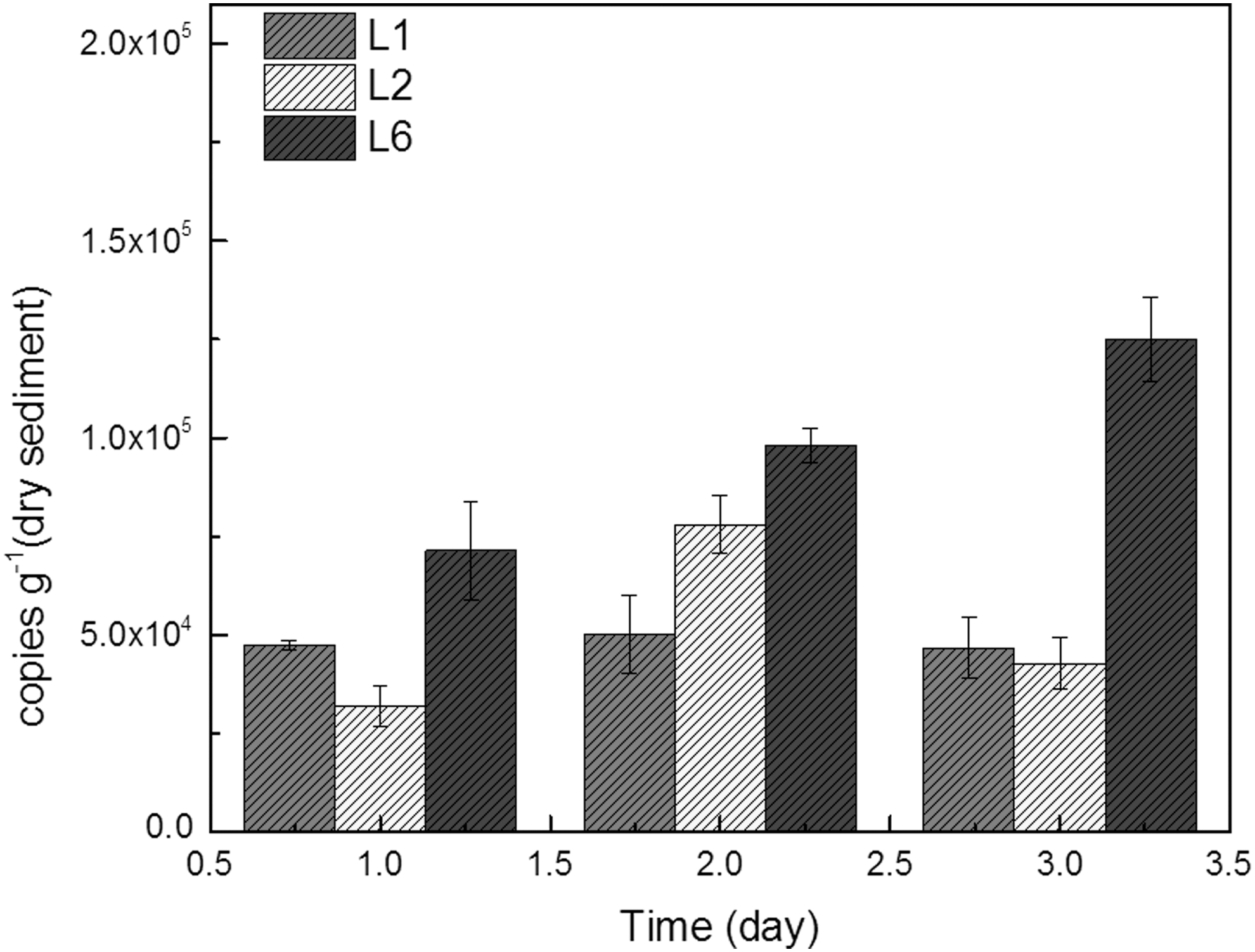
Gene copies of different strains in the system.
Conclusion
The directional screening technology of bacterial biofilm was used for the first time, and a variety of degrading strains of malodorous black water were obtained from various heavily-polluted waters. Three strains L1, L2, and L6 showed an ammonia nitrogen removal efficiency of more than 60% and the COD removal efficiency of over 75%. According to the 16S rDNA identification, it was concluded that the L1 strain was M. esteraromaticum, and the L2 strain was A. junii. The L6 strain was A. johnsonii strain. Through the mixed culture of the three kinds of bacteria, the removal efficiency can be improved. The optimized degradation conditions of mixed bacteria treating simulated wastewater were as follows: with pH of 7, dissolved oxygen concentration of 2.5 mg/L, temperature of 30°C, the total bacterial concentration of 15%, the initial COD of around 50 mg/L, and the initial ammonia nitrogen of about 17 mg/L. The ammonia nitrogen and COD were totally degraded in 50 h, and TP degradation efficiency was also more than 80%. The mixed bacteria were also used for the treatment of actual wastewater. The removal efficiencies of ammonia nitrogen and COD were both higher than 75% at 48 h. When HRT was 72 h, the degradation of ammonia nitrogen and COD was complete, and the TP degradation reached 88.35%. The experimental results showed that the mixed bacteria have promising prospects in practice.
Footnotes
Acknowledgment
The authors gratefully acknowledge the financial supports from the Natural Science Foundation of Hebei Province (No. D2017203317).
Author Disclosure Statement
No competing financial interests exist.