






Abstract

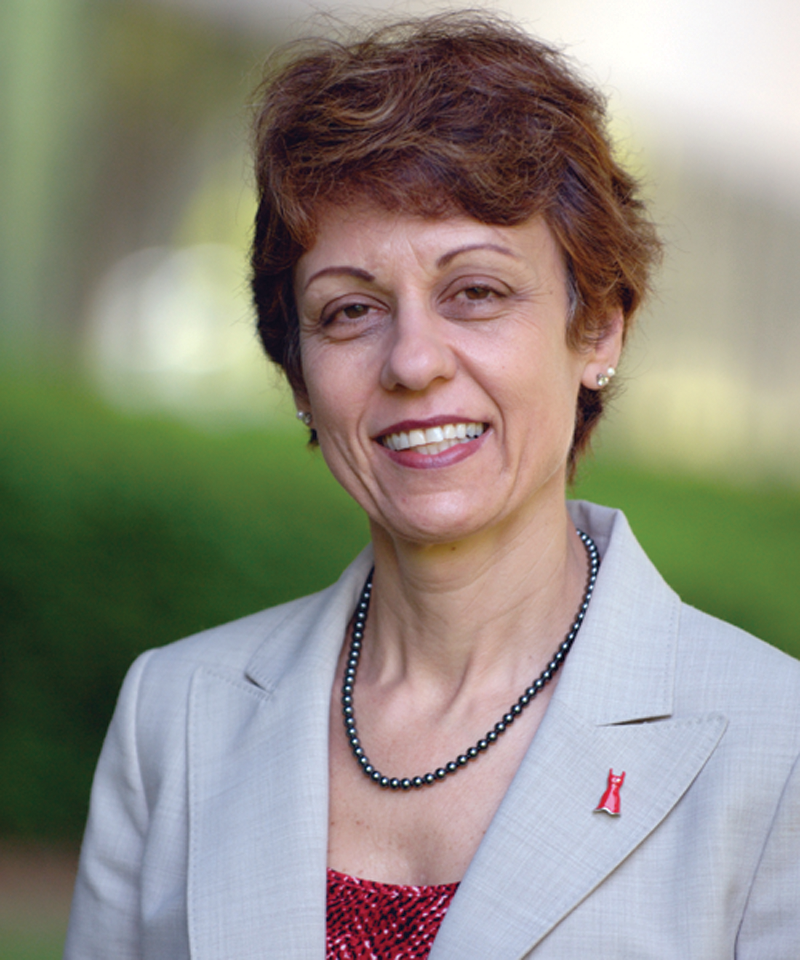
I was witness to Sonia's impact on NIH support of gene therapy in the early years when I visited then–director of the NHLBI, Dr. Claude Lenfant, as President of the American Society of Gene and Cell Therapy (ASGCT), to persuade him to increase extramural support for this newly emerging field. Dr. Lenfant invited Sonia as a senior member of his leadership to “hear my pitch.” It became clear during this meeting that Claude was going to rely heavily on Sonia to evaluate the scientific merit of our appeal and, if appropriate, to develop new extramural gene therapy programs.
In very little time, Sonia took the lead in creating the Programs of Excellence in Gene Therapy, which morphed into the Gene Therapy Resource Program, which was just renewed for 5 years. With Sonia, it was never about her and what “she” accomplished; rather, she took great pride in what the extramural scientists were able to accomplish through the programs that she championed. A colleague of Sonia at NHLBI, Dr. Cheryl McDonald, provides a more comprehensive summary in this issue (pages 899–905) of NHLBI cell and gene therapy programs that Sonia developed.
Sonia worked at the NIH for more than 28 years, spending much of her career managing extramural programs at NHLBI in the area of cardiovascular diseases. I was always curious as to how Sonia was able to flourish so well in this environment. The bureaucratic and impersonal persona of the NIH was in stark contrast to Sonia's warm and disarming approach to life. Sonia was able to simplify cumbersome governmental processes and cut through red tape to obtain answers while overcoming what seemed like insolvable administrative log jams. For some reason it was always easier to hear “bad news” about a grant review or funding decision when it came from Sonia. She was always encouraging and helpful in finding a path forward even if it appeared you were at a dead end.
One reason Sonia was such an effective administrator is that she was incredibly organized. She was always prepared and on time for meetings. Her follow-up was incredible no matter how busy she was. Sonia attempted to answer within a few days virtually any question thrown at her, even if it meant that she had to reach out to others for advice.
It is fitting that Sonia was able to witness the recent clinical successes in gene therapy and resurgence of the field before her untimely death. If anyone was entitled to say “I told you so,” it would have been Sonia. However, this was not her style. Instead she worked even harder to secure ongoing support for these fields at a time of huge potential but in a very challenging financial environment. Sonia and her friend and colleague, Dr. Catherine McKeon, were the first recipients of the American Society of Gene & Cell Therapy Distinguished Service award presented on May 17, 2013, just weeks after Sonia was diagnosed with cancer.
The beneficiaries of Sonia's vision and advocacy of cell and gene therapy go well beyond the scientists and institutions that were supported by her programs and include the many patients who will benefit from the resulting clinical advances. Sonia will indeed be missed by her family, friends, and colleagues, although her legacy will endure. We dedicate this issue of Human Gene Therapy to Sonia Skarlatos and the field of science that she so passionately supported—cell and gene therapy of cardiovascular diseases.