







Abstract
In this study, we compare the effectiveness of two distinct resins for the purification of lactoferrin (LF) from skimmed milk and fermentation broth. The first resin, a highly porous and soft agarose-based material, exhibits strong hydrophilic properties, while the second resin, composed of rigid polymethacrylate, is more hydrophobic. The agarose-based resin, SP Seplife 6AG XL 200, demonstrates superior performance in purifying bovine lactoferrin (bLF) from milk and whey. Its hydrophilic structure minimizes undesired hydrophobic interactions, achieving a purity of 97% and a yield of 90%. Notably, the agarose resin effectively isolates lactoferrin despite its low concentration (<0.3%) and the presence of a similar protein, lactoperoxidase, which tends to coelute. Conversely, for the purification of recombinant bLF (rbLF) from the fermentation broth, the Seplife LXPM SP 5504C resin outperforms in both yield and purity, reaching 99% and 98%, respectively. This resin facilitates elution using only 0.5 M NaCl—an improvement over the 0.7 M NaCl required for the agarose resin. Both agarose and methacrylic resins excel at purifying feeds with high concentrations of rbLF (>10 mg/mL), while consistently maintaining excellent purity levels. Both resins are designed to be cost-effective and scalable and can be used in different chromatography systems employing axial or radial flow columns. Overall, the choice of resin significantly influences the purity and yield of lactoferrin, highlighting the importance of resin selection based on the source of protein.
Introduction
Lactoferrin (LF) is a multifunctional iron-binding glycoprotein naturally available in human and other mammals’ milk and some biological fluids, exhibiting various therapeutic and health-promoting properties. 1
Belonging to the transferrin family, LF from mammal sources is a single polypeptide chain of ∼700 amino acids folded into two lobes, with a variable molecular weight of 77–87 kDa and an isoelectric point of 8–10, depending on the protein source, glycosylation, and test methods used. 2 –4
Its diverse range of beneficial effects, including antimicrobial, antioxidant, anti-inflammatory, and immunomodulatory activities, has gained considerable attention in recent years, giving LF significant potential in various fields such as pharmaceuticals and clinical nutrition. 3 –7 Functional foods and infant formula, based on powder milk substitute for human breast milk, constitute a significant application for lactoferrin. 8
With the growing interest in LF as a potential therapeutic agent in several clinical applications, 9 there is an increasing need for cost-effective and robust purification methods to obtain high-purity lactoferrin efficiently.
The chromatographic purification of LF from different natural sources is a challenging task, as the presence of diverse contaminants, varying protein compositions, and feed-specific factors significantly influence the efficiency and yield of the purification process.
Skimmed bovine milk and whey, currently the most extensively used feeds, offer high bovine lactoferrin (bLF) purity at large scale but require efficient removal of other similar milk proteins via chromatographic purification. 10 –13 Lactoferrin concentration in milk and whey is usually in the range of 0.02–0.3 g/L. 13 Milk contains many other proteins, such as casein, in the concentration of 30 g/L, and some lipids that can affect the chromatography separation, while commercial fat-free (skimmed) milk still contains up to 0.5% fats. 14 The whey has no casein, and usually the fat has been mostly removed, so the feed is more hydrophilic with a similarly low bLF concentration as the milk.
In recent years, there has been an increasing number of publications on the manufacture of LF by fermentation due to the advantages in protein productivity, the downstream process, and significant cost reduction. 8,15,16 Besides, LF manufacture by fermentation gives the choice of producing recombinant bovine or human lactoferrin at much higher titer (>10 g/L) compared to the concentrations available from milk, whey, and other natural sources. Comparatively, bovine and human lactoferrin have 691 and 696 amino acids, respectively, with ∼70% percentage identity in the amino acid sequence and similar isoelectric point (pI). 4,17 When expressed in prokaryotic systems with short production time and high titer, the protein generated often has a different glycosylation pattern, which can impact the purification strategy. 3,16,18
Various methodologies were employed for LF purification from fermentation broth and whey, including chromatography techniques, membrane filtration, ultrafiltration, and affinity-based purification, among others. 18 –20
Chromatography, a versatile separation technique, can be employed to purify LF from diverse feeds using specific chromatographic matrices and mobile phases. 13,21,23 Ion exchange chromatography (IEC), commonly employed for lactoferrin purification, exploits the differences in the protein charge to separate LF from other components present in the feed.
In order to allow the chromatographic purification of LF at large scale in a cost-effective, sustainable and efficient mode, there is the need for robust resins that meet the stringent industry requirements. Such resins have to present long term physical and chemical stability, must be suitable for chromatography systems with axial or radial flow columns and among others, need to be cost-effective to allow production of very large amounts of LF with minimal impact on the final product cost and must be available on large scale with short delivery time.
In the present article, we introduce two different novel resins that have been designed to meet the above requirements for the food industry and that can be adopted in the manufacture of LF. In the purification of bLF, there is obviously the need for good separation of bLF from lactoperoxidase, while considering the extremely low concentrations in the feed and aiming to reach the highest yield to reduce costs. In the purification of the LF obtained by fermentation, the requirement is a resin with high capacity since the LF concentration in feed is significantly high, providing good purity to ensure a final product that can be used in most applications, including food.
This study aims to undertake a comparative analysis of the chromatographic purification of lactoferrin from various feeds, including bovine milk, whey, and fermentation broth. It intends to evaluate the efficiency, yield, and purity of each chromatographic resin and process for different feed sources.
Materials and Methods
All reagents used were analytical grade and have been purchased from Sinopharm Chemical Reagent Co., Ltd., China. Commercial-grade bLF at 92% purity was purchased from Shanghai Yuanye Bio-Technology Co., Ltd., China. The skimmed milk was supplied by Yili and contained no natural bLF; therefore, all experiments in skimmed milk were done by adding an average 0.3 mg commercial bLF per liter of skimmed milk. The whey was prepared in-house by degreasing fresh full-fat milk and had a final pH of 6.5. Fermentation broth containing an average of 16 mg rbLF/L was supplied by Turtle Tree, USA, and was from fermentation obtained in an eukaryote microorganism Komagataella phaffii (Pichia pastoris) YB-4290. After fermentation, the broth was clarified, and ultrafiltration with a 10 kDa membrane was applied to remove the small molecules.
The Sodium Dodecyl Sulfate Polyacrylamide Gel Electrophoresis (SDS-PAGE) tests were performed using a protein electrophoresis instrument from Bio-Rad and the experiments were performed using 30% acrylamide gel with the separation being done at 150 V. The protein ladder RealBand prestained protein marker, 10–180 kDa, and the reducing buffer 5x Protein Loading Dye used to treat the protein sample were provided by Sangon Biotech; the staining solution used for the SDS-PAGE experiments was Coomassie Brilliant Blue.
All Fast Protein Liquid Chromatography (FPLC) tests have been done using the Unique Autopure 100 from Suzhou Inseth Intelligent Technology Co., Ltd. The chromatography experiments were done using Sunresin FPLC prepacked columns of 0.8 × 10 cm (5 mL), 1.6 × 10 cm (20 mL), or 1.6 × 20 cm (40 mL) as specified; the packing resins were SP Seplife 6AG XL 200 and Seplife LXPM SP 5504C. SP Sepharose Big Beads was obtained from Cytiva. The typical chromatography process is loading the feed at a specified contact time and eluting with controlled salt concentration; the chromatography media is then rinsed with 0.1 M NaOH followed by CIP using 1 M NaOH. The dynamic binding capacity (DBC) of the resins was performed in 0.8 × 10 cm (5 mL) column with 20 mM phosphate buffer, pH 6.7 mobile phase, and 2 minutes contact time for the sample application and elution performed using 20 mM phosphate buffer with 1 M NaCl, pH 6.7; standard commercial bLF was dissolved in 20 mM phosphate buffer, pH 6.7, and was used for the DBC tests.
Resin lifetime cycling was done using a 40 mL column (CV = 40 mL) packed with SP Seplife 6AG XL 200 and a contact time of 2 minutes. Eighty cycles have been performed using skimmed milk containing ∼0.3 mg/mL commercial bLF. At each cycle, the column was loaded with 130 CV milk (∼1.5 g bLF), impurities were eluted using a 0.24 M NaCl step elution, and the bLF was eluted with 1 M NaCl solution. The SP Seplife 6AG XL 200 agarose was rinsed with water, and CIP was performed with 5 CV of 0.1 M NaOH followed by 5 CV 1 M NaOH to ensure full cleaning and regeneration.
Total protein determination was done using the biuret method following the procedure described by Rodger et al. 24
The High-Performance Liquid Chromatography (HPLC) instrument used for analyzing the LF purity was the 1260 Infinity II from Agilent. The HPLC method to measure the purity of the lactoferrin in the elution phase was set up following the Chinese standard for determination of lactoferrin purity in food GB5009.299 when purifying bLF from milk and whey. 25 When purifying rbLF from fermentation broth, the HPLC purity test involved a 2.1 × 75mm Agilent Poroshell 300SB-C8 5 μm column, 2 mobile phases: A: 95/5 50 mM NaCl in HPLC grade water/ACN (acetonitrile) + 0.1% TFA and B: 5/95 HPLC grade water/ACN + 0.1% TFA with mobile phase A running from 70% to 40% over 8 minutes, then holding at 10% A for 1 minute and returning to 70% A for 2.5 minutes.
For the purification of rbLF from the fermentation broth, the effect of the feed pH, concentration, and contact time with the chromatography resin was studied by FPLC using a 1.6 × 10 cm (20 mL) column. To test the effect of pH and rbLF concentration in the feed, the pH was adjusted prior to column loading to the values 5.5, 6, and 7, and the protein concentration was adjusted to ∼5, ∼8, and ∼16 mg/mL by diluting the fermentation broth with water. The impact of the flow velocity on the resin capacity and protein purity was assessed at 120, 250, 400, and 600 cm/h.
Results and Discussion
Whether the source of LF is bovine milk, whey, or a fermentation broth, the final commercial lactoferrin powder needs to comply with rigorous quality requirements for use in foods (adult or infant), nutraceuticals, or cosmetics. Global standardization in the quality of bLF is progressing through Generally Recognized as Safe (GRAS) for different applications as base for chewing gum, yogurt, powdered milk, ice creams and sorbets 26 or infant formula, 27,28 while the assessment of recombinant LF as GRAS is ongoing and there is a pending application, 29 indicating that USA and EU companies are aiming to commercialize a minimum 95% purity lactoferrin. 30,31
To achieve the purity guidelines, we propose a chromatographic purification system based on the use of strong acid cation resins that bind efficiently to LF from any feed (milk, whey, or fermentation broth) and allow its release in solution in the presence of controlled NaCl concentration. Two different chromatography resins have been considered for this study and are presented in Table 1. Both resins are strong acid cations with the same particle size range but different polymer composition and ion exchange capacity.
Properties of the Cation Exchange Media Used in the Chromatography Purification of Lactoferrin
While SP Seplife 6AG XL 200 is based on a soft hydrophilic 6% cross-linked agarose matrix designed and optimized to have very high protein binding capacity, the Seplife LXPM SP5504C has a rigid and more hydrophobic acrylic polymeric matrix with optimal porosity (∼1000 Å) for high protein binding capacity. Both resins show good stability in all aqueous solutions and solvents typically used in IEC without any volume variation.
The high hydrophilicity and open pore structure of the agarose chromatography media allow for the purification of large molecules up to 200 kDa, whereas the rigid more hydrophobic polymethacrylate resin would allow the purification of molecules up to 100 kDa in size. Both resins can then accommodate bLF from milk or rbLF from fermentation broth in Komagataella phaffii (Pichia pastoris) YB-4290 which have similar molecular weights up to 84 kDa, depending on the glycosylation pattern. 16 Since both resins are designed with the same particle size range (100–300 microns; see Fig. 1), they can be used with both axial and radial flow chromatography columns.
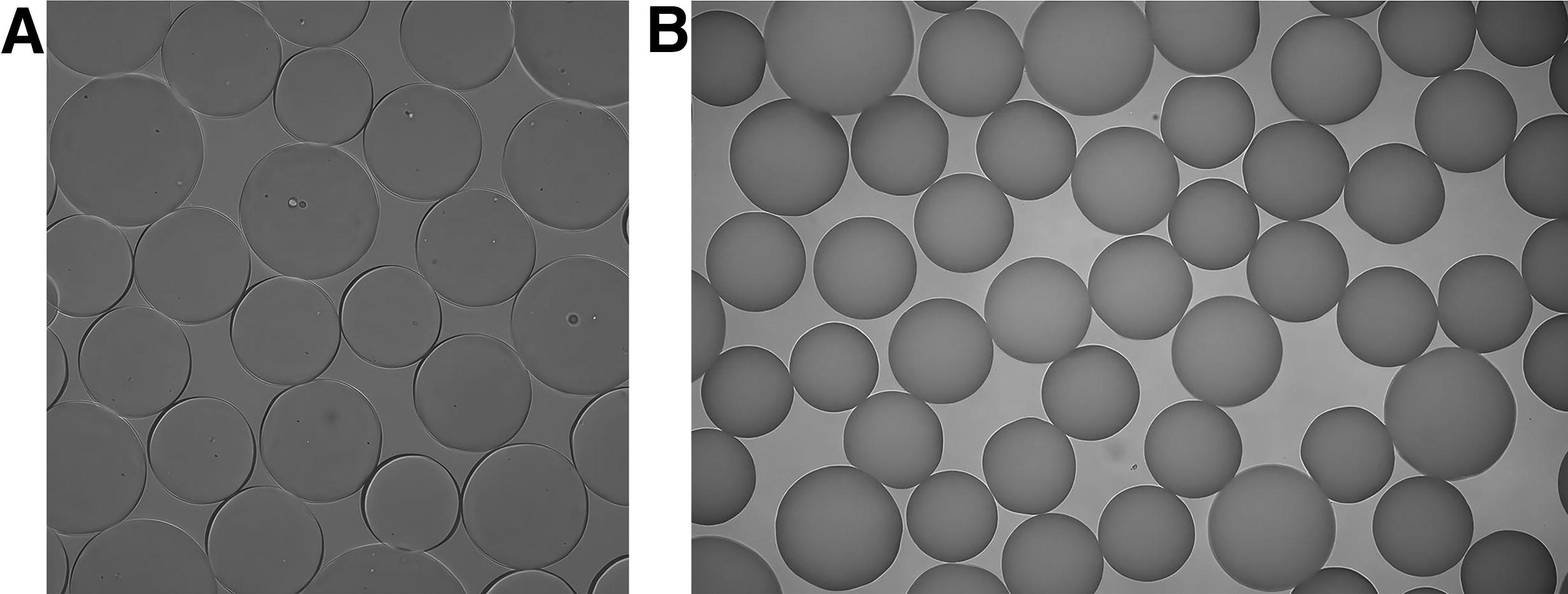
Optical microscopy for the SP Seplife 6AG XL 200 and Seplife SP5504C.
The differences in the physical and chemical properties of the two chromatography resins allow them to perform differently in terms of maximum flow velocity and pressure drop, interaction with the feed matrix, and therefore ease of regeneration and cleaning. Figure 2 shows the differences in pressure drop versus linear velocity in a column of 30 cm diameter.
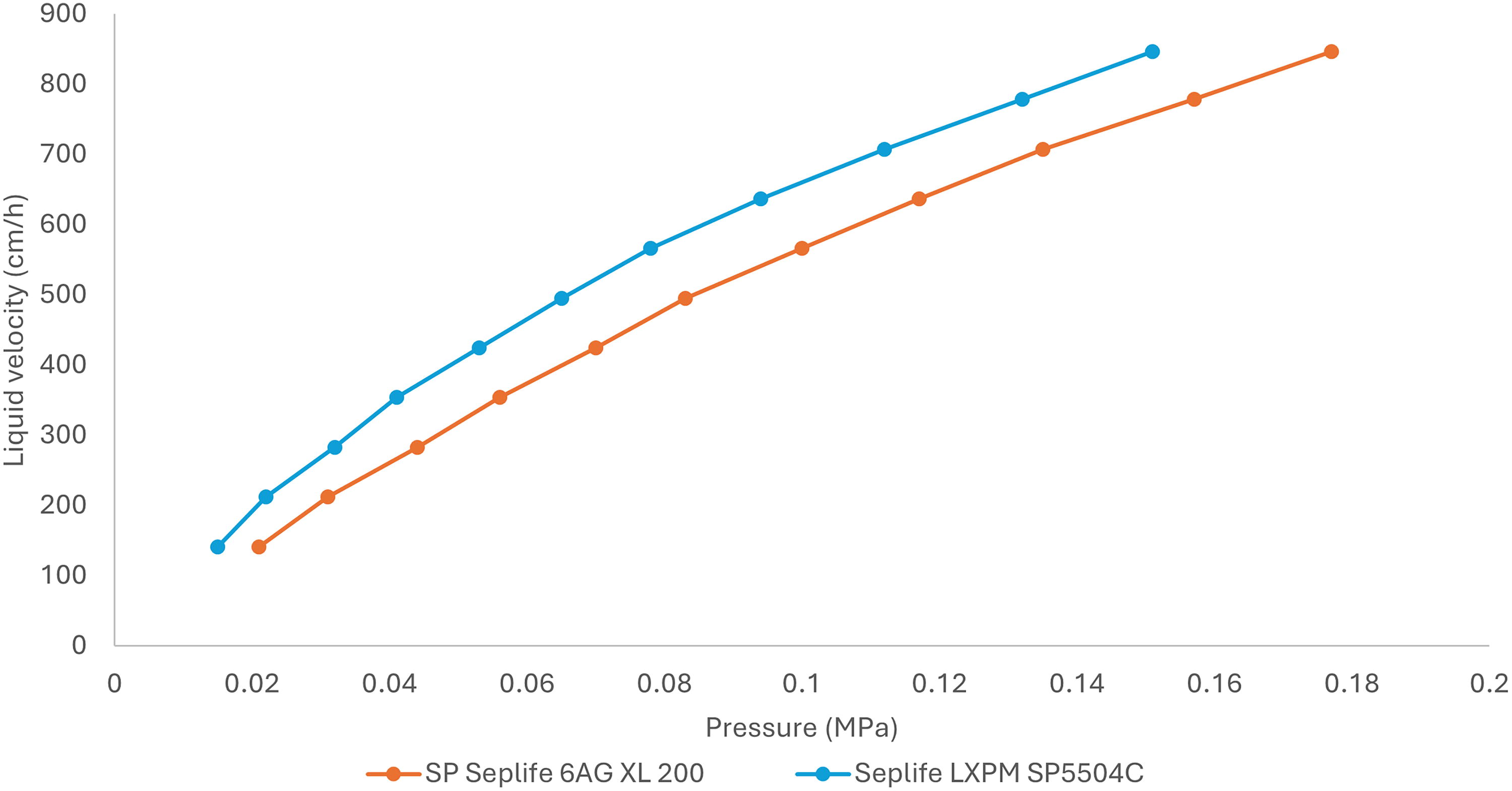
Pressure flow curves of SP Seplife 6AG XL 200 (orange) and Seplife SP5504C (blue) chromatography media packed in 300 × 200 mm (d × h) column using water mobile phase.
The rigid matrix of Seplife SP5504C shows a lower pressure drop at similar flow velocity, meaning that operation can take place in higher bed height columns or at higher flow velocity compared to the agarose resin SP Seplife 6AG XL 200, hence allowing for increased process productivity. The flow properties of these resins indicate suitability for any chromatographic equipment whether is packed bed axial flow column, radial flow column, or fluidized bed applications.
In terms of commercial bLF binding capacity, the comparison between the agarose and methacrylic SP functionalized resins is presented in Figure 3, indicating that although the 10% DBC value is similar for the three chromatography resins at higher % DBC, there are significant differences with a much higher capacity observed for SP Seplife 6AG XL 200 compared to Seplife SP5504C and compared to SP Sepharose Big Beads. The difference can be linked to differences in the ion exchange capacity (Table 1) and also to the different hydrophilicity of the polymer backbone (agarose vs. methacrylate). The very high 50% DBC capacity of the SP Seplife 6AG XL 200 (84 mg/mL), compared to Seplife SP5504C (40 mg/mL), would offer a significant increase in productivity when operating in a simulated moving bed chromatography setup since the frequency of the elution, rinsing, and regeneration steps would be reduced.
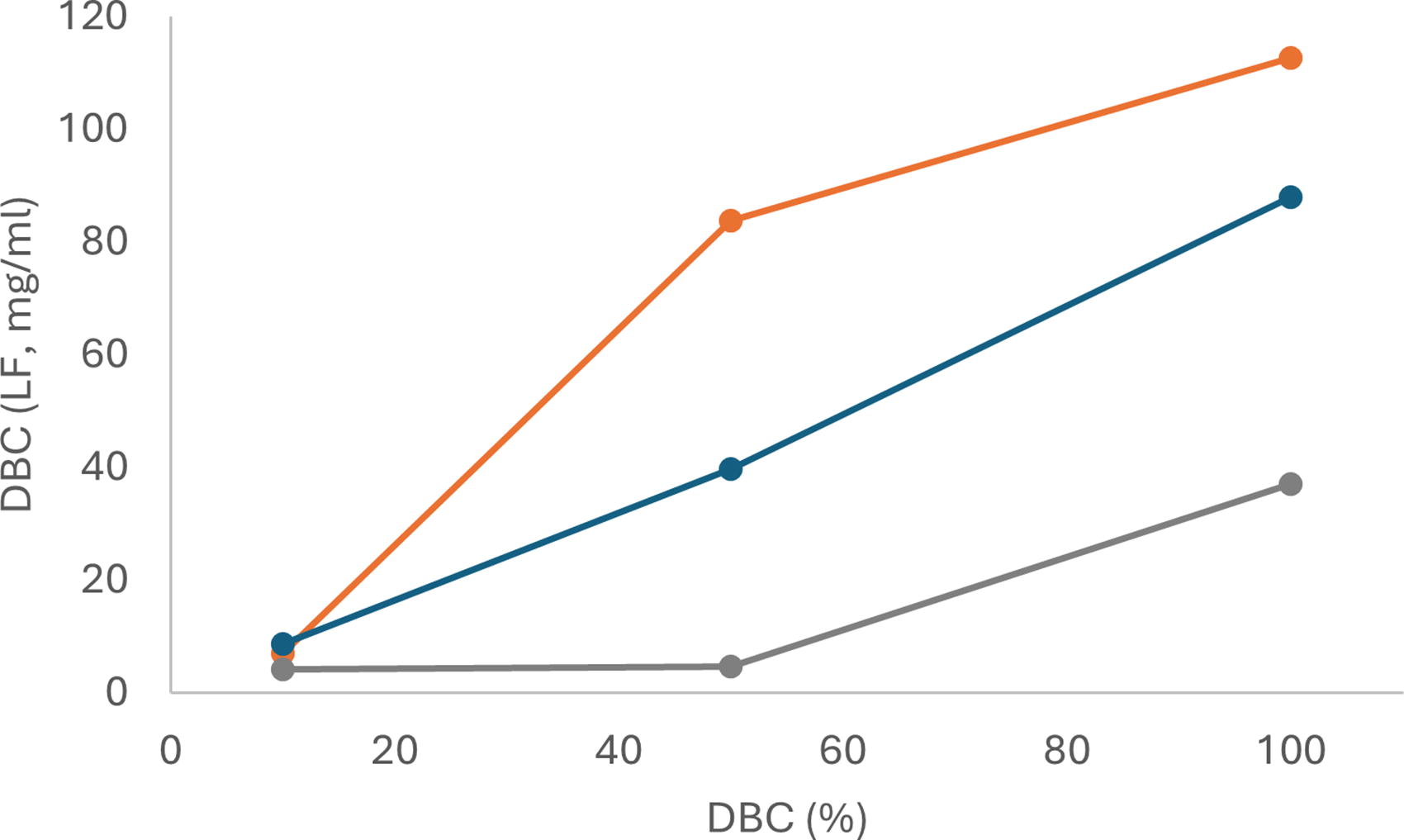
Comparison of three chromatography media for lactoferrin DBC at Q10, Q50, and Q100. SP Seplife 6AG XL 200 (orange), Seplife SP5504C (blue), and SP Sepharose Big Beads (gray). Standard commercial purified bLF was used for the test in a 5 mL column (0.8 × 10 cm) with 20 mM phosphate buffer, pH 6.7 mobile phase, 2 minutes contact time for the sample application and elution using 20 mM phosphate buffer with 1 M NaCl, pH 6.7. bLF, bovine lactoferrin; DBC, dynamic binding capacity.
PURIFICATION OF BLF FROM MILK AND WHEY
Due to the low lactoferrin content in milk 4 and whey, 13 large volumes of feed need to be passed through the chromatographic column to bind and elute a significant amount of bLF. As such, the flow rate of the feed needs to be high, allowing for a short contact time with the resin in order to increase productivity. Industrially, radial flow chromatography columns of ∼260 L or axial flow chromatography columns of 1–2 m in diameter are used for such applications. 32
Table 2 presents an overview of the lactoferrin purification results obtained when using whey and skimmed milk as feed. Both resins show very good purity of lactoferrin, reaching values >96%, in line with values reported in GRAS notices showing purity of >96%. 26,27
Elution of Lactoferrin from Whey, Skimmed Milk, and Fermentation Broth: Concentration and Purity of the Protein in the Elution Fraction (40 mL Column, 2 Minutes Contact Time)
bLF, bovine lactoferrin; rbLF, recombinant bovine lactoferrin.
The main differences between the agarose SP Seplife 6AG XL 200 and the polymethacrylic Seplife LXPM SP5504C are in the final yield of LF recovered, which may be due to a more complex interaction of the lactoferrin from milk and other milk components with the synthetic polymer, making it more difficult to fully elute and recover the protein of interest.
Given the high initial yield and purity obtained with the SP Seplife 6AG XL 200 agarose resin, a resin lifetime test was established. The results obtained over the 80 cycles showed an average purity of the eluted lactoferrin of 97%, a very stable recovery yield with only 5% variation over the 80 cycles, and <10% variation in the LF elution volume. Figure 4 shows the overlayed chromatograms at different points during the reuse of the column, showing very good repeatability of the process. This data indicates the stability of the SP Seplife 6AG XL 200 agarose resin for lactoferrin purification from skimmed milk as well as its stability over multiple lifetime cycles with 1 M NaOH used for cleaning in place (CIP).
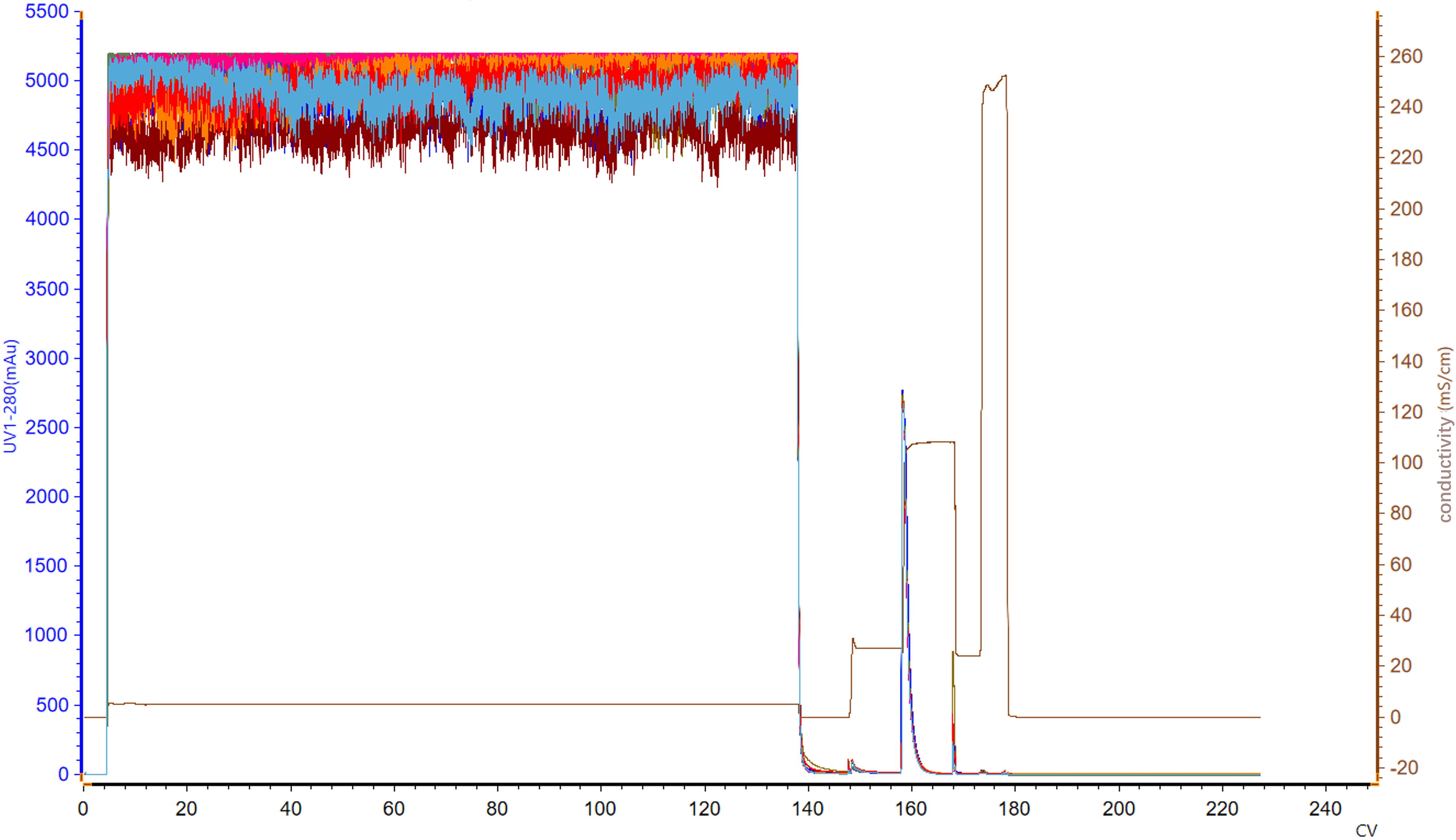
Overlay of the cycles 1,10, 20, 30, 40, 50, 60, 70, and 80 chromatograms obtained by passing 130 CV skimmed milk containing 0.3 mg/L bLF through a 1.6 × 20 cm (CV = 40 mL) column packed with SP Seplife 6AG XL 200 at 2 minutes contact time. Impurities were eluted with 0.24 M NaCl, bLF was eluted with 1 M NaCl. bLF, bovine lactoferrin.
PURIFICATION OF RBLF FROM FERMENTATION BROTH
Given the high commercial interest in LF, several publications have reported on the effort to manufacture various recombinant types of lactoferrin (mostly bovine and human) using fermentation in different microorganisms. 1,16,33,35 –37
For the present study, we have used a lactoferrin broth containing recombinant bLF (rbLF) from fermentation in Komagataella phaffii (Pichia pastoris) YB-4290 with a concentration of ∼16 g/L; the rbLF protein has a calculated pI of 9.4 and molecular weight of 84 kDa, and it contains exopolysaccharides with molecular weight of 50 kDa. 3,16 Previous studies indicated a high similarity in the amino acid sequence between the bLF and the rbLF, except for a N-terminus amino acid extension. The most significant difference between the two protein sources was identified in the glycosylation profile, with rbLF having an extra ∼55% high-mannose glycans compared to bLF, amounting to an increase in the molecular weight by ∼1–2 kDa reported to the bLF simultaneously tested. 16 The minimal amino acid structural differences between rbLF and bLF should not significantly influence the chromatography purification by strong acid cation, but the difference in glycosylation could affect the protein conformation and its surface characteristics; the agarose and polymethacrylate resins were compared below for the optimum purification conditions.
In Figure 5, a comparative test of SP Seplife 6AG XL 200 and Seplife LXPM SP5504C with a gradient elution (50 mM NaCl to 1 M NaCl) for the purification of rbLF from undiluted fermentation broth is presented. The elution profiles recorded in Figure 5 indicate that the rbLF requires different salt concentrations to be eluted from the two chromatographic resins. There is a stronger interaction between the rbLF and the agarose resin, requiring a higher conductivity of 55 mS/cm, corresponding to a higher NaCl concentration to elute. The interaction with the polymethacrylate resin is weaker requiring a conductivity of ∼40 mS/cm and therefore less NaCl to elute. The difference in the salt concentration required for the elution is likely due to the difference in ion exchange capacity between the two resins (Table 1) influencing the strength of interaction with the rbLF. However, there may be additional surface interactions between the hydrophobic polymethacrylate resin and the hydrophilic rbLF, facilitating the protein elution. After optimization of the elution conditions, the rbLF was efficiently eluted with 0.7 M NaCl from the agarose resin (Fig. 6a and b), and only 0.5 M NaCl was required to elute from the polymethacrylate resin (Fig. 7a and b). Such a difference results in a favorable lower salt concentration needed for the elution of rbLF from the polymethacrylate resin.
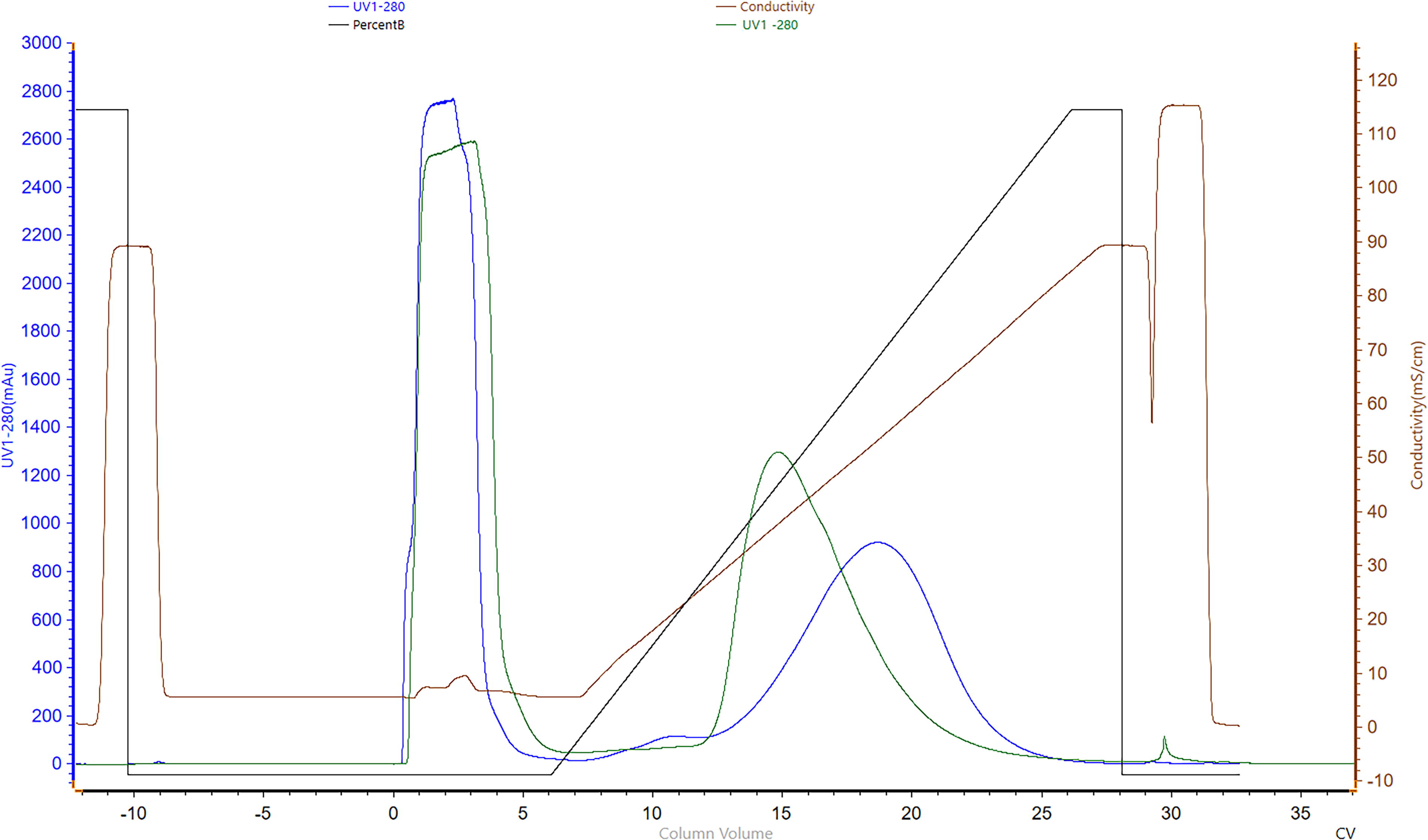
Elution profile of rbLF using a gradient elution from 50 mM to 1 M NaCl. The feed loaded to the column was filtered, undiluted fermentation broth. SP Seplife 6AG XL 200 (blue) and Seplife SP5504C (green). The experiment was done in a 1.6 × 10 cm (20 mL) column at 5 minutes retention time.
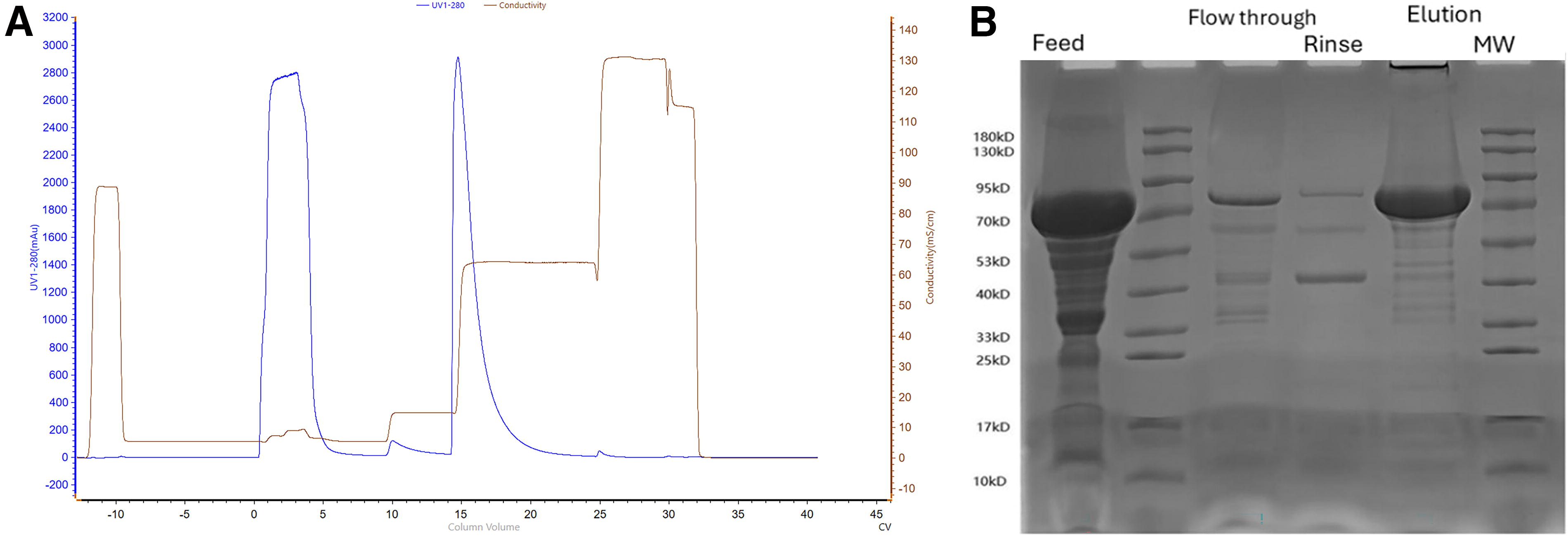
Step elution profile for rbLF using SP Seplife 6AG XL 200 with a 96.4% recovery using 0.7 M NaCl elution solution
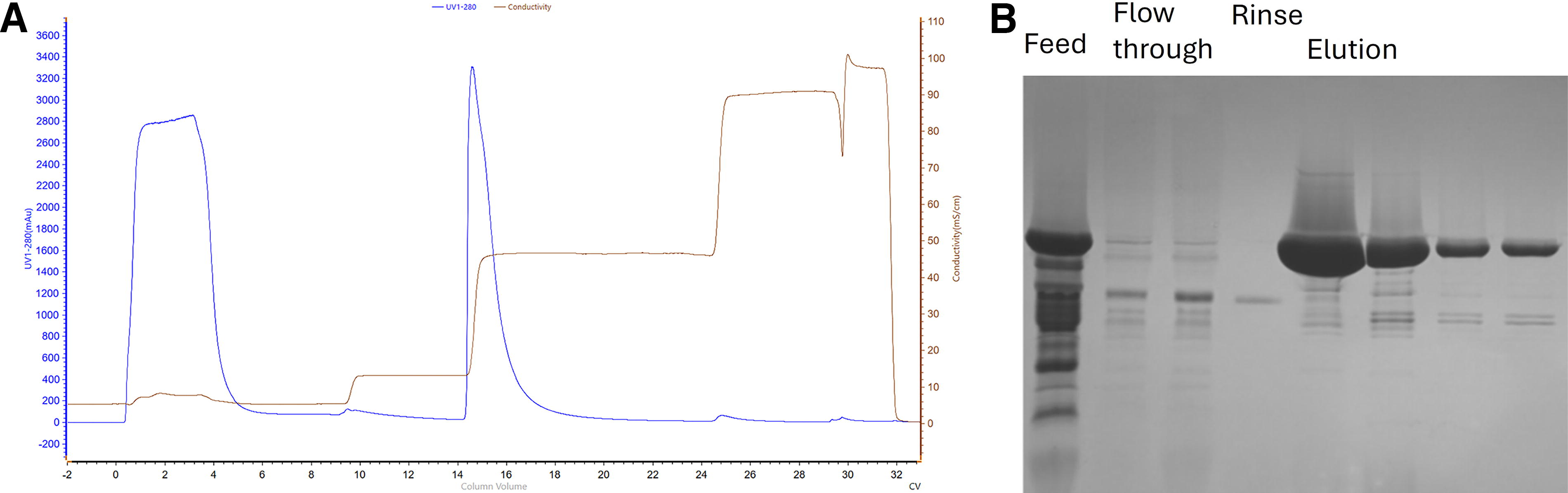
Step elution profile for rbLF using Seplife LXPM SP5504C with a 99% recovery using 0.5 M NaCl elution solution
As opposed to the milk and whey feeds, fermentation broth can be easily modified in terms of pH, protein concentration, conductivity, etc. as part of the downstream process. Herein, we have studied the effect of the feed pH, concentration, and contact time of the fermentation broth with the chromatography resin. Three feed pH values have been tested: 5.5, 6, and 7, three feed concentrations: ∼5, ∼8, and ∼16 mg/mL, and the sample loading flow velocity was varied between 120 and 600 cm/h (data not shown).
For all test conditions, the target was to obtain an eluted rbLF with a minimum purity equal to or higher than 97% and maintain a yield of >90%. In terms of feed pH, it was very interesting to notice that the optimal feed pH for the Seplife LXPM SP5504C resin was found to be pH 5.5; an increase in the feed pH leads to both lower elution purity and lower yield. This indicates that bringing the pH closer to the protein pI may lead to changes in the rbLF surface hydrophobicity, affecting the interaction with the resin and the purification performance. Similarly, impurities start interfere with the process by binding to the resin and reducing the eluted rbLF purity. In the case of agarose SP Seplife 6AG XL 200, the purification performance was not influenced by the pH of the feed, indicating that such changes in the protein surface are not leading to changes in the interaction with the hydrophilic agarose matrix.
The effect of rbLF concentration in the feed showed no impact on the purification performance with either agarose or polymethacrylate resins, as long as the DBC of the resin was considered. This is a crucial point when developing industrial processes since it is possible to obtain high productivity by using smaller volumes of concentrated feed, maintaining a smaller installation footprint, and saving on reagents and waste processing.
When considering the flow velocity of the feed at the loading stage, increasing the velocity up to 400 cm/h had no impact on the process performance with either chromatography media. However, increasing the flow velocity to 600 cm/h leads to a lower yield of rbLF in the elution fraction compared to slower sample loading conditions for both resins. This is related to the protein diffusion through the beads and the need for a longer contact time to achieve the optimum binding conditions for a high yield.
The comparison of the two chromatography resins showed that high yield and purity are achievable while using highly concentrated feeds containing ∼16 mg/mL of rbLF; the concentration of the NaCl solution used in the elution step is lower (0.5 M) for the polymethacrylic resin compared to the agarose resin (0.7 M); feed pH has minimal effect on the process using agarose resin but a slightly acidic pH is preferred when using the polymethacrylic one, while using a up to 400 cm/h flow velocity provides suitable process yield.
A summary of the lactoferrin purification results obtained using undiluted fermentation broth at pH 5.5 is included in Table 2, showing that both the yield and purity are meeting requirements. These results confirm that the chromatographic purification of rbLF from fermentation broth is successful when using either agarose Seplife 6AG XL 200 or methacrylate Seplife LXPM SP5504C.
The main differences observed in the process for purifying LF and rbLF can be explained on the basis of the molecular structure of the two molecules as well as on the differences in the ion exchange capacities of the two resins studied. Despite bLF and rbLF having similar amino acid structures, their difference in glycosylation accounts for ∼2 kDa molecular weight increase for the rbLF. The additional high-mannose glycans present in the rbLF expressed in Komagataella phaffii have an effect of changing the surface of the protein, making it more hydrophilic and possibly affecting the surface charge. This, together with the lower ion exchange capacity, can explain why the interaction of the rbLF is less strong with methacrylate Seplife LXPM SP5504C requiring a lower NaCl elution concentration as shown in Table 2.
Conclusions
In the present article, we have compared two different resins and their influence on the purification of lactoferrin from whey, skimmed milk, and fermentation broth. One resin is very hydrophilic, based on a highly porous and soft agarose containing around 95% water, and one more hydrophobic resin, based on polymethacrylate, is rigid and with a defined microporous structure.
Despite the fact that virtually the same protein was purified, whether obtained from skimmed milk or from fermentation broth, the starting feed composition is completely different, and different chromatographic approaches need to be considered. Agarose-based resin SP Seplife 6AG XL 200 shows great performance in the purification of lactoferrin from milk since its higher hydrophilic backbone reduces unwanted hydrophobic interactions and allows it to achieve a purity of 97% and a yield of 90%. Agarose resin provides a very high bLF purity despite its very low concentration in feed and the presence of a competing, similar proteins.
In the case of the purification of lactoferrin from the fermentation broth, both agarose and polymethacrylic resins show the great benefit of allowing the purification of feed with high concentrations of rbLF (>10 mg/mL), while maintaining excellent purity and yield profiles. Seplife LXPM SP5504C showed advantages by allowing us to achieve a yield of 99% using only 0.5 M NaCl (compared to 0.7 M for agarose) and a purity of >97% while agarose SP Seplife 6AG XL 200 showed remarkable binding capacity.
In the case of the purification of lactoferrin from milk and whey, the low concentration in the feed requires a very efficient process with a maximum bLF recovery, so the agarose resin is the preferred solution. In the purification of lactoferrin from fermentation broth with high titer and high feed volumes, the methacrylic polymer offers an interesting cost-effective solution due to the significantly lower cost compared to agarose and the reduced salt concentration needed for elution.
Footnotes
Authors’ Contributions
Conceptualization: S.S. and A.B. Data curation: S.S., J.W., and X.L. Formal analysis: H.J. Investigation: Y.Z. Methodology: J.Y., S.O., and S.S. Project administration: J.W., X.K., and Y.J.L. Resources: J.Y. and L.L. Supervision: J.Y. and X.L. Validation: S.O. and J.W. Writing—original draft: S.S. and A.B. Writing—review and editing: S.S. and A.B.
Author Disclosure Statement
There are no competing financial interests.
Funding Information
No funding was received for this work.