







Abstract
Despite the rather common presence of humic acid (HA), our full knowledge of its biological effect is still lacking. In this article, we first performed a physicochemical characterization of several HAs, and next, we evaluated their ability to affect interleukin-2 secretion, antibody secretion, wound healing (an in vitro model using HaCaT cells), cancer growth (the Lewis lung carcinoma model), and protection against hepatotoxicity. In all tested reactions, HA showed significant stimulation on immune reactions, including suppression of cancer growth and inhibition of lipopolysaccharide-induced hepatotoxicity. These effects were dependent on its chemical properties. The pleiotropic effects of HA observed in this article suggest the possible role of these compounds in human nutrition.
Introduction
H
The effects of HA on defense reaction have been known for a long time. During World War I, peat extracts were used to prevent infections. 3 Later, antimicrobial, 4 anti-inflammatory, 5 and antiviral 6 properties were found. Additional studies showed stimulation of lymphocyte proliferation, 7 stimulation of humoral immune response, 8 and improved health of farmed animals. 9 Our own studies demonstrated significant stimulation of both cellular and humoral branches of the immune reaction. 10 However, some of the studies revealed negative effects of HA, namely, chromosomal abnormalities in intestinal cells induced by high doses of HA 11 via oxidative DNA damage 12 or inhibition of nuclear factor-κB activation. 13
Based on our earlier observations, we prepared a new version of HA samples that relied on the selection of humic substances with different main functional group distribution, apparent MW, and potential chemical oxidative reactions in biological media. These features were studied using elemental analysis, 13C nuclear magnetic resonance (NMR), infrared spectroscopy Fourier transform infrared spectroscopy (FTIR), high-performance size exclusion chromatography (HPSEC), and electronic-spin resonance (ESR). Our principal objective was to test the pharmacological activity of HA with different relative concentrations of oxygen-containing functional groups, mainly phenol groups, in aliphatic and aromatic domains and diverse apparent MW. This was due to a previous study having indicated that phenol and phenol-mediated transformations could be directly involved in the pharmacological activity of humic substances. 10
Materials and Methods
Animals
Female, 6- to 10-week-old BALB/c mice were purchased from the Jackson Laboratory (Bar Harbor, ME, USA). All animal work was done according to the University of Louisville IACUC protocol #10012.
Materials
The RPMI 1640 medium, sodium citrate, ovalbumin, antibiotics, Wright stain, Limulus lysate test E-TOXATE, Freund's adjuvant, penicillin, streptomycin, HEPES, lipopolysaccharide (LPS), polymixin B, and Concanavalin A were obtained from Sigma Chemical Co. (St. Louis, MO, USA). Fetal calf serum (FCS) was from Hyclone Laboratories (Logan, UT, USA).
Humic acid
The different HAs were extracted from diverse vegetal organic materials following the methodology indicated by the International Humic Substances Society (
Size exclusion chromatography
Molecular size distribution was evaluated by HPSEC. The chromatographic system consisted of a Waters 600 Controller pump followed by two detectors in series: a Waters 996 Photodiode Array Detector set at 400 nm, and a Waters 2424 Refractive Index Detector. Size exclusion separation occurred through a PL aquagel-OH 30 column (Polymer Laboratories, Shropshire, United Kingdom), preceeded by a guard column with the same stationary phase. The overall MW range of separation for this column is 100–300,000 Da.
For each sample, solutions of 800 ppm of carbon were prepared in 0.05 M NaNO3. The injection volume of all samples was 100 μL, the eluent used was 0.05 M NaNO3 (pH 7), and the flow rate was 1 mL/min. The void volume (V0=6.65 mL) and permeation volume (Vp=11.82 mL) were determined with polyethylene oxide of MW of 43,250 Da and methanol, respectively.
To evaluate an approximate MW distribution from HPSEC chromatograms for HS samples, a universal calibration was carried out. Curves of log J versus the elution volume were obtained using polyethylene glycol and polyethylene oxide standards of known MW. The parameter J is defined as the product of the intrinsic viscosity [η] and the MW (Ji=[η]IMi), and it is proportional to the hydrodynamic volume. This means that two macromolecules with the same hydrodynamic volume will have equal J values.
The Mark–Houwin–Sakurada equation relates [η] to MW as follows:
where K and a are constants proper of each macromolecule, solvent, and temperature. In this study, we have used the values of K and a report by Visser 14 for a soil HA (K=2.724×10⁻² mL/g and a=0.45).
13C NMR studies
13C NMR spectra were obtained on a Varian Unity 300 spectrometer at 75.429 MHz using the cross-polarization magic angle spinning technique, with a spinning speed of 5 kHz, 90° pulse width, 69 ms acquisition time, and 1.0 s delay. Spectra were divided into the chemical shift regions specified in Table 2. For each region, corresponding to a different type of C, the area under the peaks of this region was calculated and given as a% of the total area under the spectrum.
FTIR studies
Pellets were prepared by mixing 1 mg of each freeze-dried sample with 100 mg of KBr so that the mixture became homogeneous. Infrared spectra were recorded on these pellets with a Nicolet Magna-IR 550 spectrometer over the 4000–400 cm−1 range.
ESR studies
Electron paramagnetic resonance spectra of powdered lyophilized samples were recorded using a Bruker ESP300E spectrometer and with the following operating conditions: modulation frequency, 100 kHz; operating frequency, 9.78 GHz; frequency power, 1 mW; modulation amplitude, 3.199 G; sweep width, 80 G; sweep time, 83.886 s; center field, 3483 G. 1,1-diphenyl-2-picrylhydrazyl was used as a standard.
Cell lines
Human immortalized nontumorigenic keratinocyte cell line HaCaT 15 was maintained in RPMI-1640, containing the HEPES buffer supplemented with 10% heat-inactivated FCS, 100 U/mL penicillin, and 100 μg/mL streptomycin, in plastic disposable tissue culture flasks at 37°C in a 5% CO2/95% air incubator. The Lewis lung carcinoma cells were obtained from Dr. G. Ross (University of Louisville) and were cultivated as described in Kogan et al. 16
Mechanical wounding of confluent HaCaT cell-scratch wound assay
HaCaT cells were grown to confluent monolayers on a 5-cm Petri dish. The in vitro wound assay was performed after washing the cells with phosphate-buffered saline (PBS). The assay was performed as described. 17 Tested substances were used at a concentration range 0.1–10 μg/mL. As a control, nonscratched cells were treated identically as described for the scratched cells. Multiple photographs of the wound were obtained using the TE-FM Epi-Fluorescence system attached to a Nikon Inverted microscope eclipse TE300 and the percentage of cellular recover areas was analyzed using the MetaMorp 6.2 software (Universal Imaging, Molecular Devices, Synnyvale, CA, USA).
Evaluation of interleukin-2 production
Purified spleen cells (2×10⁶/mL in the RPMI 1640 medium with 5% FCS) were added into wells of a 24-well tissue culture plate. After the addition of 1 μg of Concanavalin A into positive control wells, cells were incubated for 72 h in a humidified incubator. At the endpoint of incubation, supernatants were collected and tested for the presence of interleukin (IL)-2. Levels of the IL-2 were measured using a Quantikine mouse IL-2 kit (R&D Systems, Minneapolis, MN, USA).
Antibody formation
Mice were injected twice (2 weeks apart) with 100 μg of ovalbumin and the serum was collected 7 days after the last injection. The level of specific antibodies against ovalbumin was detected by enzyme-linked immunosorbent assay. As a positive control, the Freund's adjuvant was used.
Lewis lung carcinoma therapy
Mice were injected intramuscularly with 5×10⁶ of Lewis lung carcinoma cells. Cyclophosphamide (150 mg/kg) was used intraperitoneal (i.p.) at day 10 after tumor application, and HA (100 μg/mouse) was used orally from day 0 to day 14 after tumor application. 16 The control group of mice received daily PBS. Each group held a minimum of five mice. At the conclusion of the experiment, mice were euthanized, lungs removed, fixed in 10% formalin, and the number of hematogenic metastases in lung tissue was estimated using a binocular lens at 8× magnification.
Apoptosis
Six mice from the control group (PBS) and six mice from the HA group were sacrificed by cervical dislocation. Spleens were disintegrated in a glass homogenizer in the RMPI 1630 medium and the suspension was washed. Cells were pipetted into 96 U-bottom microtiter plates (0.75×10⁶ per a well), and then 2× washed in fluorescence-activated cell sorting (FACS)-PBS (PBS, 0.1% gelatine, 0.02% sodium azide). To avoid nonspecific binding of monoclonal antibodies, washed cells were blocked with 10% heat-inactivated murine serum for 20 min on ice and stained by mAb CD19-biotine (Becton-Dickinson, Franklin Lakes, FL, USA), diluted 1:2500, (10 μL per a well) for 30 min on ice. After being washed 3×, PE-Cy7-labeled streptavidin (Caltag, Burlingame, CA, USA), diluted 1:200, was added to bind to the biotinylated CD19 antibody (10 μL per a well) for 30 min on ice. After streptavidin binding, the cells were 2× washed by FACS-PBS and 1× washed in the Annexin V binding buffer (AmCam, Cambridge, MA, USA), and then were stained with fluorescein isothiocyanate-labeled Annexin V, diluted 1:100 (10 μL per a well) for 15 min on ice. Finally, cells in each well were resuspended in 20 μL of the Annexin V binding buffer. Ten minutes before measuring, 10 μL of the Hoechst 33258 dye (Molecular Probes, Grand Island, NY, USA), final dilution 0.1 μg/mL, was added to all samples to exclude dead cells and to stain phases of apoptosis (necrosis and late phase). FACS analyses were performed on the LSRII Instrument (Becton-Dickinson). Collected data were analyzed by cytometric data analysis software FlowJo (Tree Star, Ashland, OR, USA).
Hepatotoxicity
Experimentally induced hepatotoxicity was done according to Neyrinck et al. 18 Fifteen mice were fed with PBS (control) or HA (100 μg/mouse) for 2 weeks, followed by an i.p. injection of LPS (10 mg/kg). Food was withdrawn after LPS administration. Blood was collected from the tail vain 0, 2, 4, 8, and 24 h after LPS injection. Alanine aminotransferase (ALT) and triglyceridemia in serum were measured by Antech Diagnostics (Indianapolis, IN, USA).
Statistics
The Student's t-test was used to statistically analyze the data.
Results
The main structural–functional features of the different HAs are presented in Figure 1 and Tables 1 –4. In general, the samples presented a good distribution of the different structural properties, with particular interest in the distribution of the relative content in O-alkyl-C, and phenolic-related groups within the sample set. No significant differences in MW were found (Fig. 2; Table 2).
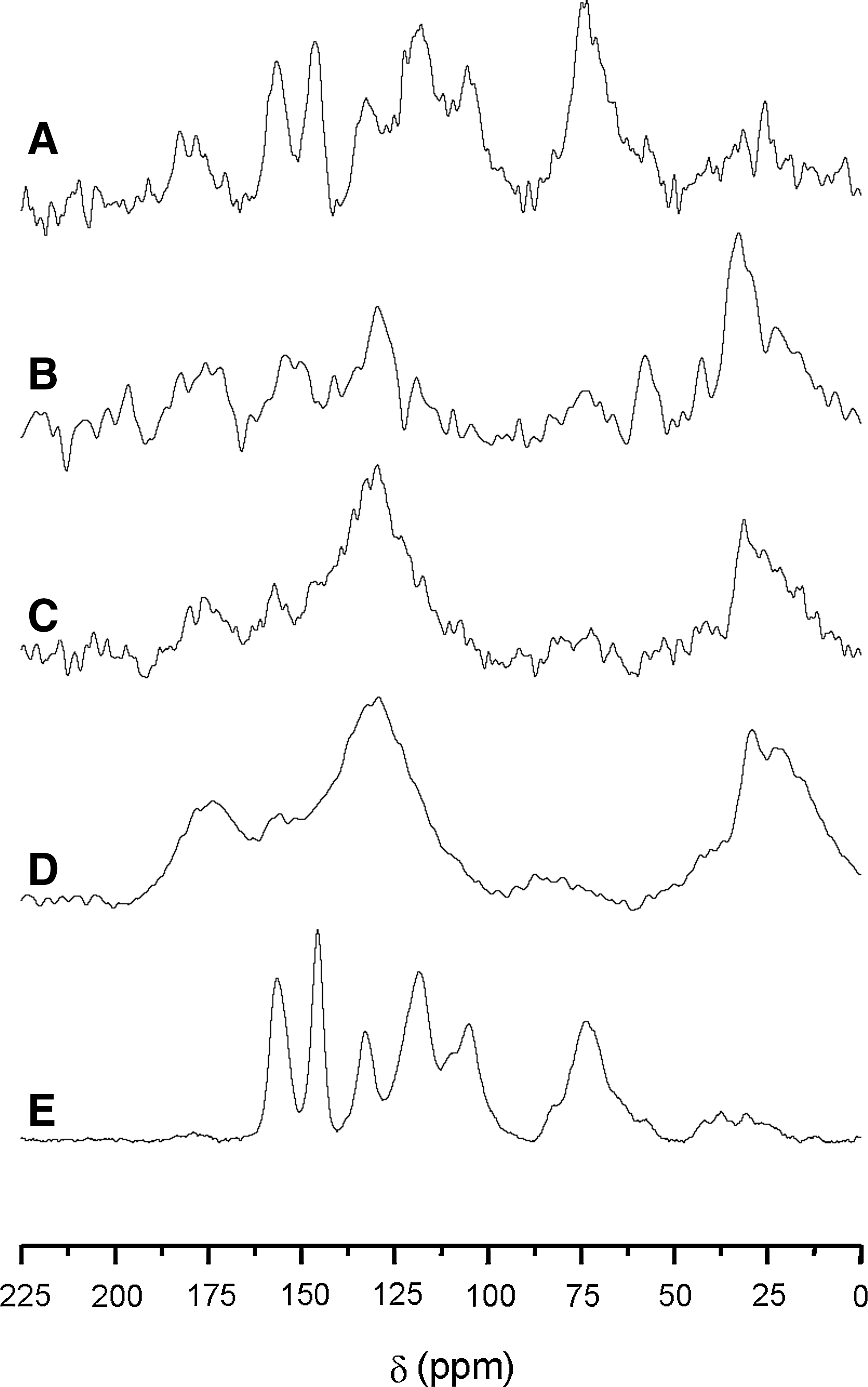
13C nuclear magnetic resonance spectra of the different samples. Individual humic acids were named A, B, C, D, and E.
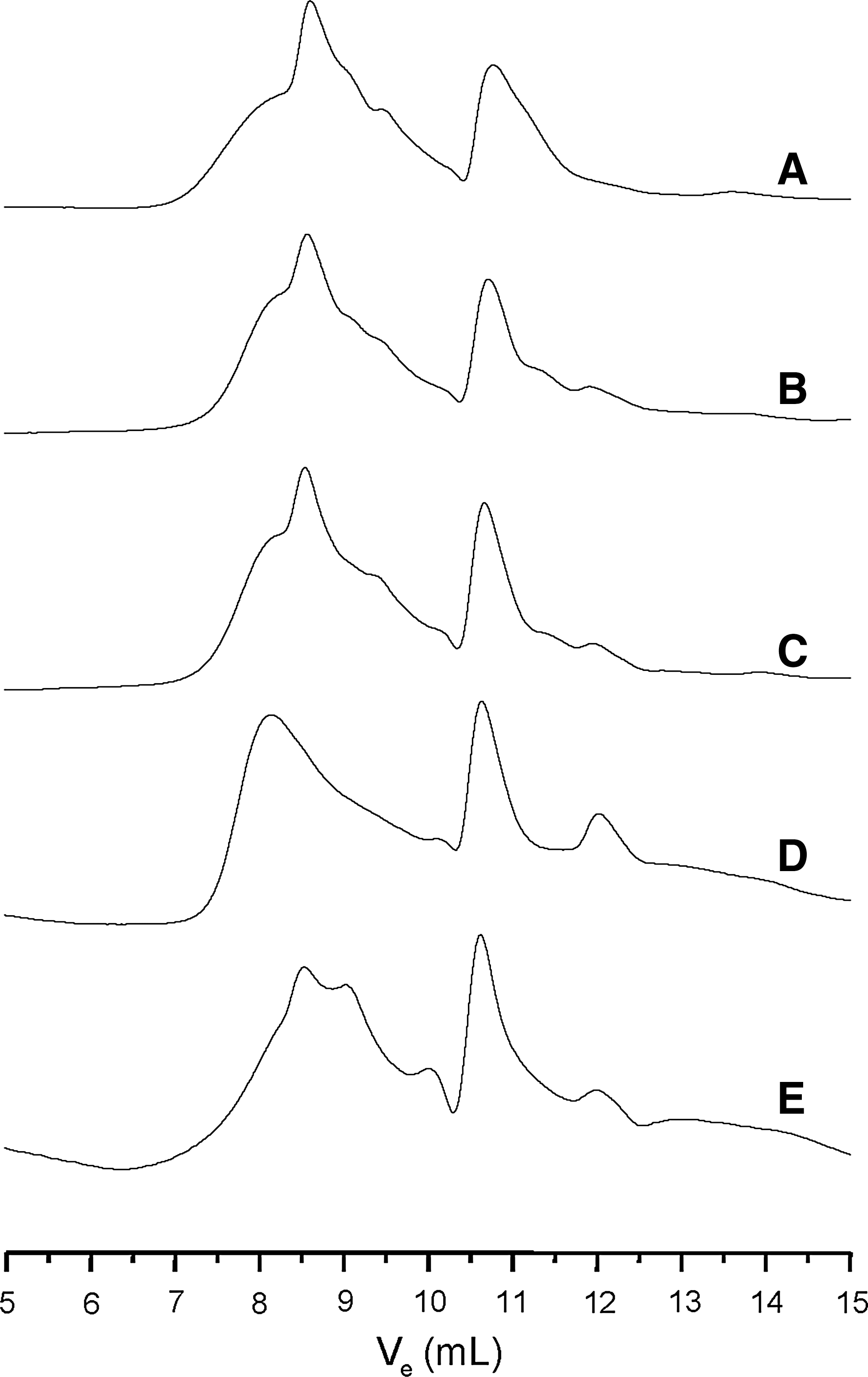
High-performance size exclusion chromatography chromatograms (Refractive Index Detector). Individual humic acids were named A, B, C, D, and E.
MW, molecular weight.
HA, humic acid.
Regarding the study of the potential pharmacological effects of humic samples, first, we measured the effects of HA on the production of IL-2 by mouse splenocytes. The reasons for measuring particularly IL-2 were twofold: first, we focused on this cytokine in our previous article, 10 which allowed us to compare the new samples with the older versions. And second, studies of various immunomodulators showed that IL-2 is the most often stimulated cytokine.
The production of IL-2 was measured after a 72-h in vitro incubation of spleen cells isolated from control and treated mice. The samples were either injected i.p. or administered orally. Data summarized in Figure 3 show that samples A, B, and C stimulated secretion of IL-2 comparable to Concanavalin A, and sample E showed a medium activity. Stimulation caused by sample D was mediocre, but due to only marginal production by unstimulated cells (bellow 10 pg/mL), it was still significant. No significant differences between oral or injected administration were observed.
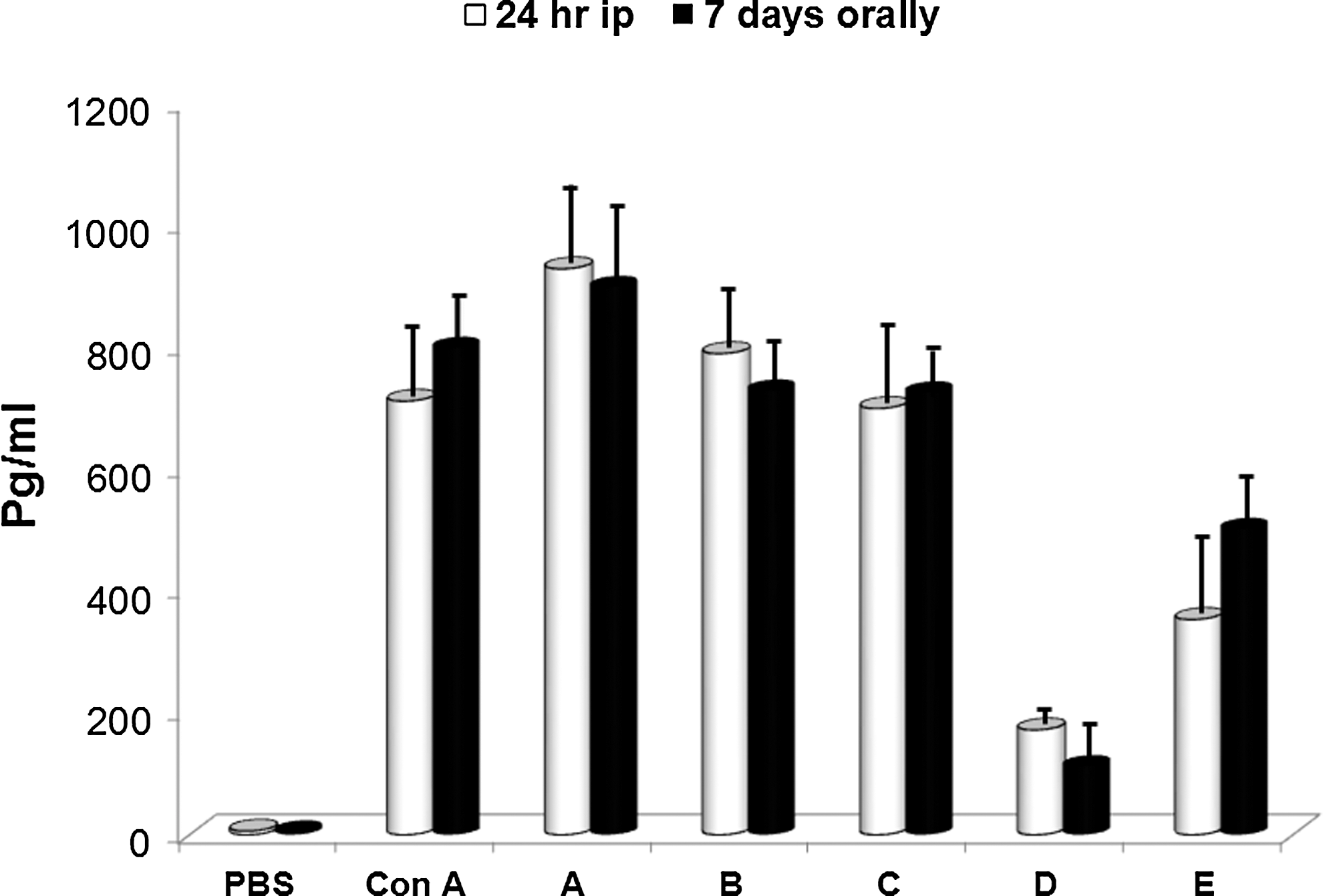
Stimulation of interleukin (IL)-2 production by humic acid (100 μg) applied by intraperitoneal (i.p.) injection or orally. Individual humic acids were named A, B, C, D, and E. Each value represents the mean±standard deviation (SD). As the secretion of IL-2 in the control phosphate-buffered saline (PBS) group was below 10 pg/mL, all differences are statistically significant.
After the initial experiments, we focused on the role of HA in potentiation of humoral immunity. As an experimental model, we used immunization with ovalbumin. Samples of HA were applied together with two intraperitoneal doses of antigen; the Freund's adjuvant was used as a positive control. The results (Fig. 4) showed that all samples stimulated production of specific anti-ovalbumin antibodies, with sample D having again the lowest activity. It must be noted, however, that none of the samples potentiated the humoral immunity to the level of Freund's adjuvant (OD 1.31±0.19).
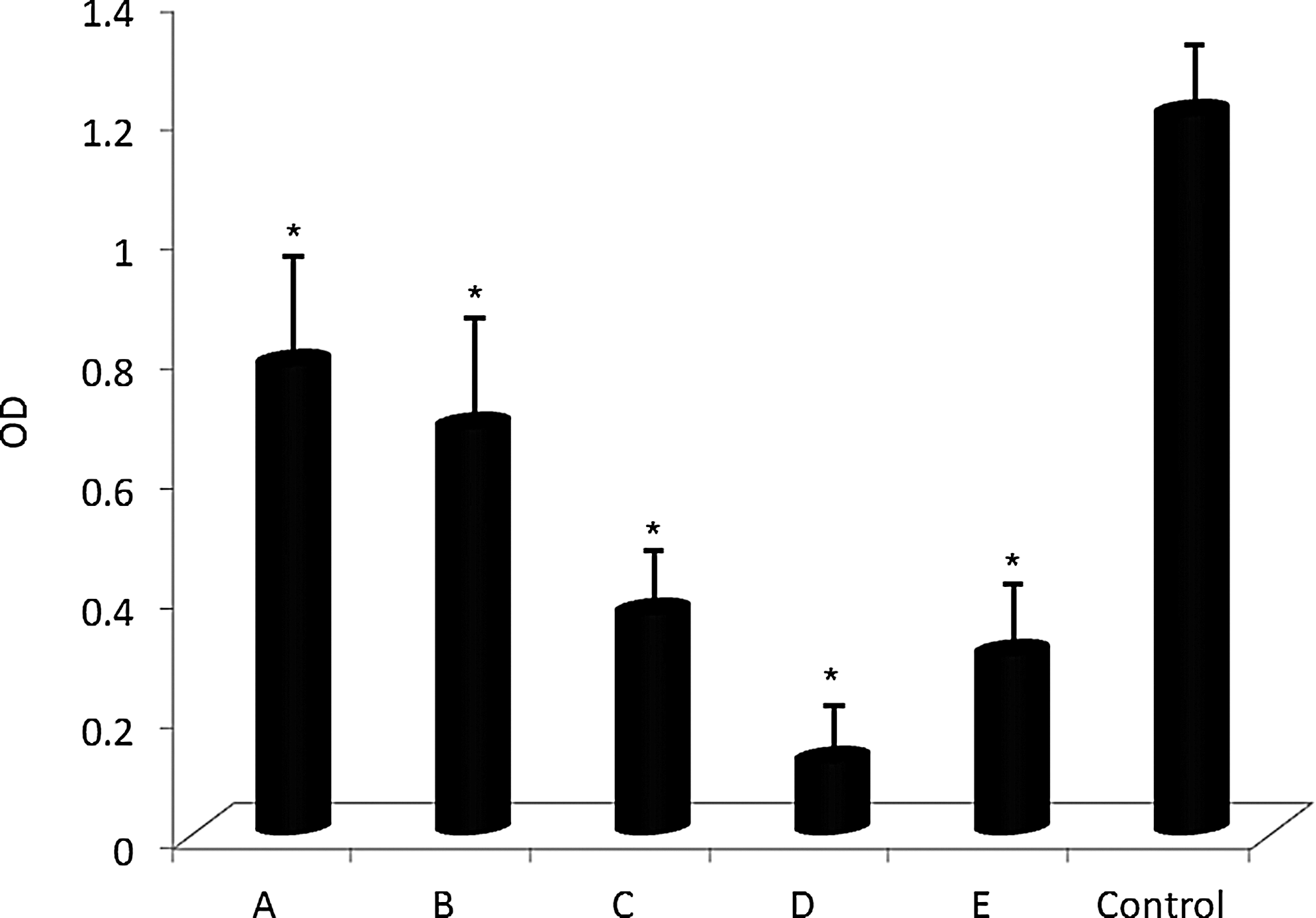
Effects of two i.p. injections of humic acid on formation of antibodies against ovalbumin. Individual humic acids were named A, B, C, D, and E. Mice were injected twice (2 weeks apart) and the serum was collected 7 days after the last injection. The level of specific antibodies against ovalbumin was detected by enzyme-linked immunosorbent assay. As a positive control, the Freund's adjuvant was used. *Represents significant differences between control (ovalbumin alone) and samples at P≤.05 level. All experiments were performed in triplicates.
The biological effects of HA were further supported by a finding that feeding with the samples caused a decrease in the relative portion of early phases of apoptosis in spleen cells (Fig. 5).
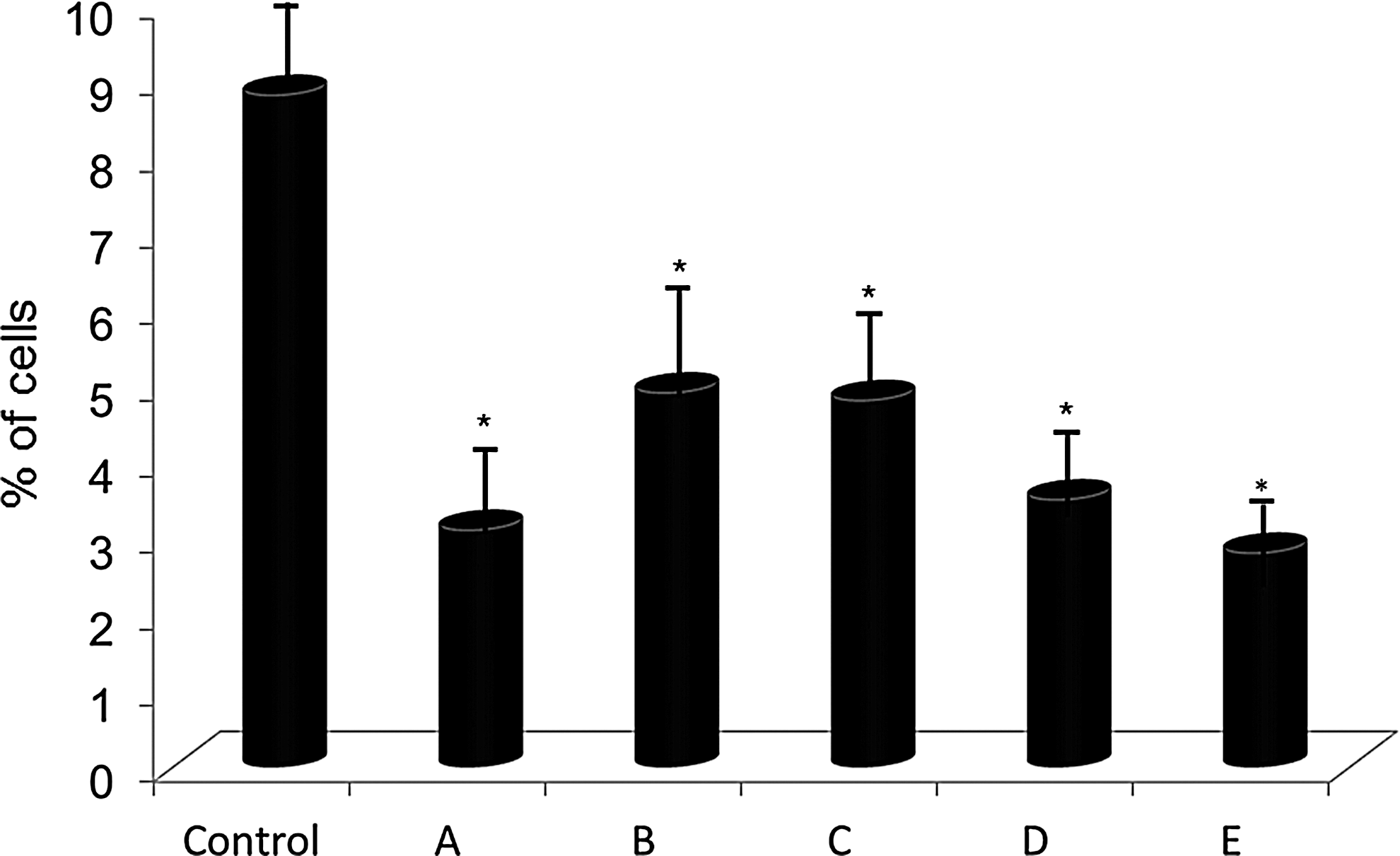
Relative percentage of the early phase of apoptosis in splenocytes isolated from mice fed either with humic acid or PBS. Individual humic acids were named A, B, C, D, and E. The differences are significant at *P<.005 level.
Using a model of Lewis lung carcinoma cells, we showed that treatment with HA samples (either applied orally or intraperitoneally) caused modest inhibition, reaching ∼20% (Fig. 6). The highest inhibition was found with samples B and D. In comparison, the well-established inhibitor cyclophosphamide adminstered i.p. at a concentration of 200 mg/kg caused 72% inhibition.
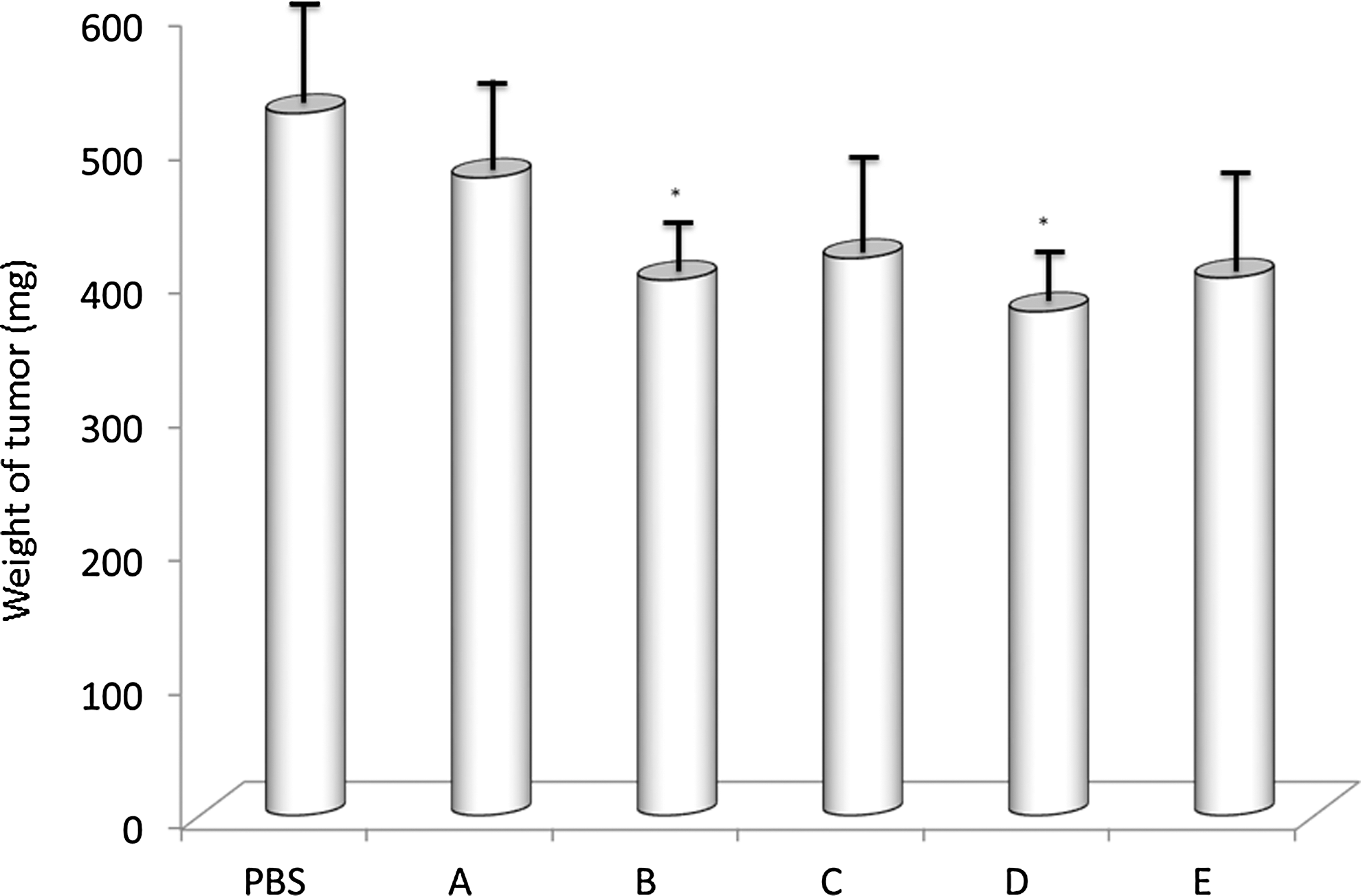
Humic acid therapy of C57Bl/6 mice with the Lewis lung carcinoma. Data from three experiments are shown. For each experiment, mice were tested for a response to humic acid or cyclophosphamide (CPA) as indicated. CPA was used at day 10 after tumor application; humic acid samples were used orally from day 0 to day 14 after tumor application. The control group of mice received daily i.p. PBS. Individual humic acids were named A, B, C, D, and E. Each value represents the mean±SD. All differences were significant at *P<.05 level.
We next focused our attention on the protective effects against experimentally induced hepatotoxicity, where the feeding with HA (100 μg/mouse) for 2 weeks was followed by an i.p. injection of LPS (10 mg/kg). Our data (Fig. 7) showed that the increase in serum ALT was inhibited by all samples, with the highest level of inhibition reached by sample A (81% inhibition) and B (50% inhibition). Injection of LPS also caused a short-term triglyceridemia (Fig. 8), which was inhibited up to 82% by feeding with HA (particularly samples A and B).
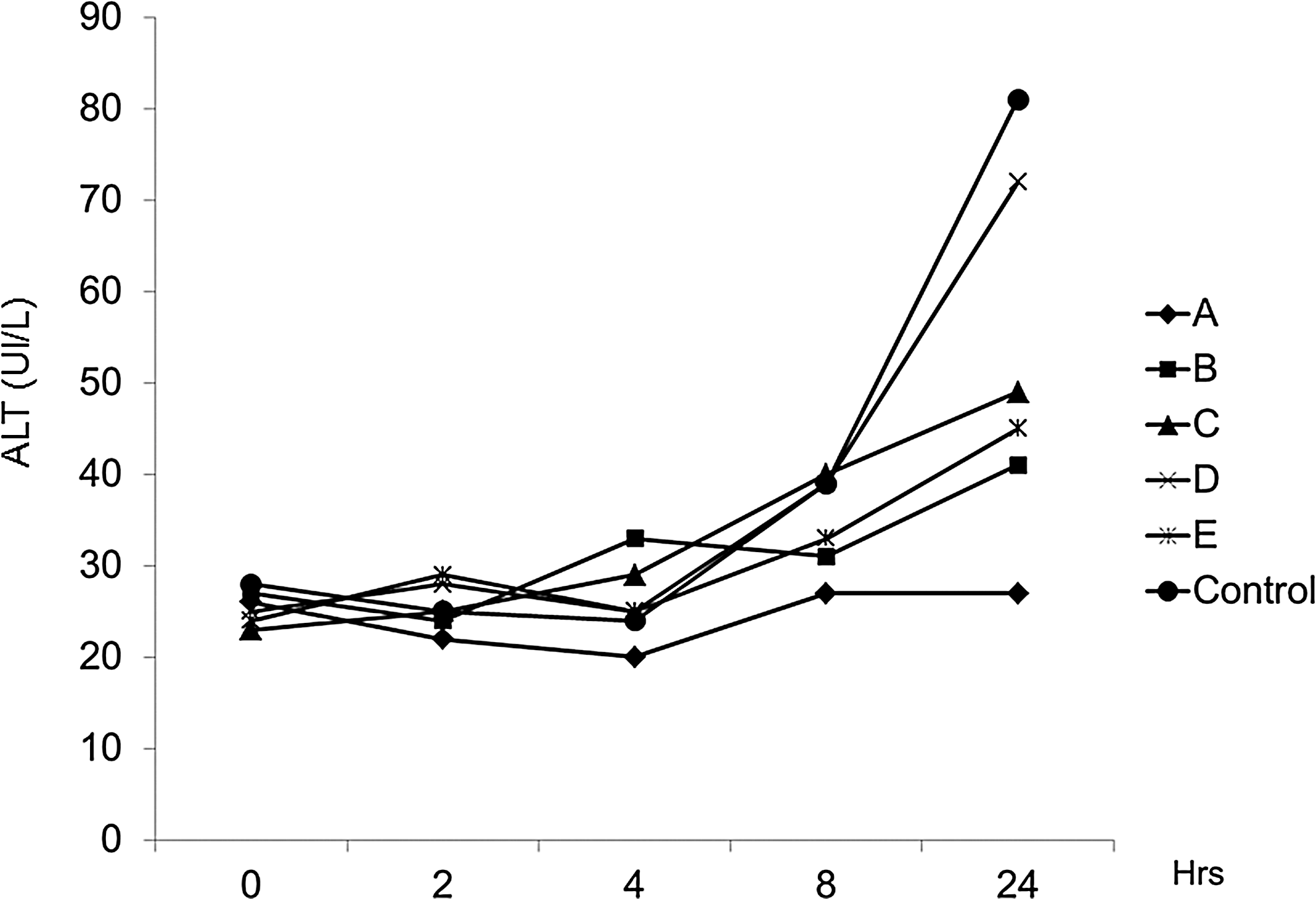
The alanine aminotransferase (ALT) activity in the serum after lipopolysaccharide challenge in mice fed a control diet (control) or supplemented with humic acid samples. Individual humic acids were named A, B, C, D, and E. Values represent a mean of 15 mice.
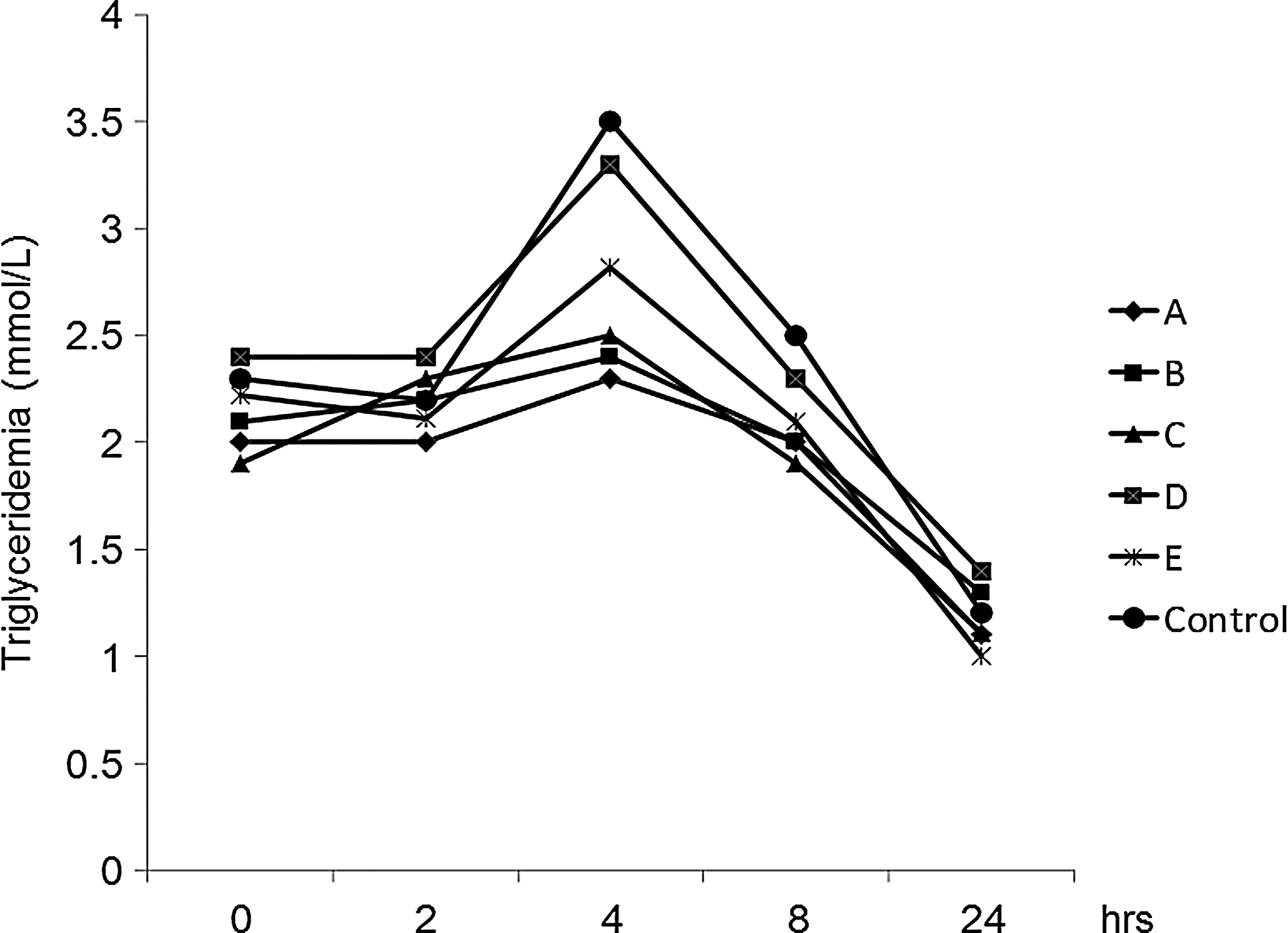
Triglyceridemia after LPS challenge in mice fed a control diet (control) or supplemented with humic acid samples. Individual humic acids were named A, B, C, D, and E. Values represent a mean of 15 mice.
As all the above results suggested that HA strongly influences biological activities, we examined its impact on normal wound healing. The confluently grown HaCaT monolayers were scratch-wounded and further incubated in the presence of HA samples to test the ability of these cells to regenerate a monolayer. Twenty-four hours postwounding, the treatment of HaCaT cells with HA increased the percentage of the cellular recovery area compared to control. Figure 9 shows the results obtained with an optimal 1 μg/mL dose.
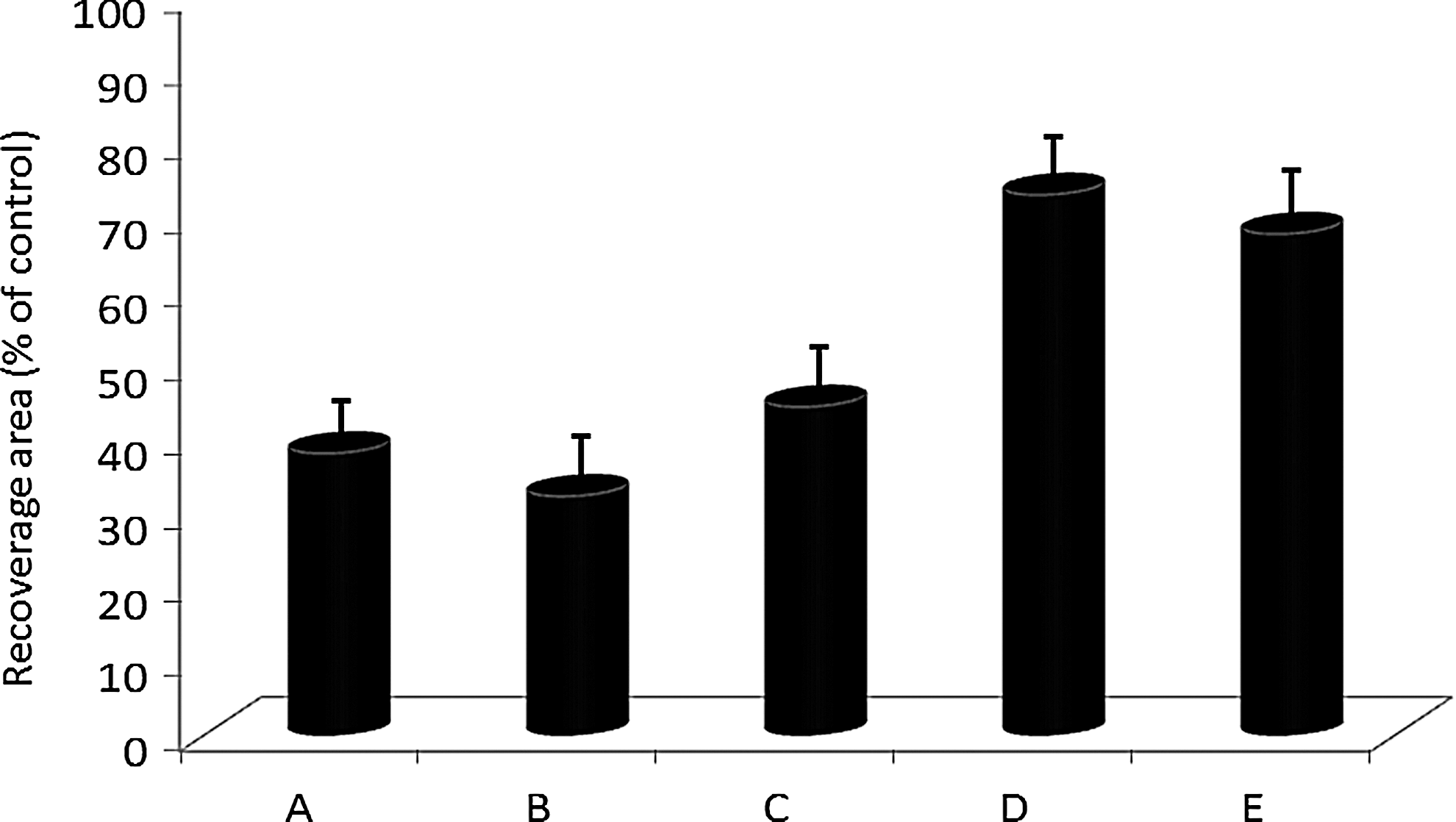
The effect of humic acid on regeneration from scratch-wounding of HaCaT cells. Confluent HaCaT cells were scratch-wounded, washed, and allowed to regenerate in a serum-free medium only (control) or in the presence of humic acid samples (1 μg/mL) for 24 h and photographed (A). Multiple photographs of the wound were obtained and the percentage of cellular recovery areas was determined using image analysis software. The percentage of the cellular recovery area to that of control was measured. The combined result of three independent experiments is shown (B). Individual humic acids were named A, B, C, D, and E.
Discussion
Despite the fact that HAs in the form of peats have therapeutically been used since ancient times, our knowledge of their biological effects is rather limited and often even controversial (reviewed by Klocking 19 ). Previous studies showed significant synergistic effects of HA with yeast-derived glucan. 10 Based on these promising results, we decided to further investigate the potential biological effects of a new set of HA samples.
Various types of immunomodulators, HA included, were shown to have both direct and indirect effects on the immune system, together with the ability to stimulate production of cytokines. 10,19 We focused on the stimulation of IL-2 production of splenocytes in vitro and found that four samples strongly stimulated secretion of this cytokine regardless used administration.
Cytokines are important intercellular communicators and their role in information flow between different parts of the immune system is considered to be crucial for adequate levels of defense reactions. Similarly, numerous reports on the role of ILs in cancer showing both cancer growth inhibitory functions and cancer growth promoting properties exist. 20 The nature of malignant progression is complex and cytokines produced by malignant cells can function as either autocrine growth factors or immunomodulators.
HA has usually been tested in cellular immunity and very little is known about the potential effects on the humoral branch. Therefore, we compared the potential stimulation of our samples on a specific antibody response. Our results showed that even though HA is not as strong an adjuvant as the Freund's adjuvant, these effects are nevertheless significant (except sample D) and stronger than in the previous study. 10
Our previous experiments suggested possible effects on the inhibition of breast cancer growth, but only in the presence of glucan. 10 It was, therefore, interesting to see that these four fundamentally different samples significantly inhibited the metastatic growth of Lewis cells without the glucan presence. Stimulation of apoptosis is considered one of the candidates for any molecule with anti-neoplastic properties. 21 However, our results of HA-induced apoptosis of spleen cells do not support this hypothesis.
To allow investigation of the effect of HA on the wound-healing process, a simple scratch-wound model was used. The effect of exogenously added HA has been tested on the regeneration of the monolayer. We have seen the remarkable influence of the presence of HA. However, the exact mechanism how HA enhances the regeneration process of wound healing is not clear. Based on the fact that no increase in proliferation of HaCaT cells has been observed, we can speculate that the responsible mechanism might be a paracrine stimulation of the cytokines and not an autocrine stimulation of proliferation.
LPS-induced hepatotoxicity is a common experimental approach for testing possible hepatoprotection by individual components. 22,23 The liver is a major organ in the development of multiple organ dysfunction after sepsis. 24 Our data showing the glycemic prolife after LPS challenge correlated with similar results described by Bosch et al. 24 The lowering of both the transient hyperglycemia and the ALT levels by HA is clearly a sign of hepatoprotection. The known effects of HA on IL-2 production suggested the possibility that the hepatoprotection might be the effect of cytokine inhibition.
Regarding the relationship between the pharmacological activity of tested HA and its structural features, the results indicated that the HA pharmacological activity did not seem to be directly related to phenol groups, but to the presence of oxygen-containing alkyl groups (mainly carbohydrates) in aliphatic or/and aromatic domains. In this sense, E sample, which has the highest concentration in phenol and oxygen phenolic-related groups, did not present a relevant differential action on the biological parameters studied. Indeed, in general, the order of efficiency concerning the main pharmacological activities studied was A>B>C>E>D. Only in the case of the regeneration process of wound healing, the order changed: D>E>C>B>A. However, when we compare A with D, we observed that A presented a concentration of oxygen-alkyl C much higher than that of D sample, whereas the relative concentration of phenol-C was higher in D, and the relative concentration of carboxylic-C and carbonylic-C was similar to each other. This result suggests that the presence of oxygen-alkyl-C groups is important to explain the main pharmacological effects of HA. Regarding the nature of the O-alkyl-functional groups, previous studies made in our laboratory suggested that they might be related to carbohydrates.
Regarding the potential sole of the carboxylic and carbonylic groups, when we compared A and E structures, we observed that A has a higher relative concentration of the carboxylic-carbonylic functional groups; however, there were no differences between A and D. These results indicated that these functional groups may play some role, but not essential for the humic biological activity. This conclusion is supported by the results obtained from the comparison of B and C structural features with those of A. Thus, B presented a higher relative concentration of the carboxylic-carbonylic functional groups than A, and C presented values similar to those of A. However, both B and C presented a lower relative concentration of O-alkyl-functional groups, thus stressing the important role of this structural domain.
On the other hand, there were no clear relationships between the main pharmacological activity of HAs and their degree of total aliphacity or aromaticity, molecular size distribution (apparent MW), and stable-free radical content.
Taken together, these results indicate that the presence of O-alkyl-related functional groups plays a significant role in the expression of the main pharmacological effects of this HA set. These functional groups might mainly involve carbohydrates. This fact may have some relationship to the role of specific carbohydrates as immune modulators. 10,18,20
To summarize our data, our report suggests that HAs showed a wide range of pleiotropic biological effects. The hepatoprotective effects are particularly interesting and experiments seeking to elucidate the mechanisms of these effects are currently underway.
Footnotes
Author Disclosure Statement
V.V. and A.V. have no conflicts of interest; M.F., R.B., J.M.G.-M., and J.-C.Y. are employed by Timac Agro International. The study was partly financed by Timac Agro (preparation, isolation, and characterization of humic acid samples), and partly by an NIH grant #5R21CA141190-02. The funders had no role in the study design, data collection and analysis, decision to publish, or preparation of the manuscript.