







Abstract
Zero emission claims by most of the electric vehicle manufacturers have triggered the popularity of electric vehicles among industrial and academic researchers. But it is a fact that the zero emission claims of electric vehicles are not valid for developing countries, where nonrenewable energy sources are the dominant form of electricity generation. The introduction of electric vehicles in countries that depend on conventional energy sources for electricity generation will only shift the threat of increasing emissions from the operations stage to the energy generation stage. This article compares an assessment of the energy mix of one developing country, India, which relies on fossil fuel for energy generation, and one developed country, France, which relies on nuclear fuel, which is a non-greenhouse gas emitting energy source. Equivalent carbon emissions from electric vehicles for both countries are calculated and compared with emissions from fossil fuel-based vehicles. The results of this study show that the introduction of electric vehicles will increase overall carbon emissions in countries relying on conventional fossil fuels for power generation. By conducting reverse calculations, the study suggests that energy mix requirements need to be met before introducing electric vehicles to ensure a 50-percent reduction of overall emissions. Post-treatment emission control strategies for existing fossil fuel-based vehicles are discussed and a modeling study is performed for the development of a novel microwave-based regeneration system.
Introduction
Emission of greenhouse gases (GHG) is believed to be a major contributor to the present speed of climate change (Yanez Vargas & Klein-Banai, 2020). Some 85 percent of global energy needs are supplied by fossil fuels, and combustion of fossil fuels produces carbon dioxide, a GHG (Kurien & Srivastava, 2018a). The consumption of fossil fuels is estimated to increase over the next 20 years (Doman, 2017), requiring a unified global effort to reduce the GHG emissions to promote and ensure sustainable economic growth.
The capacity of the environment to sequester carbon dioxide is measured in terms of direct and indirect greenhouse gas emissions (Browne et al., 2009; Pandey et al., 2011). There is an improved focus on the utilization of green energy (renewables) in electricity generation and recent studies have showed some promising innovative technologies (e.g., microbial fuel cell) for ensuring a sustainable energy future (Bose, Dhawan et al., 2018; Bose et al., 2020).
Power plant emissions are responsible for one-third of anthropogenic emissions, which are expected to increase 54 percent by 2030 (Bajan & Mrówczyńska-Kamińska, 2020; Bose et al., 2021). Thus, reduction of CO2 emissions from power plants is one of the major focus areas for mitigation. Key approaches to reducing power plant emissions include reducing carbon intensity, improving power generation efficiency, introducing new power production technologies, and developing cost-effective capture techniques. Studies have shown that there is an estimated potential carbon sink of 1,120 to 3,400 billion tonnes of CO2 in the geologic formations for sequestration, which will also ensure enhanced oil recovery (Litynski et al., 2006). Development of a cost effective and energy efficient carbon capture method is one of the major technical challenges to carbon capture and sequestration (CCS).
CCS, as the name suggests, captures carbon dioxide (CO2) from large point sources and injects it into geologic formations, where the carbon can be locked up for thousands of years. The US Department of Energy has identified five major areas of technological development that are needed for the success of carbon sequestration programs (Figure 1).
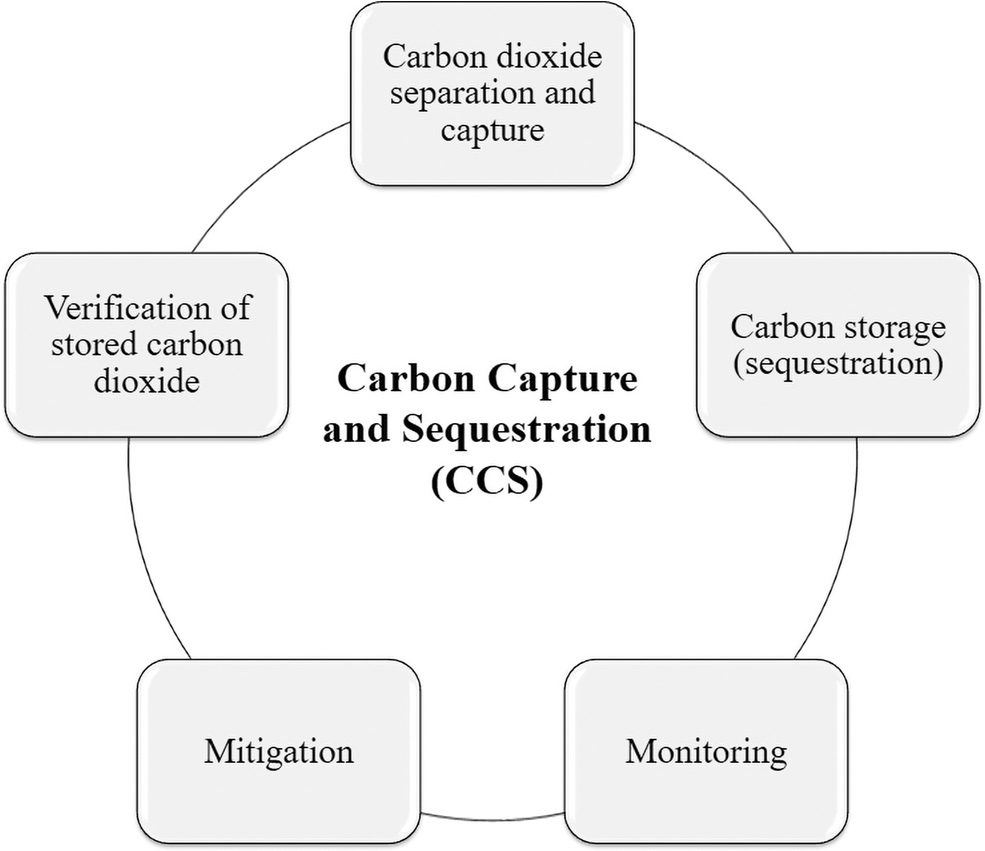
Areas concerning technological development for carbon capture and sequestration
GHG and Electric Vehicles
Direct and indirect carbon emissions from vehicles are illustrated in Figure 2. The exhaust gases released by fossil fuel-based vehicles have a direct impact on human health and the environment (Stafford, 2017). Globally, the transportation sector accounts for 54 percent of carbon monoxide emissions, 30 percent of nitrogen oxides emissions, and 47 percent of NM (non-methane) hydrocarbons (Jiaqiang et al., 2016). In the European Union, the automotive industry is considered to be the second-largest source of greenhouse gas emissions after the power generation industry (Paladugula et al., 2018).
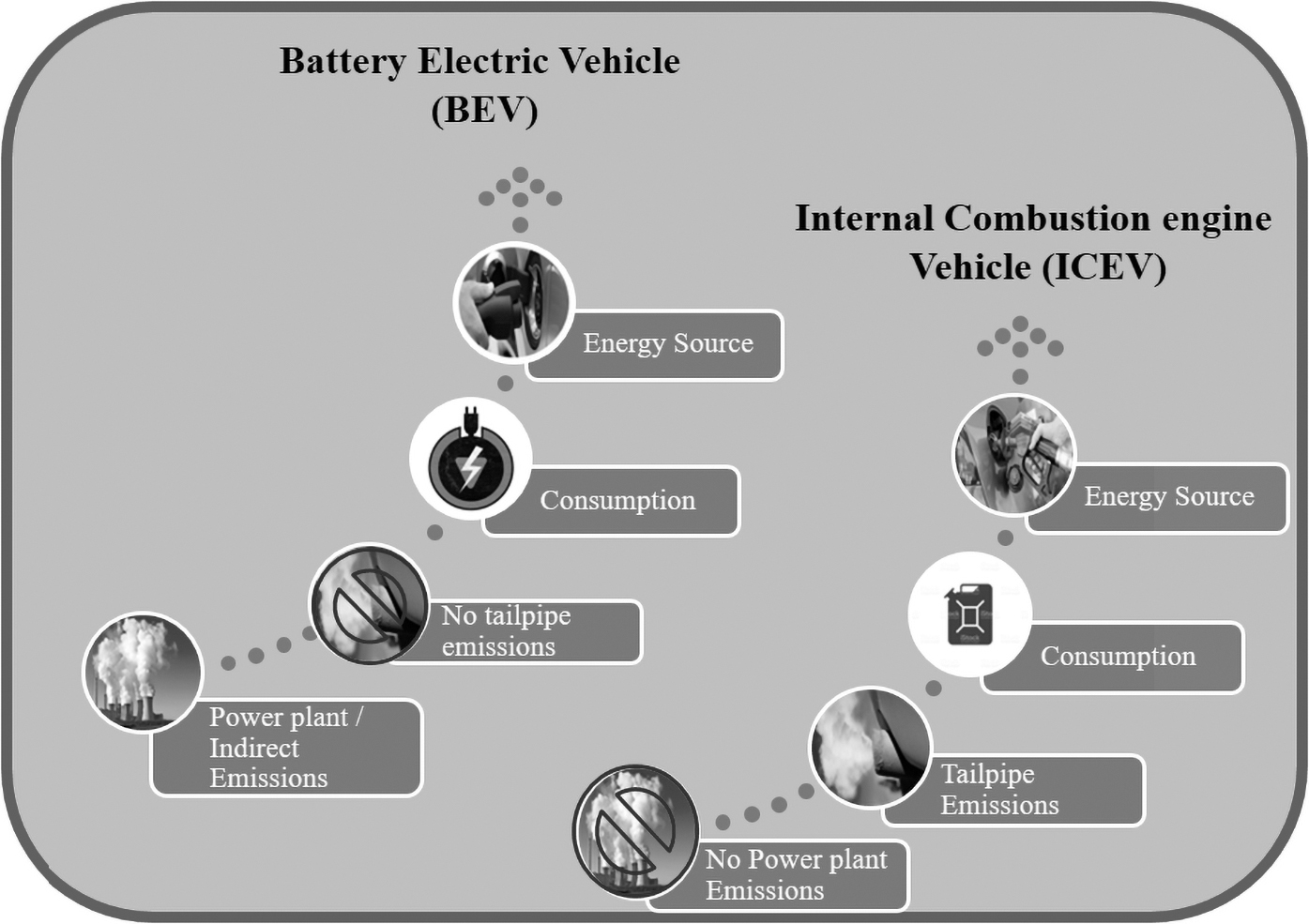
Direct and indirect carbon emissions from vehicles
In the last two decades, the rate of overall emissions from automotive vehicles has increased by more than 20 percent (Gopal Radhakrishnan, 2019). Introduction of alternative fuels, and pre-treatment and post-treatment strategies have reduced the overall level of emissions by considerable amounts but the increasing trend in the number of vehicles on the road has neutralized these efforts (Kim et al., 2012; Kurien & Srivastava, 2018).
Scottish researcher Robert Anderson developed the first electric vehicle in 1832 using a crude electric carriage technique. The vehicle gained popularity in the 19th century, but the internal combustion engine eventually took over the market because of its better performance. This led to the disappearance of electric vehicles by 1935 (Lehmann et al., 2015). The initial signs of rising pollution levels and global climate change in the 1960s resulted in a number of research studies on the feasibility of electric vehicles as a possible alternative for fossil fuel-based vehicles (Bose, Kurien, et al., 2018; Teixeira & Sodré, 2018).
The time required to recharge the discharged battery is one of the major challenges faced by the electric vehicles today (Boudina et al., 2018; Yilmaz, 2015). The EV's comparatively shorter range of travel distance even with a fully charged battery is another major factor affecting the acceptance of electric vehicles in the global market. Other marketing challenges are higher capital costs and lack of charging facilities, which include the development of infrastructure for charging stations (Bhat et al., 2017; Rajan Singaravel & Arul Daniel, 2015; Vergis & Chen, 2015). Reduced cost of the battery may improve social acceptance of EVs; the battery accounts for more than half the price of the vehicle (Offer et al., 2010).
Most electric vehicles use lithium ion-based batteries because they have higher power-density and energy. Limited lithium reserves, however, pose a threat to the EV market. A rising demand for EVs will contribute to a shortage of lithium and eventually lead to price hikes that will have socioeconomic and political impacts on electric vehicle market. Most EVs use a battery management system to keep track of the service life, charge status, and effectiveness of the battery (Gao et al., 2016).
The economic feasibility of EVs is completely dependent on the battery price, charging infrastructure, and battery availability (Andwari et al., 2017; Kurien, Srivastava, & Molere, 2019; Singh et al., 2018). An increase in electric vehicle sales and market adoption raises concerns related to the technologies for recycling lithium ion batteries, which is not well established and has not yet caught up with the EV boom (Yun et al., 2018). Absence of a well-framed technique for recycling or safe discarding of lithium ion batteries has the potential to create a huge waste problem since it is projected that there will be 11 million tonnes of used lithium ion batteries globally by 2030 (Malinauskaite et al., 2021). Also, the life span of the battery is an important consideration. Studies have shown that the life span of the battery is shorter than that of the vehicle, increasing demand for battery replacement and leading to depreciation of used EVs over time (Kellner et al., 2018).
Zero emission claims by EV manufacturers are considered to promote a misconception since EVs are dependent on power generation. Therefore, these claims are only valid if none of the sources for charging batteries are generated from fossil fuels (Kurien & Srivastava, 2020; Kurien, Srivastava, & Molere, 2020). Further, the amount of power from fossil-fuel sources needed for EVs varies from country to country depending on its energy scenario for electricity generation (Ministry of Power India, 2018; Simpson, 1998). The comparative analysis study described in this article was conducted on the indirect carbon emissions from electric vehicles in France and India.
Energy Scenario in France and India
France is one of the largest countries in the European Union and it is the largest exporter of electricity in the world since the cost of electricity generation in the country is comparatively low. Fossil fuel-based power plants have less than 10 percent of the total share of electricity production in France (Figure 3), resulting in very low carbon emissions from electricity generation. France relies primarily on nuclear fuel sources for power generation. Hence it is arguably an ideal place for the introduction of electric vehicles since the country produces a surplus of electricity from fewer carbon-emitting sources; the level of indirect emissions is negligible.
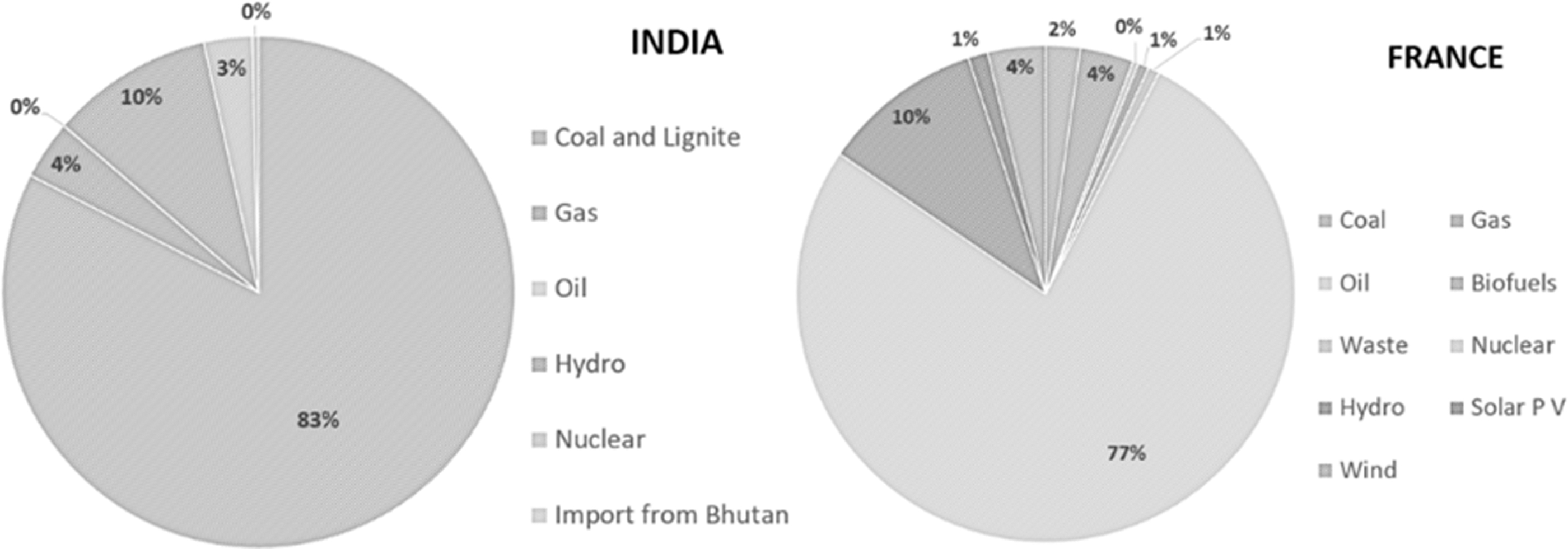
Share of energy mix for electricity generation in France and India
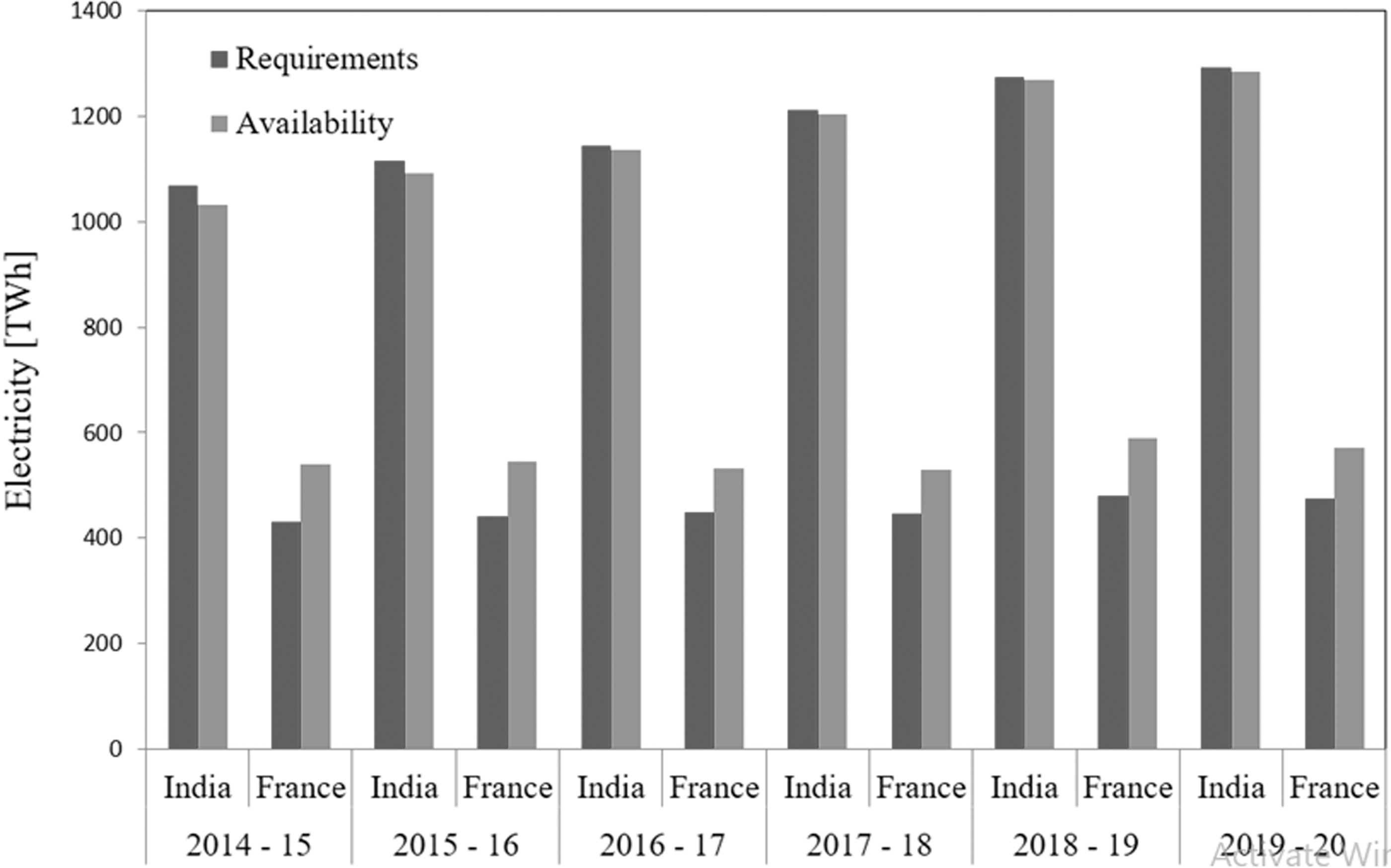
Comparative analysis of the requirements and availability of electricity in India and France
In France, based on 2015 data, 290.49 MT of carbon dioxide was emitted from fuel combustion, and out of that, 40 percent was from the transportation sector (International Energy Agency, 2017). As an initiative to reduce automotive emissions from fossil fuel-powered vehicles, the French government issued various kinds of subsidies for the purchase of electric vehicles (Wang & Huo, 2009). The subsidies are funded by an increase of 15 to 23 percent in taxes on the price of conventional gasoline and diesel fuels. One subsidy offers €6,000 to consumers who purchase a vehicle that emits less than 20 grams of carbon dioxide per kilometer of use; mostly electric vehicles and alternate fuel-based vehicles qualify for this subsidy. In addition, purchasers of battery EVs (BEV) who trade in their diesel vehicle earn an extra €4,000. Also, the number of public EV charging stations in France has increased from 2,000 in 2014 to 16,000 in 2017. All these measures demonstrate that the French government is committed to EVs as the vehicle of the future. However, in 2017 only 1.2 percent of vehicles in France were BEVs. Indeed, consumers have been reluctant to purchase them, even with the subsidies, because of their lower performance compared to internal combustion vehicles (ICVs) (Lévay et al., 2017).
Among developing countries in South Asia, India ranks third highest in carbon emissions (International Energy Agency, 2017); it also ranks third in emission of greenhouse gases. The trend toward increases in GHG emissions over the last decade is a result of the increasing demand for electricity, which is being met by using fossil fuel-based resources (Quadrelli & Peterson, 2007).
The energy sector in India is mainly dependent on fossil fuels, which accounts for more than 80 percent of the total share in electricity production. The share of fossil fuel-based power plants in total installed capacity for electricity generation in India is around 64 percent. Electricity generation for 2021 to 2022 is expected to be around 85.17 percent (1,155,200 MU) from conventional fossil fuel-based sources and approximately only 11 percent from renewable energy sources (Central Electricity Authority, 2018b). India is still producing less electricity than can meet its present needs (Ministry of Power India, 2018). The transmission and distribution losses in India are about 19.49 percent due to old infrastructure, which also accounts for the energy loss and added carbon emissions (World Bank, 2018). As a result, without changes to the grid infrastructure, EVs can be expected to increase carbon emissions (von Brockdor & Tanti, 2017).
E-Vehicles: Indirect Carbon Emissions
Comparing indirect carbon emissions from EVs in India and France illustrates the importance of energy mix in emissions management. Equivalent carbon emissions are calculated by considering two major parameters—energy consumption per kilometer driven and carbon dioxide emissions per kilowatt of energy used from the power source to charge the battery. The equivalent carbon emissions per kilometer from EVs can be calculated using equation 1, where Cev is the carbon emissions from electric vehicles in g CO2 per km, Eev is the energy consumed by an electric vehicle in watt-hour per km, Celectricity is the carbon emissions during electricity generation from power plants in g CO2 per watt-hour, and LT is the percentage of transmission and distribution losses in the power grid (von Brockdor & Tanti, 2017). The carbon dioxide emissions during electricity generation are calculated using equation 2, where xi is the emission from the energy source during electricity generation in kg CO2 per kWh, and wi is the percentage share of the particular energy source in the power generation sector. The carbon emissions during electricity generation are 1.03 kg CO2/kWh from coal, 0.63 kg CO2/kWh from oil, 0.49 kg CO2/kWh from gas, and 0.98 kg CO2/kWh from bioenergy (Central Electricity Authority, 2018a).
Relative Analysis on Indirect and Direct Carbon Emissions
An analysis of carbon emissions from electric vehicles and fossil fuel-powered vehicles in France considers the specifications of four commercially available vehicles in the categories: diesel vehicles, gasoline vehicles, and electric vehicles. The specifications of these vehicles are shown in Table 1. Carbon emissions from electric vehicles in France are as low as 10 percent while the carbon emissions from gasoline and diesel-powered vehicles are 8 to 10 times higher. The trend of emissions from vehicles in these categories (Figure 5) indicates that the level of carbon emissions was further reduced by the introduction of electric vehicles.
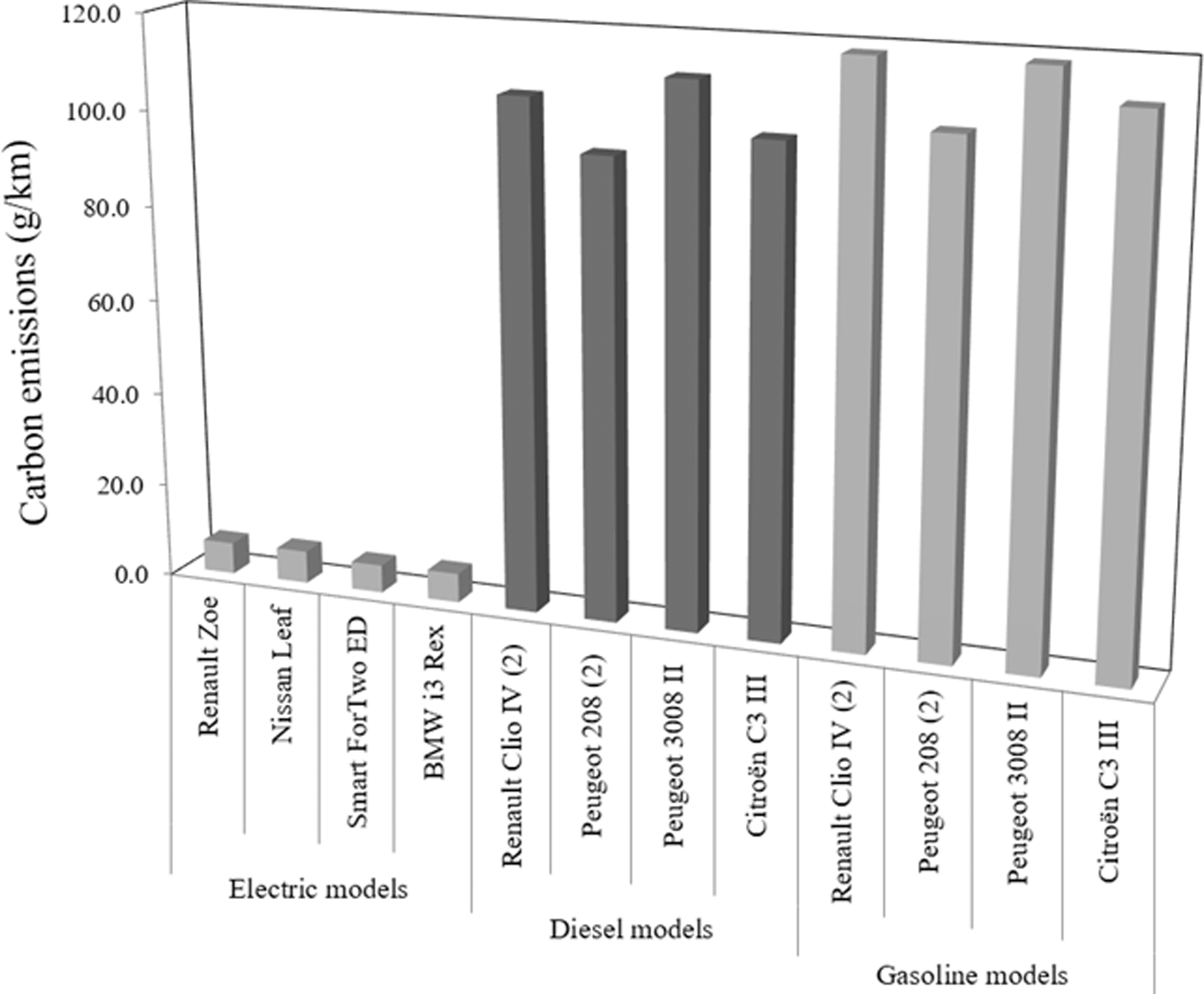
Comparison of carbon emissions from electric vehicles and fossil fuel-powered vehicles in France
Power Consumption and Carbon Emissions from Vehicles in France
The carbon emissions from electric vehicles and fossil fuel-powered vehicles in India were calculated by considering the specifications of three vehicles in each category (Table 2). The carbon emissions from vehicles in India show a different trend: The indirect carbon emissions from EVs were greater than those of gasoline and diesel-powered vehicles (Table 2).
Power Consumption and Carbon Emissions from Vehicles in India
The indirect carbon emissions from electric vehicles are higher in India because the country relies on fossil fuel powered-power plants for electricity generation, and these plants have a negative impact on overall emissions. Because more than 80 percent of electricity generation is from fossil fuel-based power plants, this study used different energy mix scenarios. The average emissions from gasoline and diesel vehicles are 120 g/km. Reverse calculations were conducted, reducing the percentage of the fossil fuel share in the energy sector to find the minimum energy mix needed to reduce the indirect carbon emissions from electric vehicles to 50 percent of the emissions from fossil fuel-powered vehicles. The present share of fossil fuel-powered sources is 83 percent.
This study was conducted for eight scenarios where the share of fossil fuel sources were reduced by 5 percent in each case, as shown in Figure 6. The study suggests that the indirect carbon emissions from electric vehicles can be reduced to 60 g/km only if the share of fossil fuel contribution to power generation is 40 percent (Figure 7). Scenario 8 is also aligned with the expected installed capacity by the year 2021-2022 (Central Electricity Authority, 2018a; Ministry of Power India, 2018) and the same is likely to meet the expected generation mix by 2029-2030 (Bose et al., 2020).
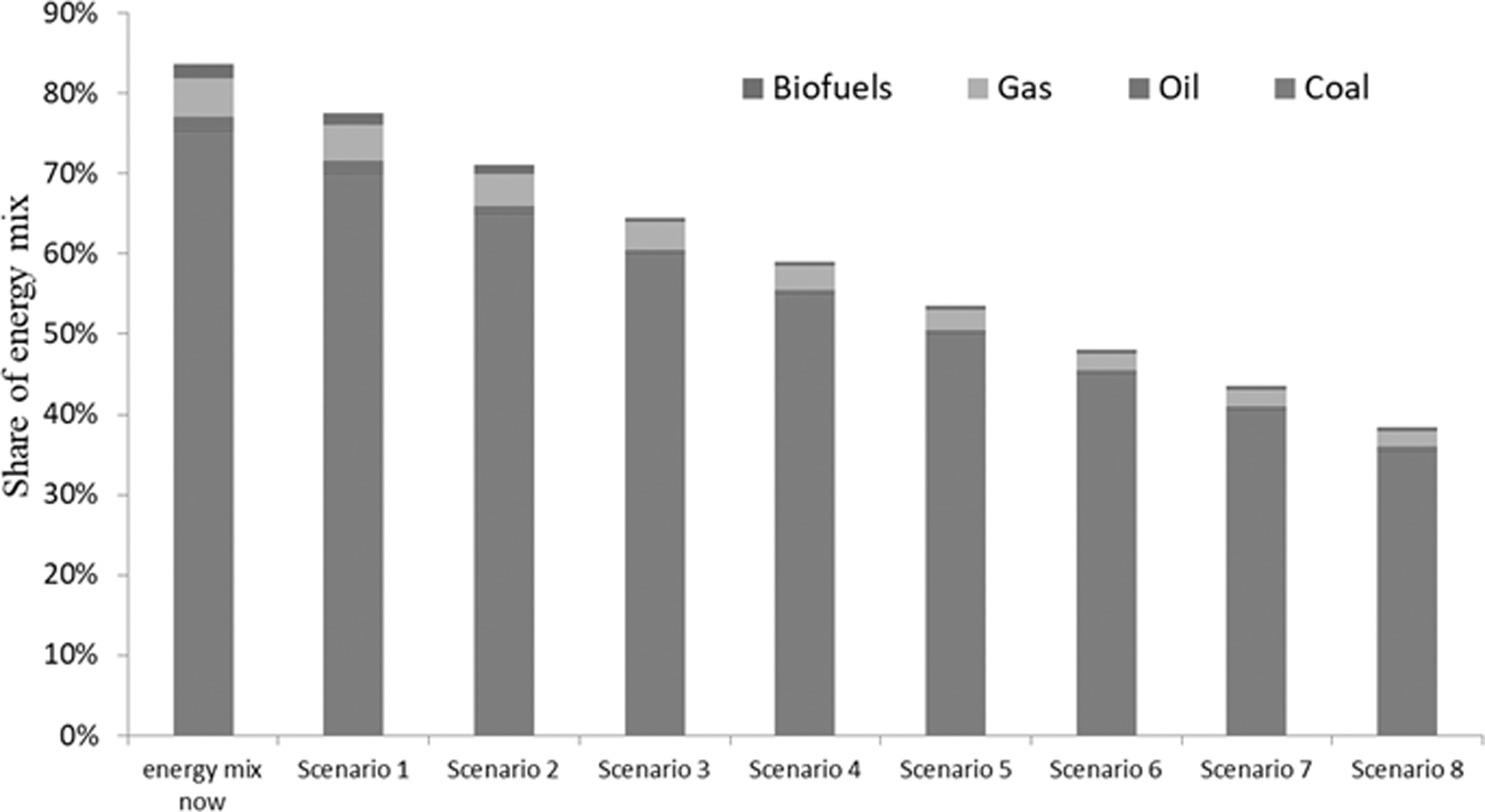
Share of fossil fuels in the energy mix considered for scenario analysis for reduction of indirect carbon emissions from electric vehicles in India
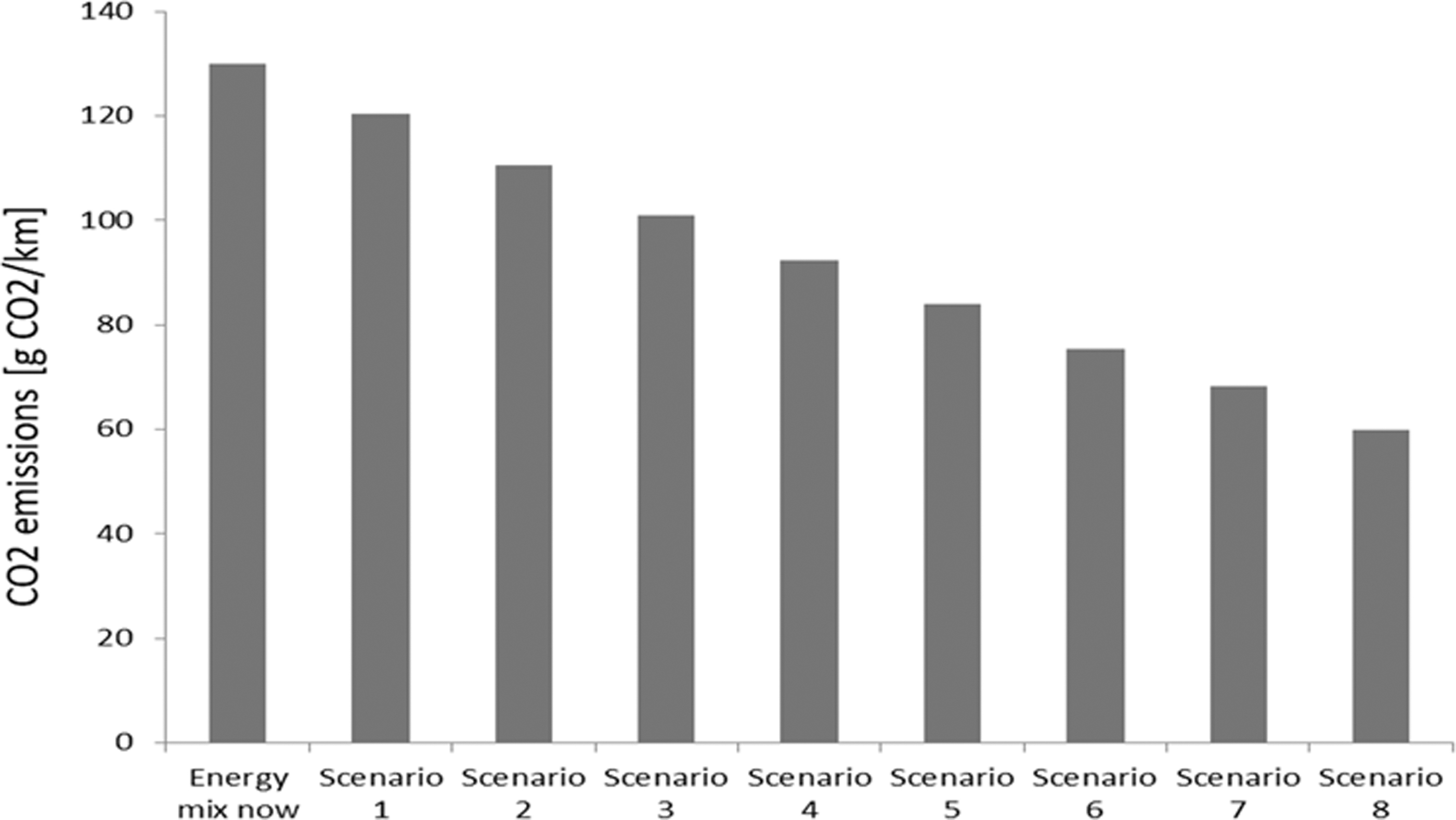
Scenario analysis for determining the minimum share of energy mix required for reducing the indirect carbon emissions from electric vehicle in India to 60 gram per km
Post-Treatment Emission Control Strategies for Fossil Fuel-Based Vehicles
Reducing the toxicity levels of harmful emissions from automotive diesel engines is a major technical challenge. The exhaust emissions from diesel engines include carbon monoxide, carbon dioxide, hydrocarbons, nitrates, soot particles, and soluble organic fraction. These emissions have been included in the category “likely to be carcinogenic to humans” by organizations such as the United States Environmental Protection Agency (EPA) and the World Health Organisation (WHO), among others, based on human epidemiology data (Kurien, Srivastava, Gandigudi, & Anand, 2019). Exposure to diesel exhaust affects the functioning of the lungs and blood vessels and also results in cardiovascular diseases.
Rising levels of pollution in cities are also a direct reflection of the adverse impact of automotive emissions on the environment. India is one of 196 countries that signed the Paris Agreement for reducing the intensity of emissions so that the global temperature can be limited to 2 degrees centigrade. Because of their toxic nature, stringent emission standards have been placed on them to limit permissible levels of their components in exhaust fumes. Various emission control techniques have been developed over the years, which can be broadly classified into pre-treatment techniques (e.g., engine modifications) and post-treatment techniques (e.g., diesel oxidation catalysis, diesel particulate filtration, selective catalytic reduction, and lean NOx trap) (Kurien & Srivastava, 2019). Post-treatment techniques include the application of an emissions control system in the exhaust manifold to treat the exhaust gas prior to releasing it to the atmosphere, thus reducing toxicity levels (Kurien & Kumar, 2019). Oxidation of hydrocarbon and carbon monoxide emissions take place in the diesel oxidation catalysis system, where carbon dioxide and water vapor are released as by-products.
Diesel Particulate Filtration (Microwave-Based Regeneration)
Diesel particulate filtration (DPF) systems use wall flow filtration techniques in which particles are trapped in the spatial layers of the wall by depth filtration and cake filtration. Wall flow filtration can lead to clogging of filter channels, and causes higher backpressure. The engine efficiency and other operational parameters will be affected when the backpressure rises above the allowable limit. Hence regeneration of DPF has to be carried out periodically by burning the accumulated soot particles (Kurien, Srivastava, & Kumar, 2019). Various active regeneration techniques include application of electric heaters, plasma discharge, corona discharge, burner, and VNA analyzers, which have been developed through research. Commercially available techniques include fuel-based regeneration (Kurien, Srivastava, Anand, & Gandigudi, 2020).
Regeneration strategy for DPF requires optimization since commercially available fuel-based regeneration results in an excessive fuel penalty and catastrophic failure of the DPF substrate due to uncontrolled combustion (Kurien, Srivastava, & Naudin, 2018). Development of an alternate regeneration technique that can selectively burn the accumulated soot particles without affecting the filter substrate material is one of the major challenges faced by the automotive industry. In commercially available systems, the soot particles are burned into ashes by injecting fuel into the filter substrate where they are and then washed away by the exhaust gas flow (Kurien, Srivastava, & Lesbats, 2020). The injection of fuel to the filter substrate causes uncontrolled combustion inside the system, which leads to filter damage.
Electromagnetic radiation in the microwave region (also used in household microwave ovens), has been proposed as a method of clearing clogged filter channels. Three-dimensional models of the proposed composite regeneration system with a diesel particulate filter and microwave oven cavity are illustrated in Figure 8(a). In this study, one-dimensional lambert modeling was performed in this work to determine the temperature distribution in microwave-based regeneration systems. The volumetric heating rate for microwave-based systems was evaluated using equation 7, where Q(z) is volumetric heat generation in z direction (W.m−3), Fo is microwave power flux at surface (W.m−2), and dp is penetration depth (m).
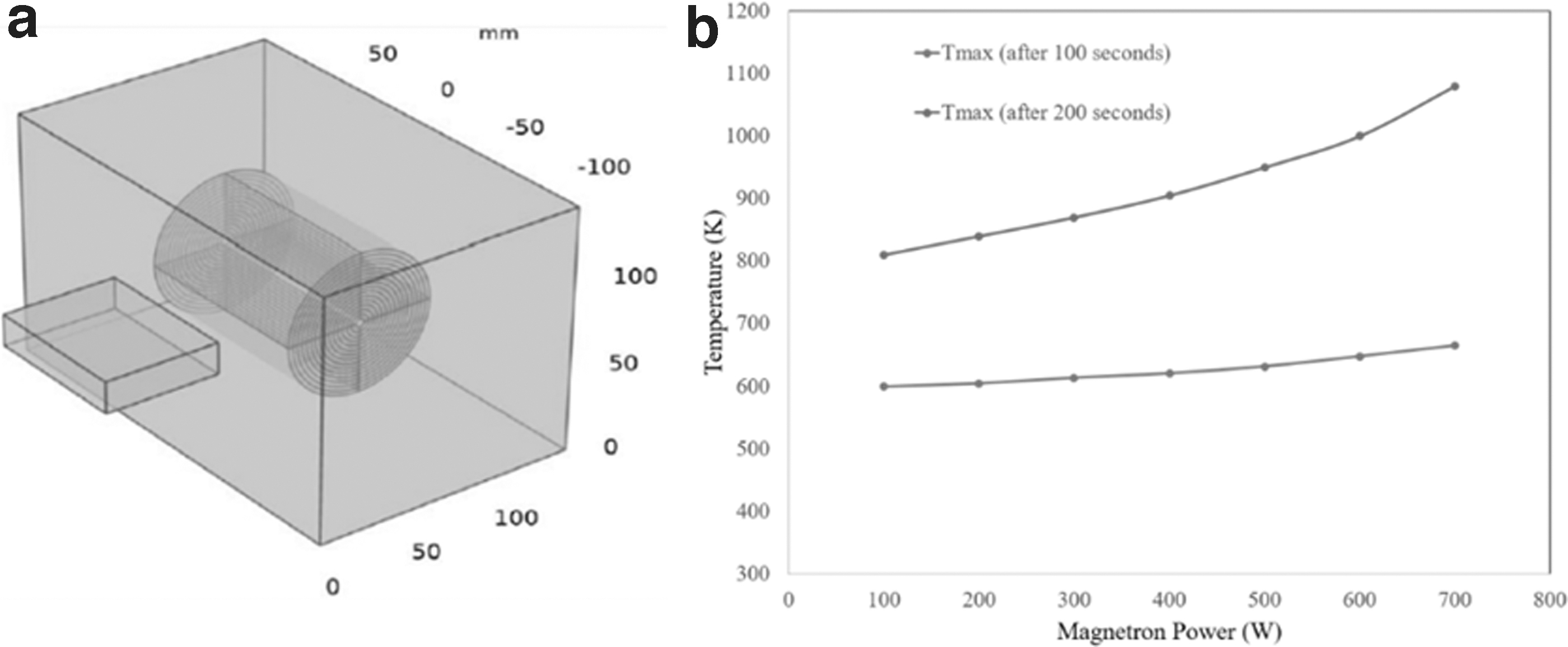
(a) Three-dimensional model of microwave-based DPF system; (b) maximum temperature in filter substrate after 100 and 200 seconds of regeneration at different magnetron power outputs
The temperature begins at 523K and increases for 200 seconds. The temperature is upper higher at the extremities of the soot layer, but the difference between the middle and the extremities is just 20K. This makes sense because the microwave heats the soot layer through the walls. The best temperature to oxidize the soot without damaging the rest of filter substrate is around 870K. So, different values of magnetron power (Pm) have been tested between 100W and 700W for 100 and 200 seconds. The results are shown in Figure 8(b). The best magnetron power range is between 300 and 400W, as evident in Figure 9 (a and b).
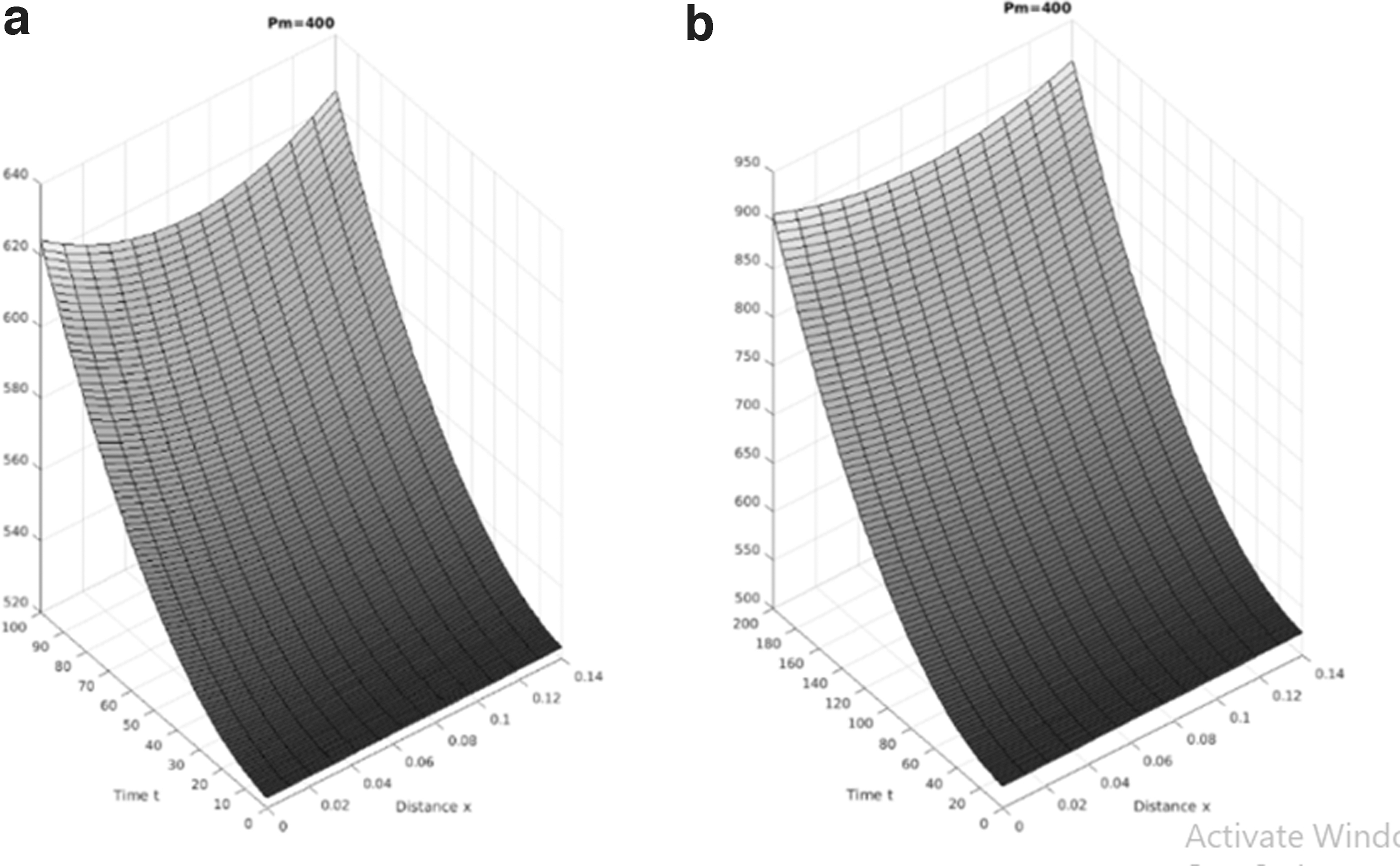
Simulation results for temperature distribution in filter substrate after (a) 100 seconds and (b) 200 seconds of regeneration at 400 W magnetron power
Summary and Conclusion
The demand for the fossil fuel-powered engines has increased to a greater degree in automotive and other industries because of their higher thermal efficiency and performance. The rise in city level pollution and initial signs of global climate change have prompted a response through more stringent emission controls. The use of alternative fuels and the introduction of various in-cylinder combustion strategies have reduced the toxicity of exhaust emissions by small amounts, which are not enough to meet the emission regulations. Post-treatment emission control systems have the ability to reduce the toxicity of emissions to more acceptable levels, but there are still challenges involved in the implementation of these systems.
Electric vehicles have been overlooked by the automotive sector as the future of the transportation industry. Thus, more recent research has shifted focus from fossil fuel-powered vehicles to electric vehicles. The zero emission claims of the electric vehicle manufacturers have increased the popularity of EVs in the recent years. However, these claims are valid only in countries that don't depend on fossil fuel-based power plants for electricity generation.
The sustainability challenges for the use of lithium-ion battery systems in electric vehicles are also a major concern involving the entire life cycle of this technology, from raw material extraction (lithium ore), manufacturing of the energy storage system (battery), application in electric vehicle (state of charge), and end-of-life management (material recovery, recycle, and reuse).
In this article, the results of the study comparing the indirect carbon emissions from electric vehicles in France and India show that the introduction of electric vehicles in France could reduce carbon emissions by more than 90 percent as compared to carbon emissions from fossil fuel-powered vehicles. In contrast, in India indirect carbon emissions from electric vehicles are greater than those from gasoline and diesel-powered vehicles. The major reason for this potential increase in indirect carbon emissions is because fossil fuel based-power plants have more than 80 percent of the share in the electricity generation of India.
Reverse calculations were used in this study to identify the maximum share of fossil fuels in the energy mix needed to reduce the indirect carbon emissions by 50 percent (which aligns with the projected optimal electricity generation mix for 2029-2030 (Ministry of Power India, 2018). The analysis shows that the indirect carbon emissions from EV vehicles in India can be reduced by half (to 60 g/km) only if the share of fossil fuels are reduced to less than 40 percent in the energy mix. The energy mix for electricity generation is the deciding factor for achieving the zero-emission claim of the electric vehicle manufacturers. The government and other authorities in the countries that rely on fossil fuel-based power plants must invest in developing the infrastructure and facilities needed to increase the share of renewable energy used in power plants for electricity generation prior to investing in the introduction of electric vehicles.
In the short run, the priority must be to reduce emissions from the fossil fuel-powered vehicles with the introduction of emission control systems. India is committed to reducing its carbon footprint by 33 to 35 percent (from 2005 levels) by 2030, in keeping with their pledge at the 2015 Paris Climate Agreement. India aims to produce 40 percent of its power generation from renewable energy sources by 2030.
France has committed to achieving carbon neutrality by 2050; the next milestone target is to reduce greenhouse gas emissions by 40 percent by 2030 (using 1990 as the baseline). Post-treatment emission control systems, which combine diesel oxidation catalysis and diesel particulate filtration systems, can reduce carbon emissions by considerable amounts. In this study, one-dimensional Lambert modeling was performed for a microwave-assisted DPF regeneration system to identify the required magnetron power rating for effective oxidation of accumulated soot particles. Results indicate that the soot oxidation temperature was achieved in the magnetron power rating of 400 W. Further experimental study is needed for the future scope of this work after fabrication of the proposed emission control system.
Footnotes
Acknowledgments
The authors thank the Department of Mechanical Engineering and Department of International Affairs, University of Petroleum and Energy Studies (UPES) for their extended help and support. We also acknowledge and appreciate our student researchers (Mr. Emeric Molere and Ms. Salome Lesbats, INSA Toulouse) for their dedication and commitment to this work at different capacities.
Authors' Contributions
Caneon Kurien and Ajay Kumar Srivastava were responsible for conception and design, and analysis and interpretation of data in this article. Kurien also managed data acquisition, validation, and drafting or revising the article. Srivastava was supervisor for the project.
Funding Information
This research received no specific grant from any funding agency in the public, commercial, or not-for-profit sectors.
Author Disclosure Statement
No competing financial interests exist for any of the authors.