






Abstract

E. Chester (Chip) RidgwayPhoto courtesy of the University of Colorado School of Medicine
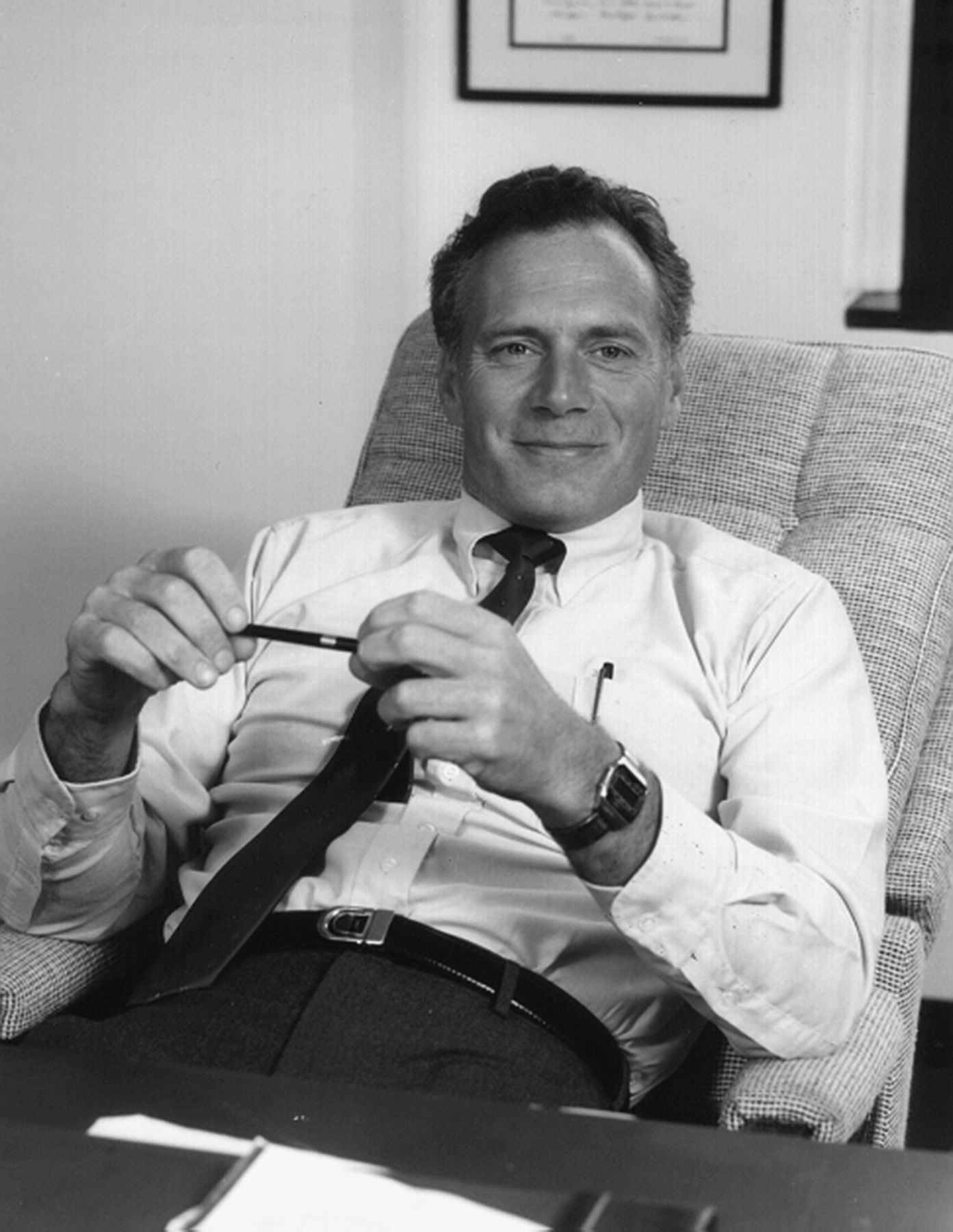
E. Chester (Chip) Ridgway III, MD, former head of the Division of Endocrinology and Senior Associate Dean for Academic Affairs at the University of Colorado School of Medicine, died on July 31 of pancreatic cancer. He was 72 years old.
Dr. Ridgway earned his MD at the University of Colorado and completed internship, residency and fellowship programs at Massachusetts (Mass) General Hospital in Boston. He subsequently spent two years in the Navy as a medical officer in San Diego before returning to Mass General, where he eventually served as head of the Thyroid Unit and to Harvard Medical School, where he was a member of the faculty. In 1985, he returned to the University of Colorado School of Medicine as head of the Division of Endocrinology – a post he held until 2007. During his tenure, he also served as Senior Associate Dean for Academic Affairs beginning in 1994.
Dr. Ridgway was recognized for his work with many honors and awards, including the inaugural Lewis E. Braverman Lectureship Award from the American Thyroid Association. He also served in leadership posts for a number of professional organizations. He was President of the American Thyroid Association from 1996 to 19977 and President of The Endocrine Society from 2003 to 2004. He established and directed a prestigious Endocrine Fellows Conference that provided an educational opportunity for more than 2,000 national and international trainees in thyroidology. In 2011, he was named a Distinguished Professor of the University of Colorado.
John J. Bergan
Pioneering vascular surgeon, John J. Bergan, MD, died on June 11 at age 87 of complications from progressive supranuclear palsy. Dr. Bergan, a dedicated researcher and educator, was a leader in the development of the field of vascular surgery. In 1964, he performed the first kidney transplant at Passavant Memorial Hospital, now known as Northwestern Memorial Hospital in Chicago, IL.
After graduating from high school, Dr. Bergan attended Yale University for a year. His education was interrupted when he was drafted for service in the Navy during World War II. He subsequently returned to Indiana and earned an engineering degree from Purdue University. He earned his MD at the Indiana University School of Medicine in Indianapolis in 1954 and completed surgical residency at Northwestern University Medical School. During his residency, we worked under the guidance of Dr. Walter Maddock, one of the founders of the Society for Vascular Surgery. Dr. Bergan remained at Northwestern University Medical School until moving to Southern California in 1988. There, he practiced at Scripps Memorial Hospital in La Jolla, the University of California at San Diego and Loma Linda University Medical Center. In retirement, he returned to Illinois in 2009.
Dr. Bergan's work spurred the development of blood vessel-related innovations in prosthetic grafts, aneurysm biology, coagulation disorders, venous reconstruction and sexual dysfunction. He was the principle founder of the Midwestern Vascular Surgery Society and the American Venous Forum. He received numerous honors and awards for his contributions to the field of vascular surgery, including the Rovsing Silver Medal of the Danish Surgical Society, the Hach Silver medal of the German Phlebologic Society and honorary memberships in the Royal College of Surgeons in England, the Vascular Society of Great Britain & Ireland, the Vascular Surgery Section of the Royal Australasian College of Surgeons.
Dr. Bergan was co-editor of The Vein Book, a comprehensive reference book on veins and venous circulation, and authored hundreds of scholarly papers and numerous books. He founded the newsletter, Venous Digest. He provided leadership for numerous professional organizations, including service as President of the Society for Vascular Surgery, the European-American Venous Symposium, the American Venous Forum, the International Association of Vascular Surgeons, the Chicago Surgical Society, the Gulf Coast Vascular Society, the Southern California Vascular Surgical Society, and the American College of Phlebology. He was a member of the editorial boards of major surgical and vascular journals, including the Journal of Vascular Surgery, Annals of Vascular Surgery, Surgery and the British Journal of Surgery.
Arnold S. Relman
Arnold S. RelmanPhoto courtesy of the Harvard Medical School
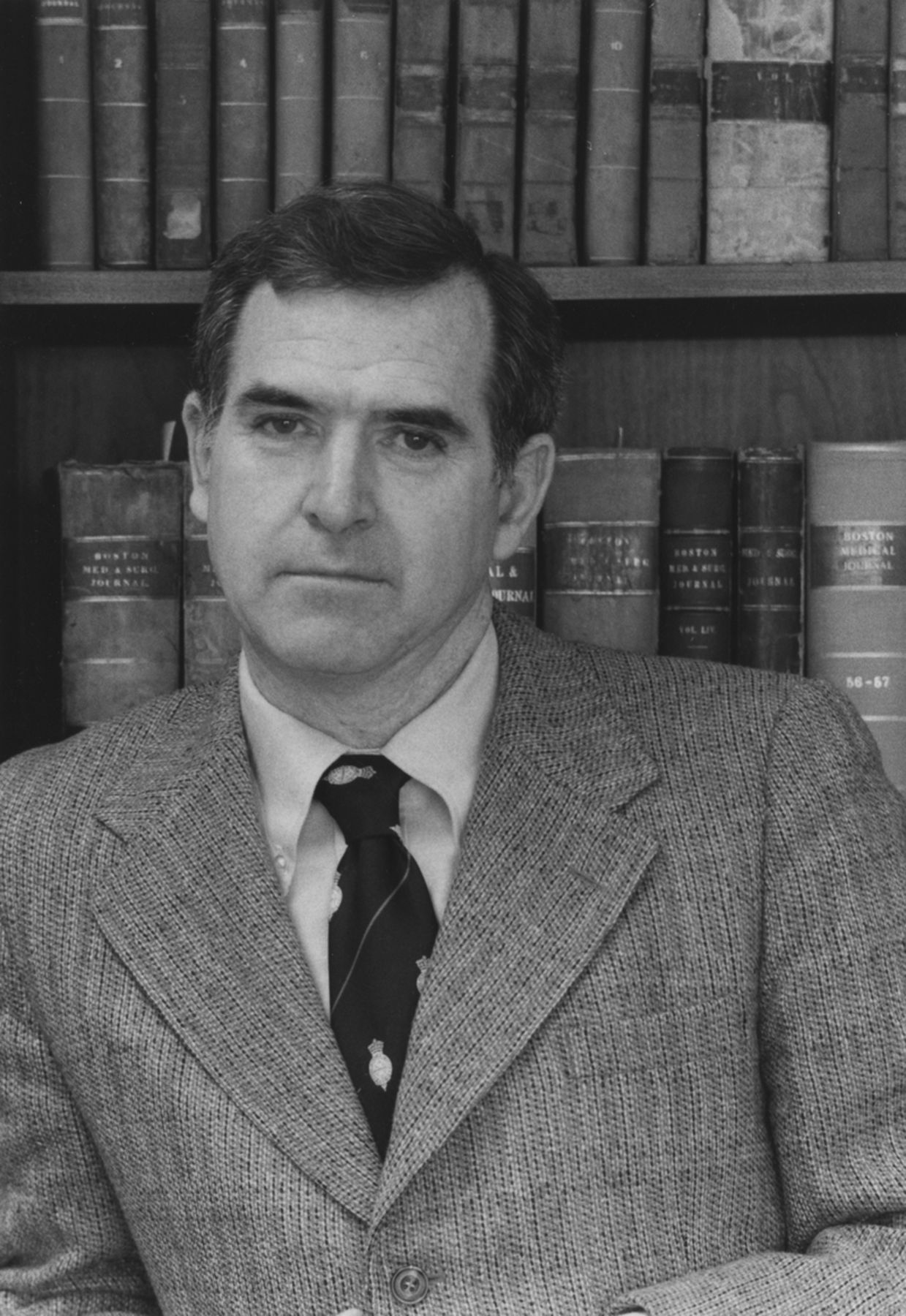
Arnold S. Relman, MD, renowned researcher, administrator and longtime editor of The New England Journal of Medicine, died of melanoma on June 17, his 91st birthday. Known for his critique of the profit-driven health-care system, Dr. Relman and his wife, Dr. Marcia Angell, shared a George Polk Award for their 2002 article, “America's Other Drug Problem,” published in The New Republic. The article put a spotlight on the spending practices of pharmaceutical companies, documenting a disproportionate amount of funding used toward advertising and lobbying efforts as opposed to drug research and development.
Dr. Relman earned his MD from the Columbia University College of Physicians and Surgeons at age 22. In his early career, Dr. Relman's pioneering research focused on kidney function. He was a medical professor at Boston University, later teaching at the University of Pennsylvania, where he was chairman of the department of medicine. He also served at Oxford and at Harvard, where he was professor emeritus of medicine and social medicine. Dr. Relman served as president of the American Federation for Clinical Research, the American Society of Clinical Investigation and the Association of American Physicians, and was editor of the Journal of Clinical Investigation.
Dr. Relman edited The New England Journal of Medicine from 1977 to 1991. During his tenure, he began requiring authors to disclose any financial arrangements that could affect their judgment in writing about the medical field.
Leonard L. Madison
Dr. Leonard L. MadisonPhoto courtesy of UT Southwestern Medical Center
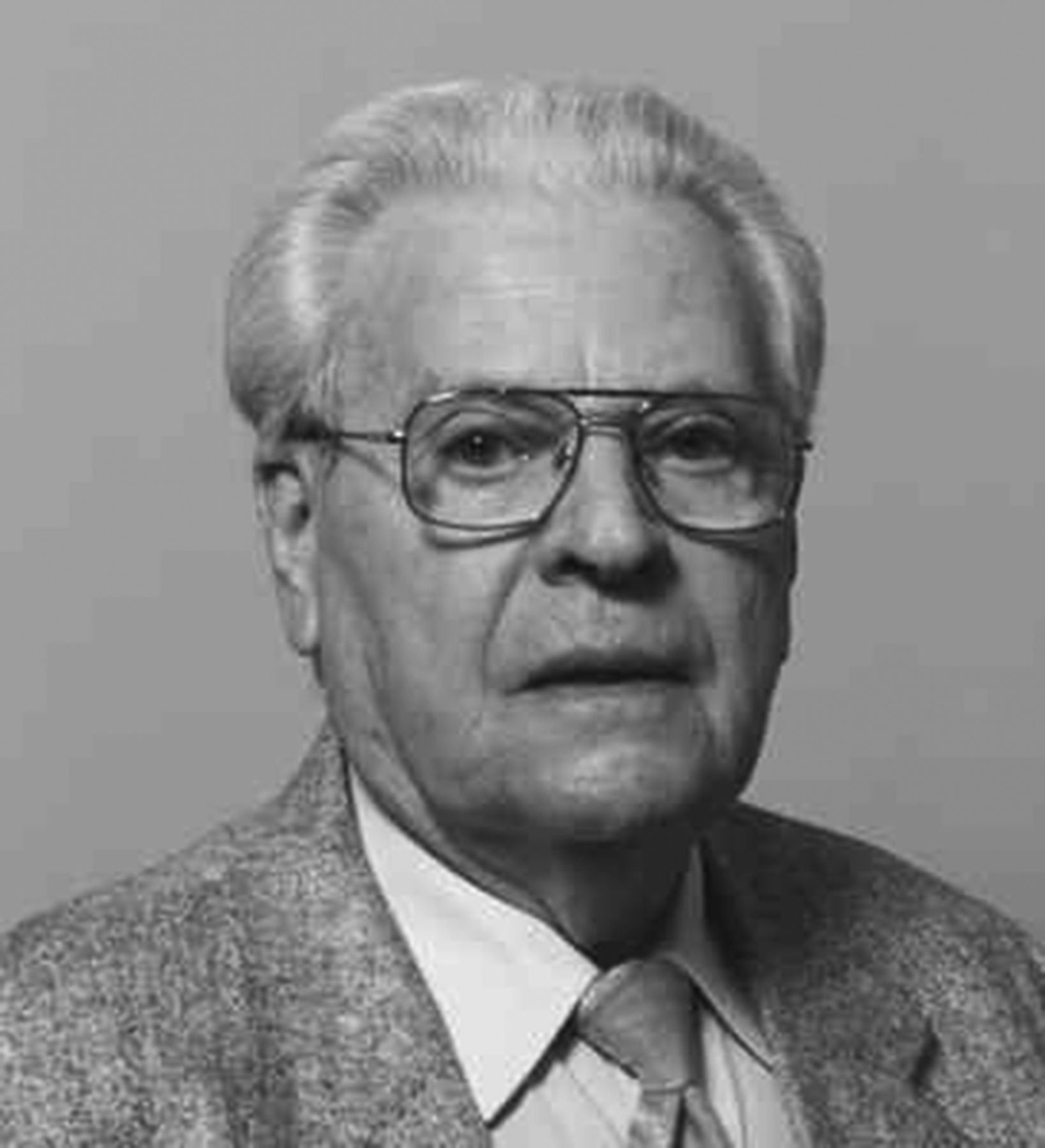
Leonard Lincoln Madison, MD, Professor Emeritus of Internal Medicine at the University of Texas (UT) Southwestern Medical Center died March 27 at age 94. Dr. Madison served as a member of the Internal Medicine faculty at UT Southwestern from 1950 to 1997 and was Chief of the Metabolism Clinic at Parkland Memorial Hospital for many years. He was a highly regarded, longtime leader of the Resident and House Staff Selection Committee and was honored as the recipient of the Internal Medicine House Staff Outstanding Teacher Award several times.
Dr. Madison earned his MD from Long Island College of Medicine in Brooklyn in 1944, receiving the Phi Delta Epsilon Prize for the highest scholastic record. He completed residency at Long Island College of Medicine and Mt. Sinai Hospital in New York, and was Chief of Medical Service at Eglin Air Force Base in Florida before joining UT Southwestern. In addition to his pioneering research focused on diabetes, Dr. Madison was a leading clinician. He earned numerous honors and awards for his work, including appointments to the General Medicine Study Section for the National Institutes of Health and the Therapeutic Committee of the American Diabetes Association. He also served as president of the Central Society for Clinical Research in 1971 and garnered the Jacobaeus Award in Stockholm, Sweden, for Research in Physiology in 1967.
Richard W. Booth
Richard W. Booth, MDPhoto courtesy of Creighton University
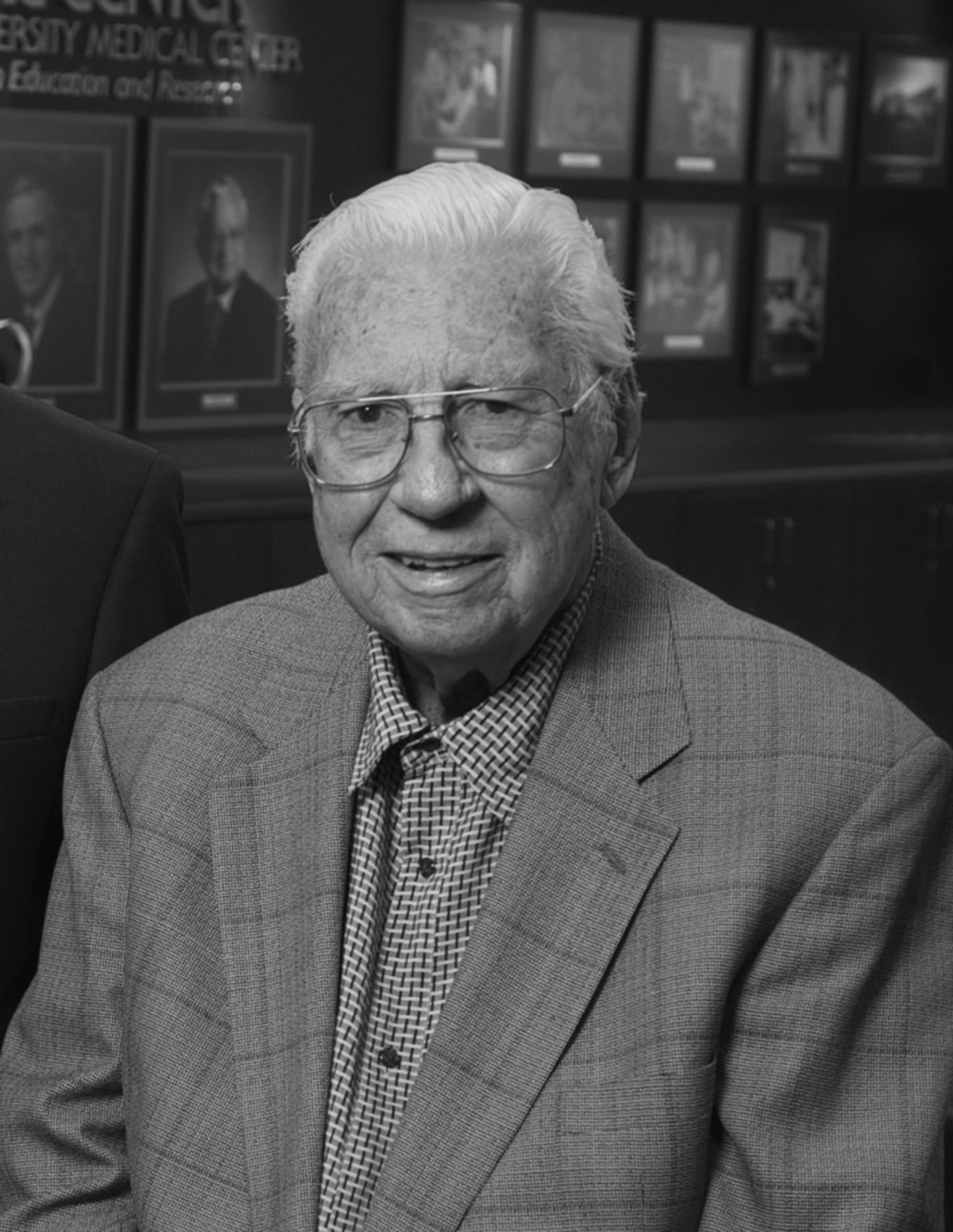
Cardiologist, Richard W. Booth, MD, professor emeritus of medicine and founder of the Cardiac Center at Creighton University, died May 24 at age 90. Dr. Booth joined Creighton University in 1961 and became professor emeritus in 1996. In 1964, he founded the university's Cardiology Fellowship program, which has trained more than 150 cardiology fellows, with a National Institutes of Health grant. In 2005, the Richard W. Booth Endowed Professorship in Cardiology was established. The inaugural holder, Syed Mohiuddin, MD, was one of Dr. Booth's first cardiology fellows.
A native of Cincinnati, OH, Dr. Booth studied pre-medicine at Xavier University and earned his MD from the University of Cincinnati School of Medicine. He completed an internship at the University of Wisconsin and a National Heart Institute residency at the University of Cincinnati. He was a cardiology fellow and professor of medicine at Ohio State University prior to joining Creighton University. His studies at Xavier were interrupted during his service in the U.S. Signal Corps. He was stationed in Liege, Belgium.
During his tenure at Creighton, Dr. Booth and his colleague, Vincent Runco, MD, founded the Cardiac Center at Creighton University. He established a partnership with then-Bell Labs in New Jersey to establish data-phone lines at the Center to enable cardiologists to interpret EKGs remotely, reducing delays in patient care. He was vice president of the American Heart Association in 1974 and was a contributor to the organization's journal, Circulation. He served as senior vice president of medical affairs and medical director for then-St. Joseph Hospital for 25 years, overseeing the development of what is now known as Alegent Creighton Health Creighton University Medical Center.
Robert L. Vernier
Professor Emeritus of Pediatrics and Pathology at the University of Minnesota (U of M) Medical School, Robert L. Vernier, MD, died on May 14 of heart failure. A distinguished pediatric nephrologist, he was highly regarded as an educator, clinician and researcher. He served as a member of the Medical School faculty in the Department of Pediatrics at the U of M for four decades where, along with his colleague, Dr. Alfred Michael, he established the Division of Pediatric Nephrology.
Dr. Vernier earned his MD from the University of Cincinnati in 1952. He completed residency, serving as chief resident, in pediatrics at the University of Arkansas and subsequently joined the U of M faculty as a professor of pediatrics. In 1960, he was awarded a Guggenheim Fellowship. His research focused on understanding glomeruli, and his pioneering work demonstrated the anatomical changes that occur in glomerular disease. He was recognized for this work as a recipient of the 1962 Mead Johnson Award for research, given by the Society for Pediatric Research. From 1965 to 1968, he was a professor of pediatrics at the University of California, Los Angeles. He then returned to the University of Minnesota and served as Professor and Director of the Cardiovascular Research Center until 1991. In 1975, he spent a year as a Senior Fellow at the University of Groningen in the Netherlands. At the U of M, the work of Dr. Vernier and his colleagues established percutaneous kidney biopsy as a diagnostic tool in pediatric nephrology.
Dr. Vernier was a founding member and past president of the American Society of Pediatric Nephrology and of the American Society of Nephrology. He served on the Scientific Review Board of the National Institutes of Health and the National Research Committee of the American Heart Association. In addition to many other honors and awards, Dr. Vernier was a two-time recipient of the American Kidney Foundation Distinguished Service Award and a recipient of the American Heart Association Distinguished Research Award. He was recognized as an outstanding educator with the Gold-Headed Cane Award at the U of M School of Medicine.