







Abstract
Transcranial direct current stimulation has been gaining increasing interest as a potential therapeutic treatment in stroke recovery. We performed a systematic review with meta-analysis of randomized controlled trials to collate the available evidence in adults with residual motor impairments as a result of stroke. The primary outcome was change in motor function or impairment as a result of transcranial direct current stimulation, using any reported electrode montage, with or without adjunct physical therapy. The search yielded 15 relevant studies comprising 315 subjects. Compared with sham, cortical stimulation did not produce statistically significant improvements in motor performance when measured immediately after the intervention (anodal stimulation: facilitation of the affected cortex: standardized mean difference = 0·05, P = 0·71; cathodal stimulation: inhibition of the nonaffected cortex: standardized mean difference = 0·39, P = 0·08; bihemispheric stimulation: standardized mean difference = 0·24, P = 0·39). When the data were analyzed according to stroke characteristics, statistically significant improvements were evident for those with chronic stroke (standardized mean difference = 0·45, P = 0·01) and subjects with mild-to-moderate stroke impairments (standardized mean difference = 0·37, P = 0·02). Transcranial direct current stimulation is likely to be effective in enhancing motor performance in the short term when applied selectively to patients with stroke. Given the range of stimulation variables and heterogeneous nature of stroke, this modality is still experimental and further research is required to determine its clinical merit in stroke rehabilitation.
Introduction
Recovery from stroke remains sub-optimal and drives the compelling search for effective methods of stroke rehabilitation that are accessible, safe, and easy to administer. This has led to increasing interest in noninvasive cortical stimulation. Cortical stimulation may have a role in promoting both contralesional and ipsilesional plastic changes after stroke. This is based on the hypothesis that a focal lesion leads to reduced output from the lesioned hemisphere and disrupts the balance of interhemispheric communication. Electrical stimulation may be able to facilitate a shift of this imbalance toward the prestroke equilibrium by downregulating excitability via application to the nonlesioned hemisphere, thus releasing the lesioned hemisphere from excessive transcallosal inhibition (1). Conversely, it may be applied to the lesioned hemisphere to increase the excitability of the perilesional regions (2).
Transcranial direct current stimulation (tDCS) has emerged as one of the primary techniques under investigation. The tDCS stimulating device is a 13 cm × 21 cm portable box, with two rubber electrodes applied with conductive gel or water-soaked pads. Typically, the protocol for tDCS utilizes 1–2 mA of continuous current for a duration of 10–20 mins, with one electrode placed in the region of the motor cortex and the other on the contralateral supraorbital region. At a cost of $8000, the price, ease of application, and small size of the unit render it a practical concurrent therapy option for rehabilitation clinicians. The studies performed in healthy adults to date have consistently shown that cortical activity, including motor function, can be temporarily altered by tDCS, and the effects depend on the polarity and position of the electrodes, whereby brain activity is increased by anodal stimulation and conversely decreased by cathodal stimulation. The tDCS technique has been in existence since the 1960s, with a body of evidence in psychological conditions where reports have indicated it to be a safe technique that is well tolerated by patients (3).
Several narrative reviews have been conducted describing the effects of tDCS in a range of conditions including stroke (4–10). The purpose of this review was to systematically review the potential of tDCS to enhance the motor recovery of stroke survivors. The research questions were
What are the effects of tDCS on body function or activity limitation in patients with stroke compared with no treatment or standard physical therapy?
Are the effects of tDCS in patients with stroke dependant on stimulation parameters (i.e. anodal vs. cathodal) or patient characteristics (i.e. chronic vs. acute stroke)? and
Is tDCS a safe modality for use in the stroke population?
Method
Identification of studies
A literature search was undertaken to locate all eligible published studies. Electronic searches of MEDLINE, PubMed, CINAHL, and ProQuest were performed using key words for the health condition, stroke, and terms for the intervention, tDCS, in various combinations to locate the relevant papers. There was no methodological filter used for the study design and no time constriction applied to the literature search that was completed in September 2012. In addition, the reference lists of all relevant articles were hand searched for further studies. Duplicates were removed manually. Based on titles and abstracts, the principal author (J. M.) retrieved relevant studies after which two authors (J. M. and P. v. V.) independently evaluated the studies for inclusion in this review. Any uncertainties regarding inclusion were clarified through discussion (see Box 1 for inclusion criteria).
Inclusion criteria.
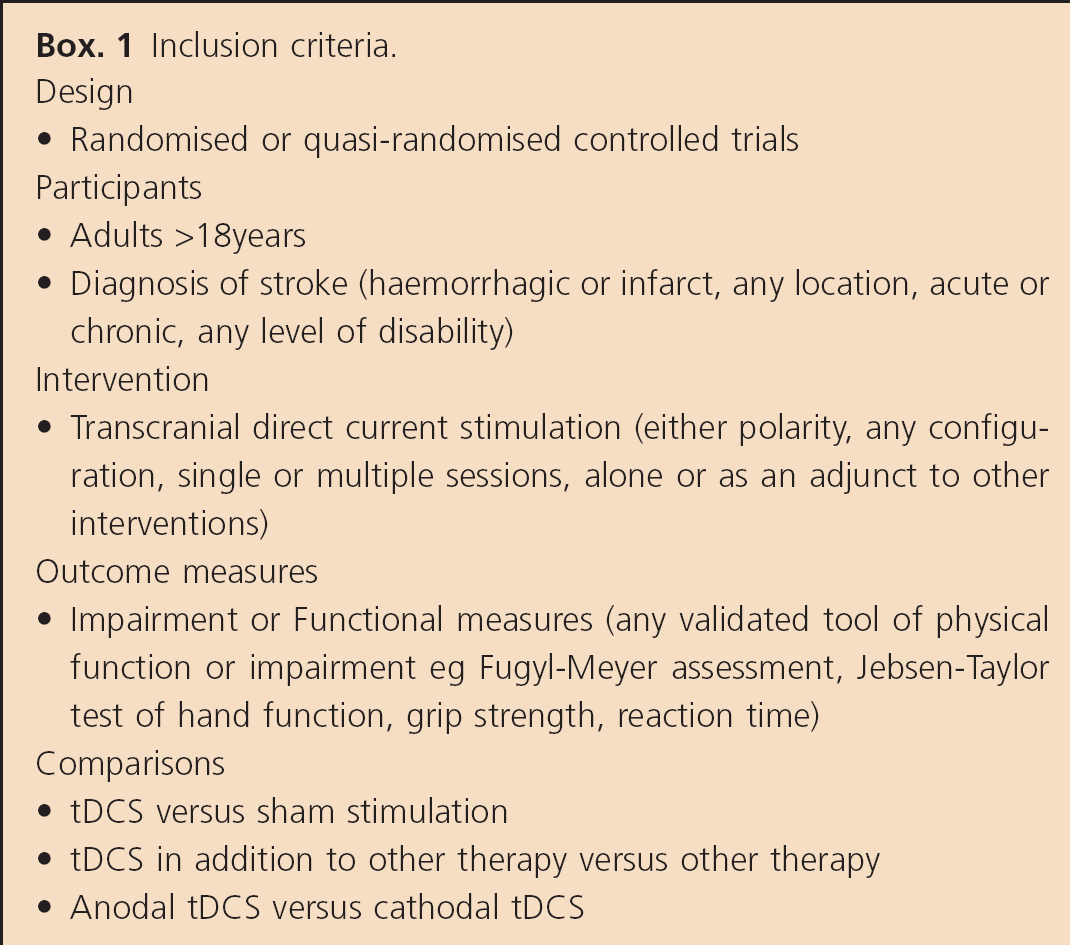
Design
Randomised or quasi-randomised controlled trials
Participants
Adults >18years
Diagnosis of stroke (haemorrhagic or infarct, any location, acute or chronic, any level of disability)
Intervention
Transcranial direct current stimulation (either polarity, any configuration, single or multiple sessions, alone or as an adjunct to other interventions)
Outcome measures
Impairment or Functional measures (any validated tool of physical function or impairment eg Fugyl-Meyer assessment, Jebsen-Taylor test of hand function, grip strength, reaction time)
Comparisons
tDCS versus sham stimulation
tDCS in addition to other therapy versus other therapy
Anodal tDCS versus cathodal tDCS
Selection of studies
Studies involving adults with a diagnosis of stroke, as defined by the original authors irrespective of lesion location, severity, or classification, were eligible. Included literature was limited to full-text publications in English that utilized a controlled experimental design on human subjects and reported original data. Because the aim of our study was to assess benefits of tDCS in terms of movement performance, studies were excluded if they did not include at least one measure of impairment, body function, or activity limitation.
Two reviewers (J. M. and P. v. V.) worked collaboratively to assess the methodological quality of the studies using the criteria from the Physiotherapy Evidence Database scale (PEDro) (see Table 1 for results). Studies were only included if they used a randomized and controlled design. This included studies with random allocation to treatment groups as well as crossover research design with randomization to treatment order.
Included studies: summary of research design
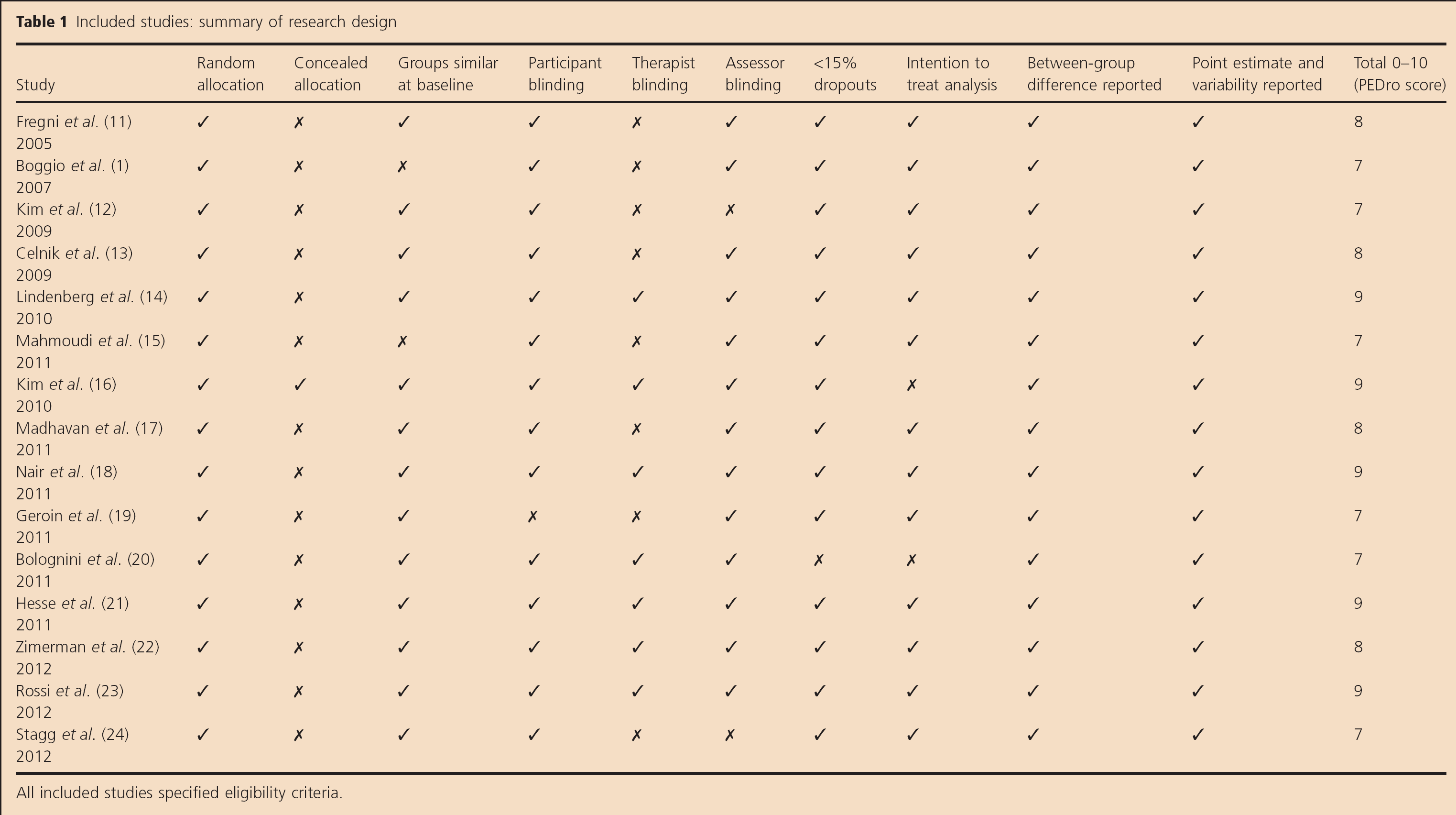
All included studies specified eligibility criteria.
Interventions
Several different applications of tDCS to modulate cortical excitability are described in the literature and we did not restrict our inclusion of studies based on this factor. For the purposes of this review, the following descriptions apply:
In each of these montages, the intensity of the stimulation is steadily increased to the selected threshold over a period of 30 s at the commencement of the intervention and similarly decreased over 30 s at the conclusion of the intervention. In the situation of sham tDCS, the stimulation is ramped up to give the patient the initial tingling sensation and then turned off without the subject being aware that the stimulation has ceased (25).
Outcome measures
The primary outcome measures were motor impairment, body function, and activity limitation. Typical measures of these outcomes include simple reaction time (SRT), Motor Assessment Scale, Jebsen-Taylor Test of Hand Function (JTT), Fugl-Meyer Assessment (FM), and Wolf Motor Function Test. Included studies were also examined for reports of adverse events such as discomfort, fatigue, and headache.
Data analysis
Details from each study including sample size, participant characteristics, tDCS parameters, and reported findings were extracted using a standardized form. The results extracted relate to outcomes measured immediately following the application of tDCS and not longer term effects due to either lack of follow-up data in the majority of studies or large variation in follow-up periods post intervention. Our results therefore indicate the presence or absence of immediate responses to tDCS and do not address change in long-term performance. Authors were contacted where there was difficulty extracting the data from the published paper.
Where means and standard deviation values were provided for pre-post intervention conditions, the standardized mean difference (SMD) was calculated. This allowed us to convert all outcomes to a common scale to compare studies that used different tools to measure the same outcome. We followed general practice to interpret a value of 0·2 to indicate a small effect, and 0·8 a large effect (26). Changes from baseline were used as the primary outcome. In the case where a decreased score on the assessment tool used in the original research represented an improvement, the positive form of the difference score was used to allow for comparison across the different scales. A meta-analysis was then conducted to obtain the average effect of the tDCS interventions and to compare the effects against sham intervention. Intertrial heterogeneity was quantified using I2 (27). Trials in the meta-analysis were considered to have low statistical heterogeneity if I2 was equal or less than 25% (28), in which case a fixed-effect model was used. If I2 was greater than 25%, a random effects model was used to incorporate intertrial heterogeneity (27).
We calculated seven separate meta-analyses. First, we analyzed the effects of different types of tDCS: anodal, cathodal, and bihemispheric stimulation compared with sham stimulation. Then, we analyzed the effect of tDCS on different patient subgroups: those with chronic stroke and those with sub-acute stroke. According to customary convention, we defined acute stroke as within the first three-days of symptom onset, sub-acute stroke as less than three-months, and chronic stroke as greater than three-months since the initial symptoms. Finally, we pooled the data from studies that included subjects with mild-to-moderate impairments and those with moderate-to-severe impairments. As no standard definition of these categories exists, we used the definitions and criteria provided by the original authors to determine groupings. We were unable to include the results of two studies in any of the meta-analyses due to insufficient data (17,24).
Results
Flow of studies through the review
The search resulted in the identification of 289 articles after the removal of duplicates. Of these 35 were deemed potentially relevant. On closer scrutiny, a further 20 were excluded due to research design (11 studies failed to meet the randomization criteria); no inclusion of an impairment, function, or activity limitation measure (5 studies); insufficient information (1 study); and Russian or Chinese text only (3 studies). This left 15 studies for inclusion in the review (see Fig. 1 for the flow of studies through the review).
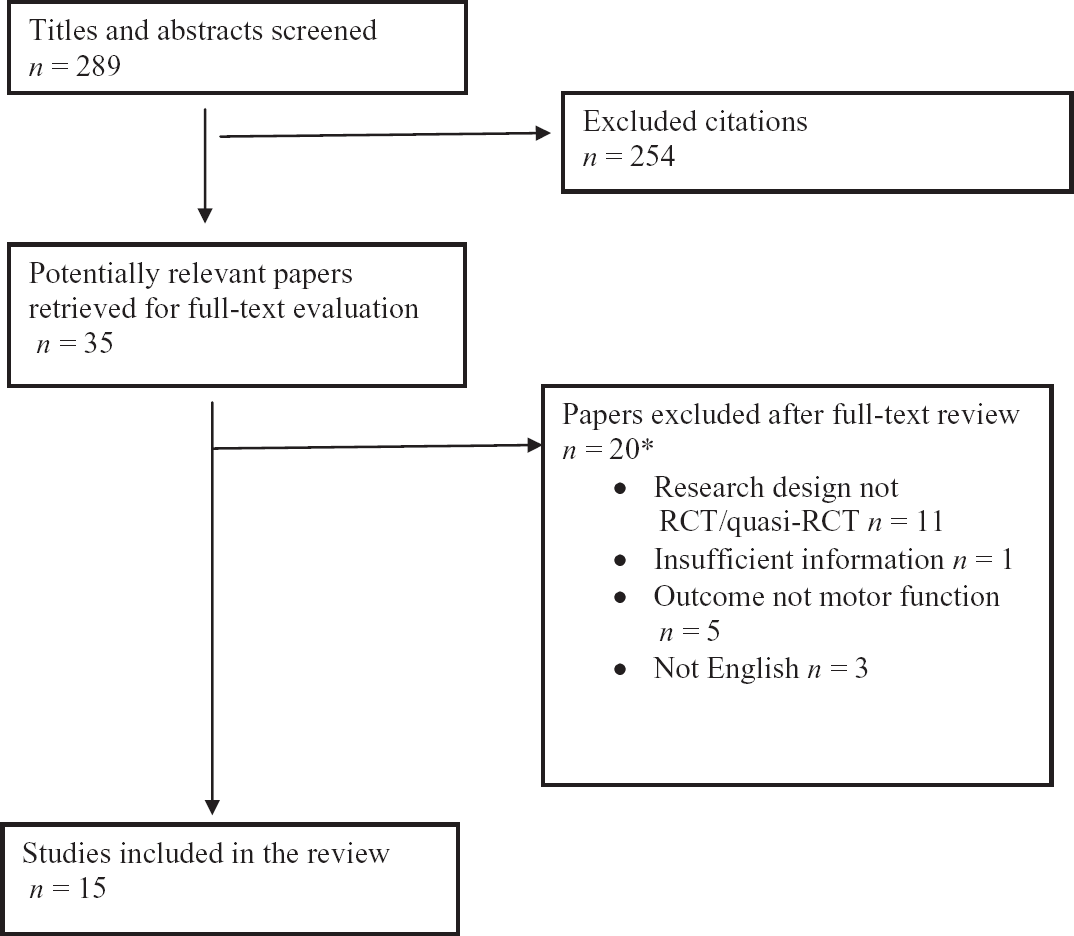
Flow of studies through the review. *Papers may have been excluded for failing to meet more than one inclusion criteria. RCT, randomized controlled trial.
Characteristics of studies
Quality
The methodological quality of the 15 studies meeting all inclusion criteria was consistently high with a mean PEDro score of 7·9 out of 10 [standard deviation (SD) = 0·9, range 7–9]. All studies used randomization; however, only one reported concealed allocation (16). Each study, with the exception of one (19), used participant blinding; all but one (12) blinded the assessors, but only 6 of the 15 studies reported therapist blinding. All studies had excellent retention rates with only two studies (16,20) reporting dropouts, but this remained less than 15% of each sample.
Participants
The mean age of the 315 participants across the studies was 59·3 years, with a range from 28 to 87 years and a preponderance of men (61%). Time since stroke varied with 10 of 15 studies recruiting participants with chronic stroke, 4 studies recruiting sub-acute subjects, and 1 study recruiting a mixed sample of chronic and sub-acute subjects. However, the majority of participants were less than 12 months post stroke (58%). Both cortical and sub-cortical strokes were included in the samples, but cortical strokes predominated (cortical n = 137, sub-cortical n = 110, both n = 68).
Several different scales were used to classify stroke severity. This included grip strength, upper limb score of the Fugl- Meyer, and the ability to perform all items on the JTT. According to the classifications provided by the original authors, 11 studies included participants with mild/moderately affected participants, and only 4 studies recruited subjects with moderate/severe impairments.
Intervention
The majority of studies investigated the effects of anodal stimulation compared with the sham condition (11 studies). In addition, many studies analyzed the effect of several different applications of tDCS including cathodal stimulation (eight studies), bihemispheric stimulation (three studies), and extracephalic stimulation (one study). All studies used a sham control condition. Stimulation intensity was most typically 1 mA (10 studies), with a range of 0·5–2·0 mA and stimulation duration ranged from 7 to 40 mins. Seven studies reported the effects of tDCS following a single session of stimulation, others trialed weekly sessions or consecutive daily sessions. Concurrent physical therapy or training during stimulation was administered in nine of the studies.
Outcome measures
Several standardized tools were used to assess body function and activity limitation. This included the JTT (four studies), the FM (five studies), SRT tasks (four studies), six-minute walk test (one study), and the Box and Block Test (one study). Time-points for data collection were not consistent across the trials. Most studies provide outcomes immediately following the stimulation period, with three exceptions where there was a delay of up to seven-days after the cessation of the intervention prior to reassessment (14,16,18). Four studies collected short-term follow-up data out to at least seven-days post intervention, and only three studies collected long-term data out to at least three-months (16,21,23). Patient tolerance of the intervention was reported in all studies, and discomfort, fatigue, and attention data were formally collected via visual analog scales or questionnaires in five studies (11–13,22,24). See Table 2 for a summary of the included studies.
Included studies: Summary
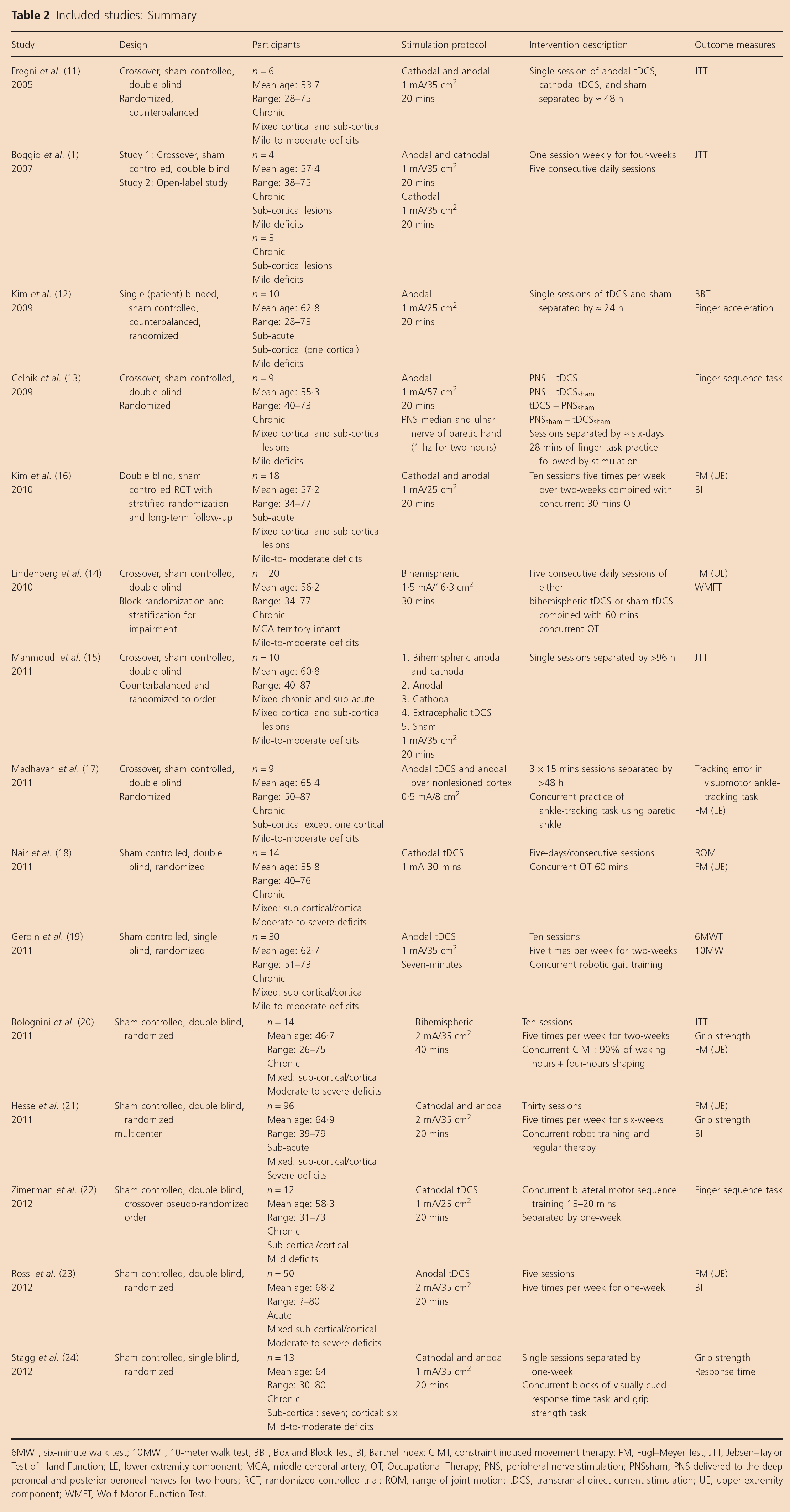
6MWT, six-minute walk test; 10MWT, 10–meter walk test; BBT, Box and Block Test; BI, Barthel Index; CIMT, constraint induced movement therapy; FM, Fugl-Meyer Test; JTT, Jebsen-Taylor Test of Hand Function; LE, lower extremity component; MCA, middle cerebral artery; OT, Occupational Therapy; PNS, peripheral nerve stimulation; PNSsham, PNS delivered to the deep peroneal and posterior peroneal nerves for two-hours; RCT, randomized controlled trial; ROM, range of joint motion; tDCS, transcranial direct current stimulation; UE, upper extremity component; WMFT, Wolf Motor Function Test.
Effect of tDCS
Physical function
The effect of anodal tDCS on motor performance was examined by pooling the data from nine studies involving 224 subjects. When compared with sham controls, anodal tDCS did not significantly alter motor performance [SMD = 0·05, confidence interval (CI) =–0·25–0·31, P = 0·71, see Fig. 2]. This finding was similar for cathodal stimulation when the data from seven studies involving 154 subjects were pooled (SMD = 0·39, CI =–0·05–0·82, P = 0·08, see Fig. 3) and bihemispheric stimulation using the data from three studies involving 54 subjects (SMD = 0·24, CI =–0·3–0·77, P = 0·39, see Fig. 4). Only one author investigated the use of an extracephalic reference electrode and report a nonsignificant effect relative to sham (P = 0·82) (15). Two studies conducted follow-up assessments three-months after the intervention and both report no between-group differences (P> 0·05) (21,23). Kim et al. (16) were the only authors to report long-term outcomes that were measured six-months after the intervention. Functional performance was significantly better six-months post cathodal stimulation compared with sham (P < 0·05), whereas anodal stimulation showed a trend toward improvement relative to sham but this did not reach statistical significance at six-months follow-up.
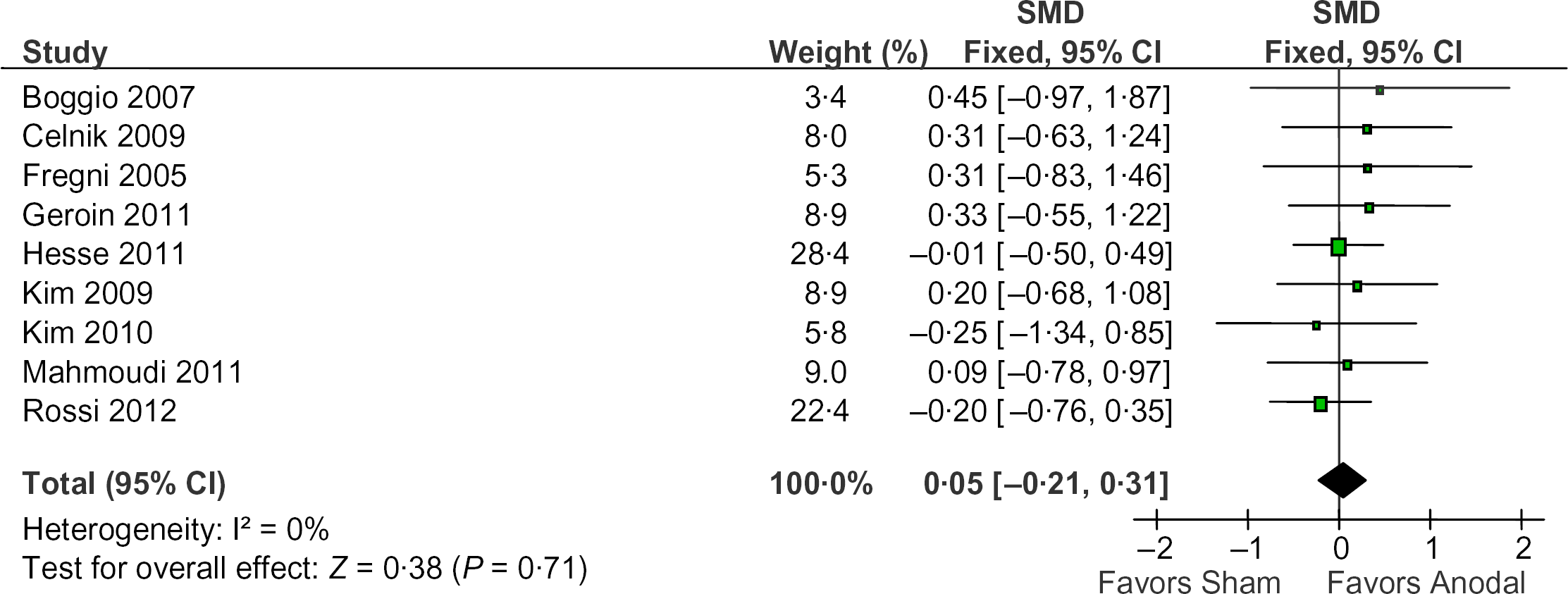
SMD (95% CI) of the effect of anodal stimulation on motor performance compared with sham by pooling data from nine studies (n = 224). CI, confidence interval; SMD, standardized mean difference.
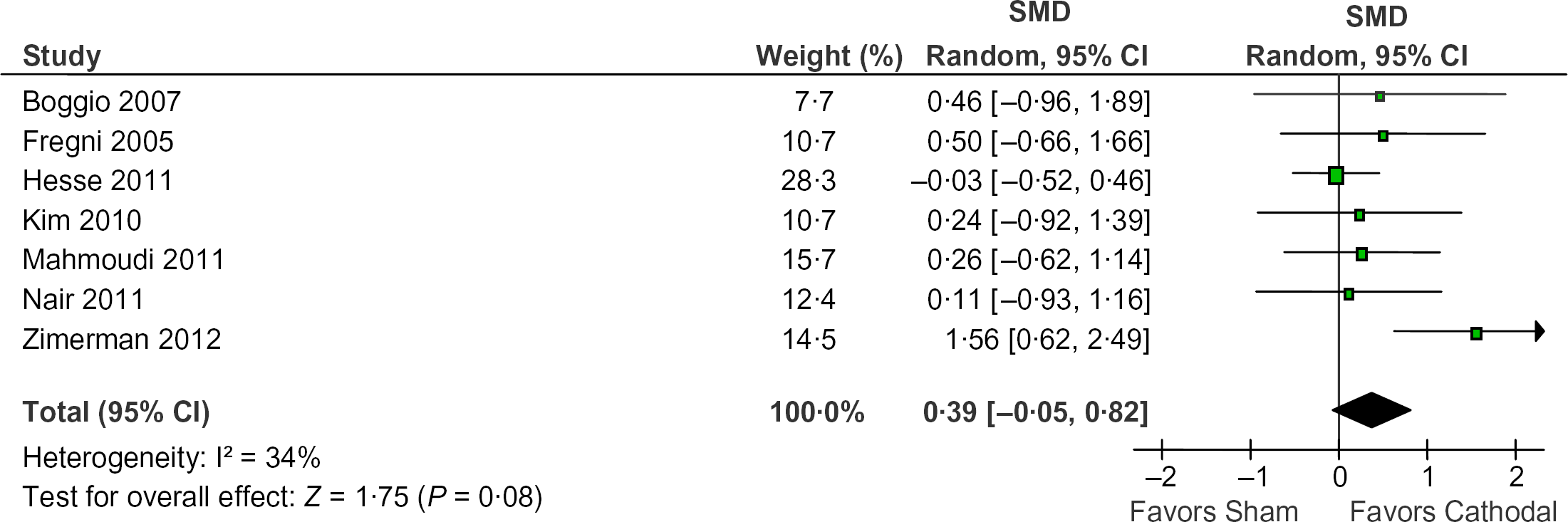
SMD (95% CI) of the effect of cathodal stimulation on motor performance compared with sham by pooling data from seven studies (n = 154). CI, confidence interval; SMD, standardized mean difference.
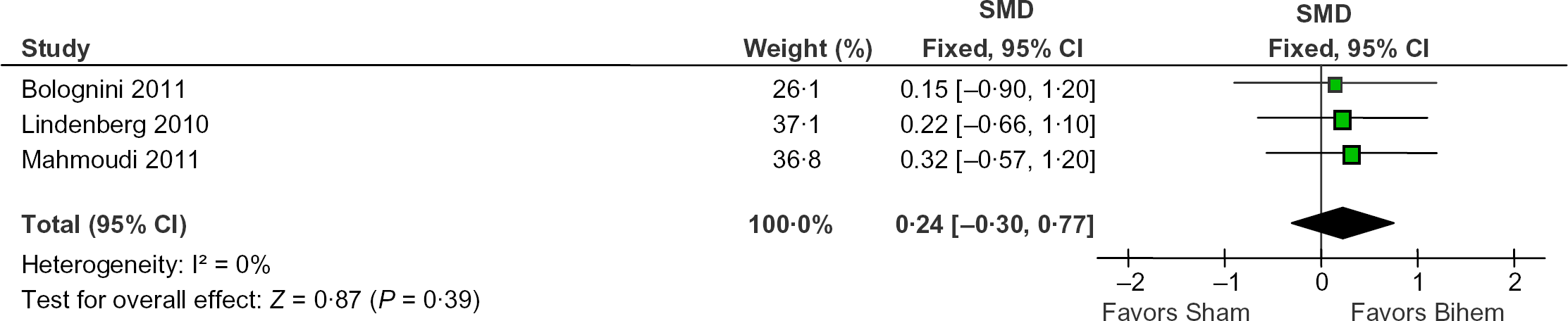
SMD (95% CI) of the effect of bihemispheric stimulation on motor performance compared with sham by pooling data from three studies (n = 54). CI, confidence interval; SMD, standardized mean difference.
Further analysis was conducted by comparing acute, sub-acute, and chronic stroke samples. Only one study investigated subjects with acute stroke (23). These authors report a nonsignificant effect associated with tDCS. The effect of tDCS on motor performance in people with chronic stroke was evaluated by pooling the data from eight studies involving 130 subjects. When compared with sham controls, tDCS significantly improved performance (SMD = 0·45, CI = 0·09–0·80, P = 0·001, see figure 5). This positive finding was not replicated when we pooled the data from the three studies (n = 49) that used sub-acute stroke samples (SMD = 0·01, CI = −0·39–0·42, P = 0·94, see figure 6). The final analyses revealed a statistically significant benefit of tDCS in nine studies involving 155 subjects who demonstrated mild/moderate impairment (SMD = 0·37, CI = 0·05–0·70, P = 0·02, see figure 7), but not those classified with moderate/severe impairment in four studies with 141 subjects (SMD = −0·05, CI = −0·38–0·28, P = 0·78), see figure 8.

SMD (95% CI) of the effects of tDCS on motor performance of people with chronic stroke compared with sham by pooling data from eight studies (n = 130). CI, confidence interval; SMD, standardized mean difference; tDCS, transcranial direct current stimulation.
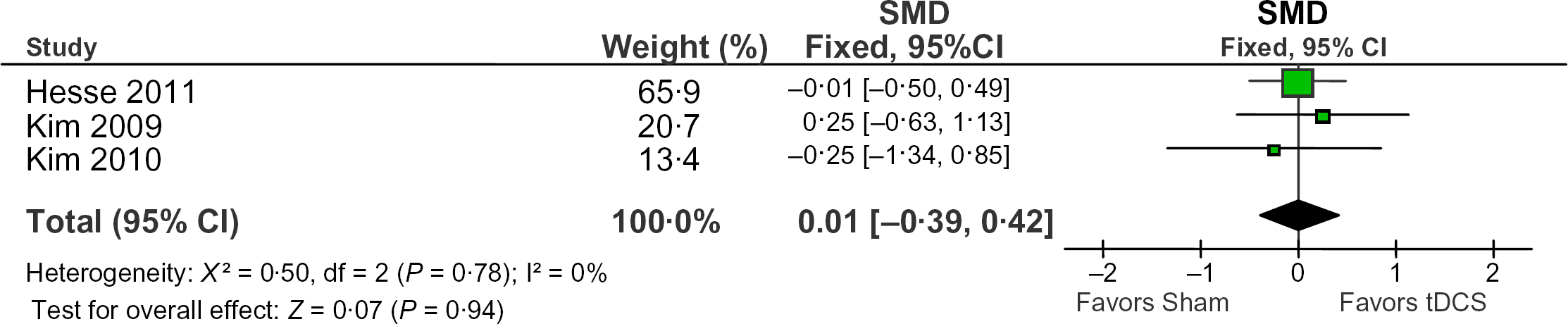
SMD (95% CI) of effects of tDCS on motor performance of people with sub-acute stroke compared with sham by pooling data from three studies (n = 49). CI, confidence interval; SMD, standardized mean difference; tDCS, transcranial direct current stimulation.
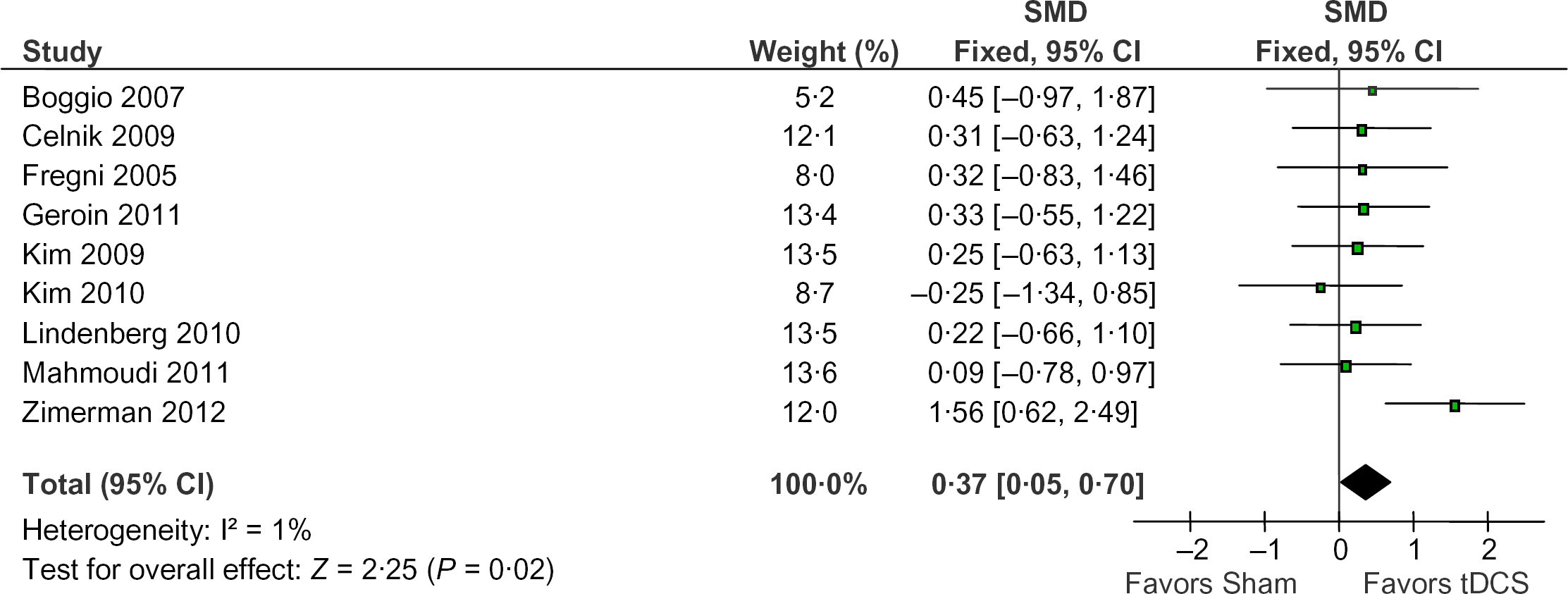
SMD (95% CI) of the effects of tDCS on motor performance of people with mild/moderate stroke impairments compared with sham by pooling data from nine studies (n = 155). CI, confidence interval; SMD, standardized mean difference; tDCS, transcranial direct current stimulation.
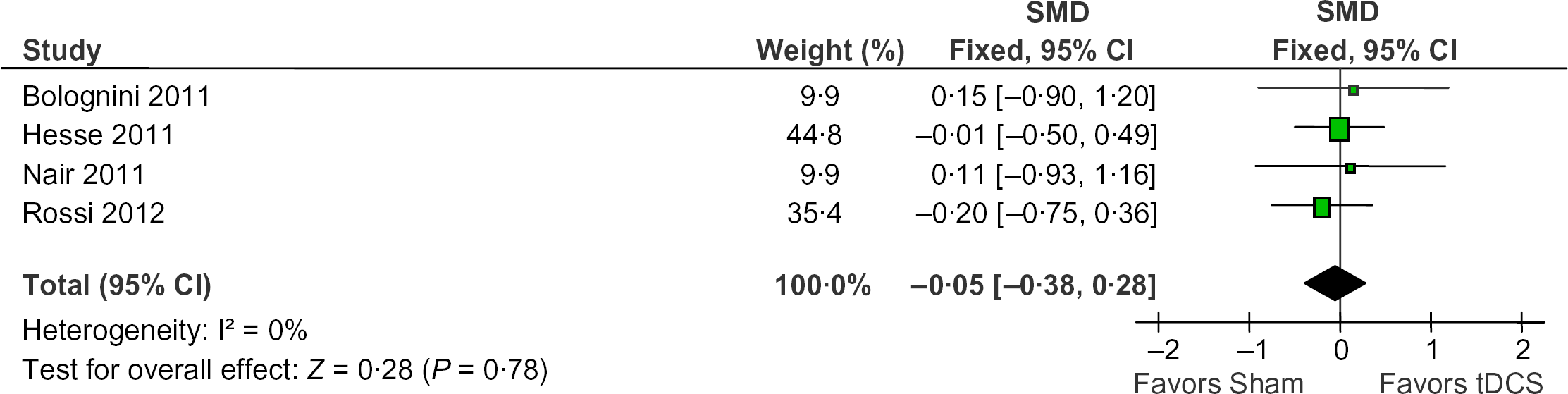
SMD (95% CI) of the effects of tDCS on motor performance of people with moderate/severe stroke impairments compared with sham by pooling data from four studies (n = 141). CI, confidence interval; SMD, standardized mean difference; tDCS, transcranial direct current stimulation.
Safety
The absence of adverse events was recorded in 14 of the 15 studies; the remaining study (16) recorded two adverse episodes, whereby one participant experienced a headache (during anodal stimulation) and another dizziness (during cathodal stimulation). These symptoms lead the participants to discontinue their involvement in the study. There was no significant effect of stimulation on attention or fatigue. (See Table 3 for a summary of the findings of individual studies).
Included studies: Summary of findings
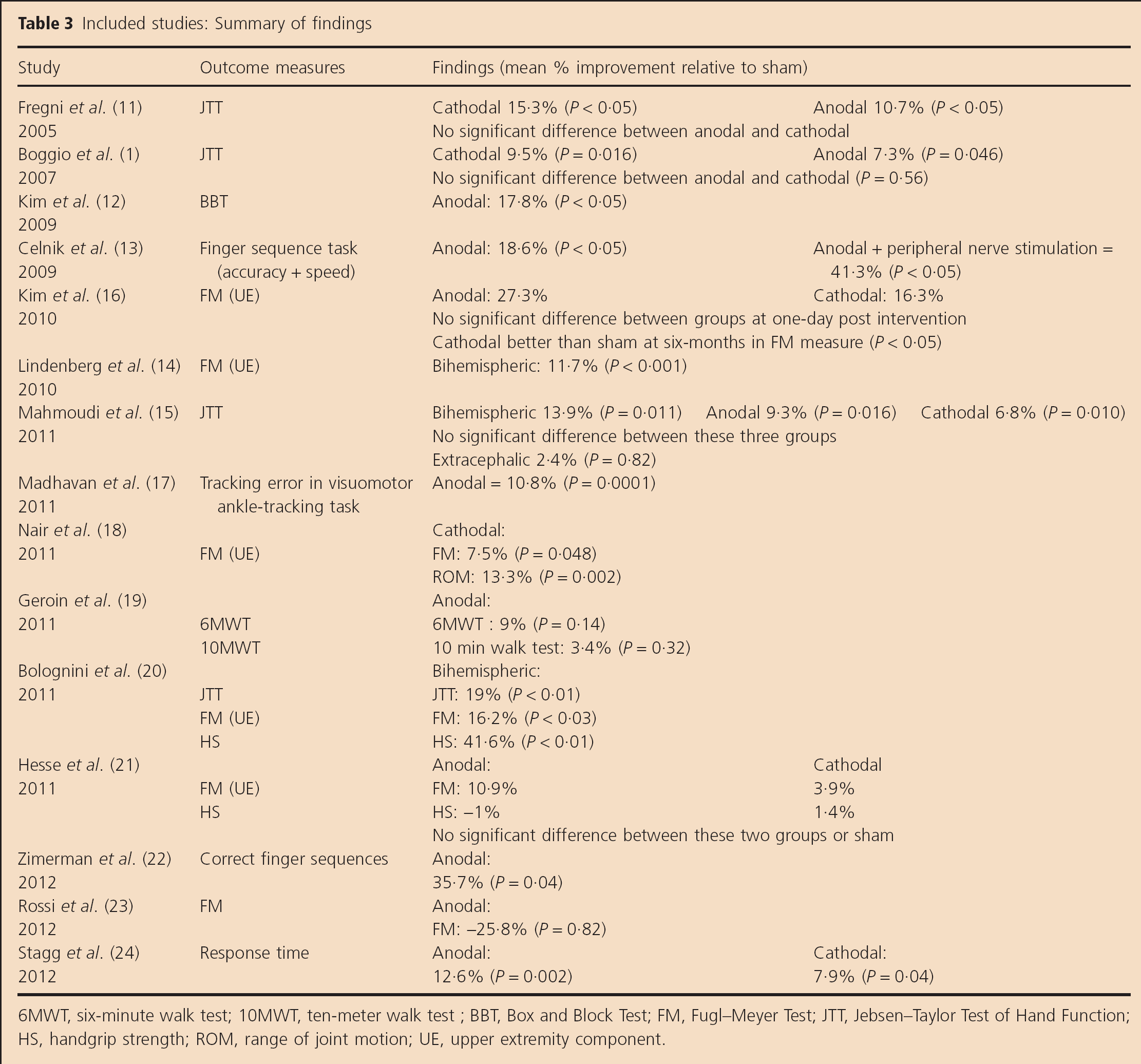
6MWT, six-minute walk test; 10MWT, ten-meter walk test; BBT, Box and Block Test; FM, Fugl-Meyer Test; JTT, Jebsen-Taylor Test of Hand Function; HS, handgrip strength; ROM, range of joint motion; UE, upper extremity component.
Discussion
The results of this systematic review provide evidence from 15 studies with relatively high methodological quality in support of tDCS when applied to selected patients with stroke. These positive findings are not consistent across all the included studies, possibly due to the heterogeneity of the participant characteristics and stimulation paradigms. Those most likely to benefit are patients with chronic stroke and/or mild-to-moderate motor impairments. Likewise, the size of the treatment effect is variable and at best modest with a maximum effect size of 35·7% improvement relative to sham.
Based on the current findings, we are unable to decipher if one form of tDCS is superior to another. Pooled data demonstrate a lesser treatment effect for the anodal stimulation montage (anodal SMD = 0·05; cathodal SMD = 0·39; bihemispheric SMD = 0·39), and while several individual studies demonstrate greater treatment effect following cathodal stimulation compared with anodal (1,11), these differences fail to reach statistical significance and others report the effects of cathodal stimulation to be significantly weaker than anodal (15). Although cathodal, anodal, and bihemispheric stimulation appear to have merit, there is currently no evidence to support the use of extracephalic stimulation paradigms in patients with stroke (15). Furthermore, the optimal number of tDCS sessions and session duration has not yet been well defined with conflicting reports in the literature. It has been proposed that repetition of tDCS in consecutive sessions can enhance the efficacy of the stimulation by cumulating or stabilizing the effects. Several authors have demonstrated the positive effects of tDCS enduring beyond the intervention period by one-week (14,18,20); however, this is disputed by other authors who utilized daily tDCS stimulation ranging from one- to six-weeks with no reported benefit (19,21,23). The ideal number and timing of sessions and the sustainability of the effects remain undetermined and requires long-term prospective investigation.
There is consensus that for motor improvements to be lasting tDCS must occur in conjunction with training (29). This may enhance skill acquisition by increasing afferent inputs to the cortex while its intrinsic excitability is being enhanced by tDCS. Transcranial direct current stimulation has been shown to beneficially enhance the effects of peripheral nerve stimulation (13), constraint-induced movement therapy (20), and occupational therapy training (14,16,18). In contrast, Rossi et al. (23) were unable to show any additional benefit of tDCS when supplementing routine therapy in acute stroke patients. Likewise, there is no evidence to support tDCS as an adjuvant to bilateral robot assisted limb training in either the upper limb (21) or the lower limb (19). These conflicting findings suggest that several factors may influence the outcome of the combined treatment approach and may include the temporal delivery of tDCS in relation to the training as well as the type of training.
Stroke is a heterogeneous disease affecting a diverse population. The establishment of participant selection criteria based on lesion location, time after stroke, and/or integrity of the corticospinal pathway may assist in determining which patients are most likely to benefit from tDCS. Corticospinal excitability in the sub-acute stages of stroke recovery may be different from that in the chronic stages, and therefore neuromodulatory agent such as tDCS may have differential effects. This is supported by our meta-analysis whereby there was a difference in the size of the treatment effect when the sample was composed of people with chronic stroke (SMD = 0·45) compared with sub-acute stroke (SMD = 0·01). However, Mahmoudi et al. (15) dispute this premise and found no correlation between time post stroke and outcome in their randomized controlled trial (P > 0·02). Furthermore, cautious interpretation is required as the positive findings in chronic stroke have predominantly been reported in mild to moderately affected patients who were able to grasp and manipulate objects with the affected hand. In contrast, the acute/sub-acute samples often included participants with severe deficits. Similarly, cortical excitability and current flow is likely to differ according to stroke location and lesion volume. Several authors support this theory reporting that patients with subcortical lesions had significantly greater improvements than those with cortical lesions (15,21). Indeed, there could be merit in defining damaged brain areas and networks more specifically through imaging in future studies to determine the presence of differential responses to tDCS according to lesion characteristics. It has been proposed that tDCS may be effective for a wide range of stroke types and motor deficits as long as part of the corticospinal output is preserved (16). Future research may need to consider matching controls for lesion characteristics as at this stage we are unable to conclusively determine if the effects of tDCS are independent of these factors.
This review indicates that tDCS is well tolerated by patients with only two documented dropouts in all the reported studies. These dropouts occurred following adverse events in the study with the highest dosage of tDCS (16). Although headache and dizziness are relatively minor symptoms, it may suggest that in sub-acute stroke 10 sessions of 2 mA direct current is reaching the threshold of patient tolerance. This highlights the need for the determination of stimulation parameters that maximize benefit but limit the associated risks.
The strength of this review is that it included functionally relevant outcome measures related to motor performance, which is often the major clinical focus of stroke rehabilitation. It presents an impartial synthesis of all the high-quality English publications in the field that provides a more robust estimate of the likely effect of tDCS than individual studies alone. Although 15 studies were identified by this review, the total number of participants was small (n = 315) and further caution with interpretation of these findings is warranted given the likelihood of publication bias toward positive findings. While this data confirm that tDCS has the potential to improve motor performance in patients with stroke, long-term effects on motor function remain unclear as only one study evaluated effects after six-months.
It is becoming increasingly apparent that the best intervention for stroke recovery will incorporate a combination of techniques to maximize neuronal plasticity (29). Research investigating a possible role for tDCS is mounting but remains inconclusive and hampered by both the heterogeneity of the patient and stimulation characteristics. It appears that in order to maximize the potential of this modality, prudent selection of patients and stimulation parameters will be required. Factors such as lesion patterns, severity of paresis, time course post stroke, and the type of adjuvant therapy are methodological issues that require further attention.