







Abstract

Keywords
The year 1995 was witness to events which shaped the culture and attitudes of people around the world for decades to follow. From politics to acts of terror, to cultural breakthroughs, there were multiple occurrences which not only impacted those times, but also remained to be a part of the psyche of who we are today. The year 1995 saw the development and unveiling of a new peer-reviewed scientific journal, The Journal of Investigative Medicine, known to many simply as JIM. A look at world events in 1995 will help us understand the world into which JIM was born.
Our president was William Jefferson Clinton from Hope, Arkansas. Americans’ confidence in the safety of our country was badly shaken when a former US Army member named Timothy McVeigh parked a Ryder truck filled with explosives in a drop-off zone of the day-care center of the Alfred P. Murrah Federal Building in Oklahoma City. The homemade bomb created by McVeigh and Terry Nichols, exploded at 9:02, killing 168 and wounding close to 700. Halfway around the world, Israeli Prime Minister Yitzhak Rabin, a strong proponent of the Mideast peace process, was assassinated, the second Middle East leader to lose his life after committing to bringing peace to the region. One of Quebec's many referendums on independence from Canada was narrowly defeated by barely one per cent of the votes, while the Bosnian Civil War ended, seemingly, bringing peace to Bosnia, Serbia and Croatia.
In the realm of entertainment, America was obsessed with the television show ‘Seinfeld’, and expressions like ‘close talker’, ‘re-gifter’, ‘no soup for you’ and ‘yada, yada, yada’ became part of popular culture. The singer Seal topped the charts and the Grammy Awards, and Mel Gibson's epic movie ‘Braveheart’ won Best Picture and earned him Best Director honors at the Academy Awards. Superheroes remained at the top of the box office with Val Kilmer's interpretation of the Dark Knight in ‘Batman Forever’, and a new James Bond debuted with Pierce Brosnan deftly assuming the role of 007 in ‘GoldenEye’.
There also emerged a new form of entertainment, just starting to take hold, in the form of reality TV. Only the early version wasn't scripted or conceived in a studio, it began with a grisly murder in Los Angeles, a televised car chase through Southern California, and the 11-month long televised trial of OJ Simpson for the murder of his wife Nicole Brown and Ron Goldman. Defense Attorney Johnny Cochran turned the tide of the case with his ‘If it doesn't fit, you must acquit’, and OJ Simpson was acquitted for two counts of murder.
In sports, Michael Jordan announced he was ending his retirement and returning to basketball, resuming a career which would see him and the Chicago Bulls earn three more NBA titles. In Superbowl 1995 the 49ers defeated the Chargers by the score of 49-26 while the horse Thunder Gulch won the Kentucky Derby. Also, in 1995, a little-known online marketplace known as the AuctionWeb was launched; it would go on to become eBay. And the world said goodbye to ‘The King of Cool’, Dean Martin.
Medicine was also rapidly evolving, with the world's first triple-organ transplant taking place at Brigham and Women's Hospital in Boston. Researchers around the world were working on treatments for HIV, and finally starting to see progress with drug ‘cocktails’, combinations of treatments that were increasingly offering hope to those afflicted with AIDS. Throughout the 1990s robotic technology gained more of a foothold in surgery, and its use contributed to the growth of specialization in medicine.
Which brings us to JIM, and what led to the development of the journal for the American Federation for Clinical Research (AFCR), renamed in 1966, the American Federation for Medical Research (AFMR). With increasing specialization, and subspecialization, in medicine and surgery, large meetings where multiple specialties came together were losing ground to their more focused specialized competitors. The AFCR was founded by Henry Christian, Dean of Harvard Medical School in 1941 and was a longtime partner in the Tri-Society Meeting, along with the American Society for Clinical Investigation, and the Association of American Physicians. Traditionally held in Washington, DC, the Tri-Society Meeting brought researchers from all levels, with AFCR providing trainees, The American Society for Clinical Investigation (ASCI) bringing mid-career researchers, and The Association of American Physicians (AAP) providing the most senior representation of researchers, specialty and subspecialty meetings soon began seeing attendance rise with an annual subspecialty meeting, specifically cardiology and gastroenterology, becoming more of a ‘circus’ setting with attendances in the thousands. This led to a re-appreciation of the role of regional meetings for trainees and the AFCR saw the potential for partnerships with sister regional societies, strengthening their base. But the loss of a national identity was a concern, as was the loss of potential revenue from an annual meeting and a corresponding decrease in membership, as scientists of all ages sought out their own specialty organizations.
The AFCR sensed the ongoing importance of the ‘regional’ meeting concept where the ‘smaller’ meetings, providing a forum for scientific interchange, opportunities for faculty mentoring, establishing networking relationships and having the opportunity for a ‘podium’ presentation experience with its attendant question and answer interchange. The realization that AFCR really was ‘the foundation’ for an academic career at the junior faculty level became very much re-inforced and a commitment to maximizing the regional meetings, with appropriate travel awards and support. In addition the initiation of Henry Christian Awards and the acceptance by Chairs of Medicine of the key role of AFCR and all its sister organizations helped them consolidate the crucial role of AFCR in academic medicine.
The AFCR at the time was also very active in advocacy efforts, and had led the charge to develop K Awards for physician scientists. Having a strong voice and representation in Washington, DC required significant time and money; reduction in meeting participation and membership impacted the ability of the AFCR to pursue its advocacy efforts. The leadership of the AFCR looked at potential revenue streams and saw other societies who were growing through successful journals. Thus, the idea of JIM was born.
The journal was conceived as a publication which would cross all subspecialties, and offer the true translational bridge between clinical and basic research. Realizing that much translational work had its origins done in a basic lab setting before extending to the bedside of clinical research, the AFCR also looked forward to the future with the name change to AFMR in 1996.
According to former AFMR President and JIM's second Editor-in-Chief, Dr Veronica Catanese, the journal was created to help preserve the scientific part of the AFCR/AFMR mission, and to do this by bringing different disciplines together, and serve as a forum where junior physician investigators could publish their work and develop their careers with exposure in a peer-reviewed journal. Many specialties were developing their own journals; in contrast, JIM would be a place where all types of research could be published, and the journal would allow subspecialties to disseminate information to bring lines of inquiry together, not drive them apart. JIM would be a vehicle to aid in broadening the perspective of the subspecialties at a time when focuses were becoming more and more narrow.
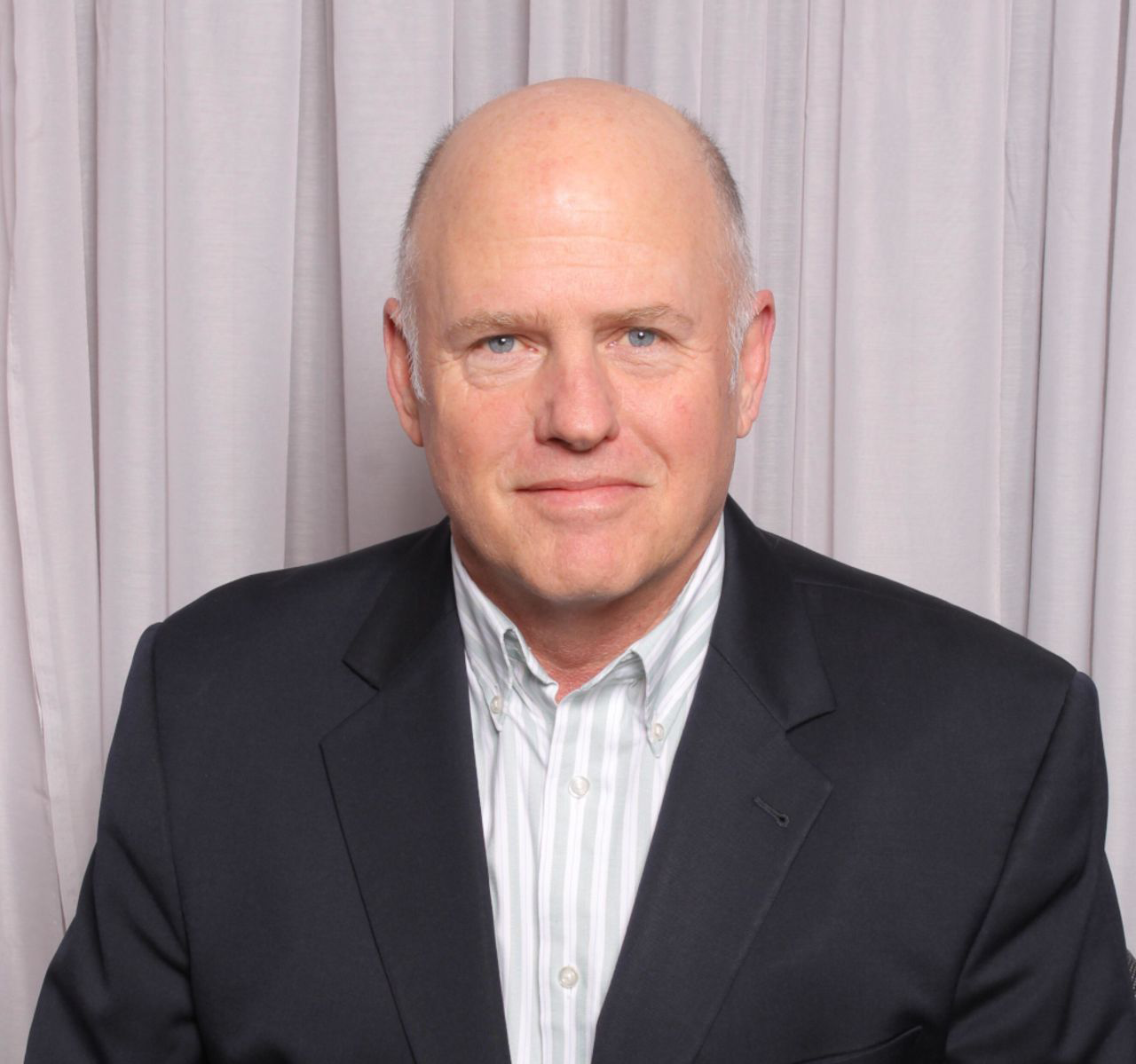
The inaugural Editor in Chief of The Journal of Investigative Medicine was Dr Jonathan C Weissler (figure 1), an internal medicine specialist and Past President of the AFCR. He worked with the leadership of AFCR to bring the project to fruition, and served for 2 years before passing the torch on to Dr Catanese (figure 2). Dr Weissler worked closely with Slack, the then-AFCR management company, on identification of the first successful publishing contract. His efforts allowed the kernel of an idea—creation of a new stand-alone journal—to bear fruit and give birth to a publication, all in the span of one short year.

Dr Jonathan C Weissler (Editor-in-Chief- 1995 to 1997)
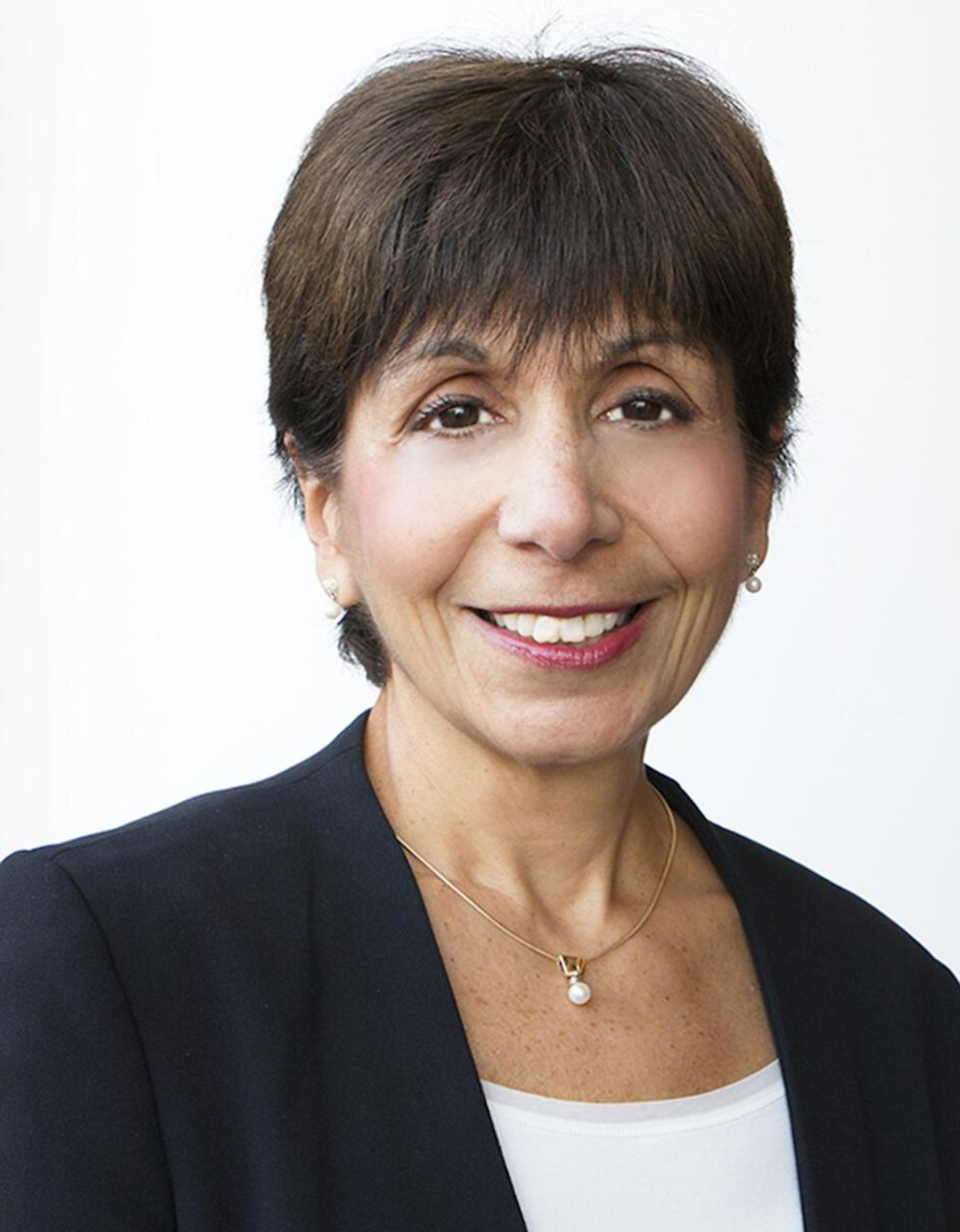
Dr Veronica Catanese (Editor-in-Chief 1998 to 2004)
JIM continues to stand strong and provide a forum for high quality basic science and clinical research publications. Dr Michael McPhaul (figure 3), succeeded Dr Catanese to become the third Editor-in-Chief of the journal in 2004. During his tenure the journal continued to flourish. Dr McPhaul developed a new vehicle in 2013 to address the growing number of case reports: The Journal of Investigative Medicine High Impact Case Reports where he continues as editor.
Dr Michael McPhaul (Editor-in-Chief 2004 to 2019)
As time moves forward, the AFMR continues to adapt, and respond to the changing world and most important, the needs of its members. Dr Richard McCallum (figure 4) assumed the Editor-in-Chief role in 2019 with goals for new initiatives to enhance the quality of the content as well as involve and attract membership participation with a focus on clinical and academic topics including enhancing professional education and faculty development, and adding timely editorials and monthly podcasts. JIM is 25 years young, and remains a vibrant resource for physician scientists around the globe. We start this next era with an impact factor of 2.3, a 25% increase over the last year further endorsing the status and prestige that JIM has achieved over these last 25 years.
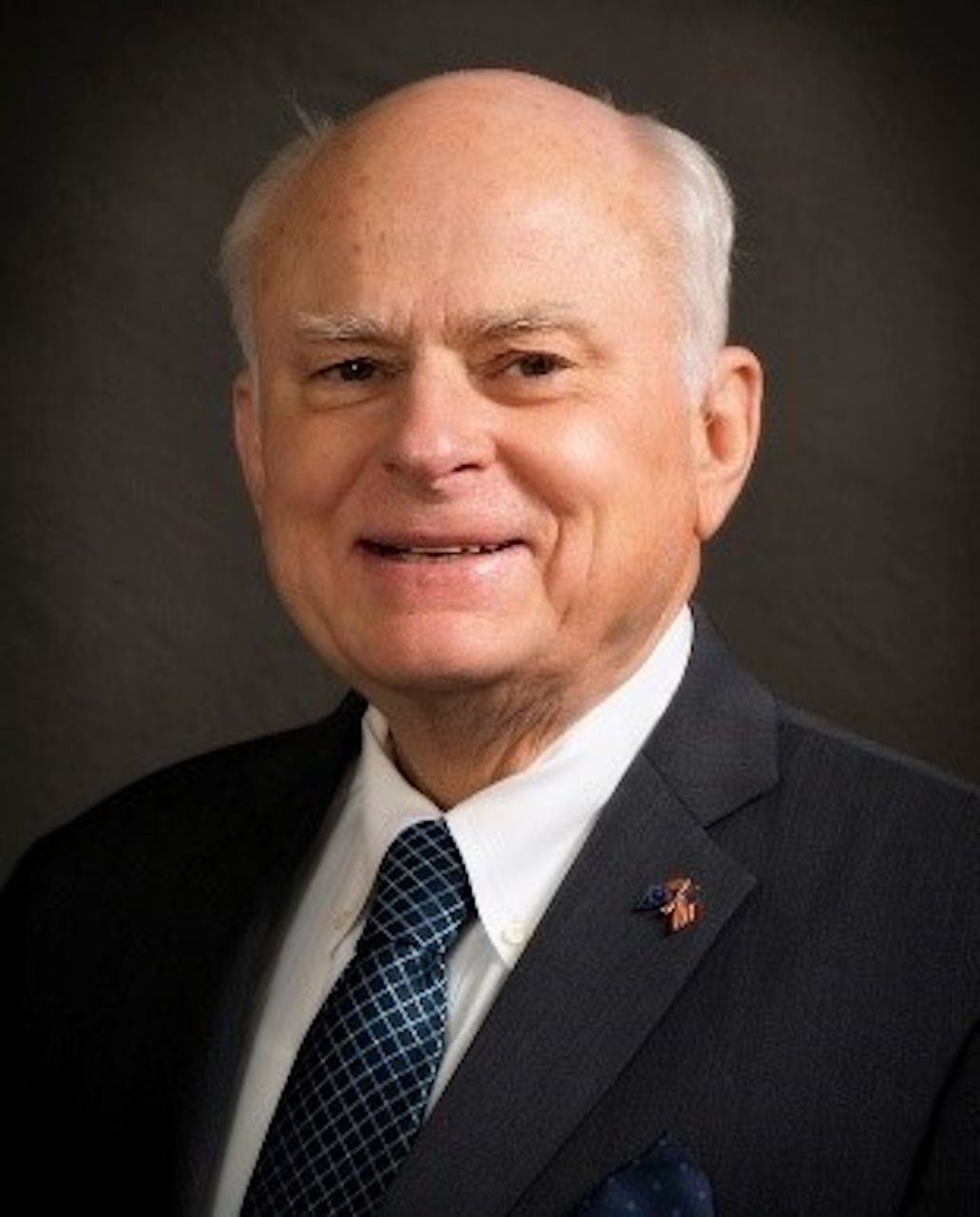
Dr Michael McPhaul (Editor-in-Chief 2004 to 2019)
Dr McCallum is a big fan of Mick Jagger and the Rolling Stones. Jagger, 78 in July 2020 is still going strong. So, let's apply their catchy song to JIM ‘Start Me Up and Never Stop’.
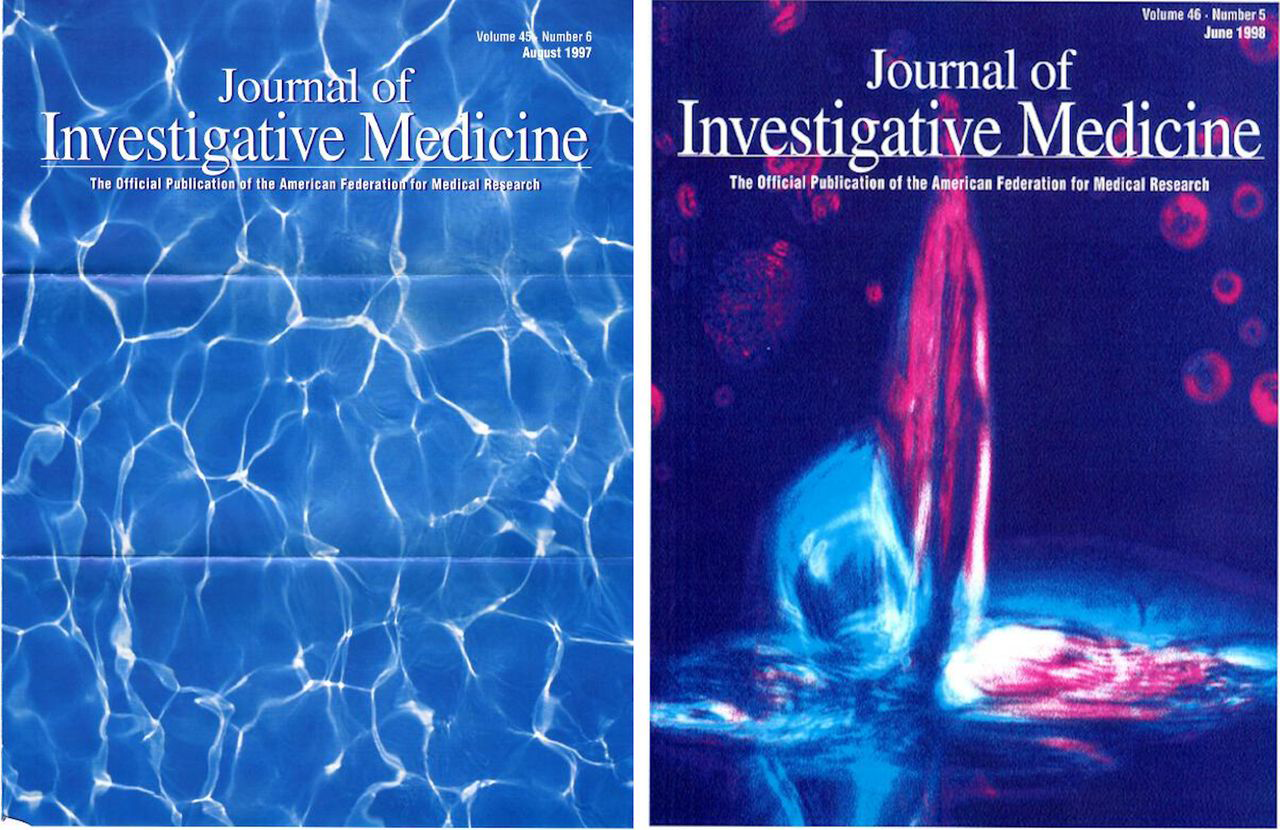
Examples of the front cover of JIM from 1997 and 1998.
Footnotes
Acknowledgements
We thank Karina Espino, JIM Editorial Assistant, for her assistance.
Contributors
Editorial written by Aurelie Alger, Supervising Director for AFMR and Dr. Richard W. McCallum, Editor-in-Chief.
Funding
The authors have not declared a specific grant for this research from any funding agency in the public, commercial or not-for-profit sectors.
Competing interests
None declared.
Patient consent for publication
Not required.
Provenance and peer review
Commissioned; internally peer reviewed.