






Abstract
Illicit migration is big business, involving millions of migrants each year, many of whom hire human smugglers to facilitate perilous journeys. Yet little is known about this illicit market or how potential migrants choose whom to hire. Facing high costs and uncertain prospects of success, future migrants must make complex, high-stakes decisions when selecting a smuggler. In this paper, we provide descriptive evidence on the market for coyotes (human smugglers in Latin America) and experimental evidence on the factors shaping hiring preferences. Using a forced-choice conjoint experiment, we isolate the effects of referrals, reputation, reliability, safety, and price. Our evidence draws on three original sources: a panel survey of deportees from the U.S. to Guatemala, a household survey, and in-depth interviews. We find that referrals and reputations for safe, successful journeys are central, while price has little influence—helping explain why policies that raise migration costs often fail to deter irregular migration.
Introduction
Irregular migration is one of the most pressing governance challenges in the world today, involving the movement of millions of people across international borders each year. In many cases, migrants turn to human smugglers—actors who operate outside the law—to facilitate illicit crossings. These services are extraordinarily costly and come with serious risks: migrants face danger from treacherous terrain and extreme weather, violent criminal organizations, state actors intent on blocking their movement, and exploitation at the hands of the smugglers themselves. Yet despite the scale and centrality of this phenomenon to contemporary migration, we know remarkably little about the structure and functioning of the illicit market for human smuggling.
In this paper, we make two contributions to the study of this vast and growing illicit economy. First, we rely on two original surveys – one of Guatemalan deportees from the U.S. and the other of households in migrant-sending communities – to provide among the first systematic descriptive data on key features of these journeys in any country, including their scale, cost, risks, and how migrants finance them. Second, we provide original evidence on individual preferences over multiple, competing characteristics of human smugglers using a forced-choice experiment; we gather this evidence in migrant-sending communities where many households actively consider illicit migration. To the best of our knowledge, this represents the first survey experimental evidence on how individuals navigate one of the most complex, costly, and high-stakes decisions in the migration process. In doing so, we speak to broader debates about migrant agency, decision-making under constraints, and the political economy of irregular migration.
In designing our conjoint experiment, we rely on a nascent body of research on how migrants identify smugglers to work with. That work focuses on how networks (Campana & Gelsthorpe, 2021; Dolfin & Genicot, 2010; Martínez, 2016), referrals (Slack & Martínez, 2018), and the number of times a person has crossed the border (Martínez, 2016) impact the use and/or choice of a human smuggler. While existing research mostly focuses on one or the other of these factors at a time, we strongly suspect that the choice of a human smuggler is a multidimensional one. Indeed, would-be migrants need to consider several potentially competing characteristics of a smuggler, such as the up-front financial costs, various risks associated with the journey, and the smuggler’s reputation for exploiting clients and/or successfully getting migrants across the border. Our conjoint experiment, in combination with our qualitative work, provides unique insight into how potential migrants trade off preferences for these competing characteristics when presented with complete attribute information.
Our evidence comes from three original sources: (1) a difficult to gather panel survey of deportees from the U.S. to Guatemala, conducted between 2019 and 2022; (2) a household survey of Guatemalans in municipalities with high rates of migration, conducted in 2022; and (3) 18 in-depth semi-structured interviews with deportees chosen randomly from our sample of deportees. All three sources provide data that informs our contribution. The conjoint experiment was included only in the household survey. Guatemala is an important setting in which to study the illicit market in human smugglers because it is one of the chief sources of the last decade’s immigration into the U.S. With heightened security at the U.S. border and increases in drug trafficking and gang activity, illicit migration from Guatemala has become more dangerous, risky, and costly (Gathmann, 2008; Izcara Palacios, 2017a, 2017b; Slack & Martínez, 2018; Torre Cantalapiedra & Hernández Campos, 2021). Despite these facts, hundreds of thousands of Guatemalans make the journey each year, the substantial majority with the help of a coyote, i.e., human smuggler.
Our descriptive results show that the Guatemalan market for coyotes is large, expensive, and highly fragmented, and that migrant experiences with smugglers vary dramatically. Over 72% of deported migrants in our sample report hiring a coyote to guide them to the United States, paying an average of $5,455. At roughly 14 times the Guatemalan monthly minimum wage, these costs typically require large loans, most often secured through extended family networks. Turning to our experimental findings, we observe that referrals influence migrant preferences only when they come from someone who has successfully migrated. More influential are a coyote’s demonstrated record of success and whether they accompany migrants all the way to the U.S. border. In contrast (and generally consistent with our qualitative evidence), price does not appear to meaningfully affect stated preferences. This likely reflects the fact that price conveys little additional information to migrants once more direct signals of quality (e.g., success rates and safety) are presented in the conjoint.
Our results contribute to a nascent body of work examining the microfoundations of choices made in this illicit and enormous market (Beber & Scacco, 2022; Camarena et al., 2020; Sanchez, 2017; Slack & Martínez, 2018). Additionally, it confirms the relevance of migration networks as sources of information about migration (Blumenstock et al., 2025; Massey, 1990; Munshi, 2020). Beyond these contributions, our work advances the literature in several important ways. Methodologically, we introduce survey experimental techniques to studying human smuggling, providing a rigorous approach to disentangling the multiple factors that simultaneously influence migrant decision-making. This represents a significant departure from existing qualitative case study and large N approaches that, while valuable, cannot isolate the causal effects of specific smuggler characteristics. Theoretically, by documenting the fragmented nature of smuggling markets and the critical role of incomplete information networks, our research opens new avenues for understanding how illicit markets operate differently from what conventional economic models would predict.
From a policy perspective, our findings yield two practical implications. First, with more and better information about coyotes and the trip itself, migrants might pay less and face less dangerous journeys (Beber & Scacco, 2022). Our results show that information networks about coyotes and their reputations are crucial to hiring preferences. Those information networks are incomplete, and our qualitative and quantitative evidence suggests that the market in coyotes is fragmented. To the extent policy aims to improve the lives of migrants, one lever for sending-country governments and international organizations is to support mechanisms whereby civil society and diaspora networks can provide migrants with better information on potential coyotes. Second, our findings on the weak role of price in shaping hiring preferences suggest that efforts to militarize borders are unlikely to deter migration through the price channel. Prices are already very high and potential migrants are largely unresponsive to further increases, meaning militarization will likely serve to enrich smugglers rather than dissuade migration (Massey, 2021; Thanos, 2012).
Smugglers and Irregular Migration
There is a wealth of research on why people choose to migrate. That decision is shaped by ‘push’ factors that encourage leaving one’s community of origin and ‘pull’ factors that attract people to move elsewhere (De Haas et al., 2019). Previous studies have focused on the effect of economic conditions in sending (Abuelafia et al., 2019) and receiving (Docquier et al., 2014) countries, the earning differentials for low-skilled workers (Angelucci, 2015), and the effects of climate change (Arias & Blair, 2024; Ibañez et al., 2025; Kaczan & Orgill-Meyer, 2020) or war and humanitarian crises (Bohra-Mishra & Massey, 2011; Camarena et al., 2020). A separate large and growing body of research examines migrant outcomes upon arrival in host countries, including locational choices, labor market participation, and criminality (Alix-Garcia & Bartlett, 2015; Gehrsitz & Ungerer, 2017).
By comparison, much less attention is paid to the question of how people migrate and the nature of migration infrastructures (Duvell & Preiss, 2022; Xiang & Lindquist, 2014). Indeed, in their review of the nascent literature, Duvell and Preiss (2022) suggest that the study of migration infrastructures, i.e., the interlinked technologies, institutions, and actors that facilitate mobility, is “probably the least well defined, researched and published theme…” (p. 83) in the broader body of research on migration. Depending on their circumstances, migrants may choose to migrate with a guide or smuggler, alone, or in groups of varying size. Migrating with a guide or smuggler is costly but usually provides increased likelihood of success and security (Sanchez, 2017). Moreover, as border enforcement intensifies, prospective migrants increasingly turn to professional smugglers who are perceived to possess the expertise, networks, and adaptability needed to navigate increasingly militarized and surveilled borders (Andreas, 2022; Galemba, 2018; Sanchez, 2017). Migrating alone or in small groups is cheaper but dangerous if nobody in the group knows the safest routes. Those who migrate alone or in small groups usually do so because they lack the funds to pay for a guide. Migration in large groups is usually the result of forced displacements due to war and humanitarian crises, and has now become more common in the context of international migration (i.e., migrant caravans to the U.S.) (Hale & Ma, 2023; Rosas-Lopez et al., 2023).
We focus our analysis on trying to disentangle the features of human smugglers—their price, reputation, etc.—that shape whether individuals work with one or not. The illicit nature of human smuggling creates fundamental information asymmetries that shape these preferences. Because smuggling operates outside formal legal and regulatory frameworks, there is no credible oversight to guarantee service quality, and systematic information on success rates, safety, or reliability is largely unavailable to prospective migrants. As a result, migrants must form preferences in the face of acute uncertainty, relying on indirect, often imperfect signals of smuggler quality.
Given these information constraints, how do migrants decide whether to work with a smuggler? And if they do, how do they decide which one to work with? Existing research suggests that migrants rely on a set of heuristics to infer smuggler quality and make decisions under uncertainty. Rather than observing quality directly, migrants update their beliefs based on the limited and indirect signals available to them. Research from West Africa, for instance, demonstrates that potential migrants adjust their preferences in response to information about trip riskiness and the probability of obtaining legal status at the destination (Bah & Batista, 2020; Bah et al., 2023; Beber & Scacco, 2022). Work on the “Balkan Route” similarly highlights how smuggling hubs facilitate the production and diffusion of information about routes and intermediaries. 1 Indeed, Beber and Scacco (2022) show that Nigerian migrants are often well-informed about destination conditions, while Campana and Gelsthorpe (2021) documents how migrants actively use social networks and digital platforms to assess and verify smugglers’ reputations. In practice, these heuristics are embedded in the social environments through which migrants access information, most notably interpersonal and network-based channels.
Within this information environment, social networks are central. In the absence of systematic data on smugglers, they serve a dual role: they are both the primary means through which migrants make contact with smugglers and a source of reputational information about their reliability (Campana & Gelsthorpe, 2021; Sanchez, 2017; Spener, 2009).
2
These networks play a key role in migrant decision-making. Slack and Martínez (2018) find that 11% of Mexican migrants had a direct connection to their coyote, while 53% relied on an indirect referral (Slack & Martínez, 2018). Migrants who hire smugglers through referrals also tend to experience better treatment during their journey (Sanchez, 2014). Yet, the referral system has important limitations. Migrants are often reluctant to recommend their smugglers—only 45% would do so, and even among those satisfied with their smugglers, just 57% would provide a referral (Slack & Martínez, 2018). This hesitation may stem from concerns about dangers inherent in irregular migration routes and contributes to the noisiness of the signals the referral networks provide. Nevertheless, we should expect that: •
Trustworthiness emerges as a central element in smuggler reputation (Bilger et al., 2006; Spener, 2009), particularly because it helps migrants distinguish between reliable smugglers and those who underperform or exploit their clients. The literature reveals considerable heterogeneity in smuggler behavior and motivations, with some operating as legitimate service providers while others engage in predatory practices. Many smugglers genuinely seek to maximize the likelihood of successful journeys for their clients, viewing themselves as providing facilitation services for irregular migration (Campana & Gelsthorpe, 2021; Sanchez, 2017). Some scholars argue that these smugglers aim to bypass inadequate border monitoring or protect co-ethnics from dangerous migration practices (Achilli, 2018a; Zhang, 2007). However, the market also attracts criminal actors who exploit migrants’ vulnerability. There are documented cases of criminals posing as smugglers to rob migrants (Campana & Gelsthorpe, 2021; Izcara Palacios, 2017b; Spener, 2009), as well as instances of coordination between smugglers and local criminal groups (Slack & Campbell, 2016).
Three key dimensions of reputation emerge from the literature as particularly salient to migrant decision-making. First, a record of success serves as a crucial signal of a smuggler’s competence. Martínez (2016) shows how experienced migrants who have successfully completed journeys sometimes become guides for their family and friends, leveraging their proven track record to establish credibility. Second, safety considerations are paramount given the risks migrants face. Many smugglers have ties to criminal organizations and exploit migrants, and even successful migrants understand that journeys involve unpredictable dangers (Martínez, 2014). Research in Nigeria illustrates that potential migrants vary widely in their perceptions of insecurity along migrant routes (Beber & Scacco, 2022), and our own fieldwork confirms that safety remains a primary concern, aligning with findings from Denny et al. (2024), Osella and Osella (2000), and Slack and Martínez (2018). Third, a reputation for contract reliability matters because there are widespread reports of smugglers suddenly increasing prices, changing the terms of loans, or reducing the distances they will take migrants along migratory routes (Greenfield et al., 2019; Mixed Migration Centre, 2025). As captured clients with limited outside options, migrants have few defenses in the face of these sudden changes. Thus, migrants will prefer smugglers who are known to maintain agreed-upon terms throughout the journey, rather than changing conditions or abandoning clients mid-route.
Of course, these three dimensions of smuggler reputation need not be independent and jointly form a rough sense of a smuggler’s reliability. A smuggler who delivers clients safely, honors agreed-upon terms, and has a proven track record is demonstrating the same under-lying quality: that they can be relied upon. Nevertheless, these dimensions of reputation need not go together. For instance, a reputation for successfully getting migrants across the
U.S. border can reflect a smuggler’s willingness to pursue risky, dangerous routes. Likewise, a reputation for safety might come at the expense of contract reliability. As reflected in our qualitative accounts, coyotes’ operational success often depends on relationships with criminal networks that can themselves become sources of threat and extortion, and even referrals from trusted sources offer no guarantee, as some migrants find that those who vouched for their coyote were themselves complicit in the deception.
3
Consequently we distinguish the three sources of reputation and treat them separately in the empirical section in order gain a clearer sense of which elements of reputation matter most for potential migrants making decisions about human smugglers in context of incomplete and often contradictory information. In summary, we expect: • – successfully taking clients to their destination, – keeping their clients safe during the journey, – maintaining the terms of the contract during the journey.
The structure of smuggling operations creates tension between operational constraints and migrant preferences for continuous accompaniment. Both fieldwork and qualitative accounts show that migrants often switch smugglers en route, reflecting the segmented nature of smuggling systems made up of flexible, semi-independent actors collaborating across different stages of the journey (Achilli, 2018a). Contemporary smuggling systems are typically fragmented, with individual coyotes specializing in only one segment of the journey and handing migrants off across a chain of intermediaries (Slack & Martínez, 2018), a decentralized structure also documented in smuggling networks in Sub-Saharan Africa (Mixed Migration Centre, 2025). This fragmentation partly results from the territorial organization of smuggling networks. As Izcara Palacios (2015) notes, smugglers must pay derechos de paso (passage fees) to move through certain areas, which incentivizes the division of routes into segments controlled by different operators. Competition, localism, and the small-scale nature of these networks reinforce this structure (Campana, 2018, 2020). Furthermore, smuggling networks are often made up of friends or family members whose main qualification is personal migration experience rather than professional expertise (Achilli, 2015; Sanchez, 2014), leading to inconsistent service quality as migrants pass between handlers. From the migrant’s perspective, however, this fragmentation introduces additional uncertainty and risk. A migrant who hires a coyote may reasonably expect that this individual will accompany them to the U.S. border, and qualitative evidence suggests that continuous accompaniment by a trusted smuggler is perceived as safer. By contrast, changing smugglers along the route is often associated with a loss of protection and increased vulnerability (Martínez, 2014). Remaining with a single smuggler can build trust, ensure consistency in treatment and decision-making, and reduce the risks associated with being handed off to unknown actors with potentially different incentives or capabilities. As a result, potential migrants may place a premium on continuous accompaniment even when such arrangements are not the modal form of service provision. Thus, we expect: •
The literature reveals substantial price variation across different smuggling services, driven by factors largely unrelated to smuggler quality. Prices vary according to transportation methods, journey length, route difficulty, and migrant characteristics. Hagan (2012) demonstrates that vulnerable migrants – those who are older, very young, or sick – face higher fees due to their reduced physical capacities and increased care requirements. Similarly, Achilli (2018a) shows that illegal passage from Turkey to Greek islands costs around $1,200 for standard boats, but can reach $2,000–$3,000 for faster vessels. These price differences reflect operational costs and service features rather than fundamental differences in smuggler reliability or competence.
Illegal migration from Central America to the United States has become more dangerous in the last couple of decades. Heightened security at the U.S. border and increases in human and drug trafficking activity have made illegal migration more difficult (Gathmann, 2008; Izcara Palacios, 2017a; Slack & Martínez, 2018; Torre Cantalapiedra & Hernández Campos, 2021). At the same time, the cost of migrating to the U.S. has also increased considerably. Our estimates suggest that the average cost of migrating to the U.S. has increased substantially over the last 20 years, from about $1,200 in 2002 (equivalent to roughly GTQ 26,300 in 2022 prices) (Gathmann, 2008) to roughly $5,455 in 2022 (about GTQ 42,000), implying that migration costs have at nearly doubled in real terms. 4
The role of price in choosing whether to hire a smuggler echoes the signaling problem in Akerlof’s classic “market for lemons” (Akerlof, 1970). In competitive markets, price serves as a reliable quality indicator, but as Akerlof showed, information asymmetries can systematically undermine the relationship between price and quality. In the classic example, consumers unable to distinguish bad cars (i.e., lemons) from good ones hedge their uncertainty over quality by being unwilling to pay high prices for cars, which in turn elicits the exit of high quality sellers from the market. As in the market for cars, consumers/migrants in the market for smugglers cannot directly observe or verify service quality. As a result, higher prices may not necessarily indicate better smugglers, safer journeys, or higher success rates. Given that the price of smugglers does not necessarily reflect quality and that most migrants are severely resource constrained, we expect them to seek to minimize costs. This leads to our expectation that: •
As these hypotheses make clear, migrant decisions about contracting with a human smuggler are necessarily complex and high stakes. Extant research on smuggler-migrant relationships has important methodological limitations that constrain our capacity to understand the complex, multidimensional nature of those decisions. Qualitative studies, while providing rich insights into the experiences of specific individuals or groups, typically focus on detailed case studies of particular geographic areas or small samples, limiting their ability to capture the multidimensional nature of preferences about contracting a smuggler. Large-scale quantitative studies and policy reports often examine migrants who have already completed their journeys (either successfully or unsuccessfully) rather than prospective migrants at the decision-making point. This post-migration sampling approach introduces potential selection bias, as it excludes individuals who may have been deterred from migrating altogether by unfavorable smuggler characteristics or market conditions. Such selection effects could systematically underestimate the importance of certain smuggler attributes in shaping migration decisions, particularly those factors that might discourage migration entirely. Additionally, the more explicitly causal research in this field has predominantly focused on single-factor analyses (Beber & Scacco, 2022), failing to capture the multidimensional nature of smuggler selection decisions where migrants must simultaneously weigh multiple, often competing attributes when choosing among available options.
Guatemala: Coyotes and Migration
The past decade has witnessed major waves of migration from Central America. While violence and insecurity are often cited as central drivers, particularly in El Salvador and Honduras, where gang violence and transnational criminal organizations are pervasive, these explanations only tell part of the story (Abuelafia et al., 2019; Aguilera et al., 2022; Ruiz Soto et al., 2021). In Guatemala, economic hardship is a more consistent and widespread trigger of migration. Chronic food insecurity, a lack of formal employment opportunities, and recurring income shocks caused by abrupt climate variations and natural disasters have pushed many to leave (Abuelafia et al., 2019; Denny et al., 2021). For many households, migration is viewed as a strategic investment to improve long-term well-being through remittance flows. These remittances are commonly used to cover essential expenditures, such as food, utilities, and education, but also serve as capital for productive ventures and real estate acquisition (Ortiz, 2022). Over the past decade—especially in the aftermath of the COVID-19 pandemic—remittance flows to Guatemala have surged, now representing nearly 20% of national GDP. 5 The vast majority of individuals migrating irregularly to the U.S. do so by hiring a smuggler or coyote, as they are colloquially known in Guatemala. Coyotes have long operated across Guatemala’s western highlands, facilitating the clandestine journey of individuals seeking to enter the U.S. Historically, these actors were community-based guides, often known personally to the migrants and valued for their intimate knowledge of both people and terrain (Escobar, 2022; Espina, 2023). However, in recent decades, the business of migrant smuggling has undergone a dramatic transformation. Once dominated by freelancers, the trade has increasingly fallen under the control of sophisticated criminal networks. These organizations have institutionalized smuggling routes and diversified their illicit portfolios to include human smuggling and trafficking. The U.S. Department of Homeland Security estimates the migrant smuggling industry has grown from a $500 million operation in 2018 to a $13 billion transnational business by 2022 (Jordan, 2022). Unlike traditional coyotes, the new networks of smugglers maintain logistics units, stash houses, debt-collection enforcers, and information networks, leading to more efficient but also more dangerous operations from the perspective of the migrants who rely on these smugglers. Importantly, this change in the structure of supply is the result of changes in border enforcement that make border crossings more challenging (Espina, 2023), legal changes aimed at increasing the legal penalties for smuggling activities (Lohmuller, 2015; Pérez Marroquín & Montenegro, 2022; Prensa Libre, 2022), and the unprecedented increase in migration flows over the last 10 years (Jordan, 2022).
These changes in the migrant smuggling market are also evident in the search and matching process. While community connections once drove engagement, many coyotes now use social media to recruit clients with promises of fast, safe, and affordable travel (Chavarochette, 2006; Domínguez & Pineda, 2023; Espina, 2023). In some cases, however, traditional methods of referral persist, especially in rural areas where personal trust is important and migrants are less likely to use digital platforms (Escobar, 2022). Migrants report receiving fake identification, transport arrangements through various vehicles (trailers, trucks, and even on foot), and assistance through Mexico, often requiring coordination with multiple coyotes throughout the journey. However, these journeys are costly and dangerous, and the once clear line between trusted guide and exploitative trafficker has become blurred.
To date, the most insightful accounts of how the coyote market operates and how migrants decide whom to hire stem from qualitative research and investigative journalism. These sources consistently highlight that Guatemalan migrants typically rely on word-of-mouth referrals when selecting a coyote. Such referrals are the principal means of acquiring trusted information about a coyote’s track record, including their reputation for safety, humane treatment, discretion, route familiarity, and successful delivery to the U.S. (Campana & Varese, 2020; Chavarochette, 2006; Escobar, 2022).
Research Design and Data
In order to get a clearer picture of the coyote market, we rely on data from two original surveys, months of fieldwork, and 18 semi-structured interviews. The first survey is a longitudinal survey of migrants deported from the U.S. to Guatemala carried out in two rounds (2019–2020, and 2022). The first round allowed us to follow deportees for 6 months from their arrival on deportation flights. In total, we report on surveys from 1,321 deportees upon arrival, 337 1-month, and 301 6-month follow-ups. The second round, implemented between April and August 2022, is a phone survey of deportees from the U.S. implemented within 5 days of their arrival in Guatemala. We were able to conduct 742 initial interviews, but no follow-ups, given budget constraints. This latter round of surveys was specifically designed to understand how changing policies at the U.S. border were impacting migrants. Supplemental Materials (SM) Table A2 presents summary statistics for the two arrival surveys (2019–2020, and 2022), as well as for the pooled sample of deportees at arrival.
An important consideration is that our sample is comprised of individuals who successfully crossed the U.S. border, which may bias the descriptive patterns we report. For instance, migrants with greater resources may be able to hire more capable coyotes, potentially shaping their perceptions of prices in the smuggling market. However, most respondents in our deportee survey were apprehended immediately after crossing the border. This group is plausibly closer (in both their resources and migration trajectories) to individuals who never successfully made it across in the first place, rather than to those who managed to remain in the U.S. for an extended period. There are some demographic differences between deportees apprehended at the border and those who lived in the U.S. for more than one year. The former are younger, slightly more educated, and more likely to cite economic reasons (and less likely to cite crime) as motivations for migrating (see SM Table A3).
In both rounds, we employed convenience sampling, wherein our team of enumerators approached deportees as they exited the Air Force facilities and invited them to participate in the study. Despite the non-random sampling approach, the resulting round 1 and round 2 samples broadly resemble the deportee population according to official statistics of the Guatemalan Institute of Migration (IGM). The first round, conducted right before the COVID-19 lockdown, left us with a sample made up mostly of young men (92% of respondents identified as male). In this period between 87 and 89% of all deportees arriving to Guatemala by air were men, according to the IGM, as Panel (a) of Figure 1 shows. Similarly, while IGM reports that 66.9% of all deportees were men in 2022, 65% of respondents in our second arrival survey conducted in that same year identified as male.
6
Panel B of Figure 1 presents the demographic composition of our deportee data, combining both arrival surveys. Both rounds of the arrival survey included a battery of questions designed to understand deportees’ experiences with coyotes: the reasons behind their choice of coyote, the quality of their journey (i.e., safety, comfort and success), the price they paid, and the ways in which they financed their journey. Deportee demographics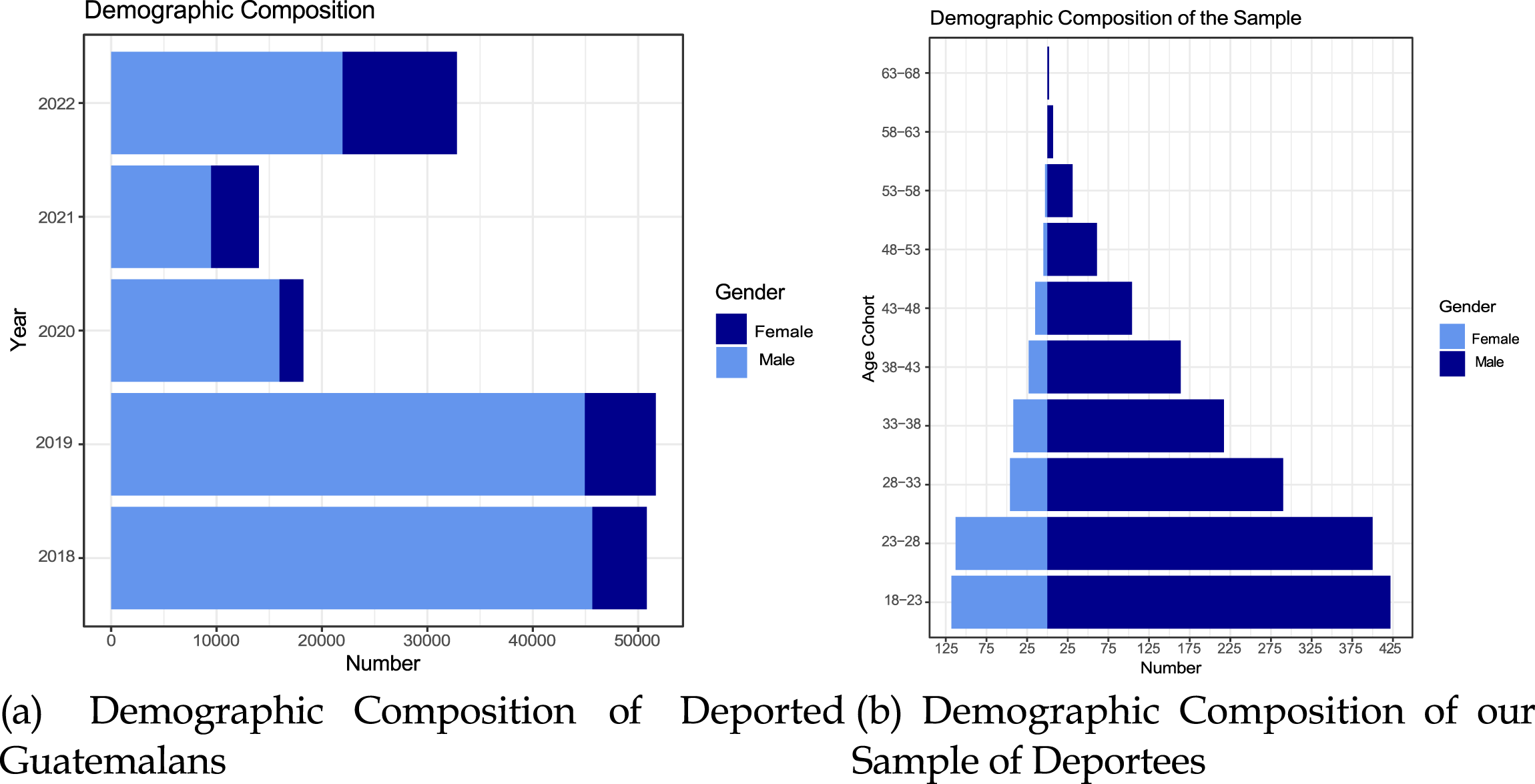
Additionally, we conducted 18 semi-structured phone interviews with deported migrants from our survey sample. These interviews covered deportees’ experiences after their return to Guatemala as well as the migration experience itself. The goal of these interviews was to provide more detailed process tracing for the main characteristics deportees identify while choosing a smuggler and their experiences during the journey. To recruit interview participants, we divided all survey respondents for whom we had contact information and who reported using a coyote into four groups, varying along two dimensions: (a) whether they experienced extortion and (b) their intention to remigrate. From each of these four groups, we selected a random sample of respondents and interviewed 4–5 respondents per group. Interviews lasted 30 min on average, and participants were compensated with GTQ50 of phone credit. See section B of the Supplementary Materials (SM) for more information about the final number of interviews from each group and a copy of the interview instrument. Taken together, the longitudinal survey of deportees and the in-depth interviews provide us with rich descriptive data to better understand the market in coyotes in Guatemala from the perspective of coyotes’ own clients.
We complement the descriptive deportee survey data with evidence from a pre-registered forced-choice conjoint experiment embedded in a household survey (n = 1,534) conducted in Guatemala between June and August 2022. Our population of interest consisted of adults (18 years of age and older) living in municipalities with: (a) high migration outflows and high inflows of deported migrants (from the U.S.); and (b) located within or right outside Guatemala’s dry corridor, an area prone to severe droughts. 7
We developed our sample following three steps. First, we selected 30 municipalities from the total of 340 in Guatemala based on migration outflows, inflows of deported migrants, and their location within or right outside the dry corridor. Second, within each municipality, we selected five populated places (equivalent a village or a census tract in a town) with a probability proportional to the number of adults living in each one according to the most recent population census (from 2018). Finally, enumerators selected ten households within each populated place and interviewed their heads based on a random walk with a quota of equal numbers of men and women.
8
Figure 2 maps the municipalities with at least one populated center located within the dry corridor area (left), and the municipalities in our sample (right). Maps of selection criteria and sample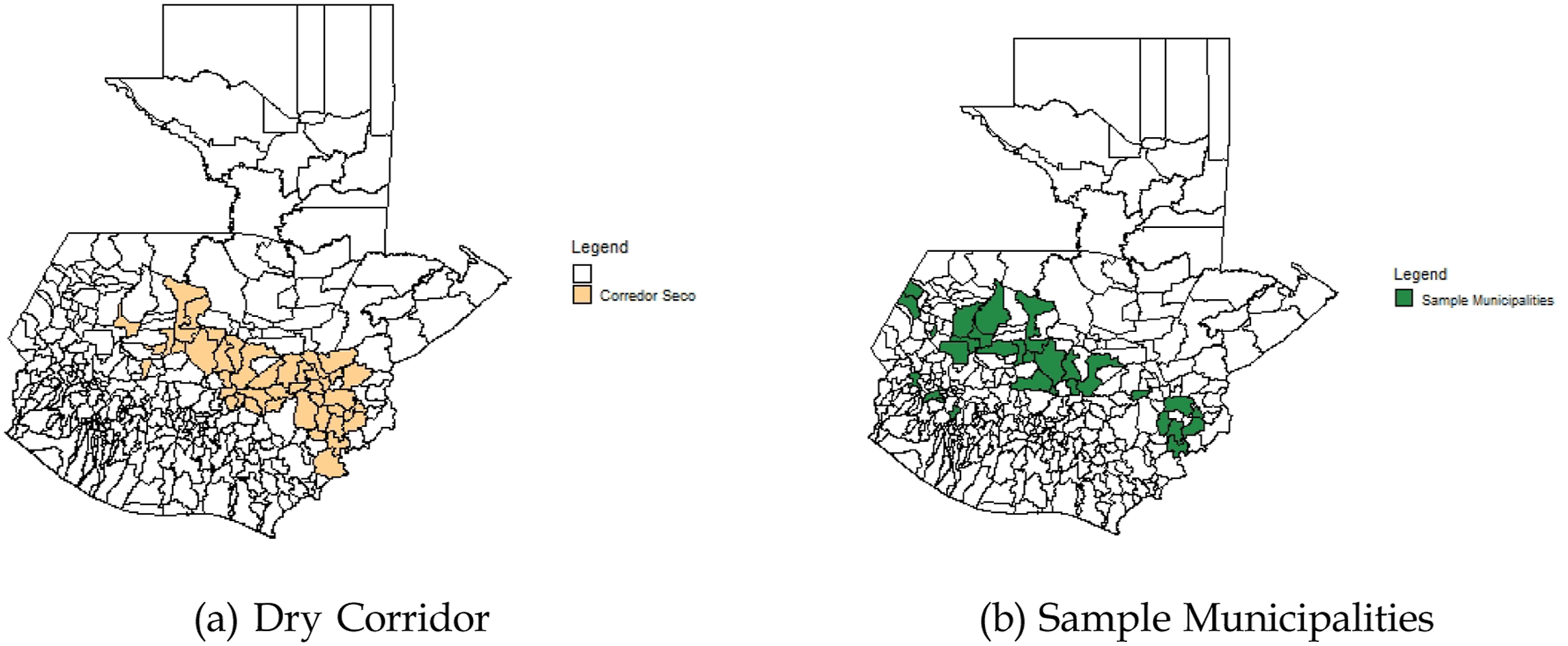
Attributes for Coyote Selection Conjoint
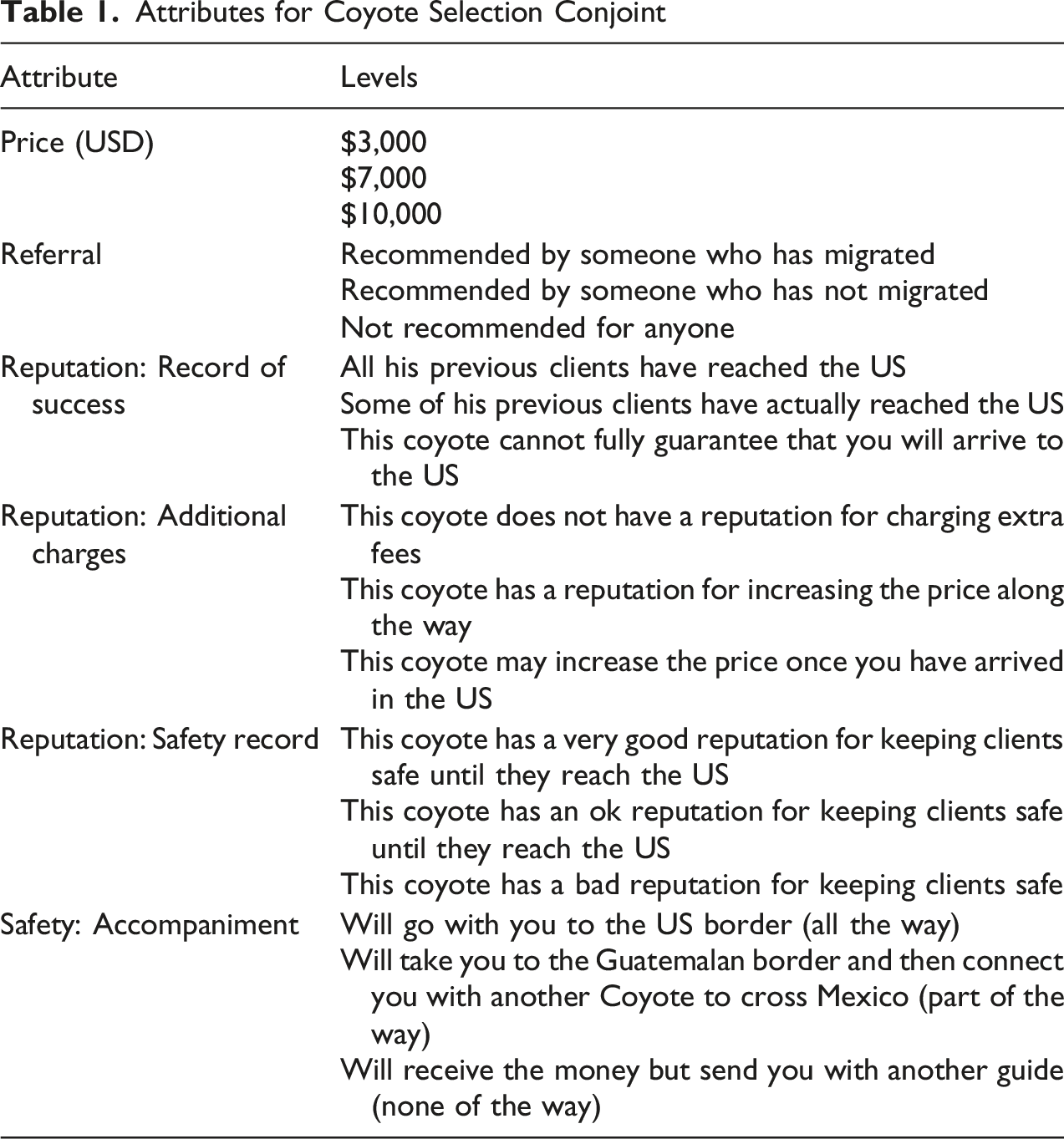
Figure 3 below presents the wording of the conjoint experiment’s prompt (in English) shown and read to respondents to our survey. Prompt for the Coyote selection conjoint
Of course there is some tension between the nature of this forced choice design, which provides a great deal of information on potential coyotes, and the constrained choices that potential migrants actually face in the real world. Even as we recognize the artificiality of the forced choice setting, we believe it has three strengths. First, both extant research and our own qualitative research suggests that many migrants consider these parameters when they are making choices, and the conjoint provides insight into how they process these multiple, potentially competing, aspects of the choice. Second, the vast majority of migrants are making choices among alternative coyotes (85% in our data), even if those choices aren’t as clear cut as in our design. Third and finally, even when local markets do not provide a choice among coyotes, potential migrants still have a choice between engaging a coyote or not (i.e., staying); our conjoint provides insight into the parameters potential migrants are considering when making that fateful choice.
To analyze the forced-choice conjoint experiment, we follow Hainmueller et al. (2014) and calculate the average marginal component effect (AMCE) for each component of the conjoint. The AMCE captures the effect of varying one or more categories on the probability of a respondent’s choice. This estimate considers changes in the other attributes and isolates the effect of each component’s categories. We clustered the standard errors at the respondents’ level to account for non-independence in the choice made by the same individual. We also present results from the marginal means analysis as suggested by (Leeper et al., 2020) to ensure the effects are independent of the baseline category.
Before proceeding, it is important to briefly address ethical considerations, given the vulnerability of the study population and the sensitivity of some questions. Protecting respondent confidentiality was paramount. Following survey completion, non-identifiable data were securely stored in encrypted form on an Amazon Web Services S3 server, accessible only to principal investigators for downloading, decryption, and analysis. Identifiable contact information was collected offline using paper and pencil, stored separately in an encrypted database, and paper copies were destroyed after transfer. Qualitative interview recordings, made on offline devices, were deleted once transcripts were completed, with all identifying details removed. Preventing coercion was also a priority: participants could skip questions and end surveys or interviews at any time, and while compensation was contingent on survey completion, enumerators provided written consent forms and read them aloud to address literacy concerns. Compensation, as noted in field reports, was modest and appreciated, while also avoiding undue risk in handling money in Guatemala. Finally, COVID-19 created additional ethical challenges. Once it became a significant threat, we halted all in-person surveys and shifted the remainder of fieldwork to phone interviews.
Findings
A Description of the Market in Coyotes
Coyotes remain the most common means of irregular migration among Guatemalans, despite the Guatemalan government having doubled down on legal penalties for smuggling activities over the past decade (Lohmuller, 2015; Pérez Marroquín & Montenegro, 2022), leading to increases in the fees charged by the smugglers (Prensa Libre, 2022). According to our survey of deportees, 72.8% of respondents reported relying on a coyote to facilitate their entry into the U.S.
Our surveys provide some initial insight into the supply side of the coyote market, which seems to be quite heterogeneous. The modal respondent in the household survey believes that there are 5 coyotes operating in their municipality, and in the deportee survey, the average is around 3. 12 These figures suggest some heterogeneity in market structure, though they should be interpreted cautiously. Given the clandestine nature of smuggling, objective supply-side measures are simply unavailable, and consumer beliefs – while imperfect – represent the most feasible proxy for market conditions. That said, many respondents have quite limited market knowledge: nearly a third did not answer the question about the number of coyotes, presumably because they did not know. Among those with more direct experience, 14.6% of deportees said their coyote was their only option, a proportion that rises to 20% among respondents with migration experience.
Hiring a coyote is a very expensive endeavor. Figure 4 shows the distribution of fees paid by individuals in our samples. Our deportee survey data shows that people who used a coyote paid, on average $5,455, with someone paying up to $25,000 to cross into the U.S. This payment typical covers three attempts to cross the U.S. border. To put things into perspective, Guatemala’s monthly minimum wage in 2022 was around $379, which means the average coyote charges around 14 times the monthly minimum wage or the entire salary for 1.7 years.
13
Distribution of Coyotes fees. Notes. The red dashed line represents the average pay for coyotes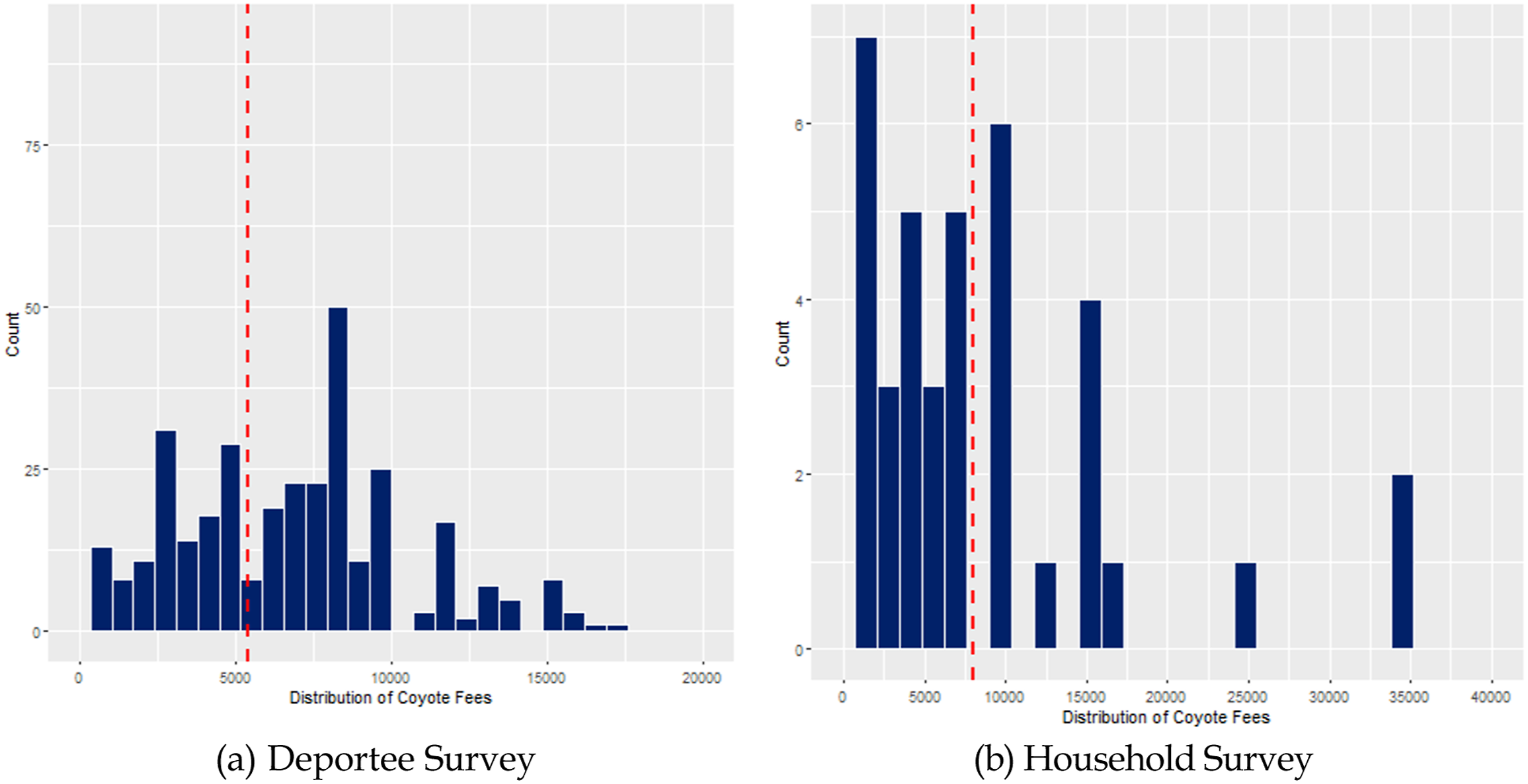
It is notable that the reported costs of hiring a coyote vary enormously. We have limited insight into the sources of this variation. It may reflect differences in quality (i.e., better smugglers charge more), difficulty (e.g., longer or riskier journeys, or higher costs for larger groups), timing (i.e., when the smuggler is hired), or market imperfections (i.e., limited information among consumers that prevents competition). While we are unable to test many of these, we use data from our deportee survey to model respondents’ reported smuggling costs and perceptions of the number of active coyotes. Our models include individual-level indicators of migration knowledge and experience, as well as municipal-level measures of crime, violence, and local development—factors likely to influence both pricing and market structure. We also include a binary variable indicating whether the respondent’s municipality is located within 25 kilometers of the Mexican border. SM Tables A4 and A5 presents our estimates. 14 While the results are inconclusive overall, our evidence suggests a higher number of coyotes operate in border municipalities, and in municipalities with lower levels of violence (see Column 1 of SM Table A4).
As Figure 5 illustrates, respondents usually got the money to pay the smuggler from their own savings or borrowed it from family members. Only around 10% of respondents to either survey got money from a bank to finance their migration plans. Only about 5% of respondents in our survey of deportees reported having received a loan from their coyote. Among deportees, 8.8% have yet to repay the loans they took to pay their coyote, and the average outstanding debt is $6,863 (18 monthly minimum wages). Sources of funding for hiring Coyotes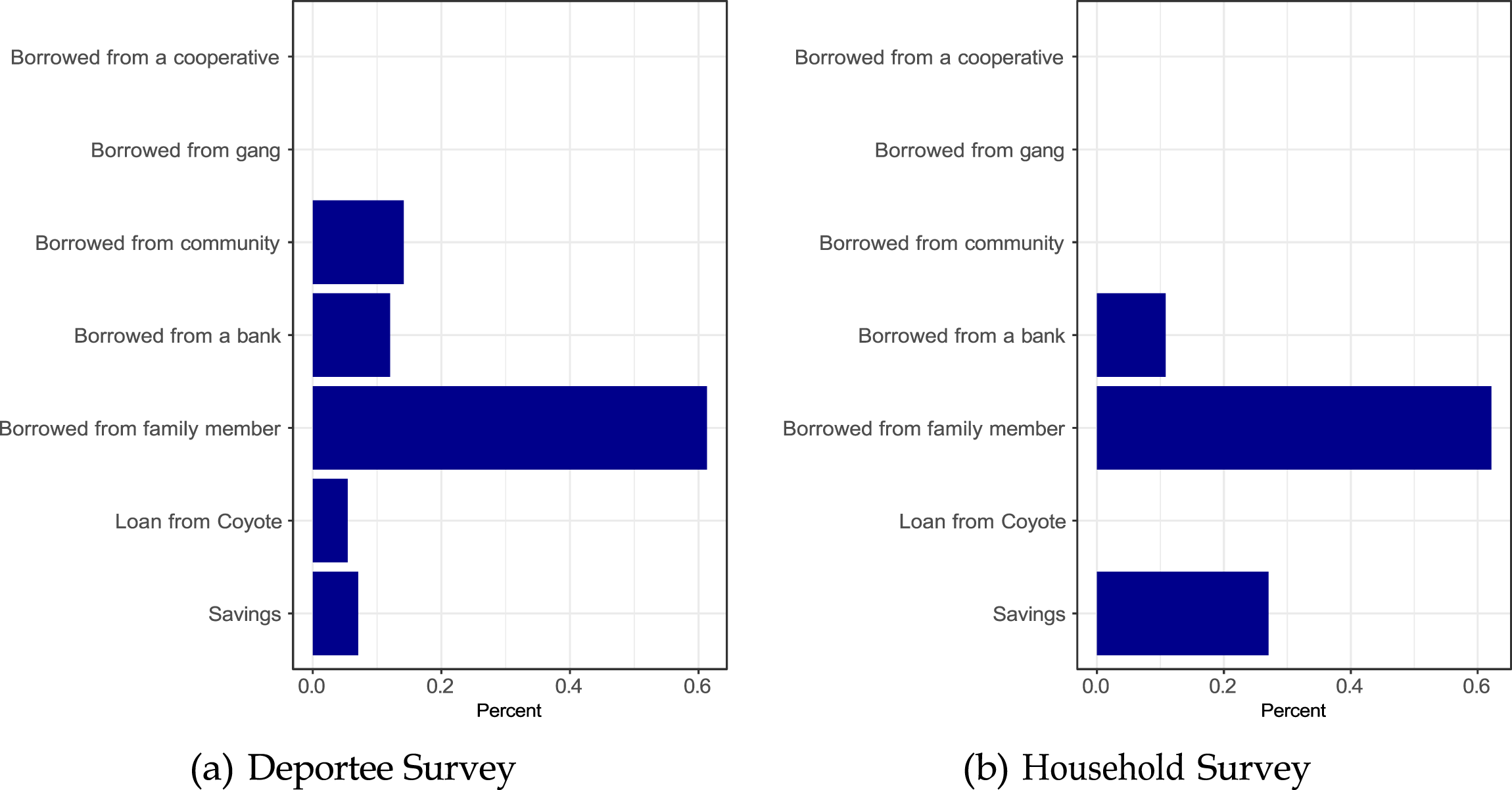
During the journey north, many migrants experience a wide range of troubling situations. Our deportee survey shows that 16% were forbidden or restricted from communicating with their families during the journey or upon arrival in the US, 5.9% were assaulted or fined, 10.3% were threatened with assault, 6.2% were held hostage, and 14.6% were required to pay additional smuggling fees for their own or their family’s safety. Women face particular risks along these routes. Our exploratory fieldwork and interviews reveal additional layers of violence and insecurity that female migrants confront: Respondents recounted hearing of women being raped, killed, or abandoned mid-journey, and organizations assisting migrants routinely distribute contraceptives to women in anticipation of sexual violence. One leader of such an organization told us that some female migrants claim to have HIV to their coyotes in order to avoid being raped. While our survey does not include systematic questions on gendered violence, these accounts align with academic work documenting the heightened risks women face during migration (Izcara Palacios, 2017a).
Preferences for Choosing a Coyote
Before turning to our experimental results, we present descriptive evidence that the attributes we randomize in the conjoint are, in fact, important considerations for many migrants. In both our household and deportee surveys, we asked respondents about the factors that impacted their choice of coyote.
15
Panel (a) of Figure 6 reports the frequencies for deportees and Panel (b) reports those for households. Referrals, by family members and community members, play a large role in both samples, as does the coyotes reputation for success. Safety also looms large, especially in the household survey, where more than 50% of respondents mention it. Interestingly, price does not loom large. Only about 10% of respondents in each survey chose the cheapest option available, despite the enormous costs involved. SM Figure A14 shows that differences between deportees who were apprehended at the border and those who spent more than one year in the U.S. are modest: both groups rely heavily on referrals and emphasize success and safety, though the former place slightly more weight on network-based referrals. Reasons for Coyote selection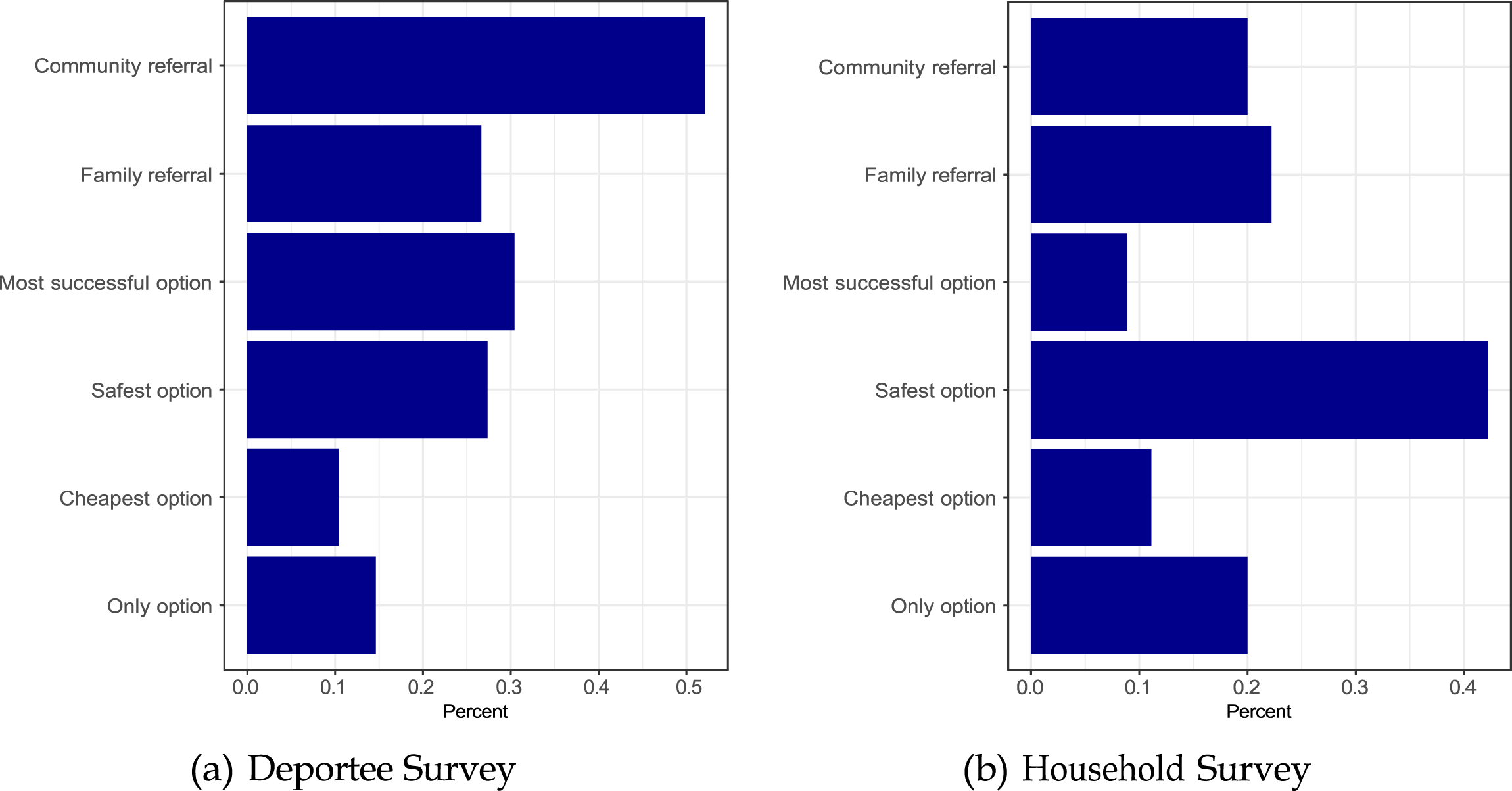
The descriptive data indicates the importance of different factors on deportees actual choices, and likely migrants’ preferences. However, it does not provide information on how migrants may weigh these different parameters when choosing a coyote. We propose to approximate that decision through our conjoint experiment, embedded only in our household survey. Figure 7(b) presents the AMCEs from the experiment. These estimates capture how respondents weigh smuggler attributes when full information about each attribute is available, and should be interpreted as stated preferences rather than direct measures of real-world choice behavior. The results illustrate that safety concerns and the record of success increase the likelihood of choosing a coyote. Shifting a coyote’s reputation to keep its clients secure during the journey from bad to good increases the likelihood of choosing a coyote by 12 percentage points. Similarly, a smuggler who has a reputation for getting all clients to the border is 16.8 percentage points more likely to be chosen than one with a more uncertain success rate. Figure 7(a) presents each attribute’s calculated marginal means, which can be understood as measures of respondents’ preferences. These marginal means show that respondents prefer smugglers who can guarantee access to their final destination and have good or excellent reputations to keep their clients safe during the journey. Coyote choice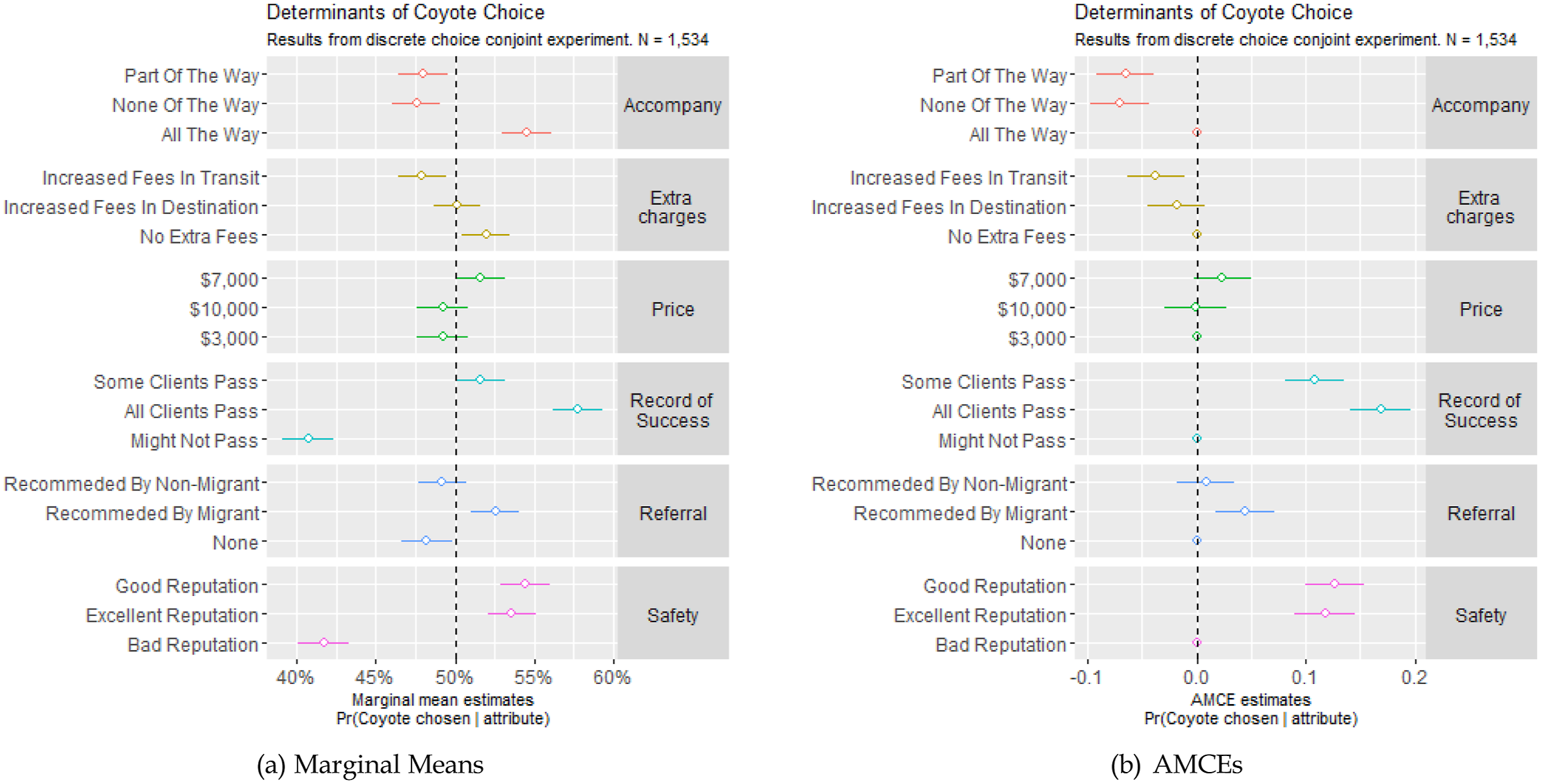
Another attribute that positively affects the likelihood of choosing a coyote is the nature of the referral. Shifting from no recommendation to one given by a migrant increases the likelihood of choosing a coyote by 4.4 percentage points. This result indicates that information flowing from the migration experience itself is valuable at the point of assessing which smuggler to choose. Figure 7(a) illustrates that preferences between recommendations given by non-migrants and no recommendation overlap, making them statistically indistinguishable from each other. However, the marginal mean for recommendations from migrants differs statistically from the other two estimates, further indicating the importance of referrals from individuals who have previously used smugglers’ services.
Our in-depth interviews with deportees help explain why this might be the case. Our qualitative evidence underscores that social networks serve a dual role in the smuggling market: they are both the primary channel through which migrants make contact with smugglers and a source of reputational information about their reliability. As one deportee explained, he chose his coyote simply because “he had taken many people and had already gotten people there” and because it was recommended by neighbors who had successfully migrated with him. Another respondent described a similar dynamic. Her cousin, already living in the United States, recommended a specific coyote, and that referral was the sole basis for her decision. Descriptive evidence from our household survey corroborates this pattern: among the 45 respondents who used a coyote, the large majority were referred by family or friends with successful migration experience or community members who had successfully migrated, while referrals from those without migration experience were rare. Notably, no respondent identified social media or radio as a referral source, suggesting that informal personal networks rooted in direct migration experience remain the dominant information channel in this market. 16
Our results also indicate that one of the attributes that decrease the likelihood of choosing a smuggler is related to the existence of extra fees during the migration journey. Changes to the original terms of the contract, where clients have to pay extra fees during transit, decrease the probability of choosing a smuggler by 3.7 percentage points. The rise of in-transit fees has become an issue as both criminal groups and the Mexican police ask for extra money to let migrants continue their journey (Gutiérrez Romero, 2023), sometimes leading migrants to work in Mexico while they cross to gather additional funds (Torres, 2023). Our qualitative accounts shed light on why this matters so much to migrants. Several respondents described being pressured for additional payments once already in Mexico and effectively in the smuggler’s hands. One respondent recounted that despite being told he would not be charged until reaching the United States, once in Mexico “they had us locked in some houses, already in their hands, and we couldn’t escape,” at which point extortion of his family began. The lack of statistical significance of extra fees at the end of the journey may indicate that these fees are less common, or that migrants view mid-journey vulnerability as the more pressing concern.
A second attribute that negatively affects the likelihood of choosing a smuggler is related to their accompaniment of migrants during the journey. Previous research shows that the enhancement of border control by both Mexico and the U.S. have transformed the modus operandi of human smugglers (Achilli, 2018b; Izcara Palacios, 2016; Mcdonnel, 2019; Sánchez, 2016). It has become more common for smugglers to divide the journey into stretches guided by different people or to use mobile phones to lead unaccompanied clients (Slack & Martínez, 2018). 17 Both practices raise uncertainty for migrants, who would not necessarily know who would be guiding them some or all of the way. Our results indicate that migrants prefer smugglers who accompany them all the way to the border, with smugglers who go part or none of the way chosen 6.7 and 7 percentage points less, respectively.
Our qualitative evidence illustrates the variety of arrangements migrants encounter in practice. Some interviewees described highly fragmented journeys, for instance one respondent reported that his coyote accompanied him only to the Guatemalan border before handing him a cell phone with route instructions, while another described the person guiding them changing at every other town. Notably, at least half of our interviewees changed smugglers at some point during their trip, most commonly after crossing a border or while moving across towns in Mexico, suggesting meaningful specialization in smuggling services by route segment. One deportee described starting his journey in Guatemala with four companions, only to find his group had grown to around 37 people by the time they reached the US-Mexico border, as new travelers joined at each stop. Our interviews also suggest that part of this specialization reflects local arrangements with Mexican criminal organizations. As one respondent put it, “the coyotes are connected to drug-trafficking lines, and they pay to be able to cross certain places.”
Lastly, our results indicate that respondents’ preferences are not particularly responsive to prices. One possible explanation is the extremely high baseline cost of hiring a coyote: the average price paid by respondents is approximately $5,455, roughly 14 times the Guatemalan monthly minimum wage. At these stakes, marginal differences in price across smuggler profiles may matter little relative to other attributes. When the consequences of a bad choice include violence, abandonment, or extortion, migrants appear to prioritize attributes that speak to reliability and safety over differences in cost, rendering marginal price variation across smuggler profiles largely inconsequential. Qualitative evidence is consistent with this interpretation, with respondents describing the decision to migrate in terms of necessity rather than price calculation. The burden of financing the journey often extended long after it ended, one respondent earning around Q30–35 per day as a field laborer described his smuggling debt as compounding due to interest charges, leaving him unable to cover anything beyond essential costs long after deportation. For many migrants, the total cost of migration is already so far beyond their regular income that additional price variation across smuggler profiles becomes effectively invisible.
There are three other plausible interpretations. First, since respondents are shown information about smugglers that directly signals their quality (such as their record of successful crossings), price may cease to function as a meaningful signal due to attribute dominance. In that case, price offers no additional information and plays a limited role in shaping preferences. If this interpretation holds, we should expect that other quality-signaling attributes (such as whether a coyote increases prices mid-journey, their success rate, their reputation, or whether they come recommended by someone who has migrated) will weigh more heavily in decision-making, and price should matter more for profiles with low-quality signals.
To test this possibility, we conducted three additional analyses. First, we subset the data by each level of each attribute and estimated the AMCE for price within each subsample, examining whether price effects vary conditional on the quality signals conveyed by other attributes. Figure 8 shows that price is not informative even when quality signals are low. Second, we estimated a series of interaction models between price and each of the other attributes to test whether lower-quality profiles amplify the effect of price. The results shown in SM Table A6 reveal no meaningful interactions. Third, we subset the data to retain only profiles sharing the same level of the safety attribute and reran the analysis to examine whether price weighs more heavily when safety is held constant. SM Figure A13 shows this is not the case. These results reinforce the interpretation that price is genuinely less decisive in this market, with migrants placing greater weight on other attributes. Signals of quality and price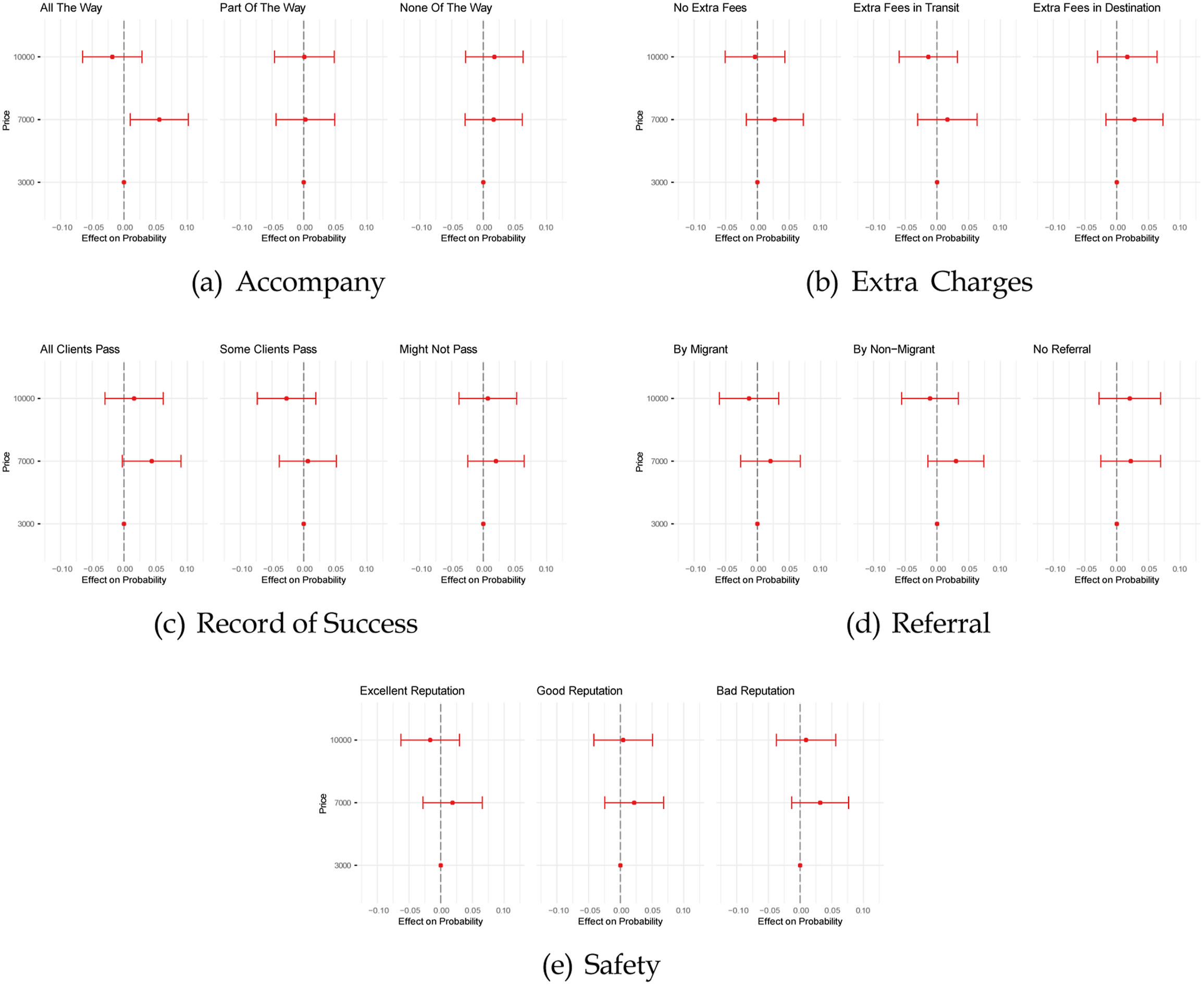
The second possibility is that the null average effects mask important heterogeneity among respondents. Specifically, individuals who are cash-constrained and economically vulnerable may be more sensitive to price differences when evaluating coyote profiles. To test this, we estimate conditional MMs interacting all attribute levels with four respondent-level variables proxying for financial constraints: employment status, frequency of difficulty covering basic expenses, self-assessed economic situation, and self-assessed economic prospects. The results in SM Figures A1–A4 show no statistically significant differences across these groups.
A third potential explanation for the null effects of price is that respondents may face very different smuggling markets in real life. Depending on their municipality’s location (e.g., proximity to an international border or a major road) or its population size, some markets may feature more active, independent coyotes, resulting in greater competition and lower prices. To investigate this possibility, we compare the answers of respondents from municipalities with more than one active coyote to those from municipalities with one or no coyote (based on our survey) and estimate marginal means. Our results, in SM Figure A12, show no statistically significant differences across these groups.
These findings suggest that even among respondents more likely to face financial hardship, price does not serve as a dominant consideration in shaping preferences over coyotes. Our qualitative evidence helps explain why. In a market where the consequences of a bad choice can include extortion, kidnapping, or death, the primary risk is not paying too much but paying for a service that will not be delivered. When potential losses include injury, detention, or the failure of the entire migration attempt, the marginal utility of paying less appears small relative to the perceived benefits of reducing risk. When asked what advice they would give to a prospective migrant, interviewees consistently prioritized safety and smuggler reliability over price. One advised to “make sure you know the coyote you are traveling with from your country, because he is responsible for what may happen to you,” while another recommended looking for a coyote “that all the people have gone with,” prioritizing demonstrated success over cheaper alternatives. As one interviewee put it, the journey requires enduring “hunger, thirst, and everything that comes with it,” and choosing the wrong smuggler can have severe consequences. Under these conditions, migrants appear willing to pay whatever a trusted smuggler asks, relying more on reputation, referrals, and past success than on price when evaluating their options.
Overall, these results highlight the importance of referrals in the migrant smuggling market, especially when they come from people who have already successfully migrated. Our results also underscore the importance of coyotes’ reputation for fair treatment and coyotes’ commitments to the safety of their clients (in the form of providing guiding services all the way to the U.S. border) and the respect of the initial terms of the contract (no extra fees). These results complement previous research on the importance of migrant networks and the role referrals play in a market plagued by informational asymmetries (Dolfin & Genicot, 2010; Martínez, 2016; Sanchez, 2017; Slack & Martínez, 2018).
Robustness Tests
A potential concern with our design is that it assumes all respondents face a real choice between coyotes, when in fact some live in municipalities where few or none operate. To test whether the self-reported number of coyotes in a municipality affects our results, we divide the sample between those living in places with two or more coyotes and those who do not, finding no significant differences between the marginal means of these two groups (SM Figure A12). We also subset the sample to include only respondents who have migrated internationally and compare marginal means between those who hired a coyote and those who did not, since prior experience may translate into greater knowledge of how smugglers operate and different preferences. Figure A11 shows that respondents who previously hired a coyote are more tolerant of smugglers with a bad reputation. Overall, these results suggest that individuals in these migrant-producing municipalities tend to have broadly similar preferences for the attributes they value in a coyote.
A potential concern is that despite our sample being composed of individuals living in migration-prone areas, not everyone would necessarily want to migrate, which could introduce heterogeneity in how respondents engage with the conjoint task. To address this, we conduct a series of subgroup analyses examining differences in marginal means across groups with characteristics that the literature has shown to increase the probability of migration. We already showed that current, past, and future economic situation does not produce meaningfully different preferences for smuggler attributes (SM Figures A1–A4). Exposure to local insecurity, however, does matter: respondents exposed to gangs (SM Figure A5) or shootings (SM Figure A6) place greater weight on safety-related attributes. Among respondents who express a desire to migrate (SM Figure A7), we find no meaningful differences relative to the full sample. 18
Discussion
Irregular migration is among the most consequential decisions individuals in sending communities can make, yet it remains among the least studied empirically. The clandestine nature of the process, the vulnerability of those involved, and the logistical difficulty of reaching relevant populations before, during, or shortly after the journey all conspire to make rigorous data collection extraordinarily difficult. The results we present represent our best effort to overcome these constraints, but several cautionary notes are in order.
Our study is grounded in the Guatemalan context, and some features of that case may not travel easily to other settings. That said, we argue that our core findings speak to a broader set of contexts characterized by severe information frictions, i.e., settings in which information about smugglers is scarce, unreliable and costly to obtain because the activity is illegal, dangerous, and clandestine. Evidence from other regions suggests that these structural conditions and the behaviors they generate are not unique to Guatemala. For instance, research on smuggling networks in West and North Africa shows that migrants overwhelmingly rely on referrals from family, friends, and prior migrants to identify smugglers, with direct recruitment playing a limited role and often correlating with higher risks (Mixed Migration Centre, 2025). More broadly, migrants in these contexts face analogous decision problems: they must infer smuggler quality under conditions of acute uncertainty, relying on indirect signals such as reputation, past success, and trusted referrals (Mixed Migration Centre, 2025). As a result, the mechanisms we identify, namely, the centrality of reputation, the reliance on social networks for information, and the prioritization of safety over cost, are likely to generalize to other smuggling markets where formal mechanisms for verifying service quality are absent. To the extent that irregular migration operates through fragmented, network-mediated markets with limited transparency, the behavioral patterns we document should extend well beyond the Guatemalan case.
A related limitation concerns the gap between the preferences our conjoint captures and real-world migrant behavior. Despite expressing preferences for safe and reliable smugglers, some migrants in our sample experienced hardship, abuse, and multiple smuggler handoffs during their journeys. This disconnect reflects a fundamental challenge in this market: even when migrants hold clear preferences, poor information, limited options, and more immediate concerns such as securing enough money to migrate at all frequently override the ability to act on them. That said, the forced-choice structure of our conjoint remains informative even for respondents who face little effective choice across smugglers. When deciding whether to engage with a particular coyote at all, migrants are still weighing a complex set of attributes: cost, reputation, referral source, and the likelihood of abuse or abandonment. We also note that several attributes in our conjoint are themselves signals rather than objective measures; reputation, referrals, and contract reliability are precisely the kinds of heuristic-based information migrants rely on in real decision-making contexts, suggesting our design is not as far removed from real-world information conditions as it might appear. Our conjoint results thus capture which features of a smuggler migrants attend to when making that assessment, regardless of how much choice they ultimately have. Understanding which attributes matter most to migrants has important implications for policy, since it identifies the dimensions along which improving market transparency could have the greatest impact.
Conclusion
In this paper, we focus on an under-studied aspect of migration, namely, the market for human smugglers and the determinants of migrant’s choice of which smuggler to hire. In particular, we explore how referrals and smugglers’ reputation along other dimensions affect individuals’ preferences for smugglers. We explore this issue in the context of Guatemala, one of the chief sources of the ongoing wave of illegal immigration into the U.S.; it is also a case where a substantial majority of migrants rely on coyotes to make the journey North. Our exploration of the market in smugglers relies on data from two original surveys, one of deportees from the U.S. to Guatemalan, and another of households located in a region prone to migration outflows. The latter survey is also the source of our survey experimental evidence, in the form of a forced-choice conjoint experiment.
Our findings suggest that the market in coyotes is large, albeit fragmented. Recent efforts to prevent irregular migration and the use of coyotes have not had the desired deterrence effect. Instead, they have resulted in higher prices which migrants are still willing to pay, and new forms of smuggling. In fact, our experimental results suggest that price does not play a big role in choosing a coyote. Referrals and smugglers’ reputation for safely and successfully guiding migrants across without taking advantage of them matter most. These results underscore the importance of risk assessments and the use of trusted sources of information to overcome informational asymmetries inherent in the clandestine market of smugglers. Our results also highlight the fact that, from the migrant’s perspective, a smuggler’s fee is seen as an investment to secure a stream of income –through their own labor– for their families and themselves.
We make two contributions to the study of the vast and expanding illicit market in human smuggling. First, we provide some of the first systematic descriptive evidence on its key characteristics in any country, covering its scale, costs, risks, and the ways in which migrants finance their journeys. Second, we implement a conjoint experiment that allows us to experimentally manipulate the key attributes that prospective migrants weigh when deciding which smugglers to engage. To the best of our knowledge, this constitutes the first experimental evidence on one of the most complex and high-stakes decisions that millions of migrants confront.
Our findings open the door to several promising avenues for future research. One direction is to study how migrant preferences interact with the supply side of the market, including the organizational structure and pricing strategies of coyotes. Future work could also examine the role of digital technologies—such as social media and encrypted messaging apps—in shaping how information about smugglers is disseminated and trusted. Additionally, building on the baseline of preferred outcomes we establish here, future research could manipulate the information environment to assess how preferences shift when migrants must evaluate smugglers under more realistic conditions of scarcity and uncertainty. Finally, new longitudinal studies tracking migrants over time (e.g., Mixed Migration Centre’s 4Mi Longitudinal (Mixed Migration Centre, 2024)) could shed light on how initial expectations align with actual outcomes, further illuminating the dynamics of trust, risk, and adaptation in illicit migration markets.
Supplemental Material
Supplemental Material - The Market in Smugglers: Survey Experimental Evidence on the Choice of Coyotes in Guatemala
Supplemental Material for The Market in Smugglers: Survey Experimental Evidence on the Choice of Coyotes in Guatemala by Diego Romero, Mateo Villamizar Chaparro, and Erik Wibbels in Comparative Political Studies
Footnotes
Acknowledgements
The authors would like to thank Guy Grossman, Jeremy Springman, Donald Moratz, Serkant Adiguzel, and participants of REPAL, HUMANS LACEA, Universidad Católica del Uruguay’s Winter School Seminar Series, the Borders and Boundaries Conference at Perry World House, and the 4th Forced Displacement Working Group meeting for their feedback at various stages of this project. We also want to thank Enma Ruano for her help with the phone surveys and our partners at Te Conecta in Guatemala.

Ethical Considerations
Funding
The authors disclosed receipt of the following financial support for the research, authorship, and/or publication of this article: This work was supported by the Duke University.
Declaration of Conflicting Interests
The authors declared no potential conflicts of interest with respect to the research, authorship, and/or publication of this article.
Data Availability Statement
Supplemental Material
Supplemental material for this article is available online.
Notes
Author Biographies
References
Supplementary Material
Please find the following supplemental material available below.
For Open Access articles published under a Creative Commons License, all supplemental material carries the same license as the article it is associated with.
For non-Open Access articles published, all supplemental material carries a non-exclusive license, and permission requests for re-use of supplemental material or any part of supplemental material shall be sent directly to the copyright owner as specified in the copyright notice associated with the article.
