







Abstract
In today’s increasingly digital world, the phenomenon of vicarious racism—indirect exposure to racist acts directed at others—has become a significant concern, particularly among Black college students. The COVID-19 pandemic has amplified the role of social media as a primary platform for witnessing racial discrimination, given the notable increase in virtual communication during this period. Black college students may be especially vulnerable to the psychological impacts of vicarious racism due to their social media usage. To advance the emerging literature, this study examines how Black college students coped with vicarious racism following the COVID-19 pandemic, drawing on interviews conducted during the spring of 2022. Specifically, our research extends the phenomenological variant of ecological systems theory (PVEST) by examining variations in Black college students’ coping responses to vicarious racism. Through a qualitative exploration of strength-based and survival-based coping strategies, this study builds on existing scholarship and provides deeper insights into coping mechanisms.
This study advances existing scholarship by qualitatively exploring how Black students navigate coping strategies in response to vicarious racism in the post-pandemic era. We identified and categorized these strategies into “strength-based” and “survival-based” approaches, highlighting both empowering and protective responses while revealing the complexity of managing distressing experiences. This distinction enhances the understanding of coping and underscores the varied ways Black students address vicarious racism.Significance of the Scholarship to the Public
Before the onset of the COVID-19 pandemic, the United States was already grappling with a racial reckoning, marked by escalating tensions between police and civilians. The murders of Trayvon Martin, Michael Brown, Eric Garner, Sandra Bland, Freddie Gray, and many others, along with subsequent protests, mass shootings, and White nationalist rallies, underscored the nation’s deep-seated racial divisions. The murders of George Floyd and Breonna Taylor in 2020, among other high-profile cases, further heightened national awareness of systemic racism and its profound effects on racial and ethnic minorities (Perez, 2021). The pandemic exacerbated these issues, casting a spotlight on racial disparities and intensifying them. During this period, racial and ethnic minorities faced a “dual pandemic” (Liu & Modir, 2020): the COVID-19 virus and the enduring plague of systemic racism. This dual burden manifested in various forms, including medical racism, where access to essential healthcare resources—such as COVID-19 testing, treatment, and vaccines—was disproportionately limited for these communities (Njoku et al., 2021). Concurrently, pervasive media coverage of the brutalization and killings of racial and ethnic minorities amplified the stress and trauma experienced by these groups (Jones et al., 2020). As a result, the pandemic, compounded by vicarious racial discrimination, emerged as a critical issue affecting mental health.
Vicarious racism involves indirect experiences of racism, often through witnessing or hearing about the discrimination endured by others (Heard-Garris et al., 2018). This can include exposure to racism directed at friends, family members, or others with whom one shares a racial or ethnic identity (Heard-Garris et al., 2018). Research has demonstrated that vicarious racism is linked to various negative psychological outcomes, including depression, anxiety, and stress (Chae et al., 2021; Del Toro & Wang, 2023). Vicarious racism is particularly harmful because it not only reinforces the reality of systemic racism but also contributes to a heightened sense of fear, anxiety, and hopelessness (Harrell, 2000; Heard-Garris et al., 2018).
Much of the prepandemic research on discrimination focused on the effects of interpersonal, cultural, institutionalized, and systemic racism, as well as on the transmission of psychological effects from caregiver to children (e.g., Paine et al., 2020; Priest & Williams, 2018). However, recent studies have expanded this research to examine online racism, particularly in the context of vicarious racism (e.g., ElTohamy et al., 2024; Heard-Garris et al., 2021; Keum & Miller, 2017; Tynes et al., 2020). These studies investigate how multimedia content—including videos, images, voice notes, written posts, and symbols—is used as a tool for targeting racial and ethnic groups (ElTohamy et al., 2024; Keum & Miller, 2017; Tynes et al., 2020). Given these shifts in the forms and mediums of racism, it is crucial to understand how individuals, particularly those from marginalized racial backgrounds, navigate the persistent challenges posed by online and offline racism and discrimination.
Coping With Racism
Extant literature has shown that coping strategies can play a pivotal role in helping communities of Color withstand and resist the ongoing impact of racism and discrimination (Griffith et al., 2019; Liang et al., 2007; Park et al., 2018; Riley et al., 2021; Utsey et al., 2000). To conceptualize the pervasive impact of racism, Clark et al. (1999) introduced the seminal biopsychosocial model of racism, viewing racism as a significant stressor. Coping strategies act as buffers, enabling individuals to protect their mental health and well-being in the face of systemic and interpersonal racism (Jones et al., 2020). Coping strategies also span a broad range of approaches aimed at effectively navigating the intricate stressors of racial discrimination (Jacob et al., 2023). Existing research on coping has revealed critical distinctions in the multifaceted nature of coping, including differences between problem-focused and emotion-focused strategies (Biggs et al., 2017; Plummer & Slane, 1996), approach versus avoidance mechanisms (Sanders Thompson, 2006), adaptive versus maladaptive coping strategies (Griffin & Armstead, 2020; Lazarus & Folkman, 1984), and functional versus dysfunctional coping responses (Jacob et al., 2021). These distinctions highlight the complexity of coping processes, as individuals must often draw on a combination of strategies depending on the stressor and their personal resources. A recent systematic review of coping strategies among Black individuals experiencing racism identified and analyzed twenty-six studies, revealing that Black individuals commonly rely on social support from friends, family, and community networks to buffer the emotional and psychological toll of racial discrimination (Jacob et al., 2023). Other frequently used coping strategies found from the review include religious coping (e.g., prayer), avoidance, and problem-focused coping (i.e., active efforts to directly confront the situation; Jacob et al., 2023). Recent research has deepened our understanding of how individuals grapple with the distinct and insidious challenges of experiencing racism in online spaces. Studies found that engaging in social change and justice-oriented actions was a powerful coping mechanism for navigating racism in digital spaces (Heard-Garris et al., 2021; Keum & Volpe, 2023). However, despite these positive coping strategies, previous literature also revealed a risky link between the psychological burden of online racism and heightened substance use among racially marginalized adults (Keum & Ahn, 2021; Keum & Cano, 2023). Given the complex and multifaceted nature of coping with racial discrimination, along with the growing body of research on vicarious racism, there is a critical need for further investigation into the coping responses that students, particularly Black students, employ to navigate racism in digital spaces.
Black College Students
Anti-Black racism remains a pervasive issue for Black college students (Hoggard et al., 2012). Extensive research over the decades has shown that Black students consistently confront institutional and interpersonal racism on college campuses. This manifests through microaggressions from peers and faculty, both within and beyond the classroom, as well as through unsupportive campus climates (Banks, 2010; Marks et al., 2021; Pieterse et al., 2010). Moreover, research indicates that campus environments now encompass online settings where students frequently encounter discrimination via social media (Tynes et al., 2013). The COVID-19 pandemic has further normalized online interactions, leaving Black college students with little respite from the pervasive experience of racism, which can have detrimental implications for their well-being (Macaranas et al., 2023). For instance, Maxie-Moreman and Tynes (2022) found that online racial discrimination and exposure to traumatic events contribute to trauma symptoms related to discrimination. Furthermore, recent research has examined the compounded effects of both direct and indirect racism on the mental health of Black college students, suggesting that their simultaneous exposure to systemic and institutional spaces—both online and offline—that perpetuate racism predisposes them to adverse psychological and academic outcomes (Williams et al., 2022).
Black college students are particularly vulnerable due to their status as emerging adults, a period marked by extensive identity exploration (Arnett & Brody, 2008; Arnett et al., 2014). Notably, 69% of Americans aged 18 to 29 years and 52% of those with some college experience regularly obtain news from social media (Pew Research Center, 2023). Among Black Americans, 53% report receiving news from social media at least sometimes, compared to 46% of their White counterparts (Pew Research Center, 2023). The prominence of social media as a news source is particularly significant, given the unique challenges Black students faced during the pandemic. In addition to grappling with the disproportionate impact of COVID-19 on Black communities (Reyes, 2020), Black students also vicariously witnessed police brutality and protests through social media, the news, and sometimes on their own campuses (Tausen et al., 2024). Observing one’s racial group being targeted is associated with psychological harm through the concept of linked lives, which posits that individuals of the same race share a common fate (Mason et al., 2017). Given the profound events of 2020 and beyond, including the COVID-19 pandemic, heightened racial tensions, and widespread protests against police brutality, it is plausible that Black college students’ ability to cope—a process often used to mitigate racial stressors (Jacob et al., 2023)—has been significantly challenged. The cumulative impact of these stressors, compounded by systemic inequities and historical injustices, may have strained coping resources within Black communities, potentially leading to increased psychological distress and diminished well-being (Chae et al., 2021). Therefore, there is a critical need for scholars to investigate the coping strategies that Black college students employ in response to vicarious racism.
Theoretical Framework
The phenomenological variant of ecological systems theory (PVEST) model, proposed by Spencer and colleagues (1997), offers a valuable framework for understanding how Black college students may cope with vicarious racism. The model suggests that when individuals face stress, they engage in meaning-making processes and implement responsive or problem-solving coping strategies. Over time, these coping strategies can evolve into stable patterns, ultimately shaping an individual’s identity or self-concept (Spencer et al., 1997). PVEST conceptualizes racial discrimination as a chronic stressor that infiltrates the experiences of Black Americans across various ecological levels, resulting in psychological, physiological, and behavioral consequences (Spencer et al., 1997). The model emphasizes the importance of an individual’s perception of their experiences, providing valuable insights into areas where support may be needed. Given some research has identified racism as both a chronic and acute stressor (Carter, 2007), the temporal aspect of exposure to racial stressors is critical, potentially necessitating race-specific coping mechanisms (Brondolo et al., 2009).
Purpose
Although considerable research has been conducted on Black college students’ experiences with racial discrimination, there is a paucity of research examining specific coping mechanisms for vicarious racism in a postpandemic world. This study seeks to contribute to this emerging literature by investigating how Black college students cope with vicarious racism in the aftermath of the COVID-19 pandemic. Specifically, our research extends the PVEST model by analyzing how Black college students’ coping responses to vicarious racism vary across different ecological contexts and influence their self-concept. By qualitatively examining how these students employ coping strategies in response to vicarious racism, this study builds on existing scholarship and provides deeper insights into coping responses.
Methods
Participants
Participants Demographic Information.
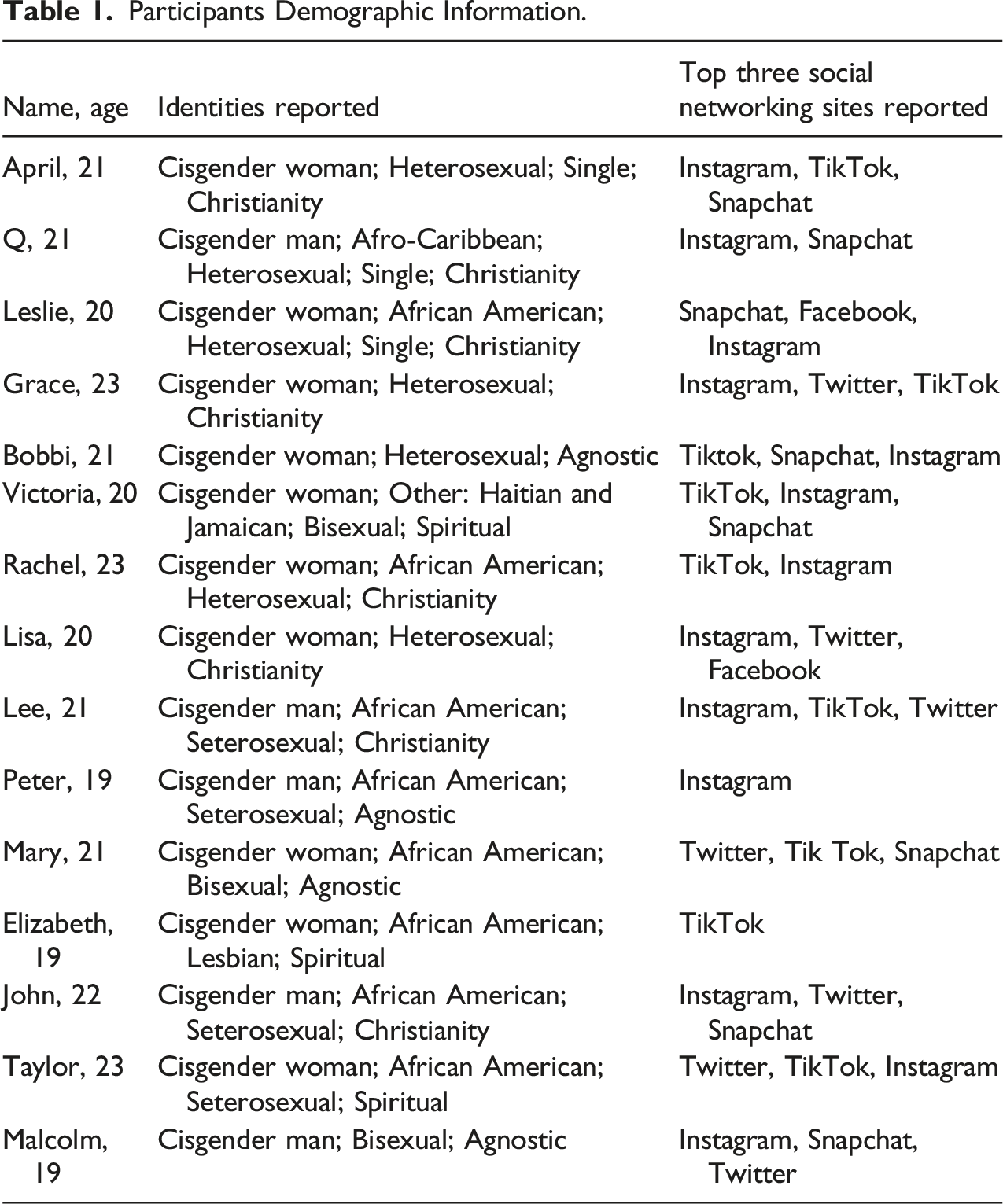
Procedures
The constructivist-interpretivist paradigm posits that individuals construct reality through their perceptions of and interactions within a social environment. Multiple “realities” can exist simultaneously, and through engagement in interactive dialogues, qualitative researchers can develop narratives that seek to understand the lived experiences of participants (Ponterotto, 2005). To achieve this aim, we conducted 15 semi-structured Zoom interviews with Black undergraduate students to gain a comprehensive understanding of their experiences with discrimination and how they navigated these experiences within an academic institution. Each participant provided the research team with a pseudonym, and cameras were turned off during interviews for additional anonymity of participants. Interviews were conducted by four members of the research team and recorded using the cloud-based video conferencing platform Zoom, with an average duration of 45 minutes. Interviewers were carefully selected based on their prior counseling experience with the target population, specifically identifying doctoral students who had experience providing therapy to Black student clients. This selection process ensured that the interviewers possessed the necessary skills to engage meaningfully with participants and accurately capture their experiences. Each interviewer was trained on the protocol by the lead author, and a consensus was reached among interviewers regarding appropriate queries and potential follow-up questions to use in order to prompt deeper discussion and encourage unanticipated statements (Charmaz, 2014). Our interview protocol included focused yet open-ended, nonjudgmental questions regarding participants’ experiences with vicarious racism, their thoughts on the proliferation of racist and discriminatory acts disseminated through social media, how these vicarious experiences of racism have impacted their well-being, and their methods of coping with these experiences. To ensure clarity of responses, study participants were provided with a definition of vicarious racism. Additionally, the interview protocol was designed to prioritize emotional support, acknowledging the profound sensitivity of the subject matter and ensuring that participants received compassionate and understanding engagement throughout the interview process. Transcripts of the conversation were produced through Zoom’s encrypted online service, and each was then meticulously reviewed for accuracy by at least two team members. Memoing, in the form of observations and interviewer impressions, was utilized during the interview process to enhance understanding of participant narratives. Study participants were given the opportunity to review the transcripts and provide any modifications or elaborations to their interview responses. At the end of the interview, participants were informed that they would receive a transcription of their interview within two weeks and were given one week to suggest any modifications. Only one participant requested changes, and the highlighted sections provided by this participant were excluded from the study data. This process underscores the importance of participant agency by allowing individuals to ensure their perspectives are accurately represented. It also reinforces transparency and trust by demonstrating the researchers’ commitment to ethical standards and respectful engagement. Each participant was offered the choice of course credit or a $30 gift card as compensation, and all participants chose to receive the $30 gift card, which they received within 2 weeks of completing the interview.
Data Analysis
We used tenets of the constructivist-interpretivist paradigm (Morrow, 2005; Ponterotto, 2005) in combination with a reflexive thematic analysis process to systematically interpret and code participant interview responses. Employing a phenomenological approach, we aimed to understand the commonalities of navigating vicarious racism while using reflexive thematic analysis to: (1) center Black voices and experiences in our work and (2) critically interrogate how our positionality as researchers combined with our participants’ experiences as Black individuals, provides insight into the nuances of coping with vicarious racism. By integrating the constructivist-interpretivist paradigm (Morrow, 2005; Ponterotto, 2005) and a phenomenological approach, we contextualized the social influences on our participants’ experiences while also capturing the core essence of those experiences as they were personally lived and perceived. This integration allowed us to explore both the broader social context and the intimate, personal nature of the experiences we were studying. Six research team members employed a blend of phenomenological research and the six-step reflexive thematic analysis process (Braun & Clarke, 2006, 2019, 2022; Hourigan & Edgar, 2020) to code transcripts using the qualitative data analysis software NVivo. This thematic analysis process as created by Braun and Clarke (2006) includes the following steps: familiarization with data, code generation, development of themes, review of possible themes, identification of themes, and report writing.
The research team focused on inductive coding methods to analyze the interview data by identifying patterns, themes, or concepts directly from the raw data without being influenced by preexisting theories or frameworks. In Phase 1, familiarization with data (Braun & Clarke, 2006), the researchers worked in three pairs, reviewing and editing the automatically transcribed interviews verbatim, reading the transcripts at least twice, and noting frequent responses echoed by other participants before turning them into codes. During research team meetings, we discussed the transcripts and notes generated by team members, while also providing space for processing reactions and reflections about positionality in relation to the interviews. In Phase 2, during the initial coding phase, researchers labeled segments of the transcript with labels such as “advocacy,” “hopelessness,” and “sadness” based on the recurring themes in the participants’ descriptions of their experiences with vicarious racism. In Phase 3, we focused on identifying themes emerging from the participants’ responses. An iterative and triangulation process was executed to coalesce codes into coherent themes that comprehensively addressed how college students cope with vicarious racism. A consensus among researchers was essential for coding. When disagreements about the assignment of codes arose, consensus was reached through detailed discussion and adjustments. This process continued until data saturation was achieved, indicating that all themes had been cohesively evaluated. Data saturation was reached by the 11th interview, as no new themes or insights emerged in the subsequent conversations (Charmaz, 2014). In Phase 4, team members collaboratively interpreted the latent meanings of various quotes to identify emergent components of coping with vicarious racism. In Phase 5, these key components were expanded and synthesized into two comprehensive strategies for coping with vicarious racism.
Trustworthiness
Positionality of Researchers.

Note. Table format from Hinger et al. (2023); Mosley et al. (2021).
Results
All fifteen participants engaged in a reflective examination of their coping mechanisms in response to vicarious racism, which was categorized into two overarching themes. The theme of strength-based coping highlights participants’ proactive strategies in response to vicarious racism, emphasizing actions that empower individuals, foster resilience, and strengthen a sense of agency and community in the face of this pervasive stress. The second theme, survival coping, refers to the strategies participants used to manage the immediate stress and emotional pain caused by vicarious racism. These strategies often included avoidance, emotional numbing, and disengagement, providing short-term relief but potentially leading to feelings of powerlessness or isolation over time. Rather than focusing on overcoming the stress, survival coping centers on enduring it.
Additionally, a noteworthy cross-cutting observation emerged in the analysis: social media use. Across all subthemes, participants underscored how social media platforms heightened their susceptibility to vicarious racism. The significance of these indirect or secondhand experiences was further clarified in participants’ interviews, providing a richer understanding of the intricate dynamics surrounding vicarious racism in contemporary societal contexts.
Strength-Based Coping
Strength-based coping was represented by eight subthemes: advocacy, therapeutic techniques, organizations, community, racial socialization, religion, acceptance, and positive reframing.
Advocacy
Participants shared narratives of advocacy that highlighted intentional efforts to support the well-being of a group. These efforts included participating in political protests, using platforms to educate others about ongoing injustices, and engaging in acts of solidarity. Peter stated: I have a lot of White friends, or at least White peers, who follow me [on social media]. So I want them to at least see that, even though I know they probably won't click on it and read it. But I want them to at least see me sharing across my page… And I might be the only Black friend they have, or the only Black source they have. So that may be their only chance to learn about this.
Therapeutic Techniques
Participants described using therapeutic techniques as a coping strategy to enhance their well-being after experiencing indirect encounters with racism. Specifically, participants referred to activities such as individual therapy, group therapy, journaling, mindfulness practices, and engaging in creative outlets such as art or music. Taylor noted: I’m also part of a Black group on campus for therapy type things and that helps me a lot. Being able to know that, while it's unfortunate, other people are dealing with the same things as me and I have a support group.
Organizations
Participants detailed seeking support at the institutional level through campus organizations when navigating vicarious racism. The organizations category referred to any group(s) with which participants engaged on campus, including identity groups (e.g., Black Student Union [BSU]), academic departments, offices, or clubs. These organizations played a vital role in disseminating valuable information to students and fostering a sense of connection, as highlighted by Elizabeth: Um, I would say, definitely being in BSU because in BSU, we talked about a lot of different topics now every Monday… it's a different topic for every Monday in there… like this where everybody can just put their opinion in and stuff like that and that's definitely a way to cope just being in a space of just Black people and minorities because they can relate and it’s a comfortable feeling.
Community
Participants discussed seeking support at the interpersonal level through various relationships they maintained outside of campus, such as conversations with family and friends. This community engagement seemed to have a cathartic effect on participants, as Peter remarked: Me and my friends, we talked about it, like my close friends so like two of my guy friends. And we just sit and talk about it, like man, we went through a lot that we shouldn’t have to have gone through, especially at this age of me just being 19 and finna hit 20. So, like, there’s a lot of stuff that we shouldn't have been exposed to so early, but we did, so it’s like that’s when we, within ourselves, started checking in with each other and started talking about our feelings because, you know, like a lot of Black men don’t do that.
Racial Socialization
The racial socialization subtheme illustrated the development of behaviors, values, and attitudes in relation to one’s ethnic group (Hughes, 2003). Hughes’s (2003) definition of racial socialization, described as “the transmission of parents’ world views about race and ethnicity to children by way of subtle, overt, deliberate and unintended mechanisms” (p. 15), underscores the significance of the messages conveyed within the participants’ experiences, providing a framework for understanding how the data in this study reflects the nuanced process of racial socialization. Strategies like preparation for bias serve as coping mechanisms for navigating racial dynamics, representing specific actions or strategies individuals adopt to manage and cope with racial experiences (Bernard et al., 2024; Sullivan et al., 2021; Threlfall, 2018). In our data, participants’ racial socialization seemed to provide a framework for processing incidents of vicarious racism. It also had an insulating effect, offering participants a degree of protection from feeling isolated by the experience. For example, Bobbi shared the following: Because like we already, we’re all already taught from a young age that we have to work twice as hard to get half the recognition and just naturally I just work a lot harder, I noticed, than my White counterparts.
Religion
The religion subtheme encapsulated any references to divine influence (e.g., God, praying, church). For instance, Grace indicated: “[I] actually pray to God to help me get through these things, because I know I have a purpose but it's hard when other individuals are out here just going against you for no reason.” For some participants, coping with vicarious racism involves relying on their faith and spirituality as a source of comfort and support.
Acceptance
Participants often demonstrated strength-based coping by acknowledging or accepting that instances of racism may occur. Victoria illustrated this perspective when she stated: “I’m a little Black girl in the White world, like I have to remember where I am, like I know where I am.” This acknowledgment of the racial context reflects a resilient approach, emphasizing the importance of consciously recognizing their racial identity within a broader societal context.
Positive Reframing
Participants also discussed interpreting experiences of vicarious racism in a way that highlights potential personal growth, perseverance, or positive outcomes. Taylor described how she shifts the focus from perceived limitations imposed by societal or systemic factors to an empowering outlook where these factors do not define or limit her potential: “I might be Black, I might be a woman, I might be part of like marginalized communities, but this isn’t going to stop me from doing what I want to do.” Participants in our study used cognitive techniques that contributed to improved emotional well-being by altering the way they interpreted and responded to indirect experiences of racism.
Survival Coping
Survival coping was represented by fifteen subthemes: avoidance, code switching, substance use, vulnerability to harm, powerlessness, inferiority, hopelessness, defeatism, personalization, desensitization, sadness, fear, disgust, tiredness, and indecision.
Avoidance
Avoidance emerged as a notable form of survival coping in the study, encompassing any indication of distancing oneself or refraining from specific activities in response to vicarious racism. Participants described various instances of avoidance, such as steering clear of social justice-related content on social media and evading conversations about current social justice movements. This behavior was often rooted in a deliberate effort to distance oneself from thoughts related to social inequalities within society. Malcolm expressed this sentiment, stating: I hate to say it, but a lot of times I… I think about it, and then push it off and ignore it, because I think there are times where I have the power to do something and times where I don't have the power to do something.
Code-Switching
Code-switching refers to the process by which individuals from minoritized groups adapt their language, behavior, or communication style to align with the expectations of a dominant culture, often as a strategy to navigate or respond to experiences of vicarious racism. This existing construct is a strategy long employed by Black people to excel in White spaces (Cross & Strauss, 1998; Dickens & Chavez, 2018). For instance, Bobbi stated: Because like even growing up already like I didn't understand it, I just knew the difference on like how I was treated versus how, like my fellow White classmates were treated to so… even when I was younger I always wanted my hair straight.
Other participants noted how they must act a certain way in certain environments to avoid negative assumptions and reactions. For example, Peter explained: “You know, this is the correct way to go about something, because you know you don't want to get into trouble and it could go the wrong way, and you know potentially lose your life.” Code-switching is employed by participants as a coping strategy, aiming to enhance their safety in situations where they may face racial bias.
Substance Use
Substance use refers to any reference towards use of drugs including alcohol and other substances. Participants described the use of substances as a means to escape the weight of the racial injustices occurring around them. Lee reported the following: “During quarantine… I was smoking a lot of weed and I guess that I was like getting my mind off of things.” Similarly, Leslie shared: I know um a lot, well I don't want to say a lot of my friends, but I know some of my friends have went to you know um drinking, or drugs because they have PTSD from what they saw from the videos they see or the situation that's going on, on the news.
Both of these participants shared experiences where they or someone they knew resorted to using substances as coping mechanisms to seek relief from the distress caused by witnessing or hearing about vicarious racism.
Vulnerability to Harm
The vulnerability to harm category portrays responses in which an individual perceives themselves as particularly susceptible to physical or psychological harm or negative events. This involves a heightened sense of threat or danger regarding one’s well-being. John shared: I could die at any moment by just going outside. And even if I… Like, no matter what I do, I could be constant… I could be viewed as the victim or I could be accused of being a perpetrator, anything like that to how the media wants to spin it, to how people want to spin it to make it fit their viewpoints instead of the truth.
Powerlessness
The powerlessness category highlights the sense that one lacks the ability to initiate change within their social context. Bobbi expressed a deep sense of distrust toward various societal institutions, sharing feelings of isolation and perceived discrimination from witnessing or hearing about incidents of vicarious racism: You definitely can’t even trust doctors, can’t trust the medical field. You can’t trust police, you can’t trust the government… it’s it’s at a point where I just feel like I feel like I’m by myself and I have mostly just my very close friends to help me out or have my family to help me out, but when it comes to the world, I can’t trust anybody else because they’re going to automatically see me as a different or incapable because of the color of my skin.
Bobbi’s narrative underscores the pervasive impact of systemic racism on individuals’ sense of agency and ability to enact change within their social environments.
Inferiority
Inferiority refers to participants who believe they are fundamentally flawed, unworthy, or inadequate. Experiences of vicarious racism, both online and offline, may reinforce the belief that one’s racial identity is inherently flawed or inferior. Individuals may fear being exposed or judged by others based on their race. This fear can lead to avoidance of social interactions and the internalization of negative stereotypes or bias toward their racial group. For example, Leslie shared: Yeah, so I guess what I’m trying to say is, when I’m around other individuals on campus, it kind of, it makes me feel a little embarrassed or shameful to be Black… I'm always the one who's not included and it's kind of like, “Why am I here?” It makes me feel a little embarrassed about where I came from more or, who I could become in my Blackness. I feel like the more this happens, the less I appreciate my Blackness.
Hopelessness
Participants shared narratives of hopelessness, referring to beliefs that positive outcomes are unlikely or impossible for Black people due to the pervasive nature of racism that they have witnessed. Peter’s following sentiments align with the belief that efforts to change or improve one’s circumstances will inevitably fail: The Capital riot happened or whatnot and that was that was just kind of wild so like seeing that all across social media and like it being like literally everywhere, but not but much action actually being taken on that it kind of brought me back to that like, “Oh, you know not not much is going to happen to them.”
Defeatism
A few participants expressed feelings of resignation, where they felt unable to overcome challenges or obstacles they faced, particularly those stemming from experiences with racism. For instance, Peter shared: “I see that the Black society is settling so it's like all right if they're not, you know, wanting more for themselves, like what's one person like me exactly going to do, you know?”
Personalization
Participants shared sentiments that reflected personalization, particularly in relation to their experiences with racism. Any reference made by a participant suggesting they take responsibility for a situation, perceive themselves as the problem, or question whether specific characteristics or thoughts about themselves are causing the issue reflects personalization—a belief in which individuals attribute undue responsibility to themselves. Grace stated the following: “I don't understand it, and it really makes me feel indifferent, a little different about myself, because I don't know if I'm the problem, or if there are specific… you know, characteristics or thoughts are the problem.”
Desensitization
The desensitization category encompassed any references indicating a reduction in emotional responsiveness to online vicarious racism. This included efforts to mitigate the emotional impact of online vicarious racism by decreasing sensitivity or responsiveness to the content, which may manifest as emotional distancing or disengagement. Notably, Q expressed the following sentiments: Because of the amount of it that I'm seeing it's getting to the point where I may like be desensitized to certain things and it’s just like… you know this is sad, this is heartbreaking… but it's like it's expected.
Anger
Participants shared personal reflections that highlighted anger as a prevalent response. These firsthand accounts represent the depth of emotional turmoil triggered by vicarious racism, showcasing how anger serves as a powerful and visceral reaction to the indirect injustices, reinforcing the lasting impact of racialized experiences on individuals’ emotional well-being. Among the participants, Rachel described experiencing a perpetual emotional state of anger. She acknowledged the impact of stereotypes, such as the “angry Black woman” trope, while also recognizing that legitimate reasons, beyond racial stereotypes contribute to her overall sense of anger: And I don't know, I'm I'm usually just angry, in general, and I don't know if that's because, like, angry Black woman, but also there's… I didn't even care about that, there's so much [to] be mad about—like, I like—I have every right to be mad!
Sadness
Participants frequently expressed coping with profound feelings of sadness. Their narratives revealed a nuanced emotional landscape wherein vicarious exposure to racism elicited a poignant sense of sorrow, reflecting the profound impact of such experiences. When reflecting on their own experiences of vicarious racism, individuals acknowledged the enduring presence of this societal issue, recognizing the historical legacy and its continued persistence in contemporary contexts. Lee shared: “It makes me feel sad that… that [this] still happens in this day and age, but at the same… yeah, it just makes me sad that this happens.”
Fear
Participants disclosed a prevalent theme of fear. Their narratives illuminated the impact of vicarious racism, manifesting as apprehension, unease and concern for safety. For instance, many students stated that watching content of vicarious racism online has led to a hypervigilance regarding their own safety. Lee noted: “[I am] fearful that, it might happen to me.” In addition, Leslie shared: “Well, I lowkey feel like it gave me a little bit of anxiety… social anxiety. Just seeing how others are treated, you know, based on their skin color.”
Disgust
Participants expressed a strong sense of disgust to online vicarious racism. Leslie shared the following: “I'm disgusted… it has to be a point where we can all come together as one and just… seeing the different killings with police brutality, even the lynchings… we're in the 21st century now.” Leslie describes a sense of disbelief and outrage that such atrocities continue to occur, particularly in the contemporary era.
Tiredness
Several participants expressed feelings of exhaustion, reflecting both emotional and mental fatigue. Their narratives conveyed a sense of being drained of energy, with mentions of feeling tired and depleted emphasized. Lisa shared her exhaustion from consistently witnessing vicarious racism online and highlighted the pervasiveness and often implicit nature of racism: Like every single time, it kind of gets exhausting especially like when I see it because I interact with social media lot. So, I do see it a lot like in my day-to-day life like people being just casually racist.
Indecision
The indecision subtheme illustrated an inability to make decisions, such as going back and forth between options or choices. Q shared the internal struggle that some may experience when deciding how to cope: A part of me was like I don't want to turn on the TV. I don't want to touch my phone… I just can't handle seeing this anymore, but then the other part of me is like I need to know what's going on.
The example provided illustrates the complex nature of decision-making in the face of vicarious racism by depicting a participant’s conflicting thoughts and emotions. On one hand, there is a desire to avoid exposure to distressing content, as indicated by the reluctance to turn on the TV or use their phone. On the other hand, there is a sense of obligation or curiosity that drives the desire to stay informed about current events.
Discussion
Within the United States, racism and its associated stress response are crucial social determinants of health and fundamental catalysts for racial health disparities (Volpe et al., 2021; Williams et al., 2019). Although previous research has primarily focused on the impact of racism in face-to-face encounters, the pervasive nature of online engagement amplifies the potential exposure to vicarious forms of racism in virtual spaces, including social media, particularly for Black Americans. This study advances existing scholarship by offering a qualitative exploration of how Black students navigate and implement coping strategies in response to vicarious racism in the postpandemic era. Our findings contribute to the PVEST framework by illustrating how Black college students’ responses to vicarious racism are shaped by their sociocultural environments and how these responses influence their psychological resilience and identity development. We observed a range of coping strategies, which we have categorized into strength-based and survival approaches. By categorizing coping mechanisms in this way, the study emphasizes the dual nature of responses to racism—highlighting both empowering and protective strategies, while recognizing the complexity of how individuals manage distressing experiences. This distinction adds depth to the understanding of coping and underscores the varied ways in which Black students respond to online and offline vicarious racism. Strength-based coping strategies include active responses, such as confronting or challenging instances of vicarious racism, and adaptive cognitive processes that help students mentally manage and process these experiences. In contrast, survival coping strategies were evident in passive responses and, at times, cognitive strategies, where students sought to avoid or disengage from distressing content. Additionally, emotional responses, such as sadness, fear, anger, disgust, and tiredness, were part of survival coping, reflecting how Black college students manage the emotional toll of processing online racial harm. Notably, in our research, we intentionally use the term “survival coping” rather than “maladaptive coping,” which has often been used in previous research on coping with racism (Clark et al., 1999; Dortch et al., 2024; Griffin & Armstead, 2020). The term survival coping acknowledges a more nuanced understanding of coping strategies by focusing on enduring rather than overcoming the racism-related stress. It highlights the context-specific and pragmatic nature of these responses, recognizing that what may appear less ideal or ineffective in one situation can be a necessary and functional approach in another. This intentional choice underscores the resilience and agency of individuals experiencing vicarious racism.
Similar to our findings, Alexander et al. (2023) found that being significantly impacted by media coverage of police brutality and protests was associated with better mental health outcomes when Black Americans engaged in high levels of social activism. This suggests that social activism may serve as an important method for coping with emotional distress stemming from exposure to online vicarious racism. In particular, engaging in social activism on social media was a primary way many of our participants engaged in advocacy efforts. Social media platforms empower and drive online activism through various avenues (Greijdanus et al., 2020). As outlined by Greijdanus et al. (2020), social media allows individuals to express their views and align them with broader causes (e.g., #blacklivesmatter; see Ince et al., 2017), organize activities within online communities, and engage with others beyond their immediate networks to collectively shape and spread new perspectives or ideas. Initially labeled as “slacktivism” (a blend of “slacker” and “activism”; see Drumbl, 2012; Glenn, 2015) due to its perceived minimal effort, online social activism has proven to be a potent force for driving social change. Extensive research has highlighted the active involvement of Black adults in this sphere (Heard-Garris et al., 2021; Hope et al., 2016; Volpe et al., 2023). Our own study provides additional evidence of the significance of online activism as a coping strategy for confronting both online and offline vicarious racism. This finding underscores the proactive engagement of individuals in leveraging digital platforms to raise awareness, advocate for change, and challenge systemic injustices. Moreover, it highlights the importance of recognizing and supporting the role of online activism in addressing contemporary social issues, particularly those related to racial inequality and discrimination. As such, online social activism represents not only a means of coping with the emotional distress of witnessing racism but also a vital avenue for fostering social solidarity and driving collective action towards a more just and equitable society.
Alternatively, other studies have found that maladaptive coping responses, which are strategies individuals employ to manage stress or adversity but ultimately fail to alleviate stress and may even exacerbate or prolong it, can have detrimental effects on health (Burchfield, 1985; Clark et al., 1999; Clark & Harrell, 1982). Similar to earlier research, cognitive coping mechanisms in response to perceived racism have been evident among Black Americans (Outlaw, 1993; Thomas et al., 2008; Utsey et al., 2000; Volpe et al., 2021). Research on coping with online vicarious racism has shown that repeated exposure to racist content can negatively affect an individual's mood and contribute to long-term health consequences (Cohen et al., 2021). Our study found that all participants described experiencing harmful cognitive and emotional responses to both online and offline vicarious racism, which often reflected internalized racial messages about themselves or their racial group. When individuals internalize these racial messages in response to offline or online experiences of racism, it often leads to diminished self-worth, shame, and inferiority, as reflected in our data (Mouzon & McLean, 2017; Sosoo et al., 2020; Tao & Scott, 2022; Tynes et al., 2012). Moreover, adopting these types of internalized racial messages can undermine self-esteem and agency, leaving individuals feeling disempowered. The chronic stress resulting from these experiences of racism and internalized racial messages can also have adverse effects on physical health, increasing the risk of stress-related illnesses.
Black individuals may constantly feel vulnerable to harm or discrimination based on their race or ethnicity, with these feelings exacerbated by exposure to online vicarious racism. Viewing online racism increases individuals’ awareness of the pervasive nature of racial discrimination (Tao & Fisher, 2022). This heightened awareness can intensify feelings of vulnerability as individuals become more attuned to the potential threats and dangers they may face due to their race. Everyday activities, such as going outside, can pose risks to their physical and emotional well-being because of the possibility of encountering racially motivated violence, harassment, or prejudice. For many Black individuals, high-profile, racism-related murders—such as the tragic deaths of George Floyd, Breonna Taylor and Ahmaud Arbery—highlight the ongoing fear and vulnerability experienced by Black individuals in America due to systemic racism and violence (Chae et al., 2021). Several participants mentioned high-profile police-related deaths of Black Americans, capturing the shared fear and vulnerability that many Black individuals feel in the face of systemic racism and violence, regardless of their activities or whereabouts. This underscores the urgent need to address and confront the underlying issues of racial injustice and systemic violence that contribute to such tragedies. Overall, our data highlights the psychological toll of systemic racism and social exclusion on individuals’ sense of self-worth and identity. These findings emphasize the pivotal role of counseling psychology in promoting multicultural competence grounded in a steadfast commitment to social justice (Vera & Speight, 2003). In counseling psychology, cultivating of multicultural competence extends beyond mere acknowledgment of diversity; it encompasses a deep-seated dedication to dismantling systemic inequalities and anti-Black racism (Moore-Lobban, 2023; Vera & Speight, 2003).
Limitations
Our study is subject to several limitations that warrant consideration. Firstly, the age and geographic proximity of our participants to the events discussed may have influenced their perspectives. Online experiences of racism can vary based on factors such as age and location. Our findings may not fully capture the diversity of experiences within the Black community, as our study focused on a college-aged sample attending a predominantly White institution in the Southeastern region of the United States. Future research should explore whether coping mechanisms among Black college students differ based on their attendance at predominantly White institutions versus Historically Black Colleges and Universities (HBCUs). Additionally, participants who are geographically distant from certain racism-related events may exhibit varying levels of awareness or emotional connection, potentially impacting their responses. Moreover, our study may face limitations related to gender representation. Women were primarily represented in our sample, which may overlook the experiences of Black men. Similarly, those who identify as nonbinary or transgender may have unique experiences that were not adequately captured in our data. Future studies should aim to include more diverse gender identities to provide a fuller understanding of how Black individuals navigate online and offline experiences of racism.
Implications for Theory, Practice, Advocacy, Education and Training, and Research
Given the impact of online vicarious racism on Black college students and the resulting strengths-based and survival coping strategies, it is critical for the field of counseling psychology to engage a proactive and liberatory-focused approach within the evolving landscape of the discipline.
Our study offers valuable insights for counseling psychologists and other mental health providers on supporting Black clients in navigating online vicarious racism. Racial trauma arises from repeated exposure to racism, witnessing racialized violence, or other racism-related events (Williams et al., 2021). This trauma can lead to significant psychological distress, impact academic functioning, and provoke trauma responses (Williams et al., 2022). In light of this existing body of literature, it is crucial for counseling psychologists to remain keenly aware of the prevalence of vicarious racism, particularly as its impact is amplified by social media platforms. Understanding these dynamics can better inform interventions to support Black clients in navigating the challenges associated with vicarious racism. Previous research has emphasized how experiences of online vicarious racism can lead to racial trauma and stress (Maxie-Moreman & Tynes, 2022). To address these issues effectively, therapeutic modalities and interventions must be culturally adapted to address racism-based mental health issues (Comas-Díaz et al., 2019).
It is strongly recommended that clinicians working with Black clients integrate coping mechanisms identified as effective in Black populations. These include promoting value-driven, culturally salient healing methods (Jones et al., 2020), fostering social support (Marshburn & Campos, 2022), engaging with religious and spiritual beliefs (Miller et al., 2020; Shorter-Gooden, 2004), prioritizing self and collective care (Gomez et al., 2024), and participating in activism (Riley et al., 2021). Williams et al. (2023) proposed a new evidence-based therapeutic modality, the Healing Racial Trauma protocol, for treating racial stress and trauma, emphasizing assessment, stabilization, healing, and empowerment. Other interventions, including culturally adapted prolonged exposure therapy (Williams et al., 2014), psychoeducation on critical consciousness (Wong & Jackson, 2023), and mindfulness-based stress reduction interventions (Watson-Singleton et al., 2019), have demonstrated promise in addressing racism-based mental health concerns. Additionally, racial socialization strategies within trauma-focused cognitive-behavioral therapy, particularly for adolescent Black clients, can be effective (Metzger et al., 2020). Family involvement in treatment, through interventions like Engaging, Managing, and Bonding through Race (EMBRace), have also been shown to yield positive outcomes (Anderson et al., 2017, 2019). Strength-based therapeutic approaches, like radical healing psychotherapy (Adames et al., 2023), advocate for therapists to assist clients in cultivating strategies to recognize and challenge self-blame stemming from racism and other forms of oppression while simultaneously envisioning new avenues for personal and sociopolitical liberation. By embracing strength-based approaches, counseling psychologists play a pivotal role in fostering healing and empowerment among Black clients.
The recently updated Society of Counseling Psychology values (see Moore-Lobban, 2023) offer a foundation for counseling psychologists and other mental health professionals to address the needs of Black college students directly (i.e., client-centered focus) and to engage with the broader technological systems perpetuating racism (i.e., systemic focus). For instance, as we build critical consciousness, we must highlight the ways in which anti-Black racism has been embedded in the rapidly advancing technological landscape (including social media, artificial intelligence, etc.). This recognition calls for shifts in training methodologies, emphasizing advocacy for equitable policies and counseling psychologists’ engagement in the advancement of these systemic technologies. Simultaneously, our values of prevention, healing, and flexibility and adaptability require the development of techniques, approaches, therapies, and psychoeducation aimed at combating the exposure to and impact of online vicarious racism, while promoting strengths-based coping and racial healing from harmful exposures. The radical healing framework (French et al., 2020) shows promise for developing new therapeutic techniques aimed at addressing racial harm. However, these approaches must be applied with intentionality and flexibility, considering the unique challenges posed by technological contexts.
To effectively address the impact of racial harm in both offline and online environments, counseling psychology must critically examine its role in perpetuating structural racism. Just as offline structural racism involves a complex network of governmental, corporate, and private sector entities, online environments are shaped by similar institutional forces that sustain anti-Black racism (Volpe et al., 2021). For example, online vicarious racism illustrates how individuals are repeatedly exposed to racial trauma in digital spaces. These instances of online racial harm are not isolated but embedded within larger systems of online structural racism (Volpe et al., 2021). Therefore, addressing racial harm requires an understanding of how online structural racism mirrors and interacts with offline systems, underscoring the needs for a nuanced approach in both therapeutic practices and systemic analysis (Moore-Lobban, 2023; Volpe et al., 2021).
Achieving liberation requires a two-fold approach: first, taking accountability for inaction in addressing systemic online racism, and then focusing on repairing the harm caused by a technological world that has (to this point) outpaced our focus in counseling psychology. Our research, theory, practice, and advocacy must align to address both the client-centered and broader systemic contexts of online vicarious racism. To this end, counseling psychologists are uniquely equipped to discern, address and engage in collectivism to address the intricate interplay between race, technology, and mental health. Understanding and addressing these dynamics are essential for promoting equity and justice within digital spaces and building models of health and healing specific to Black college students exposed to vicarious racism.
“If technology can be co-opted in the service of racism, it may also be reclaimed for the collective health and empowerment of Black individuals and communities” (Volpe et al., 2021, p. 317).
Footnotes
Declaration of Conflicting Interests
The authors declare no potential conflicts of interest.
Funding
Support for Human Subjects stipends was provided through funding from the Department of Special Education Rehabilitation Counseling (SERC) Student Seed Grant at Auburn University awarded to Alexis Jones.
