







Abstract
Dance education plays a crucial role in fostering artistic expression, physical well-being, and career development. In China, dance programs in higher education institutions contribute significantly to students’ professional and personal growth. This study aims to analyze the benefits of dance education in China by exploring its influence on students’ physical well-being, career opportunities, and cross-cultural understanding. A mixed-method research design was employed, integrating quantitative and qualitative approaches to provide a holistic understanding of dance education’s role in higher education. Data were collected from 250 dance students and 100 dance instructors from four major universities: Beijing Dance Academy, Shanghai Theatre Academy, Yunnan Arts University, and Minzu University of China. Stratified random sampling was used for student selection, while purposive sampling was applied to recruit experienced instructors. Quantitative data were gathered using structured questionnaires and analyzed using SPSS, while qualitative data from semi-structured interviews were analyzed thematically using NVivo. Findings indicate that dance education significantly enhances students’ physical health, career prospects, and cultural awareness. The quantitative analysis revealed that students perceive dance education as beneficial for developing self-esteem, creativity, and career opportunities. The qualitative data from instructors emphasized the importance of structured training, mentorship, and digital tools in modern dance education. Moreover, results suggest that dance programs contribute to students’ social interaction and holistic development, highlighting the need for innovative pedagogical approaches. This study provides an empirical understanding of how dance education fosters interdisciplinary learning, cultural exchange, and career development in China, offering a more nuanced analysis of dance education’s impact.
Introduction
Dance education plays a crucial role in preserving and evolving traditional and contemporary dance forms in Chinese universities. Rooted in history, dance education in China dates back to the Han Dynasty when cultural practices like music and dance were integral to society. During the Tang Dynasty, dance was formalized as an art form, requiring specialized training. Today, dance education in Chinese universities encompasses both traditional and modern dance genres, reflecting a blend of heritage and innovation (Heyang et al., 2021). With an increasing emphasis on cultural identity and artistic expression, dance education not only cultivates technical proficiency but also fosters a deeper appreciation for China’s rich artistic traditions. Universities serve as key institutions in shaping dancers’ technical, creative, and cultural understanding, ensuring that students engage in both practical training and theoretical knowledge (Feng, 2022). This study explores how dance education influences students’ learning experiences, career aspirations, and overall well-being, while also addressing the challenges faced in contemporary higher education settings.
Dance Education in Chinese Universities
Historically, dance education was integrated into drama departments, but institutions like Beijing Dance Academy (BDA) have since established dedicated dance departments. These include Chinese Classical Dance Education and Chinese Folk Dance Education, which emphasize technique, choreography, and cultural storytelling. The increasing commercialization of dance education has introduced private institutions, digital learning platforms, and venture capital investments, reshaping how dance is taught and accessed (Heyang et al., 2021; Yu & Buck, 2024). In modern Chinese universities, dance programs aim to balance cultural preservation and contemporary innovation. With technological integration, students now have access to virtual learning tools, interactive choreography software, and online performance analysis platforms. This evolution reflects a broader trend in Chinese higher education, where traditional practices adapt to modern pedagogical advancements (Haessler et al., 2023).
Dance Education and Student Development
Dance, as a performing art, demands both physical endurance and artistic creativity. Students undergo rigorous training, mastering techniques that combine traditional martial arts, acrobatics, and expressive movements. The curriculum in Chinese universities emphasizes not only technical skills but also theoretical studies, including dance history, choreography, and interdisciplinary applications (Wang, 2023). Beyond technical training, dance education is linked to students’ personal growth and mental well-being. Studies indicate that participation in dance programs contributes to stress reduction, self-confidence, and emotional resilience. However, intense competition and high-performance expectations can also lead to anxiety and burnout, necessitating a balanced and supportive learning environment (Dwarika & Haraldsen, 2023). Chinese dance conservatories and university programs provide specialized training for aspiring performers, choreographers, and educators. While conservatories focus on rigorous professional training, normal universities integrate dance education within a broader academic framework, allowing students to combine artistic pursuits with interdisciplinary studies (Jin & Snook, 2022). As China’s global influence grows, dance education is evolving into a cultural bridge that connects tradition with modernity, enabling students to engage in artistic expression, academic inquiry, and professional development. This study aims to examine the experiences of dance students and instructors, exploring the challenges, opportunities, and future directions of dance education in Chinese universities.
Contribution and Novelty of the Study
The major contributions of the study specifically the novelty of the research are as follows:
The study aims to explore the global awareness and appreciation of diverse dance forms through comprehensive dance education in Chinese universities.
Research analysis the international research affirms university dance programs enhance Physical health in individuals.
The study identifies that the prosperity of dance education in universities is closely tied to the career advancement of students, as underscored by international research in dance education.
Research demonstrates that international research on dance education underscores its role in not just social interaction but also in nurturing a strong sense of community among students.
This study offers a novel contribution to the field of dance education by providing a comprehensive examination of international research in the education of dance from the perspectives of both dance teachers as well as students, broadening the understanding of the impacts and development, focusing on China as a unique context, and providing practical recommendations to address the international research in dance education.
The significance of dance education within Chinese universities clarifies its varied impact on students and teachers. Through rigorous empirical analysis, we unravel the intricate relationships between various aspects of dance education and their influence on personal and professional development. The research introduces innovative methodologies to explore the diverse elements associated with dance education, including the implementation of technology, enhancement of teaching staff, and the fostering of creativity and motivation among students. By examining these factors within the context of Chinese universities, the study contributes novel perspectives to the international discourse on dance education and its broader implications for societal well-being.
Research Questions
Literature Review
Diversity in Chinese University Dance Education
Qi and Ma (2025) assessed the value of modern esthetic education for Chinese classical dance education thought and its ability to influence artistic appreciation among students. The research demonstrated that classical dance not only upheld traditional esthetic features but also stimulated students’ artistic expression and esthetic appreciation. According to the findings, incorporating the principles of classical dance education in contemporary curricula could enrich national identity and the artistic sensitivity of students. Yu and Buck (2024) analyzed the market competition of higher ballroom dance education in China, dealing with its two aspects of influence upon students and establishments. The outcomes indicated that despite competition stimulating brilliance and professionalism preparation, it provoked stress and exaggerated differences between organizations with different endowments. The research found that stimulating an equilibrium competitive setting by way of policy action and student welfare arrangements could curtail adverse impacts without sacrificing benefits from performance-based training. Chen (2025) examined how digital technologies could affect dance pedagogy, especially in making feedback between student and teacher possible. Findings indicated that computer programs such as motion-capture analysis and virtual reality software markedly enhanced the precision of feedback, tailored instruction, and student encouragement. The research determined that the application of digital technologies within the education of dance can close the gap between the theoretical and practical paradigms, allowing for a more interactive and adaptive learning environment. Li and Chang (2023) investigated the correlation between innovative self-efficacy and the innovative capacity of dance majors in Chinese higher education institutions. Results indicated that students with stronger innovative self-efficacy expressed higher adaptability in choreography, performance, and interpretation. The research concluded that developing self-confidence in innovation through specific educational approaches might increase the creative potential of students, in turn, advancing the development of dance as an art form.
Effects of Dance Education on Physical and Mental Health
Jochum et al. (2024) examined the impact of folk dance in schools on the physical and mental well-being of vulnerable adolescents with the purpose of evaluating its potential as an intervention method. The results showed that frequent engagement in folk dance greatly enhanced cardiovascular fitness, coordination, and general mental health. Outcomes showed that students had lower levels of stress and greater social cohesion. The research found that folk dance had the potential to be an appropriate, culturally sensitive means of encouraging physical fitness as well as emotional resilience among vulnerable youth. Tang (2024) also investigated the effect of sports modern dance on college students’ psychological well-being, specifically its effects on anxiety, self-esteem, and general mental health. Findings indicated that students enrolled in modern dance courses exhibited remarkable declines in depressive and anxiety symptoms, and improved self-confidence and emotional stability. Results underscored the therapeutic benefits of dance for enhancing students’ mental well-being. Zhao (2024) examined the effects of virtual reality (VR)-enhanced college dance on students’ physical health, mental well-being, and skill acquisition overall. The research took an experimental strategy, where classical dance training was compared to dance training that included VR. Information was gathered from physical fitness assessments, psychological surveys, and performance tests. The results revealed that students who underwent VR training were more engaged, had more accurate movement, and were more motivated to learn. Findings also indicated that VR technology enhanced a more interactive and immersive training experience, which decreased performance anxiety and enhanced technical skills. Britten et al. (2023) examined the effectiveness and feasibility of an intervention dance program designed to enhance levels of physical activity and well-being in adults and older adults. The results showed that the program was enjoyable and beneficial, resulting in increased levels of physical activity, improved balance, and increased social interaction. Findings indicated that dance-based interventions had the potential to be an accessible and sustainable approach to promoting physical and mental health in aging groups.
Innovative Dance Teaching Practices in China
Zhang and Wu (2025) explored the integration of coding and making abilities in dance education to investigate how new technological trends can transform creative expression and innovation in choreography. The study showed that the addition of coding to dance courses improved the problem-solving abilities, creativity, and interdisciplinary mindsets of the students. Findings indicated that the use of digital tools enabled new choreography and artistic innovation. The research concluded that incorporating computational competence in dance instruction encourages innovation and enhances creative opportunities for students. Hou (2025) explored the combination of modern and traditional dance, particularly the way in which dance education can balance cultural heritage with innovation. Results showed that whereas modern dance forms introduced new movement and creative autonomy, they also created challenges in maintaining traditional dance authenticity. Outcomes indicated that a systematic pedagogical practice, with an integration of history and contemporary changes, facilitated an integrated combination of tradition and novelty. Hua et al. (2024) investigated whether project-based pedagogy would enhance undergraduate learners’ Chinese traditional dance proficiency. Outcomes confirmed that students assigned to the project-based learning section displayed greater enthusiasm levels, deeper cultural understanding, and enhanced technical ability than the group receiving normal instruction. Outcomes emphasized independent thinking and creative investigation resulting from project-based learning. Cao (2024) researched China’s compulsory education system through a case study, surveying the use of AI applications in after-school dance learning. Findings showed that technical skill enhanced through AI-facilitated learning, facilitated personalized feedback, and enhanced access to dance training outside classrooms. Findings indicated that AI tools facilitated bridging gaps in conventional dance education through personalized instruction and performance analysis. The research concluded that AI technologies can democratize dance education and improve student learning outcomes through adaptive and interactive digital platforms.
Research Gap
Previous research on Chinese university dance education has focused on its function in preserving traditional cultural heritage and in the education of professional dancers. Nevertheless, studies on the diversity of dance education in Chinese universities are scarce, especially with respect to incorporating international dance forms and multidisciplinary methodologies. Although other research has investigated the impact of dance on the physical and psychological health of students, these studies tend to be about overall fitness effects rather than investigating the particular psychological and emotional effects, including self-esteem, motivation, and anxiety reduction. In addition, while advances in technology and innovative pedagogy are transforming education around the world, studies on creative dance pedagogy in China are limited. There are numerous discussions on conventional dance pedagogy in many studies, yet little research on how contemporary pedagogy contributes to improving learning effects and artistic skills. This study thus seeks to address these gaps by investigating the variety of dance education in Chinese universities, looking at the holistic impact of dance education on students’ physical and mental health, and investigating new teaching methods that improve dance education and professional prospects in the modern educational context.
Conceptual Framework
The conceptual framework contributes with hypotheses determining the importance of dance education in Chinese universities associated with students’ personal and professional development along with the development of dance education.
Figure 1 illustrates the connectivity of constraints associated with dance education assigned to relevant hypotheses. The conceptual framework comprises essential variables that intertwine to illuminate the significance of dance education in Chinese universities. Physical health underscores the holistic benefits, fostering a robust foundation for students. Social interaction emerges as a key facet, promoting collaborative skills and enriching the communal dance experience. Career development denotes the practical aspect, showcasing the potential for professional growth within the dance domain. Holistic learning encapsulates a comprehensive educational approach, emphasizing both the physical and cognitive dimensions. Students’ creativity and motivations serve as the driving forces, propelling engagement and innovation. Self-esteem mirrors the psychological impact, fostering a positive self-perception. The development of dance education represents the institutional perspective, highlighting the evolution and enhancement of educational practices). Personal and professional growth intertwine, emphasizing the dual nature of benefits. Students learning experiences and artistic approaches encapsulate the overarching experiential and expressive dimensions, shaping a multifaceted understanding of dance education. Therefore, each variable contributes to a holistic understanding of the multifaceted impact of dance education in Chinese universities, emphasizing physical, social, psychological, and professional dimensions.
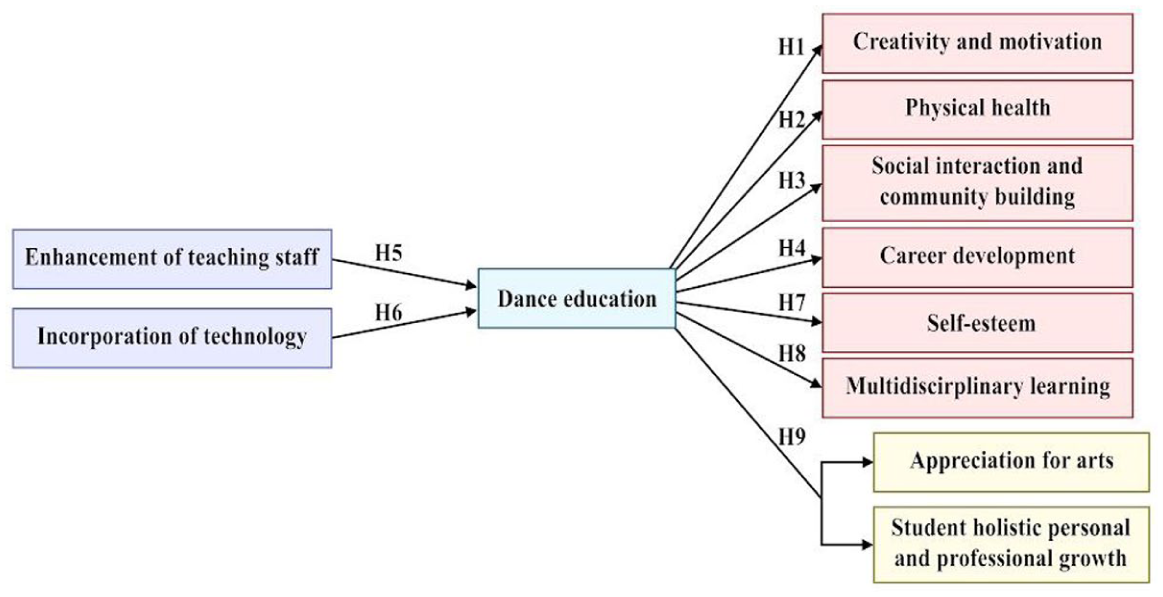
Conceptual framework.
Dance Education Enhances Creativity and Motivation
Dance education encompasses diverse sequences aimed at fostering communication and emotional expression through coordinated body movements. Physical health determines dancing as a kind of exercise that exhibits whole-body coordination focused on accuracy and perfection of movements (Suryawan et al., 2022). It serves as a form of exercise that enhances Physical health, impacting cognitive performance positively. Practicing with a moderate period of a minimum of 10 min can impact positively on students’ behavior, selective thoughts, and executive functioning. The impact of different forms of dance is relevant to increasing physical fitness and health factors such as the functioning of the nervous system improved self-control and self-regulation and improved functioning of cognitive functions (Saearani, 2024).
Dance Education and Physical Health
Participation in dance festivals and social interactions within dance communities enhances social connectivity and fosters a sense of belonging. Multicultural festivals allow ethnic community groups to express a sense of belonging and empower the communities’ evacuation through community understanding and unity that results in reinforced notions of self-worth and community assertiveness along with a sense of identity that is strengthened for other communities or foreigners (Quintas & Bustamante, 2023). Dance education is associated with teachers’ competencies for providing appropriate instructions to students creating a positive environment for social interaction and practicing the coordination of movements, thoughts, and feelings that determine learning strategies. Creative dance learning strategies provide students with a sense of community through movements assigned to follow their imagination. Teachers’ competencies provide opportunities for developing social interactions implementing appropriate instructional strategies along with knowledge and skills relevant to developing content, managing classes, and teaching approaches associated with practicing sessions that foster a sense of community among students (Paglione et al., 2023).
Dance Education and Social Interaction
Engagement in dance education reduces stress and promotes artistic development, contributing to students’ self-confidence and optimism. Dance education is associated with a physical self-concept that enables the students to have insight into the capabilities related to different body constituents such as physical fitness and physical appearance. Students associated with choosing dance as a career led due to the learning process dance with self-confidence developed by teachers along with strategies relevant to developing optimism. The process of developing optimism is associated with developing tolerance for the past, appreciating the present, and adopting a positive attitude toward future opportunities with faith in hard work and training (Foster-Sproull, 2023).
Dance Education and Career Development
The teaching process of professional-level dance education is associated with objectives according to characteristics of students which is beneficial for improving students’ abilities. The continuous improvement of teaching staff implies goals focused on gradual progress in teaching technique according to students’ amplitudes that stimulate different strength levels of students. Professional dance education is associated with reducing superficial dance understanding through implementing dance theories and influence with knowledge of dance history, and teacher performance that motivates students to achieve the level of effort that is achieved by their teachers and encourages them with an environment including music assigned for teachers demonstrating movements creating enjoyment with increasing interest for learning dance. Professional-level dance education emphasizes gradual progress and incorporates theoretical knowledge, motivating students to achieve higher levels of proficiency (Rahmah et al., 2023).
Professional Training and Dance Education
The use of technologies and digital resources associated with dance education includes tutorials, assessments, and authentic learning within communities or forums and digital content. Online platforms for teaching dance education access video tutorials assigned to promote two-way video, shared-screen capabilities, typed chat, and whiteboard function associated with interactivity screen with drawing tools. Assessment-based learning ensures the participation of students which establishes a practical experience range as students associated with documentation through photography or video assigned to forming justification for pedagogical reflection along with authentic contexts. Online forums stimulate social and cognitive engagement between communities with online practice sessions. Integration of technology into dance education enhances learning experiences and extends artistic approaches, promoting active engagement among students (Burke, 2020).
Technology and Dance Education
Students involved in dance education have different levels of self-esteem which evaluates experiential and environmental contexts associated with judging one’s own worth and appreciation feelings. Students involved in dance education have high self-esteem with a positive attitude toward development, positive behavior toward academic performance and health, and the development of social skills. The behavior of students subjected to solving problems relevant to interpersonal contexts, emotional expressions, attitudes, desires, and appropriate conclusions. Students not involved in dance education may have low self-esteem associated with poor health factors, unhealthy behaviors, and low mental status including anxiety, depression, eating problems, and limited economic convexity (Xing & Qi, 2023).
Dance Education Boosts Self-Esteem
Dance education fosters multidisciplinary learning experiences, integrating various academic areas and promoting holistic education. Visual arts education includes dance education, drama training, and music education. Music education aims for concentration tools that provide social and environmental consciousness that is associated with contemporary dance along with video photography and prediction. Dance describes emotions involved in the music piece, for example, Shapes of Water describes human relations with water states through dancing and mutual support of dancers, revealing stories and images (Sutela, 2023). Dance education and language learning gain insights into educational dance potential. Cross-curricular education is associated with the integration of dance education and language learning along with arts and academics with an educational approach to diverse students particularly involved in regular instruction groups through preparatory classes (Richard et al., 2023).
Dance Education and Multidisciplinary Learning
Participation in dance education serves as a therapeutic outlet, promoting physical, social, and emotional well-being, and contributing to lifelong appreciation for the arts (Faverzani, 2023; Peppler et al., 2022). Chinese students with abilities that encompass vital talents and attributes result in `constructing the foundation for developing lifetime appreciation regarding dance education as well as personal and professional growth associated with classification including learning abilities, healthy living awareness, sense of responsibility along with creativity and innovation assigned with specific qualities such as esthetic ability, rational thinking, and other (Wei, 2022). Students’ standard concerto for dance education is reflected at a level of significant varieties of dance forms relevant to classical and folk dance along with others such as Jazz and aerobics. Dance education with a diverse range of dance forms provides different choices along with promoting their physical, empirical, communal, and emotional development. The flexible teaching strategies focused on the emotional experiences of students under abilities enable students’ potential for exploring extremely resulting to achieve lifetime appreciation for dance education (Yang & Wang, 2022).
Dance Education and Lifelong Artistic Appreciation
University dance education goes beyond teaching choreography and movement techniques; it cultivates a profound understanding and appreciation for the arts. Through exposure to various dance styles, historical contexts, and critical analysis, students develop a holistic perspective on the cultural and artistic significance of dance (Cooper, 2023). Engaging in dance education at the university level not only enhances physical skills but also nurtures creativity, discipline, and self-expression. The collaborative nature of dance fosters teamwork and communication, valuable skills applicable in both personal and professional realms. Students learn to navigate challenges, building resilience and perseverance (Bradley, 2022). Moreover, the exposure to diverse perspectives and cultural influences broadens students’ horizons, fostering a global mindset. This multifaceted education contributes to personal growth, shaping individuals who are not only skilled dancers but also well-rounded, culturally aware, and adaptable professionals. The lifelong appreciation for the arts instilled during university dance education becomes a source of inspiration, joy, and enrichment, enhancing the overall quality of student’s lives and contributing to their ongoing development (Wilmot, 2021).
Methodology
This study employs a mixed-method research design, combining quantitative and qualitative approaches to analyze the benefits of dance education in China. Data were collected from dance students and dance instructors from four major universities: Beijing Dance Academy, Shanghai Theatre Academy, Yunnan Arts University, and Minzu University of China. A stratified random sampling technique was used to select students, while instructors were chosen through purposive sampling. The questionnaire method was employed to gather quantitative data, while semi-structured interviews provided qualitative insights. Data analyzed using SPSS for statistical analysis and Nvivo used to analyze the interview data. This methodology ensures a comprehensive understanding of the impact of dance education on students’ health, career opportunities, and cultural exchange.
Research Design
This study employs a mixed-method research design, integrating both quantitative and qualitative approaches to comprehensively analyze the benefits of dance education in China. The combination of these methodologies allows for a broader and more nuanced understanding of the impact of dance education on health, career opportunities, and cultural exchange. The quantitative aspect of the research involved structured questionnaires administered to dance students, while the qualitative aspect consisted of in-depth interviews with dance instructors. The integration of both methods ensures reliability and validity by capturing both statistical trends and personal insights from the participants.
Target Population and Sampling Strategy
The target group in this research are dance students and dance teachers in four leading Chinese universities. They were chosen as a result of their importance to dance education as well as diversity of their faculty and students offering a good sample of Chinese higher education in the field of dance.
A stratified random sampling method was employed to choose 250 dance students in such a manner that participants would be sampled from diverse academic years and specializations within dance disciplines. This helps ensure a fair representation of opinions from diverse levels of experience. For the qualitative phase, 100 dance teachers were chosen employing purposive sampling based on veteran faculty members who had made considerable contributions to the pedagogy of dance. Such an approach guarantees responses are elicited from people who have profound insights into the growth and challenges faced by dance education in China.
Samples and Demographic Details
The samples of this study consist of dance teachers and students from different universities. A total number of students and teachers were selected in a non-stochastic way and comprised 250 students and 100 teachers from the four most important universities of China: Beijing Dance Academy, Shanghai Theatre Academy, Yunnan Arts University, Minzu University of China. Table 1 shows the demographic information of the students. 40.8% are male and 59.2% are female. Based on age group: 50.0% were aged between 18 and 22 years, 36.0% were aged between 23 and 27 years, and 14.0% were aged 28 years and above. As per the University of the Students, 26.0% were studying in Beijing Dance Academy, 24.0% were studying in Shanghai Theatre Academy, 26.0% were studying in Yunnan Arts University, and 24.0% were studying in Minzu University of China
Demographic Profile of Dance Students (n = 250).
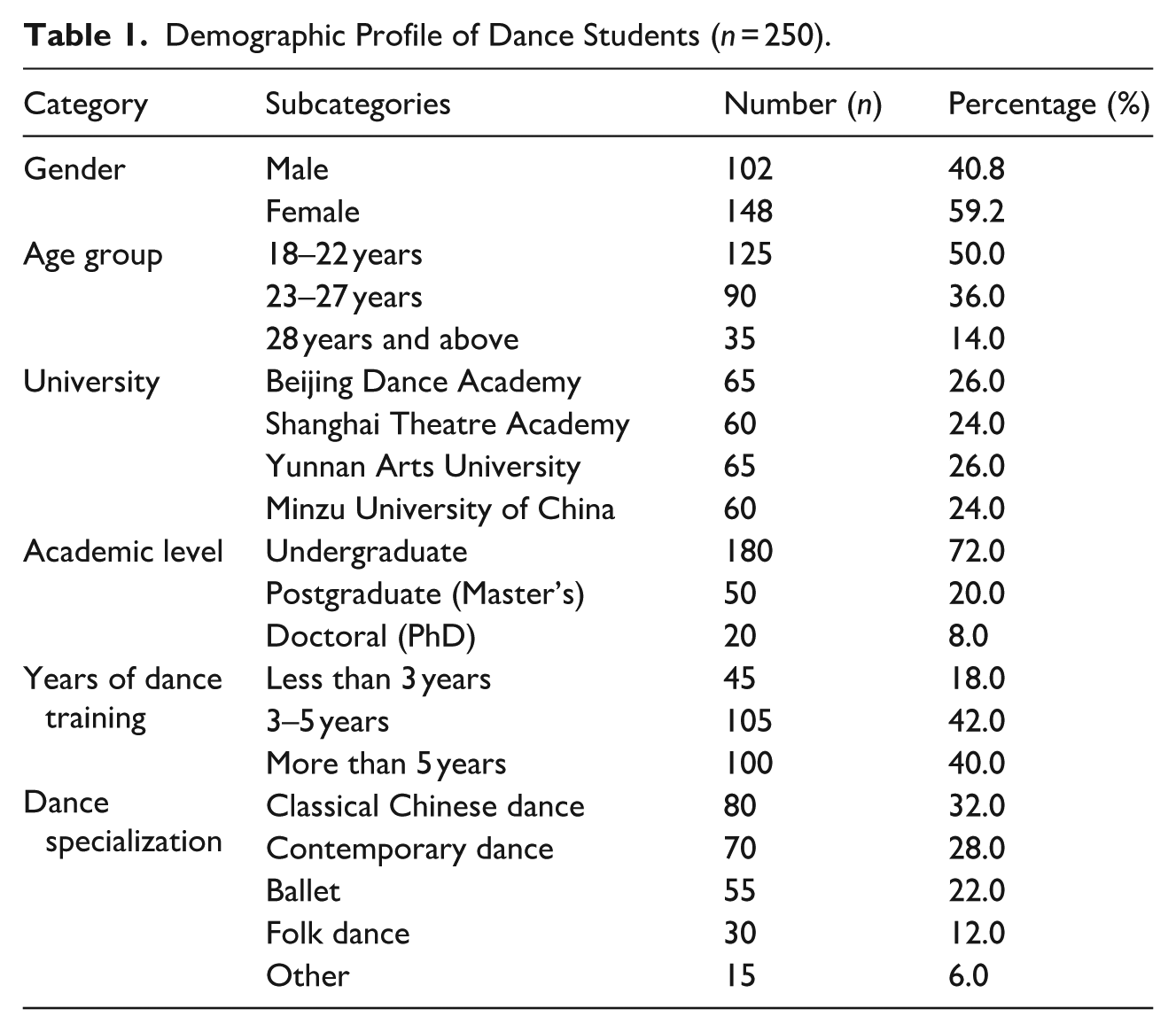
Regarding the Academic Level of the participants, 72.0% were Undergraduate, 20.0% were Postgraduate (Master’s), and 8.0% were Doctoral (PhD). Based on the Years of Dance Training of the students, 18.0% had Less than 3 years, 42.0% had 3 to 5 years, and 40.0% had More than 5 years. According to the Dance Specialization, 32.0% Classical Chinese Dance, 28.0% Contemporary Dance, 22.0% Ballet, 12.0% Folk Dance, and 6.0% Other.
Table 2 shows the demographic information of the dance instructors. According to gender, 42.0% are male and 58.0% are female. Based on age group: 40.0% were aged between 25 and 35 years, 35.0% were aged between 36 and 45 years, and 25.0% were aged 46 years and above. As per the University of the Instructors, 25.0% were from Beijing Dance Academy, 22.0% were from Shanghai Theatre Academy, 25.0% were from Yunnan Arts University, 20.0% were from Minzu University of China, and 8.0% were from the Independent Dance Studio.
Demographic Profile of Dance Instructors (n = 100).
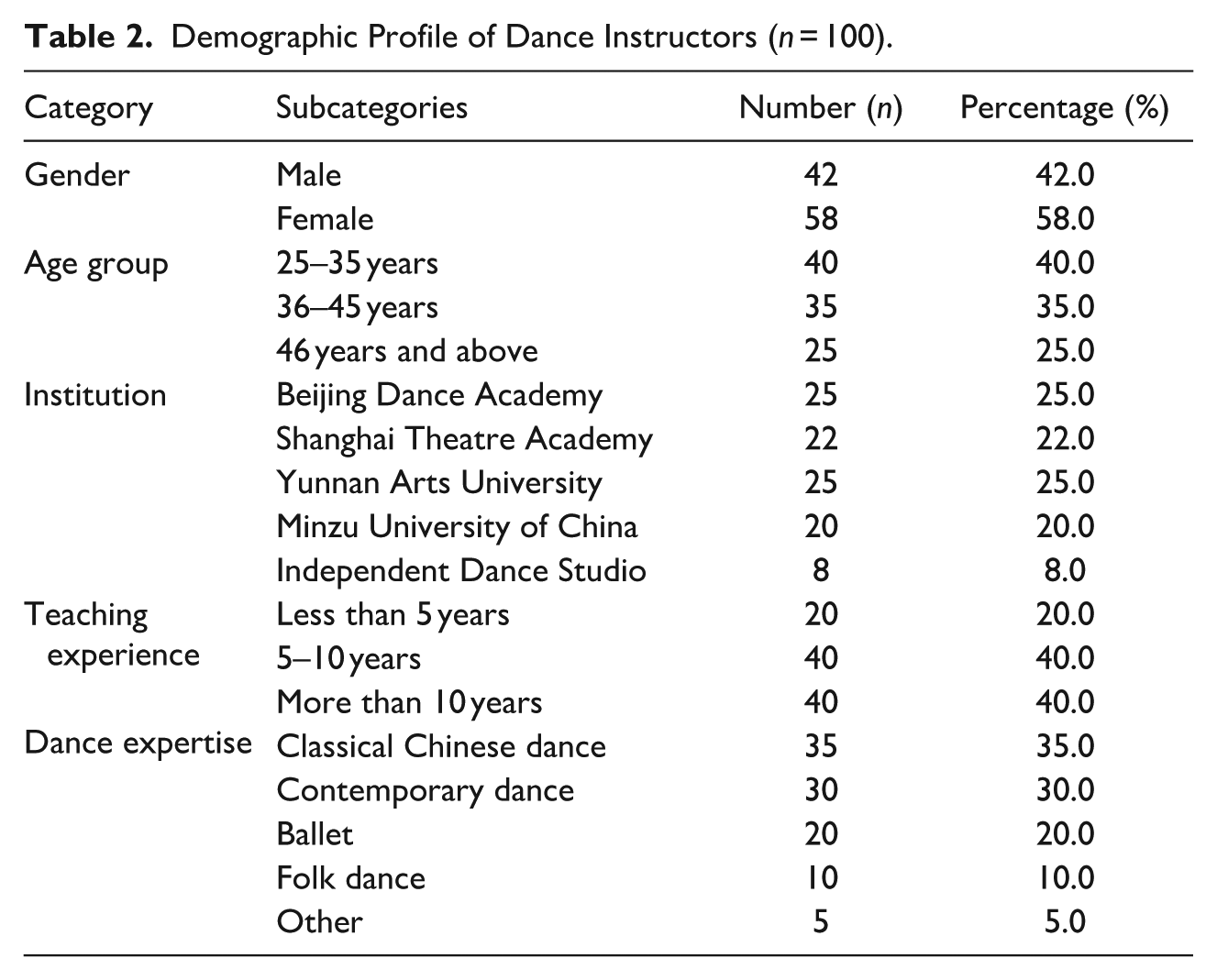
Regarding the Teaching Experience of the participants, 20.0% had Less than 5 years of experience, 40.0% had 5 to 10 years of experience, and 40.0% had More than 10 years of experience. According to the Dance Expertise, 35.0% Classical Chinese Dance, 30.0% Contemporary Dance, 20.0% Ballet, 10.0% Folk Dance, and 5.0% Other.
Data Collection Methods
For this study survey and interview methods were utilized to gather insight from the participants. Following sections elaborates the each method of data collection used in this investigation.
Quantitative Data Collection
Four most prominent universities in China were selected for this study: Beijing Dance Academy, Shanghai Theatre Academy, Yunnan Arts University, and Minzu University of China. Participants were identified using official university documents and approached through institutional emails and announcements posted on student bulletin boards. University staff helped to reach students for the study, so voluntary participation could be ensured. Quantitative data was gathered through a systematic questionnaire to measure students’ views on the advantages of studying dance. The questionnaire consists of two broad sections (refer Appendix Table A1): demographic questions and research questions covering the benefits of health, career prospects, and cultural exchange. Before the main data collection phase, a pilot testing phase was conducted to assess the questionnaire’s clarity, comprehensibility, and functionality. During the pilot testing phase, a small sample of 15 participant. They were asked to complete the questionnaire and provide feedback on its clarity, relevance, and any technical issues encountered. This feedback was used to refine the questionnaire, ensuring that it effectively captured the intended variables and constructs. In addition, the pilot testing phase allowed for the identification and rectification of any ambiguities or errors in the questionnaire. 302 questionnaires were distributed among the targeted students from the four institutions. Data collection took 3 days, and participants were informed clearly about the study’s aim and the significance of providing genuine answers. En of the data collection day 286 questionnaires were returned. On screening, 250 responses were validated after excluding incomplete or inconsistent answers. The collected data was then processed using SPSS to ensure accuracy in extracting patterns and trends within student opinions.
Qualitative Data Collection
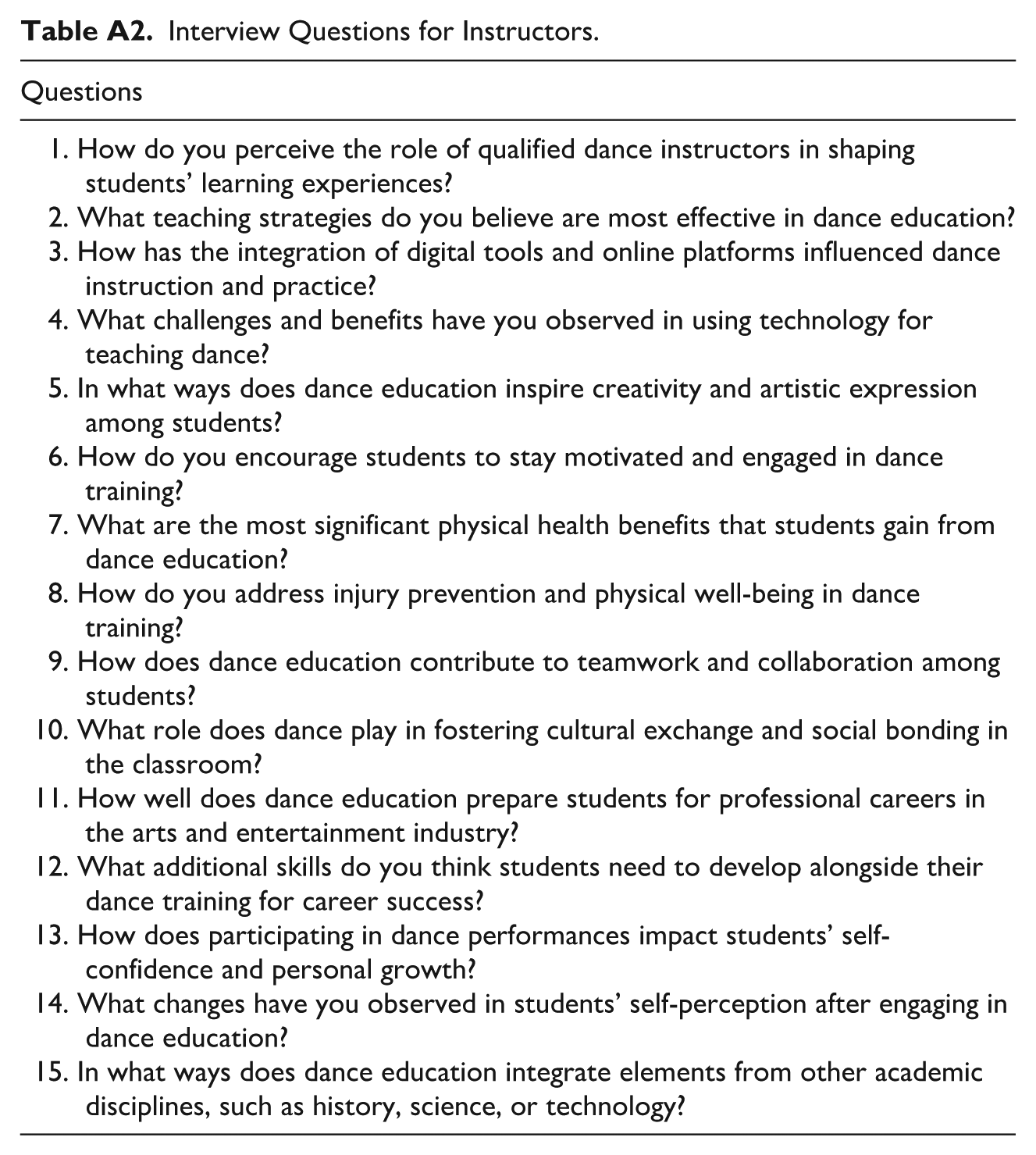
For the qualitative part, a purposive sampling method was employed to select instructors with appropriate experience in dance education from the four universities. Information about the instructors was accessed from their institutions. Emails and phone calls were used to invite them, informing them of the purpose of the research and inviting them to participate voluntarily. Interviews were arranged according to the availability and preference of the instructors. Semi-structured interviews were taken from 100 dance teachers recruited using purposive sampling. Interviews were taken in 1 week using online video conferencing, as per the preference and availability of the participants. Interviews were each 25 to 45 min long and in Chinese to facilitate clarity and ease for the participants. The interview guide included open-ended questions (refer Appendix table A2) probing instructors’ perceptions of the role of dance education in students’ personal and professional development. In advance of interviews, permission to audio record was sought to allow for ethical fulfilment and precise transcribing of the data. Interview recordings were afterward transcribed and analyzed thematically to identify relevant findings on Chinese higher education institution dance education.
Variables and Measures
This study explores the role of dance education in fostering creativity, career development, physical well-being, and social interaction among students. Table 3, presented below, effectively organizes the variable coding, measures, and items, ensuring clarity in data measurement and analysis. The variables in this research are classified into independent and dependent variables. Dance education, enhancement of teaching staff, and incorporation of technology serve as independent variables, as they influence various aspects of student development. The dependent variables include creativity and motivation, physical health, social interaction and community building, career development, self-esteem, multidisciplinary learning, and holistic growth, as they reflect the outcomes of dance education. Previous studies provide references for these classifications, such as Andronicus (2020), which considers career development as a dependent variable, and Ibigbami et al. (2023), which identifies self-esteem as an essential dependent factor. Similarly, the role of dance education as an independent variable is supported by Gülcan and Güven (2023), while the incorporation of technology as a driving force in dance education is highlighted in Jawabreh et al. (2023).
Variable Measures and Coding.
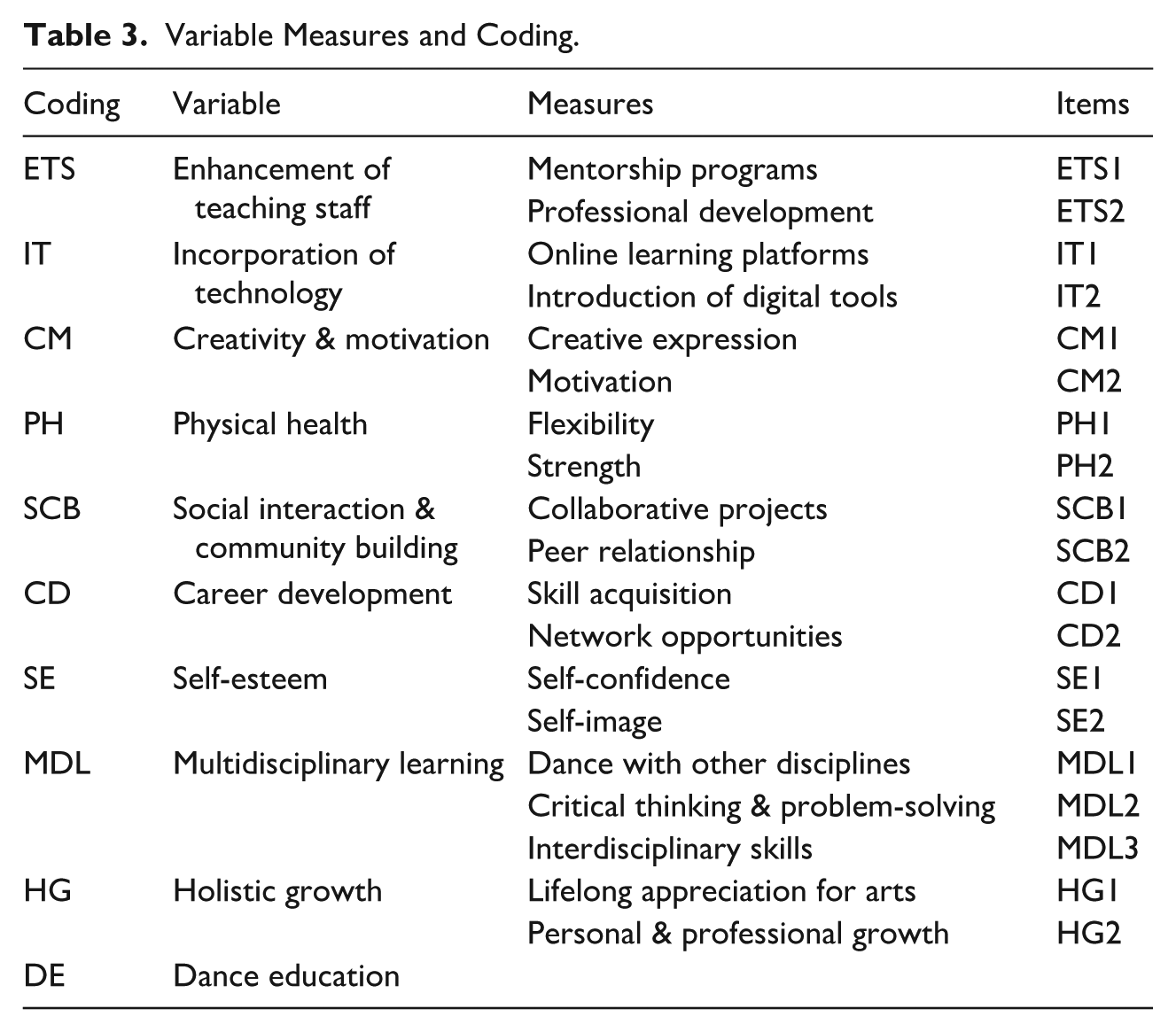
To quantitatively measure these variables, the study employs a five-point Likert scale, ranging from 1 (Strongly Disagree) to 5 (Strongly Agree). This approach ensures a structured and measurable assessment of participants’ perspectives on dance education and its impact. Table 3 presents a detailed variable coding system, outlining measures and specific items corresponding to each variable. The measures cover key dimensions such as mentorship programs and professional development for teaching staff enhancement, online learning platforms and digital tools for technology incorporation, and aspects like creative expression, motivation, flexibility, collaboration, skill acquisition, and personal growth for the dependent variables.
The hypotheses in this study are structured to examine how dance education contributes to student development across multiple dimensions. It is hypothesized that dance education enhances creativity and motivation, improves physical health, fosters social interaction and community building, and positively influences career development. Additionally, the study assumes that well-structured teaching staff development programs enhance dance education quality, while technological advancements in dance education broaden learning experiences and artistic expression. Furthermore, engagement in dance education is expected to boost self-esteem, encourage multidisciplinary learning, and promote holistic personal and professional growth. These hypotheses provide a comprehensive framework to evaluate the impact of dance education within higher education institutions.
Data Analysis
The quantitative data collected was analyzed through SPSS using descriptive and inferential statistical methods to determine trends, relationships, and meaningful findings concerning the advantages of dance education. Frequencies, means, and standard deviations were used in the analysis to give a clear picture of the students’ perceptions.
For qualitative data, thematic analysis was utilized to establish repeating patterns and themes in the instructors’ answers via Nvio. The interview transcriptions were coded, and occurring themes were sorted to ensure an organized interpretation of educators’ opinions regarding the place of dance education in the development of health, career, and cultural exchange. This use of statistical analysis in conjunction with thematic interpretation ensured a balanced assessment of the research questions.
Results
Thematic Analysis
Table 4 shows the result of thematic analysis. The most recurring theme is the effectiveness of dance education, with 85 teachers highlighting its contribution to student learning, creativity, and discipline. Physical health benefits were the most highly rated, with 91 teachers mentioning dance as a means of enhancing fitness, flexibility, and well-being. In the same manner, social interaction and community building was a major theme, with 88 teachers highlighting how dance promotes teamwork, communication, and cultural exchange.
Thematic Analysis Result.
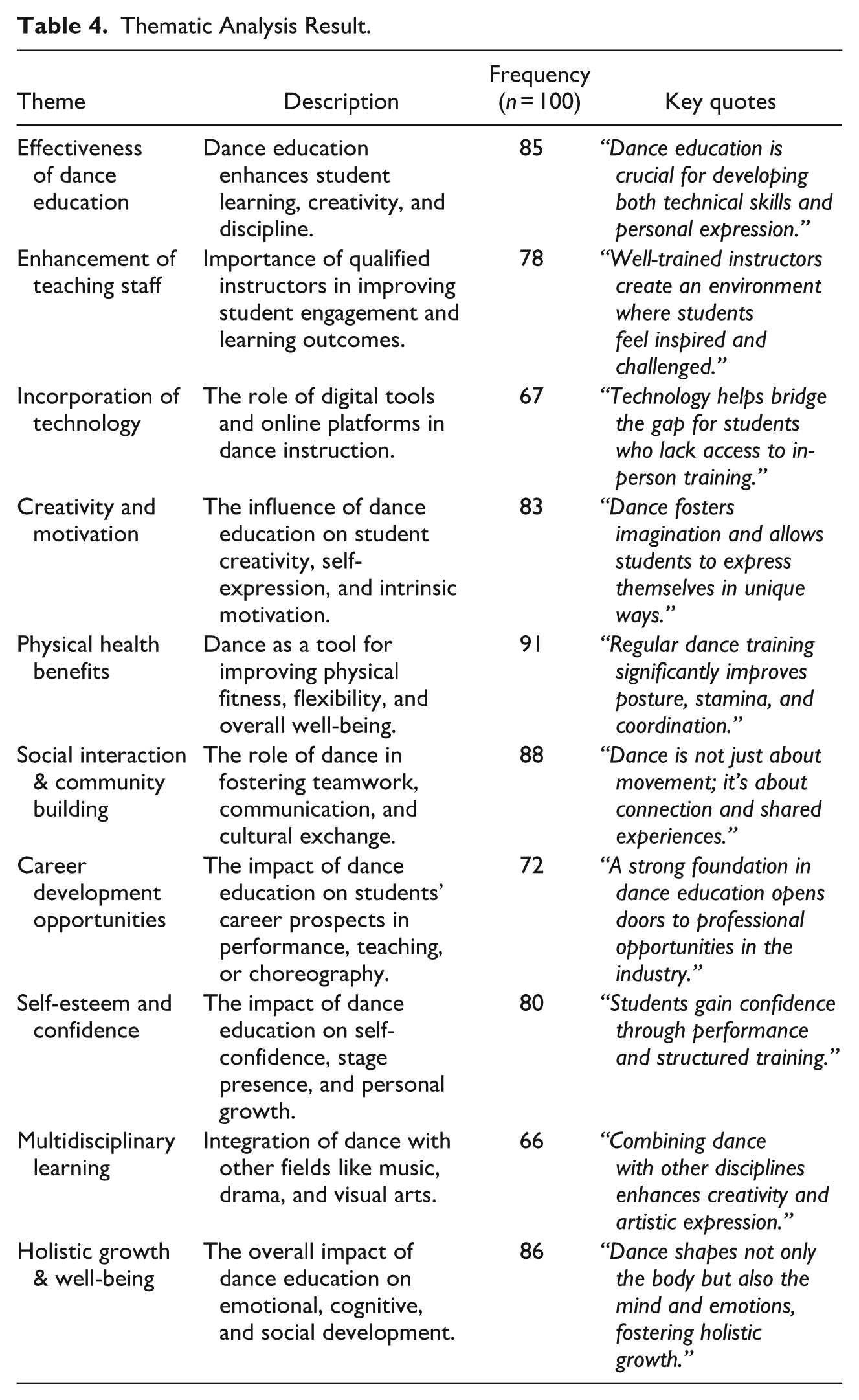
Another essential theme is the development of teaching personnel, where 78 teachers emphasized the importance of highly trained teachers to enhance student motivation and learning. The use of technology in dance education was noted by 67 teachers, highlighting its potential to close accessibility gaps and update pedagogy. Creativity and motivation were noted by 83 teachers, highlighting dance’s potential to foster self-expression. Moreover, career development prospects (72 references), building self-esteem and confidence (80 references), and learning across disciplines (66 references) indicate dance education’s wider impact. Finally, overall growth and well-being, with 86 references, highlights the all-around development dance education provides, influencing students emotionally, intellectually, and socially. This discussion confirms the diverse advantages of dance education in promoting personal and professional development.
Descriptive Statistical Analysis
In this study, descriptive statistical analysis is conducted to assess the distribution of responses related to various aspects of dance education. Table 5 presents the descriptive statistics of key measures, including minimum, maximum, mean, and standard deviation. These measures provide insights into the consistency and variability of participant responses regarding the effectiveness of dance education, enhancement of teaching staff, incorporation of technology, creativity and motivation, physical health, social interaction and community building, career development, self-esteem, multidisciplinary learning, and holistic growth.
Descriptive Statistics.
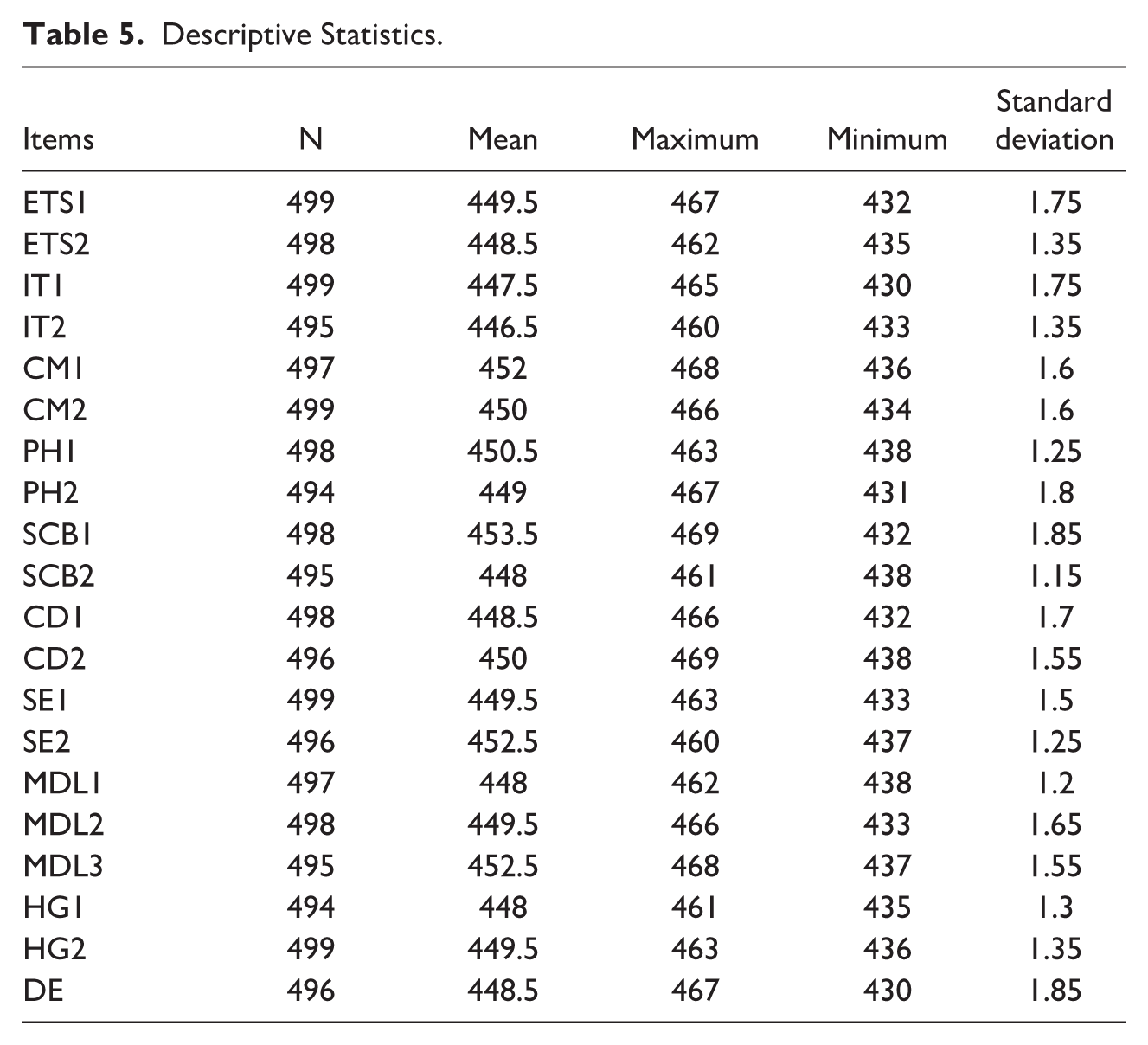
The mean values indicate overall trends in participant responses. Most measures fall within a close range, with mean values generally between 446.5 (IT2) and 453.5 (SCB1), suggesting a strong consensus on the importance of these factors in dance education. The highest mean score (453.5) for Social Interaction and Community Building (SCB1) highlights the perceived significance of community engagement in dance learning. Conversely, the lowest mean score (446.5) for Incorporation of Technology (IT2) suggests relatively lower agreement on its role in dance education. The standard deviation values reflect variability in responses. A lower standard deviation, such as 1.15 for Social Interaction and Community Building (SCB2) and 1.2 for Multidisciplinary Learning (MDL1), indicates more consistent participant perspectives. On the other hand, a higher standard deviation, such as 1.85 for Dance Education (DE) and 1.8 for Physical Health (PH2), suggests a wider range of opinions, implying that participants have diverse views on these aspects. The maximum and minimum values highlight the range of responses across different dimensions. For instance, the highest recorded value (469) appears in Career Development (CD2) and Social Interaction (SCB1), indicating strong positive perceptions in these areas. Meanwhile, the lowest recorded value (430) for Dance Education (DE) and Incorporation of Technology (IT1) suggests that some participants rated these aspects lower compared to others. Overall, these statistical insights provide a structured evaluation of the effectiveness of dance education across multiple dimensions. The consistency and variability in responses help identify areas where dance education is perceived as impactful and areas where perspectives are more diverse, contributing to a comprehensive understanding of its role in student development.
Confirmatory Factor Analysis
The results of the Confirmatory Factor Analysis (CFA) validate the measurement model used to assess the significance of dance education in Chinese universities. Table 6 presents key indicators such as factor loadings, Cronbach’s alpha factor (CAF), composite reliability (CR), and average variance extracted (AVE), which confirm the reliability and internal consistency of the constructs.
Confirmatory Factor Analysis Result.
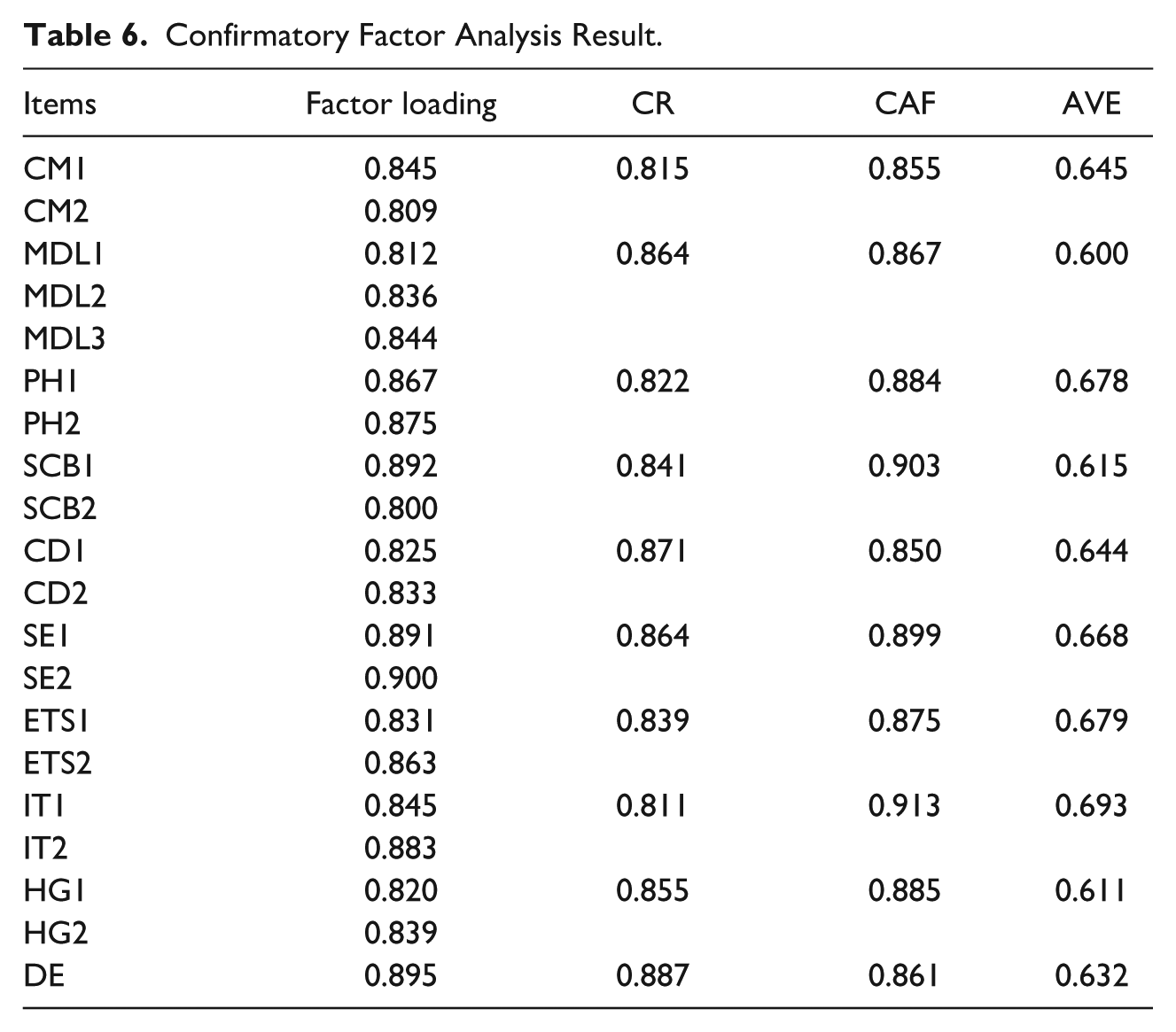
All factor loadings exceed the acceptable threshold of 0.7, indicating strong relationships between observed variables and their respective latent constructs. The CR values, ranging from 0.811 to 0.887, further demonstrate the model’s reliability. Similarly, AVE values, which measure the variance captured relative to measurement error, are above the minimum recommended level of 0.5, supporting the model’s convergent validity.
Figure 2 illustrates the results of the CFA, a statistical technique utilized to assess the validity of a measurement model by examining the relationship between observed variables and their underlying latent constructs. In this, the CFA explains the structural relationships among the various dimensions of the framework, providing insights into the validity and reliability of the measured constructs
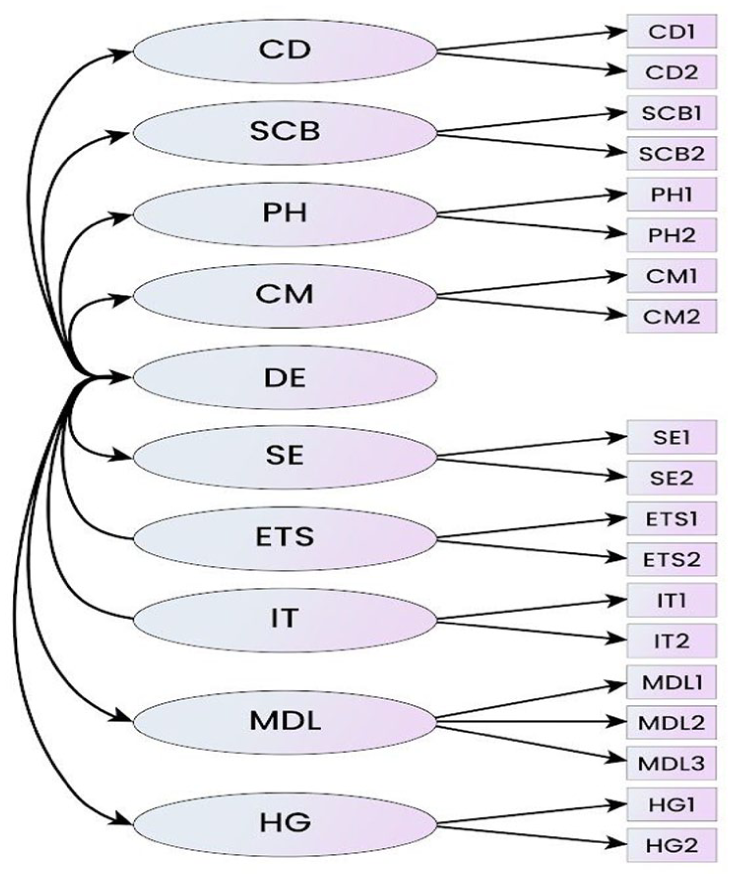
Confirmatory factor analysis.
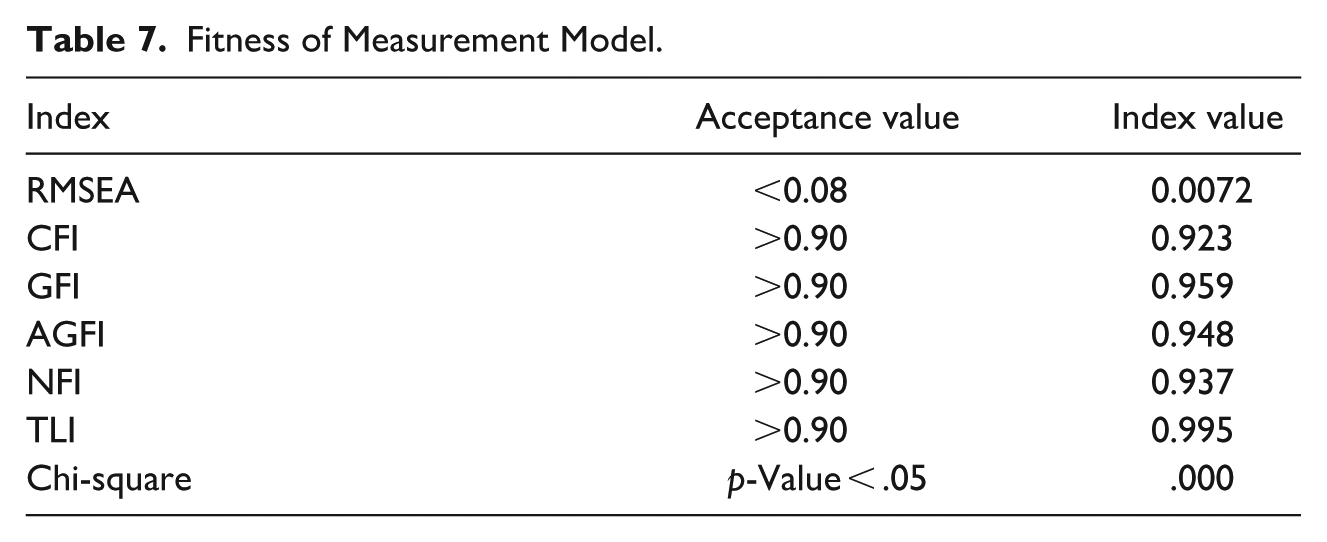
Additionally, Table 7 outlines the fitness indices of the model, all of which fall within the acceptable range. The RMSEA value of 0.0072 indicates a close model fit, while CFI, GFI, AGFI, NFI, and TLI values above 0.90 confirm a strong model fit. The significant chi-square value (p < .05) also supports the model’s validity. Overall, these findings confirm that the measurement model effectively captures the structural relationships within dance education, providing a reliable foundation for further hypothesis testing and structural equation modeling.
Fitness of Measurement Model.
Hypothesis Testing
This section presents the hypothesis testing results, examining the relationships between various dimensions of dance education and their impact on student and teacher experiences in Chinese universities. Structural Equation Modeling (SEM) was employed to test these relationships, as it enables the simultaneous analysis of direct and indirect effects between latent constructs.
Figure 3 illustrates the SEM path diagram, offering a graphical representation of the hypothesized relationships among latent constructs and observed variables within the conceptual framework. This provides a detailed overview of how the variables interact and influence one another within the model. This graphical representation helps in understanding the theoretical foundation of the study and facilitates the interpretation of the SEM results.
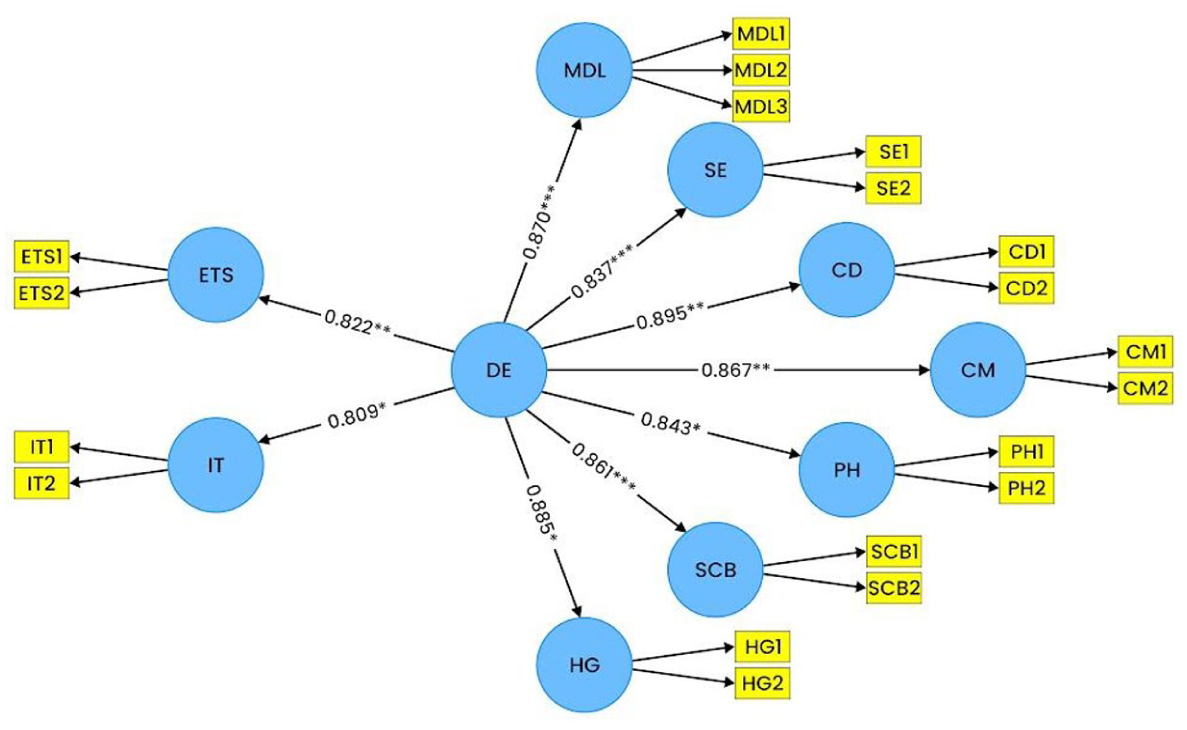
SEM path diagram.
The hypothesis testing results, summarized in Table 8, highlight the significant impact of dance education on various aspects of student and teacher experiences in Chinese universities. The findings indicate that dance education strongly enhances creativity and motivation (β = .867, p < .01), demonstrating its ability to inspire students and encourage artistic expression. Similarly, physical health (β = .843, p < .05) benefits significantly from dance education, underscoring its role in promoting an active and healthy lifestyle. Additionally, social interaction and community building (β = .861, p < .001) is positively influenced, suggesting that dance education fosters interpersonal connections and collaboration among students.
Hypothesis Testing.
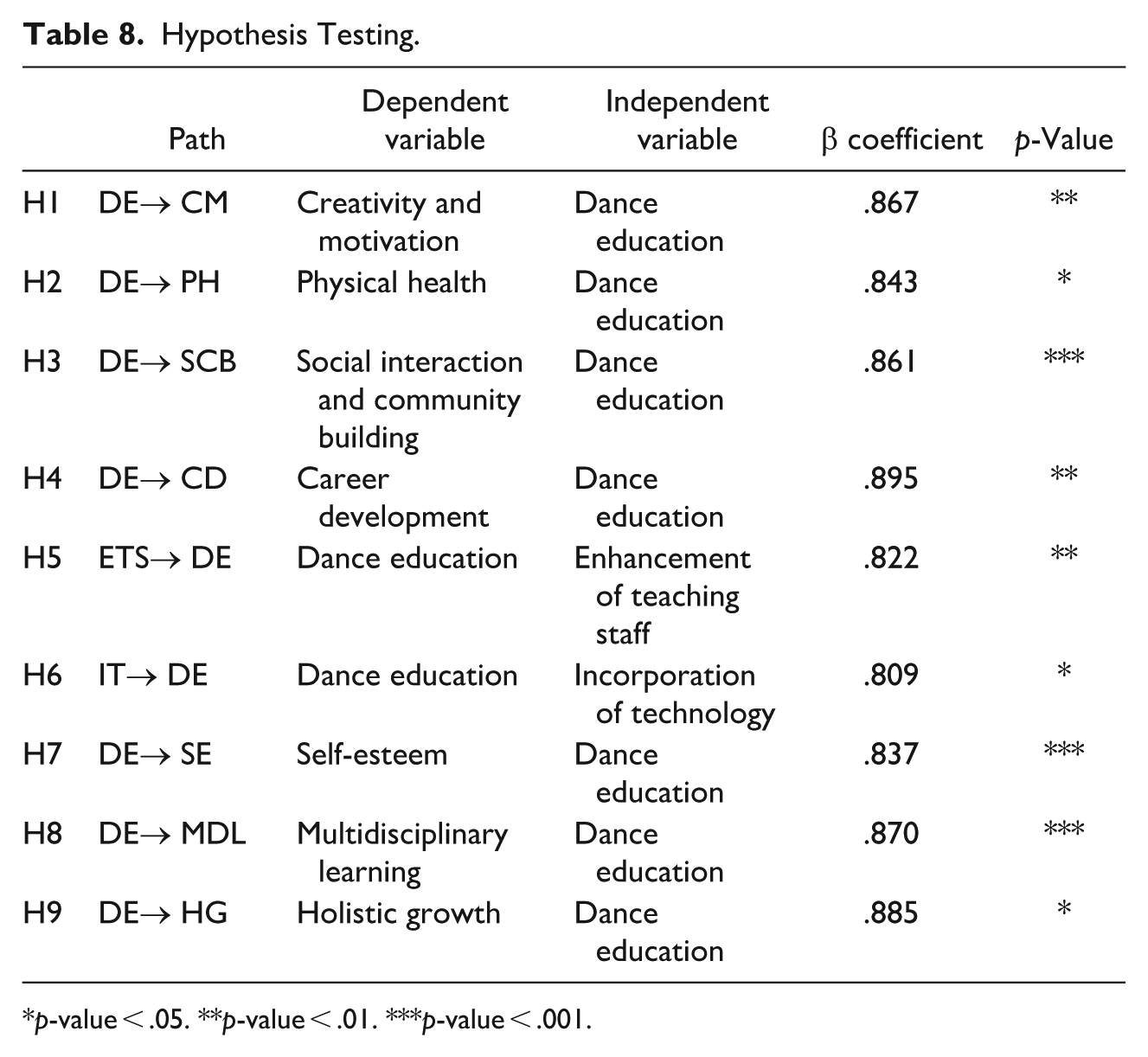
p-value < .05. **p-value < .01. ***p-value < .001.
Beyond individual benefits, dance education also contributes to career development (β = .895, p < .01), preparing students for professional opportunities in creative fields. Furthermore, self-esteem (β = .837, p < .001) and multidisciplinary learning (β = .870, p < .001) are significantly enhanced, reflecting the confidence-building and interdisciplinary benefits of dance education. Holistic growth (β = .885, p < .05) is another crucial outcome, reinforcing the role of dance in overall personal development. Additionally, enhancement of teaching staff (β = .822, p < .01) and incorporation of technology (β = .809, p < .05) emerged as key predictors of dance education’s effectiveness. These results collectively emphasize the transformative impact of dance education in shaping well-rounded, skilled, and confident individuals.
Figure 4 presents the assessment of students’ skills across various domains influenced by dance education. The results indicate that the highest percentage of students rated self-esteem (9.80%) as outstanding, emphasizing its strong development through dance education. Holistic growth (91.50%) had the highest percentage in the “good” category, demonstrating its broad impact on student development. For career development (93.46%), the majority of students rated their skills as “good,” while physical health (6.21%) had the highest rating in the “average” category. Notably, multidisciplinary learning (1%) had the lowest “poor” rating, suggesting its effective integration within dance education. These findings reinforce the positive impact of dance education on student development, particularly in areas like self-esteem, career preparation, and community building. The diverse rating patterns highlight how dance education fosters holistic learning, supporting students’ personal and professional growth.
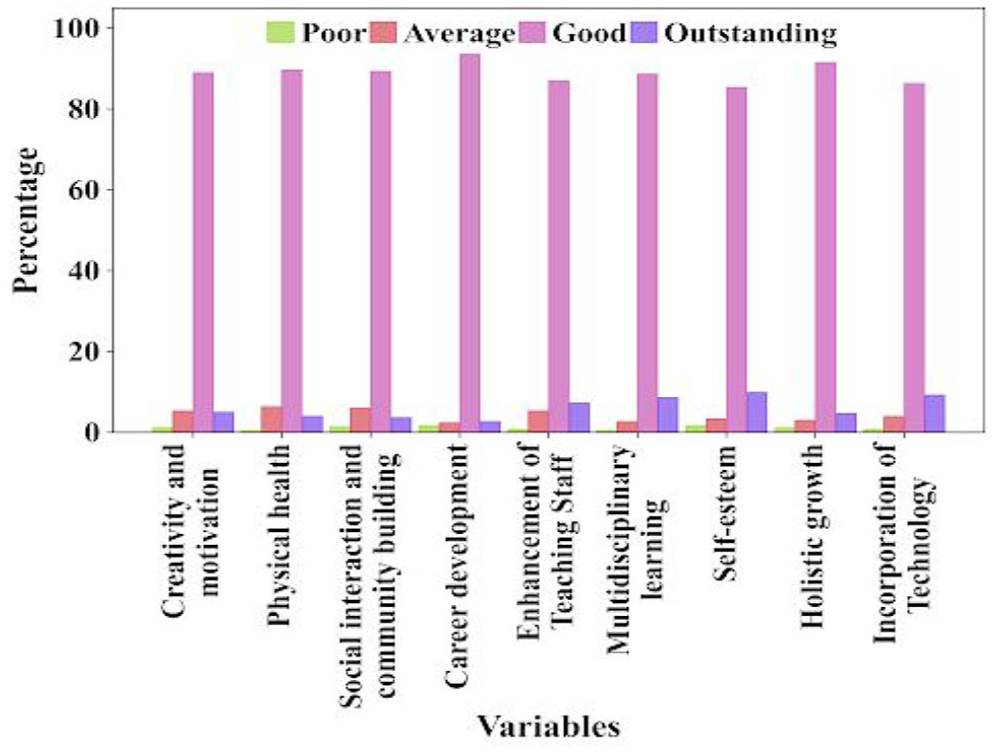
Assessment of student skills in various variables.
Discussion
Dance training in China has become an integral part of higher education, providing students with an interesting combination of artistic expression, physical training, and cultural involvement. While incorporating dance courses into university curricula, the institutions make not only students’ creative and physical development better but also their general study and professional success. The interdisciplinary character of dance education encourages creativity, increases motivation, and develops cognitive flexibility, enabling students to participate in creative learning experiences. In addition, dance is a vehicle for social interaction and community building, enhancing interpersonal relationships and creating a sense of belonging among university students. The research would look into the development of cultural diversity and international consciousness through holistic dance education in Chinese universities, ensuring proficiency in various forms of dances and equipping students for effective performances on global stages. The results of this research corroborate that university students are stimulated and encouraged toward creativity through dance education programs (H1), in accordance with Qi and Ma (2025), who underline the esthetic as well as intellectual value of learning classical dance education in China. Additionally, Li and Chang (2023) concluded that dance majors’ creative self-efficacy has strong associations with augmented creativity, reaffirming that organized dance courses stimulate creativity and self-expression. Yet, Yu and Buck (2024) also warn that too much competition among higher education dance studies can at times stifle intrinsic motivation, prompting the balance between allowing creativity to flourish while not imposing too much pressure. For the effect of dance education on physical well-being (H2), Jochum et al. (2024) established that folk-dance programs at school enhanced physical and mental health in risky adolescents. In the same way, Tang (2024) also discovered that college students’ mental well-being was positively affected by sports modern dance. The present research is consistent with these findings, revealing that university dance education has a significant impact on the level of physical activity and the fitness of the students. Nonetheless, Britten et al. (2023) observed that long-term retention of dance as an exercise calls for continuous involvement tactics, emphasizing the necessity of support by institutions outside the university environment. The contribution of dance education to social interaction and the construction of community (H3) is supported by evidence that dance generates an atmosphere of collaborative learning (Yu & Buck, 2024). The findings from this study also affirm Hou (2025), who highlighted the blending of traditional and contemporary dance toward promoting cultural exchange and peer interaction. But while Zhao (2024) showed that VR-based dance courses promote peer collaboration, other researchers have contended that virtual spaces do not necessarily simulate the communal sense of belonging one experience in traditional dance education. The research also discovers that dance education supports career development (H4) and professional growth in the field of dance, which is consistent with Li and Chang (2023), who saw a direct link between dance education and innovative capacity in career progression. Yet, there are concerns over institutional support, as highlighted by Yu and Buck (2024), who observe that competitive forces in higher education may undermine comprehensive career development. Chen (2025) highlights the significance of faculty development (H5) and integration of technology (H6) by identifying that digital technologies improve student-teacher feedback and teaching quality. Also, Zhang and Wu (2025) investigated the ways in which incorporating software coding into dance education enhances artistic expression, in support of the findings of the current study regarding technology’s role in enhancing students’ creative boundaries. In addition, evidence that dance education increases self-esteem (H7) concurs with Jochum et al. (2024), who noted that folk-dance participation enhanced students’ self-confidence. Furthermore, the promotion of multidisciplinary learning by university dance programs (H8) is consistent with Hua et al. (2024), who established that project-based learning in Chinese traditional dance enhanced interdisciplinary skills. Lastly, the belief that dance education promotes lifelong artistic appreciation and integrated development (H9) is supported by Cao (2024), who showed how extracurricular dance learning, augmented by AI applications, supports students’ long-term engagement with the arts. In general, these results reinforce the multifaceted value of university dance education, complementing and building on previous research while identifying areas for future investigation, most notably in balancing competition, taking advantage of technology, and promoting long-term participation. While other research has touched on topics in dance education, including esthetic education (Qi & Ma, 2025) and how digital technologies shape instructional efficacy (Chen, 2025), the current study offers a broader examination through incorporating several facets—health, career development, cultural exchange, and multidisciplinary learning. In contrast to Yu and Buck’s (2024) study, which is generally focused on competition within tertiary dance studies, this study underscores the ways in which organized dance courses encourage creativity (H1) and increase motivation among students. The research also extends extant knowledge by looking at the large-scale implications of dance studies in developing students’ self-esteem (H7) and overall educational development (H8, H9), topics that have been somewhat neglected within the current literature. Furthermore, while Jochum et al. (2024) and Tang (2024) are interested in the psychological and physical wellbeing advantages of dance for teenagers and university students, respectively, the present study advances the discussion by taking into account the contribution of dance education toward the establishment of social networks and community participation (H3). This research highlights the intersection of technological development and dance education (H6), an area broached by Zhao (2024) when discussing VR-enhanced dance but not fully related to artistic innovation and student interest. In addition, this research diverges from Zhang and Wu’s (2025) investigation into incorporating software coding into dance in that it investigates the general pedagogical ramifications of technological incorporation in traditional university environments. Another important contribution is the argument in the study that continuous professional improvement (H5) and faculty development are indispensable for maintaining the quality of dance education, corresponding but going beyond earlier discussions regarding teaching methods (Hua et al., 2024). This study provides new understanding of the enduring influence of higher education dance on the career pathways of students (H4), situating dance education not only as a cultural or extracurricular interest but as integral to professional practice and lifelong appreciation of the arts.
Theoretical Implications
This research makes a contribution to dance education by providing a multidimensional examination of its effects on university students in China. It extends current theories of arts education by offering empirical evidence for the interconnection between dance training and cognitive, social, and emotional development. The results affirm the idea that dance education increases creativity and motivation and are in accord with wider theories of embodied cognition and experiential learning, which underscore the importance of movement in the acquisition of knowledge. The study also broadens theoretical debates around the convergence of career development and dance education. In establishing the relationship between dance training and career prospects, it offers an explanation on how art disciplines shape students’ career paths. Additionally, the research incorporates technological understandings into the pedagogy of dance, building upon previous studies on digital arts education. In highlighting dance education as key to cultural exchange, the research also supports theories of intercultural communication, noting how performing arts bridge cultures. These theoretical steps place dance education on the main stage as a key component of integrative university education, upholding its importance beyond artistic expression and calling for its wider integration into scholarly discourse.
Practical Implications
The results of this research provide significant implications for policymakers, educators, and institutions in their efforts to improve dance education in Chinese universities. By presenting the positive impact of dance education on students’ creativity, motivation, physical health, and social interaction, the research emphasizes that universities should invest in well-organized and thorough dance programs. Institutions may use these insights to craft curricula that bring together traditional and modern dance, providing students with varied artistic and cultural exposure. In addition, the research identifies the need for professional development for dance instructors and calls for ongoing training to increase teaching methods and learning outcomes. In terms of career, the research offers advice for universities to relate dance programs to industry needs, creating conditions for students to acquire professional skills in choreography, performance, and arts administration. Furthermore, the incorporation of technology in dance training, as highlighted in the research, promises the possibility of new teaching methods that can push artistic frontiers and reach a broader audience. Finally, as dance education contributes to facilitating the exchange of cultures, policymakers and institutions are able to utilize these findings to enhance global partnerships and student mobility schemes in support of China’s position in international arts studies.
Conclusion
This study examines the significance of dance education in Chinese universities, focusing on its impact on students’ physical and mental well-being, career development, and cultural exchange while also analyzing instructors’ perspectives on teaching methodologies, curriculum quality, and professional growth. By adopting a quantitative approach for students, the study assesses the influence of dance education on student motivation, creativity, self-esteem, social interaction, and career opportunities. The qualitative approach for instructors explores their insights on pedagogical strategies, curriculum advancements, and challenges in dance education. Dance education in Chinese universities not only improves students’ physical and mental health but also promotes social interactions and self-esteem through creativity and motivation. Teachers in Chinese universities play a vital role in enhancing Chinese dance culture by providing quality curriculum activities that help students develop their dance skills. The study also emphasizes the historical and socio cultural aspects of dance culture and its connection to students’ national identity. Through exposure to diverse dance forms and cultures, students gain a deeper understanding of different countries, fostering mutual understanding, and reducing xenophobia. The findings highlight that dance education enhances students’ physical health, fosters social connections, and builds self-confidence. It also plays a crucial role in preserving Chinese cultural heritage while exposing students to global dance forms, promoting intercultural understanding. Instructors emphasize the importance of structured training programs, continuous professional development, and the integration of technology in dance education to enrich student learning experiences.
Limitations
Despite the significant findings, there are limitations related to dance education preferences and the diverse range of dance forms and criteria associated with them. Firstly, the study does not delve into students’ selection of specific dance forms and the basic criteria they use for making those choices. Secondly, the study does not thoroughly explore how students’ health conditions may be related to their choice of dance forms. Lastly, while the study acknowledges the importance of strategies and advancements in dance education, it does not provide specific details or examples of these strategies and how they are applied to different dance forms. These limitations highlight the need for further research to investigate students’ preferences, the impact of health conditions on dance choices, and the implementation of effective strategies and advancements in dance education.
Future Scope
Future studies on dance education in universities will focus on various factors related to the quality of teachers’ curricula. These factors include ensuring clarity and organization in course materials, as well as the relevance of content within a supportive educational environment. The aim is to facilitate continuous improvement in students’ dance skills. Additionally, future studies will explore the assessment of student skills in dance education. This assessment will encompass holistic learning approaches, the influence of dance education on self-esteem and social interaction, and the impact on career opportunities and learning experiences. Artistic approaches will also be considered. Furthermore, future research will investigate strategies that provide students with opportunities for career development and skill enhancement. The goal is to identify effective approaches that support students in improving their dance skills and advancing their careers.
Footnotes
Appendix
Interview Questions for Instructors.
| Questions |
|---|
| 1. How do you perceive the role of qualified dance instructors in shaping students’ learning experiences? 2. What teaching strategies do you believe are most effective in dance education? 3. How has the integration of digital tools and online platforms influenced dance instruction and practice? 4. What challenges and benefits have you observed in using technology for teaching dance? 5. In what ways does dance education inspire creativity and artistic expression among students? 6. How do you encourage students to stay motivated and engaged in dance training? 7. What are the most significant physical health benefits that students gain from dance education? 8. How do you address injury prevention and physical well-being in dance training? 9. How does dance education contribute to teamwork and collaboration among students? 10. What role does dance play in fostering cultural exchange and social bonding in the classroom? 11. How well does dance education prepare students for professional careers in the arts and entertainment industry? 12. What additional skills do you think students need to develop alongside their dance training for career success? 13. How does participating in dance performances impact students’ self-confidence and personal growth? 14. What changes have you observed in students’ self-perception after engaging in dance education? 15. In what ways does dance education integrate elements from other academic disciplines, such as history, science, or technology? |
Author Contributions
Bo Tan: Study Conception and Design, Data Collection, Analysis, Revision and Interpretation of Results, and Manuscript Preparation.
Declaration of Conflicting Interests
The author declared no potential conflicts of interest with respect to the research, authorship, and/or publication of this article.
Funding
The author disclosed receipt of the following financial support for the research, authorship, and/or publication of this article: Xi’an Physical Education University Shaanxi Provincial University of Shaanxi Province Young Talent Research Launch Project: Cross-disciplinary Research and Creative Transformation of Traditional Chinese Sports and Dance.

Ethical Considerations
This article does not contain any studies with human participants. This article includes studies involving human or animal subjects conducted by the authors.
Consent to Participate
Informed consent was obtained from all individual participants included in the study.
Data Availability Statement
The data that support the findings of this study are available from the corresponding author upon reasonable request.