






Abstract
Introduction
Community-acquired pneumonia (CAP) is one of the world’s leading causes of morbidity and mortality. 1 CAP accounts for 1.2 million hospitalizations per year in the United States and also is the most significant cause of death among elderly patients in comparison to other infectious diseases. 2 In Vietnam, CAP accounts for 47% of lower respiratory tract infections with the annual estimated hospitalized incidence rate of 81/100 000 person-years. 3
Readmission following CAP is one of the clinically relevant outcome parameters of CAP according to the Infectious Diseases Society of America and American Thoracic Society (IDSA/ATS). 4 In the United States, it is estimated that about 18% of hospitalized patients are readmitted within 30 days of discharge. 2
There are many factors associated with short-term readmission following CAP described in prior studies including patient characteristics, comorbidities, adherence to guidelines based antibiotic therapy, and certain social factors.5–9 However, there was a limited number of studies evaluating the impacts of multidrug-resistant (MDR) infections on readmission outcome among CAP patients. Meanwhile, antimicrobial resistance is a major healthcare problem worldwide and also in Vietnam, given that a high prevalence of resistance to common antimicrobials is seen in both nosocomial and community-acquired infections.10–12
Because pneumonia hospital readmission is one of the factors associated with a rise in healthcare expenditure and medical resources,13,14 identifying patients who are at risk for readmissions is important to both healthcare professionals and policy makers.
Therefore, this study aimed to determine the following: (1) incidence of 30-day hospital readmission, (2) primary reason for readmission (pneumonia vs non-pneumonia related) and (3) patient specific risk factors associated with readmissions among hospitalized CAP patients.
Methods
Ethics approval was obtained from the Institutional Review Board of Nguyen Trai Hospital (Approval reference number: 1064/QĐ-BVNT; Date of approval: November 20, 2020). The procedures used in this study adhere to the tenets of the Declaration of Helsinki.
Study Design and Setting
A retrospective, cross-sectional study was conducted on adults 18 years of age or older, who were hospitalized with a CAP diagnosis between December 2018 and December 2019. This study was carried out at an 800-bed tertiary hospital at Ho Chi Minh City, Vietnam. The hospital currently has 23 wards and provides general healthcare services for approximately 1000 outpatients, 600 inpatients, and 200 emergency department visits per day.
Participants
All patients hospitalized with a primary diagnosis of CAP based on International Classification of Diseases, Tenth Revision (ICD-10) codes were included in the study if they were at least 18 years of age and hospitalized for a minimum of 5 days with a diagnosis of CAP (ICD-10 codes J12-J18) between December 2018 and December 2019.
We excluded patients who (i) were hospitalized ≥ 2 days during the prior 90 days; (ii) had unresolved or worsening symptoms of pneumonia at discharge; (iii) were transferred to another healthcare center; (iii) discharged themselves against medical advice; (iv) died in the hospital; (v) were known to have active pulmonary tuberculosis at the time of admission (ICD-10 codes A15-A16), and (vi) were diagnosed with HIV infection (ICD-10 codes B20-B24, R75, Z21).
We tracked the 30-day readmission information by screening medical records as each patient had a unique patient code for every admission at the hospital. If a patient was admitted to the hospital more than 1 time within 30 days after discharge, only the first readmission was considered as an index readmission.
Measurements
Eligible medical records were reviewed to extract data on patient demographics, microbiology and antibiotic resistance, antibiotic therapies and their appropriateness, and readmission information.
Clinical status and laboratory test results at the time of admission were collected to evaluate the severity of pneumonia using the CURB-65 score (score of 0 or 1: mild pneumonia; score of 2: moderate pneumonia; and score of 3 or above: severe pneumonia). 15 Comorbidity burden was assessed using the Charlson comorbidity index (CCI), 16 which assigns a weighted score to each comorbid condition depending on the risk associated with one-year mortality.
Information on microbiology and susceptibility tests was collected using samples from lower respiratory tract (sputum or bronchoalveolar lavage fluid) or blood samples which were acquired within 48 hours of hospital admissions. Gram staining, conventional bacterial culture, and antimicrobial susceptibility testing for typical bacteria were performed. Disk diffusion testing was used to determine the antimicrobial susceptibility of the isolated pathogens. Tests for the detection of atypical bacteria and viruses were not available at the hospital’s laboratory. A pathogen was considered to be MDR if it was resistant to at least 3 antimicrobial agents belonging to 3 different antimicrobial classes. 17
We assessed the appropriateness of the empiric antibiotic selection using the 2007 ATS/IDSA consensus guidelines 4 and hospital guidelines for CAP. The 2019 IDSA CAP guideline recommendations were not applied at the time of the study, as it takes time for new recommendations to be implemented into clinical practice.
Clinical instability at hospital discharge was defined using the 2007 IDSA/ATS criteria. 4 In brief, a patient with any of the following criteria within 24 hours before discharge was considered to be unstable: (i) temperature > 37.8°C, (ii) heart rate > 100 beats per min, (iii) systolic blood pressure < 90 mmHg, (iv) respiratory rate > 24 breaths per min, (v) oxygen saturation <90% or pO2 < 60 mmHg, (vi) abnormal mental status or (vii) inability to eat. For those whose arterial blood gas results were not available, oxygenation was considered to be unstable if the patients experienced dyspnea (at room air), required oxygen support within 24 hours prior to discharge or had a SpO2 value lower than 90%. 18
A hospital readmission was considered pneumonia-related if the patient had a primary diagnosis of pneumonia based on ICD-10 codes J12-J18. Patients were categorized as having a pneumonia-unrelated readmission if their primary diagnoses were different from pneumonia.
Statistical Methods
We compared the characteristics between patients who had all-cause hospital readmissions and those who did not. For these analyses, continuous variables were compared using a t-test (normally distributed data) or Mann–Whitney test (non-normally distributed data), and categorical variables were compared using a Chi-square test or Fisher’s exact test. Multivariable logistic regression analyses were performed to identify factors associated with all-cause readmissions. We included the following factors in the analyses (considering their potential association with hospital readmissions described in prior studies and based on clinical practice): (i) age; (ii) sex (male/female); (iii) CURB-65 score; (iv) CCI (v) MDR infection (yes/no); (vi) duration of antibiotic therapy; (vii) appropriate empiric antibiotic therapy (yes/no); (viii) number of clinical instabilities at discharge.
All analyses were performed using SPSS version 20.0 with the significance level of 5%.
Results
Between December 2018 and December 2019, there were 684 hospitalized CAP patients discharged alive. Of those, 49 had unresolved or worsening symptoms of pneumonia at discharge, 10 were transferred to another healthcare center, and 43 discharged themselves against medical advice. After excluding these patients, the final number of index hospital admissions for CAP was 582 (Figure 1).
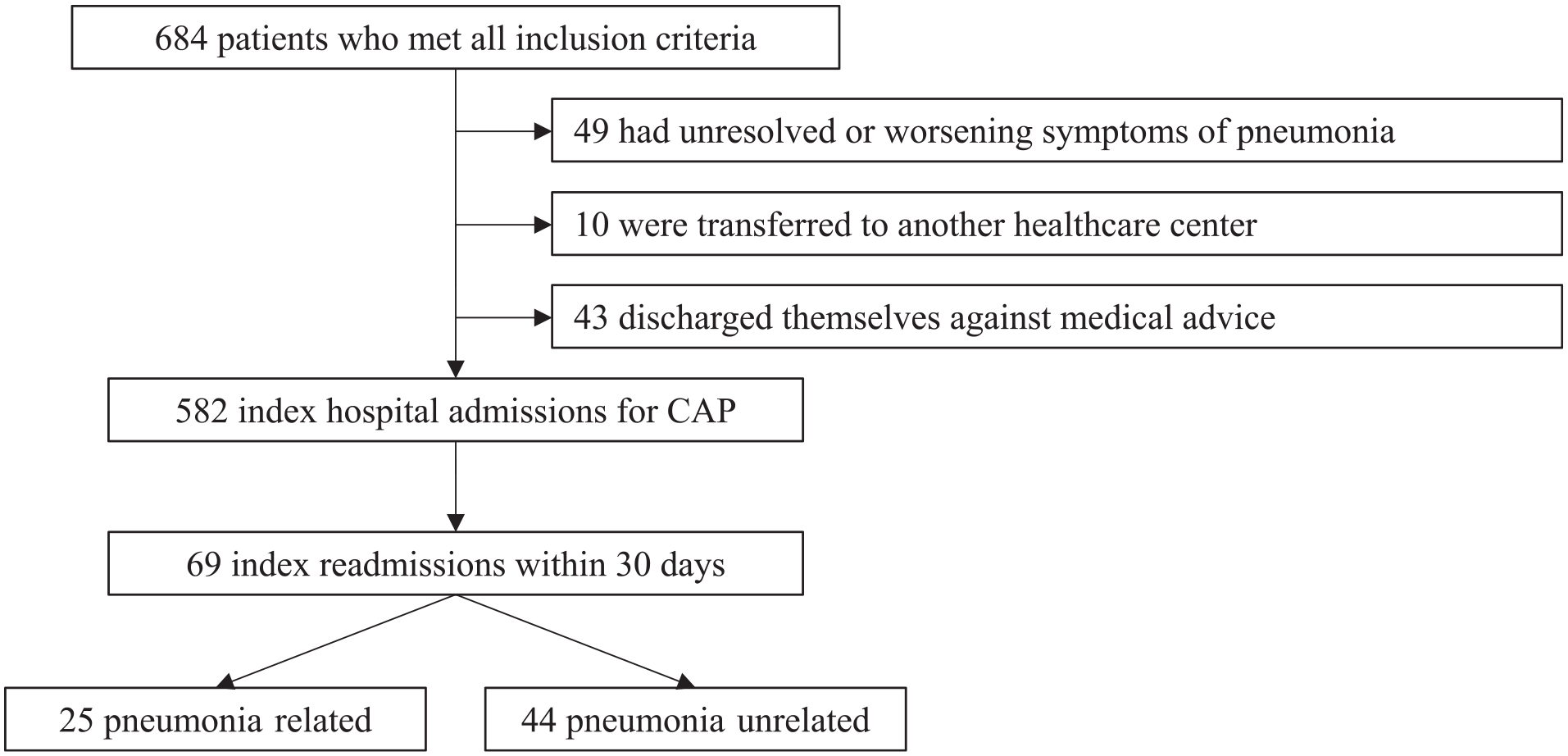
Short-term hospital readmission among community-acquired pneumonia inpatients.
Demographic and Clinical Characteristics of the Study Population
More than 3 quarters of the study population (76.1%) were over the age of 65 years. Females accounted for more than half of the study population (54.6%). CURB-65 score calculation was performed on 579 patients to determine the pneumonia severity, with more than half (62.2%) having mild pneumonia. The median CCI was 1 (1-2), with 74.1% of the patients having a CCI ≥ 1. Hypertension and coronary heart disease were the most frequent comorbidities observed in the study. Median duration of antibiotic therapy and length of hospital stay were 13 days and 14 days, respectively. There were 579 out of 582 patients treated with an empiric antibiotic therapy, the other 3 patients had delayed antibiotic treatment until the antimicrobial susceptibility testing results were available. Appropriate use of empiric antibiotic therapy was observed in 51.6% of the patients. There were 106 patients (18.2%) discharged with at least one clinical instability factor. Detailed information about characteristics of the study population is provided in Table 1.
Demographic and Clinical Characteristics of the Study Population (n = 582).
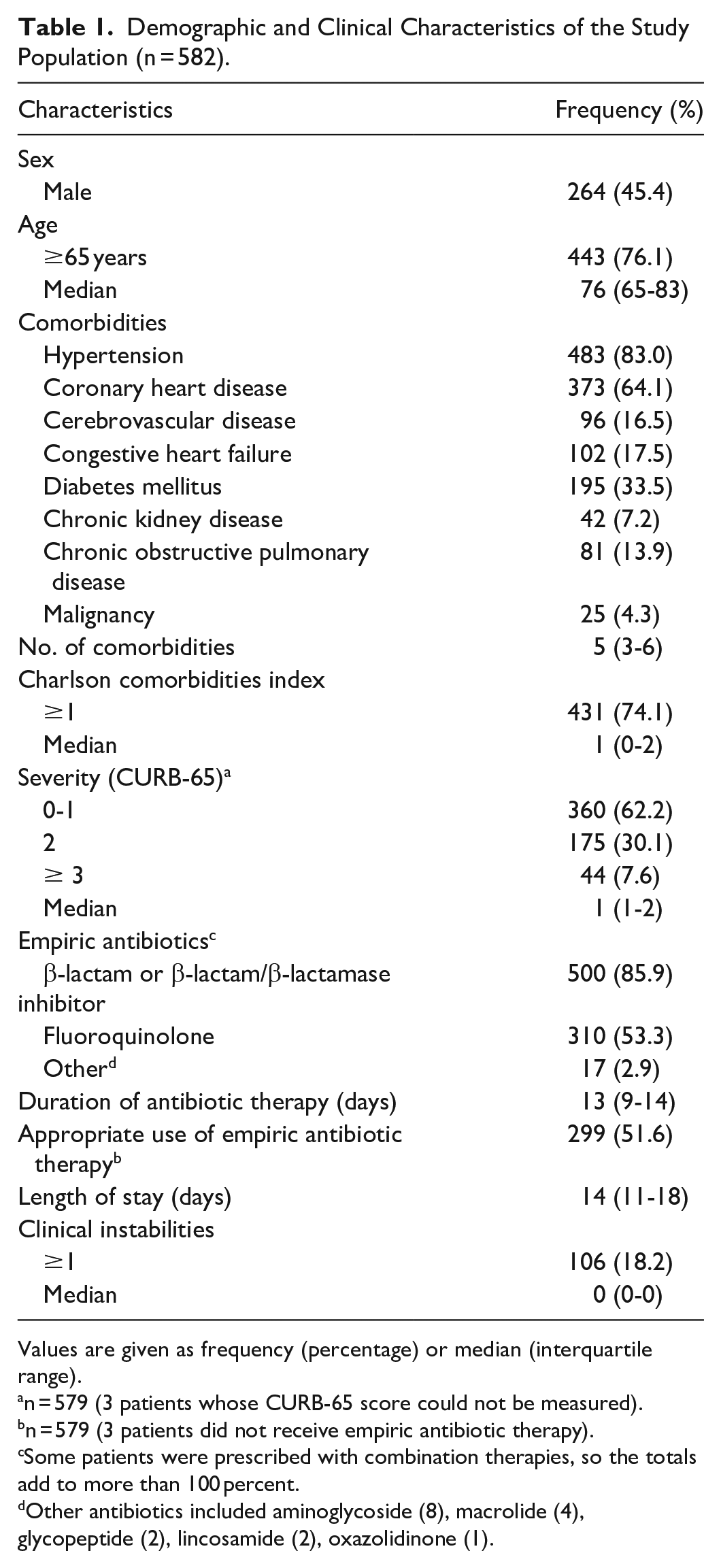
Values are given as frequency (percentage) or median (interquartile range).
n = 579 (3 patients whose CURB-65 score could not be measured).
n = 579 (3 patients did not receive empiric antibiotic therapy).
Some patients were prescribed with combination therapies, so the totals add to more than 100 percent.
Other antibiotics included aminoglycoside (8), macrolide (4), glycopeptide (2), lincosamide (2), oxazolidinone (1).
Characteristics of Pathogens Causing CAP
Among 582 patients hospitalized for CAP, bacterial culture identification was indicated in 301 patients within 48 hours of admission. There were 95 bacterial isolates, 41 (43.2%) of which were MDR bacteria (Table 2). The majority of bacteria strains identified in this study were Gram-negative bacteria, with Klebsiella pneumoniae being the most prevalent (35.8%). Staphylococcus aureus was the most commonly isolated Gram-positive pathogens (20.0%).
Characteristics of Isolated Pathogens Causing CAP.
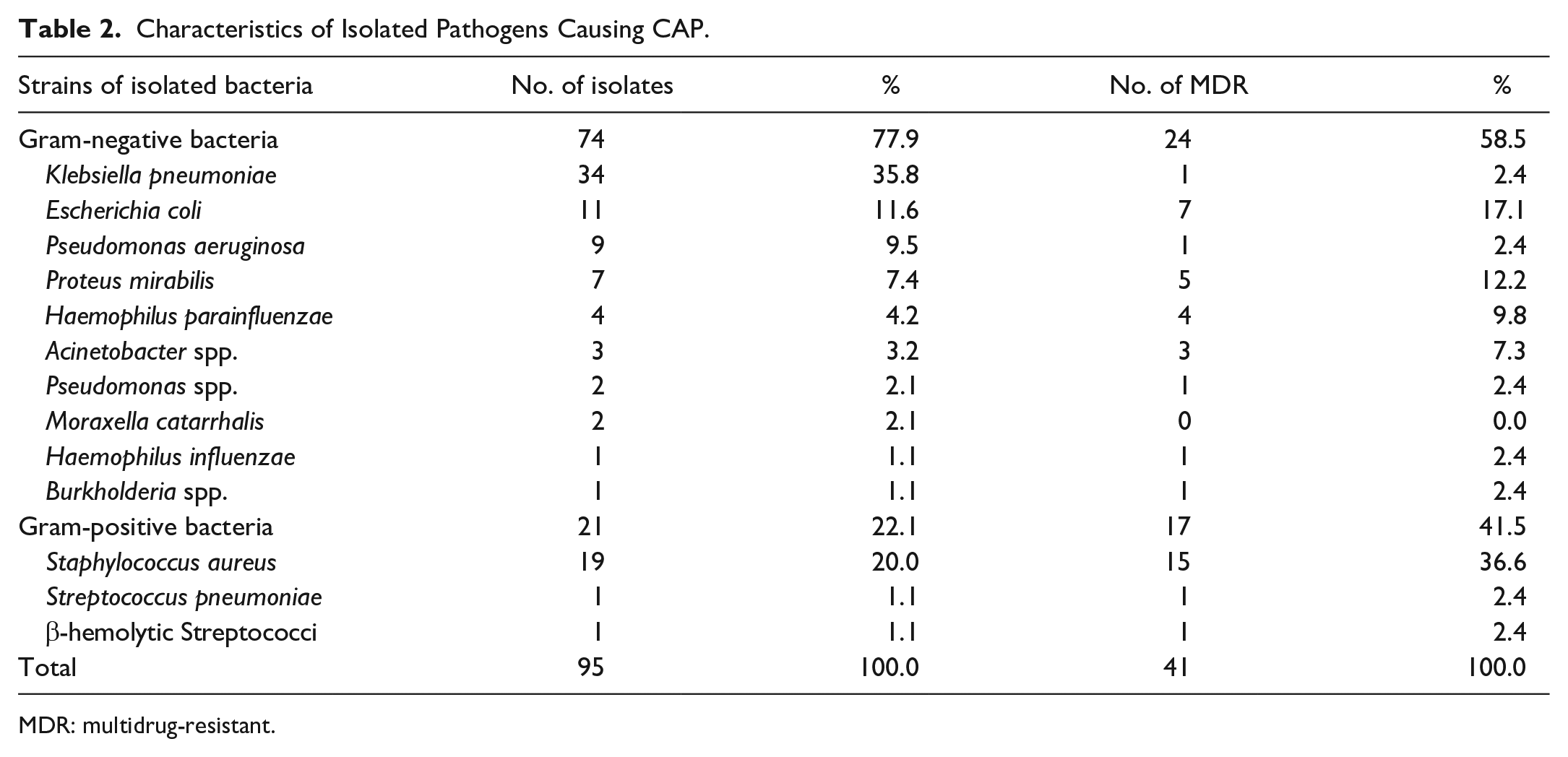
MDR: multidrug-resistant.
Reasons for Hospital Readmission
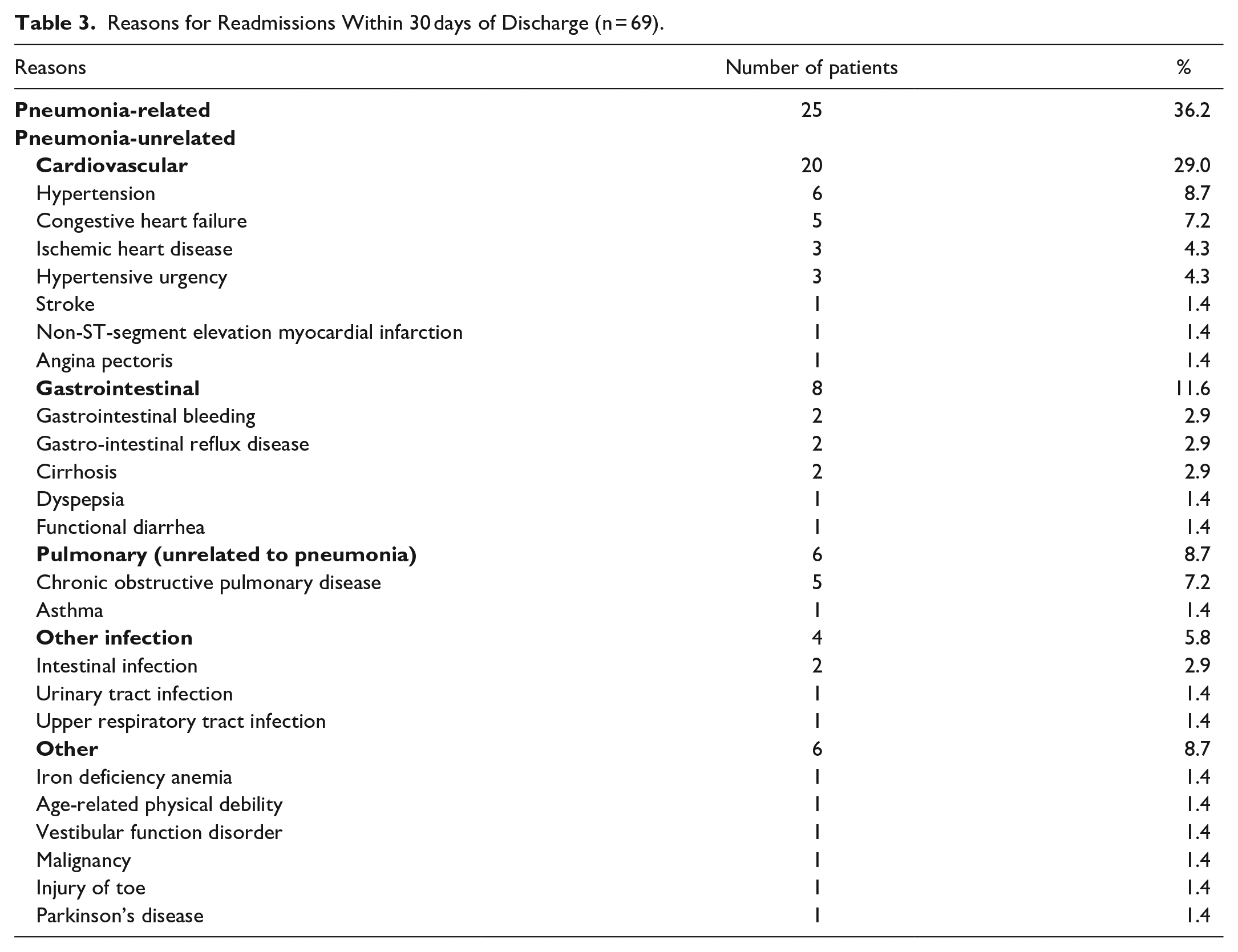
Sixty-nine out of 582 CAP patients (11.9%) were readmitted to the hospital within 30 days after discharge. The most significant cause of hospital readmission was pneumonia (36.2%), followed by cardiovascular causes (29.0%). Reasons for rehospitalizations were illustrated in Table 3.
Reasons for Readmissions Within 30 days of Discharge (n = 69).
Factors Associated With Hospital Readmission Within 30 days
A higher percentage of patients above the age of 65 years was observed in the 30-day readmission group compared to the non-readmisison group (82.6% vs 75.2%, P > .05). Patients who had readmission within 30 days had higher prevalence of comorbidities, specifically congestive heart failure (34.8% vs 15.2%, P < .001) and chronic kidney disease (18.8% vs 5.7%, P < .001). CCI was also higher in those with readmissions than those without (2 vs 1, P < .001). The percentage of MDR bacteria isolates was significantly higher in the readmission group (24.3% vs 11.4%, P = .037). Appropriate use of empiric antibiotic therapy was observed with a lower prevalence in readmitted than non-readmitted patients (34.8% vs 53.9%, P = .003). Characteristics of patients with and without 30-day readmission are shown in Table 4.
Characteristics of Patients With and Without 30-day Readmission.
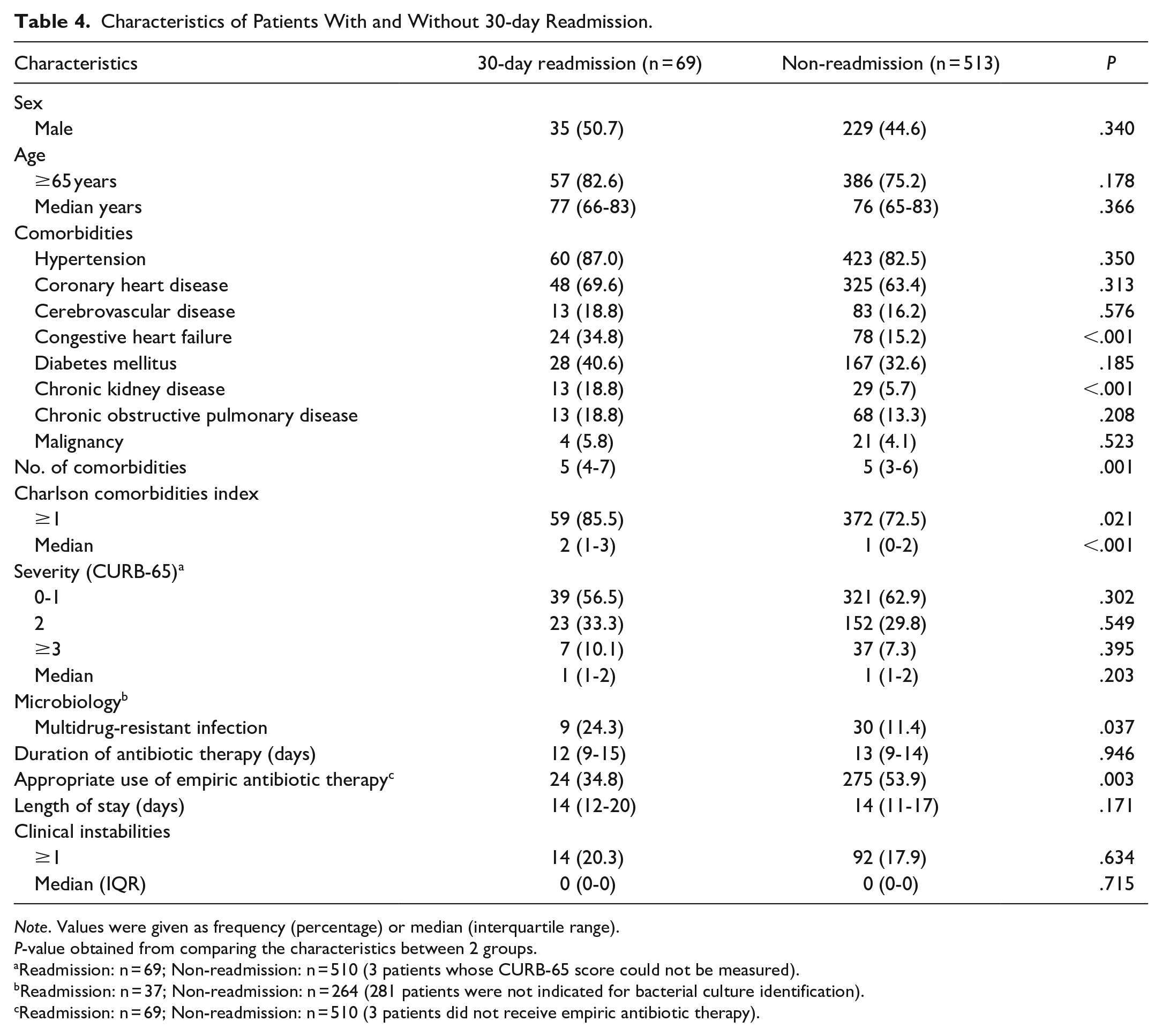
Note. Values were given as frequency (percentage) or median (interquartile range).
P-value obtained from comparing the characteristics between 2 groups.
Readmission: n = 69; Non-readmission: n = 510 (3 patients whose CURB-65 score could not be measured).
Readmission: n = 37; Non-readmission: n = 264 (281 patients were not indicated for bacterial culture identification).
Readmission: n = 69; Non-readmission: n = 510 (3 patients did not receive empiric antibiotic therapy).
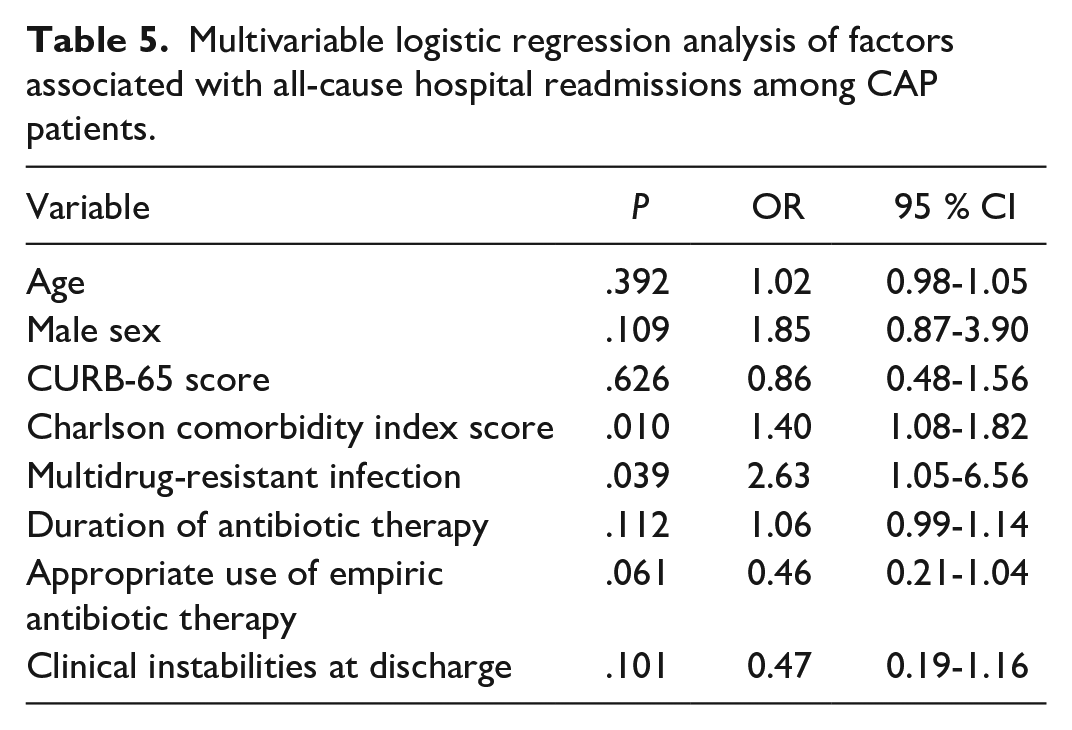
In the multivariable logistic regression analyses shown in Table 5, a high CCI (aOR, 1.40; 95% CI, 1.08-1.82) and MDR infection (aOR, 2.63; 95% CI 1.05-6.56) were associated with higher odds of all-cause readmissions.
Multivariable logistic regression analysis of factors associated with all-cause hospital readmissions among CAP patients.
Discussion
Overall, 582 CAP inpatients were included in this retrospective, cross-sectional study. Of which, 69 patients (11.9%) were readmitted within 30 days of discharge. The number of readmissions due to pneumonia-related causes were 25 (36.2%). Results from multivariable logistic regression analyses showed that a high CCI and infection caused by a MDR pathogen were associated with the increased likelihood of all-cause readmissions within 30 days among CAP patients.
Characteristics of Pathogens Causing CAP
Among the pathogens isolated, Klebsiella pneumonia (35.8%) and Staphylococcus aureus (20.0%) were the most common. Notably, major CAP pathogens such as Streptococcus pneumoniae, Haemophilus influenzae, and Moraxella catarrhalis accounted for a very small percentage (1.1%-2.1%). Some patients might have been exposed to antibiotics, or self-medicated with antibiotics in the outpatient settings prior to the index hospital admissions, 19 which decreased the detection rates of community-acquired bacteria such as Streptococcus pneumoniae and Haemophillus influenzae in culture-based tests.20–22 Moreover, the sputum culture method had low sensitivity to detect Streptococcus pneumoniae,3,23 while Staphylococcus aureus and aerobic Gram-negative bacteria were easier to be detected so their proportions might be considerably larger than the actual results. 24
Reasons for Admissions
The all-cause readmission rate following hospital treatment for CAP was 11.9%, in comparison to 7.3% to 15.5% in previous studies.6,25–29 The 30-day rehospitalization incidence from our study was more similar to those conducted on the elderly population (12.3%-15.5%)6,29 than those conducted on adults aged ≥ 18 years (7.3%-12%).25–28 Pneumonia-related readmission rate within 30 days of discharge was higher in our study (36.2%) compared to other studies (16.9%-35.8%).25,27–29 Most patients in our study had at least 1 underlying condition along with pneumonia, including chronic lung diseases, congestive heart failure, cerebrovascular diseases, or diabetes. These conditions have long been known as factors that could increase the risk of pneumonia.30,31
Factors Associated With Hospital Readmission Within 30 days
Our study confirmed the finding from prior studies that comorbidities were associated with readmission in CAP patients.6,32 In fact, the study population largely consisted of elderly patients who had at least 1 comorbidity, specifically cardiopulmonary diseases. People who had underlying chronic lung conditions such as chronic obstructive pulmonary diseases were also prone to recurrent CAP as they are usually colonized with Streptococcus pneumoniae and Haemophilus influenzae in the trachea and main stem bronchi. Along with the impaired cough and mucociliary clearance, these bacteria could easily cause pneumonia in the alveoli. 33 In addition, for elderly patients that had several comorbidities which were not adequately controlled during the index hospital admission, this could slow the recovery after a pneumonia or symptoms may continue to worsen after discharge and lead to unplanned readmissions.
In our study, the percentage of MDR bacteria among the isolates collected was considerably high (43.2% in total). As expected, the multivariable regression analysis showed that infection with a MDR organism was associated with rehospitalization within 30 days (aOR, 2.63; 95% CI, 1.05-6.56). Infection caused by antibiotic resistant bacteria has been proved to be an independent predictor of readmission following pneumonia in a study conducted by Andruska et al. 34 Results from the study by Jang and Ahn 27 also showed that patients who were readmitted to the hospital after the first treatment of CAP had a higher though not statistically significant incidence of infection caused by a MDR organism than their non-readmitted counterparts.
Adherence to empiric antibiotic regimens recommended in the treatment guidelines was associated with lower mortality rate, shorter length of stay in CAP patients in prior studies.5,35,36 In the study conducted by Nour et al., 5 nonadherence to guideline-based antibiotic treatment was associated with a higher risk of all-cause 30-day readmission. In our study, the overall adherence rate to empiric antibiotic recommendations was moderate (51.6%), and it was lower in patients who had 30-day hospital readmissions. Although we did not find that appropriateness of antibiotic selection was associated with 30-day readmission in the multivariable regression analyses, this is still an important consideration as overprescribing of antibiotics could increase the likelihood of recurrent infections caused by antibiotic resistant pathogens, 37 while antibiotic underprescribing might not resolve pneumonia and therefore leads to other adverse outcomes.38,39 Furthermore, most pathogens causing CAP could not be identified at the time of hospitalization especially in developing countries, where molecular methods such as polymerase chain reaction or urinary antigen test are not always available. With a low culture positivity rate in CAP, the choice of antibiotic treatment mostly depends on guideline-based recommendations. Our finding reassured the need to adhere to current guidelines to improve outcomes in CAP patients.
Our study did not find the association of other factors, namely age, sex, pneumonia severity, duration of antibiotic therapy, and clinical instabilities at discharge with hospital readmission, while prior studies showed opposite results.6,26,29,40,41 The most significant differences of these studies from ours were (i) their outcome of interest was 60-day readmission 41 ; (ii) their study design was a prospective study, 26 and (iii) their study samples had different baseline characteristics with respect to sex and age.6,29,40
Strengths and Limitations
There are several limitations of this study that must be noted. Firstly, this study was conducted at a single center, so the results may not be generalized to other institutions in different countries. Secondly, the study design was retrospective and data were collected by reviewing medical records. Therefore, some data would be unavoidably missing and bias could have occurred. For example, arterial blood gas results were not usually done on stable patients at discharge. Lastly, we did not take rehospitalizations at other hospitals into account so the actual incidence of hospital readmission could be higher. However, results from this study could reflect the characteristics of CAP patients and pathogens as well as the quality of hospital care of this particular geographic area. Furthermore, patients who were discharged at hospice state or who transferred to another hospital were excluded from this study. Also, most eligible patients had healthcare insurance registered at this hospital, and they should visit this hospital so that their medical expenses could be covered. In this context, the number of loss samples was insignificant.
One of the strengths of our study was that we included every qualified patient in a 1-year period at one of the high-profile hospitals in the country. Therefore, the results could represent the general incidence of hospital readmissions following CAP as well as the practice of treating CAP in such a setting of low-income countries. Another strength of the study is that we investigated patient and pathogen characteristics, as well as the appropriateness of antibiotics for the treatment of CAP, which would help medical professionals and policy makers improve the practice of treating CAP and develop future guidelines.
Conclusions
In conclusion, we identified a significant number of patients who were readmitted within 30 days after an initial episode of CAP. The presence of comorbidities and MDR infection appeared to associate with 30-day all-cause hospital readmissions. These results suggested that thoroughly obtaining medical history and providing adequate treatment for underlying chronic diseases may reduce the readmission rate among patients with CAP. Also, a guideline on empiric antibiotic therapy should be developed to target the most common pathogens based on microbiological results, and improvement should be made to increase adherence rate to empiric antibiotic practice guidelines.
Footnotes
Author Contributions
All authors have met the ICMJE authorship criteria. The authors’ contributions were as follows: Conceptualization and methodology: Dung Thien Nguyen, Sang Thanh Huynh, Ho Nhu Nguyen; Data acquisition: Dung Thien Nguyen, Sang Thanh Huynh; Formal analysis and interpretation of data: Dung Thien Nguyen, Sang Thanh Huynh, Ho Nhu Nguyen; Writing - original draft preparation: Dung Thien Nguyen; Writing - review and editing: Dung Thien Nguyen, Sang Thanh Huynh, Ho Nhu Nguyen; Supervision: Ho Nhu Nguyen. All authors read and approved the final manuscript.
Declaration of Conflicting Interests
The author(s) declared no potential conflicts of interest with respect to the research, authorship, and/or publication of this article.
Funding
The author(s) received no financial support for the research, authorship, and/or publication of this article.
