







Abstract
This case study examines Varanasi Smart City Limited’s (VSCL) transformative role in revitalising Varanasi under India’s Smart Cities Mission, launched in June 2015. Varanasi, one of the world’s oldest continuously inhabited cities, faces unique challenges like narrow streets and traffic congestion, necessitating a balanced approach to modernisation. With a financial allocation of approximately Rs. 10 billion (Rs. 1,017.69 crore), VSCL aimed to integrate modern urban solutions such as data-driven governance, smart infrastructure and digital amenities, while preserving the city’s ancient cultural heritage, including its historic ghats, temples and spiritual significance. The study documents VSCL’s initiatives, including the Kashi Integrated Command and Control Centre (KICCC), the ArGIS platform for geospatial planning and projects like the Rudraksh International Convention Centre, which exemplify data-centric urban planning. These efforts enhance civic services, tourism and sustainability, fostering community engagement and economic growth. The CEO’s decision-making dilemma centres on prioritising projects that harmonise innovation with heritage. Through visionary leadership and stakeholder collaboration, VSCL demonstrates a model for sustainable urban renaissance in historic cities, offering global insights into blending tradition with technology for inclusive development.
Introduction
The Chief Executive Officer of Varanasi Smart City Limited (VSCL) initiated the city’s transformative journey in June 2015 with the objective of developing Varanasi as a smart city, in alignment with the Smart Cities Mission (SCM) launched by the Ministry of Urban Development (MoUD), Government of India. This strategic initiative sought to introduce modern urban solutions while preserving the city’s rich cultural heritage, which is deeply rooted in ancient traditions, spiritual significance and distinguished architectural legacy. For the effective implementation of the Smart City Plan, a total financial allocation of approximately Rs. 10 billion (Rs. 1,017.69 crore) was sanctioned. 1
Varanasi’s complex urban fabric—characterised by narrow and winding streets, historic ghats along the river Ganga, and centuries-old temples—poses significant challenges in integrating smart city interventions without undermining the city’s historical character and cultural integrity.
Amidst this pursuit lies the delicate balance of fostering technological advancements and preserving Varanasi’s invaluable historical and spiritual essence. The city’s complex network of streets, intertwined with cultural significance, demands a thoughtful approach towards implementing cutting-edge infrastructure and technologies. The mission’s core thrust lies in infrastructure development, seamless technological integration and the introduction of modern amenities, all while safeguarding Varanasi’s cherished identity.
The CEO of VSCL faces a critical business decision regarding the prioritisation of forthcoming projects and initiatives within the Smart City Mission Framework. The challenge hinges on how Varanasi can evolve into a smart city, embracing innovation and technology, without diluting its profound historical and spiritual significance—a conundrum demanding nuanced deliberation, inventive strategies, and an astute understanding of the city’s past, present and future.
This comprehensive case study explores the multifaceted approach adopted by VSCL in navigating Varanasi’s intricate evolution. It delves into the harmonious convergence of traditional values with contemporary technological solutions that have shaped the city’s renaissance. With a spotlight on data-centric urban planning, revamping infrastructure and fostering community-centric initiatives, this study unveils the pivotal role played by VSCL in orchestrating Varanasi’s resurgence.
Through visionary leadership, strategic interventions and active community engagement, VSCL’s journey in catalysing Varanasi’s renaissance stands as a guiding light, illuminating the path for sustainable urban transformation in historic cities worldwide.
History of Varanasi
Varanasi, often called the heart of India’s culture and spirituality, has had a long and interesting history going back thousands of years. It was one of the world’s oldest cities that people have continuously lived in for a very long time. Varanasi’s past was closely connected to stories from ancient legends (Singh, n.d.).
Cityscape of Varanasi.
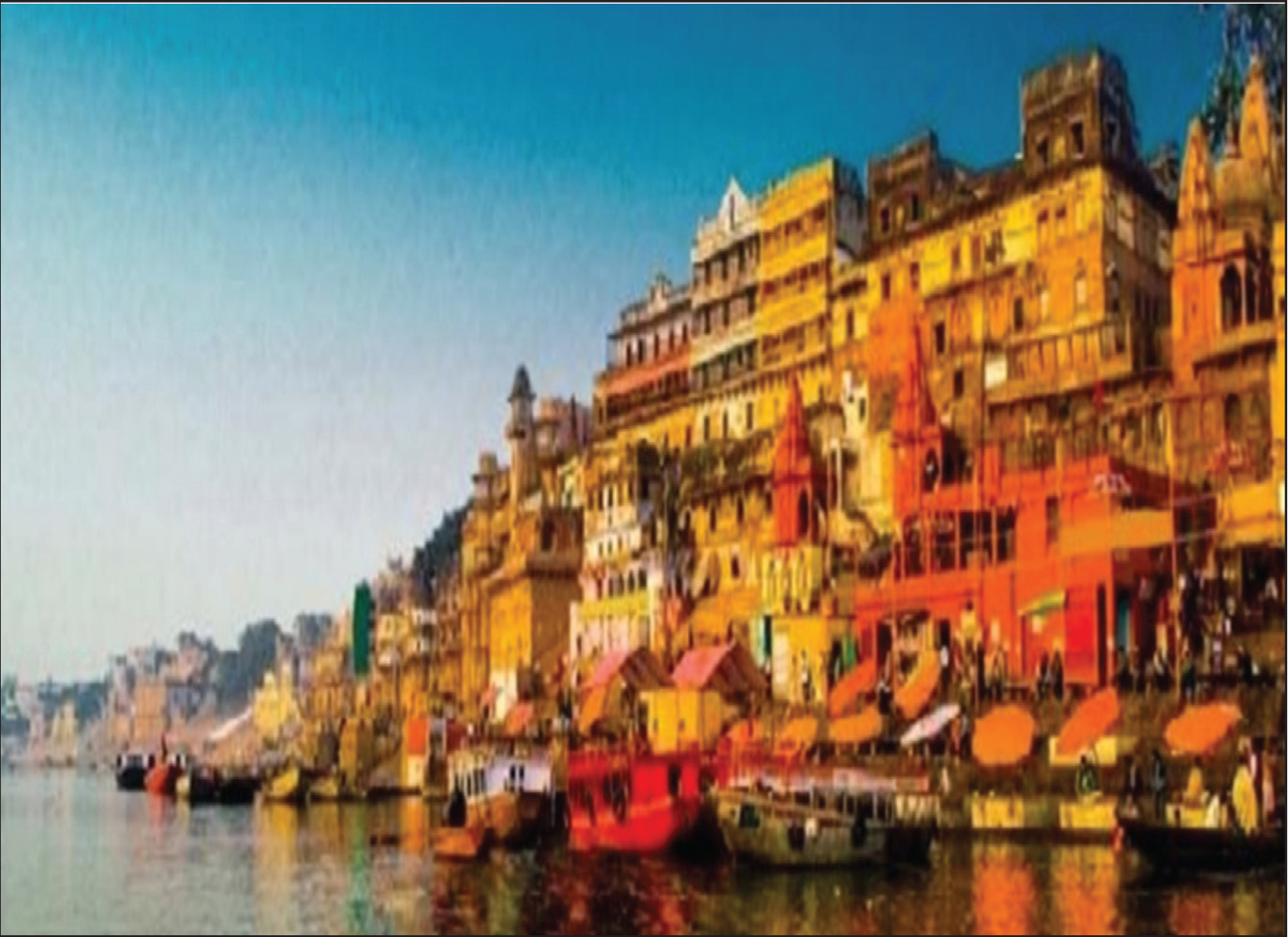
In the past, it was known as Kashi and was said to have been a kingdom a very long time ago, perhaps even 25,000 years in the past, according to some tales. Over many years, it became a hub for learning, with famous Indian thinkers, poets, writers and musicians living or visiting the city. They added to the city’s rich heritage of ideas and art (History of Varanasi).
Varanasi also valued education highly. A long time ago, during the rule of the East India Company in 1791, the oldest Sanskrit college in India, the Benares Sanskrit College, was created in the city. This made Varanasi a place where people came to learn (Mishra, 2020).
As time passed, Varanasi became a popular place for tourists in the eighteenth century. The city made improvements to things like roads, healthcare, clean water and sanitation in 1867 when the Varanasi Municipal Board was formed.
Varanasi was known for its arts and crafts. People there were skilled at making things like musical instruments and beautiful silk sarees and brocades called ‘Banarasi’. These were considered valuable and special items that people collected (Department of Art and Craft, n.d.).
Varanasi was also known for its religious journeys that are: Chaurassikosi yatra, Panchkroshi yatra, Nagar Pradakshina, Avimukta Yatra and Antargraha Yatra (Singh, 2015).
Today, Varanasi continues to be a place of great historical and cultural importance in India, attracting people from all over the world who come to experience its rich traditions and spirituality (About Varanasi, Varanasi Smart City, 2019).
Demography of Varanasi City
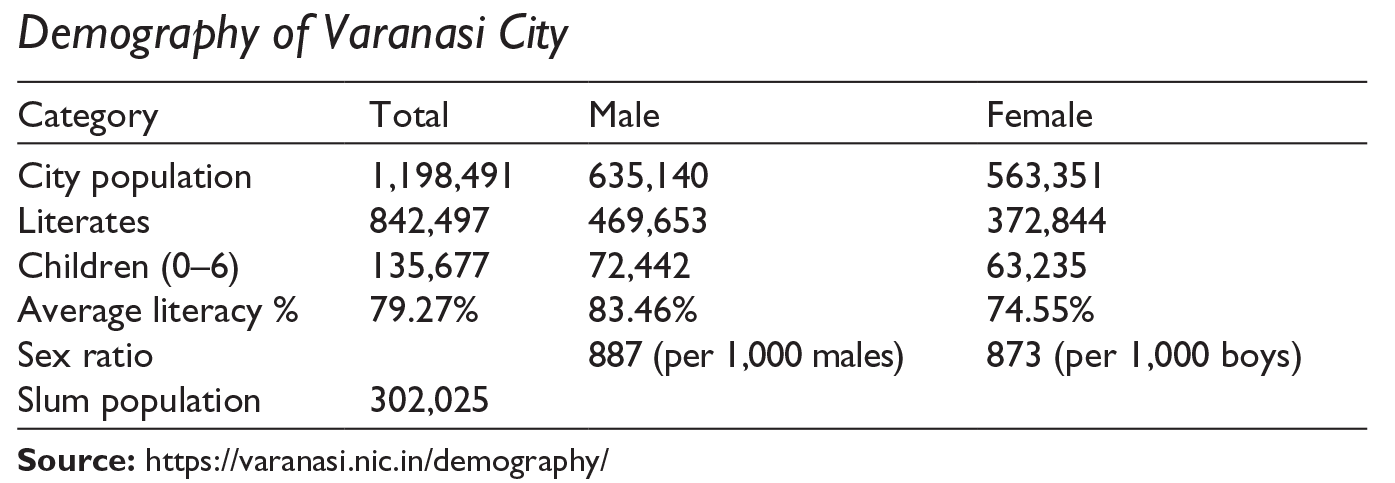
Between 2001 and 2011, Varanasi witnessed notable demographic changes. In 2001, the city had a population of around 1,100,748, with a density of 1,100 people per square kilometre. However, by 2011, the population had grown substantially to approximately 3,676,841, reflecting a bustling urban centre. The urban population accounted for approximately 159,705, while approximately 2,079,790 resided in rural areas. This shift highlighted Varanasi’s evolving landscape as it continued to attract more people, both from its rural hinterlands and other regions, contributing to its dynamic demographic profile (Varanasi, n.d.).
Challenges of Erstwhile Varanasi: A Historical Perspective
Varanasi: A Journey of Transformation.
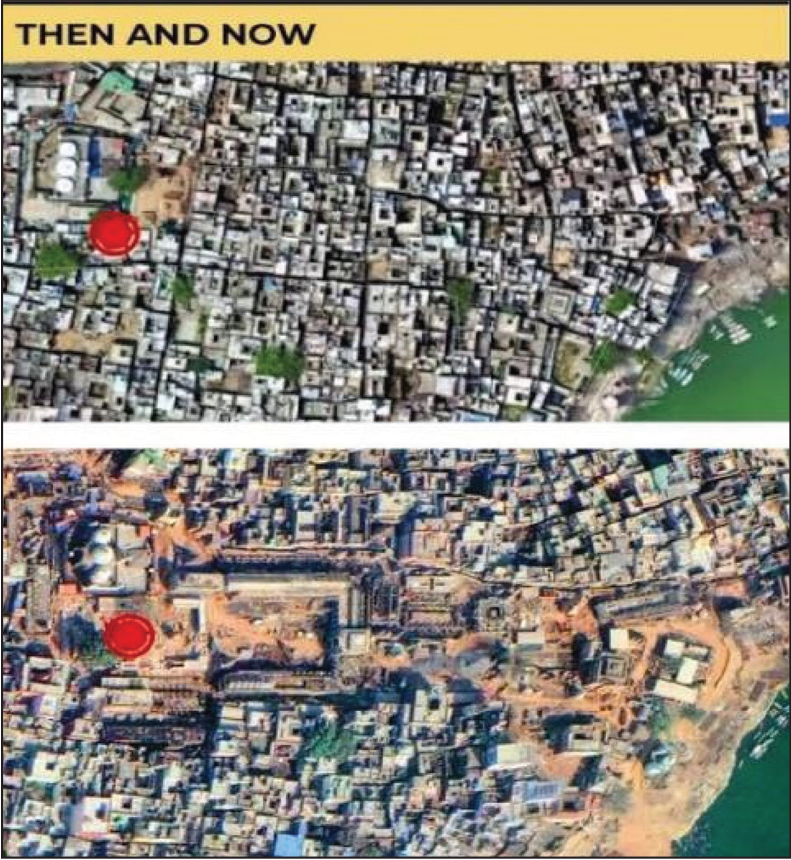
The traditional old city of Varanasi, characterised by its historic river ghats, ancient temples and bustling commercial areas, faced numerous challenges in the past. Poor drinking water quality was a significant issue, with the river water contaminated by waste, untreated sewage and garbage. Outdated and leaky pipelines compounded this problem. Traffic congestion was a prevalent issue, with encroachments on roads by vendors and inadequate parking, leading to chaos (Sharma, 2015). Non-signalised intersections added to traffic mismanagement and pollution. Pedestrian safety was compromised due to a lack of footpaths, bumpy roads and obstacles on roadways. Additionally, green spaces were insufficient, and a shortage of essential infrastructure, such as electricity and water supply, hindered sustainable living. Addressing these past challenges was vital for improving Varanasi’s quality of life and environmental sustainability.
Varanasi’s Smart City Journey: A Path to Modernisation
The SCM, initiated by the Prime Minister in 2015, aimed to boost economic growth and enhance the quality of life in cities. Varanasi was among the cities selected under Phase 1 of this mission, driven by the MoUD, Government of India. The city underwent continuous transformation to incorporate advanced technology while preserving its unique character (Mission Statement and Guidelines, n.d.). The mission operated as a centrally sponsored scheme, with the central government providing financial support of approximately Rs. 48,000 crores (around 5.7 million USD) over five years, averaging about 13.9 million USD per city per year (About Smart City Mission Financing, n.d.). Implementation was overseen by the special purpose vehicle (SPV), responsible for project planning, funding, execution, management and evaluation. VSCL played a pivotal role in executing the Smart City Mission, aligning the city with modernity while retaining its original essence. International interest from countries like Spain, the United States, Germany, Japan, France, Singapore, and Sweden demonstrated global enthusiasm for India’s smart city initiative.
Fund Flow Mechanism
The SCM, launched by the Government of India, adopts a blended financing model designed to integrate central and state government grants with contributions from urban local bodies (ULBs), alongside additional resources from diverse sources. This approach aims to foster long-term financial sustainability and fiscal resilience in urban development initiatives.
Under the mission, each selected smart city is entitled to a central government grant of Rs. 500 crore over the mission period. These funds are disbursed in instalments contingent upon the achievement of predefined project milestones, adherence to performance indicators and compliance with prescribed governance standards (Ministry of Housing and Urban Affairs (MoHUA), 2015). The central allocation is matched by an equivalent contribution of Rs. 500 crore from the respective state government and ULBs, resulting in a combined core funding envelope of Rs. 1,000 crore per city (MoHUA, 2015, 2017).
These resources are channelled through a city-specific SPV, constituted as a limited liability company under the Companies Act, 2013. The SPV serves as the principal entity responsible for project planning, financing, execution and monitoring. This institutional arrangement facilitates professional management, expedited decision-making processes, and the ring-fencing of project-specific finances, thereby enhancing transparency, accountability and operational efficiency (MoHUA, 2016).
In addition to the assured government grants, cities are actively encouraged to mobilise supplementary financial resources to augment investment capacity and scale infrastructure interventions. These include the following.
In addition to the core government grants, cities participating in the SCM are strongly encouraged to mobilise a diverse range of supplementary financial resources to enhance their investment capacity and ensure the scalability and sustainability of urban infrastructure projects. These additional sources include user charges imposed on essential urban services such as water supply, sewerage, solid waste management and parking; land-based financing mechanisms such as betterment levies, impact fees and instruments linked to transit-oriented development; revenue-generating public–private partnership (PPP) arrangements for commercially viable infrastructure; access to Finance Commission grants, proceeds from municipal bond issuances and loans from multilateral development banks including the World Bank (2018) and the Asian Development Bank; resources channelled through the National Investment and Infrastructure Fund; as well as financial and programmatic convergence with complementary central government initiatives such as the Atal Mission for Rejuvenation and Urban Transformation (AMRUT), Swachh Bharat Mission and Digital India.
This diversified fund flow mechanism reduces dependency on a single source, promotes accountability, and enables cities to implement smart infrastructure and services in a financially sustainable manner.
Varanasi’s Path to Smartness: The ‘Smart Kashi’ Initiative
‘Smart Kashi’ Initiative.
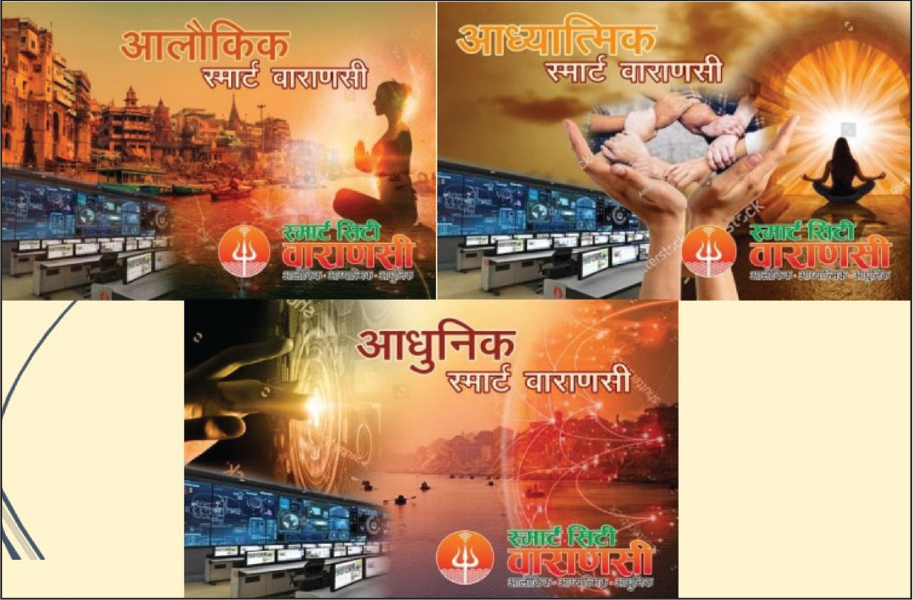
Varanasi was ready for change in the past, guided by its Smart Kashi plan comprising six key pillars:
Pillars of Smart Kashi.
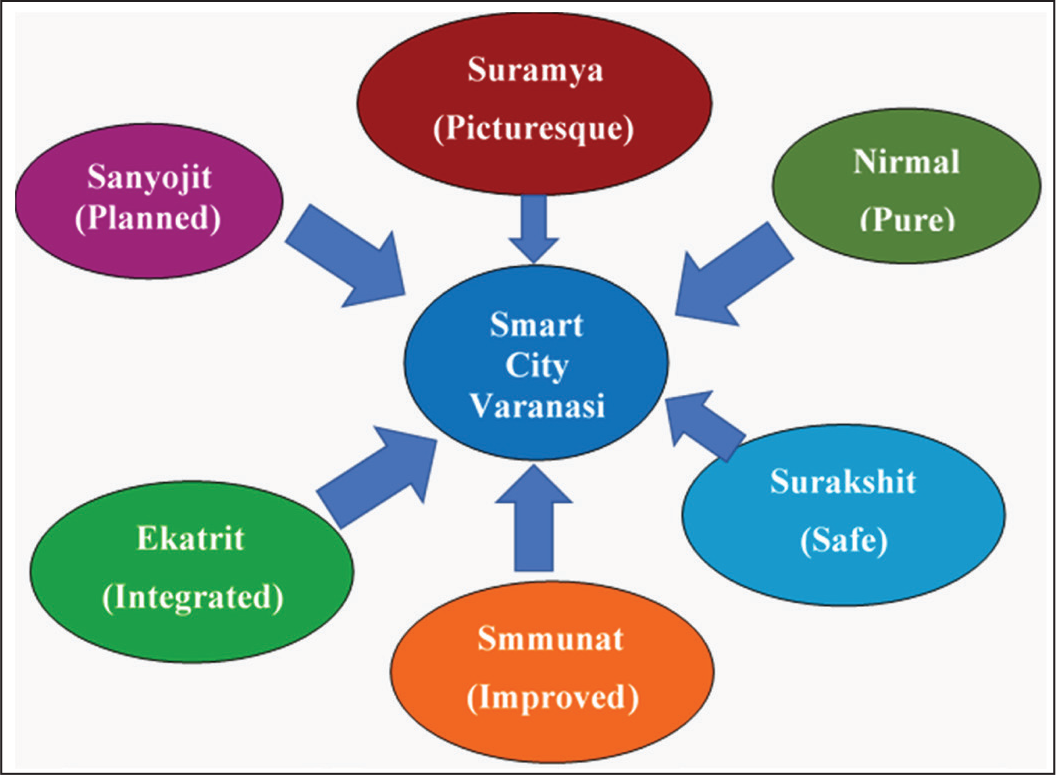
In the past, Varanasi embarked on a transformative journey with its Picturesque Kashi plan, valuing approximately 5,721 million USD. As one of the world’s oldest living cities, Varanasi embraced its cultural and spiritual heritage by rejuvenating historic temples and riverfront ghats, preserving traditions passed down through generations.
Similarly, Pure Kashi, worth approximately 2,411 million USD, focused on area-based development. It revitalised public spaces, promoted eco-friendly practices, ensured sanitation at the ghats, rejuvenated sacred water bodies and parks, and encouraged eco-friendly initiatives like green rooftops and rainwater harvesting.
For safety and security, Safe Kashi, with a budget of around 158.1 million USD, concentrated on area-based development. Measures included installing CCTV surveillance systems to reduce violations and assaults, particularly concerning female tourists. It also enhanced emergency response (ER) services and improved police–citizen interactions.
Under Progressive Kashi, worth about 12,098 million USD, Varanasi aimed to enhance residents’ quality of life. This encompassed providing employment opportunities, promoting local entrepreneurship and establishing facilities such as skill development centres and sports stadiums for a healthier future.
Integrated Kashi, with an allocation of approximately 814 million USD, focused on pan-city initiatives. It aimed to provide all residents with equal access to transparent information and high-quality services. This involved offering a one-stop shop for smart cards, ensuring accessibility to information through mobile apps, and enhancing grievance redressal procedures.
Finally, Organised Kashi, with a budget of roughly 7,374 million USD, addressed intra-city transport challenges through pan-city initiatives. This included the development of multi-modal transportation hubs, integrated traffic management systems with CCTV surveillance, smart multi-level parking facilities and the promotion of waterways as an alternate mode of transport to reduce congestion (Das et al., 2024; smartcity.eletsonline, 2016).
Multi-crore Development Project: Transforming Varanasi’s Future
Varanasi is currently undergoing a series of transformative projects, each contributing to the city’s progress.
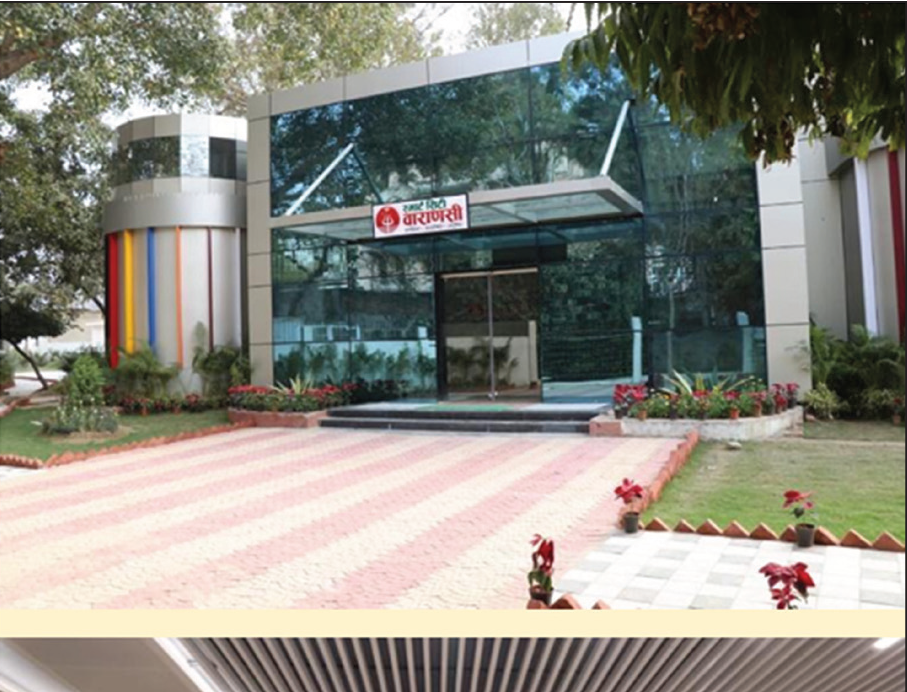
The Varanasi Integrated Smart Solutions project, valued at approximately 1,735.4 million USD, introduces advanced technology and e-Governance interventions, including command and control centres, intelligent traffic management system (ITMS), and smart parking, enhancing the city’s infrastructure and services.
Varanasi: Transformation Over Time.
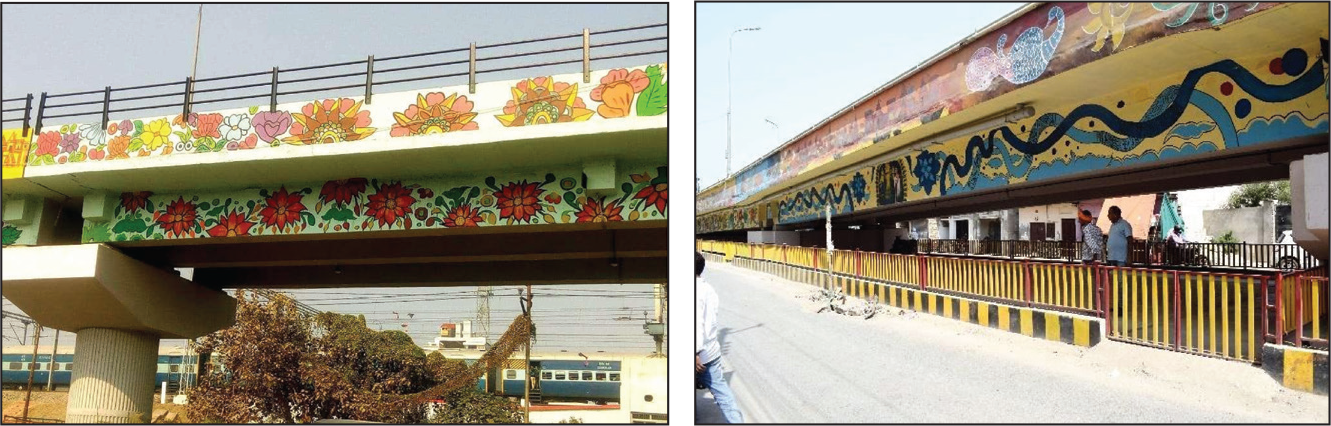
Another initiative, the Smart Placemaking project, with a budget of around 57.8 million USD, creatively repurposes underutilised spaces, fostering vibrant community venues like markets and art galleries, elevating the city’s liveability.
Varanasi: Transformation Over Time.
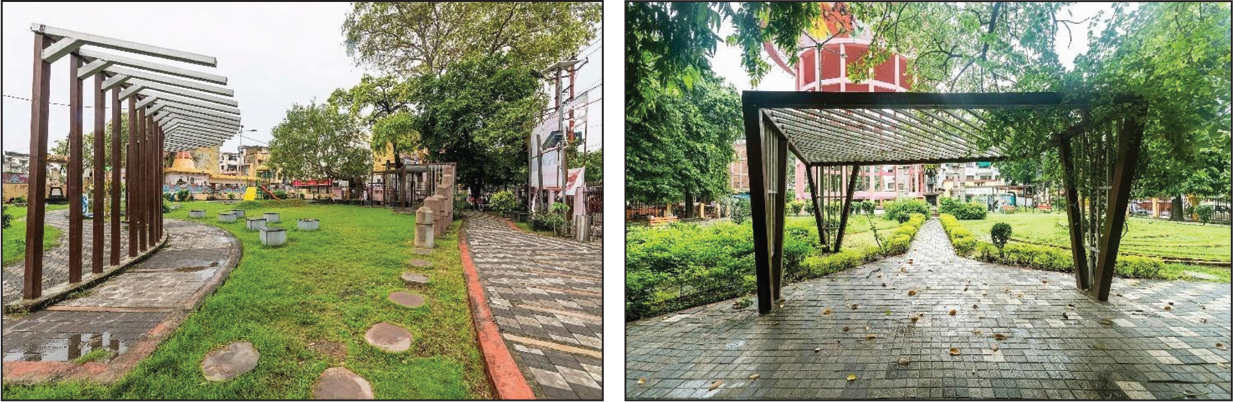
Green spaces are prioritised with the Redevelopment and Landscaping of Parks project, worth about 204.6 million USD, offering beautiful and accessible parks while preserving local culture.
Varanasi: Transformation Over Time.
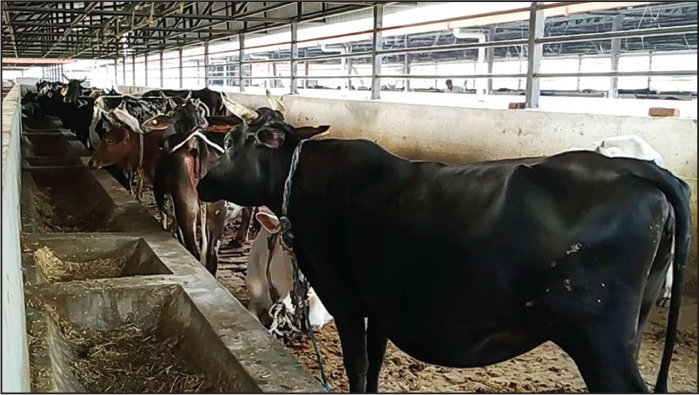
The Stray Cattle project, introduced at approximately 118.4 million USD, aims to decongest the streets by providing shelter and rehabilitation for stray cattle at a designated location in Chhitauni village, Varanasi.
Varanasi: Transformation Over Time.
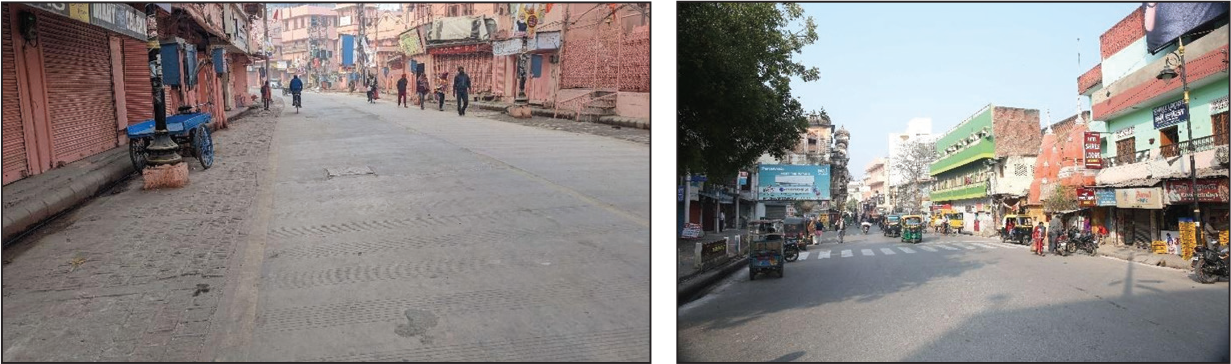
Improvements in transportation and traffic management are accomplished through the Improvement and Upgradation of 8 Road Intersections, Phase I and II project, valued at around 360.8 million USD. The objective is to facilitate safe and efficient movement for all types of vehicles, including heavy vehicles and non-motorised transport, without disturbing the city’s green belts.
Varanasi: Transformation Over Time.
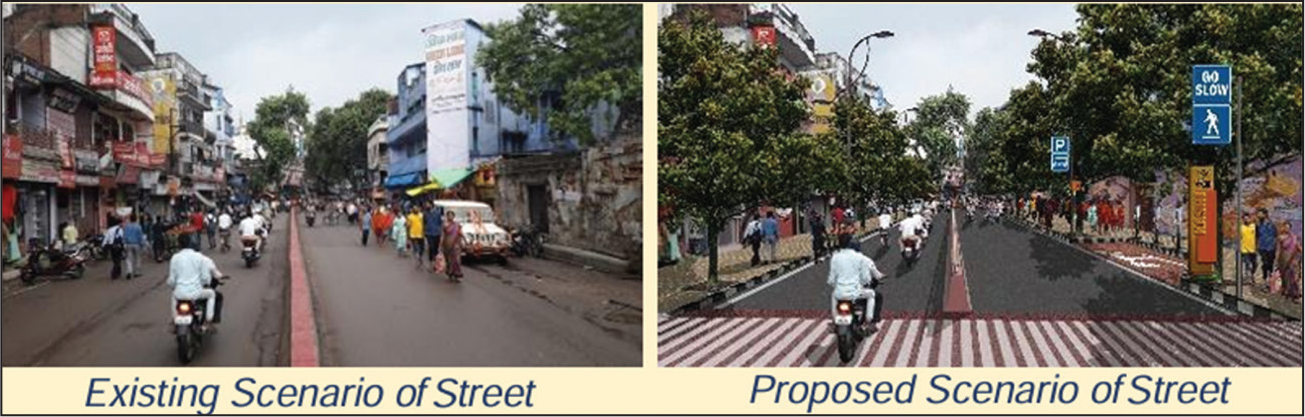
Moreover, Varanasi focuses on urban revitalisation through the Urban Revitalisation of Roads and Junction Improvement Project ABD, Phase I and II, with a budget of approximately 2,528.7 million USD, strengthening streets and public spaces while enhancing transportation.
Varanasi: Transformation Over Time.
Historical preservation, with the Facade Restoration project, valued at approximately 118.8 million USD, revives architectural heritage.
Varanasi: Transformation Over Time.
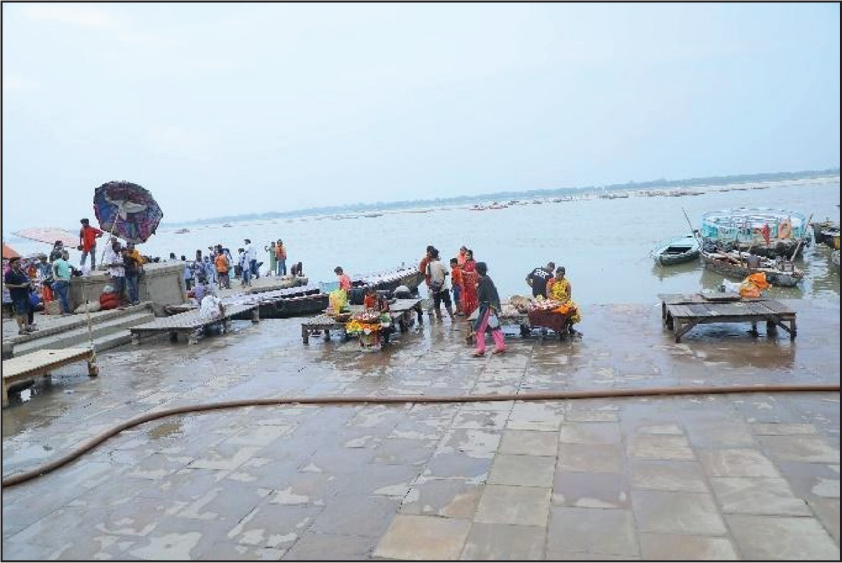
Simultaneously, the Rejuvenation of Mandakini Kund, worth about 84 million USD, restores a culturally significant water body.
Varanasi: Transformation Over Time.
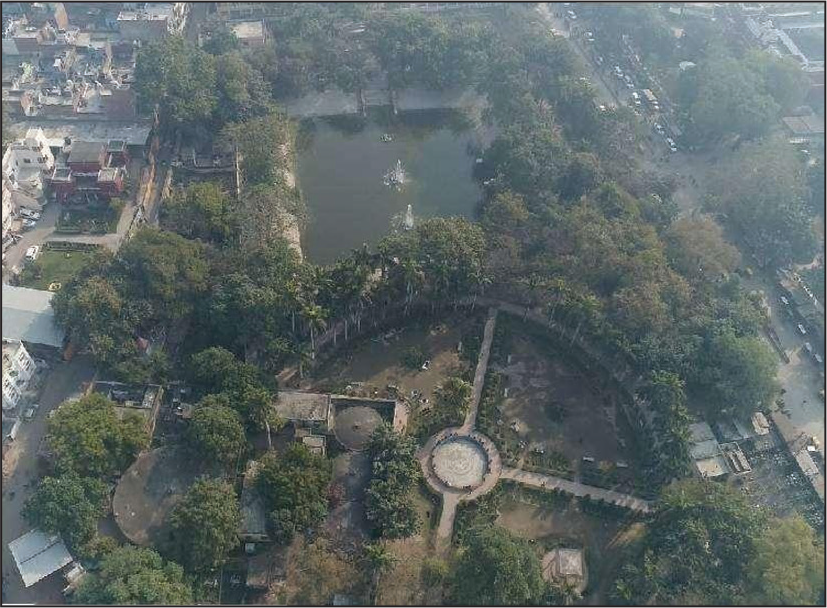
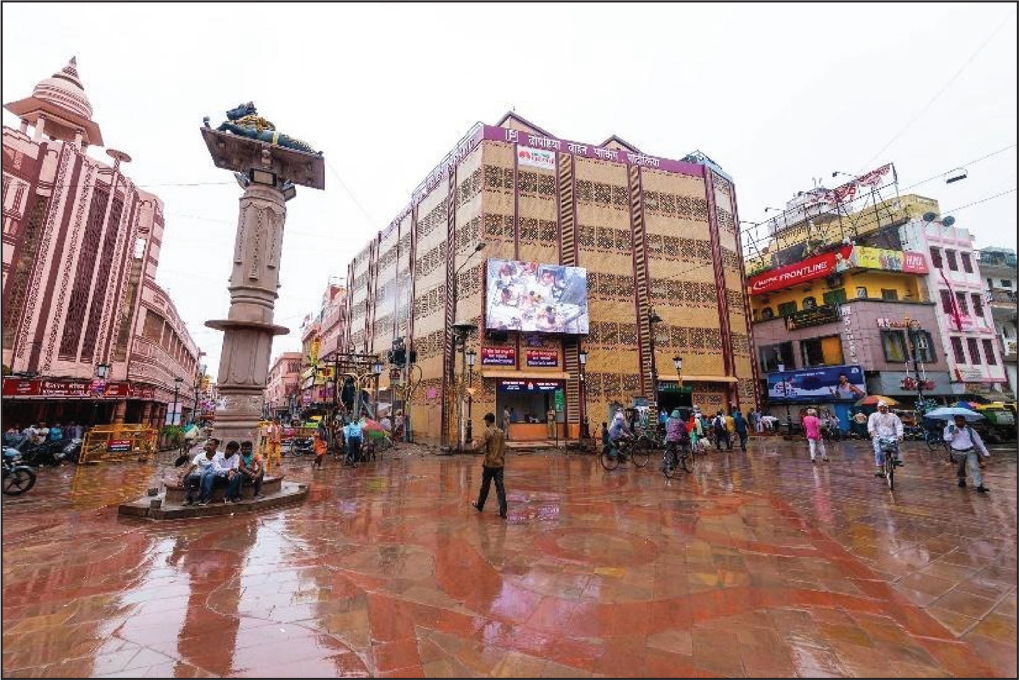
Additionally, the city invests in modern parking solutions through the Development and Construction of the Multi-level Two-wheeler Parking project, with an estimated budget of around 180.9 million USD.
Varanasi: Transformation Over Time.
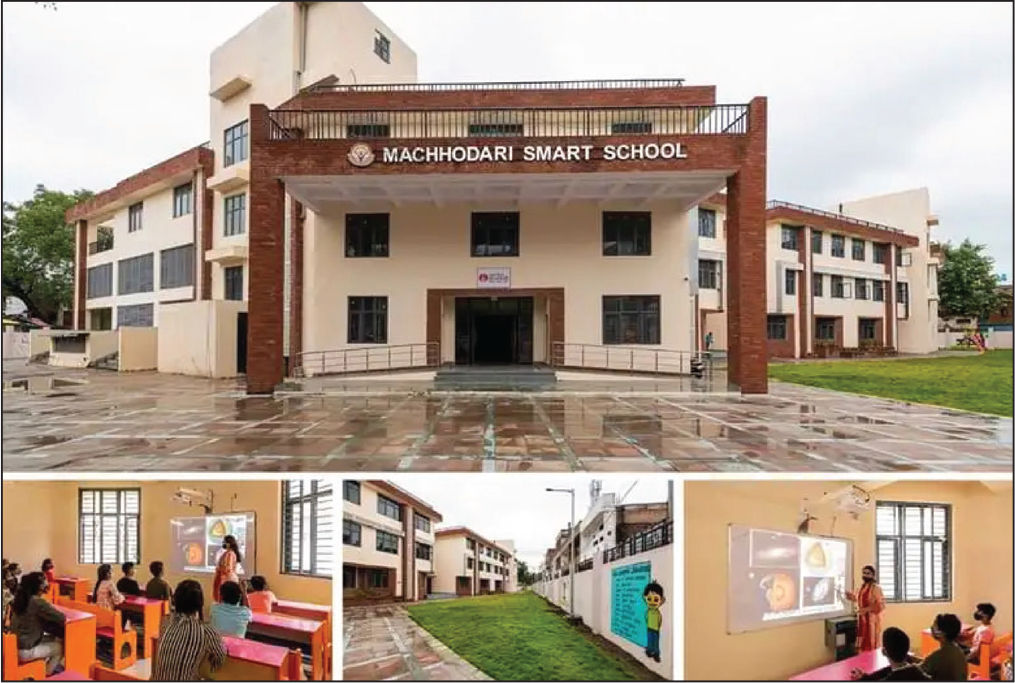
Education is promoted via the Development of Smart Senior Secondary School and Skill Development Centre project, valued at approximately 142.1 million USD. This initiative includes smart classrooms, auditoriums, computer rooms and skill development centres for enhancing educational opportunities.
Varanasi: Transformation Over Time.
These ongoing projects collectively aim to transform Varanasi by enhancing its infrastructure, promoting economic growth, improving living conditions and preserving its rich cultural heritage. They contribute to making Varanasi a more vibrant and liveable city for its residents and visitors alike (Varanasi Smart City, n.d.).
Inaugural Projects: Varanasi’s Path to Progress
Key projects in Varanasi set to be inaugurated encompass vital infrastructure, education and transportation initiatives aimed at fostering the city’s development and progress:
Akshay Patra Mid-day Meal Kitchen: The Akshaya Patra Foundation is a non-profit organisation in India that provides nutritious meals to school children. They operate a large kitchen in Varanasi with the capacity to serve nearly 100,000 students daily. This initiative aims to combat hunger, improve attendance and support education. Construction of Four-lane Road Over Bridge (ROB): The construction of a four-lane road over bridge (ROB) in Varanasi is a project designed to improve transportation by providing a four-lane bridge to alleviate traffic congestion. It enhances connectivity and reduces travel delays in the city. Sewerage and water supply projects: Laying of sewer lines, over 25,000 sewer house connections, and providing rural drinking water. Social and education projects: ITI at Village Mahgaon, Phase II of Vedic Vigyan Kendra (to promote Vedic knowledge) in Banaras Hindu University, Government Girls Home at Ramnagar, Theme Park in Old Age Women Home. Tourism projects: Development work of Sarnath Buddhist Circuit, construction of Paavan Path for Asht Vinakaya, Dwadash Jyotirling Yatra, Asht Bhairaw, Nav Gauri Yatra, tourism development work of five stoppages in Panchkosi Parikrama Yatra Marg and tourism development in various wards in Old Kashi (PMIndia, n.d.).
Successful Initiatives of VSCL
The Kashi Integrated Command and Control Centre (KICCC)
Varanasi: Transformation Over Time.
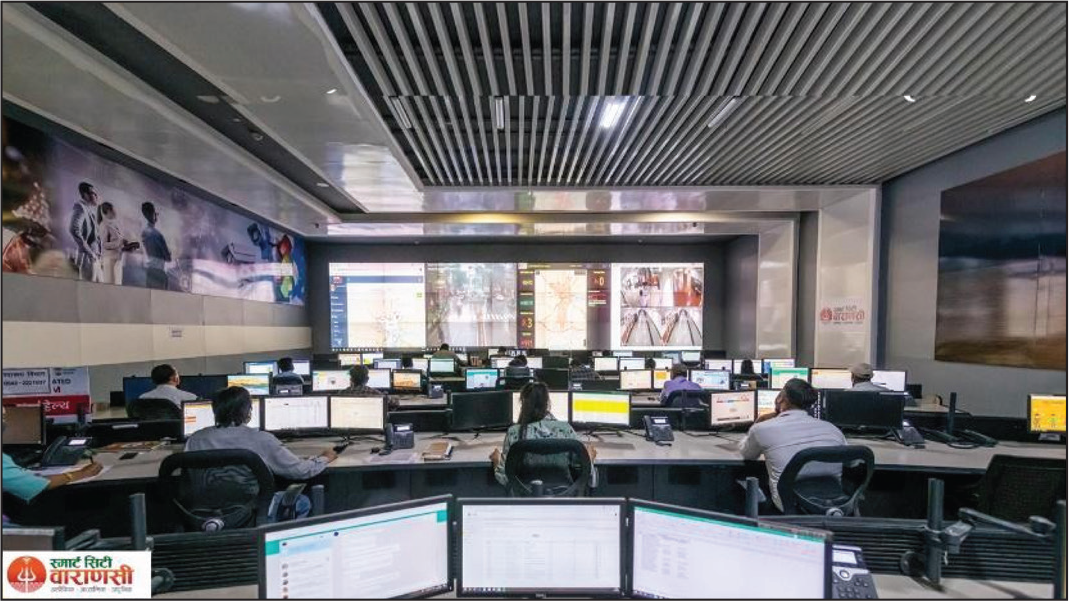
The KICCC in Varanasi serves as a high-tech hub for city management. Spanning 5,000 square feet with twenty-five working desks, it utilises advanced technology like cameras and sensors to monitor traffic, safety and even environmental conditions. Additionally, it oversees essential services such as garbage collection. Residents can report issues, making it a valuable resource for problem-solving. KICCC is the city’s superhero, ensuring efficient operations and an improved quality of life for its inhabitants.
ICCC, in the context of smart cities during the Covid-19 pandemic, technology and data management play a pivotal role in multiple areas. Data analytics and AI assist in hotspot prediction and resource allocation, while contact tracing apps help identify and isolate potential cases. Remote healthcare through telemedicine and IoT devices ensures continued medical services while minimising physical contact. Drones and robotics aid in disinfection and supply delivery, while robust cybersecurity safeguards citizens’ data. Communication channels keep residents informed. Together, these technologies enhance pandemic response and public safety in smart cities (About Kashi Integrated Command and Control Centre KICCC, n.d.).
The ArcGIS Platform Technology
In response to the Covid-19 pandemic, Varanasi implemented a comprehensive GIS-based platform. This system enabled the city to create operational dashboards for health services, heat maps for containment zones, and monitor citizen movement through CCTVs to ensure social distancing. Beyond managing the health crisis, Varanasi used drones for hotspot sanitisation, established telemedicine facilities for remote healthcare, and analysed infrastructure availability. This GIS platform also offered solutions for minimising air pollution, improving water management, enhancing public safety and responding intelligently to emergencies. It provided real-time data for better decision support, actionable insights, improved business processes and asset management, thus contributing to a more efficient and resilient urban environment (About ArGIS Platform in Varanasi, n.d.).
The Smart City-311 Application
The application in Varanasi offers a valuable platform for citizens to engage in community improvement. They can easily report issues like potholes, garbage piles or unclean areas by capturing photos and notifying the authorities. Furthermore, it incorporates several essential modules, including field inspection, GPS attendance, GPS road checking and project tracking. This technology not only facilitates efficient governance but also fosters direct communication between citizens and government officials, empowering residents to collaborate with their community leaders to address local issues promptly. It is a commendable initiative to enhance urban living and civic engagement (Varanasi Integrated Smart Solutions, Architecture of Smart Mobile App, n.d.).
Rudraksh International Convention Centre
Varanasi: Transformation Over Time.
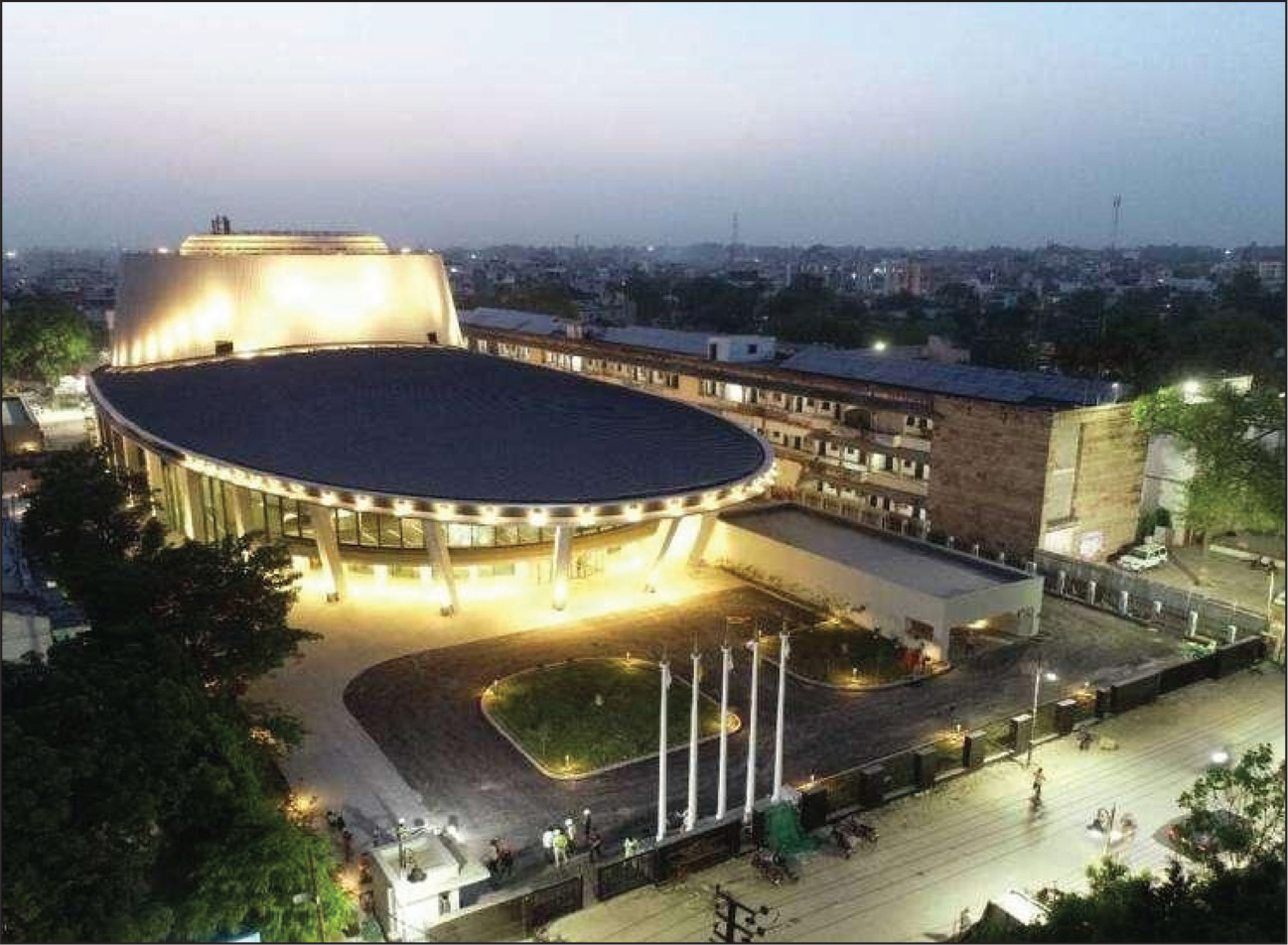
This centre is shaped like a Shivalinga, seats 1,200 people and offers flexible event spaces. It is inclusive, with disabled-friendly features, a Japanese-style garden, and basement parking for 120 vehicles. Solar power is used alongside regular electricity, and it features 108 rudraksh symbols on its façade (Varanasi Nagar Nigam, n.d.).
Varanasi as a Kyoto-style City
Kyoto and Varanasi, both steeped in rich cultural heritage, have formed a partnership aimed at sharing best practices in heritage conservation and city modernisation. This collaboration extends to culture, art, academics and more. With three rivers flowing through both cities and a common dedication to preserving their unique traditions, this partnership holds great potential for mutual growth and celebration of their historical significance. Kyoto, known as the city of one thousand shrines, and Varanasi, as the temple town, bring together a blend of traditions and modernisation efforts to enhance their respective cityscapes (Katiyar, 2014).
Impact of Smart City Initiatives
The Smart City initiatives implemented in Varanasi under the leadership of VSCL have generated a wide-ranging positive impact across urban governance, mobility, environment, education, public safety, heritage conservation, tourism and the local economy. These interventions demonstrate a balanced approach to modernisation while preserving the city’s historical and cultural identity.
Impact on Urban Governance and Service Delivery
The establishment of the KICCC has significantly strengthened urban governance in Varanasi by enabling centralised, technology-driven monitoring of multiple municipal and line departments. The integrated platform has enhanced inter-departmental coordination, reduced response time for civic issues, and improved efficiency in service delivery.
During the Covid-19 pandemic, the KICCC played a critical role by supporting real-time monitoring of containment zones, health services, lockdown enforcement and ER. The integration of GIS-based dashboards, CCTV surveillance and data analytics improved decision-making, transparency and accountability. Overall, KICCC has increased institutional capacity, resilience and citizen trust in urban governance systems.
Impact on Mobility and Traffic Management
Smart mobility interventions, including ITMS and the development of basement parking facilities at Beniyabagh and Townhall, have substantially reduced traffic congestion in dense commercial and tourist areas. Organised parking capacity for more than 600 two-wheelers and 700 four-wheelers has minimised random on-street parking, resulting in smoother traffic flow and improved road safety.
Upgradation of road intersections and junctions has improved traffic circulation for motorised and non-motorised transport without disturbing existing green belts. These measures have reduced travel time, enhanced pedestrian safety and improved overall urban accessibility for residents, pilgrims and tourists.
Impact on Urban Environment and Public Spaces
The creation of Raj Narayan Smarak Park above the Beniyabagh basement parking facility demonstrates innovative land-use optimisation in a densely populated historic city. The development of landscaped green spaces has contributed to improved air quality, thermal comfort and urban aesthetics.
The park provides inclusive recreational facilities for children, senior citizens and persons with disabilities, strengthening social interaction and community well-being. Redevelopment and landscaping of multiple parks across the city have enhanced environmental sustainability while preserving local cultural elements.
Impact on Education and Human Capital Development
The Machodari Smart Senior Secondary School and Skill Development Centre represents a transformative intervention in public education. Equipped with smart classrooms, computer labs, auditoriums and vocational training facilities, the institution has significantly improved access to quality education for students from economically weaker and marginalised sections.
With over 1,400 enrolled students and more than 5,000 individuals trained in skill development programmes, the project has enhanced employability, reduced educational inequality and strengthened long-term human capital formation. This initiative contributes directly to inclusive socio-economic growth.
Impact on Public Safety and Security
The deployment of an advanced camera surveillance system comprising over 2,500 CCTV cameras across the city has significantly enhanced public safety and law enforcement efficiency. The surveillance network has assisted in solving thousands of criminal cases, including thefts, assaults and missing person cases, particularly involving children.
The integration of public address systems and real-time monitoring has improved emergency communication, disaster response and civic discipline. Continuous surveillance has also promoted better traffic compliance and increased the perception of safety among citizens and visitors.
Impact on Urban Renewal and Heritage Conservation
Urban revitalisation initiatives have upgraded basic infrastructure in some of the oldest wards of Varanasi through the replacement of ageing sewerage and water supply systems. Over 30 kilometres of lanes have been redeveloped using traditional chauka stones, heritage-sensitive lighting and thematic wall art, preserving the city’s cultural character.
Facade restoration projects and the rejuvenation of heritage water bodies, such as Mandakini Kund, have revived architectural heritage while improving urban functionality. These interventions have supported livelihoods for over 2.5 lakh people and reinforced Varanasi’s identity as a living heritage city.
Impact on Tourism and Citizen Convenience
Smart tourism infrastructure, including floating jetty changing rooms along the river Ganga, has significantly enhanced the experience of pilgrims and tourists. These facilities provide hygienic, accessible and gender-sensitive amenities while reducing visual clutter on the ghats and improving pedestrian movement.
Tourism development initiatives such as the Sarnath Buddhist Circuit, Panchkosi Parikrama Marg improvements and thematic pilgrimage paths have strengthened religious and cultural tourism. With high daily usage and positive public response, these projects promote sustainable tourism while preserving sacred landscapes.
Impact on Livelihood Generation and Urban Economy
The urban placemaking initiative under the Lehertara–Chowkaghat flyover has created organised vending zones for over 200 street vendors, directly supporting the livelihoods of more than 1,000 individuals. The formalisation of informal economic activities has improved traffic flow, pedestrian safety and access to essential goods.
Smart City projects such as convention centres, parking facilities, tourism infrastructure and skill development centres have generated employment during construction and operation phases, contributing to local economic growth and urban vibrancy.
Impact of Global Collaboration: Kyoto–Varanasi Partnership
The collaboration between Kyoto and Varanasi has fostered the exchange of best practices in heritage conservation, urban planning and cultural preservation. This partnership has strengthened international visibility, encouraged sustainable modernisation and reinforced Varanasi’s position as a global cultural city balancing tradition with innovation.
Conclusion
In conclusion, Varanasi’s journey towards becoming a modern smart city while preserving its unique character is a commendable endeavour spearheaded by VSCL. The initiatives already in place, from digital reporting of civic issues to smart governance and infrastructure development, reflect a commitment to enhancing the quality of life for Varanasi’s residents and maintaining its cultural heritage. To further this transformation, it is crucial for VSCL to focus on sustainable development, digital infrastructure, public transportation and citizen engagement while continuing to prioritise heritage preservation. With a holistic approach that combines modernisation with heritage preservation, Varanasi has the potential to set a remarkable example of how a city can evolve into a smart and culturally rich urban centre.
Footnotes
Acknowledgements
The author would like to acknowledge the valuable research assistance provided by Tripti Luthra, Research Assistant, whose support in data collection and preliminary analysis significantly contributed to the completion of this case study.
Declaration of Conflicting Interests
The author declared no potential conflicts of interest with respect to the research, authorship and/or publication of this article.
Funding
The author received no financial support for the research, authorship and/or publication of this article.