






Abstract

European Patent Office Erhardtstrasse 27 D-80331 Munich, Germany
http://www.european-patent-office.org
Japanese Patent Office 3-4-3 Kasumigaseki Chiyoda-ku, Tokyo 100-8915, Japan U.S. Patent and Trademark Office General Information Services Crystal Plaza 3, Room 2C02 Washington, DC 20231 World Intellectual Property Organization 34 chemin des Colombettes P.O. Box 18 CH-1211 Geneva 20, Switzerland EP—European Patent Office JP—Japanese Patent Office No Designation—U.S. Patent and Trademark Office WO—World Intellectual Property Organization
Method for coagulating polymer dispersions using expandable microspheres
Inventor(s): Pietsch, I., Heckhoff, L., Ranft, M., Schuler, P., Kuntz, A.
Sources: US Pat.: 9,624,408
Corporate/Assignee: BASF SE
Method for coagulating an aqueous polymer dispersion, where the aqueous polymer dispersion comprises at least one polymer in dispersion in aqueous phase, and also comprises thermally expandable, thermoplastic microspheres, the polymer dispersion is coagulated by energy input, and the coagulated composition is delivered via an outlet aperture, preferably in the form of a nozzle.
Stand up package
Inventor(s): Minnette, J. C., Davidson, R. P.
Sources: US Pat.: 9,604,769
Corporate/Assignee: Berry Plastics Corporation
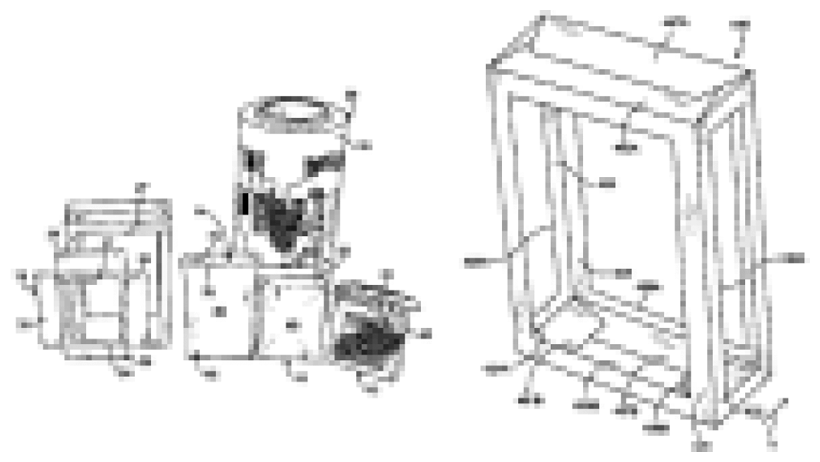
A stand-up package is formed to include an interior region for containing a product. The package is configured to be in an upright, standing position. The stand-up package includes a film-rigidifying frame and a film pouch. The film-rigidifying frame is coupled to the film pouch so that the film pouch assumes an upright position.
Polytetrafluoroethene compound with microspheres and fibers
Inventor(s): Doering, M., Veenendaal, R.
Sources: US Pat.: 9,605,134
Corporate/Assignee: 3M Innovative Properties Company
A composition is provided that comprises a perfluorinated tetrafluoroethene polymer containing from 0 to 1.0% by weight of comonomers. The composition further comprises fibers containing inorganic oxides selected from silica or alumina and combinations thereof. Further, the composition comprises particles containing inorganic oxides selected from silica and alumina and combinations thereof. Also provided are methods of making such compositions and articles prepared from such compositions.
Heat-expandable microspheres, process for producing the same and application thereof
Inventor(s): Sakabe, K., Miki, K., Nomura, Y.
Sources: US Pat.App.: 20170081492
Corporate/Assignee: Matsumoto Yushi-Seiyaku Co., Ltd.
Heat-expandable microspheres having an almost spherical shape and high expansion performance and exhibiting good workability when mixed with a resin, a process for producing the heat-expandable microspheres, and applications thereof. The heat-expandable microspheres include a thermoplastic resin shell and a blowing agent encapsulated therein and vaporizable by heating. The thermoplastic resin is produced by polymerizing a polymerizable component containing a methacrylate monomer and a carboxyl-containing monomer, and optionally containing a nitrile monomer in an amount ranging from 0 to 30 parts by weight to 100 parts by weight of the total amount of the methacrylate monomer and the carboxyl-containing monomer. The blowing agent contains a hydrocarbon having at least 8 carbon atoms per molecule.
Azeotrope-like compositions of tetrafluoropropene and hydrofluorocarbons
Inventor(s): Singh, R. R., Pham, H. T., Knopeck, G. M.
Sources: US Pat.App.: 20170081576
Corporate/Assignee: Honeywell International Inc.
Publication: Date 23 March 2017
Provided are azeotrope-like compositions comprising tetrafluoropropene and hydrofluorocarbons and uses thereof, including use in refrigerant compositions, refrigeration systems, blowing agent compositions, and aerosol propellants.
Polymeric material for an insulated container
Inventor(s): Leser, C. K., Driskill, P. A., Wallace, C. T., Euler, J. B., Paladino, J. J., Maravich, M. C., Davis, D. O., Mann, J. A., Bowlds, R. A., ContradA, S. I., Sun, D. D.
Sources: US Pat. App.: 20170101518
Corporate/Assignee: Berry Plastics Corporation
A formulation includes a base resin, a nucleating agent, and a blowing agent. The formulation can be used to form a container.
Polymeric material for an insulated container
Inventor(s): Leser, C. K., Driskill, P. A., Wallace, C. T., Euler, J. B., Paladino, J. J. Maravich, M. C., Davis, D. O., Mann, J. A., Bowlds, R. A., Contrada, S. I.
Sources: US Pat.: 9,624,348
Corporate/Assignee: Berry Plastic Corporation
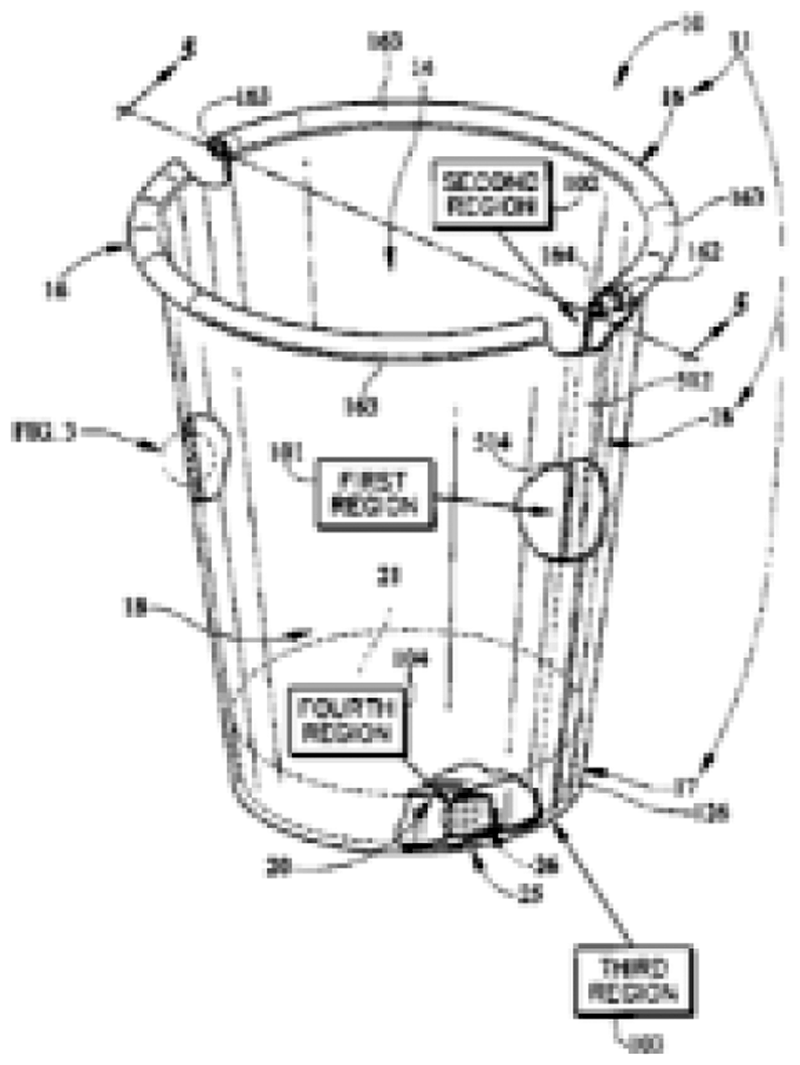
A formulation includes a polymeric material, a nucleating agent, a blowing, and a surface active agent. The formulation can be used to form a container.
Extruded polyethylene-based resin foam sheet and interleaf sheet for glass plates
Inventor(s): Nishimoto, T., Aoki, T.
Sources: US Pat.: 9,631,060
Corporate/Assignee: JSP Corporation
An extruded foam sheet having a foam layer constituted of a base resin containing low density polyethylene as a major component thereof, wherein the foam sheet has an apparent density of 45 to 450 kg/m.sup.3, an average thickness of 0.03 mm or more and less than 0.3 mm and a dimensional change of −5% to 0% in the extrusion direction when heated at 80°C for 24 h and wherein cell walls of the foam layer have an average thickness of 6 to 70.mu.m. The foam sheet may be used as an interleaf sheet for glass plates.
Resin composition, molded article, multilayered pipe and method for producing the same
Inventor(s): Kazeto, O., Hirose, W.
Sources: US Pat.: 9,605,130
Corporate/Assignee: Kuraray Co., Ltd.
An object of the present invention is to provide a multilayered pipe having a layer comprising a resin composition containing EVOH, which is unlikely to exhibit the occurrence of cracking in the EVOH layer due to oxidative degeneration and has excellent gas barrier property even during long-term usage at high temperatures, and also to provide a resin composition for obtaining the multilayered pipe. The present invention relates to a resin composition containing 0.001 to 5 parts by mass of an antioxidant (B) and 0.00001 to 0.3 parts by mass of a conjugated polyene compound (C) having a molecular weight of 1000 or less, relative to 100 parts by mass of an ethylene-vinyl alcohol copolymer (A).
Low density high impact resistant composition and method of forming
Inventor(s): Prince, J. R.
Sources: US Pat.: 9,605,142
Corporate/Assignee: Revolutionary Plastics, Llc
One or more fly ash materials or other optimized mineral fillers having a particle size distribution that may include cinders of selected sizes is mixed to form a filler. The filler is then mixed with an acid scavenger, an antioxidant, a compatibilizer and an impact modifier into a resin to form either a final composition or a masterbatch. A blowing agent may be added to both. Either the masterbatch or the final composition is mixed with a blend of a mineral oil and a styrenic block copolymer. Thereafter, the masterbatch if prepared is mixed into or with a base resin to form the final composition. Fractional melt may be used in the masterbatch and in the final composition. The physical properties of the resulting products can be controlled by varying the ingredients. Some masterbatches are combined to produce products that have improved impact strength and/or that have enhanced toughness when compared to products made using naked or virgin resins. Alternately, the blowing agent may be added just before processing the composition into a final product.
Method of manufacturing polystyrene foam with polymer processing additives
Inventor(s): Delaviz, Y., Patel, B., Polasky, M., Loh, R. R., Breindel, R. M., Weekley, M. Z.
Sources: US Pat.App.: 20170114202
Corporate/Assignee: Owens Corning Intellectual Capital, Llc
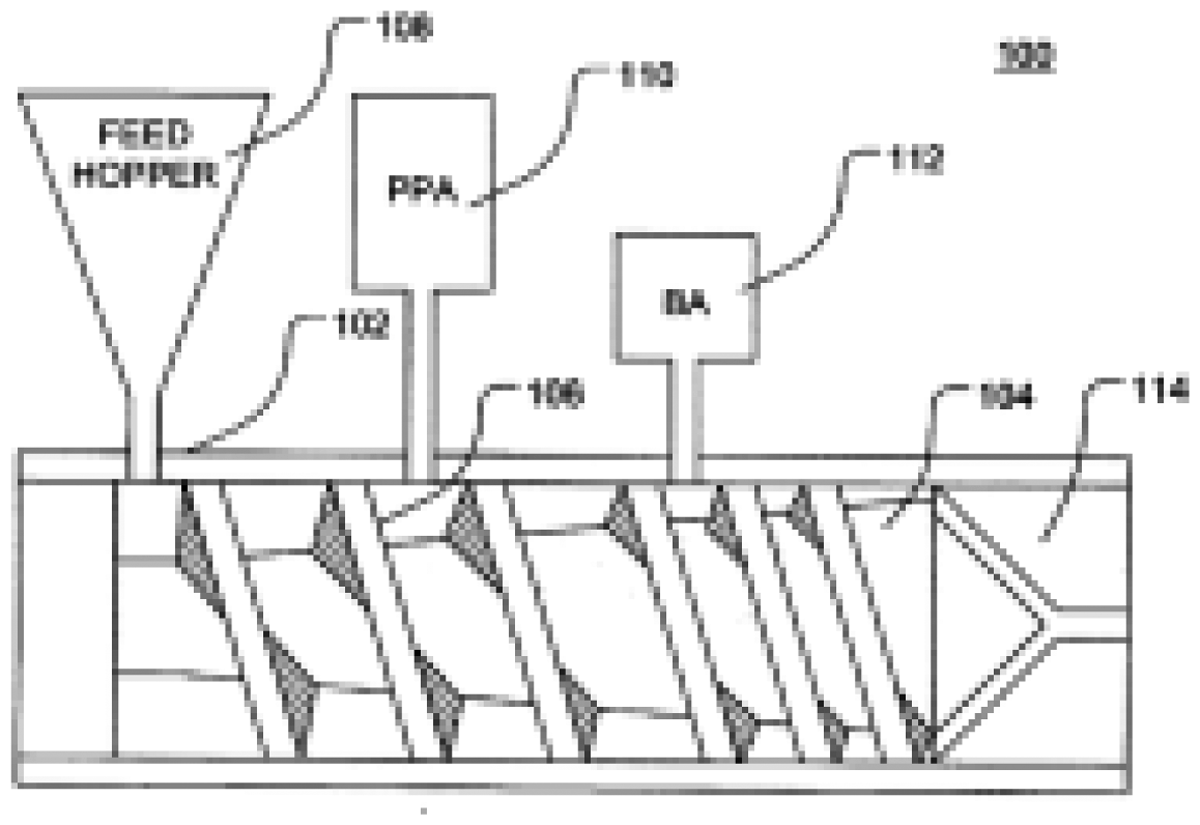
Disclosed is a method for making polystyrene foam which utilizes one or more atmospheric gases, particularly CO.sub.2, as the blowing agent in combination with a polymer processing aid (PPA), typically an ester that is relatively non-volatile at the extrusion temperature range. The blowing agent and the PPA may both be introduced into the molten thermoplastic polystyrene resin or the PPA may be incorporated in the solid source polystyrene resins. The resulting foam will be substantially free of residual blowing agent and dimensionally stable at ambient temperatures.
Adhesive articles with improved air egress
Inventor(s): Hannington, M. E.
Sources: US Pat.: 9,631,124
Corporate/Assignee: Avery Dennison Corporation
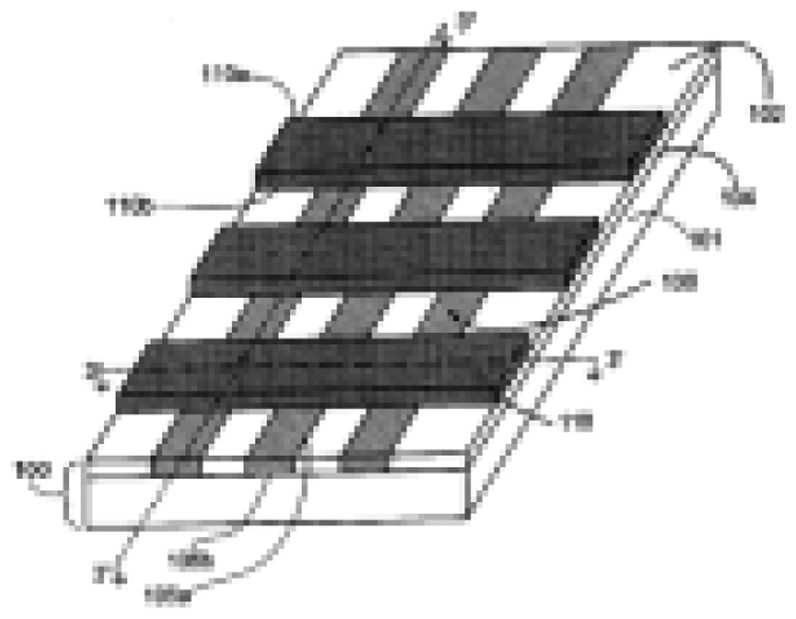
Methods of making adhesive articles providing air egress by supplying a route for the air to flow out from under the construction are described. One method includes providing a release liner comprising a moldable layer having a release surface and a back surface; applying a first pattern of a first non-adhesive material to a first portion of the release surface; applying a second pattern of a second non-adhesive material to a second portion of the release surface, wherein the second pattern partially overlaps the first pattern; embedding at least one of the first or second non-adhesive materials into the moldable layer; and transferring an adhesive layer having a front and back surface and end edges onto the release liner, wherein the front surface of the adhesive layer is adhered to the release surface of the release liner.
Flame retardant composition
Inventor(s): Gelmont, M., Peled, M., Alon, D., Frim, R., Bar-Yaakov, Y.
Sources: US Pat.: 9,631,144
Corporate/Assignee: Bromine Compounds Ltd.
A liquid flame retardant composition which comprises one or more flame retarding agents, which are the epoxides obtainable by reacting tetrabromobisphenol A with epichlorohydrin and their end-capped derivatives represented by Formula (1) is provided. The liquid composition is especially useful in the preparation of rigid polyurethane foams.
Method for producing tire having tread with foamed material and hollow tread pattern elements
Inventor(s): Lopez, J. M., Vasseur, D., Cuscito, O., Petit Jean, S.
Sources: US Pat.: 9,604,422
Corporate/Assignee: Compagnie Generale Des Etablissements Michelin, Michelin Recherche Et Technique S.A.
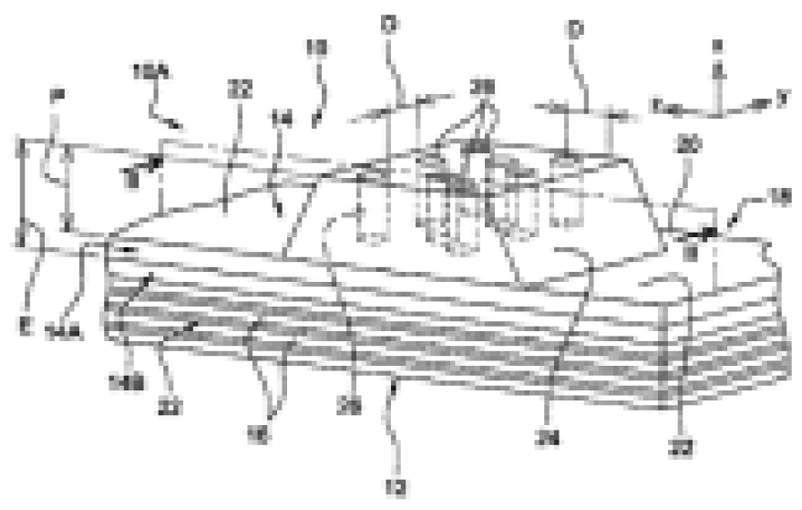
A layer of cellular material forms a running layer (14 A) of a tread (14) in which tread pattern elements (20, 22, 26) are made. In order to form the cellular material, an uncured blank is provided with a mass of material comprising p,p'-oxybis(benzenesulphonyl hydrazide) that forms a pore-forming agent. The uncured blank is placed in a vulcanization mold (28) comprising molding elements (30, 32, 34). At least 95% of the molding elements (30, 32, 34) each satisfy the following two conditions: (a) the molding element (30, 32, 34) is separated from at least one other molding element (30, 32, 34) by a distance, expressed in millimeters, of less than or equal to DM=6.85 + 0.0065T3, T, greater than or equal to 3 phr, being the amount of p,p'-oxybis(benzenesulphonyl hydrazide) in the mass of material intended to form the cellular material, (b) the molding element (30, 32, 34) is intended to form a tread pattern element (20, 22, 26) having a depth at least equal to 80% of the thickness of the running layer (14 A).
Biomedical foams
Inventor(s): Hissink, C. E., Flipsen, T. A. C., Zuidema, J., Gibcus, L. J.
Sources: US Pat.: 9,610,377
Corporate/Assignee: Stryker European Holdings I, Llc
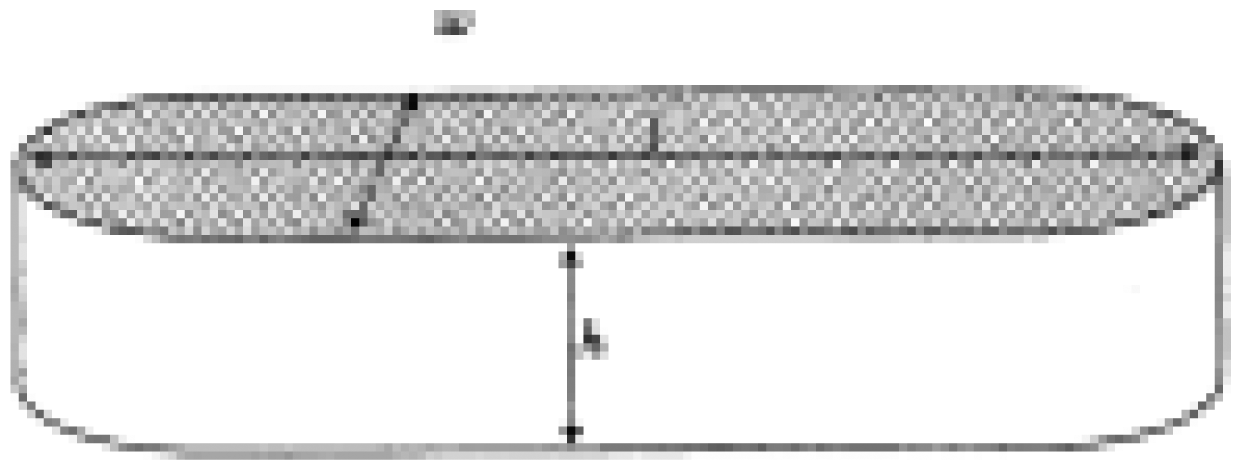
The invention relates, generally, to porous absorbent materials which are suitable for packing antrums or other cavities of the human or animal body. More particularly, it relates to hydrophilic biodegradable foams, which may be used, e.g. in the form of a plug or tampon, for instance for controlling bleeding, wound closure, prevent tissue adhesion and/or support tissue regeneration. The invention provides an absorbent foam, suitable for packing antrums or other cavities of the human or animal body, comprising a biodegradable synthetic polymer, which polymer comprises –C(O)–O– groups in the backbone of the polymer, for instance polyurethane and/or polyester units combined with polyethers.
Polymeric materials
Inventor(s): Graichen, F. H. M., Leita, B. A., O'Shea, M. S.
Sources: US Pat.: 9,617,277
Corporate/Assignee: Commonwealth Scientific and Industrial Research Organisation
Monomers having the structure and a polymer comprising as part of its polymer backbone a moiety of Formula (II): ##STR00001## where one of R.sup.6 to R.sup.10 represents A-O– and one of R.sup.6 to R.sup.10 represents –O–B and the remainder of R.sup.6 to R.sup.10 represent H, where A and B represent the remainder of the polymer backbone and may be the same or different. ’The monomers are diol, dicarboxylic acid, epoxy, and succinate compounds containing a cineole structure wherein a compound for use in preparation of polymer, the compound selected from ##STR00002##
Compostable or biobased foams
Inventor(s): Pawloski, A. R., Cernohous, J. J., Kaske, K.
Sources: US Pat.App.: 20170100861
Corporate/Assignee: Lifoam Industries, Llc
The present invention describes compostable or biobased foams that are useful for fabricating foamed articles and methods for producing the same. The foams are produced using a compound comprising a compostable or biobased polyester and a blowing agent. Additives including plasticizers and chain extenders are optionally included in the compostable or biobased composition. These foams can be produced using conventional melt processing techniques, such as single and twin-screw extrusion processes. In one embodiment, foamed strand profiles are cooled and cut using conventional strand pelletizing equipment. In another embodiment, foamed beads are produced by cutting the foamed strand at the face of the extrusion die and the foamed bead or strand is subsequently cooled. The resulting compostable or biobased foamed bead has a specific gravity less than 0.15 g/cm.sup.3 and the foam is compostable, as determined by ASTM D6400.
Transparent biodegradable polymer
Inventor(s): Ahn, J., Kang, S., Kim, M., Yun, K., Kang, G., Kim, Y., Yang, M.
Sources: US Pat.App.: 20170101504
Corporate/Assignee: Lotte Fine Chemical Co., Ltd.
The present invention is characterized by introducing isosorbide to a monomer configuration for securing the transparency of a biodegradable polymer as well as providing material having excellent heat resistance and flexibility, As a monomer, a component derived from isosorbide which has a rigid structure is contained by 10-50 mol% of a total diol component, thereby bringing a heat resistance enhancing effect, and enhancing transparency by interfering with crystal formation, and allowing for providing a polymer having excellent flexibility. Thus, the present invention may enable securing stability in usage especially in the packaging area, and enable the heightening of the range of usage and utilization thereof.
Polyester polyols made of isophthalic acid and/or terephthalic acid and oligoalkyl oxides
Inventor(s): Nefzger, H., Bauer, E., Van De Braak, J., Schlossmacher, J., Kasperek, S.
Sources: US Pat.: 9,605,106
Corporate/Assignee: Covestro Deutschland AG
The present invention relates to a method for producing a polyester polyol having a concentration of ether groups in the range from 9.0 mol/kg of polyester polyol to 22 mol/kg polyester polyol, characterized in that (i) in a first step (a) isophthalic acid, optionally in the form of a C.sub.1-C.sub.4 alkyl ester, and/or terephthalic acid, optionally in the form of a C.sub.1-C.sub.4 alkyl ester, is reacted with (b) oligoethylene glycol of the formula H–(OCH.sub.2CH.sub.2).sub.n–OH having a numerical average number of oxyethylene groups n in the range from 3.0 to 9.0, in the presence of at least one catalyst selected from the group made up of tin(II) salts, bismuth(II) salts, and titanium tetraalkoxylates, at a temperature in the range from 160°C to 240°C, and at a pressure in the range from 1 to 1013 mbar, for a duration in the range from 7 to 100 h, and (ii) in a second step, the reaction mixture resulting from step (i) is reacted with (c) phthalic acid and/or phthalic acid hydride, the polyester polyols obtained according to said method, and to the use thereof for producing PUR/PIR hard foam materials.
Thermoplastic polyurethanes composition and preparation processes thereof
Inventor(s): Zhuang, W., Chen, B., Nomura, A., Yamamoto, E., Qu, J., Kondo, M., Lim, T., Schaefer, F.
Sources: US Pat.: 9,605,131
Corporate/Assignee: BASF SE
This invention is directed to a thermoplastic polyurethanes composition comprising polyether-based thermoplastic polyurethane and 1,2-cyclohexane dicarboxylic acid ester and preparation processes thereof. The thermoplastic polyurethane composition has a good mold release behavior in injection molding without undesirably significant shrinkage and surface blooming of final product.
Amine polyether polyols and polyurethane foam compositions made from cyclic amine compounds
Inventor(s) King, S. W., Quintanilla, E., Massy, J., Bank, D. H., Vogel, E. B., Graf, F. R. M., Birch, A. J.
Sources: US Pat.: 9,611,351
Corporate/Assignee: Dow Global Technologies Llc.
Publication Date 4 April 2017
The present invention describes cyclic amine compounds useful for catalysts for polyurethane form-forming compositions, as well as amine alkoxylates and amine polyether polyols formed form the cyclic amines. The cyclic amine compounds of the invention provide distinct benefits for reaction compositions, methods, and polyurethane foams based on their desirable physical and catalytic properties.
Low-resilience polyurethane foam and production method thereof
Inventor(s): Nishiguchi, D., Kageoka, M., Moriya, T., Yamasaki, S.
Sources: US Pat.: 9,611,370
Corporate/Assignee: Mitsui Chemicals, Inc.
A low-resilience polyurethane foam is produced by allowing a low-resilience polyurethane foam composition containing polyisocyanate (a), polyol (b), catalyst (c), and blowing agent (d) to react. The polyisocyanate (a) contains bis(isocyanatomethyl)cyclohexane, and the polyol (b) contains 5 to 30 mass % of polyol (b-1) having an average functionality of 1.5 to 4.5 and a hydroxyl number of 20 to 70 mgKOH/g, and 70 to 95 mass % of polyol (b-2) having an average functionality of 1.5 to 4.5 and a hydroxyl number of 140 to 300 mgKOH/g.
Method for minimizing emissions while forming a polyurethane foam
Inventor(s): Ogonowski, J.
Sources: US Pat.: 9,598,605
Corporate/Assignee: BASF SE
A method minimizes emissions while spraying a mixture of a resin composition and a polyisocyanate onto a surface. The resin composition has a hydroxyl content of at least 400 mg KOH/g and includes a blowing agent that is a liquid under pressure, a first polyol, at least one additional polyol other than the first polyol, and optionally a catalyst, surfactant, and water. The mixture is sprayed onto the surface to form a polyurethane foam having a closed cell content of at least 90%. The mixture is also sprayed through a spray nozzle at a spray angle corresponding to a control spray angle of from 15 to 125° measured at a pressure of from 10 to 40 psi using water as a standard. The step of spraying produces less than 50 parts of the polyisocyanate per one billion parts of air according to OSHA Method 47.
Low-resilience polyurethane foam and production method thereof
Inventor(s): Nishiguchi, D., Kageoka, M., Moriya, T., Yamasaki, S.
Sources: US Pat.: 9,611,370
Corporate/Assignee: Mitsui Chemicals, Inc.
A low-resilience polyurethane foam is produced by allowing a low-resilience polyurethane foam composition containing polyisocyanate (a), polyol (b), catalyst (c), and blowing agent (d) to react. The polyisocyanate (a) contains bis(isocyanatomethyl)cyclohexane, and the polyol (b) contains 5 to 30 mass% of polyol (b-1) having an average functionality of 1.5 to 4.5 and a hydroxyl number of 20 to 70 mgKOH/g, and 70 to 95 mass% of polyol (b-2) having an average functionality of 1.5 to 4.5 and a hydroxyl number of 140 to 300 mgKOH/g.
Foam, composition, and method
Inventor(s): Petrovic, Z. S., Javni, I. J., Ionescu, M., Cvetkovic, I., Zlatanic, A., Bilic, N., Song, K., Hong, D., Bozek, J. J., Toas, M. S.
Sources: US Pat.: 9,617,412
Corporate/Assignee: Certainteed Corporation
A method of producing a foam is disclosed. The method includes providing an epoxy-containing compound, a cationic catalyst, an optional blowing agent, and at least one additive. The method further includes combining the epoxy-containing compound with the cationic catalyst, the optional blowing agent, and the at least one additive, wherein the epoxy-containing compound and the cationic catalyst react to polymerize the epoxy-containing compound to provide the foam having a density from about 0.3 lbs/ft.sup.3 to about 5.0 lbs/ft.sup.3 as measured by ASTM D1622. Further disclosed are the foam and a method for installing the foam.
Amine catalysts for polyurethane foams
Inventor(s): Van Der Puy, M., Williams, D. J., Nair, H. K., Nalewajek, D.
Sources: US Pat.App.: 20170088662
Corporate/Assignee: Honeywell International Inc.
The invention provides polyurethane and polyisocyanurate foams and methods for the preparation thereof. More particularly, the invention relates to open-celled, polyurethane and polyisocyanurate foams and methods for their preparation. The foams are characterized by a fine uniform cell structure and little or no foam collapse. The foams are produced with a polyol premix composition which comprises a combination of a hydrohaloolefin blowing agent, a polyol, a silicone surfactant, and a sterically hindered amine catalyst.
Method for the production of polyurethane foam
Inventor(s): Albers, R., Heinemann, T., Vogel, S., Loof, M., Gu, Z., Urano, A., Sangjo, S., Shihu, Z.
Sources: US Pat.App.: 20170096539
Corporate/Assignee: Covestro Deutschland AG
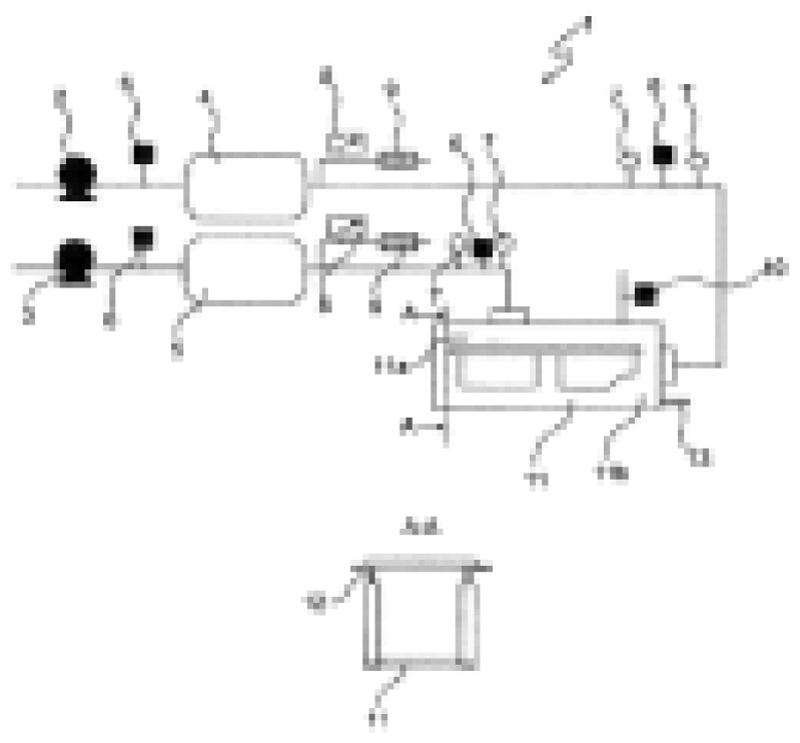
The present invention is related to a method for the production of polyurethane foam, comprising the steps of: (1) providing an isocyanate-reactive component A comprising a polyol component A1 which further comprises a physical blowing agent T; (2) combining at least the isocyanate-reactive component A and an isocyanate component B, thereby obtaining a polyurethane reaction mixture; (3) providing the polyurethane reaction mixture in a cavity (11); and (4) reducing the pressure within the cavity (11) to a pressure lower than ambient pressure. The method is characterized in that the cavity (11) is ventilated to ambient pressure before the gel time of the polyurethane reaction mixture is reached.
Packaging material, case, and power storage device
Inventor(s): He, W., Ito, H., Nagaoka, T., Karatsu, M.
Sources: US Pat.App.: 20170104189
Corporate/Assignee: Showa Denko Packaging Co., Ltd.
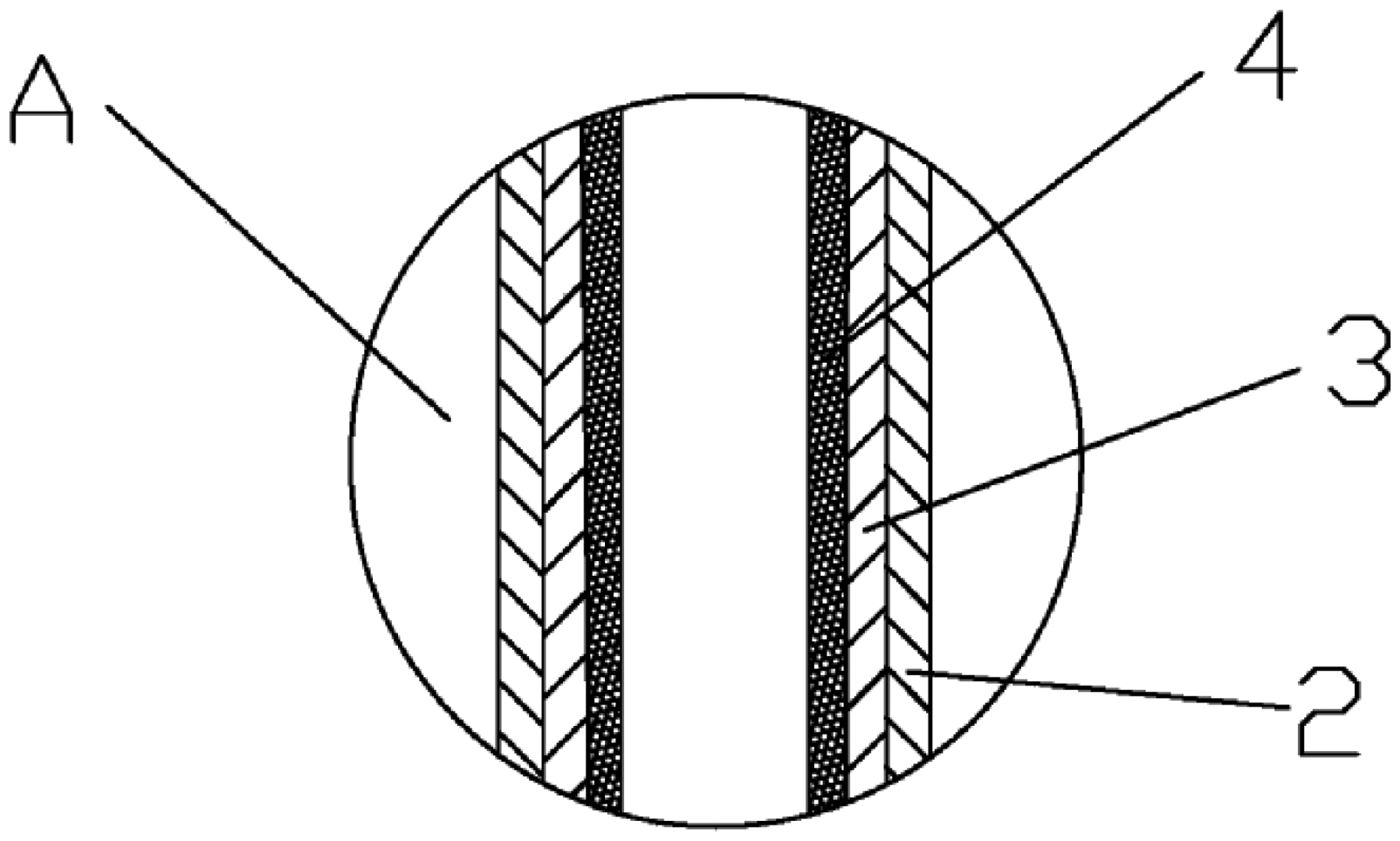
The packaging material includes a heat-resistant resin layer 2 as an outer side layer, a heat-fusible resin layer 3 as an inner side layer, and a metal foil layer 4 arranged between these layers. The heat-resistant resin layer 2 is made of a heat-resistant resin film having a hot water shrinkage rate of 1.5% to 12% and the heat-resistant resin layer 2 and the metal foil layer 4 are adhered via an outer side adhesive layer 5. The adhesive layer 5 is formed by an urethane adhesive agent containing a polyol, a polyfunctional isocyanate compound, and an aliphatic compound containing a plurality of functional groups capable of reacting with an isocyanate group in one molecule. With this, a packaging material can be provided in which excellent formability can be secured and delamination can be sufficiently suppressed without causing pinholes, etc. even when deep depth drawing is performed.
Method of fabricating a foamed, injection molded component with improved ductility and toughness
Inventor(s): Turng, L., Sun, X.
Sources: US Pat.: 9,555,564
Corporate/Assignee: Wisconsin Alumni Research Foundation
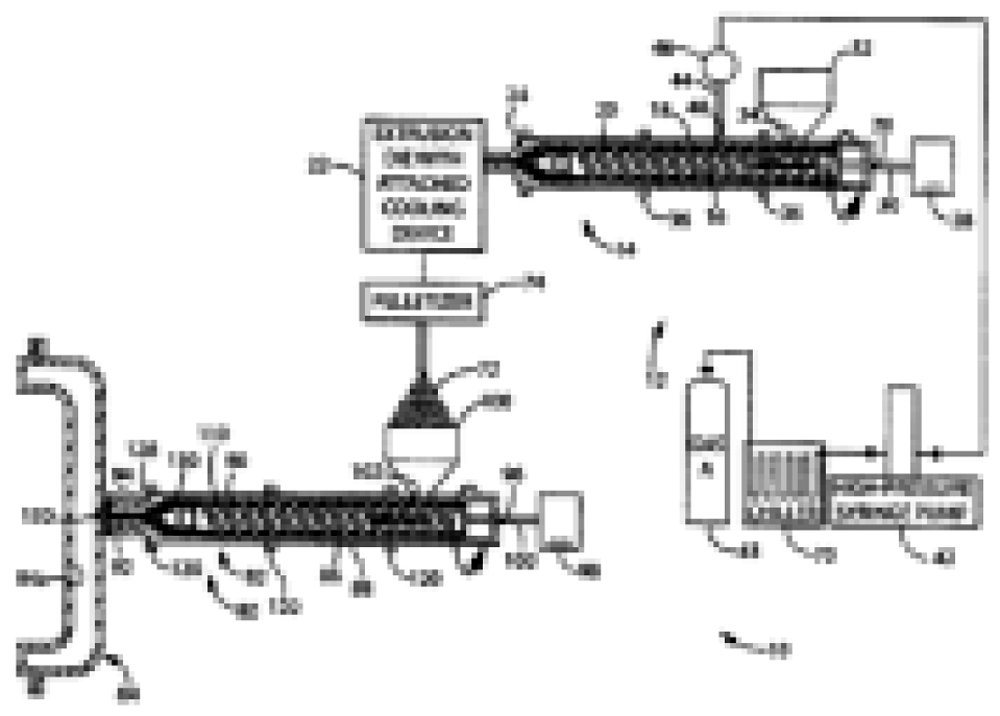
A method of fabricating a foamed, injection-molded component is provided. The method includes the step of plasticizing pellets including a first polymeric material and a second polymeric material within an injection barrel to form an injection material. The first polymeric material defines a first phase of the injection material and the second polymeric material defines a second phase of the injection material. The first and second phases of the injection material are immiscible. The injection material is injected into a mold to fabricate the foamed injection-molded component having microscale, microcellular voids. Upon tensile loading, submicron, secondary phase cavities are formed in the injection-molded component, resulting in improved ductility and toughness.
Polymer foam and method for preparing the same
Inventor(s): Lee, L. J., Li, D., Yen, Y., Fu, D., Chiu, Y. D., Lin, C.
Sources: US Pat.App.: 20170029589
Corporate/Assignee: LCY Chemical Corp., Ohio State Innovation Foundation
Polymer foam and a method for preparing the same are disclosed. In the present disclosure, the method sequentially comprises the following steps: providing a polymer body; performing a pressure-induced flow (PIF) process on the polymer body at a first predetermined temperature and a first predetermined pressure for a pressure holding time, to obtain a polymer sheet; and performing a foaming process on the polymer sheet by using a foaming agent at a second predetermined temperature and a second predetermined pressure for a saturation time, to obtain polymer foam.
Composite foam and methods of preparation and use
Inventor(s): Sjong, A.
Sources: US Pat.App.: 20170072604
Corporate/Assignee: Empire Technology Development LLC
Composite foams having cells containing shape-stabilized phase change material (ss-PCM) particles are described. Composite foams may be made by contacting a plurality of ss-PCM particles and one or more pre-polymer reactants, wherein each ss-PCM particle can form a nucleation site for foam cell generation. The composite foams may be used in regulating the temperature of an article wherein the foam undergoes a phase transition as the surrounding temperature of the article approaches the foam's phase transition temperature. The thermostatic material may exchange heat with the article during the phase transition, resulting in regulation of the temperature of the article. The composite foams may be used as a thermostatic packaging material having a cavity for storing goods.
Manufacturing film E.G. barrier film, comprises providing mixture of amphiphilic polymer and nanofibrillated polysaccharide solution to obtain intermediate solution, bringing solution into foam, and providing foam in paper or board machine
Inventor(s): Backfolk, K., Heiskanen, I., Lyytikaeinen, K. E., Lyytikainen, K. E., Saukkonen, E. T.
Sources: WO 2016207783 A1
Corporate/Assignee: Stora Enso OYJ
NOVELTY: Manufacturing a film in a paper or paper board machine, comprises providing a solution of 0.01–50 wt.% nanofibrillated polysaccharide including any one of microfibrillated cellulose, nanofibrillated cellulose, cellulose whiskers or cellulose derivative; providing an amphiphilic polymer; providing a mixture of the amphiphilic polymer and the solution to obtain intermediate solution; bringing the intermediate solution into a foam; and providing the foam in the paper or board machine.
Resilient foam for surgical procedures and treatment of epistaxis and/or wounds comprises derivatized polyanionic polysaccharide and open-cell structure, where resilient foam, when contacted with water can form thixotropic hydrogel
Inventor(s): Delli-Santi, G. T., Helawe, B.
Sources: AU 2015294612 A1
Corporate/Assignee: Arthrocare Corp.

NOVELTY: A resilient foam comprises derivatized polyanionic polysaccharide and open-cell structure, where resilient foam, when contacted with water can form thixotropic hydrogel.
ADVANTAGE: The resilient foam springs back when deformed, provides structural integrity to a tissue, absorbs liquids after placement, and/or provides moist dressing to promote hemostasis when contacted with liquid.
Method for producing multi-layer polyethylene resin foam sheet
Inventor(s): Morita, K., Kakuta, H., Taniguchi, R.
Sources: US Pat.: 9,592,642
Corporate/Assignee: JSP Corporation
A method for producing a multi-layer foam sheet having a foam layer and a resin layer laminated on at least one side of the foam layer, includes coextruding a foamable molten resin composition which contains a low density polyethylene and a physical blowing agent and a molten resin composition which contains 80 to 20% by weight of a specific ethylene-propylene random copolymer and 20 to 80% by weight of a specific polyethylene resin so that the foamable molten resin composition forms the foam layer and the molten resin composition forms the resin layer.
Polyolefin resin foam, a manufacturing method of the foamed resin composition, and a foam
Inventor(s): Yahara, K., Tsurugi, Y., Kato, N.
Sources: JP 2017025178
Corporate/Assignee: Sekisui Chemical Co., Ltd.
A without containing foaming residue nitrogen based has good environmental compatibility, polyolefin resin foam which can meet the high temperature elongation required for such a case of forming a deep drawing products, foam use resin composition, and provides the method for producing a foam. It includes A polyolefin resin and polyvinylidene fluoride resins, the foams resin composition mass ratio is 90/10–70/30 in the polyolefin resin/polyvinylidene fluoride resin, formed by foaming, density 0.04-0.5 G/cm3 is the maximum tensile elongation at 90°C. is 200% or more, polyolefin resin foam. Foamed resin composition, and the foams resin composition by crosslinking treatment and then impregnated with gas producing method of the foam is foamed by heating.
Styrene resin composition, foam sheet and molded body using same
Inventor(s): Fujihira, M., Ootsubo, T.
Sources: WO 2017022498
Corporate/Assignee: Dic Corporation
Provided is a styrene resin composition which contains a polystyrene resin (A), a polyphenylene ether resin (B) and a foaming agent (C), and which is characterized in that: the polystyrene resin (A) is a hyperbranched resin that has a structure derived from a styrene monomer (a2) and a structure derived from a methacrylic acid (a3); (1) the polystyrene resin (A) has a weight average molecular weight of 200,000–700,000 as determined by a GPC-MALS method; and (2) the slope in the molecular weight range of 250,000–10,000,000 in a double logarithmic chart taking the molecular weight determined by a GPC-MALS method as abscissas and the radius of inertia as ordinate is 0.30–0.45. This styrene resin composition enables the adequate achievement of a foam sheet which has moldability, heat resistance, oil resistance and strength in a balanced manner, while having good productivity. Also provided are: a foam sheet which uses this styrene resin composition; and a molded body.
Multifunctional composite material, and method of production, packaging, food and beverage cartridge
Inventor(s): Wu, F., Qian, C.
Sources: CN 106364092
Corporate/Assignee: Suzhou Shicheng Material Technology Co., Ltd.
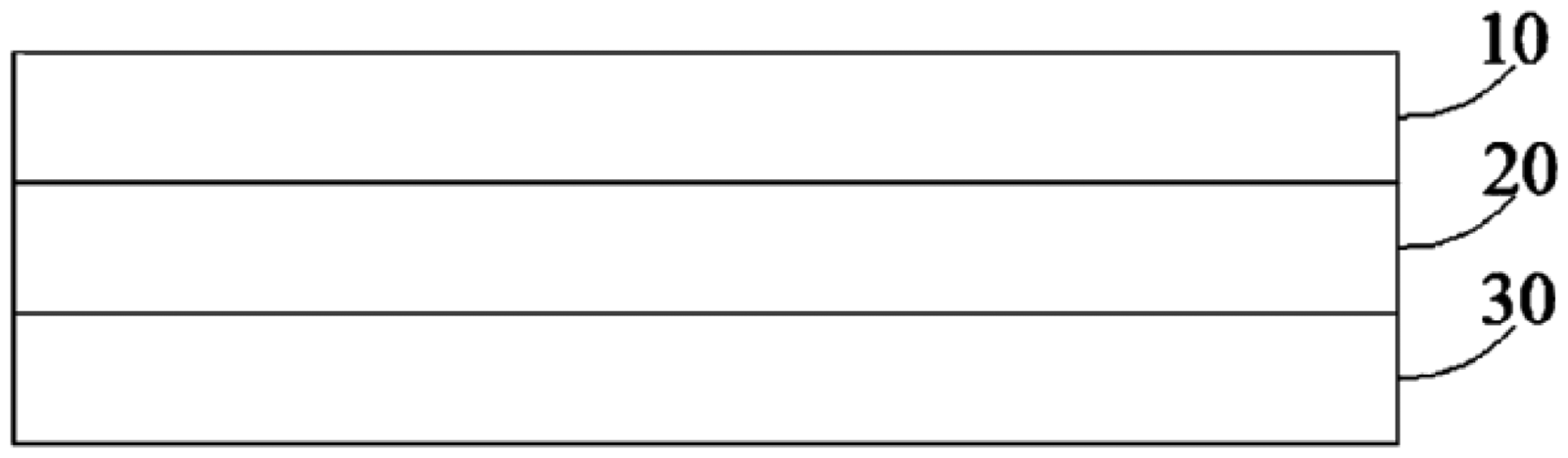
The present invention provides a multifunctional composite material and its production process, packaging, food and beverage cartridge, wherein the multi-functional composite material comprising: a foamed sheet layer, a first bonding layer and the first plastic sheet layer; the foamed sheet layer, a first bonding layer and the first plastic sheet layer are sequentially stacked, the first plastic sheet layer through the first layer and the binding layer foamed sheet are bonded together. Synthesis of multifunctional material of the present invention with insulation, anti-hot, high strength, good cushioning properties advantage that it overcomes the drawbacks of the conventional products prepared by the present foamed sheet, in a broad field of food packaging and prospects.
Vertical multiple-sheet – Shield tunneling method for constructing
Inventor(s): Kaneko, K., Bessho, T.
Sources: JP 6093795
Corporate/Assignee: Taisei Corporation
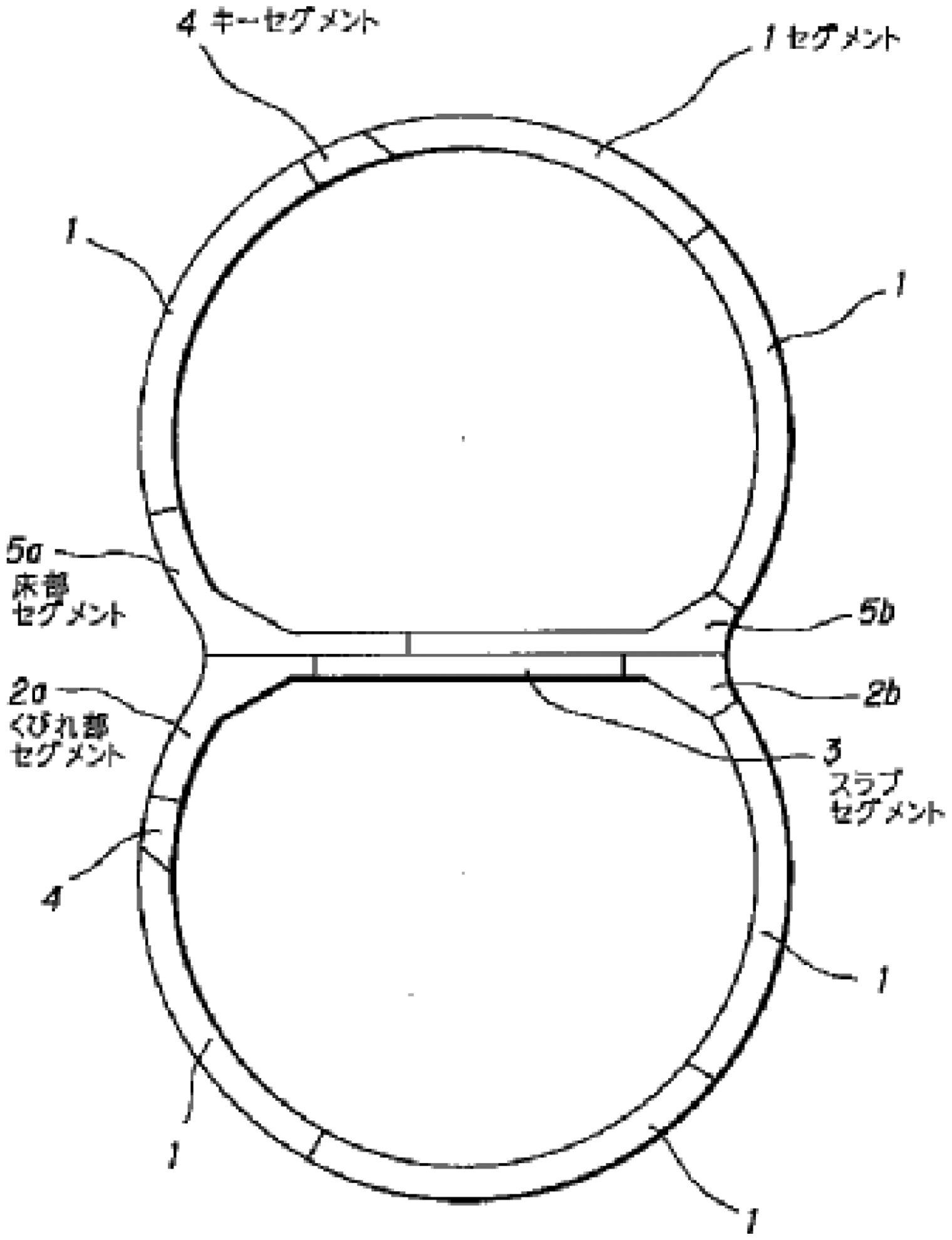
OBJECTIVE: To shorten the construction time, a safe and low-cost facilities provide a shield tunneling method for constructing a – Engineering capable vertical multiple-sheet and aims to. Cold Tunnel structure of – [Configuration] sheet that multiple successive longitudinally in built method, the lower sheet – shield tunnel, the tunnel has a slab segment 3 between segments of the constricted portion, the upper sheet – shield tunnel, constriction segment and slabs and segments have the floor segment 5 a which is an integral structure, and the lower sheet – slab segments shield tunnel, the upper sheet – than field tunnel prior collision the axial direction of the tunnel is installed in a state in which out, lower sheet – the construction of shield tunnel slab field tunnel – in parallel, the preceding protruding lower sheet on the segment, the upper sheet – floor segment of the shield tunnel assembly bets, segments the floor segment basis to ring constructing a field tunnel – assembling the upper sheet by.
Rebar bending apparatus
Inventor(s): Sato, H., Kajioka, Y., Hatta, M.
Sources: JP 6087026
Corporate/Assignee: Shimizu Corporation
Upon bending collectively Objective plurality of reinforcing bars, rebar. Unusual setting work of the fulcrum bending without threatening reinforcement pitch and easier. [Configuration] bending position of a plurality of reinforcing bars W was set on pedestal 2 inside, placed by traversing fulcrum shaft 3 bend, the fulcrum bending fulcrum shaft 3, the bending force point shaft 4 by turning the, collectively one end of each reinforcing bar W by bending integrally with the reinforcing bar W is moved upward. One song a down fulcrum shaft 3, supported against reinforcement W all be bent from was point, eliminates the need to fulcrum settings for each rebar W that.
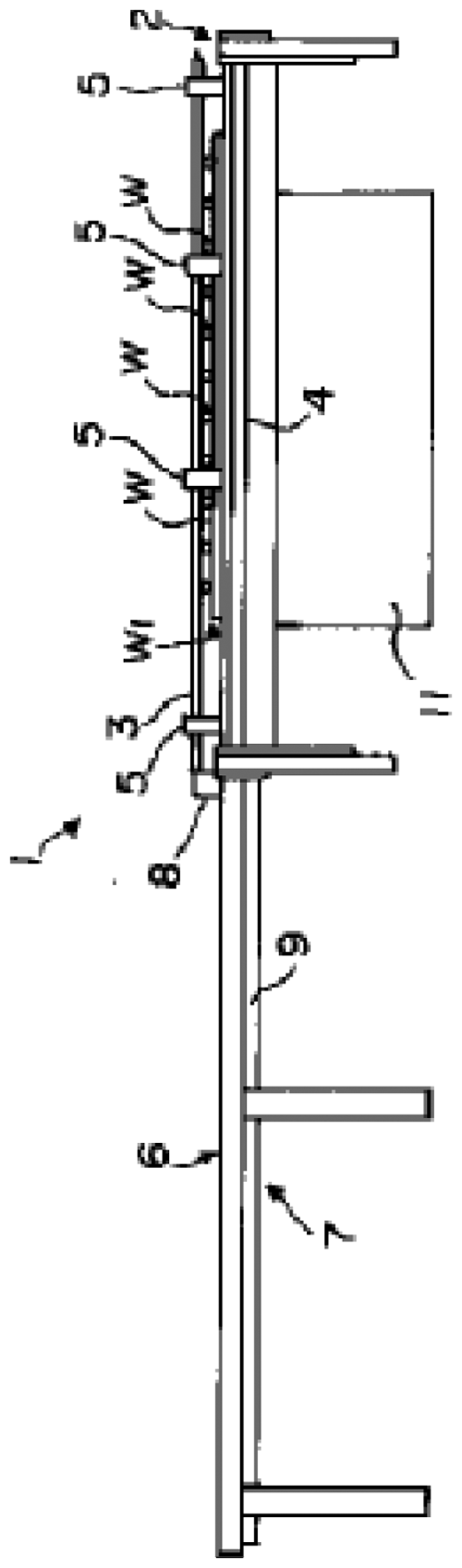
Carton with article protection features
Inventor(s): Holley, Jr., Murdick, J.
Sources: US Pat.: 9,598,214
Corporate/Assignee: Graphic Packaging International, Inc.
A carton for holding a plurality of containers. The carton can comprise a plurality of panels that extends at least partially around an interior of the carton. The plurality of panels comprises a first top panel, a second top panel, and a side panel. The first top panel at least partially overlaps the second top panel. A crown retention panel can be foldably connected to the second top panel, and an attachment flap can be foldably connected to the crown retention panel. At least a portion of the crown retention panel can be spaced apart from the side panel in the interior of the carton, and at least a portion of the attachment flap can be at least partially in face-to-face contact with the side panel.
Insulating container
Inventor(s): Fu, T. Z., Cook, M. R.
Sources: US Pat.: 9,591,937
Corporate/Assignee: LBP Manufacturing LLC
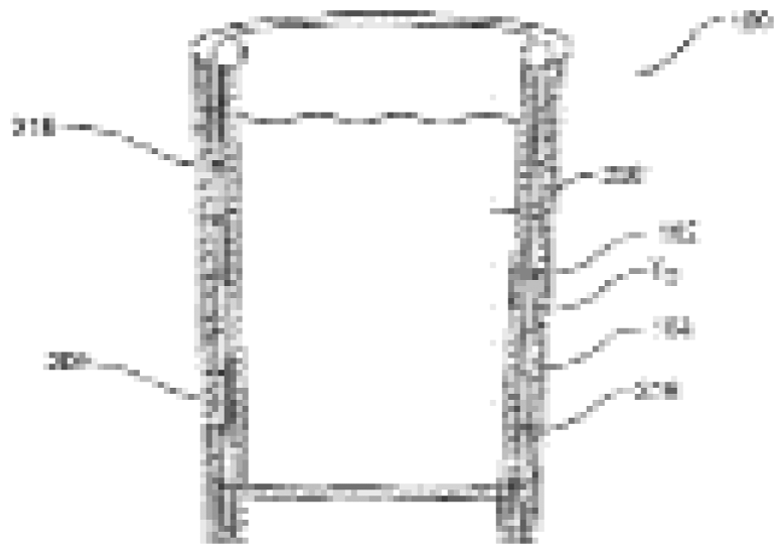
A package or container includes a side wall, the side wall having an inner surface and an outer surface. At least one of the inner surface or the outer surface of the side wall may be at least partially coated by a layer of an insulating material. The material may be adapted to be expanded to provide thermal insulation.
Method for manufacture of films and foams
Inventor(s): Rieken, W.
Sources: US Pat.App.: 20170067167
Corporate/Assignee: N/A
The invention relates to a method for the manufacture of films from colloidal suspensions of two-dimensional materials. Specifically, the method involves controlled drying and dispensing of the colloidal suspension on a substrate. The resulting films are freestanding. The invention further relates to the formation of freestanding foams.
Compositions comprising propylene-based elastomers, foamed layers made therefrom, and methods of making the same
Inventor(s): Williams, M. G., Wagner, J. B., Falta, R. L., Johnson, C. B., Van Loon, A. J. M.
Sources: US Pat.App.: 20170066894
Corporate/Assignee: N/A
The present disclosure relates to compositions comprising a propylene-based elastomer, a branched polymer, and a blowing agent. The present disclosure also relates to foamed layers and articles made from such layers.
Laminated sheet having an easy cutting property in a specific direction and package using the same
Inventor(s): Uchida, K.
Sources: JP 2017024181
Corporate/Assignee: Sekisui Film Corporation
To provide a laminated sheet and a package using the same having an easy cutting property in a specific direction.
The present invention provides a laminated sheet of synthetic resin foam and a polyethylene resin film is laminated, (1) the polyethylene resin film contains at least one ionomer and cyclic olefin polymer, (2) the polyethylene resin film has a TD direction perpendicular to the film take-up direction (MD direction) and the MD direction in the film process, (3) the laminated sheet is specified by the polyethylene resin film a pair of MD direction side are (side length 100 mm) and providing a sample of the laminated sheet of a square with a pair of TD direction side (side length 100 mm), towards the diagonal from one vertex linearly 30 mm of notched, then evaluate the cutting directionality tear sample by causing the other to one of the cut pieces to the sample before sliding the sample back In case selectively be torn linearly in the MD direction or TD direction of the polyethylene resin film laminated sheet characterized by.
Vacuum insulation function featured composite panel for use in construction site, has sealing part formed with pair of laminating parts, where laminating parts, fused layer, barrier layer and protective layer are laminated in core
Inventor(s): Dahn, J. H., Jang, S. W., Jung, M. S., Kang, S. H., Kim, D. L., Kim, K. S., Kwak, J. Y., Lee, N. S., Won, J. H., You, Y. H.
Sources: KR 2017011559 A
Corporate/Assignee: KCC Corp.
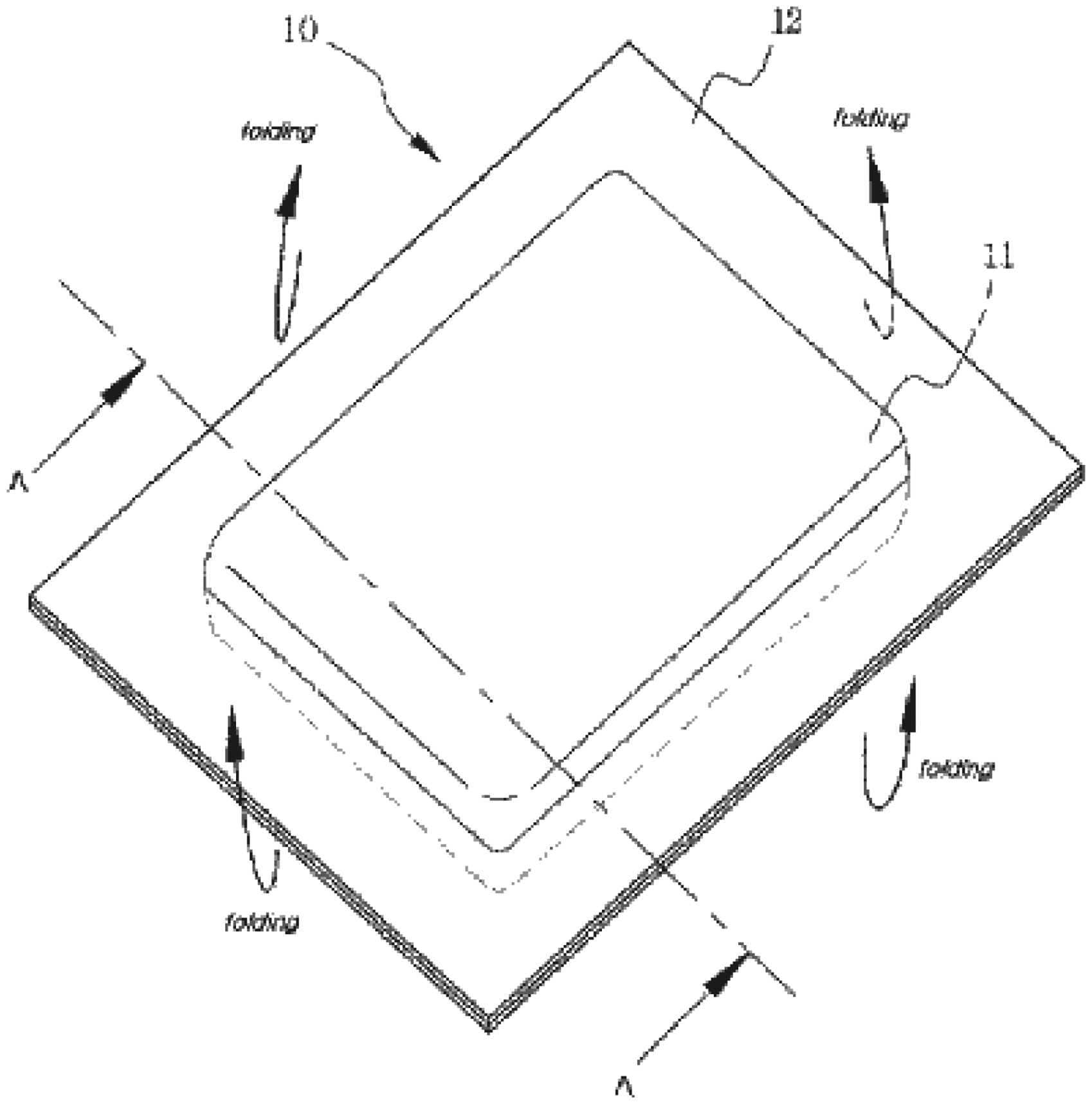
NOVELTY: The panel (100) has a foamed polyurethane panel portion (150) adhered while surrounding a surface of a vacuous insulator (130) provided with a core (110). A sealing part (120) surrounds the core and the vacuous insulator. The sealing part is formed with a pair of laminating parts. The laminating parts, a fused layer, a barrier layer (120b) and a protective layer (120c) are successively laminated in the core. The vacuous insulator is provided with a gas absorbent (140) for removing gas flowed into the sealing part.
DESCRIPTION: The protective layer is formed with inorganic material that is aluminum, aluminum oxide, silicone or silicon oxide. The barrier layer is made of inorganic material that is metalized film or aluminum foil.
ADVANTAGE: The panel avoids generation of thermal bridge phenomenon between the vacuous insulator and the foamed polyurethane panel portion so as to ensure better impact resistance and reduce failure rate in products production, so that better durability and better workability of the vacuous insulator can be ensured in the construction site.
DESCRIPTION OF DRAWINGS
The drawing shows a partially enlarged perspective view of a vacuum insulation function featured composite panel; 100 vacuum insulation function featured composite panel 110 Core 120 Sealing part 120b Barrier layer 120c Protective layer 130 Vacuous insulator 140 Gas absorbent 150 Foamed polyurethane panel portion.
Masterbatch composition for preparation of foamed polymeric product used as e.g. insulation board, decorative product, packaging material for food or electronics, or automotive part comprises amorphous polymer resin and nucleating agent
Inventor(s): Neuber, F. W., Scholz, P., Wegner, J.
Sources: IN 201617039101 A
Corporate/Assignee: Clariant Int Ltd.
NOVELTY: A masterbatch composition comprises amorphous polymer resin selected from poly(methyl methacrylate), PVC, polystyrene, polystyrene copolymers, polycarbonate, polysulfone, poly(ether sulfone), poly(p-phenylene ether), glycol-modified polyethylene terephthalate, and/or its mixtures or blends, and nucleating agent.
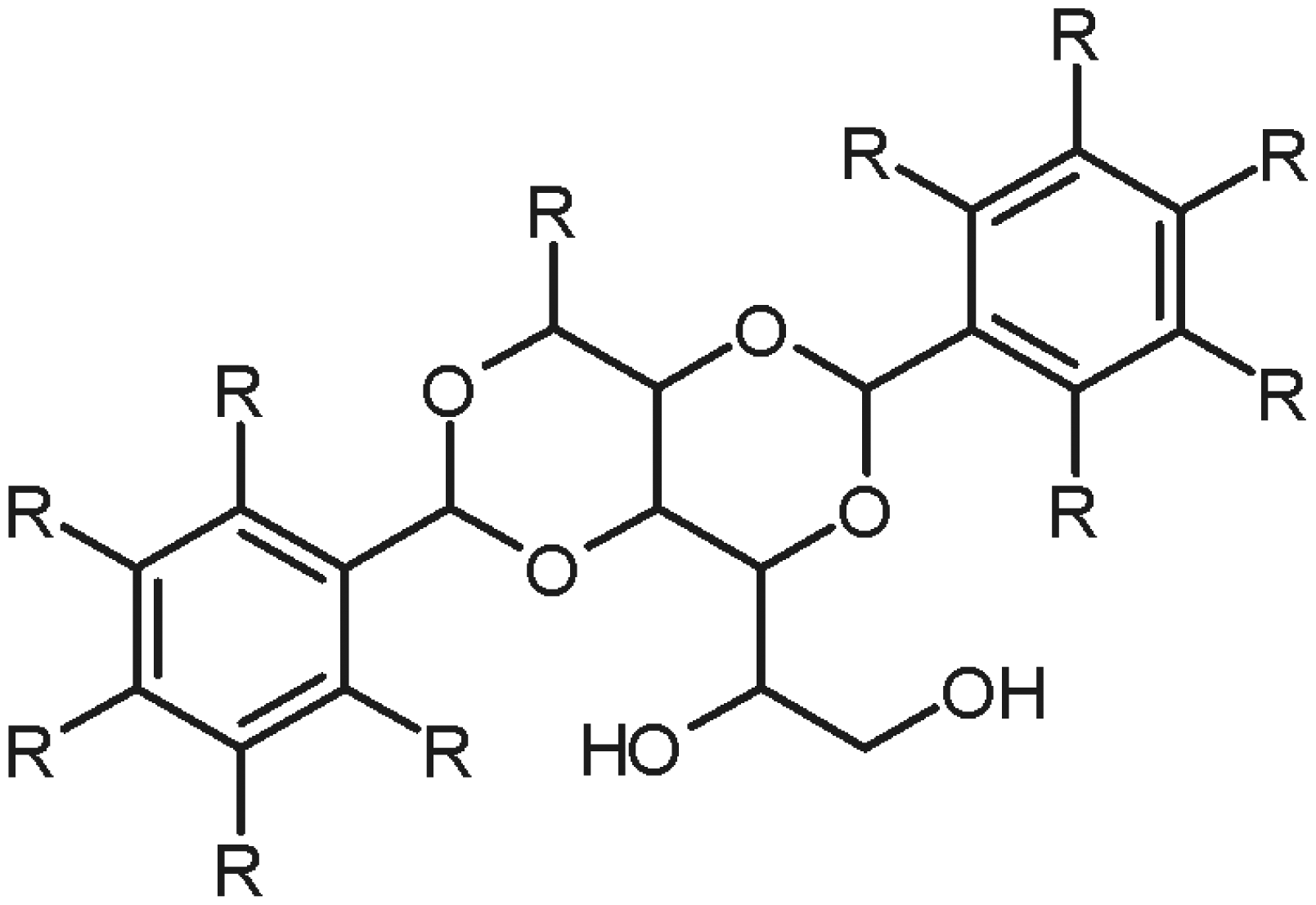
DESCRIPTION: A masterbatch composition comprises amorphous polymer resin selected from poly(methyl methacrylate), PVC, polystyrene, polystyrene copolymers, polycarbonate, polysulfone, poly(ether sulfone), poly(p-phenylene ether), glycol-modified polyethylene terephthalate, and/or its mixtures or blends, and nucleating agent of formula (1).
DESCRIPTION: R=H, 1–10C alkyl, 5–10C cycloalkyl, Ph, Ph substituted with 1, 2, 3, or 4 1–4C aIkyl groups, or 1–4C alkylene-phenyl.
USE: A masterbatch composition for preparation of foamed polymeric product used as insulation board, decorative product, packaging material for food or electronics, sound insulation, or automotive part (all claimed).
ORGANIC CHEMISTRY: Preferred compositions: Nucleating agent is selected from 1,3:2,4-bis-(benzylidene)-sorbitol derivates of formulae (I), (II), and/or (Ill). Nucleating agent is selected from 1,3:2,4-bis-(benzylidene)-sorbitol derivates of formulae (IV), (V), and/or (VI). Composition contains 0.001–50 wt.% nucleating agent (1) with respect to total weight of composition.
R1-R4=H, 1–10C alkyl, 5–10C cycloalkyl, Ph, Ph substituted with 1, 2, 3, or 4 1–4C aIkyl groups, or 1–4C alkylene-phenyl.
Algae-derived flexible foam, and method of manufacturing the same
Inventor(s): Falken, R.
Sources: US Pat.App.: 20170066893
Corporate/Assignee: Bloom Holdings LLC
This document discloses algae-derived flexible foams, whether open-cell or closed-cell, with inherent antimicrobial and flame resistant properties, wherein a process of manufacturing includes the steps of: harvesting algae-biomass; sufficiently drying the algae biomass; blending the dried algae biomass with a carrier resin and various foaming ingredients; adding an algal-derived antimicrobial compound selected from various natural sulfated polysaccharides present in brown algae, red algae, and/or certain seaweeds (marine microalgae); and adding a sufficient quantity of dried algae biomass to the formulation to adequately create a fire resistant flexible foam material.
One bio-based multifunctional storage bag
Inventor(s): Jin, G., Shi, D., Yang, H.
Sources: CN 106275770
Corporate/Assignee: Zhongshan City Che-hung Packaging Technology Co., Ltd.
The present invention discloses a bio-based multi-function storage bags, including side of the opening of the bag, the bag from outside to inside the load-bearing layer, a barrier layer, and fresh adsorbent layer, the adsorption fresh layer having a moisture mitigation loss of adsorption and surface micro-foam film ethylene body composition, storage bags from outside to inside the load-bearing layer, a barrier layer and a fresh layer adsorption composition, bio-based fresh layer both lock in moisture produced during respiration of fruits and vegetables can also be accompanied by adsorption ethylene produced by respiration, a barrier layer to reduce the loss of watershed, outside the load-bearing layer extrusion buffer to reduce the damage, greatly extend the freshness of fruits and vegetables storage time, while the bags of fresh produce simple, low cost.
Method for minimizing emissions while forming a polyurethane foam
Inventor(s): Ogonowski, J.
Sources: US Pat.: 9,598,605
Corporate/Assignee: BASF SE
A method minimizes emissions while spraying a mixture of a resin composition and a polyisocyanate onto a surface. The resin composition has a hydroxyl content of at least 400 mg KOH/g and includes a blowing agent that is a liquid under pressure, a first polyol, at least one additional polyol other than the first polyol, and optionally a catalyst, surfactant, and water. The mixture is sprayed onto the surface to form a polyurethane foam having a closed cell content of at least 90%. The mixture is also sprayed through a spray nozzle at a spray angle corresponding to a control spray angle of from 15 to 125° measured at a pressure of from 10 to 40 psi using water as a standard. The step of spraying produces less than 50 parts of the polyisocyanate per one billion parts of air according to OSHA Method 47.
Polyurethane spraying system used to minimize emissions of a polyisocyanate
Inventor(s): Wishneski, T. W., Ogonowski, J., Jean-Rejouis, M., Hunter, M.
Sources: US Pat.: 9,592,516
Corporate/Assignee: BASF SE
A polyurethane spraying system minimizes emissions of a polyisocyanate while spraying a mixture of a polyisocyanate and a resin composition onto a surface. The system includes a first reactant supply tank including the resin composition. The system also includes a second reactant supply tank including the polyisocyanate. The system further includes a non-gaseous pump that is coupled with the first and second reactant supply tanks, a mixing apparatus that is coupled with the first and second reactant supply tanks for mixing the resin composition and the polyisocyanate prior to spraying, and a particular spray nozzle that is coupled with the mixing apparatus. The polyurethane spraying system produces less than 50 parts of the polyisocyanate per one billion parts of air according to the NIOSH 5521 Impingement Method while spraying the mixture onto the surface.
Method of making hydroxymethylphosphonate, polyurethane foam-forming compositions, polyurethane foam and articles made therefrom
Inventor(s): Stowell, J. K., Francisco, G., Weil, E.
Sources: US Pat.: 9,593,220
Corporate/Assignee: ICL-IP America Inc.
There is provided herein a method of making hydroxymethylphosphonate comprising reacting paraformaldehyde, at least one dialkyl phosphite and at least one trialkyl phosphite, in the presence of at least one amine catalyst.
Rigid polyurethane foam and system and method for making the same
Inventor(s): Singh, S. N., Wu, J., Hamilton, A. J.
Sources: US Pat.: 9,587,080
Corporate/Assignee: Huntsman International Llc
An embodiment of a closed-cell polymeric rigid foam may be made using a one-shot method and a reaction system that includes a hydrofluoroalkene physical blowing agent and a polyol mixture having an aminic polyol. The hydrofluoroalkene blowing agent has three to five carbon atoms and a boiling point between 10°C and 40°C at 1 atmosphere pressure. Embodiments of rigid foams may have high closed cell content and are particularly well suited for thermal insulation.
Silicone surfactant for use in polyurethane foams prepared using vegetable oil based polyols
Inventor(s): Heisler, L., Pickrell, G. A., Lawler, L. F.
Sources: US Pat.: 9,587,068
Corporate/Assignee: Momentive Performance Materials Inc.
Silicone surfactants for use in polyurethane foams prepared using natural oils based polyols comprise silicone copolymers possessing alkyl and polyalkylene oxide polyether pendants. The silicone surfactants yield foams having improved physical properties as compared to other surfactant compositions when used in vegetable oil-based urethane foams.
Catalysts for polyurethane foam polyol premixes containing halogenated olefin blowing agents
Inventor(s): Ross, M. A., Grossman, R., Williams, D. J., Gittere, C. P.
Sources: US Pat.App.: 20170066867
Corporate/Assignee: Honeywell International Inc.
The invention provides polyurethane and polyisocyanurate foams and methods for the preparation thereof. More particularly, the invention relates to closed-celled, polyurethane and polyisocyanurate foams and methods for their preparation. The foams are characterized by a fine uniform cell structure and little or no foam collapse. The foams are produced with a polyol premix composition which comprises a combination of a hydrohaloolefin blowing agent, a polyol, a silicone surfactant, and a non-amine catalyst used alone or in combination with an amine catalyst.
Polyurethane foam molding release agent composition and process for producing a flexible polyurethane foam
Inventor(s): Nasa, T.
Sources: JP 2017024271
Corporate/Assignee: Momentive Performance Materials Japan LLC
A has excellent releasability with respect to the flexible polyurethane foam, and provides a release agent composition excellent in durability to allow for continuous molding. A this release agent composition, (A) viscosity polydiorganosiloxane linear having silanol groups at both ends which is the 3000–50,000 Pa · s, (B) an organic titanium compound and contains a crosslinking catalyst selected from organic zirconium compound, (C) a naphthenic solvent or isoparaffin solvent having a boiling point of 100 to 230°C. in flash point 40°C. or more, containing (a) a linear polydiorganosiloxane the amount is 0.1 to 30 wt.%, and (B) mass ratio of the content of the crosslinking catalyst and (a) a linear polydiorganosiloxane ((B)/(a)) is 1/10 to 1/1.
Planar patch antenna and its characteristic adjusting method
Inventor(s): Arita, M., Shimazaki, D., Otsuka, M., Toshihiro, I.
Sources: JP 6077724
Corporate/Assignee: Matsushita Electric Industrial Co., Ltd.
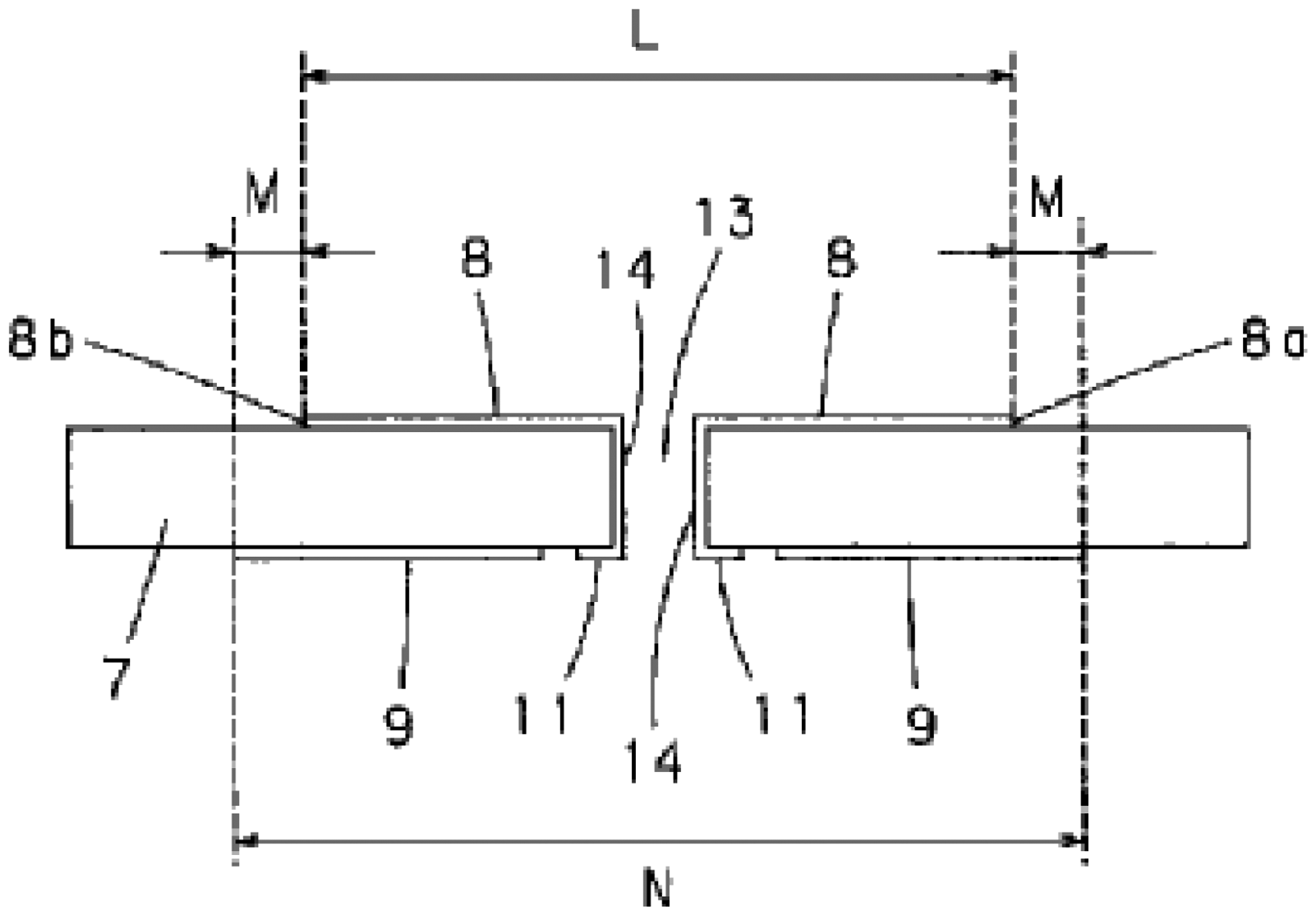
[OBJECTIVE] present invention also progressed downsizing of the apparatus sufficient characteristics planar patch antenna and its characteristic adjustment can be obtained and to provide an integer method.
[Configuration] patch electrode 8 and the strip formed in the substrate 7 inner conductor spline 4 a connects the electrode 11 connected provided 14 to the through hole 13. Further electrode 11 is shaped to form an earth electrode 9 on the surface have been made. Patch electrode width L and the end face 8a of the patch electrode 8 with respect to the width L of 8, 8b respectively protruding ratio Z=M of the width M of the ground electrode 9 from/L to 0.01 or more 0.14 or less, preferably 0.07. It was 0.10 or less.
Polylactic acid resin composition and resin molded article thereof
Inventor(s): Morishita, K.
Sources: US Pat.: 9,593,229
Corporate/Assignee: DAI-ICHI Kogyo SEiyaku Co., LTD.
A polylactic acid resin composition excellent in impact resistance, migration resistance, and heat resistance, and excellent in productivity at the time of the mold forming thereof, and a resin molded article thereof. The polylactic acid resin composition includes a polylactic acid; a reaction product of at least one selected from the group consisting of sorbitol, mannitol, and dehydration condensates thereof, an alkylene oxide mainly formed of ethylene oxide, and a fatty acid having 12 to 24 carbon atoms; and a crystal nucleating agent comprising at least one compound selected from: an organic phosphonic acid salt compound, an amide compound having a ring structure, an organic hydrazide compound, an organic sulfonic acid salt compound, a phthalocyanine compound, and a melamine compound.
Emulsion for producing microcellular emulsion foam in form of film, comprises polymer solution comprising solvent and polymer(s), another solvent containing dispersed phase of emulsion, and emulsifier
Inventor(s): Berg, V., Keite-Telgenbuescher, K.
Sources: DE 102016214304 A1
Corporate/Assignee: Tesa SE
NOVELTY: An emulsion comprises a polymer solution comprising a solvent (s1) and a polymer(s) which remains undissolved at 23°C and 1013 mbar, a solvent (s2) which is not miscible with the solvent (s1) and which contains the disperse phase of the emulsion, and an emulsifier. The boiling point of the solvent (s2) is greater than or equal to the boiling point of the solvent (s1) and less than or equal to the melting temperature of the polymer.
USE: Emulsion for producing microcellular emulsion foam in form of film used as e.g. carrier, release film, pressure-sensitive adhesive, packaging film, membrane, light-scattering layer, water- and/or air-tight foam, gas or liquid absorber, insulation material and structural foam in kit and composite article (all claimed).
Preferred properties: The polymer has a molecular weight of more than 5000 g/mol, an elongation at break of less than 700%, and a modulus of elasticity of less than 500 MPa, preferably less than 50 MPa.
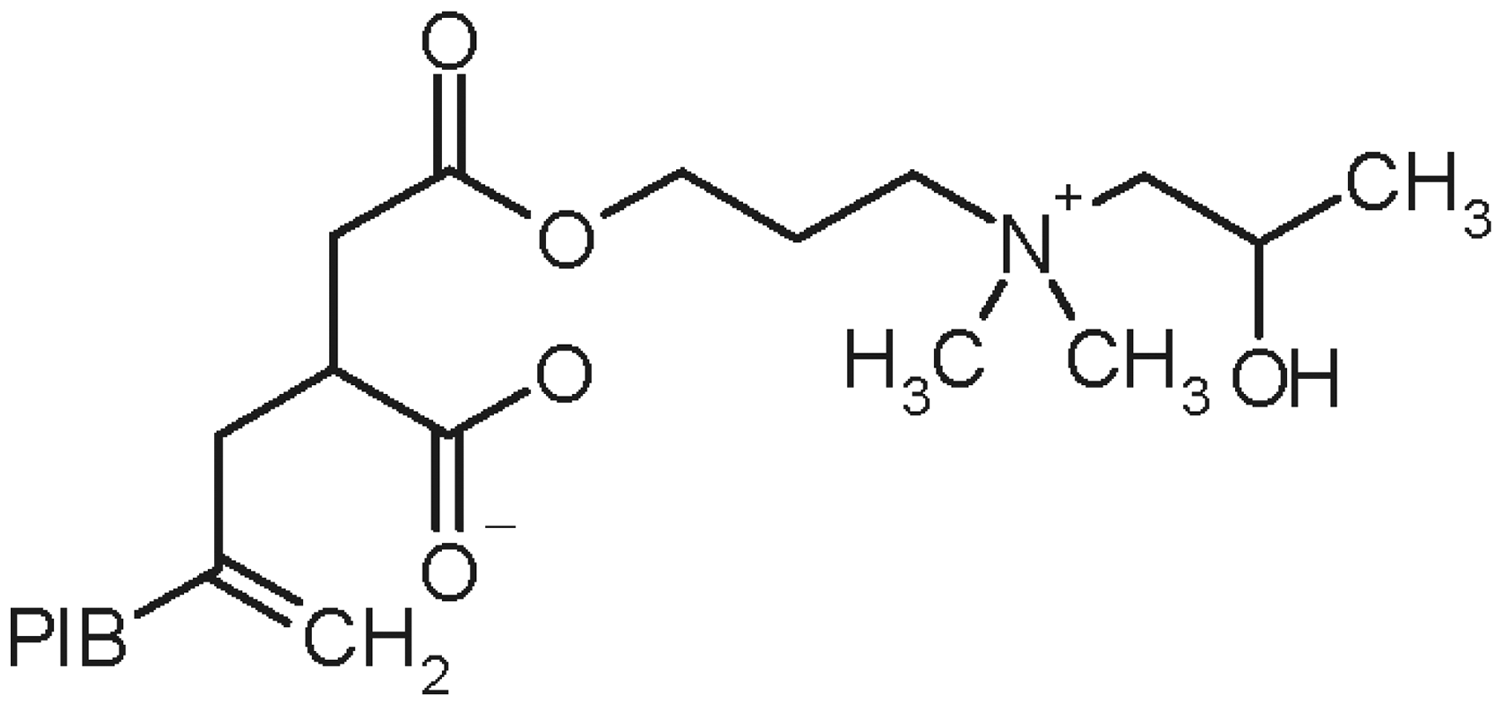
PIB=polyisobutylene having a number-average molecular weight of 350–5000 g/mol, preferably 750–2500 g/mol.