







Abstract
In this study, we developed a new way to increase the efficiency of dye-sensitized solar cells by using TiO2/silver/carbon nanotube composites as the working electrode. Silver nanoparticles and multi-walled carbon nanotubes were mixed with TiO2 nanoparticles and used as working electrodes in a dye-sensitized solar cell. The effect of the silver nanoparticles and multi-walled carbon nanotubes on the efficiency of the dye-sensitized solar cell was studied as function of their volume fractions using several microscopic and spectroscopic characterization techniques such as scanning electron microscopy, X-ray diffraction, X-ray photoelectron spectroscopy, ultra-violet-vis and electrochemical impedance spectroscopy. It was found that the silver nanoparticles could induce surface plasmonic phenomena, where the light absorption was enhanced in the ultra-violet wavelength range. Additionally, the carbon nanotubes could increase the electron mobility in the working electrode due to their high surface-to-volume ratio and superior electrical conductivity. The efficiency of the silver/carbon nanotube/TiO2 nanocomposite working electrode was compared with that of a conventional TiO2 working electrode under one-sun illumination (100 mWcm–2, AM 1.5 G). The TiO2/Ag/carbon nanotube nanocomposite working electrode had a two-fold higher efficiency (3.76%) than the conventional pure TiO2 working electrode (1.88%).
Introduction
Solar energy is a widely known source of alternative energy. Because of their potentially high efficiency and low-cost fabrication processes, dye-sensitized solar cells (DSSCs) have received considerable attention as next-generation solar cells.1–3 Furthermore, DSSCs have a variety of applications such as in windows or wearable electronic products due to their transparency and flexibility. As shown in Figure 1(a), the DSSC has a sandwich structure, consisting of two FTO glasses as electrodes, a TiO2 layer and dyes. The nanoporous TiO2 photoanode has conventionally been used as a working electrode in DSSCs (Figure 1(a)).1–3 For high efficiency of DSSCs, there are two main bottlenecks which are harvesting more light energy and reducing the impedance of solar cells. To break these bottlenecks, several researchers have used a variety of nanomaterials such as carbon nanotubes (CNTs), highly porous nanoclusters, titanate nanotubes and ruthenium in the working electrodes.4–12 However, a study on the TiO2/nanometal/CNT composite as the working electrode was rarely observed. Using the TiO2/nanometal/CNT composite working electrode, the mentioned two main bottleneck problems were expected to be resolved at once, thus the larger efficiency improvement could be possible due to the synergetic effect between the effects of the metal nanoparticles and the CNTs in the TiO2 layer. Furthermore, although single-walled carbon nanotubes (SWCNTs) composite working electrode has good performance, the main problem is its high cost. By comparison, multi-walled carbon nanotube (MWCNT) is much cheaper than SWCNT. Therefore, it is reasonable that MWCNT can be a good candidate as the working electrode for mass production and commercialization.
Schematics of (a) conventional DSSC and (b) composites working electrode DSSC. DSSC: dye-sensitized solar cells.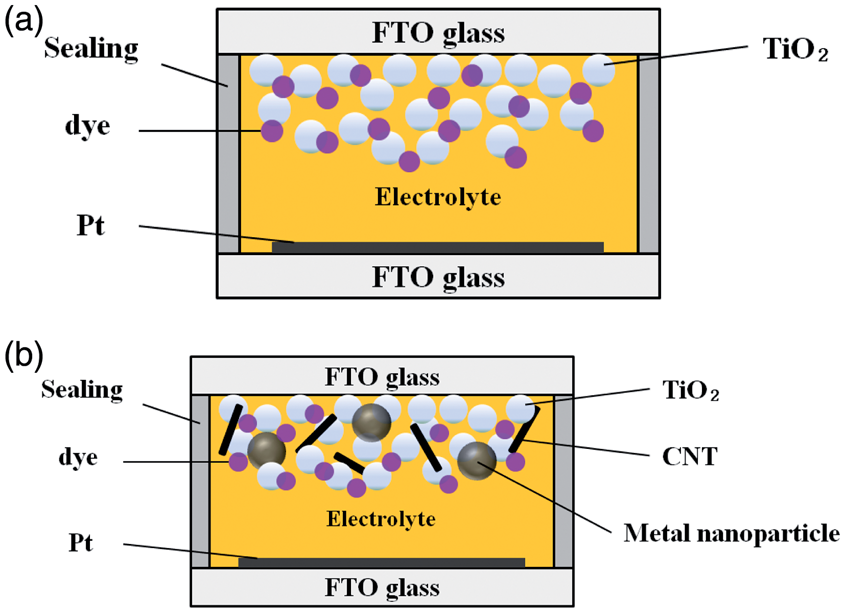
Therefore, in this study, silver nanoparticles and MWCNTs were used in a titanate working electrode of a DSSC. The effects of the silver nanoparticles and MWCNTs on the efficiency of the DSSC were characterized using several microscopic and spectroscopic techniques including scanning electron microscopy (SEM), UV-vis spectroscopy, X-ray diffraction (XRD), X-ray photoelectron spectroscopy (XPS) and electrochemical impedance spectroscopy (EIS). The role of the silver nanoparticles and MWCNTs in the titanate working electrode was also examined. Also, the weight fractions of silver nanoparticles and MWCNTs in the titanate working electrode was optimized for high performance of nanocomposite DSSCs. The efficiency of the TiO2/silver/CNT nanocomposite working electrode was tested and compared with that of a conventional TiO2 working electrode under one-sun illumination (100 mWcm–2, AM 1.5 G).
Experimental methods
Material preparation
For dispersion, MWCNTs were treated using nitric acid as shown in Figure 2(a). One gram of the purchased MWCNTs (10–15 nm inner diameter, >95% purity; Hanwha Nanotech) was refluxed in 80 mL of concentrated HNO3 (16 M) for 3 h. After mixing, the mixture was filtered through a membrane with a 0.2 µm pore size. The MWCNTs were then washed three times using distilled water and dried at 120℃ for 24 h.13–15 The purified MWCNTs were dispersed in ethanol (>99.9% purity) using a sonicator for 30 min, and the well-dispersed MWCNTs were then separated from the solution by centrifugation at 3000 r/min for 3 min (Figure 2(b)). Silver nanoparticles (QSI-Nano; >99.9% purity, 20–40 nm in diameter) and TiO2 nanoparticles (Solaronix; 15–20 nm in diameter) were added to the prepared MWCNTs solution via ultra-sonication (Figure 2(c)). Lastly, the well-dispersed TiO2/Ag/CNT composite solution was dried by evaporating the ethanol at 40–50℃ for 2 h. In order to determine the effect of each component on the efficiency of the DSSC, the Ag and CNT weight fractions were varied from 1 to 3 wt% and 0.1 to 1 wt%, respectively.
Flow charts of (a) acid treatment of CNT, (b) dispersion of CNT, (c) preparing composites paste and (d) fabrication DSSC. CNT: carbon nanotube; DSSC: dye-sensitized solar cells.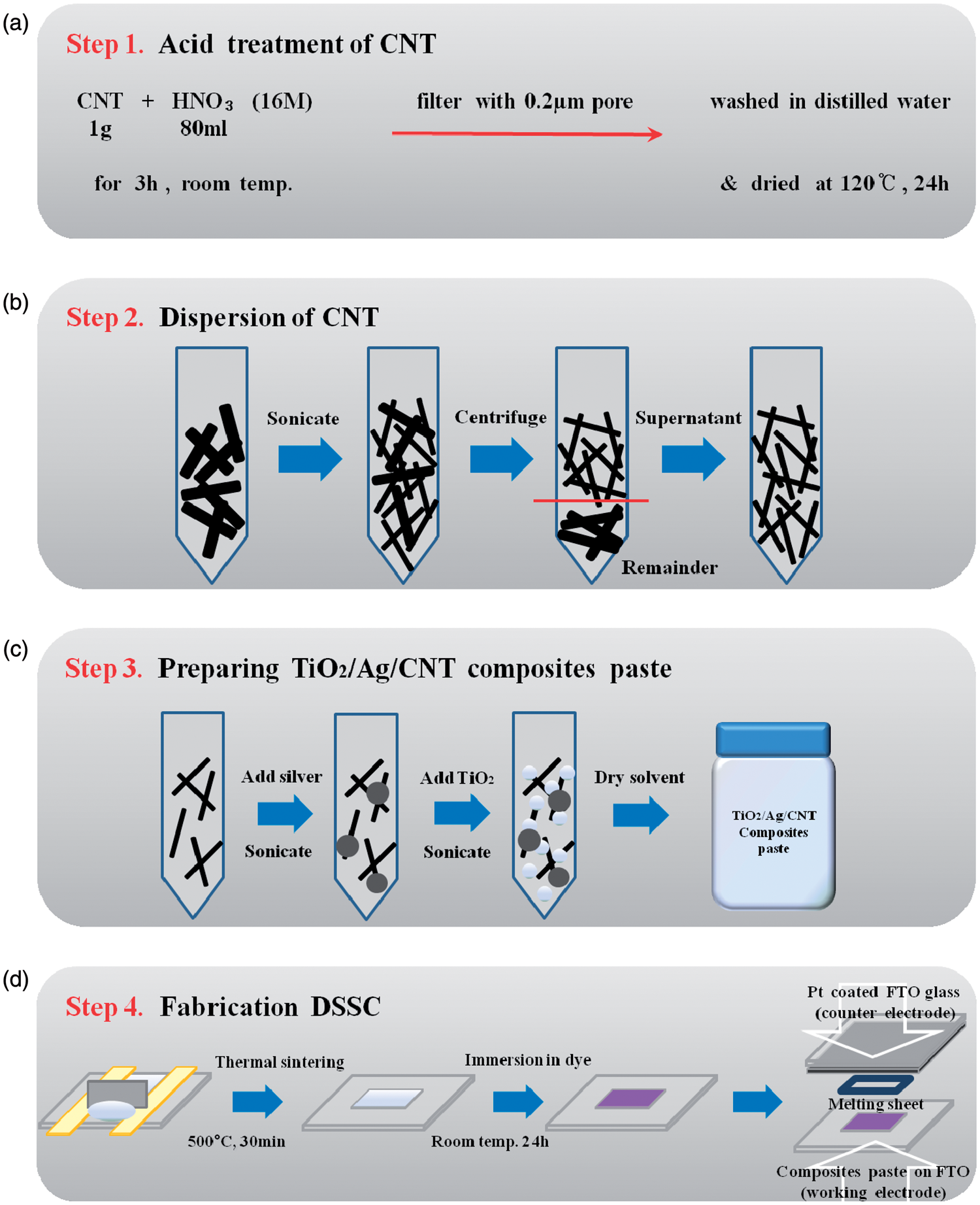
Fabrication and evaluation of composite DSSCs
DSSCs were fabricated using the prepared TiO2/Ag/CNT composite paste (Figure 2(d)). Firstly, the prepared TiO2/Ag/CNT composite paste was printed on a fluorine-doped tin oxide (FTO, SnO2:F; Pilkington) glass substrate using the doctor blade method then thermally sintered at 500℃ for 30 min in a high-temperature furnace. The sintered working electrodes were immersed in a mixture solution (0.3 mM) of N-719 dye (RuL2(NCS)2, Ruthenium 535-bis TBA; Solaronix) and ethanol (CH3CH2OH, 99.9%) at room temperature for 24 h. The counter electrode was prepared by coating a Pt solution (Pt-catalyst Plastisol; Solaronix) followed by drying at 380℃ for 20 min. Two electrodes were fitted together and sealed with a melting sheet (SX 1170-60, 60-µm thick). Then the iodide-based redox electrolyte (Iodolyte AN-50, Solaronix) was injected through a hole in the cell to fill the gap between the two electrodes. 12
Characterization
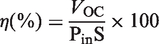
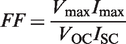
An UV-visible spectrophotometer (S-4100, Scinco) was used to acquire UV-vis spectra of the composites. For the UV-vis measurements, the TiO2/silver/CNT composites were dispersed in an ethanol solution. The electrochemical impedance of the working electrode was measured with an electrochemical analyzer (CompactStat, Ivium Technologies) under solar illumination (100 mWcm–2, AM 1.5 G) with a solar simulator (Abet Technologies, LS150). In order to obtain a J-V curve and measure the efficiency of the DSSC, a digital sourcemeter (Keithley 2611A) was utilized under solar illumination (100 mWcm–2, AM 1.5 G). In addition, the power conversion efficiency η of the DSSC was determined by
Results and discussion
SEM/XRD/XPS analysis of TiO2/silver/CNT composite working electrode
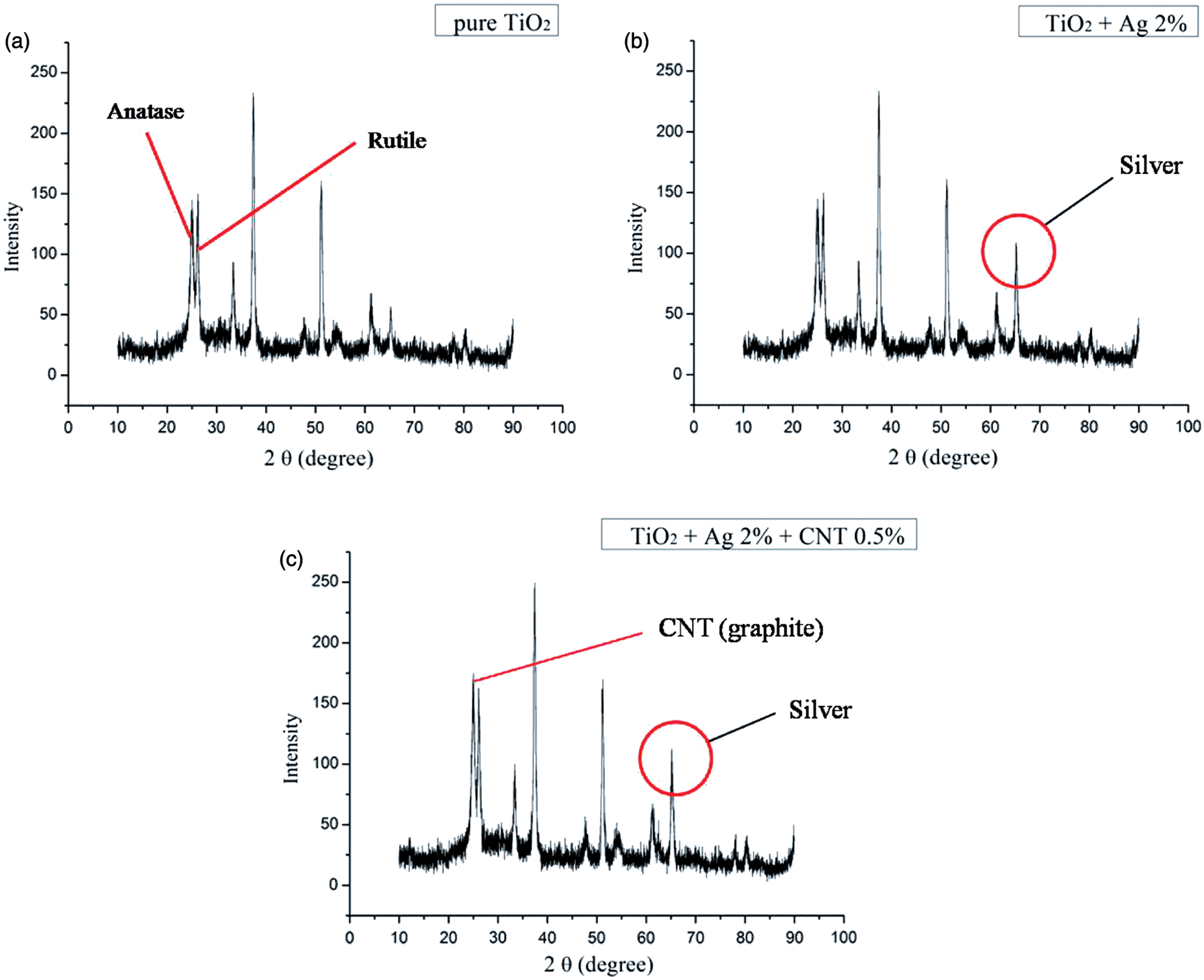
Figure 3 shows the SEM micrographs of a conventional pure TiO2 working electrode, the TiO2/Ag composite (Ag: 2 wt%) working electrode and the TiO2/Ag/CNT composite (Ag: 2 wt%, CNT: 0.5 wt%) working electrode. Well-dispersed silver nanoparticles (30–40 nm) and CNTs were found in the TiO2 (15–20 nm) paste. XRD patterns were obtained to assess any changes in the components and the degree of crystallinity of the working electrode (Figure 4). Compared with the pure TiO2 working electrode, the spectrum of the TiO2/Ag composite (Ag: 2 wt%) working electrode showed the formation of a peak from the silver (64.5°). The peak due to graphite (26°), a component of the MWCNTs, was also found in the TiO2/Ag/CNT composite (Ag: 2 wt%, CNT: 0.5 wt%) working electrode and overlaps significantly with the peak of anatase TiO2.
The SEM images of working electrode: (a) pure TiO2, (b) TiO2/Ag composites working electrode, (c) TiO2/Ag/CNT composites working electrode. CNT: carbon nanotube; SEM: scanning electron microscopy. The XRD patterns of (a) pure TiO2, (b) TiO2/Ag and (c) TiO2/Ag/CNT composites. CNT: carbon nanotube; XRD: X-ray diffraction.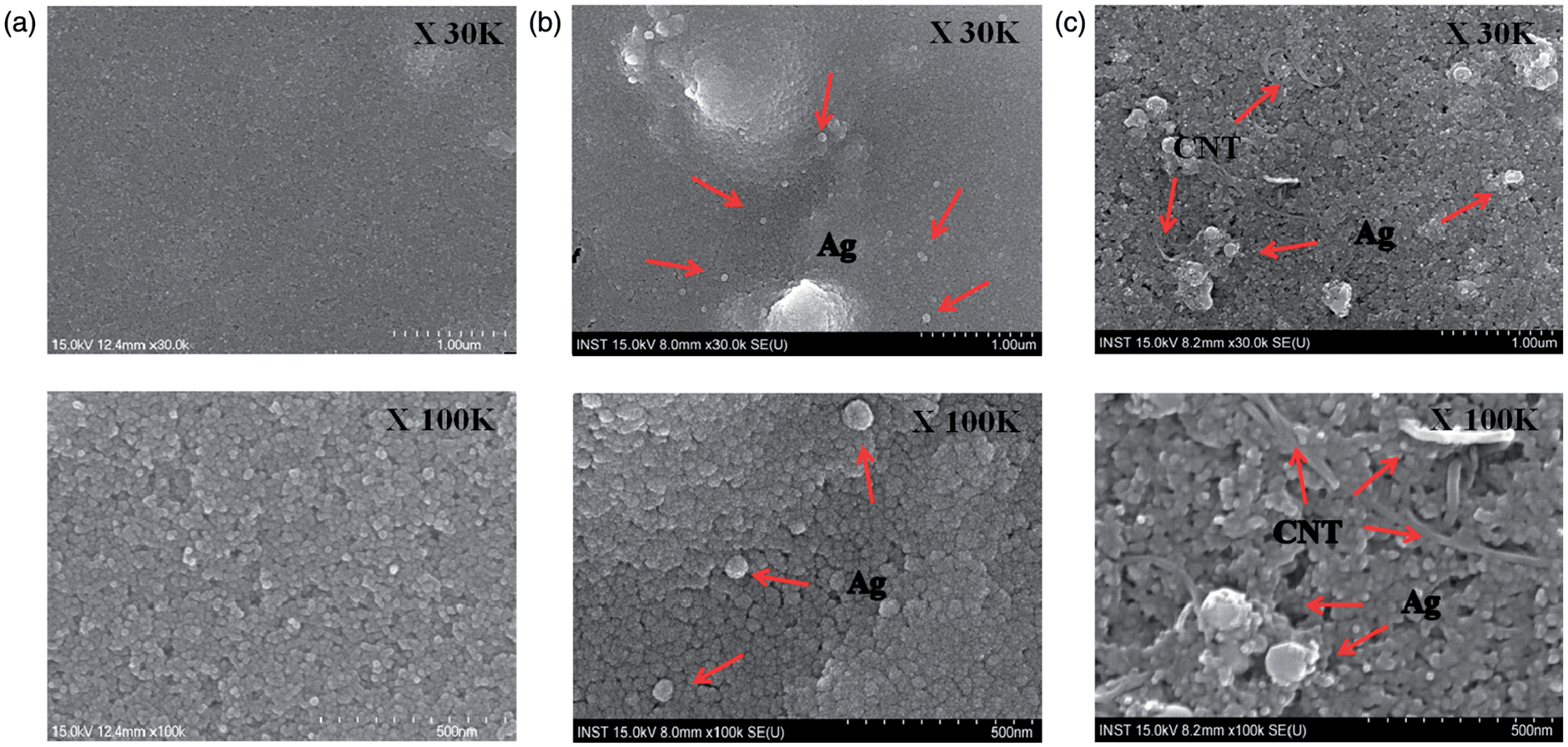
Meanwhile, to investigate the stability of TiO2 and Ag nanoparticles during sintering operation, we examined the structure of these materials before and after the sintering process at 500℃ though XRD (Figure 5). As shown in Figure 5, the peaks from the silver (64.5°) and graphite (26°) were found in both cases of before and after sintering process. It is noteworthy that the peaks location and intensity were not changed before and after the sintering process. It reveals that the silver nanoparticles and MWCNTs were not damaged or oxidized at all during the sintering process.16,17 Meanwhile, the peak of the anatase TiO2 was increased after the sintering process, which is similar to the result of Qi et al.
16
It is because the anatase TiO2 could be crystallized through thermal treatment. It is also noteworthy that the similar studies were already carried out by Qi et al.
16
They found that the crystallinity of the Ag nanoparticles and anatase TiO2 were even improved by sintering process without any damage or oxidization using XRD and HRTEM.
16
Meanwhile, Lee et al.
14
also found that MWCNTs were not damaged even after the thermal sintering process and the surface of MWCNTs was covered with anatase form of TiO2.
17
Therefore, it could be confirmed that the materials in DSSC electrode in this study were stable after sintering process.
The XRD patterns for (a) TiO2/Ag electrode, (b) TiO2/Ag electrode sintered at 500℃, (c) TiO2/Ag/CNT electrode and (d) TiO2/Ag/CNT electrode sintered at 500℃. CNT: carbon nanotube; XRD: X-ray diffraction.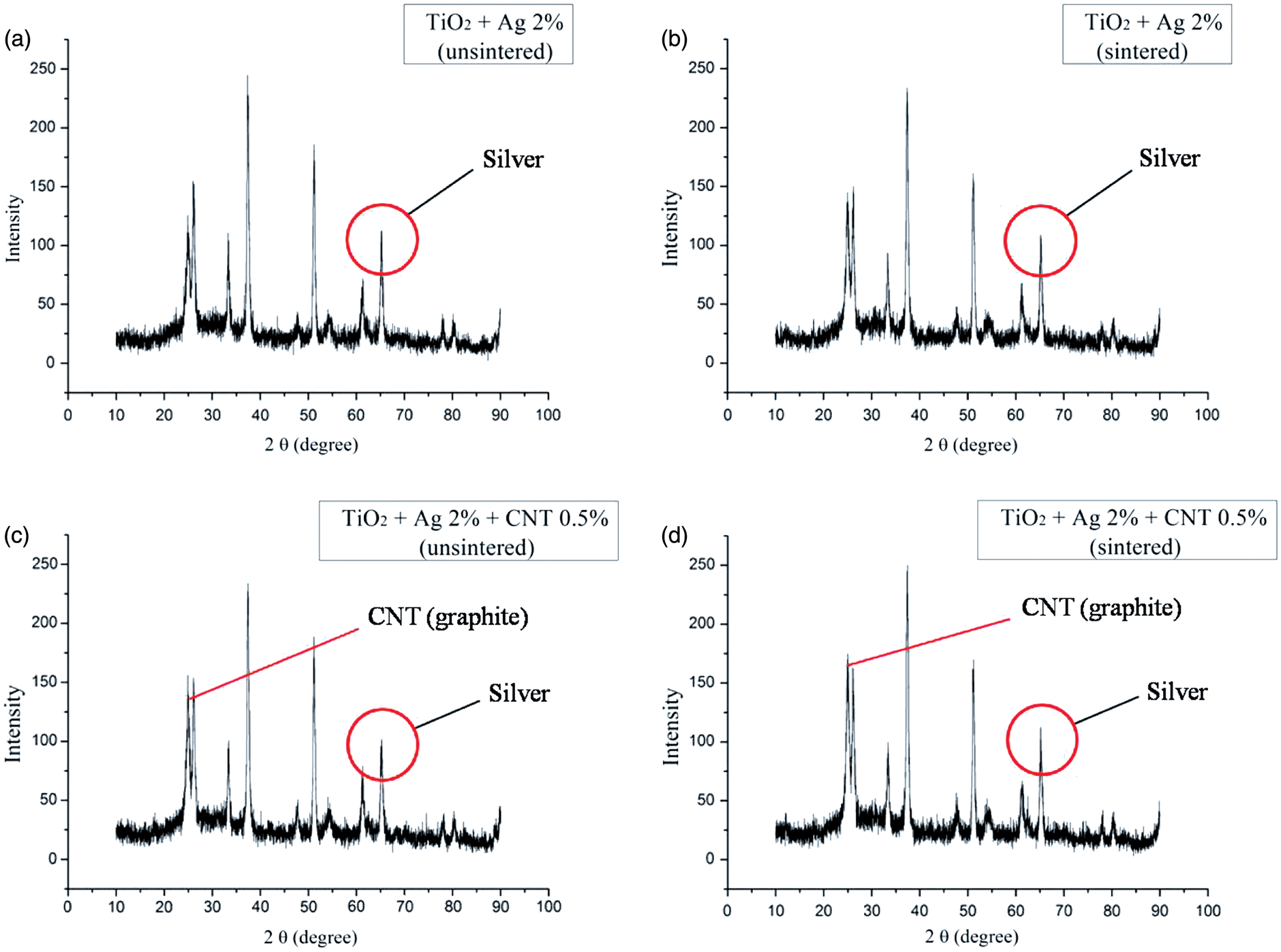
The XPS survey spectrum of the TiO2 and TiO2/silver/CNT composites are shown in Figure 6(a). While the C1 s peak was negligible in the case of TiO2 (which indicates that there was no carbon-related impurities left in TiO2), a prominent one can be seen in the case of the composites. Therefore, it can be concluded that the C1 s peak in TiO2/silver/CNT composites came directly from the CNTs and not as a result of impurity. As shown in the high-resolution XPS spectra of Ti 2p (Figure 6(b)), the binding energy of Ti 2p3/2 and Ti 2p1/2 in pure TiO2 were centered at 458.08 eV and 463.78 eV, respectively, corresponding to a spin-orbit coupling of 5.7 eV.
18
However, the same for TiO2/silver/CNT composites was slightly shifted toward higher binding energy (458.18 eV and 463.98 eV, respectively), which implies that the Ti in the TiO2/silver/CNT composites is in a slightly different chemical environment than that in pure TiO2, indicating the chemical interaction between TiO2 and the CNTs (that is primarily between the surface –OH groups of the TiO2 and the –COOH groups of the functionalized CNTs).19,20
XPS spectra of TiO2 and TiO2/Ag/CNT composite working electrodes: Survey spectra (a) and high-resolution XPS spectra of Ti 2p peak (b) and Ag 3d peak (c). CNT: carbon nanotube; XPS: X-ray photoelectron spectroscopy.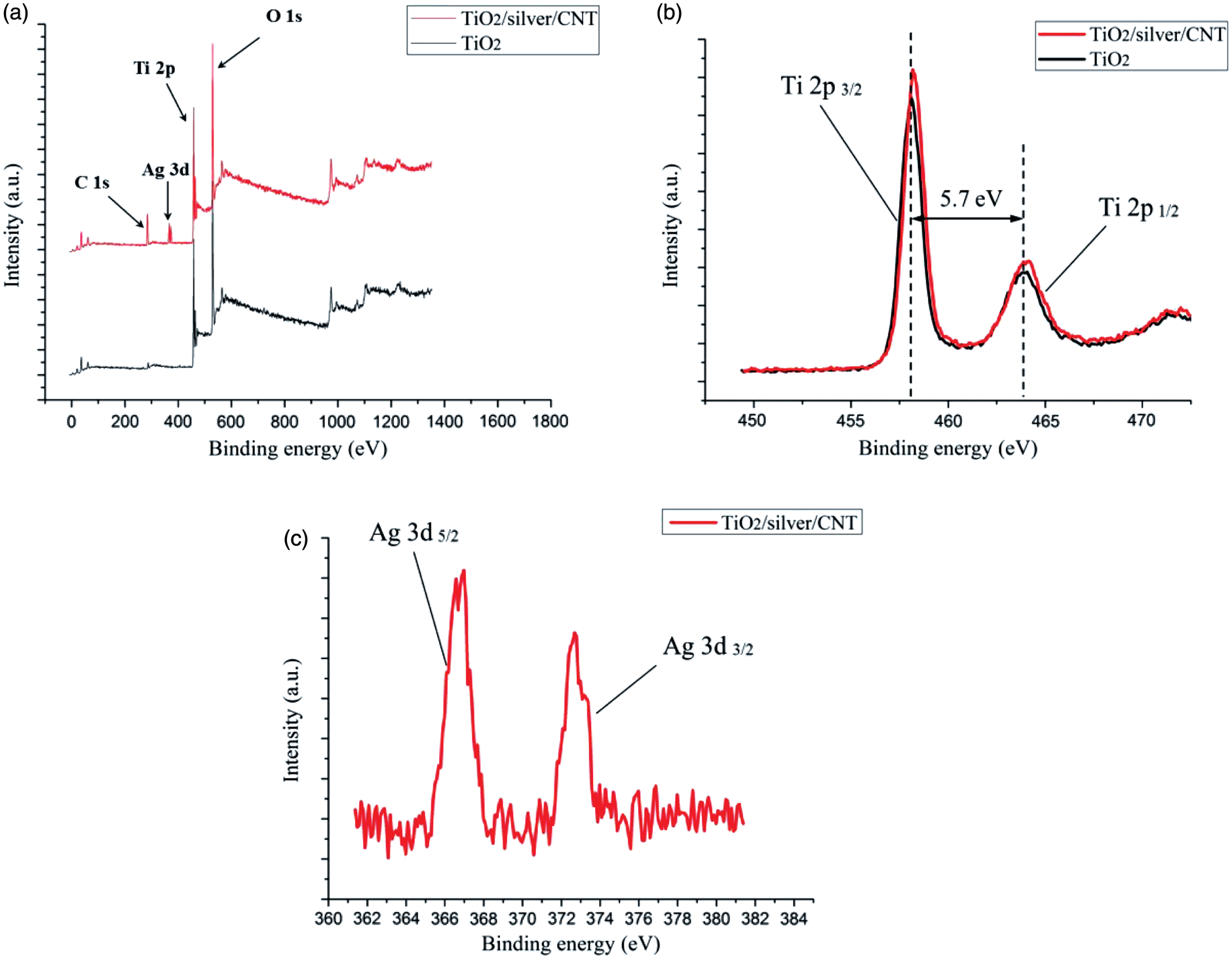
Meanwhile, Ag 3d peak was also shown in the survey spectrum of the TiO2 and TiO2/silver/CNT composites. Figure 6(c) shows the high-resolution XPS spectra for Ag 3d consisting of Ag 3d3/2 (372.67 eV) and Ag 3d5/2 (367.19 eV). In terms of the respective chemical bonding states of Ag2O (Ag+, 370.3 eV) and Ag (Ag0, 367.6 eV) in the Ag 3d5/2 XPS peak, 21 only a small part of the composites contains the Ag grains, which deposited on the TiO2 surface along with fraction of Ag2O. This result confirms that the silver species existed as Ag0 on the surface of the TiO2/silver/CNT film.
Characteristics of TiO2/silver composite working electrode
The light absorbance of the composite electrode is depicted in Figure 7. The black line shows the light absorbance of the conventional pure TiO2 electrode, while the other colored lines show those of the silver/TiO2 composites. Light absorption was higher in the silver/TiO2 composite compared to the pure TiO2, and the light absorbance of the silver/TiO2 composite was enhanced in the 300 nm to 500 nm wavelength range resulting from the surface plasmonic effect of the silver nanoparticles.
The UV-vis spectroscopy of TiO2/Ag composites working electrode.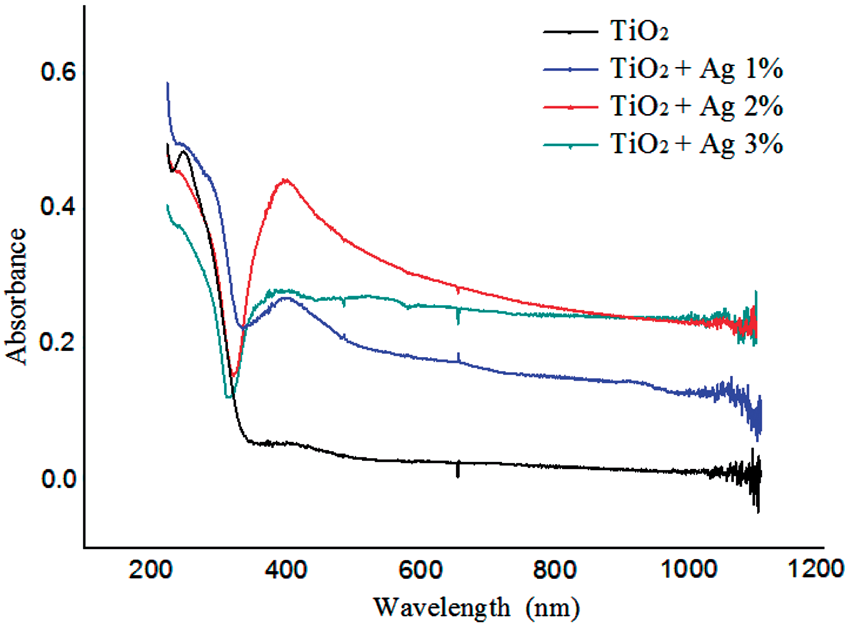
Surface plasmons are the electromagnetic waves that propagate along the surface of a conductor, usually a metal. Surface plasmons are essentially light waves that are trapped on the surface because of their interaction with the free electrons of the conductor. In this interaction, the free electrons respond collectively by oscillating in resonance with the light wave. The resonant interaction between the surface charge oscillation and the electromagnetic field of the light constitutes the surface plasmon and gives rise to the light absorption of the metal nanoparticles. 22 Therefore, the surface plasmonic phenomenon makes it possible to harvest more light energy.12,23–30 The surface plasmonic wavelength of silver nanoparticles is 398 nm, which is consistent with the maximum absorption peak observed in this work. 31
As shown in Figure 7, the light absorbance increased at about 400 nm as the weight fraction of silver nanoparticles increased. However, in the case of the 3 wt% of silver composite, light absorption was degraded. This might be because the high concentration of nanoparticles was prone to agglomeration, becoming a micro-sized particle and inhibiting the surface plasmonic effect. Therefore, in this work, the optimal weight fraction of silver nanoparticles was found to be 2 wt%.
Characteristics of TiO2/CNT composite working electrode
MWCNTs were added in order to improve the electron mobility of the working electrode. The EIS of conventional DSSCs and CNT composite DSSCs were acquired by measuring the interfacial impedance between the working electrode and the electrolyte (Figure 8) under solar illumination (100 mWcm–2, AM 1.5 G). Two semi-circles are evident in Figure 8. The first small circle that emerged in 0–20 Ω of the Z’ range indicates the impedance of the interface between the Pt counter electrode and electrolyte. The second larger circle is indicative of the main impedance of the interface between the working electrode and electrolyte.32,33 As shown in the equivalent circuit model (Figure 8), R1 and R2 represent the impedance of the first circle and the second circle, respectively. RS represents an ohmic series resistance element that contributes little to the interfacial reaction. CPE1 and CPE2 represent the constant phase elements at the Pt film/electrolyte interface and TiO2/electrolyte interface, respectively. From these results, it was concluded that the impedance at the interface between TiO2 and electrolyte (R2) decreased as the weight fraction of MWCNTs increased (Table 1). This decrease might be due to the high electron mobility of the MWCNTs, which may act as an electron transfer channel.
Electrochemical impedance spectra of TiO2/CNT composite working electrodes and equivalent circuit model of DSSC. CNT: carbon nanotube; DSSC: dye-sensitized solar cells. The resistance and constant phase elements of TiO2/CNT composite working electrode of DSSC. CNT: carbon nanotube; CPE: constant phase element; DSSC: dye-sensitized solar cells.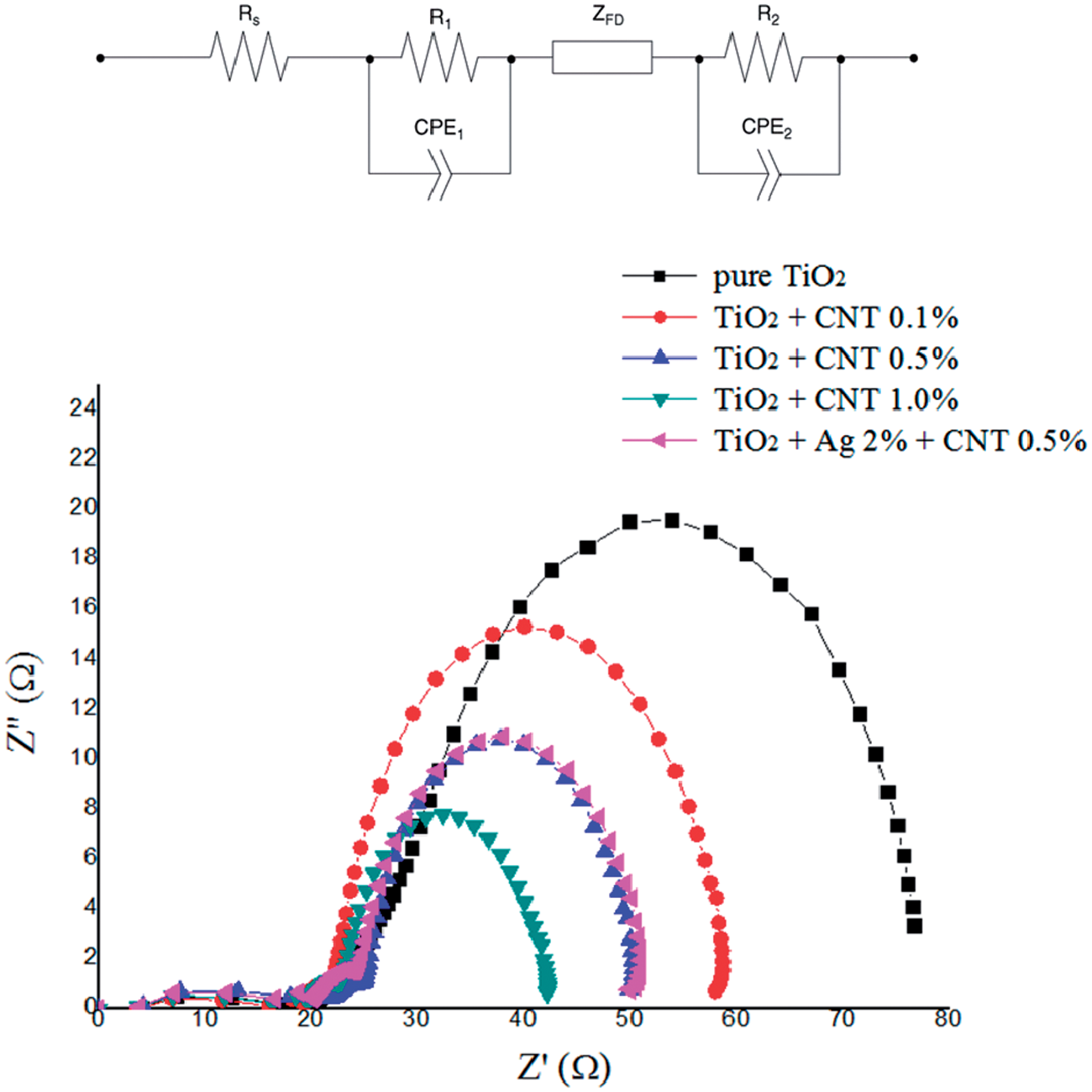
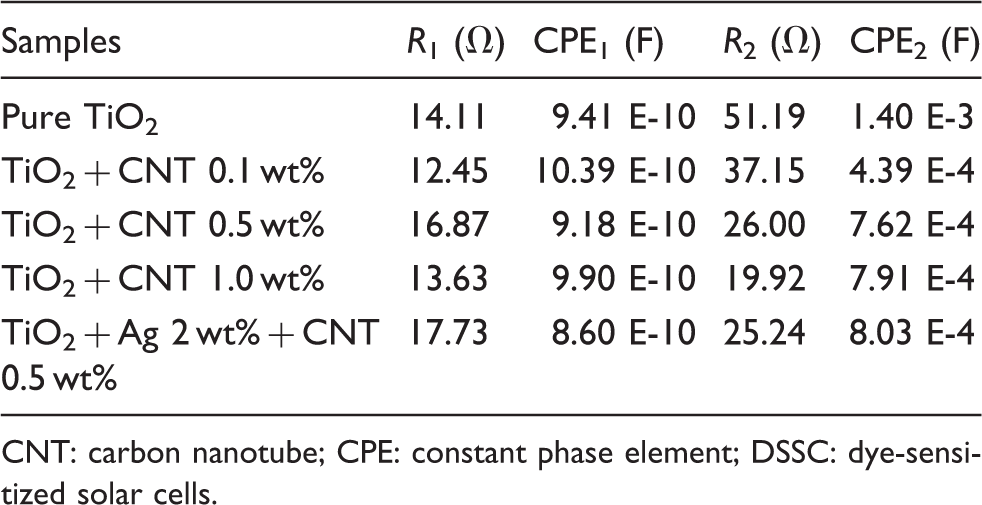
In general, the electrons derived from photo-excited dyes pass through the TiO2 nanoparticle network and encounter many grain boundaries. This random transport path of the photo-induced electron enhances the probability of recombination with oxidizing species or the tri-iodide ions in the electrolyte, thus inhibiting the photocurrent and the photo-conversion efficiency.1,34,35 However, in the MWCNTs/TiO2 working electrode, the MWCNT channel with high electron mobility due to their 1D nanostructural networks can transfer the electron more quickly and assist electrons transport to the collecting photoanode surface in DSSCs, thereby preventing electron re-trapping in the TiO2 layer during movement. Hence, this solution to preventing the cell’s charge recombination was expected to result in a great improvement of the efficiency of DSSCs. Meanwhile, the TiO2/Ag/CNT composite working electrode (Ag: 2 wt%, CNT: 0.5 wt%) has a similar impedance, R2 (25.24 Ω), to that (26.00 Ω) of the TiO2/CNT composite working electrode with the same CNT weight fraction (CNT: 0.5 wt%). Therefore, it can be concluded that the silver nanoparticles do not contribute to the impedance improvement of the TiO2/electrolyte interface.
Photovoltaic performance of nanocomposite DSSCs
The J-V curves of the DSSCs were measured for varying weight fractions of silver nanoparticles and MWCNTs in the working electrode under solar illumination (100 mWcm–2, AM 1.5 G) (Table 2). The J-V curves of the TiO2/Ag composite DSSC (Ag: 1 to 3 wt%) are shown in Figure 9(a). In this experiment, the 2 wt% silver composite working electrode had the highest efficiency, an approximately 59% increase. There are some effects that can be related to the change of the photocurrent of the cell when introducing the silver nanoparticles into TiO2 electrodes. Firstly, a strong electromagnetic field is induced by the silver Plasmon, which either enhances the optical absorption of the dye or the surface states of the TiO2 electrodes. Secondly, the internal photoemission from the silver nanoparticles increases the photocurrent. Thirdly, a catalytic effect that increases the reaction rate between the semiconductor, dye and the redox electrolyte increases the photocurrent.
30
These effects could make possible to improve the efficiency of TiO2/Ag composite DSSC. However, the electrode with 3 wt% Ag nanoparticles had a lower efficiency, even compared to the pure TiO2 electrode, and this corroborates the UV-vis spectroscopy results (Figure 7). Therefore, 2 wt% of silver nanoparticle was chosen as the optimal weight fraction.
Comparison J-V curves of DSSCs using composite working electrodes. DSSC: dye-sensitized solar cells. The photocurrent density (Jsc), open-circuit voltage (Voc), fill factor (FF) and efficiency of DSSC using composite working electrodes. CNT: carbon nanotube; DSSC: dye-sensitized solar cells; VOC: open-circuit photovoltage.
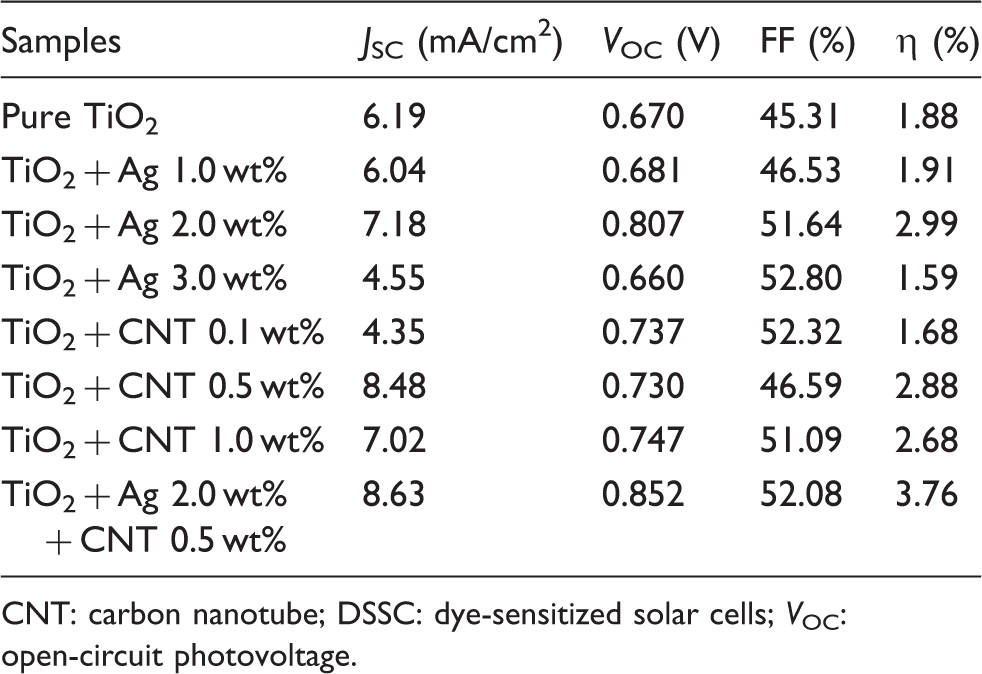
Figure 9(b) shows the J-V curves of the TiO2/MWCNTs composite DSSCs (CNT: 0.1–1.0 wt%). Contrary to the EIS results (Figure 8), it was found that the 0.5 wt% CNT composite working electrode had the highest efficiency (∼53%). This might be because the higher weight fraction of the MWCNT compared to the 0.5 wt% might have disturbed the absorbance of light despite the higher interfacial impedance between the working electrode and the electrolyte. This finding corresponds with previous results reported for related CNT-based working electrodes. 11 Therefore, it can be concluded that a 0.5 wt% weight fraction of MWCNTs is optimal for increasing DSSC performance.
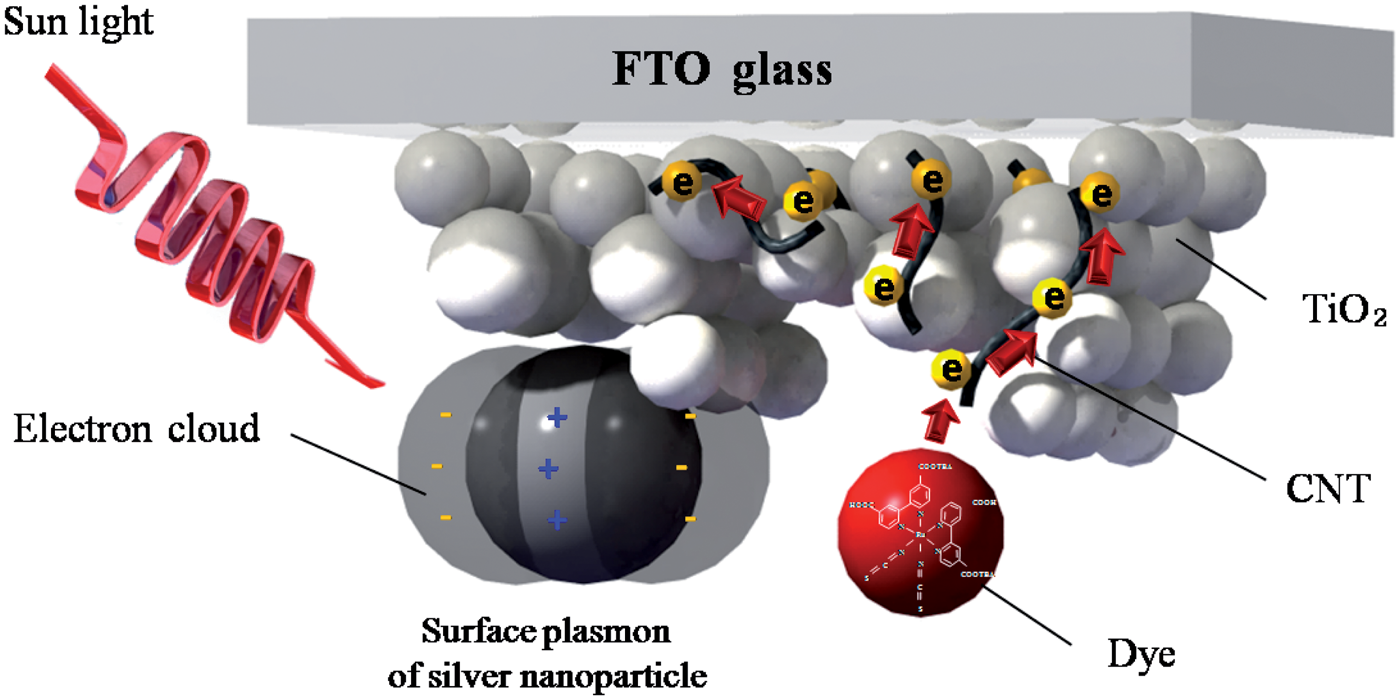
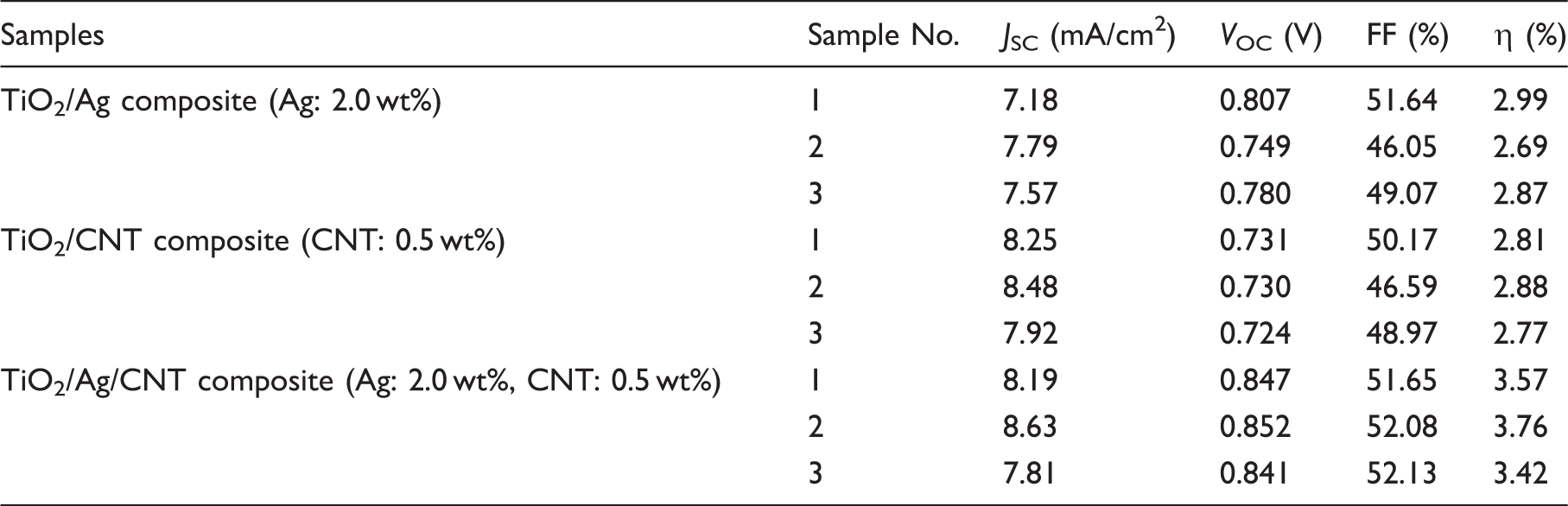
Finally, a TiO2/Ag/CNT composite DSSC was fabricated using the optimal weight fractions of silver nanoparticles and MWCNTs (silver: 2 wt%, MWCNTs: 0.5 wt%) and its efficiency was measured. As shown in Figure 9(c), the TiO2/Ag/CNT composite working electrode had nearly a two-fold higher efficiency (3.76%) than the conventional pure TiO2 working electrode (1.88%). This improvement in efficiency when the silver nanoparticles and MWCNTs are used in combination is noteworthy as it is an approximately 100% increase compared to a 59% efficiency improvement for silver nanoparticles only and a 53% efficiency improvement for MWCNTs only (Figure 10). The larger efficiency improvement of the TiO2/Ag/CNT DSSC might be due to the synergetic effect between the surface plasmonic phenomena of the silver nanoparticles and the high electron mobility of the MWCNT transfer network in the TiO2 layer (Figure 11). As mentioned previously, the surface plasmonic phenomena of the silver nanoparticles could act as an electron generation stimulator for the surrounding TiO2 nanoparticles while the MWCNTs could act as an electron transfer network that prevents the electrons from being re-trapped by the TiO2 layer during their movement toward the conductive layer (e.g., ITO glass).
Comparison the efficiency of DSSCs using composite working electrodes. DSSC: dye-sensitized solar cells. Schematics of composites working electrode.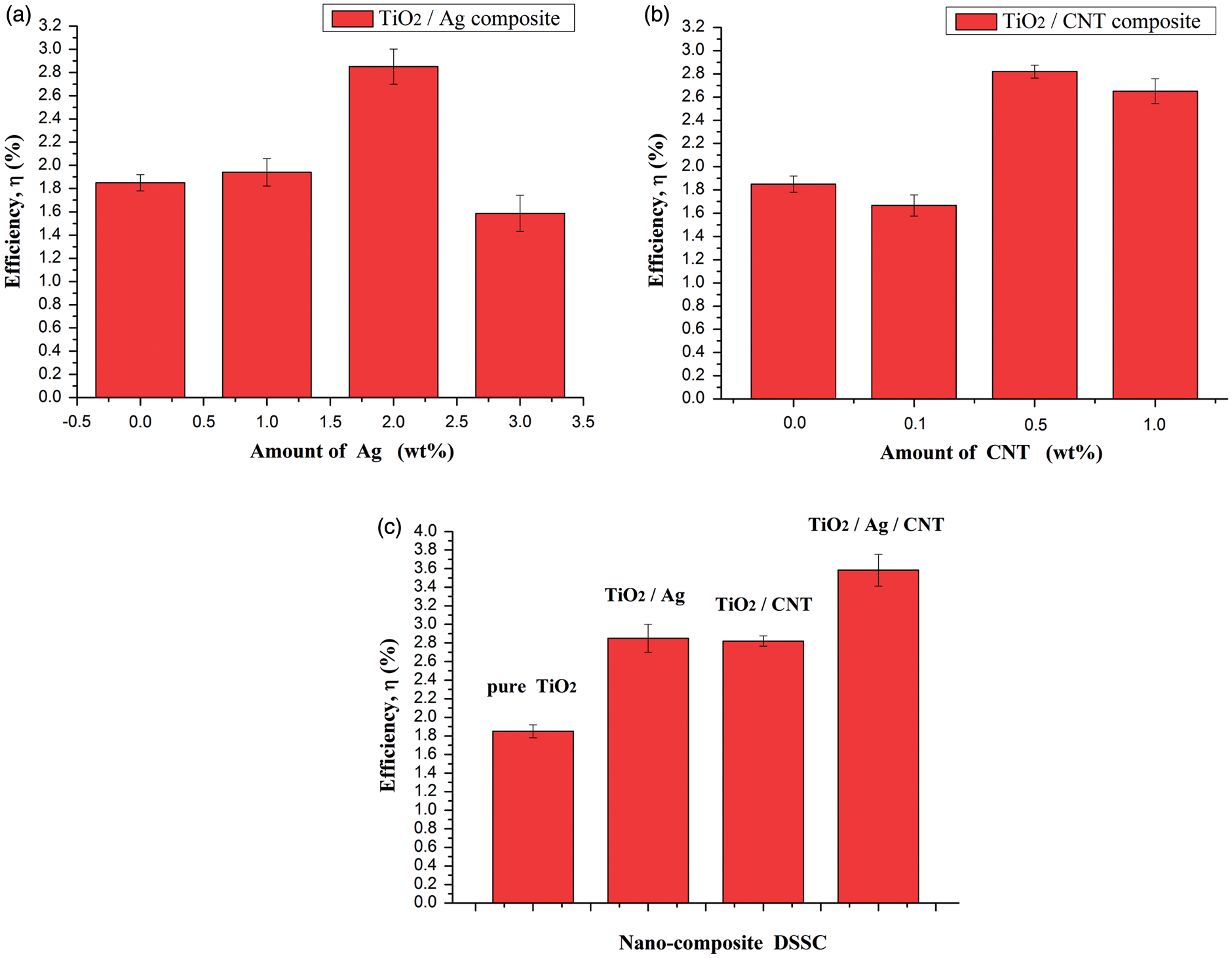
The performance repeatability of DSSC using composite working electrodes.
Conclusion
In this study, we developed a high-performance DSSC using the surface plasmonic effect of silver nanoparticles and the high electron mobility of CNTs. A 59% improvement in the efficiency was achieved for the DSSC using a TiO2/Ag composite working electrode with 2 wt% silver compared to a conventional pure TiO2 working electrode. The TiO2/CNT composite working electrode with 0.5 wt% CNTs had a 53% increased efficiency over that of the conventional pure TiO2 working electrode. Finally, a two-fold higher efficiency than the conventional working electrode was achieved by using a TiO2/Ag/CNT composite working electrode. This greater efficiency may be caused by the synergism between the surface plasmonic effect of the silver nanoparticles and the high electron mobility of the MWCNT network.
Footnotes
Funding
This work was supported by the research fund of Hanyang University (HY-2011-N).
Conflict of interest
None declared.