







Abstract
A series of polyisobutylene/polyethylene glycol-based polyurethane nanocomposites are filled with various contents of multi-walled carbon nanotubes as H-bonds acceptor chain extenders. The damping properties, tensile strength, as well as oxidative/hydrolytic stability of the multi-walled carbon nanotubes-modified polyisobutylene/polyethylene glycol-based polyurethane nanocomposites were studied systematically. Results revealed that the incorporation of multi-walled carbon nanotubes can significantly improve the mechanical capacity especially when the multi-walled carbon nanotubes content was only 0.3wt%, the tensile strength of the polyisobutylene/polyethylene glycol-based polyurethane nanocomposites increased by ca. 126% compared to the pure polymer matrix. Activation enthalpy of the transition process and Halpin-Tsai model is used to investigate the reinforced mechanisms of the polyisobutylene/polyethylene glycol-based polyurethane nanocomposites, which indicate the multi-walled carbon nanotubes as H-bonds acceptor chain extenders lead to the strong interface interaction between the multi-walled carbon nanotubes and matrix. It is worth noting that the polyisobutylene/polyethylene glycol-based polyurethane nanocomposites also exhibit excellent damping properties (tan δ > 0.3) in a wide range of temperature from −60℃ to 35℃, and the PIB/PEG-based PU and polyisobutylene/polyethylene glycol-based polyurethane nanocomposites exhibit good oxidative/hydrolytic stability. It is anticipated that our current work would inform ongoing efforts to exploit PIB/PEG-based PU nanocomposites, which may be used as damping materials.
Introduction
Polyisobutylene (PIB) is one of the most important polymers, which is characterized by unique properties such as low glass transition temperature, chemical resistance, good thermal and oxidative/hydrolytic stability, damping properties and biocompatibility.1–3 Therefore, creating novel polyisobutylene-based polyurethane (PIB/PEG-based PU) has recently enjoyed extensive attention, which exhibits numerous desirable properties as follows: excellent mechanical properties of PU together with the oxidative/hydrolytic resistance and excellent damping properties of PIB.4,5 PIB/PEG-based PU was indeed outstanding, but their mechanical properties were moderate to too low. There are two reasons: one was the lack of hydrogen bonding between the hard and soft segments, the other was excessive incompatibility between the polar hard segments and nonpolar soft segments. To cope with this dilemma, Kennedy and coworkers6–10 proposed that the introduction of appropriate amounts of a compatibilizing ingredient, for example, PTMO diol, will produce gradient interfaces between the polar hard segments and nonpolar PIB segments, which in turn will provide improved stress transfer from the soft to the hard reinforcing domains. Erdod et al. 11 introduced an H-bonds acceptor chain extenders (HACEs) concept, a new concept in the synthesis of PU. The role of HACEs was to extend the hard segments, to increase the number of H-bonds within the hard segments, and to flexibilize the hard segments.
It is well known that multi-walled carbon nanotubes (MWCNTs) are an ideal reinforcing agent for high performance polymeric composites due to their excellent structural, mechanical, electrical, chemical stability, and thermal properties.12–15 However, the MWCNTs-reinforced polyisobutylene/polyethylene glycol-based polyurethane nanocomposites (PIGNTs) have been scarcely studied. In our previous work, PIB-based PU nanocomposites with MWCNTs using a simple in situ polymerization method is reported. Although the MWCNTs significantly improved the tensile modulus of MWCNTs/PIB-based PU nanocomposites, the tensile strength of MWCNTs/PIB-based PU nanocomposites slightly decreases. 16
To cope with this dilemma, in the current work, polyethylene glycol (PEG) is introduced in appropriate amounts as a compatibilizing ingredient, and the PIGNTs with various contents of acid-treated MWCNTs have been developed. The PEG and MWCNTs are used as HACEs, which affect the microphase separation of PIB/PEG-based PU and PIGNTs. The mechanical, thermal, and damping properties of PIB/PEG-based PU and PIGNTs were studied. It is expected that the research may be of aid in the design of PIB/PEG-based PU composites.
Experiment
Materials
Hydroxyl telechelic PIB (HO–PIB–OH) of 3500 g/mol mole mass was prepared by a well-established method.17,18 Acid-treated MWCNTs were obtained from the Nanotech Port Company, Shenzhen, China (the diameter of MWCNTs is 20–40 nm, length is ≤5 μm). 4, 4′-Methylenediphenyl diisocyanate (MDI) was received from Acros. Hexane diol (HDO) was purchased from Tianjin Guangfu fine chemical research institute. Dibutyltin dilaurate (DBTDL) was purchased from Sinopharm chemical reagent Co., Ltd. Tetrahydrofuran (THF) was dried with CaH2 for 24 h and freshly distilled before use after distillation.
Preparation of PIB/PEG-based PU/MWCNTs nanocomposites
Formulation table of the MWCNTs/PIB/PEG-based PU nanocomposites.
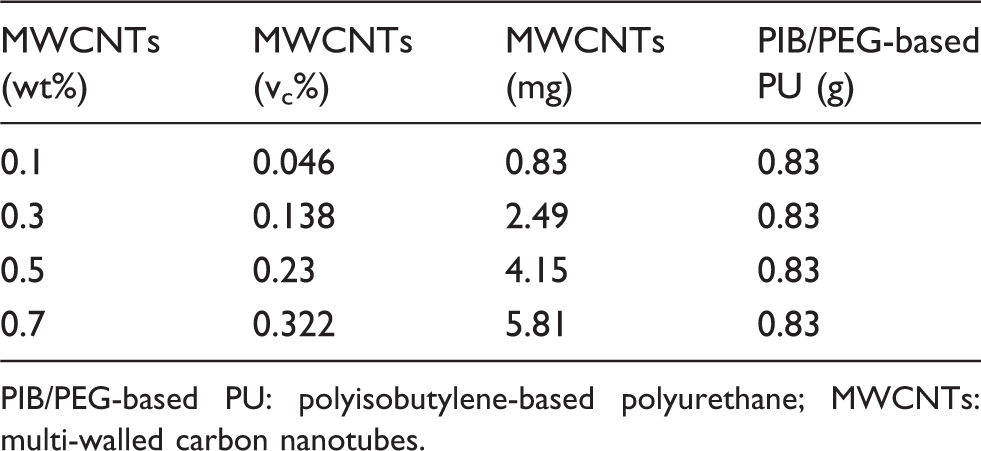
PIB/PEG-based PU: polyisobutylene-based polyurethane; MWCNTs: multi-walled carbon nanotubes.
Characterization
Fourier-transform infrared (FTIR) spectra were obtained using a Nexus 870 IR Spectrophotometer over a frequency range of 400–4000 cm−1 (Nicolet, USA). A JEM-2010 transmission electron microscopy (TEM) operating at an accelerating voltage of 200 KV was used to observe the dispersion of MWCNTs in the PIGNTs matrix. The ultrathin sections of PU and nanocomposites were obtained using an EM FC7 ultramicrotome (Leica, Germany) with liquid nitrogen. The ultrathin sections were transferred to carbon-coated copper grids and then observed by TEM. Dynamic mechanical analysis (DMA) spectra were evaluated with rectangular specimens in tensile mode at a frequency of 10 Hz in a DMA242C device (Netzsch Instruments, Germany). The temperature ranged from −80℃ to 70℃ and the temperature was increased by 5℃/min. Tensile tests experiments were conducted on a Shimadzu AG-X (Japan) at room temperature with a cross-head speed of 20 mm·min−1. The dumbbell shaped samples were cut to standard dimensions according to ISO 527-2/1BB. The scanning electron microscopy (SEM) images of PIB/PEG-based PU and PIGNEs were taken on a SEM (JSM-5600LV, JEOL, Japan). All samples were coated with gold by sputtering prior to observation. Thermogravimetric analysis (TGA) was carried out in STA 449C Jupiter Analyst (Netzsch Instruments, Germany), with a heating rate of 10℃ /min from ambient temperature to 700℃ under a nitrogen atmosphere.
Results and discussion
To confirm the reaction was completed and the structure of the PIB/PEG-based PU and PIGNTs, the FTIR spectra of the pure PIB/PEG-based PU and the PIGNTs are displayed in Figure 1. In the FTIR spectrum of pure PIB/PEG-based PU, characteristic peak of isocyanate groups (–NCO) at 2273 cm−1 disappeared which indicated that the MDI reacted entirely in the synthesized process of prepolymer.
19
The spectrum of the PIGNTs is similar to that of the pure PIB/PEG-based PU. This shows that the introduction of MWCNTs did not affect chain structure and the polymerization. Further, at 0.5 wt % MWCNTs loadings of PIGNTs, the bands correspond to the –C=O slightly shifts from 1710 to 1700 cm−1. It can be inferred that there are strong interactions between the MWCNTs and the PU molecules.
20
FTIR spectra for (a) PIB/PEG-based PU, and (b) 0.5 wt% MWCNTs/ PIB/PEG-based PU.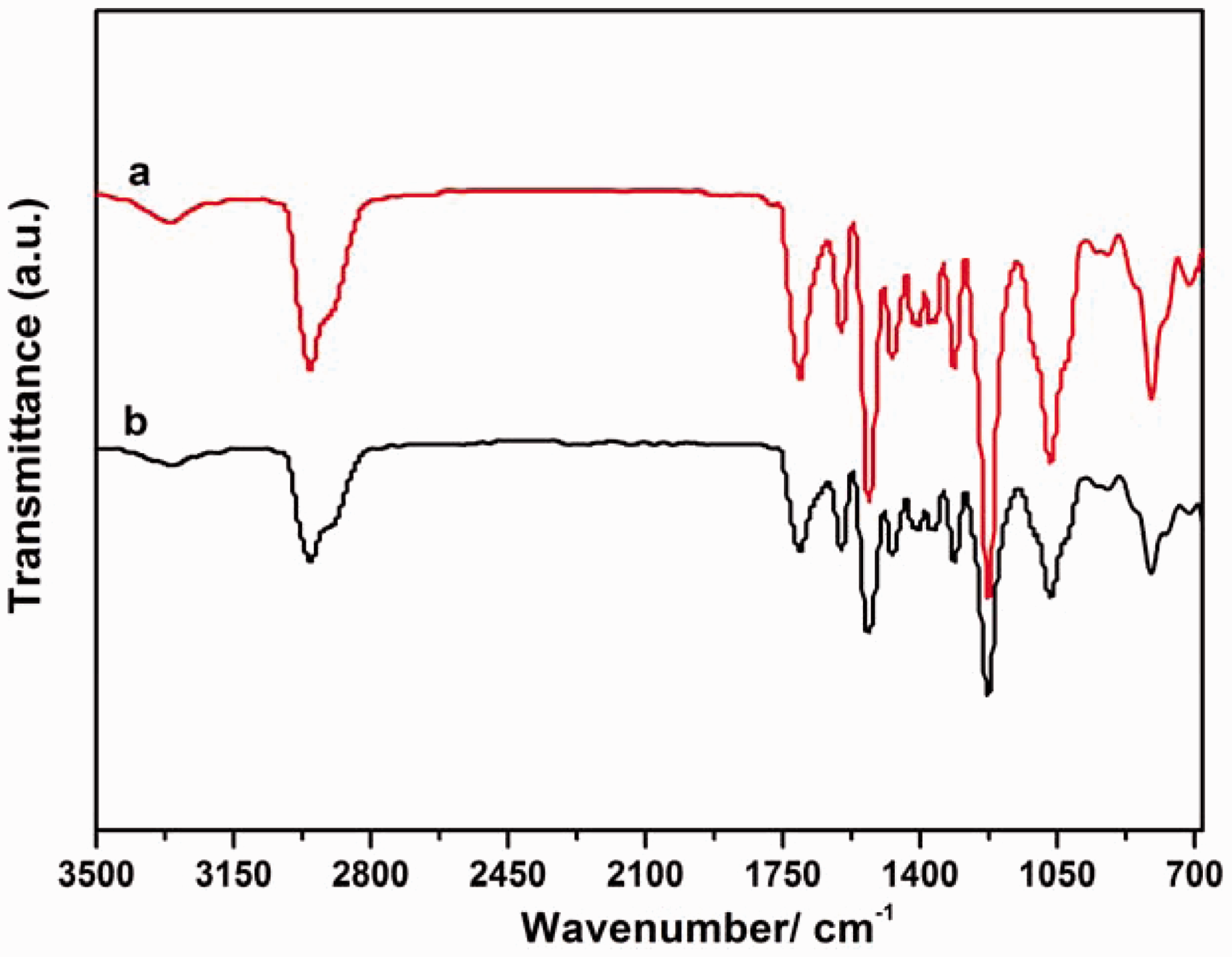
Both of the dispersion and interfacial interaction are decisive factors affecting the efficiency of stress transfer.
13
As shown in Figure 2, the MWCNTs are finely dispersed in the PIB/PEG-based PU matrix. Parts of MWCNTs are obscure due to the very thin nature of MWCNTs, which indicates nanoscale dispersion of the MWCNTs in the PIB/PEG-based PU matrix. In terms of the interface, strong H-bonding interactions between carboxyls of the MWCNTs and the urethane bonds (–NH–CO–) of the PIB/PEG-based PU chains could be formed. Additionally, the urethane bonds (–NH–CO–) could be formed to serve as covalent bond, which resulted from the reaction between the hydroxyl groups on surface of the MWCNTs and –NCO groups of PU chains.
21
TEM images of the PIGNTs (0.3 wt % MWCNTs).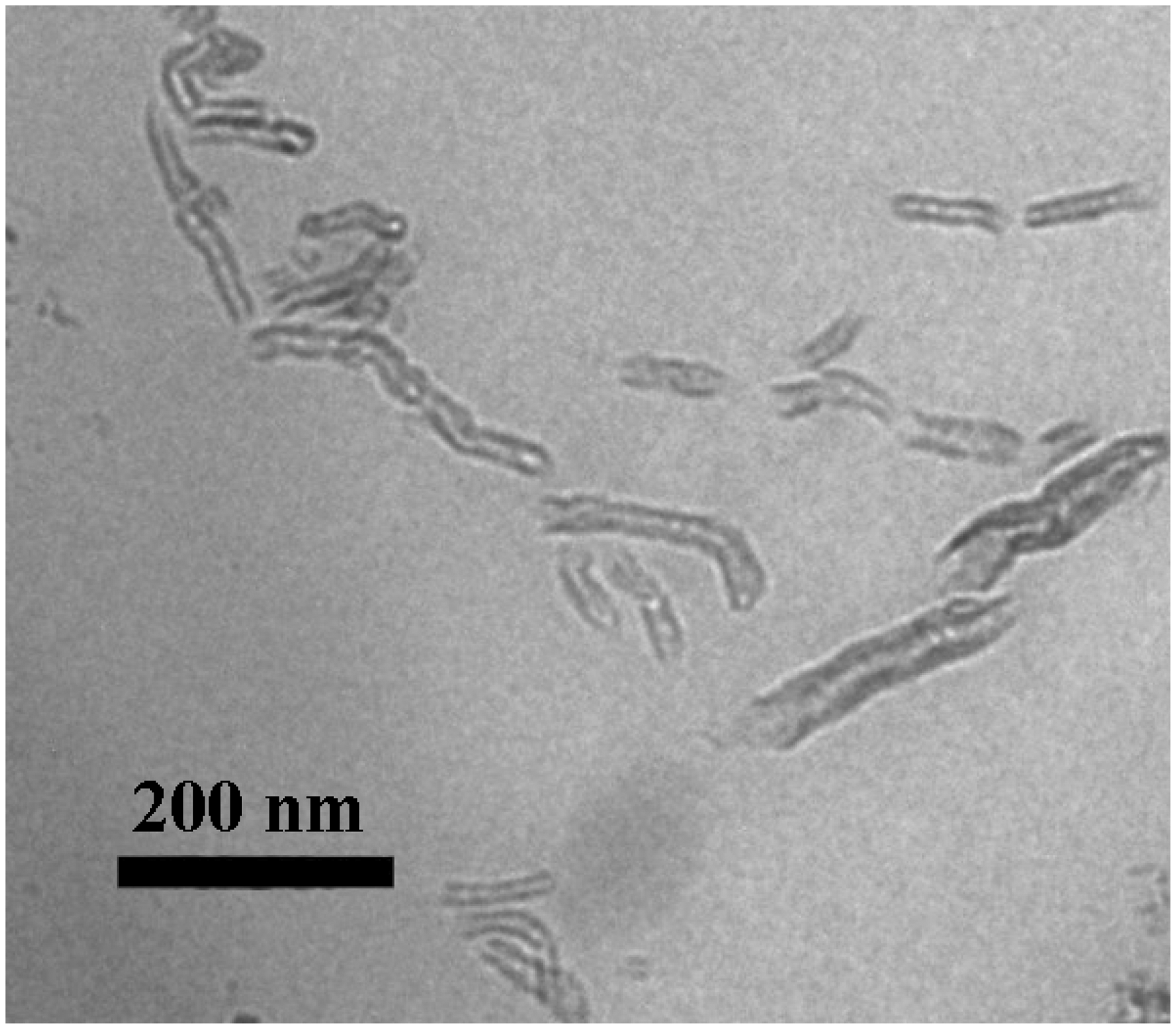
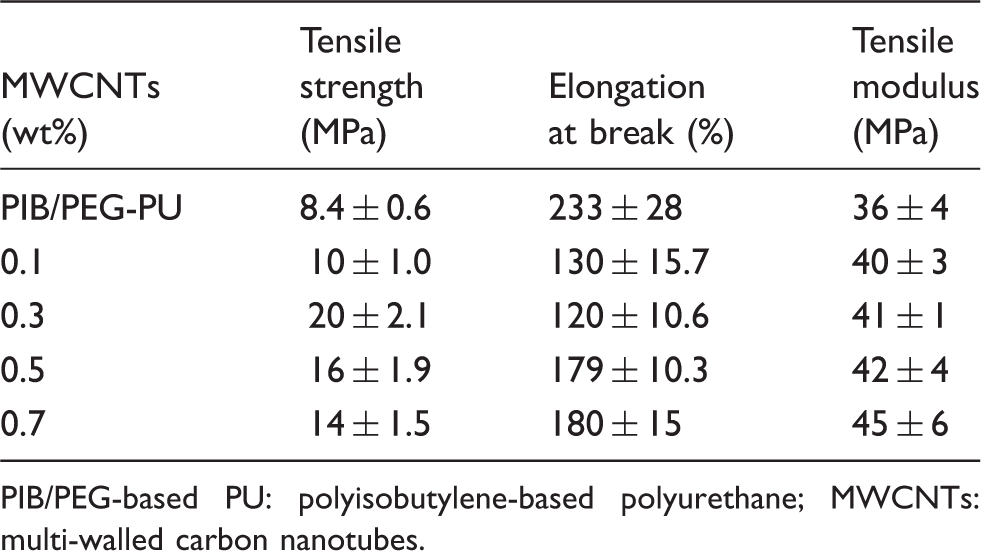
The large aspect ratio of the MWCNTs, strong interfacial adhesion due to H-bonding between the MWCNTs and the hard segments of PIB/PEG-based PU, and good dispersion of MWCNTs in the PIB/PEG-based PU matrix, may lead to the improvement of mechanical properties of the PIGNTs. As shown in Figure 3 and Table 2, a few amounts of MWCNTs can significantly enhance the tensile strength of PIGNTs. Especially, with incorporation of 0.3wt% of MWCNTs, the tensile strength of PIGNTs nanocomposite can be dramatically increased from 8.4 MPa to 20 MPa, more than 120%, which can be attributed to efficient load transfer between the MWCNTs and the PU matrix resulting from the strong H-bonding between the MWCNTs and the hard segments. However, as the contents of MWCNTs more than 0.3wt% the tensile strengths decrease with increasing MWNCTs, which may be attributed to the aggregation of MWCNTs at high loadings. Additionally, the elongations at break of PIGNTs lower than the PIB/PEG-based PU, which can be attributed to the brittleness and the tensile modulus of PIGNTs higher than the PIB/PEG-based PU.
Tensile strength of PIGNTs as function of MWCNTs. Mechanical properties of the MWCNTs/PIB/PEG-based PU nanocomposites. PIB/PEG-based PU: polyisobutylene-based polyurethane; MWCNTs: multi-walled carbon nanotubes.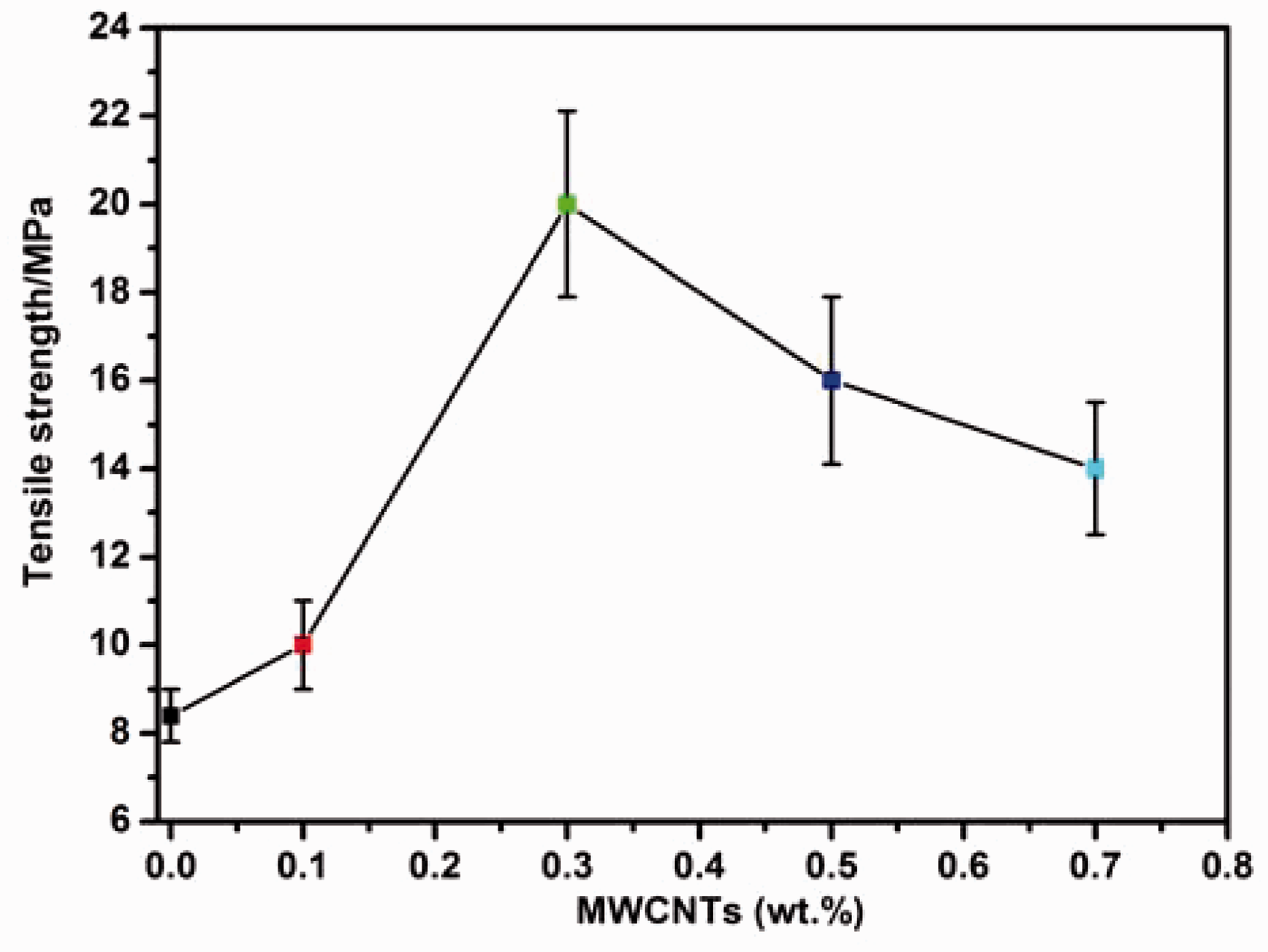
The H-bonding interactions were expected to affect the microphase separation of PIB/PEG-based PU and PIGNTs (as shown in Scheme 1). To confirm this, the morphologies of the nanocomposites were characterized using SEM. As can be seen from Figure 3, the phase distributions of PIB/PEG-based PU and PIGNTs were typical the sea-island structure. This phenomenon is result from that different soft segment chemistries of PU commonly exhibit rather incomplete hard/soft demixing when polymerized in bulk. The extent of unlike segment segregation (and resulting hard domain morphology) is particularly important in determining mechanical and other physical properties.
22
Figure 4(a) shows that PIB soft segment is the matrix while hard segment particles form the dispersed phase. Additionally, the particles with different sizes, the interface between soft and hard segment is unsharp, indicating the partial compatibility or weak interfacial interaction between soft and hard segment. With the presence of the MWCNTs, the size of the dispersed particles tends to decrease on one hand; on the other hand, it is observed that MWCNTs selectively locate in the hard phase. As shown in Figure 4(b) and (c), one can see that almost all of the MWCNTs are restricted in the hard phase. Furthermore, the phase domain of the hard segments containing MWCNTs decreases greatly and is more uniform. In other words, additions of the MWCNTs to form the H-bonding between the MWCNTs and the hard segments lead to a dramatical change in microphase separation.
SEM images showing the morphology of the PIB/PEG-based PU, PIGNTs and localization of the MWCNTs in the nanocomposites. (a) PIB/PEG-based PU, (b) PIGNTs (0.5 wt%), (c) PIGNTs (0.5 wt%) obtained at higher magnification. Diagrams of the model describing the H-bonding formation of the PIGNTs in hard segment by MWCNTs.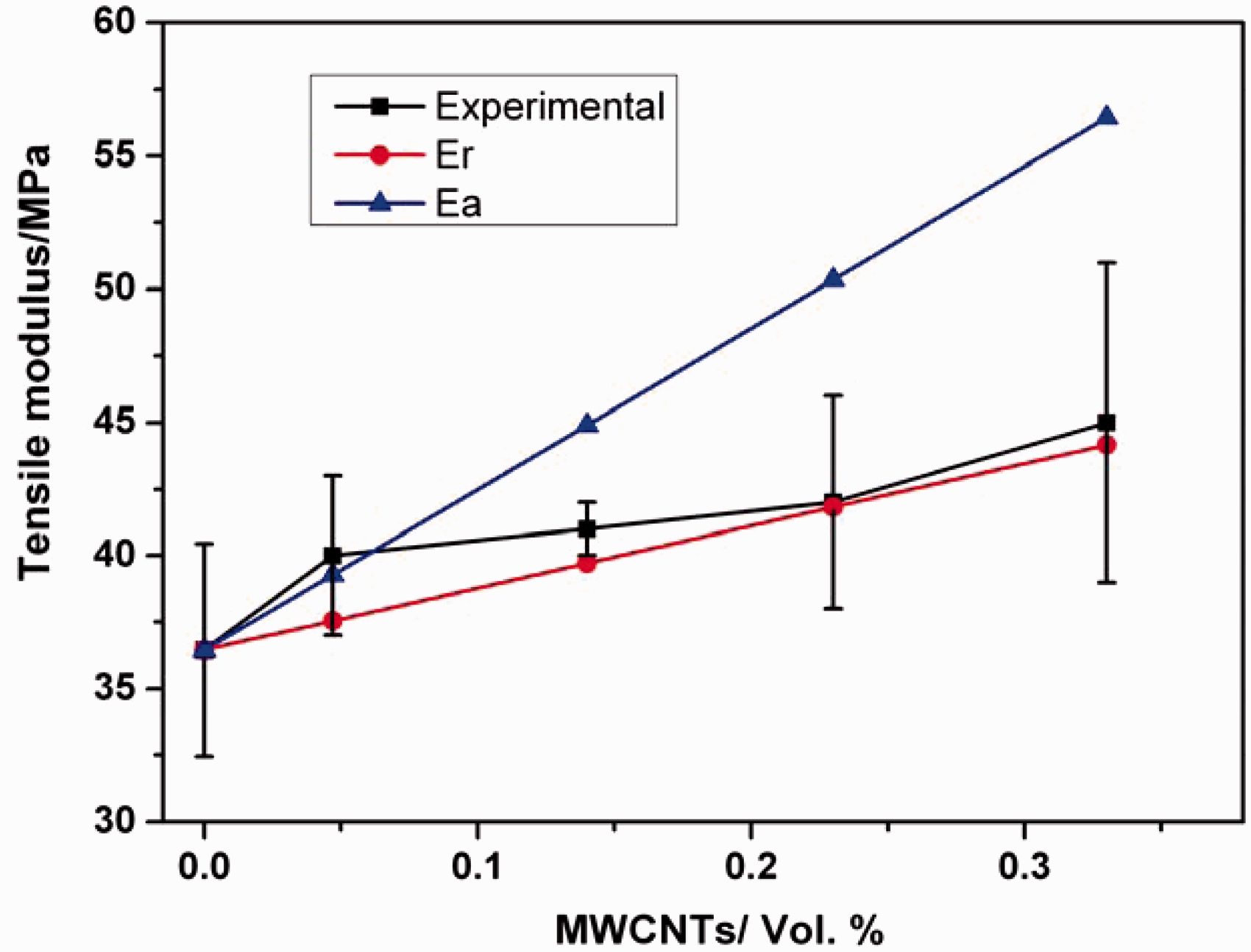
Halpin-Tsai model is used to predict the modulus of unidirectional or randomly distributed filler-reinforced composites.
23
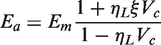
For randomly oriented or unidirectional MWCNTs in the polymer matrix, the nanocomposite modulus E
r
and Ea are given by equations (1) and (2), where E
r
and Ea represent the Young's modulus of the nanocomposite with randomly distributed MWCNTs and the Young's modulus of the nanocomposite with MWCNTs aligned parallel to the surface of the sample film, respectively.24,25

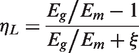
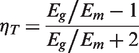

E
g
and E
m
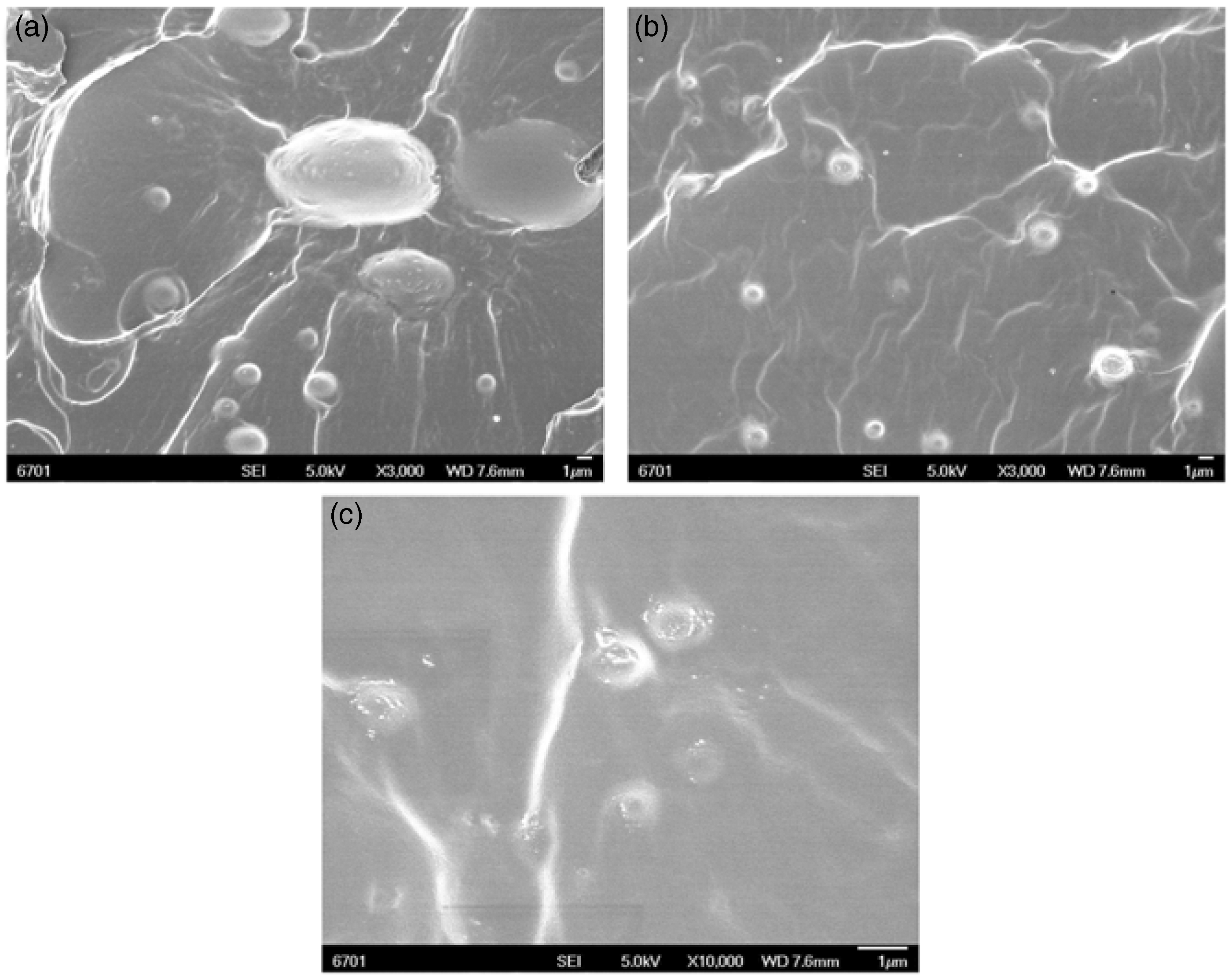
are Young's modulus of the MWCNTs and the polymer matrix. l and d refer to the average length and the outer diameter of the MWCNTs, which were about 4 μm and 25 nm, respectively. The MWNT volume fraction Vc was calculated to be 0.046 vol.% from the weight fraction (0.1wt%), density of MWNT is 2.16 g/cm3 and PIB/PEG-based PU matrix is ca. 1.0 g/cm3. The Young's modulus of the MWCNTs was around 0.45 TPa and used for the calculation. The Young's modulus of pure PIB/PEG-based PU was 8.3 MPa from the experimental data. Substituting these parameters into equations (1) to (5), the Young's modulus of the nanocomposite was calculated. As shown in Figure 5, good agreement was found between the experimental data obtained for PIGNTs and the theoretical simulation results under the hypothesis that MWCNTs is randomly to the surface of the nanocomposite film. The close agreement between the experimental and theoretically predicted composite moduli indicates that the external tensile loads were successfully transmitted to the nanotubes across the MWCNTs-PU interface via strong interfacial interactions, which is consistent with our previous work.
16
Young's moduli of the PIGNTs and Halpin–Tsai theoretical model; the theoretical simulations were taken as two cases: the random orientation and unidirectional distribution of MWCNTs in the PIB/PEG-based PU matrix.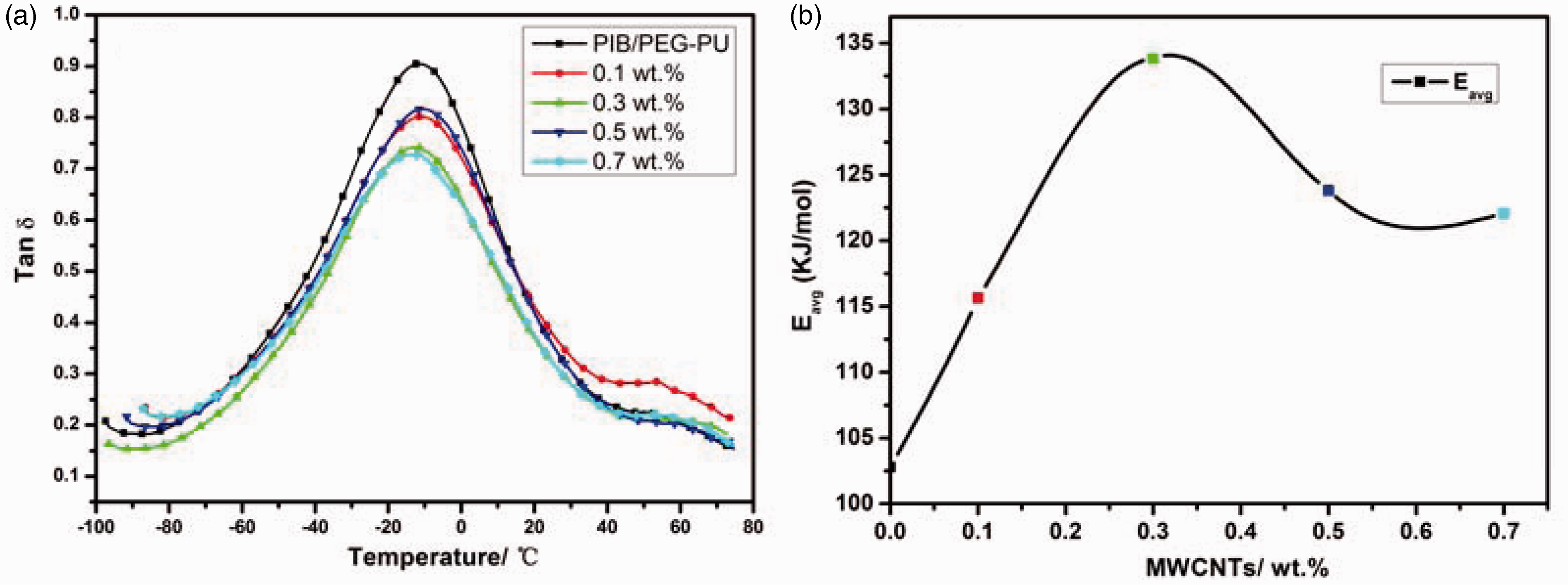
DMA is used to further confirm the interfacial interactions. As shown in Figure 6(a), the loss factors (tanδ) of PIB/PEG-based PU with that of the PIGNTs. Almost no shift in the transition peak of damping factor (tan δ) associated with the glass transition temperature (Tg) of the PIB/PEG-based PU and PIGNTs, which indicates that the interaction between the MWCNTs and the soft segment is very weak. However, the huge decrease of tanδ indicates the greatly restricted motion of PU chains, resulting from H-bonding interactions between oxygen-containing groups of the MWCNTs and the urethane bonds of the PIB/PEG-based PU chains. To investigate the effect of MWCNTs on dynamic mechanical properties, the area under tanδ peak, related to the activation enthalpy of relaxation of the backbone motion of the polymer chain was analyzed. For example, the average activation enthalpy of transition for polymers and their composites can be calculated from the DMA using the following equation
(a) Loss factors (tan δ) curves of PIB/PEG-based PU and PIGNTs; (b) Variation for the Eavg of PIB/PEG-based PU and PIGNTs with different MWCNTs contents.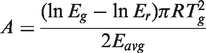
It is well known that the oxidative/hydrolytic stability of conventional PU is low or at best moderate because of the presence of the great variety of vulnerable functional groups (carbamate, ester, ether, carbonate, etc.) in these materials.
7
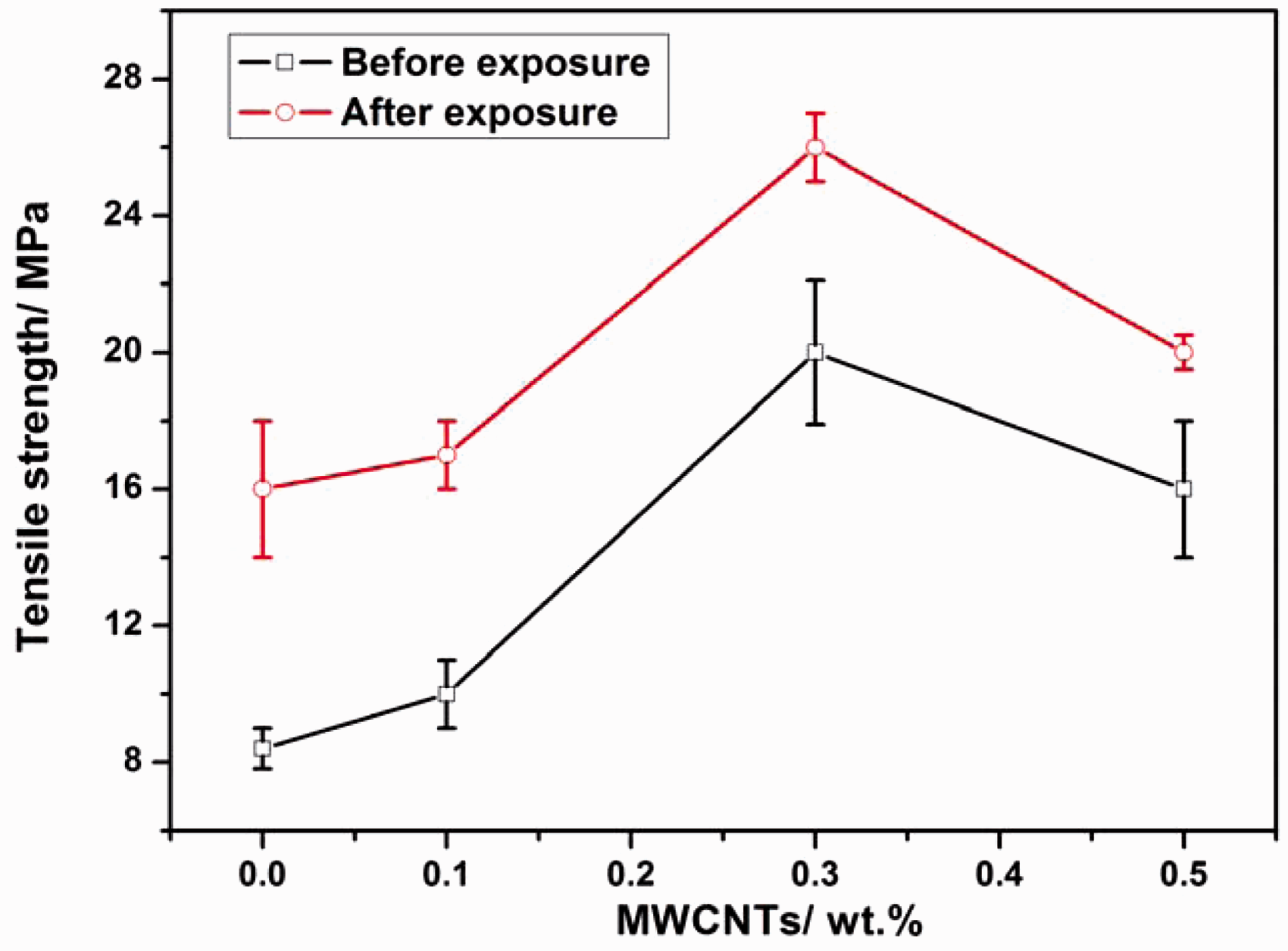
We investigated the oxidative/hydrolytic stability of PIB/PEG-based PU with various MWCNTs contents by exposing them to HNO3 solutions for 18 h and investigated the change of their mechanical properties relative to virgin samples. Oxidative/hydrolytic stabilities of PIB/PEG-based PU and PIGNTs are shown in Figure 7. Similar trends of tensile strength of PIB/PEG-based PU and PIGNTs can be seen before and after exposure to HNO3. Interestingly, it can be observed that the tensile strength of PIB/PEG-based PU and PIGNTs exposed to HNO3 was somewhat higher than those of virgin samples. This effect may be due to oxidative crosslinking. Thus, oxidation of –CH2–O–CO–NH–CH2– segments may generate relatively stable radicals which combine and lead to crosslinking in preference of chain scission.
Tensile strength of PIB/PEG-based PU and PIGNTs before and after exposure to HNO3.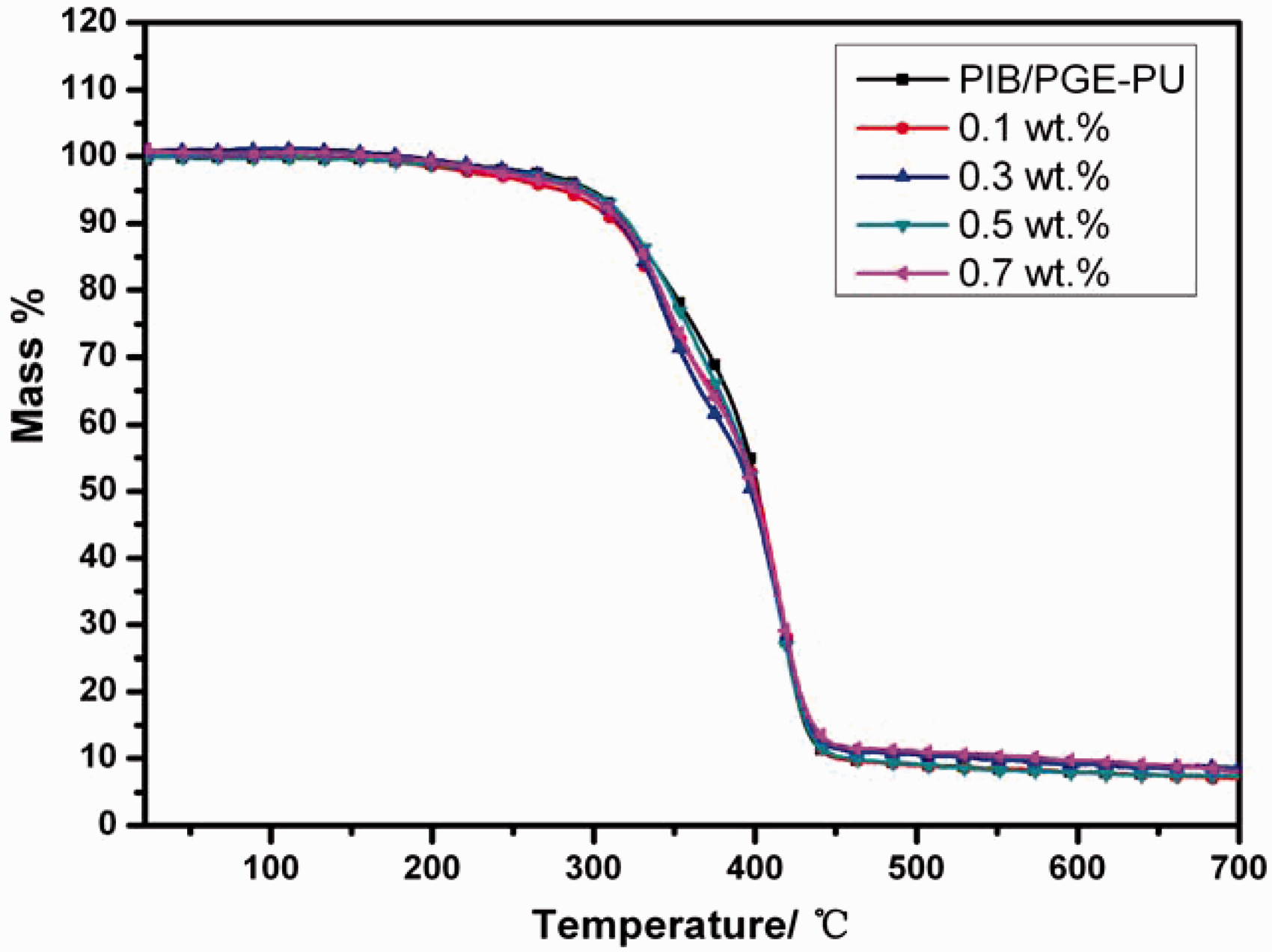
As shown in Figure 8, it is interesting to note that the thermal stability of these materials is almost unchanged even with the higher loadings of MWCNTs used. Both PIB/PEG-based PU and PIGNTs are decomposed in a two-step process, and the temperature of 5% degradation for PIGNTs is (290℃) slightly lower compared with that of PIB/PEG-based PU (293℃). These results indicate that the MWCNTs almost unchanged the thermal stability of PIB/PEG-based PU nanocomposites.
TGA (in N2) thermograms of PIB/PEG-based PU and PIGNTs.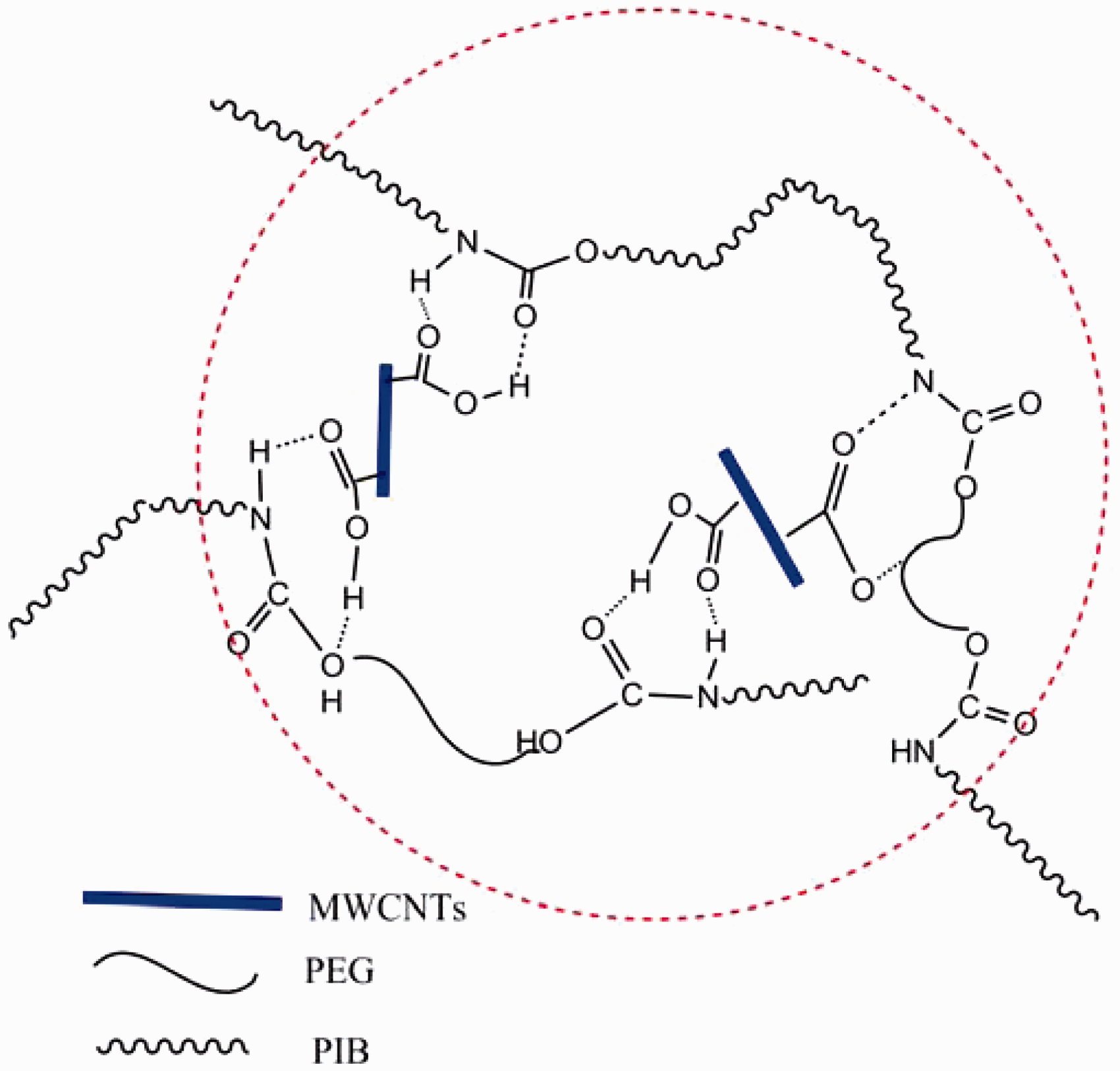
Conclusions
In summary, it is the first time that MWCNTs-reinforced PIGNTs are prepared. The mechanical properties of PIGNTs are significantly enhanced at fairly low concentrations of MWCNTs. A 126% improvement of tensile strength is achieved by the addition of only 0.3wt% MWCNTs. Additionally, the PIB/PEG-based PU and PIGNTs exhibit excellent damping properties (tan δ > 0.3) in a wide range of temperature from −60℃ to 35℃. Based on this facial and efficient method, MWCNTs/PIB/PEG-based PU nanocomposites with excellent mechanical and damping properties are successfully obtained. It is anticipated that our current work would inform ongoing efforts to exploit PIB/PEG-based PU nanocomposites with more enhanced performances.
Footnotes
Declaration of Conflicting Interests
The author(s) declared no potential conflicts of interest with respect to the research, authorship, and/or publication of this article.
Funding
The author(s) disclosed receipt of the following financial support for the research, authorship, and/or publication of this article: The financial supports from the National Science Foundation for Distinguished Young Scholars of China (Grant No. 51025517), the National Basic Research Program of China (973 Program, Grant No. 2015CB057502), and the financial supports of the National Nature Science Foundation of China (Grant No. 51305431) are duly acknowledged.