







Abstract
It has been firmly realized that the dispersion of carbon nanotubes and their bonding with the matrix on the interfaces are two crucial problems need to be resolved to achieve the expected properties of nanocomposites. In view of the unsatisfactory interfacial bonding of the carbon nanotubes/epoxy composites, the complicated production procedure, and the high energy consuming of the conventional preparing method, the electron beam curing technology was used in preparing carbon nanotubes/epoxy composites in this study. The electron beam can realize the radiation curing of the nanocomposites; in the meantime, it also can enhance the concentration of unsaturated carbon atoms of the carbon nanotubes surface and strengthen the interphase interaction of carbon nanotubes and the matrix as well. It would improve the carbon nanotubes modification efficiency and composites properties and benefit the environment. In this article, to further improve the properties of the composites, the multi-walled carbon nanotubes were modified with polyethylene glycol diglycidyl ether, and then polyethylene glycol diglycidyl ether-functionalized multi-walled carbon nanotubes/epoxy composites were prepared by electron beam curing process. The results showed that polyethylene glycol diglycidyl ether-functionalized multi-walled carbon nanotubes do good to the improvement of the elongation at break of the corresponding composites. It also showed that the reinforcement effect of polyethylene glycol diglycidyl ether-functionalized multi-walled carbon nanotubes reached a maximum at the content of around 0.25 wt%, and at higher contents, the tensile modulus decreased with filler loading.
Keywords
Introduction
Given the unique mechanical, optical, thermal, and electrical properties of carbon nanotubes (CNTs), the incorporation of them as reinforcement within a polymeric matrix has aroused great interest of many researchers.1–4 However, it is difficult to obtain the desired properties of CNTs composites. It has been widely recognized that the dispersion of CNTs and their bonding with the matrix on the interfaces are two crucial problems need to be resolved to attain the expected properties of nanocomposites.4–6
Surface functionalization of CNTs is one of the many ways to improve the compatibility and dispersion ability of CNTs in the various composites matrix.8,9 Lots of surface-modified methods have been used in the preparation of CNTs/polymer composites, such as amino-functionalization,10,11 polymer-functionalization, 12 fluorination, 13 and ionic liquid functionalization, 14 oxidation,15,16 and ozone functionalization. 17
The epoxy composites usually were cured with traditional thermal curing process, by contrast, electron beam (EB) curing technology could provide many advantages, such as higher curing rate, less energy consuming, lower shrinkage, and reduced thermal stresses, and it is capable of preparing composites of very large size and repairing composites.18–21
In this study, multi-walled carbon nanotubes (MWNTs)/epoxy composites were prepared by EB curing. In order to make the MWNTs have better compatibility with the chosen EB curable epoxy matrix system, first MWNTs were acidified with a mixture of H2SO4 and HNO3 and then functionalized with polyethylene glycol diglycidyl ether (PEGGE), which molecular structure containing epoxy rings. The addition of PEGGE-functionalized MWNTs has some different effects on the mechanical properties of composites, compared with the acidified MWNTs.
Experiment
Materials
Epoxy resin 618 (a diglycidyl ether of bisphenol A epoxy) was purchased from Shanghai Resin Factory Co., Ltd. MWNTs (purity > 95 wt%, outer diameter within 10–40 nm and length range: 10–40 µm) were obtained from Applied Nanotechnologies Co. Ltd., Shanghai, China. Photo-initiator, bis(4-methylphenyl)-, hexafluorophosphate were purchased from Jiangyan City Jiasheng Chemical Co., Ltd. Concentrated H2SO4 (98%) and HNO3 (70%), KOH (A.P.), and ethanol (A.P.) were purchased from Sinopharm Chemical Reagent Co., Ltd. PEGGE was purchased from Shanghai Rufa Chemical Technology Co., Ltd.
Preparation of PEGGE-functionalized MWNTs
A total of 500 mg MWNTs were dispersed in a 40-ml acid solution of concentrated sulfuric and nitric acid (3:1 v/v) and then sonicated with a bath sonicator for 30 min. The mixture was heated to reflux with stirring at 70℃ for 3 h, filtered and washed with deionized water, and then dried at 80℃. The obtained acidified MWNTs were denoted as MWNTs-COOH. After that, 1.0 g of MWNTs-COOH were dispersed in 300 ml of PEGGE and sonicated with a bath sonicator for 30 min and then 17.5 mg of KOH were added and sonicated with stirring for another 10 min, and last the mixture was heated to reflux at 70℃ for 5 h. Subsequently, the mixture was filtrated through a nylon membrane (pore diameter: 0.22 µm), washed thoroughly with absolute ethanol and deionized water, and dried under vacuum at 80℃. The obtained PEGGE-functionalized MWNTs were denoted as PEGGE-MWNTs. The proposed reaction mechanism is shown in Figure 1.
Schematics of the functionalization of MWNTs with PEGGE.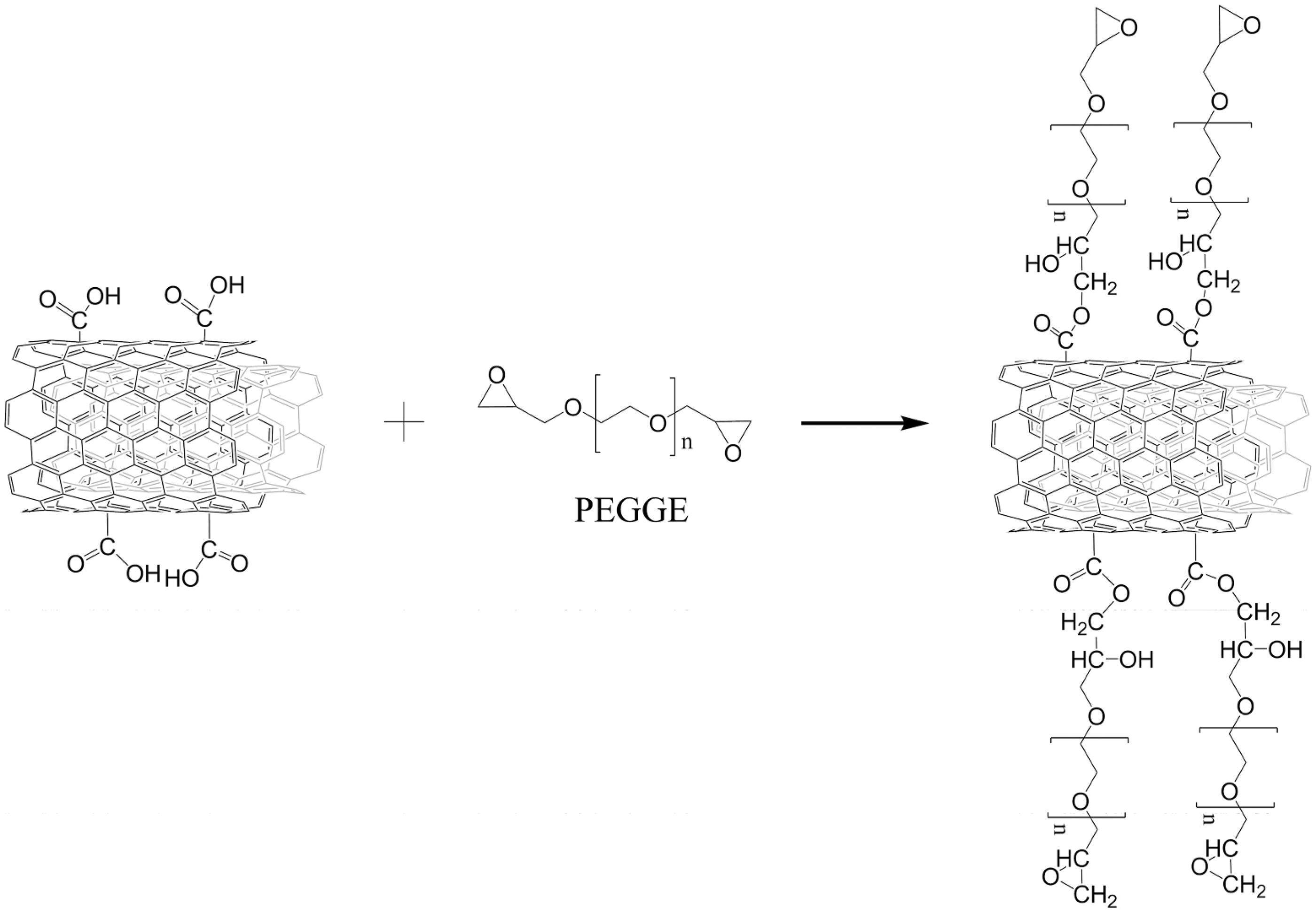
EB curing of PEGGE-MWNTs/epoxy composites
PEGGE-MWNTs with contents of 0.1, 0.25, 0.5, and 1.0 wt% were added into the epoxy resin, respectively. And then, thoroughly mixed using a mechanical agitation for 30 min, following sonicated with a bath sonicator for another 30 min. Afterwards, 2.0 wt% photo-initiator was added into the prepared blends at 80℃, and mechanically mixed for 15 min, and then sonicated for another 15 min. The prepared PEGGE-MWNTs/epoxy/photo-initiator blends were poured into the moulds. Pure epoxy and the epoxy composites combined with the same amount of MWNTs-COOH were also cured with similar procedure and served as control groups. All the samples were irradiated by a GJ-2-II electron beam accelerator with energy of 1.8 MeV and current of 2.0 mA at room temperature in air atmosphere. The moving speed of the conveyor belts was 8.57 m/min and moved back and forth under the EB. The samples were irradiated with a dose rate of 95 Gy/s for about 44 min to get a total dosage of 250 kGy.
Characterization
Infrared spectra were recorded by an EQUINOX 55 Fourier Transform Infrared Spectrometer (Bruker Co., Germany). Raman spectra were obtained using a dispersive Raman microscope (Senterra R200-L, Bruker Optics), with a 532-nm laser excitation. Thermo-gravimetric measurements were carried out using TA Instruments TGA 1600 thermal analysis system in nitrogen at a heating rate of 10℃/min from 20℃ to 800℃. The gel content of these samples was determined by the Soxhlet extraction with toluene for 24 h. Then, put the residues in the ether solution for 30 min to extract the toluene on the surface of the samples. After that, the residues were dried in a vacuum oven for 12 h at 100℃ and all experiments were carried out in duplicate. Hardness of epoxy and its composites were measured by a Shore durometer using the D scale. Tensile testing was performed using a Zwick T1-FR020.A50 material testing machine at room temperature. The cross-head rate was 2 mm/min and five replicate dumbbell-shaped test specimens (ISO 3167 A) were tested for each testing item. The morphology of composites surface was characterized using a Field Emission Scanning Electron Microscope (FESEM, FEI SIRION 200). Dynamic mechanical analysis (DMA) was performed on a Netzsch DMA 242 instrument at a frequency of 1, 5, and 10 Hz in the single cantilever configuration. The samples were heated under a nitrogen atmosphere from room temperature to 200℃ at a heating rate of 3℃/min.
Results and discussion
Characterization of PEGGE-MWNTs
The covalent functionalization of MWNTs with PEGGE was investigated by FTIR as shown in Figure 2. It was shown that the FTIR spectra of MWNTs-COOH and PEGGE-MWNTs showed much difference with that of pristine MWNTs. In Figure 2(c), the peak at around 1732 cm−1 was assigned to the characteristic band of the carboxylic groups (C = O), and the peak appeared at around 1211 cm−1 and 1090 cm−1 was assigned to the vibration of the ester and ether bonds, respectively. A weak peak also appeared near the 935 cm−1, which is the typical peak of the epoxy rings, and this means that most of the epoxide groups were consumed up after the functionalization reaction.
22
The FTIR spectra of PEGGE-MWNTs confirmed that MWNTs had been modified with PEGGE.
FTIR spectra of MWNTs: (a) pristine MWNTs, (b) MWNTs-COOH, and (c) PEGGE-MWNTs.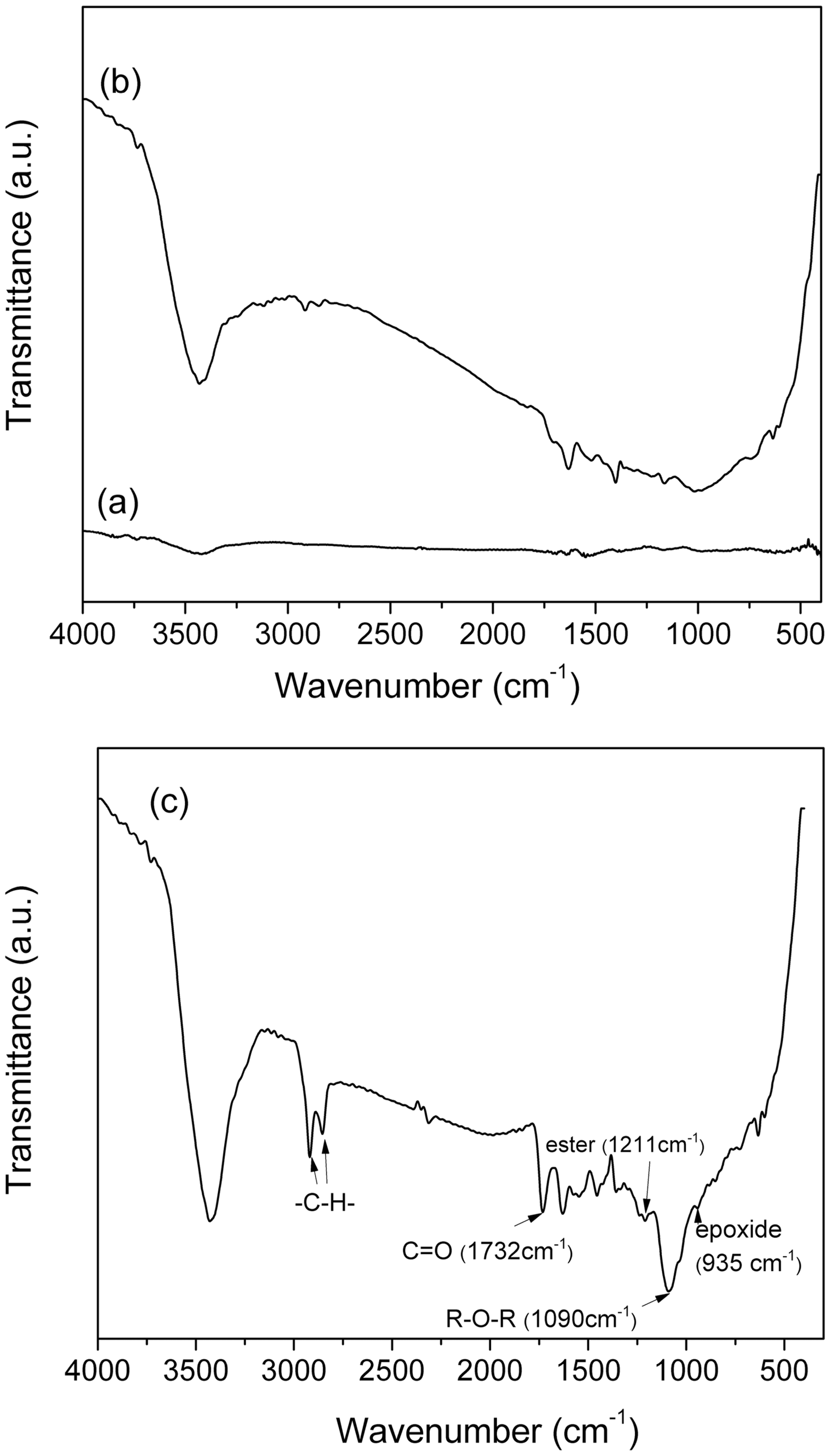
The Raman spectra of pristine MWNTs, MWNTs-COOH, and PEGGE-MWNTs are shown in Figure 3. The Raman spectra of pristine MWNTs showed a band at 1338.5 cm−1, which is relevant to disorder or dislocation defects in graphite (D band) and another band at 1573 cm−1, which is a typical bond of graphite (G band). The ID/IG ratio of pristine MWNTs, MWNTs-COOH, and PEGGE-MWNTs were 0.589, 0.748, and 0.682, respectively. The ID/IG ratio of MWNTs-COOH was higher than the pristine MWNTs, which meant that hybridization of some carbon atoms converted from sp2 to sp
3
and π-electrons were disrupted, and some defects sites were produced on the surface of the MWNTs.
23
The ID/IG ratio of PEGGE-MWNTs was not higher than that of MWNTs-COOH, which showed that the PEGGE functionalization process did not cause the further structure deformation of the MWNTs. Besides, the D band of PEGGE-MWNTs was upshift to 1347.5 cm−1, which could be related to the pressure that exerted on the tubes caused by the functionalized groups attached on the surface of the MWNTs.
Raman spectra of MWNTs: (a) pristine MWNTs, (b) MWNTs-COOH, and (c) PEGGE-MWNTs.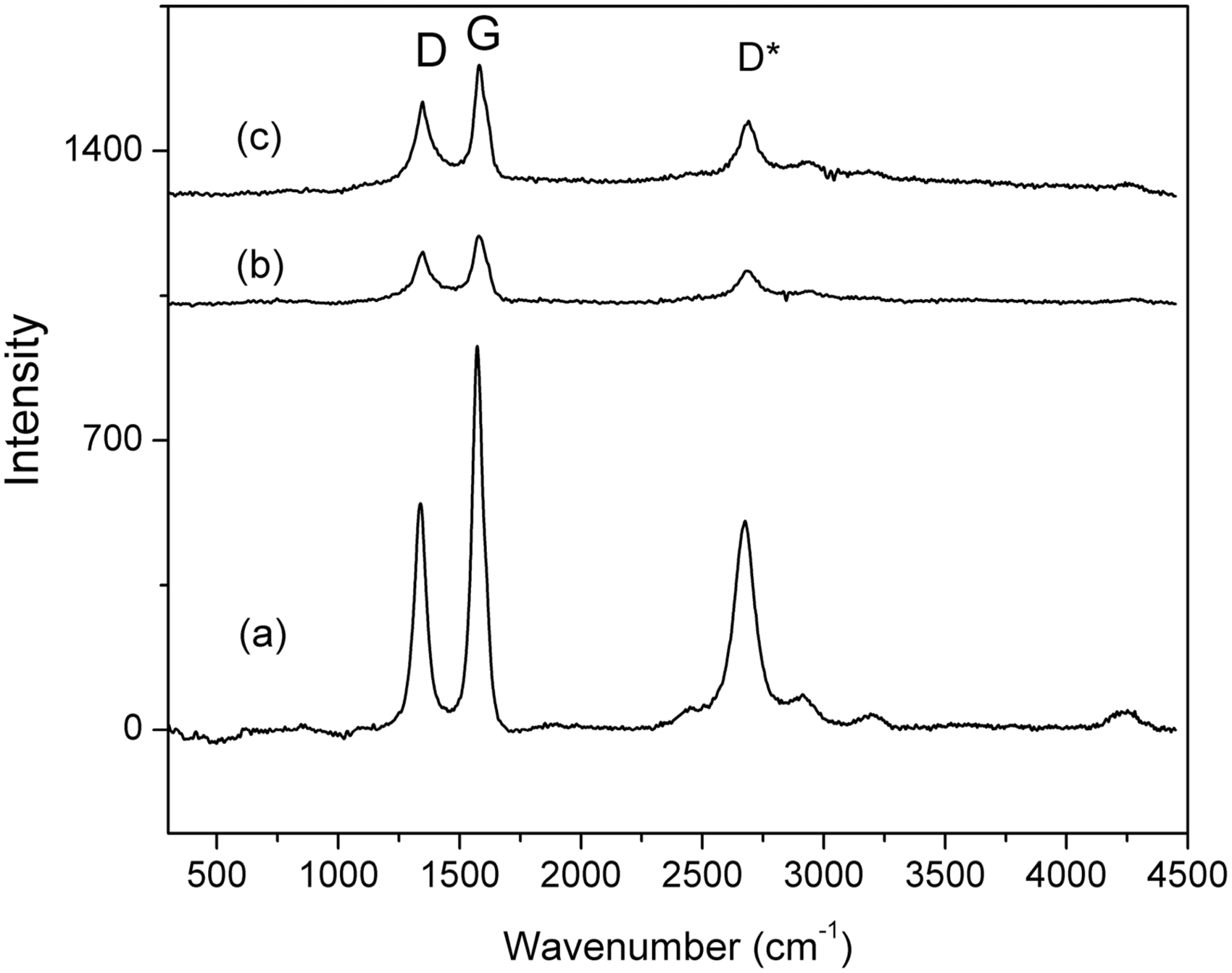
The grafted percentages were determined by the TGA analysis and the results were shown in Figure 4. The pristine MWNTs exhibited weight loss at 550℃, indicating that the tubes began to decompose at this temperature. The weight loss between 200℃ and 550℃ could be assigned to the decomposition of the functionalized groups on the surface of MWNTs. The weight loss of PEGGE-MWNTs reached 36.1% when temperature increased to 500℃, which were seen as the grafted percentage of covalent attachment.
TGA thermographs of MWNTs, (a) pristine MWNTs, (b) MWNTs-COOH, (c) PEGGE-MWNTs.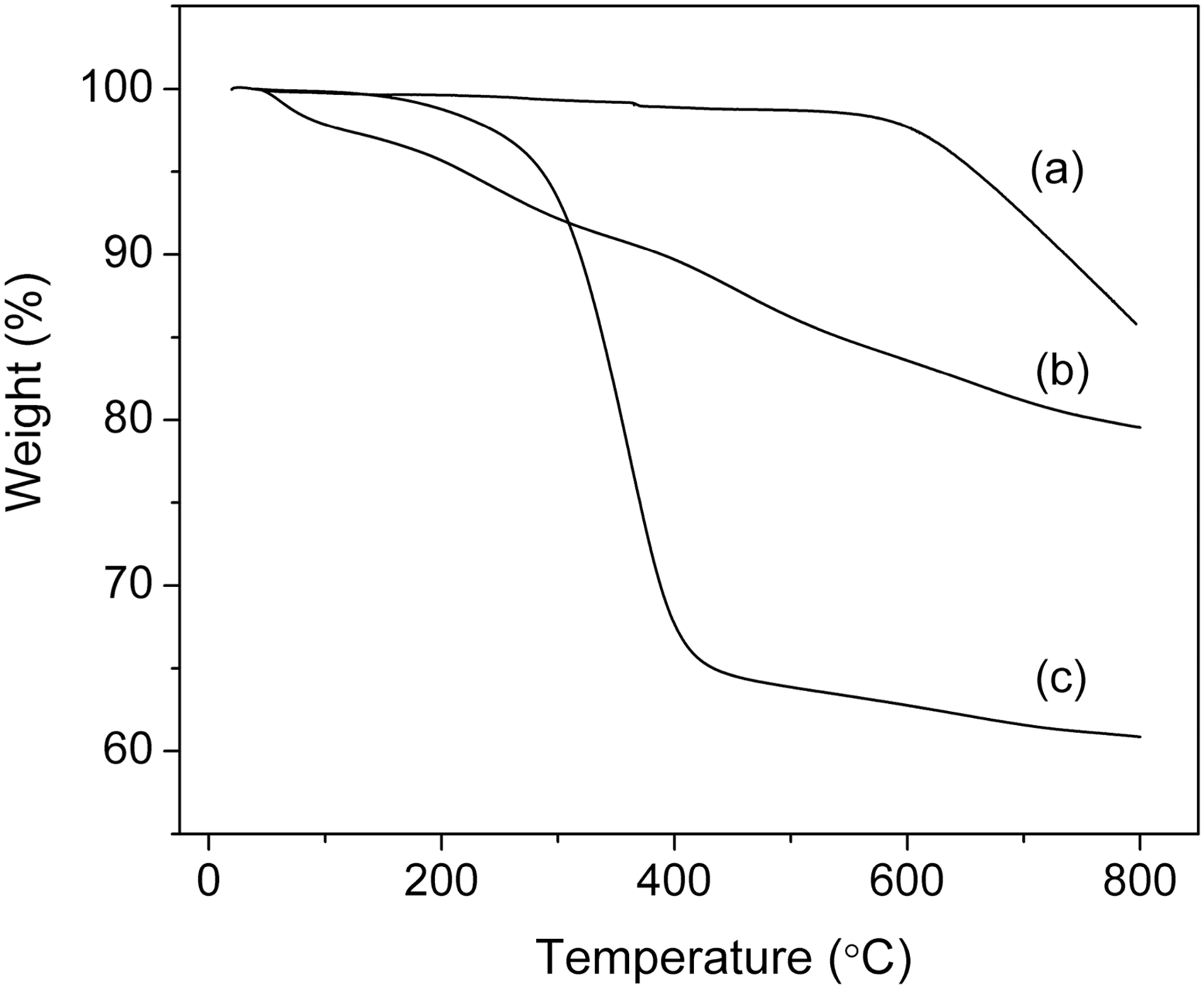
The dispersion properties of the pristine MWNTs, MWNTs-COOH, and PEGGE-MWNTs in the epoxy resin were examined. These MWNTs of 0.1 wt% were dispersed in the epoxy resin, respectively, and sonicated for 1 h. MWNTs-COOH (Figure 5(b)) and PEGGE-MWNTs (Figure 5(c)) show a little better dispersion ability than the pristine MWNTs. Moreover, the dispersion ability of PEGGE-MWNTs was better than that of MWNTs-COOH.
Photographs of the dispersion properties of (a) pristine MWNTs, (b) MWNTs-COOH, and (c) PEGGE-MWNTs.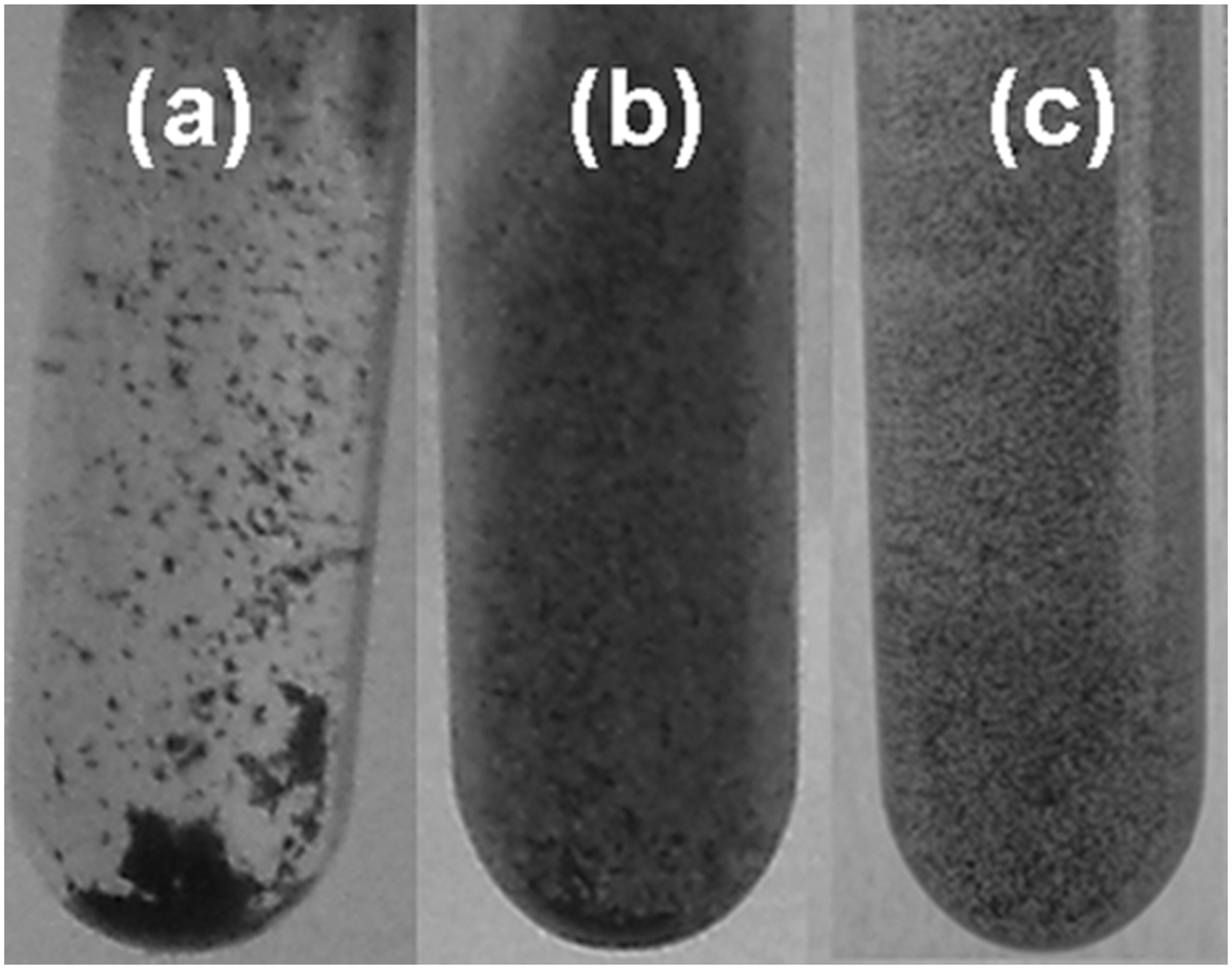
Mechanical performance of EB cured PEGGE-MWNTs/epoxy composites
The gel contents of the composites mentioned in this study were very similar and varied between 75% and 80%. This meant that all these samples were fully cured at the curing condition. Figure 6 showed the Shore D hardness value of the MWNTs-COOH/epoxy and PEGGE-MWNTs/epoxy composites. The Shore D hardness of composites added with PEGGE-MWNTs was higher than those of MWNTs-COOH/composites when MWNTs content was lower than 0.25 wt%. The 0.25 wt% PEGGE-MWNTs showed the highest average Shore D hardness value of 85.4, while the hardness of PEGGE-MWNTs began to decrease, as the filling content further increased. All the composites showed higher hardness than unfilled epoxy, due to the support effect of nanotubes. The existence of more micro-voids inside the nanotube/epoxy composites at higher filler contents could be one of the reasons for the hardness decrease.
Shore D hardness of MWNTs/epoxy composites.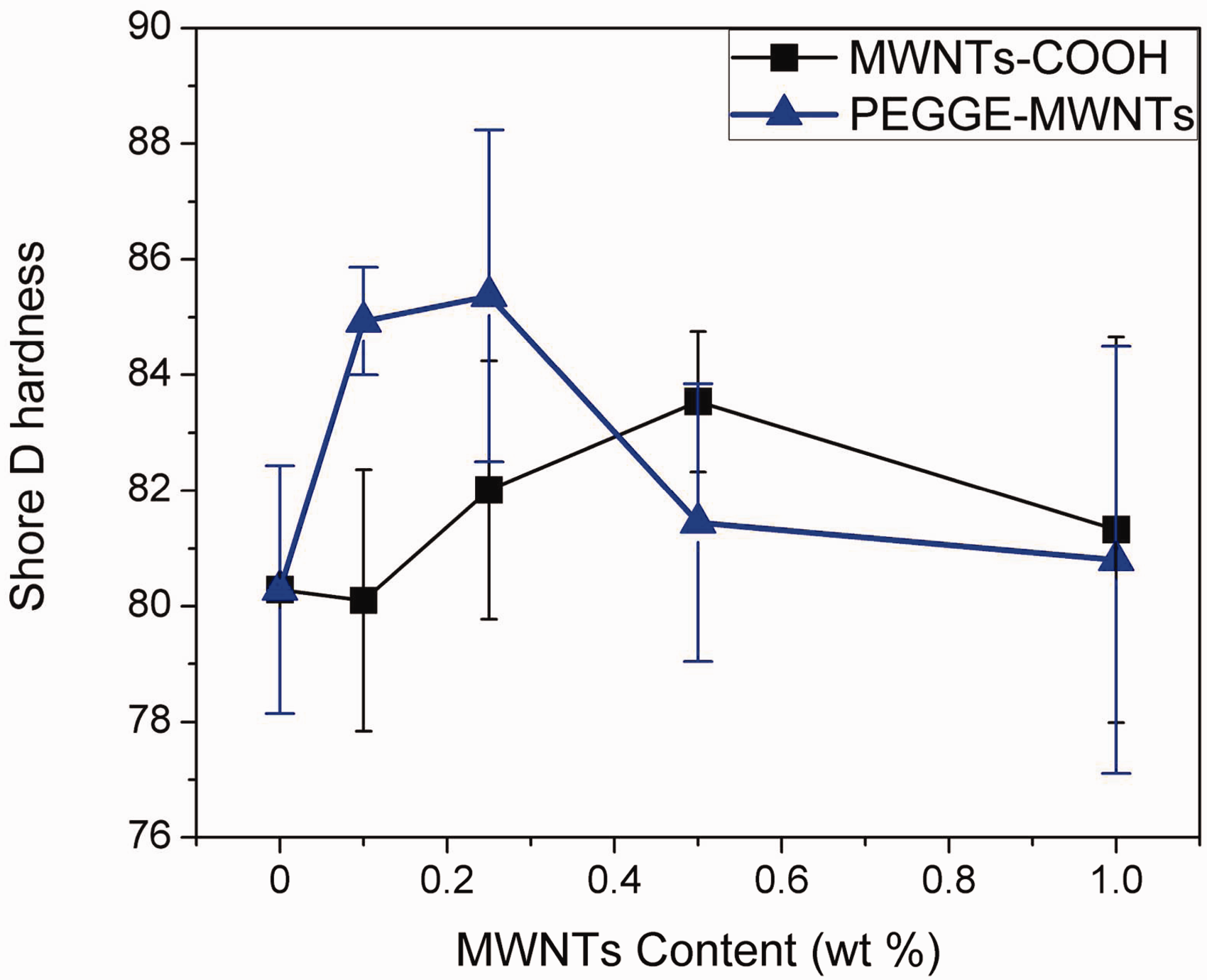
The tensile properties of the MWNTs-COOH/epoxy and PEGGE-MWNTs/epoxy composites with different MWNTs content were shown in Figure 7. The tensile strength (Figure 7(b)) and the elongation at break (Figure 7(c)) of PEGGE-MWNTs/epoxy composites were much higher than those of the MWNTs-COOH/epoxy composites at the same MWNTs filling content, while the tensile modulus (Figure 7(a)) of PEGGE-MWNTs/epoxy composites were lower than those of the MWNTs-COOH/epoxy. The tensile modulus of 0.25 wt% PEGGE-MWNTs/epoxy composite reached maximum, at higher contents the tensile modulus decreased with filler loading. As for the MWNTs-COOH composites, the tensile modulus also reached maximum at the MWNTs content of 0.25 wt%, i.e., around 23.1% higher than that of the pure epoxy. The elongation at break of 0.25 wt% PEGGE-MWNTs/epoxy composites improved about 55.7%, compared with that of the pure epoxy matrix. Usually, the easier movement of the molecular chain would lead to the higher elongation at break of the material. The long molecular chain of the ether bond of PEGGE molecule could improve the flexibility of the composites.
Tensile properties of MWNTs-COOH/EP and PEGGE-MWNTs/EP composites: (a) tensile modulus, (b) tensile strength, and (c) elongation at break.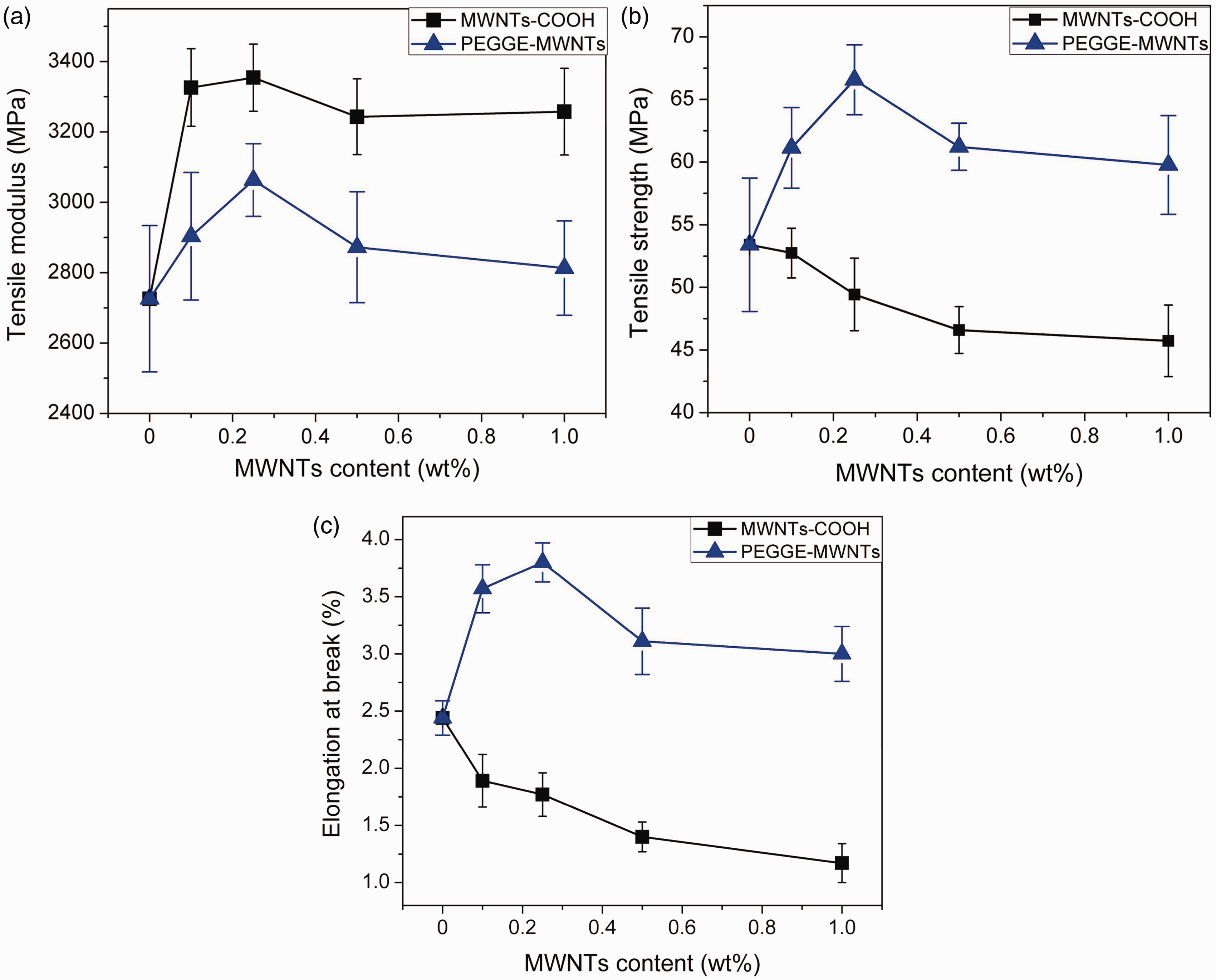
The morphology of the composites’ fracture surface was shown in Figure 8. The fracture surface of the matrix of PEGGE-MWNTs/epoxy was much rougher than that of the MWNTs-COOH/epoxy composites. It seemed that addition of MWNTs that functionalized with molecular of flexible chain could improve the ductility of the matrix.
SEM images of MWNTs/epoxy composites: (a) 0.5 wt% MWNTs-COOH/EP and (b) 0.5 wt% PEGGE-MWNTs/EP.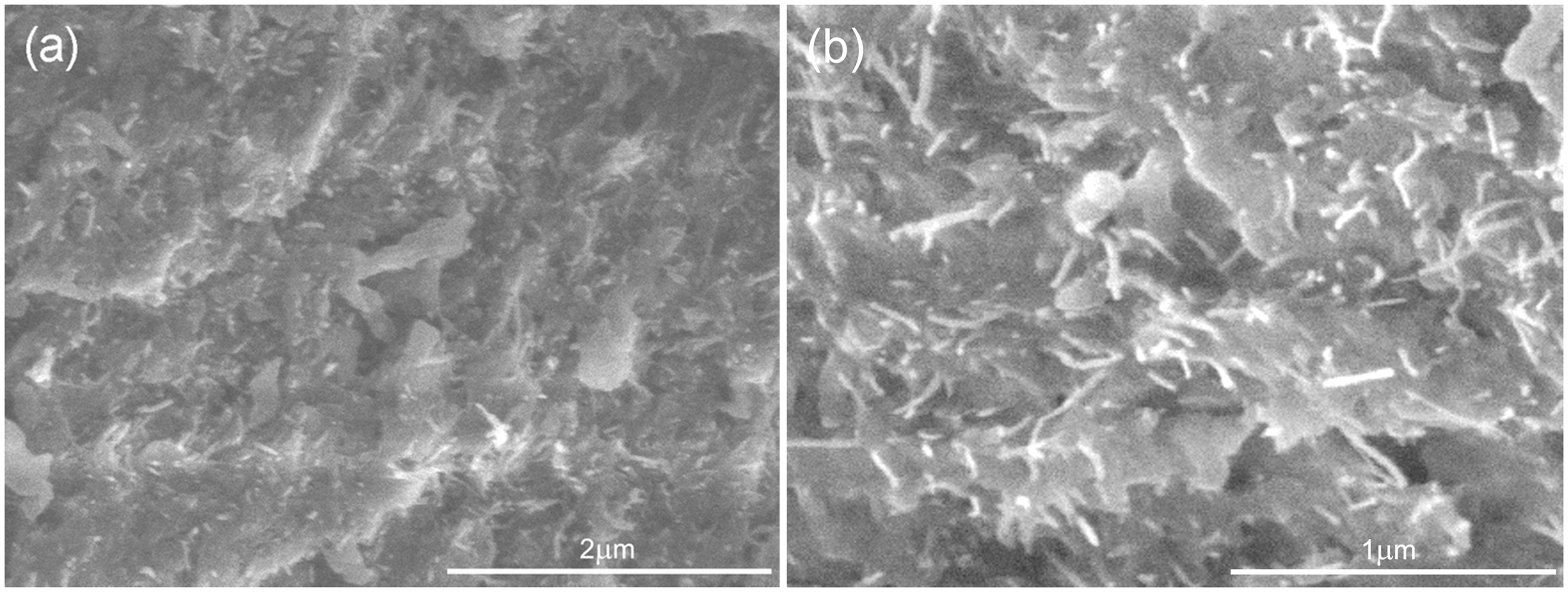
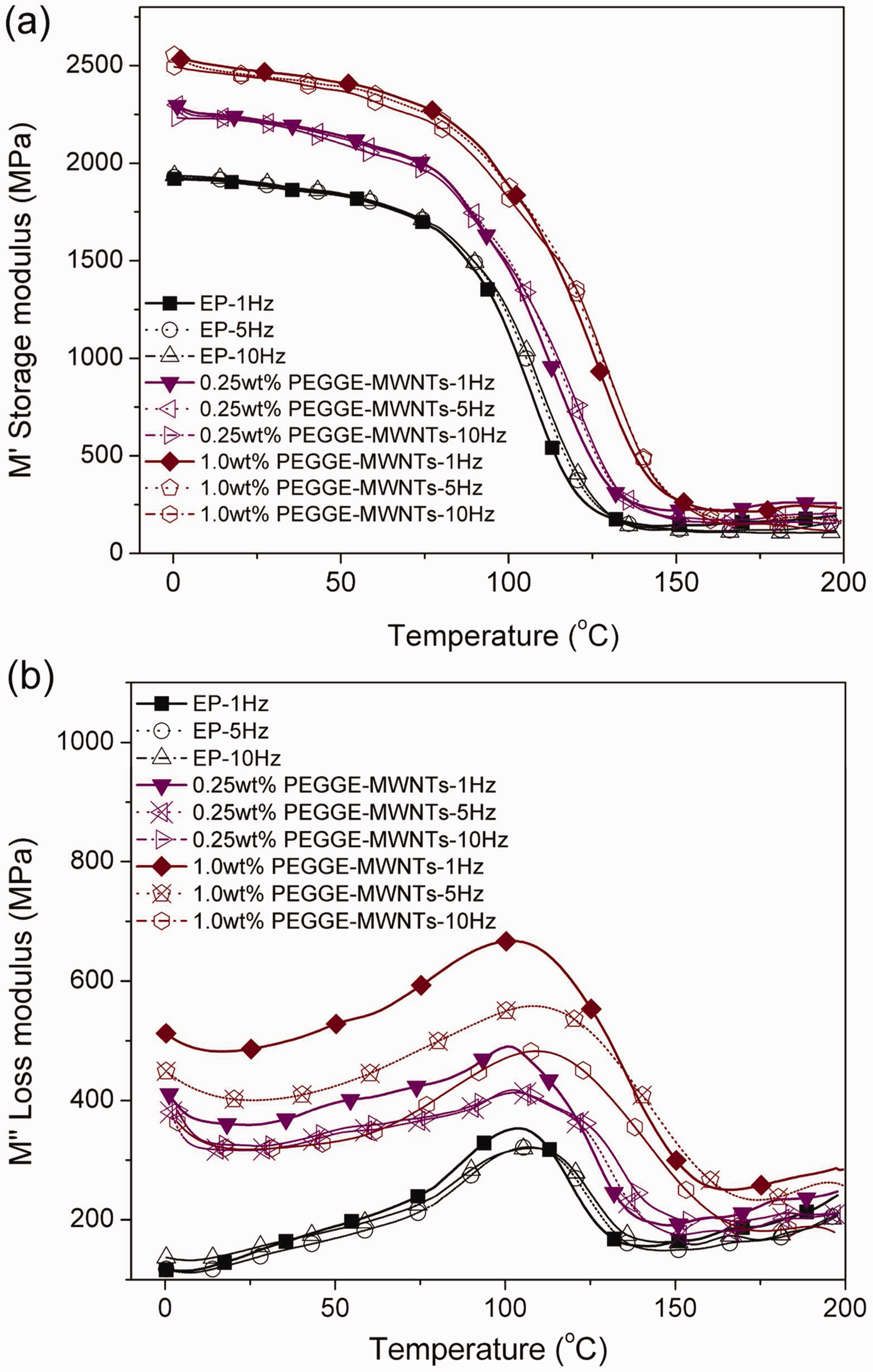
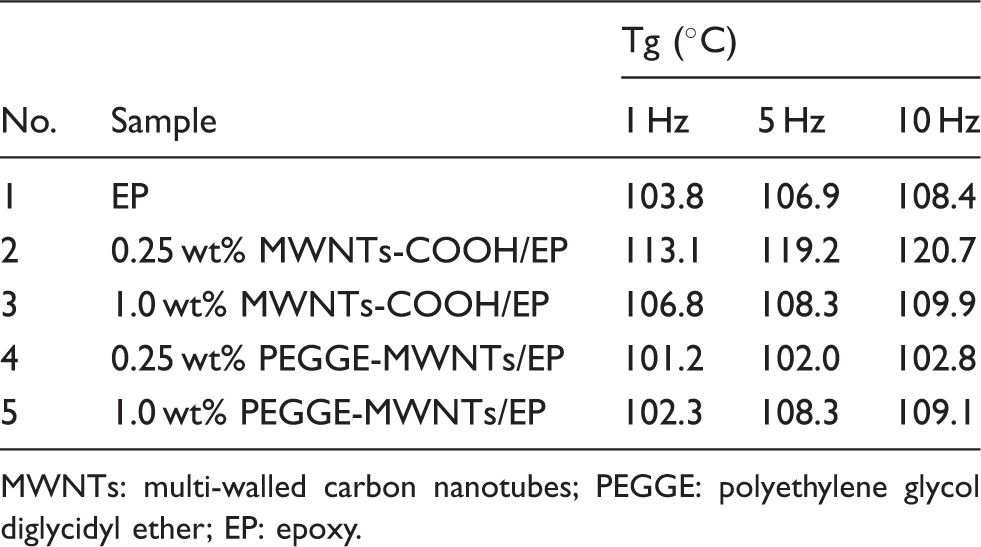
The storage modulus (M′) and the loss modulus (M″) of the samples were investigated through DMA, and the results of MWNTs-COOH/epoxy and PEGGE-MWNTs composites were shown in Figures 9 and 10, respectively. The temperature of the maximum loss modulus was taken as the glass transition temperature (Tg) of the sample. The Tg of the samples meaured at 1, 5, and 10 Hz were listed in Table 1. As seen from Figure 8, with addition of 0.25 wt% MWNTs-COOH, the storage modulus of the composite at 1 Hz increased from 1.92 GPa (pure epoxy) to 2.41 GPa and improved around 25.5%. Whereas, under the same condition, the storage modulus of 0.25 wt% PEGGE-MWNTs was 2.29 GPa, increased about 19.3% compared with pure epoxy. Storage modulus of the sample is proportional to the maximum elastic energy stored in every period, showing the elastic component of the viscoelastic properties and the stiffness of the material. The improvement of storage modulus of the PEGGE-MWNTs/epoxy was a little lower compared with MWNTs-COOH/epoxy because the addition of PEGGE-MWNTs could have a reinforcing and toughening effect, while the addition of MWNTs-COOH did not have a toughening effect. With the addition of 0.25 wt% MWNTs-COOH, the Tg(at1Hz) of the composites was increased by 9.3℃ comparing with that of the pure epoxy (103.8℃). The Tg(at 1 Hz) of the composite with 0.25 wt% PEGGE-MWNTs was 2.6℃ lower than that of pure epoxy. The PEGGE-MWNTs could enter into the free volume of the epoxy resin matrix, and thus might lead to the reduction of the local crosslinking density of the matrix. With the MWNTs content increased to 1.0 wt%, the Tg (at 1 Hz) of the MWNTs-COOH composites reduced 6.3℃, compared with the 0.25 wt% MWNTs-COOH/epoxy. While Tg (at 1 Hz) of 1.0 wt% PEGGE-MWNTs composites were slightly higher than that of the composites added with 0.25 wt% PEGGE-MWNTs.
The dynamic mechanical behavior of pure epoxy, 0.25 wt%, 1.0 wt% MWNTs-COOH/epoxy composites. (a) Storage modulus and (b) loss modulus. The dynamic mechanical behavior of pure epoxy, 0.25 wt%, 1.0 wt% PEGGE-MWNTs/epoxy composites. (a) Storage modulus and (b) loss modulus. Glass transition temperatures of MWNTs/epoxy composites. MWNTs: multi-walled carbon nanotubes; PEGGE: polyethylene glycol diglycidyl ether; EP: epoxy.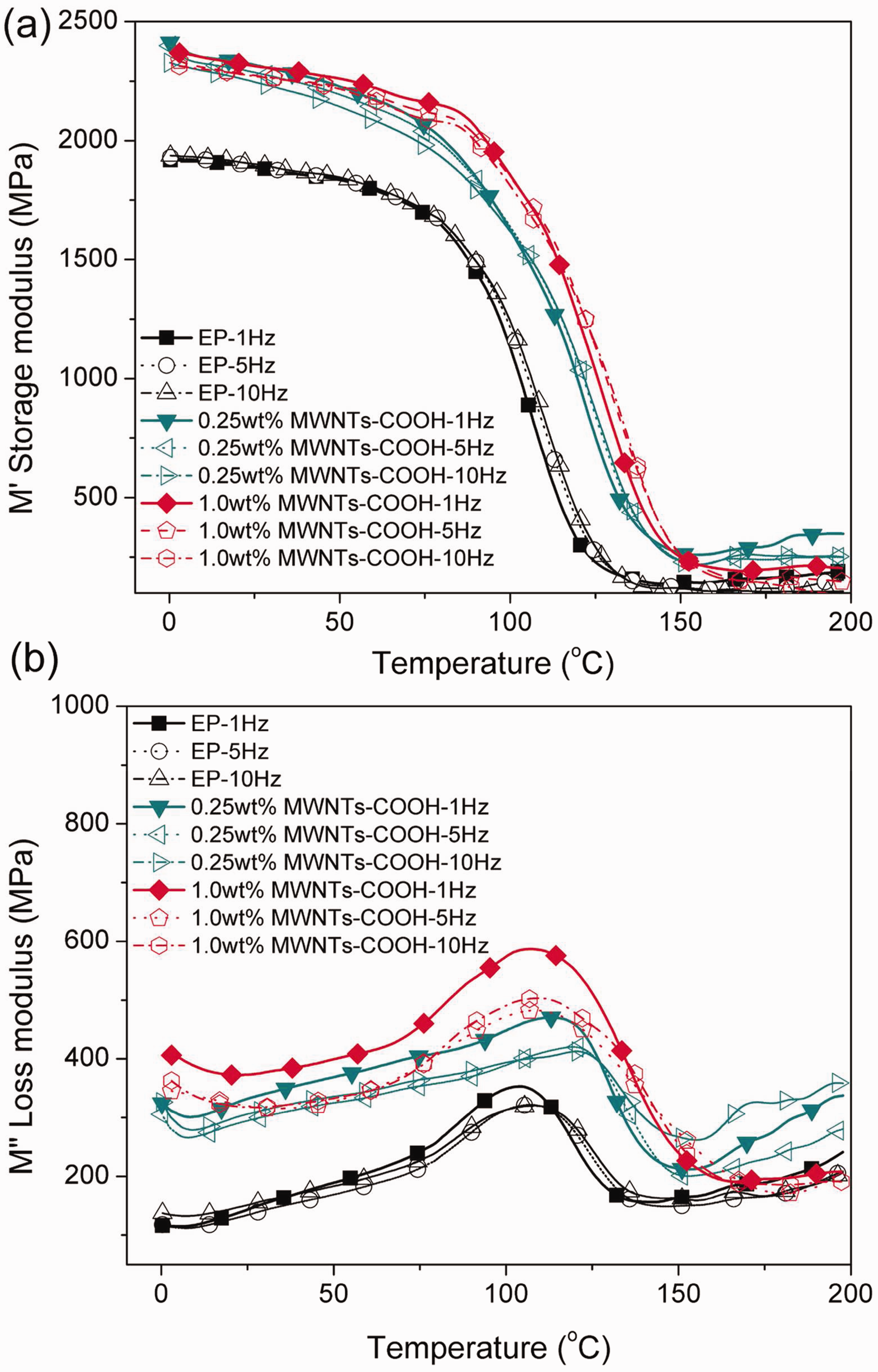
Conclusions
The MWNTs/epoxy composites consisting of different weight percentage of MWNTs-COOH and PEGGE-MWNTs were successfully prepared by EB irradiation technique. The addition of PEGGE-MWNTs to the matrix resulted in an obvious increase of tensile strength and elongation at break, and improved the ductility of the matrix. In the meantime, the Tg of the PEGGE-MWNTs/composites was close to that of the pure epoxy.
Footnotes
Acknowledgements
The analysis supports from the Instrumental Analysis Center of Shanghai Jiao Tong University are much appreciated.
Declaration of Conflicting Interests
The author(s) declared no potential conflicts of interest with respect to the research, authorship, and/or publication of this article.
Funding
This project was supported by the National Science Foundation of China (No. 50703023, 51373096) and Program for New Century Excellent Talents in University (NCET-06-0396).