







Abstract
Time-dependent behavior and factors affecting preload relaxation in a carbon/epoxy composite bolted joint under resonance were studied. The effect of viscoelasticity of composite material on bolt relaxation was studied quantitatively through modal analysis from the perspective of energy dissipation and stiffness degradation. Damping ratio and resonance frequency were utilized to characterize the effects of preload relaxation on structural dynamic response. The loss of preload was found to decrease with increasing initial preloads over a 10 h vibration fatigue. However, an increase in preload loss occurred as exciting frequency increases. Vibration fatigue damage was found to result in decaying stiffness and amplitude responses of the bolted joints, along with an increase in damping ratio. As a proof-of-concept study, a beam-like specimens with and without bolted joints were comparatively excited to ascertain their respective dynamic responses; results revealed that relaxation in bolted joints could be attributed to the conjunct mechanisms between viscoelastic behavior of polymer matrix composites and interface friction for different contact surfaces, where such relaxation behavior was mainly due to viscoelasticity of the joint materials.
Keywords
Introduction
Advanced composite materials have been designed as a new generation of structural materials, which offer unique advantages such as high specific stiffness and strength, along with fatigue and corrosion resistance. Bolting two or more distinct pieces together is an efficient way to assemble and has been increasingly used for a large variety of structures in the aeronautical and aircraft industry with increasing demand for aircraft design, manufacture and maintenance. However, durability and damage tolerance for such a structure are critical, which may limit the application of these composite materials.
Fatigue is a major form of failure. In such cases, self-loosening has been often observed for a bolted joint subjected to dynamic load, which especially occurs under resonance vibration conditions. Deformation energy of a structure under vibration is focused in the clamped area. As a result, stress relaxation and local deformation effect are magnified. This results in a decreased structural stiffness or separation of clamped members, eventually leading to failure of the whole structure and be the reason for catastrophic accidents.1,2 To avoid such drastic failure, it is important to provide accurate diagnostic information of a connection, 3 which requires a proper understanding of the preload relaxation mechanism along with a reliable detection method.
Comprehensive response of various components, including connecting materials, fasteners, gaskets, sealants and coatings, etc. is studied and characterized based on their performance in terms of long-term durability and degradation behavior of the connecting structure. 4 Bickford 5 described the mechanical behavior and design methods for bolted joints along with factors influencing self-loosening. Time, temperature and vibration were pointed out as main causes of preload loosening. Therefore, multifaceted causes may contribute to preload relaxation of a bolted joint. In addition, viscoelastic properties due to the polymer-matrix used in bolted composite joints requires considerable attention. This is due to the fact that such materials typically exhibit creep, relaxation, hysteresis and other time-dependent behaviors. Hart-Smith 6 concluded that the viscoelastic behavior of composite materials would gradually cause a relaxation in the clamping force for composite bolted joints. Therefore, determination of allowable bearing strength required that the effect of strengthening in the thickness direction of composites be given consideration, especially for joints designed for the long-term use. Thus, for structural durability assessment of a connection, following critical issues need to be characterized: (1) time duration of initial preload after a connection is tightened, (2) mechanism for preload relaxation, (3) effect of environmental conditions such as humidity, along with effect of external load on preload relaxation.
Research over the recent years reported in the literature can be broadly categorized into two categories, i.e. thermal and kinetic effects. 7 Shivakumar and Crews 8 studied the relaxation of clamping force in a double-lap graphite/epoxy bolted joint at different steady-state temperatures and moisture conditions for a 100-day duration. Increased rate of relaxation was observed for high temperature and moisture. Thoppul et al. 9 used a three-point bending test to characterize the effects of bolt preloads, viscoelasticity along with external applied static and dynamic loads on bolt load relaxation for a carbon/epoxy composite bolted joint. Bolt preload relaxation decreased for any magnitude of external load with increase in initial preload. About 1/3 of the relaxation in composite specimens was due to viscoelastic behavior of the polymer matrix. Whereas the remainder 2/3 of the relaxation behavior was associated with the bolt thread slip and plasticity.
Problems pertaining to structural dynamics incorporating bolted joints are complex in nature due to different sources of uncertainty and non-smooth non-linear characteristics associated with each joint. 10 Due to strain rate and inertia effects, dynamic behavior of composite joints has been found to be significantly more complicated than behavior in quasi-static conditions. 11 Self-loosening can be described as the gradual loss of clamping force in a bolted connection under cyclic external load. The self-loosening process of a bolted joint consists of two distinct stages. The first stage of self-loosening occurs due to the cyclic plastic deformation. This is followed by the second stage of self-loosening, which is characterized by the backing off behavior of the nut.12,13 Bhattacharya et al. 14 carried out tests to characterize the anti-loosening ability of various locking screw fasteners. This involved use of different nuts and washers with different initial clamping force under accelerated vibrating conditions. A majority of research reported in the literature has focused on the effect of interface friction on bolt preload relaxation.12–14 However, Thoppul et al. 15 concluded that the generation of a clamping force for bolted composite joints varied from metallic materials and was related to the properties in the thickness direction (through-the-thickness, TTT). Due to lack of reinforcement, composite structures are easily damaged and fail in the thickness direction. This is especially true in the cases when the polymer matrix, with a viscoelastic behavior, governs the structural properties in the thickness direction. 16
In practice, direct measurement of force transfer or relative displacement between two contact surfaces to detect the state of the bolt connection has posed difficulties. Modal parameters (natural frequencies, mode shapes, and modal damping ratio) are functions associated with physical properties of the structure (mass, damping, and stiffness). Therefore, changes in physical properties would cause detectable changes in the modal parameters, which can be used to characterize vibration-based damage. 17 For instance, frequency response curves can be used to detect joint softening due to micro-slips at the joint interface. 18 Schultz and Tsai 19 and Schultz and Warwick 20 reported the correlation between changes to the vibration response of a glass-fiber-reinforced epoxy laminate and crack damage due to fatigue.
In this paper, an experimental investigation to characterize the vibration fatigue in bolted composite joints has been carried out. Corresponding variation in modal parameters (damping ratio and resonance frequency) is presented. Effect of excitation frequency and initial preload on relaxation of bolted composite joints has also been discussed. In addition, effect of interface friction, viscoelastic properties of composites has also been considered for bolt relaxation. This was achieved by analysis and comparison of changes in resonance frequency and damping ratio for a non-connection and three connections.
Experiments and methods
Sample preparation and experimental setup
Beam specimens were cut from sheets of laminated T700/7901 carbon-fiber-reinforced epoxy, obtained using hot pressing. Stacking sequence was [90, 0, 90, 0]s. Configuration of a single lap specimen is shown in Figure 1. Specimens were 1 mm thick and 30 mm wide. Length of clamped portion (L1) was kept constant for all specimens at 100 mm. Free end (L2) lengths were varied and were 170 mm (A), 190 mm (B), and 210 mm(C). Difference in specimen lengths was by design and was done to obtain the different resonance frequencies. For the three lengths, resonance frequencies were 19.0 Hz, 22.0 Hz and 26.4 Hz, respectively. Length of the overlap lap portion for all connections was 20 mm, and the non-connection was kept consistent with connections in the total length (L).
Specimen configuration.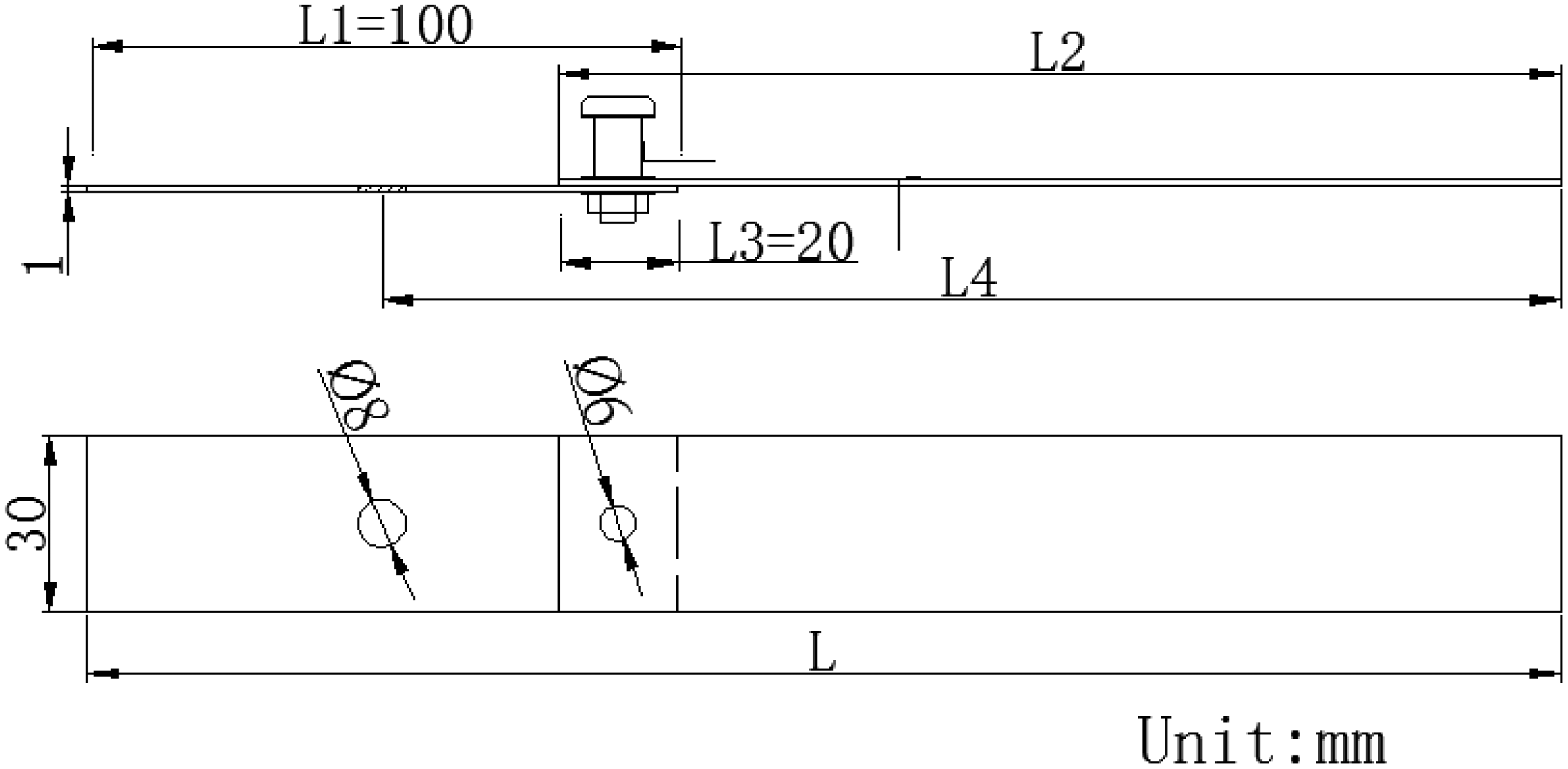
The experimental setup used for vibration testing is shown in Figure 2. The setup as a whole consists of the test specimens (three connections and a non-connection), fixtures, vibration platform, vibration controllers, power amplifiers, data acquisition system, acceleration sensor and charge amplifier. Beams were shaken vertically using the sinusoidal motion of a moving element in an electric vibration table (ES-3-150, Dongling, China) and were monitored with an acceleration sensor. Dynamic strain indicator (DH5929, Donghua, China) was used to measure strain at a sampling frequency of 200 Hz. Connections were assembled using a M6 bolt through a load cell. A strain gage (BE120-2AA, Zemic, China) was used for real-time detection of bolt clamping force. Calibration of the setup was carried out and an approximate linear relationship between strain of load cell and applied torque held within the preload range of 2 Nm − 5 Nm. Focus of this paper is to study the effect of initial preload on bolt loosening in an elastic region. During experiments, unexpected fluctuations caused by the dynamic external load were observed in the time history of preload data when the initial torque was <3 Nm, which is not sufficient to provide an enough tightening force. As a result of this, initial preload of 3 Nm, 4 Nm, and 5 Nm was selected. Test samples were secured to the moving element with a M8 bolt with sufficient preload at a 40 mm height from the platform. Another strain gauge (BE120-4AA) was placed on the specimen surface at a distance of 90 mm from the M8 bolt. This strain gage was used to monitor amplitude response of the specimen.
Experimental setup for vibration testing.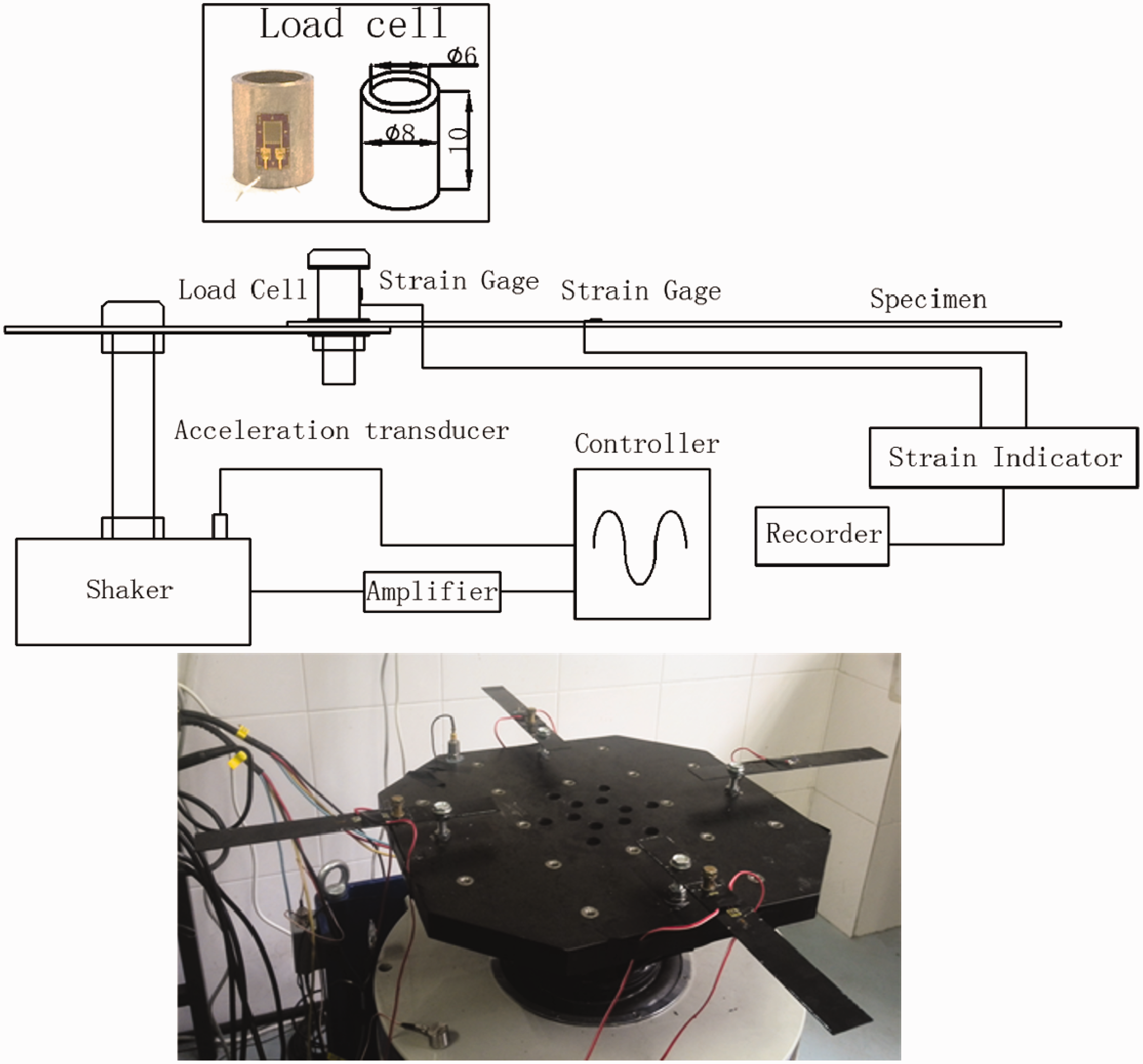
Experimental methods
In order to reveal dynamic characteristics of preload relaxation, modal testing followed the standards set by American Society for Testing Materials (ASTM E756-05). 21 Here, a sine sweep test was applied to measure resonance frequency of the specimen. To measure changes in the specimen damping ratio the free decay method was utilized. 22 Modal parameters for the specimens were assessed before fatigue tests were carried out, after which they were measured every two hours for constant and increasing loads. Vibration fatigue refers to failure of the structure when subjected to dynamic alternating loads (such as vibration, shock, noise, load, etc.) with an excitation frequency close to the natural frequency. At resonance, small periodic driving forces tend to produce the large amplitude oscillations. This is because the system stores vibrational energy. As a result, fatigue damage results easily in comparison to static fatigue. Therefore, damage caused by vibration fatigue can be referred to as dynamic fatigue, whereas other structural failure can be associated with static fatigue. Here, a quasi-structural vibration fatigue testing method is proposed, where fatigue was induced in the specimens by subjecting them to excitation of 0.3 Hz higher than the resonance frequency.
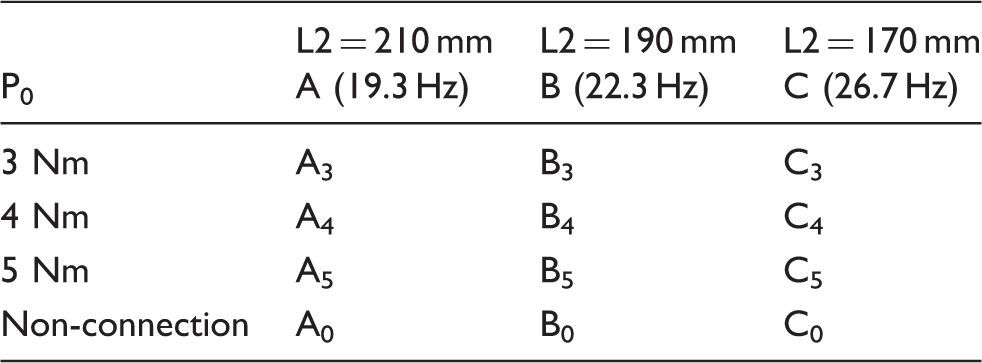
Experimental condition matrixes.
Free decay vibration was utilized to measure damping ratio of the specimens. A pulse force was applied to the specimens using the shaker at the end of dwell vibration test. Frequency spectrum was obtained by applying FFT on the amplitude response for the strain measurements. According to ATSM E756-05 standard, damping ratio γ of the beam material can be calculated using following equation

Results and discussions
Calibration
Resonance frequency and damping ratio of bolted joints under different preloads were investigated to carry out vibration-based structural dynamic analysis. Figure 3 shows the calibration results for specimen A. From the figure, it can be seen that damping ratio decreased starting at 1 Nm and decreased until the preload reached 5 Nm, after which it demonstrated an increasing trend. Whereas, resonance frequency increased starting from 1 Nm until a preload of 5 Nm was reached, after which it stabilized with increase in preload. This implies that pressure under a 5 Nm preload was close to or exceeded the compressive yield strength of connecting material along the thickness direction. In other words, this implies that the range of preload selected as 3 Nm − 5 Nm was reasonable. It should be noted that damping ratio was significantly more sensitive to preload changes in comparison to resonance frequency. Therefore, structural damping ratio would be more effective compared to resonance frequency from the objective of detecting state of bolt preload.
Resonance frequencies (f) and damping ratio (d) for specimen A under various preloads.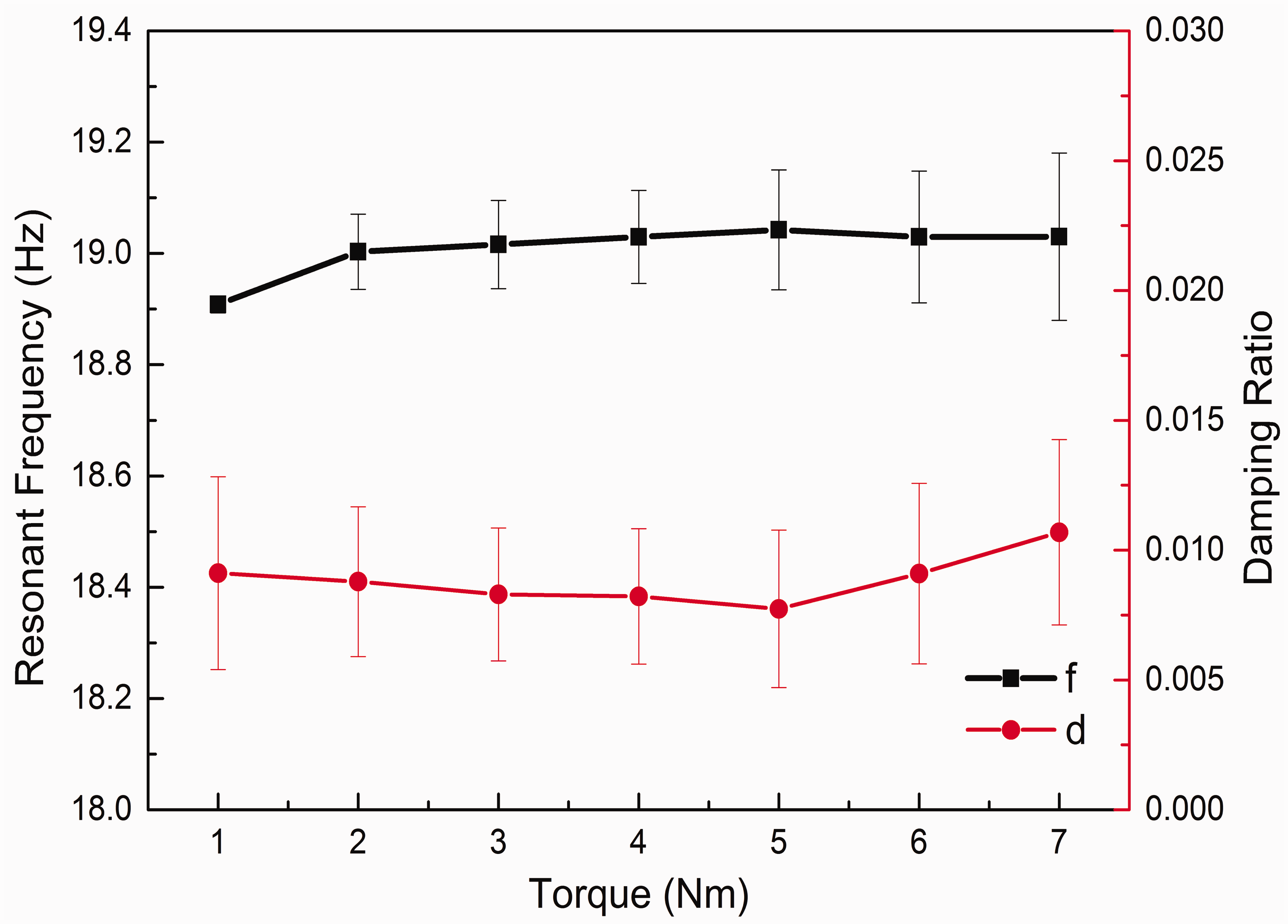
Static creep relaxation of bolted composite joint
Viscoelastic effects govern response of polymer–matrix composites to loading in TTT direction. Here, preload relaxation was characterized in absence of an external dynamic load to illustrate creep relaxation of the composite under static clamping force. Results are shown in Figure 4. A relaxation of approximately 0.6% in the bolt preload was observed for a period of 10 h with no significant difference for joints under different initial preloads.
Preload relaxation time-dependent curve of composite bolted joints without external load.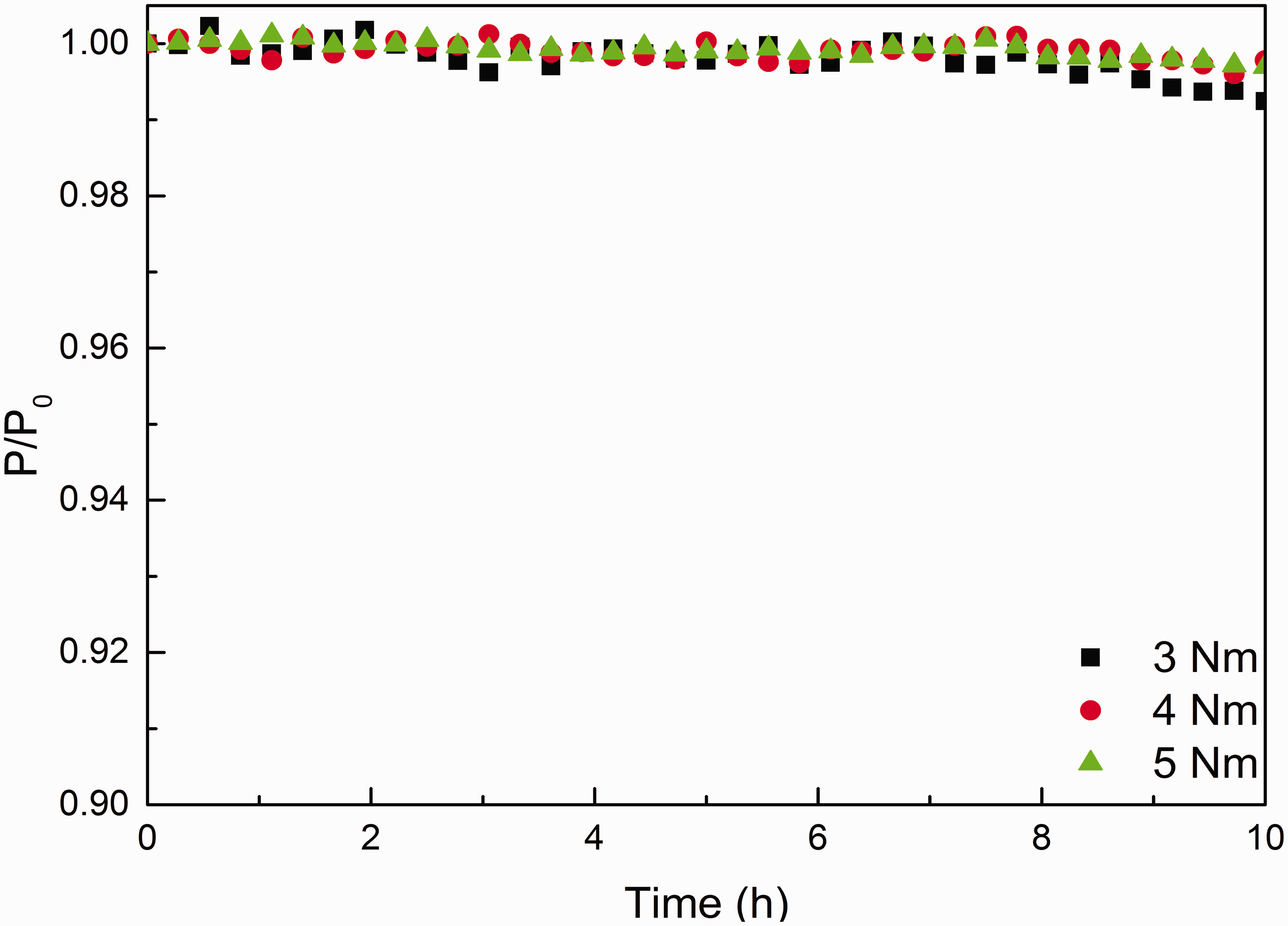
Effect of initial preload on bolt relaxation
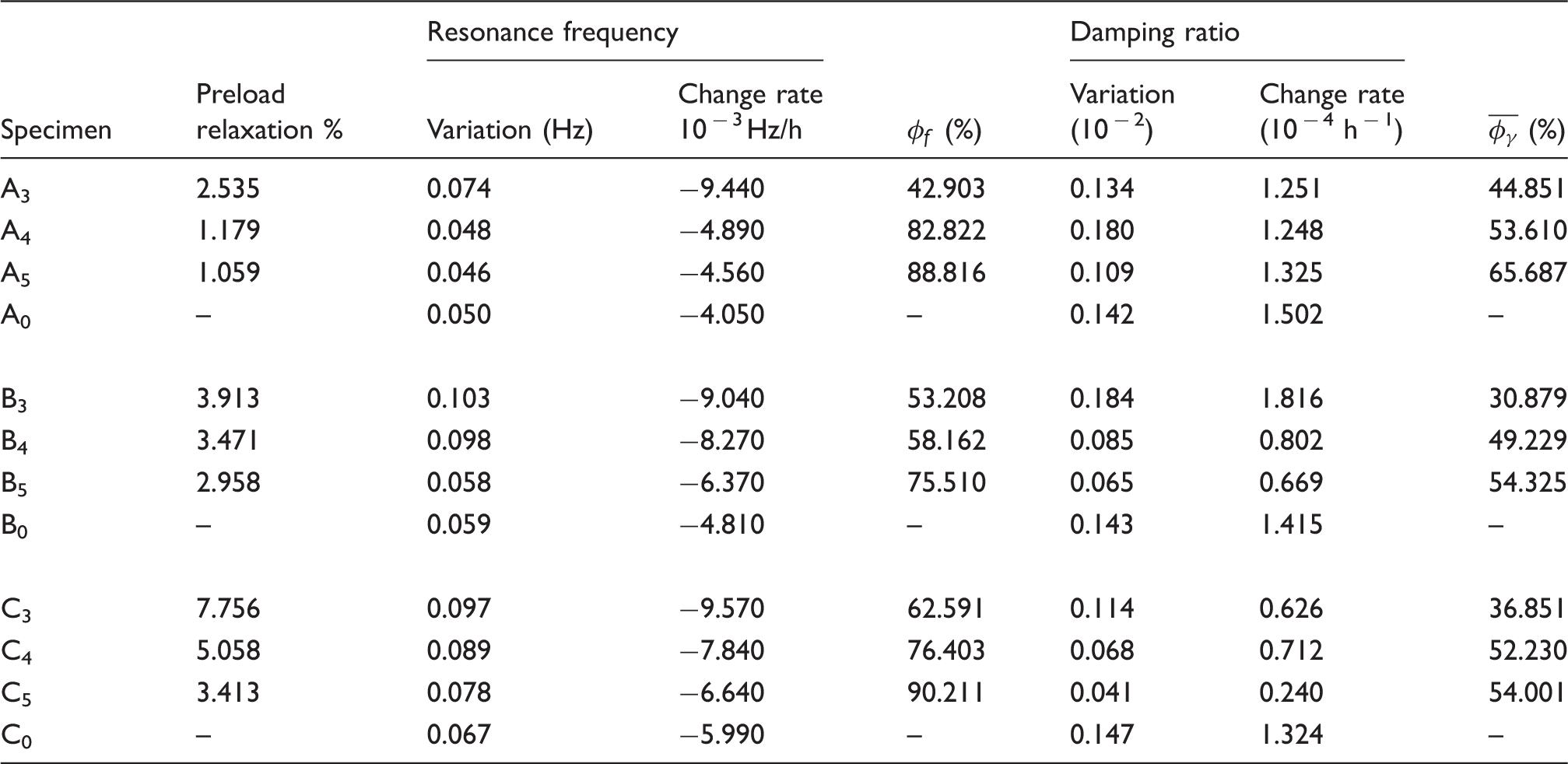
Effect of initial preload was investigated by a comparison of the difference in relaxation. Figure 5 shows the time-depended response for preload relaxation of composite bolted joints at three excitation frequencies of 19.3 Hz, 22.3 Hz and 26.7 Hz along with three different clamping forces of 3 Nm, 4 Nm and 5 Nm. Results shown are the average value for a group of specimens, where time history of clamping force relaxation is represented as P/P0. Where P0 is initial preload and P is real-time detected preload. Experimental results indicate that average dynamic relaxation for each specimen type was 1.59%, 3.45% and 5.41%. These values were relatively larger compared to static creep relaxation (0.6%). This occurs because vibration increases relaxation through wear and hammering. Furthermore, based on the comparison of the results, it can be concluded that for same excitation frequencies, bolt relaxation decreased with increasing initial preload. As preload increases, force required to overcome friction at the interface to cause slipping also increases. This can be attributed as the reason for the specimen with 5 Nm preload remaining tight for a longer time duration. For lower excitation frequencies (19.3 Hz and 22.3 Hz), slight differences were observed in bolt relaxation under different initial preloads, with the gap increasing in size at 26.7 Hz. Statistical results for preload relaxation are listed in Table 2 for each excitation frequency subjected to fatigue test for 10 h. Average relaxation was between 1.1% to 2.5% (initial preload in descending order), 2.9% to 3.9% and 3.4% to 7.7% for 19.3 Hz, 22.3 Hz and 26.7 Hz, respectively. In addition, for Figure 5 main relaxation occurred within the first 2 h, after which relaxation slowed down. This behavior is consistent with the Shivakumar-Crews model ( Preload relaxation time-dependent curve with various initial preloads (a) 19.3 Hz, (b) 22.3 Hz, and (c) 26.7 Hz. Summary of testing results.
Effect of excitation frequency on bolt relaxation
Effect of excitation frequency on bolt relaxation is discussed in this section. Time-dependent preload relaxation was characterized using a fixed initial torque at 19.3 Hz, 22.3 Hz and 26.7 Hz. Results are shown in Figure 6. From the figure, it can be seen that bolt preload relaxation increased with increase in excitation frequency. For an initial preload of 3 Nm, average relaxation was found to vary between 2.5% to 7.8% at 19.3 Hz, 22.3 Hz and 26.7 Hz. Whereas the relaxation varied between 1.2% to 5.1% and 1.1% to 3.4% for the joints at 4 Nm and 5 Nm, respectively. Increase in the magnitude of relaxation at higher frequencies can be attributed to the increase in the number of cycles. Similar behavior was reported by Bickford,5,10 where this effect is associated with a corresponding increase in frictional heat. In addition, inert effect and strain rate increase were observed with increase in the excitation frequency, which could further accelerate relaxation. Furthermore, difference between the degrees of relaxation, caused by different excitation frequencies was found to be relative larger for 5 Nm specimen in comparison to 3 Nm and 4 Nm.
Preload relaxation time-dependent curve under different excitation frequencies (a) 3 Nm, (b) 4 Nm, and (c) 5 Nm.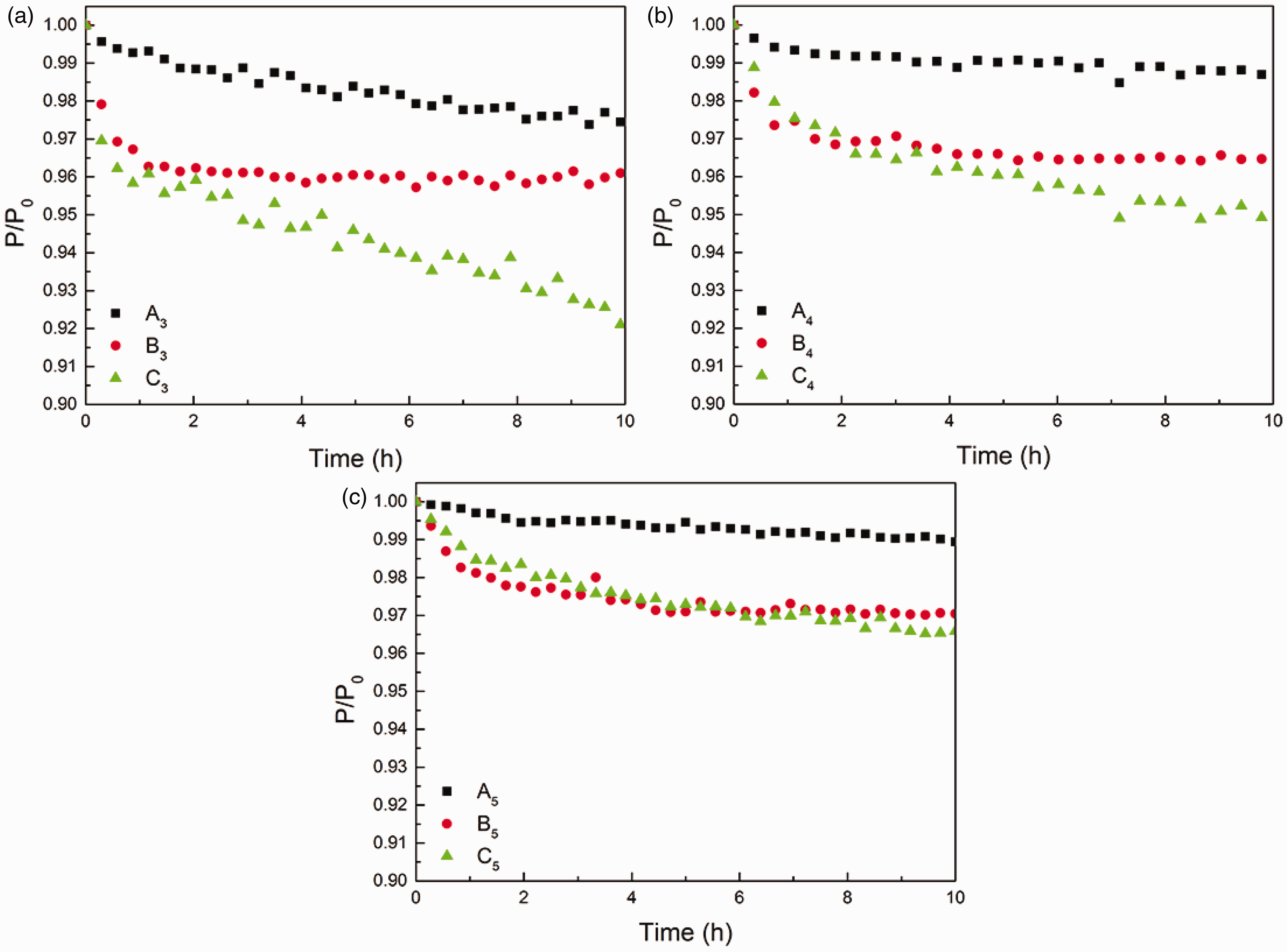
Dynamic analysis for bolted composite joints at resonance
Preload relaxation reflects energy dissipation in the structure during vibration caused by internal damping of a material and dry friction between the interfaces. Dynamic response of the structure is closely associated with the microstructure of the material. Therefore, a clear understanding of inherent behavior of material during the energy dissipation process is meaningful and can be used as an index of preload assessment. In this section, impact of material viscoelasticity on the performance of composite bolted joints was investigated. This was achieved by analyzing the change in modal parameters after fatigue between connections and non-connection.
Figure 7 shows the typical frequency spectrum of the three types of specimen near the first-order resonance during the test. From the figure, it can be seen that there is a gradual decreasing trend for the resonance frequency with increase in time. For instance, for one group of specimen A under preload force of 3 Nm (see Figure 7(a)), the resonance frequencies before and after fatigue were 19.058 Hz and 19.003 Hz, respectively. A relative change of −0.055 Hz was observed. For specimen A under a preload force of 4 Nm, 5 Nm, and for the non-connecting, resonance frequency change was −0.046 Hz, −0.047 Hz, and −0.018 Hz, respectively. Statistical results of the variation in resonance frequency for each type of specimens of the three groups after 10 h fatigue testing are listed in Table 2.
Typical change of measured frequency spectrum (a) specimen A, (b) specimen B, and (c) specimen C.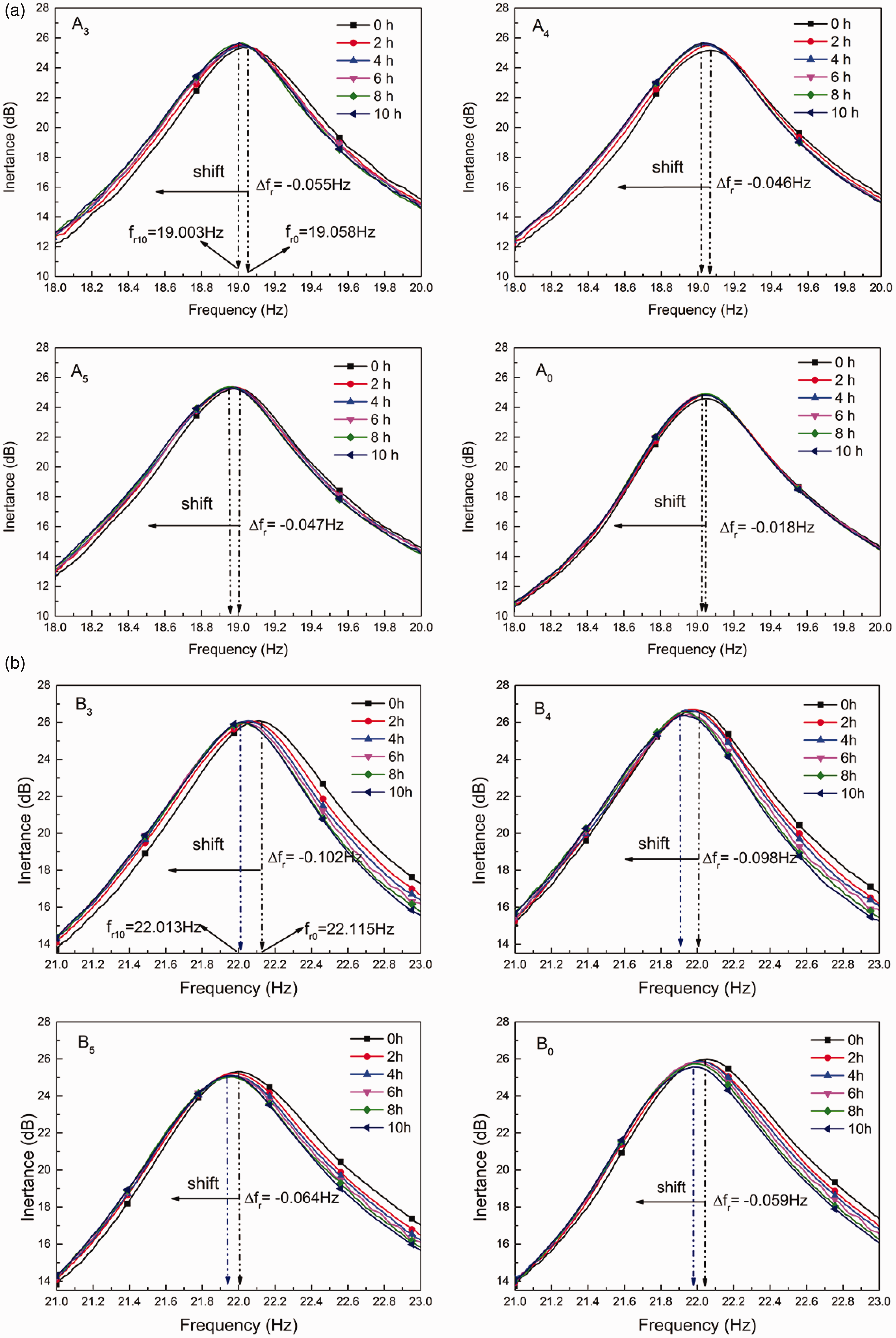
Figure 8 shows the resonance frequencies extracted from the spectrum shown in Figure 7 for the different test specimens. Linear regression was used to fit this test data. Based on these test results, the following conclusion can be made: (1) resonance frequencies gradually decreased proportional to vibration fatigue for both connections and non-connections, (2) rate of change in resonance frequency for connections was significantly higher compared to the non-connection. In addition, for connections the rate at which resonance frequency decreased proportionately increased with decreasing preload, (3) excitation frequency directly affected the drop in resonance frequency. For higher excitation frequencies, resonance frequency decreased at a higher rate. Decline in resonance frequency can be correlated to degradation in material stiffness.
22
Degradation of stiffness for non-connection was caused by the fatigue of material and is related to matrix cracking, interfacial debonding, fiber breakings and local delamination. In general, fatigue damage can be correlated with decrease in resonance frequency.
23
Whereas, for the case of connections, fatigue damage in the material, interfacial friction slip and bolt softening can result in stiffness attenuation.5,10,23,24 Therefore, influence of composite viscoelasticity on degradation of structural stiffness during preload relaxation cannot be ignored. Also, a lower initial preload for connections can result in a greater degree of preload relaxation with a faster attenuation in structural stiffness.
Time-dependent evolution curve for resonance frequency (a) specimen A, (b) specimen B, and (c) specimen C.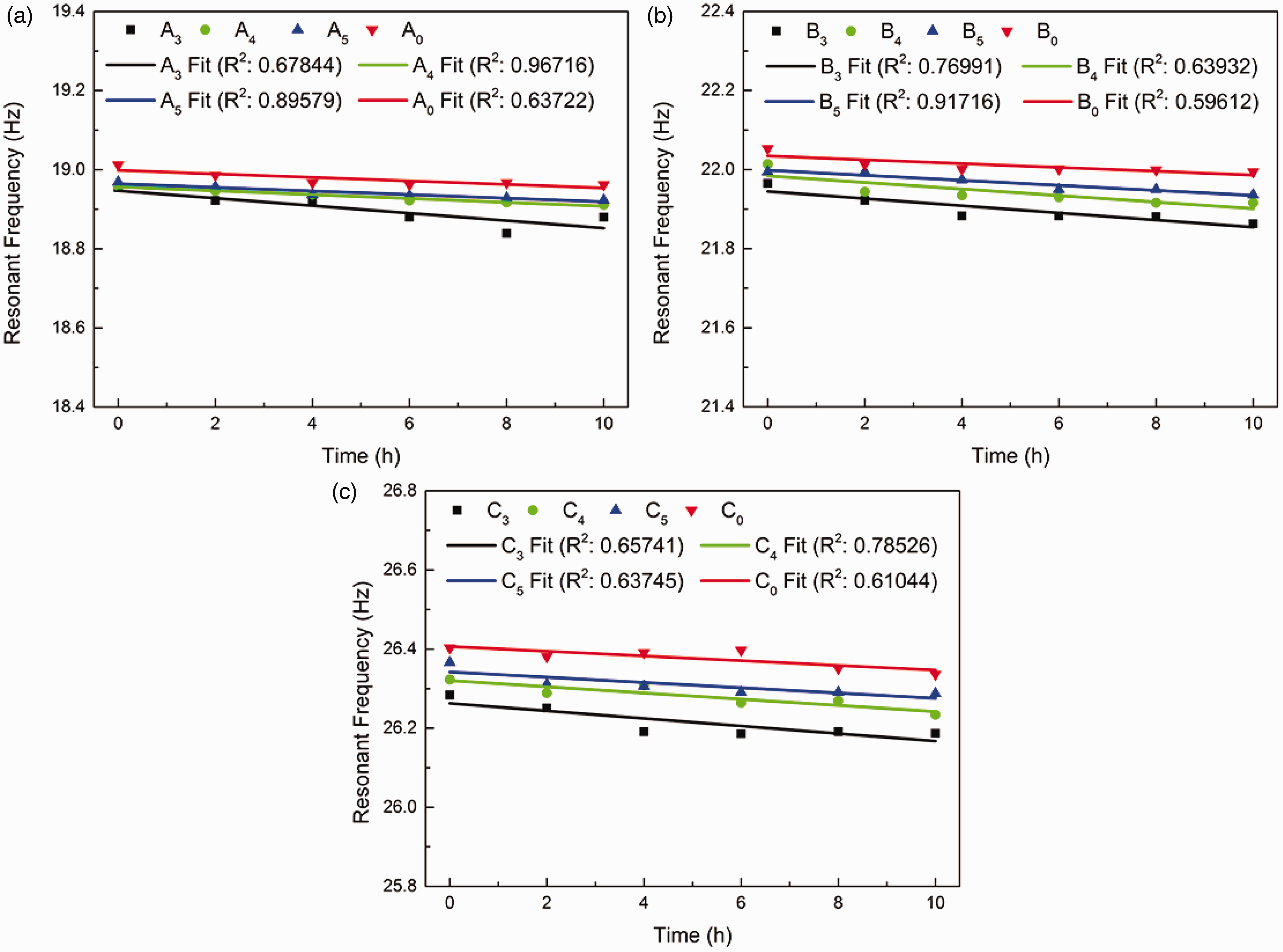
Figure 9 shows the variation in damping ratio for the different test specimens. This data were extracted from spectrum shown in Figure 8. Based on the results shown in Figure 9, the following conclusion can be made: (1) damping ratio gradually increases with vibration fatigue for both connections and non-connections; (2) structural damping ratio was relatively low for non-connections in comparison to connections. In case of the connections, a larger preload resulted in smaller damping ratios. This is associated with energy dissipation due to dry friction between the interfaces for connection, which would introduce additional damping; (3) Rate of rise for damping ratio of non-connection was found to be relatively stable, compared with connections. Whereas damping of a connection was determined by the synergistic effect of both material internal damping and dry friction damping. It should be noted that the unstable trend in the changes in damping ratio for connections under different preload is associated with a complicated mechanism of contact friction.
Time-dependent evolution curve for damping ratio (a) specimen A, (b) specimen B, and (c) specimen C.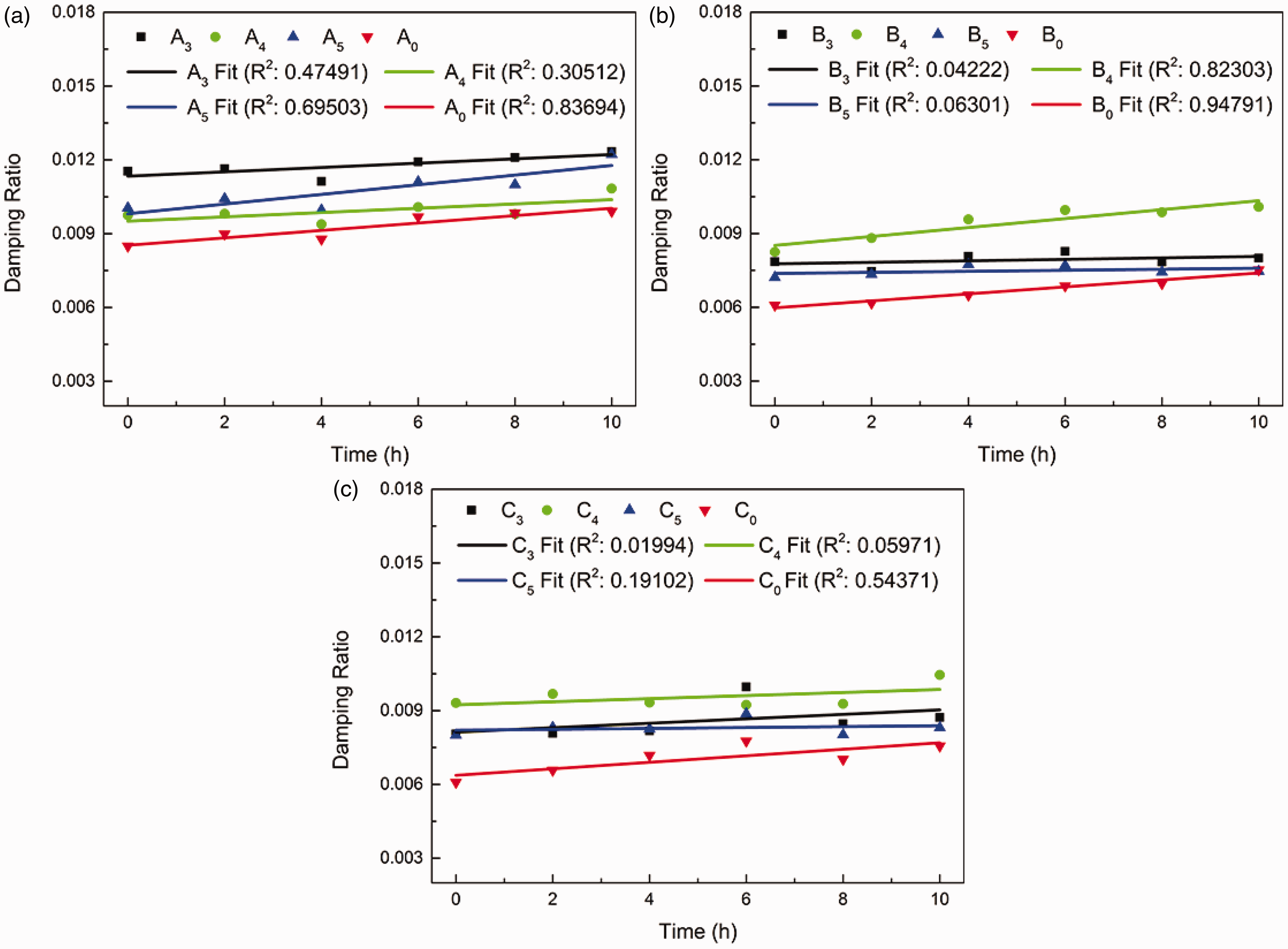
Figure 10 shows the amplitude response for the different test specimens extracted from the frequency spectrum. From the figure, the following observation can be made: (1) amplitude response gradually decreased with vibration fatigue for both connections and non-connections; (2) excitation frequency had a direct effect on the change in the amplitude response. Amplitude response decreased at a higher rate for a larger magnitude of the excitation frequency.
Time-dependent evolution curve for amplitude response (a) specimen A, (b) specimen B, and (c) specimen C.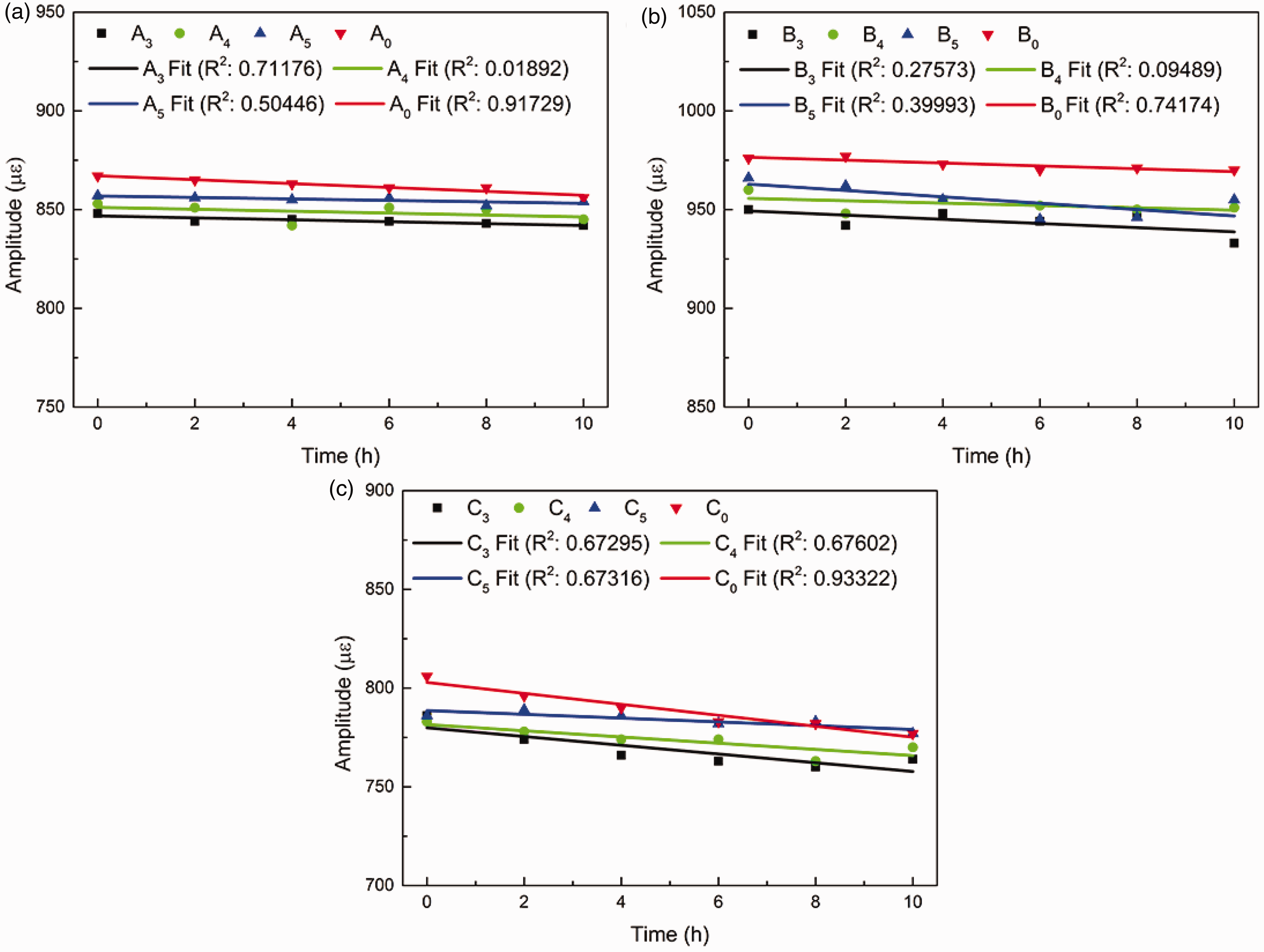
To study the effect of fatigue damage on the vibration modal parameter, a single-degree-of-freedom system was established to evaluate the dynamic response of bolted joints, based on viscoelastic modal and vibration theory (see Figure 11). In the model shown in Figure 11, KJ and KB are the stiffness of joint material and bolts, respectively, and Schematic of the single freedom degree system for bolted joints.



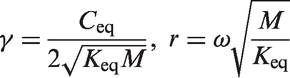
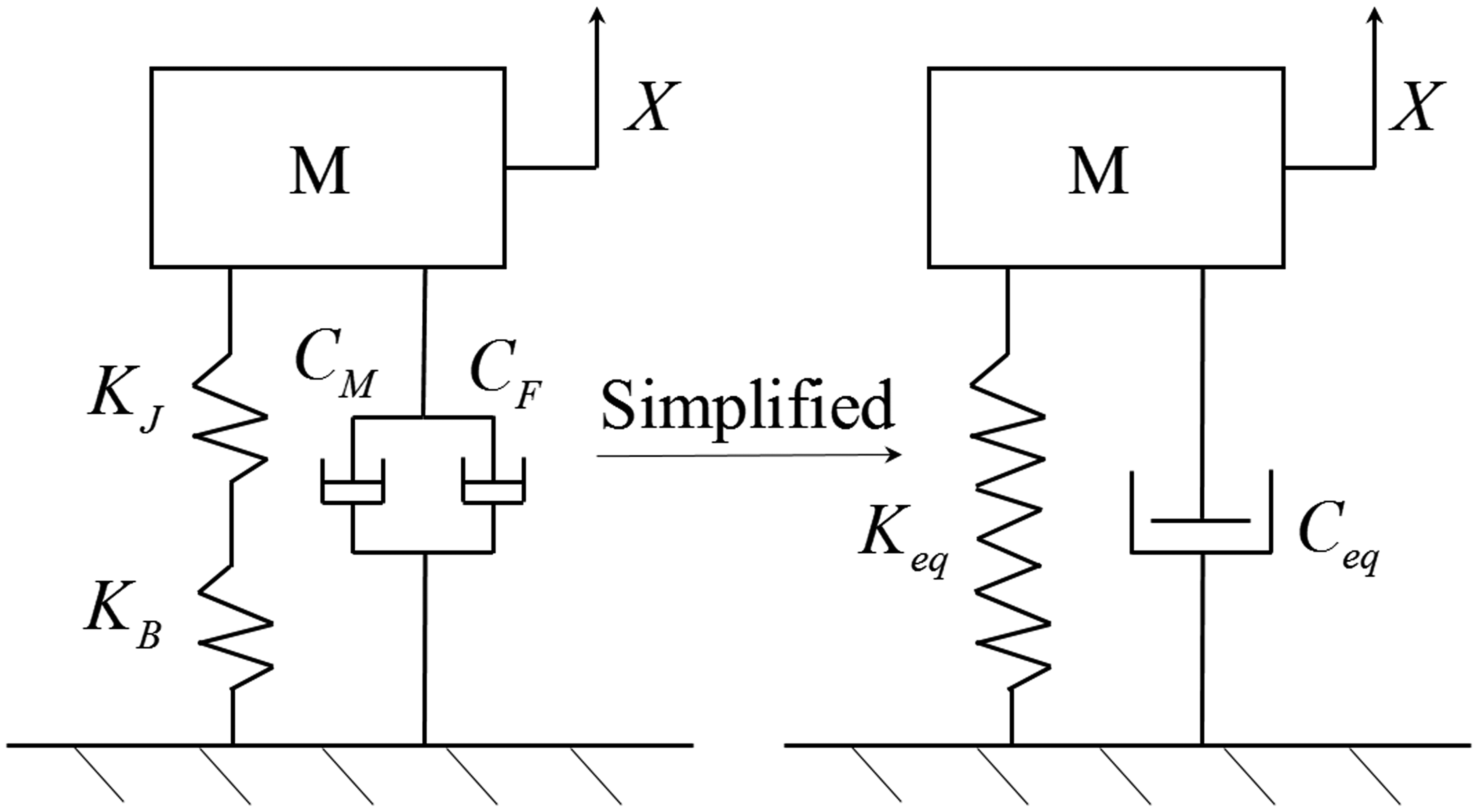
Based on the above analysis, it can be concluded that resonance frequency of a structure is determined by structural damping and stiffness. Both these parameters are affected by the properties of joint material and bolts. An increase in structural damping ratio along with degradation in the structural stiffness leads to the decrease in structural resonance frequency. Whereas amplitude response of a structure under external load is mainly affected by the structural damping. Structural amplitude gradually decreases with increase in structural damping.
Preload relaxation under vibration can be attributed to stress re-allocation caused by stiffness degradation of the bolt and joint. Stress and deformation analysis of a bolted joint are shown in Figure 12 in an effort to better understand the relaxation mechanism. After the application of static preload (Fp), length deformation ( Force analysis of bolt and joint members before and after loosening.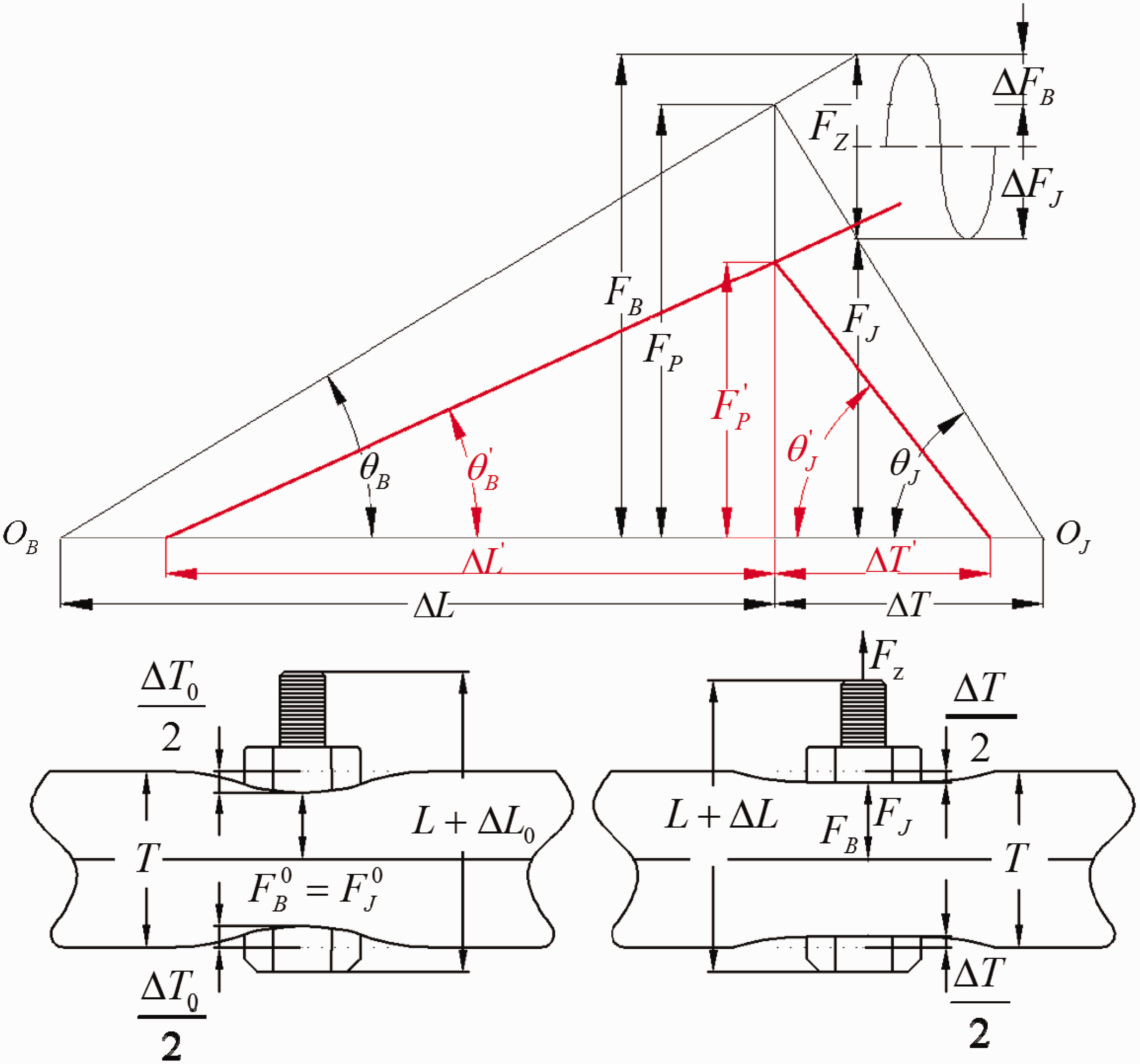
Interfacial friction and composite viscoelasticity together cause preload relaxation. This results in a decrease in the structural resonance frequency. A comparison of the change in the resonance frequency between the non-connection and connections follows equation (5). Here, the effect of composite viscoelasticity on the preload relaxation was investigated. Factor 



It can be concluded from the damping analysis that about 50% of the relaxation should be attributed to viscoelastic behavior of the polymer matrix composites. In addition, at the same frequency, influence coefficient showed an increasing tendency for higher initial preload.
Conclusions
The time-dependent behavior of bolted composite joints was investigated over a 10 h vibration fatigue. The effects of preload relaxation on structural dynamic response were evaluated by vibration modal analysis using resonance frequency and damping ratio. Beam-like specimens with and without bolted joints were comparatively fatigued to quantitatively assess the effect of viscoelasticity of composite on the preload loosening in the bolted joints and establish the relationship between the creep relaxation of the connecting material and bolt loosening of the connection. The following conclusions were drawn:
From the comparison of the magnitude of preload loss between the static creep testing and vibration fatigue testing at room temperature, the dynamic external load was found to clearly accelerate the process of preload relaxation compared to the static creep behavior of the material; The loss of preload decreased with increasing initial preloads and increased with the increase in exciting frequency. Meanwhile, a decay in the structural stiffness along with an increase in the damping ratio occurred during the vibration fatigue testing. Preload relaxation reflects the energy dissipation process in the structure during the vibration. The internal damping of the material and dry friction between the interfaces are the main sources of energy change. The comparison of dynamic response analysis between the connection and non-connection showed that relaxation in bolted joints can be attributed to the conjunct mechanisms between the viscoelastic behavior of polymer matrix composites and interface friction, where approximately 50% of such a relaxation behavior was mainly caused by viscoelasticity of the joint materials. Therefore, the effect of viscoelasticity of composites cannot be ignored for the preload relaxation in a bolted joint. Notably, the magnitude of preload loss observed after 10 h fatigue in this study was <8%, indicating that preload loosening at the early stage is dominated by the creep relaxation of composite but not macroslip between contact interfaces. As a result, the change in the energy dissipation introduced by the joint material after the fatigue is responsible for the variation of structural damping ratio. Therefore, to lay a foundation for theoretical analysis, the future work will mainly cover the long-term durability test, including a comparative study with a metallic joint material, to further verify the interactions between the creep relaxation of a viscoelastic material and interface friction during the bolt loosening at different stages.
Footnotes
Declaration of Conflicting Interests
The author(s) declared no potential conflicts of interest with respect to the research, authorship, and/or publication of this article.
Funding
The author(s) received no financial support for the research, authorship, and/or publication of this article.