







Abstract
The increasing interest towards environmentally friendly materials for economic reasons and to comply with ever more stringent environmental requirements has allowed the flax fibres to gain an extraordinary interest in the development of new polymer composites. In fact, among plant fibres, the flax ones, given their low density, are characterised by specific mechanical parameters even higher than those of E-glass fibres. However, the application of composites reinforced with natural fibres remains confined to non-structural components. This matter is due to the requirement of important challenges resolution such as their intrinsic hydrophilicity and poor interfacial adhesion with hydrophobic polymer matrices, widely used for their easy processability, economy and lightness. In this context, this research has been focused on the flexural and low-velocity impact properties of polypropylene-based laminates, containing woven flax fibres and subjected to a pre-selected hygroscopic ageing protocol. The presence of a coupling agent, polypropylene-grafted-maleic anhydride, was considered too. Mechanical results, integrated with micrographic observations and visual inspections, provide useful details about the potential use of the studied materials already screened in the nautical field.
Keywords
Introduction
The implementation of increasingly stringent environmental regulations and the awareness of the gradual depletion of fossil sources are the main driving forces feeding an increasing interest in the development of new eco-friendly materials. In this frame, the use of natural fibres, thanks to their lightness, renewability, high specific properties and cost-effectiveness,1,2 represents a viable way of replacing the most common conventional synthetic fibres 3 as reinforcement to produce polymer composite materials, especially in lightweight applications.4,5
Flax and hemp plants furnish the strongest and stiffest natural fibres; they contain several elementary fibres, glued together by a middle lamella composed mainly of pectin, 6 show low density and high specific stiffness when compared to glass or aramid and have the potential to reinforce polymers. 7
Flax falls into the category of the world’s major plant fibres. It is largely cultivated in Canada, Russia, France, Belgium and in all the countries with a cold, moist climate that promotes its short growing cycle. Flax fabrics production goes back many thousands of years; it is presumed that some woven linen fabrics from wild flax, found in a prehistoric cave in Georgia, date back to 36,000 years ago. 8
Recent works reveal an increasing demand for flax composites from different industrial fields. Sandwich panels to replace wooden fitting and furniture, 9 and to reduce the mass of components and increase the sound abatement capability in automotive parts, 10 rather than tubes encased concrete as bridge pier 11 represent only some of the leading examples of current applications.
However, some critical issues, typical not only of flax fibres but common to all vegetable fibres, still limit their potential for large-scale uses. In this frame, one of the major challenge is represented by their intrinsic hydrophilicity, due to the considerable quantity of hydroxyls characteristic of the cellulosic fraction and structural features that make these fibres incompatible with most polymeric matrices, usually hydrophobic. This drawback, compromising, among other things, the interfacial adhesion and their dispersion in polymeric matrices, gives rise to biocomposites with poor mechanical performance. So considerable research efforts have been focused on this aspect. For example, improved flexural behaviour was found for flax fibre/polypropylene composites when elementary flax fibres were isolated. 12 These composites show best properties when using boiled flax. 13 Moreover, the mechanical properties were also influenced by the areal weight of the flax fabrics. 14
The phenomena of water absorption or desorption, promoted by the variability of the climatic conditions to which a composite material is generally subject during its useful life, cause an anisotropic swelling of the fibres which, in turn, generates internal stresses at the interface with the matrix. This effect triggers premature damage mechanisms responsible for the poor mechanical properties of the composite. 15
Although this behavior can be usefully exploited to achieve novel biobased actuator items,16,17 it must certainly be controlled in the development of new sustainable materials called to satisfy adequate mechanical specifications. At this regard, various strategies have been developed over time. The most popular methods include chemical pre-treatments of the surface of the reinforcing fibres5,18 and the use of adequate coupling agents capable of mixing with the polymeric phase and having hydrophilic functionalities suitable for interacting with the reinforcing fibres.19,20 In both cases, the improvement of interfacial adhesion as well as the modification of both physical nature and thickness of the interphase layer can give rise to positive synergistic effects in terms of mechanical performance and limit the inevitable absorption of humidity, characteristic of natural fibre polymer composites, reducing the permeability of water molecules (permeant) in the interfacial regions.21–23
One of the most commonly used thermoplastic polymer matrices for natural fibre-based composites is polypropylene thanks to its main strengths like high chemical and wear resistance, excellent mechanical properties, ease of processing and cost-effectiveness;24,25 moreover, it is the best option, for manufacturing and application, for flax fibre reinforced thermoplastic polymers. 26
Today, although the hygroscopic behavior of flax fibres is well established at all humidity levels (up to 100% RH) and at different temperatures and a considerable amount of experimental data is already available for thermosetting matrix flax composites (epoxy/unsaturated polyester), 27 to the best of our knowledge, only a few investigations have so far focused on the analysis of the performances of thermoplastic composites, more attractive from an environmental point of view because intrinsically recyclable, especially if exposed in the most drastic conditions of humidity (100% RH).
That said, this experimental contribution deals with mechanical behavior of flax fibre/polypropylene (PP) composite materials subjected to a hygroscopic aging protocol for one week: time interval beyond which the composite materials of interest showed a reduction in the rate of water absorption to almost insignificant values. In more details, composite specimens based on a PP matrix, neat or preliminarily modified by adding 2% by weight of PP-g-MA, were studied, within two days of their preparation (dry) and after conditioning in water at 70℃ for one week (wet), in terms of quasi-static (flexural and interlaminar shear tests) properties and low-velocity impact behaviour. The choice of the coupling agent content was merely dictated by previous experimental activities carried out on polypropylene composites reinforced with glass fibre fabrics. 28 Furthermore, to take into account the hydrophilic nature of the reinforcement, the specimens intended for the analysis of water absorption, freshly cut, were immediately wrapped one by one in aluminum foils and stored in special vacuum-sealed bags.
The results confirmed that the addition of PP-g-MA favors a reduction in the water absorption of the samples studied but, at the same time, does not seem to induce a significant improvement in interfacial adhesion, at least for the additive content considered so far. Indeed, the specimens with PP-g-MA, aged in water for a week, show a greater degradation of the mechanical properties than those based on the unmodified PP. This behavior highlighted the key role of the interphase, thickened but more amorphous and deformable, following the addition of PP-g-MA, compared to the mass polypropylene structure, 29 on the mechanical performance of investigated composites.
Materials and methods
Materials
This research concerns two samples of composite materials based on a polypropylene (PP) matrix supplied by Songhan Plastic Technology Co. Ltd. under the trade name Topilene PP J640 (MFI @ 230℃, 2.16 kg: 10 g/10 min) and including, as reinforcement, a Biotex flax fibre fabric with 2 × 2 twill architecture (areal weight: 200 g m−2) from Composites Evolution Ltd (Chesterfield – UK). Especially, laminates comprising pure PP, labelled as PP/Flax, are compared with laminates in which PP is preliminarily modified by adding 2% by weight of a typical coupling agent: PP grafted with maleic anhydride (PP-g-MA). Chemtura supplies this additive under the trade name Polybond 3000 (MFI @ 190℃, 2.16 kg: 400 g/10 min). Later, the laminates with modified polypropylene are referred to as PPC/Flax, where C refers to the coupling agent.
The samples were obtained in the form of square laminates by overlapping alternately plastic films and reinforcing flax fabrics, pre-dried in a vacuum oven at 70℃ over night, and, then, by applying a pre-optimized pressure cycle at 210℃ (see Figure 1) with the aid of a Collin P400E laboratory press. More specifically, 300 × 300 mm2 [(0/90)6]s laminates, 4 mm in thickness, were prepared; from them, the specimens for the different tests were cut by a diamond saw.
Processing conditions to prepare PP/Flax and PPC/Flax samples.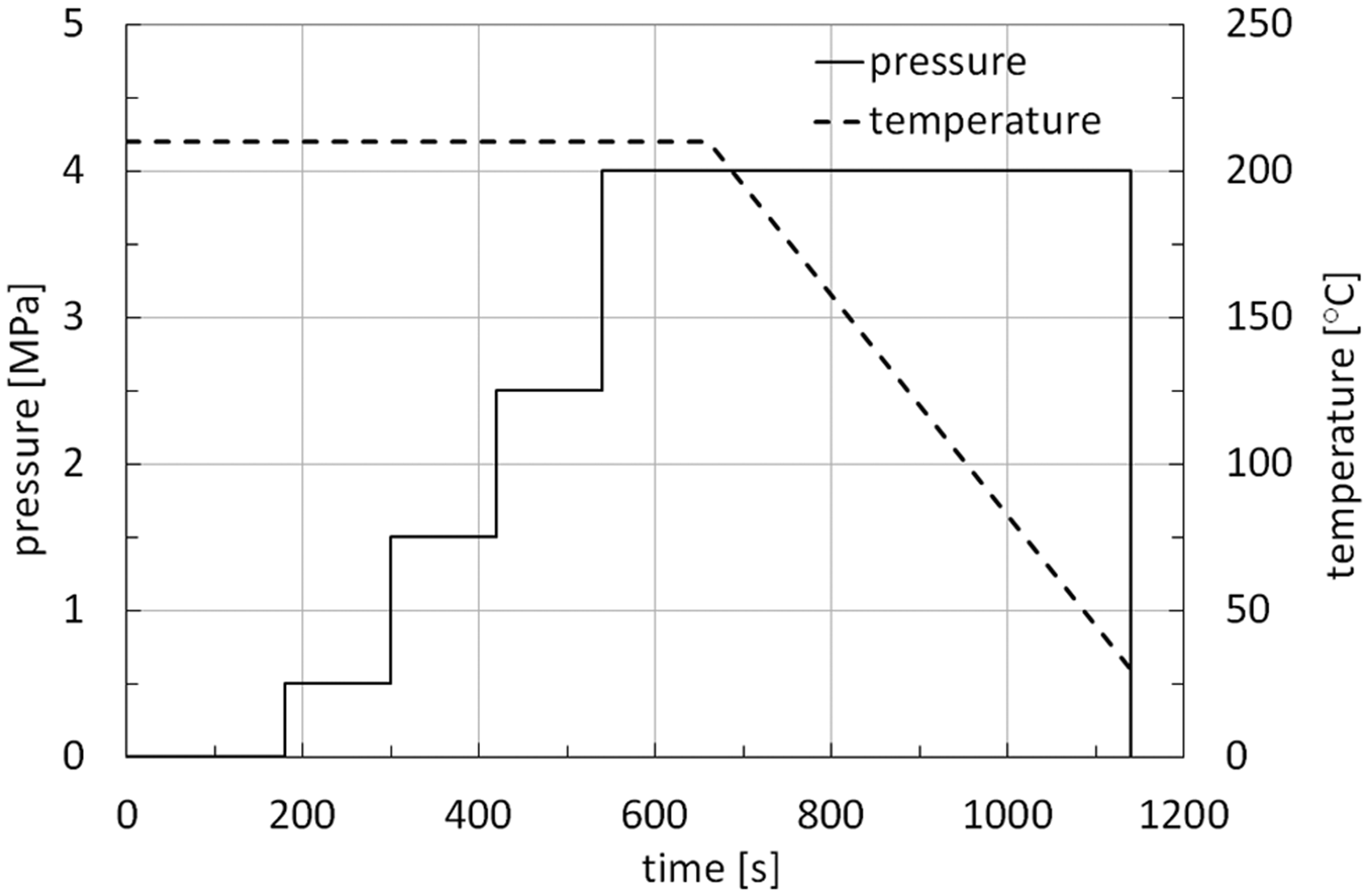
Water absorption ageing
Absorption tests were conducted for one week in pre-established accelerated conditions by immersing five specimens for each sample in the water at 70℃ and carrying out subsequent weighing, at different time intervals. The size of the specimens was chosen based on the type of mechanical characterisations selected to emphasise any effects related to the hydrothermal conditioning of the reference materials. At each removal from the water, the specimens were correctly dried with a clean, dry cloth and weighed.
The amount of the water absorbed (uptake) as a function of the immersion time, Mt, was evaluated with the simple expression

Special attention was dedicated to the shape of the sorption curve represented by the equation (Fick’s law) to investigate the diffusion behaviour of considered samples

Mechanical testing
Both the quasi-static tests were conducted with an MTS Alliance RT/50 testing machine.
Interlaminar shear strength (ILSS) was evaluated using the short-beam shear method. The tests were conducted on specimens with a length of 24 mm and a width of 8 mm according to the ASTM D2344 standard, setting a support span of 16 mm and a rate of crosshead motion of 1 mm/min; they either give information for quality control or for investigating matrix and interface dominated behaviour. 30
Quasi-static three-point flexural tests were carried out on specimens with a length of 80 mm and a width of 14 mm following the ASTM D790 standard, setting a support span of 64 mm and a rate of crosshead motion of 1.7 mm/min, to compare the corresponding stress–strain curves and the main flexural properties.
Finally, low-velocity impact tests at complete penetration were carried out. Square specimens of side 100 mm were impacted at penetration by using a Ceast Fractovis instrumented drop-weight machine, centrally loaded by a cylindrical impactor with a hemispherical head of 19.8 mm diameter and a mass of 3.6 kg. The impactor was instrumented so as to draw the whole load–displacement curves, providing useful information about the response of the impacted laminates.
All mechanical tests were conducted within 48 h of the preparation of the composite specimens or after their hygroscopic aging. The reproducibility of the results was always demonstrated by testing at least five specimens for each sample.
Visual inspections collected in correspondence of the impacted areas (front and back side of the specimen concerning the dynamic loading applied) permitted to draw some useful considerations about damage propagation phenomena.
Morphological analysis
The section of the specimens, obtained by subjecting them to a flexural test conducted up to their complete failure, was examined by electronic scanning microscopy to support the already discussed effects of the coupling agent and the conditioning in the water at 70℃ on the mechanical properties of the materials studied. In this regard, specimen portions, mounted with the surface of interest upward on as many microscopy stabs, were coated with a thin layer of gold-palladium alloy and observed under high vacuum conditions at a voltage of 20 kV. The instrument used for these observations is a field-emission scanning electronic microscope (mod. FEI QUANTA 200 F).
Results and discussion
Figure 2 compares the representative water absorption curves at 70℃ over time of the two samples analysed. The graph demonstrates the more excellent aptitude of the non-compatible sample to absorb water: an effect that can be attributed reasonably to poor interfacial adhesion, which makes the hydrophilic reinforcement fibres more easily accessible by humidity.
Water uptake as a function of the conditioning time at 70℃/100% RH.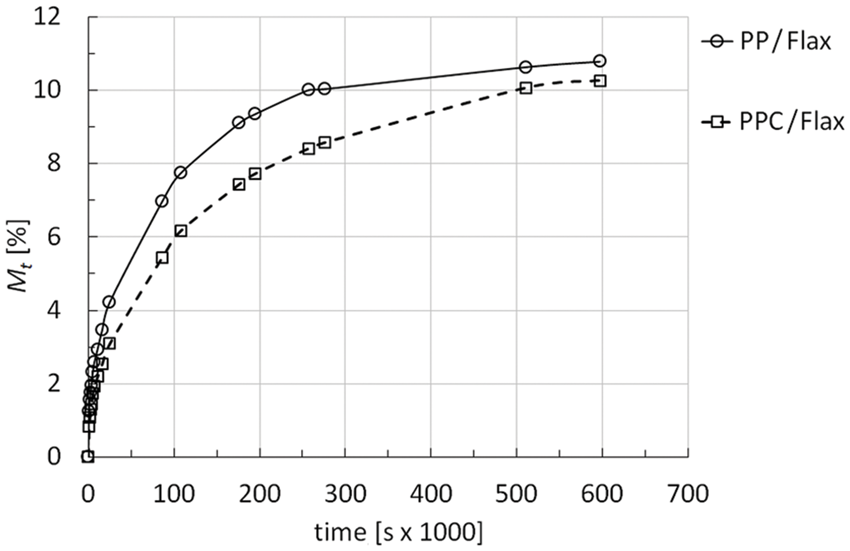
In particular, the representative curve of the specimens based on the polypropylene matrix modified with the coupling agent (PPC/Flax) evolves more slowly than that of the PP/Flax specimens: the effect, particularly marked in the transition absorption region, seems attenuated in the last monitoring period. In both cases, the water uptake tends to stabilise after six days at values approximately similar: 10.78% and 10.26% for PP/Flax and PPC/Flax, respectively.
The fitting of collected data following equation (2) allowed the determination of the exponent n that, in turn, is strictly related to the type of diffusion occurring in the reference material under the applied ageing conditions. More appropriately, the value of this parameter depends on the comparison between the diffusion rate of the penetrant (water molecules in this case) and the segmental relaxation rate of the reference material. In particular, if the diffusion rate is much lower than the relaxation rate, the diffusion occurs in response of a gradient of concentration and the absorption phenomena follow the Fick’s law with n equal to 0.5.
Otherwise, n can assume values between 0.5 and 1 (non-Fickian mechanism) or equal to 1 (anomalous mechanism) for diffusion rates comparable or, even, much higher than that of polymer segment relaxation. Moreover, exponent values lower than 0.5 result when the water diffusion rate is much lower than the polymer chain relaxation rate.
In our case (see Figure 3), the fitting of results reported in logarithmic mode (for both cases, R2 = 0.997) shows that the diffusion mechanisms involved in the polypropylene composite samples fall right into the latter category with values of the trend line slope (n) equal to 0.38 and 0.41 for the PP/Flax and PPC/Flax samples, respectively. In other words, despite the extent of the interfacial adhesion achieved, results demonstrated that the structural complexity of examined composites is such to induce a relevant reduction in the penetration velocity of water molecules with respect to the relaxation rate of the permeating structure. This aspect, being beyond the main aims of the present research, has not been further investigated.
Diffusion curves fitting plot.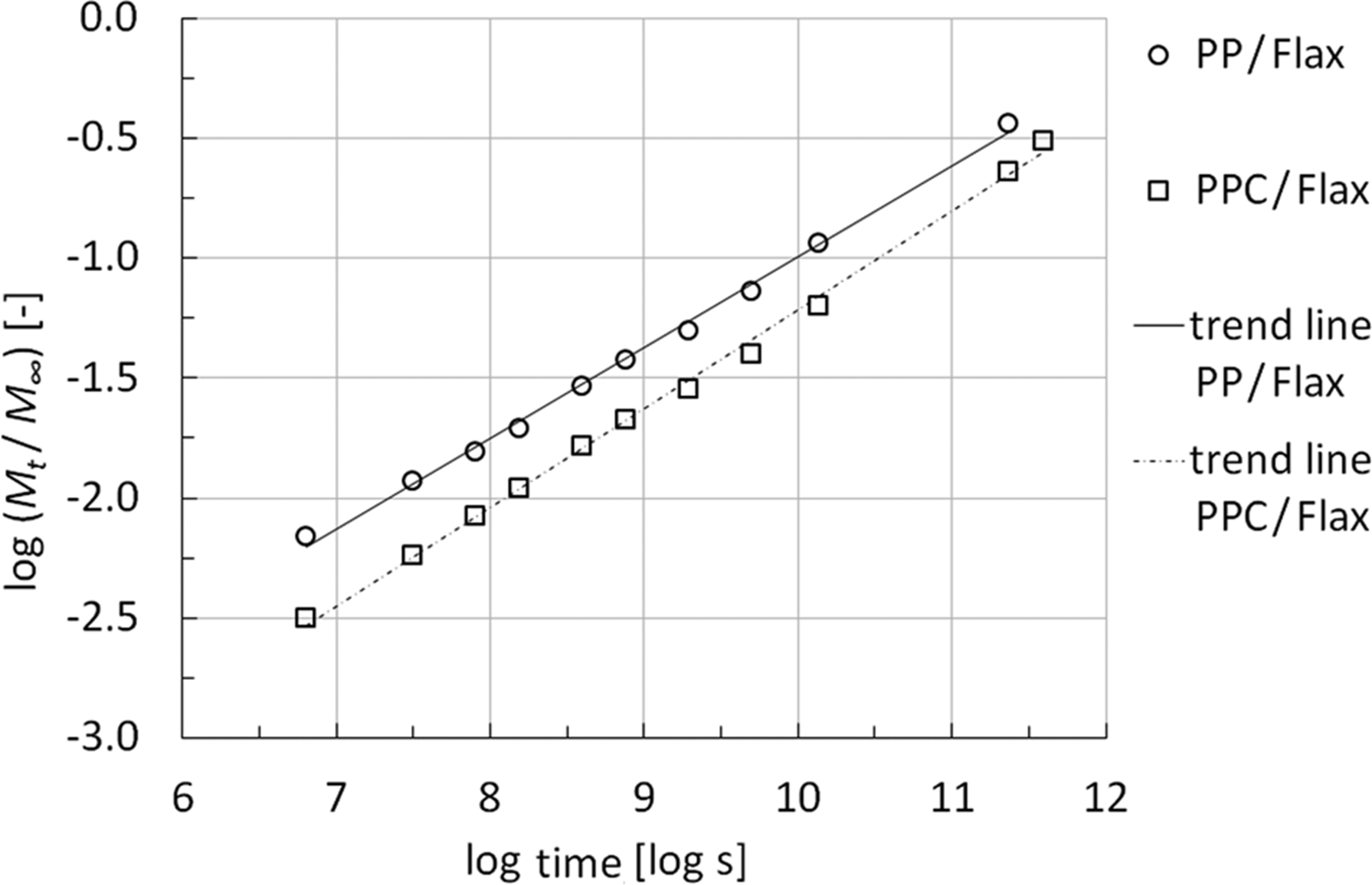
About the mechanical behaviour, Figure 4 shows typical stress–deflection curves from the short-beam shear tests and the short-beam strength, Fsbs, namely the stress corresponding to the maximum load observed during the test.
Stress–deflection curves from short-beam shear tests.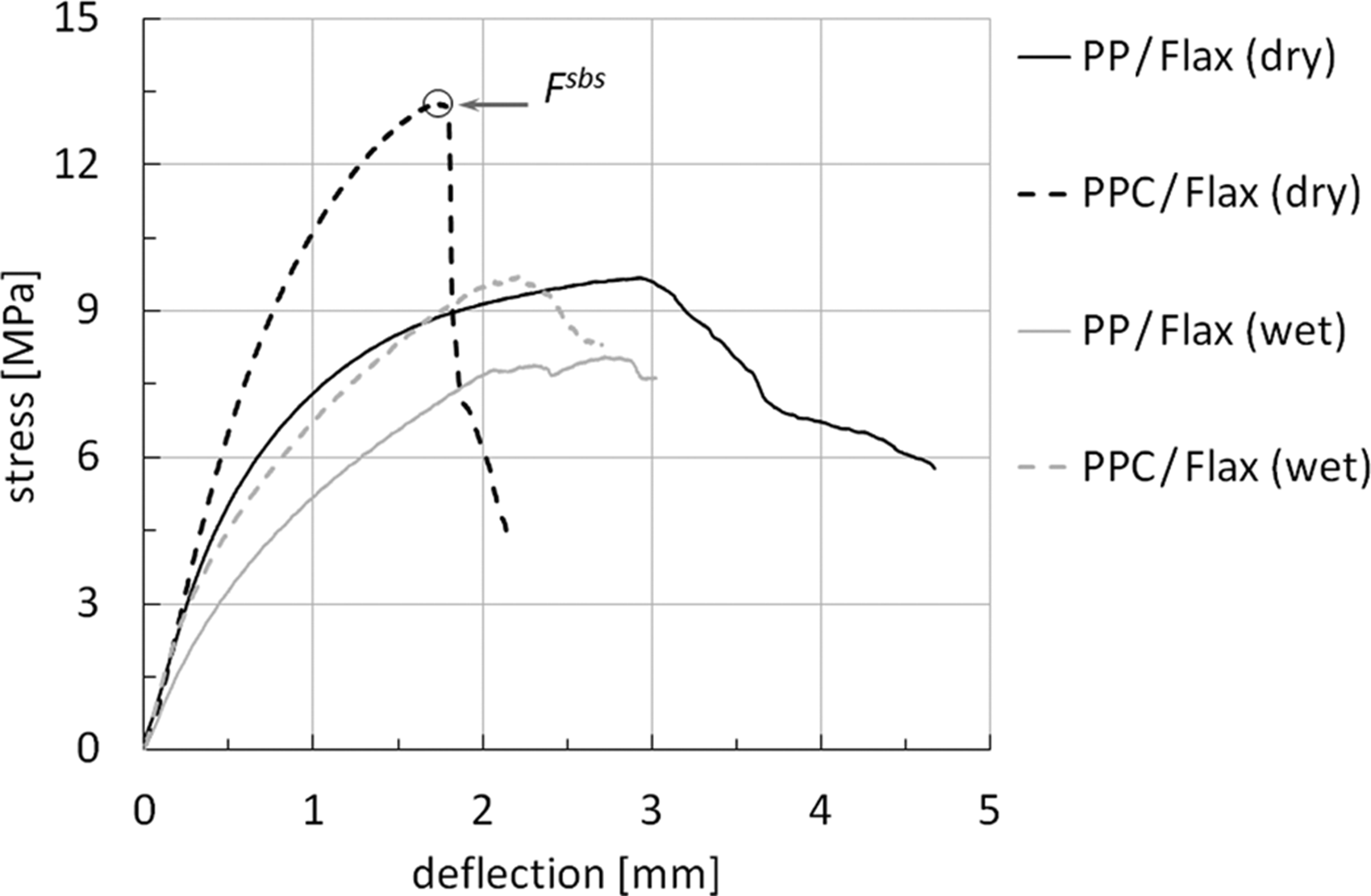
Short-beam shear strength, Fsbs [MPa], from short-beam shear tests (standard deviations in round brackets).
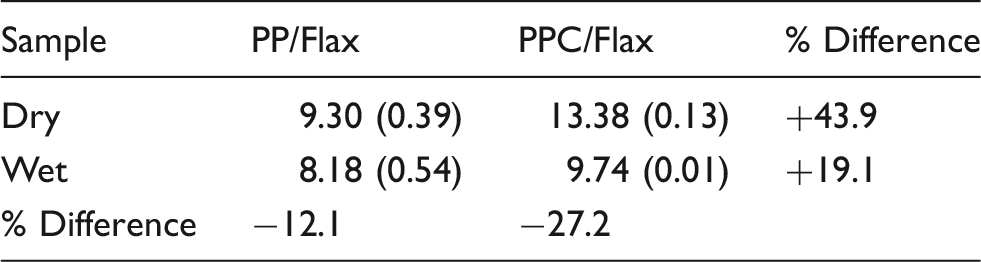
This effect is less pronounced than others for the humidified specimens, with an increase of 19.1%. The sensitivity of the coupling agent to the humidification condition is also clear when considering the comparison along the columns: in fact, PPC/Flax specimens show a decrement of 27.2%, whereas PP/Flax ones of 12.1%.
In order to estimate the efficiency of the coupling agent after a heat treatment, some PP/Flax and PPC/Flax specimens were tested after heating at 65℃ for 6 h. This treatment does not influence significantly the Fsbs of both the samples, with slight reductions of this parameter amounting approximately to 5% and 7% for untreated and treated samples, respectively.
The increase of ILSS reflects on an improvement of the flexural properties. Concerning this, Figure 5 shows the representative stress–strain curves from flexural tests and the flexural strength, σfmax, namely the maximum flexural stress sustained by the specimen. The presence of the coupling agent enhances the bending behaviour of the specimens significantly. This is true under dry and humidification conditions; for this last condition, the beneficial effects of the additive are less pronounced.
Stress–strain curves from flexural tests.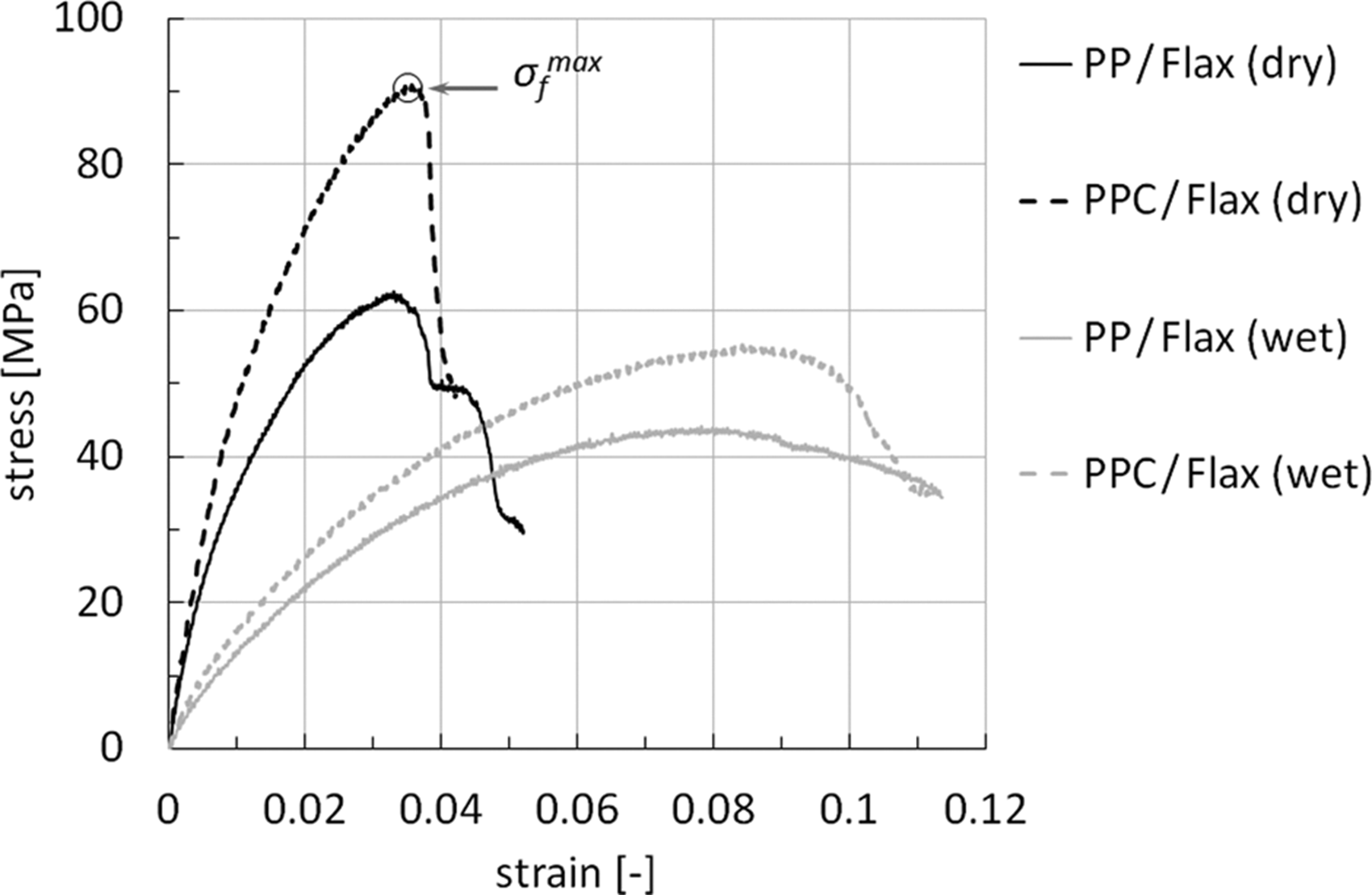
The influence of the coupling agent is very significant for the as-prepared specimens, with an increase of σfmax of about 56% (see Table 2). Once again, the beneficial effects of the additive are less evident for wet specimens. In this case, it is possible to note not only a reduced strength but also an increase of the compliance and plasticization of the material, which led to a reduced slope of the curves in their first portion and higher strain values before failure occurs. In order to quantify this aspect, the chord modulus, Ef, was considered. This feature was calculated from two discrete points, chosen at two predefined strain points (equal to εf1 = 0.01 and εf2 = 0.02); Figure 6 reports an example of secant for PP/Flax curve and the values of Ef, calculated by the following equation
Secant modulus from flexural tests. Flexural strength, σfmax [MPa], from flexural tests (standard deviations in round brackets).
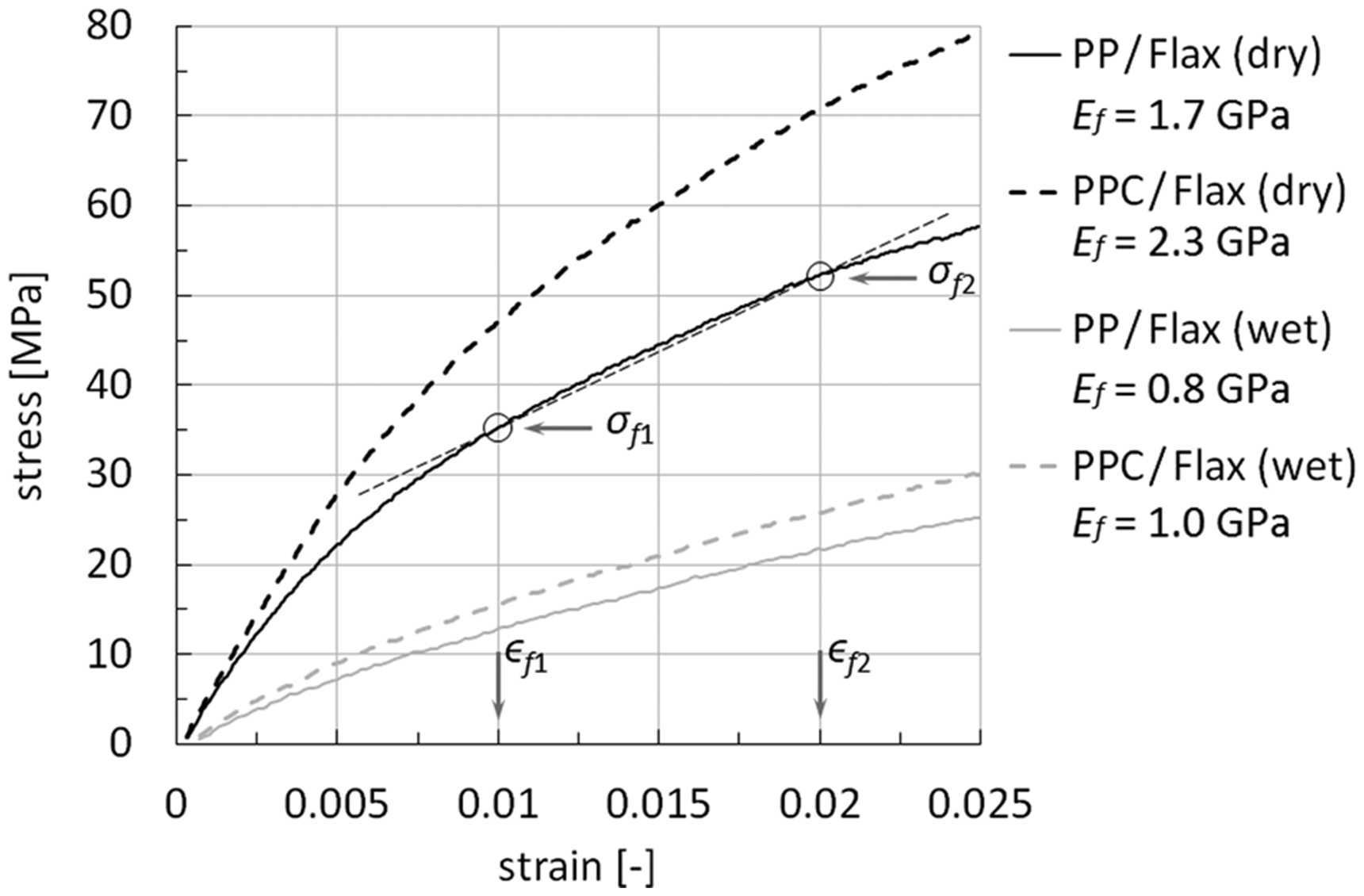
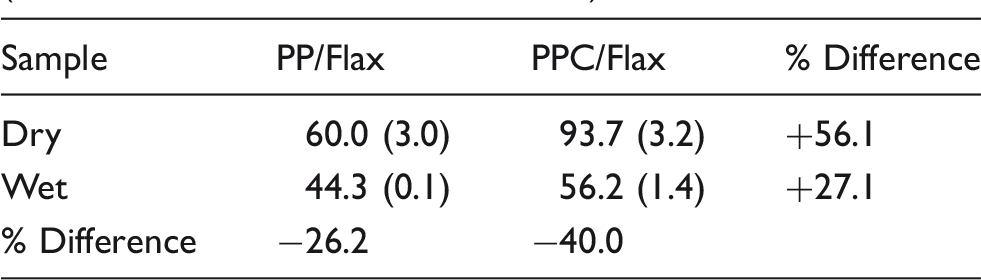
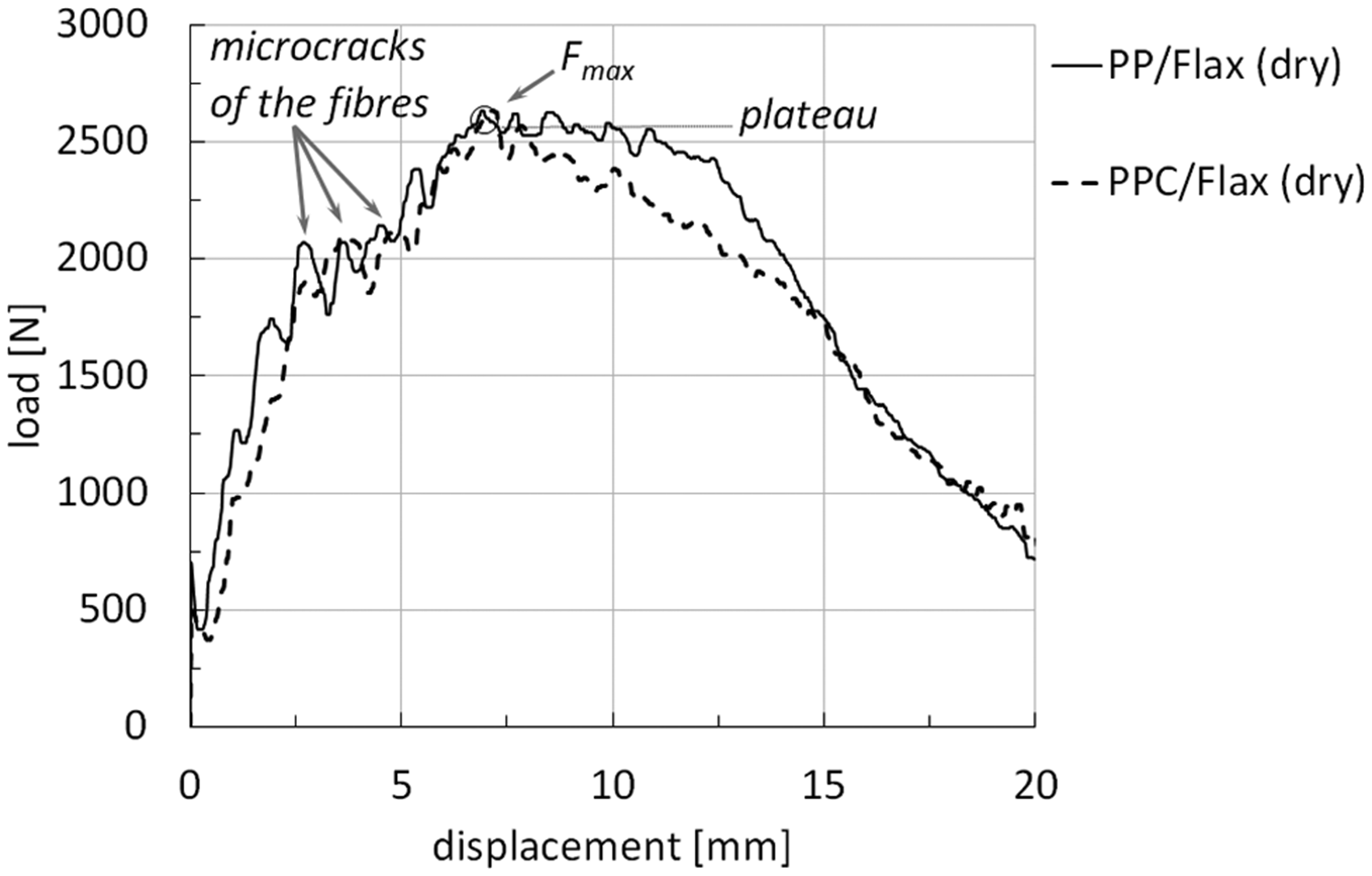
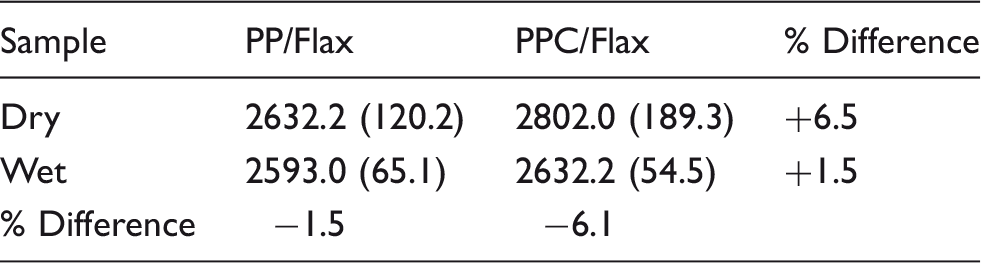
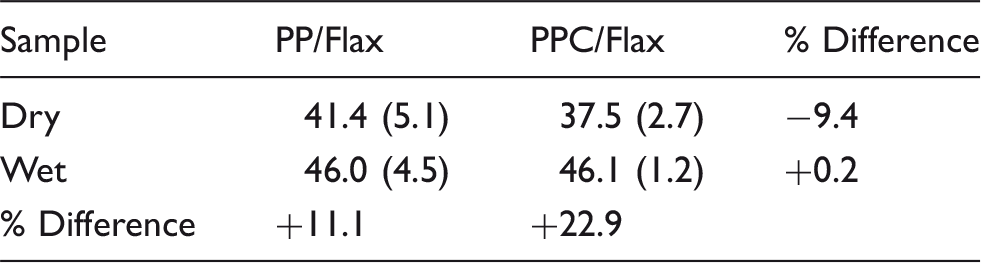
Figure 7 shows the typical load–displacement curves useful for interpreting the impact response of the different composite laminates. Concerning dry laminates (see Figure 8), the two systems show similar stiffness, indicated by the same slope of the initial linear portion of the curves; moreover, the local maxima before the maximum load, Fmax, denote progressive microcracks of the fibres before the complete laminate cracking (in correspondence of Fmax). From the data of the dry systems in Tables 3 and 4, it is possible to note a quite higher value of Fmax for the PPC/Flax composites (+6.5%) even if the penetration energy, Up, is lower (−9.4%). Figure 8 also shows a plateau in correspondence of Fmax for the PP/Flax dry system, followed by a more gradual load decrease (compared to the PPC/Flax one). This behaviour reflects the capability of the plant-reinforced composites to absorb the impact energy through not elastic mode, thereby avoiding catastrophic failures.
31
Load–displacement curves at penetration from impact tests. Load–displacement curves at penetration from impact tests for dry systems. Maximum load, Fmax [N], from impact tests (standard deviations in round brackets). Penetration energy, Up [J], from impact tests (standard deviations in round brackets).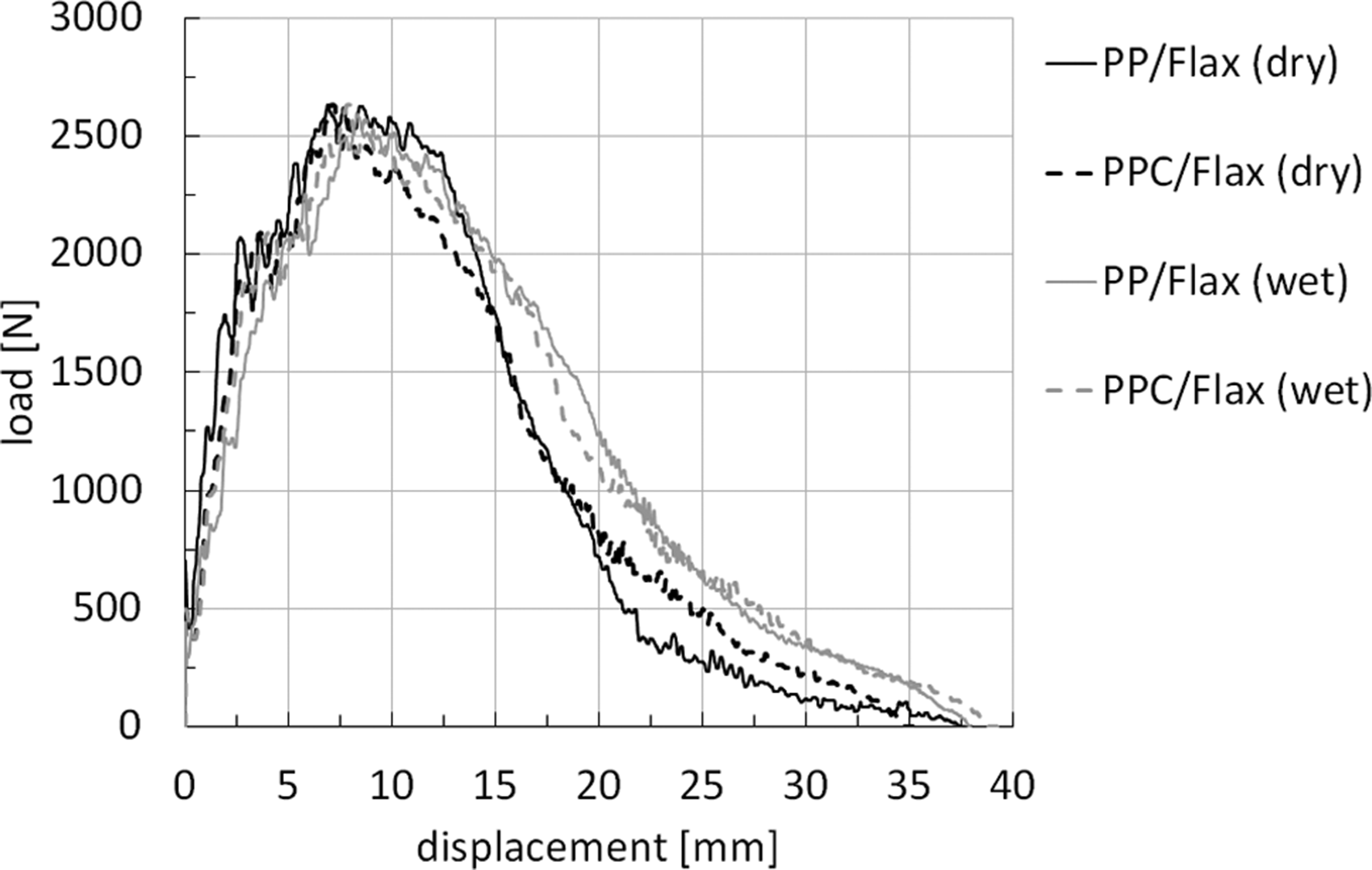
These different impact responses also translate into different damages of PP/Flax and PPC/Flax dry systems; concerning this, Figure 9 shows the front and rear views of the penetrated laminates. Both systems show the typical diamond shape damage on the rear but, from the front view, the damage of the PP/Flax system appears smaller in size and refers to the shape of the impactor head, whereas the damage of the PPC/Flax one seems to propagate dramatically in a brittle way. These observations are consistent with the ones from Figure 8.
Pictures of penetrated specimens from dry systems (front and rear sides).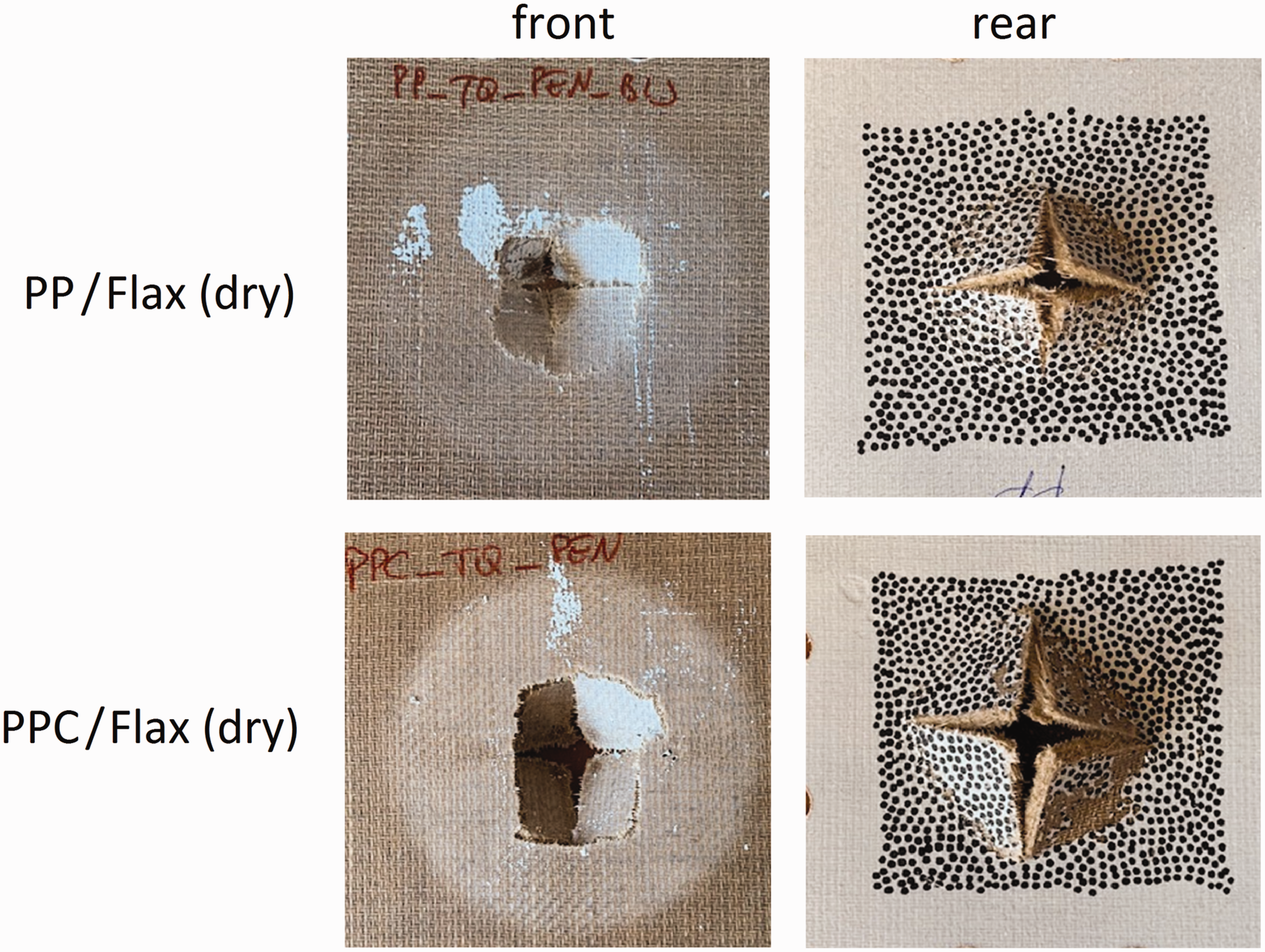
From the comparison of the load–displacement curves at penetration for the wet systems (see Figure 7), it is possible to note that the impact behaviour of the two systems is similar, independently from the presence of the compatibilizing agent. This consideration is supported by almost similar values of Fmax and Up (see the corresponding values for the wet systems in Tables 3 and 4, which denote the percent differences of +1.5 and +0.2%, respectively). In other words, the absorption of water in the samples examined seems to reduce the effects of the coupling agent on their impact response. The presence of the coupling agent, reducing the probability of access of water molecules to the surface of the hydrophilic reinforcing fibres by improving the fibre/matrix interface quality, fades any influence of the water ageing on the dynamic response of the investigated composite system. The immersion in water decreases the rate with which the load decreases after the definitive breakage of the fibres, inducing a softer decrement and a consequent less brittle break, as it is possible to observe by comparing the images of Figures 9 and 10.
Pictures of penetrated specimens from wet specimens (front and rear sides).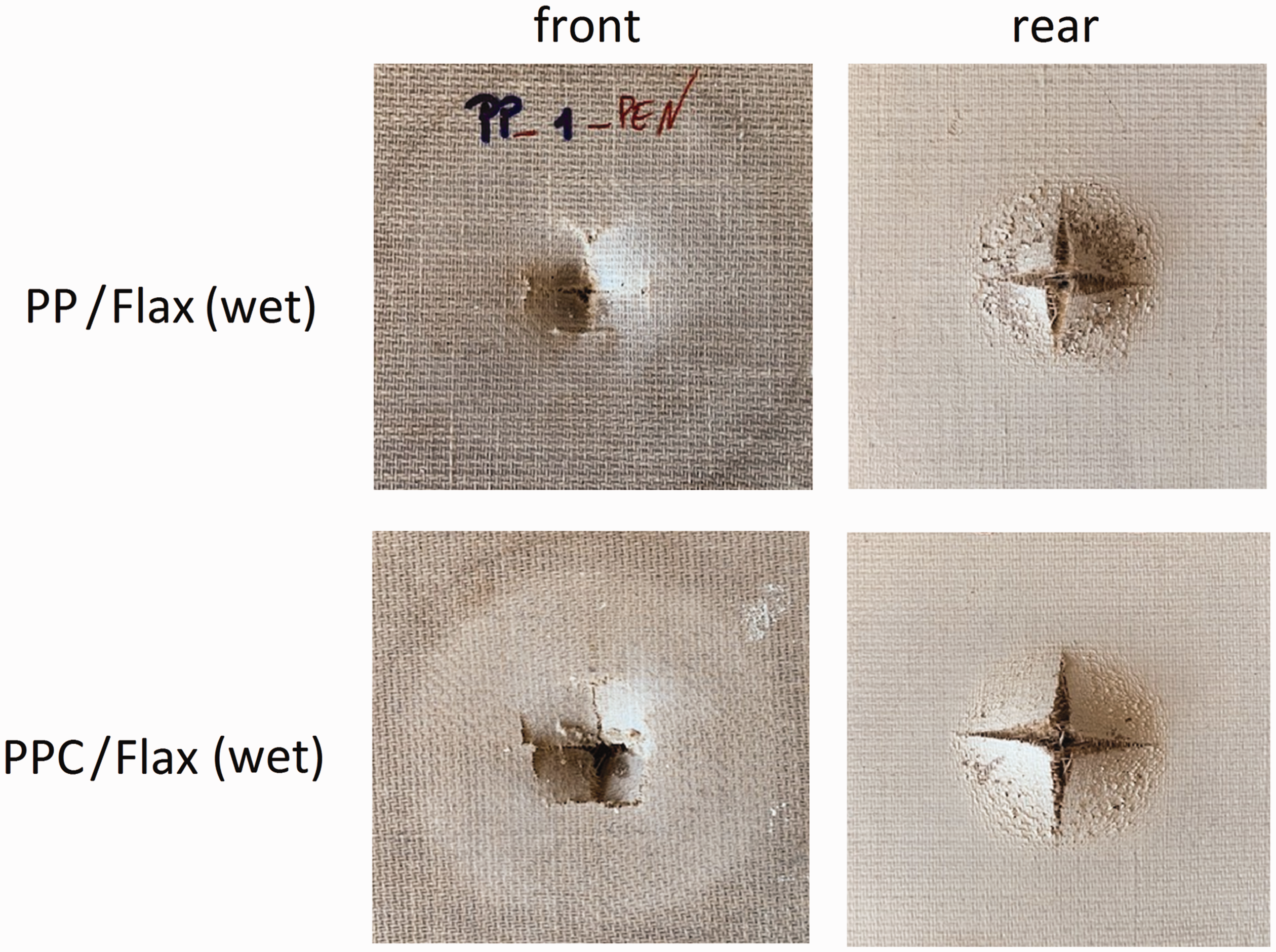
Figure 11 compares the SEM micrographs of PP/Flax composite specimens, dry and wet, with similar observations carried out on flexural sections of the PPC/Flax material. The preliminary modification of the matrix by the inclusion of 2% by weight of the coupling agent does not significantly influence the wettability of the flax fibres. Water absorption of the specimens in severe conditions (70℃) alters the integrity of the section examined which, among other things, appears richer in macro-holes probably due to the extraction of whole bundles fibres. These considerations permit to explain the worsening of mechanical results already discussed in the previous section of this manuscript.
SEM micrographs of dry and wet PP/Flax and PPC/Flax systems.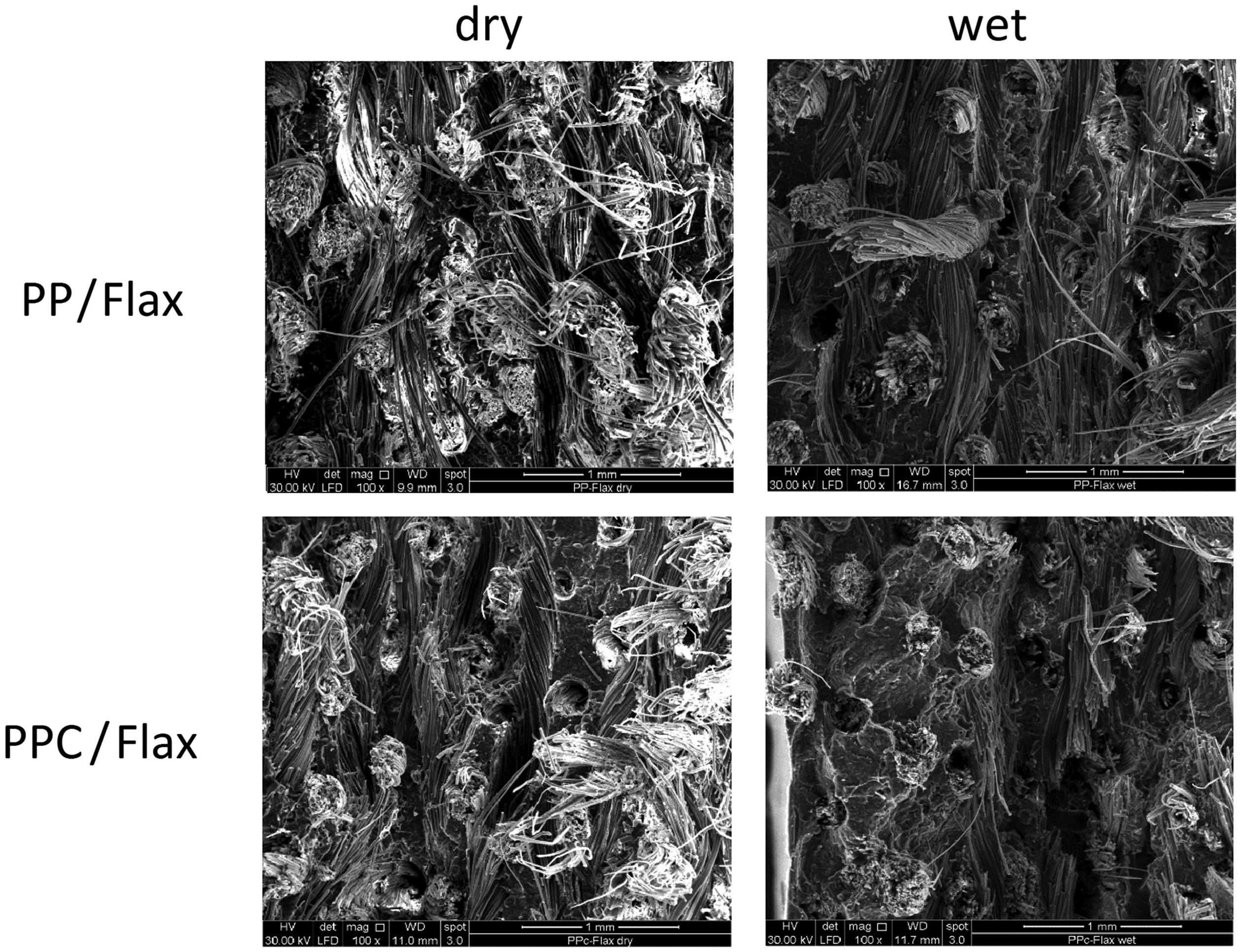
Conclusions
Flexural and low-velocity impact response of polypropylene-based laminates reinforced by a commercial flax fibre fabric was investigated to highlight any effect due to the inclusion of a coupling agent and hydrothermal ageing. Results demonstrated that:
The inclusion of the compatibiliser (2 wt.%) induces a slowing down of the initial step of water absorption carried out in a climatic chamber at 70℃ but determines only a slight reduction in the water content absorbed within the absorption time interval considered so far (about 0.5 wt.% less than in the PP/Flax system). Further experiments are in progress to optimise the coupling agent content for now chosen in light of previous research, focused on PP/glass composites. Quasi-static parameters evaluated in terms of short-beam shear strength and flexural strength indicate benefits due to the matrix modification especially in the case of dry specimens and a worsening of the same properties induced by water ageing especially for materials including PP-g-MA (PPC/Flax). This finding highlights the role of the interphase region, usually influenced by the addition of the coupling agent. In practice, although it is well established that this additive reduces the rate of water absorption and the maximum amount of water absorbed by the composite, the alteration of both the physical properties and the structure of the interphase seem to be more incisive, compared to the interface microcracking/debonding damages caused by the hygroscopic swelling of the flax fibres, on the mechanical properties of the biocomposite. Similar considerations but less pronounced can be drawn in terms of maximum load, and penetration energy from the response of the materials studied to low-velocity impacts. These aspects were fully supported by visual inspections of the impacted areas highlighting indications about occurring failure modes. The morphological analysis of the fracture sections obtained with flexural rupture tests confirmed the inability of the coupling agent, at least for the content used in this research, to improve the wettability at the interface and highlighted the effects of water absorption mainly manifested in the form of unthreading of flax fibre bundles.
In light of these interesting results, further research work is underway to study the behaviour of the same or similar composite laminates even in other environmental conditions, perhaps based on specific technical requirements.
Footnotes
Declaration of Conflicting Interests
The author(s) declared no potential conflicts of interest with respect to the research, authorship, and/or publication of this article.
Funding
The author(s) received no financial support for the research, authorship, and/or publication of this article.
ORCID iDs
Ilaria Papa https://orcid.org/0000-0002-5711-8822 Antonio Formisano 