







Abstract
The following paper presents the results of research on cement composites with expanded graphite as resistance heating elements. Samples of cement mortar were prepared with expanded graphite obtained from intercalated graphite by means of rapid heating at 1000℃. Monotonic and cyclic self-heating tests of cement composites with differing contents of expanded graphite were conducted. In the monotonic self-heating test, the electrical current and the surface temperature of the cement composites with expanded graphite were measured at temperatures 23℃ and –10℃ in order to evaluate their capacity to generate heat. The maximum temperature of composites, the time required to raise the temperature by 10℃, and the power density were determined. Five cycles were applied in the cyclic self-heating test to investigate heat-dependent mechanical properties. The results of the research revealed that cement composites with expanded graphite exhibited promising properties for application as resistance heating elements.
Introduction
Resistance heating elements have widespread use. Apart from basic applications in irons, toasters, hair dryers, and resistance furnaces, they are often used for the de-icing of surfaces (airports, roads, sidewalks, driveways), underfloor heating, and heating pipelines, gutters, and roofs. Traditional methods used for these purposes are characterized by certain disadvantages. For example, traditional de-icing methods involve chemical or mechanical ice removal. These methods cause delay in traffic and require a great deal of manpower, material, and machinery. The use of chemicals can also lead to damage to concrete surfaces and may adversely affect the natural environment.
Operation of a resistive heater is based on Joule’s first law, also known as the Joule-Lenz law, which states that the power of heating generated by an electrical conductor is proportional to the product of its resistance and the square of the current


Therefore, the voltage and current should be relatively high in order to obtain a high-power value, but if the resistance is low, the voltage is also low, since V = I · R. When the resistance is high, the current is low. For these reasons, in order to obtain high-power values, an intermediate resistance value should be selected. For material with a given resistivity value, the relevant dimensions can be selected to obtain the desired resistance value.
However, the conventional use of resistive heating elements is characterized by drawbacks such as high price, poor durability, or the need for costly peripherals. Therefore, one alternative may be the use of cementitious composites with conductive additions. These composites perform both structural and heating-element functions. Moreover, the advantages of using cementitious composites with conductive additives include greater durability, lower manufacturing costs, easier implementation, and uniformity of temperature of the heated surface.
Traditional cementitious materials are not electrically conductive. Their resistivity is too high to use them effectively as resistive heating elements. Therefore, it is necessary to introduce effective conductive additives into the cement matrix in order to reduce the resistivity of cement composites. Conductive additives such as carbon fibers,1–15 carbon nanotubes,16,17 steel fibers,10,18–20 graphite,10,21–23 metal particles,24,25 and hybrid addition26–29 have been used in cement composites as resistance heating elements. Suitable electrical conductivity is attained when the volume of the conducting additive exceeds the percolation threshold, i.e. when it constitutes a structure in which adjacent particles touch one another, thereby resulting in a continuous electrically conductive path through the matrix. When voltage is applied to these conductive cement composites, thermal energy radiates from these composites as from a metallic wire conductor.
However, these additives are characterized by disadvantages that limit the practical use of cement composites as resistance heating elements. The main one is the necessity of introducing a large amount of any of these composites (e.g. graphite powder, nickel) into the matrix to obtain satisfactory electric properties. A large amount of additive causes the deterioration of other properties, especially mechanical strength and durability. The use of these materials is also difficult due to the weak bond they form with the cement matrix and their tendency to agglomerate (e.g. carbon fibers, nanotubes). The high cost of materials such as carbon fibers, nanotubes, or very thin steel fibers is another drawback.
In this study, expanded graphite, a very promising material that may eliminate most of the disadvantages of existing conductive additives, was used in this role. Previous papers30–35 showed that the addition of 2–3 wt% of expanded graphite to cement composites (compared to the addition of 30–40 wt% graphite powder) resulted in the formation of a conductive network throughout the cement matrix. The resistivity of composites with a content of 3 wt% of expanded graphite is about 104 Ω · cm, 32 whereas Chen and Chung 30 obtained the same value with a content of 2.2 wt%. The low level of addition of expanded graphite allows to obtain still good mechanical strength and durability. Another advantage of expanded graphite is the possibility of obtaining it in a relatively cheap and easy way, by means of rapid heating of intercalated graphite. The resulting grains of expanded graphite are long and very porous. Expanded graphite is particularly outstanding in terms of the weak bonds between carbon sheets; therefore, it can be easily exfoliated to smaller particles of graphite, even of nanometric size, with high aspect ratios which enable the formation of a continuous conductive network at a very low level of additive content in the matrix.
The main objective of the present paper is to evaluate the use of cement composites with expanded graphite as resistance heating elements. Monotonic and cyclic self-heating tests of the composites with differing contents of expanded graphite were conducted to investigate its capacity for heat generation and its heat-dependent mechanical properties. Heretofore, no research has been published on the application of cement composites with the addition of expanded graphite as resistance heating elements.
Experimental
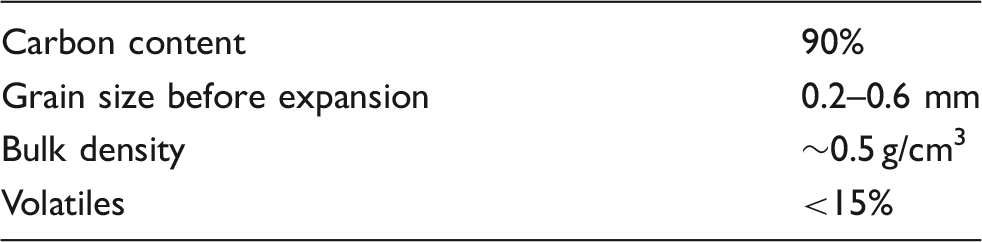
The basic properties of EG290 graphite.
Mix proportions of prepared composites.
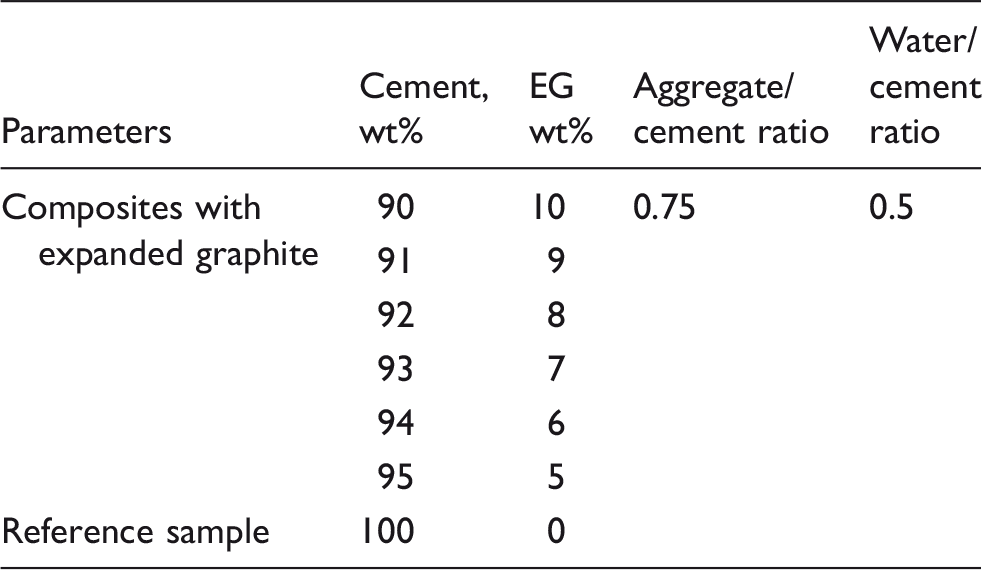
The mortar samples were stored in water for 28 days and subsequently dried in a laboratory dryer (temperature 60℃) to a constant mass prior to measurements. The drying was done for eliminating the effect of moisture on electrical conductivity. The temperature of 60℃ was selected because a higher temperature can locally damage the microstructure of the specimens due to thermal stress, thus affecting the obtained results.
As part of the present study, monotonic and cyclic self-heating tests were conducted. In the former, the electrical current and surface temperature of the cement composites with expanded graphite were measured to evaluate their capacity for heat generation. The voltage applied during the performance tests was provided by a DC power supply (KORAD KD3305P). The tests were conducted under two conditions: at a room temperature of 23℃ and in a refrigerator with an ambient temperature of –10℃. For the test at room temperature, an input voltage of 15 V was applied, compared to input voltages of 15 and 30 V applied in the refrigerator. Samples measuring 15 × 15 × 75 mm, with copper contacts at the ends, were connected to the power supply. Values of current were read from the ammeter built into the power supply (accuracy of 0.5%). A thermocouple was attached to the surface of the cement composites and linked with a data logger to automatically record surface temperatures. A temperature sensor was fixed on the centers of the upper surfaces of composites. Figure 1(a) shows the test stand for self-heating measurements. The maximum temperature, the time required to raise the temperature by 10℃, and the power density were determined from the resulting data.
Pictures of experimental setups for (a) self-heating measurements, (b) resistance measurements, and (c) thermal conductivity measurements.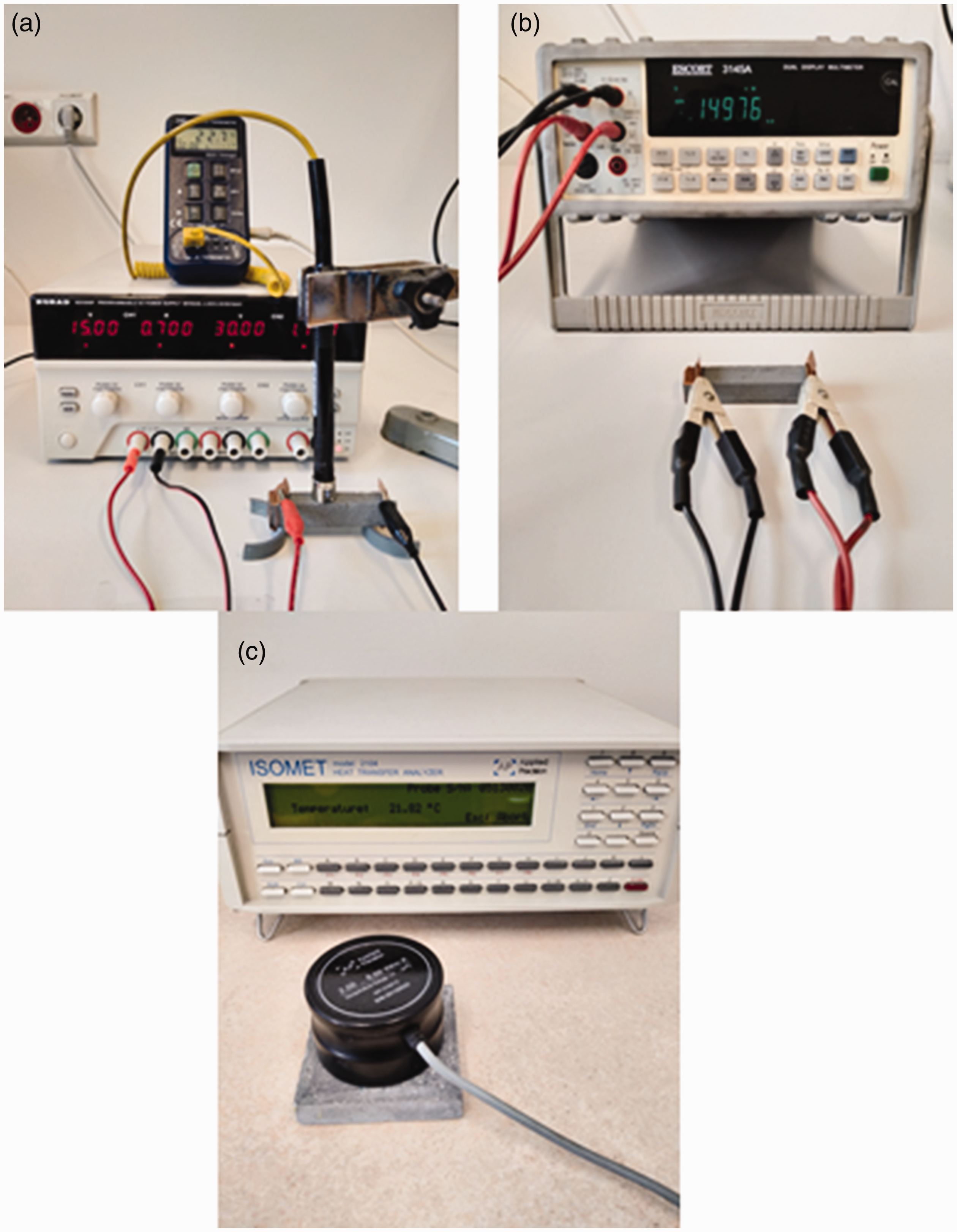
Five cycles were applied in the cyclic self-heating test to investigate the heat-dependent mechanical characteristics. For one complete cycle, input voltages were applied; subsequently, specimens were cooled by turning off the input voltages. The voltage was selected to reach the maximum temperature of cement composites, approximately 100℃. The same procedure and test stand were used as in the monotonic self-heating test. The tests were conducted at a room temperature of 23℃. The bending strength test was performed before and after the cyclic self-heating test to evaluate heat-dependent mechanical properties. Three specimens were examined before and after cyclic self-heating test for each composite. The bending strength test was conducted using a testing machine (QC-508B1, Cometech) at a deformation rate of 2.0 mm/min.
The four-wire method was used to measure the resistance of the composites. Samples measuring with copper contacts at the ends were connected to digital multimeter Escort 3145A (accuracy of 0.05%). The experimental measurement setup is shown in Figure 1(b). The values of resistance were converted to resistivity

Thermal conductivity was determined using three specimens for each composite. The measurements were carried out by transient method using heat transfer analyzer ISOMET 2104 supplied by Applied Precision (accuracy of 10 % of reading). For measurements, surface probes designed to measure materials with a thermal conductivity in the range 0.3–2.0 W/(m · K) and 2.0–6.0 W/(m · K) were used (Figure 1(c)). All measurements were conducted at two different areas of the specimen’s surface.
The compression strength was conducted using testing machine QC 508B1 (Cometech) at the deformation rate of 2.0 mm/min. Four samples were tested, and the average values were calculated.
Results
Figure 2 shows the compression strengths of the cement composites with a different content of expanded graphite. It can be seen that the introduction of expanded graphite into the cement matrix results in a reduction in the compression strength of composites. The compression strength of composites with an addition of 5 wt% expanded graphite prepared by rubbing is about 24.5 MPa, compared to 33 MPa for the reference sample. With the further increase of the mass ratio of expanded graphite, the compression strength decreased. However, the compression strength of composites prepared by rubbing expanded graphite to smaller particles is significantly higher than the compression strength of composites prepared by simply mixing the expanded graphite.
22
The higher compression strength of composites prepared by rubbing is associated with the porosity of the composite. The mortars prepared by mixing are characterised by higher values of porosity because porous unbroken grains of the expanded graphite are introduced into the matrix. In the case of mortars prepared by rubbing, broken grains with lower values of porosity are introduced into the matrix.
Compression strength of composites with different content of expanded graphite.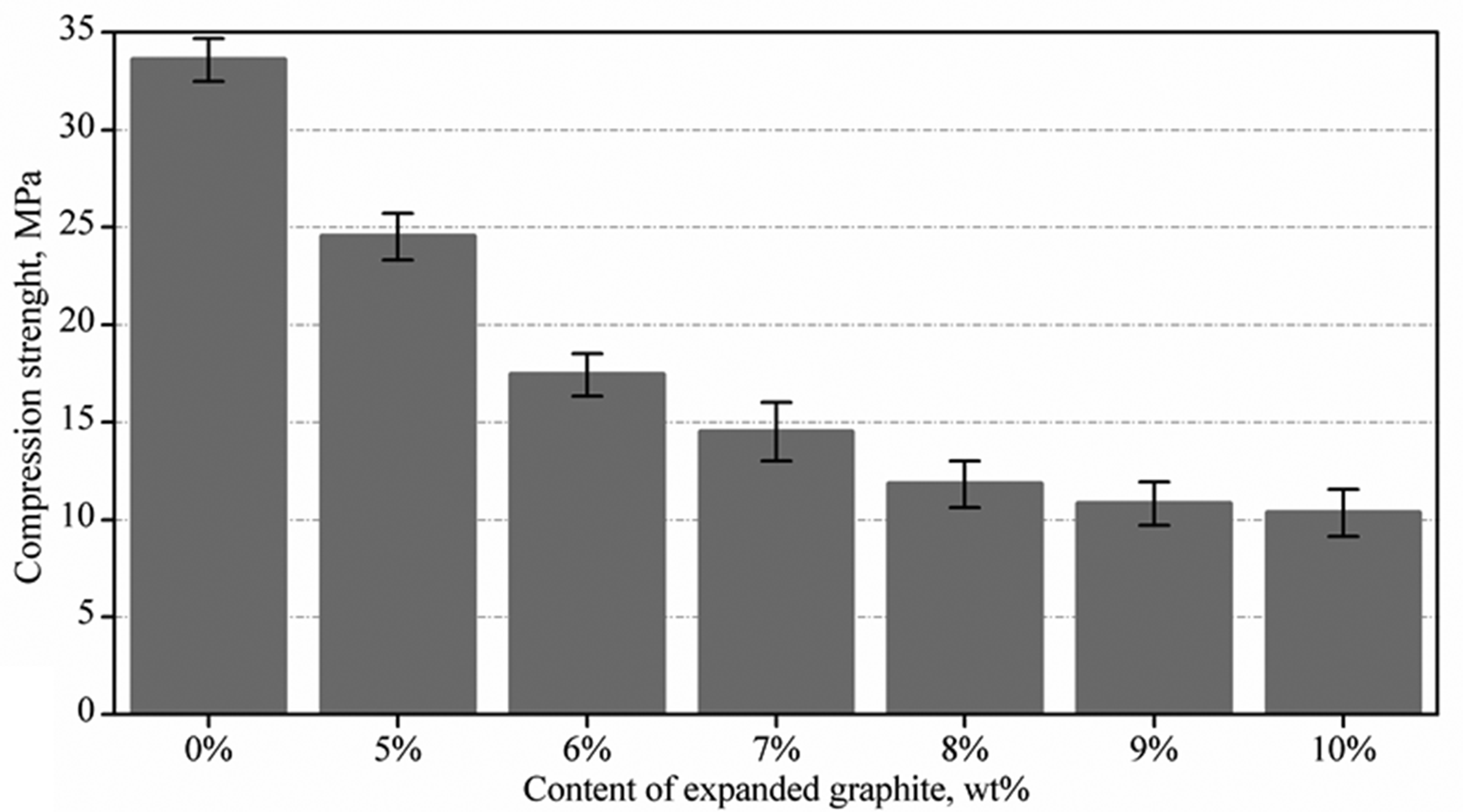
Figure 3 shows the electrical resistivity of cement composites with differing contents of expanded graphite. It can be seen that the resistivity of cement composites decreases with increasing contents of expanded graphite, expressing percolation characteristics. The lowest value of resistivity was 40 Ω · cm for the composite with an addition of 10 wt% of expanded graphite.
Resistivity of cement composites with different content of expanded graphite.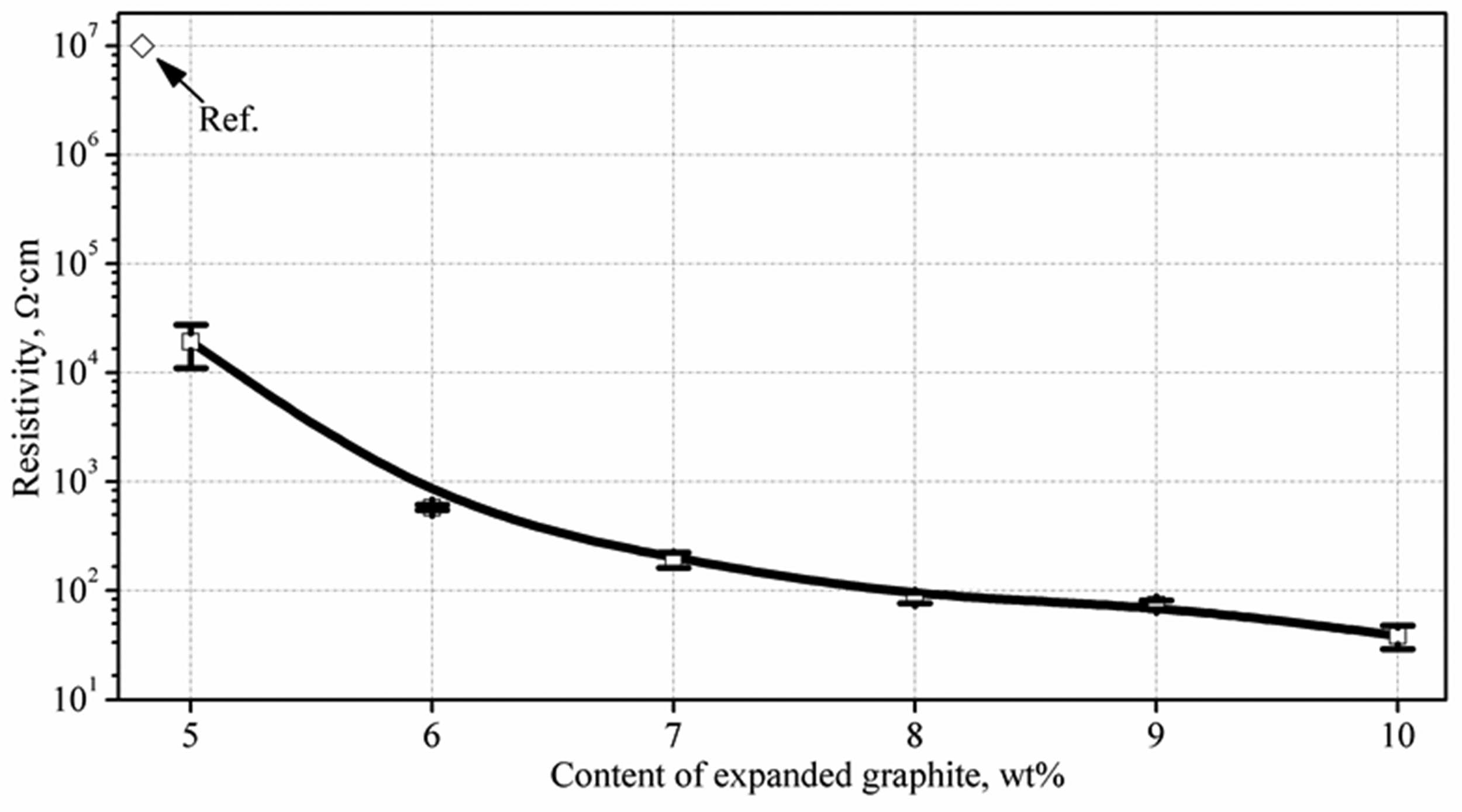
The results also revealed that the resistivity of the composites above of 6 wt% of expanded graphite (7% of total volume of the mixture) is suitable for application as resistance heating elements. Since the operation of a resistive heater is based on Joule’s first law, the resistivity of heating elements cannot be too low or too high. For this reason, composites with the content of graphite of 5 wt% were eliminated from further studies, because its resistivity is too high for an efficient use as a resistance heater.
The results of thermal conductivity measurements showed that cement composites with expanded graphite are characterized by a high level of thermal conductivity (Figure 4). The value of thermal conductivity was almost 2.2 W/(m · K) for composites with the addition of 10 wt% of expanded graphite, compared to 1.2 W/(m · K) for cement composites without this addition. Their high level of thermal conductivity enables more efficient use of cement composites with expanded graphite as resistance heating elements.
Thermal conductivity of cement composites with different content of expanded graphite.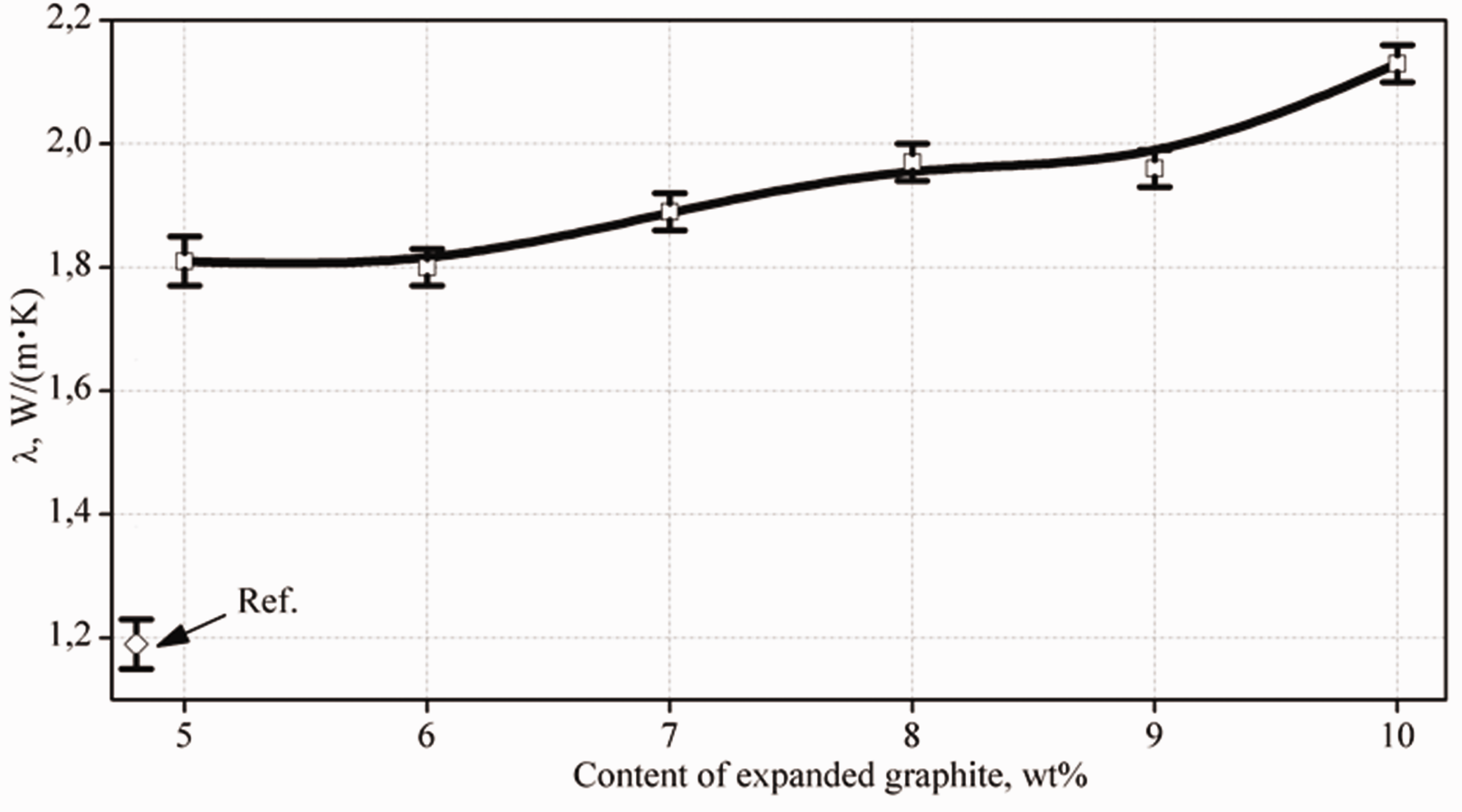
Monotonic self-heating tests revealed that cement composites with contents of expanded graphite above 6 wt% exhibited an increase in surface temperature when an input voltage as low as 15 V was applied. As shown in Figure 5, the surface temperature of the specimens increased over the heating period (current on) and subsequently decreased during the cooling period (current off).
Surface temperature vs. time for composites with content of expanded graphite (a) 9 wt% and (b) 6 wt%.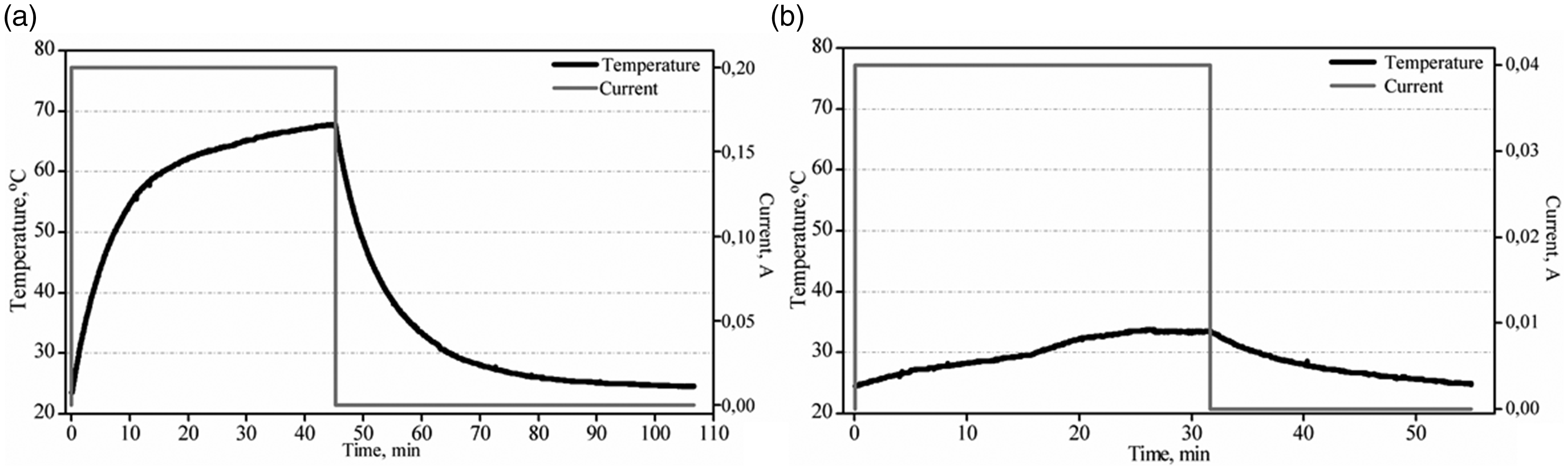
However, the lower the content of expanded graphite, the lower the power of the composites as resistance heating, thus a lower maximum temperature of the composite (Figure 6). For cement composites containing 6 wt% of graphite, the maximum temperature (relative to a temperature of 23℃) was 33.6℃, whereas the maximum temperature was 67.8 and 77.8℃ for cement composites with graphite contents of 9 and 10 wt%, respectively.
The maximum temperature and time to reach a higher temperature by 10℃ of the composites with different content of expanded graphite.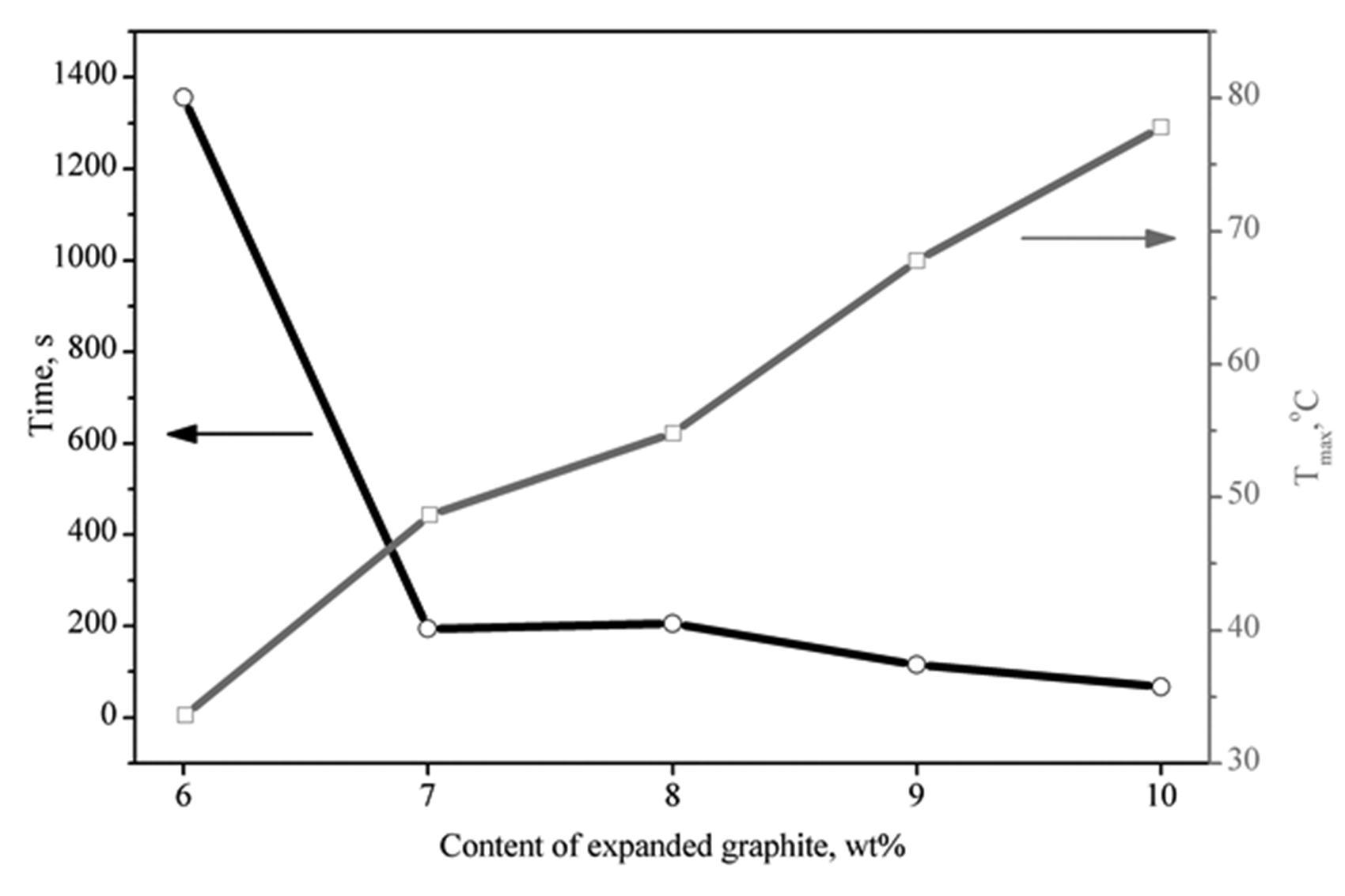
Figure 6 shows the time required to raise the temperature by 10℃, which indicates the heating rate of the composites with expanded graphite. The times required to raise the temperature by 10℃ were 68, 116, 205, and 195 s for composites with additions of 10, 9, 8, and 7 wt% of expanded graphite, respectively. Only for composites with 6 wt% of content of graphite was this time significantly longer (almost 1400 s). The results indicate that the heating rate of the composites is less dependent on the content of the expanded graphite than on the maximum temperature.
The power density of composites with expanded graphite was also calculated from the obtained data. The power density of composites increases with increasing contents of expanded graphite (Figure 7). The highest value of power density of cement composites with expanded graphite reached 930 W/m2.
Power density at voltage of 15 V for cement composites with different content of expanded graphite.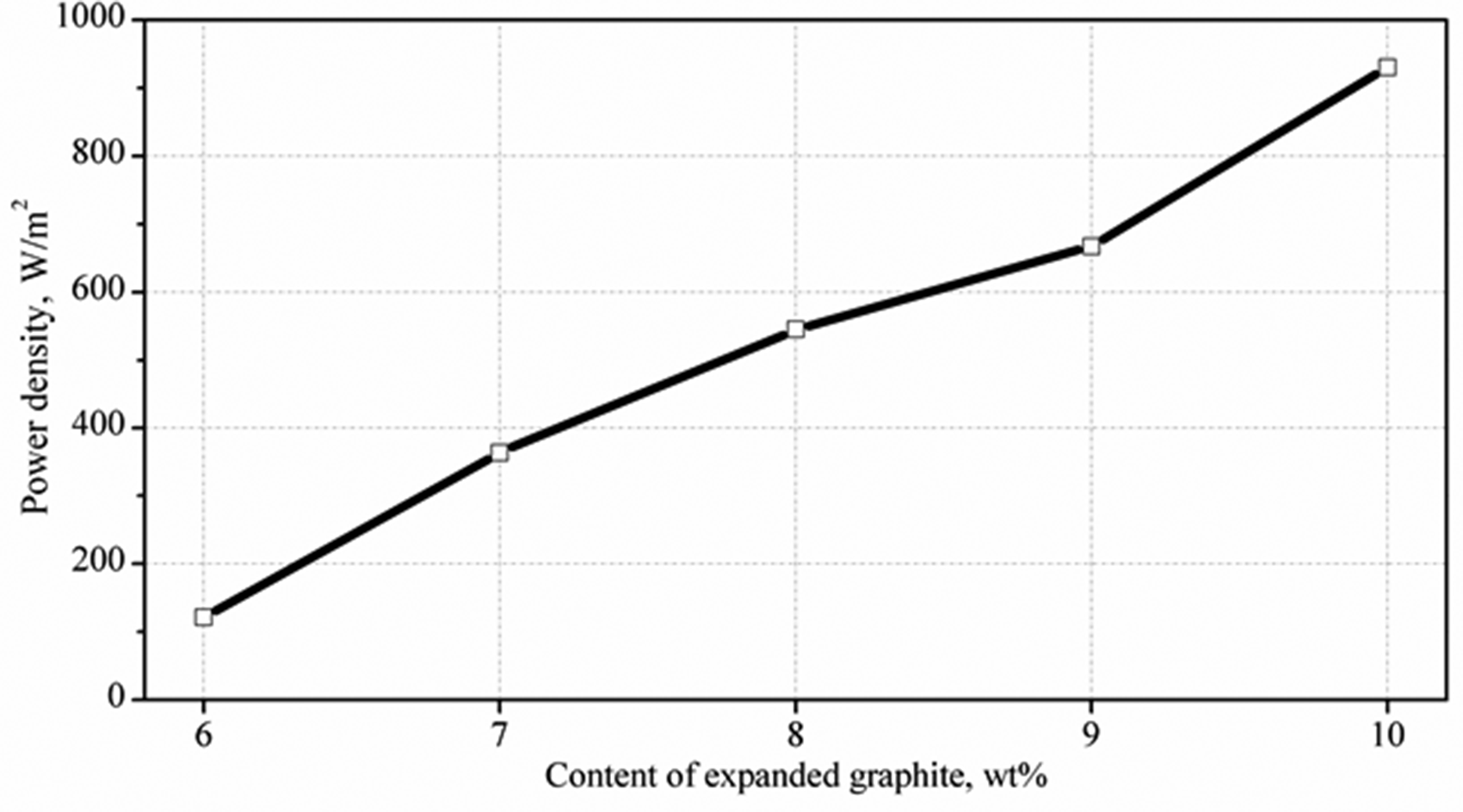
To assess the potential for the use of cement composites with expanded graphite for de-icing, the monotonic self-heating tests were conducted at low temperatures. Two specimens of the composites, with additions of 7 and 9 wt% of graphite, were selected for the tests. In this test, two input voltages of 15 and 30 V were applied. The ambient temperature was –10℃.
Figure 8 shows the temperature of the composite surface when an input voltage of 30 V was applied. For composites with contents of 9 wt% of expanded graphite, the time required to reach temperatures of 0, 10, and 20℃ was 20, 50, and 80 s, respectively (Figure 7(a)). For composites with contents of 7 wt%, the time required to reach temperatures of 0, 10, and 20℃ was 85, 170, and 270 s, respectively (Figure 7(b)).
Temperature of specimen surfaces vs. time for cement composites with content of expanded graphite (a) 9 wt% and (b) 7 wt% at voltage input of 30 V.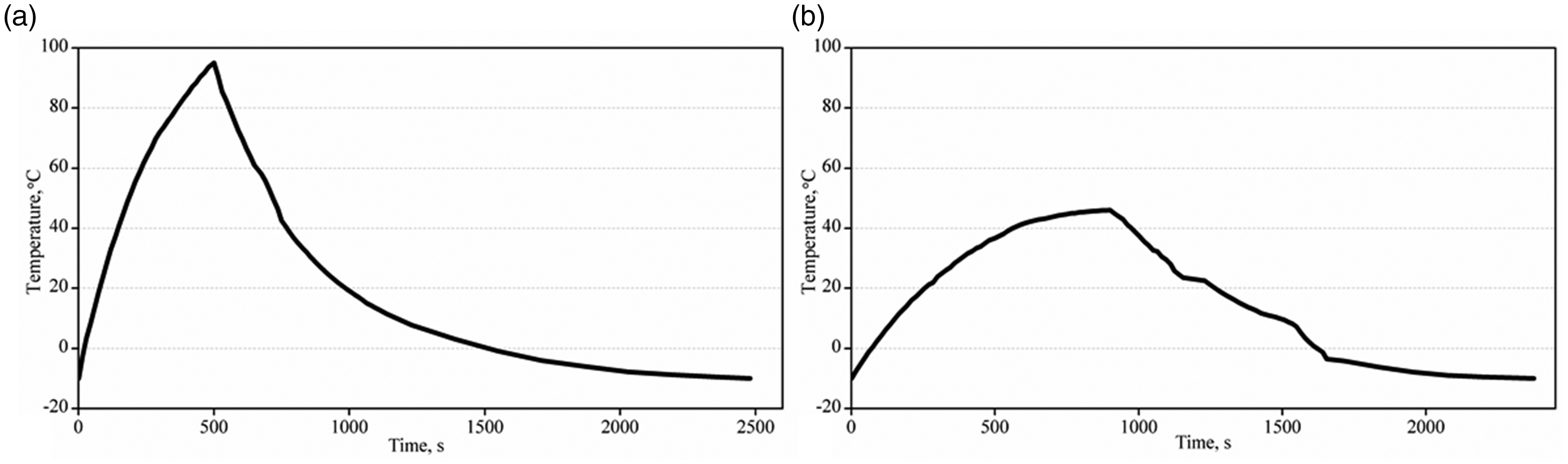
Instead, Figure 9 shows the temperature of the composite surface when an input voltage of 15 V was applied. This input voltage is insufficient for composites with 7 wt% of expanded graphite (Figure 9(b)). For this composite, the maximum surface temperature was only 2℃; moreover, almost 600 s were necessary to reach it. Otherwise, the value of 15 V is desirable for composites with 9 wt% of graphite, in which case the time required to reach temperatures of 0, 10, and 20℃ was 110, 280, and 570 s, respectively, and the maximum temperature was 22℃ (Figure 9(a)).
Temperature of specimen surfaces vs. time for cement composites with content of expanded graphite (a) 9 wt% and (b) 7 wt% at voltage input of 15 V.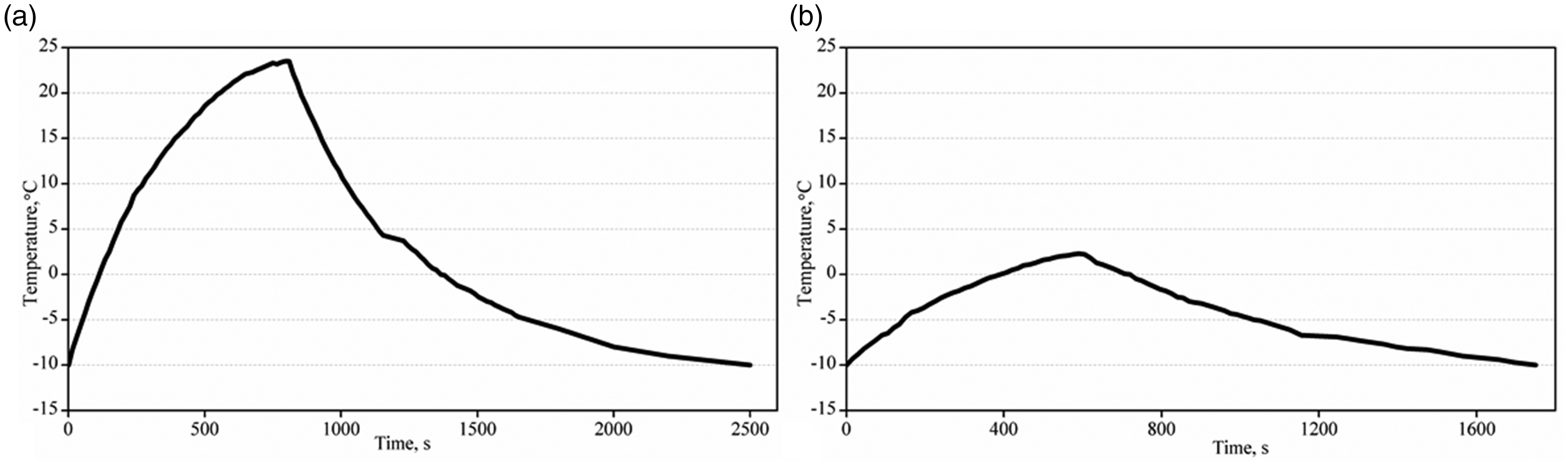
To examine the influence of heating on the mechanical properties of cement composites with expanded graphite, we conducted cyclic self-heating tests, with measurements of bending strength taken before and after. Evaluation of these properties is important because high temperatures may cause damage due to thermal stress. The formation of cracks, in addition to causing deterioration in mechanical strength, may also destroy the conductive network in a cement matrix, as it causes increases in the resistance of composites. Thus, the maximum temperature of composites may be lower.
The results of the cyclic self-heating tests are shown in Figure 10. As can be seen, the maximum temperature and heating rate of each cycle was similar. The results prove that the heating of specimens does not damage the microstructure of the cement matrix, which might destroy the conductive network of graphite within the matrix.
Change of temperature with time during cyclic self-heating test for cement composites with content of expanded graphite: (a) 9 wt%, (b) 7 wt%.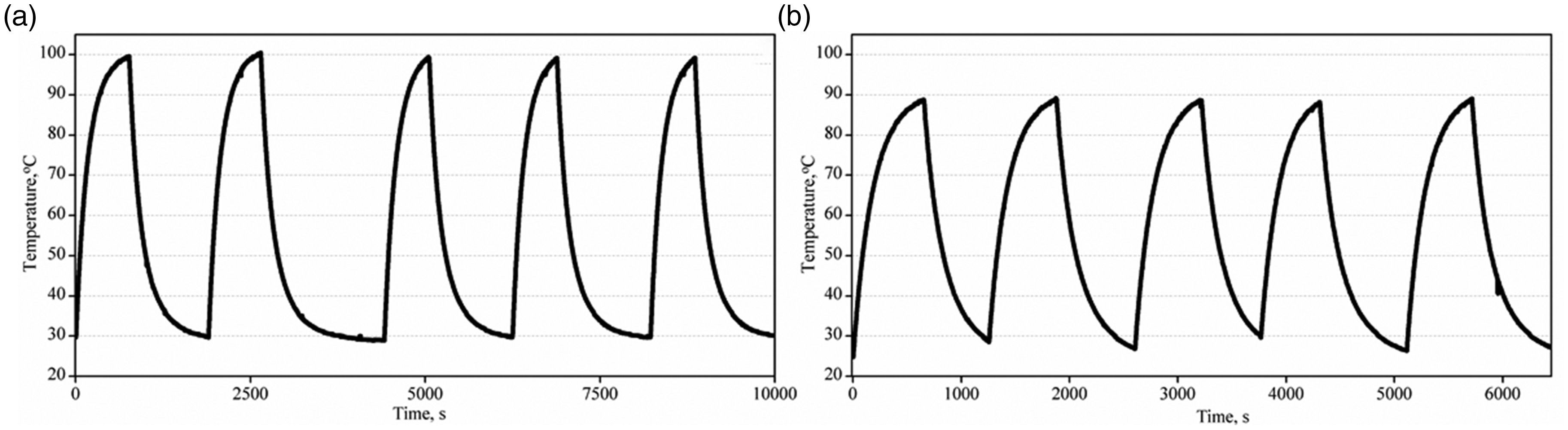
The values of bending strength of the composites before and after the cyclic self-heating test fell within the standard deviations for differing contents of expanded graphite (Figure 11), indicating that there was no mechanical damage to composites during heating.
Bending strength of composites with different content of expanded graphite before and after cyclic heating test.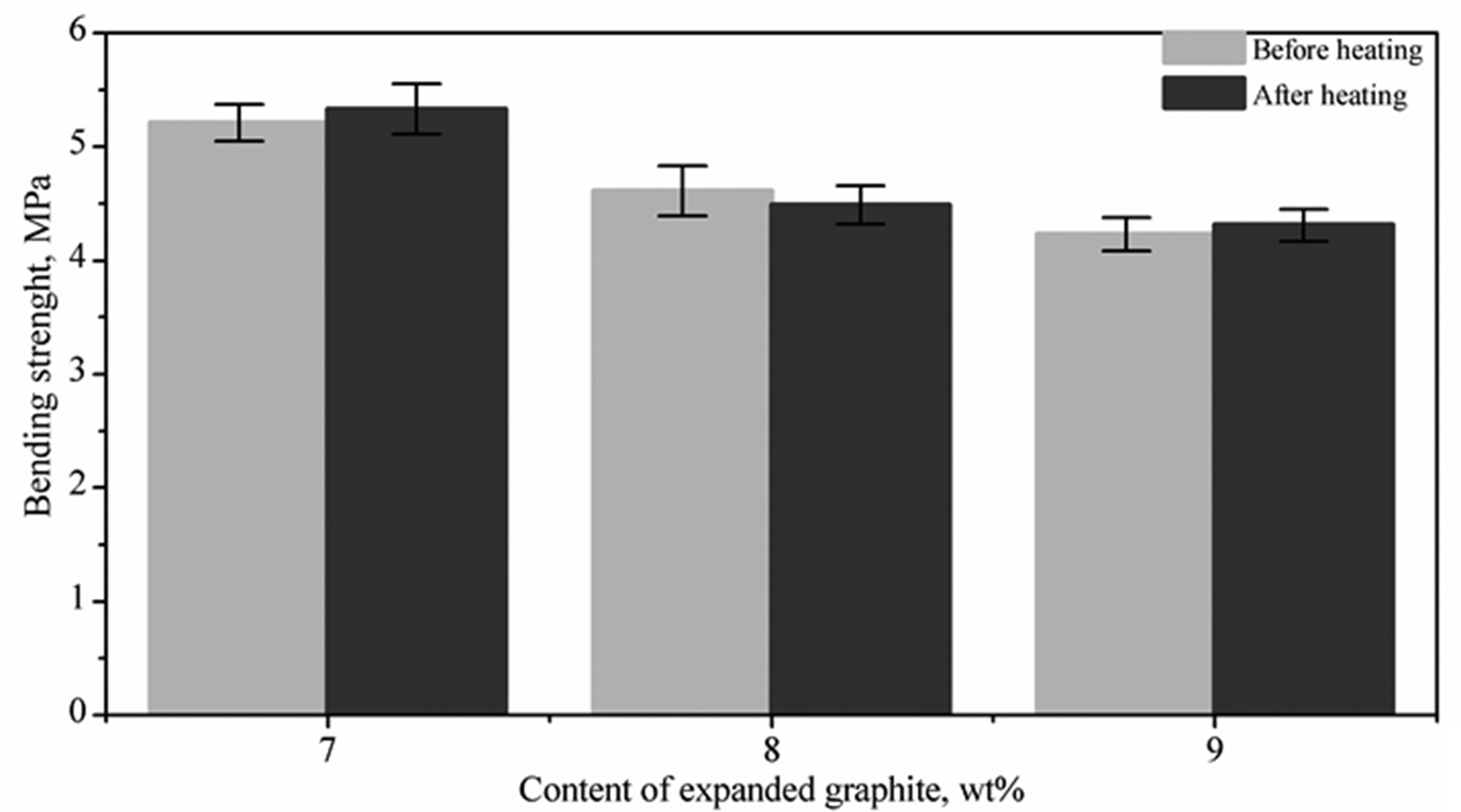
Discussion
The introduction of expanded graphite into the cement matrix results in a reduction in the mechanical properties of the composites. Additionally, the mechanical properties are worse than those of cement composites with such conductive additives as carbon fibres and nanotubes, steel microfibres. However, the level of mechanical strength of the composites prepared by rubbing expanded graphite to smaller particles would be acceptable in some applications for underfloor heating or de-icing. It is worth noting that the composites were prepared without any admixture. Therefore, mechanical properties of the composites with expanded graphite can be improved by the addition of admixtures, such as high-range water-reducing admixture.
Instead, the results of self-heating test showed that the introduction of expanded graphite above 7 wt% provides good heat generation capability to the composites. The good heat generation capability is mainly associated with desirable value of electrical resistivity and high value of thermal conductivity. The desirable value of electrical resistivity attained by using expanded graphite causes the composites to generate high power, which allows using them with such low voltage as 15 V or probably even lower. Instead, the high values of thermal conductivity combined with high power provides the high heating rate of the composites. The monotonic self-heating tests conducted at room temperature revealed that cement composites with additions of expanded graphite above 7 wt% are the most beneficial, when the input voltage is as low as 15 V, for application as resistance heating at room temperature, e.g. for underfloor heating. Composites with lower contents of graphite may be used with the application of a higher level of input voltage. However, from an economic point of view, the lowest possible voltage is desirable. In turn, the results of the measurements at low temperatures show that cement composites with contents of expanded graphite above 9 wt% possess the most desirable properties when an input voltage of 15 V was applied for de-icing. Composites with additions below 9 wt% of graphite can also be used, but in that case, it is necessary to apply a higher input voltage.
A comparison of the results of heat generation capability of the present study with previous studies shows that the composites with expanded graphite exhibit competitive properties compared to cement composites with other conductive additives. In the present work, the composites with expanded graphite generate power density up to 930 W/m2 and obtain maximum temperature of about 80℃ (relative to the temperature of 23℃) at voltage of 15 V. Instead, the time required to achieve half the maximum temperature is about 5 min for the composites with content of expanded graphite above 7 wt%. In comparison, the authors 10 obtained a maximum temperature of 60℃ (relative to the temperature of 19℃) and generated power density of 750 W/m2 at input voltage of 7.1 V for cement composites with steel microfiber (8 µm; 0.72 vol% of cement). The time required to achieve half the maximum temperature was 6 min. In the same paper, 10 for cement composites with carbon fiber (15 µm; 1.0 vol% of cement) using an input voltage of 28 V, a maximum temperature of 56℃ (relative to the temperature of 19℃) and power density of 240 W/m2 was obtained; the time needed to obtain half of the maximum temperature was about 4 min. 10 Whereas, the authors 1 obtained power density of about 500 W/m2 for composites with oxidized carbon fiber (7.2 µm; 2.0 wt% of cement) at voltage of 25 V. In turn, cement composites with carbon nanotubes (2 wt%) can produce an increase in temperature of approximately 70℃ (ambient temperature 20℃) when the input voltage is 10 V. 16 Whereas, cement composites with graphite (<45 µm; 37 vol% of cement) at an input voltage of 28 V obtained a maximum temperature of 24℃ (relative to the temperature of 19℃) and power density of 36 W/m2. 10 Cement composites with nickel particles (12 vol% of cement) can achieve a temperature increment of approximately 50℃ (ambient temperature 22.6℃) and generate power density of 524 W/m2 under input voltage 7.1 V. 23 Cement composites with iron powder (<50 µm, 20 wt% of cement) generate power density of 27 W/m2 and obtain maximum temperature of 36℃ when input voltage of 20 V is applied. 24 The authors 25 used cement composite with hybrid addition of steel and carbon fibers and graphite particles (total addition of 5.4 vol% of cement) and obtained power density of about 500 W/m2 under voltage of 27 V. In turn, the authors 26 showed that cement composites with addition of 8 vol% of steel fiber and 6 wt% of graphite generate power density of 531 W/m2 under voltage of 30 V.
The results of cyclic self-heating tests showed that the heating cycles do not cause damage to cement composites with expanded graphite, which may impact the self-heating and mechanical properties. However, these results indicate that these composites possess short-term thermal and mechanical reliability.
The main advantages of expanded graphite over other materials used as conductive additives in cement composites is price. Despite the fact that the price of such materials as carbon microfibers or nanotubes, steel microfibers, graphite nanoparticles is dropping, the price of expanded graphite will be much lower for a long time. Even considering the fact that to obtain desirable self-heating properties of cement composites, it is necessary to introduce above 6–7 wt% of expanded graphite in comparison to 1–2 wt% of carbon fibers or nanotubes, steel fibers. According to the current prices in Poland, the price of carbon microfibers is about 8–10 times higher than the price of expanded graphite. The price of such additives as carbon nanotubes, carbon nanofibers, graphite nanoparticles, and steel microfibers is even higher.
Conclusions
The results of the research showed that composites with expanded graphite possess properties suitable for their application as resistive heating elements. These composites can be used for this purpose with the addition of 6 wt% graphite.
Application of input voltages as low as 15 V enables attainment of a maximum temperature over 70℃ (given an initial temperature of 23℃); the time required to raise the temperature by 10℃ is 68 s. In comparison, the application of a voltage of 30 V at an ambient temperature of –10℃ enables attainment of a composite temperature of 20℃ in 80 s. Moreover, cement composites with expanded graphite are characterized by a very high value of power per unit area. The highest value obtained was 950 W/m2, compared with 750 W/m2 for cement composites with steel fibers.
The studies also revealed that short-term heating composites with expanded graphite neither reduce the mechanical strength of the composites nor damage the conductive network in the cement matrix.
The results showed that the cement composites with contents of expanded graphite above 9% are the most effective for de-icing, as input voltage as low as 15 V is sufficient. For application as underfloor heating, cement composites with contents of 7% of graphite expanded can be used successfully when an input voltage of 15 V is applied. Composites with 6% of expanded graphite may also be used, but this requires the application of higher voltage.
Footnotes
Declaration of Conflicting Interests
The author(s) declared no potential conflicts of interest with respect to the research, authorship, and/or publication of this article.
Funding
The author(s) received no financial support for the research authorship, and/or publication of this article.
