






Abstract
This paper presents a study about polypropylene-pine wood composites, both as filaments and products, coated with aluminum (Al) or copper (Cu), obtained through flame thermal spray process after subjecting the composites to thermal treatments in the second and third step of the study. Results revealed that a previous aluminum layer was needed in order to obtain copper coatings on the composites. The physical and mechanical properties of both metal coated composite filaments were also evaluated and compared with the uncoated composite filaments with and without heat treating these. Consequently, it was observed that the nature of the coating adhesion on the substrates was mechanical, and therefore abrasion blasting of filaments or the use of a higher wood fiber content in the composite improved the Al or Cu adhesion. Also, it was observed that extruded wood fiber/PP filaments should not be cooled in water because pieces might be molded directly once the moisture affects the metal coatings adhesion onto the substrates.
Introduction
In order to reduce the weight, light materials such as the polymeric ones have been used in the last decades as components in various sectors, such as aerospace, automotive, construction, energy, furniture etc. However, their applications are limited to the areas of low resistance to the erosion, electric conductivity and low operation temperatures. This way, the technique of metallization of the surface of such polymeric materials would help in improving various properties thus overcoming the above mentioned limitations. 1
One example of polymeric material is the polypropylene based composite, which exhibits excellent properties including light weight and high specific properties. However, some of the characteristics such as low resistance to abrasion, oxidation and temperature are some of the main factors that restrict their applications to many more areas. Besides, polymeric surfaces would be inefficient for adhesion because of their low surface energy particularly in the case of polypropylene (PP). However, incorporation of lignocellulosic materials, such as lignocellulosic/wood fibers, even in small concentration, increases the polarity of the polymer to some extent. This leads to a better adhesive surface for adhesive metal coatings. 2 For this reason, the modification of polymeric surfaces by the deposition of a functional covering is found to be an alternative method, which is found to enhance the properties of polymer-wood fiber composites.3,4 Thus, it is necessary to obtain modification of polymeric surface to create roughness on its substrates whereby the contact area is increased, and thus increasing the number of possible bonding in the interface between the metal deposit and the polymeric substrate.2,5 This is also confirmed by the studies carried out a decade ago wherein the authors explored as well as quantified possible correlations among various characteristics, viz., roughness, surface energy and adherence of the coating layer on a polymeric substrate. 6 These authors demonstrated that the surface roughness increased the surface tension and it created mechanical anchoring by an adhesive substance, whereby creating mechanical locking.
Accordingly, a number of studies have been reported regarding preparation of polymer composites having surfaces resistant to erosion and oxidation temperature, by adopting several surface modification methods. 7 For example, one systematic study has reported the influence of adhesion mechanisms on the force of adhesion of metal coatings and the polymeric substrate. 8 These authors used various metals such as steel, Al, Cu and gold to modify the surface of polymer composites and observed that longer time of exposition was necessary to have good bonding between the applied metallic materials and the polymeric substrates.
The technique of thermal spray consists of a set of different processes used to deposit metal onto previously prepared surface of any substrate of metallic materials or nonmetallic (ceramic, metal, polymeric or composite). Among the various thermal spray processes the one that uses flame or electric power as source of energy stands out. Thermal processes that use electrical energy include electric arc and plasma while the ones that use flame include high velocity oxygen fuel (HVOF) and flame thermal spray.9–12 The thermal spray processes, in general, can be described by energy input, heating and acceleration, deformation of the substrate, nucleation and solidification and formation of the coating. 13
Spray by conventional fire (Flame Spray), also known as “oxyacetylene fire” process, is a simple thermal spray process of low cost. In brief, this process works at low temperatures (as in the case of the present study), the gun being normally kept at 30 cm from the filament, and temperature in the composite reaching approximately 75
As polymers are not very resistant to heat, there are very few reports in the literature about the use of the thermal spray process for metallic coatings on polymeric substrates15–21 although it is common to prepare metallic coatings on polymeric substrates through cold spray. 16
Ye and Wand 19 explored industrially feasible dense and thick Al coating on Lexan (polycarbonate) by cold spray process. They observed powder feeding rate to be a critical processing parameter in their process besides spray temperature and pressure. Based on the results, the authors considered that the process was economical, practical and could be a promising method for metallization of polycarbonate.
Malachowski et al., 20 studied the possibility of Cu coating on polyamide-6 (PA6) by low pressure cold spray (Dymet 413) method through the use of commercially available spherical and dendritic powders with an interlayer of Sn + Al2O3. Adhesion strength, electrical conductivity and oxygen content along with the microstructural studies of the coated polymer samples indicated that the shape of Cu powder and oxygen content in the powder were the decisive factors in obtaining proper coating. Besides, the authors concluded the need for more studies to further assess the influence of properties of initial feedstock about the deposition process on the used PA6 substrate.
There is also a good review related to the cold spray by Assadi et al., 18 wherein several unique characteristics of cold spraying described as an ‘additive manufacturing’ have been presented including possible production of coatings or bulk components from a wide range of materials.
From the foregoing it becomes evident that the cold spray process has attracted much attention from various sectors over the years due to its application in surface technology as a coating process, besides it being a solid-state additive manufacturing process with overcoming the problems of selective laser melting or electron beam melting methods. Thermal spray process has thus evinced more interest for application, although the use of the flame thermal spray process for metallic coatings in polymeric substrates is a subject not yet very well studied.
With the above background and considering the results obtained in the previous study by the authors wherein they have reported PP-pine wood sawdust powder (PWSDP) composite filaments with fibers with or without coating of MAPP, the objective of this study is to coat this composite filaments or pieces made of filaments using Al and Cu to further improve the properties of the filaments using thermal process ‘Flame Spray’ due to the advantages the process offers as mentioned above.
This was underscored by the fact that the low surface energy of PP would pose problem in metallic coating on this polymer surface by thermal spray method. The presence of wood fiber in PP would not only alter the surface energy of the filament surface, but also the roughness of its surface. This facilitates anchoring of metallic particles such as Al or Cu onto the polymeric surface, whereby not only the increase in strength properties of the composite filament could be achieved, but the polymeric filament gets metallic appearance. Thus, such metal coated PP-wood fiber composite filaments include versatility to produce extruded products, low weight, resistance to corrosion and a large variety of products with both metallic appearance and improved properties.
Materials and methods
Materials
Composite filaments were produced with 0.420–0.250 mm size sawdust powder of the Pinus Eliotti species, received from Centeri Company, Paraná, Brazil. This material was dried at 60 °C for 22 h. Composites containing 5, 10 and 20 wt. % PWSDP were prepared according to preparation method described by Santos et al. 22
The polypropylene (PP), of Braskem, H 503 brand having density value of 905kg.m, flexural strength of 1300 MPa, tensile strength of 35 MPa and % elongation of 11 23 was used in this study.
Aluminum (Al) (99.9%, 3.2 mm diameter) and copper (Cu) (UNS C80100; >99.0% Cu, 2.9 mm diameter) in the shape of wires were used for deposition and were produced by Sulzer Metco, Diadema, SP, Brazil. Aluminum wire was used for coating of PP-PWSDP composite filaments in all the three stages, while the Cu wire was used only in the third stage.
Methods
Preparation of composite filaments with and without metal coatings
In the first step, composite filaments were prepared mixing PP with 20 and 10 wt. % PWSDP and 10 wt. % of maleated polypropylene (MAPP) compatibilizer. This compatibilizer consisted of PP, maleated anhydride (MAH) and dicumyl peroxide (DP), which was prepared by reactive extrusion in the authors’ laboratory and details of which are published elsewhere.3,21,22
In the second step, composite filaments having two different amounts of PWSDP (5 and 10 wt. %) were coated with Al, after heating them at 60 °C. Finally, in third step, composite filaments containing only 5% PWSDP were coated by both Al and Cu by thermal spray process, after heating some of the filaments at 60 °C and some of them heated at 120 °C. Pine wood sawdust powder used in the third step was coated by MAPP before the composite preparation. 15
Composite filaments thus prepared were kept in an oven and maintained at 40
The abrasive blasting of parts was carried out just during the deposition of Cu coating on the composite filament substrate in the third step, because it was necessary to improve the Cu coating adhesion onto filaments. The distance between the gun and the substrate was maintained at 30 cm.
Finally, once the filament materials were produced, it was necessary to determine in which way the thermal process was going to be carried out in order to minimize the loss of Al and Cu This reduced loss of metallic material after homogenous metal deposition was one of the objectives of this study. After different attempts, finally, in the third step of this study, this was achieved by rotation of the filaments during the thermal spraying to ensure coating of the complete sample. This was done through the use of a motor with inversion with a support also adapted to make the filaments turning. This support allowed greater firmness in the sample during the pressure caused by the spraying process taken, besides supporting the sample. The system used is illustrated in Figure 1.
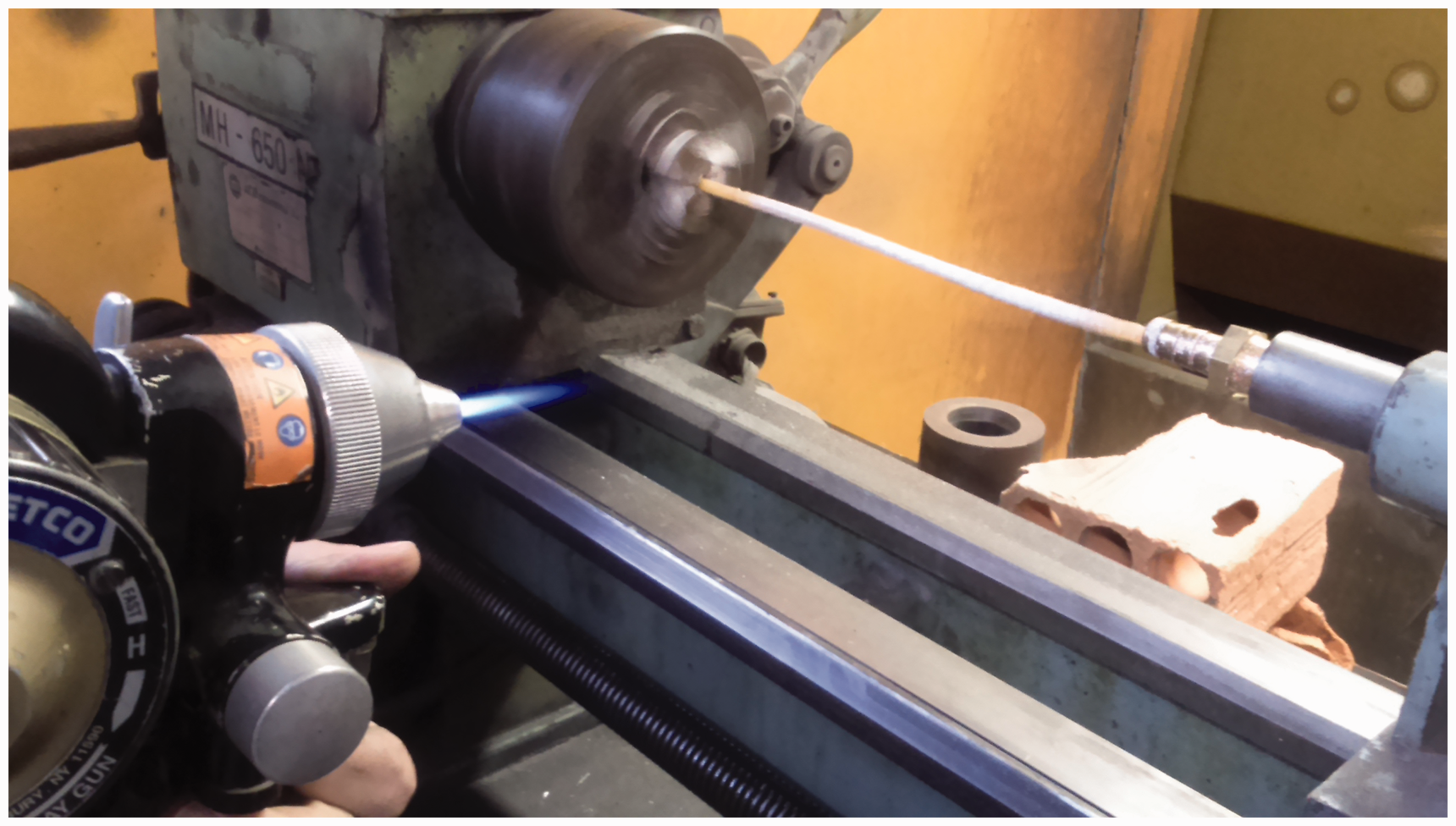
Thermal spray of PP-PWSDP composite filaments using flame.
All composites were produced in a single thread extruder (Make: Teck Tril, Model EMT 25) with L/D ratio of 30. Considering that PP-wood fiber composite on which the metal coating was carried out might not withstand the heat generated by the electric arc process, thermal spray was selected in this study for the metal coatings on composite filaments, because this method could be carried out at lower temperature in comparison to the electric arc process.
Characterization of prepared composite filaments
Tensile testing
Tensile testing of filament samples prepared in the second step were carried out at room temperature according to ASTM D638 standard using Instron testing machine (Model: 4467) available at Institute of Technology for the Development (LACTEC), Curitiba, PR, Brazil. Experimental conditions used were 5 N applied load and 50 mm/min strain rate with tests conducted at temperature of 20 °C and 59% relative humidity with 5 samples and average values of tensile properties obtained was taken as the final value.
The filaments processed in third step were tested by an Instron 5567 universal machine at Research Center in Applied Chemistry (CEPESQ), Department of Chemistry, Federal University of Paraná (UFPR), Curitiba, PR, Brazil. The tests were also based on the ASTM D 638 standard. The climatic conditions of the room in which the tests were performed were maintained at a relative humidity of 43 ± 2% and a temperature of 25 ± 2 °C. The specimens/samples had the shape of filaments with an approximate diameter of 5.0 mm. A test speed of 50 mm/min was used.
Bending test
Different metal coatings were tested for bending and adherence properties by subjecting the samples to flexural plastic deformation with a view to characterize the coated filaments. This test, being simple, can detect problems, if any, in the coatings besides verifying the deformability of the specimen, which can be compared with ductility of the tested material. For this, composite filaments with and without Al coatings were subjected to a bending test using an equipment built in the Laboratory of Thermal Spray and Special Welding of the Federal University of Paraná (UFPR), Curitiba, Brazil according to the Military standard 2138. Besides, this test also throws light on the influence of drying temperature of the filaments on the mechanical performance and flexibility of the filaments with and without aluminum coatings.
Surface roughness measurement
Surface roughness parameters, i.e., average roughness “Ra” (Arithmetic average of absolute values of the profile heights over the evaluation length of the sample - a parameter that is based on the measurement of the surface texture), and “Rq” (RMS Roughness is the “root mean square” average of the profile heights over the evaluation length) were determined through the measurements on the surface of the Al coated composite filaments (PP containing 5 and 10 wt. % PWSDP) obtained in second and third steps. For this purpose, profilometry test was used by Broker Broker make equipment (DEKTAKXT) with a diamond point of 2 mm diameter and applied load of 5 mg. Each measurement had duration of 2 min over a length of 1 mm. The measurements (Ra and Rq) were performed at 3 points for each sample with one in the middle of the sample and two at about 10 mm from each end with a view to achieve a more reliable average value.
Morphology studies of metal coatings on the composite filaments
To identify the characteristics of the morphology of the sputtered coatings (microstructural aspects) on the surface of the coatings fractured surfaces of the tested (tensile and flexural tested and surface roughness measured) filament samples and of pellets of composites, Philips scanning electron microscope (Model XL30) was used. The experimental applied voltage used was of 10 kV.
Results and discussions
Deposition of aluminum by thermal spray process
Figure 2(a) and (b) shows the macro photograph of Al coated bracelet and round piece, respectively, made of composite filaments. The pieces were made of composite prepared in the first step of the current experimental study. Figure 2(a) shows the bracelet made using 20 wt. % PWSDP along with two composite filaments prepared with 10 wt. % PWSDP. On the other hand, Figure 2(b) shows a round piece made from composite containing 10 wt. % PWSDP. As it can be seen from all these figures, the coating is visually satisfactory in terms of the adhesion of the Al coating.
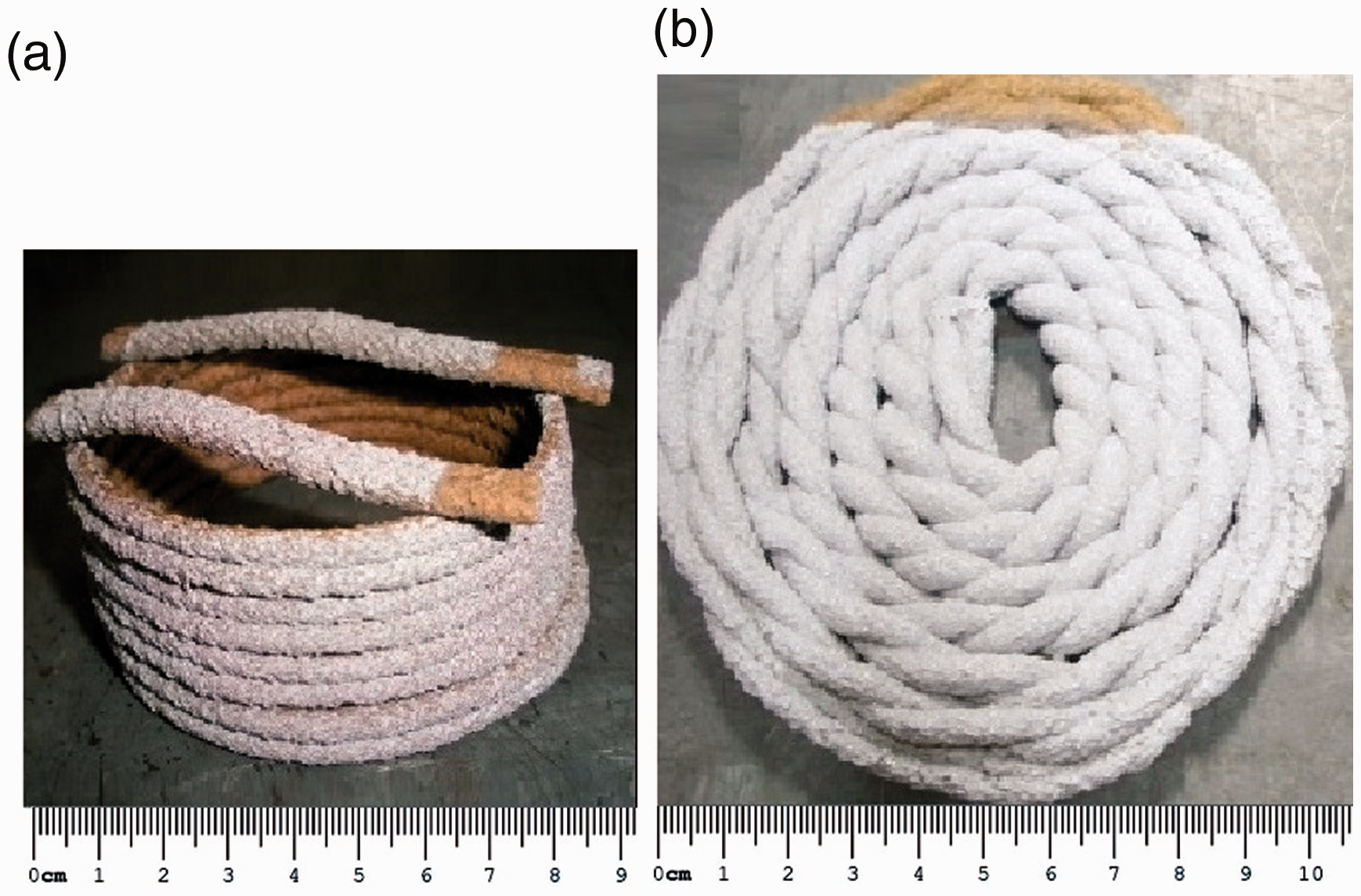
Photographs of aluminum coated composite filaments: (a) two 10 wt.% PWSDP filaments and composite bracelet containing 20 wt.% PWSDP; . (b) Round composite piece containing 10 wt. % PWSDP.
Further, all these coated composite filament pieces did not show any apparent degradation of PWSDP or of the composite. Instead, all of them showed good resistance to the thermal spray process.
Next, analysis of Al coated composite filaments prepared in the second step containing 5 and 10 wt. % PWSDP was made. Figure 3 shows an Al coated filament along with a piece of Al wire used for deposition. It can be seen from the figure that the filament is not rectilinear after the thermal spray process irrespective of the composite sample being rectilinear in shape before the coating process. This takes place when the temperature of the droplets becomes higher at the substrate it heats the filament as a whole, and the deposition pressure favors the softening and deformation of the filament. However, this does not represent a limitation of the process since the pieces are formed by many filaments, which together do not deform during the thermal spray process.
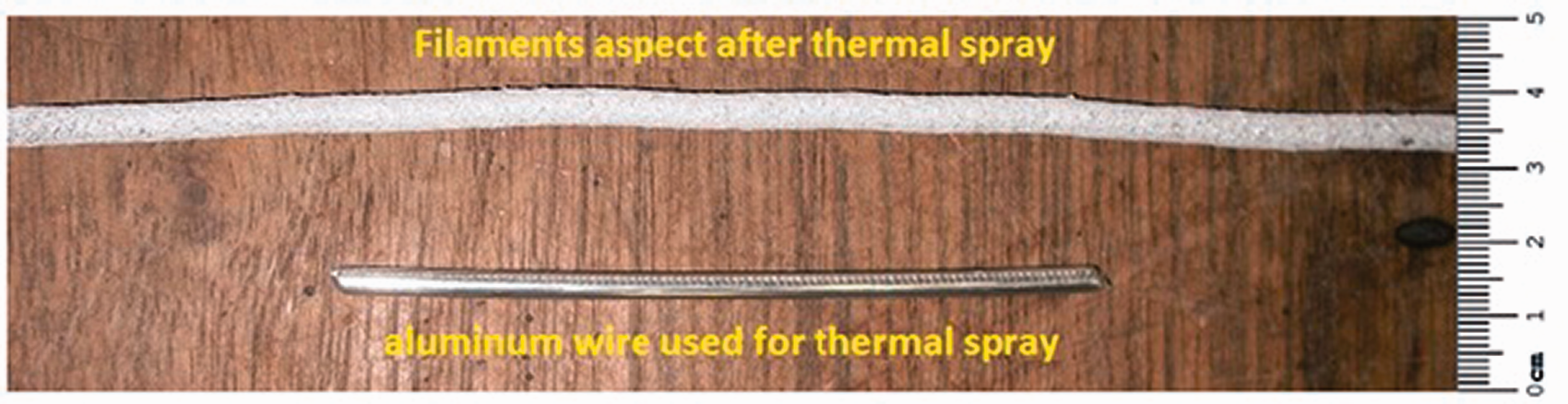
Comparison of sizes of aluminum coated composite filament and the aluminum wire used for coating in thermal spray process.
It is noticed that the biggest concern in the second step of processing, which was also observed in the preliminary step, was related to the temperature during the deposition on the polymeric substrate. The same temperature range was maintained on the surface of the samples during the whole process with the highest registered temperature of 75 °C, which was well below the melting temperature of PP matrix and of the degradation of the wood fibers (around 165 °C–175 °C and 200 °C–220 °C, respectively).
The initial thickness of the filaments was 4 mm and after the deposition its average value became 4.27 mm with the highest thickness observed being 4.40 mm and the lowest Al coated filament thickness of 4.17 mm.
In the third step, composite filaments or pieces prepared with 5 wt. % MAPP coated PWSDP, and thermally treated at two different temperatures (60 °C or 120 °C), were analyzed after Al or Cu coatings. Two different types of coating applications were attempted. The first was with the use of a support without any surface preparation of the substrate. Figure 4 depicts such adhesion was not satisfactory because the coating layer was broken when the coated composite filament was subjected to a small force. The adhesion of coating in this case was found to be lower than that observed with the 10 wt. % PWSDP composites prepared in the second step.
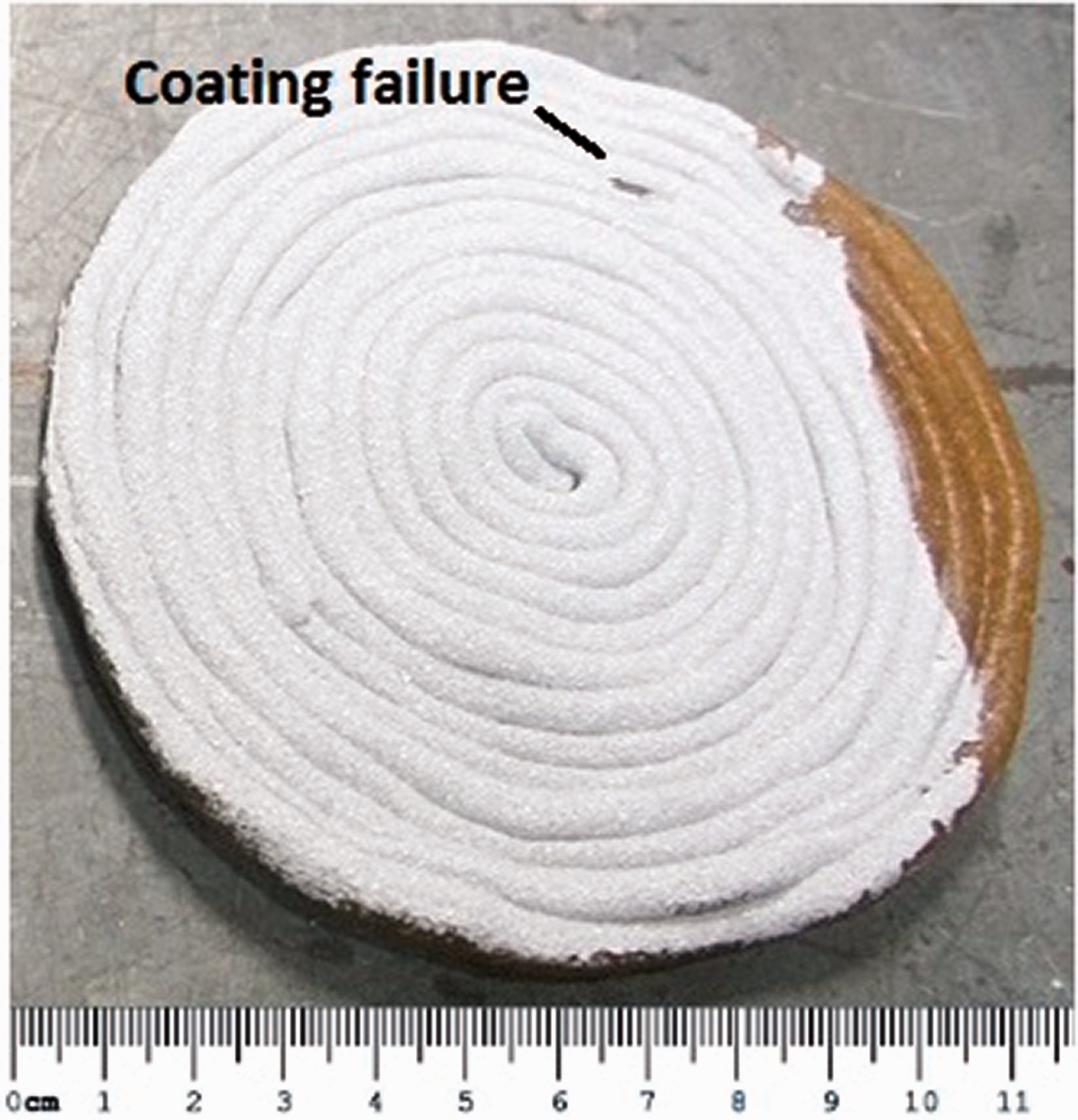
Effect of Al spray on PP-5 wt. % pine wood sawdust powder composite prepared in the third step.
Also, coating of Al on filaments of third step was carried out, as was done in the previous steps, but the result was not different from that shown in Figure 4. Composite filaments coated with Al with and without surface cleaning are shown in Figure 5(a) and (b). This was because many filaments in the third step showed poor adhesion of the coating on the substrate as it is evident in Figure 5(b), which shows composite filament of PP-5 wt. % PWSDP, which was coated with Al without surface cleaning. On the other hand, when the same composite filaments were cleaned with ethyl alcohol before the deposition of Al, satisfactory results were obtained as evident from Figure 5(a), because of the absence of residues or oils on the substrate.
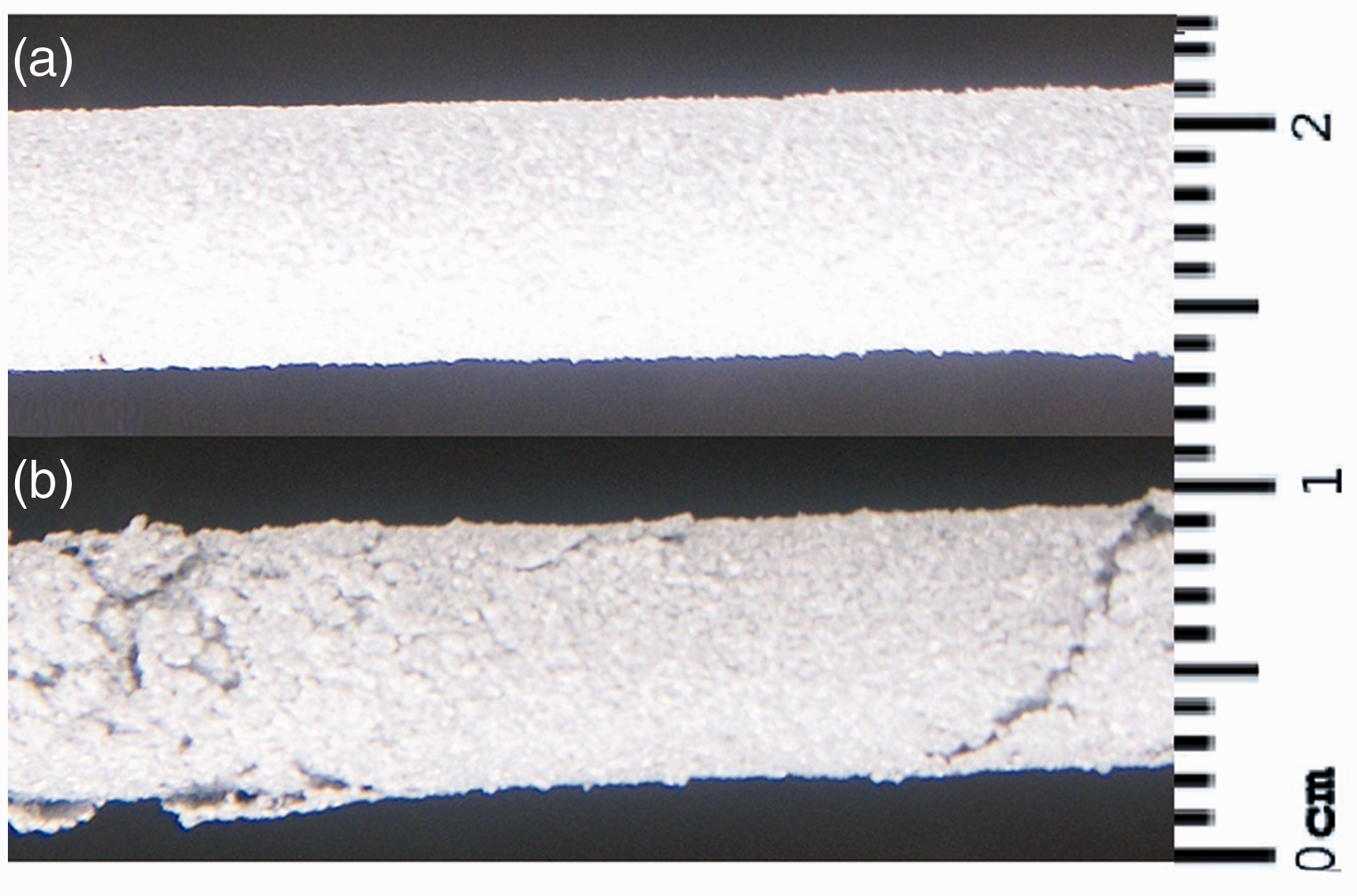
Effect of aluminum spray on PP-5 wt. % pine wood sawdust powder composite prepared in the third step. Composite filament showing: (a) surface cleaned filament; (b) composite without surface cleaning.
Figure 6 shows a product (pail) prepared using the composite filaments, which was cleaned with ethyl alcohol before the thermal spray process. As can be seen in the figure the coating is very satisfactory, which indicates the potential of the used technique for the preparation of ornamental objects using Al coated polymer-wood composites.
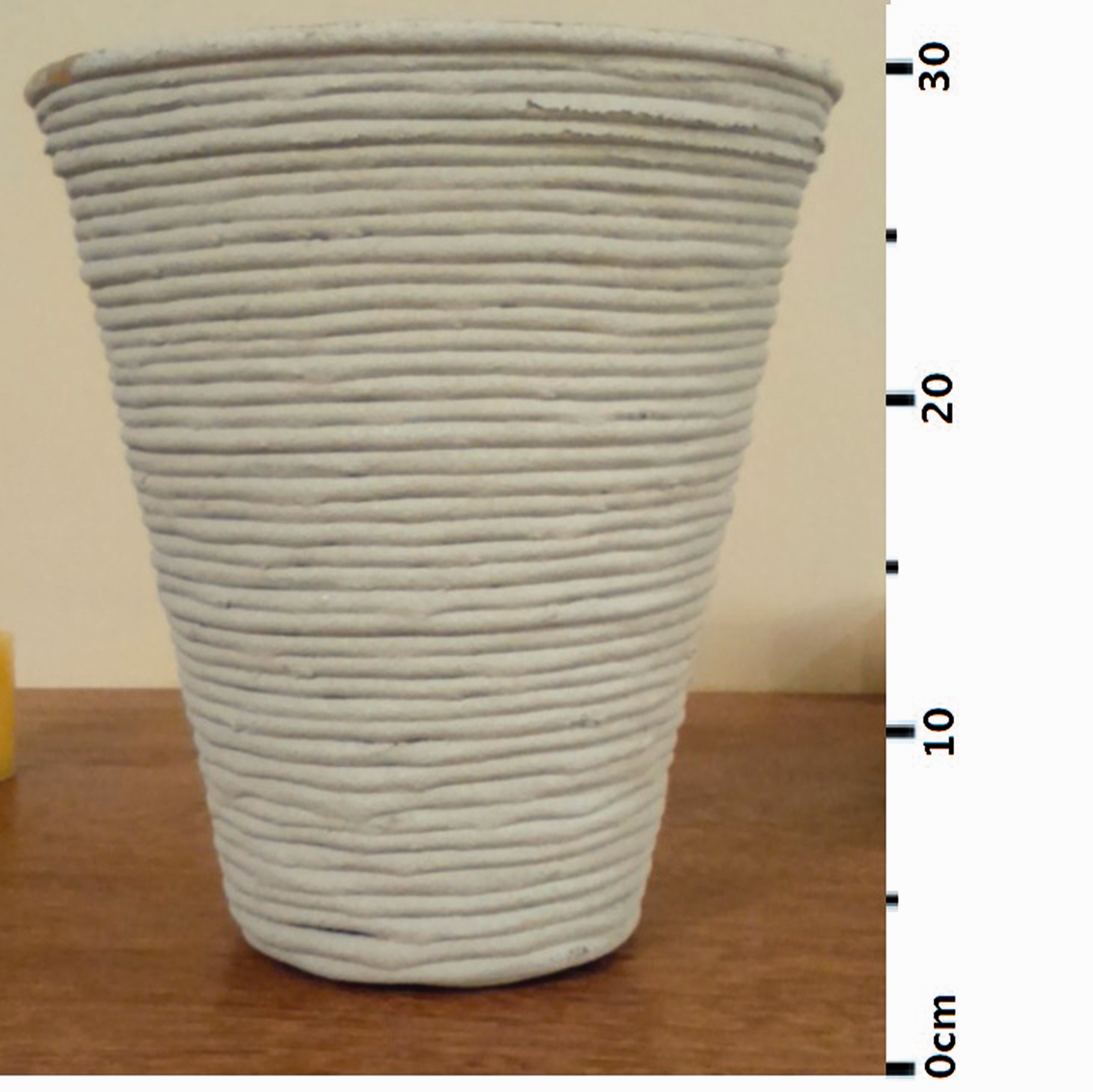
Effect of Al spray on PP-5 wt. % pine wood saw dust powder composite prepared in the third step: pail that also had surface cleaning before the Al coating.
Deposition of copper by thermal spray process
Figure 7 shows copper coated PP-5 wt. % PWSDP composite single filament and a rolled sample of the same. Cu coating was made on the ethyl alcohol cleaned substrate surface of the composite. These were found to be different from those observed with Al coated samples described earlier above, and also reported results in the literature with regard to improved deposition on clean substrates subjected to glass spheres abrasive blasting.24–31 As can be seen, copper did not deposit on the polymer substrate uniformly, but mainly concentrated at some places where the filaments were glued to each other, as is evident from Figure 7(a) which is the high magnification photograph of Figure 7(b).
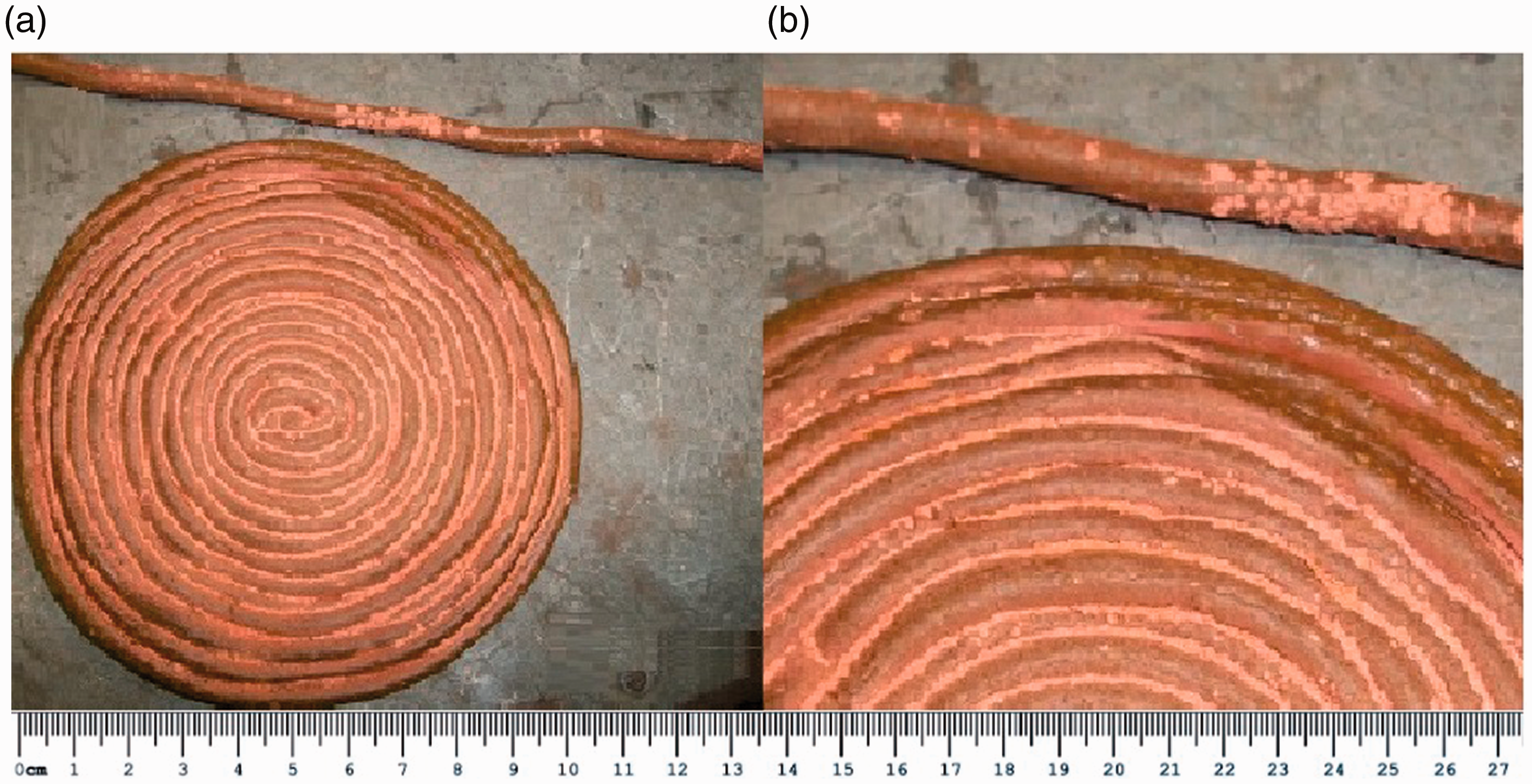
Copper coated PP-5 wt. % PWSDP composite filament and rolled sample of the same; (a) After cleaning the surface with ethyl alcohol; (b) Higher magnification of (a).
In order to have a better substrate for the Cu coating, the substrate was cleaned through abrasive blasting with glass sphere mesh 40, in a blasting cabin CMV model 65907SE, using 100 psi pressure and at a distance of 100 mm.
Although Cu deposition on the filament substrate after the abrasive blasting showed better results, it did not cover the whole filament as can be seen in Figure 8(a) and (b). It may be noted that Figure 8(a) shows the Cu coating on the ethyl alcohol cleaned substrate of 5 wt. % PWSDP composite, in comparison to the same composite substrate cleaned by abrasive blasting in Figure 8(b). It can be seen that although some Cu was adhered to the substrate, the Cu coatings were not good enough. Figure 8(c) shows Al coating in the same composite, while Figure 8(d) shows the Cu coating made on the Al coated composite filament.

Metal coated PP-5 wt. % PWSDP composite filaments: (a) ethyl alcohol cleaned surface before Cu coating; (b) composite subjected to abrasive blasting before Cu coating; (c) Al coated filament and (d) Cu coated filament on surface having a previous Al coating
Further, the Cu coated composite filament, which was previously coated with Al, showed apparently homogeneous deposition (Figure 8(d)) (Al used as the base for the deposition of Cu), with excellent coated surface with distributed coating over the Al coated layer. Further, it can also be seen in Figure 8(d) that coated layer showed a crack, which might have occurred due to the thick layer formed by both Al and Cu coatings causing a cohesive failure. 25 This happens when the substrate or bonding between coating and the substrate is stronger than the internal resistance offered by the coating itself, resulting in the crack of the coating as observed. In fact, it is reported in a recent review that several physical phenomena are involved in the cold spraying process of deposition on deformable materials, which include polymers. 18 Also, this review points out that to understand such modelling of deposition several concepts of the process have been assumed, which are applicable mainly to crystalline metals and alloys having both typical work hardening and thermally-activated deformation behaviors, while different material models and alternative analytical approaches may be needed for others.
Surface roughness measurement
Mean values of roughness parameters, i.e., average roughness “Ra” and “Rq” determined the measurements on the surface of the Al coated composite filaments processed in both the second and third steps, are listed in Table 1.
Results of roughness measurement (Ra and Rq).

It can be seen in the table above that values of both Ra and Rq increase with increasing PWSDP content of the incorporated material, while these values decreased with increasing thermal treatment temperatures for composite containing 5 wt.% PWSDP which is thermally treated at 120 °C (5 wt. %). These results obtained by profilometry assay suggest that the use of a higher temperature during the thermal treatment of the composites leads to more homogeneous samples, because of the increased molecular mobility of the polymer, but with a lower surface roughness than composite of the second step with 10 wt. % PWSDP. The nature of the coating adhesion to the substrate is mechanical. Polypropylene filaments are very smooth and mechanical anchoring of the coating is not possible. 26 Also, without the 5 or 10 wt. % wood fiber, the filaments are too flexible, which may be a problem in the production of pieces that should have a better dimensional stability.
Bending test
The coatings were tested for both flexural and adherence properties by bending adherence assay. The composite filaments containing 10 wt. % PWSDP, prepared in the second step, which were cooled in water after extrusion broke in 11 seconds while those containing 5 wt. % PWSDP, also prepared in the second step, broke after 16 seconds. When these composites were dried in oven at 50 °C, the former, viz., 10 wt. %, filaments broke after 22 seconds, while the latter ones, viz., 5 wt. % broke after 40 seconds. Both composite filaments showed a fragile fracture. However, when both these filaments were dried at 120 °C for 20 min, they did not fracture, as can be seen in Figure 9(a). Nevertheless, Al coated composite filaments containing 5 wt. % PWSDP, even without this 120 °C thermal treatment, the filaments did not show any fracture as can be seen in Figure 9(b).
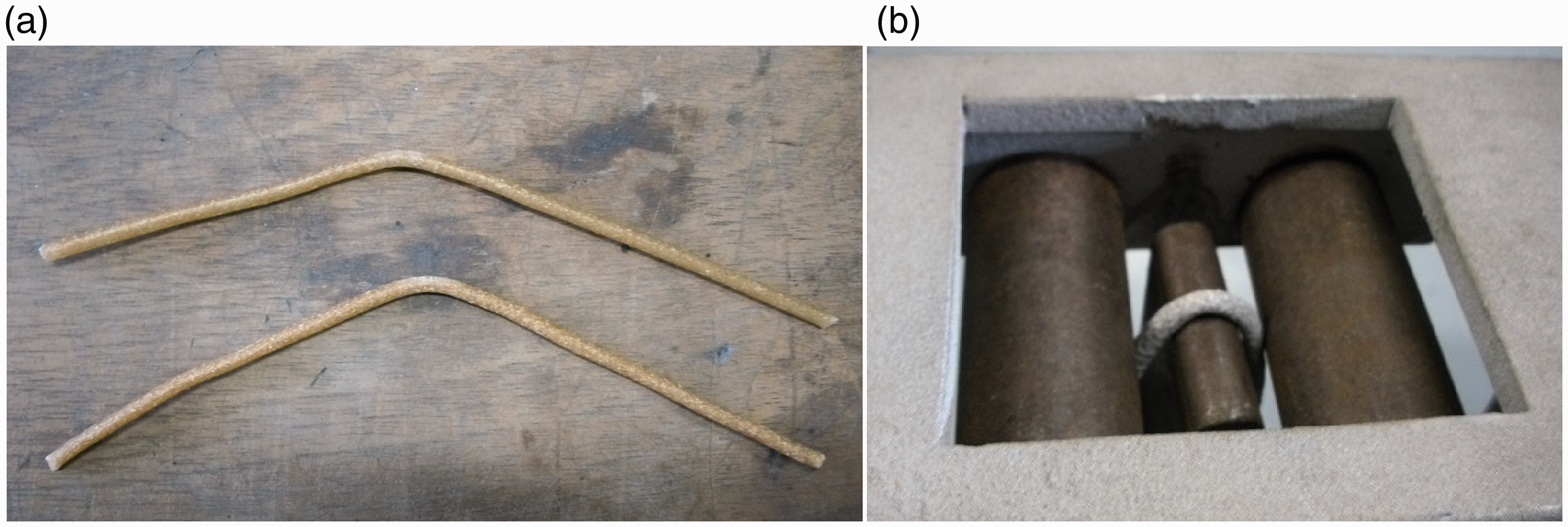
PP-PWSDP composite filaments tested for flexural and adherence: (a) 5 wt. % and 10 wt. % PWSDP filaments dried at 120 °C for 20 min; (b) Al coated 5 wt. % PWSDP composite without thermal at 120 °C.
From these observations, it can be concluded that during the Al coating, the heat of the thermal spray process allowed some molecular mobility of the polymer chains, producing an extra reinforcement to the material, which was the test criteria in the second step. This result was repeated even in the third step uncoated composite filaments were subjected to the thermal treatment at 60 °C and 120 °C. The results presented here again showed composite filament sample thermally treated at 60 °C and breaking after 25 second, while the same did not happen with the composite filament sample treated at 120 °C, which was completely folded as can be seen in Figure 10(a). On the other hand, the same filament (treated at 120 °C), that withstood the entire bending test, went through a new heat treatment process (of the flame), when coated with Al. Consequently, as already shown elsewhere, 15 the filament began to lose property (such as those that were not coated but were re-heated and darkened), and showed cracks in the coating of the composite filament (Figure 10(b)). After that, they fractured in 36 seconds (Figure 10(c)). This happened because when the same filament is coated with Al, gets additional thermal treatment due to thermal spray process, which made it lose some resistance.
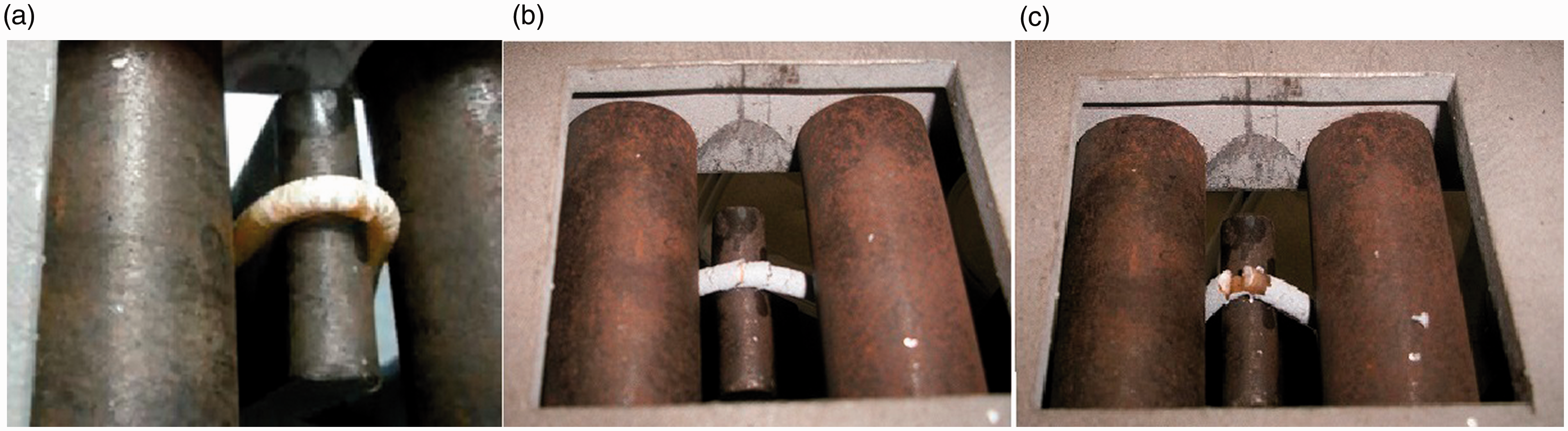
PP- 5 wt. % PWSDP composite filaments: (a) thermal treated at 120 °C. subjected to bending test; (b) crack in the coating of filament after thermal treatment at °C; (c) fracture in filament.
Tensile testing
Based on the obtained stress-strain curves of composite filaments, for samples processed in the second step (aluminum coated PP-5 wt. % and 10 wt. % PWSDP composites) and in the third step (aluminum coated PP-5 wt. % PWSDP composites), values of tensile strength, Young’s modulus and % elongation of the tested composites were evaluated. Average values of 5 samples, each of them tested for the above mentioned properties are compared with those obtained without Al coating, as shown in Table 2.
Tensile properties of PP-sawdust composites with and without Al coating.
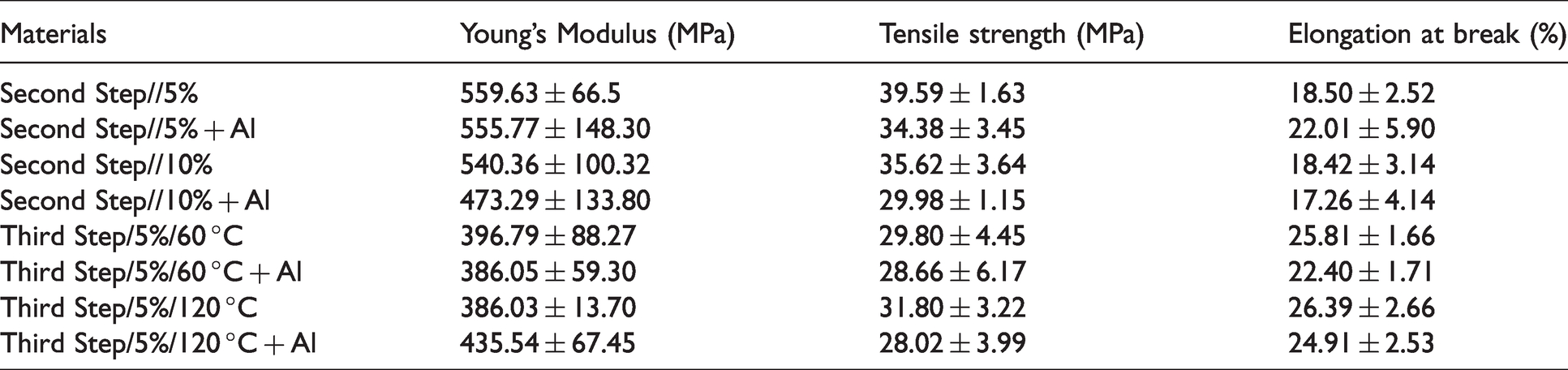
From the table above, it can be seen that both the tensile strength (TS) and Young’s Modulus (YM) decreased with increase in sawdust content from 5% to 10% for composites with or without Al coating. On the other hand, % elongation remained constant with increase in sawdust content for composites without Al coating, while it became higher for 5% sawdust composite on Al coating, but became smaller for 10% sawdust coating on Al coating.
In the case of YM, in the second step, its decrease with higher content of sawdust (10 wt.%) is contrary to the conventionally expected one. This decrease in YM of 10 wt. % PWSDP composites with Al coating, which is more prominent with higher fiber content, reveals the inhomogeneity in the distribution of wood fiber. In fact, it was observed out of the 5 samples of composites having 10 wt. % PWSDP, only one of them showed higher value and for this reason the average value of all the five samples was lower when compared with that of PWSDP composite containing 5 wt. % sawdust. This could be attributed to the dispersion of the pine wood sawdust powder in the PP matrix being poor as sawdust powder (small fibers) tended to agglomerate instead of dispersing uniformly, probably due to the preparation of these composites with uncoated MAPP pine wood sawdust powder.
Similarly, comparing the values of % elongation of composites containing 5 wt. % and 10 wt. % sawdust with or without Al coating, in the second step, decrease in % elongation is observed, particularly with Al coated composite filaments containing 10 wt. % sawdust. This could be due to the heat in the thermal spray process that allowed the composites to become more homogeneous due to higher mobility of the polymer. And as the sawdust powders used were not coated with MAPP, adhesion in the interface fiber-matrix seemed to be poor when compared to the composites obtained in the third step, which contained MAPP coated sawdust powders.
On the other hand, the reduction in mechanical strength was observed in filaments of third step in comparison to that of the second step. As the composite was reprocessed or heated, reduction in matrix viscosity occurred, which might have caused by the cleavage of polypropylene molecules, as smaller chains imply a lower intertwining ability of the molecules, ultimately reducing the strength of the materials. As a consequence of successive extrusion cycles, in which larger sawdust particles have become scarcer due to breakage, it is also possible to observe impacts on mechanical property of the filaments, 27 and tensile strength of these composites was reduced.
In the composites of the third step, samples subjected to heating at 60 °C (5%/60 °C and 5%/60 °C + Al) and those subjected to heating at 120 °C (5%/120 °C and 5%/120 °C + Al) showed a reduction in their YM’s when reprocessed and heated compared to the composites with 5 wt. % PWSDP in the second step. This is understandable as stiffness of composite materials depends on wood content and material homogeneity. Thus, the reduction in the YM’s of the samples can be attributed to the degradation of wood particles in the matrix. However, an increase in elongation was observed for composites reprocessed three times, at the third step, especially of the ones heated at a temperature of 120 °C, when compared to the same composites reprocessed only twice (of the second step).
The increase in deformation after the third cycle can be justified due to the better dispersion and structural homogeneity achieved, which allowed a better wettability of the wood particles, which allowed a better interfacial adhesion, besides reducing the presence of microvases and sawdust agglomerates, thus allowing the material to undergo greater deformation. 28 In addition, the reduction in particle size may have contributed to further elongation as an increase in composites ductility was observed after reprocessing. 27
As reported elsewhere, all the results presented above can be understood since the two main mechanisms seem to be responsible for the bonding mechanism and its strength. 20 These are (i) possible mechanical interlocking 29 and formation of shear instabilities in coating material/substrate and interface caused between the coating material itself caused by extensive plastic deformation during impact.30,31 However, it is inferred that only the first seems to be working in the case of polymer/metal bonding in view of differing nature of the coating and substrate material. 20 This improvement in homogeneity is due to the reprocessing, heating in the oven and the thermal spraying process, as can be seen in Figure 11(a), which is a fractograph details of which are presented in the next subsection.
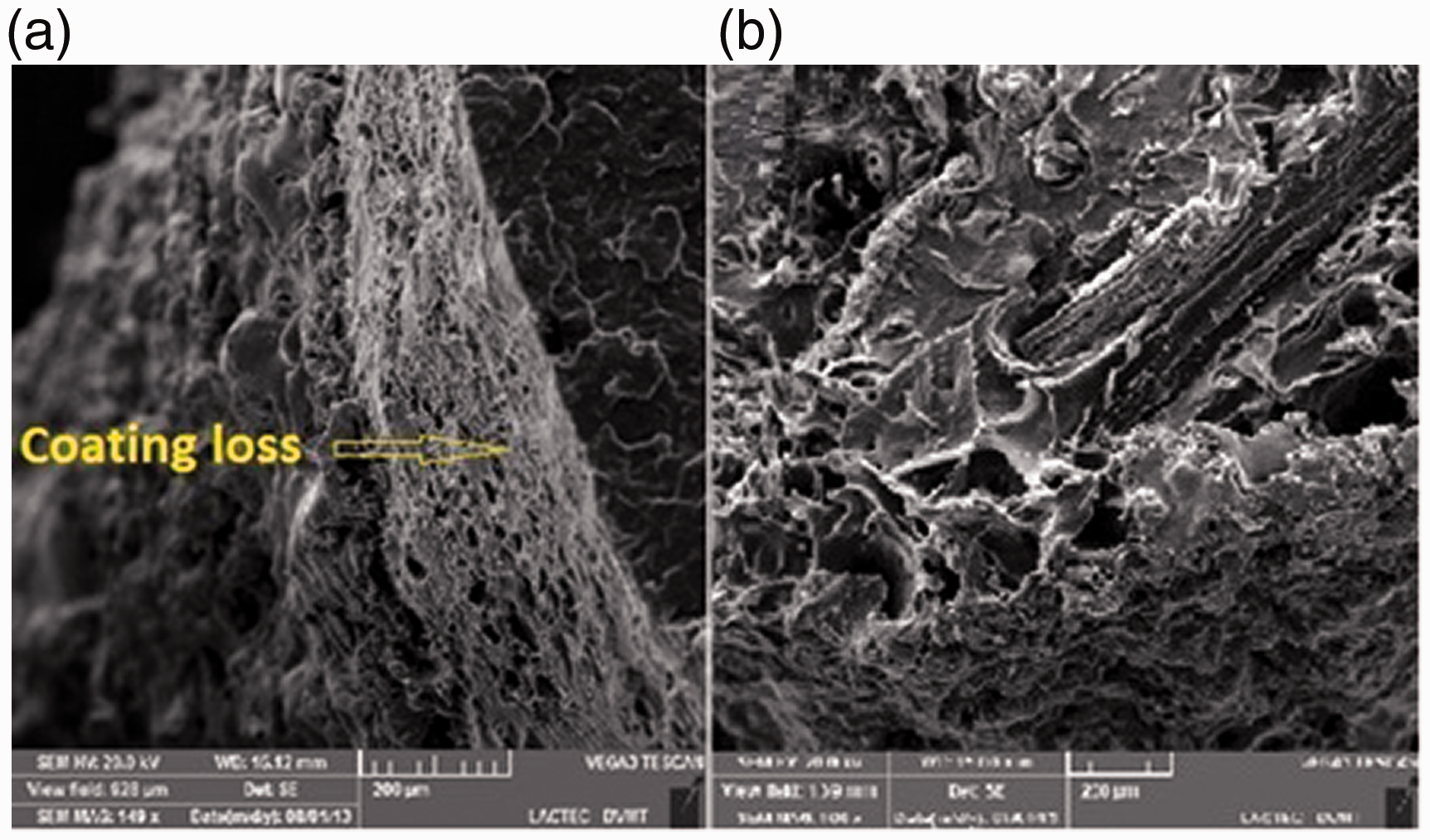
(a) Fracture surface of PP-5 wt. % PWSDP composite with Al-coating; (b) Fracture surface of PP-10 wt. % PWSDP composite with Al coating.
Fractography studies using scanning electron microscope (SEM)
It is reported that most of the cold sprayed deposits exhibit three important microstructural features and these greatly influence the properties of these deposits. 18 Therefore, to understand some of the properties observed above, particularly the tensile properties, fractographic studies were made and the observations are shown through Figures 11 and 12.
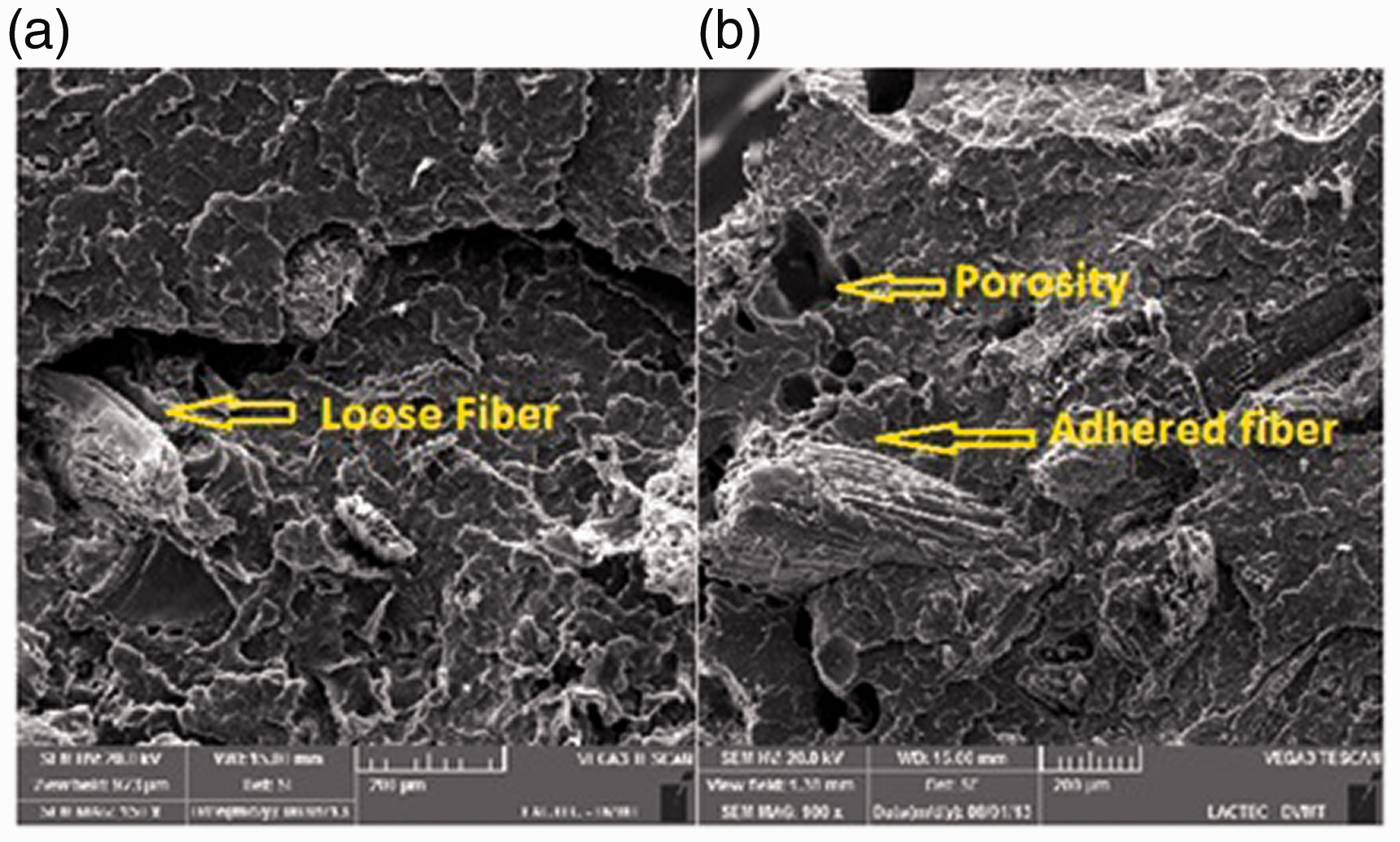
Fractographs of PP-5 wt. % PWSDP composite filaments prepared in second steps after tensile testing (a) Fracture surface of composite of second step, without Al coating, with loose PWSDP (X150); (b) Fracture surface of composite of second step, with Al coating, with adhered PWSDP (X150).
Figure 11(a) shows the fractured surfaces of PP-5 wt. % PWSDP composite with Al coating, and Figure 11(b) shows the surface of PP-10 wt. % PWSDP composite with Al coating, both of second step. In fact, with the top of the tensile fractured composite filaments containing 5 wt. % PWSDP coated with Al showed part of the border without coating of Al as can be seen in Figure 11(a), which was not observed in the filaments containing 10 wt. % PWSDP (Figure 11(b)). The filament of PP-10 wt. % PWSDP composite showed better adhesion of the coating, which was also shown in Figure 2(b), which shows no peeling or breaking of Al layer on the surface of the composite, indicating a good adhesion, although the tensile tests did not show additional mechanical reinforcement for these composites.
This demonstrates that the filament of PP-10 wt. % PWSDP composite has a surface with greater adhesion to the metallic substrate, unlike the filaments of PP-5 wt. % PWSDP, with a smoother surface, which makes the metal difficult to adhere. The bending test also demonstrated the same situation (See Figure 10(b) and (c)) in which PP-5 wt. % PWSDP composites, from the third stage, presented peeling of the metallic surface when bent, showing low substrate fixation. This can be partly attributed to a more homogeneous composite due to various reprocessing and heating, which, in addition to causing a reduction in mechanical values, also made it difficult to fix the coating.
The fractographic studies also showed the fractured surfaces of composite filaments (Figure 12) at a magnification of 150 X, processed in the second step, without Al coating revealing loose wood fibers (Figure 12(a)), while the fracture surface of the same composite with aluminum coating at the same magnification as seen in Figure 12(b) shows good adhesion of the wood fibers with the matrix suggesting that the aluminum coating has helped in providing better adhesion between the wood fibers and the matrix.
Conclusions
It is possible to use the process of thermal spray with PP-pine wood by powder composite filaments or their products to obtain metal (Al or Cu) coatings of surfaces. The nature of the coating adhesion is mechanical and is not affected by the nature of the composite fiber-matrix adhesion. A higher wood fiber content in the composite, independently of the composite fiber-matrix adhesion, facilitates the metal coating by the thermal spray process. Abrasion blasting of filaments improves the quality of the coatings. It is possible to use thermal spray process with PP-PWSDP composite filaments or their products to obtain metal (Al or Cu) coating. Copper coated wood-fiber composites filaments may be obtained if a previous Al coating is given to such filaments. When there is no water cooling of the viscous composite filaments prepared by extrusion, not only the immediate molding of products with different shapes can be done, but also the metal coating by thermal spray process becomes easier. Morphology studies of the composites showed defects in the Al coating and difference in the surface morphology. This is better observed for the 5% wt. PWSDP content composites. However, the 10 wt. % PWSDP content composites prepared in the second step showed a better adhesion of the coating due to their higher roughness. On the other hand, filaments prepared in the third step revealed a higher homogeneity of sawdust fiber due to improved fiber/matrix adhesion, but Al coating was more difficult because of the low porosity of the substrate. Third factors must be considered. The first one is about the filaments of wood-fiber composites with Al coating, through thermal spray process, which results in roughness of surface, independent of the nature of the substrate properties and presence of moisture. The second factor is about abrasion blasting and/or a higher fiber content in the composite, which improve the coatings adhesion. The third factor is that extruded filaments should not be cooled in a bath water after extrusion, pieces built with hot composite filaments may be successfully Al coated through the thermal spray process.
Footnotes
Authors’ note
The content of this paper was presented during the defense of the doctorate thesis in the Post-Graduation Program in Engineering and Materials Science/PIPE of Federal University of Paraná (UFPR) on 28th October, 2015. However, this paper was not presented in any conference.
Author contributions
Acknowledgements
The authors sincerely thank the Institute of Chemistry University of the State of Rio de Janeiro (UERJ) for the analysis of thermogravimetry (TGA) and differential scanning calorimetry (DSC). Dr. K.G. Satyanarayana acknowledges the encouragement and support of the Poornaprajna Institute of Scientific Research (PPISR), Bengaluru (Karnataka, India) with which he has been associated.
Declaration of Conflicting Interests
The author(s) declared no potential conflicts of interest with respect to the research, authorship, and/or publication of this article.
Funding
The author(s) disclosed receipt of the following financial support for the research, authorship, and/or publication of this article: Prof. Thais received funding from National Council for Scientific and Technological Research (CNPq, Process No.304440/2020-5 during the course of this work. No funding was received for the laboratory, only the fellowship already mentioned.
