






Abstract
Three-dimensional orthogonal woven composites are noted for their excellent mechanical properties and delamination resistance, so they are expected to have promising prospects in lightweight applications in the automobile industry. The multi-scale characteristics and inherent uncertainty of design variables pose great challenges to the optimization procedure for 3D orthogonal woven composite structures. This paper aims to propose a reliability-based design optimization method for guidance on the lightweight design of 3D orthogonal woven composite automobile shock tower, which includes design variables from material and structure. An analytical model was firstly set up to accurately predict the elastic and strength properties of composites. After that, a novel optimization procedure was established for the multi-scale reliability optimization design of composite shock tower, based on the combination of Monte Carlo reliability analysis method, Kriging surrogate model, and particle swarm optimization algorithm. According to the results, the optimized shock tower meets the requirements of structural performance and reliability, with a weight reduction of 37.83%.
Keywords
Introduction
To find solutions to environmental pollution and energy shortage, and improve the endurance of new energy vehicles, the lightweight design is highly concerned. To replace traditional metals with high-strength and lightweight material is one of the most effective solutions for the lightweight design. Three-dimensional orthogonal woven carbon fiber-reinforced composite (3DOWC) features high-strength and low density, as well as superior molding efficiency and shape adaptability. So, it quickly becomes a favorable composite material for the automotive components. Three-dimensional orthogonal woven carbon is composed of three types of yarns: in-plane warp yarns and weft yarns are intertwined perpendicularly to each other to provide the in-plane performance of the composite material; the normal yarns passing through the thickness direction are interlaced to bind the in-plane yarns to provide the overall structural stability of the material. Due to its special structure, the interlayer performance of 3DOWC is much higher than that of plain-woven laminates; it provides a higher fiber volume fraction in the thickness direction compared with angle interlocking fabrics. At present, 3DOWC is extensively applied in shock tower structures and many other load-bearing components.
When the complicated mechanical properties of 3DOWC are well understood, it is conducive to full exploration of its potential for design. Many scholars have conducted experiments or simulations on the mechanical properties of 3DOWCs.1–7 Overall, 3DOWC is known for its anisotropy and tension-compression asymmetry and susceptible to its constituent phase, the spatial distribution of fiber bundles, weaving parameters, and processing technology. Additionally, due to the above features, 3DOWC is subject to complicated failure modes under different loading conditions, which is required to be highly valued in structural design.
Owing to obvious material and structure integration, 3DOWC is noted for its multi-scale characteristics. Meanwhile, numerous analytical and simulation methods have been adopted to predict the multi-scale performances of 3DOWC. Tan et al. 8 proposed an analytical model of uniform stress and strain based on the representative volume cell model and predicted the elastic and thermos-elastic parameters of 3DOWC, which were all consistent with the test results. Naik et al.9,10 put forward an analytical model with volume averaging and uniform stress assumption to predict the elastic properties and strength of 3DOWC. Wang et al. 11 established a finite element model (FEM) of 3DOWC based on two-scale representative volume cells and predicted the elastic properties. Song et al. 12 established a representative volume element (RVE) FEM of 3DOWC, with the predicted compressive strength of materials consistent with the test value.
Three-dimensional orthogonal woven carbon may be affected by numerous uncertainties during weaving, forming, curing, cutting, and transportation, such as fluctuations in fiber bundle geometry, changes in composition phase properties, internal pores, residual thermal stress, etc., likely to cause variation of its macroscopic properties.13–15 As the variability is not negligible, it should be carefully considered and examined during the process of structural optimization. Essentially, the uncertainties of macro mechanical properties are rooted in the multi-scale characteristics of 3DOWC and the corresponding multiple sources of uncertainties at different scales. Among all such uncertainties, the random effect of fiber bundle geometric volatilities on the mechanical properties of the material is of most significance.15,16 Goldsmith et al. 17 established a predictive model for the performance of woven material based on computational mechanics, combined with a response surface model, to find out that its mechanical properties were mainly influenced by the fiber bundle width, spacing, and fiber volume fraction. Huang and Gong 18 studied the effect of matrix pores on the mechanical properties of 3DOWC. Wang and Wang19,20 investigated how the randomness of characteristic parameters of fiber bundle influences the elastic properties of woven composite materials through analytical methods. Many other scholars21–23 have studied the effect of fiber bundle corrugation on the elasticity and strength properties of composite materials.
The above multi-scale characteristics and uncertainties will bring about considerable obstacles to the structure optimization. For instance, it will significantly increase the design variables, make the uncertainty transmission rules between variables more complicated and cause unpredictable coupling relationships between variables. All of the issues will lead to the non-convergence of the optimization process and the unreliability of optimization results. Obradovic et al. 24 researched the energy absorption mechanism of carbon fiber composite materials and applied the carbon fiber composite materials to the energy absorption area at the front of the car body, to ensure the energy absorption of collisions and achieve the lightweight effect. Kim et al.25,26 optimized the layering sequence of automotive composite structural parts through the genetic algorithm and improved the stiffness and buckling load of the structure. Based on the phenomenological failure criterion, Naik et al. 27 adopted genetic algorithms to design lightweight structures of composite materials. Turner et al. 28 designed a car dashboard of carbon fiber composite, which could reduce the weight compared to metal materials. With genetic algorithm and structural finite element simulation, Almeida and Awruch 29 considered and examined a variety of loading conditions and optimization objectives, proposed a multi-objective optimization design method for composite laminates, and obtained the corresponding Pareto solution set. For the optimization design of carbon fiber composite body structure based on the limit state equation of design, the surrogate model, sensitivity analysis, and solution space identification method, Hesse 30 proposed to combine the crash-worthiness finite element simulation and the classic laminated plate theory. Zuo et al. 31 employed a hierarchical concurrent design to maximize the natural frequency of structure through a two-way progressive structure topology optimization design method. Fu et al.32,33 used a multi-scale modeling method to predict the elastic properties of 3DOWC, conducted a finite element simulation on the buckling of composite reinforced plates, established a neural network surrogate model for the response, adopted genetic algorithms to optimize materials and structures, and constrained the buckling response to guarantee the minimum quality. Kalantari 34 adopted the NSGA-II algorithm to perform a multi-objective robust optimization design of laminates, with minimum quality and cost as objectives and bending strength as a constraint. In our previous researches, we established a multi-scale model to predict the properties of 3DOWC material by using the weaving parameters and structural parameters as design variables, with elastic properties concerned only. We also accomplished a lightweight design for the plain-woven CFRP battery box through the reliability-based optimization design method.35–37 At present, the structural optimization of 3DOWC is mostly realized by the combination of finite element simulation and deterministic optimization technology. In the optimization design framework, both uncertainties of weaving parameters and structural parameters of 3DOWC are taken into account, and the reliability of structural mechanical property is rare in the existing literature. In the meanwhile, due to the material structure integration of woven composite structure, it is still difficult to carry out the concurrent design of material and structure design variables. Hence, it is necessary to propose corresponding design processes and optimization methods for reliability-based optimization on structures, to take full advantage of woven composite materials.
This work presents a multi-scale reliability-based design optimization framework to guide the lightweight design of 3D orthogonal woven composite automobile shock tower, in which multi-scale characteristics and variability of 3DOWC are highly concerned. Moreover, relying upon our proposed framework, the optimized shock tower not only meets the requirements of structural performance and reliability but also achieves a weight reduction of 37.83%, to obtain an effective concurrent material and structure design. This paper begins with the basic theory and methods of reliability-based optimization in the Theories and Methods of Reliability-Based Optimization section . And in the Preliminary Design of 3DOWC Shock Tower section, the structure of the 3DOWC shock tower is described and a verified multi-scale finite element model is established for subsequent optimization. A proposed multi-scale reliability-based design optimization framework is applied on the 3DOWC shock tower in the Multi-Scale Reliability-Based Optimization Design of 3DOWC Shock Tower section. As shown in the Optimization Results and Verification section, the results of the reliability optimization design are analyzed and evaluated.
Theories and methods of reliability-based optimization
Reliability analysis based on Monte Carlo simulation (MSC)
The reliability analysis is mainly composed of two aspects: design variables and performance functions. The design variables refer to a set of random inputs, the uncertainty of which may lead to random structural performance responses. When the structural reliability is affected by the design variables

The performance function

Based on the performance function, the safety and failure domain of the structure can be defined as
The structure reliability is generally defined as the probability that a structure has a specified function at a specific time and under specific conditions. In reliability analysis theory, reliability can be demonstrated by the integration of the design variable’s joint probability density function (PDF) in the safety domain

MSC, also known as the random sampling method, is an extensively adopted high-dimensional numerical integration method. According to its main idea, in the input variable space, the input variable is sampled, and the statistical law on the response value of samples will be analyzed to estimate the reliability of the actual structural response. The main principles of MSC to estimate failure probability are presented as follows. From the integration of reliability in the security domain, we can get
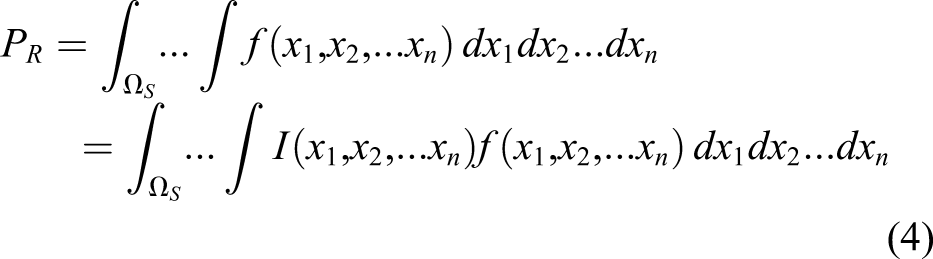
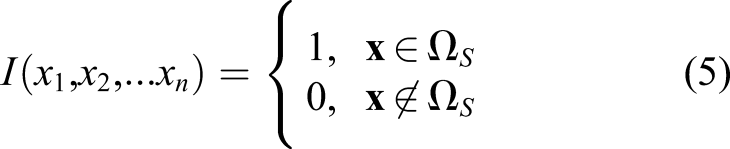
In order to obtain

Reliability-based optimization design
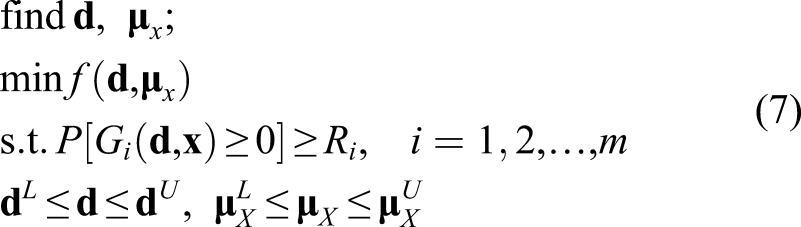
The reliability-based optimization design is based on deterministic optimization design, which is characterized by the constraint function or objective function that contains reliability constraints. The problem of reliability optimization design can be defined as follows
Kriging surrogate model
In the reliability-based optimization design, the reliability analysis process is required to be integrated into the optimization design process. According to different solution strategies, reliability-based optimization design can be divided into two-layer or single-layer optimization solution strategies. In either strategy, a large number of performance function values at sample points are required to be calculated. These performance function values are often obtained by high-cost experiments and simulation calculations. To reduce the calculation amount of reliability analysis, surrogate model technology is widely applied to characterize the mathematical relationship between random variables and structural responses, to supersede numerous physical experiments and simulation calculations.
Kriging surrogate model is one of the common surrogate model techniques. In the Kriging surrogate model, a random process method is employed to predict the response of unknown samples, so it has excellent adaptability to nonlinear mathematical problems. Through the design of the experiment (DOE) method, the sample points are obtained to establish the surrogate model. In this paper, the improved optimal Latin hypercube algorithm (OLHD) proposed by Jin 44 is employed as DOE method. The detailed derivation process of the Kriging surrogate model can be found in Refs. 35 and 45
Preliminary design of 3DOWC shock tower
Structure modification for applying 3DOWC on shock tower
Original metal shock tower
As the research object of this paper, shock tower is used to connect shock absorber system and car body, playing an important role in the comfort and operation stability of car. Shock towers are generally installed above the shock-absorbing springs to absorb the complex impact loads from shock absorbers and required to be characterized by good stiffness, strength, and fatigue resistance.
Figure 1 shows the structure of original metal shock tower. The top of shock tower is designed with through holes, which are connected to the fixing nuts and positioning pins. The complex shape at the bottom conforms to the requirements to match the body structure. The surrounding reinforced ribs are employed to improve the rigidity of shock tower. The connection structure of the top and bottom of shock tower is hard points, and their spatial positions cannot be changed. The structure of shock tower is originally made of steel, with an initial weight of 4.5 kg. Cast aluminum and rubber is used for the main material of shock tower connected to the top of shock tower, and the main material used for the body connected to the bottom of shock tower is steel. Profile of original steel shock tower.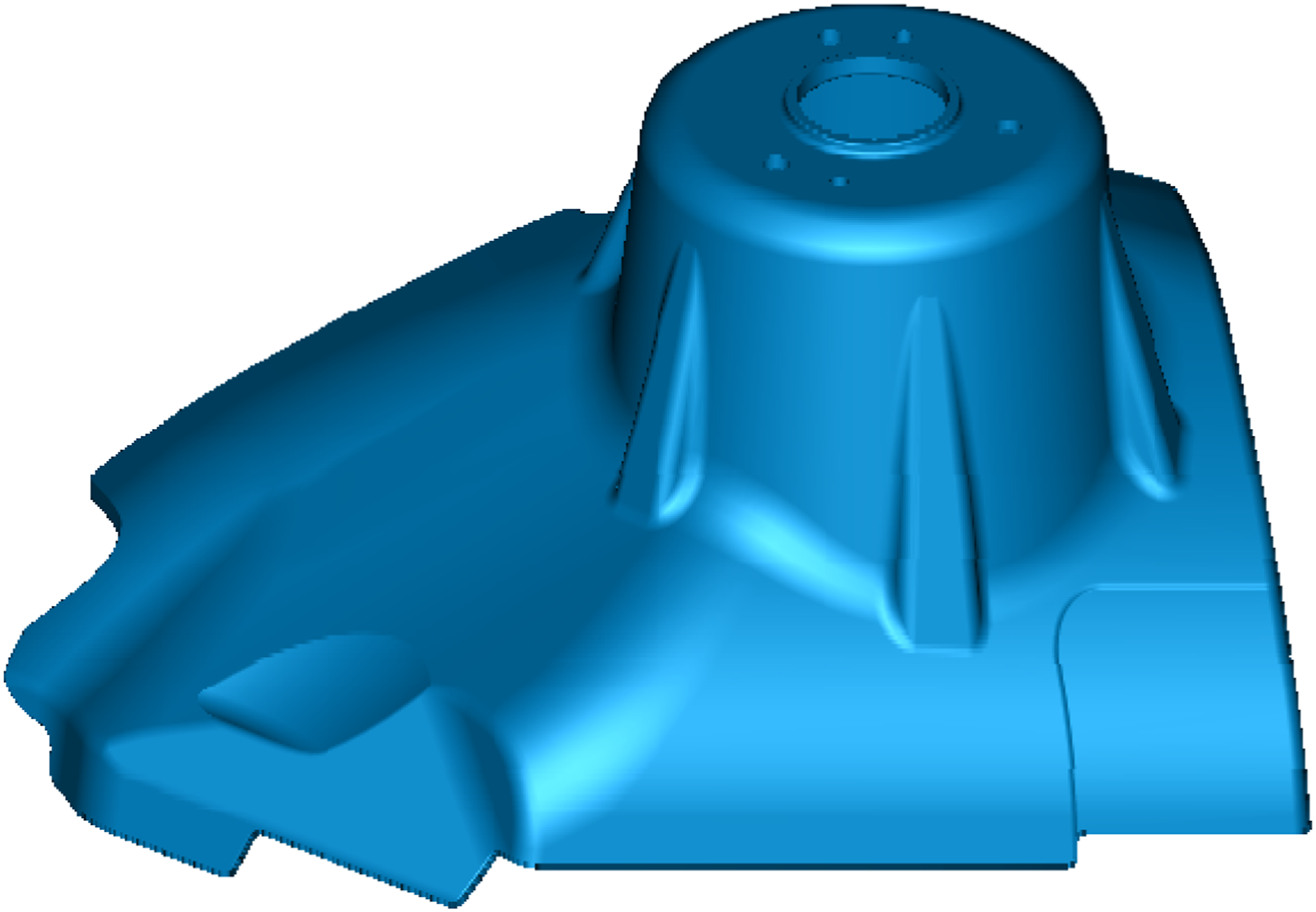
Three-dimensional orthogonal woven carbon shock tower
Three-dimensional orthogonal woven carbon is an alternative material for shock towers. As required by 3DOWC in the process of weaving, forming and releasing, the reinforced ribs, and local protrusions of the metal shock tower structure are required to be removed. The geometry of redesigned 3DOWC shock tower is shown in Figure 2, and the new structure retains the design hardpoints at the top and bottom of shock tower. The length of the shock tower is 560 mm in the X direction, 300 mm in the Y direction, and 375 mm in the Z direction. Since the shock tower has a relatively complex surface modeling, all dimensions were measured on the corresponding projection plane (XY plane and YZ plane). The structure of 3DOWC shock tower.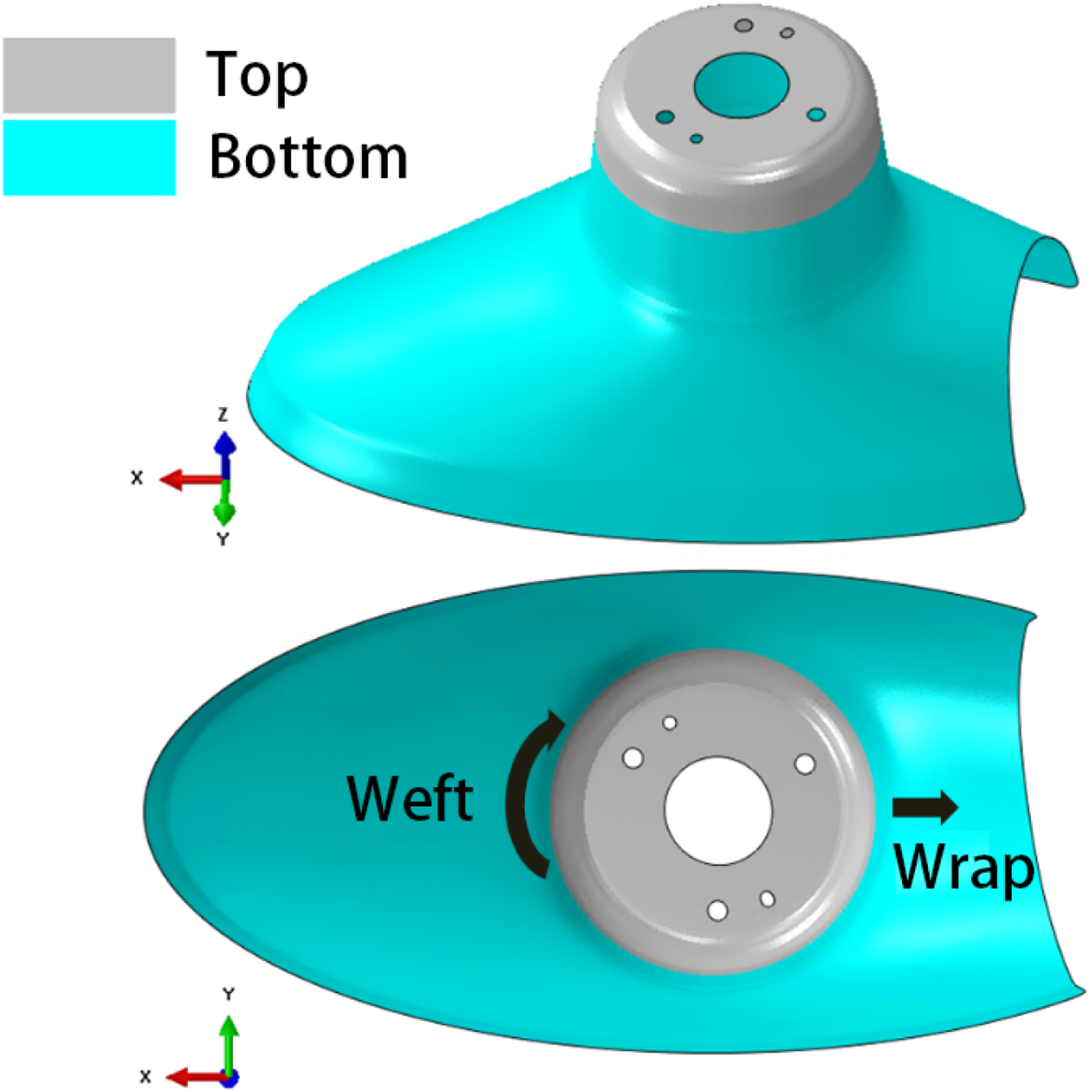
The main parameter of weaving is the number of yarns and the gap between the yarns. By adjusting these two parameters, the volume fraction of the fiber can be adjusted to achieve a stiffness close to that of the metal shock tower. The carbon fiber used herein is Toray T700s, and each bundle comprises 6000 carbon fibers. According to the distribution characteristics of internal stress of shock tower under loading, the composite shock tower can be divided into the top and the bottom part (see Figure 2) The ring direction of the shock tower is the weft direction, and the generatrix direction is the warp direction. Owing to a certain weaving technology, the warp density of the shock tower can be maintained unchanged, and the weft density at the top and bottom can be different.
The forming process adopts vacuum assisted resin transfer molding (VARTM) method. In the matrix, Huntsman’s epoxy resin LY1564SP is used. The molding process mainly includes mold preparation, reinforcement laying, vacuum bag and accessories laying, vacuuming, introducing defoamed resin, and demoulding. The molded shock tower undergoes subsequent curing treatment (curing at 80°C for 10 h).
Multi-scale finite element modeling and simulation
3DOWC is noted for its typical multi-scale characteristics and random mechanical properties. There are sources of uncertainty at the microscale, mesoscale, and macroscale of material, so it is necessary to establish an accurate and reasonable multi-scale prediction model to study the dispersion degree of mechanical properties caused by different sources to predict the macro mechanical properties. In this paper, prediction models at microscale and mesoscale are mainly considered and briefly introduced, as in Ref. 46
In microscale, three sources of uncertainty are taken into account in this framework, namely fiber volume fraction in fiber bundles, random distribution of fibers, and matrix elastic modulus. According to the sequential random perturbation (SRP) algorithm, 46 the geometric model for random distribution of fibers is reconstructed and combined with components. In the damage constitutive model of material, a three-phase mesoscale SVE finite element model is established, including carbon fiber, matrix, and interface phase, with the prediction of damage failure process and mechanical performance parameters of the mesoscale fiber bundle under different loads. On this basis, combined with the Radial Basis Function (RBF), a model is established for the mechanical property distribution of microscale fiber bundles caused by these three types of uncertainties.
In mesoscale, on account of the randomness of 3DOWC spatial structure, a set of data-driven mesoscopic scale SVE geometric model reconstruction frameworks can be adopted. 46 In this framework, based on micro-CT scanning, image analysis, and data processing, the 3DOWC mesoscale reinforcement feature parameters are collected, including the central point coordinates and cross-sectional dimensions of the fiber bundle. Afterward, a mesoscale SVE geometric model can be automatically generated by using TexGen software.
Eventually, the FE model of the shock tower is established to simulate and analyze the mechanical performance of 3DOWC shock tower. The meshing operation is carried out in the pre-processing software Hypermesh. Firstly, the geometrical model shock tower is drawn to extract the geometric middle surface. Considering that the shock tower is a thin-plate structure, its thickness direction is relatively small compared to other directions, so a 4-node shell element with a grid size of 3 mm (element type S4) is applied to the shock tower. In the FE model, there are 30,196 elements and 30,333 nodes. And meanwhile, the number of triangular elements is less than 2%. Considering that the 3DOWC fiber composite material is anisotropic, it is necessary to define the main direction of material at different positions on the shock tower. The directionality of local materials is specified by defining the local coordinate system in ABAQUS, which defines a total of 88 local coordinate systems. The FE model of the shock tower is shown in Figure 3. The model was divided into 30,196 meshes in total. The average aspect ratio is 1.35 and the worst aspect ratio is 4.97 (accounting for ∼0.48%). The material properties under arbitrary weaving parameters used in the following optimization process are predicted by the multi-scale modeling method established by Tao et al.
47
The finite element mesh model of shock tower.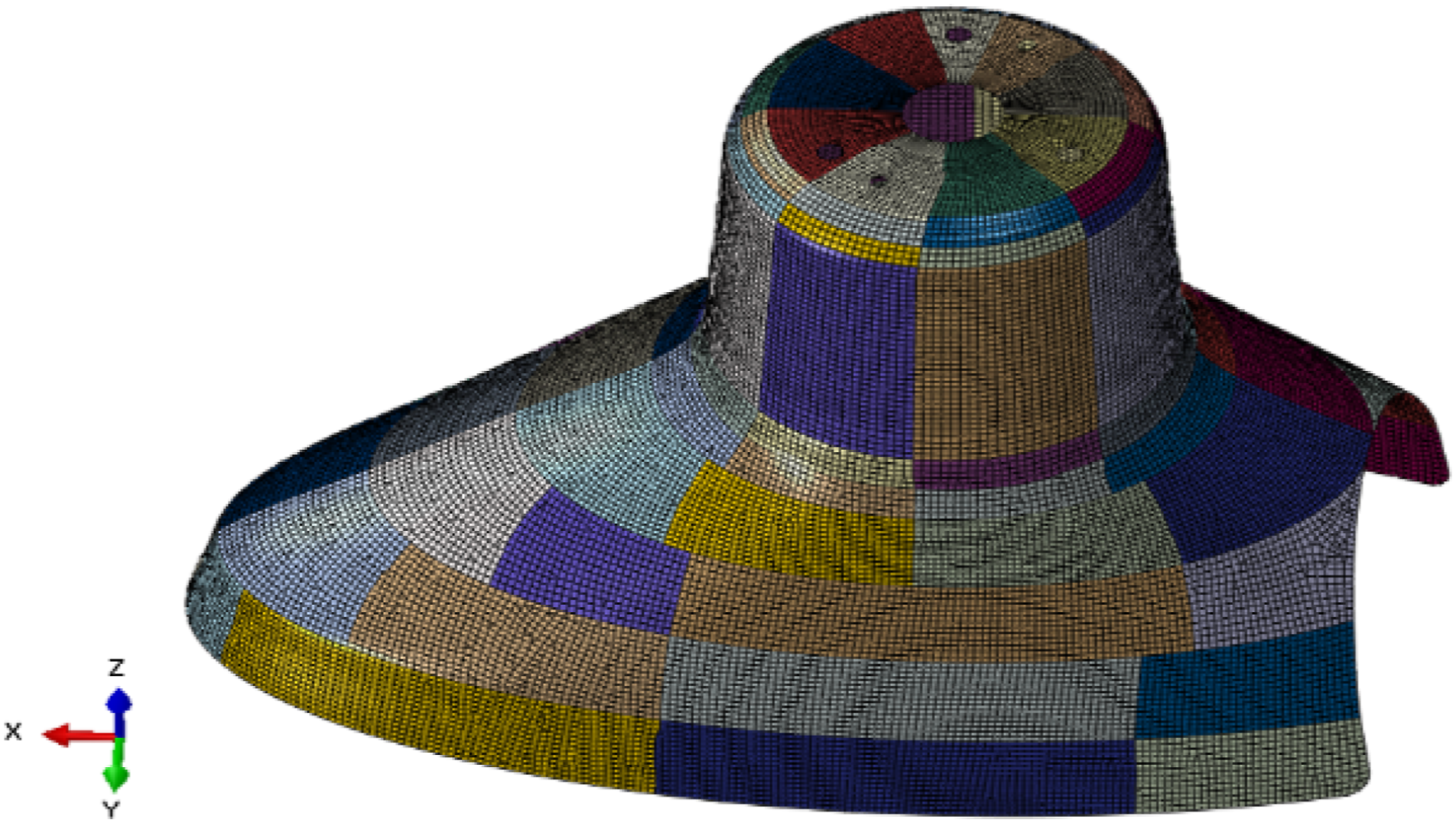
Evaluation of the simulation accuracy
The weaving parameters of initial shock tower.

As shown in Figure 4, six measurement positions (including the hoop strains The strain-measuring location of the shock tower during bench test. Bench test load. Comparison of extremum strains under peak force of load I from experiment and simulation. Comparison of extremum strains under peak force of load II from experiment and simulation.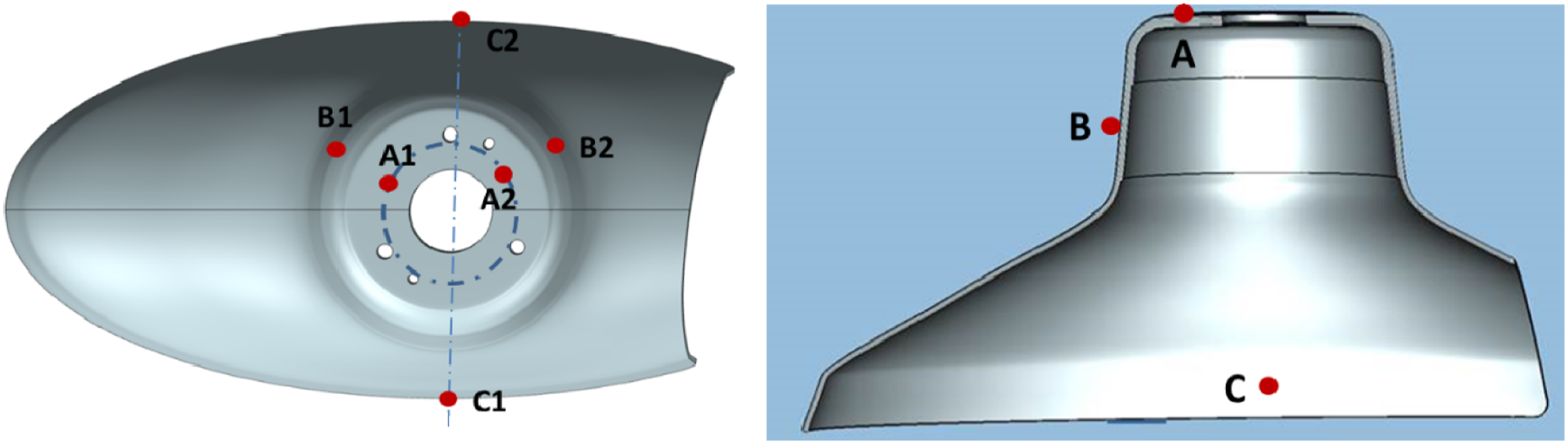
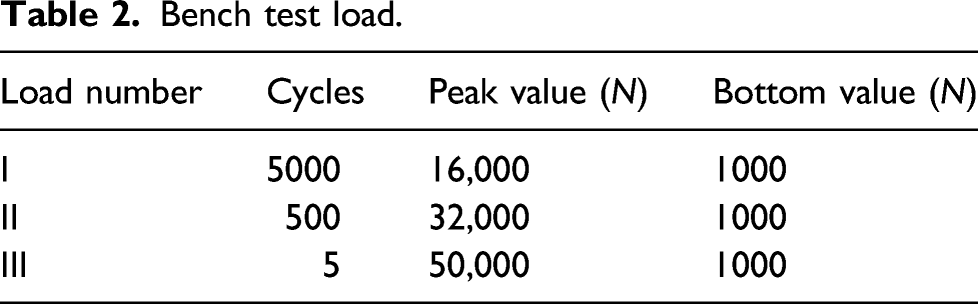


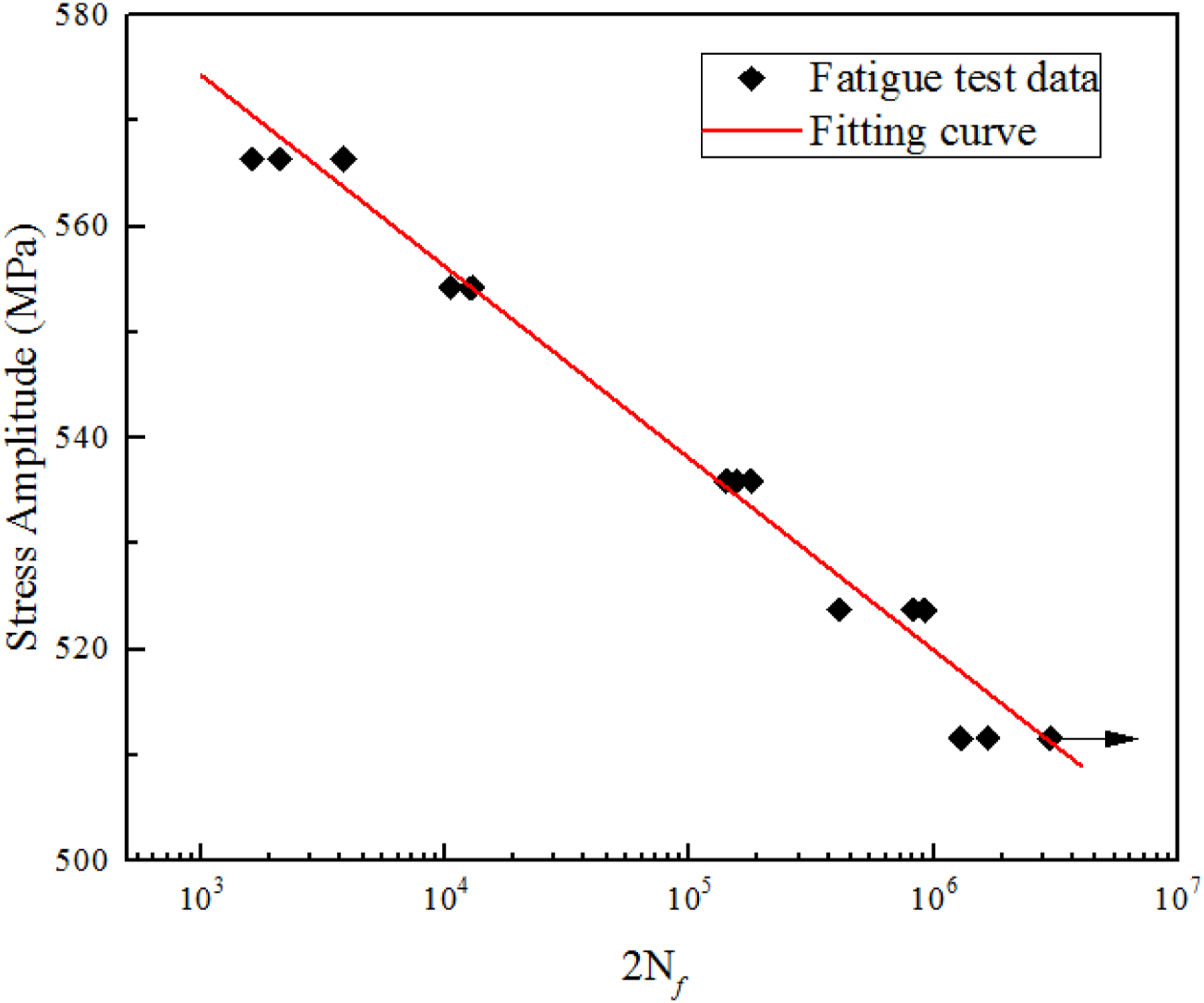
The fatigue life prediction of the shock tower is carried out in Software nCode. First, the structural stress responses under cyclic loading of I, II, and III are obtained in ABAQUS and imported into Software nCode. Then the S-N curve of 3DOWC obtained from the fatigue test, as shown in Figure 5, is input into Software nCode. Combining the number of test cycles of the bench test load shown in Table 5, the fatigue damage is calculated and the fatigue life is predicted based on the linear damage criterion (LDC). The LDC adopted herein is Palmgren-Miner LDC (PMLDC) S-N curves of composites. Design variables and their design domains.

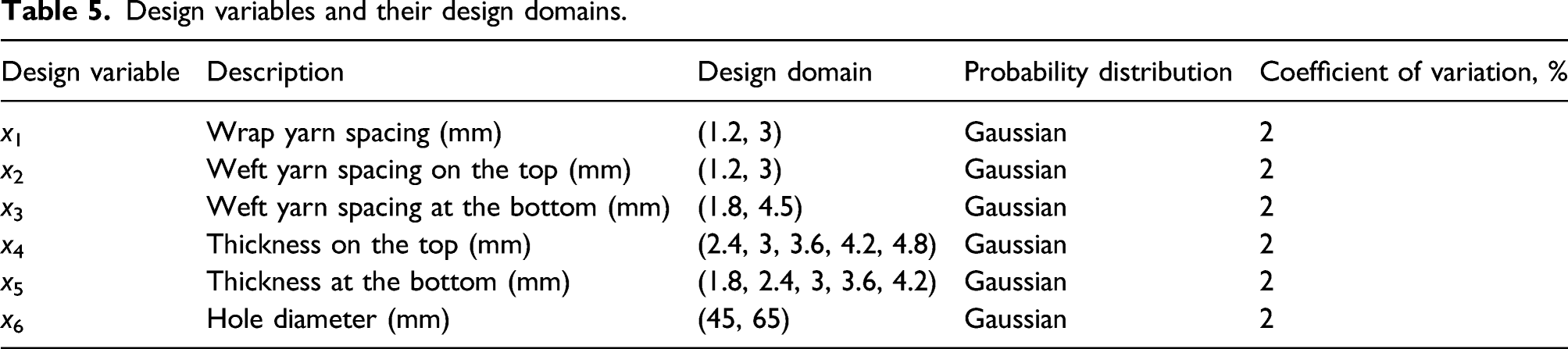
The strain distribution, strength analysis results, and fatigue life analysis results of the FE model are consistent with those of the bench test. Therefore, the FE model is deemed to have high prediction accuracy. Meanwhile, in the above reliability optimization design of the shock tower, the responses under different material and structural design variables are reliable.
Multi-scale reliability-based optimization design of 3DOWC shock tower
Definition of the optimization problem
Design variables
The chosen material weaving parameters include warp yarn spacing, weft yarn spacing, and yarn layer number, of which the yarn layer number is linearly related to the thickness of composite material. On account of different types of loads, the structure of the shock tower can be divided into a top structure and a bottom structure. The existing weaving technology can differentiate between the weft yarn spacing and the number of yarn layers in these two parts. When we take into consideration the distribution of hardpoints of structural design for shock tower, the diameter of the circular hole at the top of the shock tower is finally selected as the structural design variable. According to existing experience, the maximum stress in the weft direction of the shock tower is concentrated near the top circular hole, so optimal design of the diameter of the top circular hole is available to effectively control the weft stress of the top structure. When we consider the weaving capacity, the assembly requirements of shock tower, and the actual performance requirements from an overall perspective, six design variables from materials and structures are finally selected (see Figure 6 and Table 6). As shown in Table 6, the thickness of composite material is determined by the number of yarn layers, so it is a discrete variable. The number of weft yarn layers corresponding to the thickness of the top and bottom are 4–8 layers and 3–7 layers, respectively. Schematic view of design variables. The constraints of performance indicators for shock tower.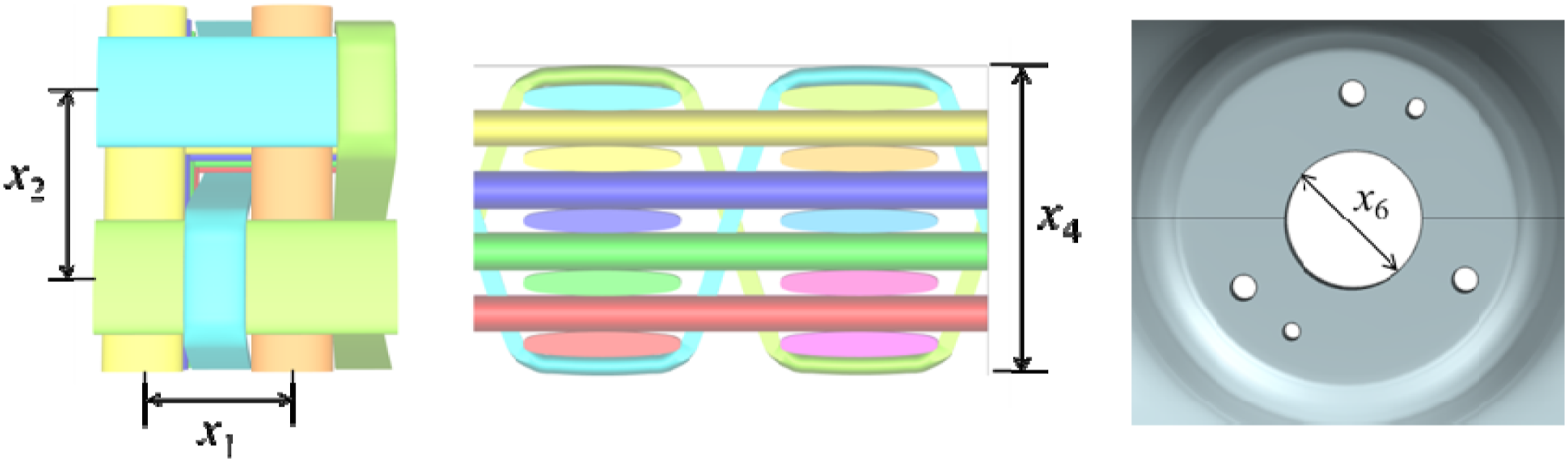
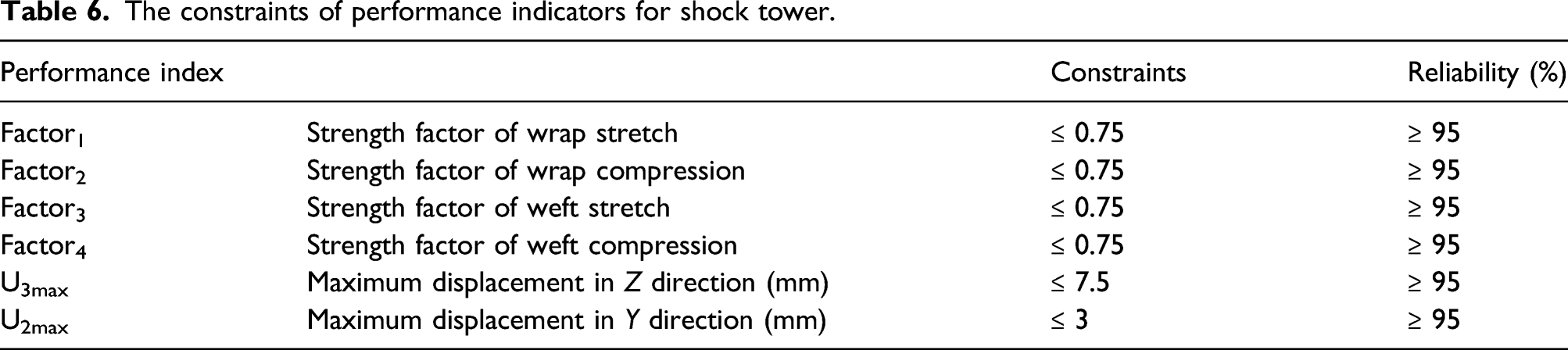
Constraints
In this study, the strength factors of material in the warp and weft directions are introduced to determine whether the material has failed under quasi-static loading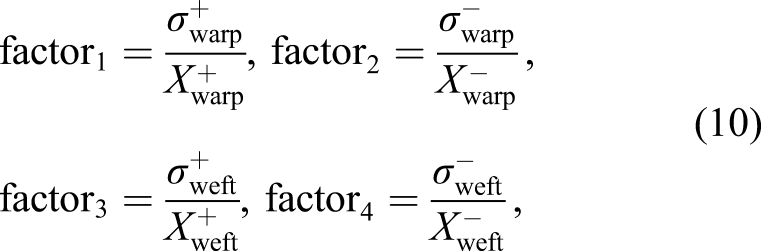
R2 of Kriging surrogate models for structural performance indicators.
Optimization model
According to the settings in the Multi-Scale Reliability-Based Optimization Design of 3DOWC Shock Tower section, the optimization problem of multi-scale reliability optimization design of the 3DOWC shock tower defined in this study can be specified as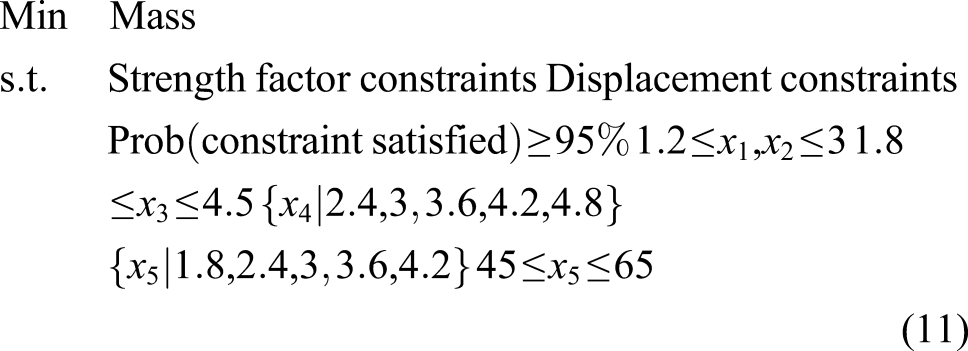
Multi-scale reliability-based optimization design framework
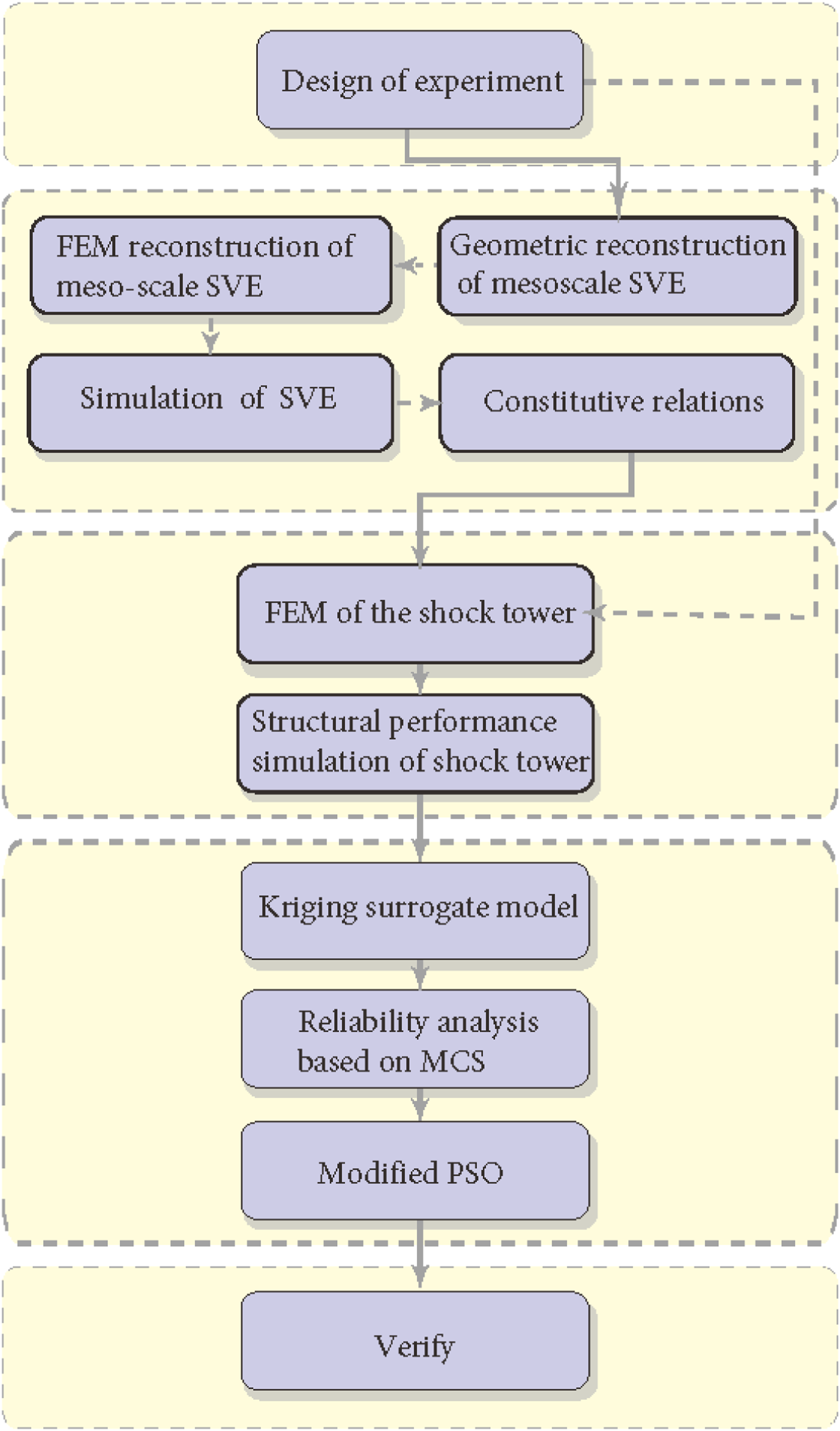
The multi-scale reliability-based optimization design framework proposed in the present work is shown in Figure 7. On account of that the reliability transfer is a complicated high-dimensional problem in the material-performance-structure multilevel problem, MCS is used to calculate the reliability of the structural response. In the reliability-based optimization design process, the multi-scale simulation method is adopted to predict the mechanical properties of the material, the MCS simulation is employed to analyze the reliability of the structural response, and the reliability-based optimization design procedure is obtained through the Kriging surrogate model and modified PSO algorithm. The specific implementation steps can be illustrated as follows: (1) The OLHD method is adopted for sampling in the design domain to obtain sufficient training samples and verification samples. In the process of multi-scale reliability optimization, all design variables are assumed to satisfy the Gaussian distribution and the coefficient of variation is 2%. For the six design variables in Table 1, the OLHD method is used for sampling in the design domain to generate 100 training samples and 10 verification samples. (2) According to the microscale and mesoscale mechanical property prediction methods proposed by Tao et al.
46
and the material weaving parameters in the samples, the corresponding mesoscale Statistical Volume Element (SVE) model is set up. In combination with the stochastic constitutive model of fiber bundles, the material density, elastic parameters, and strength parameters of different samples are predicted. (3) According to the material parameters and structural parameters in the samples, the corresponding finite element model of the shock tower is constructed. Based on the random constitutive model framework for material proposed by Tao et al.,
46
the structural response of the shock tower is predicted with corresponding structural parameters to be extracted. (4) After the simulation of all samples, a Kriging surrogate model between design variables and structural response of shock tower can be established, and the accuracy of the surrogate model will be verified with (5) A double-layer optimization strategy is adopted for reliability-based optimization design. In the inner layer, based on the established proxy model, the Monte Carlo Simulation method is introduced to calculate the performance reliability of shock tower structure at a specific sample point. To ensure the calculation accuracy of the reliability of sample points, the sampling number N of Monte Carlo simulation is taken as 10,000. Meanwhile, in the outer layer, the PSO algorithm is adopted for iterative optimization to obtain the reliability-based optimization design results of the shock tower. (6) A FE model is established for the optimization results to verify the framework. Flowchart of multi-scale reliability-based optimization for shock tower.
Evaluation of surrogate model
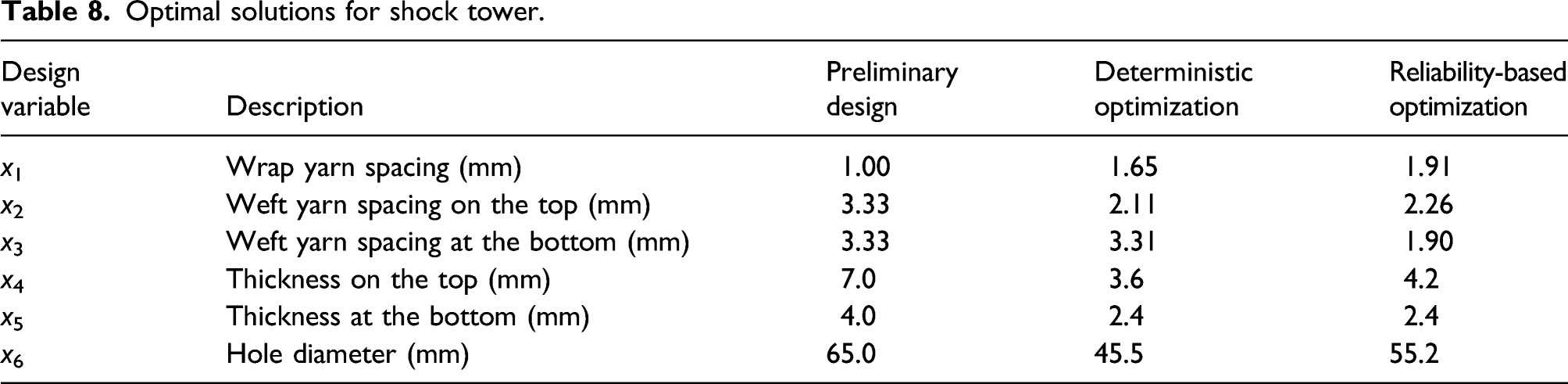
Optimal solutions for shock tower.
Modified Particle Swarm Optimization (PSO) algorithm
First proposed by Kennedy and Eberhart, 48 PSO is a heuristic global optimization algorithm to solve continuous-variable problems. Because of its fast convergence speed, outstanding global search capability, and lively concepts, the PSO algorithm has been highly recognized and valued in the industry and widely applied in many fields such as fuzzy control strategies, neural network training, and structural optimization design. 49
To find a solution to the significant drop of dispersion degree between particles (that is, the diversity of particles)
50
in traditional PSO, we employ an adaptive speed reset pointer (ASRP) to enhance the global optimization ability of PSO
51
in this paper.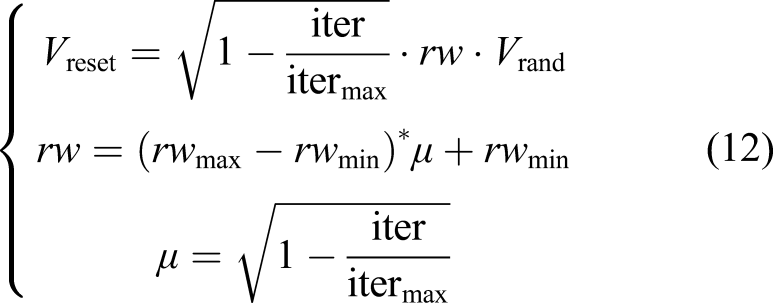
Among optimization problems, there is a specific design domain of design variables. As the dimension of design variables increases, the probability of particles jumping out of the feasible domain in the PSO algorithm also increases significantly,
52
so a boundary control technique is required. By the Reflect method (RM), the particles outside the design domain can return into the design domain

Optimization results and verification
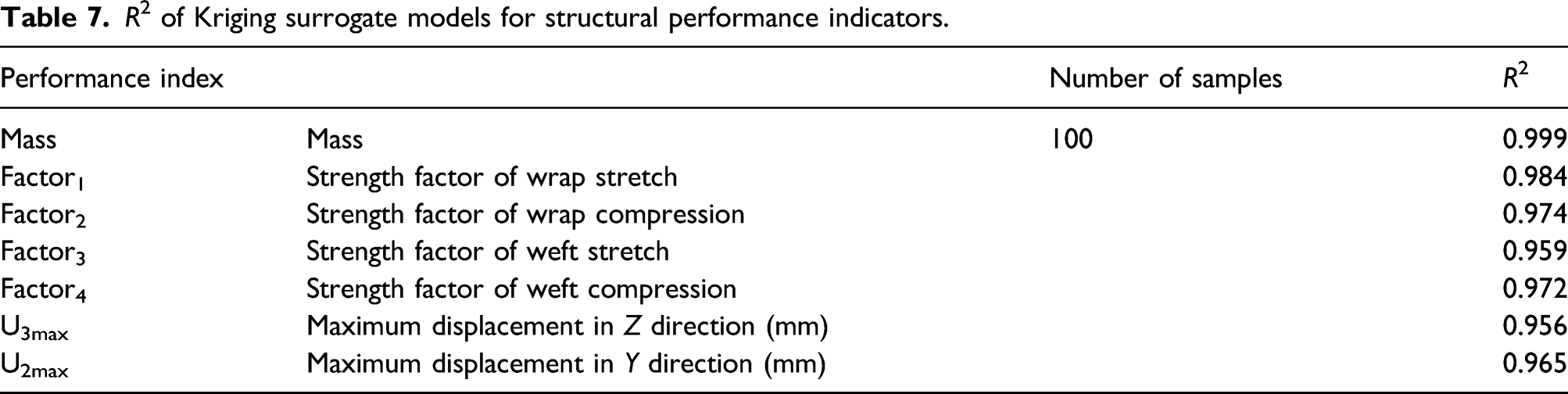
The optimization design problem in terms of the objective function, design domains, and boundary conditions has already been defined as equation (11). 100 training samples and 10 testing samples were generated by the OLHD technique. The Kriging surrogate models were built up using the responses extracted from FE analysis of the shock tower at the corresponding points. The values of R2 for different load cases were above 0.95, which is confirmed as accurate for the optimization procedure.
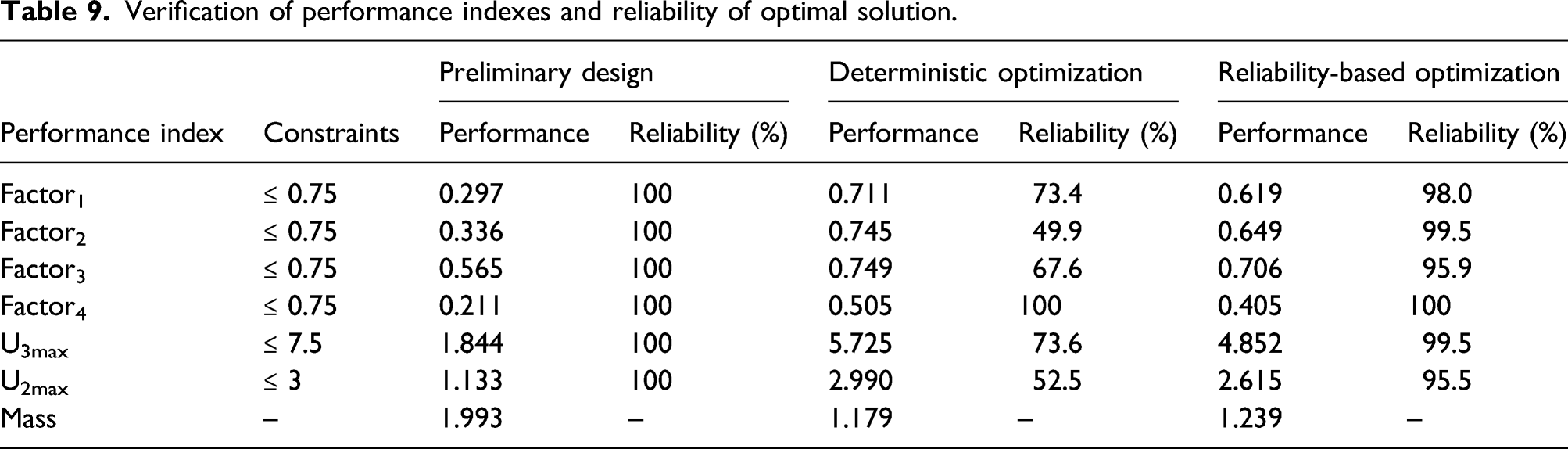
Verification of performance indexes and reliability of optimal solution.
In the deterministic optimization design scheme, only performance constraints rather than reliability are taken into account. However, in the design scheme obtained by reliability-based optimization, both structural constraints and reliability constraints are considered. Figures 8 and 9 are the cloud diagrams of the FE results under the deterministic optimization design scheme and the reliability optimization design scheme, respectively. The finite element simulation of shock tower under reliability-based design optimization. The finite element simulation of shock tower under deterministic optimization.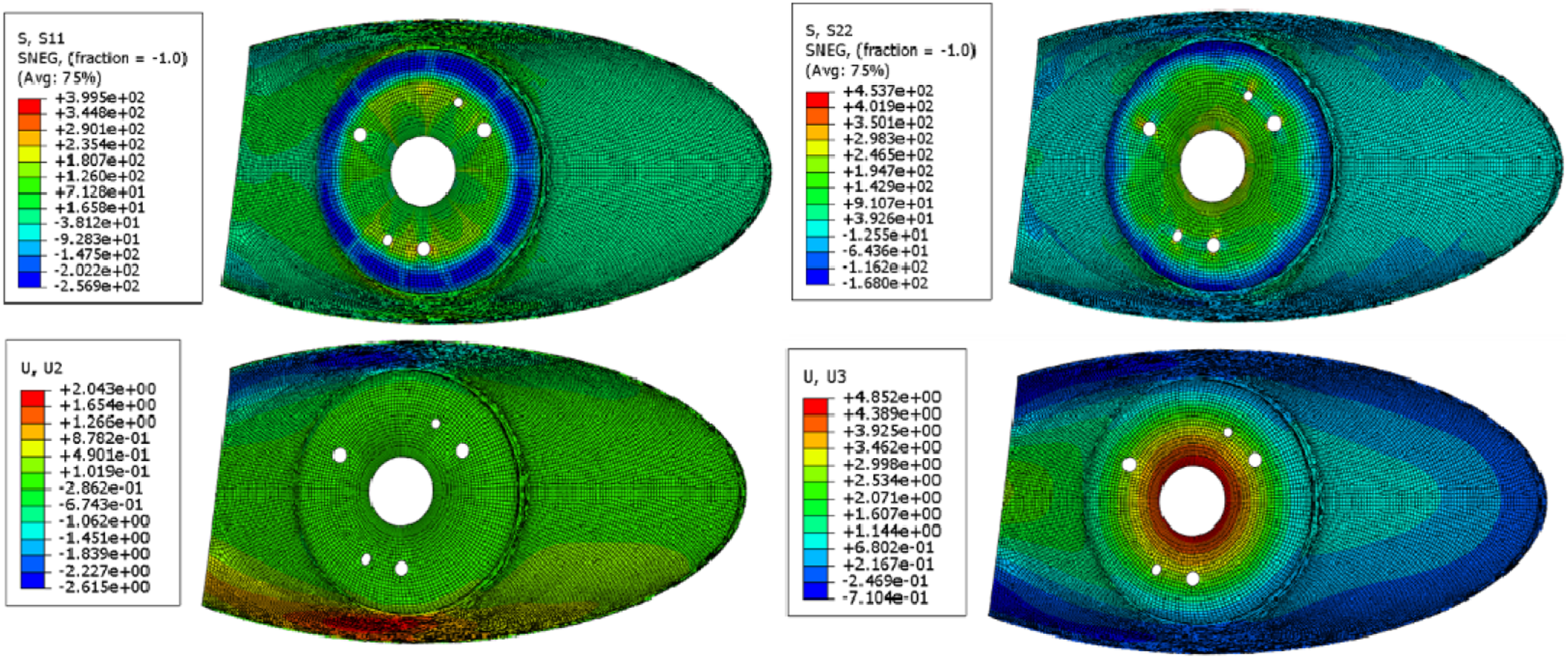
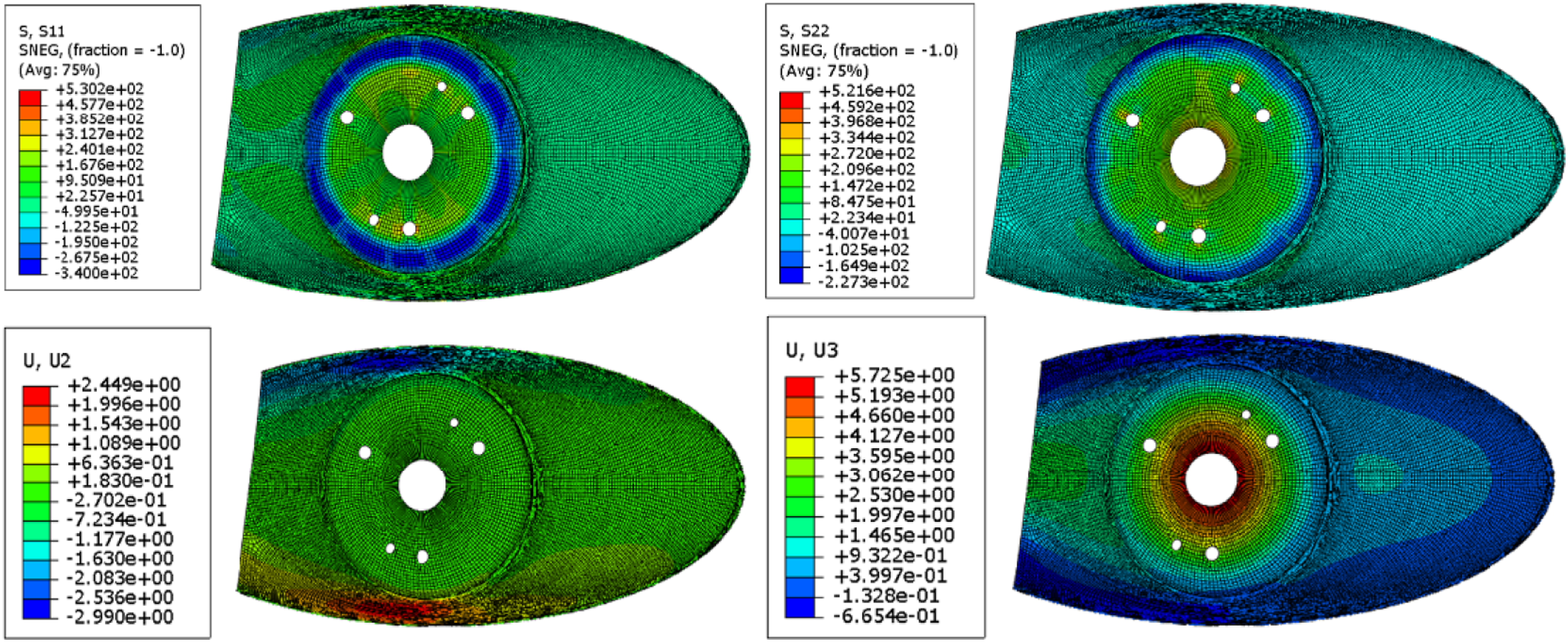
Table 5 shows the performance index and reliability index of shock tower under the preliminary design scheme, the deterministic optimization design scheme, and the reliability-based optimization design scheme obtained through the FE simulation verification. As shown in Table 5, it can be seen that all performance indicators of deterministic optimization and reliability optimization design schemes conform to the requirements, with a lightweight effect achieved in both schemes. Figure 8 shows the lightweight effect and reliability of the shock tower under the two design schemes. As shown in Figure 10, although the quality of the shock tower is significantly reduced under the deterministic optimization scheme, the average reliability of its performance index is only 69.5%, which fails to meet 95% reliability as required according to the design. Owing to the design scheme obtained from the reliability optimization design, the weight is reduced by 37.83% compared to the preliminary design, with an average reliability of 98.07%. It meets the requirements for the reliability of all structural properties. Reliability and lightweight effect of composite shock tower.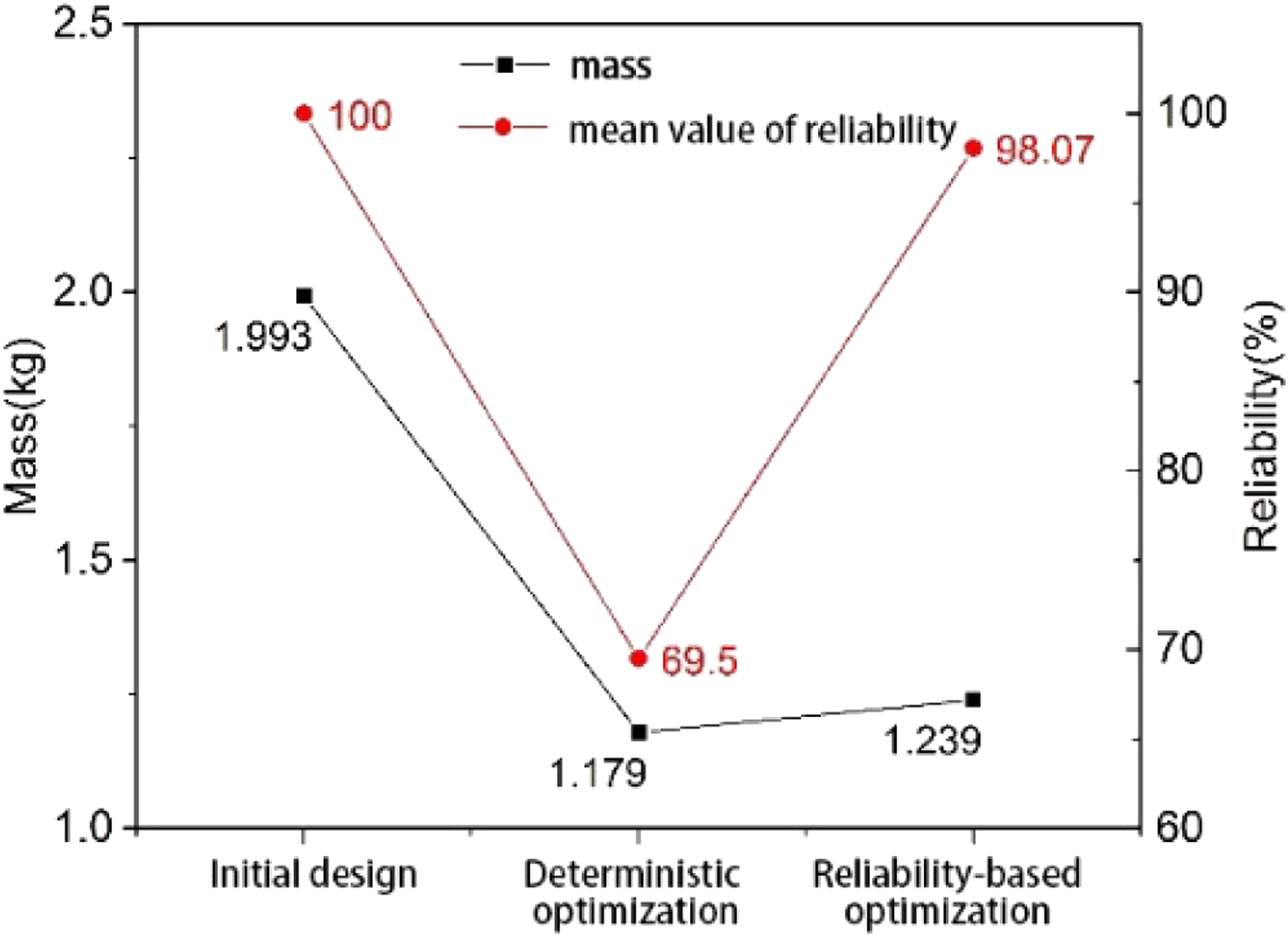
Conclusions
In this research, an effective framework of multi-scale reliability-based optimization design was proposed by a combination of multi-scale SVE modeling and simulation, a random constitutive model of fiber bundles, MSC, Kriging surrogate model, and modified PSO algorithm. After model validation, the framework was applied to the material and structure integration optimization of shock tower made of 3DOWC. In the framework, the multi-scale and uncertainty characteristics of 3DOWC are fully considered and examined, with six parameters selected from the material and structure to optimize the structure in parallel.
During the optimization process, MSC is a simple but effective method to calculate the reliability of performance parameters. In the Kriging surrogate model, the number of samples is reduced and a mathematical model is built between the design variables and the target response based on the numerical calculation method, which greatly improves the prediction efficiency and lowers the high calculation cost in the optimization process. The modified PSO algorithm adopted to the optimization process demonstrates significant advantages for the optimization of the 3DOWC shock tower.
The comparison between the solutions of reliability optimization design and deterministic design indicates that on the premise of meeting the structural performance requirements, the reliability optimization design scheme is 28.57% higher than the deterministic optimization scheme in terms of reliability. Moreover, the weight is reduced by 37.83% compared with the preliminary design scheme. The results verify the effectiveness of the reliability optimization framework and show huge potential advantages of 3DOWC in a prospective automotive lightweight design. In summary, this paper fully considered the characteristics of the uncertainty of the multi-scale design variables of the 3DOWC structures, and the reliability optimization design method realizes the parallel optimization design of material parameters and structural parameters and provides technical support for the lightweight design of 3DOWC automotive parts in the future.
Footnotes
Declaration of conflicting interests
The author(s) declared no potential conflicts of interest with respect to the research, authorship, and/or publication of this article.
Funding
The author(s) disclosed receipt of the following financial support for the research, authorship, and/or publication of this article: This work was supported by the Key National Natural Science Foundation of China (Grant No. U1864211; Funder ID: 10.13039/501100001809); the National Natural Science Foundation of China (Grant No. 11772191; Funder ID: 10.13039/501100001809); and the National Science Foundation for Young Scientists of China (Grant No. 51705312; Funder ID: 10.13039/501100005153).