






Abstract
The present work attempted to study the creep behaviour of jute fabric/epoxy composites at different environment temperatures using several creep models (i.e., Burger’s model, Findley’s power law model, and Coupling model). The surface of jute fabrics was modified by ozone gas treatment to remove the non-cellulosic materials and thereby improve their adhesion with epoxy matrix. Further, the performance of ozone surface treatment was compared with traditional alkali treatment based on surface morphology, mechanical properties, hydrophilicity, etc. The ozone surface treatment was found to remove lignin and increase hydrophilicity of jute fibres to greater extent as compared to alkali treatment, however with higher tendency of defibrillation and fibre rupture. Later, the creep resistance of alkali treated jute fabric/epoxy composites was found superior to the ozone treated jute fabric/epoxy composites at lower temperature of 40°C and 70°C. However, the ozone treated jute fabric/epoxy composites showed higher instantaneous elastic deformation and lower viscous deformation at elevated temperatures of 70°C and 100°C. The ozone treated jute fabric/epoxy composites showed extended temperature range of 100°C–120°C to restrict segmental mobility of epoxy matrix and depicted higher interfacial shear strength properties from the microbead pull out test.
Keywords
Introduction
Recently, the bio-based textile structural composites gained significant importance in load bearing applications due to rise in environmental concerns and sustainability.1–3 The plant fibres have become more popular as reinforcements in composite manufacturing because of their biodegradability, low density, and cheaper cost. 4 However, the plant fibres have few limitations over synthetic fibres especially in textile structural composites, where they need to demonstrate superior long term mechanical performance to cyclic (fatigue) as well as long term constant load (creep) situations in harsh environments of varying temperature and humidity levels. 5 The plant fibres exhibit pronounced viscoelastic behaviour in textile structural composites, unlike pure elastic behaviour of carbon and glass fibres. 6 Additionally, the mechanical response of structural composites is time and environment dependent due to the viscoelastic behaviour of the polymer matrix. 7 This could result into dimensional instability and even structural failure of composites due to poor creep properties. Furthermore, the experimental studies to observe the creep behaviour of composite materials occupy a huge amount of time and require a less cost-effective experimental setup. 8 There is limited literature available on theory/model which can accurately predict the durability and creep properties of plant fibre based structural composites. In this context, modelling the creep properties of plant fibre-based composites became essential to estimate their durability especially under different environment conditions.
Creep is time based progressive deformation under constant applied load. 9 It is undesired phenomena in composites as it leads to instability in loaded structures. The creep behaviour is complex and dependent on the material as well as the environment parameters. 10 The viscoelastic properties of matrix and fibres, fracture mechanism of fibres, geometry of fibres, assembly of fibres in yarn and fabric structures and fibre/matrix interfacial behaviour decide the creep behaviour of textile structural composites.11–14 The previous studies reported that the resistance of composites to creep deformation can be enhanced by modification of plant fibre/matrix interface. The number of chemical treatments (i.e., alkali, acid, bleach, etc.) have been used to improve the plant fibre/matrix interface. 15 However, most of the reported chemical methods are not environment friendly besides requirements of more water, energy, and time. 16 Therefore, further research is required to investigate the suitability of alternative surface modification methods to improve the plant fibre/matrix interface.
In present research work, the ozone surface treatment of jute woven fabrics was performed to remove the non-cellulosic materials and thereby improve their adhesion with epoxy matrix. Ozone is good oxidizing agent due to its strong oxidation potential. The ozone gas has high reactivity towards compounds containing double bonds and high electron density functional groups.2,17 As lignin has greater C=C bonds, the ozone gas exposure to jute fibres is expected to remove lignin by discharge of low molecular weight soluble compounds (i.e., organic acids). Further, the performance of ozone surface treatments was compared with traditional alkali treatment. The surface morphology of jute fabrics was characterized using scanning electron microscope. The mechanical properties were estimated from tensile testing. The hydrophilicity was examined from contact angle, wicking and moisture absorption measurements. Later, the creep behaviour of jute fabric/epoxy composites was compared between alkali and ozone treatments at different temperatures. The creep behaviour was validated by fitting the creep data to various models (i.e., Burger’s model, Findley’s power law model, and Coupling model). Finally, the improvements in interfacial properties were investigated by measurement of interfacial shear strength of composites with the help of microbead pull out test.
Materials and methods
Materials
Jute woven fabric of 2/1 twill weave, 13 ends per inch (EPI) ×13 picks per inch (PPI), and 579 g/m2 areal density was chosen as reinforcement for the composite manufacturing. The fabric was procured from a Jute mill located in Kolkata. Jute woven fabric was firstly washed for 30 min using 2 weight % non-ionic detergent at a temperature of 70°C to remove adhered impurities and finally dried at ambient temperature for 48 hours. The procured jute fabrics are referred as untreated jute fabrics (UJF) in subsequent sections. The epoxy resin (E) made up of Bisphenol A diglycidyl ether (LY556) and hardener made up of diethylene triamine HY 951 (sold by Garg Chemicals Pvt. Ltd, India) was used as matrix for the composite. The sodium hydroxide pellets were obtained from Merck India Pvt. Ltd
Alkali treatment of jute fabrics
For alkali treatment, the woven jute fabric was immersed in 4 weight % of sodium hydroxide solution with the material to liquor ratio of 1:20 for 1 hour at 80°C. The fabric was subsequently washed several times with water and dried in an oven for 2 hours at 100°C. The alkali treated jute fabrics are referred as AJF in subsequent sections.
Ozone treatment of jute fabrics
Before conducting the ozone treatment, the jute fabrics were pre-humidified by dipping them in water. The treatment with ozone gas was done by keeping the wet jute fabric for 5, 10, and 15 min in an air-tight glass container comprising of ozone gas. It was linked with an ozone generator manufactured by Eltech Ozone an ISO 9001: 2015 certified Indian Company situated in Mumbai, India. The ozone gas was released by corona discharge principle with an ozone output rate of 5 g/h and concentration of ozone in the range of 70–120 mg/L. The oxygen gas to produce ozone gas was generated by another closed container placed just below the ozone generator, with an oxygen flow rate of 3 L/min. The residual ozone from the surface of jute fabrics was removed by washing with 1 g/L non-ionic surfactant for 1 h. The fabrics were finally rinsed with water and then dried at 105°C in an oven for 2 h. The ozone treated jute fabrics are referred as OJF in subsequent sections.
Characterization of properties of treated jute fabrics
Surface microstructure
The scanning electron microscope Sigma, Zeiss EVO 50, Germany, was employed to observe the surface microstructures of untreated, alkali and ozone treated jute fabrics at an accelerating voltage of 20 kV with different magnifications ranging from 500X to 2000X.
Mechanical properties
The yarns were removed from untreated, alkali and ozone treated jute fabrics and their tensile properties was measured using Instron machine according to ASTM D2256 standard with gauge length of 250 mm and crosshead speed of 300 mm/min. The average value of tenacity, strain, initial modulus, and energy at break were determined from total of ten observations. Moreover, the bending length and flexural rigidity of the fabrics was also measured using Shirley Fabric Stiffness, Paramount, India.
Contact angle
The effect of ozone treatment on surface wettability of jute fabrics was investigated from surface energy evaluation system. The static water contact angle of the untreated, alkali and ozone treated jute fabrics was measured by drop shape analyser DSA100 E, Krüss Scientific, Germany. It is based on principle of goniometry to calculate the static contact angle between solid and liquid surfaces.18,19 The test was carried out with 5 μl of water drop which was deposited on the fabric surface using micro-syringe. The average contact angle was determined from five measurements on each sample at different surface portions to obtain statistically reliable results.
Wicking behaviour
As ozone treatment was expected to remove the non-cellulosic contents from jute fabrics, the wicking test was performed to know the water spreading ability of jute fabrics. The wicking behaviour of the untreated, alkali and ozone treated jute fabrics was evaluated according to vertical wicking test method (AATCC TM 197) in standard testing atmosphere of 22°C and 65% RH condition. 20 The fabric sample of dimensions 250 mm length and 25 mm width was dipped in water beaker keeping lower 5 mm immersed into the water. The fabric wicking performance was examined based on wicking time required for water to reach 150 mm distance.
Moisture absorption
The fabric sample of (100 ×100 mm) dimensions were conditioned in standard atmosphere of 22°C and 65% RH condition and their dry mass was recorded. Then, the samples were immersed in water for 5 min at room temperature. Further, the wet samples were hanged for 2 min to remove excess water and their wet mass was recorded. Finally, the moisture absorption (%) was determined based on the mass of water present in the material (i.e., difference between the wet and dry mass) to the dry mass expressed as a percentage. 21
Thermal stability
The thermal degradation behaviour of the untreated, alkali and ozone treated jute fabrics was characterized through a thermogravimetric analysis performed with a thermogravimetric analyser utilizing TGA/SDTA 851 METLER TOLEDO of TA instruments, New Castle DL, USA. The size of the samples was around 7 mg, and it was heated from room temperature to 350°C at a heating rate of 10°C/min in nitrogen inert atmosphere.
Surface free energy
The surface free energy of the untreated, alkali and ozone treated jute fabrics was determined from the contact angle as given in the equation (1).
22
The contact angle was measured using dynamic contact angle and tensiometer (DCAT) measuring device DCAT-11, DataPhysics, Germany.
Whiteness index
The whiteness index of the fibres was tested according to the ASTM standard E313-98. 23 The instrument used to calculate the whiteness index was Premier colourscan SS5100H which works on the principle of Dual Beam. It has a light source Pulsed Xenon with a wavelength range of 400–700 nm and a wavelength interval of 10 nm. Further, the captured images were analysed in grey scale to determine the whiteness index.
Fabrication of composites
The hand layup technique was utilized to prepare the composite laminates of untreated, alkali-treated, and ozone-treated jute fabrics and epoxy resin. Each of the composite laminate was made up of three different layers of jute fabric with same direction orientation of each layer. Before starting the process, the weight ratio of resin and hardener was kept at 90:10 as recommended by the manufacturer. The mixture was then poured on each layer of fabric and uniformly spread by using a hand roller. The rolling by the hand roller resulted in uniform wetting of the jute fabrics and enabled the squeezing of the excess resin. The composite setup and Teflon coated sheets were kept in between steel plates and finally cured at a temperature of 120°C for 1 hour in oven having being pressed with a pressure of 50 kPa.
Dynamic mechanical analysis of composites
It was examined using Q800 Dynamic mechanical thermal analysis instrument of TA instruments (New Castle DL, USA) in 3-point bending mode having 50 mm gauge length and 10 mm sample width. The composite specimens were heated in 35–200°C temperature range at 3°C/min heating rate. The constant frequency of 1 Hz was applied at 0.1 N pretension and at 20 μm amplitude. The results were obtained in terms of storage modulus and tan δ (i.e., ratio of loss modulus to storage modulus). The storage modulus explained load bearing capacity of composites whereas the tan δ parameter explained the damping properties of composites.
Creep testing of composites
The short-term creep tests were carried out using Q800 Dynamic mechanical thermal analysis instrument of TA instruments (New Castle DL, USA) in 3-point bending mode at temperatures 40°C, 70°C and 100°C. The resulting creep strain versus time was measured when the static stress of 2 MPa was applied on composite samples for 30 min.
Estimation of creep behaviour of composites
The OriginPro 9.0 software was employed for fitting the experimental data to various creep models using non-linear curve fit function. The best fit was decided based on higher values of coefficient of determination (R2) closer to one.
Findley Model
It has been reported to demonstrate the non-linear creep behaviour of viscoelastic materials as given in equation (2).24,25 This model can be suitable for estimation of long-term creep behaviour, however, it has limitation to describe the creep mechanism.26–28 The reason can be attributed to that this approach does not provide a general representation of creep recovery under complicated loading programs.
29
Burger’s model
Burger’s model relies on the definition of four different parameters. It is used to define the relationship between the composite morphology and their behaviour towards creep. This model is made up of combination of Maxwell element and Kelvin-Voigt element arranged in series and parallel.
25
The total creep strain can be divided into three different portions such as
The equation (3) can be written as equation (4)
The four parameters
The Burger’s four-parameter model is advantageous as it provides qualitative explanation of all phenomena found in viscoelastic materials e.g. instant elastic strain, delayed elastic strain, instant recovery, delayed elastic recovery and permanent deformation. 25 However, the limitation of this model is that it can be used for characterization within a certain test duration only. There is no direct physical meaning to explain the viscoelastic properties of composites.30,31 The partially stretched Burgers model and fully stretched Burgers model could be applied for characterization and prediction when the stretching exponent is fixed at certain given values. But these models sometimes overpredicted the creep values due to involvement of a greater number of parameters. So, models with a smaller number of parameters are preferred, which will be discussed in the further section of this study.
Coupling model
Despite good fitting of experimental data, the previous creep models still encountered great difficulty to establish the connections between the parameters, the physical meaning of components and the loading conditions. The mobility and entanglement of polymer segments, which are important factors governing creep behaviour of composites, are dependent on the interactions between fibres and matrix in the composites. Here, interestingly, the coupling model has capacity to physically characterize the features of segmental mobility from coupling parameter (
As the
Interfacial shear strength of composites
The microbead pull out test was carried to determine the interfacial shear strength between epoxy resin and jute fibre.33–35 The specimen was prepared by putting a small drop (microbead) of epoxy onto jute yarn which was then dried in an oven (see Figure 1(a)). The interfacial shear strength was calculated using the Instron universal tester employing microvise plates (15 cm × 15 cm steel plate with a small hole of diameter 1 mm). The position of microbead was adjusted so that it was just lying under the microvise plates (see Figure 1(b)). The one end of jute yarn gripped by Instron at load of 0.03 mN was moving at speed of 5 mm/min, whereas another end was left ungripped. The interfacial mechanical properties were determined from the load displacement curve, the maximum pull out and post debonding force. The shear force required to shear that microbead was measured and an average interfacial shear strength was calculated using equation (7) based on testing of six specimen samples33,36 Measurement of interfacial shear strength of jute yarns. (a) Formation of microbead. (b) Schematic of microbead test.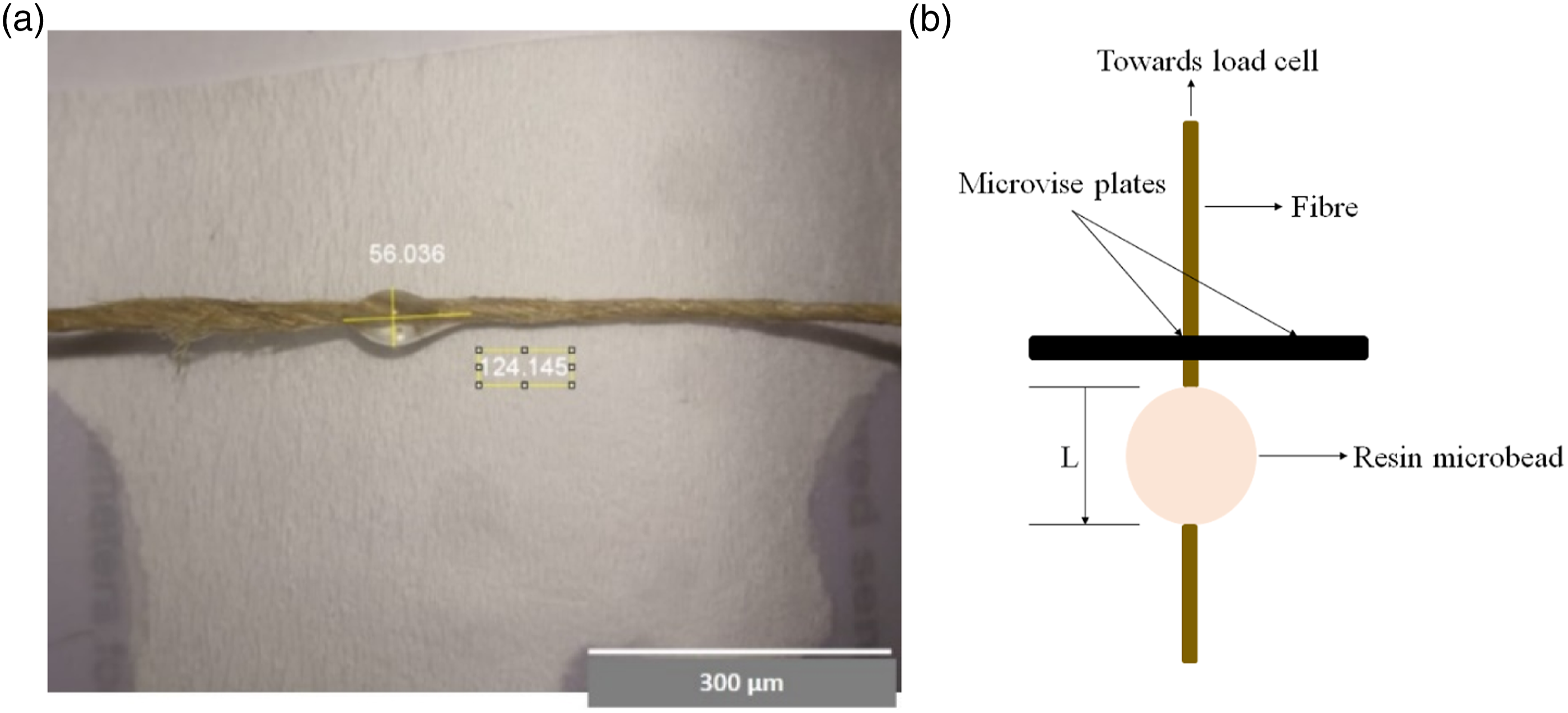
Results and discussions
Effect of surface treatment on properties of jute fabrics
Surface microstructure
The surface morphology of the untreated, alkali and ozone treated jute fabrics was observed under the scanning electron microscope. The smooth surface of untreated jute fabric with close bundle packing of individual fibres can be seen from Figure 2 as compared with alkali and ozone treated jute fabrics. The similar observations were reported in previous work carried out by a group of researchers on the surface microstructures of untreated and alkali-treated jute fabrics.37–39 The smooth surface of untreated fabrics was because of the covering of pectin, wax, and impurities. However, the surfaces of treated jute fabrics were found to become rougher with some defibrillation as the lignin-based cementing materials were removed. This indicated the removal of pectin, wax, impurities and disruption of hydrogen bonds in the network structure.
40
The elimination of hemicellulose and lignin content from fibre cells were reported to assist in releasing the internal constraints of fibres and thereby improve the crystallinity by reorganization of cellulose crystal structure.37,41 Furthermore, the developed micro-voids and gaps are expected to provide access to the epoxy resins, which is beneficial for improving the interfacial compatibility and mechanical properties of the composites.
42
Moreover, the ozone treated samples showed higher tendency of defibrillation and fibre rupture as compared to alkali treated samples. Higher the ozone treatment duration, worst the detected fibre rupture phenomenon. Surface microstructure of jute fabrics. (a) UJF. (b) AJF. (c) OJF-5 min. (d) OJF-10 min. (e) OJF-15 min.
Tensile properties
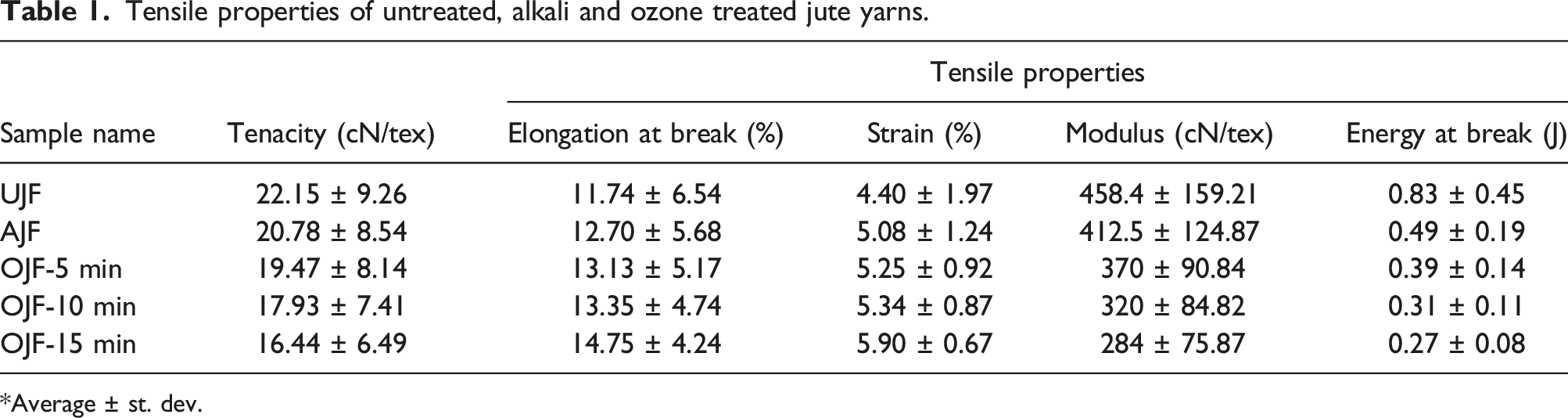
The tensile properties of untreated, alkali and ozone treated jute yarns are shown in Figure 3 and Table 1. The untreated jute showed maximum tenacity followed by alkali treated jute, whereas least tensile strength was found for the ozone treated jute yarn. The effect of corona treatment of plant fibres was also reported to cause reduction in tensile strength and modulus in previous works.
43
The similar results of tensile testing were reported where authors mentioned about the tensile strength of untreated jute, alkali treated jute, fluorine treated jute and micron-emulsion silicon treated jute fabrics.
44
They reported that the fibre tenacity decreases after any surface treatment due to fibrillation of the fibre surface i.e. axial splitting of the elementary fibres that constitute the elementary fibre.45–48 For instance, the NaOH solution attacks the main construction components of the fibre and more grooves appear on the surface of the fibre.49,50 The removal of lignin further weakens the strength of the fibre because lignin is the binder of jute fibres.51,52 Furthermore, the tenacity of jute yarns was found to reduce with the increase in ozone treatment time. This behaviour was attributed to the maximum level of defibrillation and fibre rupture after the ozone treatment as discussed in previous section in Figure 2, which further reduced the load bearing capacity of bundle of fibres in jute yarns. Likewise, the initial modulus and energy at break also reduced in case of treated jute as compared to untreated jute. The loss in stiffness and toughness can be explained by the fact that the jute fibres might have experienced molecular distortion and lacked packing density after the surface treatments. Nevertheless, the treated jute showed higher elongation at break as compared to untreated jute which can be attributed to the dissolution of amorphous region and possible changes in crystallinity of jute fibres. Similar results of less than 10% differences in strain values were found in literature when the plant fibres were plasma treated.
53
Load-elongation curve of the untreated and treated jute yarns. Tensile properties of untreated, alkali and ozone treated jute yarns. *Average ± st. dev.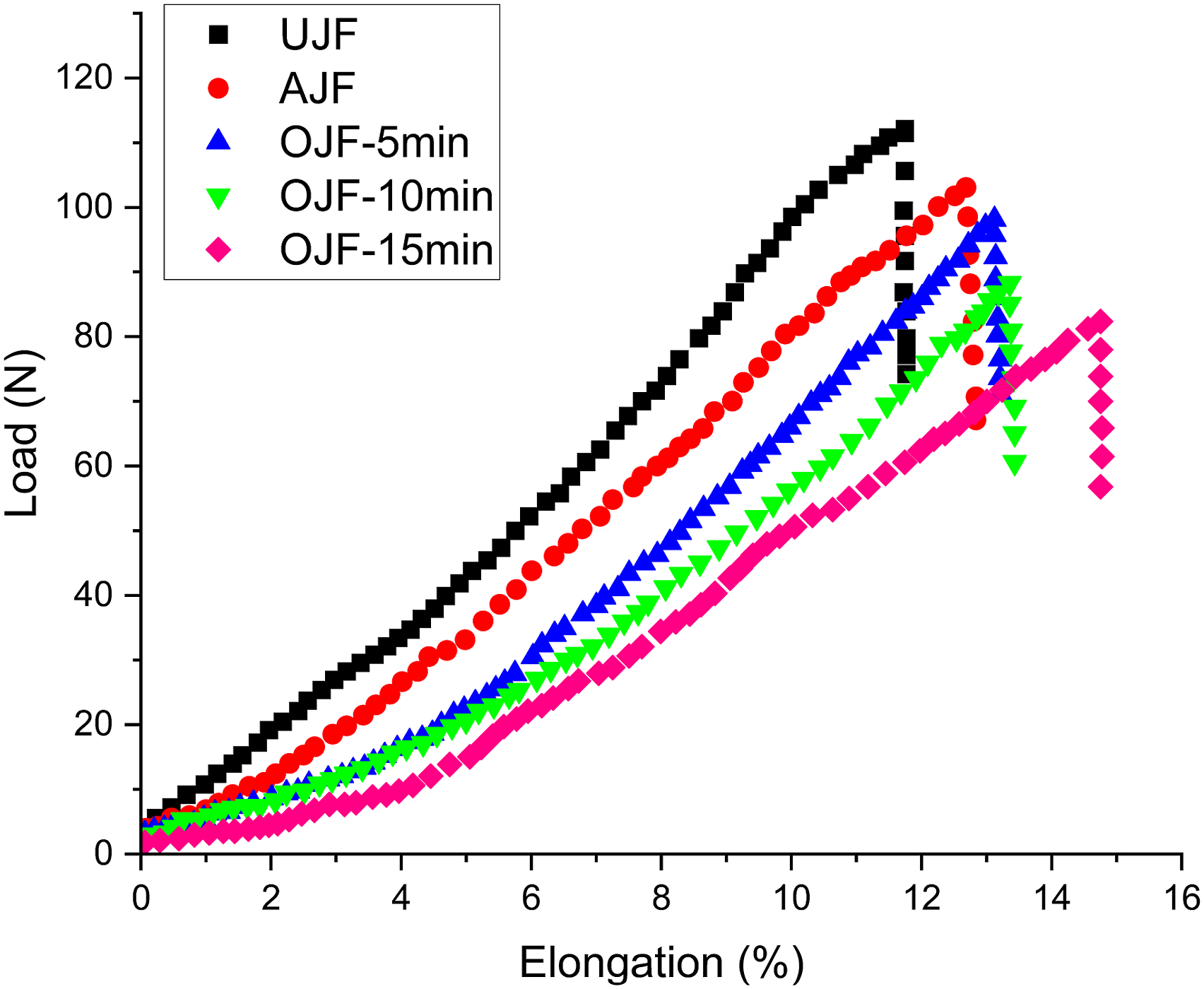
Flexural characteristics
Flexural properties of untreated, alkali and ozone treated jute fabrics.
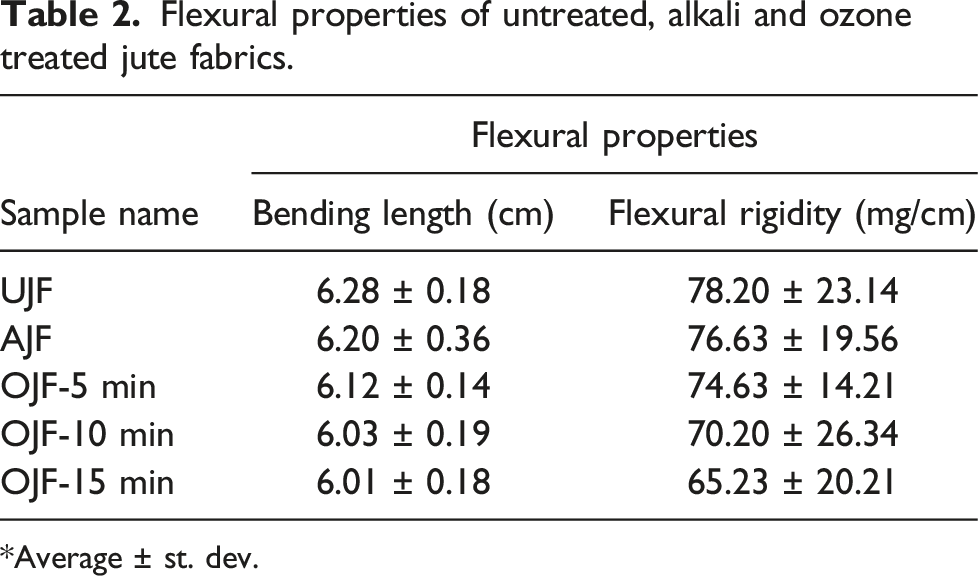
*Average ± st. dev.
Contact angle
It was measured to understand the surface wetting tendency of jute fabrics before and after the treatments. The contact angle of 99.1° was measured for untreated jute as shown in Figure 4, which indicated the hydrophobic characteristics of untreated jute fabric surface. Since the water droplets were quickly absorbed on the surface of treated fabrics, it was not possible to record the contact angle for them. This suggested increase in the hydrophilic behaviour of jute due to elimination of lignin and waxes after the alkali and ozone treatments.54,55 Similarly, in another study the authors showed a decrease in the contact angle of the treated Catharanthus roseus fibres i.e. up to 54.3°, which is mainly due to the removal of non-polar materials namely hemicellulose, wax, lignin etc. from the fibre surface as confirmed from chemical analysis and FTIR.
56
The increase in the contact angle in the case of untreated i.e., 59.8° is due to the presence of hydrophobic ingredients. Another study stated that the contact angle of water on flax fibre was less than 90°, whereas the contact angles of the alkaline and enzyme-treated flax fibres were less than the contact angles of the untreated fibres.
57
This can be beneficial in textile structural composites for easier and uniform impregnation of matrix around the natural fibre reinforcements. This is because the higher wettability enables the fibre to get bonded with the matrix in the composite thereby increasing the strength properties.
58
Determination of contact angle of untreated jute fabric.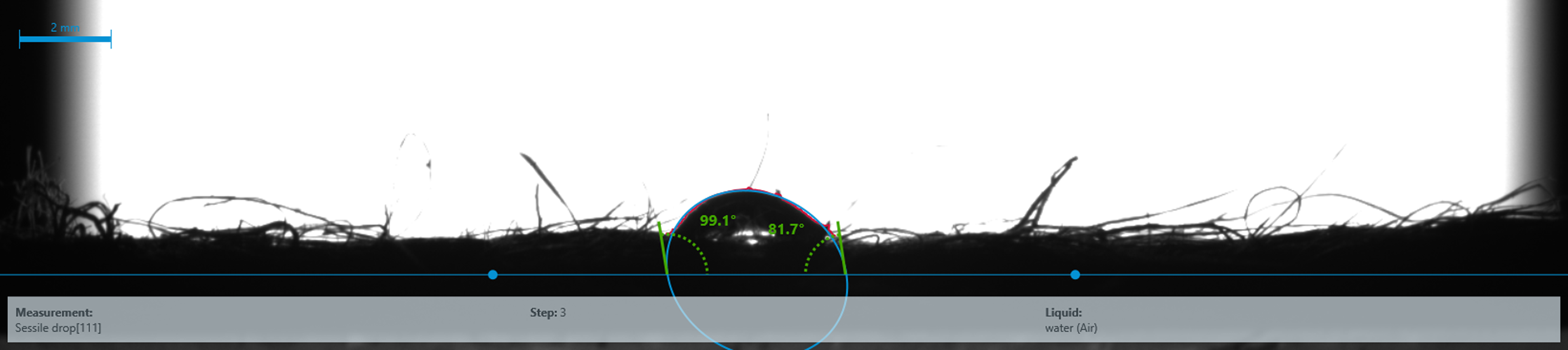
Wicking behaviour
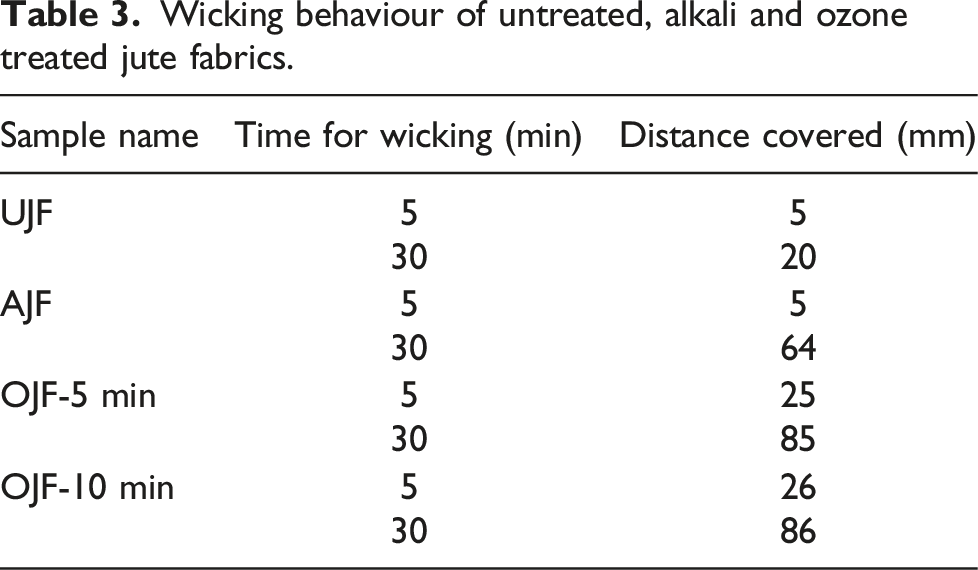
This test was done to understand the feasibility of impregnation of matrix around the natural fibrous reinforcements after the surface treatments. Here, the transmission of water across the jute fabric surface (i.e., wicking) was recorded before and after the treatments (see Figure 5). The results are displayed in Table 3, where the water travelled shorter distance in case of untreated jute as compared to treated jute fabrics. Furthermore, the ozone treated jute fabrics showed maximum distance travelled than the alkali treated jute fabrics due to their higher defibrillation network and exposed hydroxyl groups. This can be supported from the observation of SEM images shown in Figure 2 where the increase in surface roughness of fibres caused a reduction in capillary pressure to improve its wickability. The wicking behaviour was found to increase with increase in the ozone treatment time. The similar results were reported earlier by a group of researchers, where they have performed plasma as a surface treatment to modify the surface of the fibres and studied their wickability.
59
The plasma etching caused drastic changes on surface structure of jute fibres where hydrophobic layer was partially destroyed, and the hydrophilicity was increased. Maximum distance travelled by water through jute fabrics. (a) UJF. (b) AJF. (c) OJF-5 min. (d) OJF-10 min. Wicking behaviour of untreated, alkali and ozone treated jute fabrics.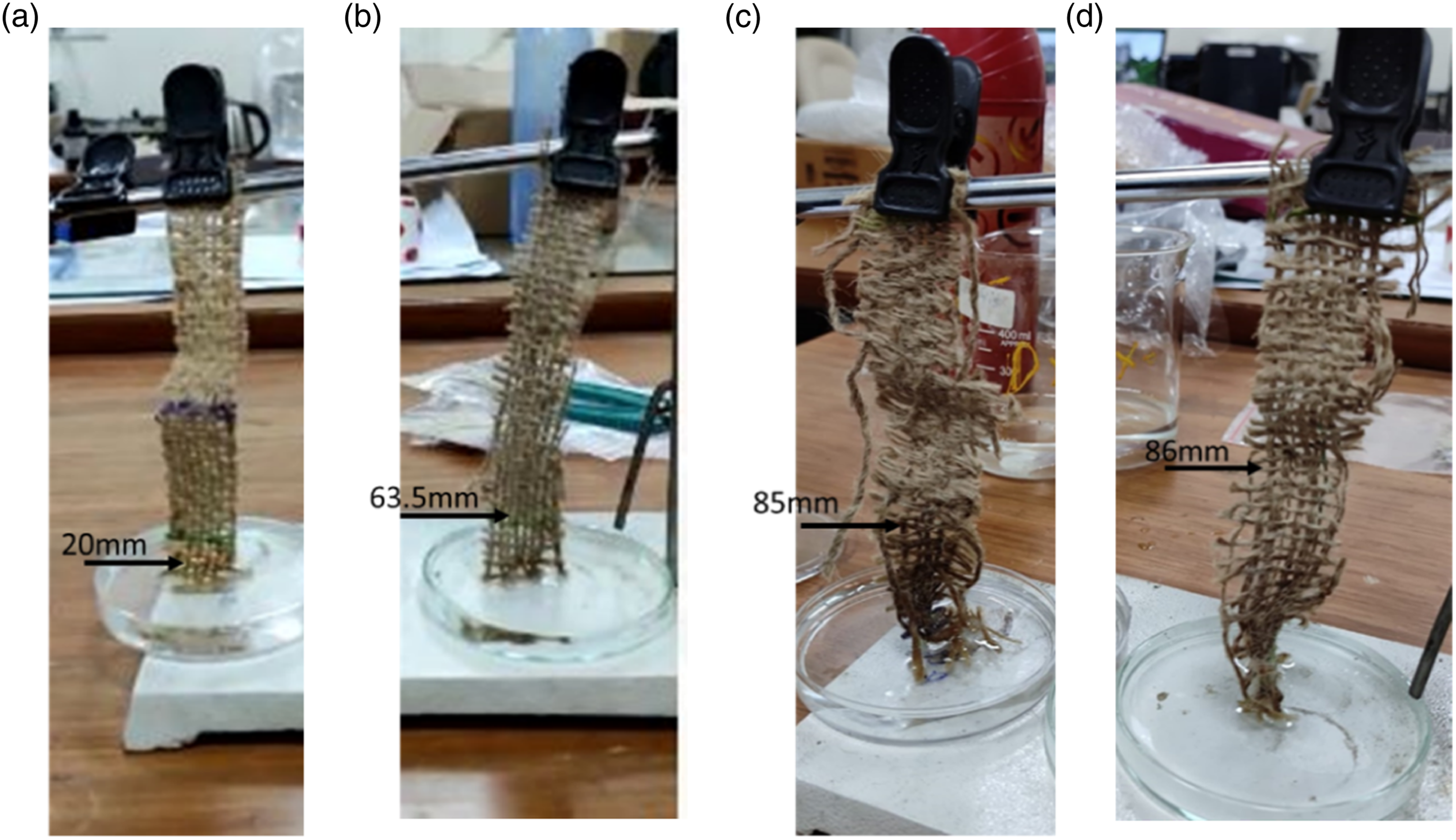
Moisture absorption
As previous tests indicated the improvements in hydrophilic behaviour of jute after the surface treatments, the additional test was performed to measure the moisture content in jute. The untreated jute showed least moisture content of 13.20%, whereas alkali treated, and 5 min ozone treated jute showed higher moisture contents of 14.60% and 18.73%, respectively. Furthermore, the moisture content was found to increase up to 25.22% and 32.95% for increased ozone treatment time of 10 and 15 min, respectively. These results agree with previous discussion on contact angle and wicking test measurements where the uneven surfaces of ozone treated jute fibres increased the moisture absorption results because of their greater specific surface area and porous morphology. 60 Furthermore, the deterioration of the amorphous region after the ozone treatment could be another reason for the increased moisture absorbance capacity. 2
Thermal stability
The thermal degradation of jute fabrics is shown in Figure 6. The stages of decomposition experienced by the jute fabrics are illustrated in three different steps. The broader peak shown below the temperature of 100°C is because of evaporation of moisture. The first step of decomposition takes place due to degradation of hemicellulose at a temperature of 271°C. The peak at temperature of 320°C takes place because of thermal degradation of cellulose. The final peak at a temperature of 390°C is mainly because of the degradation of non-cellulosic contents and carbon residues due to the presence of oxygen.
61
In case of ozone and alkali treated jute fabrics, the peak showing degradation of hemicellulose disappeared slowly. However, the decomposition peak of cellulose did not change as seen in case of untreated jute fabric. The treated jute fabric showed higher residual char at 400°C than untreated jute fabric. The reason is due to the easy removal of water-soluble hemicellulose which degrades faster when compared to cellulose. Also, the dTG curve depicted the higher thermal stability of untreated jute fabrics than the ozone treated jute, which can be attributed to the removal of lignin and various cementing substances after the ozone treatment of jute. Thermal degradation of untreated, alkali and ozone treated jute fabrics.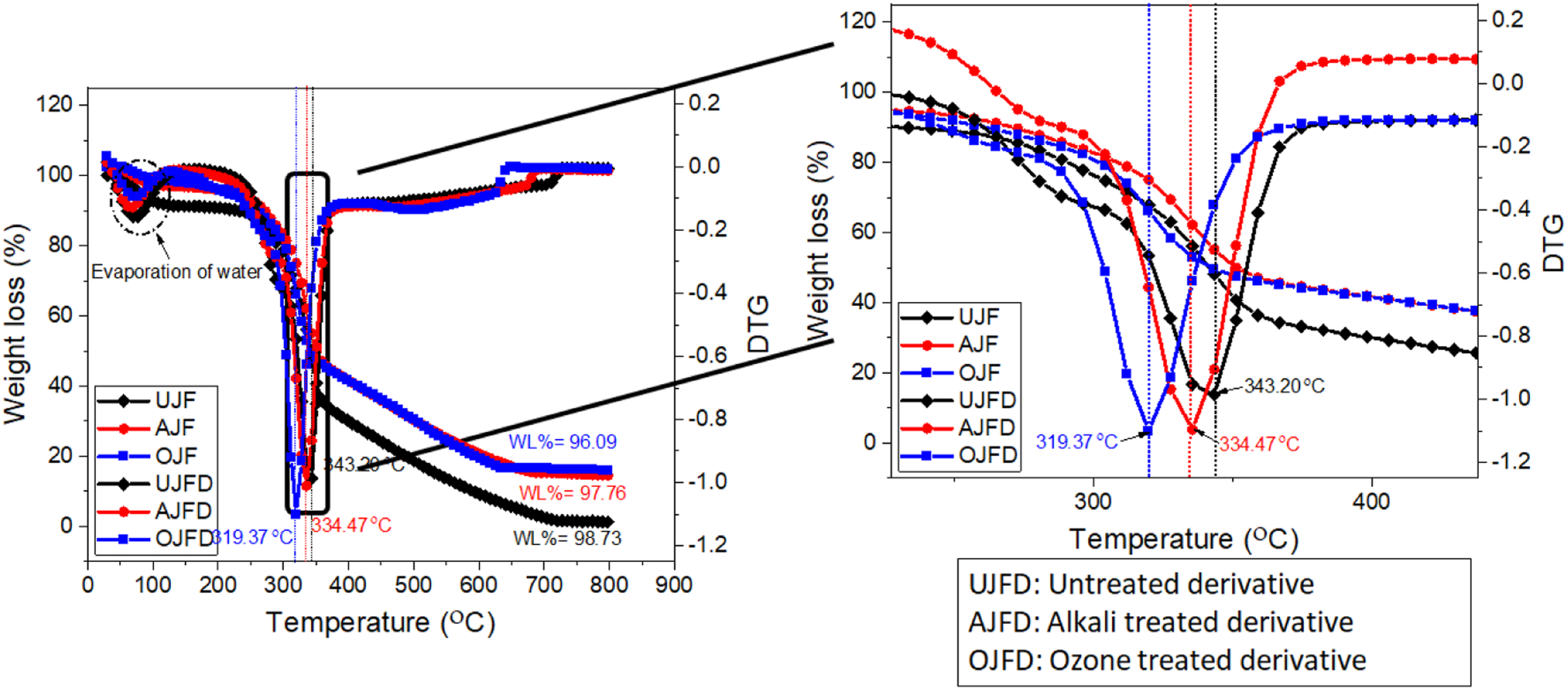
Surface energy
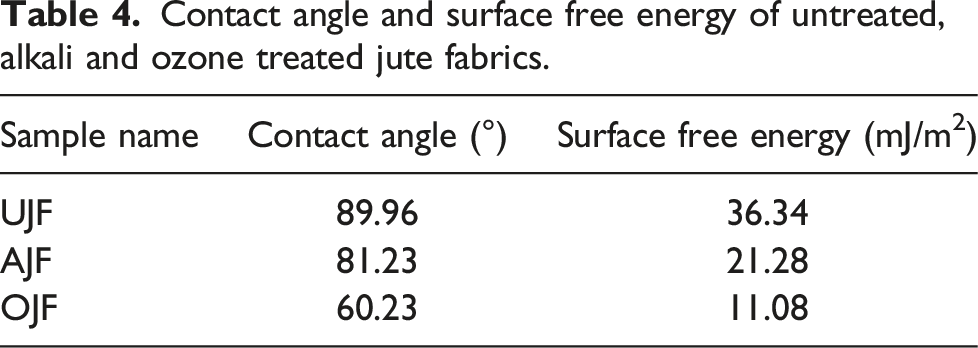
Contact angle and surface free energy of untreated, alkali and ozone treated jute fabrics.
Whiteness index
Figure 7 shows the apparent change in colour of jute fibres before and after the surface treatments. The untreated jute fibres depicted the whiteness index of 152, whereas the alkali and ozone treated jute fibres showed the whiteness index of 201 and 195, respectively. The colour of jute fibres changed to greater extent after the alkali treatment than the ozone treatment, which can be attributed to greater removal of non-cellulosic contents uniformly by alkali treatment. From observed whiteness of jute fibres, the treatment by ozone gas was found satisfactory to remove natural pigments in jute fibres. This was attributed to strong oxidation potential of ozone gas which broke the double bonds and high electron density functional groups present in pigments of jute fibres.
16
Change in colour of untreated, alkali and ozone treated jute fibres. (a) UJF. (b) AJF. (c) OJF.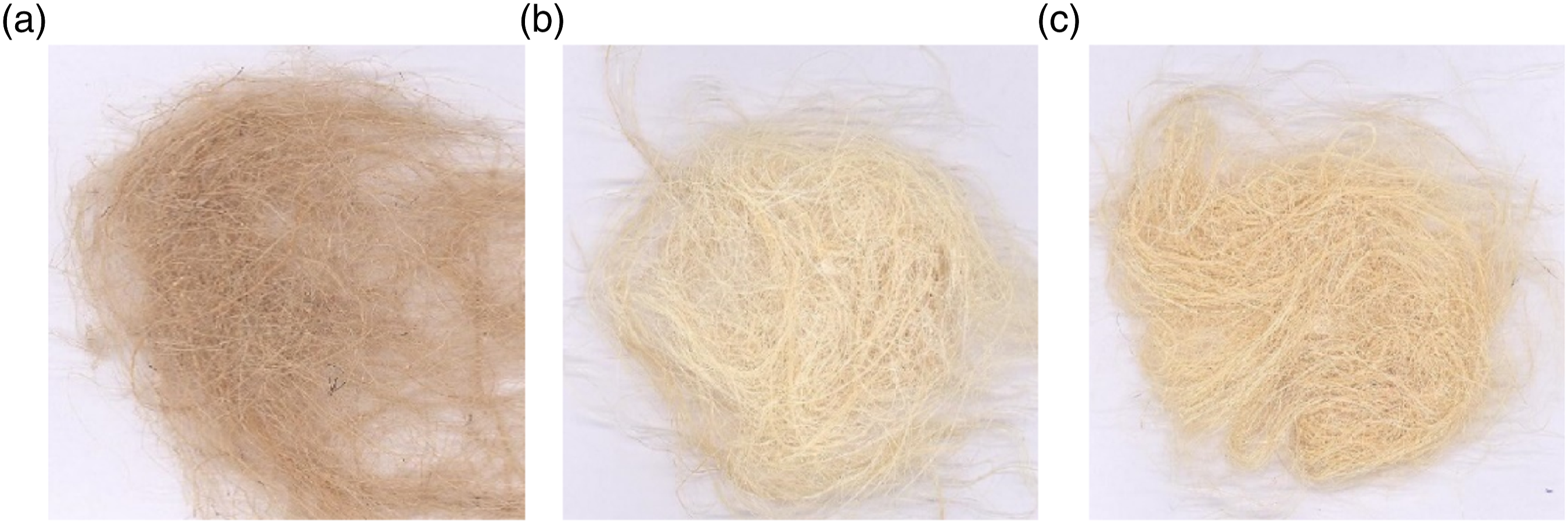
Dynamic mechanical analysis of jute fabric/epoxy composites
The dynamic mechanical analysis was performed to study the viscoelastic properties of jute fabric/epoxy composites in terms of storage modulus (E′), loss modulus (E″) and damping factor (Tan δ).
25
From Figure 8, the operating temperature and the surface treatment of jute fabrics was found to affect all the viscoelastic properties of the composites. The results of storage modulus in Figure 8(a) and Table 5 indicated that the load bearing capacity of the alkali treated jute fabric composites was higher across all temperature ranges among all composites. Similar observations have been reported in previous works.
25
Further, the ozone treated jute fabric composites showed lower load bearing capacity as compared to untreated jute fabric composites in temperature range of 20°C–90°C. However, with further increase in temperature beyond 90°C, the ozone treated jute fabric composites depicted higher storage modulus values than the untreated jute fabric composites. The storage modulus of untreated jute fabric composites dropped more rapidly than the surface treated jute fabric composites with the increase in temperature beyond 90°C. The minimum drop observed in the case of surface treated jute fabric composites showed their ability to restrict the segmental movements of epoxy chains beyond 90°C. This behaviour can be attributed to effective stress transfer between surface treated jute fibres and epoxy resin due to better adhesion and compatibility.
62
The surface treated jute fabric epoxy composites showed extended temperature range between 100 to 120°C to restrict segmental mobility of epoxy matrix. This can be further supported from the observations of glass transition temperature (Tg) where alkali treated jute fabric composites showed higher Tg value followed by ozone treated jute fabric composites as compared to untreated jute fabric composites. Dynamic mechanical analysis of jute fabric/epoxy composites. (a) Storage modulus. (b) Loss modulus. (c) Damping factor. DMA results of jute fabric epoxy composites. *Average ± st. dev.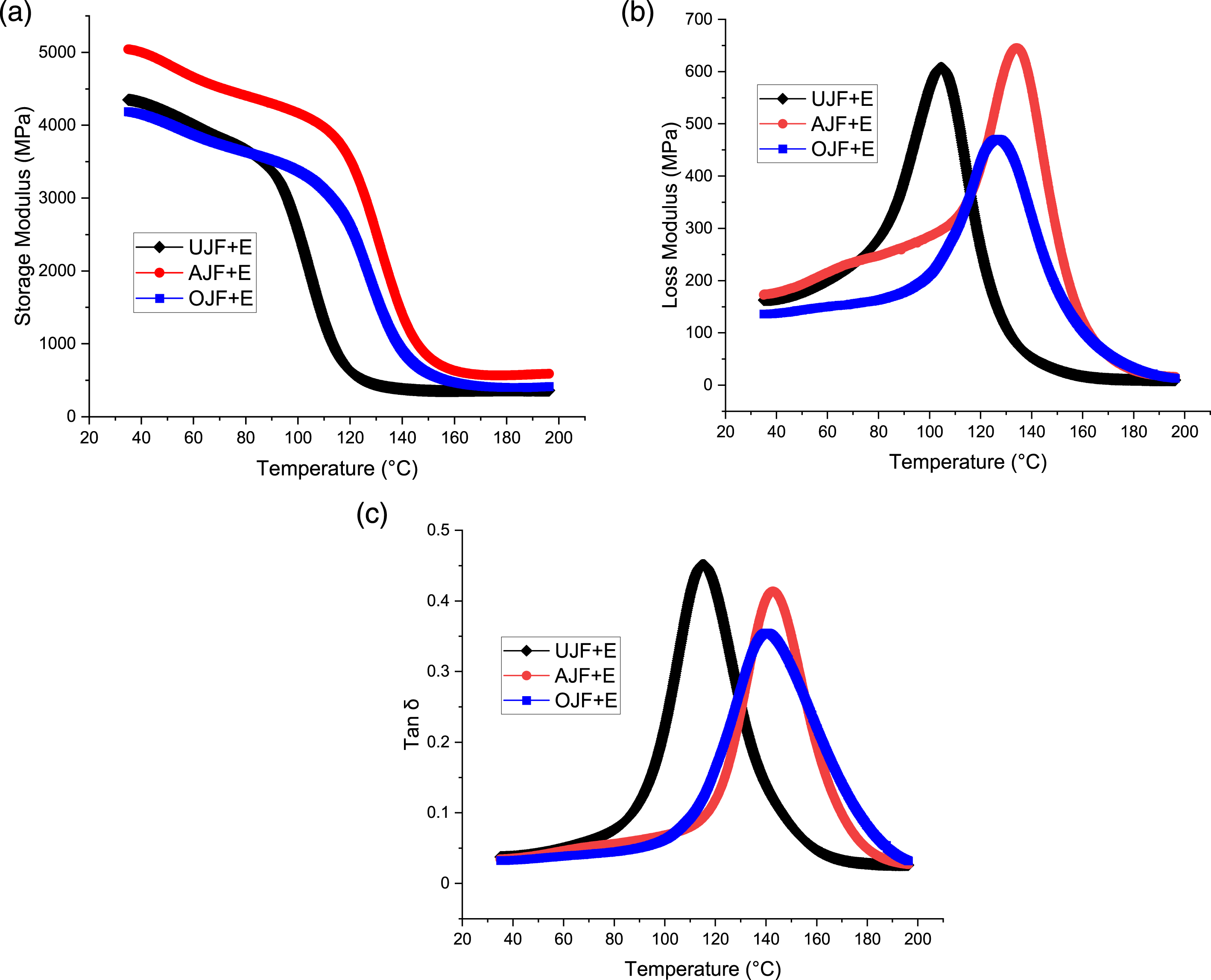

To study the elastic and viscous phase balance in jute fabric epoxy composites, the damping properties were analysed by measurement of tan δ values (i.e., ratio of loss modulus to storage modulus). It indicates the ability of conversion of mechanical energy into thermal energy when material is under external loading. From Figure 8(c) and Table 5, the untreated jute fabric composite has higher damping factor whereas the surface treated jute fabric composites have the lower values of damping factor. This indicated more dissipation of energy occurring in untreated jute fabric composites because of frictional damping experienced by weak interface between untreated jute fibres and epoxy resin. 63 The ozone treated jute fabric composites depicted lowest tan δ peak which showed less energy dissipation due to their relatively stronger interface. Nevertheless, the tan δ peak (Tα) of the surface treated jute fabric composites was positively shifted, where the maximum shift of around 28°C was found in case of alkali treated jute fabric composites. This indicated effective restriction of segmental mobility of the matrix chains due to better interfacial properties resulted from greater removal non-cellulosic contents uniformly by alkali treatment than the ozone treatment. 64
Creep behaviour of jute fabric/epoxy composites
Findley’s model
Estimation of creep parameters of untreated jute fabric/epoxy composites.
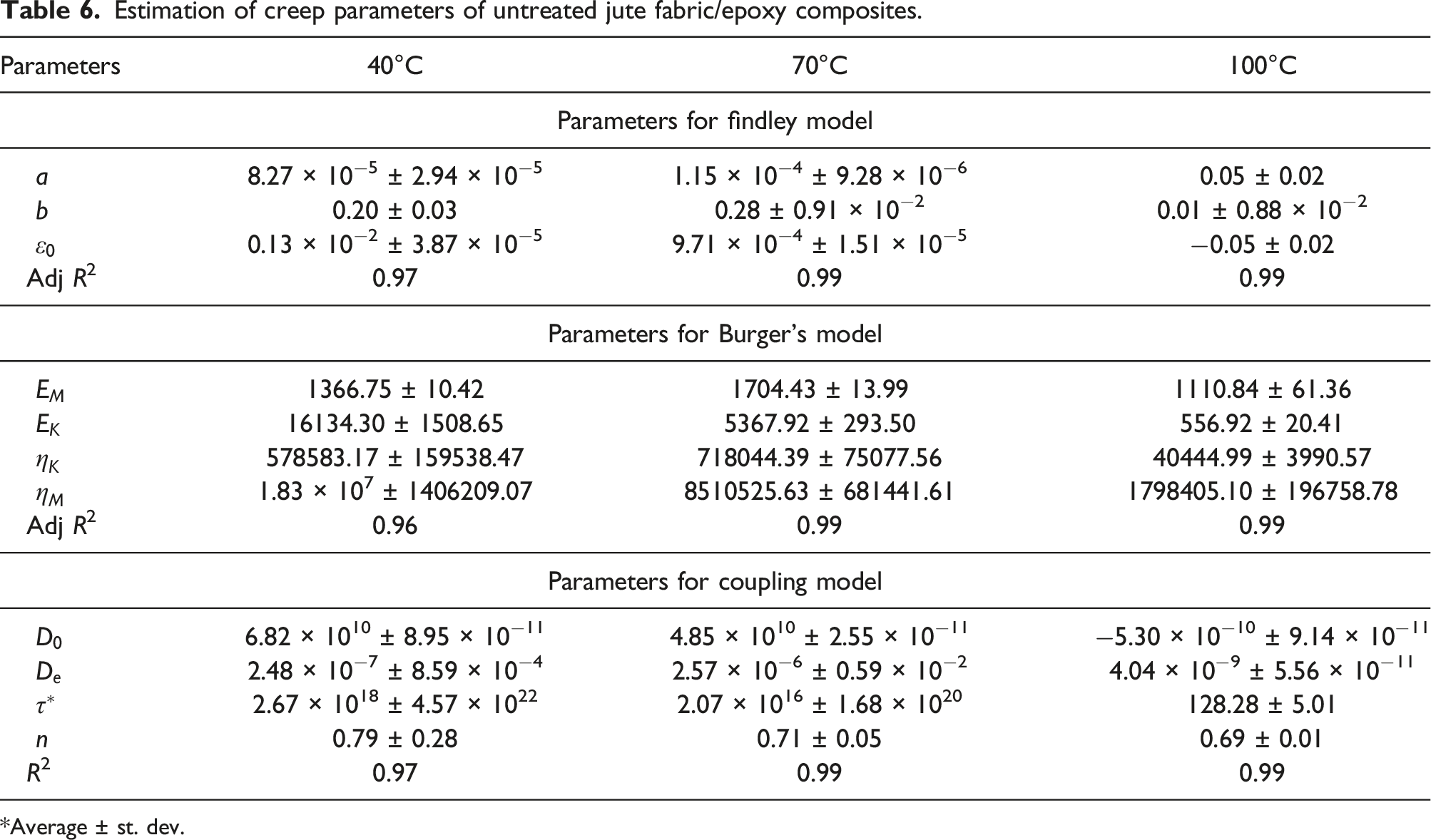
*Average ± st. dev.
Estimation of creep parameters of alkali treated jute fabric/epoxy composites.
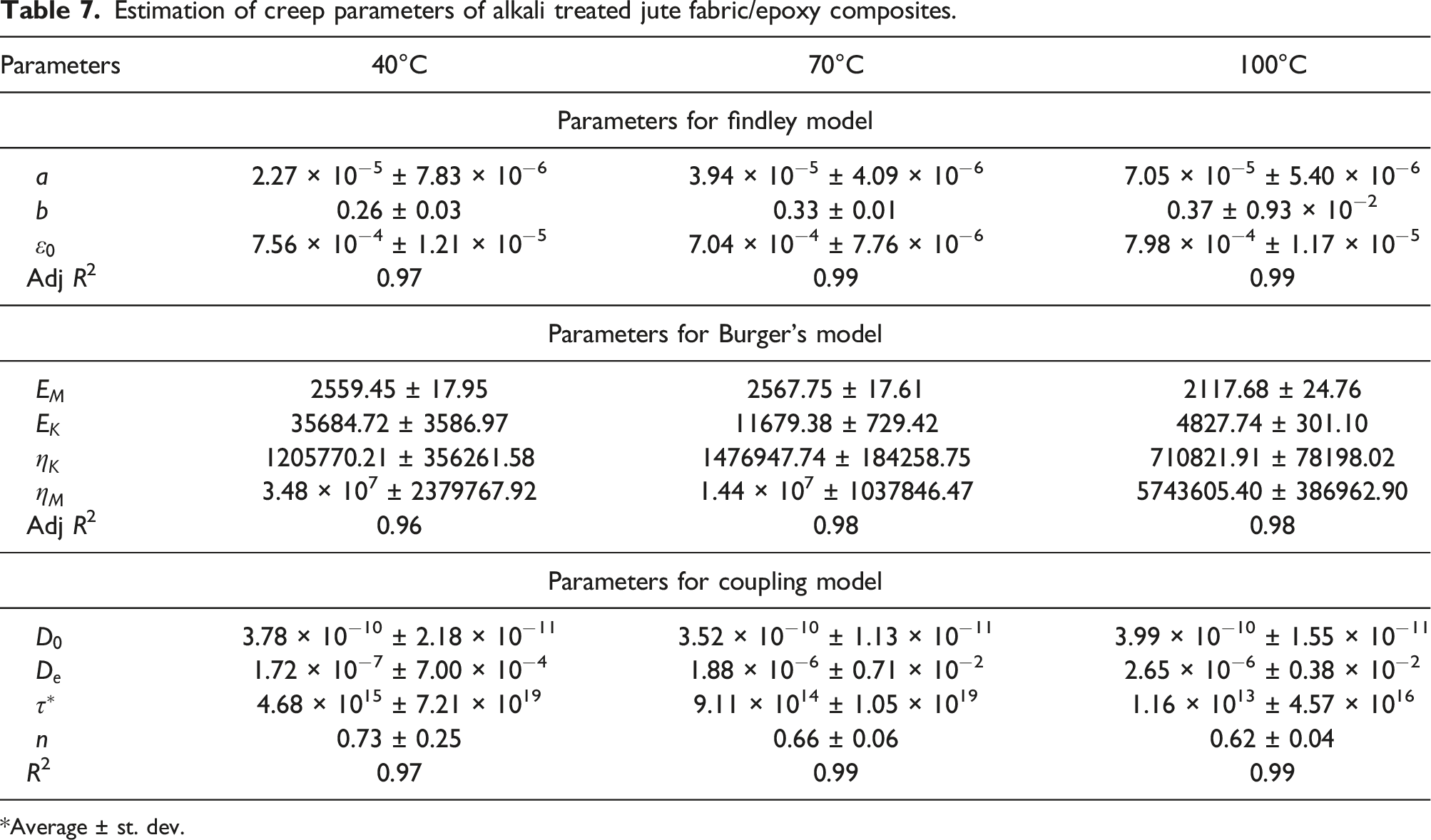
*Average ± st. dev.
Estimation of creep parameters of ozone treated jute fabric/epoxy composites.
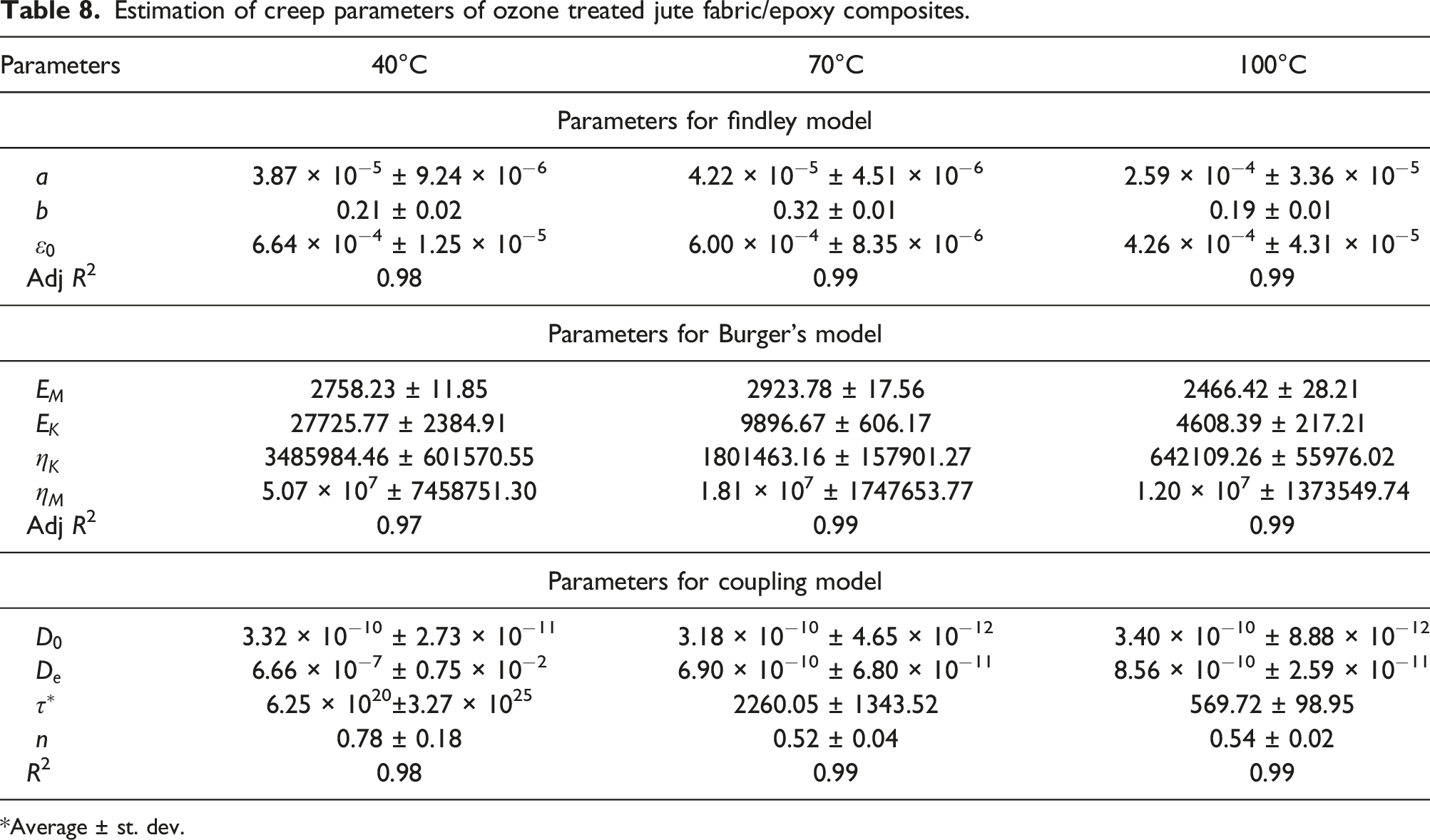
*Average ± st. dev.
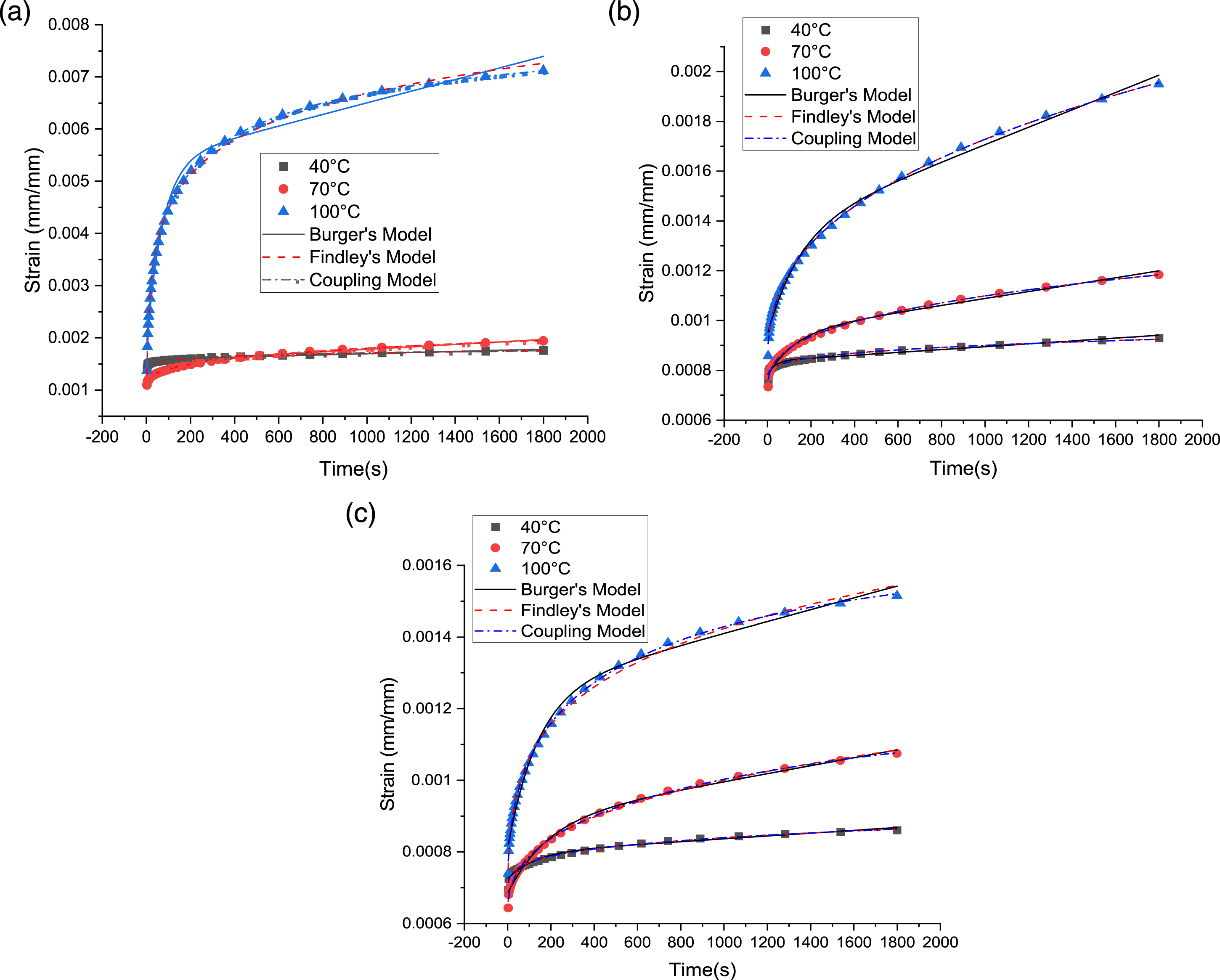
Creep behaviour of jute fabric/epoxy composites by different models. (a) UJF + E. (b) AJF + E. (d) OJF + E.
Burger’s model
The estimated four parameters
Coupling model
Tables 6–8 shows the estimated parameters of Coupling model determined by curve fitting in Figure 9. The parameters
Interfacial properties of jute fabric/epoxy composites
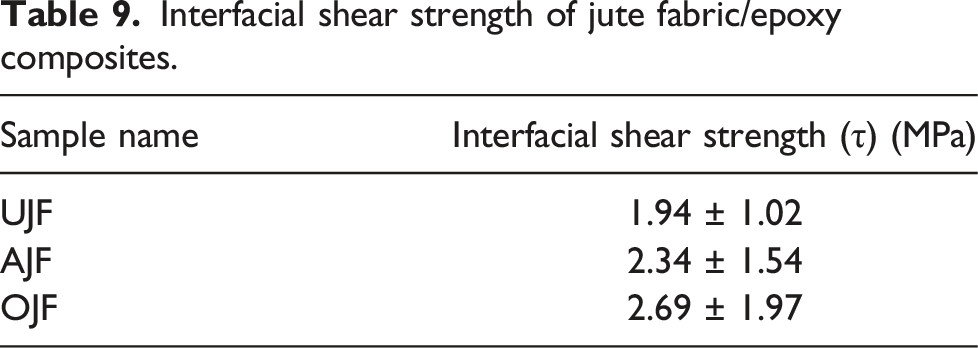
The load elongation curve of a typical microdroplet pull-out test of untreated, alkali and ozone-treated jute samples is shown in Figure 10, which justified that ozone-treated sample required more load to debond the reinforcement from the matrix as compared to the untreated samples. The interfacial shear strength (τ) was calculated from the force (gf) required to debond the reinforcement from the matrix of given droplet length and diameter size. From Table 9, the interfacial shear strength was found to increase for the ozone-treated jute because of better fibre matrix interlocking. This can be attributed to the increase in hydrophilic nature and wicking behaviour of jute fibres due to removal of lignin and impurities from the fibre surface. From the shape of load-elongation curve, the linear section represented the fibre elongation and storage of elastic energy. However, when the force reached a maximum threshold, the debonding between the jute fibre and epoxy resin was occurred. Also, it can be well understood that after total debonding, the frictional shear slippage occurred at first for untreated samples followed by alkali and ozone-treated jute samples. Therefore, it can be concluded that ozone treated jute exhibited better interfacial shear strength in terms of debonding force and higher interfacial shear strength. Maximum load required to debond the jute yarn from the epoxy matrix. Interfacial shear strength of jute fabric/epoxy composites.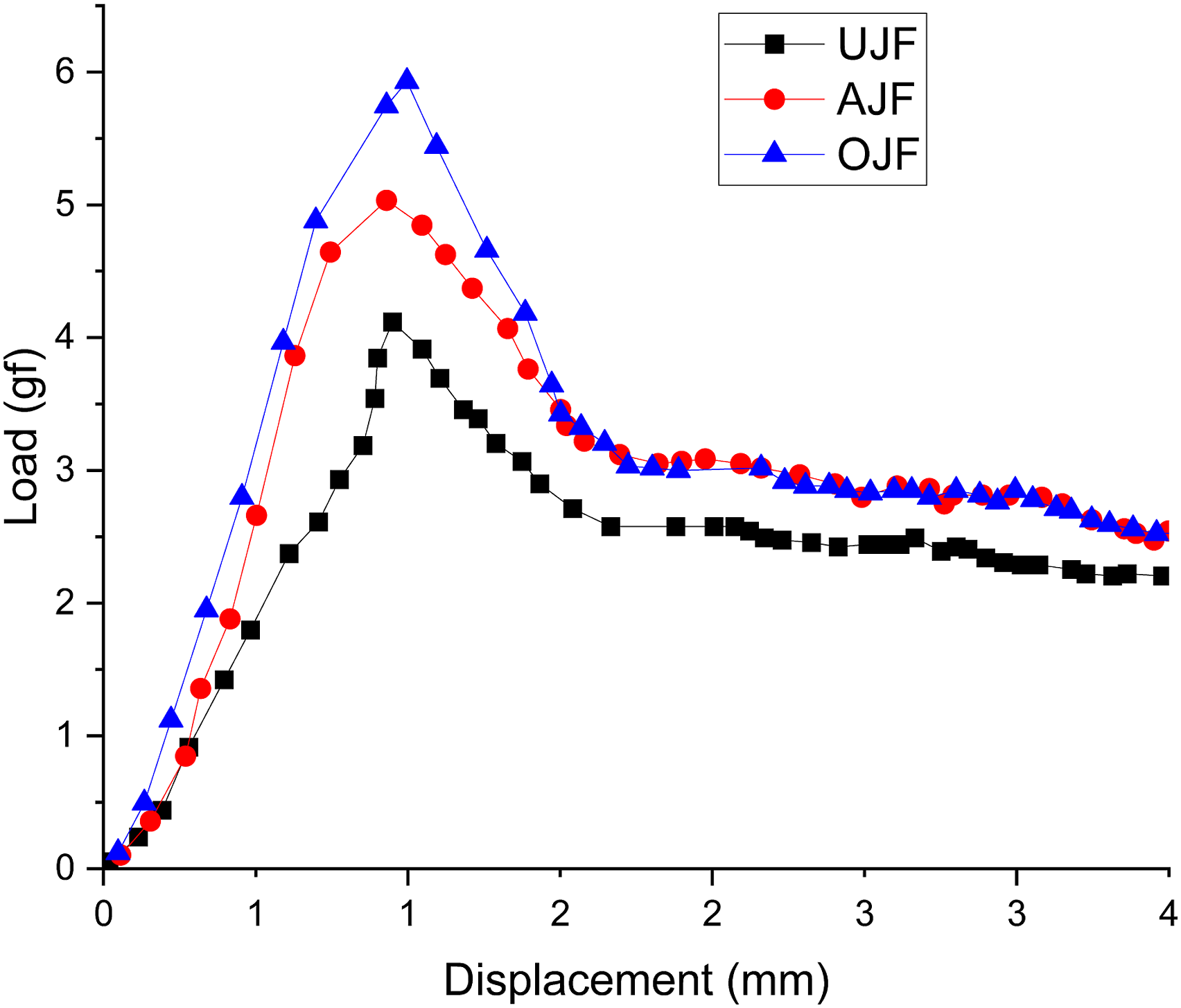
Conclusions
We have studied the creep behaviour of jute fabric reinforced epoxy composite laminates after exposure to different temperatures. The performance of ozone treatment over alkali treatment was compared for improvements in thermo-mechanical and creep properties of composites. It was found that by treating raw jute fabric with alkali and ozone treatments, the hydrophilic nature of the fabric increased, which further enabled the jute fibre to have an effective interaction with the epoxy matrix. The increase in hydrophilic nature of the jute fibre was justified by different results like the wicking behaviour, water contact angle, moisture absorption, etc. Furthermore, the surface free energy of the fabric samples was estimated, and it was found that ozone treated samples offered the lowest surface free energy when compared with the untreated and alkali treated jute fabrics. This shows that ozone treatment can be an alternative surface treatment to remove lignin and other impurities from the fabric surface. The creep and dynamic mechanical properties of the alkali and ozone treated jute composites were found better than the untreated jute composite. The lower creep deformation of treated jute fabric composites indicated increased mechanical bonding between the jute fibres and the epoxy matrix due to greater surface area offered by defibrillation and rough fibre surfaces. The creep resistance of ozone treated samples was found superior to the alkali and untreated samples at all temperatures. Furthermore, the ozone treated composites shown higher elastic deformation occurring instantaneously at elevated temperatures of 70°C and 100°C whereas less amount of deformation occurring due to the viscous regions with respect to time when considered with the alkali treated jute fabric composites. The similar or better creep resistance of ozone treated composites can be observed at higher temperature of 100°C than alkali treated samples. The various creep models were used to estimate the durability of composites by validating the experimental obtained creep results. The Findley model being primitive in nature did not show very high R2 values. As the complexity of model increased to more parameters, the experimental results fitted well with the models. However, the limitation of Burger’s model is that it can be used for characterization within a certain test duration only. There is no direct physical meaning to explain the viscoelastic properties of composites besides overprediction of creep values due to involvement of a greater number of parameters. The coupling model was found suitable for explaining the creep mechanism with specific physical meaning. These models suggested that the improvements in fibre/matrix interface is very important to ensure longer life of natural fibre-based composites. This was further supported based on good correlation between the obtained interfacial properties through the microbead pull out test and creep results of composites.
Footnotes
Declaration of conflicting interests
The author(s) declared no potential conflicts of interest with respect to the research, authorship, and/or publication of this article.
Funding
The author(s) received no financial support for the research, authorship, and/or publication of this article.
