







Abstract
When composite laminates are subjected to random vibration loads, internal fatigue damage alters the material properties, which in turn affects the stress-strain response of the laminates. This forms an evolving process where response, damage, and material properties interact with each other. In this paper, a method is proposed to simulate the fatigue process of composite laminates under random vibration loads. The method quantifies the fatigue damage induced by random vibrations through stiffness degradation. Starting from the initial stage, damage accumulation (i.e., stiffness degradation) is performed periodically, and the response is recalculated after each update. This iterative process continues until the entire stiffness and inherent frequency degradation throughout the fatigue life under random vibration is predicted. The method is implemented through a Python-based secondary development of ABAQUS. Constant-amplitude fatigue tests and random vibration fatigue tests were conducted on 2D woven glass fiber reinforced polymer composite laminates. The experimental results confirm the effectiveness of the proposed method.
Introduction
In recent decades, fiber-reinforced plastics (FRP) have been widely used in aerospace and other engineering fields due to their high specific strength, high specific stiffness, and excellent design flexibility. In practical applications, fatigue damage induced by vibration loads is one of the key causes of structural failure. At present, the fatigue behavior of FRP under constant amplitude loading has attracted extensive attention and has been studied in depth.1–8 However, research on the fatigue performance of composites under random vibration loading remains relatively limited.
At present, most studies on FRP under vibration loading adopt methods originally developed for investigating the random vibration fatigue of metallic materials.9–11 The most representative among these is the fatigue life prediction approach based on the material’s fatigue life curve (S-N curve) combined with Miner’s linear damage accumulation rule. For uniaxial stress conditions, Ma 12 predicted the vibration fatigue life of honeycomb sandwich structures under narrow-band excitation using shear stress as the main parameter. Under multiaxial stress conditions, Zhou 13 and Gao 14 proposed methods based on the Tsai-Hill failure criterion. They introduced an equivalent stress approach that converts multiaxial stresses in composite laminates under vibration loading into an equivalent uniaxial stress along the principal direction to predict the fatigue life of the laminates.
In addition, some researchers have proposed integrating the residual stiffness or residual strength models obtained under constant amplitude loading to derive corresponding models under random vibration loading. Wu15,16 developed a residual stiffness model for C/SiC composites under random vibration loading by combining the residual stiffness model under constant amplitude loading with the S-N curve. Chen 17 established a residual strength model for carbon fiber woven laminates under narrow-band excitation based on the residual strength model under constant amplitude loading. Similarly, Sun 18 proposed a residual strength model for carbon fiber woven laminates under broadband excitation, also derived from the residual strength behavior under constant amplitude loading.
Although the aforementioned methods have achieved satisfactory predictive results, they overlook the fundamental differences between metallic materials and composite materials. For metallic materials, the structural response remains almost unchanged before failure occurs (i.e., the appearance of cracks) under random vibration loading. However, this is not the case for composite materials. 19 Prior to final failure, various types of fatigue damage may develop within the composite material, which can alter its inherent material properties and consequently change the structural response. Therefore, continuing to use the initial response state to evaluate fatigue life inevitably leads to errors. On the other hand, the damage mechanisms of metallic materials are generally consistent under both constant amplitude and random vibration loading, making it reasonable to apply Miner’s linear damage accumulation theory based on S-N curves. In contrast, composite materials exhibit different damage mechanisms under these two types of loading conditions. 20 As such, the focus of fatigue research on composites under random vibration loading should be on the quantification of fatigue damage—specifically, on how material properties and structural responses evolve during the process.
To address the aforementioned issues, this paper proposes a method that quantifies fatigue damage in composite laminates under random vibration loading by tracking stiffness degradation, thereby enabling the prediction of both stiffness and inherent frequency reduction throughout the fatigue process. The entire process is implemented via finite element analysis. For commonly used orthotropic laminates, there are nine independent elastic constants; even a single lamina has four independent constants. Accurately quantifying the impact of fatigue damage on all material properties remains a significant challenge. Moreover, under complex loading conditions, fatigue damage may cause the laminate to deviate from orthotropic behavior, further complicating the analysis. Therefore, this study focuses on the random vibration fatigue of unidirectional composite laminates under narrow-band excitation. Through this simplified case, the effectiveness of the proposed method is demonstrated.
Stiffness reduction theory and prediction method of natural frequency decrease
As shown in Figure 1, when the FRP laminate is subjected to a certain random vibration load, numerous fatigue damages, such as matrix cracks and delamination, will occur within the material. These damages will affect the fundamental material properties of the laminate, such as tensile stiffness and shear modulus. Changes in material properties, in turn, will cause alterations in the random vibration response, and this process repeats itself. Random vibration fatigue process of composite laminate.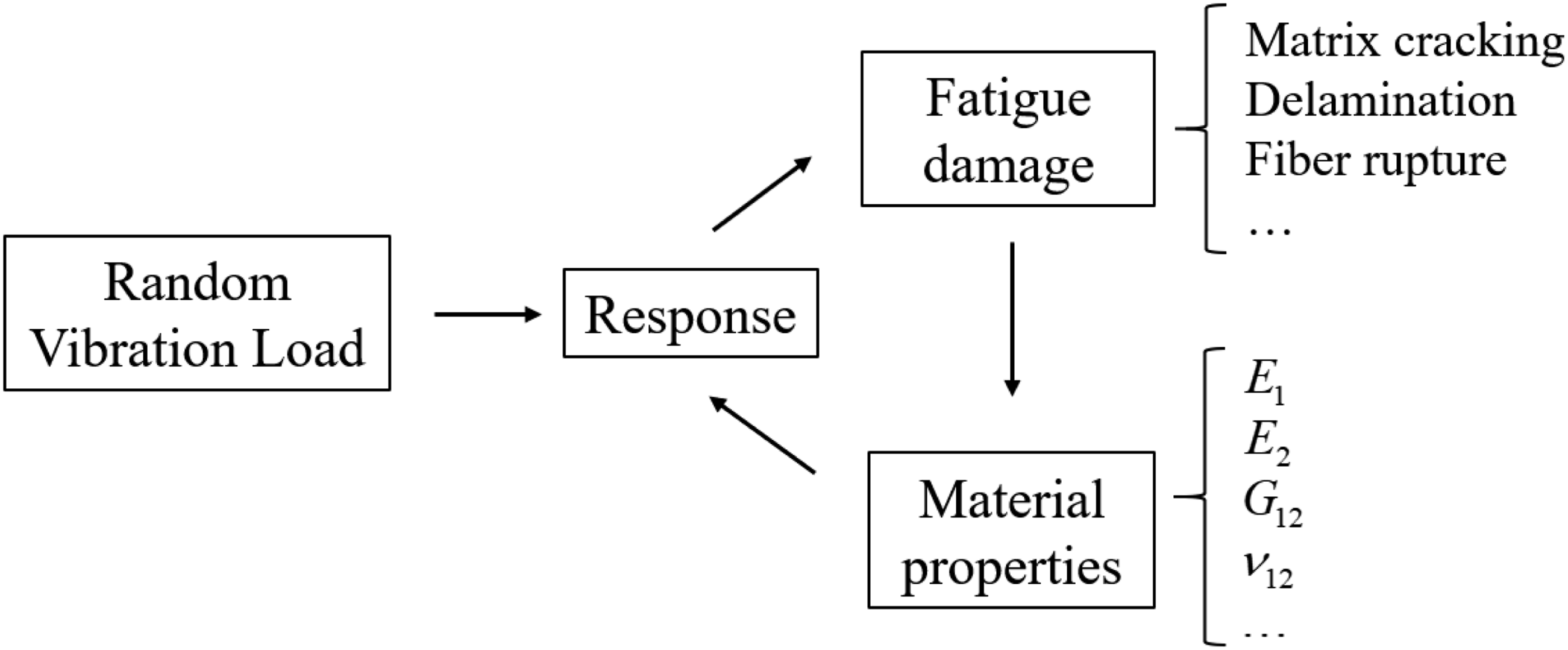
The fatigue damage D(t) generated in the composite material under vibration load over time t is defined as the degradation of stiffness,
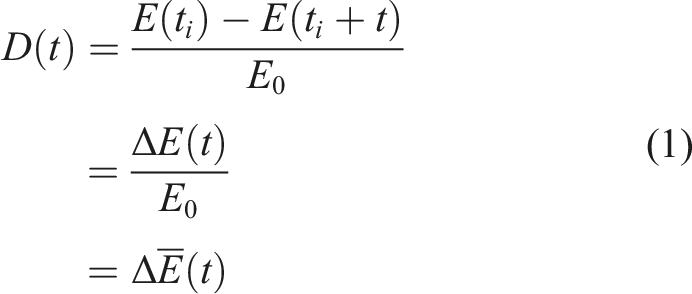
In the equation,
Assuming that under the same damage mode, if the material’s remaining stiffness is the same, the material is considered to be in the same damage state, and the subsequent damage caused by the same load will be the same. For example, when the remaining stiffness of a certain unit at a given time Diagram illustrating the equivalence of stiffness degradation rate under random vibration load.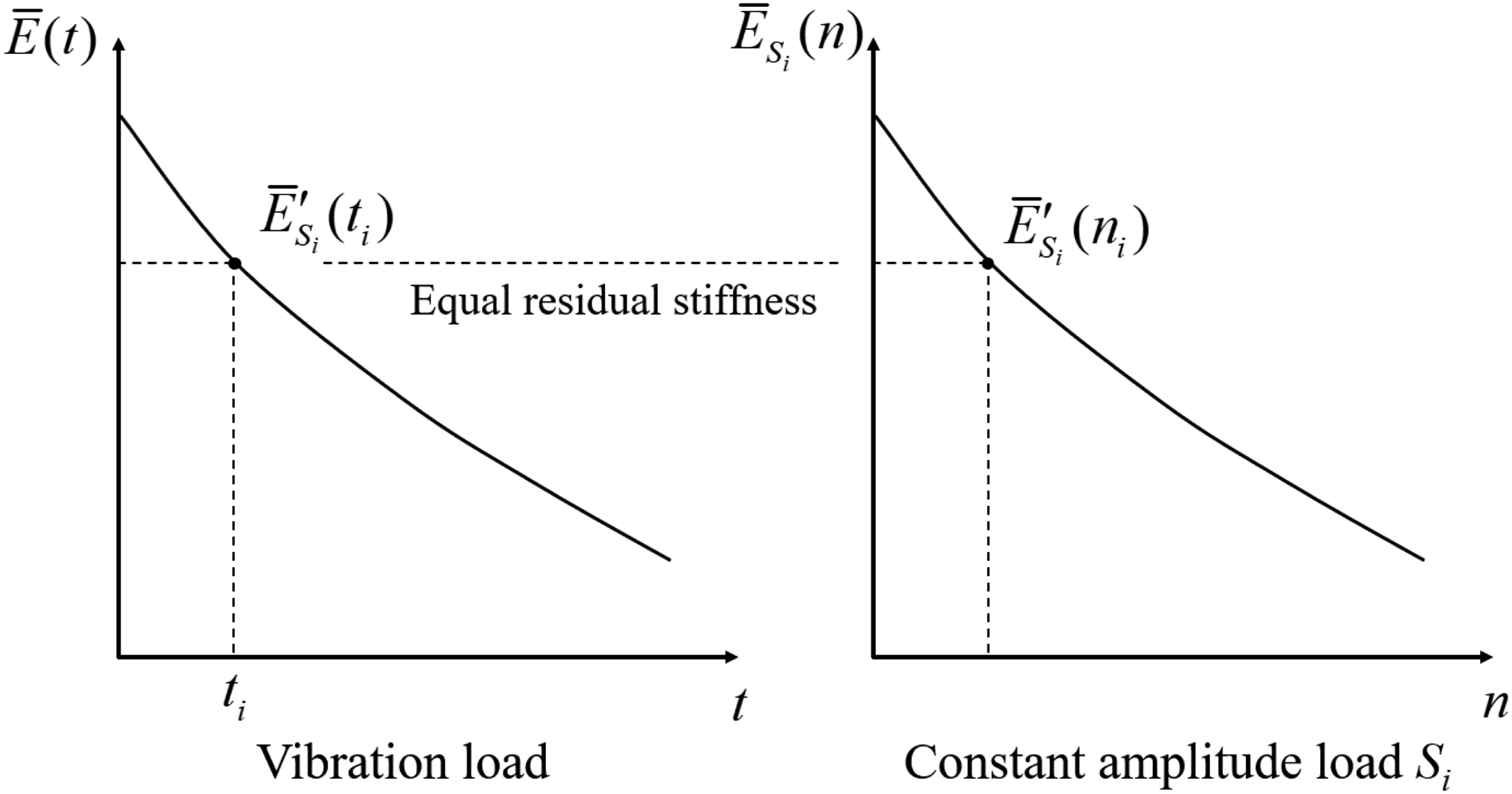
Under vibration loads, the load applied to the composite laminate over time t is a random process. This random process can be analyzed in the frequency domain to obtain its stress distribution,21,22

According to equation (1), the stiffness degradation

Based on the previous assumption, under the same damage mode, when the material’s residual stiffness is the same, the subsequent damage caused by the same load will also be the same. Therefore, the stiffness degradation caused by the load

Combining equations (2)–(4), the normalized stiffness degradation of any unit at any moment after time t under vibration load can be expressed as

To express it in continuous form:

Based on the aforementioned stiffness degradation theory, combined with finite element simulation, the inherent frequency decrease of composite laminates under vibration loads can be predicted. The process is shown in Figure 3 , and the entire procedure is implemented through secondary development of ABAQUS using PYTHON. First, an initial finite element model of the composite laminate is established in ABAQUS, and after generating the input file, the analysis is submitted to obtain the result file (ODB File). PYTHON is then used to read the inherent frequencies and stress responses of all elements at the critical locations from the result file. Next, damage accumulation, i.e., stiffness degradation, is performed on each element at the critical location. PYTHON is then used to modify the material properties of each element and generate a new input file (New Input File), which is submitted for recalculation to obtain the new response. This iterative process is repeated to simulate the random vibration fatigue damage process of the composite laminate and predict the decrease in inherent frequency. The finite element simulation flowchart of random vibration fatigue for composite laminate.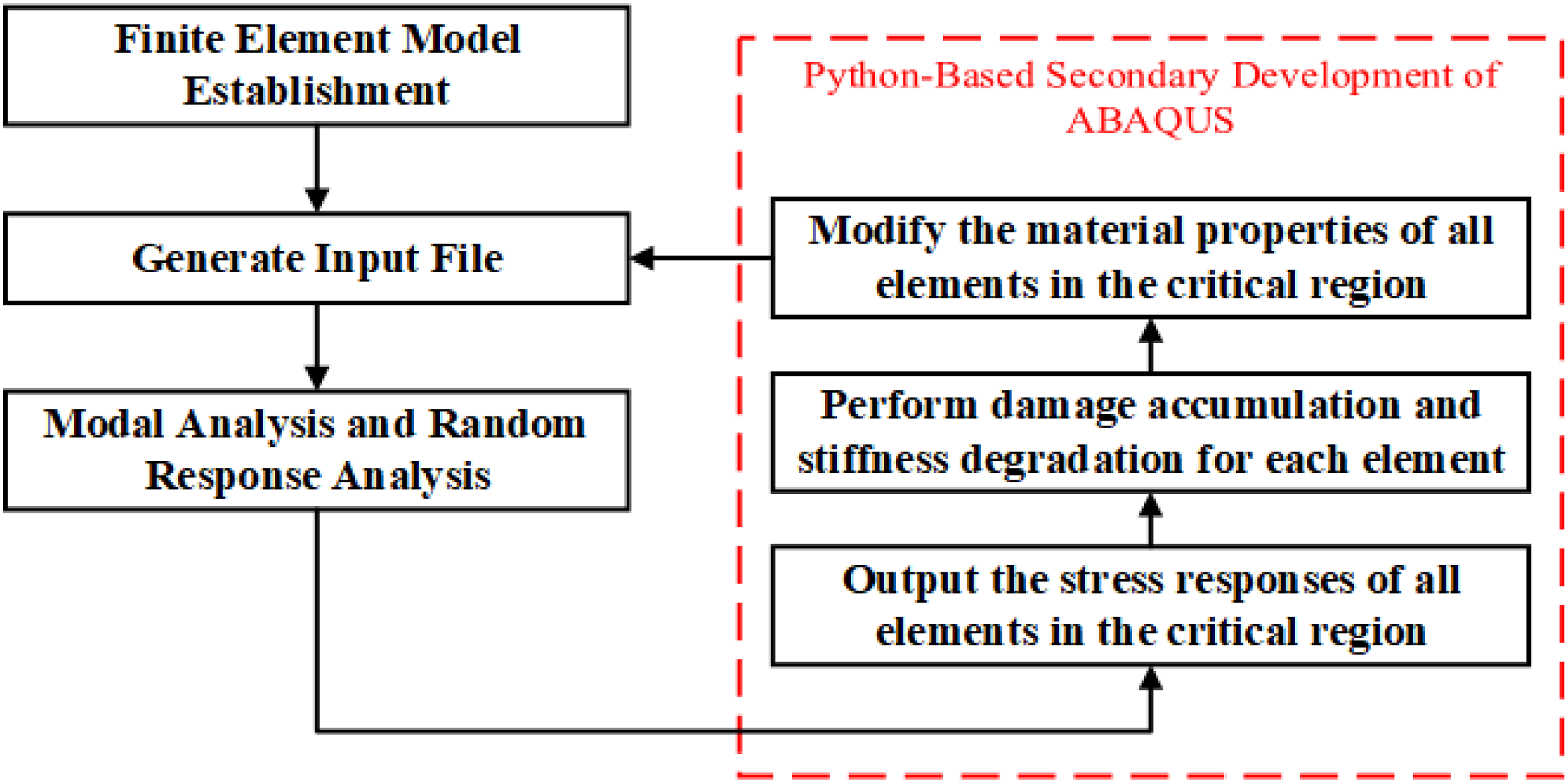
Experiments and results
The test specimens were made of 2D woven glass fiber reinforced polymer (GFRP) unidirectional laminates, manufactured by AVIC Composite Corporation. The material designation was ACTECH1203-EW301 F, with a twill weave pattern, consisting of 24 plies and a total thickness of approximately 6.4 mm. The basic material properties can be found in Reference. 23 The experiments were divided into two parts. The first part involved constant-amplitude fatigue tests to obtain the stiffness degradation curves under constant loading, which serve as input data for the subsequent prediction method. The second part involved random vibration fatigue tests, and the experimental results were compared with the predicted values to validate the effectiveness of the proposed method.
Constant-amplitude fatigue test
The specimen for the constant-amplitude fatigue test had a length of approximately 160 mm and a width of around 22 mm, with glass fiber reinforced polymer sheets bonded at both ends. The test section was about 80 mm in length. The applied loads were 250 MPa, 220 MPa, 200 MPa, 180 MPa, and 150 MPa. The test was performed on an MTS fatigue testing machine, as shown in Figure 4. The loading frequency of the load is 5 Hz, and the loading stress ratio R is 0.1. At intervals during the test, the experiment was paused, and a small load (5000N, approximately 35.5 MPa) was applied to record the force-displacement curve to obtain the remaining stiffness of the specimen at that moment. The entire test was conducted in accordance with the ASTM D3479/D3479M standard. Constant-Amplitude fatigue test.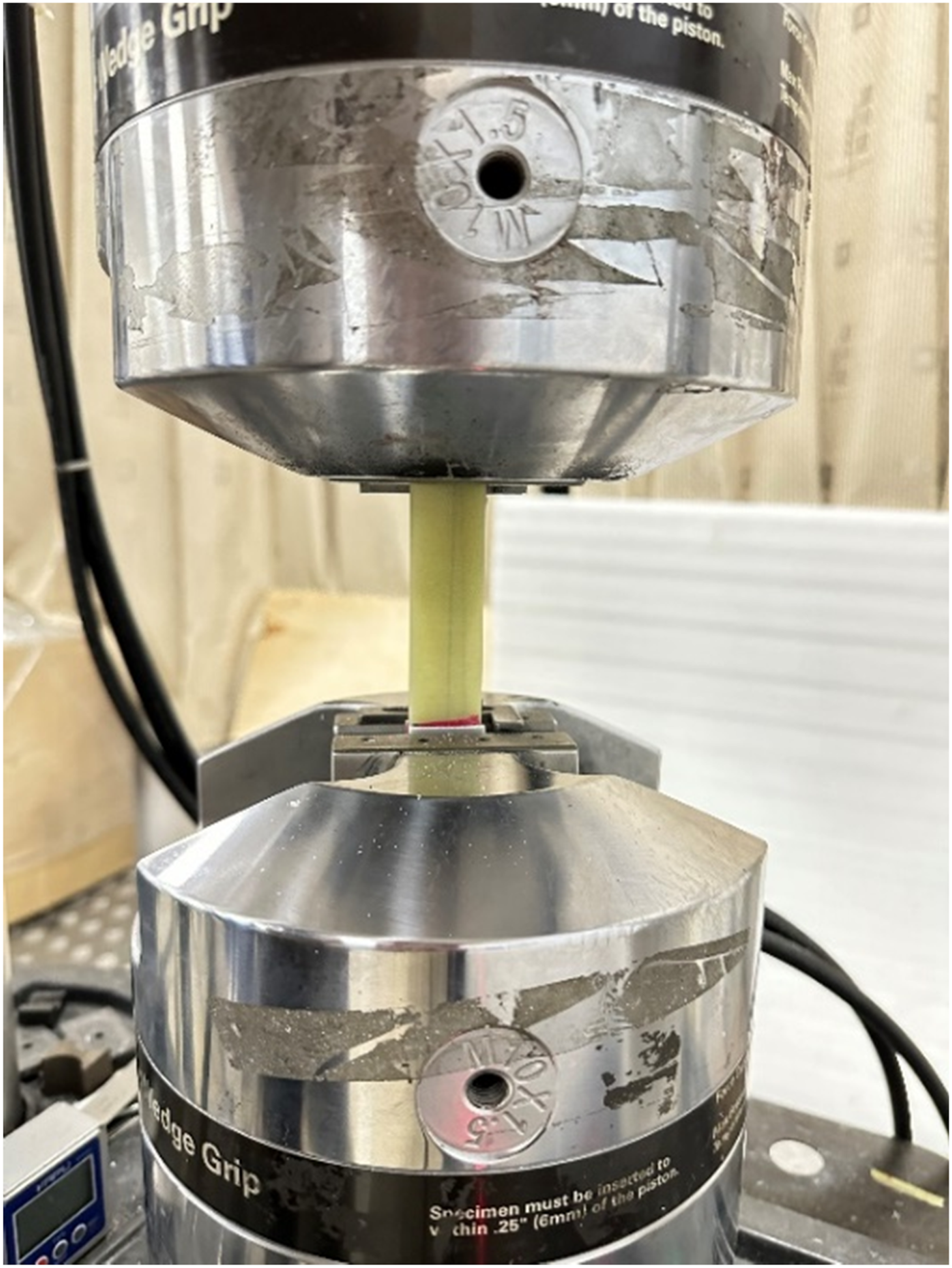
The test results are shown in Figure 5. The x-axis represents the logarithm of the number of load cycles, and the y-axis represents the normalized stiffness. It can be observed that under this coordinate system, the relationship can be fitted using a linear function. Therefore, the stiffness degradation can be expressed as: Constant-amplitude load stiffness degradation test results and fitting curve.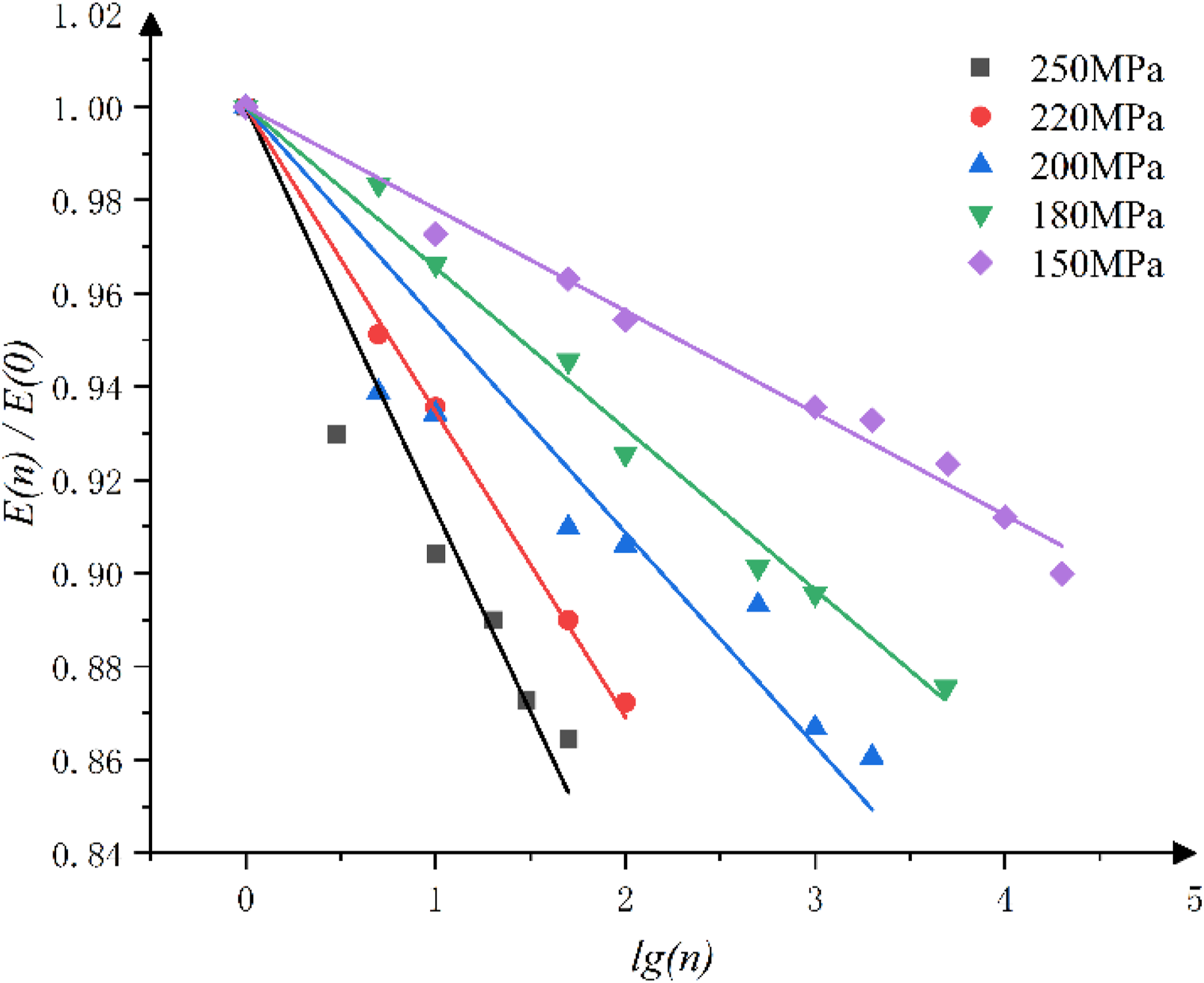

Random vibration fatigue test
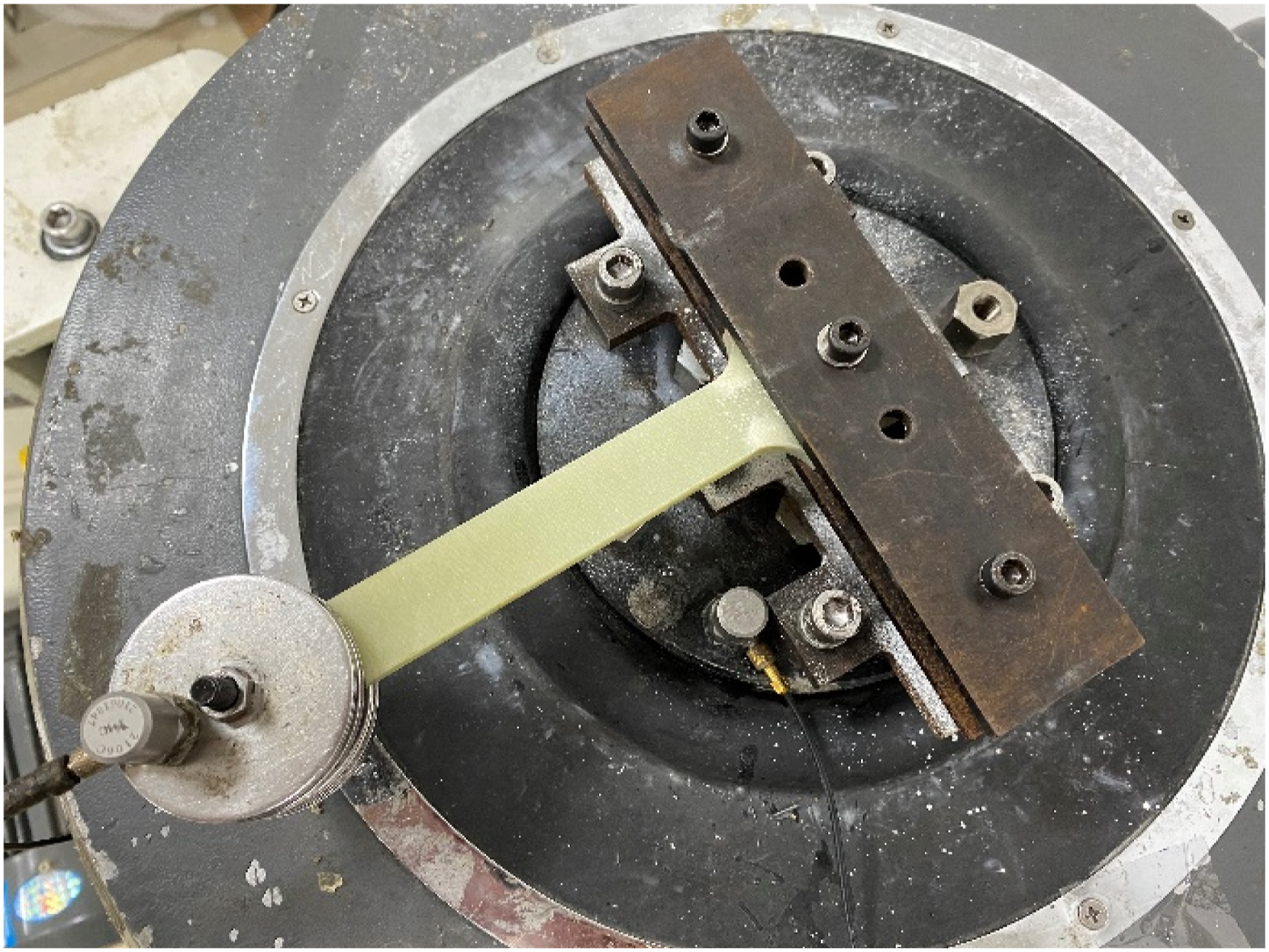
The geometric dimensions of the random vibration test specimen are shown in Figure 6. The specimen is fixed on the vibration table through the hole on the left side using a pressure block, while the hole on the right side is used for installing a counterweight, with a counterweight mass of 300 g. The loading direction is out-of-plane to the test specimen and perpendicular to the testing plane. The test is conducted on the Sushi vibration table, as shown in Figure 7. The detailed experimental procedure can be found in the referenced literature.
20
The geometric dimensions of the random vibration test specimen. Random vibration fatigue test.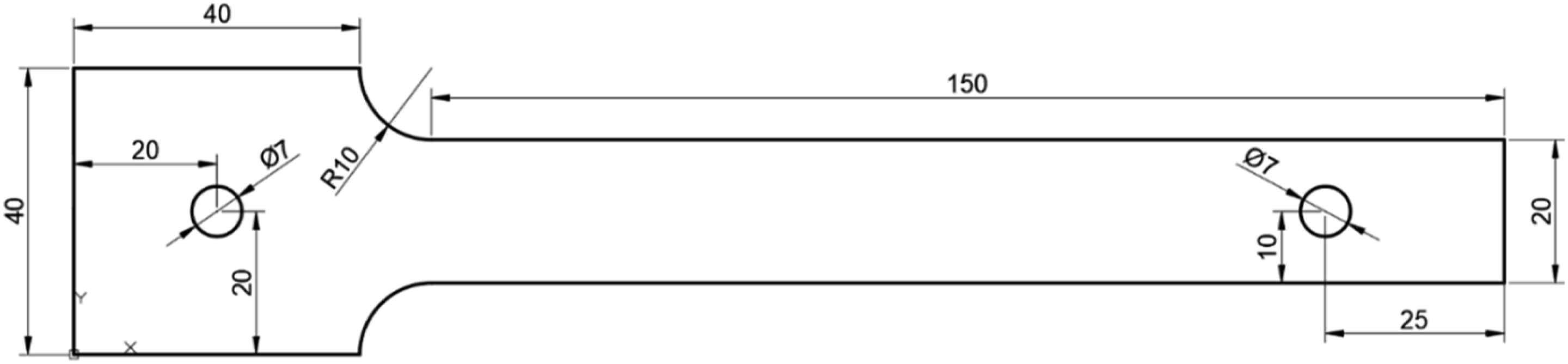
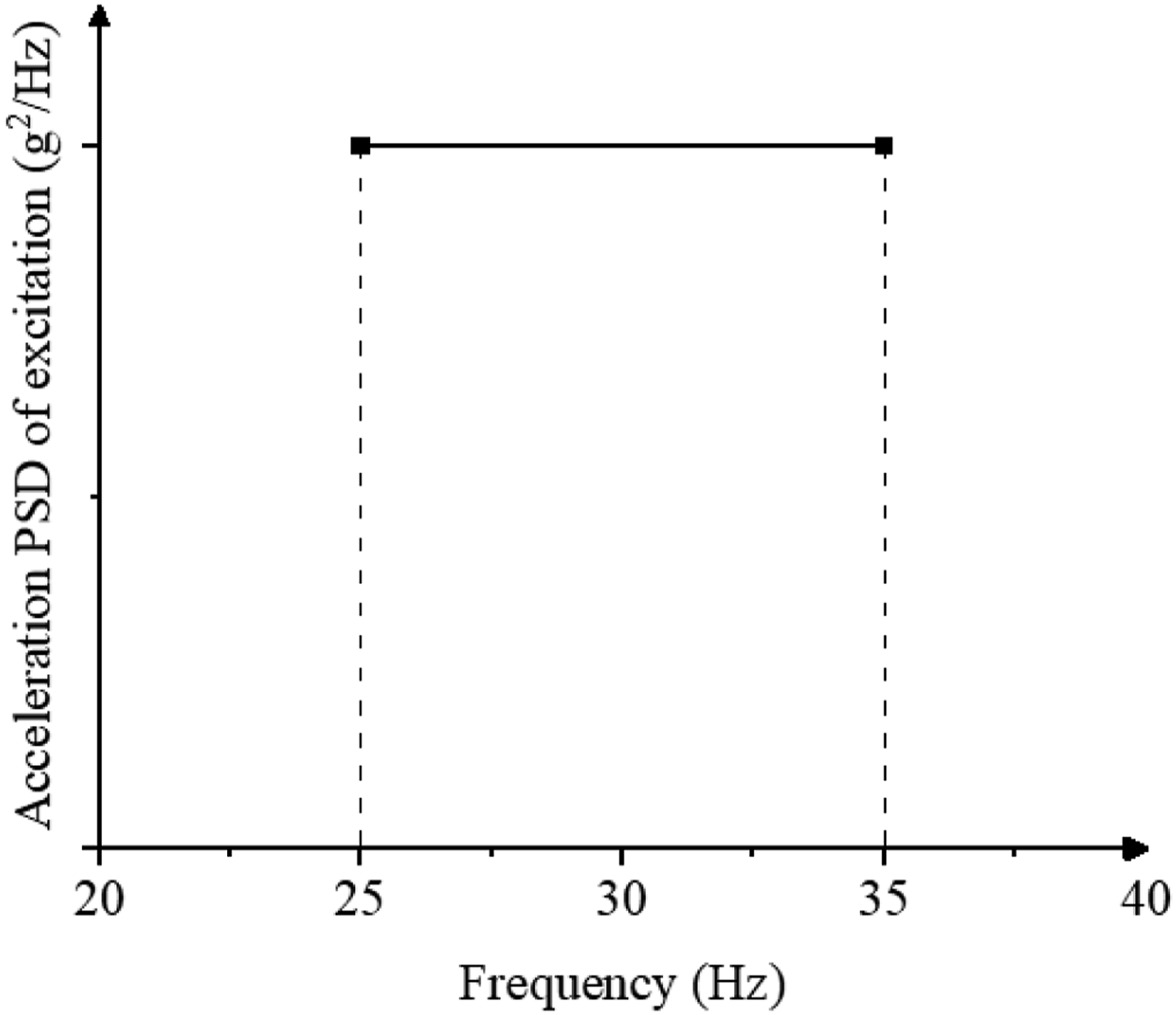
The first-order natural frequency of the specimen was obtained through a sine sweep test, which was found to be 29.49 Hz, as shown in Figure 8. It was also observed that the first mode was a bending mode. Subsequently, a random vibration test was conducted, and the loading spectrum is shown in Figure 9. The frequency bandwidth of the load was 25∼35 Hz, which only included the first-order natural frequency, with a loading magnitude of 0.3, 0.4, 0.5 and 0.6 g2/Hz. During the test, the natural frequency decline of the specimen was recorded, and the dangerous areas of the specimen were observed using optical transmission and electron microscopy. The specimen was considered to have failed when delamination damage occurred. Sine sweep test results. Random vibration test loading spectrum.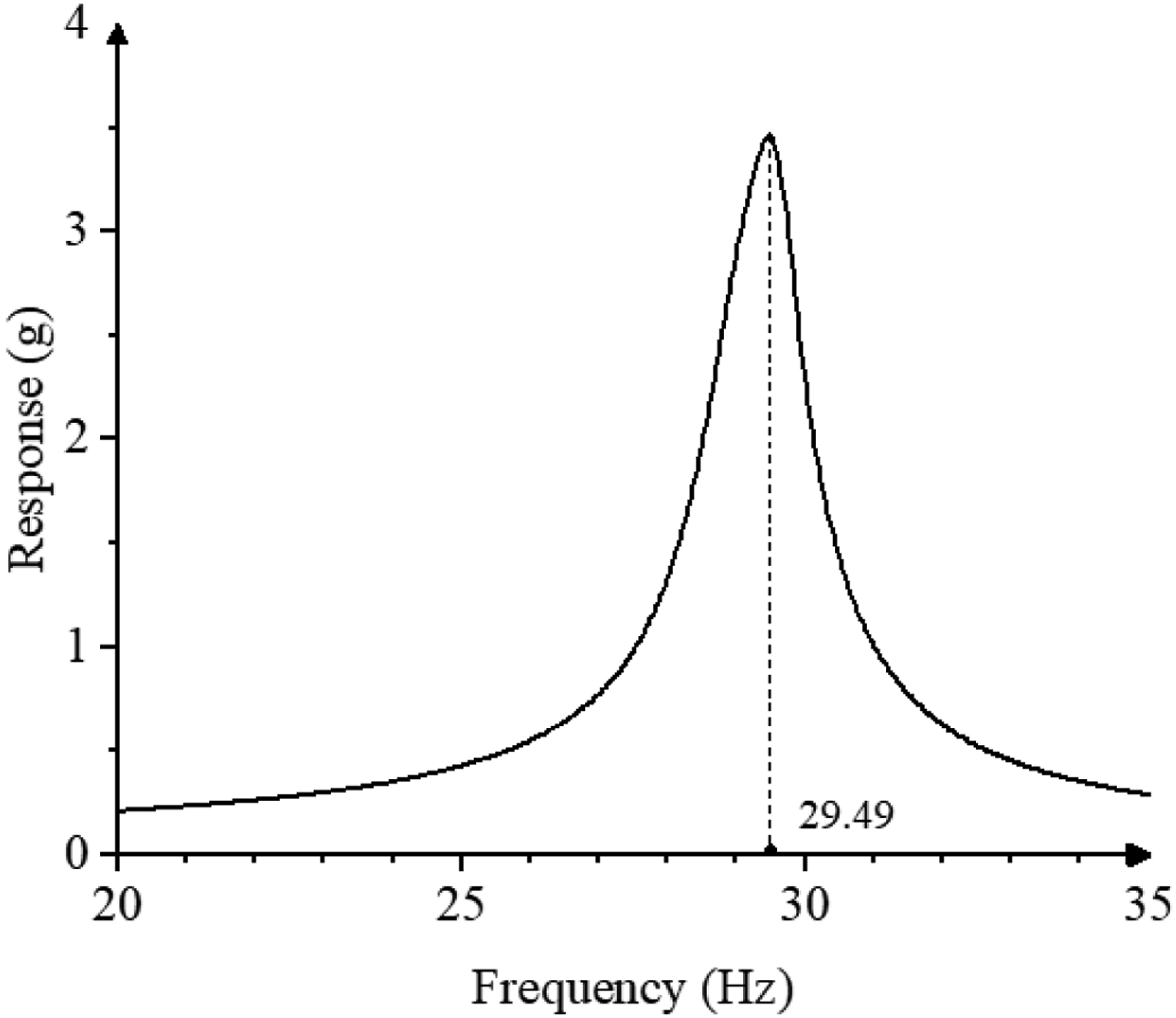
The measured decrease in natural frequency from the experiment is shown in Figure 10. Initially, the natural frequency decreases rapidly, and no damage is observed using optical transmission methods. However, using electron microscopy, matrix cracking is detected in the specimen, as shown in Figure 11. It can be observed that the direction of the matrix cracks is perpendicular to the length direction of the specimen. When delamination damage is about to occur, the decrease in natural frequency starts to slow down, which is consistent with the phenomenon observed in other literature.
19
The decrease in the natural frequency of the test specimen and the fatigue damage process (0.3 g2/Hz). Matrix cracking caused by random vibration loads.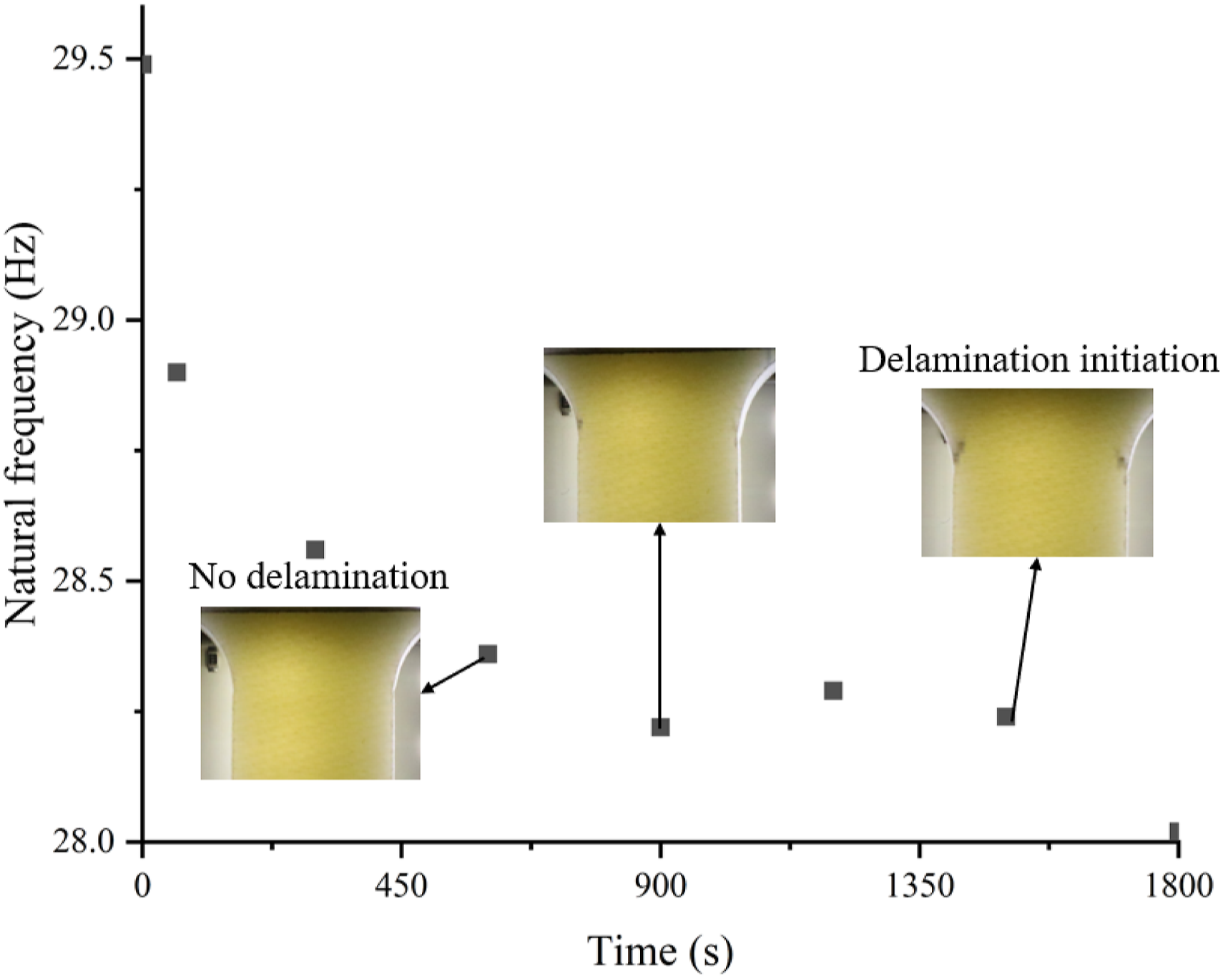

Finite element simulation and results comparison
Materials’ basic properties.

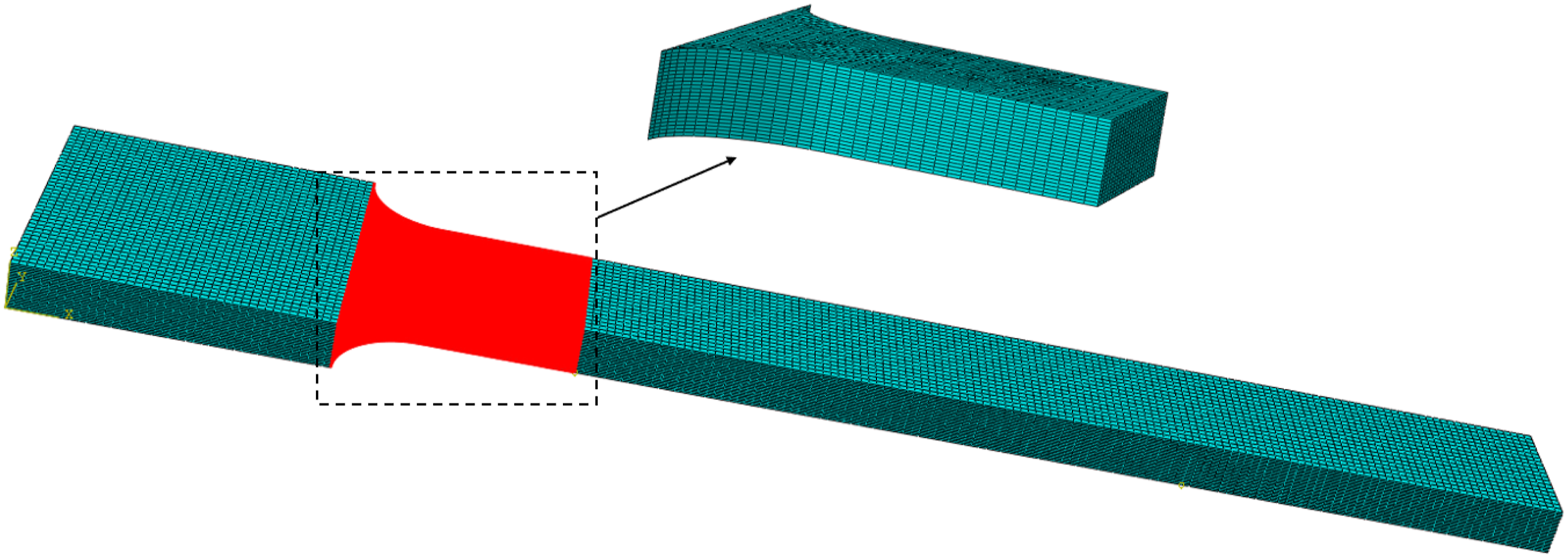
Finite element mesh division.
The first-order inherent frequency obtained from the finite element simulation is 29.525 Hz, which is in close agreement with the experimental value. The first-order mode and stress distribution are shown in Figure 13. The first-order mode is bending, which is consistent with the observation in the experiment. The location of maximum stress is also in good agreement with the initial location of delamination damage observed during the test. The root mean square stress values of the unit at the maximum stress location in each direction are shown in Table 2. It can be seen that the stress is primarily uniaxial stress in the 1-direction, and the stresses in the other directions are negligible. Therefore, subsequent stiffness degradation will only be based on the 1-directional stress response of each unit. Finite element analysis initial stress contour map (0.3 g2/Hz). Root mean square stress values in all directions for hazardous location elements.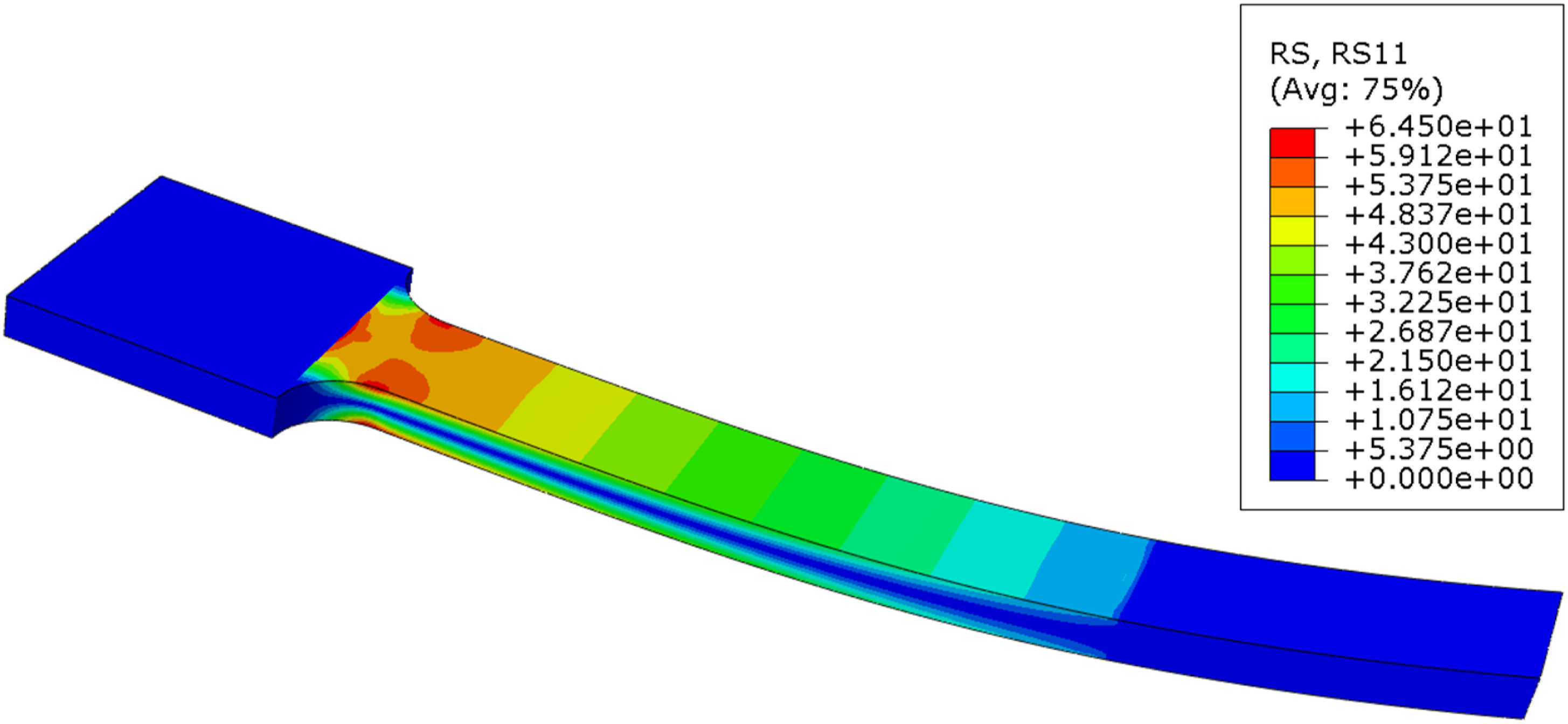
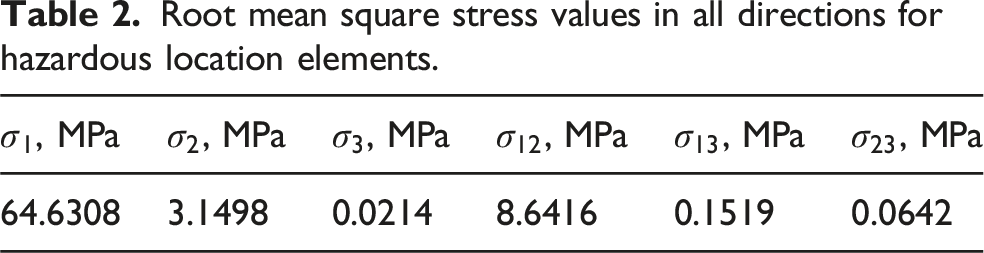
The stress in all directions of the hazardous location elements also explains why the matrix cracks observed in the experiment are perpendicular to the 1-direction. This is consistent with the first stage of fatigue damage under uniaxial constant amplitude loading,
20
and aligns with the assumptions made as discussed earlier. These types of matrix cracks mainly affect the material’s elastic modulus in the direction perpendicular to the crack, i.e.,
This experiment uses narrowband excitation, and the probability density function of stress amplitude can be represented by the Rayleigh model,12,24 as shown in equation (8). The number of stress cycles per unit time is denoted as 
Combining equations (6)–(8), the stiffness degradation of any element at any time t can be expressed as:
According to the finite element simulation iteration process (Figure 3), the predicted results of the natural frequency decrease after multiple iterations are compared with the experimental results, as shown in Figure 14. It can be observed that the prediction is in good agreement with the experimental data. This demonstrates that the assumptions made previously in this method, along with the stiffness degradation approach, are reasonable and capable of accurately predicting the decline in the structure’s natural frequency under different levels of random vibration loading. Comparison of the experimental and predicted values of natural frequency variation over time.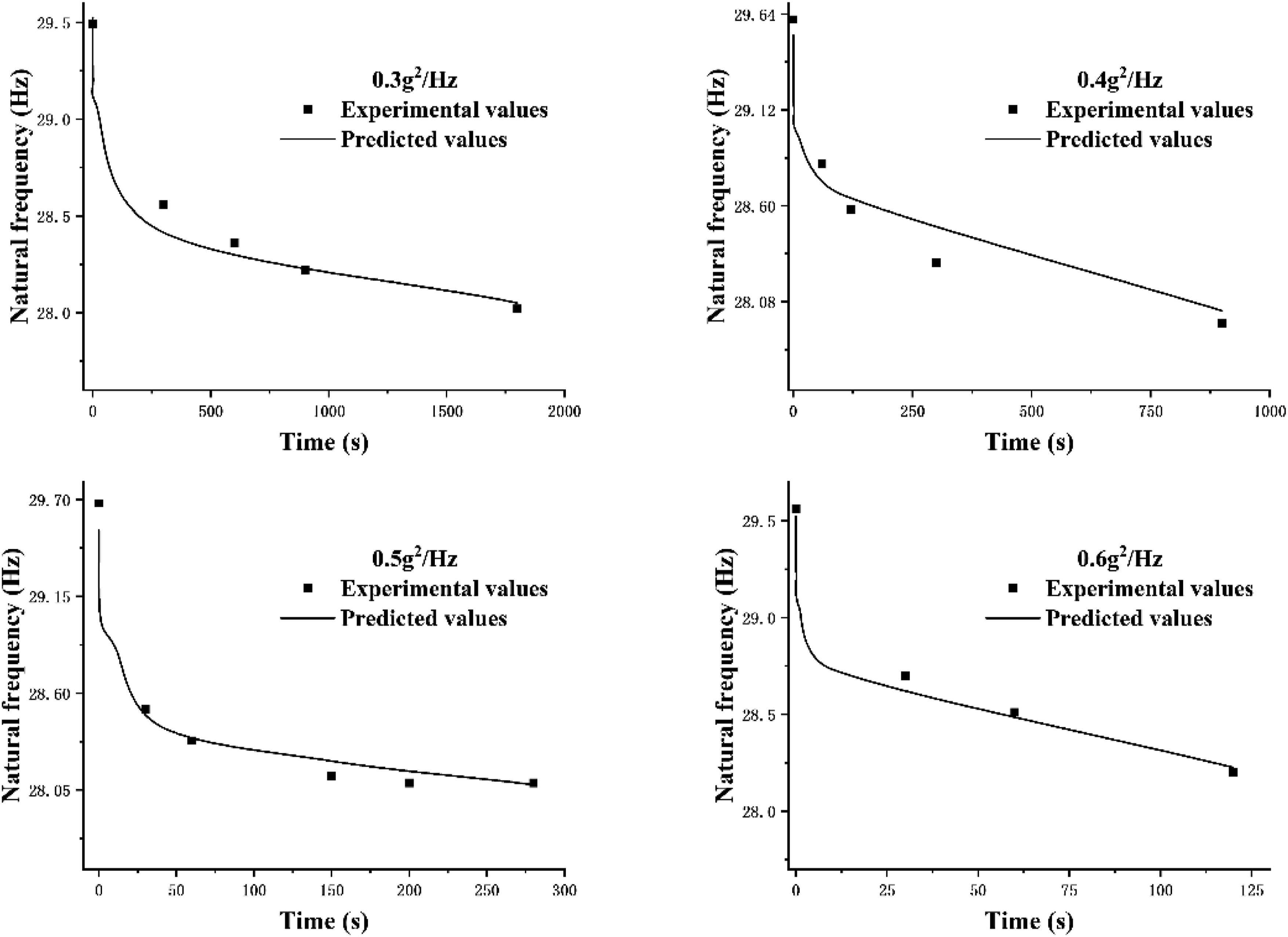
Conclusion
The method proposed in this paper can effectively and accurately simulate the fatigue process of composite unidirectional laminate under narrow-band vibration loads, and predict the degradation of stiffness and natural frequency. It provides an approach for the fatigue analysis of structures. The basic data required is the stiffness degradation model of composite materials under constant amplitude loading. Moreover, this method can be extended to other similar scenarios and has significant engineering application value.
Footnotes

Author contributions
Funding
The authors disclosed receipt of the following financial support for the research, authorship, and/or publication of this article: This work was supported by the National Natural Science Foundation of China (Grant No. 52205161) and the Basic Research Program of Jiangsu Province (Grant No. BK20243017).
Declaration of conflicting interests
The authors declared no potential conflicts of interest with respect to the research, authorship, and/or publication of this article.
Data Availability Statement
Data sharing not applicable to this article as no datasets were generated or analyzed during the current study.