







Abstract
Bio-inspired helicoidal composite laminates offer enhanced damage tolerance and superior mechanical performance, however, their vibration and buckling behavior in the presence of cracks remains insufficiently understood. Therefore, this study investigates the free vibration and buckling responses of cracked bio-inspired laminated composite plates using an extended isogeometric analysis (XIGA) framework. Reddy’s higher-order shear deformation theory is employed to accurately capture interlaminar stresses and kinematic behavior. The XIGA framework enables efficient modeling of displacement discontinuities associated with cracks while preserving precise geometric representation and field approximation, without mesh dependency. Consequently, the novelty of this work lies in the integration of bio-inspired helicoidal laminate configurations with XIGA-based crack modeling to perform an analysis of vibration and buckling behavior, which has not been previously reported. Three helicoidal configurations, including helicoidal exponential (HE), helicoidal recursive (HR), and helicoidal semicircular (HS), are examined for different plate geometries and crack lengths. The results indicate that increasing crack length leads to a reduction in both natural frequencies and critical buckling loads, with varying sensitivity across configurations. The HS configuration exhibits the most significant reduction in natural frequencies, whereas the HR configuration demonstrates comparatively better resistance. In terms of buckling behavior, the HR configuration shows the highest reduction for circular plates but the lowest for square plates. These findings provide new insights into the damage-sensitive response of bio-inspired composites and offer valuable guidance for the design of resilient structures in aerospace, marine, and automobile engineering applications.
Keywords
Introduction
Bio-inspired structures are gaining attention for their unique designs,1–3 optimized by nature over millions of years through evolutionary processes in various animals and plant organs. One of the successful examples of this type of mimicry in engineering is the design of the Japanese Shinkansen bullet train, where mimicking the kingfisher’s beak has resulted in minimized shockwave and minimal aerodynamic drag. 4 Examples like this one have motivated researchers to mimic other natural structures such as plants, bone, nacre, and shrimp. Detailed studies have since uncovered mechanisms that yield many interesting combinations of mechanical properties found in various biological structures.5–9 One such natural structure is a type of helicoidal structure known as the Bouligand structure found in the exoskeletons of crustaceans such as Odontodactylus scyllarus.10,11 The unique type of helicoidal structure is being adapted to optimize the structural performance of carbon fiber reinforced plastics (CFRP) laminates. Many of these components and structures are subjected to dynamic loading, which requires careful determination of natural frequencies corresponding to different mode shapes to avoid resonance, which can cause excessive deformations, stresses, and catastrophic failures in the structure. Studying natural frequencies allows engineers to avoid or dampen the potential resonant conditions. However, under repeated dynamic loading, crack-like defects may appear due to fatigue. These defects alter the natural frequencies and buckling loads of the structures, potentially compromising their integrity and performance.
Extensive research has been conducted on the free vibration and buckling behavior of cracked structures by analytical techniques to assess their mechanical performance. One of the earliest studies, by Stahl et al., 12 examined the vibration and buckling behavior of cracked plates using dual series equations. Ali et al. 13 introduced a simplified approach based on Rayleigh’s principle to analyze the vibration behavior of plates with rectangular cutouts. Wu et al. 14 conducted a study to investigate the dynamic instability of edge-cracked plates by using the incremental harmonic balance method. Rjoub et al. 15 predicted the free vibration behavior of functionally graded porous plates with cracks through analytical modeling and artificial neural networks (ANNs). Song et al. 16 presented an analytical solution to study the buckling behavior of cracked plates. However, these analytical methods are limited in their ability to analyze complex geometries, loading conditions, and boundary conditions and in considering complex environmental factors. Owing to the limitations faced by analytical techniques, researchers have utilized numerical methods to analyze the mechanical behavior of structures. These numerical methods include boundary element method, 17 meshless local Petrov-Galerkin method, 18 phantom-node method, 19 Galerkin method, 20 differential quadrature method, 21 strip-yield method, 22 Ritz method, 23 extended cell-based smoothed discrete shear gap method, 24 dynamic stiffness method, 25 mesh-free method, 26 finite element method (FEM),27–30 phase field method, 31 extended finite element method (XFEM). 32 Among these, FEM has been extensively used for analyzing advanced composite and functionally graded structures due to its versatility and robustness, as demonstrated in recent studies.33–37 Despite their advantages, these numerical techniques have their own challenges, including discretization errors, difficulties in geometric representation, the need for higher-order continuity, and high computational costs. These limitations reduce their efficiency in accurately analyzing cracked bioinspired composite structures, highlighting the need for more advanced and adaptive modeling approaches.
With benefits like better geometry representation, smoother basis functions, and reduced meshing complexity, isogeometric analysis (IGA) was developed by Hughes et al. 38 is increasingly being adopted in recent studies examining the mechanical behavior of plate structures.39,40 Later, Ghorashi et al., 41 enhanced IGA by introducing the partition of unity concept, leading to the development of XIGA. XIGA outperforms other discrete techniques, such as XFEM, meshfree method, boundary element method, etc., in analyzing cracked structures. XIGA utilizes NURBS basis functions for more accurate and efficient analysis. Like XFEM, XIGA eliminates the need for re-meshing as cracks propagate. However, it provides greater reliability by using CAD-based NURBS functions for both geometry representation and analysis, unlike XFEM, which relies on Lagrangian basis functions. In recent years, XIGA has been successfully applied to analyze the buckling and vibration behavior of cracked structures. Yin et al. 42 studied the buckling and vibration behavior of cracked Reissner-Mindlin FG plates using NURBS based XIGA, demonstrating its high accuracy in modeling cracked plates. Singh et al. 43 employed higher-order shear deformation theory (HSDT) within the XIGA framework to analyze cracked FG plates. Shoheib et al. 44 employed XIGA to examine the effect of welding residual stress and cyclic internal pressure on crack propagation and fatigue life. Zhang et al. 45 employed locally refined NURBS based XIGA to study the behavior of cracked FG composite plates. Their findings reveal that incorporating adaptive local refinement offers high precision at a low computational cost with a fast convergence rate. Zhong et al. 46 presented a three-dimensional XIGA model to analyze the vibration behavior of cracked blades. Kumar et al. 47 studied the fracture behavior of edge-cracked FG structures using XIGA. Parihar et al. 48 conducted vibration analysis of cracked bi-directional FG plates using XIGA. Based on the reviewed literature, XIGA provides greater flexibility in selecting higher-order basis functions, which is not possible with the Lagrangian-based shape functions used in XFEM. Additionally, using higher-order shape functions for both geometry representation and solution approximation helps prevent shear locking in thin plates.
Fiber-reinforced composites are increasingly replacing conventional aluminum alloys in the aerospace industry due to their superior strength-to-weight ratio and customizable mechanical properties. Driven by constrained resources such as depleting fossil fuels, the need for further improvement has led researchers to explore solutions in natural structures such as the Bouligand structure, found in the exoskeleton of crustacean-type creatures. The Bouligand structure is a layered architecture composed of unidirectional laminae arranged in a helicoidal pattern. Mimicking this architecture in fiber-reinforced composites has shown an increase in the out-of-plane strength of the structure. 49 Apichattrabrut et al. 50 found that the helicoidal stacking sequence exhibited greater debonding resistance and enhanced damage tolerance. Grunenfelder et al. 51 have demonstrated that bio-inspired helicoidal structure reduces through-thickness damage propagation during impact, which leads to higher toughness. Although out-of-plane damage tolerance and impact strength of Bouligand architecture-inspired fiber-reinforced architecture are numerous, the studies on free vibration and buckling are limited in the literature. Lu et al. 10 found that bio-inspired carbon fiber-reinforced polymer composite improves the buckling load and the buckling temperature along with the thermal and compressive post-buckling strength.
Garg et al. 52 carried out free vibration analysis of cross and double-helicoidal laminated composite plates using higher-order zigzag theory and found that the bioinspired cross-helicoidal plates exhibit behavior like quasi-isotropic plates. Paruthi and coworkers 53 studied the buckling and free vibration of similar bio-inspired composites under thermal conditions. Kiran et al. 40 investigated the buckling and vibration behavior of helicoidal bioinspired composite plates using inverse hyperbolic shear deformation theory (IHSDT) within a NURBS-based IGA framework. Saurabh et al. 54 conducted a comprehensive study on the nonlinear vibration and bending behavior of bioinspired helicoidal laminated plates using IHSDT. In a subsequent study, they investigated the effect of hygrothermal environment on buckling and vibration performance of carbon nanotube-reinforced bioinspired composite plates using HSDT within a NURBS-based IGA framework. 55 Further, they have employed an IHSDT-based data-driven machine learning (ML) approach to analyze the nonlinear vibration behavior of bioinspired helicoidal laminated plates. 56 Gourdache et al. 57 studied free vibration behaviour of bioinspired helicoidal laminate plates in hygrothermal environments using simplified integral HSDT. Padhy et al. 58 developed a surrogate ML-based automated regression workflow for the bending analysis of bioinspired laminated composite plates by employing Reddy’s HSDT.
HSDTs are widely utilized for the analyses of laminated composite plates, as classical laminated plate theory (CLPT) fails to capture transverse shear strain effects. To solve this inadequacy of CLPT, first-order shear deformation theory (FSDT) was proposed, assuming a constant shear deformation. 59 However, to satisfy the traction free boundary conditions at the free surfaces of the plates, a shear correction factor is used. The value of the shear correction factor is quite dispersed, and its value depends upon the boundary conditions and other parameters. The limitations of FSDT have been addressed with the advent of the HSDT plate theory, proposed by Reddy 60 and widely known as Reddy’s HSDT plate theory.60,61 This theory offers improvements to both CLPT and FSDT plate theories. Recently, several refined and advanced HSDT formulations have been proposed to further enhance accuracy in the analysis of complex composite and functionally graded structures. For example, Tounsi et al. 62 investigated wave dispersion in functionally graded cylindrical shells, while Amar et al. 63 and Rebai et al. 64 analyzed the dynamic behavior of porous functionally graded spherical shells using refined HSDT models. Abualnour et al. 65 studied dynamic behaviour of advanced sandwich structures using quasi-3D HSDT. Garg et al. 66 conducted free vibration analysis of annular and flat plates using quasi-3D shear deformation theory. Additionally, quasi-3D and nonlocal refined theories have been developed for nanostructures and sandwich plates, as reported by Boussalem et al. 67 and Kaddari et al. 68 Despite these advancements, Reddy’s HSDT remains a reliable and efficient choice due to its balance between computational simplicity and accuracy. Therefore, in the present work, Reddy’s HSDT is employed in conjunction with the XIGA framework to accurately capture transverse shear deformation and interlaminar stress effects in cracked bio-inspired composite plates.
The above review highlights that while bioinspired composite structures have been extensively studied, their behavior in the presence of cracks remains unexplored. Composite structures used in advanced engineering applications, particularly in aerospace, marine, and energy systems, are frequently subjected to defects such as cracks arising from manufacturing imperfections, impact damage, or fatigue loading. These defects can significantly alter the dynamic characteristics and stability of the structure, potentially leading to resonance-induced failures or premature buckling. While bio-inspired helicoidal composite laminates have demonstrated superior damage tolerance and resistance to crack propagation, their structural response in the presence of existing cracks remains inadequately understood, especially under vibration and buckling conditions. From a scientific perspective, accurately capturing the influence of cracks on structural behavior requires advanced numerical techniques capable of modeling discontinuities without loss of accuracy. Although XFEM has been widely used, its integration with geometrically exact representations is limited. In this context, XIGA offers a powerful alternative by combining the geometric accuracy of isogeometric analysis with the capability to model cracks efficiently.
To the author’s best knowledge, no published research examines the influence of the crack on the natural frequency and buckling behavior in bio-inspired composites using XIGA. Therefore, the present study is motivated by the need to develop a robust computational framework to investigate the vibration and buckling behavior of cracked bio-inspired composite plates and to provide deeper insight into their damage-sensitive response for improved structural design and reliability. Hence, this study aims to investigate the behavior of a bio-inspired composite plate with a pre-existing crack on free vibration and buckling load of the structure. This work focuses particularly on the alteration of natural frequencies and buckling load in the presence of a crack, which may be of interest to the service and maintenance engineers seeking to safeguard the structure from resonance and buckling. To facilitate crack modeling within the finite element domain, this study employs a customized approach of IGA, known as XIGA. Despite the significance of understanding the changes in natural frequencies and buckling load in biomimetic composite plates with cracks, the literature, to the best of the authors’ knowledge, lacks investigation on this topic. Based on these gaps and the significance of the topic, the following objectives have been decided in this work: (1) Development of an XIGA-based framework for analyzing cracked bio-inspired helicoidal composite plates. (2) Incorporation of Reddy’s higher-order shear deformation theory for improved interlaminar stress prediction. (3) First comprehensive investigation of both vibration and buckling responses of cracked helicoidal laminates. (4) Comparative assessment of different helicoidal configurations (HE, HR, HS) under varying crack lengths and geometries.
The outcomes of the present study have important implications for the design of advanced composite structures where damage tolerance and structural stability are critical. Bio-inspired helicoidal laminates, due to their inherent resistance to crack propagation, are particularly suitable for aerospace structures such as wings, fuselage panels, and rotor components, where vibration characteristics and buckling resistance play a crucial role in performance and safety. Furthermore, these materials can be effectively utilized in marine structures, including ship hulls and offshore components, where resistance to fatigue and impact-induced damage is essential. The insights gained from the present vibration and buckling analyses of cracked helicoidal plates can also support the development of lightweight automotive components and wind turbine blades, where improved durability and stability under complex loading conditions are required.
The remainder of the paper is structured as follows: Section 2 introduces the formulation based on Reddy’s higher-order shear deformation theory. Section 3 presents the detailed XIGA formulation. Section 4 derives the governing equations for the free vibration and buckling analysis of cracked bioinspired laminated composite plates. Section 5 conducts a convergence and validation study of the proposed model. Section 6 provides several numerical results and discussions. Finally, Section 7 provides the conclusions of the study.
Reddy’s higher-order shear deformation theory
Let us consider a composite plate of length a, width b, thickness h, and crack length c as depicted in Figure 1, having mid-plane (i.e. Schematic of the typical composite plate with a through crack.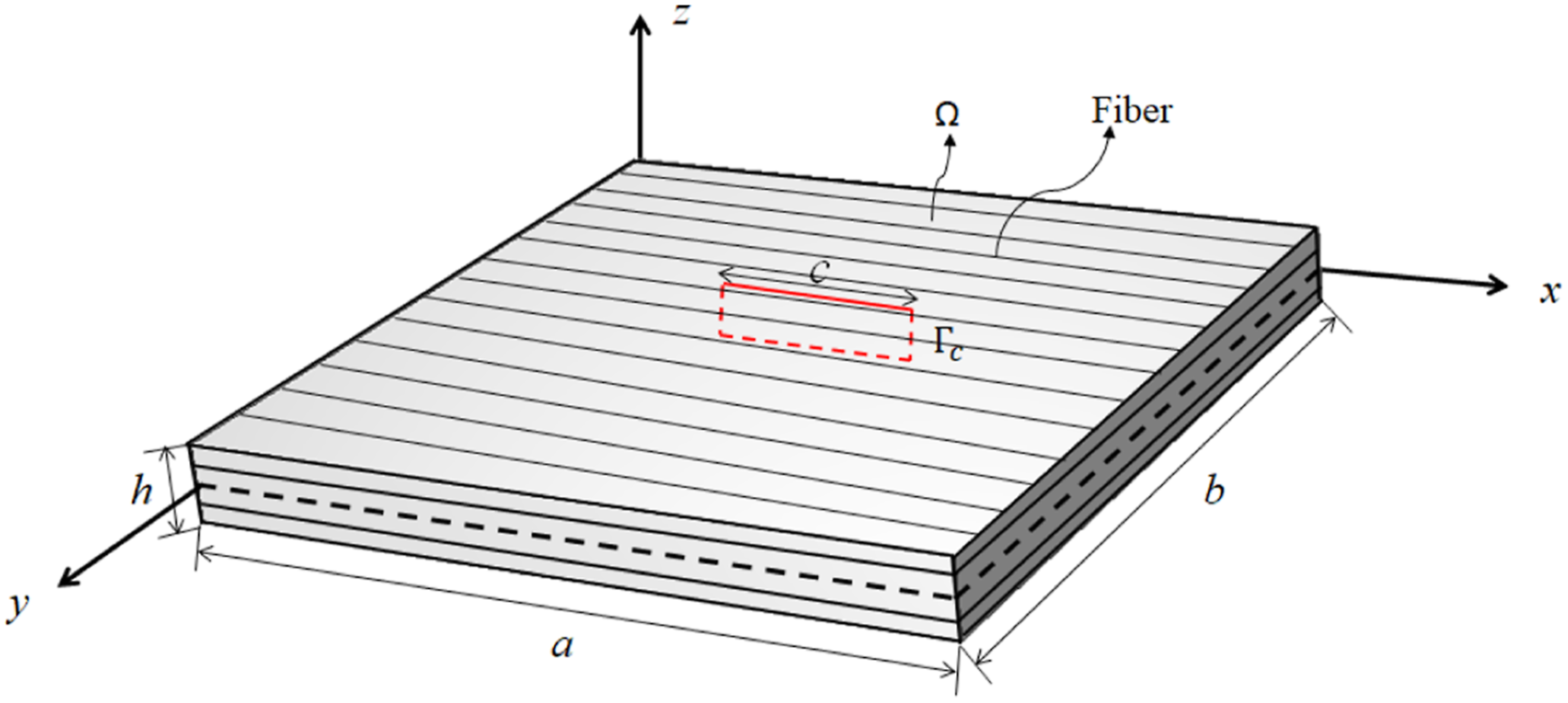
Reddy’s higher-order formulation begins with the following displacement field
69



The linear strains are expressed by


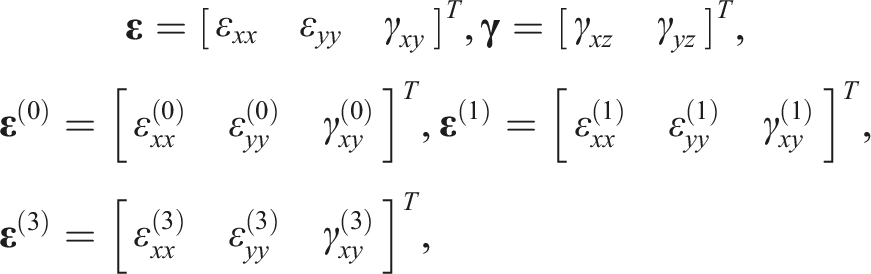


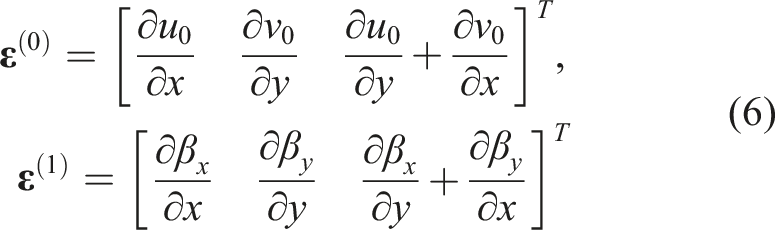

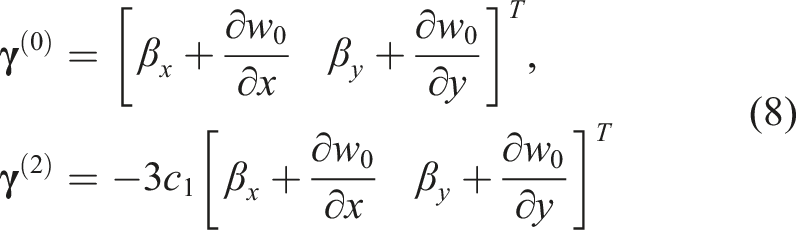
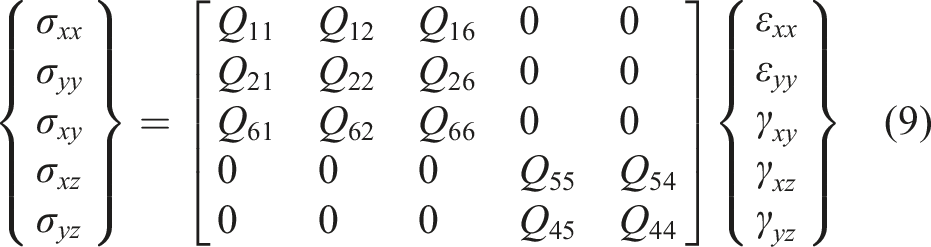
The constitutive relation of a layer with respect to the local or material coordinate system for plane stress is represented by,

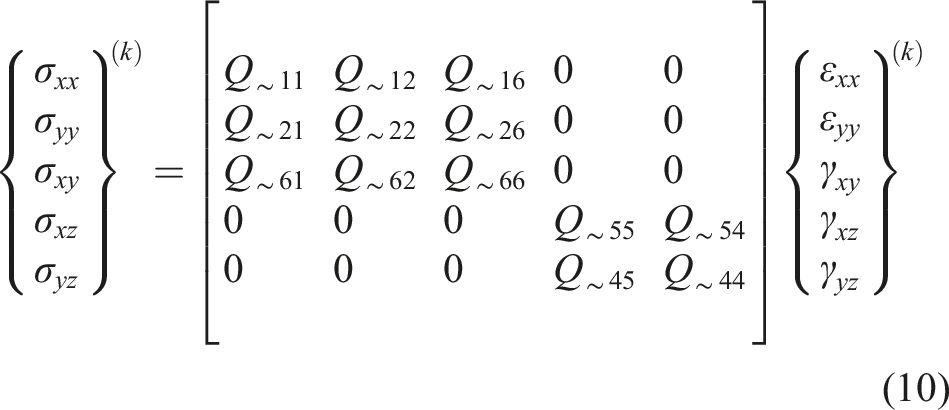
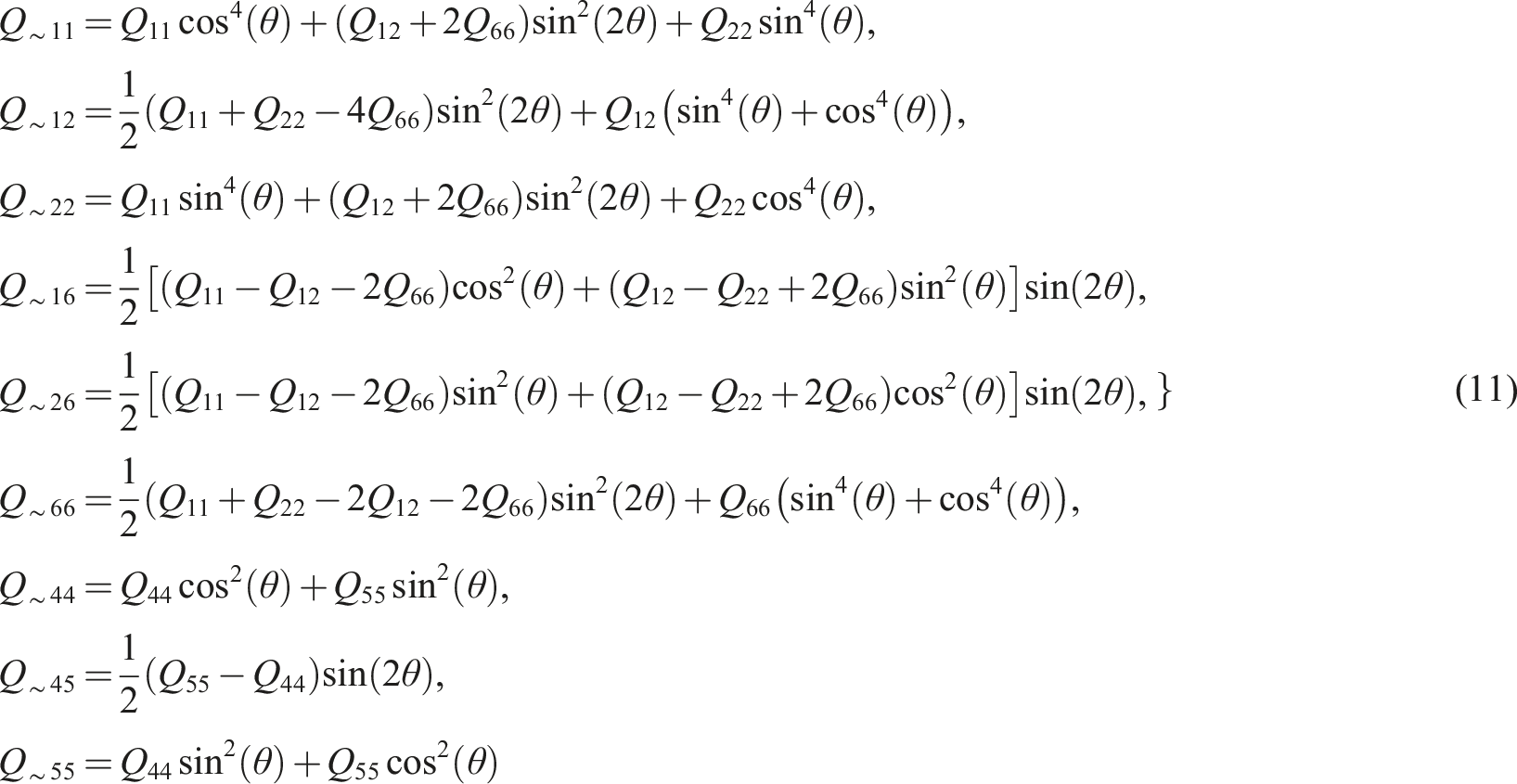
As a laminate consists of many layers, the constitutive relation needs to be transformed into the laminate coordinate system. The transformed constitutive relation of
XIGA formulation of cracked plate
NURBS basis functions
The foundations of NURBS are B-splines. It is composed of


A B-spline curve with

B-spline surfaces are generated by extending the idea of B-spline curves into two dimensions. This is implemented by using two sets of basis functions

However, due to the inability of exactly representing the conic sections, B-splines are modified with weighted control points and a non-uniform knot vector. These modified curves are called non-uniform rational B-spline (NURBS) which can represent the conic sections exactly. A NURBS curve is mathematically represented as:


Similarly, a NURBS surface can be represented as,


Figure 2 presents a set of two-dimensional B-spline basis functions of degree 2 for uniform knot vector Two-dimensional B-spline basis functions for (a) without crack and (b) with crack.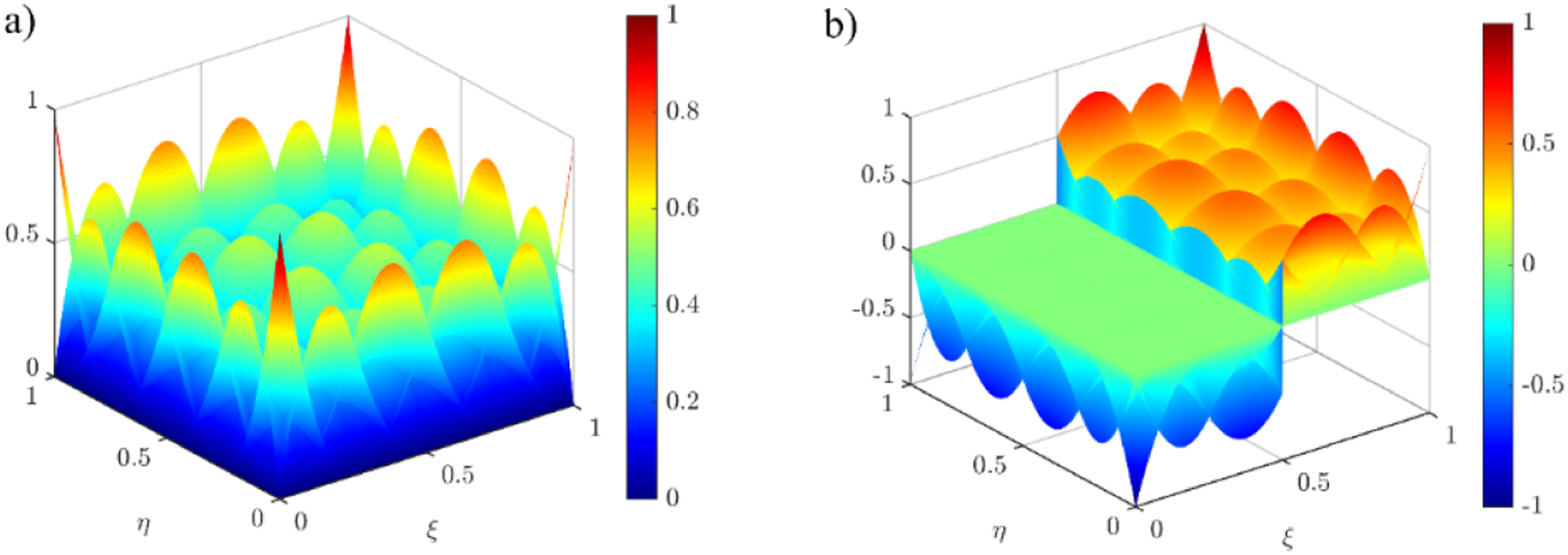
Extended isogeometric analysis (XIGA)
IGA emerged as an accurate tool due to its use of NURBS basis functions, which can generate complex curves of machine components and structures. However, to customize this method to solving problems related to fracture mechanics, the strategies followed in the XFEM are used in isogeometric analysis, which is called extended isogeometric analysis. Thus, IGA enriched with the partition of unity enrichment enables the representation of discontinuity in the domain irrespective of the mesh, and it eliminates the necessity of remeshing in crack growth analysis.
Likewise, XFEM, the approximation of displacement is represented by

Governing equations
The weak form for the vibration
70
of the plate can be derived from the principle of virtual work:


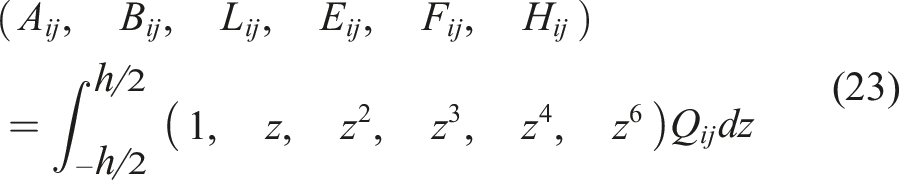

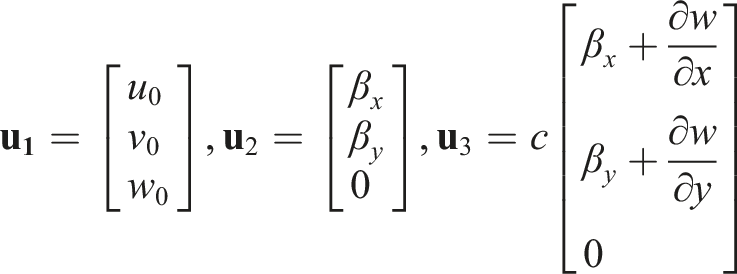
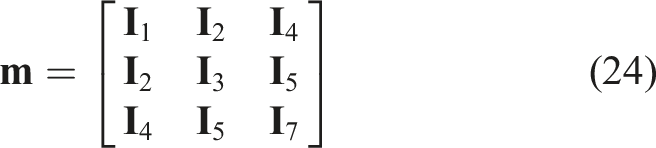
The weak form for buckling
70
is

XIGA discrete equations
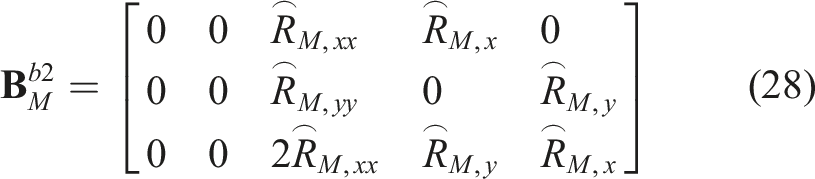
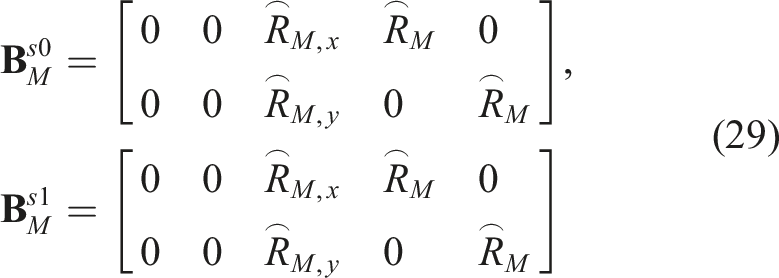
Upon substituting equation (20) into equation (4), the in-plane strains and out-of-plane shear strains can be written in form as,

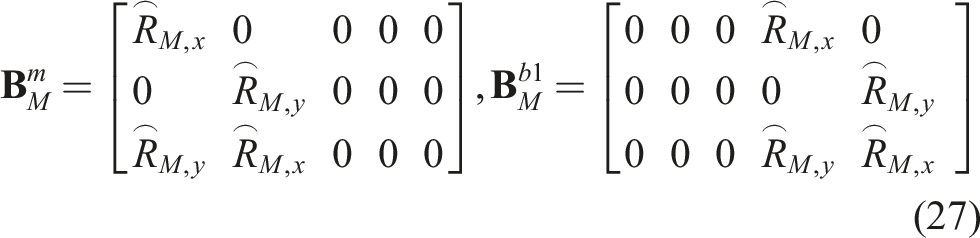
The geometric strain can be expressed as,

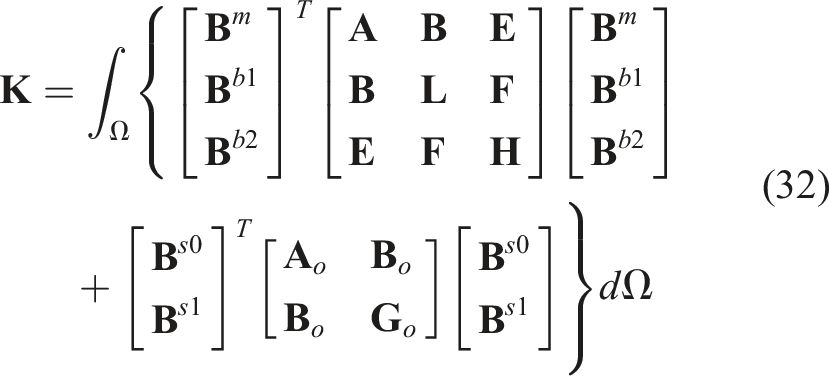
Upon substituting equation (20) and (26) into equation (21), the discrete finite element equation for free vibration analysis is formulated as,


And
Upon substituting equation (20) and (26) into equation (25), the discrete finite element equation for buckling analysis is formulated as,

Numerical integration
Standard Gauss quadrature-based numerical integration is performed for the evaluation of the stiffness matrix. Since this scheme cannot provide accurate results for enriched elements, the integration for split elements is done differently. In the current study, sub-triangulation and polar integration schemes are followed for the Heaviside-enriched elements. Since the approximation of the displacement variable is different for cut elements and the standard elements are different, different numbers of integration points are required for these elements. Different numbers of Gauss points are used for standard and split elements. 43
Convergence and validation study
A square plate (a/b = 1) with crack length-to-side ratio (c/a) of 0.5 and side-to-thickness ratio (a/h) of Convergence study for vibration analysis. The The 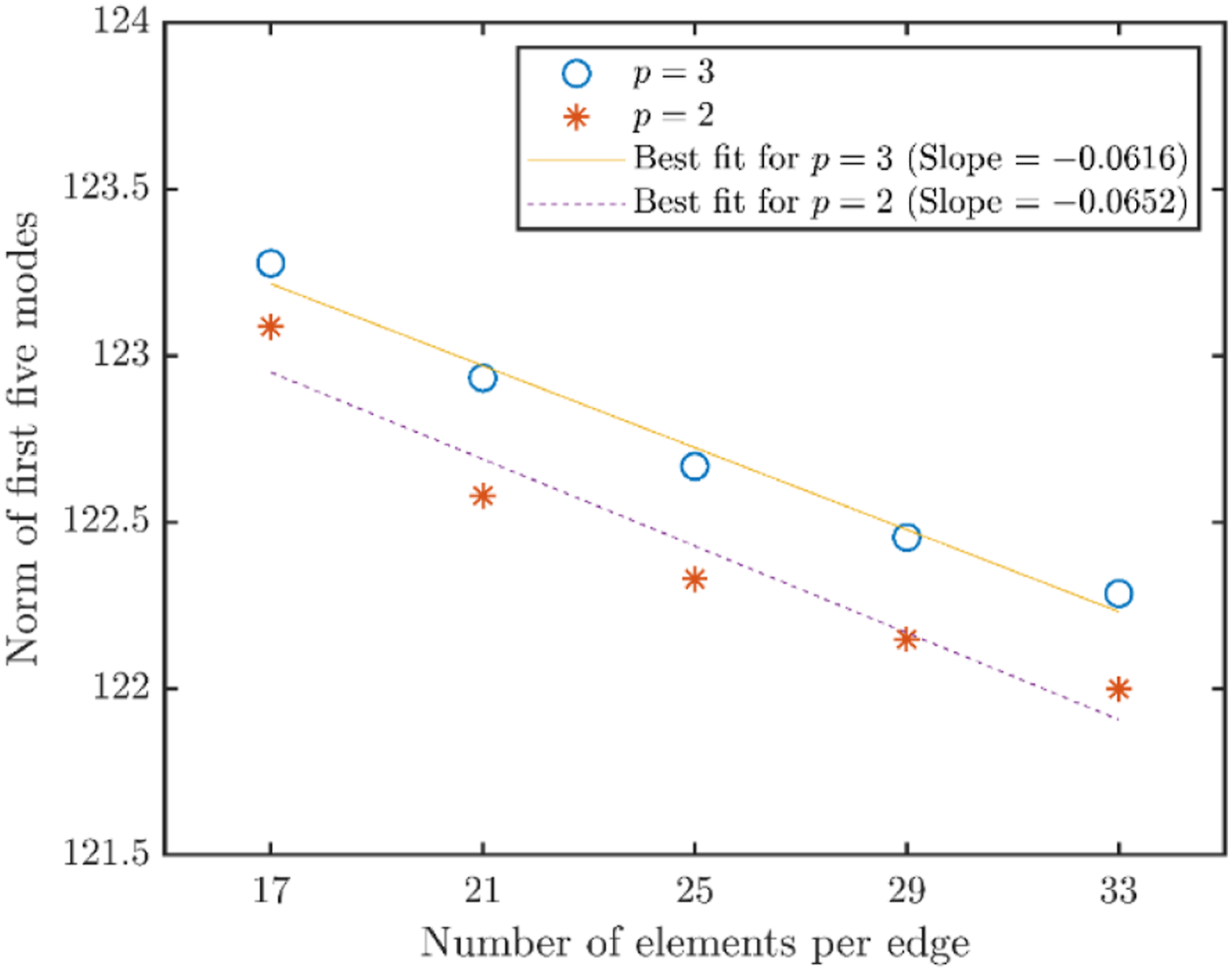
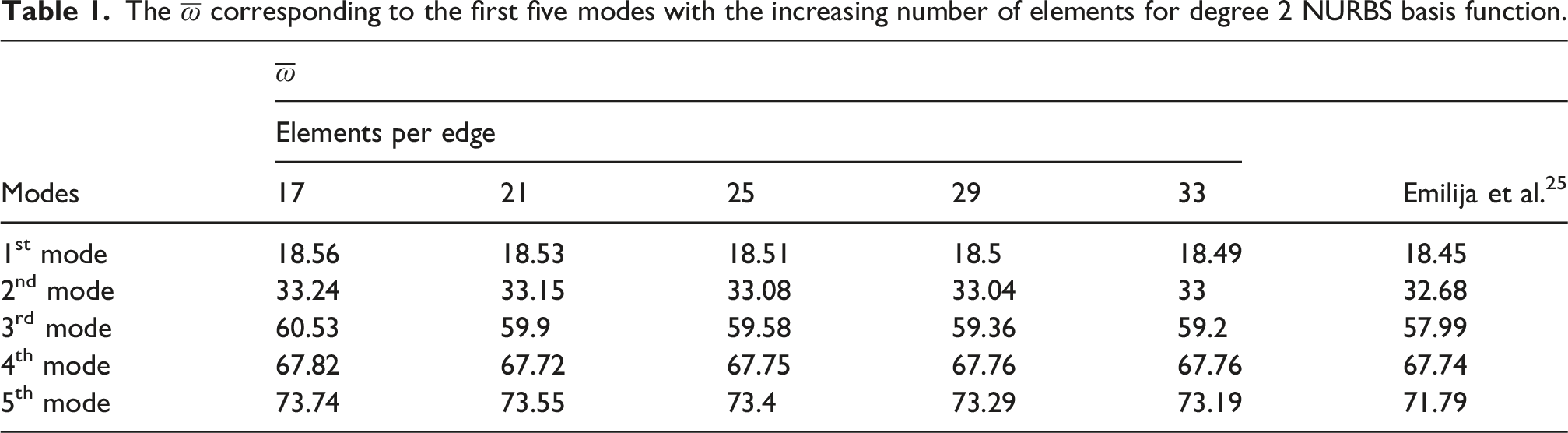
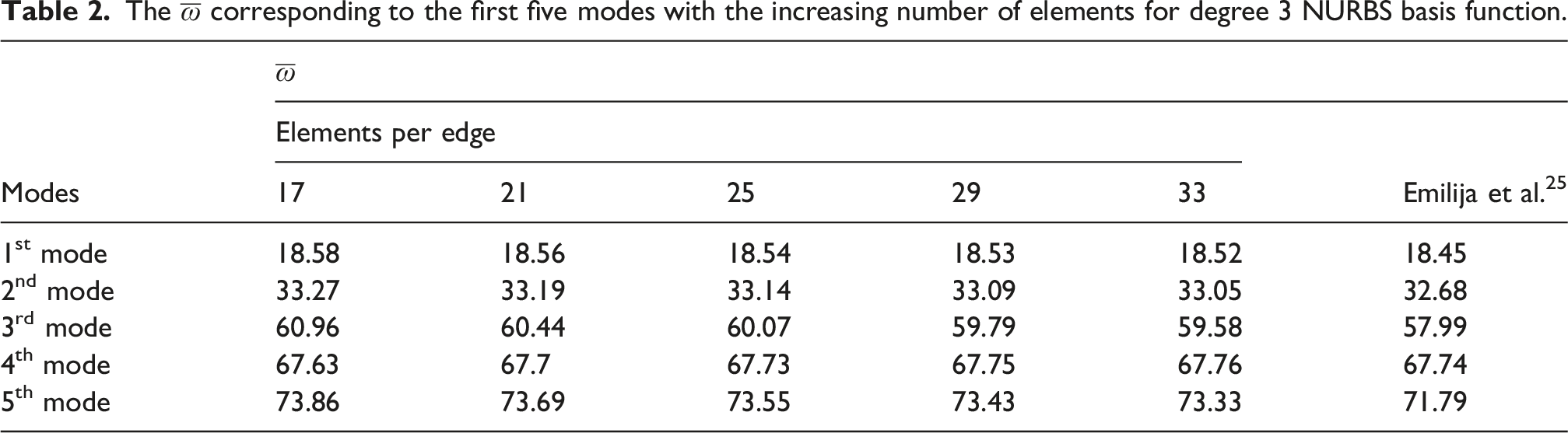
For the convergence and validation study of buckling analysis, a square plate with a c/a of 0.4 is considered. The code is validated with the study of Milazzo et al.
71
The boundary conditions were simply supported at all edges. Material properties taken, are 
The result of
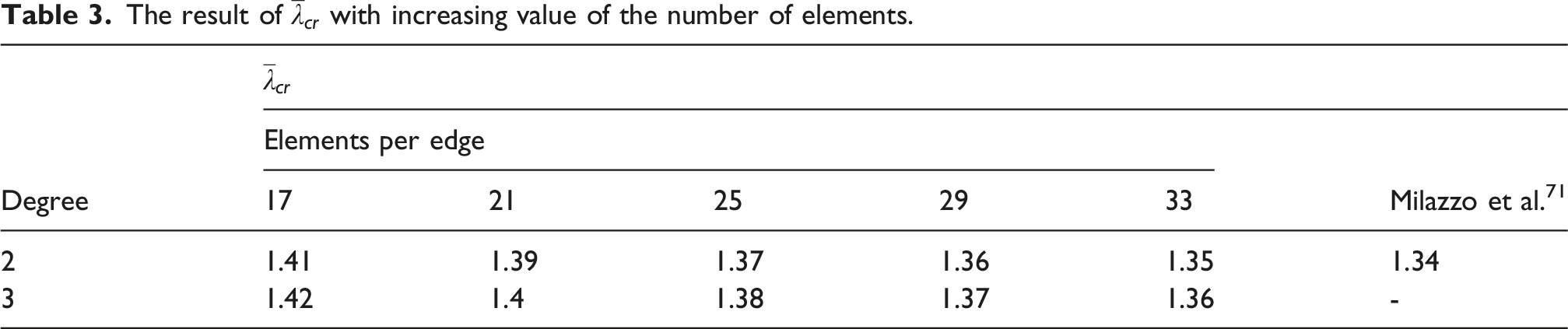
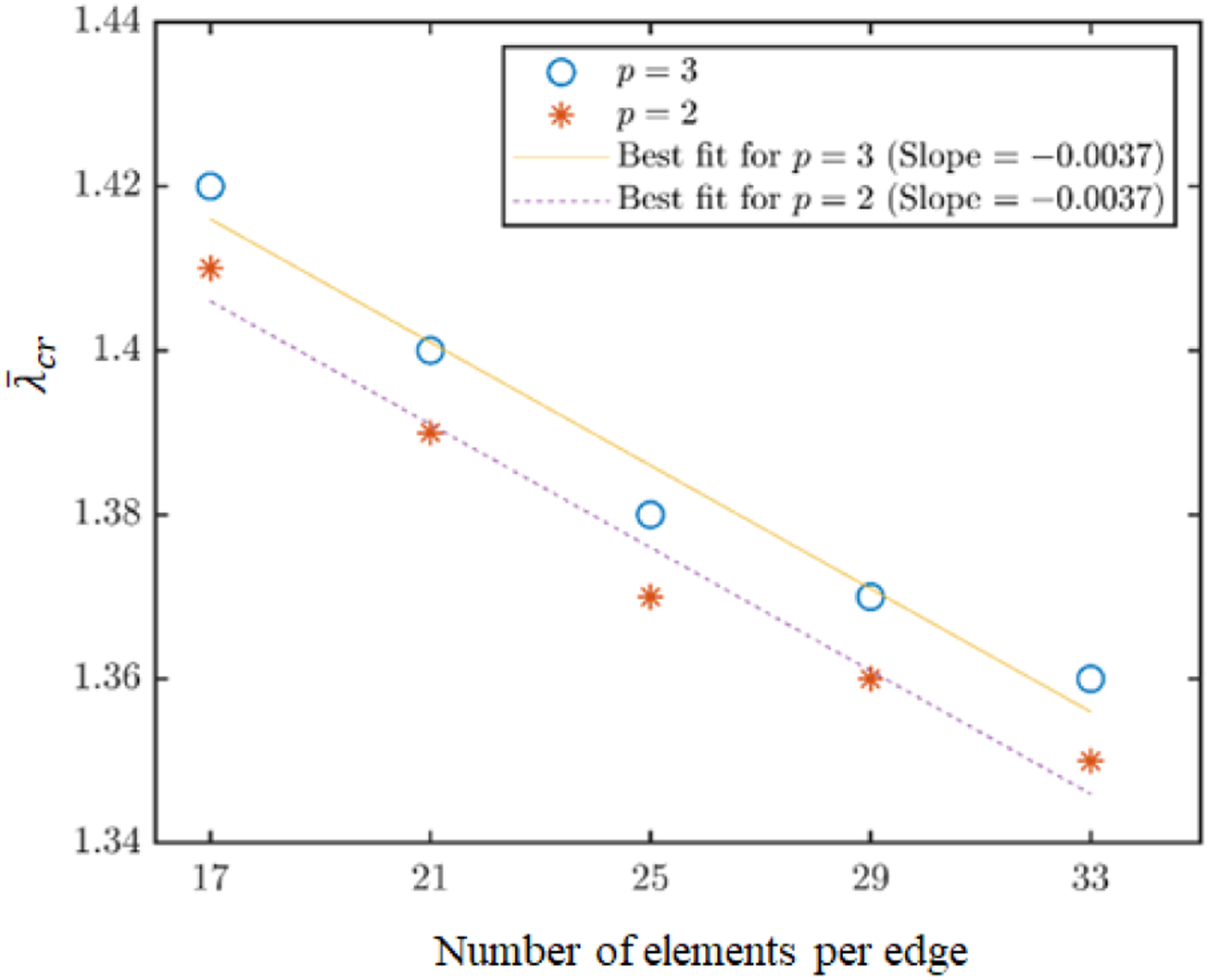
Convergence study for buckling analysis.
Results and discussions
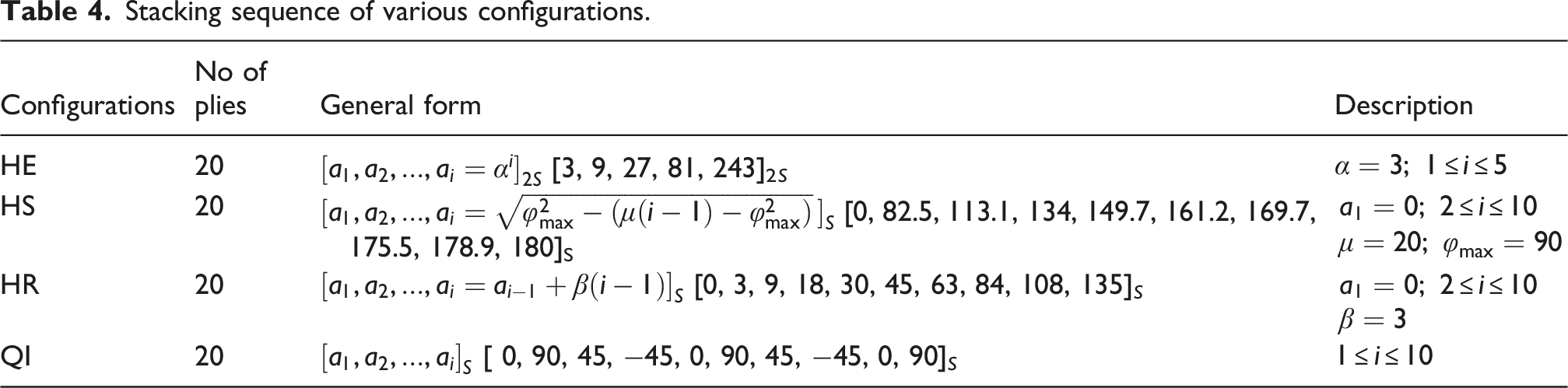
Stacking sequence of various configurations.
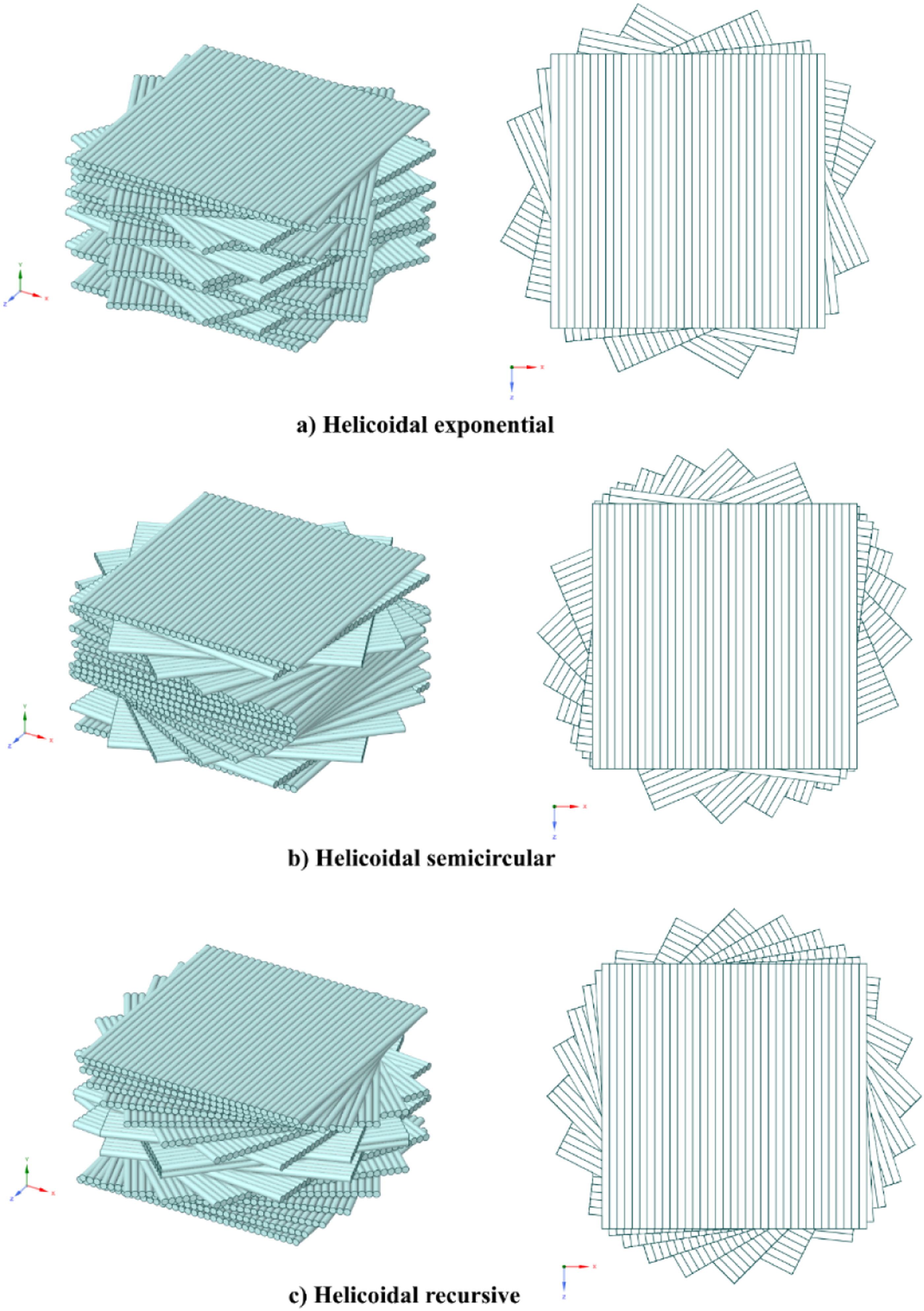
Schematic representation of the different bio-inspired laminate layup configurations, (a) helicoidal exponential, (b) helicoidal semicircular, and (c) helicoidal recursive.
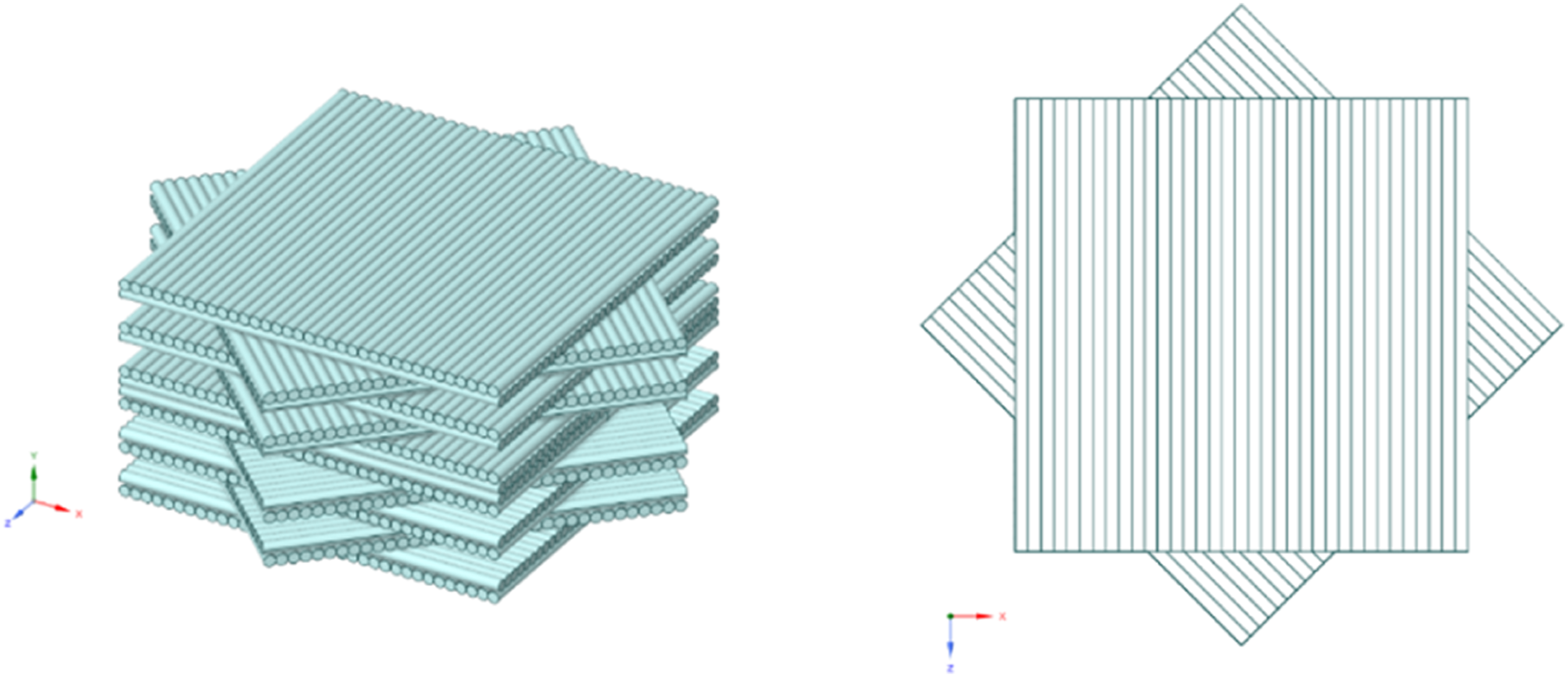
Schematic representation of the quasi-isotropic configuration.
Vibration analysis of bio-inspired composite plates with crack
In this section free vibration analysis of bio-inspired composite laminates is performed. Three different cases are considered which are square plate with center crack, square plate with edge crack, and circular plate of diameter, d with center crack. The meshed domains of these three cases are presented in Figure 7. These composite plates consist of 20 plies for each of the configurations shown in Table 4. XIGA domain for (a) square plate with center crack, (b) square plate with edge crack, and (c) circular plate with center crack.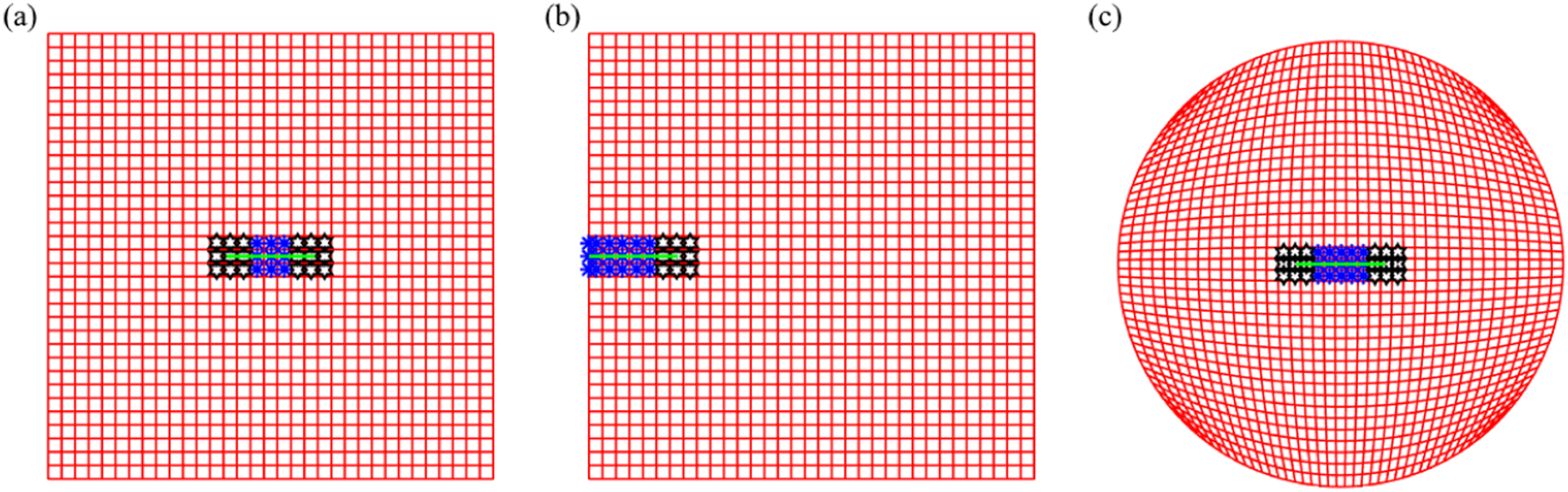
The natural frequency 
The study considers boundary conditions of simply supported and clamped edges with the details provided in the equations below.

Simply supported at all edges and clamped at all edges are denoted by ‘SSSS’ and ‘CCCC’, respectively.
For all cases, the modulus ratios (E1/E2) were set to 40, and the crack inclination angle was set to 00. The a/h ratio for square plates and the diameter to thickness (d/h) for circular plates were maintained at 20. The crack length ratios, c/a of 0.1, 0.2, 0.3, 0.4 0.5, have been considered for HE, HS, HR, and QI configurations. The first five mode shapes for different geometries with a c/a of 0.5 are presented in Figure 8. The variation of Nature of mode shapes of vibration analysis for SSSS HE bioinspired composite plate with c/a or c/d = 0.5. Effect of crack length on the Effect of crack length on the Effect of crack length on the 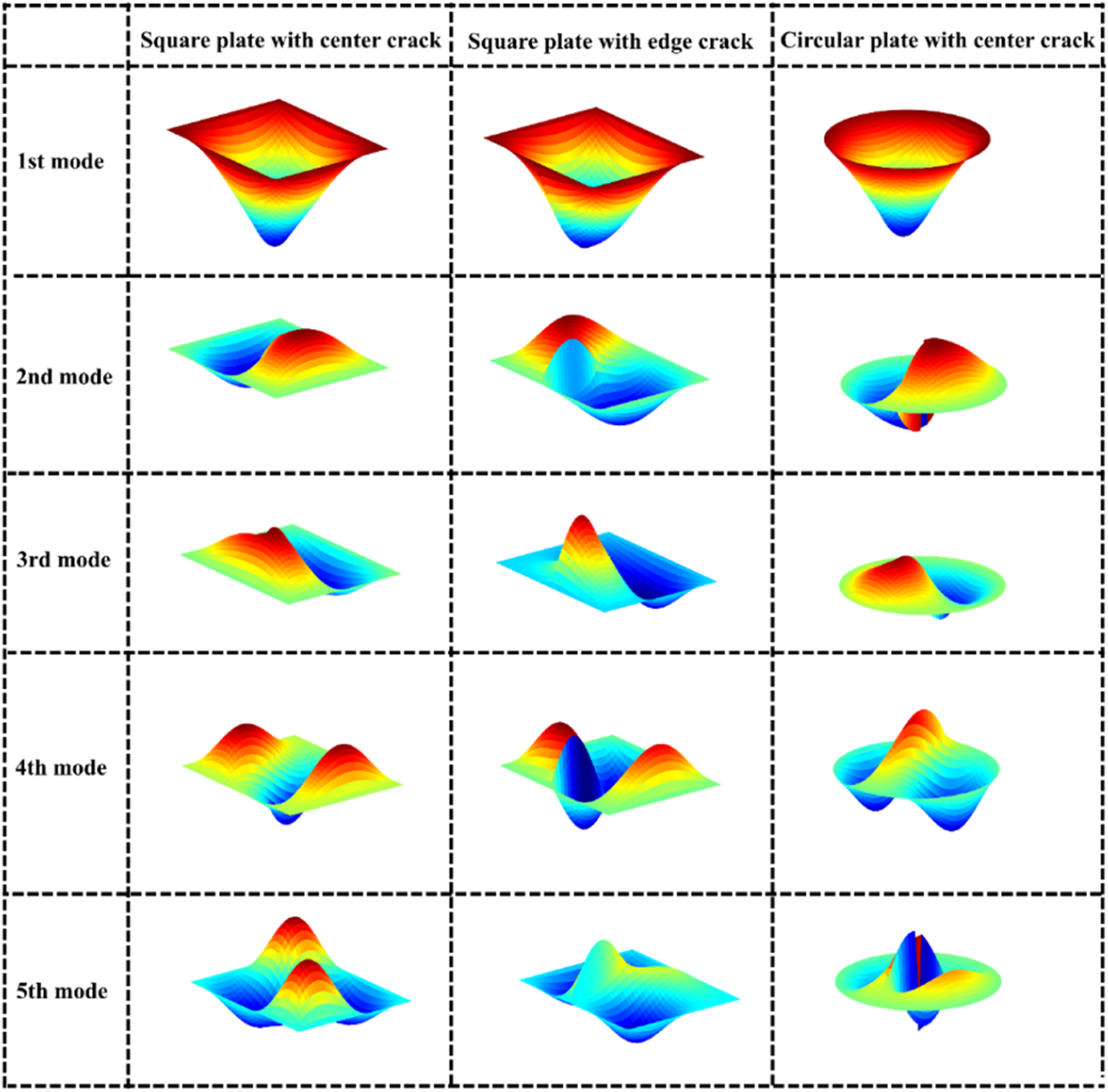
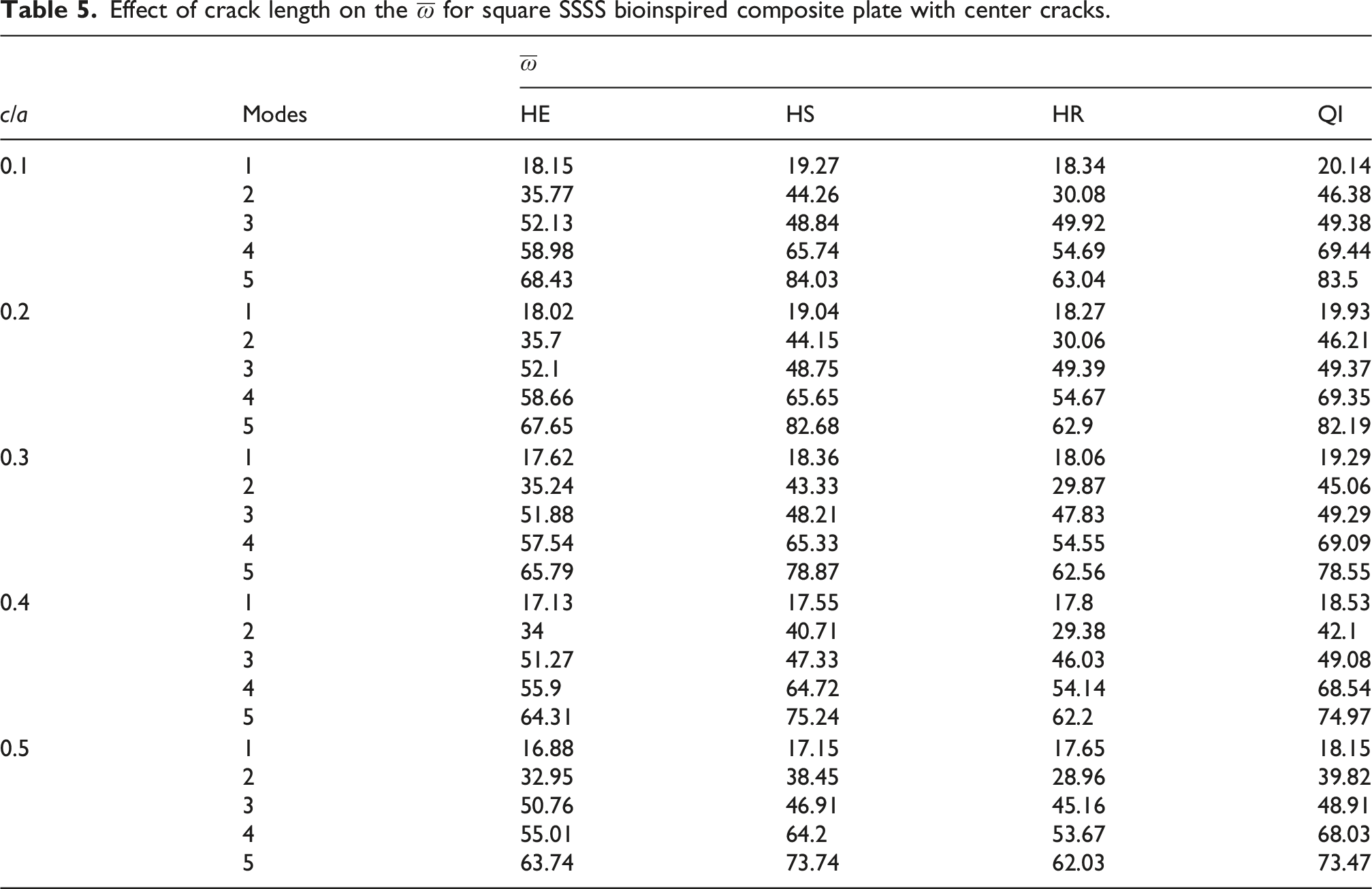
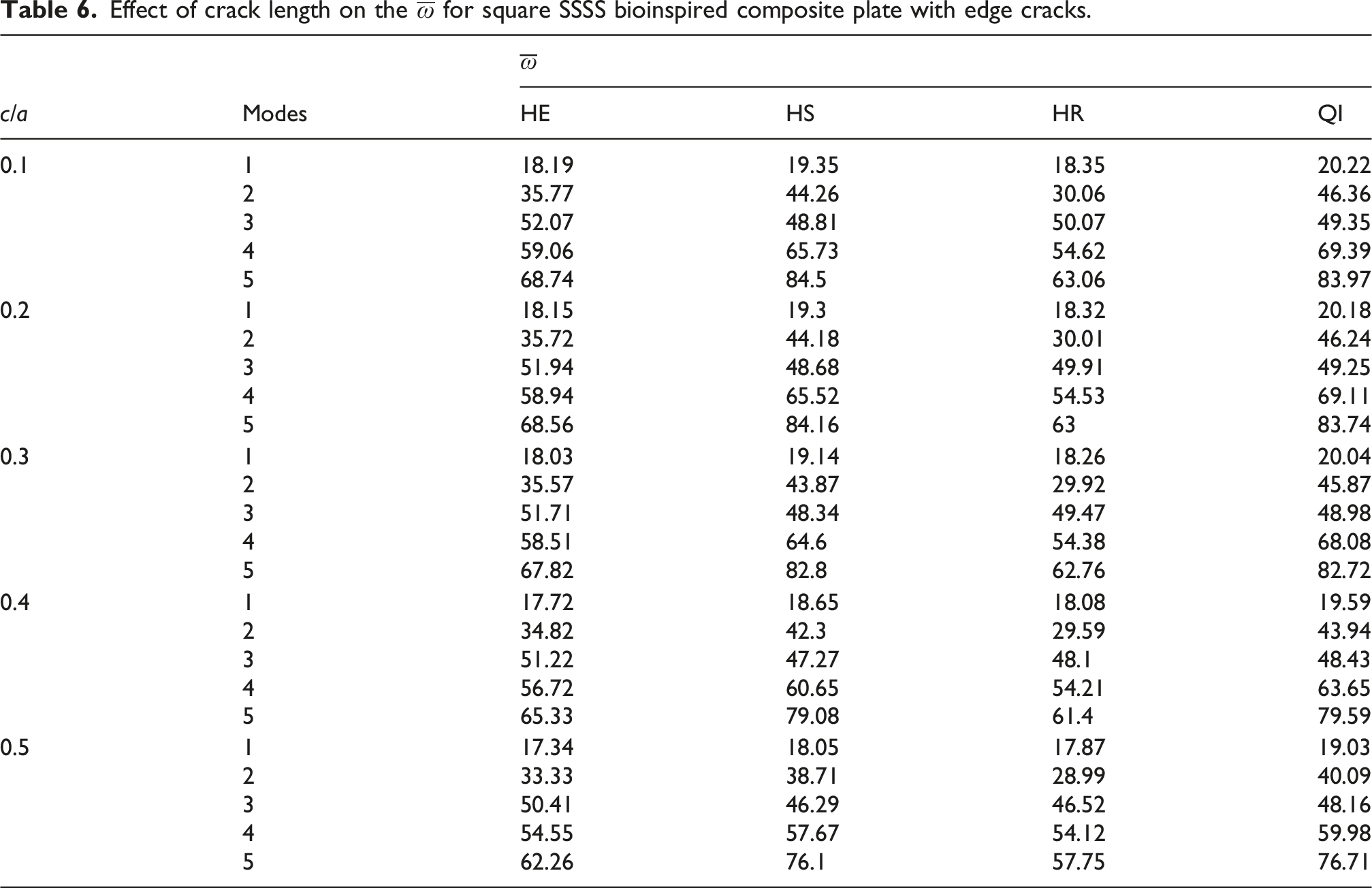
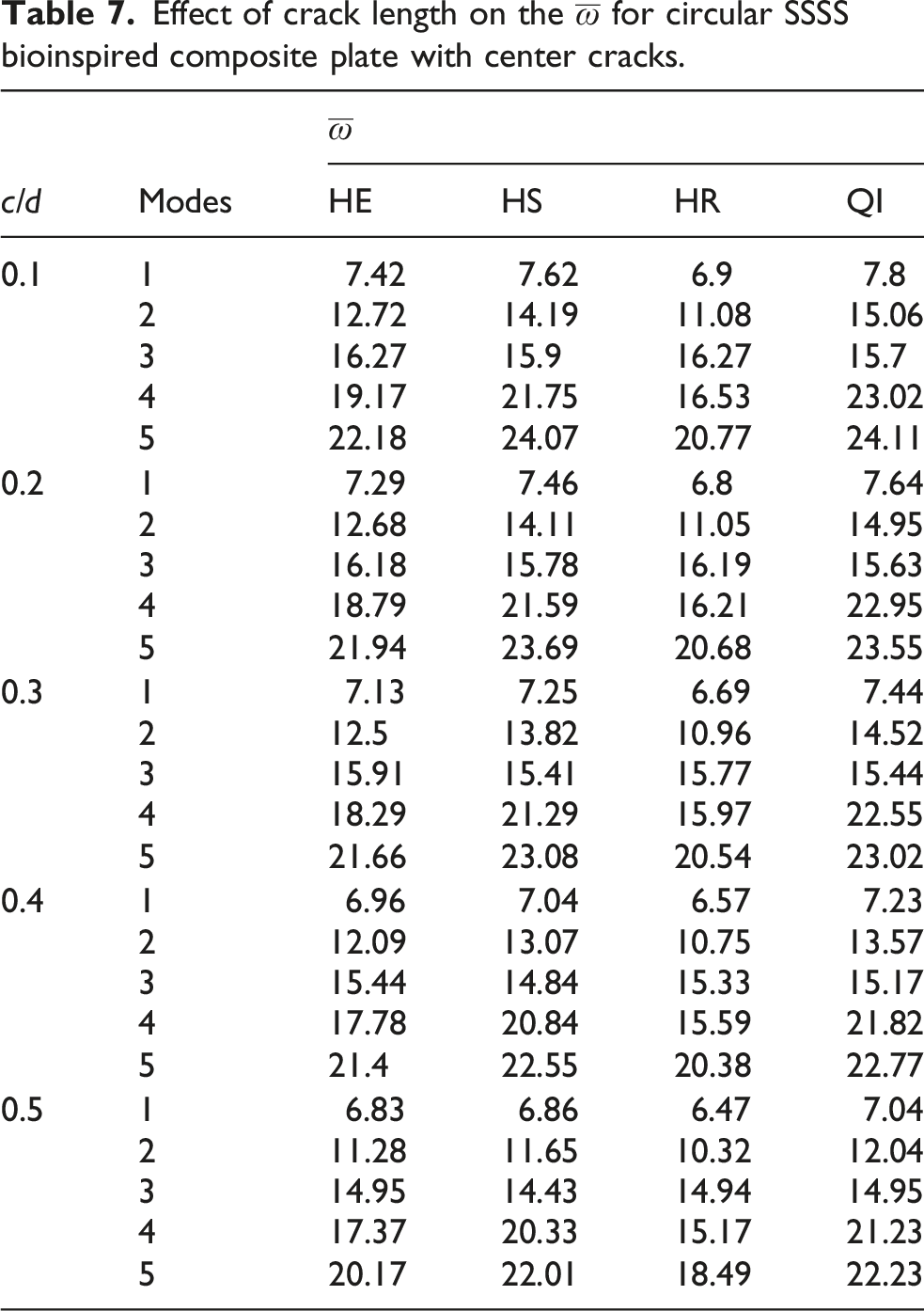
As the crack length increases, a decrease in Percentage drop of fundamental frequency in different bio-inspired and QI configurations for c/a or c/d changes from 0.1 to 0.5.
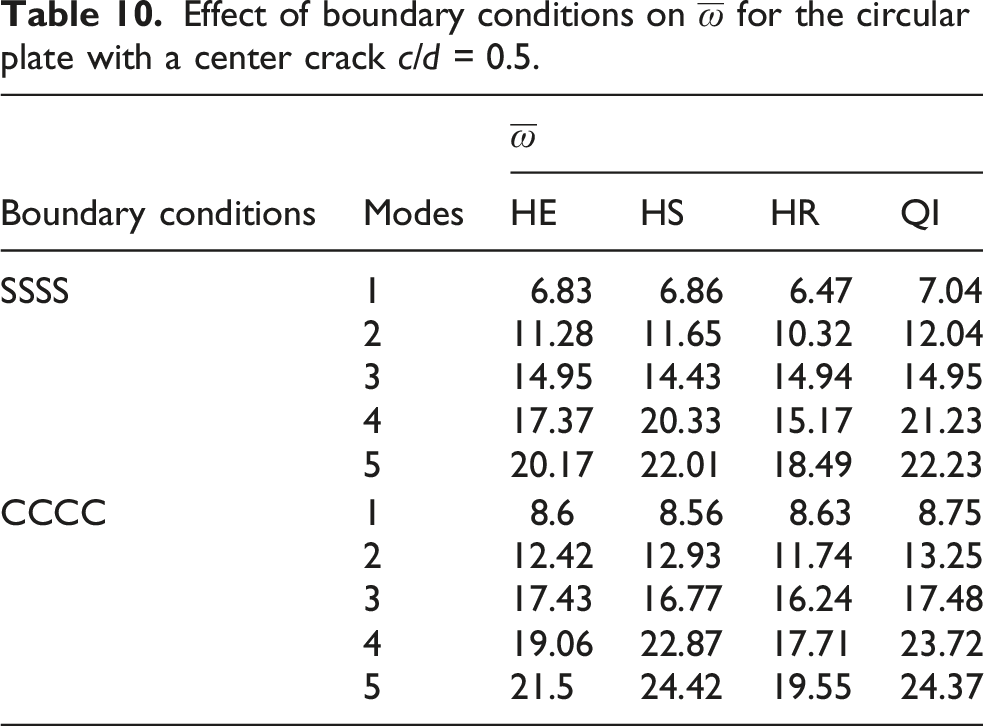
Effect of boundary conditions on
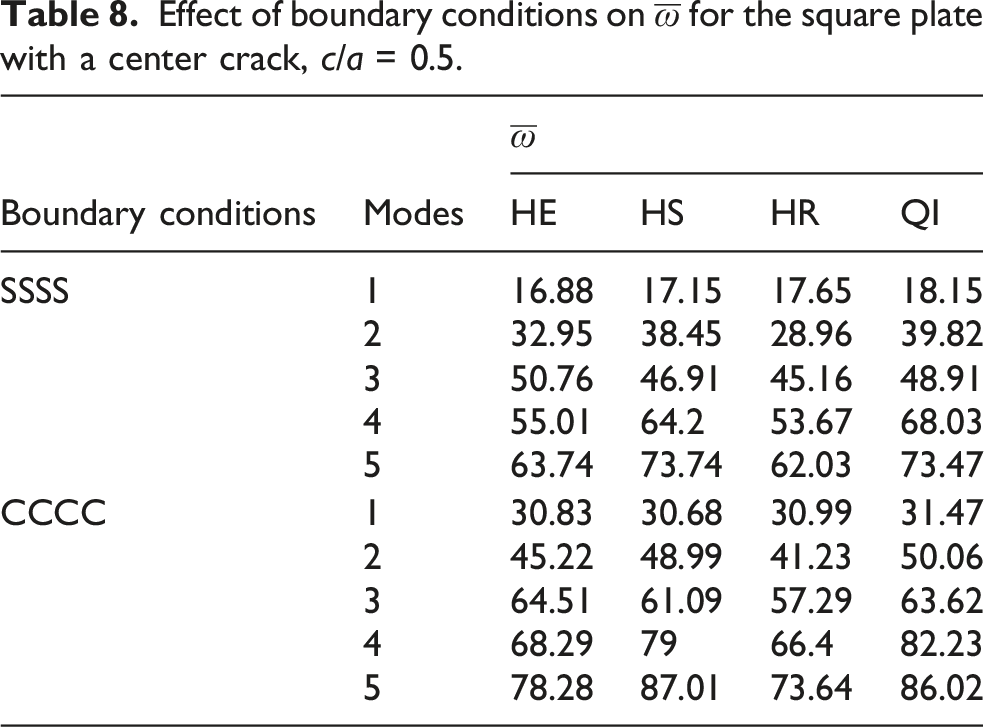
Effect of boundary conditions on
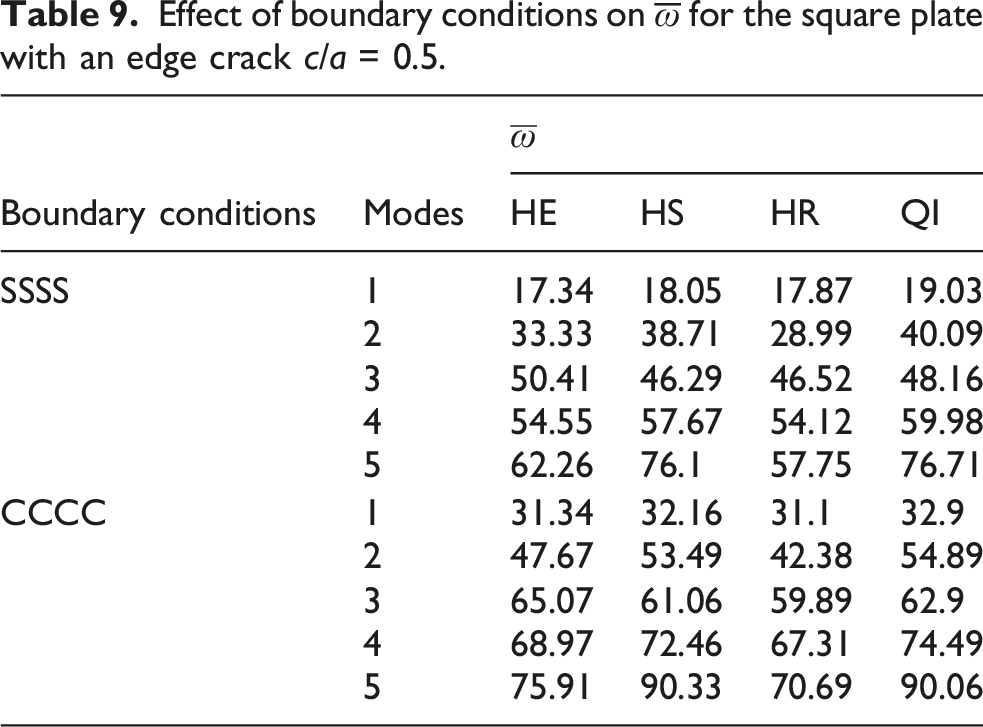
Effect of boundary conditions on
Buckling analysis of bio-inspired composite plates with crack
The buckling analysis of square-shaped bioinspired composite plates with a central and edge crack is performed considering a/h = 20 and E1/E2 = 40. The crack orientation was aligned at 00 angle. Both uniaxial and biaxial loading conditions are considered for the analysis. The most critical buckling load of a structure, which is the smallest buckling load, is generally prioritized in engineering design to ensure the reliability and safety of the structure. Therefore, the current analysis evaluated only the smallest i.e. the critical buckling load 
The mode shapes corresponding to the Mode shapes correspond to the Effect of crack length on Effect of crack length on Effect of crack length on 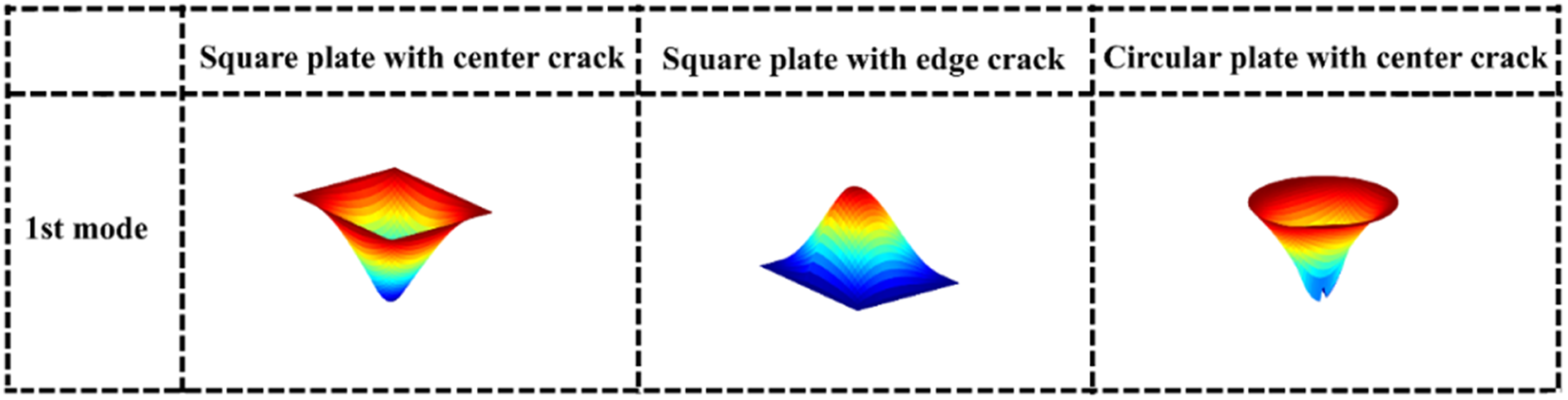
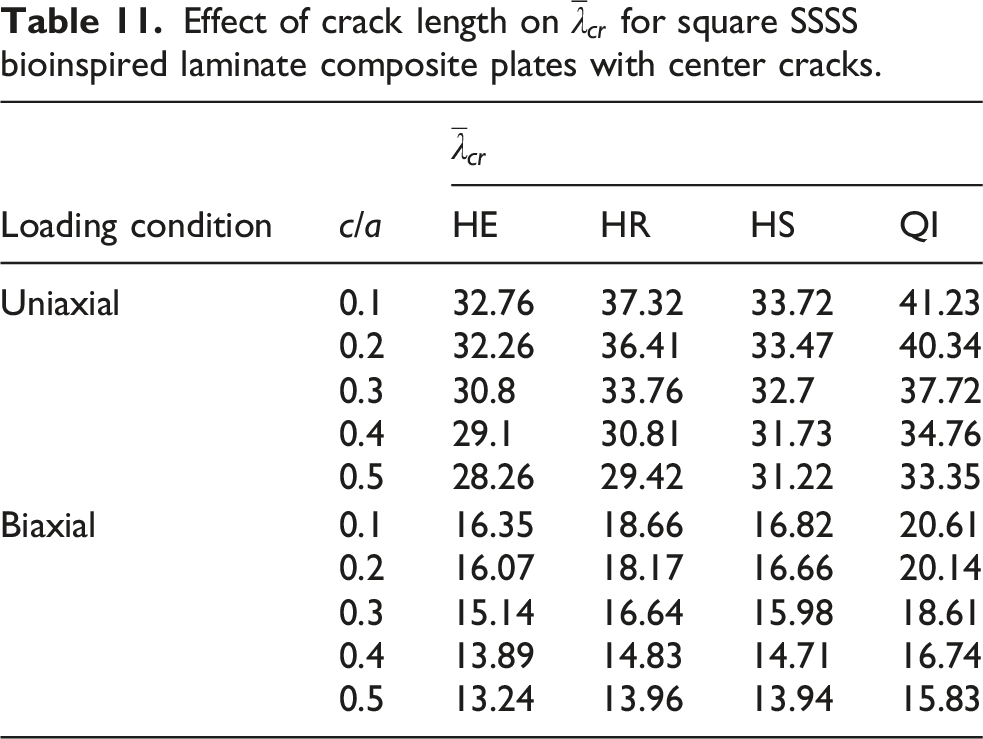
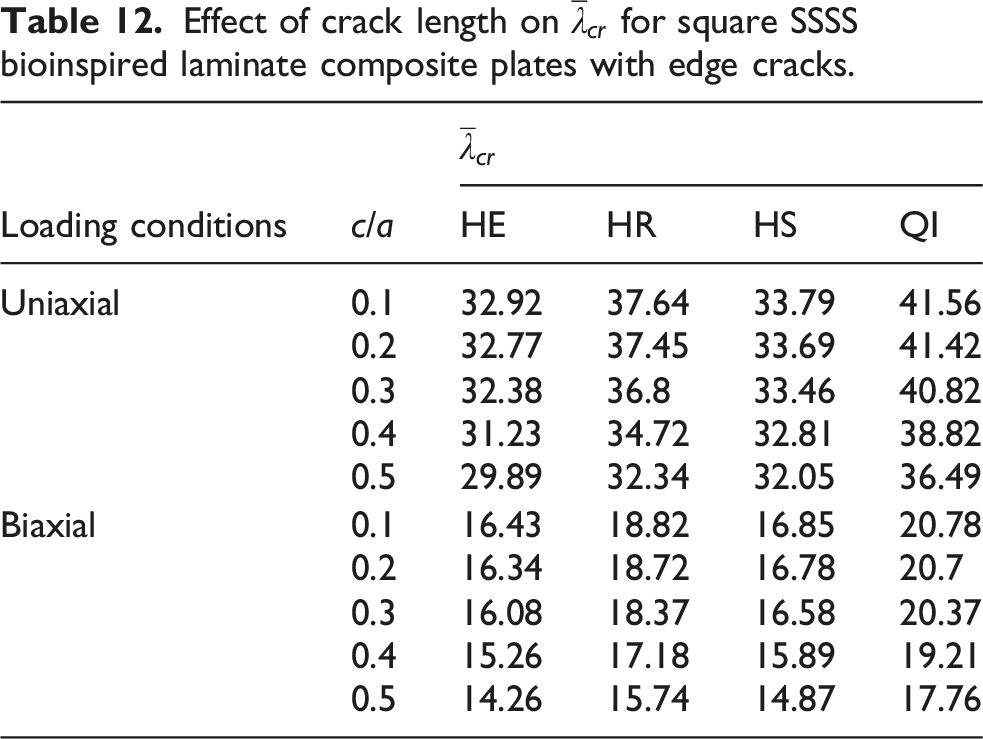
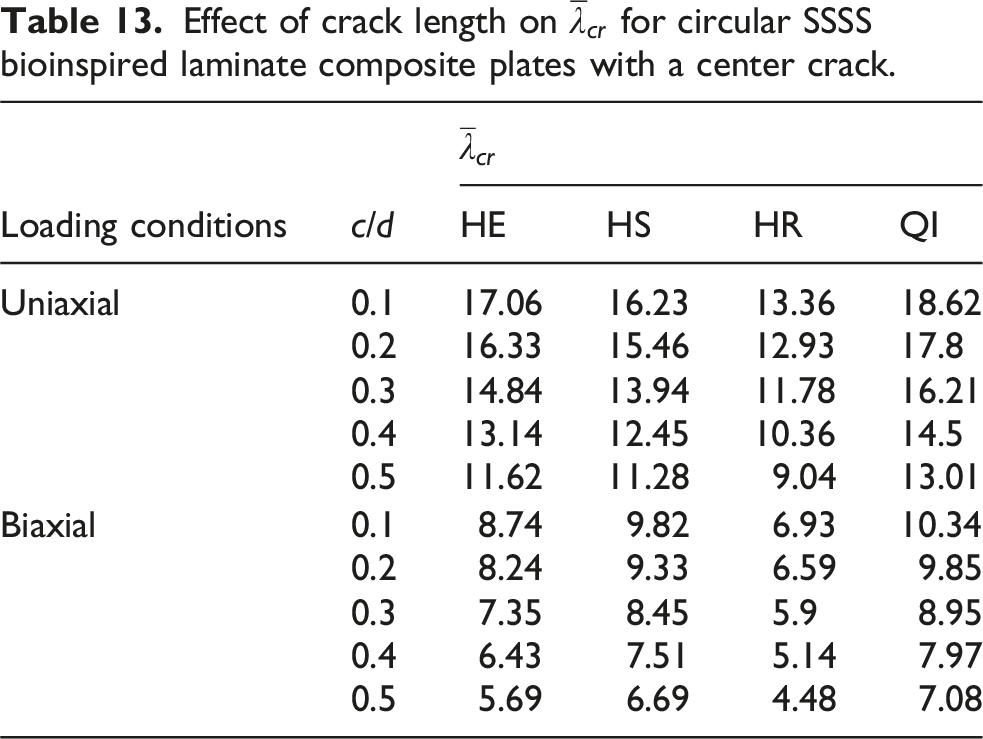
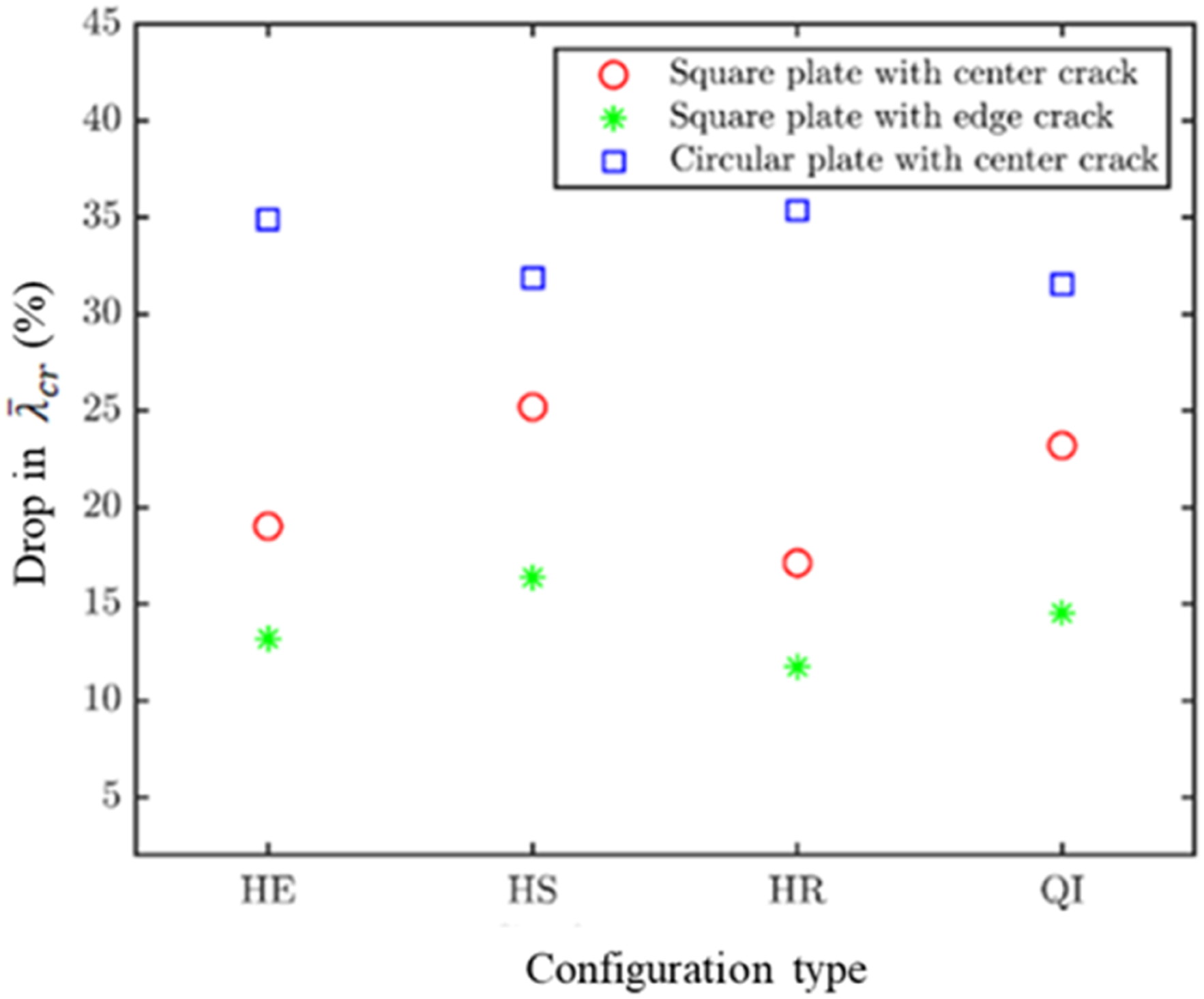
The percentage reduction in Percentage drops in Percentage drops in 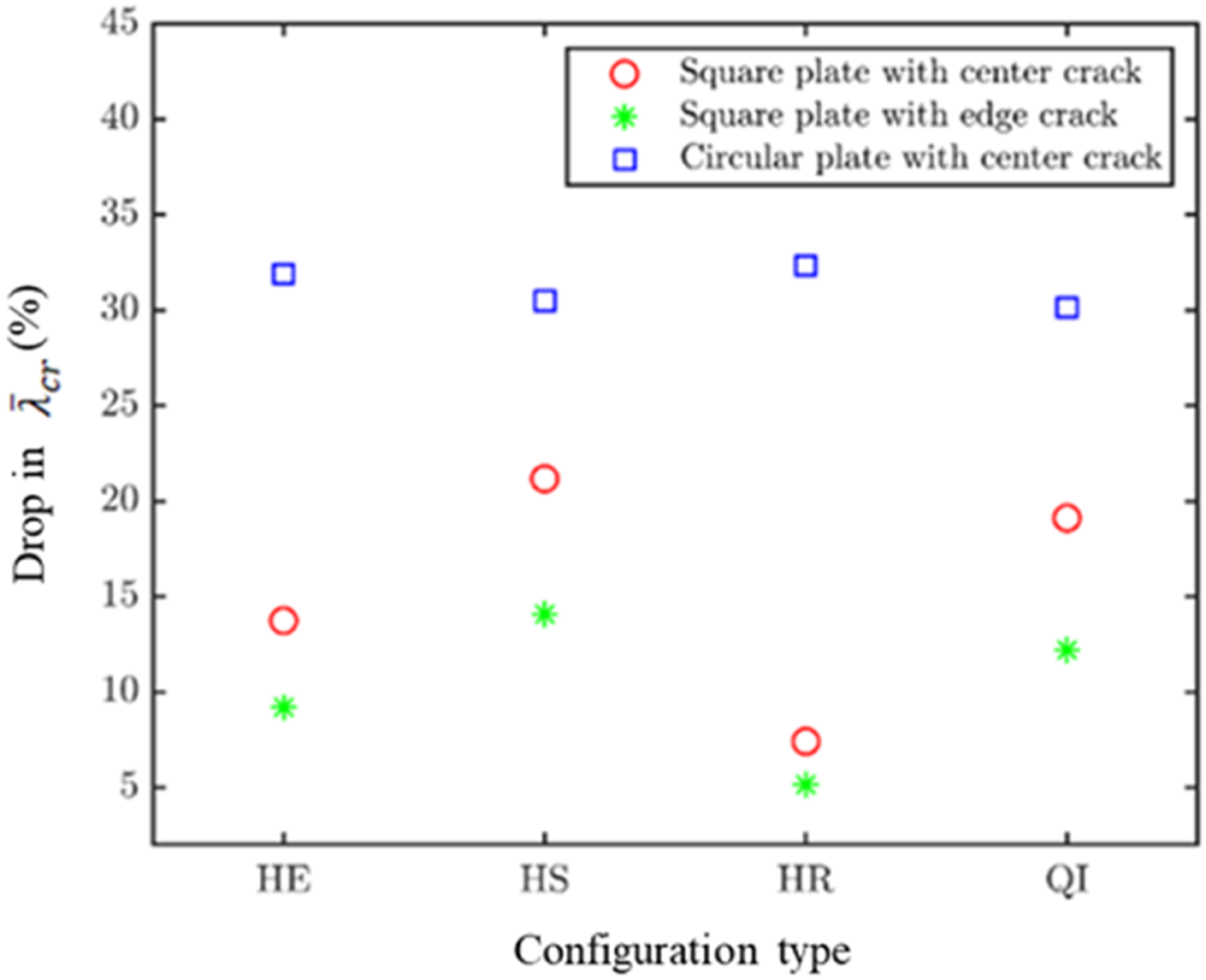
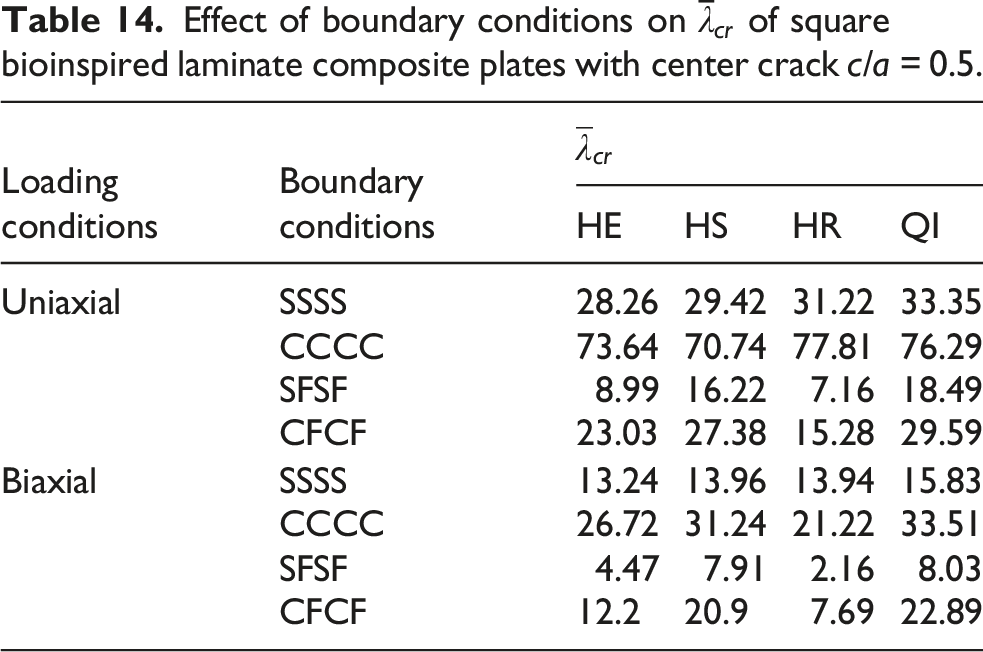
Effect of boundary conditions on
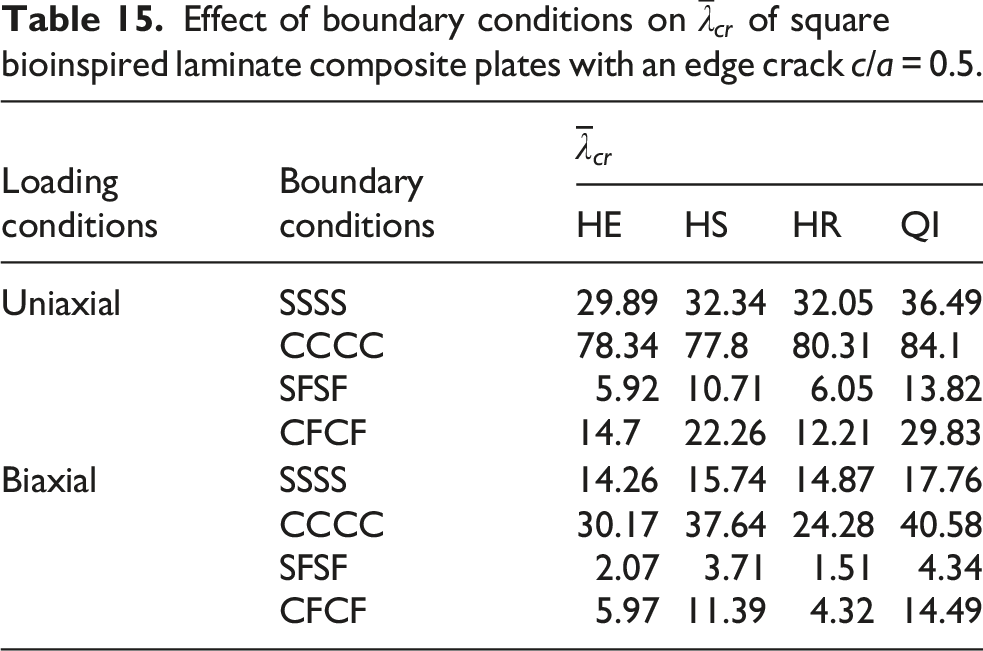
Effect of boundary conditions on
Effect of boundary conditions on
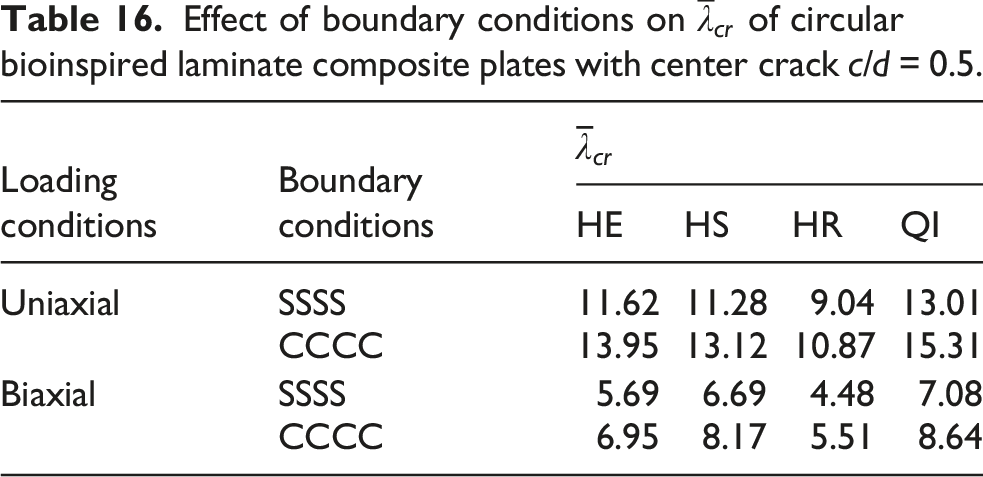
From Tables 14–16, it is evident that the CCCC boundary conditions exhibit higher
Conclusions
This study investigated the influence of cracks on the free vibration and buckling behavior of bio-inspired laminated composite plates using a NURBS-based XIGA framework combined with Reddy’s higher-order shear deformation theory. The main findings are summarized as follows: (a) The presence of cracks leads to a reduction in both natural frequencies and critical buckling loads, with the degree of reduction increasing as crack length increases. (b) In free vibration analysis, the HS configuration exhibits the highest reduction in fundamental frequency, with the response strongly influenced by plate geometry and crack location. (c) Among HS configurations, square plates with center cracks show greater frequency reduction compared to circular plates with center cracks and square plates with edge cracks. (d) The HR configuration demonstrates the least reduction in natural frequency, indicating better resistance to stiffness degradation. (e) In buckling analysis, the HR configuration shows the highest reduction in critical buckling load for circular plates with center cracks, whereas for square plates, the reduction is comparatively lower. (f) Overall, circular plates with center cracks exhibit greater reductions in both natural frequencies and buckling loads compared to square plates, regardless of laminate configuration or loading condition.
Overall, the study emphasizes the importance of incorporating crack effects in the analysis and design of bio-inspired composite structures and demonstrates the robustness of XIGA for modeling discontinuities in complex laminates. The findings of this study highlight the potential of bio-inspired helicoidal composite plates for use in advanced engineering applications, particularly in aerospace, marine, and energy sectors, where enhanced damage tolerance, vibration control, and buckling resistance are essential.
Footnotes

Funding
The authors disclosed receipt of the following financial support for the research, authorship, and/or publication of this article: This work was supported by the Anusandhan National Research Foundation (formerly the Science and Engineering Research Board), New Delhi, under grant number SRG/2023/000818.
Declaration of conflicting interests
The authors declared no potential conflicts of interest with respect to the research, authorship, and/or publication of this article.
Data Availability Statement
The data supporting the findings of this study are available from the corresponding author upon reasonable request.