







Abstract
Natural fiber-reinforced polymer composites have attracted increasing attention as sustainable alternatives to synthetic fiber systems, driven by environmental concerns, cost reduction, and resource availability. Among various lignocellulosic reinforcements, date palm fiber (DPF) has emerged as a promising candidate due to its wide availability, low density, biodegradability, and acceptable mechanical performance. This review critically examines the current state of research on date palm fiber-reinforced epoxy composites, with emphasis on fiber characteristics, fabrication techniques, surface treatment strategies, and structure–property relationships. The influence of processing parameters and chemical modifications on interfacial bonding, mechanical performance, thermo-mechanical behavior, and durability characteristics is systematically discussed. Representative trends in tensile strength, flexural strength, impact strength, dynamic mechanical, and moisture absorption behavior are synthesized from reported studies to highlight performance evolution with fiber content, treatment, and hybridization. Particular attention is given to hybrid composite systems incorporating secondary fibers or fillers to overcome the inherent limitations of DPF-based composites in terms of moisture sensitivity and long-term stability. The review further evaluates environmental resistance, application potential, and existing research gaps, emphasizing the need for standardized testing, long-term durability assessment, and optimization-driven material design. Overall, this work provides a consolidated technical perspective on DPF-epoxy composites and outlines future research directions for their reliable implementation in structural and semi-structural applications.
Keywords
Introduction
With the increased need of sustainable and eco-friendly engineering materials and products, natural fiber reinforced polymer composite research has gained a considerable boost during the past 20 years.1–3 Traditional synthetic fibers like glass and carbon are very good in terms of mechanical performance but their drawbacks of cost, non-biodegradation, and energy-consuming manufacture cast a major environmental question.4,5 In this regard, agricultural waste lignocellulosic fibers have been brought out as good alternatives since they have low density, renewable, cost efficient and less carbon footprint.6–8
Other natural fibers that have gained more and more popularity as a reinforcement material are date palm fiber (DPF) which is extracted by various parts of phoenix dactylifera including leaf sheath, rachis, trunk, fruit bunch stalk and midrib.9–11 The date palm trees thrive in the Middle East, North Africa, and South Asia areas in large quantities, producing a significant amount of biomass waste per year. 12 This waste should also be used in the manufacture of polymer composites, in addition to improving the sustainability of materials, it also offers value-added uses in the construction, automotive and insulation industries.13,14
Epoxy resin is a thermosetting matrix that is most commonly used because of its positive mechanical, dimensional, chemical, and reinforcing fiber adhesion properties. 15 Inclusion of DPF into epoxy matrices has also been researched with a number presenting extensive tensile strength, flexural strength, impact strength, and thermal enhancement over neat epoxy systems.16–18 Nonetheless, fiber source, fiber size, fiber orientation, and loading fraction also have a significant impact on the performance of DPF/epoxy composites.19–22 As an example, the composites strengthened with fibers of fruit bunch stalks tend to be less strong and tougher but have a higher rate of water absorption because of high cellulose content and porous structure. 20
The fact that natural fiber reinforced epoxy composites are highly sensitive to moisture and therefore, they become dimensionally unstable and their mechanical properties are destroyed when they are in the humid or wet environment is one of the most significant problems related to natural fiber reinforced epoxy composites.23,24 DFP/epoxy system absorption of water has been demonstrated to rise with the fiber content and the fiber length which negatively influences the tensile strength and modulus.22,23 Surface alteration methods have been largely adopted to alleviate these limitations; these include alkali treatment, silane treatment and chemical grafting.25–27 DPF alkali-treated composites tend to exhibit low levels of water uptake, adhesion enhanced between fibers and matrices, as well as enhanced mechanical and thermo-mechanical properties.2,3,5
Hybridization strategies are now quite popular as a method to work around the shortcomings of composites that rely solely on DPF.28–31 Improved mechanical properties, moisture resistance and thermal stability have been reported in glass, carbon, kenaf, bamboo, silica, blast furnace slag and calcium carbonate reinforced DPF based hybrid composites.14,26,30 Frequently, the performance gains proved synergistic; in other words, the results surpassed the rule-of-mixtures calculations (equation (1)).

In addition to the fixed mechanical performance, a number of studies have investigated the thermal and thermo-mechanical performance of DPF/epoxy composites through TGA, DMA, and DSC.17,24 These studies demonstrate that fiber treatment and hybridization are very important in enhancing storage modulus, glass transition temperature and thermal degradation resistance. However, the literature available is still disjointed, and there have been minimal attempts at correlating mechanical, moisture, thermal, and durability properties of various sources of fibers and modulation strategies in a systematic fashion.
Although the literature has been soaring, the majority of the current research is on isolated portions like mechanical testing, or water absorption, whereas synthesis, application-oriented processing-structure-property correlations has not been achieved yet. Further, there are not enough comparative discussions on the suitability of DPF/epoxy composites in long term structural and construction related activities especially on the circumstances of combined environment and mechanical loading.33,34
Thus, the current review will contribute to a critical and organized examination of date palm fiber-reinforced epoxy composites by summarizing the available experimental data on the change of fibers used, surface treatment, modes of hybridization, and the mechanical, thermal, and durability performance. A special focus is put on defining the major research gaps and design outlines of the future advancement of high-performance, moisture-resistant and sustainable DPF-based epoxy composites to engineering applications. Figure 1 shows a conceptual influence map of how initial experimental studies of date palm fiber-reinforced epoxy composites gradually moved to interface engineering, hybridization approach, and performance-oriented application. Core-literature influence map (conceptual framework).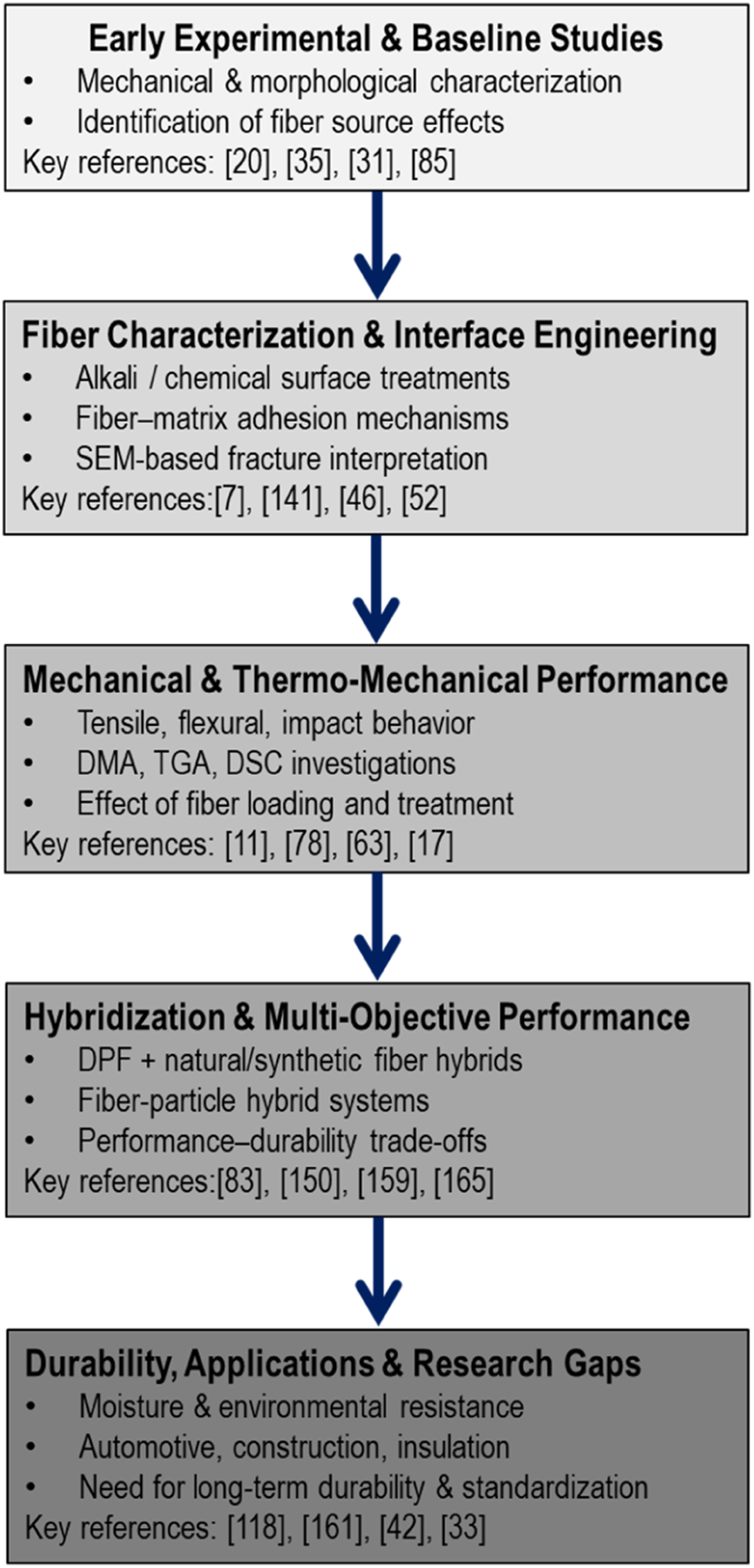
Early studies focused on baseline mechanical characterization and identification of date palm fiber sources.35,36 Subsequent investigations emphasized fiber treatment and interface engineering,37,38 thermo-mechanical performance,39,40 hybrid composite development,41,42 and durability-oriented applications.43,44 These studies collectively established the scientific foundation for current DPF-reinforced epoxy composite research.
Date palm fiber characteristics
Figure 2 categorizes the influential literature into four prevailing themes of research such as the development of the baselines of mechanical characterization, the surface treatment and interfacial modification, the development of hybrid composite and the durability-driven applications, and the structural arrangement of existing literature. Thematic clustering of influential literature on date palm fiber–reinforced epoxy composites.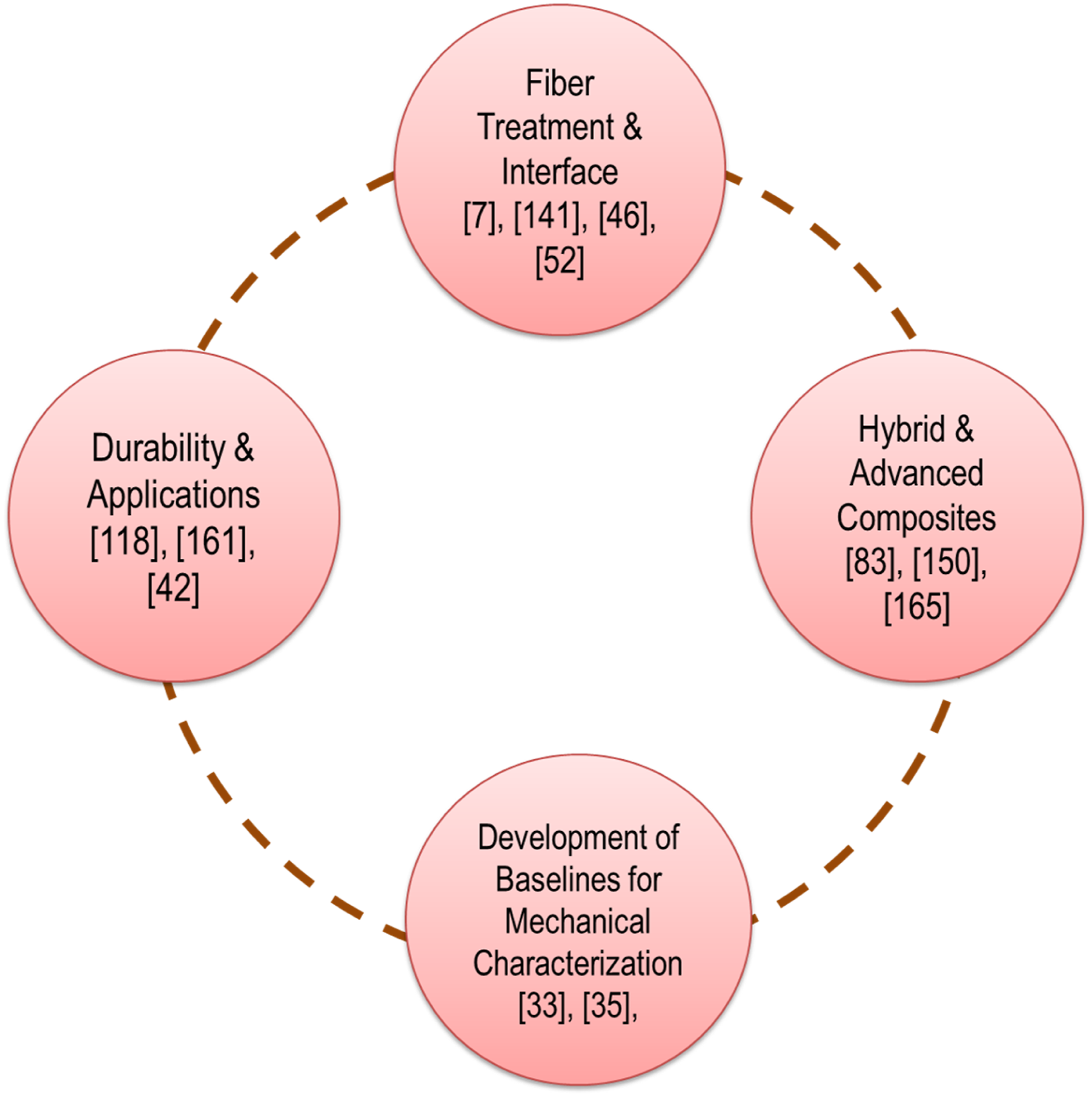
Date palm fiber (DPF) is a natural lignocellulosic fiber, a natural substance of the Phoenix dactylifera tree, which has also received interest as a potential sustainable reinforcement factor in polymer composites. The nature of DPF differs with regards to anatomical origin of fiber, chemical, physical structure and intrinsic mechanical behavior. These criteria are decisive in fiber-matrix compatibility and overall composite system performance using epoxy as the base.9–12
Chemical composition of date palm fibres from different sources.

The values presented here reflect typical ranges, drawn from the studies cited in this work, for different date palm fibre components. Date palm fibre composition has a great impact on its mechanical and physical properties. Fibres like fruit bunch stalk and leaf sheath have relatively high cellulose content, and thus have a tendency for better tensile strength because cellulose has a crystalline structure. Trunk fibres have more lignin which makes the fibres more rigid but less flexible. Fibres that have a high hemicellulose content tend to absorb more moisture as hemicellulose is hydrophilic. This may attribute to higher water uptake percentages in specific fibres. Differences in mechanical performance between fibre sources can be attributed to differences in composition.
Date palm fibers, especially their physical properties such as fiber diameter, aspect ratio, density and surface texture, greatly depend on the source of fiber and mode of extraction. According to morphological studies, published in the literature, irregularity of fiber cross-sections and surface impurity in the form of waxy coating and remnant lignin may inhibit effective bonding with epoxy matrices.17,20 Smaller fibers and those with higher aspect ratio are typically more effective in stress transfer and porous fibers are more effective in moisture absorption. Fiber source, microstructure, and extraction method have an effect on the intrinsic mechanical properties of date palm fibers including tensile strength, Youngs modulus and elongation at break. Mechanical strength of DPF is lesser than synthetic fibers, however, is comparable with some other natural fibers that are typically employed in polymer composites.31,51 The tensile strength and stiffness of fibers obtained in midrib and petiole areas tend to be higher because of their tight structure of cells, whereas trunk and leaf fibers are weaker but more flexible. 52
Mechanical properties of some popular natural fibers used in polymer composites.

The values presented represent typical ranges reported in the literature, which may vary depending on fiber extraction method, plant origin, and testing conditions.
The significant weakness of date palm fibers is that it is hydrophilic, which is because of the presence of hydroxyl groups in the cells of cellulose and hemicellulose. This causes absorption of moisture, swelling of the fiber and degradation of interfacial bonding when was applied in polymer composites.23,24 The uptake of moisture is greater in fibers that have higher porosity and hemicellulose contents. The surface modification methods are usually used to enhance compatibility of the date palm fibers to the epoxy matrix. The most common one is alkali treatment that removes surface contaminants, partly destroys hemicellulose, and makes the surface rougher thus improving the adhesion between the fiber and the matrix.2,3,5 Other chemotherapy methods have been investigated to yield a reduction in moisture sensitivity and enhance interfacial stability. Treated fibers also tend to have better interfacial behaviour but over-treatment can destroy the structure of the fiber and lower mechanical performance.25–27 The properties of date palm fibres imply that the successful application of this material in the epoxy composites must be attentive to the source of fibre, the control of physical dimension, and the proper surface modification. The untreated fibers are more sustainable and cost-efficient but the surface-treated fibers have a better interfacial bonding and better durability, which makes them more appropriate in the engineering field.26,30
Properties of date palm fibres reported in literature.
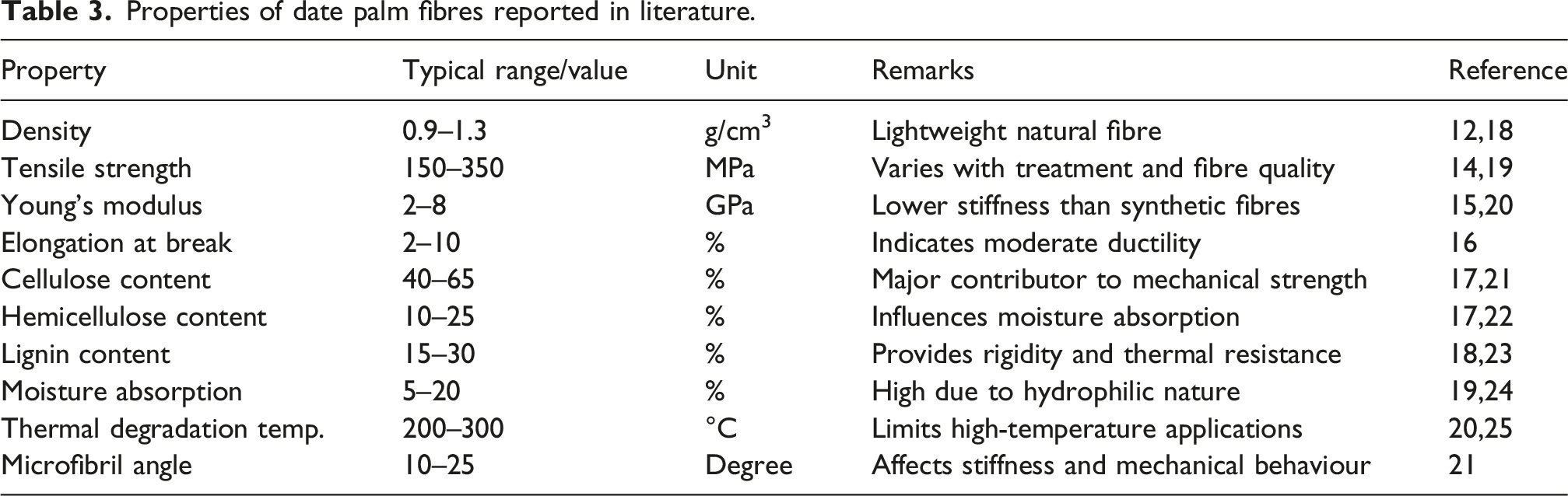
A substantial body of research has focused on the characterization, extraction, morphology, chemical composition, and mechanical behavior of date palm fibers obtained from different anatomical parts of the palm tree. Previous investigations have reported the influence of cellulose content, fiber diameter, aspect ratio, moisture sensitivity, and microstructural characteristics on the reinforcing efficiency of date palm fibers in polymer composites.36,56–80 These studies established the fundamental understanding of structure–property relationships and provided the basis for the subsequent development of date palm fiber–reinforced composite systems.
Sources of date palm fibres
Date palm fibres which are considered for composite applications are obtained from different parts of palm trees. Mechanical and physical properties are affected with source of fibres.
Figure 3 highlights that leaf sheath and midrib fibers are the most popular, owing to their greater strength and ready accessibility. While less prevalent, fibres from the trunk, leaflets, and fruit bunches are employed when particular characteristics are necessary.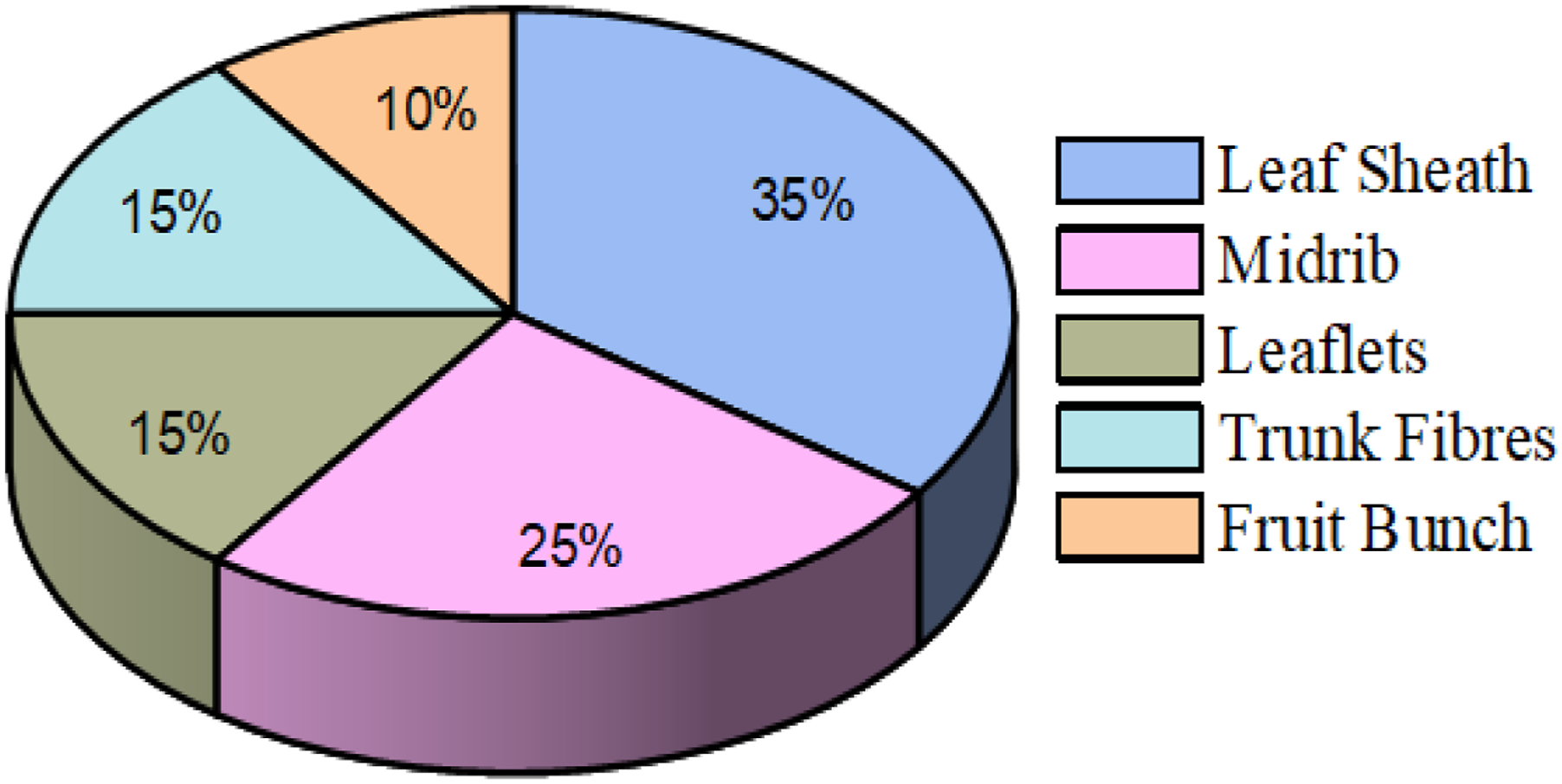
Fabrication methods
Influence of date palm part and architecture on epoxy composite performance.
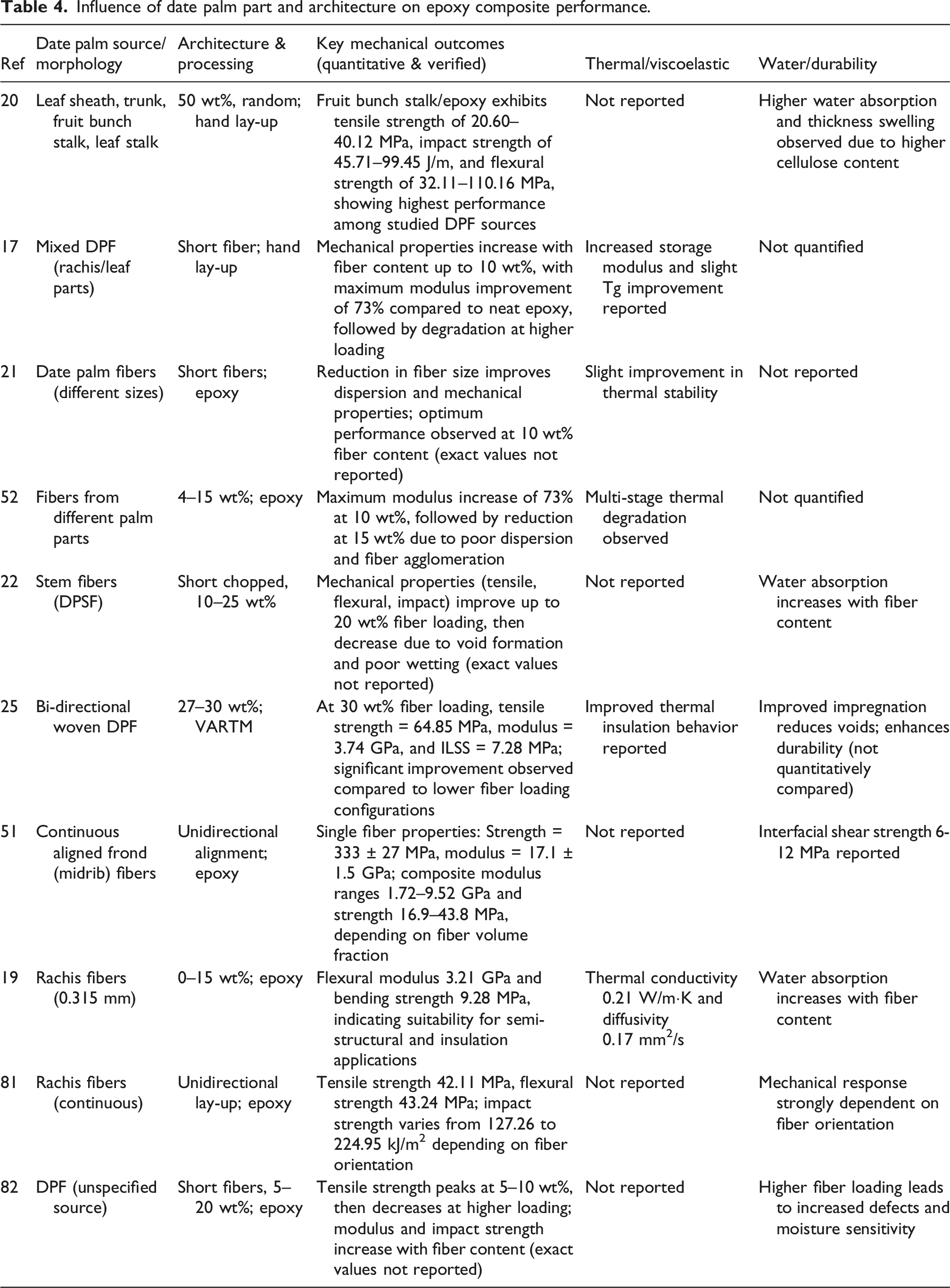
The findings suggest that the mechanical performance of date palm fiber-reinforced epoxy composites is highly dependent on the fiber morphology, loading fraction, and processing method with the best properties generally being observed within the range of 10–30 wt% fiber content.
The interfacial shear strength of date palm fiber composites ranges between 6 and 12 MPa as compared to 20–40 MPa in glass/epoxy composites. 51 The reported range, however, is within the range of expectations of natural fibre reinforced composites. Hence, although DPF composites cannot be compared to interfacial performance that synthetic systems can achieve, they are still competitive in low cost lightweight and semi-structural applications because of their biodegradability and acceptable performance. Interfacial performance can be enhanced by surface treatment of fibre and optimisation of processing.
Before composite fabrication, date palm fibers are usually treated by cleaning, drying and reducing their size. These measures are necessary to eliminate dust, surface impurities, and absorbed moisture, which otherwise can interfere with the curing of epoxy and the adhesion of fibers to matrices. A few studies highlight that poor fiber pre-processing leads to creation of voids and uneven quality of composite.19–21
The simplest fabrication method to be reported has been the hand lay-up technique of composing the epoxy-date palm fiber composites because it is simple and cheap and it has the ability of allowing variation in the amount of fibers. Under this approach, fibers are laid into a mold by hand, and are impregnated with resin and left to cure in an ambient or slightly higher temperature environment. To counter its benefits, hand lay-up processing is usually characterized by irregular fiber distribution and trapped air, thus, can cause high porosity.16,17 Several research studies have used compression molding to enhance in wetting of fiber, flow, and consolidation of epoxy-date palm fiber composites. External pressure used during curing decreases the content of voids and improves contact between the fiber and the matrix. It has been documented that processing parameters including, molding pressure, temperature and curing time can affect composite integrity and repeatability considerably.18,22 Methods of vacuum-assisted fabrication, vacuum bagging and resin infusion techniques have been investigated to enhance resin impregnation and porosity. The processes provide superior resin dispersion features than open-mold processes, but are more complex to process and expensive to equip.23,25
Fiber loading is a very crucial fabrication parameter that makes a difference in the processability and quality of the composite. The decrease in mechanical properties at fibre loading above the optimum level can be explained by the presence of fibre agglomeration, bad dispersion and void content. Fibres tend to form clusters at high weight fractions because of inadequate wetting by the matrix material. These fibre clusters create regions of stress concentration and poor interfacial bonding leading to ineffective load transfer between matrix and reinforcement which deteriorates mechanical performance. Reason for different optimum fibre content values (10 wt% 21 and 20 wt% 22 ) can be due to fibre treatment and aspect ratio that alter dispersion and interfacial bonding properties. Enhanced dispersion and surface treatment shifts this critical threshold towards higher fibre content by improving fibre–matrix compatibility. The moisture content of fibers, resin viscosity, and the choice of processing are the issues that have a strong impact. A number of studies point to inadequate regulation of fabrication parameters as the cause of low consistency in the quality of composites and low reliability.29,30
Comparison of different resin systems for date palm fibre composites
Date palm fibre reinforced composites have been reported with several matrix systems such as thermosetting resins like epoxy, polyester, thermoplastic matrices like polypropylene and polyethylene. Date palm fibre reinforced matrix selection plays a vital role in composite properties.
Epoxies have found extensive use due to their excellent mechanical properties, good interfacial adhesion with natural fibres, low moisture absorption, etc. Polyester resin matrices are less expensive and easier to process than epoxies but show lower mechanical performance and high shrinkage. Thermoplastic matrices like polypropylene offer recyclability, good impact strength, and easier fabrication process. The major problem with thermoplastic matrices is their inability to bond well with natural fibres due to hydrophilicity of natural fibres.
Comparison of resin systems.

The references provided correspond to studies reported in the present manuscript that investigate different resin systems used with date palm or similar natural fibres.
Surface treatment and interface modification
Surface-treatment studies on DPF/epoxy systems.
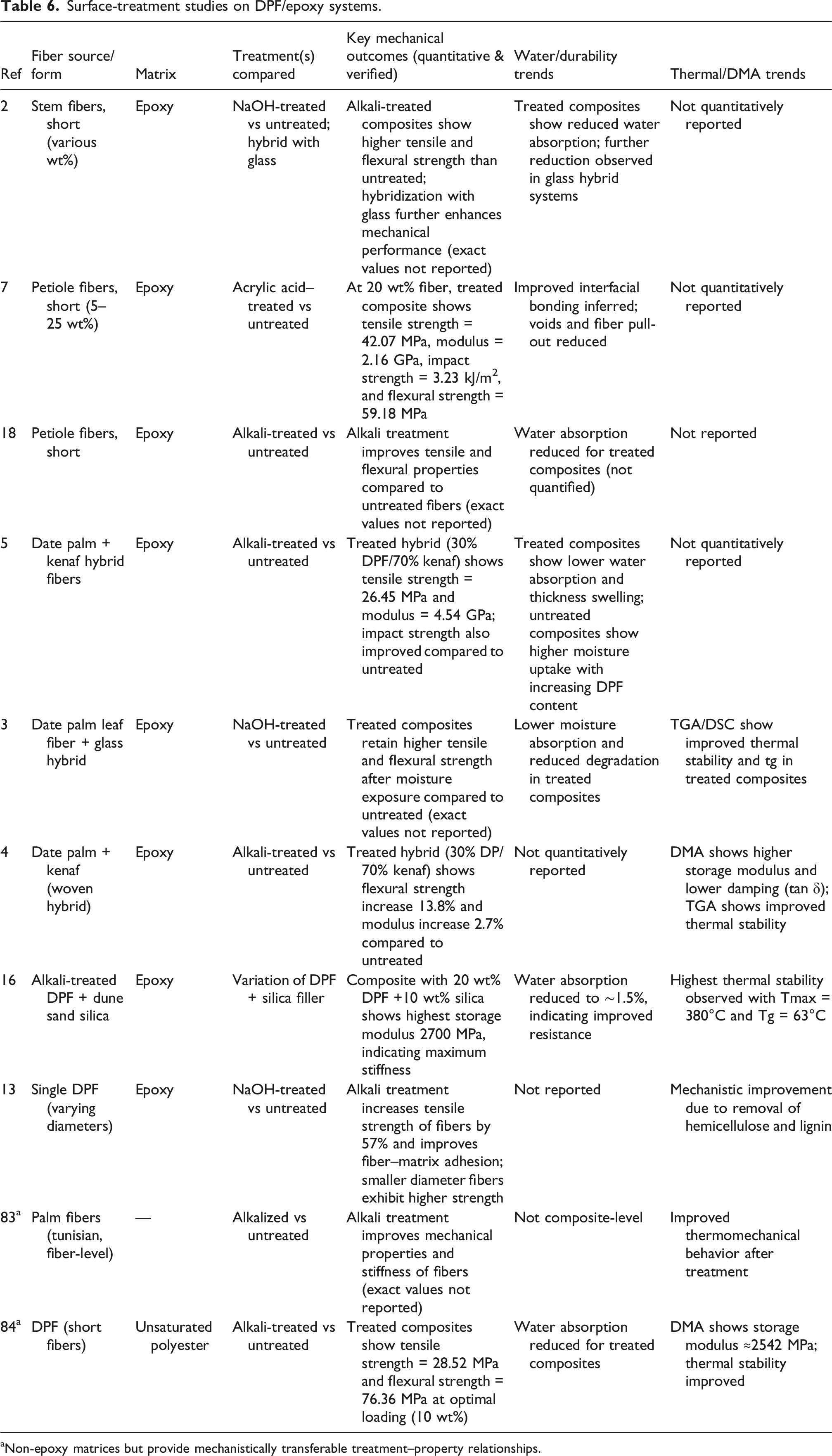
aNon-epoxy matrices but provide mechanistically transferable treatment–property relationships.
A comparison across studies indicates that optimal mechanical performance is generally achieved within 10–30 wt% fiber loading, although absolute values vary depending on fiber source, treatment, and processing method. Chemical treatment (particularly alkali treatment) significantly enhances interfacial bonding, leading to improved mechanical performance, reduced moisture absorption, and enhanced thermal stability of date palm fiber-reinforced composites.
Extensive investigations have been conducted on surface modification, interfacial engineering, and processing optimization of date palm fiber composites. Alkali treatment, silane treatment, chemical modification, and fiber–matrix compatibility enhancement strategies have been reported to improve interfacial adhesion, reduce moisture uptake, and enhance thermo-mechanical performance.37,38,43,85–116 The collective findings demonstrate that surface treatment remains one of the most effective approaches for improving the long-term durability and mechanical reliability of date palm fiber-reinforced polymer composites.
Raw date palm fibers have surface contaminants like wax, oil, lignin and pectin that interfere with the ability to bond well with epoxy resin. Moreover, cellulose and hemicellulose have hydroxyl groups in them, which add to the absorption of moisture and interfacial degradation. A number of studies record poor mechanical stability and durability of untreated epoxy-date palm fiber composites, and it is important to note that fiber surface modification is a requirement.23,24
The most frequently reported method of the surface modification of date palm fibers is alkali treatment with sodium hydroxide (NaOH). This treatment results in the removal of surface impurities, incomplete removal of hemicellulose, and roughness of surface which enhances mechanical interlocking with the epoxy matrix.2,3,5 Nevertheless, too high alkalia concentration or the long lifetime of the treatment can cause destruction of the fiber structure and mechanical integrity.25–27 Silane coupling agents have been used to help in improving interfacial compatibility; the chemical bridges that are created between the fiber surface and the epoxy surface using silane coupling agents. The bonding efficiency and hydrophilicity of silane-treated date palm fibers are usually lower. Other chemical treatment methods have also been investigated with a view to enhance interface stability but limited use has been achieved in the way they are processed, and cost is considered.26,27
It has suggested hybrid methods of interface modification that involve alkali treatment with secondary chemical treatment or particulate additives in order to have a balanced enhancement in interfacial bonding and moisture resistance. These methods are to increase the reliability of composite and reduce the degradation of fibers.
Beyond the usual alkali and chemical surface treatments, research is now investigating enzyme-based methods for modifying natural fibers, offering a more eco-friendly approach. Naturally occurring enzymes have been used to selectively target/remove hemicellulose and pectin content, leading to cleaner surfaces and improved interfacial bonding ability between fiber and polymer matrix similarly to proposed mechanisms for traditional surface modification methods utilized on date palm fibers thus far.25–27 More recent investigations into date palm fiber reinforced poly(butylene succinate) (PBS) composites treated with enzymes have shown that this method leads to mechanical, thermal, and morphological improvements while still yielding a lower impact compared to traditional chemical treatment methods.117,118 Enzyme treated fibers were also shown to have improved resistance to environmental degradation after accelerated UV treatment. 118
SEM analysis has been extensively utilized to observe fiber-matrix bonding interfaces of epoxy-date palm fiber composites. When treated with fiber composites, it is observed that they usually have better wet-end resin, lower fibre pull-out and cohesive fracture behavior than untreated systems.
Although surface treatment has positives, other issues like poor consistency of treatment procedures, variation of natural fibers and standardization remain. Too high alkali loading can damage the fibre structure due to cellulose degradation and loss of binding materials. Literature suggests that anywhere between 4 and 10 wt% NaOH will be optimum to enhance the fibre surface property and interfacial interaction without severe fibre damage. However, poor mechanical performance will occur at high concentrations or extended treatment times due to fibre deterioration. This is caused by extensive delignification and partial decomposition of the cellulose fibril structure at high NaOH concentrations.25–27
Mechanical performance
The mechanical performance of date palm fiber–reinforced epoxy composites is a critical factor in determining their suitability for structural and semi-structural applications. Mechanical properties such as tensile strength, flexural strength, modulus, and impact strength are strongly influenced by fiber content, fiber source, surface treatment, and fabrication method. Numerous studies have evaluated these properties to understand the reinforcement potential of date palm fibers within epoxy matrices.31,33,51,52,55,119 Figure 4 shows the variation of tensile strength, flexural strength, and impact strength of date palm fiber–reinforced epoxy composites with fiber content, compiled from reported literature ranges. Variation of tensile strength, flexural strength, and impact strength properties of date palm fiber–reinforced epoxy composites with fiber content, compiled from reported literature ranges.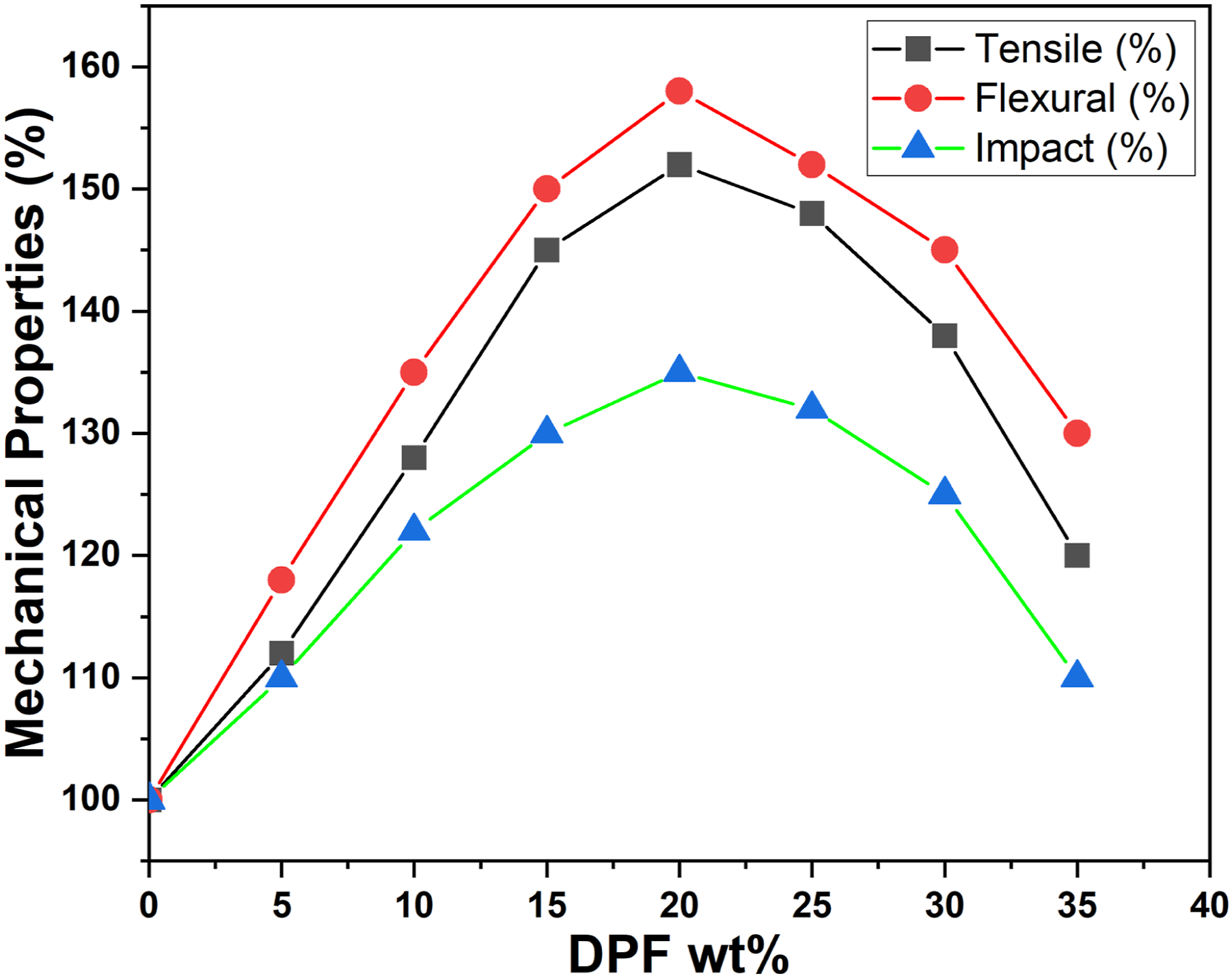
Among the mechanical properties of epoxy date palm fiber composites that have been most extensively studied is tensile behavior, which gives information on the efficiency of load transfer between fiber and matrix. According to reported research, tensile strength and elastic modulus tend to increase with fiber content to an optimum point beyond which fiber agglomeration and high resin wetting result in the loss of properties.33,51,55,119 The tensile performance is shown to have been improved mostly as a result of the successful transfer of stress between the fibers (epoxy matrix) and the stiff lignocellulosic fibers. Nevertheless, fibers overloading lead to higher void content and poor interfacial bonding which has negative implications in tensile strength.52,55 Surfaced treated date palm fiber composites are always superior in tensile properties over untreated systems as a result of enhanced interfacial bonding and poor fiber de-bonding.10,33 Flexural properties are a composite evaluation of tensile strength and compressive strength demeanour to bending loads and are especially applicable to structural applications. Research findings contained in the literature indicate that flexural strength and flexural modulus of the epoxy date palm fiber composites has similar tendencies of tensile properties, and its optimization has been experienced with an increase in fiber content.31,53,55 The increased flexural behavior is explained by better fiber-matrix interaction and good distribution of the load throughout the cross-section of the composite. However, during higher fiber loadings, stress concentrations and the lack of good dispersion of the fibers can result in a pre-premature failure that occurs during bending loads.53,119
Accordingly, typical ranges of values for tensile strength and flexural strength of date palm fiber reinforced polymer composites are roughly 35–90 MPa and 50–150 MPa, respectively. As evident from the literature reviewed, tensile strength and flexural strength values reported for date palm fiber polymer composites can vary anywhere within these ranges, depending on fiber treatment, fiber length, fiber orientation, and interfacial bonding. These ranges serve as a benchmark for comparing reported date palm fiber composite mechanical properties.31,33,51,52,55,119
Fiber length is another factor which affects the reinforcing efficiency of natural fiber composites. Different fiber lengths can cause a change in stress transfer between fiber and polymer matrix which will consequently affect the mechanical properties of the natural fiber composites. There is inadequate load transfer and lower tensile and flexure strength for shorter fibers. Composite reinforcement efficiency increases with increasing fiber length due to improved stress transfer ability. Fibers that are too long show poor dispersion and this affects composite fabrication but longer fiber lengths provide better reinforcement and interfacial area with the matrix. Thus, fiber length plays an important role in achieving mechanical properties as well as good processability of date palm fiber reinforced polymer composites.31,33,51,52,55
Impact strength is the measure of the absorption capacity of composite materials to impact and is especially relevant to the use of materials in dynamically or inadvertently loaded structures. It has been reported that the impact resistance of epoxy-date palm fiber composites improves with the incorporation of the fibers because of the methods of deflecting cracks, pulling out of fibers, and energy dissipation.34,120 A number of studies show moderate fiber loading and the right surface treatment will result in better impact performance, but high fiber content will result in brittle behavior since it causes poor matrix continuity and agglomeration of fiber.34,121 Anatomical origin of epoxy-date palm fiber composites and the direction in which it lies in the matrix also affect the mechanical performance of the composite. The fibers which are obtained in the midrib and petiole areas tend to be stronger and stiffer and thus the composite performance is better as compared to the fibers that are obtained in the trunk and leaf areas.52,81
Most frequently, random oriented short fibers are used since they are simple to fabricate; oriented or mat-based fibres are better tensile strength and flexural strength with increased directional load transfer through enhanced directional transfer of loads.53,122 Surface modification is important in improving mechanical performance of epoxy-date palm fiber composites. Fibers that are alkali-treated and chemically modified always exhibit superior tensile strength, flexural strength and impact strength performances in comparison with unfixed fibers. This has been improved through increased interfacial bonding, decreased sensitivity to moisture, and increased efficiency in transferring stress.33,54,119
Literature on fractographic analysis indicates that untreated epoxy-date palm fiber composites mainly fail due to fiber pull-out and interfacial debonding which is evidence of poor fiber-matrix adhesion. Conversely, treated fiber composites have a matrix cracking and fiber fracture implying better bonding of the interfaces and effective transfer of loads.123–125 These mechanisms of failure also substantiate the trends in the mechanical performance observed in this part. On balance, mechanical performance of epoxy-date palm fiber composites depends on the combination of the proportion of fiber content and the source of fiber, surface treatment, and the fabrication technique. The high tensile strength, flexural strength and impact strength properties are achieved with optimal fiber loading and appropriate surface modification, which makes these composites applicable to the low-to-moderate load-bearing applications. Nevertheless, overload of fibers and improper control in the processing will cancel these advantages and underscores the importance of composite design optimization.31,52
Thermo-mechanical and dynamic behaviour
Key thermal/thermo-mechanical findings.
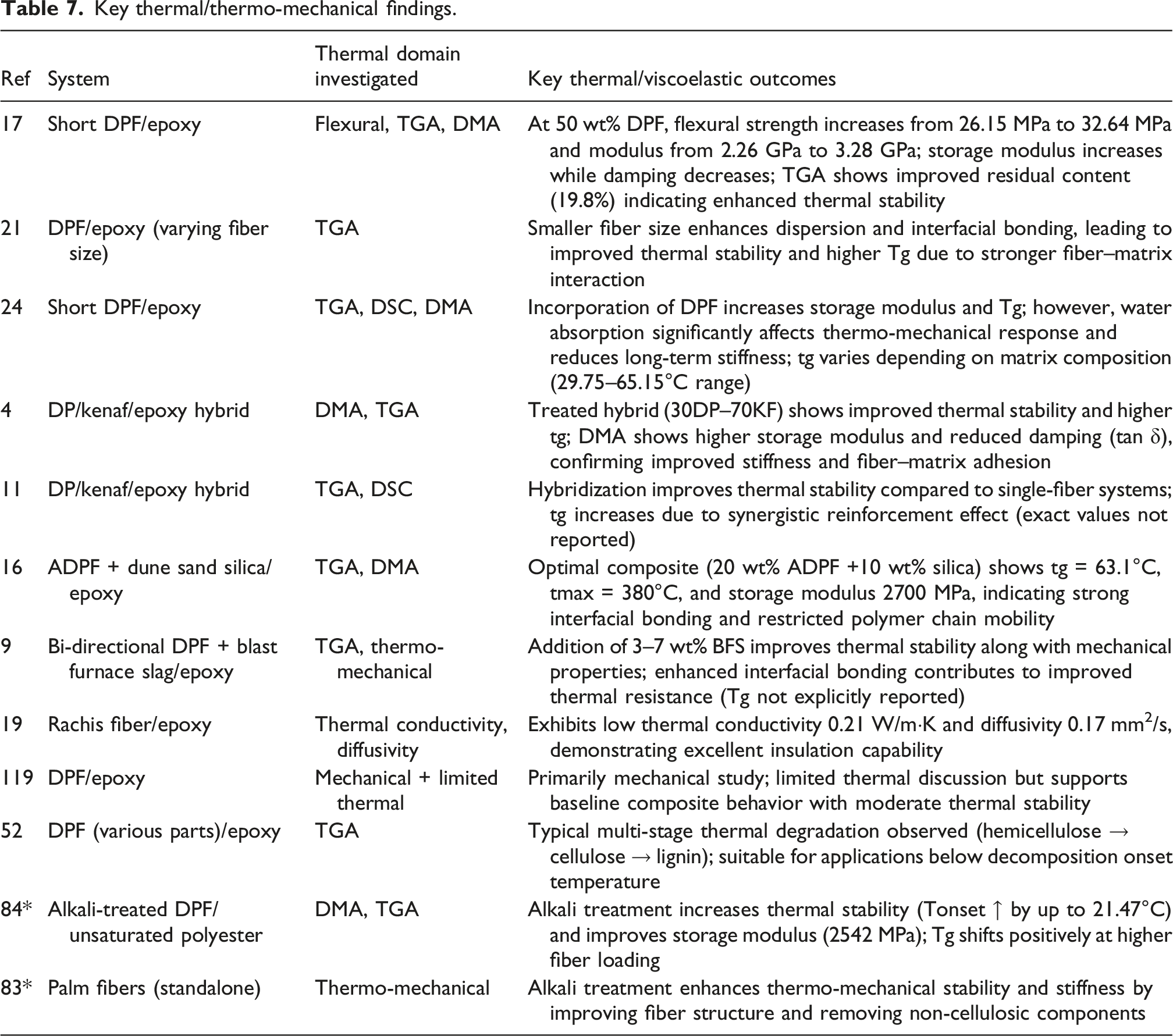
Thermal and viscoelastic behavior of date palm fiber-reinforced composites is strongly governed by fiber–matrix interfacial adhesion, fiber dispersion, and hybrid reinforcement, with chemical treatment and filler addition significantly enhancing thermal stability and stiffness.
Fiber content, fiber distribution and interfacial bonding determine thermo-mechanical stability of epoxy-date palm fiber composites. Use of natural fibers tends to increase low temperature stiffness because of the reinforcing action of cellulose microfibrils. Nevertheless, fiber-matrix adhesion and fiber thermal degradation performance are critical to thermal stability at high temperatures.32,82,127
Besides the thermal stability of natural fiber reinforced polymer composites, their fire performance is also crucial while they are employed in automotive and building constructions. Factors like flammability, ignitability, rate of heat release and combustion properties affect the safety of materials under service conditions. Since natural fibers are lignocellulosic in nature they might show enhanced flammability in comparison to synthetic fiber reinforced composites. Thus, flame retardancy and fire behavior analysis of date palm fiber reinforced composites should be studied in future researches.
Research findings as indicated that composites having optimally loaded fiber contents have enhanced dimensional stability and lesser thermal deformations than neat epoxy systems. Conversely, lack of good interfacial bonding can cause premature softening and formation of microcracks at high temperatures.32,127,128
The dynamic mechanical analysis is common as a method to analyze the viscoelastic characteristics of epoxy date palm fiber composites in terms of storage modulus (E′), loss modulus (E″), and damping factor (tan δ). The temperature dependence of these parameters shows the stiffness, energy dissipation and the molecular mobility of composite system.126,128 Figure 5 shows the exemplary trends of storage modulus versus temperature of neat epoxy and Date palm fiber based epoxy composite, which is gathered based on reported DMA experiments. storage modulus trends with temperature for neat epoxy and date palm fiber–based epoxy composites, compiled from reported DMA studies.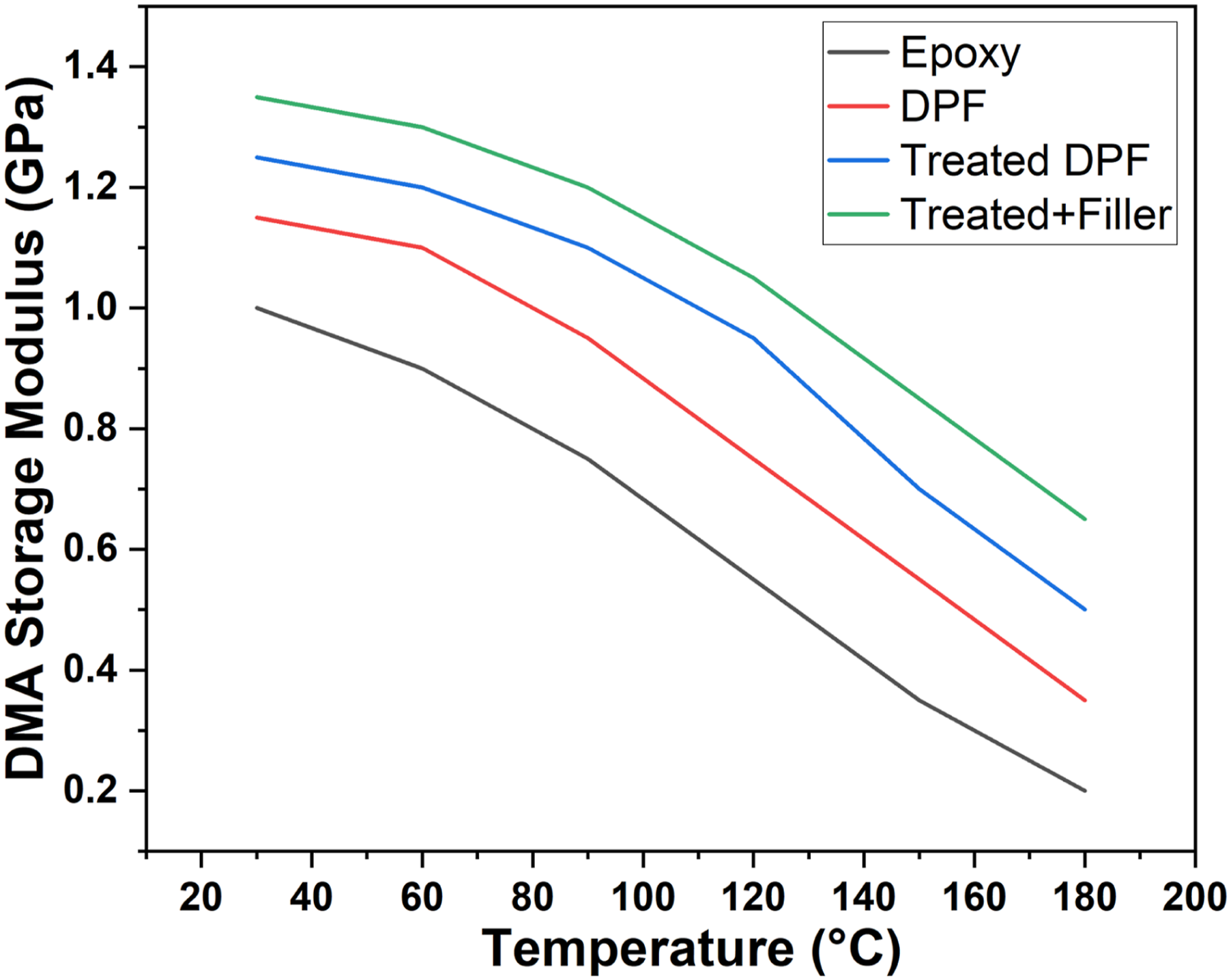
An important parameter that defines the range of service temperature of polymer composites is the glass transition temperature (Tg). In the studies, there is a change in Tg values with the introduction of date palm fibers, which is related to the loading of fibers and surface treatment. Enhanced interfacial adhesion inhibits the movement of polymer chains, which raises the Tg, and a low adhesion can also leave Tgs lower or constant. 32
The damping factor (tan δ) gives an understanding of the energy loss ability and contact friction in the composite systems. The decrease in tan δ peak values tends to indicate a better fiber-matrix bonding behavior, because the lesser the molecular mobility the lesser is the energy loss in the cyclic loading behavior.84,127,128
According to studies reported, surface-treated date palm fiber composites show lower tan δ peak intensity than untreated composites and this proves the increase in the interfacial interaction.
The thermo-mechanical and dynamic behavior of epoxy-date palm fiber composites is largely dependent on the loading of fibers with a fibre. Fiber content moderation increases storage modulus and thermal stability, but too much fiber loading can agglomerate, form voids, and decrease thermo-mechanical performance.84,126 Surface treatment also enhances thermo-mechanical performance through increasing fibre-matrix adhesion and minimising the effects of moisture-induced plasticization.
The thermo-mechanical and dynamic characteristics of epoxy-date palm fiber composites indicate that the materials could be able to retain structural integrity and stiffness at moderate temperatures. Bonding interfaces and maximized fiber content increases the operating temperature and resistance to viscoelastic deformation during cyclic loading.32,84,127,128
In conclusion, it is observed that fiber-matrix interaction, loading in form of fiber and surface modification are prevalent in the thermo-mechanical and dynamic behavior of epoxy-date palm fiber composite. Experimental studies of DMA have demonstrated that treated fibre composite is stronger, thermally more stable and has lower damping and this indicates that it has use in applications where temperature and mechanical stability is important.84,126
Durability and environmental resistance
Studies explicitly linking water/moisture with performance.
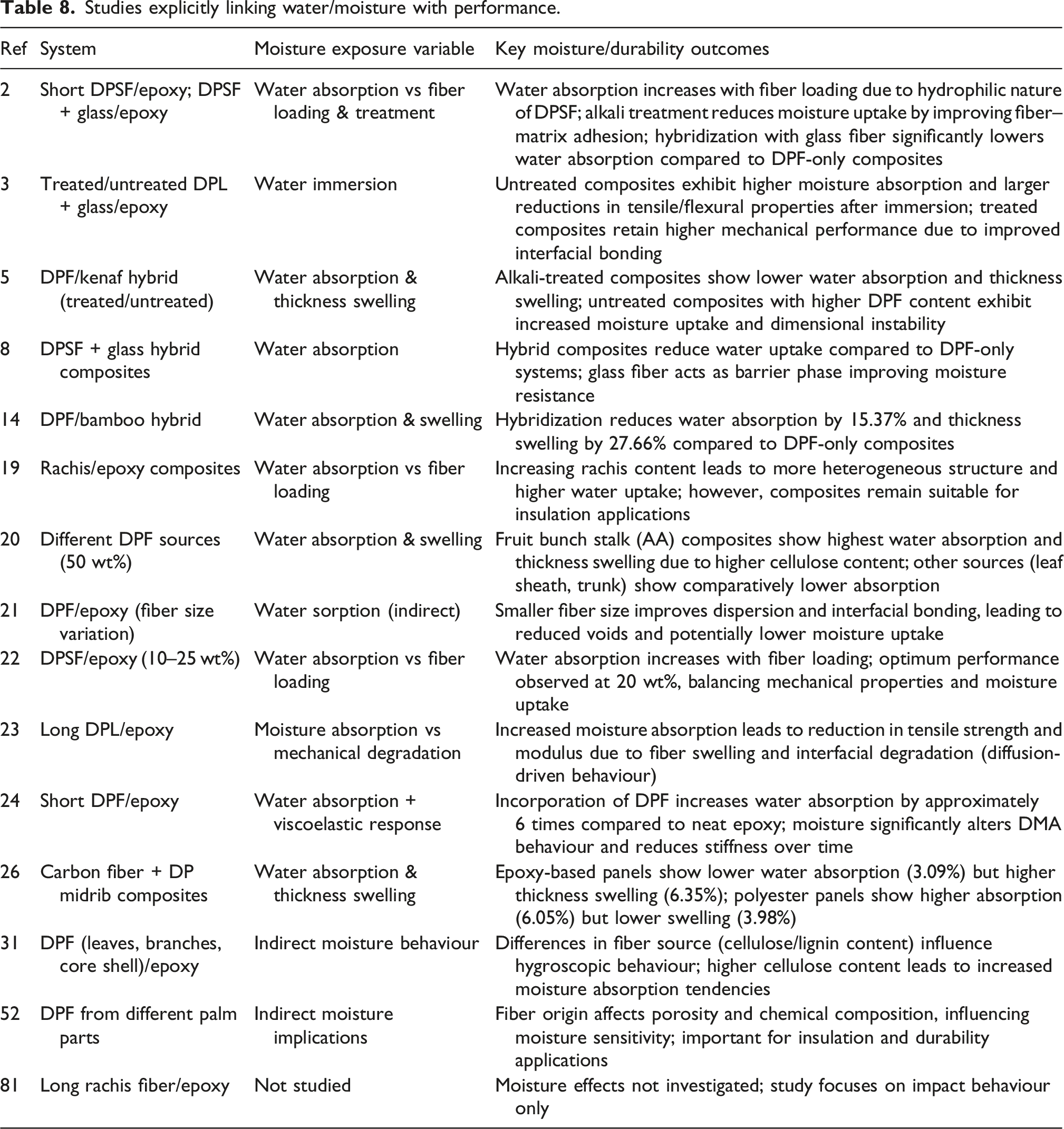
Comparative analysis across studies shows that hybrid composites consistently exhibit lower water absorption than single-fiber systems, confirming the effectiveness of hybridization in improving durability. Moisture absorption in date palm fiber composites is primarily governed by fiber hydrophilicity, interfacial adhesion, and composite architecture, with hybridization and chemical treatment significantly reducing water uptake and improving dimensional stability.
One of the major durability issues of date palm fiber reinforced epoxy composites is moisture absorption. The availability of hydroxyl groups in cellulose and hemicellulose facilitates water absorption resulting in the swelling of the fibers, plasticization of matrix and interfacial bond degradation.83,130,131 Research indicated that the absorption of moisture is higher with the content of fiber and time of exposure.
Surface-treated fiber composites tend to have lower moisture absorption than untreated systems because hemicellulose and surface impurities are eliminated and this restricts the avenue of water diffusion.130–132 These results indicate the relevance of interface modification to enhance moisture resistance. Figure 6 shows the characteristic moisture absorption of untreated, treated, and hybrid date palm fiber-epoxy composite with different fiber content, which is a summary of the literature. Variation of water absorption (%) of date palm fibre-reinforced composites reported in the literature.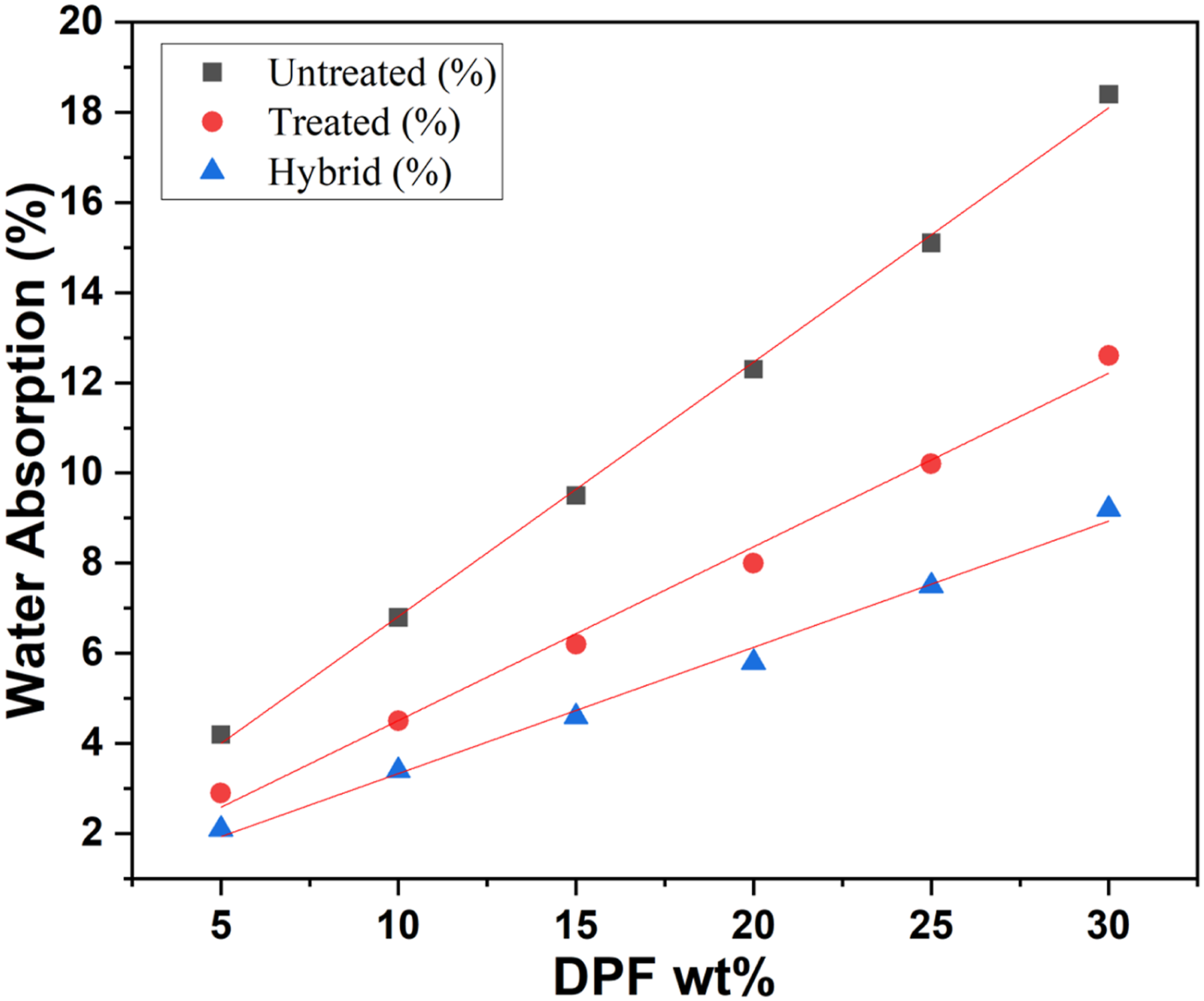
The results of water immersion and hygrothermal aging tests can be used to understand the influence of the combination of moisture and temperature on the durability of composite. It has been reported that long-term exposure to wet or liquid conditions leads to the deterioration of tensile strength and flexural strength properties because of interfacial debonding and the formation of microcracks.129,131 The investigations revealed that epoxy-date palm fiber composites that have been enhanced by interfacial bonding are also able to maintain higher percentage of their mechanical properties following exposure to the environment. On the contrary, composites that are not treated degrade faster in hygrothermal environments.83,130–133
The other crucial parameter on durability is thermal aging behavior, especially when it comes to applications with varying service temperatures. Higher temperatures may speed up the degradation of the matrix, thermal degradation of fiber, and weakening of the interface. Research has indicated that enhanced resistance to thermal aging of composites with optimal fibre loading and surface treatment is found in untreated systems.130–132 The increase in thermal strength is ascribed to an increase in fiber-matrix bonding that retards the start and spread of cracks in thermal cycling. There has been reported environmental degradation of epoxy-date palm fiber composites due to various factors that include ultraviolet (UV) radiation, humidity and atmospheric exposure. Exposure to UV can result in surface oxidation and diffusion of moisture into the composite structure, whereas humidity can increase the diffusion of moisture into the composite structure.129,132
The moisture diffusion behaviour observed in date palm fibre reinforced composites was not expected to be completely following any mechanism. Fibres dispersed uniformly in a matrix with low fibre volume fraction along with strong interface could exhibit Fickian diffusion behaviour which would result in uniform time dependent moisture absorption behaviour. However, composite systems with high fibre loading or high porous fibre sources like fruit bunch stalk fibre exhibited non-Fickian type of diffusion due to swelling of fibres, micro cracks and voids present in composite resulting in irregular diffusion paths. This coincides with the moisture absorption characteristics observed for porous fibre source composites in literature. 20 When the moisture absorption is directly proportional to square root of time then Fickian behaviour is said to be exhibited by the material, else it is considered non-Fickian.
Research showed that surface-treated composites are less susceptible to environmental degradation, that is, they retain high mechanical integrity. This has been made possible by minimized moisture gains and enhanced interface stability.131,133 The treatment of surfaces will have a great effect on the durability and resistance to the environment of epoxy date palm fiber composites. Alkalinated and chemically modified fibers can decrease the hydrophilicity and increase interfacial bonding to provide a better resistance rate to moisture degradation and environmental aging. 83 Nevertheless, the overtreatment or inappropriate treatment can negatively influence fiber integrity causing microstructural damage and decreased long-term performance. These findings underline the necessity of optimized treatment regimes depending on the definite ecological exposure conditions.130–133
Surface treatments such as alkalinization and silanization can also affect environmental durability of natural fibre composites. Alkali treatment’s removal of lignin and hemicellulose, both vulnerable to environmental factors, might enhance UV resistance.14,30 Silane treatment enhances fibre–matrix adhesion and creates a chemically bonded interfacial layer that may restrict moisture absorption and ingress and exposure to environmental factors.26,32 Direct evidence of the impact of these treatments on lignin photo-oxidation resistance in date palm fibre composites was not found in the literature reviewed.
According to long-term studies on durability, it has been indicated that epoxy-date palm fiber composites have the potential to retain reasonable mechanical performance with moderate exposure to environmental conditions when suitable fiber treatment and processing conditions are used. However, more protective measures can be necessary when it comes to applications with harsh environmental situations, e.g. coating, or mixed-method reinforcement methods.83,129
In short, the strength of epoxy-date palm fiber composites in the context of behavior of moisture absorption, quality of interfacial bonding and exposure to the environment are the main determinants as to their durability and environmental resistance. The surface treatment over fiber composites has enhanced moisture and thermal aging, environmental degradation resistance, which justifies their ability to be used as viable sustainable engineering tools with controlled services conditions.83,129–133
Comparative mechanical and absorption properties.

Table 9 demonstrates a comparative study of the reported data; from these observations it is revealed that the fibre treatment helps increase mechanical properties and decrease moisture uptake. For example, treated fibres like alkali yield higher tensile strength of nearly 42 MPa as compared to untreated fibre (28 MPa). On the other hand, hybridisation causes increase in strength value up to 55 MPa due to better stress transferability and distribution of fibres. Untreated polyester based composites show poor strength with good water absorption values due to less bonding affinity of fibre with matrix. These tabulated results justify the improvement due to surface treatment as well as hybrid reinforcement.
Hybridization and multi-objective performance
Recent investigations have increasingly focused on hybridization strategies involving date palm fibers combined with natural fibers, synthetic fibers, mineral fillers, industrial by-products, and particulate reinforcements to achieve multi-objective performance improvements.40–42,44–46,48–50,134–152 These studies reported simultaneous enhancement in tensile, flexural, impact, thermo-mechanical, and durability properties through synergistic reinforcement mechanisms. Hybrid composite architectures have demonstrated significant potential for overcoming the limitations of single-fiber DPF composites, particularly in terms of moisture resistance, thermal stability, interfacial efficiency, and long-term service performance.
Fiber–fiber hybrid composites with epoxy.
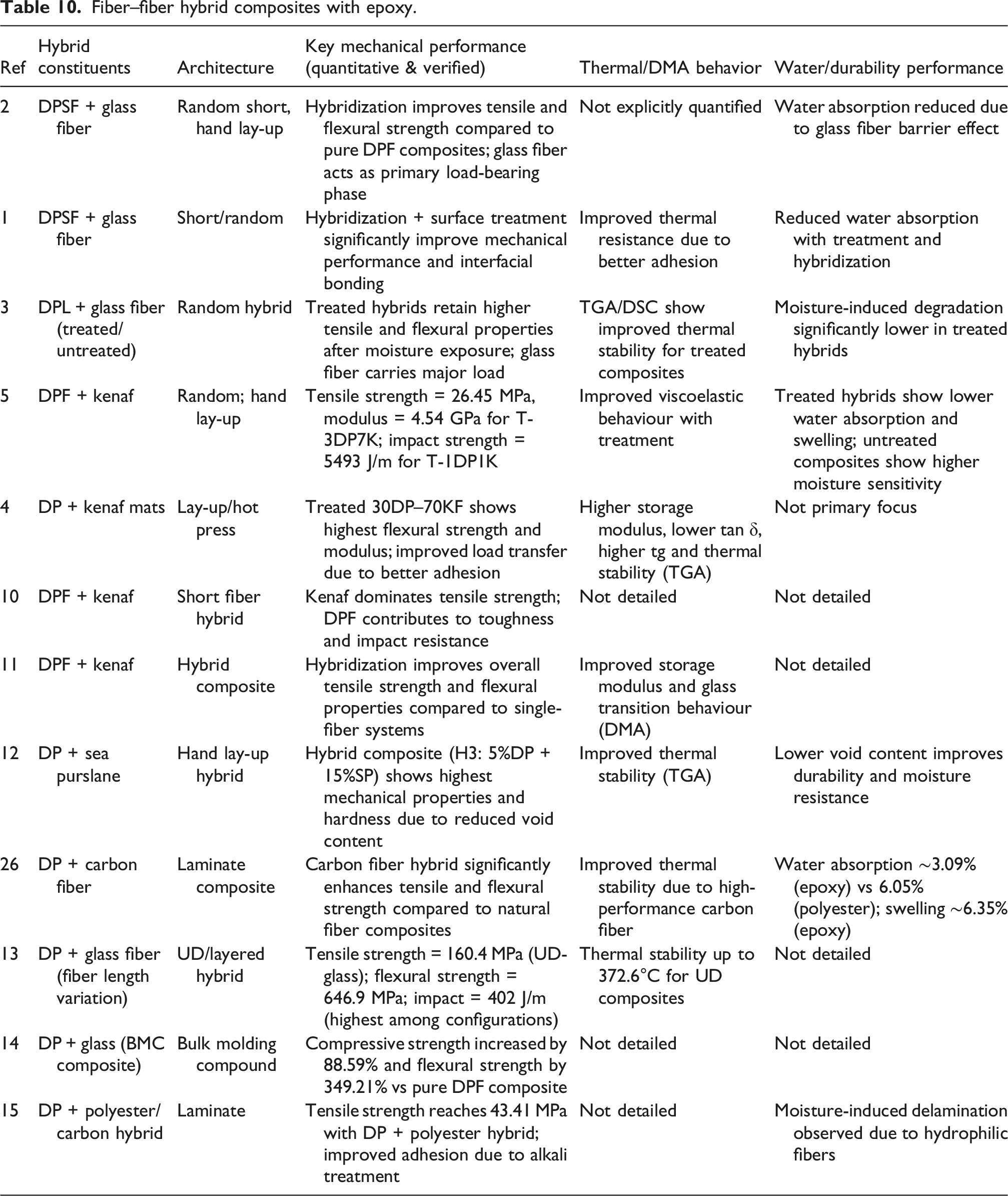
Hybridization of date palm fiber composites significantly enhances mechanical, thermal, and durability performance through synergistic load sharing, improved interfacial bonding, and reduced moisture sensitivity, particularly when combined with glass, kenaf, or carbon fibers.
Despite showing positive environmental impact and moderate mechanical performance, date palm fiber exhibits a hydrophilic behavior and inconsistency which can be used in harsh conditions only to a limited extent. Synergistic enhancement of stiffness, strength, impact resistance and stability of the environment is made possible by hybridization with other fibers. The main goal of hybridization is to have access to the complementary nature of various reinforcement types and to overcome the weaknesses of each material separately. 154
Hybridization has been applied and investigated on date palm fiber-reinforced composites to increase their performance. Addition of secondary fibers/particulate reinforcement is known to affect the mechanical behavior of fiber reinforced composites because of efficient stress transfer and compatibility with different components. Therefore, hybridization of date palm fibers with other reinforcements has shown increase in tensile and flexural strength by 20–40% and 15–35%, respectively.12,18,33 Hybridization can also improve dimensional stability and water absorption properties of date palm fiber reinforced composites.
DPF-based fiber–particle hybrids and tribological systems.
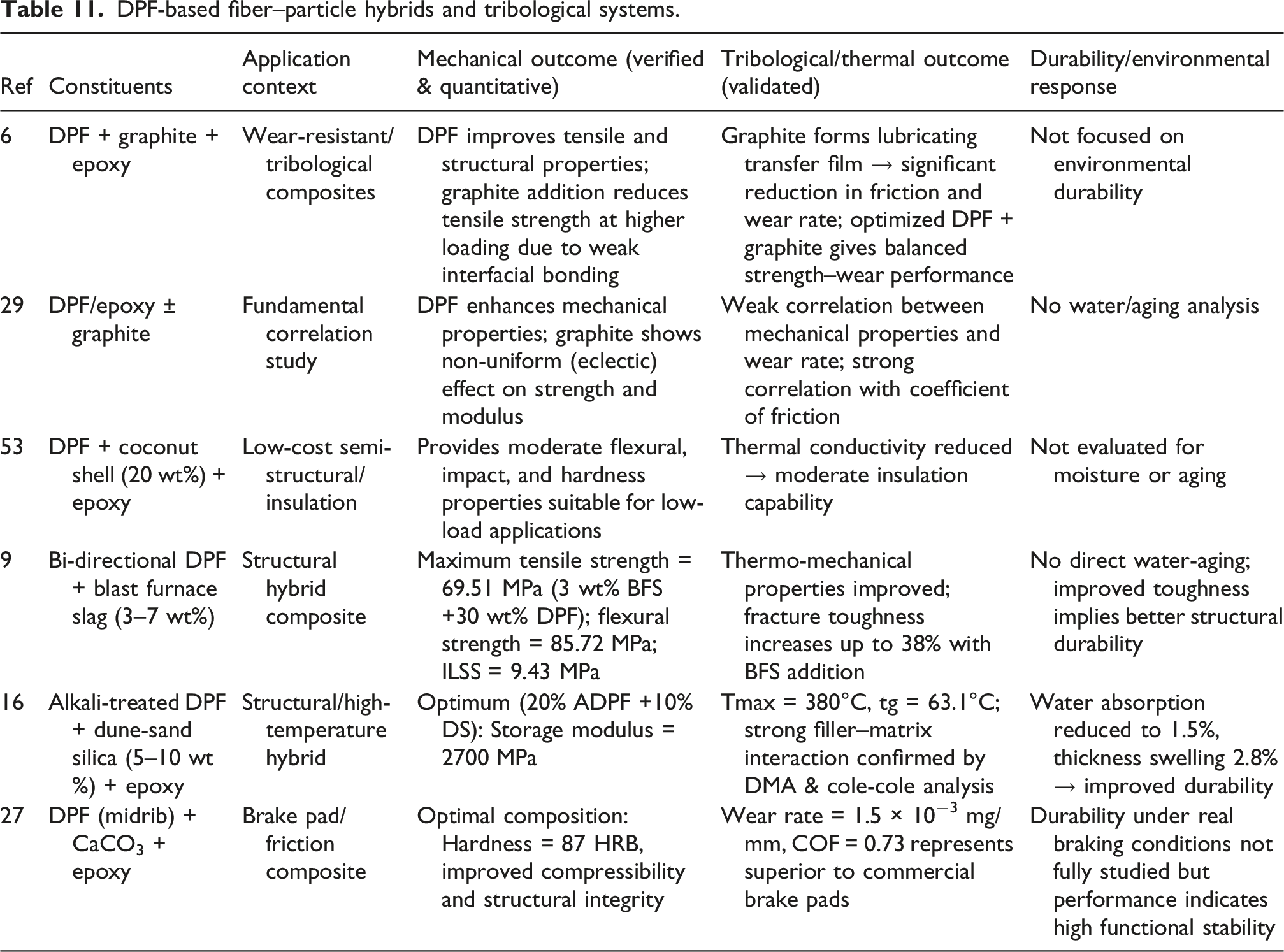
Hybridization of date palm fiber composites with functional fillers such as graphite, silica, blast furnace slag, and CaCO3 enables tailored performance by simultaneously improving tribological behavior, thermal stability, and structural integrity, although trade-offs in mechanical properties may occur depending on filler type and content.
The mechanical behavior of hybrid epoxy composites is governed by fiber type, stacking sequence, interfacial bonding, and processing method. While hybridization enhances strength and stiffness, improper fiber arrangement or excessive reinforcement content may result in stress concentration and premature failure.156–159 Hybridization also influences thermo-mechanical stability and durability behavior. The incorporation of thermally stable fibers improves resistance to thermal softening and viscoelastic deformation, while date palm fibers may still contribute to moisture sensitivity if not adequately treated.154–158 Several studies demonstrated that hybrid composites exhibit better moisture resistance and dimensional stability than single natural fiber composites, particularly when surface-treated fibers are used.155–159
Performance optimization perspective
Multi-objective performance in hybrid epoxy composites involves the simultaneous optimization of mechanical strength, thermal stability, moisture resistance, weight, and cost. Rather than maximizing a single property, hybrid systems are designed to achieve acceptable performance across multiple criteria. The literature highlights the importance of optimizing fiber type, volume fraction, and interface quality to achieve balanced performance.153–159 Figure 7 presents a radar representation of multi-property performance, illustrating the comparative effects of surface treatment and hybridization in date palm fiber–epoxy composites. Radar representation of normalized multi-property performance.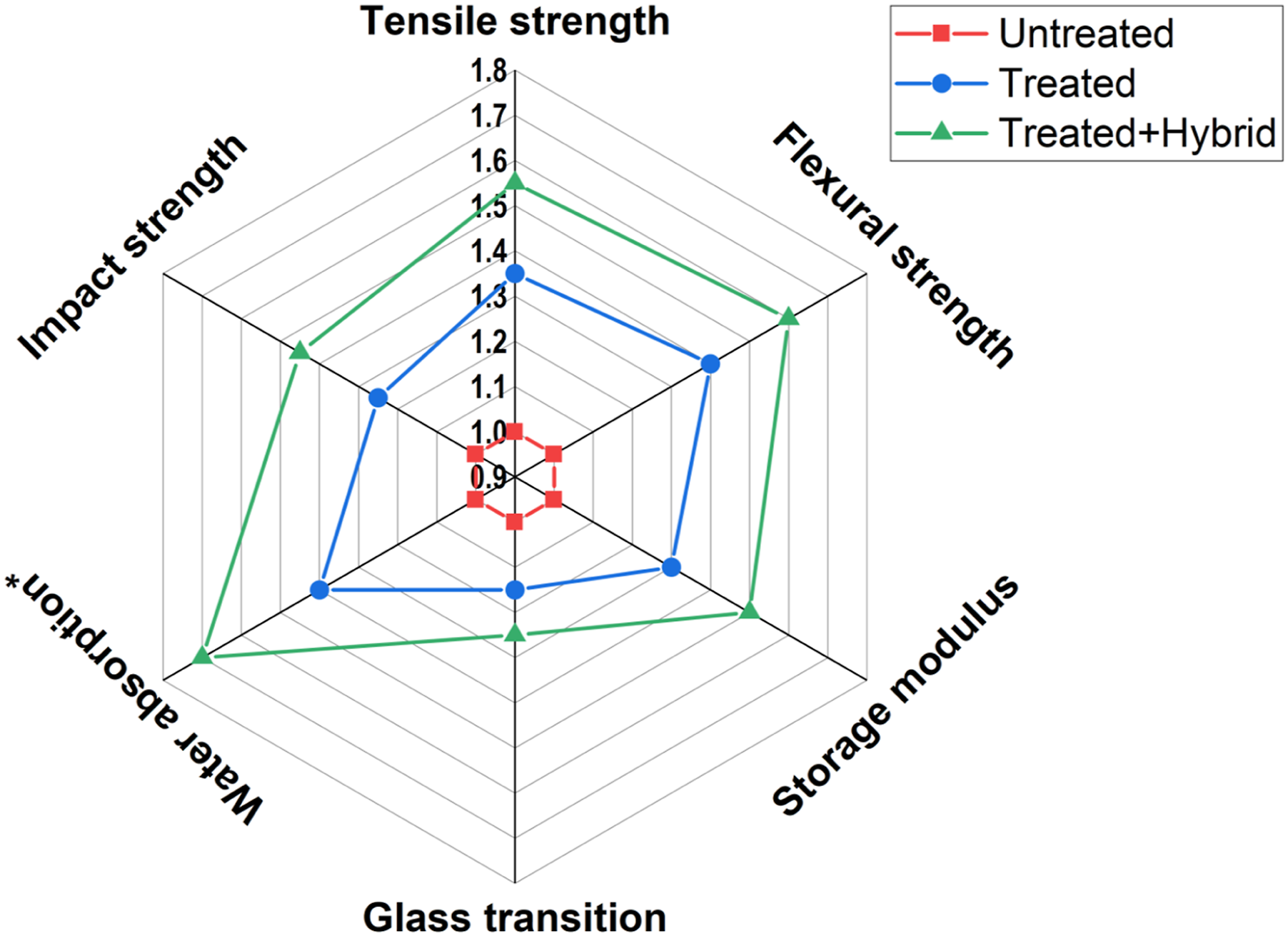
Hybrid composite design thus represents a compromise between performance enhancement and sustainability objectives, particularly for semi-structural and automotive applications. The tensile strength, impact strength with respect to water absorption was measured by using performance index as equation (2).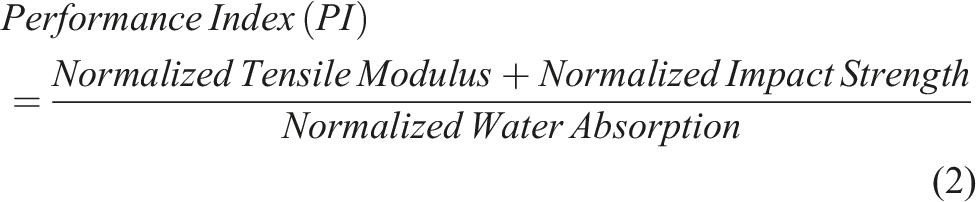
Figure 8 presents a comparative performance index that reflects the combined mechanical efficiency and moisture resistance of hybrid date palm fiber–based epoxy composites, based on normalized data reported in the literature. Comparative performance index that reflects the combined mechanical efficiency and moisture resistance of hybrid date palm fiber–based epoxy composites.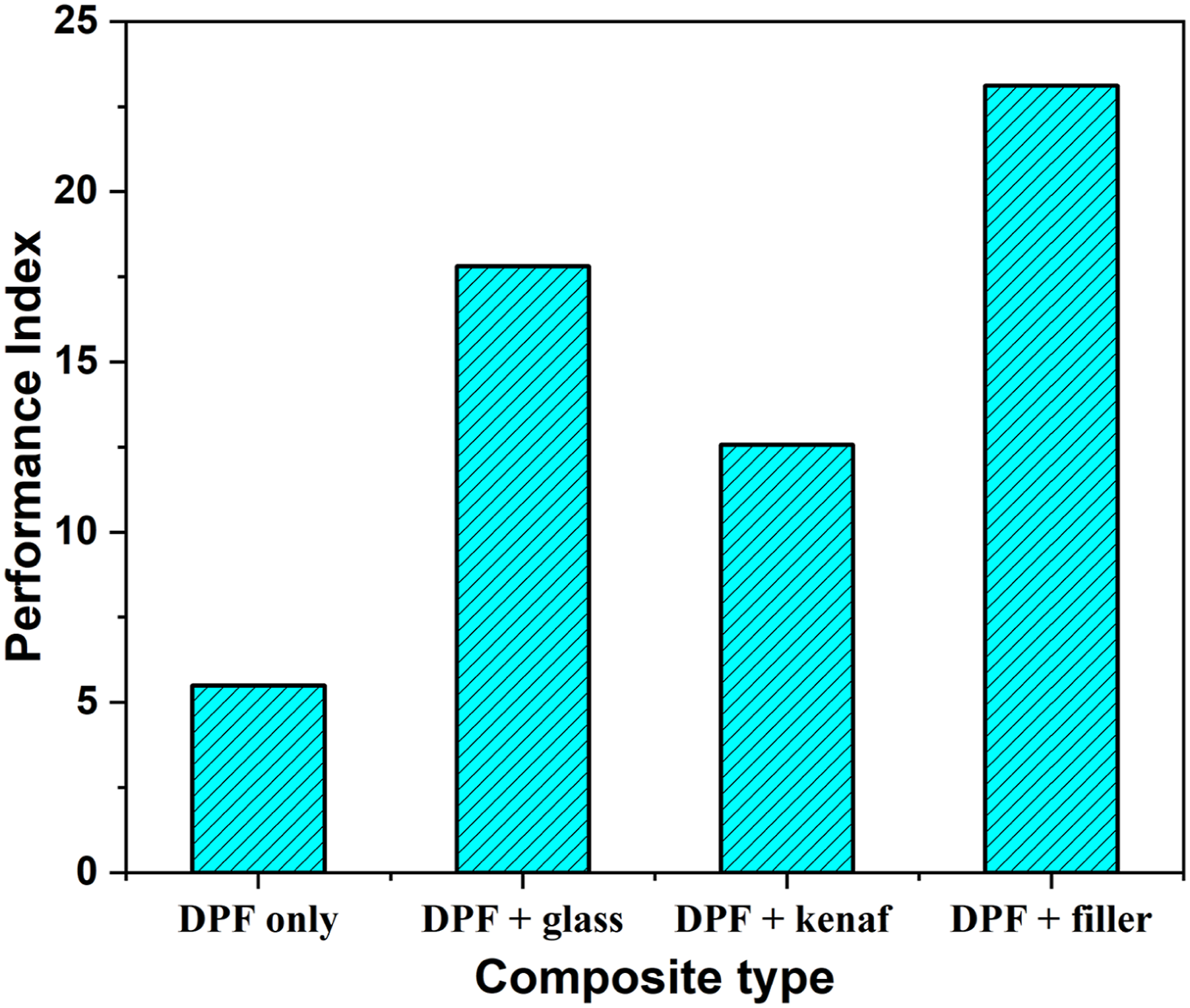
Moisture absorption also constitutes one of the biggest sources of durability problems of date palm fiber reinforced epoxy composites. Availability of hydroxyl groups in cellulose and hemicellulose promotes the absorption of water leading to the swelling of the fibers, plasticization of matrix and interfacial bond degradation.83,130,131 It was found that the content of fiber and the time of exposure increase the absorption of moisture. The moisture absorption of surface-treated fiber composites is usually lower than untreated systems due to the fact that hemicellulose and surface impurities are removed and this prevents penetration by the water diffusion pathway.130–132 These findings show the applicability of interface modification to increase moisture resistance. Figure 5 demonstrates the typical values of moisture uptake of untreated, treated, and hybrid date palm fiber-epoxy composite under various contents of fiber, which is an overview of the literature.
Application potential
The date palm fiber reinforced epoxy composites are showing potential of application because of good balance between mechanical performance, thermal stability, durability and sustainability. The low density, renewability, and reasonable strength of these composites make them applicable to the non-critical and semi-structural application where the environmental factor and economic viability are the concerns.160–163 Figure 9 shows how studies on core epoxy-based date palm fiber composites relate to those on the surrounding research areas, with core research areas playing a role in application expansion, whilst retaining an epoxy-based research focus.33,44,122 Relationship between core and adjacent research domains in date palm fiber composite studies.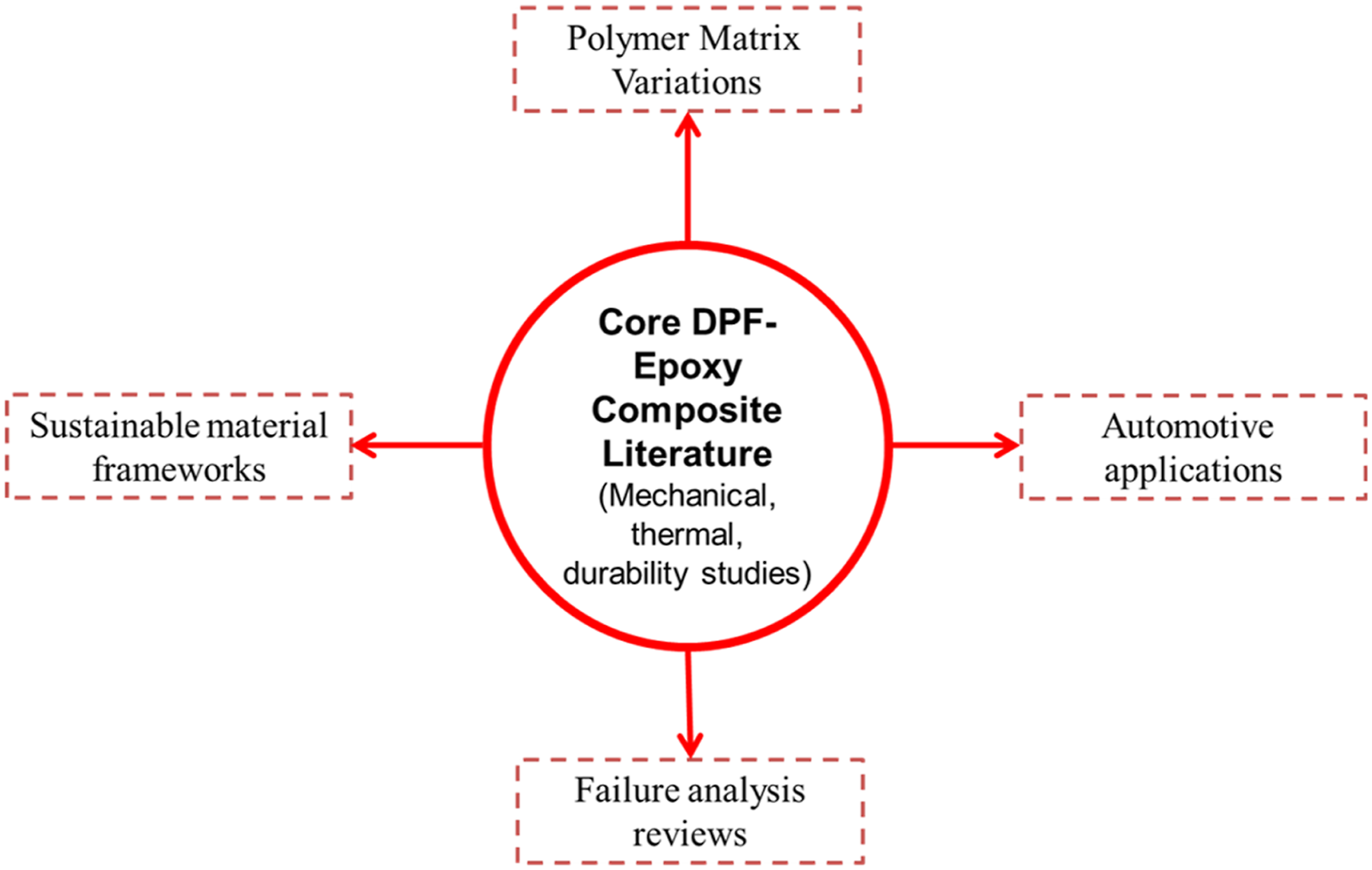
Date palm fibers reinforced epoxy composite and their hybrids have been considered to be possible structures of lightweight structural and semi-structural parts. Panels, partitions boards, enclosures and load-sharing components are some of the applications which make use of enhanced tensile strength and flexural strength characteristics obtained by optimization of fiber contents and hybridization strategies.161,164 The improved interfacial bonding, which has been brought about by the treatment of the surfaces, also justifies their application in elements, which have moderate mechanical loading. A key area of use of natural fiber reinforced composite is in the construction and building industry. The medium strength of the date palm fiber-reinforced epoxy composites, which has thermal insulation, and sustainability benefits, can be applied as wall panels, ceiling boards, false ceilings, and decorative features.162–166 Surface treatment is better to improve their moisture resistance and thus durability in the indoor construction environment.
The auto industry and transportation has been the field where the requirement of lightweight and greener materials has gone up. Epoxy composite made of date palm fiber promises to be used as interior products like door panels, dashboards, trims, and insulation items. They offer more benefits compared to traditional synthetic fiber composites based on their ability to absorb vibrations and their minimal environmental impact.160,165 Hybrid composite systems, especially, allow performance tuning of particular automotive needs and less dependency on entirely synthetic reinforcements.
Date palm fibers composites are ideal in electrical and thermal insulation because of the intrinsic acting properties of natural fibers, which seems to be used in conjunction with epoxy resin. These composites are characterised by low thermal conductivity and desirable damping properties, which is also beneficial to the casing materials, insulating panels, and protective enclosure.161–164 In addition to mechanical performance, the use of date palm fiber waste can help to ensure environmental sustainability through decreasing agricultural waste and decreasing carbon footprint of composite materials. Such composites are in synergy with the concepts of the circular economy and the creation of green materials, especially in areas where there is a large date palm biomass.160,163
All in all, date palm fiber-reinforced epoxy composites have a high potential in the application in automotive, construction, insulation, and lightweight structural elements. Their applicability is further extended to hybridization and surface modification that allows the optimization of the performance to be multi-objective. Although these composites are unlikely to substitute high performance synthetic fiber systems, they provide a practical and sustainable option in process that needs moderate strength and environmental friendliness.160–166
Research gaps and future directions
Although the number of studies on date palm fiber-reinforced epoxy composites is on the increase, they still have several limitations in form of gaps that need to be addressed before the wider use of the composites in engineering. These gaps need to be tackled in order to maximise the material potential and to be reliable, durable, and scalable. Research provides both achievements and problems that are yet to be tackled in this area.167–173 The chronological development of the studies on the date palm fiber-reinforced epoxy composites can be identified in the Figure 10, and it is possible to state that there is the evident shift in the focus of the studies conducted on the interfaces as on the concrete evidence of the design and on the hybridization of the composites, on the other hand, and on the durability of the composites, on the other hand.11,20,39,41 Evolution of research themes in date palm fiber-reinforced epoxy composites.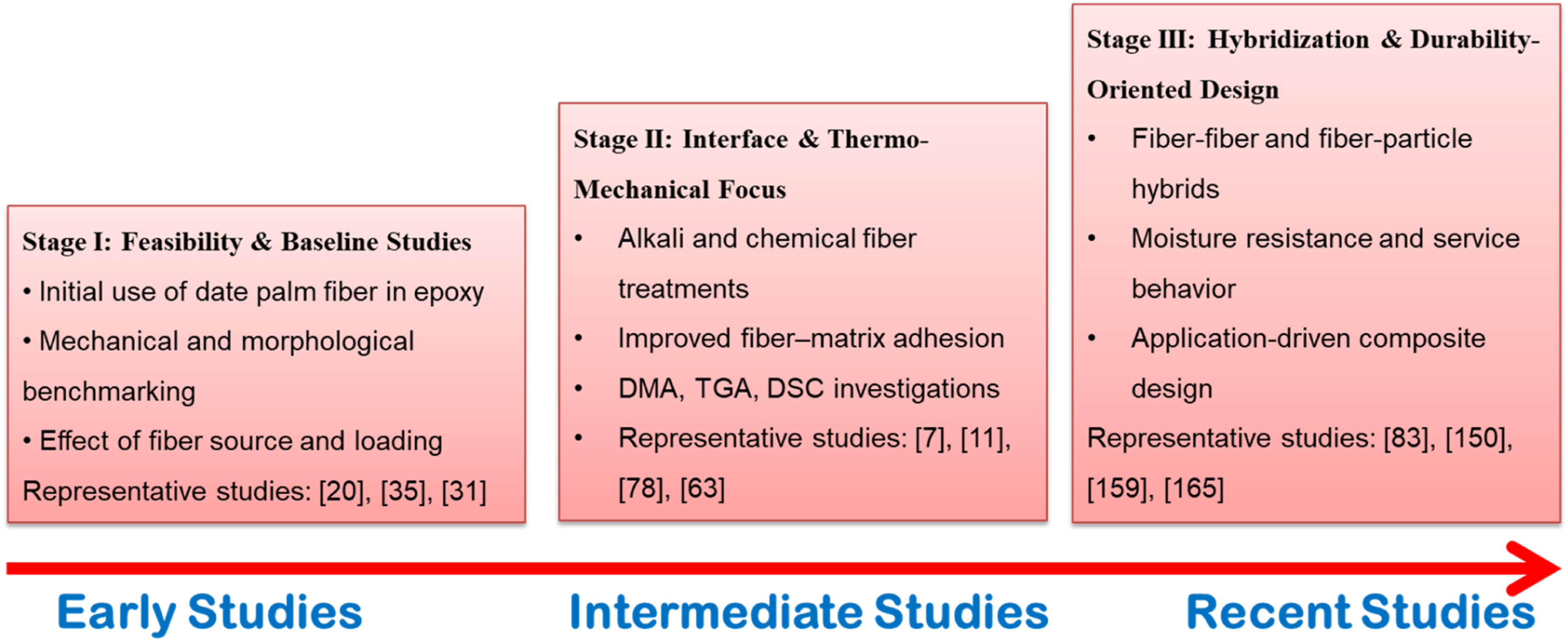
The major research gaps include the fact that the extraction of fibers, the treatment of their surfaces, and the process of their fabrication is not standardized. There have been large differences in reported mechanical and thermo-mechanical properties due to variability in source of fibers, conditions of treatment and method of processing and thus direct comparison across studies is not possible.168,170 To ensure consistency, upcoming research should focus on standardizing key fiber extraction procedures: specifically, the fiber separation approach (manual or mechanical), alongside the method employed for retting or surface cleaning. Additionally, standardizing how fibers are dried and conditioned after extraction would enhance the dependability of study results, given the impact these steps have on fiber shape and how well they bond with epoxy. The second critical constraint is the lack of the long-term durability data. Although short-term moisture absorption and thermal aging research are typically presented, there is little systematic research on the fatigue behavior, creep resistance, and long-term exposure to the environment.167,171
Additionally, most research carries out on single-objective property improvement, e.g. tensile strength, and there is no attention on multi-objective performance demands, including durability, thermal stability, sustainability, and cost. This restricts the practical application of laboratory level results into actual real-worlds.169–172
The future studies are advised to focus on standardizing methods of testing and processing data to enhance the comparability and reliability of the data between studies. It will be necessary to develop optimized treatment regimes based on date palm fiber traits so that uniform composite performances can be attained.168–170 The further hybridization strategies and the multi-scaled reinforcement methods provide the satisfactory perspectives of the overall performance maximization without sacrificing the sustainability. A combination of modeling and optimization could also be used to aid multi-objective material design that involves optimization of mechanical, thermal, and durability needs.171,173 Also, more attention should be paid on long-term durability evaluation, such as fatigue, creep, weathering, and recyclability research. Analysis of environmental impact and life-cycle assessment shall also play an important role in ensuring the sustainability benefits of date palm fiber based composites in the adoption of this technology in industries.167–173 Although the natural fibers may seem more environmentally friendly than the synthetic ones, the life-cycle assessment (LCA) and the comparison of environmental impact should be taken into consideration in future work. They ought to factor in factors like the chemical surface modification, energy used in processing and disposal/recycling of composites made of date palm fibers to ensure that their environmental impacts remain lower.
Comparative studies of natural and artificial reinforcements usually indicate the consumption of less energy and fewer greenhouse gases during the production process of natural fibers. This can probably be explained by the fact that their renewable nature would remove the energy intensive extraction process and would often be less energy intensive processed.31,33,51,52,55,119 With date palm fibers, which are a byproduct of agriculture, a potential waste product is turned into something useful. In addition, date palm fibers provide an advantage to material circularity where composite applications are involved. Although date palm fiber composites have promising life-cycle benefits, a life-cycle assessment is yet to be conducted to substantiate the long-term benefits of such composites. 117
By carefully designed experimentation, composite design optimization and prolonged performance review, the research gaps identified will help immensely in increasing the application potentiality of the date palm fiber reinforced epoxy composites. The future research should be aimed towards laboratory scale studies to get into scalable, reliable, and green composite solutions that can be applied to the industrial scale. 167
Limitations of the review
This review gives a critical overview of what the current research has to say about date palm fiber-reinforced epoxy composite, though it is apparent that there are some limitations that ought to be noted in order to rule transparency and proper interpretation of the results. The nature of the review is, in turn, limited to the availability, quality, and consistency of published research used in the manuscript.35,39,47,174
A major weakness of this review is caused by the fact that the experimental methods of the literature are very different. These discrepancies in the method of fiber extraction, surface treatment, fabrication processes and testing criteria create a question mark when comparing the reported results. This leads to the fact that mechanical, thermo-mechanical, and durability properties cannot be compared directly in a quantitative manner.35,174 The other shortcoming is the relatively small studies of the long-term performance which is a factor like fatigue, creep, as well as prolonged exposure to the environment. Most of the reported studies are short term property evaluation studies performed in controlled laboratory settings that are not necessarily considered to be a true service setting. There is a lack of unified long-term sets of data, and this limits the capability to make conclusive conclusions in terms of lifecycle performance. 47
The reviewed literature is only peer-reviewed and published within the date of the compilation as well as does not contain unpublished information or industrial case studies. As such, some of the new trends or proprietary developments might not be well represented. Also, differences in reporting and presenting data of different studies can impact interpretation and synthesis of findings.35,39,47,174 To conclude, the shortcomings of this review are mostly related to the variation of the data, absence of standardized tests, and insufficient results of long-term performance. These limitations illustrate the necessity of more formulated and concerted studies, which are explained in the previous paragraph in relation to research gaps and future directions.35,47
Conclusions
This review paper has systematically explored the existing literature on date palm fiber–reinforced epoxy composites in terms of material properties, processing techniques, interfacial modifications, and applications. It has been established that date palm fiber is a suitable lignocellulosic fiber for epoxy composites due to its low density, renewable nature, and low cost; however, poor interfacial adhesion and moisture absorption remain challenges.
The addition of date palm fiber increases the mechanical properties of epoxy up to a certain limit; beyond that, agglomeration and void issues arise. Treatments like alkali and silane coupling improve the fiber–matrix adhesion and reduce water absorption. Mechanical and thermo-mechanical properties of DPF/epoxy composites are greatly affected by the treatment of DPFs. Reported improvements in storage modulus (E′) and reduction in glass transition temperature (Tg) are indicative of stabilized mechanical properties with treated DPFs.
DMA shows good retention of stiffness and tan δ over a broad temperature range, but deterioration of properties near Tg limits the use of these composites at elevated temperatures. Effects of moisture absorption on the durability of composites have been extensively reported and shown to negatively impact mechanical properties. Hybridization of DPFs with other natural/synthetic fibers and fillers have been reported to improve moisture absorption properties, dimensional stability, and multifunctional properties of the composites.
Applications of DPF/epoxy composites include nonstructural and semi-structural applications such as automotive interior panels, construction materials, thermal insulation boards, and structural applications where lightweight properties are desired. However, the transition from laboratory-scale studies to real-world applications is constrained by the lack of standardized testing protocols, limited long-term durability data, and insufficient optimization-based design approaches.
Overall, the findings of this review emphasize that while date palm fiber–epoxy composites represent a promising class of sustainable materials, their successful implementation requires integrated strategies combining surface modification, hybrid reinforcement, and performance optimization. Future research should focus on standardized characterization methods, long-term environmental exposure studies, and multi-objective optimization frameworks to fully exploit the potential of DPF-based composite systems for reliable and scalable engineering applications.
Footnotes

Funding
The authors received no financial support for the research, authorship, and/or publication of this article.
Declaration of conflicting interests
The authors declared no potential conflicts of interest with respect to the research, authorship, and/or publication of this article.
Data Availability Statement
The datasets generated and/or analysed during the current study are available from the corresponding author on reasonable request.