







Abstract
The present study investigates the environmental durability, mechanical performance, creep behaviour, and moisture resistance of MPS silane-treated Kender-N fiber/PVC core reinforced vinyl ester hybrid composites incorporated with nutmeg husk-derived biochar. The composites were fabricated using hand layup followed by compression molding and post-curing to obtain structurally stable laminates. Surface treatment using (3-methacryloxypropyl)trimethoxysilane (MPS) was applied to both the Kender-N fibers and PVC core to enhance interfacial adhesion, moisture resistance, and long-term durability. The developed composites were exposed to different aging environments, including warm water, tap water, distilled water, and seawater immersion for 7 days to evaluate environmental degradation behaviour. The results revealed that moisture exposure significantly affected the mechanical and viscoelastic properties due to matrix plasticization, hydrothermal swelling, interfacial debonding, and microcrack formation. Among all aging conditions, the distilled water-aged composite exhibited superior performance, showing tensile, flexural, and impact strength improvements of approximately 10.3%, 12.1%, and 13.0%, respectively, compared with the warm water-aged composite. In creep analysis, the distilled water-aged composite showed the lowest creep strain value of 0.00791 at 15,000 s, corresponding to nearly 15.9% lower deformation. Water absorption was also reduced by approximately 32.5%, indicating enhanced dimensional stability and resistance to moisture diffusion. FESEM analysis confirmed improved matrix encapsulation and reduced interfacial degradation due to silane treatment. The developed hybrid composites demonstrate strong potential for lightweight marine, automotive, transportation, and sustainable infrastructure applications requiring long-term environmental durability and mechanical reliability.
Keywords
Introduction
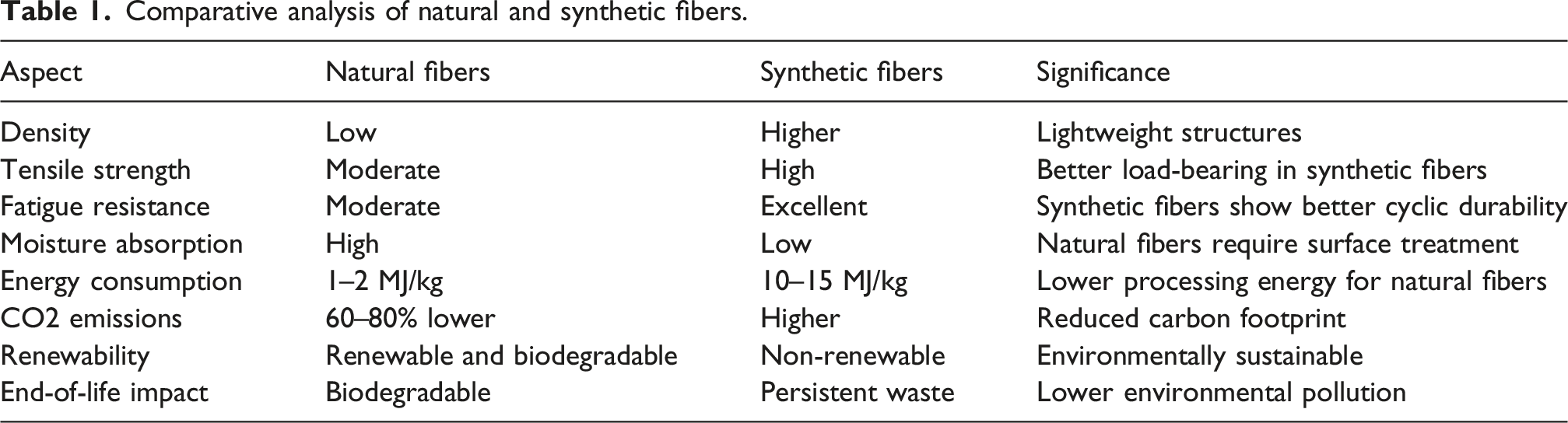
Comparative analysis of natural and synthetic fibers.
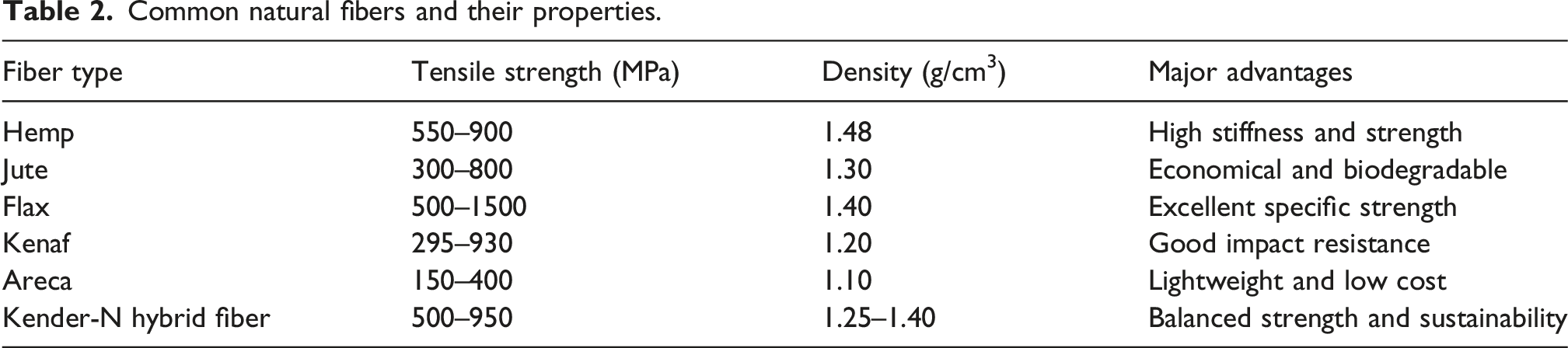
Common natural fibers and their properties.
Selection and role of reinforcement materials in the composite.

For example, Agumba et al. 9 demonstrated the jute fiber and lignin filler reinforced composite and showed the improvement of flexural strength by 37.7% and modulus by 72.9%. Similarly, Muthukumarasamy et al. 10 examined the novel caryota fiber and biochar filler reinforced composite and determined the highest tensile strength of 98 MPa. In related investigation, Elumalai et al. 11 examined the silane treated PET core and ixtle fiber reinforced epoxy composite and determined the improved mechanical and fatigue performance of the composite. Likewise, Ci et al. 12 evaluated the ageing effects on pultruded fiber reinforced epoxy composite and determined the improvement of bending strength by 6% and impact strength by 12.8%.
While there are many benefits to using natural fibre composites, one major issue is how well they hold up when exposed to dampness. Swelling, matrix deterioration, fibre debonding, and diminished mechanical performance are all possible outcomes of water absorption. When testing the accelerated environmental durability of composites, warm water ageing is a typical method used. Natural fibre reinforced composites have had their degrading behaviour studied in a variety of ageing conditions, including freshwater, saltwater, and distilled water.
In light of previous work developing a silane-treated Kender-N fibre reinforced vinyl ester composite, the current study seeks to understand how this material reacts to warm water ageing. This research presents a novel approach by utilising a vinyl ester composite system that combines silane surface modified Kender-N hybrid fibre, recycled PVC core, and nutmeg husk biochar. Then, after exposing it to prolonged ageing, its mechanical, creep, and water absorption behaviour are evaluated. Marine, automotive, construction, and lightweight structural applications are anticipated to benefit from the proposed composite’s sustainable and long-lasting performance.
Experimental method
Raw material
Atul Ltd. of India supplied the vinyl ester resin that was utilised as the matrix material. The resin’s high mechanical strength, resistance to corrosion, dimensional stability, and exceptional adhesive properties led to its selection. Vinyl ester resin is commonly used in structural composites due to its high tensile strength (70–85 MPa), flexural strength (120–150 MPa), density (1.04–1.10 g/cm3), elongation at break (4–6%), and tensile modulus (3–5 GPa). The resin’s low water absorption, superior thermal stability, and excellent chemical resistance make it a great choice for composites that are exposed to weather conditions and age. Located in Chennai, India, Core Composites Pvt. Ltd Supplied the 2 mm thick PVC core. Also sourced from Kerala, India’s Kancor Ingredients Ltd, the biochar was made from nutmeg fruit husks. Go Green Products of Tamil Nadu, India, supplied the Kender-N hybrid mat fibre, which has a density of 1.2 g/cm3. The surface modification of the fibre and PVC core was accomplished using ethanol, acetic acid, and a silane coupling agent that were procured from Merck Life Science India, India.
Biochar extraction from Nutmeg husk
Nutmeg husk residues were collected from local processing units, where they are routinely discarded as agricultural waste. In the laboratory, the collected husks were first manually sorted to remove foreign impurities and then thoroughly washed with distilled water to eliminate adhering dust and surface contaminants. The cleaned material was oven-dried in a laboratory hot-air oven at 100°C for 4 h to reduce moisture content to a stable level. After drying, the husks were mechanically size-reduced using a high-speed laboratory grinder to obtain coarse powder. The powdered biomass was then subjected to controlled pyrolysis in a laboratory muffle furnace (with inert atmosphere maintained using continuous nitrogen gas purging) at 700°C for 2 h.
13
The heating process was carried out under a regulated thermal program to ensure gradual carbonization and minimize oxidation. Following pyrolysis, the resulting biochar was allowed to cool naturally inside the furnace under nitrogen flow to prevent sudden oxidation. The obtained biochar was subsequently re-ground to achieve a uniform fine particulate form suitable for composite applications. Figure 1 illustrates the laboratory-scale conversion process of nutmeg husk into biochar. Extraction of biochar particles from nutmeg husk.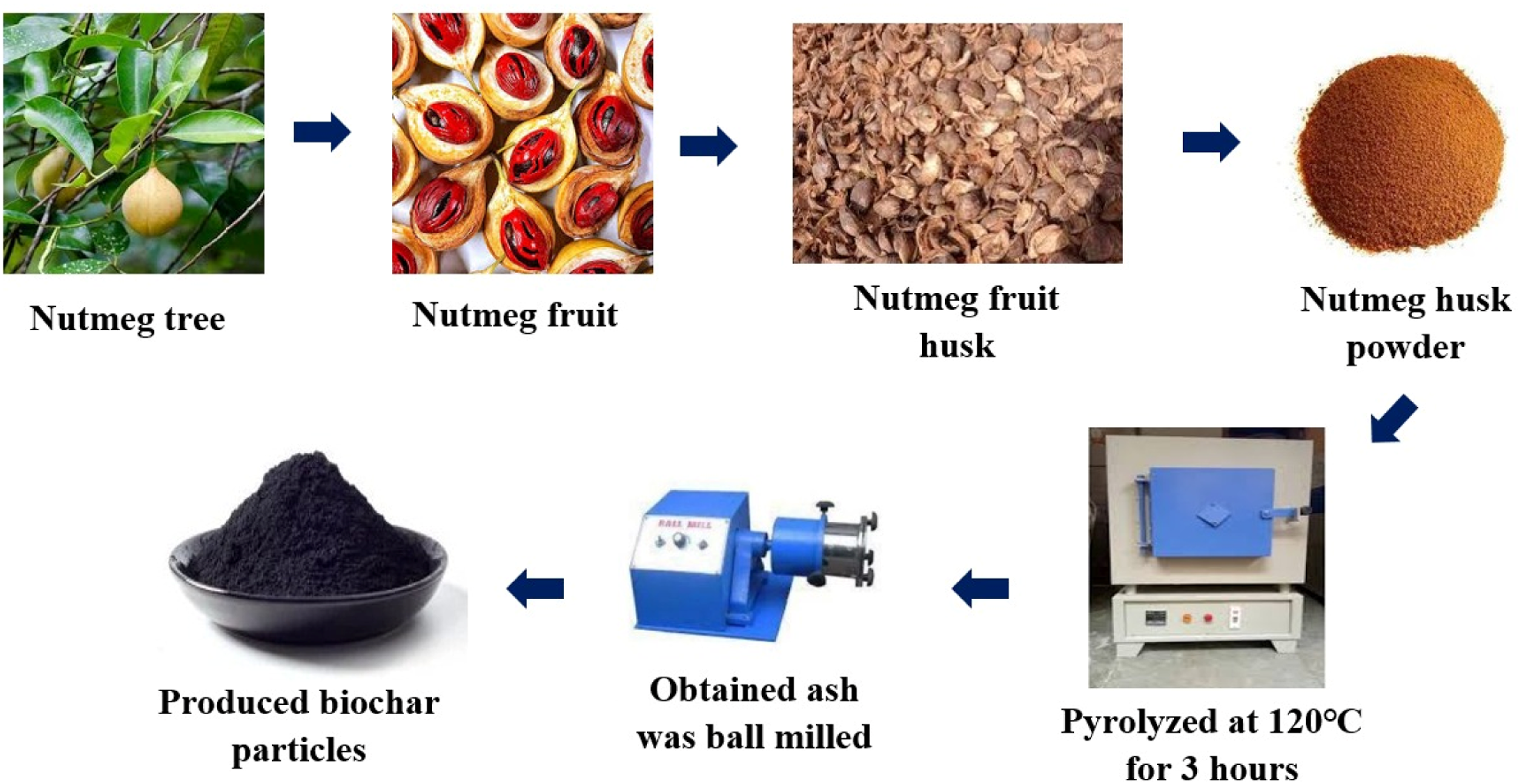
The pore structure and nitrogen adsorption-desorption isotherm of the synthesized biochar particles were analyzed using BET analysis and are presented in Figure 2. The biochar exhibited a type IV isotherm with an H3 hysteresis loop, indicating the presence of mesoporous structures with slit shaped pores. The adsorption volume gradually increased with relative pressure and showed a sharp rise at higher relative pressure regions due to capillary condensation within the pores. The biochar particles possessed a heterogeneous mesoporous structure with pore sizes predominantly in the range of 2–20 nm and a specific surface area of approximately 85 m2/g. The relatively high surface area and porous morphology of the biochar promote enhanced interfacial interaction and mechanical interlocking with the polymer matrix, which can contribute to improved mechanical and thermal performance of the composites. BET plot of biochar.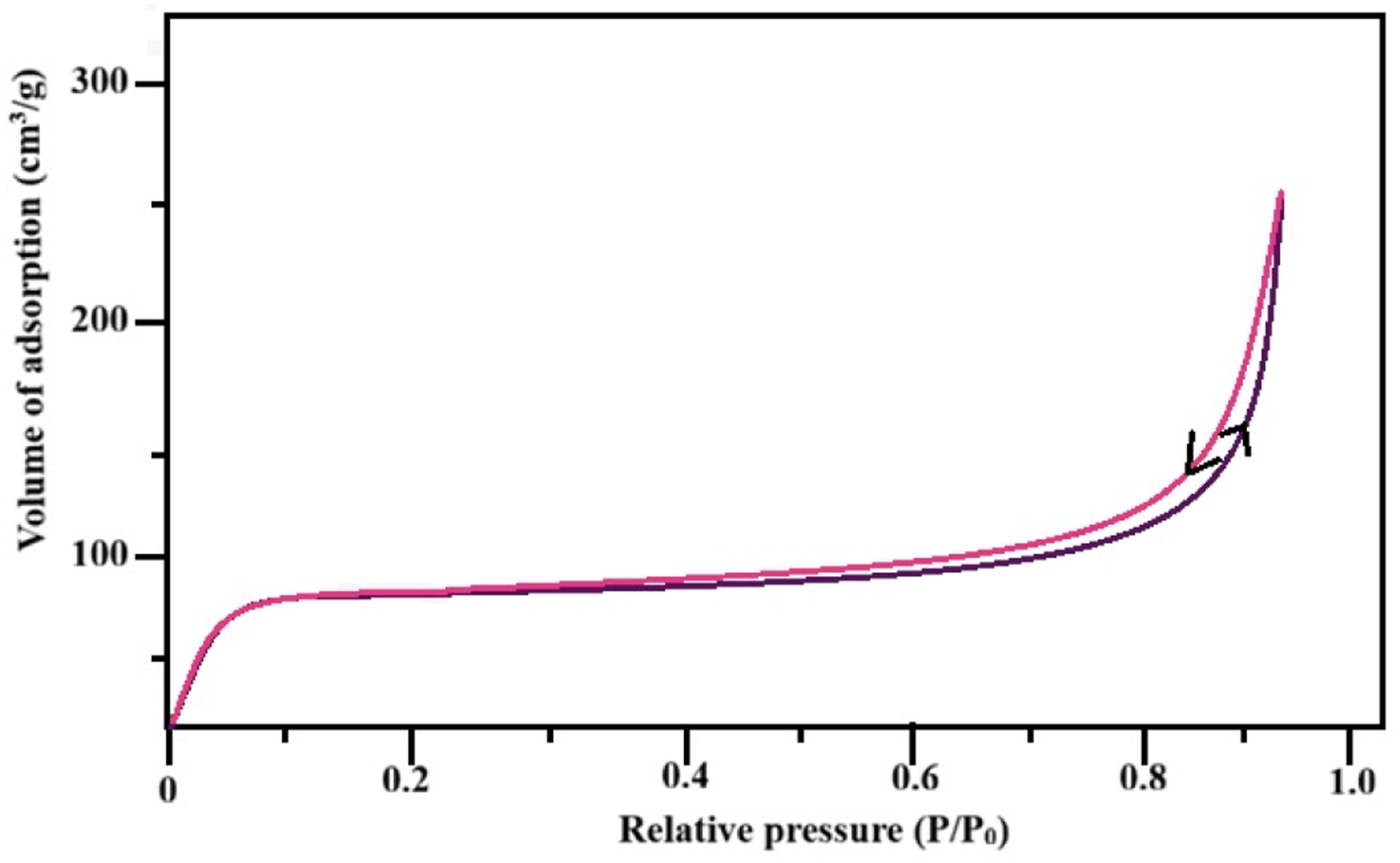
Surface modification
Surface modification was performed using (3-methacryloxypropyl)trimethoxysilane (MPS) as a silane coupling agent to improve the interfacial adhesion between the PVC core, Kender-N fibers, and the polymer matrix. The silane solution was prepared by dissolving 2 wt.% MPS in an ethanol–water medium (95:5 ratio), followed by the addition of a small quantity of acetic acid to maintain the solution pH at approximately 4–5, which facilitates hydrolysis of the methoxy groups into reactive silanol groups. The solution was continuously stirred for 30 min to ensure homogeneous hydrolysis and uniform dispersion of silane molecules throughout the treatment medium. To achieve effective and uniform surface coating, the PVC core and Kender-N fibers were completely immersed in the freshly prepared silane solution and maintained under gentle mechanical stirring during treatment. This continuous agitation prevented localized silane accumulation and promoted even adsorption of silane molecules over the entire surface of the reinforcements. The treatment duration of 3 h was selected based on preliminary trials and previously reported studies, where sufficient exposure time was found necessary to maximize silane condensation and interfacial interaction without causing excessive surface deposition or agglomeration.
14
During immersion, the hydrolyzed MPS molecules chemically interacted with hydroxyl-containing sites present on the fiber surface, forming siloxane linkages and creating an active interfacial layer that enhances compatibility with the polymer matrix. After treatment, the modified materials were rinsed thoroughly with distilled water to remove loosely attached silane residues and unreacted species. Finally, the treated PVC core and fibers were dried in a hot-air oven at 70°C for 20 min to remove residual solvents and stabilize the silane coating. Figure 3 illustrates the complete silane surface modification procedure adopted for the fiber and PVC core. Surface modification process of the reinforcements.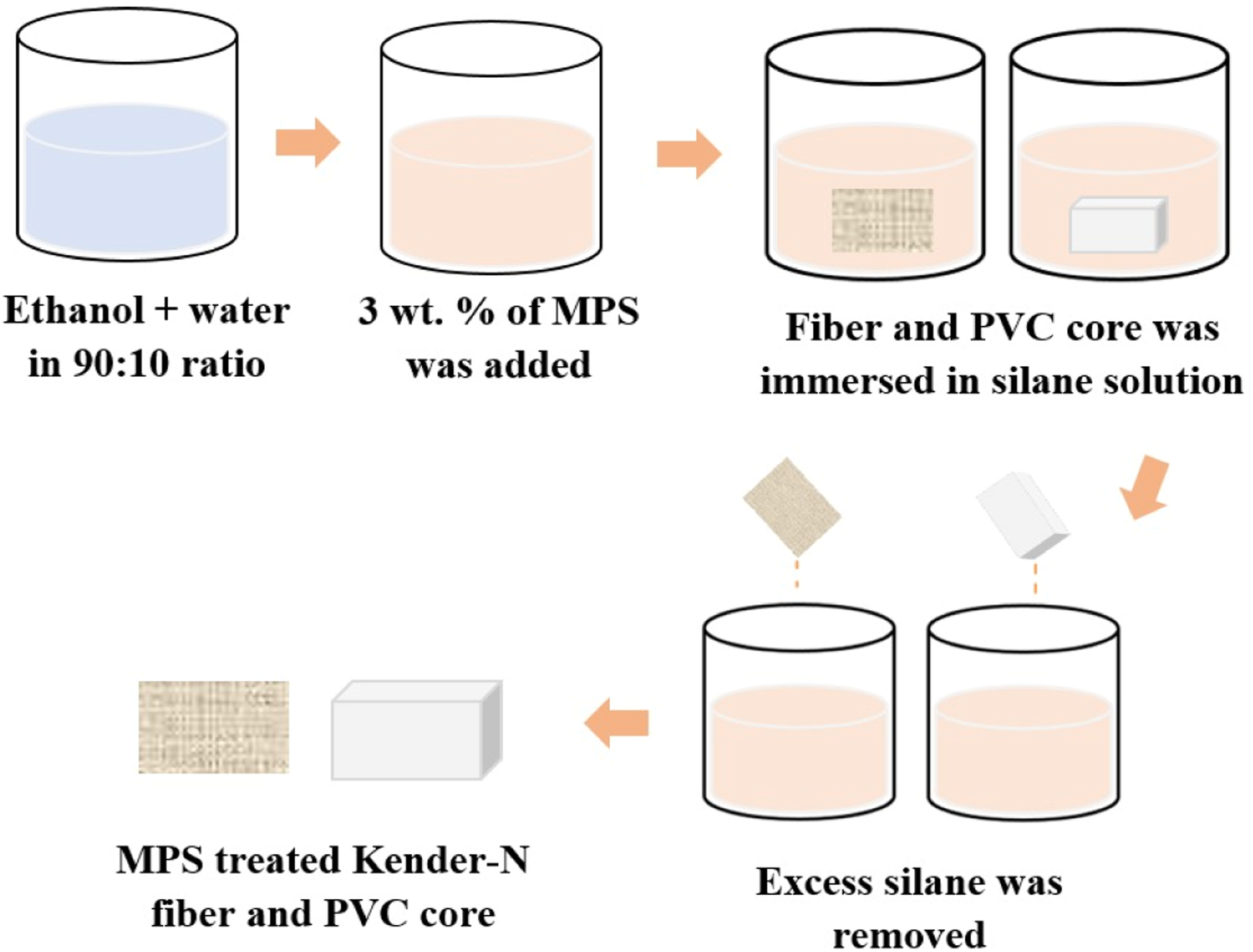
Fabrication of composites
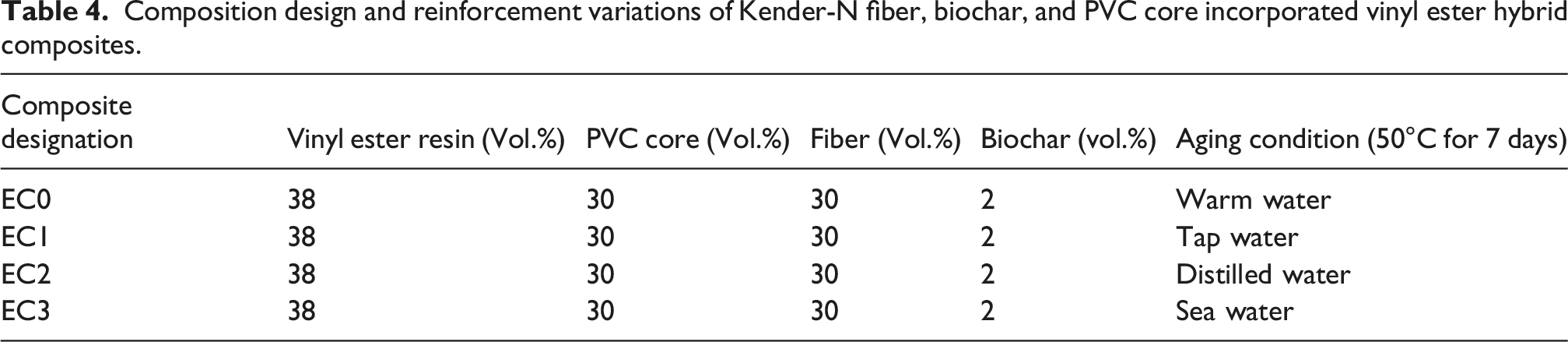
Composition design and reinforcement variations of Kender-N fiber, biochar, and PVC core incorporated vinyl ester hybrid composites.
Water aging process
To evaluate the environmental durability of the fabricated composites, systematic water aging studies were performed under different aqueous exposure conditions to investigate the influence of moisture ingress on the mechanical integrity and structural stability of the materials. The aging experiments were designed to simulate practical service environments and to understand the degradation behaviour of the composites during prolonged exposure to moisture-rich conditions. For this purpose, the prepared specimens were subjected to four distinct aging media, namely warm water, tap water, distilled water, and seawater, under controlled laboratory conditions. Accelerated hydrothermal aging was carried out by immersing the composite samples in warm water maintained at 50°C inside a laboratory hot-air oven for a duration of 7 days. 16 In parallel, separate sets of specimens were completely immersed in tap water, distilled water, and seawater for the same exposure period to comparatively evaluate the influence of varying water chemistries on moisture absorption and material degradation. The selected immersion duration provided sufficient time for water diffusion into the composite structure, enabling the initiation of possible interfacial weakening, matrix swelling, and microstructural deterioration. These aging studies offer valuable insight into the long-term performance, dimensional stability, and resistance of the developed composites when exposed to different environmental conditions.
Characterization techniques
Mechanical characterization
The mechanical performance of the developed hybrid composites was systematically evaluated using standardized ASTM testing procedures to ensure reliability, repeatability, and accurate comparison of material behaviour. Tensile characterization was carried out in accordance with ASTM D3039 to determine the resistance of the composites against axial loading. The test provided essential parameters including ultimate tensile strength, tensile modulus, and elongation at fracture. Flexural behaviour was investigated following ASTM D790 using a three-point bending configuration, enabling the assessment of bending strength, stiffness, and load-carrying capability of the fabricated laminates. Surface hardness measurements were performed according to ASTM D2240 using a Shore D durometer to evaluate the resistance of the composite surface against localized indentation. Impact resistance was analysed using the Izod impact method based on ASTM D256, which determines the ability of the composites to absorb sudden impact energy before fracture. To improve experimental consistency and reduce statistical deviation, each mechanical test was conducted on five individual specimens and the average value was reported. To further investigate the fracture behaviour and interfacial characteristics of the composites, scanning electron microscopy (FESEM) analysis was performed on the fractured surfaces of selected specimens after mechanical testing. Prior to examination, the fractured samples were sputter-coated with a thin conductive gold layer to minimize charging effects during imaging. The micrographs were used to analyse fiber–matrix adhesion, fiber pull-out, matrix cracking, void formation, filler dispersion, and interfacial debonding mechanisms associated with different composite formulations.
Creep behaviour
The creep performance of the fabricated composites was evaluated using a Metro Precision testing system equipped with a high-temperature furnace having an internal chamber capacity of 250 mm3 and an operating temperature capability up to 450°C. The creep experiments were conducted under constant loading conditions corresponding to 25% of the ultimate tensile strength (UTS) of the composites, while maintaining the test temperature at 45°C. The deformation behaviour was continuously monitored over an exposure duration of 15,000 s to study the time-dependent strain response of the material under sustained loading conditions. Five specimens from each composite configuration were tested in accordance with ASTM D7337 to ensure reproducibility and reliability of the obtained creep data.
Water absorption behaviour
The moisture absorption characteristics of the fabricated composites were investigated in accordance with ASTM D570 to evaluate the diffusion behaviour and environmental durability of the material. Prior to immersion, the specimens were dried in a hot-air oven to remove residual moisture and their initial dry weights were recorded using a precision electronic balance. The samples were then immersed in different aqueous environments for predetermined durations, after which they were periodically removed, surface-dried using absorbent tissue paper, and reweighed to determine the amount of absorbed moisture. The percentage of water uptake was calculated from the weight difference before and after immersion, providing insight into moisture diffusion behaviour and the susceptibility of the composites to environmental degradation. In the present work, water absorption diffusion was primarily studied along the thickness direction of the composite laminates. To ensure unidirectional diffusion through the exposed thickness surfaces and to minimize edge-induced moisture penetration, the peripheral sides of the specimens were carefully sealed using epoxy resin prior to immersion. This approach enabled more controlled and consistent evaluation of through-thickness water diffusion characteristics.
Results and discussion
Mechanical properties
Mechanical properties of the samples.

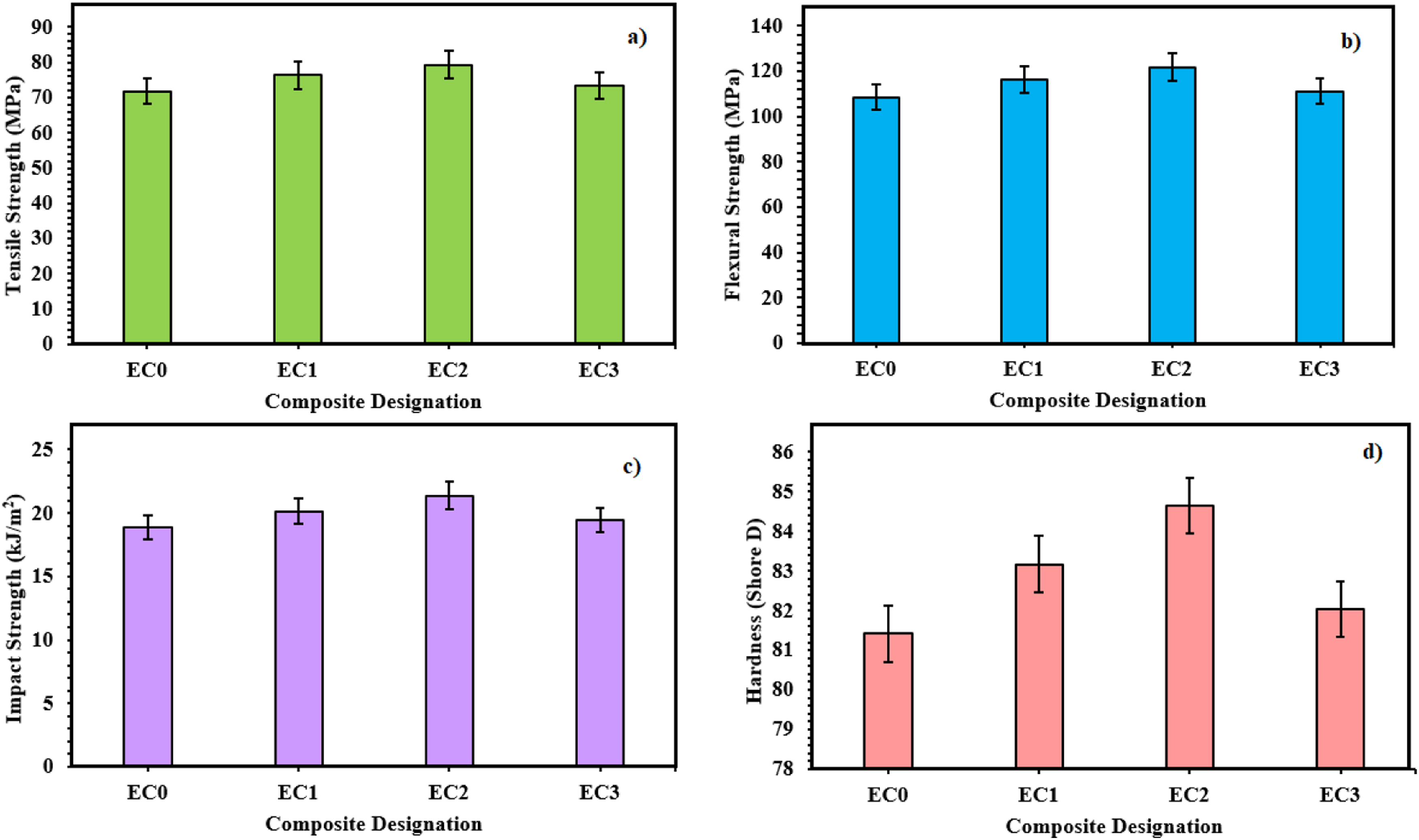
Mechanical performance of the samples.
The seawater-aged specimens exhibited moderate degradation behaviour because dissolved salts and ionic species penetrated the composite network, inducing localized interfacial deterioration and osmotic diffusion effects. Although seawater exposure increased interfacial stresses, the presence of MPS-treated surfaces reduced severe fiber pull-out and restricted excessive moisture-induced debonding compared with untreated natural fiber systems reported in earlier studies. The enhanced durability of the present composites is strongly associated with the MPS silane treatment applied to both the Kender-N fibers and PVC core.1 18 The hydrolyzedmethoxy groups of MPS formed reactive silanol groups, which chemically interacted with hydroxyl functionalities present on the natural fiber surface, resulting in stable siloxane (Si–O–Si) linkages. Simultaneously, the methacrylate functional end of MPS established improved compatibility with the vinyl ester matrix during curing. This dual functionality created a molecular bridge between the reinforcement and matrix phases, thereby improving stress transfer efficiency and suppressing interfacial crack propagation under aging conditions. Furthermore, the silane-treated surfaces reduced the number of accessible hydrophilic sites on the fibers, thereby lowering moisture sensitivity and restricting capillary water penetration along the fiber–matrix interface. SEM observations supported this behaviour by revealing reduced interfacial gaps, lower fiber pull-out, and improved matrix adherence in the treated composites even after environmental aging exposure. 19 These findings confirm that MPS surface functionalization substantially contributes to enhancing long-term durability, dimensional stability, and retention of mechanical performance in moisture-exposed hybrid composites.
The SEM micrographs reveal the influence of different aging environments on the surface morphology and interfacial integrity of the MPS-treated Kender-N fiber/PVC core reinforced vinyl ester composites. Figure 5(a) corresponding to EC0 (warm water aged composite) exhibits severe surface deterioration characterized by large cavities, matrix cracking, and interfacial debonding. The elevated temperature accelerated hydrothermal diffusion, leading to matrix softening, micro-void formation, and weakening of the fiber–matrix interface. Figure 5(b) representing EC1 (tap water aged composite) shows moderate crack propagation and limited surface damage compared with EC0, indicating comparatively lower moisture-induced degradation. The micrograph demonstrates partial interfacial deterioration caused by prolonged water diffusion into the composite structure. Figure 5(c) corresponding to EC2 (distilled water aged composite) displays a relatively smooth and compact morphology with minimal voids and reduced crack formation, confirming improved interfacial adhesion and enhanced structural stability. The lower extent of degradation indicates effective stress transfer and reduced moisture penetration within the composite network. Figure 5(d) representing EC3 (seawater aged composite) reveals localized micro-cracks and minor interfacial cavities caused by salt-ion penetration and osmotic diffusion effects during seawater exposure.
20
However, severe fiber pull-out and extensive delamination were not observed, demonstrating the effectiveness of MPS silane treatment in improving interfacial bonding and restricting moisture-assisted degradation. Overall, the SEM observations confirm that the silane-treated composites maintained comparatively good interfacial integrity under different environmental conditions, while the distilled water-aged composite exhibited the least microstructural damage among all tested specimens. SEM micrographs of (a) EC0, (b) EC1, (c) EC2, and (d) EC3.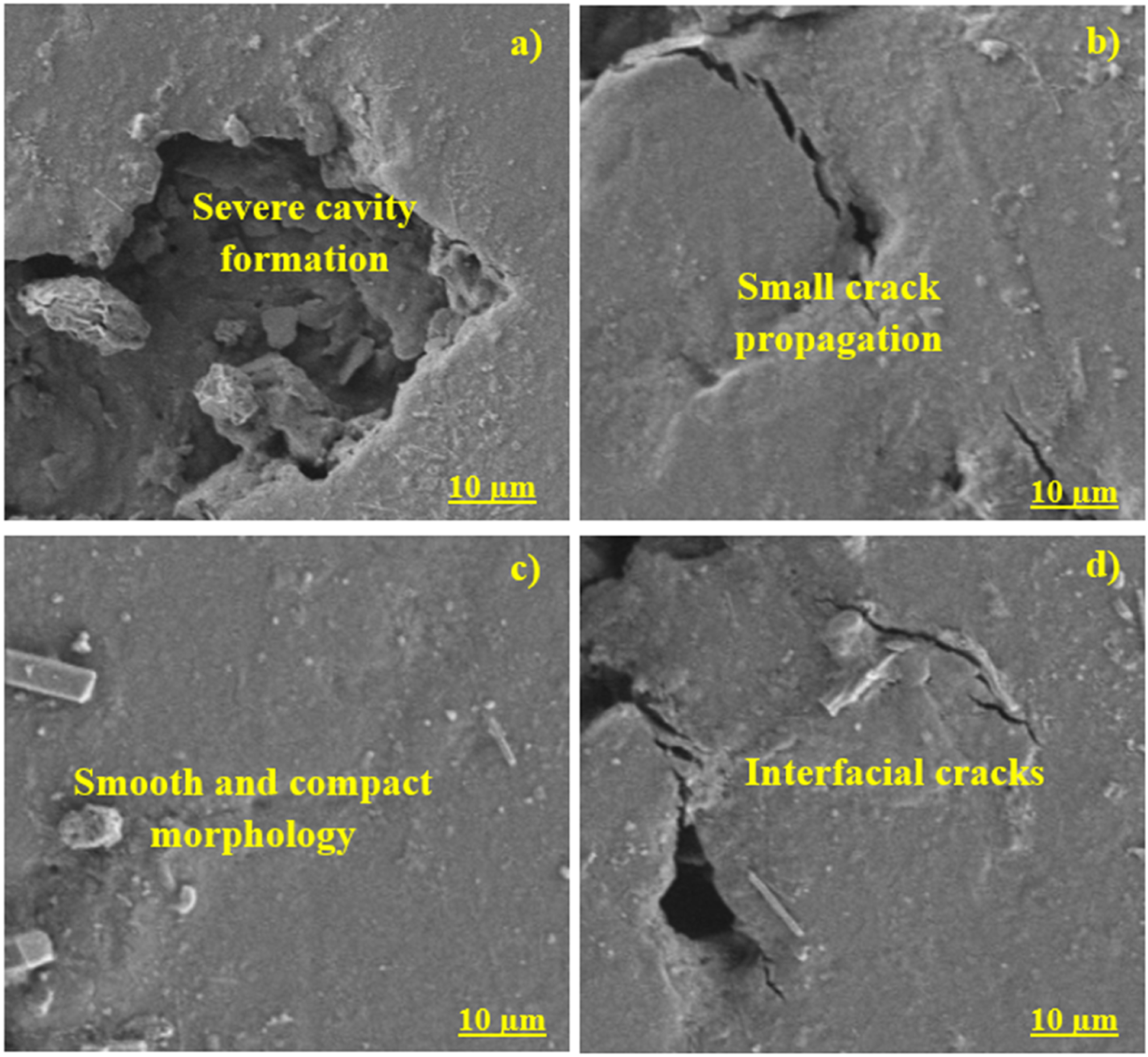
Statistical significance
One-way ANOVA was employed to statistically analyze the developed composite groups by evaluating the degree of freedom (DF), sum of squares (SS), mean square (MS), F-ratio, and corresponding p-value to determine the significance of variations among the composite formulations.

Creep properties
Creep properties of the samples.

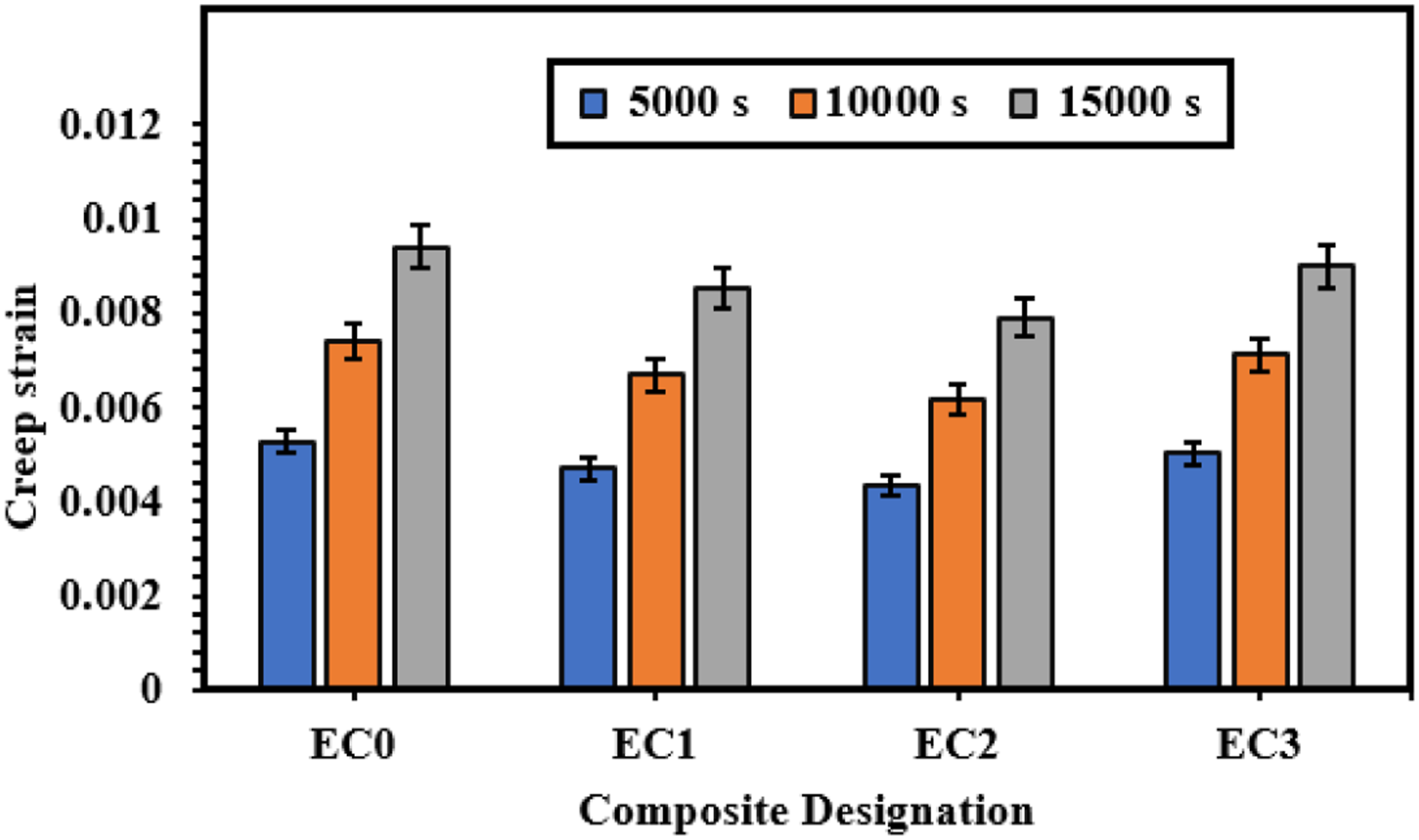
Creep performance of the samples.
The seawater-aged composite (EC3) also showed relatively higher creep strain due to the penetration of dissolved salts and ionic species into the composite structure, which promoted localized interfacial degradation and microstructural instability. In contrast, the distilled water-aged composite (EC2) exhibited the lowest creep strain values throughout the test duration, with nearly 15.9% lower creep deformation at 15,000 s compared with EC0. This indicates improved dimensional stability and better resistance to time-dependent deformation. The enhanced creep resistance is mainly attributed to the MPS silane treatment applied to both the Kender-N fibers and PVC core. The silane molecules formed stable siloxane linkages with the fiber surface while improving compatibility with the vinyl ester matrix, creating a stronger interfacial bonding network. This improved adhesion restricted fiber slippage, delayed crack propagation, and enhanced stress transfer during prolonged loading.22,23 Furthermore, the silane-treated surfaces reduced moisture sensitivity by limiting accessible hydrophilic sites, thereby minimizing hydrothermal degradation and improving long-term creep stability of the composites.
Water absorption
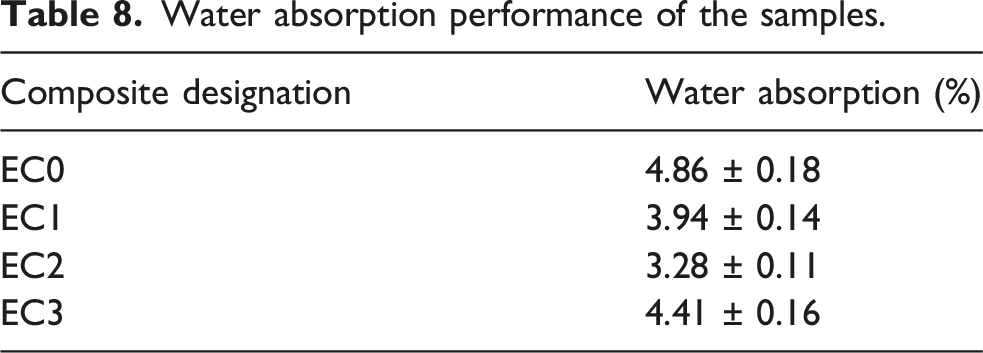
Water absorption performance of the samples.
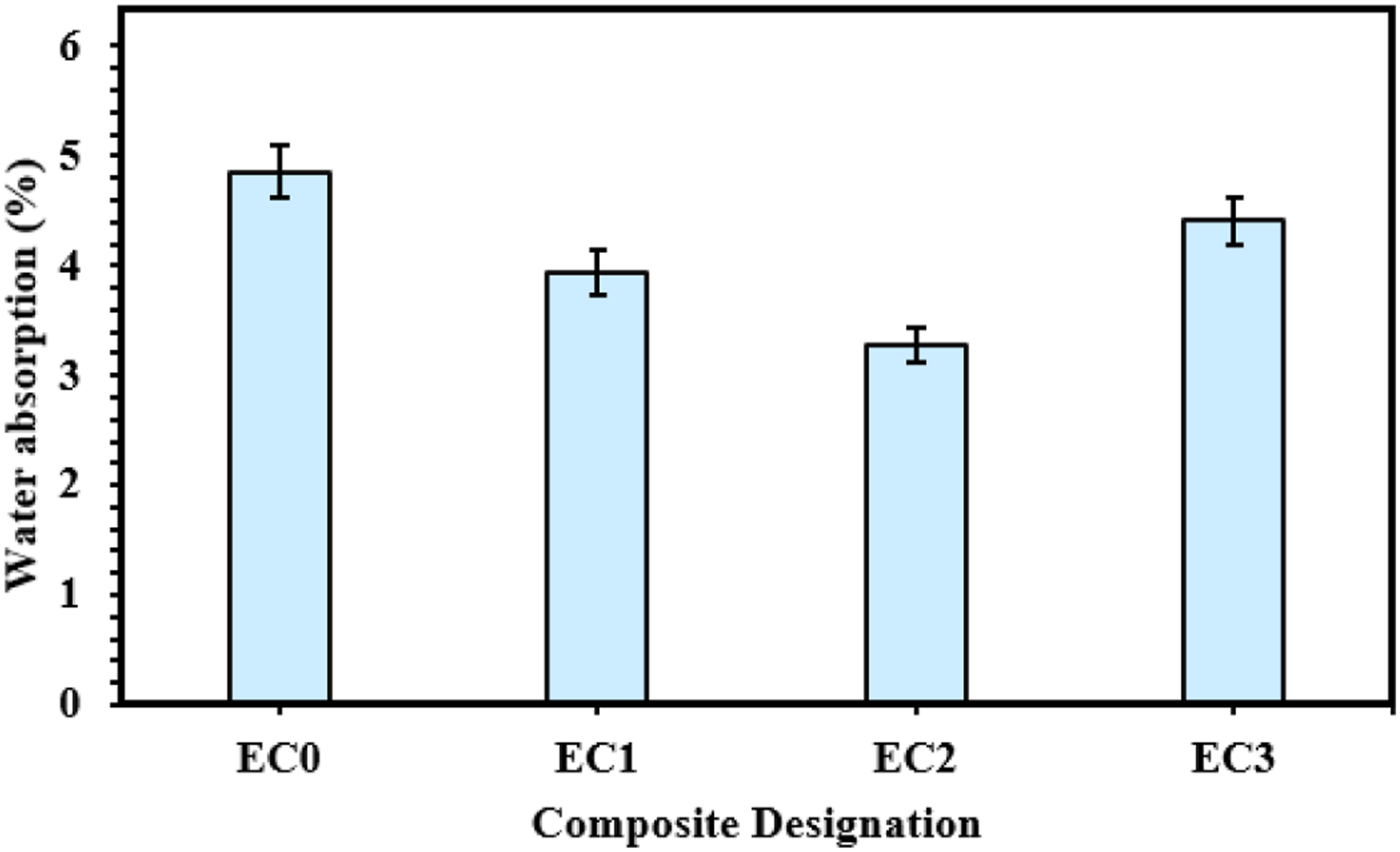
Water absorption of the samples.
The seawater-aged composite (EC3) also exhibited relatively higher moisture absorption due to the presence of dissolved salts and ionic species, which contributed to osmotic diffusion and localized interfacial degradation. In contrast, the distilled water-aged composite demonstrated improved dimensional stability and lower moisture uptake because of reduced ionic interaction and comparatively limited interfacial deterioration. The comparatively low water absorption behaviour of the developed composites is strongly associated with the MPS silane treatment applied to both the Kender-N fibers and PVC core. The silane treatment chemically modified the reinforcement surfaces through the formation of siloxane linkages, thereby improving fiber–matrix adhesion and reducing the availability of hydrophilic hydroxyl groups responsible for moisture attraction. This surface modification minimized capillary water transport along the interfacial region and restricted moisture-assisted debonding. 26 Furthermore, the enhanced interfacial compatibility between the silane-treated reinforcements and vinyl ester matrix reduced void formation and improved matrix encapsulation around the fibers and PVC core. As a result, the composites exhibited improved environmental durability and moisture resistance even under prolonged aqueous exposure conditions.
Limitations
Although the developed composites demonstrated improved mechanical performance and environmental durability, certain limitations and processing challenges were observed. Uniform dispersion of nutmeg husk-derived biochar within the vinyl ester matrix remains a critical factor, as excessive filler loading may promote particle agglomeration and localized stress concentration. In addition, achieving consistent wetting and homogeneous resin distribution during the hand layup process can be challenging, potentially leading to void formation and interfacial defects. Furthermore, long-term environmental exposure and large-scale manufacturing feasibility require additional investigation to validate the industrial applicability of the developed hybrid composites.
Conclusions
In this investigation, environmentally aged MPS-treated Kender-N fiber/PVC core reinforced vinyl ester hybrid composites containing nutmeg husk-derived biochar were successfully fabricated and evaluated for their mechanical, creep, and moisture absorption behaviour under different aqueous exposure conditions. The study confirmed that environmental aging significantly influences the long-term durability and structural stability of hybrid composites through hydrothermal diffusion, matrix plasticization, interfacial degradation, and moisture-assisted crack initiation. Among the tested aging environments, the distilled water-aged composite exhibited superior overall performance with tensile, flexural, and impact strength improvements of approximately 10.3%, 12.1%, and 13.0%, respectively, compared with the warm water-aged composite. The same specimen also demonstrated the lowest creep strain value of 0.00791 at 15,000 s, indicating nearly 15.9% improvement in creep resistance. Furthermore, water absorption was reduced by approximately 32.5%, confirming enhanced dimensional stability and moisture resistance. The improved durability and mechanical retention are primarily attributed to the MPS silane treatment applied to both the Kender-N fibers and PVC core. At the molecular level, the hydrolyzed silane molecules formed stable siloxane linkages with hydroxyl groups present on the fiber surface while simultaneously improving compatibility with the vinyl ester matrix. This chemically bonded interphase enhanced stress transfer efficiency, reduced fiber pull-out, minimized interfacial void formation, and restricted moisture-assisted debonding under aggressive aging conditions. SEM analysis further validated the effectiveness of the silane treatment by revealing improved matrix encapsulation, lower interfacial gaps, and reduced microstructural damage in the treated composites. The incorporation of nutmeg husk-derived biochar additionally contributed to structural stability by improving filler–matrix interaction and limiting crack propagation within the composite network. Overall, the developed hybrid composites exhibited promising resistance against environmental degradation and sustained mechanical stability, making them suitable candidates for lightweight structural applications in marine panels, automotive interior components, transportation structures, building materials, and sustainable engineering applications where long-term durability and moisture resistance are essential.
Footnotes

Funding
The authors received no financial support for the research, authorship, and/or publication of this article.
Declaration of conflicting interests
The authors declared no potential conflicts of interest with respect to the research, authorship, and/or publication of this article.
Data Availability Statement
Data sharing not applicable to this article as no datasets were generated or analyzed during the current study.