






Abstract
The expanding application of polylactic acid (PLA) in advanced sectors like automotive and aerospace is constrained by its inherent mechanical limitations. This research addresses this by developing a PLA composite reinforced with micro-scale talc and nano-scale graphene oxide (GO) via fused deposition modeling (FDM), aiming to synergistically enhance tensile modulus, bending strength, and thermal stability. An integrated Taguchi design and Grey Relational Analysis (GRA) were employed to optimize four key parameters: talc content, GO content, print speed, and nozzle temperature. DSC and TGA analyses confirmed that the incorporation of talc and GO enhanced the thermal stability of PLA, increasing the crystallization temperature from 128.5°C to 135.8°C and the decomposition onset temperature from 299°C to 341°C. The Taguchi-GRA optimization identified nozzle temperature and GO content as the most significant factors affecting mechanical properties. The GRA-derived optimal set—5 wt% talc, 1 wt% GO, 30 mm/s print speed, and 215°C nozzle temperature—yielded the superior balance of mechanical properties, which was correlated through SEM analysis to excellent filler dispersion and robust interlayer adhesion. This study provides a systematic framework for the multi-objective optimization of 3D-printed biocomposites, delivering a specific material-process solution to advance the performance of additively manufactured PLA for functional applications.
Keywords
Introduction
The additive manufacturing landscape has been fundamentally reshaped by Fused Deposition Modeling (FDM), a technique prized for its affordability, design flexibility, and accessibility. 1 The primary challenges inherent to the FDM process that impact material performance and require targeted solutions include achieving strong interlayer bonding, 2 minimizing internal porosity, 3 reducing surface roughness, 4 and enhancing properties like electrical or thermal conductivity. 5 Among the polymers utilized in FDM, polylactic acid (PLA) stands out due to its biodegradability, low toxicity, and ease of printing, making it a dominant material in prototyping and an increasingly attractive option for functional applications.1,6 It also offers several benefits, including high strength, low energy loss during production, biocompatibility, reduced carbon dioxide emissions during manufacturing, transparency, and resistance to water and fats.6,7 These properties have led to its broad use in areas including food packaging,7,8 agricultural crop protection, 9 and biomedical fields.10,11 However, polylactic acid has disadvantages such as low thermal resistance, low impact resistance at room temperature, permeability to gases, slow degradation rate, hydrophobicity, and chemical neutrality.7–9 To bridge this performance gap, research has increasingly focused on developing polymer matrix composites for FDM. By integrating reinforcing fillers into the PLA matrix, it is possible to tailor and enhance its properties.12–14 Graphene oxide, a two-dimensional nanomaterial adorned with oxygen-containing functional groups, offers exceptional mechanical properties and a high surface area, promising significant reinforcement at very low loadings and potential improvements in thermal stability.15–18 Graphene has attracted great attention in different technological fields like electronics, conversion, sensors, energy storage, composite materials, and capacitors. 16 Research indicates that the effects of graphene oxide (GO) on the mechanical properties of PLA composites vary with loading percentage. Sujan et al. 19 found that incorporating 0.3% GO enhanced the compressive modulus by nine times and quadrupled the compressive strength to 46 MPa compared to neat PLA. Similarly, Pandey et al. 20 reported optimal tensile strength at 0.5 wt% GO, while the highest tensile modulus was achieved with 1.25 wt%. Zheng et al. 21 noted that 0.3 wt% GO increased the tensile strength, elongation-at-break, and impact strength of PLA/AGO nanocomposites by 7.68%, 47.32%, and 41.27%, respectively. Conversely, Cruz et al. 22 observed that adding up to 0.7 wt% GO reduced the tensile modulus of PLA by 13%. These findings demonstrate that not all mechanical properties are uniformly improved by the addition of graphene nanoparticles. Talc (Mg3Si4O10 (OH)2) is another widely employed nucleating agent in polymer matrices. 23 As a conventional micro-filler with a platelet-like structure, talc enhances polymer stiffness, dimensional stability, and heat deflection temperature. 24 Its structure and softness contribute to effective dispersion within polymer composites.23–26 Furthermore, the presence of silanol groups on talc’s edge surfaces enables it to form covalent bonds with compatible chemical groups. 24 The synergistic use of these multi-scale fillers (talc for micro-scale reinforcement and graphene oxide (GO) for nano-scale reinforcement) offers a promising approach for developing PLA-based composites with a balanced and enhanced set of properties, making them suitable for advanced applications. Zhu et al. 27 noted that the incorporation of 0.5 wt% talc particles increased the tensile strength and tensile modulus of a PLA/talc composite to 70 MPa and 846 MPa, respectively, with thermal property improvements observed at a 1 wt% loading. Similarly, Long et al. 28 found that adding just 1 wt% talc to polyethylene raised its tensile strength and elongation at break by 49% and 65%, respectively, while maintaining thermal stability. Shakoor and Thomas 29 also reported a significant enhancement in tensile modulus, reaching 9.8 GPa, with a high talc content of 30 wt% in PLA. Conversely, Helanto et al. 30 indicated that while 30 wt% talc increased the tensile modulus to 7544 MPa, it concurrently reduced tensile strength to 54.6 MPa and elongation to 22.9%.
Research indicates that relying on a single filler typically fails to enhance all mechanical properties of polymer composites. Consequently, the approach of combining two or more different fillers has gained interest. Batakliev et al. 31 found that a PLA composite containing both carbon nanotubes (CNT) and graphene (GPN) exhibited superior hardness and tensile modulus compared to composites with only one of these carbon nanofillers. Kumar et al. 32 reported that adding 1.5 wt% CNT and 0.5 wt% graphene to PLA significantly improved its tensile strength, tensile modulus, yield strength, and impact strength. Similarly, Nimbagal et al. 33 observed enhanced tensile and bending strength in a PLA/epoxy composite with 0.2 wt% graphene and 0.3 wt% CNT. Additionally, Khammassi et al. 34 used silver and graphene nanoparticles together to increase the stiffness and tensile modulus of PLA. These findings collectively demonstrate that employing multiple fillers simultaneously is more effective for improving mechanical properties. Based on this principle, the present study investigates the combination of two common fillers: graphene oxide and talc.
In recent years, 3D printing has become a prevalent method for fabricating polymer composites. Achieving the best mechanical performance in these printed parts requires optimizing the printing parameters. For instance, Avalappa et al. 35 determined that a layer height of 0.16 mm, a temperature of 208°C, and a speed of 90 mm/s minimized surface roughness and wear in PLA/graphene composites. Similarly, Taher et al. 36 identified optimal levels of TiO2 content, nozzle temperature, and print speed to maximize the impact resistance and tensile modulus of FDM-printed PP/EPDM/TiO2 composites. Research on FDM process optimization shows that mechanical properties are highly parameter-dependent. For instance, Sharif et al. 37 determined that PLA achieves optimal impact strength with specific settings, including an 80% infill density and a 0.1 mm layer thickness. In parallel, studies on material sustainability, such as the work by Tipu et al. 38 on recycled HDPE, demonstrate that mechanical performance can be maintained or even enhanced through multiple recycling cycles, supporting circular economy applications. Additional investigations have focused on how process parameters influence defect formation, such as delamination and cracking in composite materials. 39 Previous research also indicated that filler content is a key factor. Afshari et al. 40 found 1.5 wt% graphene to be optimal for enhancing the hardness and tensile strength of PP/graphene composites, while Hardani et al. 41 reported peak tensile modulus and bending strength in PLA/CNT composites with 2.9 wt% CNT, a nozzle temperature of 210°C, and a speed of 20 mm/s. Printing parameters themselves have a direct and sometimes competing influence. Hardani et al. 42 observed that increasing print speed reduced impact and tensile strength, whereas a higher nozzle temperature improved them. Xu et al. 43 achieved greater elongation and strength in PP/EPDM/TiO2 composites with a print speed of 28 mm/s, 2.5 wt% TiO2, and a 227°C nozzle temperature. The broader significance of parameter tuning is well-established. Benfriha et al. 44 highlighted that printing settings critically affect part cooling time and, consequently, the bonding strength between layers. Vanaei et al. 45 concluded that extruder temperature has a greater impact on the thermal and mechanical properties of FDM-printed PLA than other process variables. Ben Amor et al. 46 conducted Taguchi-GRA optimization on recycled polymers, including polyethylene terephthalate (PET) sourced from water bottles, and showed that systematic parameter adjustments led to substantial improvement in mechanical performance. Similarly, Elloumi et al. 47 employed the GRA method to improve both the mechanical properties and productivity of 3D-printed copper-filled PLA components. The effect of FDM parameters on composite mechanical behavior has been extensively studied, as confirmed by numerous other investigations.48–55
A review of existing literature indicates a growing focus on ternary composites for the concurrent enhancement of mechanical properties. However, critical research gap in the literature is that no PLA/talc/GO ternary composite has been successfully fabricated using the FDM 3D printing process. This gap exists because 3D printing such multi-scale composites is inherently complex, requiring precise control over multiple process parameters (filler contents, print speed, nozzle temperature) that interact in non-trivial ways. Moreover, the simultaneous optimization of multiple mechanical properties (e.g., tensile modulus and bending strength) cannot be achieved through conventional one-factor-at-a-time approaches. To address these gaps, the present study seeks to fabricate a PLA/talc/GO ternary composite using the FDM method and evaluate its mechanical and thermal properties. Furthermore, the Taguchi method combined with Gray Relational Analysis (GRA) was employed to efficiently analyze the effects of key parameters and their interactions—specifically talc content, graphene oxide content, print speed, and nozzle temperature—on the composite’s tensile modulus and bending strength. This integrated approach allows for the determination of optimal parameter conditions to simultaneously maximize both tensile modulus and bending strength while minimizing the required number of experimental trials. The optimized PLA/Talc/GO composites exhibit strong potential for industrial applications, particularly in lightweight, high-strength components produced via FDM printing such as automotive interior parts, custom functional prototypes, biomedical devices, and eco-friendly consumer products. In these contexts, their enhanced thermal stability and mechanical properties enable the replacement of conventional plastics in certain engineering applications, thereby advancing greener manufacturing practices.
Materials and methods
Materials
In the present research, polylactic acid (PLA 3052D) powder was supplied by Plastika Kritis S.A. (Heraklion, Crete, Greece). The PLA had a melt flow index of 14 g/10 min (measured according to ASTM D1238) and a molecular weight of 116,000 g/mol. Graphene oxide, characterized as 15–20 sheets with 4–10% edge oxidation (product #796034), was obtained from Sigma-Aldrich in Darmstadt, Germany. Additionally, talc particles (commercially labeled as Micro-talc I.T. EXTRA) with an average particle size of 1.7 μm were employed.
Preparation of composites parts
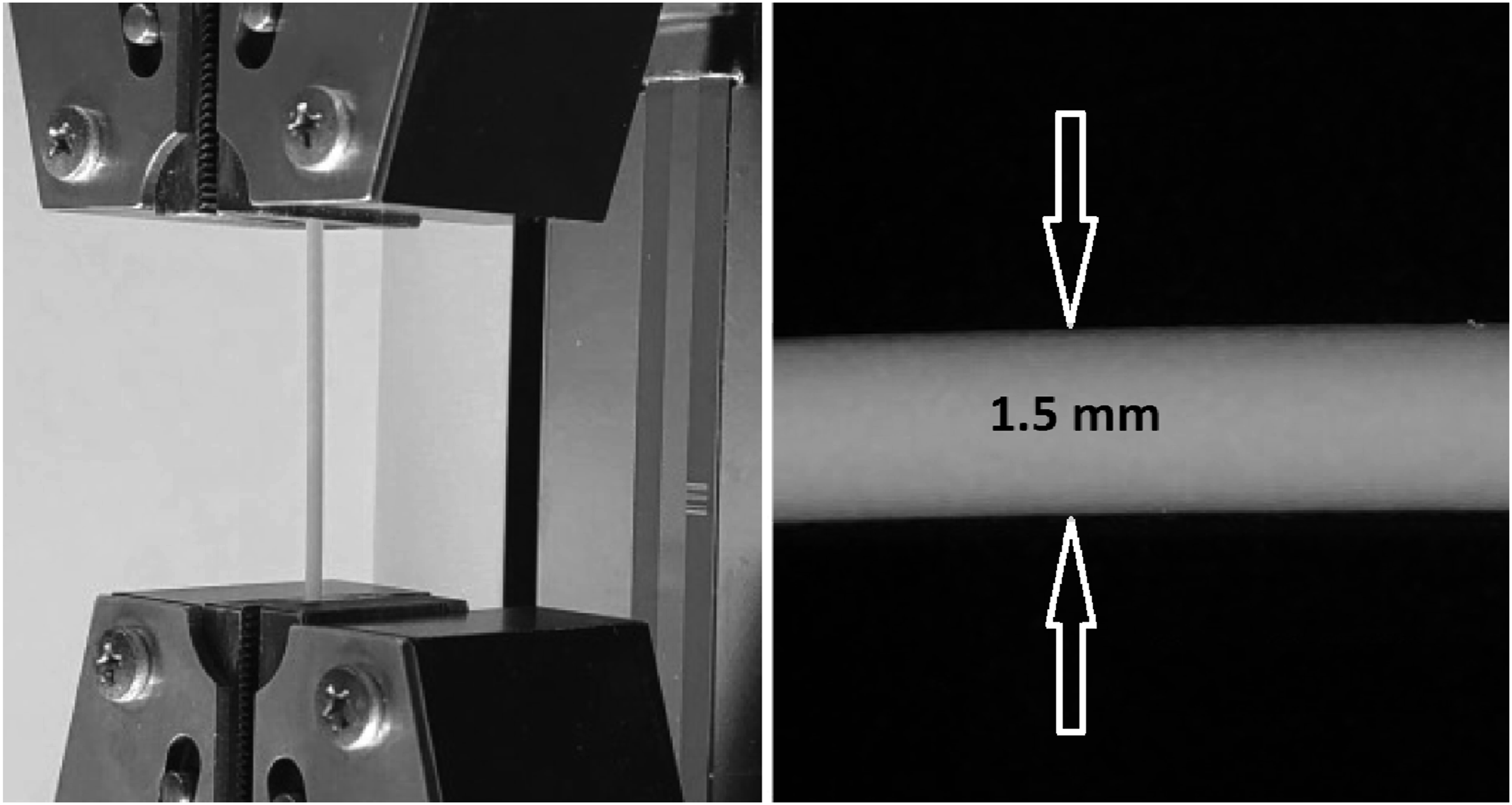
The PLA/GO/Talc ternary composite specimens were fabricated using a fused deposition modeling (FDM) process. The procedure consisted of three main stages: (a) Material Preparation and Mixing: Prior to blending, the PLA powder and nanoparticle fillers (Talc and GO) were dried in an oven at 80°C for 4 h to remove moisture. The constituents were then mechanically mixed at the different weight percentages using a twin-shell rotary mixer for 30 min to ensure a homogeneous preliminary blend. (b) Filament Extrusion: The mixed composite powder was fed into a single-screw extruder (Filabot EX2, USA) to produce a uniform filament with a diameter of 1.5 mm (±0.05 mm). The extrusion was performed at a barrel temperature of 210°C and a screw rotational speed of 3 rpm. The quality of the produced filament was evaluated to ensure proper strength and the absence of significant voids or porosity (Figure 1). (c) 3D Printing: The composite filament was used to fabricate tensile and bending test specimens on a Wanhao D12-230 3D printer. A standardized CAD model (according to ASTM D638 Type I for tensile and ASTM D790 for flexural tests) was sliced using Ultimaker Cura 4.3 Software. The key variable parameters, such as nozzle temperature and print speed, were varied during the process. Inspecting quality of the produced filament.
Thermal tests
Differential scanning calorimetry (DSC) analysis was performed using a Netzch 200 F3 Maia instrument to determine the melting (Tm) and crystallization (Tc) temperatures of the fabricated samples. The tests were conducted at a heating/cooling rate of 10°C/min under a nitrogen atmosphere, following a heating-cooling-heating cycle between 20°C and 200°C. The percentage crystallinity (Xc) of the samples was calculated using equation (1).

Mechanical tests
All tensile and bending test specimens were fabricated via the FDM process. The geometry of the tensile specimens conformed to the ASTM D638 Type I standard. The bending specimens were prepared in accordance with the ASTM D790 standard. Quasi-static tensile tests were performed using a universal testing machine (Zwick/Roell Z100, Germany). Tests were conducted at a constant crosshead speed of 5 mm/min until failure. The tensile modulus and ultimate tensile strength were derived from the resulting stress-strain curves. Three-point bending tests were carried out on the same Zwick/Roell Z100 machine, equipped with a suitable bending fixture. The tests followed the ASTM D790 procedure, with a support span of 50 mm and a crosshead speed calculated to meet the standard’s strain rate requirement. The bending strength and modulus were calculated from the load-displacement data.
Taguchi design
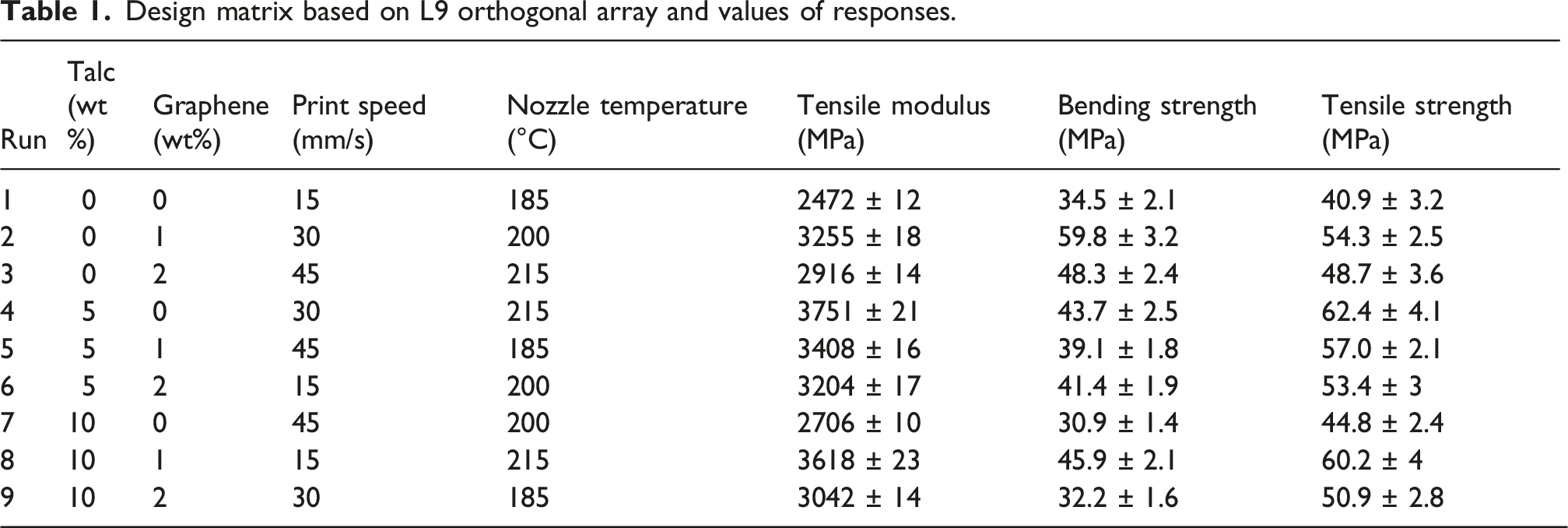
The Taguchi-GRA integrated method was selected because it efficiently addresses the three main challenges of this study: (1) high experimental cost, (2) conflicting optimization objectives, and (3) process robustness.56,57 A full factorial design would require 81 runs, while the Taguchi L9 orthogonal array reduces this to only 9 runs, making experimentation feasible. However, Taguchi alone optimizes only a single response, whereas this study requires simultaneous maximization of two competing mechanical properties—tensile modulus (improved by talc) and bending strength (reduced by talc). Grey Relational Analysis (GRA) resolves this conflict by converting both responses into a single Grey Relational Grade, enabling true multi-objective optimization.46,47 Alternative methods such as one-factor-at-a-time, response surface methodology, or artificial neural networks were rejected due to their inability to handle interactions, higher experimental burden, or data requirements. Thus, Taguchi-GRA offers the best balance of efficiency (9 runs), multi-objective capability, and robustness to noise factors, making it the most appropriate choice for optimizing PLA/Talc/GO composites in this study.
Design matrix based on L9 orthogonal array and values of responses.
Values of constant parameters of FDM.

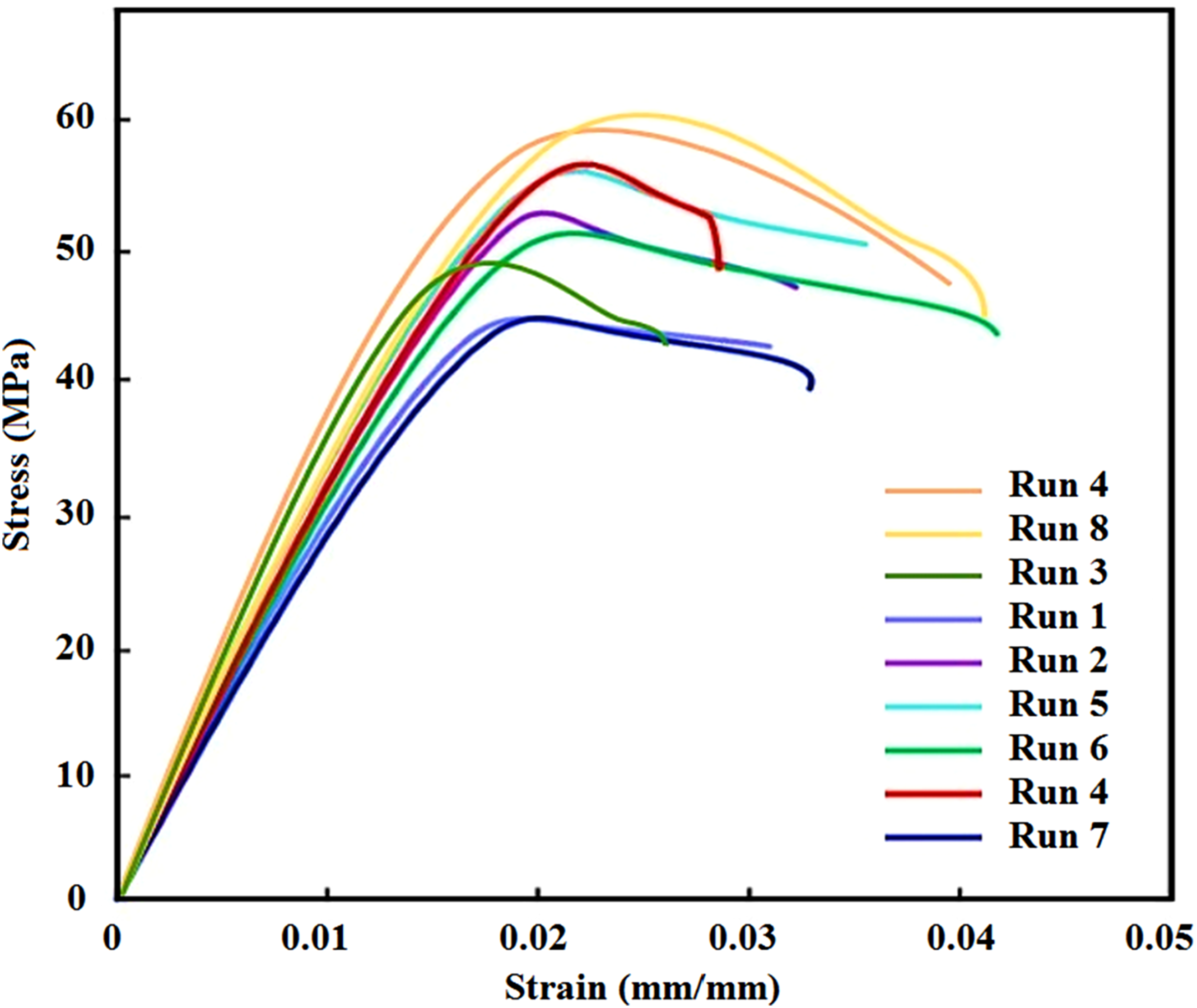
Stress-strain curves for all samples.
Microstructure observation
To analyze the samples’ microstructure, scanning electron microscopy (SEM) was conducted using a VEGA-TESCAN-XMU instrument. First, the fracture surfaces were prepared by cryofracturing the samples in liquid nitrogen. Subsequently, a thin layer of gold was applied to the prepared surfaces using an Agar Scientific B7340 sputter coater (United Kingdom).
Results and discussion
Thermal behavior
To investigate the thermal properties of the PLA/Talc/GO composite, differential scanning calorimetry (DSC) analysis was conducted. The DSC thermograms are presented in Figure 3, and the corresponding data for melting temperature, crystallization temperature, and percentage crystallinity, as derived from the analysis, are summarized in Table 3. Results of DSC test. Thermal properties of PLA/Talc/GO composite obtained by DSC test.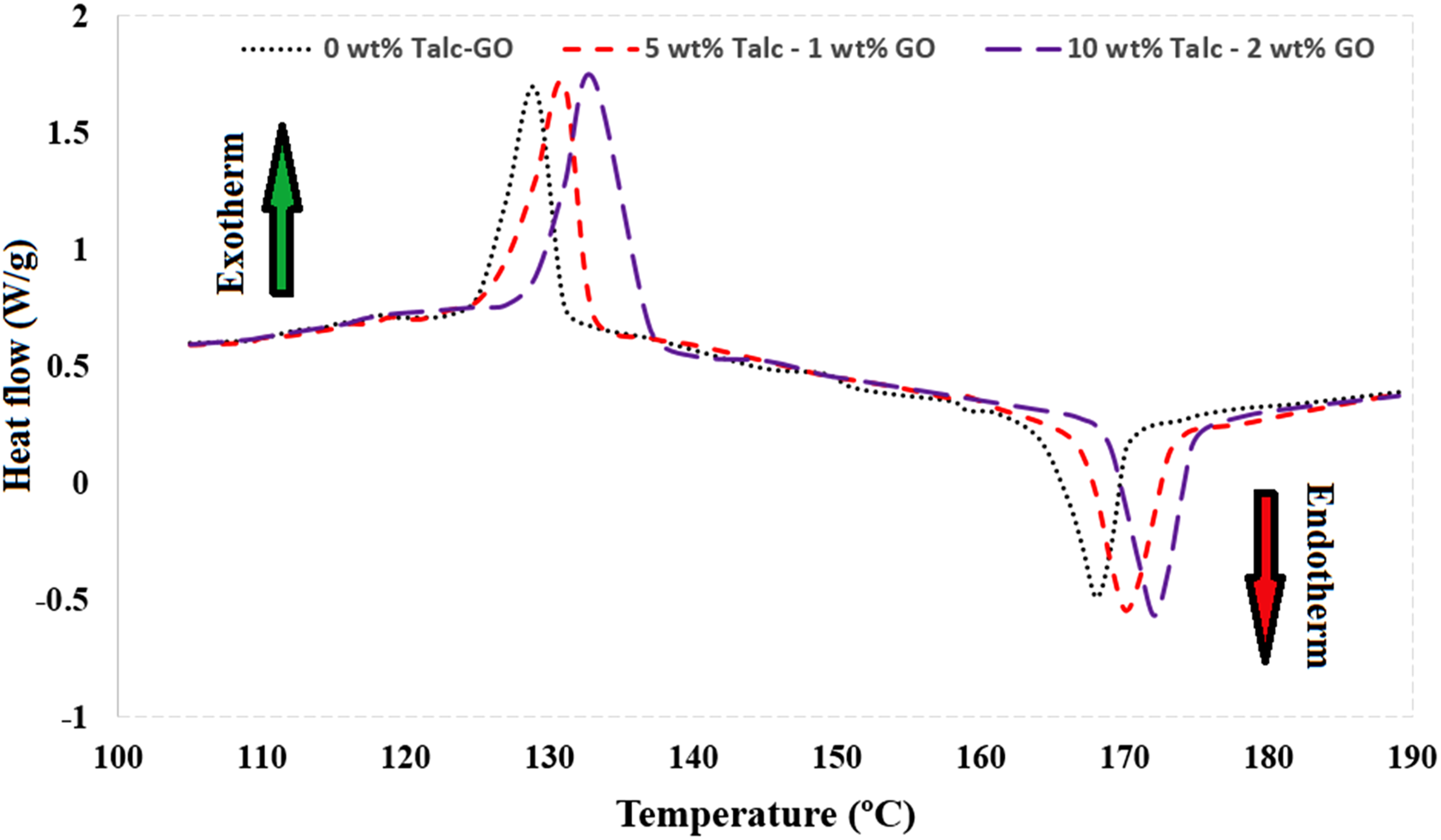

Based on Table 3, the addition of talc and graphene oxide to PLA increases both the crystallization and melting temperatures in the resulting composite. This rise is attributed to the heat-absorbing capacity of the talc and graphene nanoparticles. Consequently, the inclusion of these fillers enhances the thermal stability and heat transfer performance of the PLA/Talc/GO composite. Furthermore, the DSC data illustrate that higher concentrations of these nanoparticles increase the composite’s crystallinity percentage. This effect occurs because the nanoparticles function as nucleation agents within the PLA matrix.
To examine the thermal properties of the PLA/Talc/GO composite, thermogravimetric analysis (TGA) was performed from 0 to 600°C. The resulting thermogram is presented in Figure 4. The data demonstrate that incorporating talc and graphene nanoparticles improves the thermal stability of PLA. For unmodified PLA (0 wt% nanoparticles), thermal degradation begins at 299°C, with continuous mass loss up to 536°C. In contrast, the decomposition onset temperature for the PLA/Talc/GO composite is elevated to 341°C. The decomposition onset temperature was determined from the TGA thermograms using the tangent method (also known as the onset point or extrapolated onset temperature), according to ASTM E2550. In this method, the onset temperature is defined as the intersection point of two tangent lines drawn on the TGA curve: (i) the baseline tangent before the decomposition step, and (ii) the tangent at the point of maximum slope (inflection point) of the degradation curve. This analysis was performed using the Netzsch Proteus® software accompanying the TGA instrument. Thermogravimetric analysis of PLA/Talc/GO composite.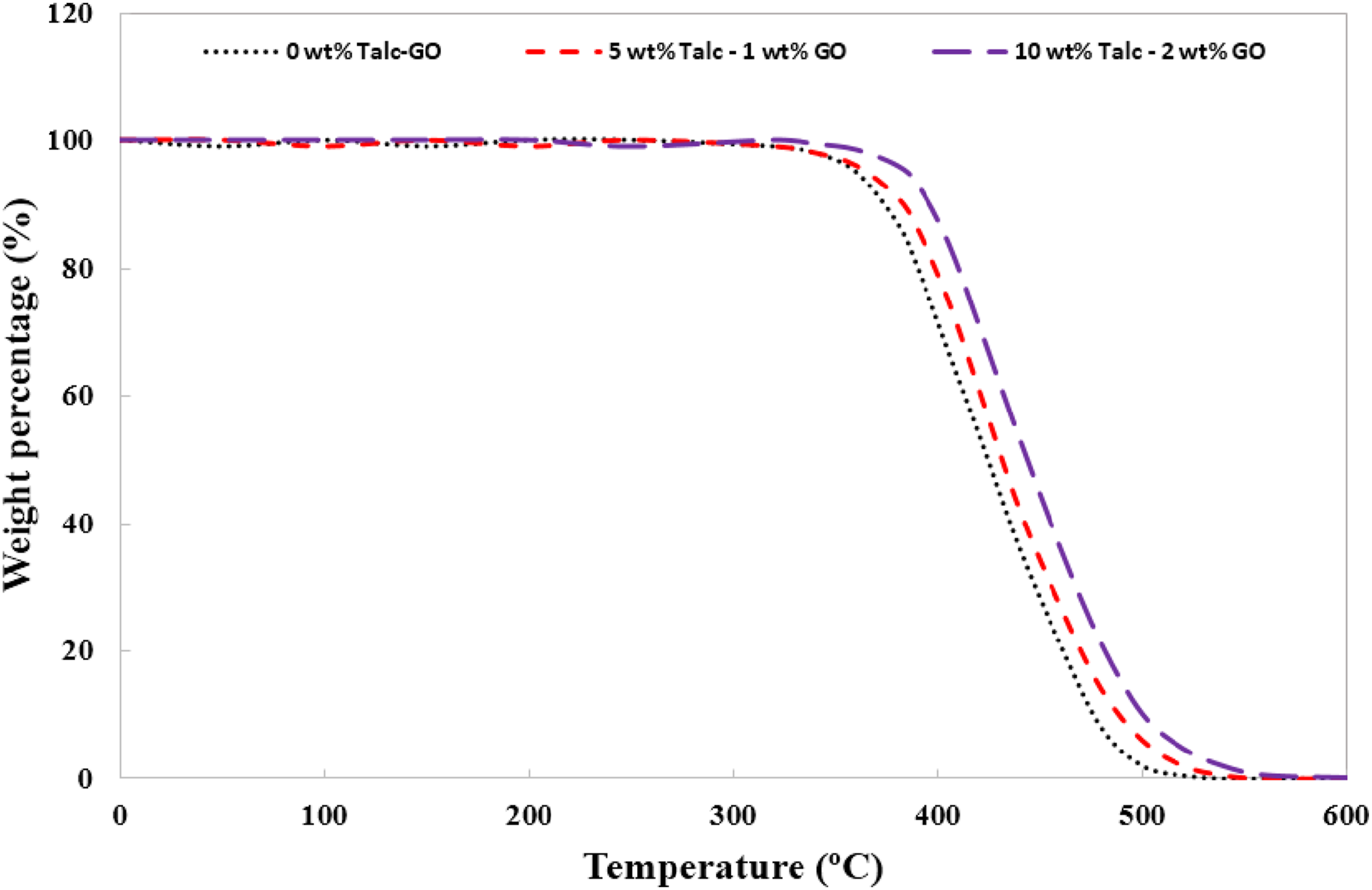
Weight loss temperature at 10, 50 and 90%.

Microstructural changes
The microstructure of the samples was analyzed to assess the dispersion of nanoparticles within the PLA/Talc/GO composite and to evaluate the interlayer adhesion. Figure 5 displays the microstructure of tensile specimens for varying amounts of talc and graphene. As shown in Figure 5(a), the fracture surface of pure PLA exhibits a smooth and uniform structure. In Figure 5(b), with 5 wt% talc and 1 wt% graphene, the nanoparticles are well-dispersed within the composite. This effective dispersion enhances the interfacial interaction between the nanoparticles and the PLA matrix, leading to improved mechanical properties. However, when the filler content is increased to 10 wt% talc and 2 wt% graphene, agglomeration of the nanoparticles becomes evident in the microstructure, as seen in Figure 5(c). This agglomeration results in poor dispersion within the matrix, which subsequently deteriorates the composite’s mechanical performance. Fracture surface of the composite for (a) Talc = 0 wt% and GO = 0 wt% (Sample 1), (b) Talc = 5 wt% and GO = 1 wt% (Sample 5), (c) Talc = 10 wt%, GO = 2 wt% (Sample 9).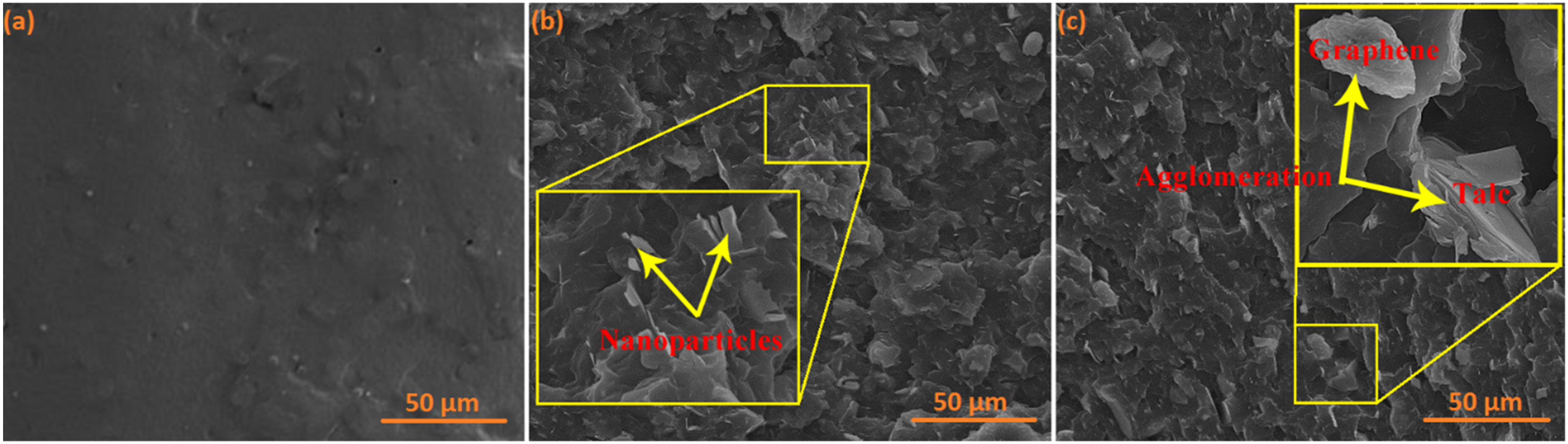
The fracture surface of tensile samples at different print speeds is presented in Figure 6. Figure 6(a) illustrates that at a print speed of 15 mm/s, the adhesion between printed layers is poor, as indicated by the formation of voids and cracks on the fracture surface. This weak interlayer bonding compromises the composite’s mechanical strength. In Figure 6(b), an increase in print speed to 30 mm/s results in fewer defects on the fracture surface, demonstrating enhanced interlayer adhesion. However, as shown in Figure 6(c), a further increase to 45 mm/s reintroduces significant defects. This decline in quality is due to a reduced cooling rate at the higher speed, which weakens the bond between successively deposited material layers. Fracture surface of tensile samples for print speed of (a) 15 mm/s (Sample 6), (b) 30 mm/s (Sample 2), (c) 45 mm/s (Sample 7).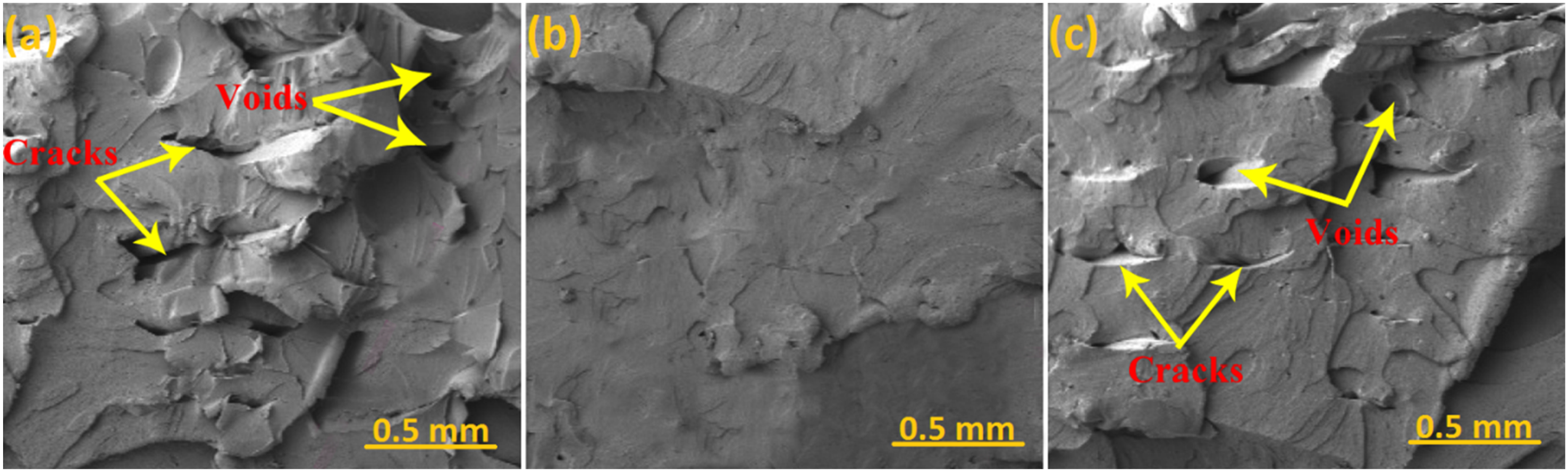
Figure 7 shows the effect of different print speeds on the fracture surface of bending samples. As with the fracture surface observed in tensile test samples, the specimens printed at 30 mm/s exhibit the smallest amount of voids and cracks (Figure 7(b)), which suggests strong interlayer adhesion of the filament. Consequently, the maximum bending strength is anticipated at a printing speed of 30 mm/s. Fracture surface of bending samples for print speed of (a) 15 mm/s (Sample 6), (b) 30 mm/s (Sample 2), (c) 45 mm/s (Sample 7).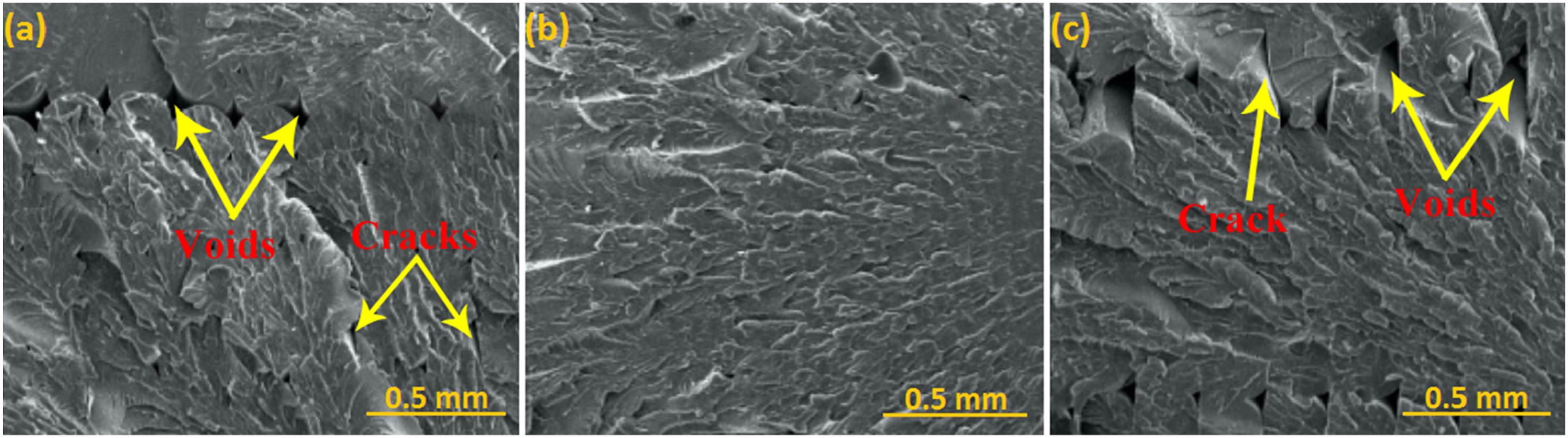
The influence of nozzle temperature on the fracture surface of tensile test samples is displayed in Figure 8. As evident in Figure 8(a), at a nozzle temperature of 185°C, the adhesion between printed layers is weak, indicated by a high presence of voids and cracks on the fracture surface. This reduced bonding strength is a result of the polymer’s high viscosity at this temperature, which hinders effective deposition and reduces the interpenetration of polymer chains between adjacent filaments.43,44 Figure 8(b) shows that increasing the nozzle temperature to 200°C decreases the presence of defects, thereby improving interlayer bonding strength. This enhancement is attributed to a reduction in the filament’s viscosity, promoting better flow and fusion. Furthermore, Figure 8(c) demonstrates that a further increase in nozzle temperature to 215°C minimizes the presence of cracks and voids on the fracture surface, leading to the highest level of adhesion between the printed layers. Fracture surface of the composite for nozzle temperature of (a) 185°C (Sample 9), (b) 200°C (Sample 2), (c) 215°C (Sample 4).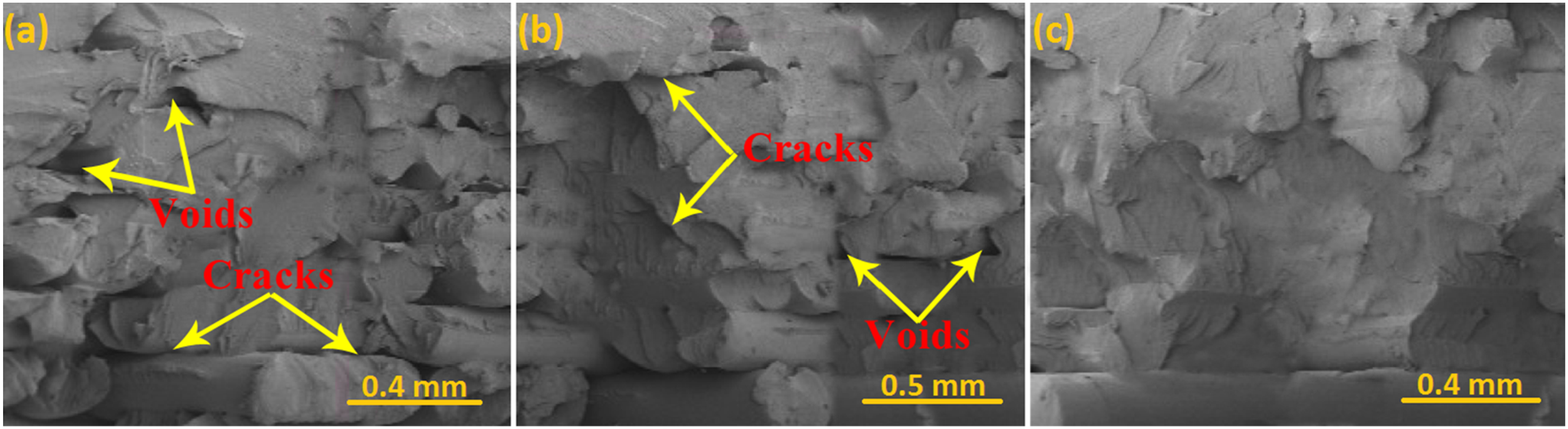
The effect of different nozzle temperatures on the fracture surface of bending test samples is displayed in Figure 9. From this figure, it is evident that when the nozzle temperature rises to 215°C, the number of voids and cracks in the printed specimens diminishes. Accordingly, a nozzle temperature of 215°C is considered optimal for achieving superior bending strength. Fracture surface of the composite for nozzle temperature of (a) 185°C (Sample 9), (b) 215°C (Sample 4).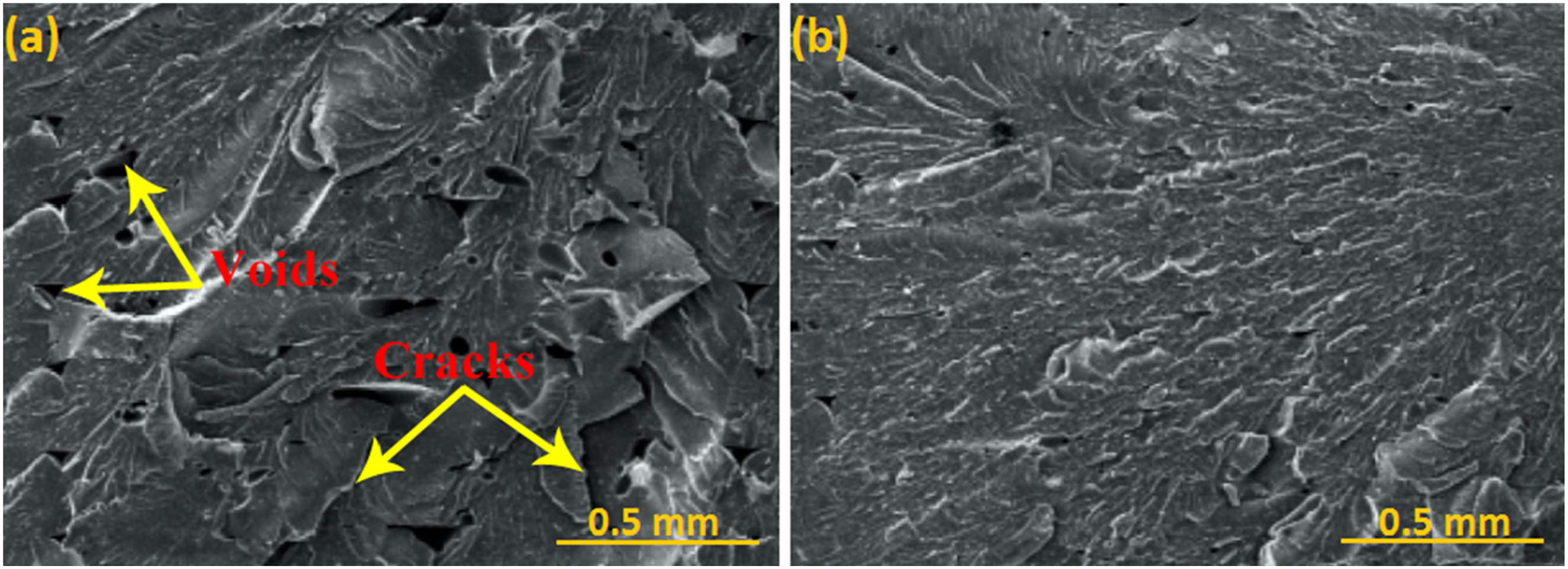
Analysis of Taguchi design


S/N ratios for tensile modulus and bending strength.

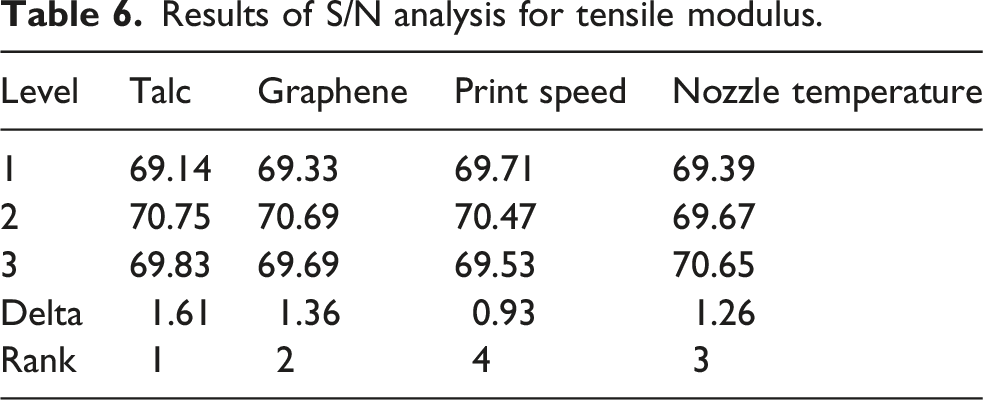
Results of S/N analysis for tensile modulus.
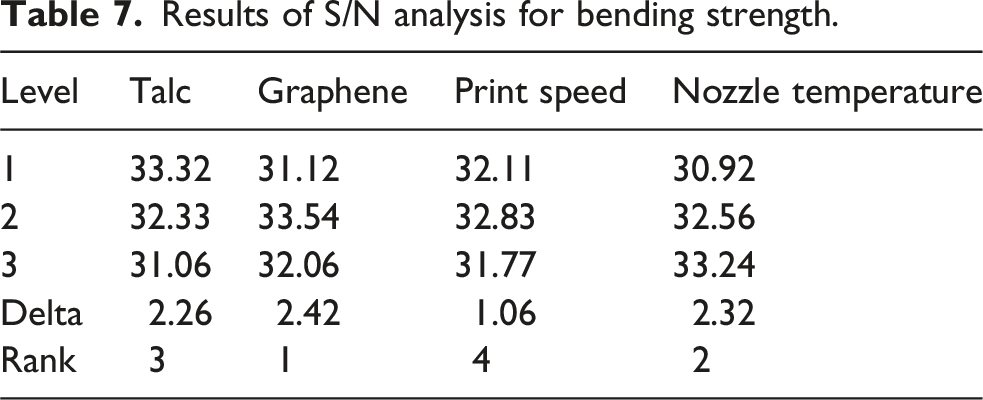
Results of S/N analysis for bending strength.
Results of ANOVA for tensile modulus.

Results of ANOVA for bending strength.

Figure 10 displays the S/N ratios in a plot for tensile modulus and bending strength. Figure 10(a) indicates that the greatest tensile modulus is attained for talc content of 5 wt% and graphene oxide content of 1 wt%. According to SEM images in Figure 5(b), it can be concluded that the increase of tensile modulus at talc content of 5 wt% and graphene oxide content of 1 wt% is owing to the good distribution of nanoparticles in the PLA polymer. This effective distribution creates a robust, three-dimensional reinforcing network. The high-aspect-ratio talc particles restrict polymer chain mobility on a micro-scale, while the graphene oxide nanosheets, with their exceptionally high surface area and strong interfacial interactions via oxygen functional groups, provide nano-scale reinforcement and efficient stress transfer. This synergistic, multi-scale reinforcement is the primary mechanism for the enhanced stiffness. Moreover, the reduction of tensile modulus at higher amounts of talc and graphene oxide content is due to the agglomeration of nanoparticles, which prevented proper distribution of nanoparticles in the PLA polymer. As visible in the SEM images for these compositions (Figure 5(c)), nanoparticles tend to agglomerate. These agglomerates act as micro-scale defects rather than effective reinforcements. They create regions of poor stress transfer and can even initiate micro-voids, ultimately compromising the composite’s stiffness. In addition, a decrease in the tensile modulus of the printed samples containing 10 wt% talc and 2 wt% graphene oxide could potentially be attributed to the higher crystallinity of the PLA matrix. It worth mentioning that an increase in crystallinity enhances the internal rigidity of PLA but can occasionally lead to a reduction in the overall strength of the specimen. Similar results have also been reported in references 20–32. The presence of talc and graphene oxide can act as nucleating agents, potentially increasing the crystallinity of the PLA matrix. While a moderate increase in crystallinity typically enhances rigidity, an excessive crystalline content, particularly when combined with agglomerates, can make the material more brittle. The interfaces between densely packed crystalline regions and agglomerates can become weak points, potentially leading to the observed reduction in measured tensile modulus. This complex interplay between reinforcement, defect creation, and matrix morphology explains the property decline beyond the optimal loading. Figure 10(b) indicates that the maximum bending strength is achieved with a 0 wt% talc and 1 wt% graphene oxide. The continued benefit of 1 wt% graphene oxide alone suggests that well-dispersed graphene oxide nanoplatelets are exceptionally effective at hindering crack propagation. Their nano-scale size and strong interfacial adhesion allow them to bridge incipient cracks and deflect their path, requiring more energy to cause failure—a mechanism less reliant on pure stiffness enhancement. The detrimental effect of talc addition on bending strength, even at 5 wt%, is critically linked to its micro-scale particle size. As indicated in the SEM images, these rigid, plate-like inclusions, despite being well-dispersed, create inherent stress concentration sites within the polymer matrix. Under the bending load, which induces both tensile and compressive stresses, these sites can initiate micro-cracks prematurely. While talc improves stiffness by restricting deformation, it simultaneously embrittles the composite by providing easy pathways for crack initiation and growth, leading to a net reduction in bending strength. Effect of parameters on (a) tensile modulus (b) bending strength.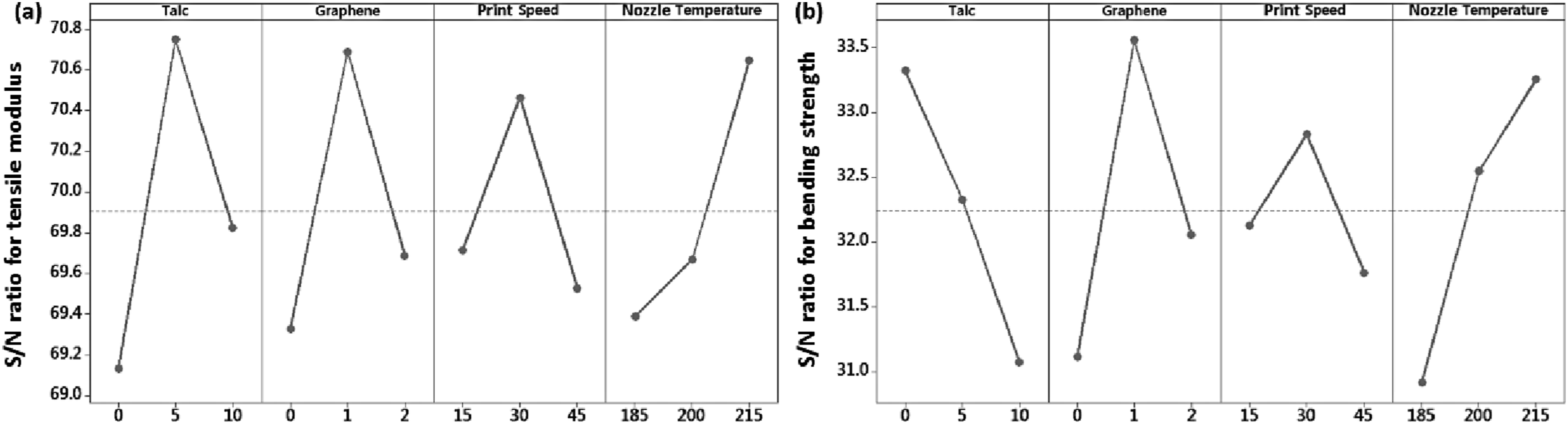
The mechanical performance of the 3D-printed PLA/Talc/GO composite exhibits a clear, non-linear dependence on the process parameters of print speed and nozzle temperature, as quantified in Figures 10(a) and 6(b). This behavior is fundamentally linked to the quality of interlayer adhesion and the resulting internal microstructure, as directly evidenced by the corresponding SEM images (Figures 6–9). The data indicates that increasing the print speed to 30 mm/s enhances both the tensile modulus and bending strength, while a further increase to 45 mm/s causes a decline in these properties. This trend is a direct consequence of competing factors influencing layer bonding. As observed in Figure 6(b), the print speed of 30 mm/s facilitates improved interlayer adhesion and a consequent reduction in inter-filament voids and micro-cracks. This speed likely represents an optimal balance where the extruded filament is still sufficiently hot and pliable upon deposition to fuse well with the preceding layer, promoting molecular diffusion across the interface. The resulting more cohesive and monolithic structure, with fewer internal defects, provides a more continuous path for stress transfer, thereby improving both stiffness (modulus) and resistance to fracture (strength). The results obtained are in agreement with the results found in references 40–54,58–62. It can be observed from Figure 10(a) and (b) that the nozzle temperature exerts a profound influence, with the optimal mechanical properties achieved at 215°C. The SEM images provide a definitive visual explanation for this peak. Figure 8(c) reveals a densely packed, well-consolidated microstructure with minimal gaps between layers. The elevated temperature ensures the polymer melt has sufficiently low viscosity and high molecular mobility. This promotes excellent wetting of the previous layer and deep molecular inter-diffusion (reptation) across the interface, creating robust, nearly homogeneous bonds. This “healing” of the inherent layer-by-layer interface is critical for FDM parts, transforming them from a stack of discrete filaments into a cohesive solid with properties approaching those of bulk material. In stark contrast, Figure 8(a) displays clear defects, including prominent gaps and poor filament adhesion. At this lower temperature (180°C), the polymer melt is more viscous, reducing its ability to flow and fuse with the substrate layer. This results in inadequate molecular chain fusion. The interfaces between layers remain distinct and weak, creating a microstructure filled with micro-cracks and voids. These defects severely compromise the material’s integrity, acting as pre-existing failure points that drastically lower both the elastic modulus (by allowing easier deformation at the gaps) and the flexural strength (by providing easy paths for crack propagation). These findings align well with the observations reported in other studies.40–44,59–62
The interaction effects of the parameters on the tensile modulus and bending strength are presented in Figures 11 and 12, respectively. Figure 11(a) illustrates the interaction between talc and graphene oxide content. It shows that regardless of the talc amount, the maximum tensile modulus was consistently achieved with a graphene content of 1 wt%. The interaction between talc content and printing speed is displayed in Figure 11(b). For talc contents of 0 and 5 wt%, the highest tensile modulus occurred at a printing speed of 30 mm/s. However, at 10 wt% talc, increasing the printing speed led to a continuous decrease in tensile modulus, attributed to the agglomeration of talc particles. As shown in Figure 11(c), for composites with no talc (0 wt%), increasing the nozzle temperature resulted in a steady rise in tensile modulus. In contrast, for composites containing 5 or 10 wt% talc, the tensile modulus initially decreased before increasing with higher nozzle temperatures. This pattern is likely due to part of the thermal energy being absorbed by the talc particles. Figure 11(d) indicates that the maximum tensile modulus was achieved with a graphene content of 1 wt% combined with a print speed of 30 mm/s. Figure 11(e) demonstrates that for graphene contents of 0 and 1 wt%, the peak tensile modulus occurred at a nozzle temperature of 215°C. However, at 2 wt% graphene, the tensile modulus was lowest at 215°C, a result attributed to nanoparticle agglomeration at this higher loading. As shown in Figure 11(f), increasing the nozzle temperature enhanced the tensile modulus across all print speeds. The optimal combination for the highest modulus was a nozzle temperature of 215°C and a print speed of 30 mm/s. Interaction effect of parameters on tensile modulus. Interaction effect of parameters on bending strength.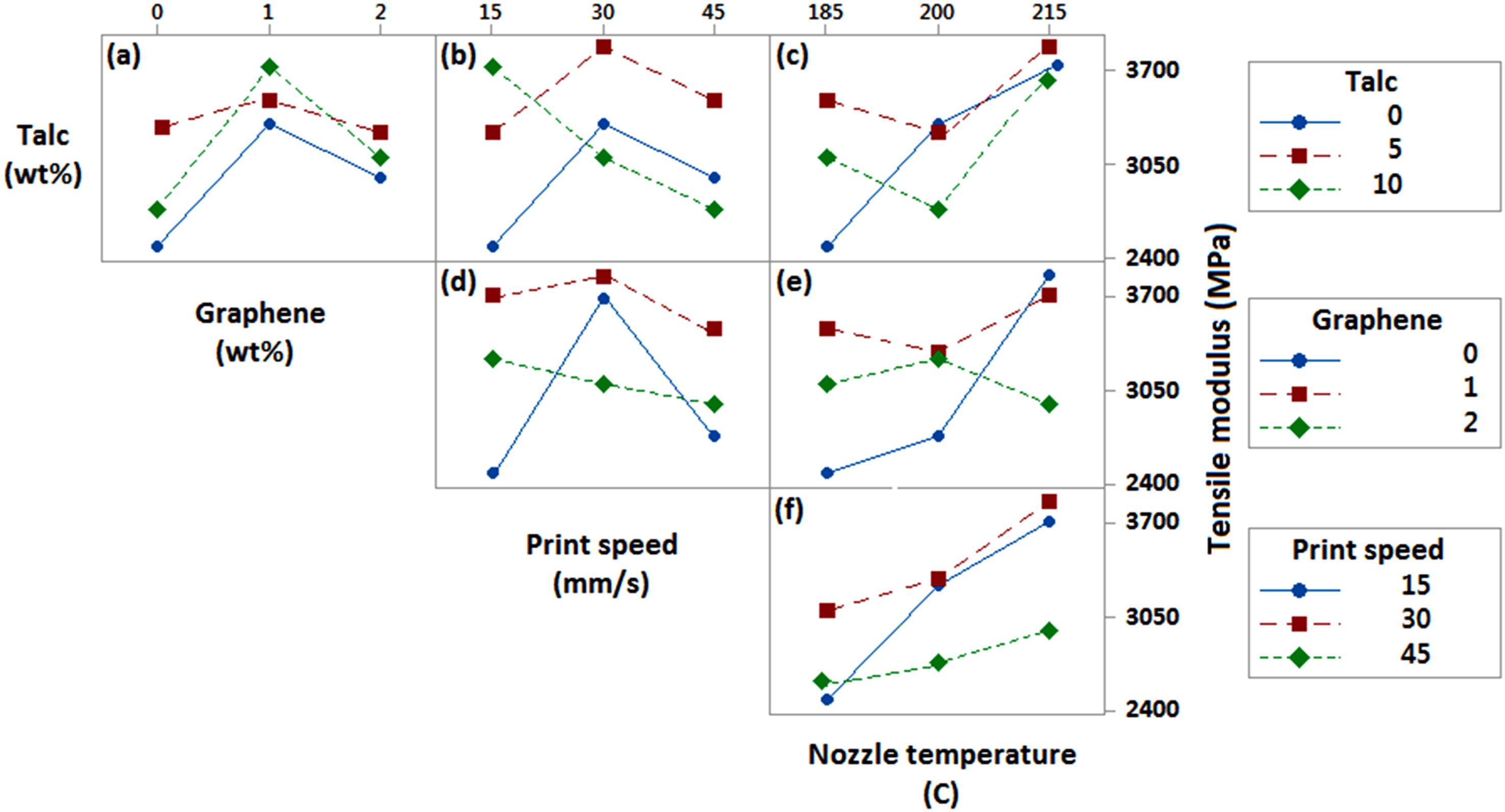
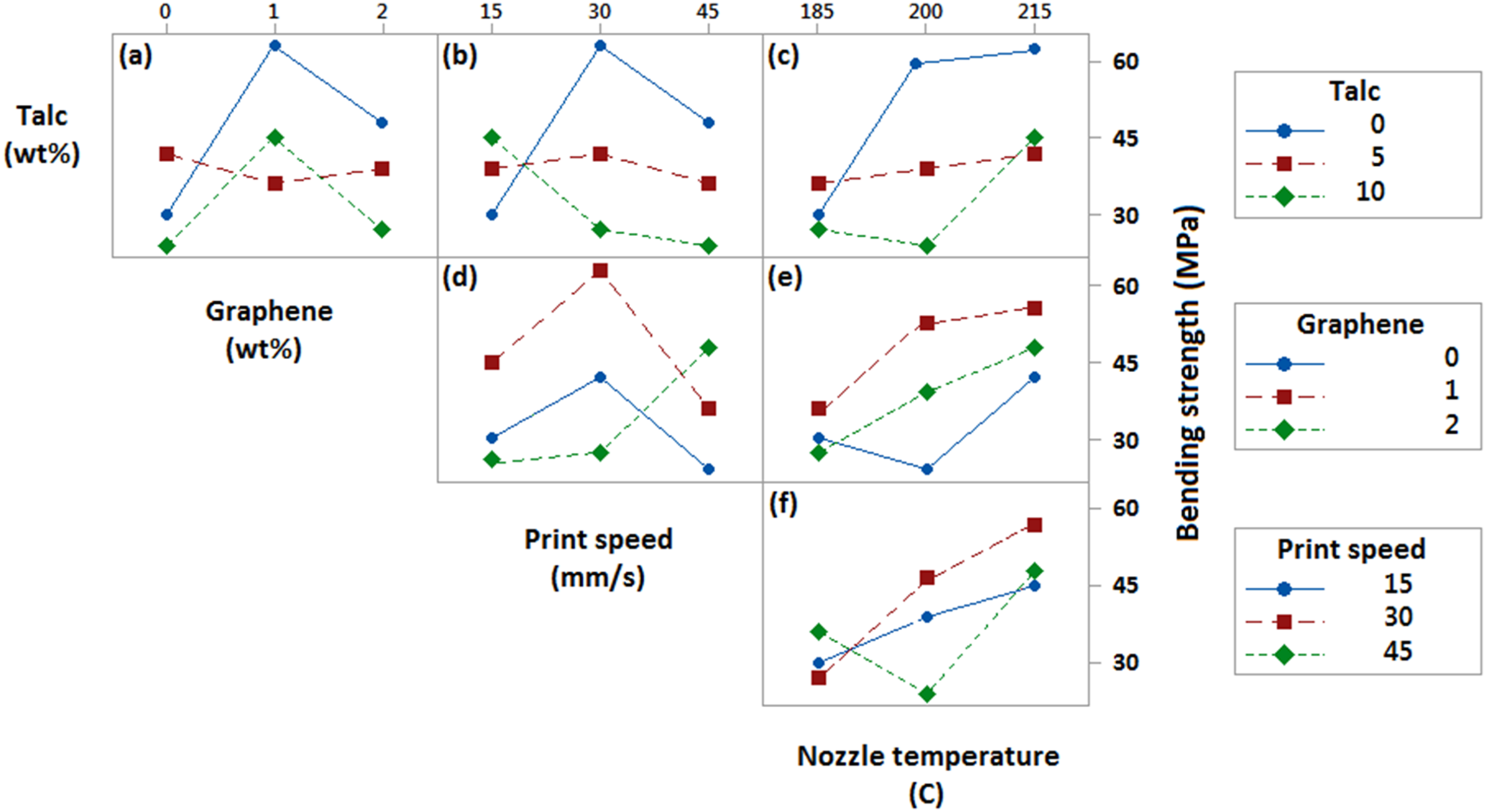
Figure 12(a) reveals that the peak bending strength was achieved with 5 wt% talc and 0 wt% graphene, whereas the lowest strength occurred with 10 wt% talc and 0 wt% graphene. As shown in Figure 12(b), for talc contents of 0 and 5 wt%, the maximum bending strength was attained at a printing speed of 30 mm/s. However, at 10 wt% talc, bending strength continuously declined with increasing print speed, likely due to talc particle agglomeration. Figure 12(c) illustrates that for talc contents of 0 or 5 wt%, raising the nozzle temperature steadily improved bending strength. In contrast, at 10 wt% talc, bending strength initially decreased before increasing with higher nozzle temperatures, a trend attributed to heat absorption by the talc particles. According to Figure 12(d), the optimal bending strength was obtained with a combination of 1 wt% graphene and a printing speed of 30 mm/s. Figure 12(e) indicates that the highest bending strength resulted from using 1 wt% graphene at a nozzle temperature of 215°C. Finally, Figure 12(f) demonstrates that across all printing speeds, bending strength was maximized at a nozzle temperature of 215°C.
Grey relational analysis
In this study, two output responses were used as the performance targets for multi-objective optimization using Grey Relational Analysis (GRA): Tensile modulus (representing the stiffness of the composite under uniaxial tension) and bending strength (representing the flexural load-bearing capacity of the composite). These two responses were selected because they are both critical for structural and functional applications of FDM-printed parts (e.g., automotive interior components, biomedical devices, lightweight prototypes). However, as shown in the previous section, these two properties do not always respond identically to changes in the input parameters. Therefore, a multi-objective optimization approach (GRA) is necessary to identify a single set of parameters that provides the best trade-off between these two competing mechanical properties, rather than optimizing each one individually.

Normalized S/N ratios for tensile modulus and bending strength.
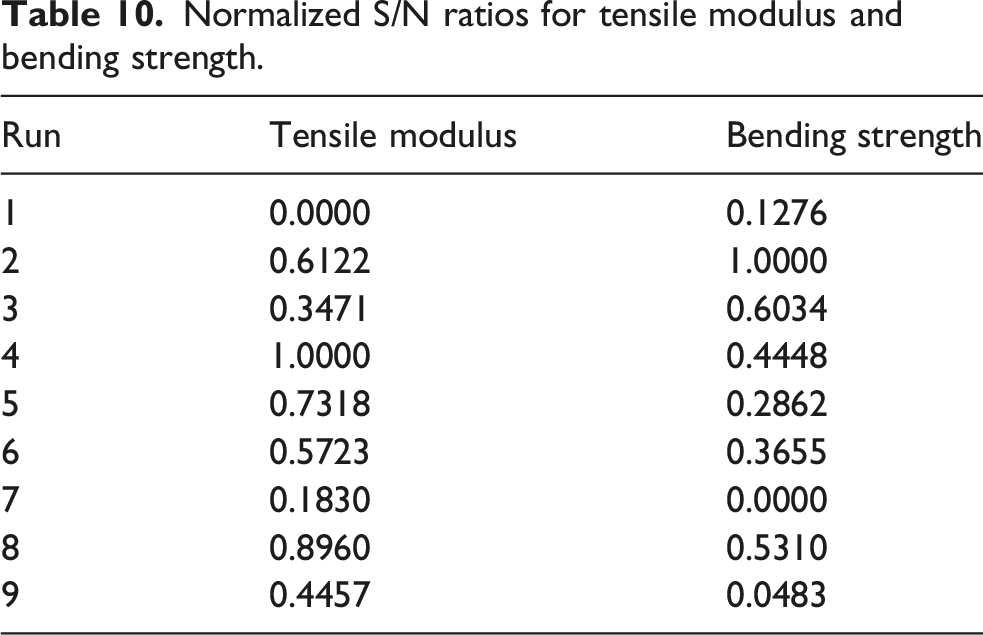
The gray relational coefficient is attained by equation (5). To achieve this, the normalized values are transformed into a deviation sequence (Δij). The value of Δij is achieved by measuring the difference between the target value (i.e. 1) and normalized values.
63


Gray relational and Gi coefficients for each response.
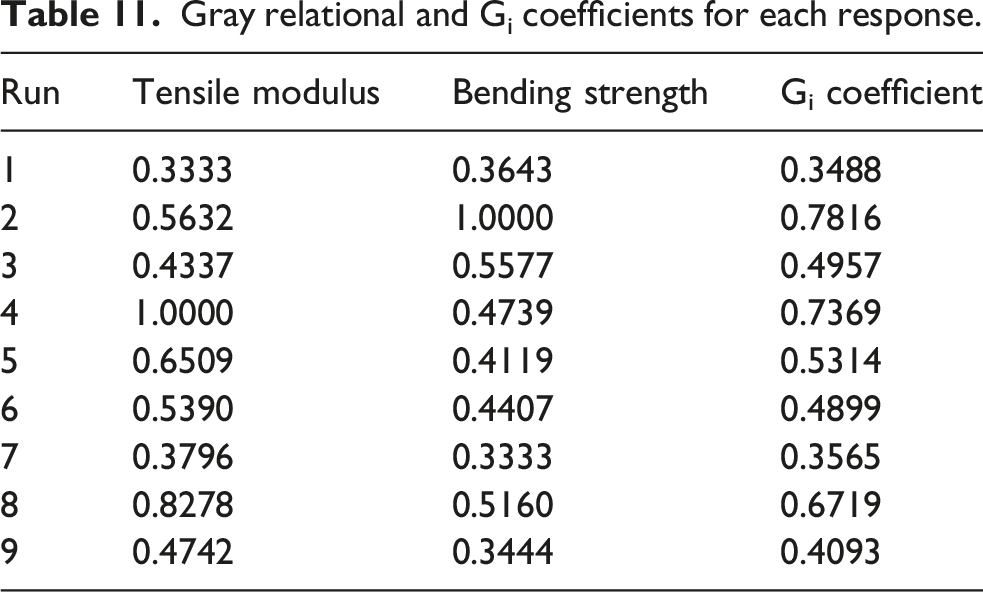
Once the gray relational coefficients were determined for all runs, the final coefficient (Gi) was calculated using equation (7). The experiment yielding the highest Gi value indicates the optimal parameter levels.63,65,66
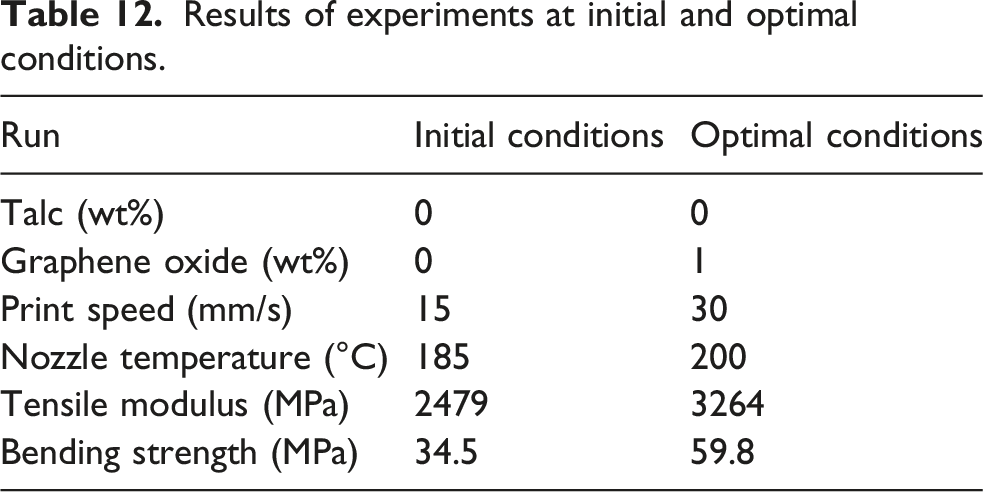
Results of experiments at initial and optimal conditions.
Results of experiments at initial and new optimal conditions.
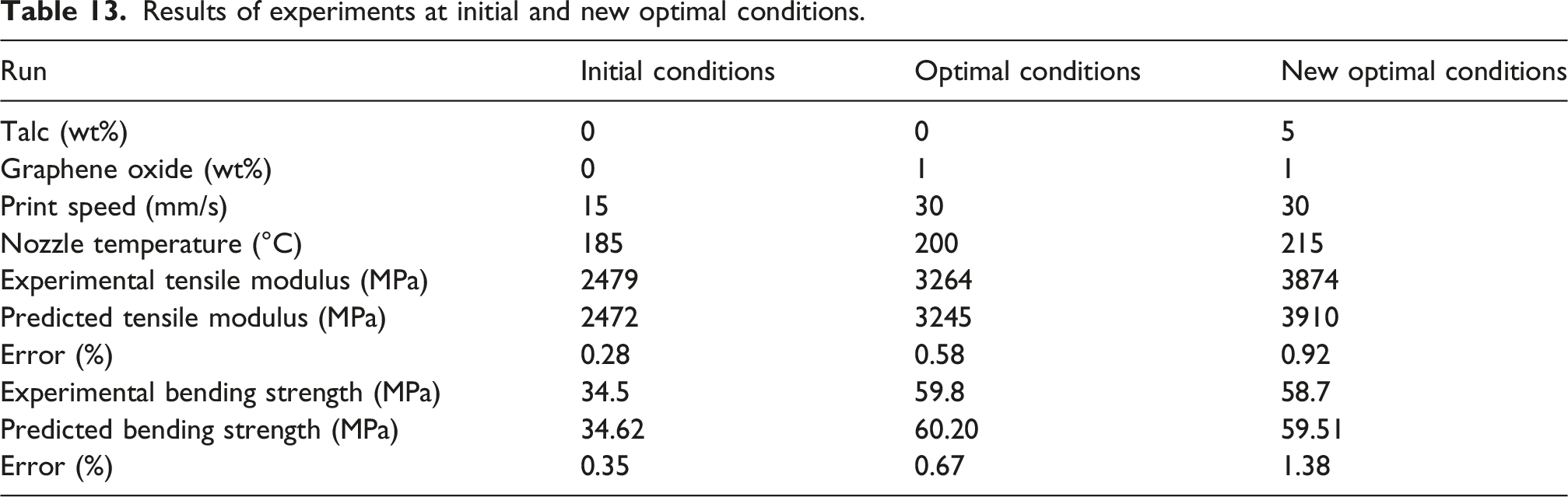
The effectiveness of the Taguchi-GRA optimization approach was demonstrated quantitatively and qualitatively in four key areas. First, significant improvement over baseline conditions: the final optimal parameters (5 wt% talc, 1 wt% GO, 30 mm/s, 215°C) yielded a 56.7% increase in tensile modulus and a 70.1% increase in bending strength compared to the initial baseline (Run 1). Second, excellent balance between conflicting objectives: the final optimal condition achieved the highest tensile modulus (3874 MPa) among all experimental runs, while its bending strength (58.7 MPa) was only 1.8% lower than the maximum observed value (Run 2), demonstrating successful multi-objective trade-off. Third, dramatic experimental cost reduction: the L9 orthogonal array required only 9 runs, whereas a full factorial design would have required 81 runs (a 9-fold reduction in experimental effort). Fourth, high predictive accuracy: validation experiments showed prediction errors below 1.5% for individual mechanical properties and over 98% accuracy for the Grey Relational Grade, confirming model reliability. In summary, the Taguchi-GRA method not only successfully identified optimal parameters for simultaneous enhancement of both tensile modulus and bending strength but also demonstrated exceptional efficiency, predictive accuracy, and statistical robustness, proving its effectiveness for multi-objective optimization of FDM-processed polymer composites.
Conclusion
In this study, PLA/Talc/GO ternary composites successfully fabricated and optimized via FDM process. The key novelty of this work lies in the first-time development of a PLA/Talc/GO ternary composite system specifically for the FDM process, addressing a gap in additive manufacturing of such multi-functional materials. Furthermore, an integrated Taguchi-Grey relational analysis methodology was implemented to efficiently determine the optimal set of parameters (filler content and printing conditions) for the simultaneous enhancement of multiple mechanical properties, significantly reducing the experimental burden compared to conventional approaches. Key findings indicate that incorporating talc and graphene oxide improves both thermal and mechanical performance, leading to the increase of crystallization temperature from 128.5 to 135.8°C and melting temperature from 168.8°C to 173.1°C due to the heat-absorbing capability of the nanoparticles. Microstructural analysis revealed that optimal nanoparticle dispersion occurs at 5 wt% talc and 1 wt% graphene oxide, leading to improved tensile modulus (up to 3618 MPa) and bending strength (up to 45.9 MPa), while higher filler content (10 wt% talc, 2 wt% graphene oxide) resulted in aggregation and reduced performance. Process parameter optimization further identified a print speed of 30 mm/s and nozzle temperature of 215°C as ideal for minimizing voids and enhancing interlayer adhesion, thereby maximizing tensile modulus (3751 MPa) and bending strength (59.8 MPa). The grey relational analysis confirmed that the overall optimum performance is achieved with 1 wt% graphene oxide, 5 wt% talc, a print speed of 30 mm/s, and a nozzle temperature of 215°C.
Limitations and future research
Despite these promising results, certain limitations should be acknowledged. The study focused on a specific range of filler concentrations and printing parameters; further investigation into wider ranges or alternative nanomaterials could reveal additional performance insights. Moreover, the analysis was confined to quasi-static mechanical tests—future work should evaluate dynamic, impact, or long-term environmental aging behavior to better predict real-world performance. The scalability of the optimized composition and parameters for large-scale or high-speed additive manufacturing also remains to be validated.
Industrial applications
The optimized PLA/Talc/GO composites show strong potential for industrial applications, particularly in lightweight, structurally demanding components produced via fused deposition modeling (FDM). Possible uses include automotive interior parts, custom functional prototypes, biomedical devices, and eco-friendly consumer products. The improved thermal stability and mechanical performance could allow these sustainable composites to replace conventional plastics in certain engineering applications, supporting greener manufacturing initiatives.
Footnotes

Funding
The authors received no financial support for the research, authorship, and/or publication of this article.
Declaration of conflicting interests
The authors declared no potential conflicts of interest with respect to the research, authorship, and/or publication of this article.
Data Availability Statement
The data supporting the findings of this study are available within the article.