






Abstract
This study investigated the mechanical and tribological properties of Al7075 alloy reinforced with B4C and graphene particles, processed through stir casting. It focused on incorporating a constant 5wt% Boron Carbide and varying graphene concentrations (1 to 4wt%) into the Al7075 matrix. Microstructural analysis was conducted using optical microscopy and Scanning Electron Microscopy, revealing finer grains, a reduction in grain size and the formation of a homogeneous dispersion of particles in Al7075 composites. Al7075/5wt.%B4C/4 wt.% graphene composite achieved the maximum ultimate tensile strength (UTS) of 421.77 MPa and Brinell hardness of 129.3 HB. Additionally, the tribological performance of the composites was assessed, with a wear rate of 0.0093 mm3/m recorded for the Al7075/5wt% B4C/3wt% graphene composite, demonstrating improved wear resistance. Magnesium, oxygen, and traces of silicon were detected through the EDS analysis. The detection of oxygen shows that the formation of an oxide, and the silicon detected has been derived from the composition of the alloy Al7075. Overall, this study provides valuable insights into the development of cost-effective, high-performance composites suitable for industrial applications.
Keywords
Introduction
Metal-matrix composites are advanced materials resulting from the combination of hard ceramic reinforcement and tough metallic matrix. AMCs have been increasingly being considered due to their higher strength and stiffness, enhanced compressive strength, reduced thermal loading capability, improved wear resistance and surface hardness without a significant loss in ductility, along with superior dimensional stability. AMCs are more widely used in aviation, automobile, marine, the medical field, electronics packaging and appliances.1–3 The mechanical properties of AMCs reinforced with ceramic particles exhibited better values than their base unreinforced aluminum alloy. The material properties of AMCs can also be enhanced through cryogenic treatment, which is favoured due to being cost-effective, simple to implement, non-polluting and non-destructive work.4–6 Stir casting is the most widely adopted method for the fabrication of particulate reinforced AMCs due to its low construction cost and easy operation. The preheated reinforcement and molten aluminium matrix are stirred and blended in a crucible, poured and solidified. For an efficient material of these properties, it is therefore essential to get a good dispersion of particles, supported by favouring process parameters and other treatment conditions.7,8 Al7075 is a high-strength, heat-treatable aluminium alloy which has mainly Aluminum, Zinc, and Copper with other elements. 9 J. Kumaraswamy et al. 10 studied stir cast of Al7075 reinforced with SiC particles with 3 to 9 wt%. The authors examined the microstructures and thermal behaviour of SiC-reinforced composites with varying weight fractions. The thermal conductivity was enhanced 16.5% after adding SiC. Charinrat Potisawang et al. 11 focused on the fabrication of Al7075/SiC/Gr hybrid composites using semi-solid stir casting. The results indicated that higher SiC content resulted in finer grains and improved mechanical performance and Al7075/0.5Gr/2.0SiC composite revealed the 16% increase in BHN when compared to the unreinforced Al7075 alloy. Al 7075 composites reinforced with Al2O3 and CSA were produced via two-stage stir casting. 12 Eisay and Turan 13 reported that adding 0.5 wt% reduced rGO improved wear performance, reducing the wear rate by 15.5% under a 5 N load. In another study, 14 Graphite-reinforced AA2014 composites showed improved hardness and wear resistance due to the self-lubricating nature of graphite, though higher graphite content increased porosity, affecting overall performance.
Several studies have focused on evaluating the effect of employing various reinforcements to increase the properties of Al 7075 composites. In case of Al7075/Al2O3/graphite composites, the presence of graphite and Al2O3 increased the mechanical properties. 15 The presence of more ceramic phase showed better hardness and lower wear rates in B4C-reinforced composites. 16 Nanoincorporation of nano-Al2O3 in situ improved tensile strength, compressive strength, hardness, and grain formation in Al7075 nanocomposites. 17 Squeeze casting of CNT in Al7075 increased compressive strength and hardness. 18 In addition, incorporation of TiO2, TiB2 and graphene through stir casting and laser metal deposition techniques resulted in wear resistance and optimization of mechanical properties.19,20 AA2014-SiC composites, produced via a stir-ultrasonic-squeeze casting technique, exhibited significant enhancement in tensile strength, yield strength, and hardness up to 5 wt% SiC. 21 Anuj Kumar and Gurinder Singh Brar 57 have produced ZA-27 composites with the addition of hexagonal boron nitride (hBN) and graphite (Gr) nanoparticles using stir casting along with ultrasonic treatments. Different amounts of Gr nanoparticles were added to reinforce the alloys at 2, 4, and 6 wt.% with constant additions of 2 wt.% hBN nanoparticles. Under a load of 30 N, the wear volume loss was decreased by 13.80%, 22.23%, and 46.26% at 2, 4, and 6 wt.% Gr nanoparticle reinforcements, respectively, as compared with the alloy. Hybrid AA6061 composites reinforced with SiC and graphite achieved a 28.5% increase in hardness and a 15.9% improvement in ultimate tensile strength, along with a 63.5% reduction in friction, highlighting the synergistic effect of dual reinforcements. 22 Although SiC/B4C composites demonstrated increased wear resistance through FIB, 23 graphite demonstrated self-lubrication ability and reduced friction under dry sliding conditions. 24
Previous studies have investigated Al7075 composites reinforced with B4C, CNTs, TiB2, graphite, SiC, Al2O3, and coconut shell ash to improve mechanical and wear properties. However, the combined effect of B4C and graphene remains largely unexplored.
The objectives of the present study are clearly stated as follows: • To prepare the Al7075 hybrid composites using the stir casting technique with 5% wt. B4C and different amounts of graphene weight percentage (1-4wt%) • To examine the effect of graphene addition on the microstructural features of the Al7075/B4C composites and evaluate the mechanical properties, including tensile strength and hardness, of the developed hybrid composites. • To evaluate the tribological behavior and wear resistance of the composites under dry sliding conditions. • To correlate the microstructural features observed through optical microscopy, SEM, and EDS analyses with the mechanical and tribological performance of the composites.
Materials and methods
Al7075 alloy
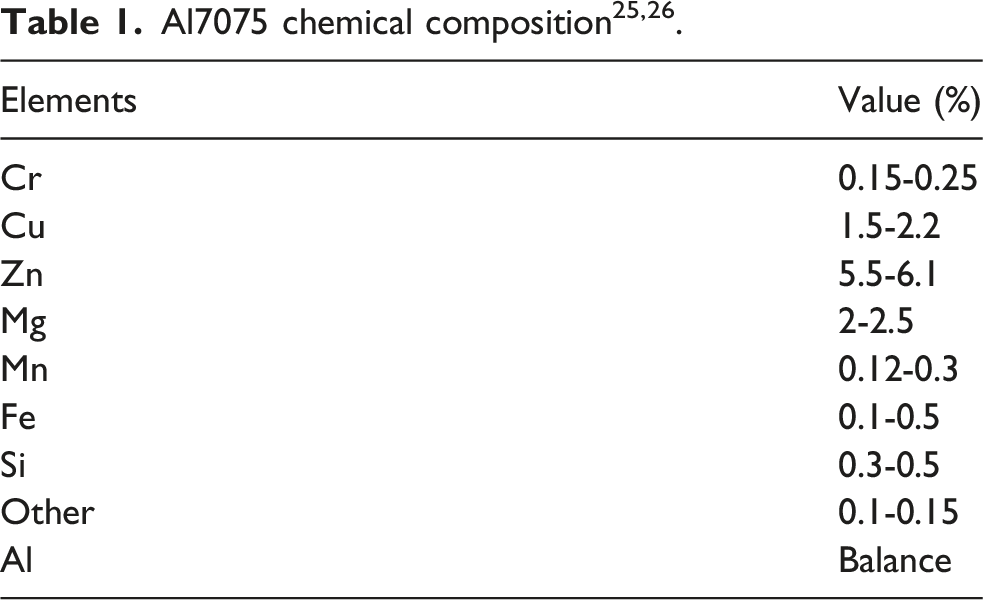
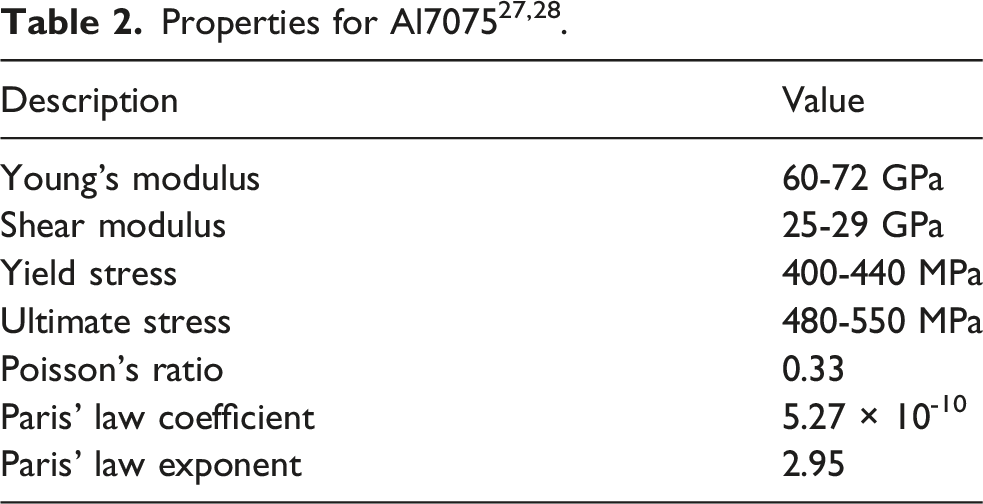
Reinforcement
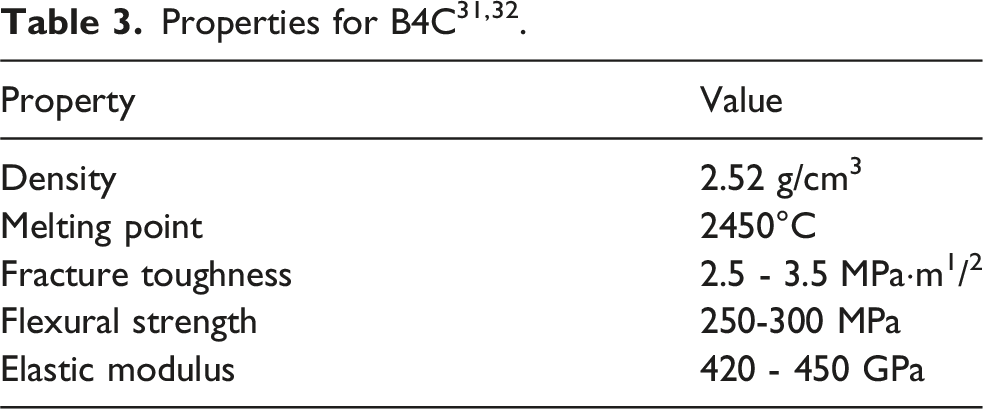
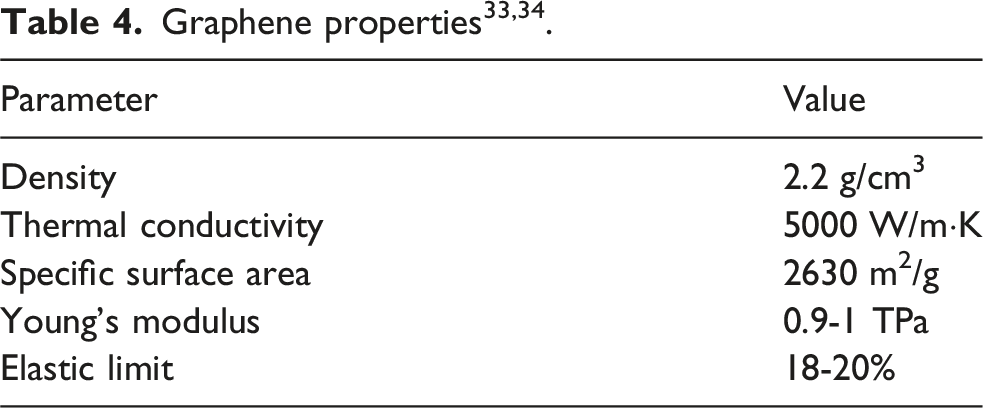
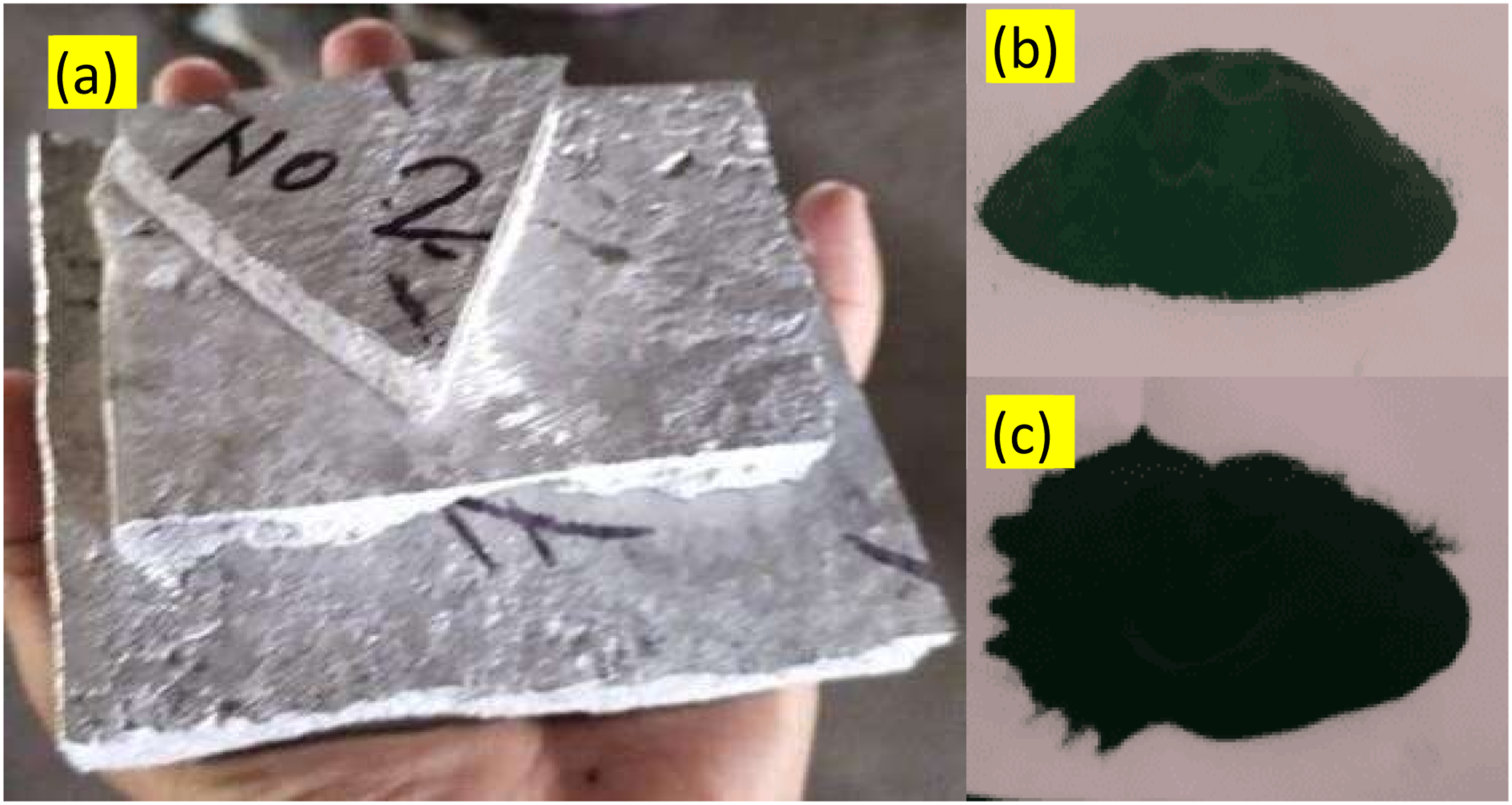
(a) Al 7075 alloy plates (b) B4C particle (c) Graphene particle.
Stir casting process
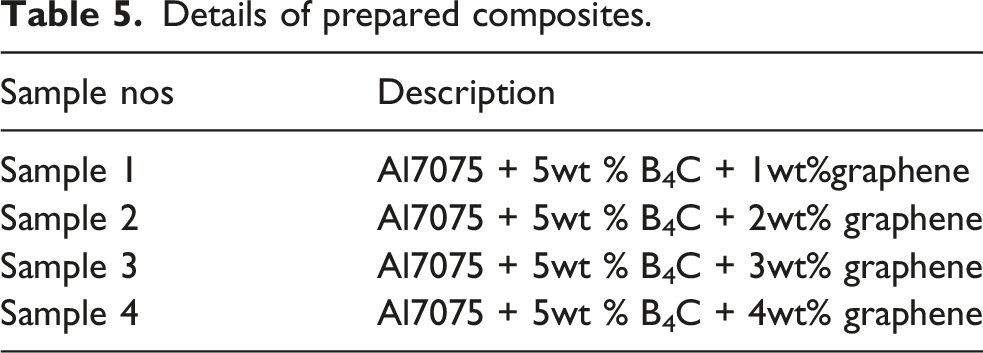
Details of prepared composites.
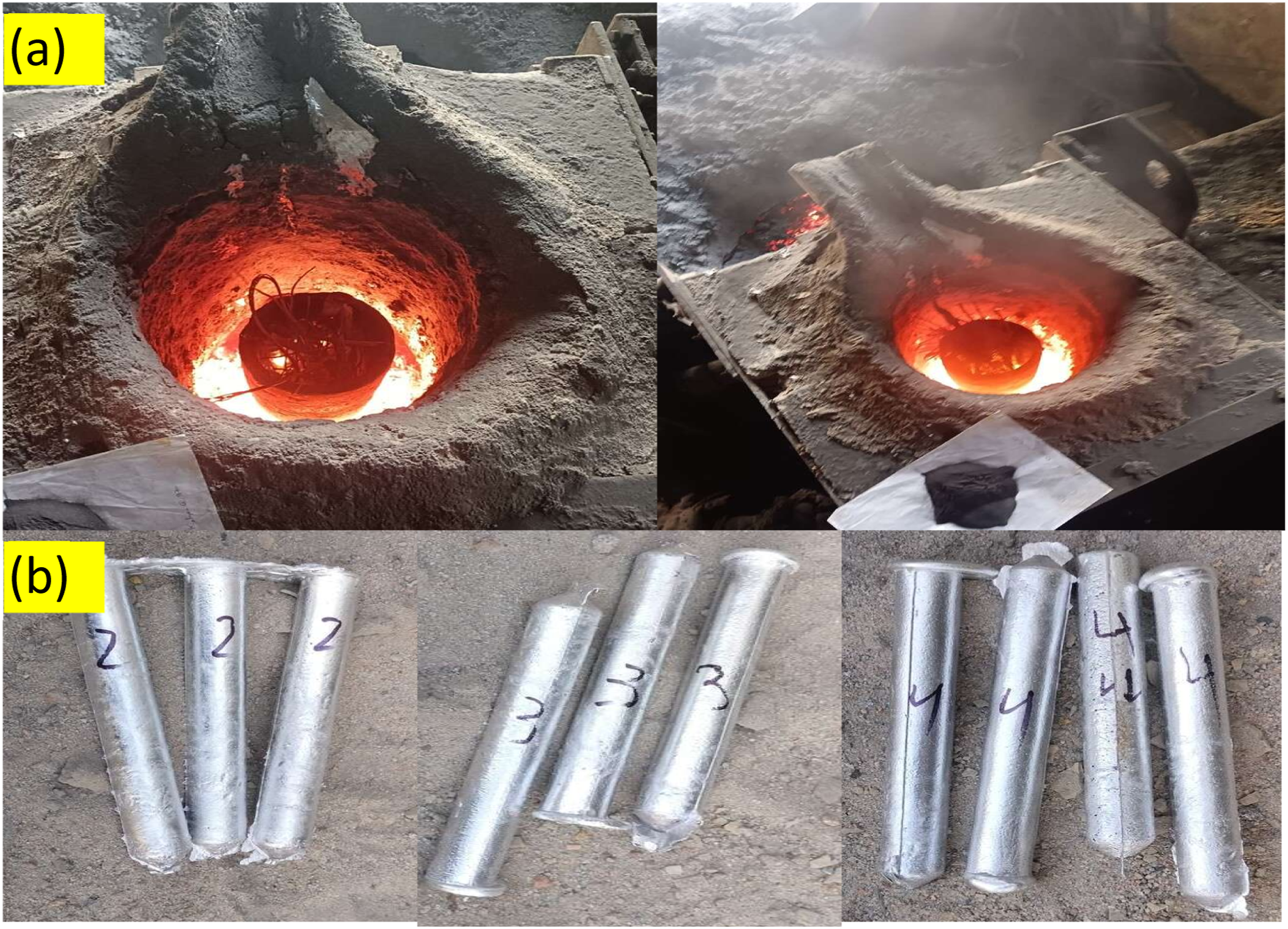
Stir casting process (a) melting and mixing of Al7075 alloy with B4C and Graphene (b) prepared stir casting samples.
Mechanical testing
The machined Al7075/B4C/graphene hybrid composites were carried out according to the ASTM procedure for test samples. Brinell hardness test according to ASTM E10 was performed on the polished cast and fine composites with Al7075/B4C/graphene using a Brinell hardness tester. During the test, a 500gf load was applied on the specimen for 15 s. The experiment was carried out at three different locations to check the possible influence of indenter setting on harder particles. The tensile tests were performed using UTM according to ASTM E8. 58 The wear properties of the materials were determined through wear tests. Based on ASTM G99, wear tests were performed using a pin-on-disc setup at room temperature, with a 50 N load, 1.5 m/s sliding speed, and 1000 m sliding distance. The specimens were first polished before wear tests in order to ensure uniform contact with the counterpart material, and wear resistance was tested through weight loss measurement.35–37
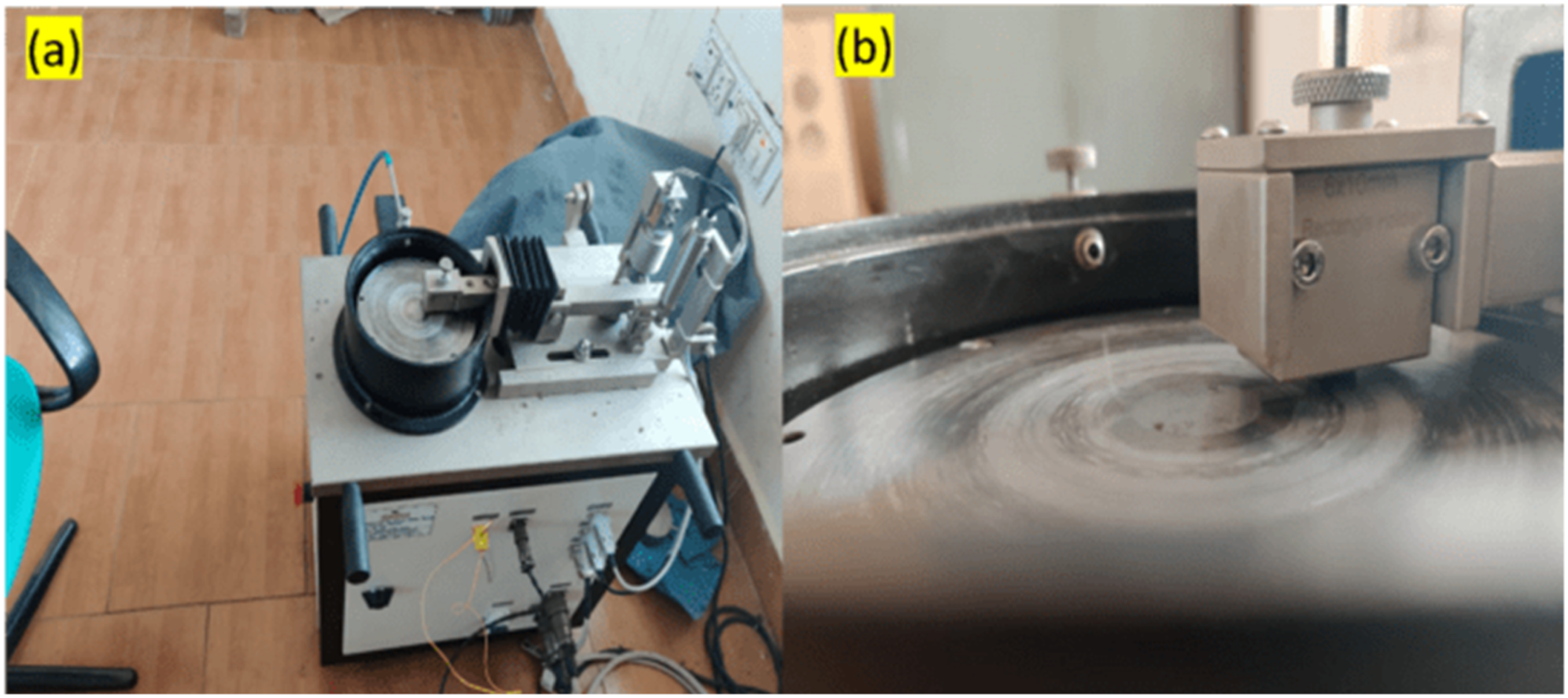
The wear tests were carried out using a pin-on-disk machine (Figure 3(a)) and the disk with the sample during the testing process is presented in Figure 3(b). The testing process included a sliding speed of 1.5 m/s, normal load of 50 N and an arrangement of pin on disc condition for conducting the experiments were shown in Table. 6. The wear rate was calculated by using equation (1) (a) Pin on Disc apparatus (b) Disc with Sample. Arrangement of pin and disc for experiments conduct.

Result and discussion
Optical microstructural analysis
Optical microstructural images of the four samples for Al7075/B4C/graphene produced by the stir casting method are shown in Figures 4–7 at different magnifications. From Figure 4(a)-(d), the optical microscope images showed the microstructure of Al7075 + 5% of B4C + 1% graphene at various magnifications.it was observed that the Al7075 matrix exhibited a dendritic structure, with dark B4C particles and the graphene particles were visible along the grain boundaries. Microstructure Images for Sample No: 1 with different magnifications (a) 20 µm (b) 50 µm (c) 100 µm (d) 200 µm. Microstructure Images for Sample No: 2 with different magnifications (a) 20 µm (b) 50 µm (c) 100 µm (d) 200 µm. Microstructure Images for Sample No: 3 with different magnifications (a) 20 µm (b) 50 µm (c) 100 µm (d) 200 µm. Microstructure Images for Sample No: 4 with different magnifications (a) 20 µm (b) 50 µm (c) 100 µm (d) 200 µm.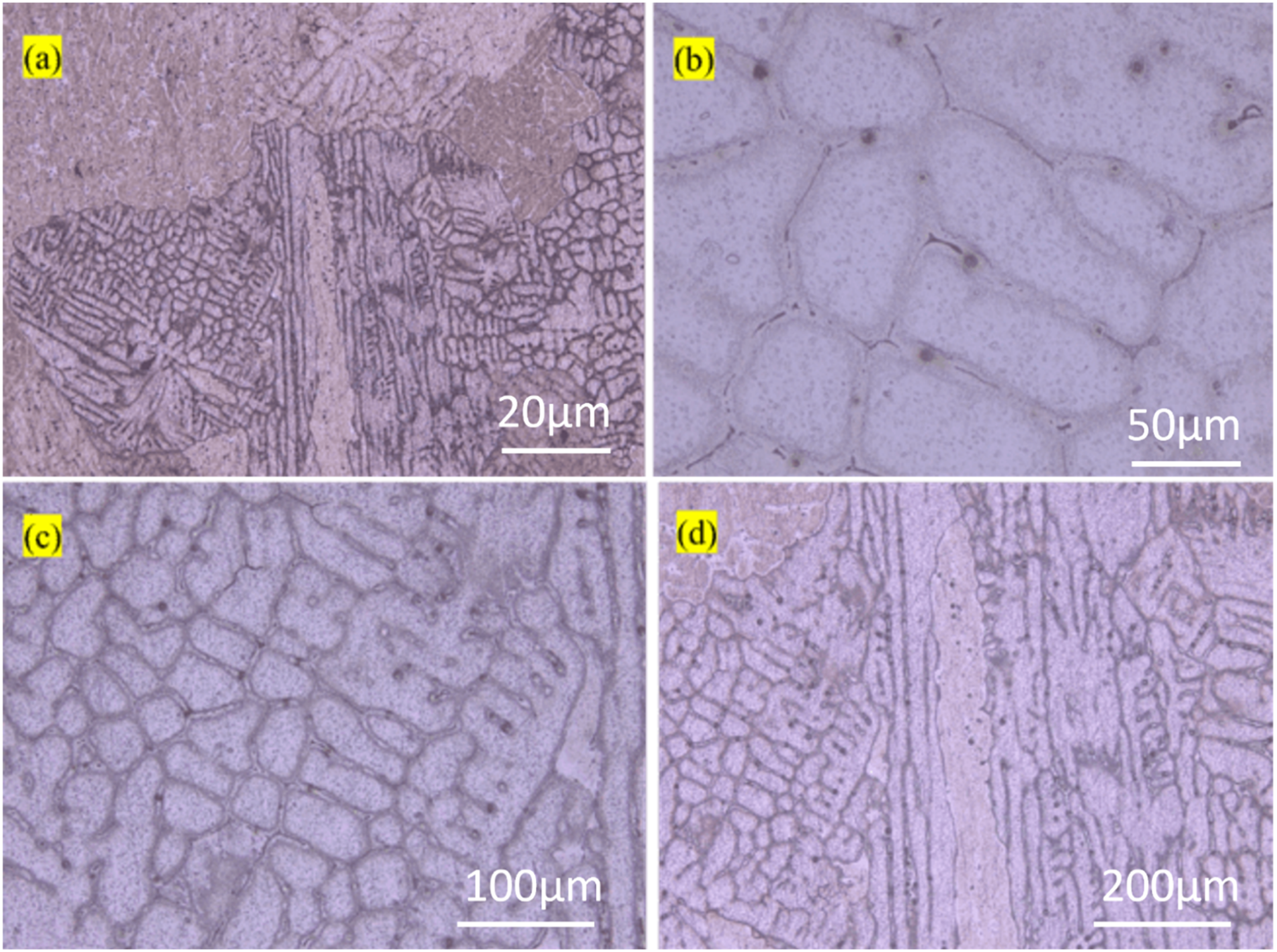
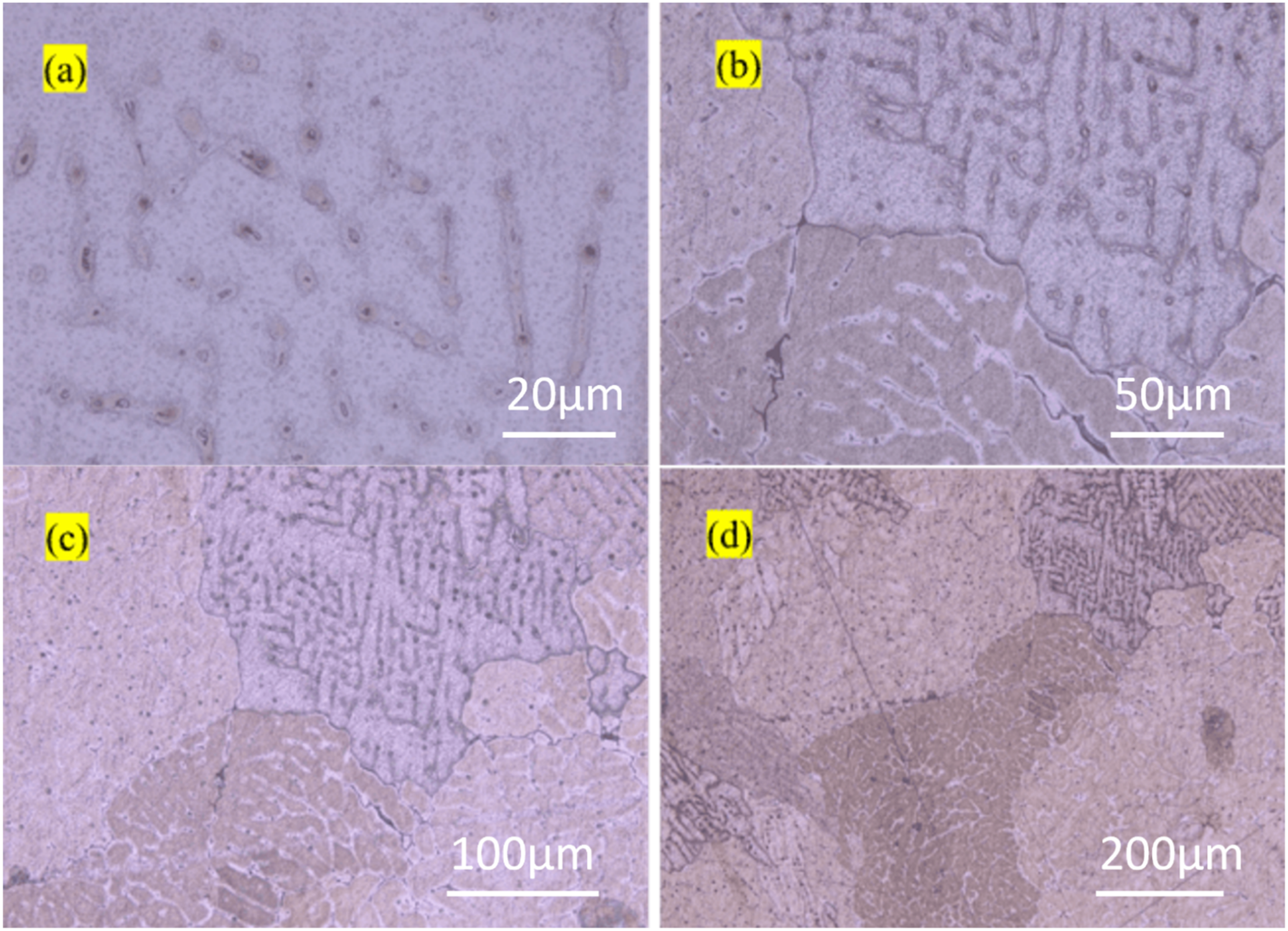
From Figure 5(a)-(d), the grain size was refined by incorporating 2 wt% graphene and the B4C particles were dispersed in the matrix phase. The graphene and B4C particles act as the seed sites for grain nucleation during solidification, which restrains grain growth and leads to an improved distribution of microconstituents.
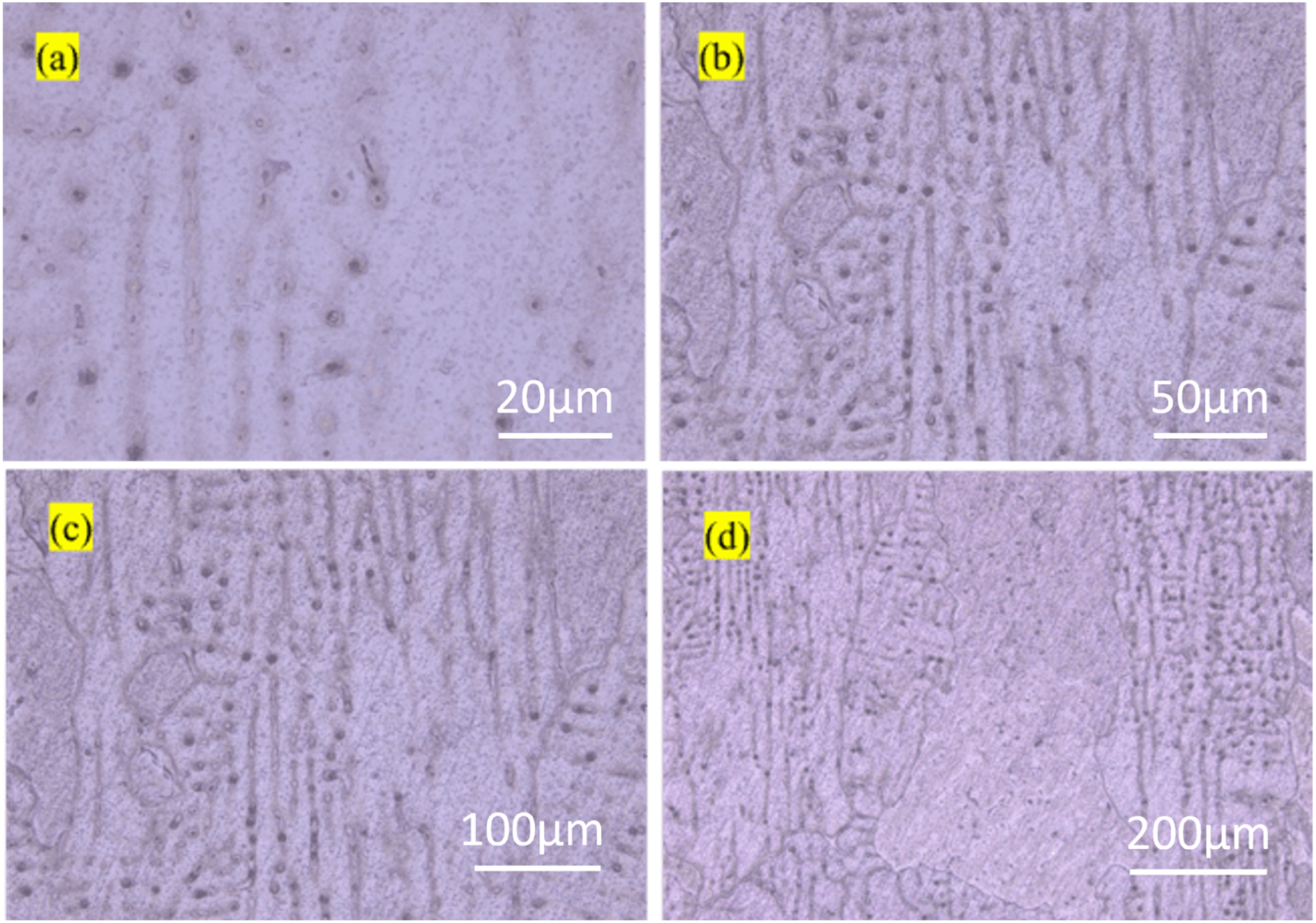
From Figure 6(a)-(d), the optical microscopic images of the Al7075/5% B4C/3% graphene composite reveal a dendritic structure with well-defined grain boundaries in the Al7075 matrix. It was observed that the 5 w% B4C particles were dispersed in the matrix as black, irregular patches with certain probable accumulation. However, these particles generally showed a relatively homogenous distribution at higher magnifications.
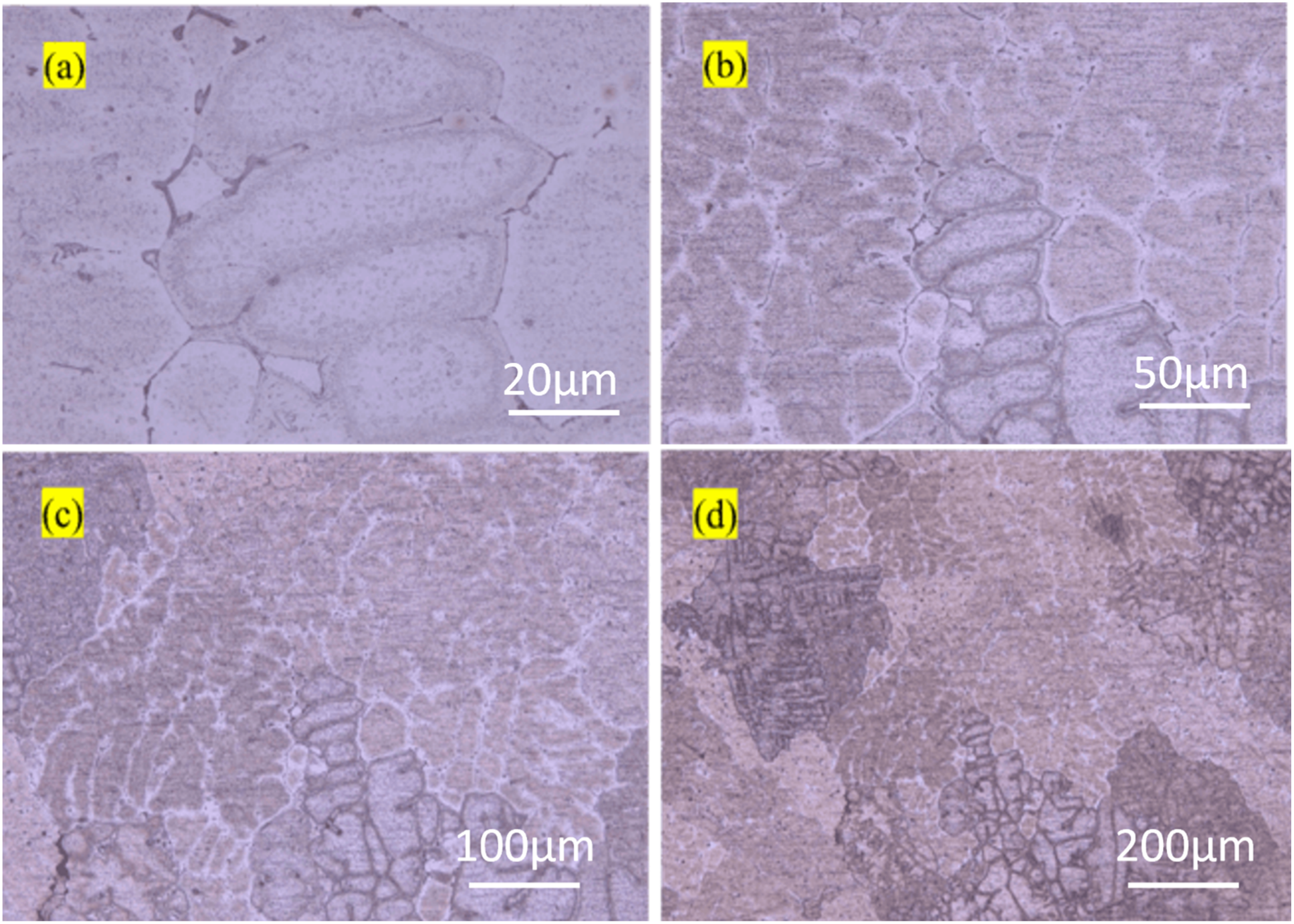
From Figure 7(a)-(d), as compared to the former reinforced composites, the optical microscope photographs of Al7075/5% B4C/4% graphene composite clearly showed the improvement in uniformity and casting quality with a smaller grain size.
However, the composite with 4 wt% graphene exhibited a weakening microstructural quality. The microstructure showed the presence of spreading of particles and finer grains due to the introduction of reinforcement up to 4wt.%38,39
SEM analysis
Figures 8–11 displayed the Al7075 alloy reinforced with 5wt% B4C and varying percentages of graphene. The microstructure and the reinforcement distribution in the Al matrix can be observed from the SEM image of Al7075/5 wt% B4C/1 wt% graphene (Figure 8). Grain boundaries of the Al7075 matrix were shown by light-colored lines that separate the grains. So, the existence of grain boundaries reflects that the content possesses its characteristic crystalline structure and the incorporation of B4C and graphene usually has an influence on its structure that often results in a finer-grained microstructure, affecting tensile strength. 1 wt% graphene was observed as smaller, more fine scale particles dispersed within the matrix. The graphene sheets likely facilitate the energy dissipation and crack-bridging effects, improving the overall toughness of the composite. SEM images for Sample No: 1 with different magnifications (a) 10 µm (b) 20 µm (c) 50 µm (d) 100 µm. SEM images for Sample No: 2 with different magnifications (a) 10 µm (b) 20 µm (c) 50 µm (d) 100 µm. SEM images for Sample No: 3 with different magnifications (a) 10 µm (b) 20 µm (c) 50 µm (d) 100 µm. SEM images for Sample No: 4 with different magnifications (a) 10 µm (b) 20 µm (c) 50 µm (d) 100 µm.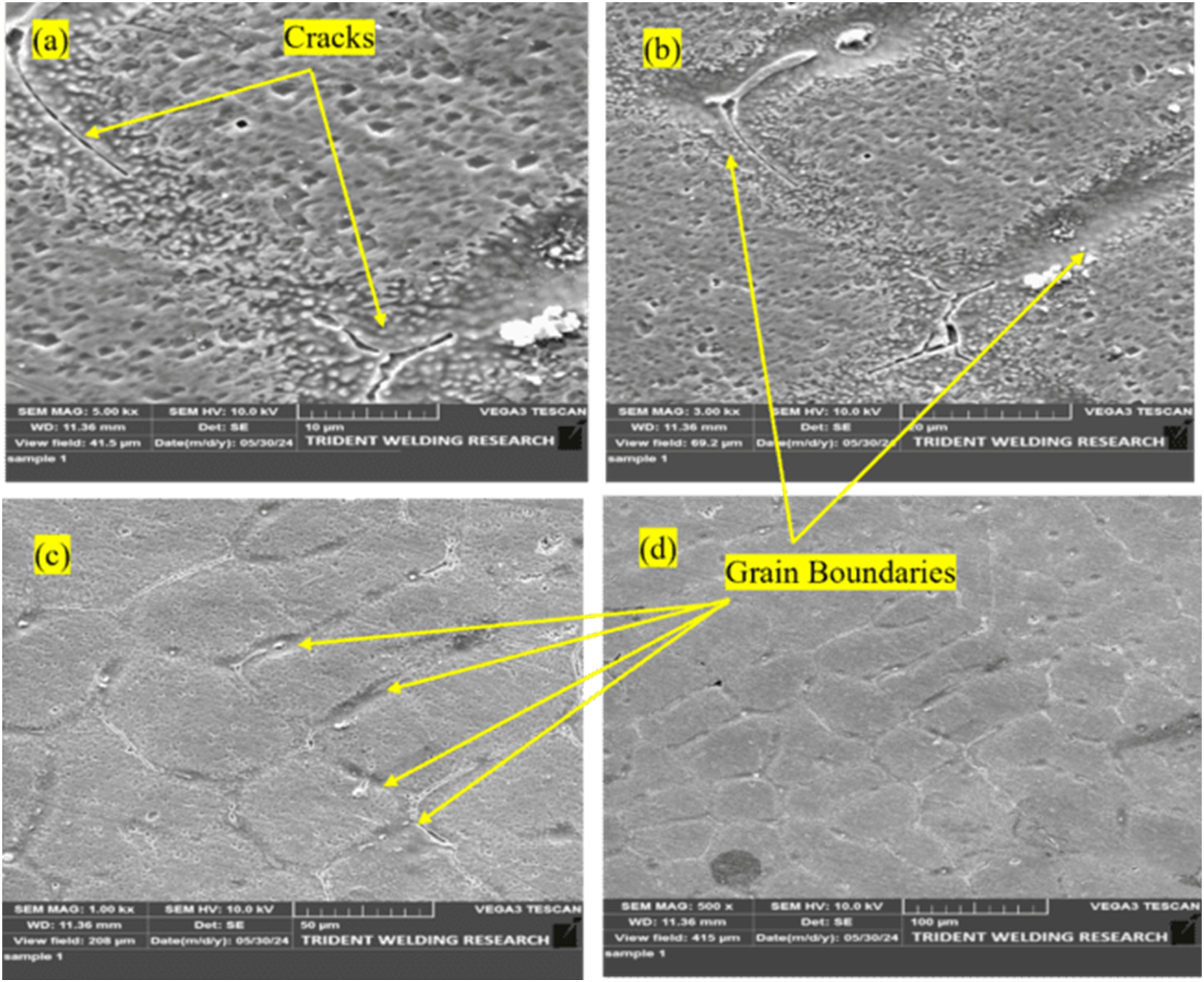
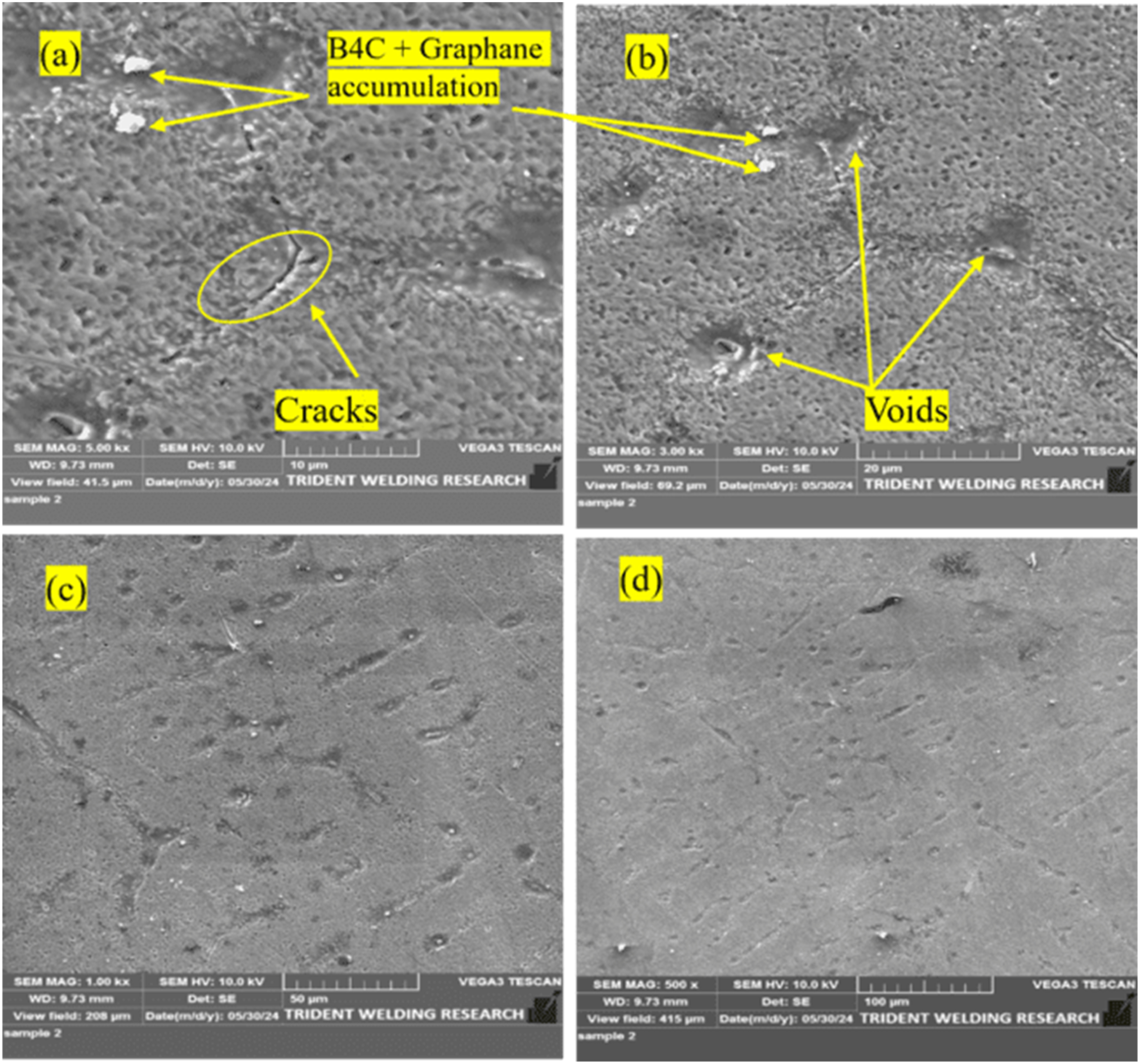

However, Accumulation of graphene and B4C can be observed at the top, bottom and right side of the micrograph, which shows that these reinforcements are not homogeneously dispersed in the matrix. The uneven distribution may be due to processing problems of the composite and Localized strengthening of such regions may occur due to poor bonding or voids around these agglomerated particles.
Comparing with the SEM image of sample 1, the grain boundary areas were smaller in the Al7075/5wt% B4C/2wt% graphene for sample 2 (Figure 9). Central cracks and pores were observed on the entire SEM, and also there was some accumulation of graphene and B4C powder in the upper left. These properties indicate potential defects in the material, which may cause its tensile resistance to be reduced.40,41 However, it appears that the tensile strength of the Al7075/5wt% B4C/2wt% graphene composite was improved compared with sample 1. From Figure 10, there existed a crack in the Al7075/5wt% B4C/3wt% graphene SEM image, which indicated stress concentrations. The homogeneous distribution of graphene and B4C particles in the matrix was a favourable sign for the mechanical property enhancements as well as material homogeneity and the reduced voids could be utilized as a benefit for tensile strength.42–44
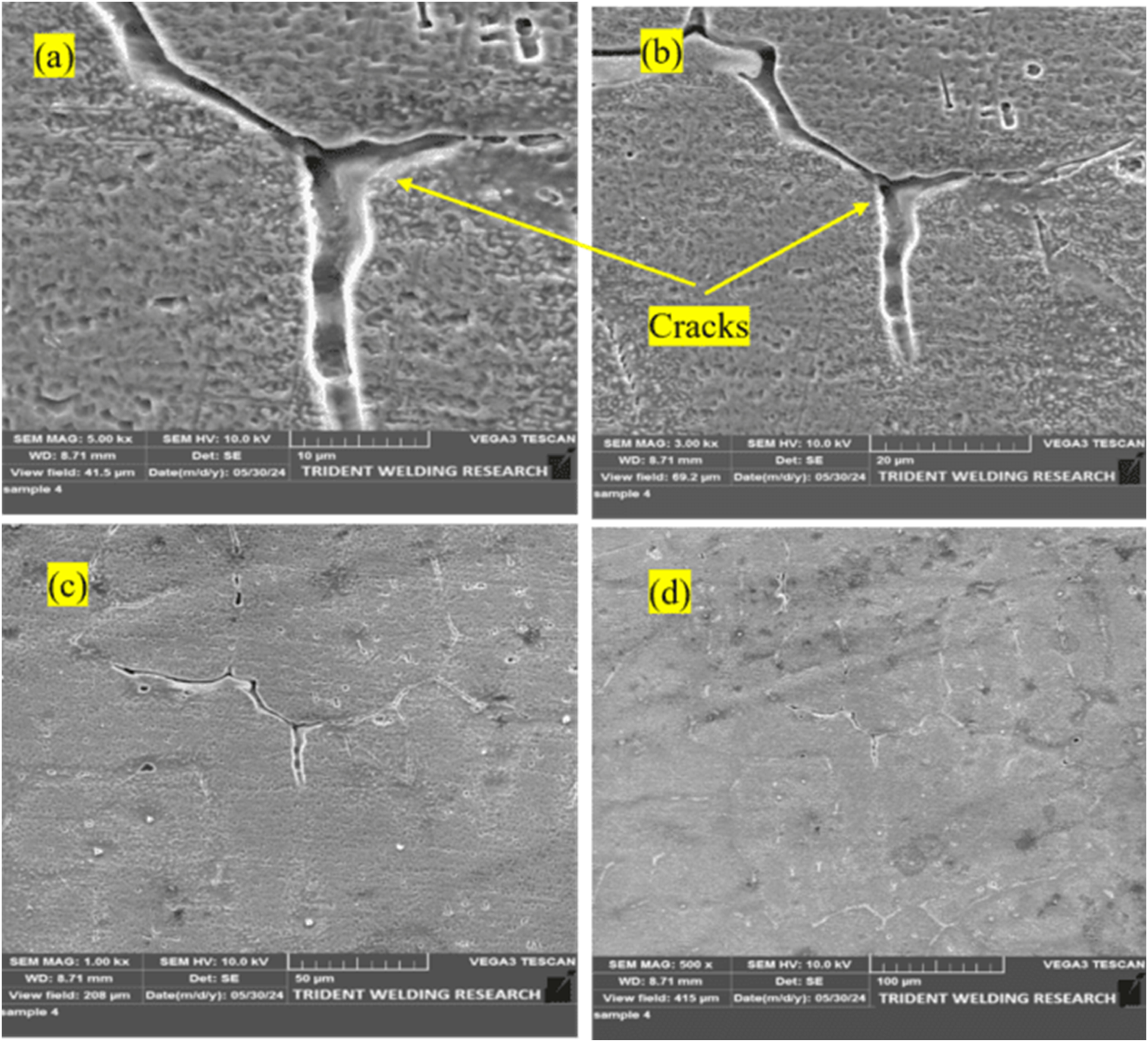
In the SEM micrograph of Al7075/5wt% B4C/4wt% graphene, Cracks were evidenced propagating within the material, suggesting stress concentrations which may fail the composite under extreme conditions (Figure 11). A relatively uniform distribution of reinforcement particles was observed and the tensile strength and hardness of the Al7075/5 wt.% B4C/4 wt.% graphene composite were higher due to the higher amount of reinforcement even though some degree of agglomeration and porosity occurred locally. This homogeneous distribution of the micro-sized filler leads to improved load-transfer as well as a significant enhancement in the mechanical properties of the material.45–47 However, some regions contain particle clusters and pores, which are typical of stir-cast composites. Such a combination of homogenous reinforcement distribution, low pores, and excellent tensile strength features the Al7075/5wt% B4C/4wt% graphene. Additionally, the presence of pores was minimal, indicating a more compact structure with fewer defects.
EDS analysis
EDS analyses were conducted to characterize the chemical composition of the Al7075 reinforced with 5wt% B4C and varying graphene content (1 to 4 wt%) composite samples, as shown in Figures 12–15. The EDS data for Al7075 reinforced with 5wt% B4C and varying graphene content (1-4wt%) composite samples revealed key insights into the elemental composition and possible precipitation effects. For the Al7075/5wt%B4C/1wt% graphene sample, O (1.23 wt%), Mg (3.04 wt%), Al (88.87 wt%), Cu (3.22 wt%), and Zn (3.65 wt%) were observed (Figure 12). EDS analysis for Sample No: 1. EDS analysis for Sample No: 2. EDS analysis for Sample No: 3. EDS analysis for Sample No: 4.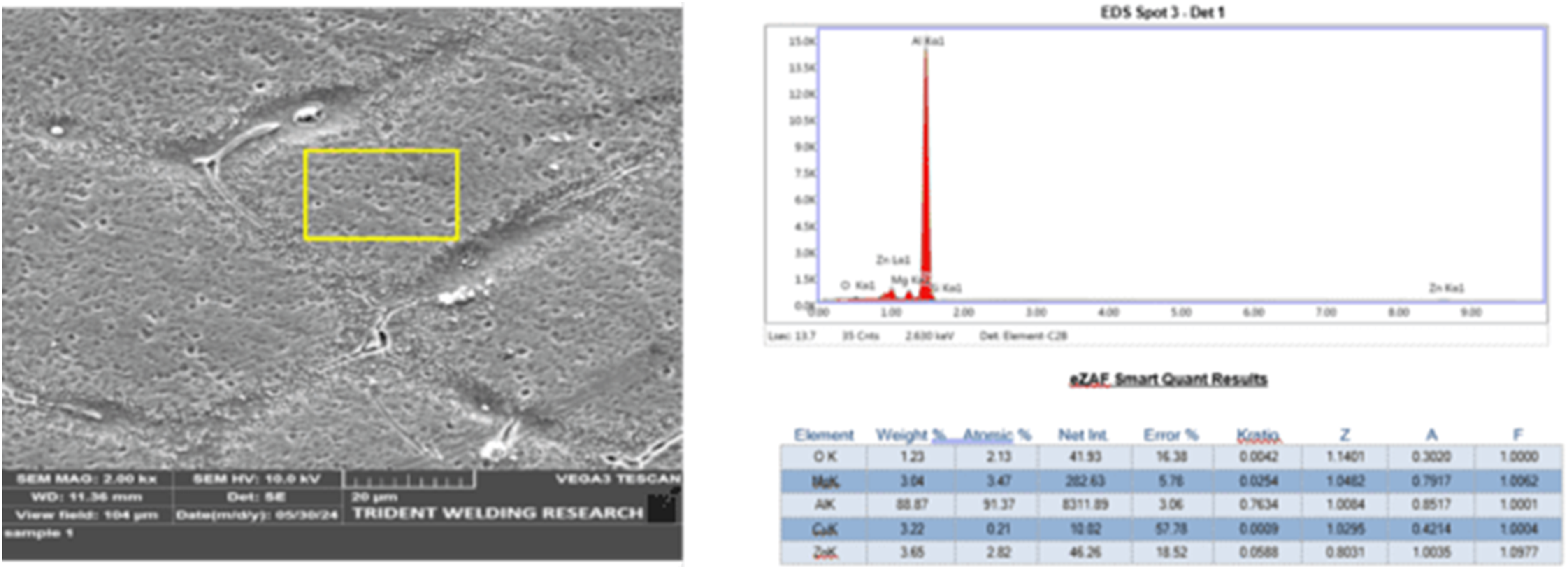
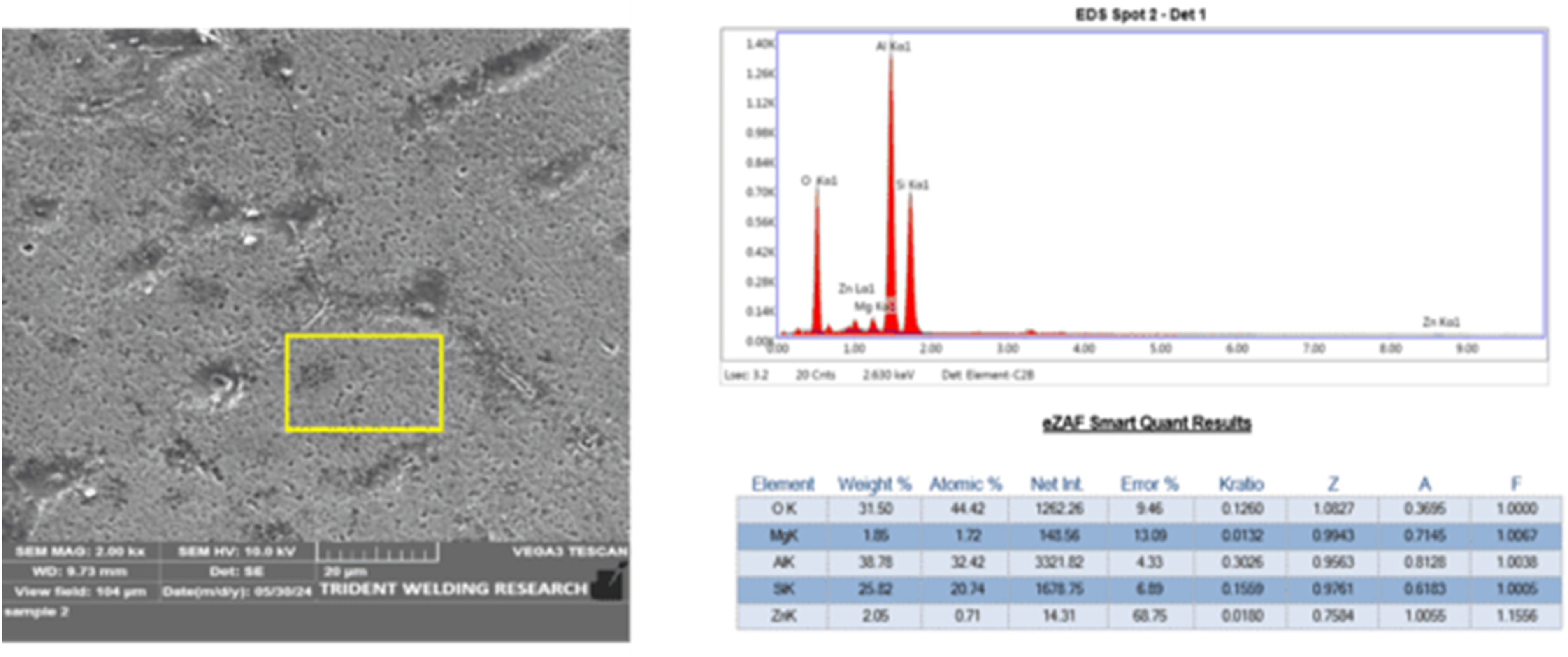
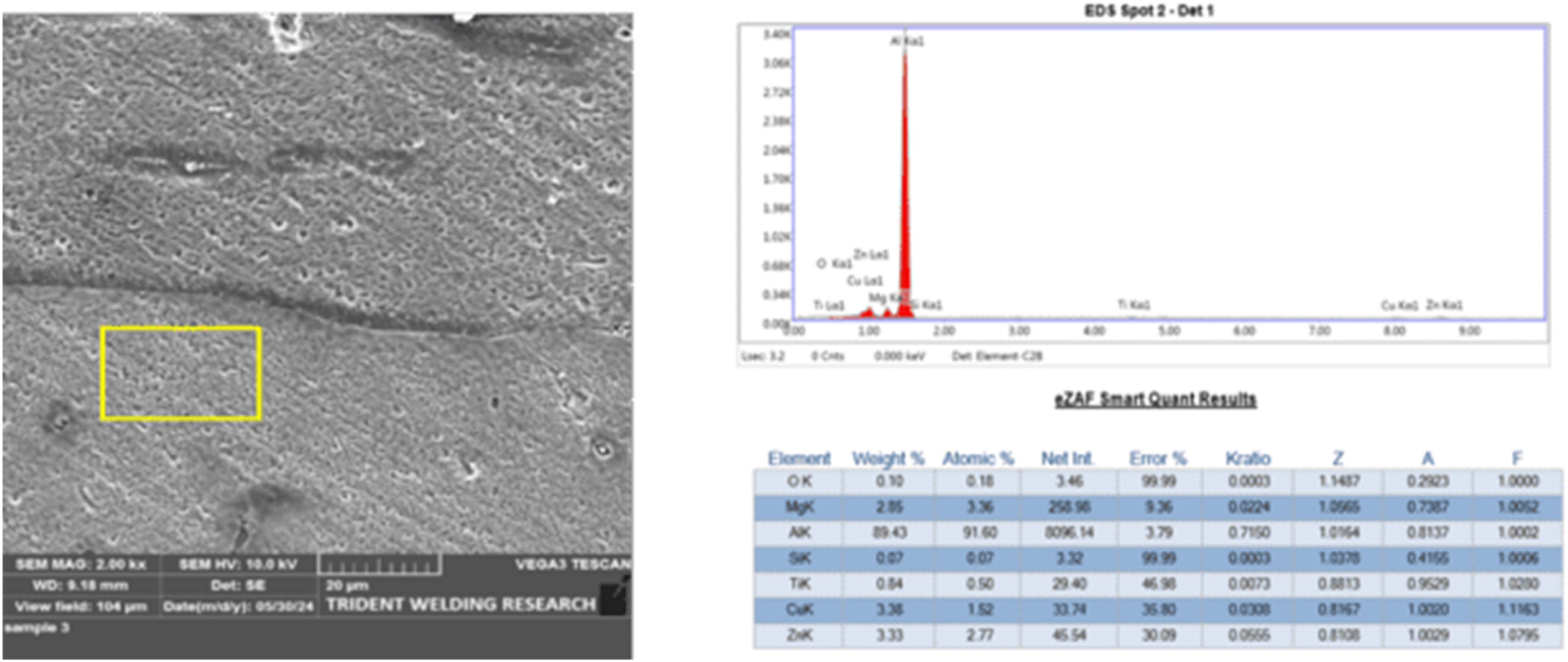
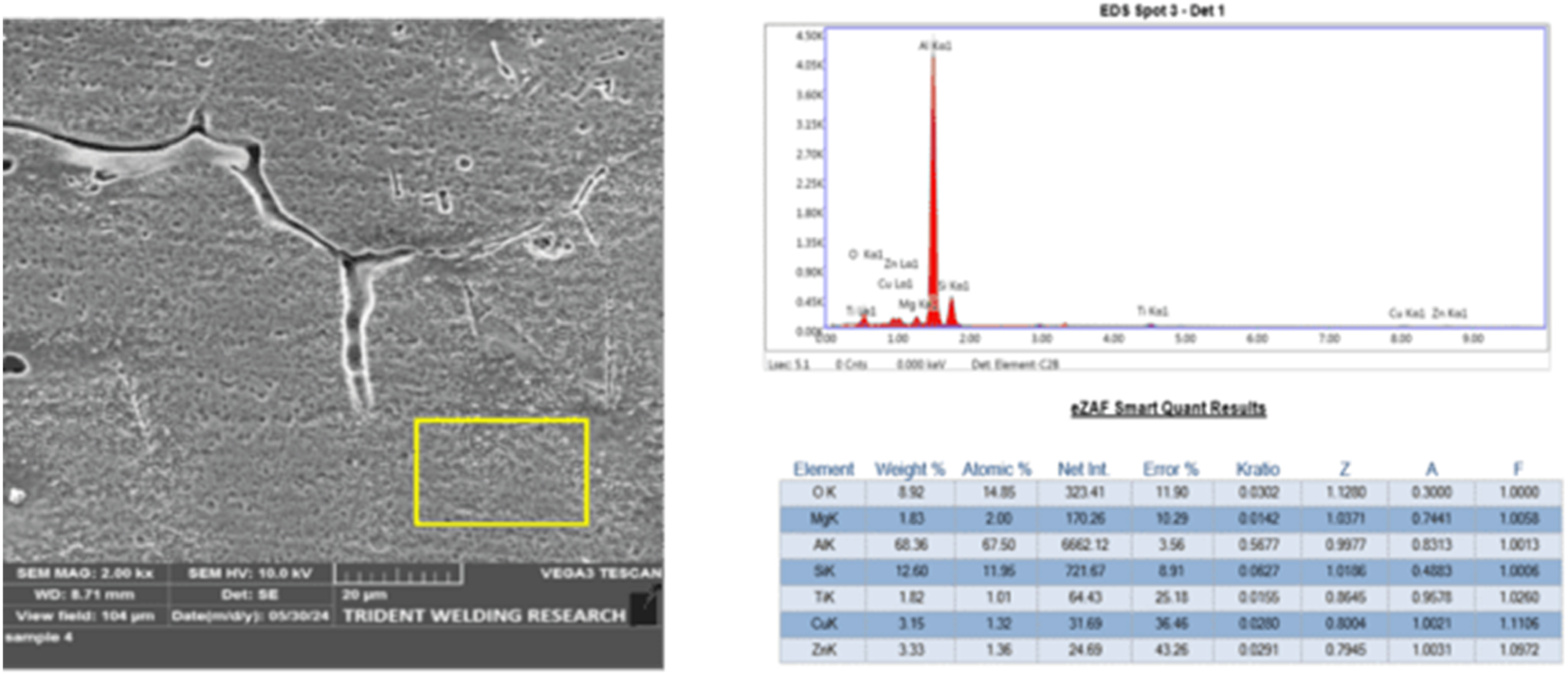
According to the EDS analysis of the Al7075/5 wt.% B4C/2 wt.% graphene composite, the material possessed relatively high amounts of oxygen (31.50 wt. %), and this could be attributed to the presence of oxides formed from the composite material. In Figure 13, the composite matrix was found to contain primarily aluminum (38.78 weight percentage), silicon (25.82 weight percentage), magnesium (1.85 weight percentage), and zinc (2.05 weight percentage). However, the Al7075/5 wt.% B4C/3 wt.% graphene composite exhibited a very low oxygen content (0.10 wt. %) and is assumed to have minimal oxidation. The composition of magnesium (2.85 wt. %), copper (3.38 wt. %), and zinc (3.33 wt. %) were within the expected ranges of the Al7075 alloy. Al7075/5 wt.% B4C/1 wt.% graphene composite exhibited a moderate oxygen content (8.92 wt.%) and a silicon content of 12.60 wt.%, as presented in Figure 14.
The high aluminum content (68.36 wt%) and expected levels of Mg (1.83 wt%), Cu (3.15 wt%), and Zn (3.33 wt%) support the Al7075 matrix composition. The spectroscopy analysis clearly reveals peaks for magnesium, oxygen, and silicon, indicating the presence of these elements within the composites (Figure 15). The presence of Silicon in samples with higher graphene, promoting hardness and the presence of Oxygen in all samples suggests the possibility to form oxide phases.
Hardness
Hardness test result.
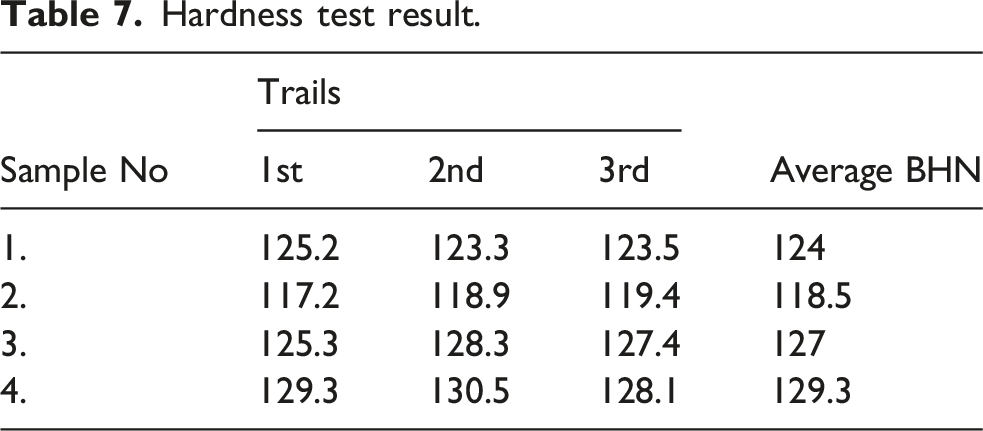
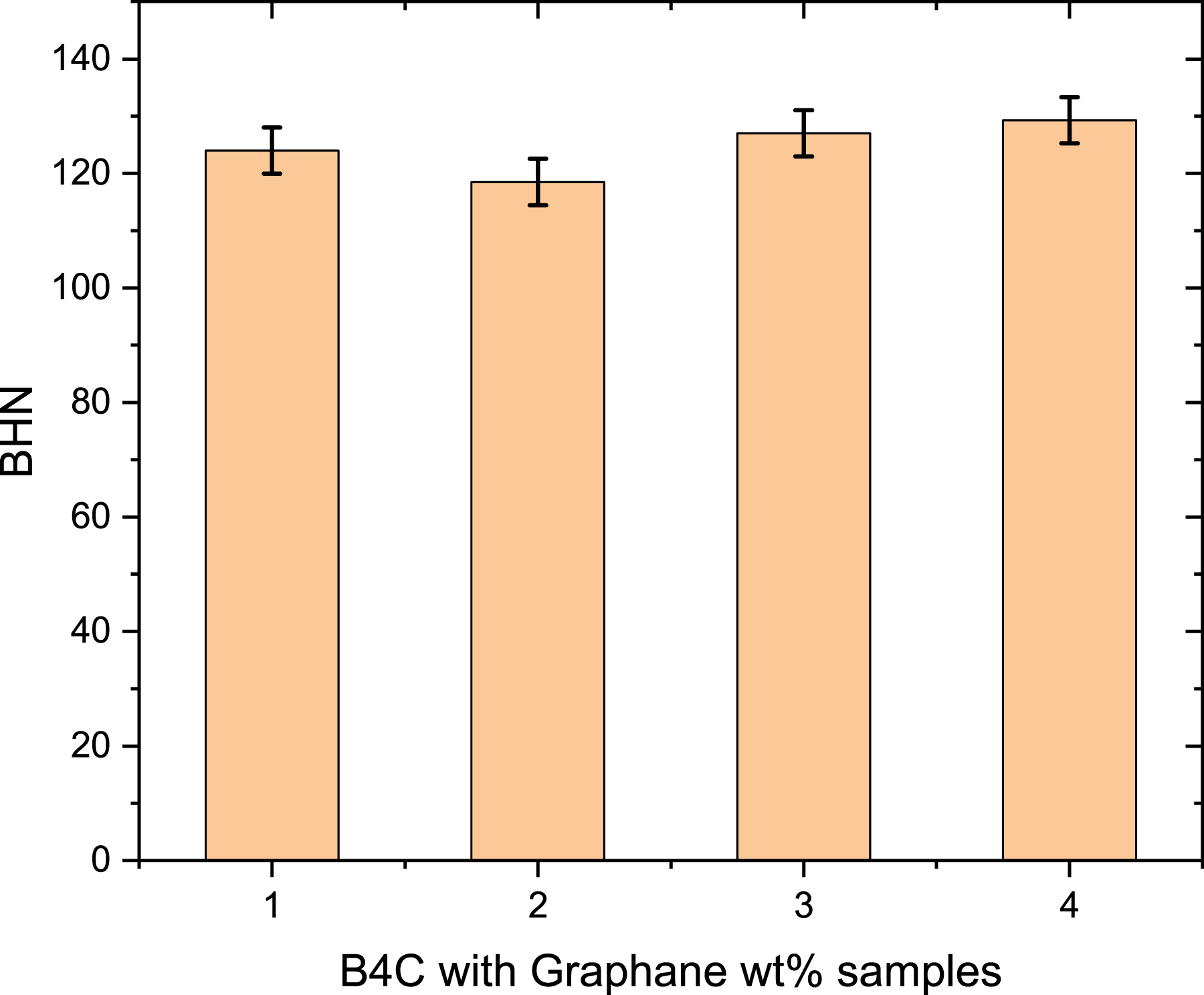
Hardness test results for Al7075 composites with 5wt%B4C with different wt % of graphene.
Tensile test results.

Tensile test
The overall tensile test results for Al7075/B4C/graphene composites were shown in Table.8 and Figure 17. Sample 1 exhibited a yield stress (YS) of 315.15 MPa, tensile strength (UTS) of 387.1 MPa, and a relatively low elongation of 13.25%, indicating the material is more brittle and less able to deform plastically before failure. Sample 2 showed a marginal improvement in YS of 319.56 MPa and UTS of 385.18 MPa, along with a small increase in elongation of 14.08%. This suggested that the presence of B4C and graphene begins to have a positive effect, enhancing the material’s strength and slightly improving its ductility. Sample 3 exhibited a more substantial increase in both YS of 321.84 MPa and UTS of 403.07 MPa with elongation of 16.76%. This improvement indicates that the composite is becoming stronger and more ductile. Finally, Sample 4 showed the most significant improvements for YS of 329.98 MPa, UTS of 421.77 MPa, with 18.5% elongation, which indicates that the composite has reached an optimal point where both strength and ductility were maximized. Scientifically, the increase in yield stress and tensile strength can be attributed to the reinforcing effects of B4C and graphene, both of which act as obstacles to dislocation movement, thereby enhancing the material’s resistance to plastic deformation. The increase in elongation at higher reinforcement levels indicates that the composite is achieving a desirable combination of strength and ductility. The optimal combination of B4C and graphene content found in Sample 4 highlights the potential of this composite material for high-performance applications. Tensile test results for Al7075 composites with 5wt%B4C with different wt % of graphene.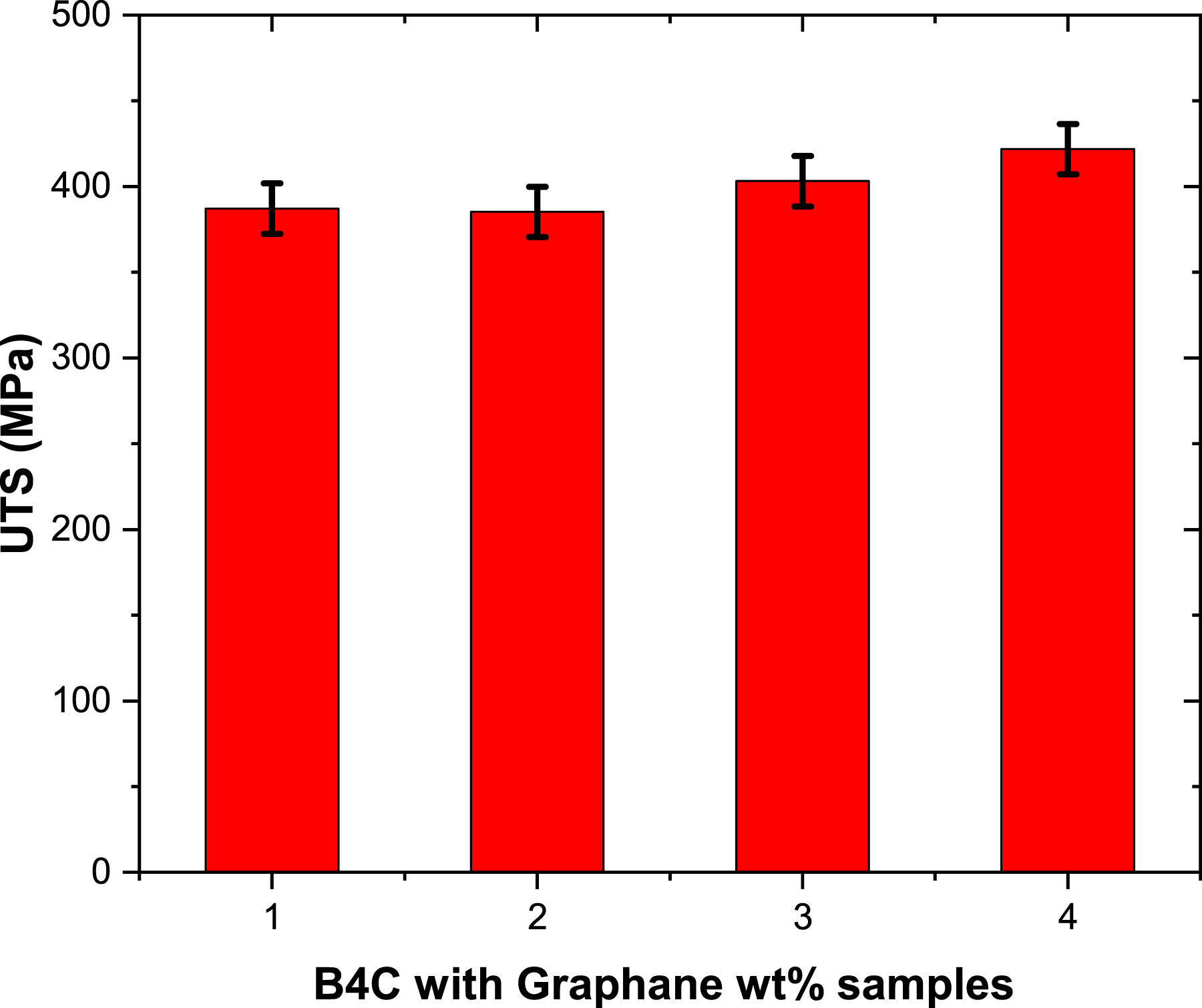
Wear test
Wear rate results.

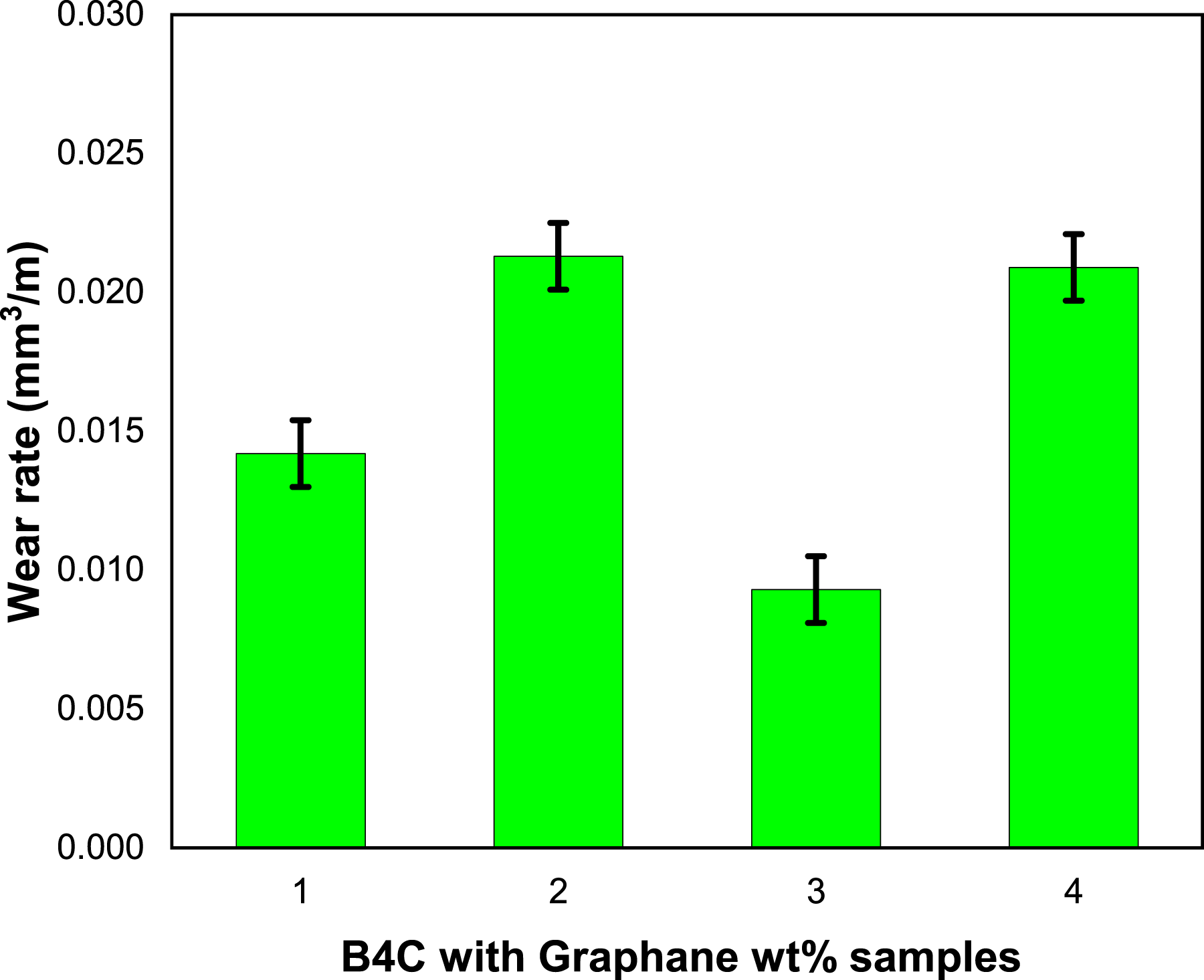
Wear rate results for Al7075 composites with 5wt%B4C with different wt% of graphene.
While previous investigations reported ultimate tensile strengths for the Al7075-SiC and Al7075-graphite composites to be in the range of 266 to 300 MPa, 50 and Al7075/Al2O3 composites showed a maximum UTS of 300-400 MPa, in the current investigation, the novel composite system comprising Al7075-B4C/graphene yielded a significantly higher UTS of 421.77 MPa. This higher value can be attributed to the combined effect of B4C and graphene, as both enhance load transfer, grain refinement, and interfacial bonding. 51 Moreover, the AA6061/B4C/Gr composite materials displayed improved mechanical and tribological properties in previous studies. Due to grain boundary strengthening and dislocation pinning effects, the heat-treated composites displayed improved hardness and tensile strength. 52 In addition, equiaxed fine grains with a maximum hardness of 68.61 BHN and a tensile strength of 232.59 MPa were formed through dispersion of B4C and graphite via the combined technique of stirring, ultrasonic and squeeze casting. 53 The Al7075/B4C/graphene composite in the present study demonstrated superior tribological performance, with a minimum wear rate of 0.0093 mm3/m. This is lower than that reported for SiC-reinforced Al7075 (wear rate >0.01 mm3/m) 54 and Al7075/Al2O3/graphite hybrid composites (≈0.01 mm3/m), highlighting the combined effect of the high hardness of B4C and the lubrication and load-carrying capability provided by graphene.55,56 Overall, the performance of the current composite materials made from Al7075/B4C/graphene is better than that of the previous composite materials based on AA2014 and AA6061 in terms of mechanical and and wear preoprties. The results of this work demonstrate that the synergistic effect between B4C and graphene makes it possible to effectively improve both mechanical and tribological characteristics of the materials.
Conclusion
• The Al7075 hybrid composites were successfully prepared by incorporating 5wt% B4C and varying graphene concentrations (1 to 4wt%) using the stir casting process, and their mechanical and tribological characteristics were thoroughly evaluated. • The optical microscope analysis revealed that the Al7075 matrix exhibited a dendritic structure with evenly dispersed B4C particles and graphene particles were uniformly distributed along the grain boundaries, suggesting excellent dispersion within the matrix. • SEM analysis showed that even with the formation of cracks, the Al7075/5wt% B4C/4wt% graphene composite exhibited superior mechanical properties, including improved tensile strength, resulting in a denser structure with fewer defects. The identified precipitates, such as Al3Zr and AlCuMg phases, contributed to the enhancement of the composite’s mechanical properties. • EDS analysis confirmed the presence of magnesium, oxygen, and silicon, with silicon suggesting the possibility of SiC precipitation that could further enhance hardness. The presence of oxygen indicated the potential for oxide phase formation, which may contribute additional strengthening effects. • The Al7075/5wt% B4C/4wt% graphene composite achieved a maximum ultimate tensile strength (UTS) of 421.77 MPa, which is attributed to the refined grain structure, better control over dislocation motion, and improved load transfer between the matrix and reinforcements. Sample 4 demonstrated the highest hardness value of 129.3 HB, indicating that an optimal balance between B4C and graphene was achieved. Tribological testing revealed a wear rate of 0.0093 mm3/m for the Al7075/5wt% B4C/3wt% graphene composite, showcasing its improved wear resistance. • Overall, the Al7075/5wt% B4C/4wt% graphene composite exhibited significant improvements in mechanical and tribological properties, making it a promising candidate for high-performance applications. • Future investigations will focus on XRD analysis for determining phases, analysis of worn surfaces through SEM, as well as grain size measurement to further understand the microstructural evolution and wear behavior of Al7075/B4C/graphene hybrid composites.
Footnotes
Acknowledgement
The authors gratefully acknowledge the support provided by Andhra University for this work and Special thanks to Saveetha School of Engineering for the assistance.

Author contribution
R.H, K.M.S, V.S: concept, methodology, literature review, and the experiments, data analysis. M.N.S.S: drafting the manuscript and All authors reviewed and approved the final version of the manuscript.
Funding
The authors received no financial support for the research, authorship, and/or publication of this article.
Declaration of conflicting interests
The authors declared no potential conflicts of interest with respect to the research, authorship, and/or publication of this article.
Data Availability Statement
The datasets used during the current study are available from the corresponding author upon reasonable request.