







Abstract
Teacher education increasingly requires educators to engage with generative AI technologies, yet critical and reflective engagement opportunities remain scarce. While AI is often framed as a tool for automation, its broader pedagogical and ethical implications receive less attention. To address this gap, we implemented a critical co-discovery approach within an online AI in Education (AIEd) course to enhance educators’ AI literacy. This illustrative case study examines which AI literacy components can be developed through critical co-discovery and how this approach fosters educators’ reflective, critical, and participatory engagement with AI. Findings revealed that through co-discovery activities, educators co-constructed an understanding of AI concepts, ethical considerations, and context-specific applications. The study highlights the need for prolonged engagement with AI literacy by integrating it into teacher education program to ensure educators can critically navigate and assert their agency in AI’s complex role in education.
Artificial intelligence (AI) is increasingly shaping the educational landscape, transforming both classroom practices and broader institutional policies. In classrooms, AI-powered personalized learning systems are being utilized to address learners’ diverse needs (U.S. Department of Education, Office of Educational Technology, 2023). For teaching and administrative tasks, AI promises to assist educators with lesson planning, generating assessment questions, and providing automated feedback to reduce teachers’ workload (Mondal et al., 2023). AI is also applied in accessibility support, where intelligent personal assistants assist individuals with disabilities in communication and learning (Zdravkova et al., 2022). As AI technologies become more pervasive, it is imperative that educators are not merely passive users but active participants in the design and decision-making processes that govern these tools for education. This requires the development of teachers’ AI literacy through engaging, hands-on activities that empower them with the agency to critically assess, integrate, and influence AI applications in their practice.
AI literacy defined as the ability to understand AI’s essential features, evaluate its inherent biases, and assess its societal impacts (Strauß, 2021) is particularly urgent in today’s context, where AI technologies frequently operate in opaque and unaccountable ways (Langran et al., 2024). The need for educator preparation that integrates technical, pedagogical, and ethical dimensions of AI is clear, as echoed in calls for professional development programs that balance theoretical knowledge, practical skills, and professional judgment (Chan, 2023; Sperling et al., 2024). In response to these calls, we propose critical co-discovery as a pedagogical approach that not only facilitates AI literacy for educators (AIEd) but also equips educators with the critical, reflective skills needed to shape AI integration in education in ways that align with their values and specific contexts.
While generative AI promises to reduce teachers’ workloads by automating tasks like lesson planning and grading (Srinivasa et al., 2022) and creating more personalized learning opportunities for students (Xie et al., 2019), these narratives often reflect a narrow framing. Commercial EdTech discourses frequently prioritize marketable features of AI-assisted tools over addressing the real needs of teachers and students (Chan & Hu, 2023; Williamson & Eynon, 2020). Such mechanisms, defined as discursive closures (Deetz, 1992), perpetuate technological determinism and overshadow critical considerations of pedagogy and educators’ roles. Discursive closure highlights how dominant narratives constrain educators’ agency and critical engagement with AI. For instance, educators’ voices are often disqualified due to their perceived lack of technical expertise, and technological determinism positions AI as an inevitable driver of educational progress, sidelining pedagogical considerations (Aleman, 2024; Markham, 2021). These mechanisms restrict nuanced explorations of AI’s role, reinforcing false dilemmas, such as choosing between protecting student agency and adopting data-driven assessment tools. As such, generative AI’s potential for pedagogical transformation remains limited unless teachers are empowered to critically engage with these technologies and challenge their embedded assumptions.
Generative AI is frequently conceptualized in multiple, often conflicting, ways. One perspective sees it as a transformative tool that drives personalized learning and fosters innovation in educational practices (Moya & Camacho, 2024), while another critiques it as a socio-technical system that reinforces existing power structures and deepens social inequities (Joyce & Cruz, 2024). Limiting its description solely as a tool for pedagogical innovation or exclusively as a system embedded within existing power structures fails to capture its inherent complexity. These differing perspectives create a tension between viewing generative AI as an enabler of efficient, tailored teaching practices and understanding it as a manifestation of systems that perpetuate inequalities and biases. Consequently, addressing this duality demands a nuanced analysis of how these technologies are both shaped by—and actively shape—the sociocultural, economic, and political contexts of education (Williamson & Eynon, 2020).
By framing generative AI as both a tool and a socio-technical system, we seek to find common ground where discourses in education move beyond technical affordances and market-driven solutions, fostering a critical and reflective engagement that empowers educators to shape a more equitable, innovative, and contextually responsive future. There are opportunities to engage educators in imagining futures shaped by AI to uncover hidden biases, challenge deterministic narratives, and co-create solutions that align with diverse educational needs (Selwyn, 2016). This perspective invites us to broaden our inquiry beyond AI’s immediate capabilities and consider how its integration reshapes the sociocultural, historical, and political dimensions of education. More attention is needed on how educators can engage with AI in ways that transcend its perceived inevitability and move beyond the simplistic binaries often promoted by dominant technocentric narratives. In response to these complexities, approaches like critical co-discovery can provide educators with a framework to engage with and navigate these conflicting perspectives while developing their AI literacy.
This study explores how critical co-discovery approach can facilitate educators’ engagement with AIEd focusing on the following research questions: (a) What key components of AI literacy can be addressed through critical co-discovery? (b) How does the critical co-discovery approach foster educators’ active and reflective engagement with AI in educational settings?
Critical Co-Discovery as a Pedagogical Approach for Developing Educators’ AI Literacy
We propose critical co-discovery as a pedagogical approach that is rooted in constructivism and speculative design. This approach empowers educators to construct a comprehensive understanding of generative AI by actively engaging in hands-on, reflective experiences that build on their existing knowledge and challenge preconceived notions (Dunne & Raby, 2013). Drawing from constructivist principles, educators collaboratively construct meaning and insights about AI’s role in education through social interaction, dialogue, and reflection, enabling them to become active agents in shaping their professional practices and aligning AI integration with their pedagogical values and contexts.
Meanwhile, by incorporating elements of speculative design, critical co-discovery pushes educators to challenge dominant narratives and envision alternative futures (Aleman et al., 2024). Through speculative exercises, critical co-discovery fosters curiosity, doubt, and critical reflection, encouraging educators to anticipate and interrogate the unexpected consequences of emerging technologies. Together, these intertwined approaches equip educators with the intellectual and practical tools needed to navigate the complexities of AI adoption and to drive transformative, context-sensitive innovation in education.
Critical co-discovery encourages educators to uncover preexisting knowledge through exploration and hands-on engagement. In that way, co-discovery creates an interactive learning environment where educators actively engage with discussions on AI in education, collaboratively question their implications, and reimagine their roles in educational settings. We identified four tenets of this approach: collective inquiry, critical reflection, participatory engagement, and co-creation of knowledge (Figure 1).
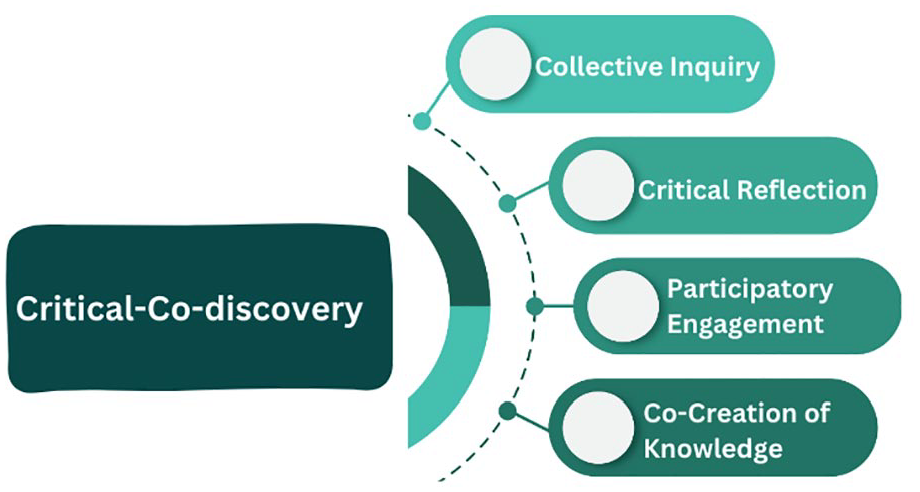
Critical Co-Discovery Components.
Collective Inquiry
Collective inquiry refers to a process where individuals engage in reflection and collaborative activities to generate new knowledge and improve practice. It involves integrating individual and collective knowledge-building processes. Collective inquiry emphasizes collaboration and sharing ideas to build learning communities that foster both individual growth and collective innovation in teaching practices (Michos & Hernández-Leo, 2020). In the context of AIEd, it may refer to bringing educators together to inquire into the implementation and implications of AI technologies in education. This collaborative process helps educators to share their opinions, examine AI technologies’ potential benefits and limitations, and explore ethical concerns. With collective inquiry, educators can co-develop strategies to understand AI’s impact, and address societal challenges AI poses in educational settings. For example, educators might collaboratively investigate how specific AI tools impact educational settings and how bias in the system might influence equitable learning outcomes in educational settings.
Critical Reflection
Critical reflection is the process of examining and questioning beliefs, actions, and the systems to understand how they might impact others. It encourages taking action to create a more fair and just society (Gorski & Dalton, 2020). In the context of AI, critical reflection starts with learners’ analyzing and questioning their assumptions about AI technologies in education. It requires them to evaluate if AI tools might influence teaching practices, learning outcomes, and equity in the classroom. Apart from evaluating the immediate impact of AI, critical reflection also prompts educators to consider broader questions such as: Is AI integration truly a necessity in education, or are there alternative approaches to addressing these challenges? Could AI unintentionally widen the gap in access? These broader reflections encourage educators to engage with the idea of AI itself by critically examining whether its integration aligns with the goals of education and questioning what kind of future it might create.
Participatory Engagement
Participatory engagement ensures active involvement from all participants by encouraging them to shape discussions, share unique perspectives rooted in their professional contexts, and contribute lived experiences to the discovery process (Cook-Sather et al., 2014). In the context of AIEd, educators from diverse backgrounds might actively evaluate how AI impacts students. This tenet prioritizes including diverse voices, such as teachers, pre-service teachers, and instructional designers, creating an environment where all participants feel valued and contribute to critical discussions. By fostering active participation, educators are encouraged to ask questions, critique assumptions, and propose strategies reflecting their personal experiences and collective understanding. This enables them to own how AIEd technologies impact their contexts.
Co-Creation of Knowledge
Co-creation of knowledge refers to a process in which participants actively develop new understandings, insights, and strategies through shared inquiry, dialogue, and reflection (Vygotsky, 1978). Unlike expert-driven learning approaches, co-creation emphasizes mutual contribution, ensuring that knowledge is dynamically constructed through diverse perspectives. Through this process, educators explore, challenge assumptions, and build a shared understanding that evolves as they interact with different viewpoints.
AI Literacy in Teacher Education
AI literacy is increasingly recognized as a crucial component of education, yet it remains insufficiently integrated into teacher education programs. While there is growing interest in this area, existing literature often lacks a cohesive strategy for incorporating AI literacy into teacher training (Sperling et al., 2024). Various definitions and frameworks have been proposed to conceptualize AI literacy. Long and Magerko (2020) define AI literacy as “a set of competencies that enables individuals to critically evaluate AI technologies, communicate effectively with AI, and use AI as a tool across various contexts” (p. 2). Ng et al. (2021), in their scoping review, identified four core components of AI literacy: understanding AI, applying AI, evaluating and creating AI, and addressing AI ethics.
To address the need for AI literacy in education, several frameworks have been developed. UNESCO has published an AI Competency Framework for global audience of teachers, which equips educators with the necessary skills to integrate AI into their teaching in a human-centered perspective (Miao & Cukurova, 2024). The European Union’s updated DigComp 2.2 framework also incorporates AI literacy as a crucial aspect of digital competence, guiding citizens in responsibly engaging with AI technologies (Vuorikari et al., 2022).
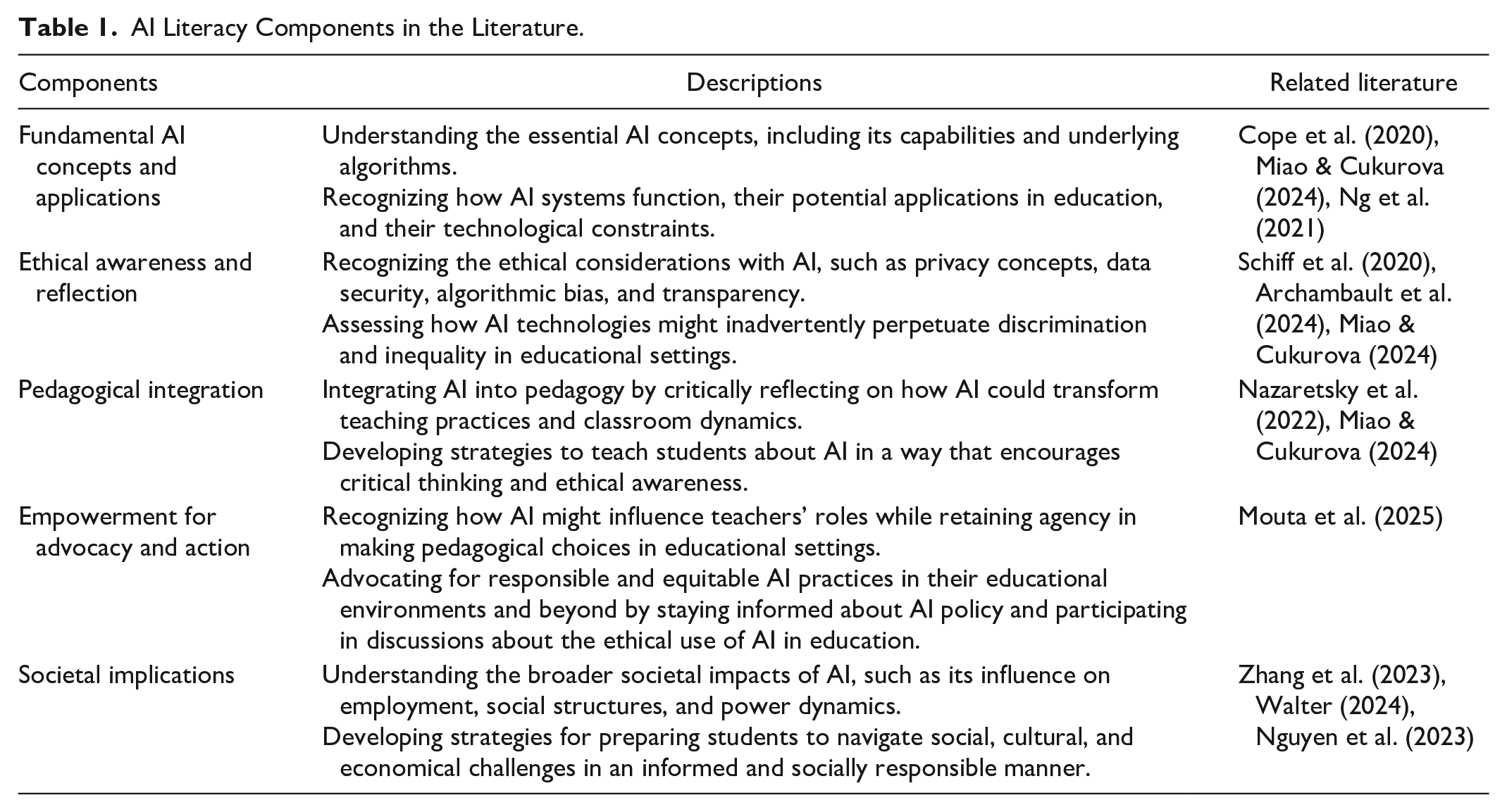
In this study, we conceptualize AI literacy for educators as an evolving set of knowledge, skills, and critical awareness that empowers them to progressively understand, evaluate, and teach with AI in an informed, reflective, and ethically grounded manner (Laupichler et al., 2022). Drawing on existing AI literacy frameworks and definitions (e.g., Bali, 2023; Miao & Cukurova, 2024; Ng et al., 2021), we synthesized a set of core components that capture this developmental process. These synthesized components, detailed in Table 1, reflects educators’ growing proficiency and nuanced understanding of both the technical and sociocultural dimensions of AI integration in education.
AI Literacy Components in the Literature.
Despite the availability of AI literacy frameworks, teachers’ AI literacy remains unevenly developed, with significant variations in understanding and application across different educational contexts. Ding et al. (2024) examined the impact of case-based AI professional development on teachers’ AI literacy, finding that direct instruction and collaborative problem-solving improved their competencies. However, teachers often struggled to apply this knowledge in practice, highlighting the need for sustained and situated professional development. Similarly, Ayanwale et al. (2024) found low levels of AI literacy among pre-service teachers, emphasizing the importance of aligning curricula with established pedagogical frameworks like TPACK.
While these studies emphasize foundational AI competencies, there is a growing recognition that teachers require a more critical and reflective approach to AIEd. As educators redefine their agency in a technological landscape, new forms of interaction and collaboration emerge between AI, learners, and teachers. A critical perspective ensures that teachers are not only technically competent but also capable of engaging with AI technologies to promote equity, inclusion, and ethical decision-making in education.
A substantial body of research highlights the risks associated with AI in education, including the exacerbation of systemic biases, increased inequalities for minoritized and underrepresented groups, and barriers to achieving equitable education (Akgun & Greenhow, 2022; Veletsianos et al., 2024). Issues related to data transparency and ownership further complicate these challenges, raising concerns about who controls the data generated by AI systems and how it is used. Similarly, Holmes et al. (2022) emphasize the ethical implications of AI in education, such as privacy risks and data biases, which necessitate targeted training for teachers. Educators who critically evaluate the ethical, pedagogical, and political dimensions of AI (Bali, 2024) will be better equipped to foster reflective practices among their students. This, in turn, necessitates thoughtful and informed engagement with AI technologies in educational settings and AI literacy development opportunities tailored to educators.
Method
This illustrative case presents a comprehensive depiction of the critical co-discovery approach implemented within a newly designed online course titled “Introduction to Artificial Intelligence in Education,,” the first course on AIEd offered in the Fall 2023 within the Learning Technologies minor program at a research university in Midwest U.S. The course aimed to encourage learners to critically examine the role of AIEd and create a space for them to explore and reflect on its implications. This four-module, one-credit online course was delivered through Canvas learning management system and included both synchronous and asynchronous components. In total, two synchronous sessions were held within the scope of the course in the first and the last week of the course. In synchronous sessions, educators engaged in hands-on collaborative activities and discussions with their peers. Discussions were facilitated through critical co-discovery activities. In addition, the course instructor shared weekly videos to guide students on course expectations in each module to ensure teacher presence throughout the course. Course materials included example videos, short newspaper articles, slides, reading materials, labs, and discussion board activities integrated with online learning tools such as Padlet and Jamboard. Each week educators completed a module with asynchronous, reflective, and inquiry-based activities with their peers through discussion boards, and online digital tools. The learning objectives included: (a) Understanding the fundamental concepts of AI and its impact on education, (b) exploring the role of AI in the future of education, (c) analyzing the ethical implications of AI, including data privacy, ethics, and algorithmic bias, (d) developing plans for thoughtfully integrating AI tools into educational settings, and (e) analyzing real-world cases, models, and tools for responsible AI adaptation in education. The present study focuses on critical co-discovery activities implemented within the course.
Critical Co-Discovery Activities
Getting the underpinnings from critical co-discovery approach, we designed the following activities: (a) Collaborative Collage, which explored the future of AIEd; (b) Teachable Machine, focusing on training algorithms; (c) Polarity Management, examining controversies in AI integration; (d) Experimenting with Algorithmic Bias, analyzing biases present in generative AI tools; and (e) The Hype Cycle of AI, categorizing AI applications using the Gartner Hype Cycle model. These activities were facilitated through online tools such as Padlet, DALL-E, and Jamboard and were further enriched with online discussions to promote deeper engagement and critical dialogue. Figure 2 provides an overview of the course module content and activities.
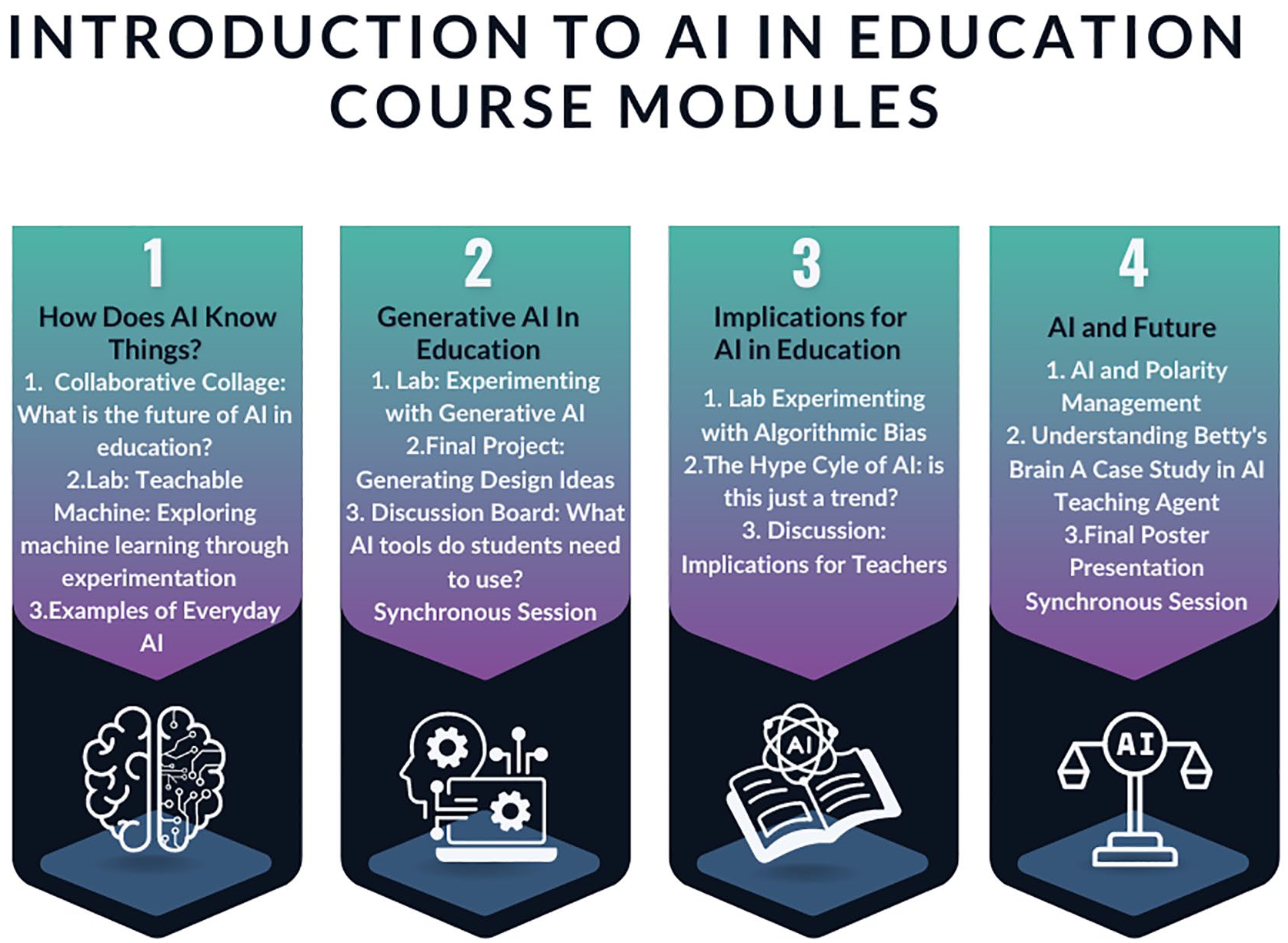
Course Module Content and Activities.
Collaborative Collage: The Future of AIEd
This activity aims to engage educators in a collaborative and imaginative process by using an AI image generator to create visual representations (collages), envisioning the future of AIEd (Figure 3 provides the instructions of the activity). While educators share their individual perspectives about how they envision the future educational setting, they also engage in a collective inquiry process by interacting with each other’s alternative futures. These AI-generated collages catalyze discussions on educators’ perspectives regarding the role of AIEd, focusing on topics such as how AI might transform teaching and learning, its impact on the role of teachers, and broader societal implications. By looking at these future images, educators examine the present realities of AIEd, bridging future possibilities with current educational contexts. By centering discussions around AI-generated images, educators are encouraged to critique and challenge dominant narratives about AI, fostering a critical space where they can comfortably contest ideas and reflect. Through these reflective discussions, educators discover different stances and dynamically build their own understanding.
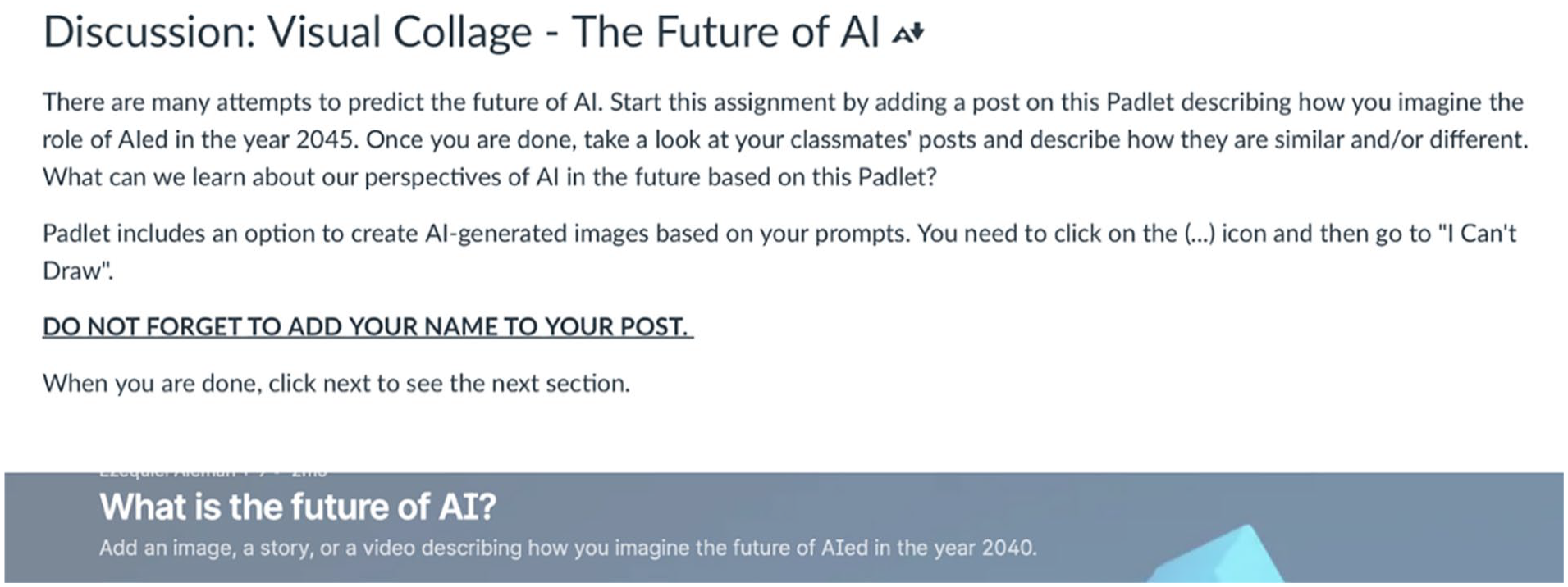
Instructions for the Collaborative Collage Activity.
Teachable Machine
The Teachable Machine activity helps educators understand how machine learning works through hands-on experience and exploration. Using Teachable Machine, an interactive tool that allows users to train a simple machine learning model with their webcams (teachablemachine.withgoogle.com), educators engage in collective inquiry by experimenting with how AI processes data and discussing potential risks. The activity invites educators to design a machine learning process that labels data fostering participatory engagement as they explore how machine learning works and its limitations. Each educator trains their own algorithm, reflecting on how accurately the machine identifies inputs and recognizing potential biases in the data. This process encourages critical reflection on the limitations of machine learning in capturing complex social dynamics. Figure 4 provides an example of an educator’s training page for a model recognizing images of the numbers “1” and “2.” Through this activity, educators without technical expertise can gain insight into machine learning mechanisms and co-create knowledge by examining its broader implications for teaching, equity, and decision-making.

Teachable Machine Example Artifact.
Polarity Management
This activity helps educators understand and navigate the complexities of AI integration in education through polarity mapping. Polarity mapping allows participants to explore the interplay between two seemingly opposing viewpoints in a speculative scenario, in this case, one educator fully embracing AI and another resisting its integration. Instead of choosing one side over the other, educators examine how these perspectives are interdependent, recognizing potential benefits and unintended consequences. It aims to develop a balanced approach to AI integration in education.
The activity begins with an online discussion board, where each educator reflects on the positives and negatives of AI integration. Then, during a synchronous session, educators are introduced to polarity mapping as a method for balancing two interdependent values or objectives that may appear contradictory but are, in reality, complementary. After this introduction, educators use Jamboard to complete their polarity maps, visually organizing their reflections. Educators are involved in collective inquiry by sharing insights and challenging assumptions. The activity also fosters critical reflection as participants assess AI’s impact on teaching and learning. By actively engaging in the discussion and mapping process, educators collaboratively shape their understanding of AI integration in education and build knowledge together. Figure 5 illustrates the activity page for polarity management.
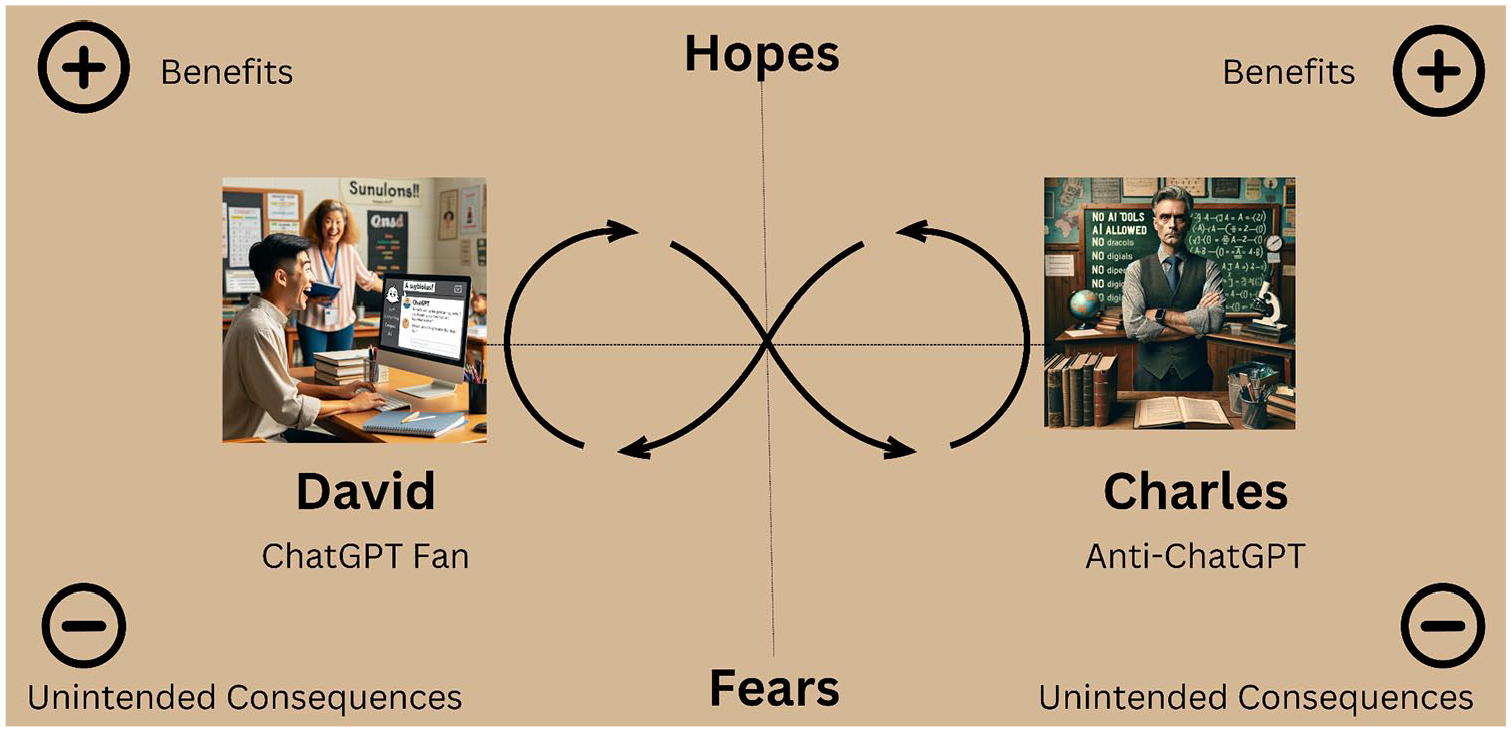
Activity Page for Polarity Management.
Experimenting With Algorithmic Bias
In this activity, educators explore the concept of algorithmic bias in generative AI tools by conducting experiments with AI image generators. The activity can build on prior discussions about how AI can reflect cultural biases, particularly in language and image generation. Educators first select a generative AI tool, such as ChatGPT (40), Padlet, Bing Image Creator, or Adobe Firefly, allowing them to engage with different platforms and observe how each handles image generation. They then generate images based on prompts like “a person,” “a woman,” “a house,” “a street,” and “a plate of food,” incorporating variations with cultural or geographical descriptors. This step aims to uncover how the AI interprets these prompts and whether it introduces cultural biases. After generating the images, educators collaboratively analyze how AI systems interpret human input, fostering a deeper understanding of inherent biases and enabling them to critique AI-generated speculations in light of their own lived experiences. The collaborative and investigative nature of this activity invites participants to co-create knowledge about algorithmic bias and build critical awareness through experimentation and reflection. Figure 6 presents an example artifact from the activity.
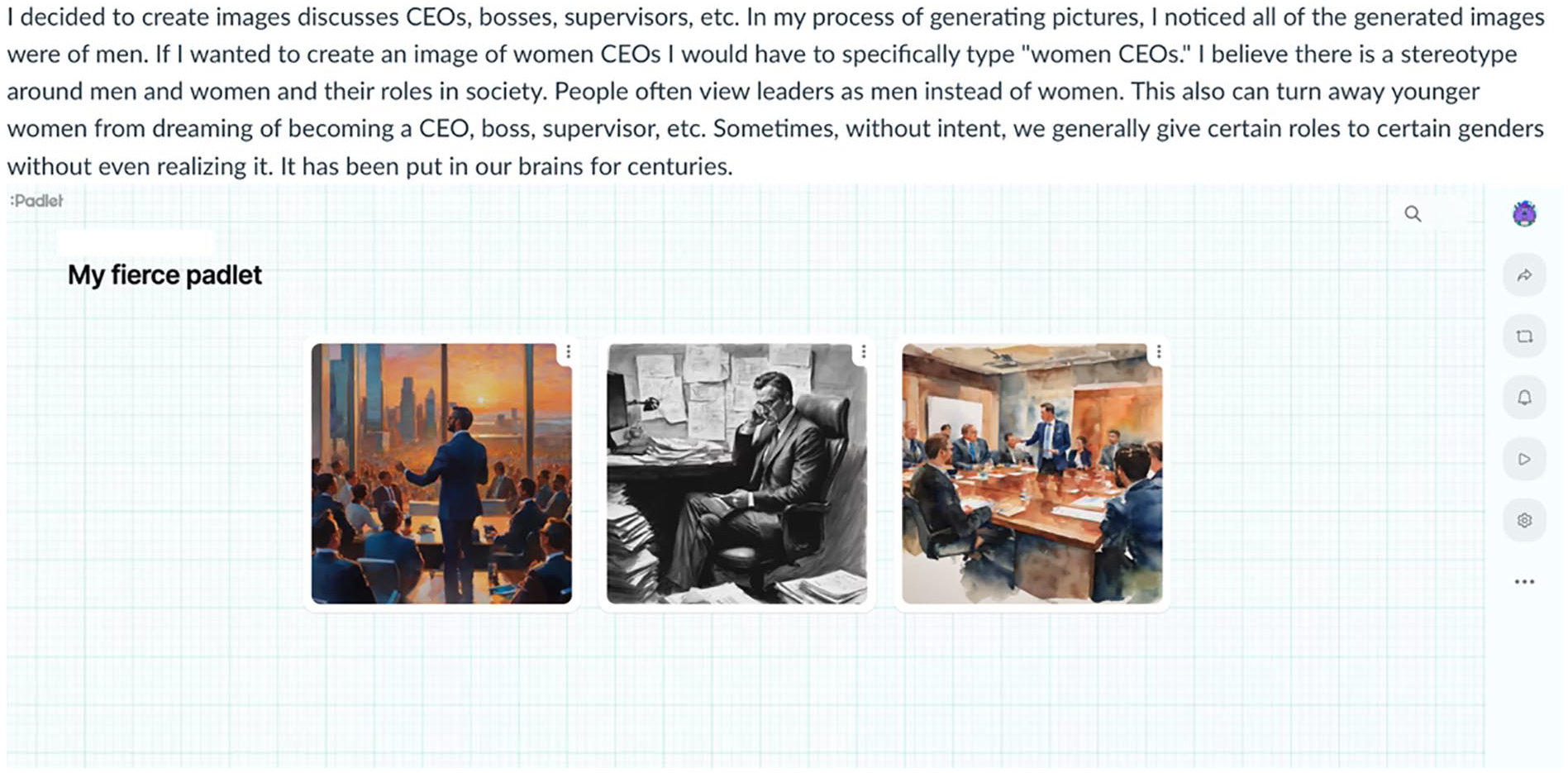
Experimenting With AI Bias Discussion Board Example.
The AI Hype Cycle
This activity aims to help educators critically evaluate the current state and future potential of AI technologies in education using the Gartner Hype Cycle. The Gartner Hype Cycle Model provides a graphical representation of the maturity, adoption, and social application of specific technologies over time (Fenn & Raskino, 2008). It illustrates five key phases: the Innovation Trigger, Peak of Inflated Expectations, Trough of Disillusionment, Slope of Enlightenment, and Plateau of Productivity. For the asynchronous activity “Create Your Hype Cycle,” educators are first introduced to the Gartner Hype Cycle Model in the context of various technologies. After this introduction, each educator creates their own hype cycle using Jamboard, shares it on the discussion board, and participates in peer discussions. By examining how technologies evolve through these stages, educators are encouraged to critically reflect on whether AI tools are likely to become integral to educational systems or pass as temporary trends. The Hype Cycle activity invites educators to speculate on the future development and impact of AI tools, critically assessing whether these technologies will become foundational in education or fade away like other trends, envisioning potential futures based on current trends.
Participatory engagement is fostered through peer discussions, where educators share insights and challenge each other’s perspectives. This activity contrasts educators’ lived experiences regarding the life cycles of different technologies with potential long-term implications, promoting critical evaluation rather than passive acceptance of AI in education. Figure 7 provides a template of the Hype Cycle activity.
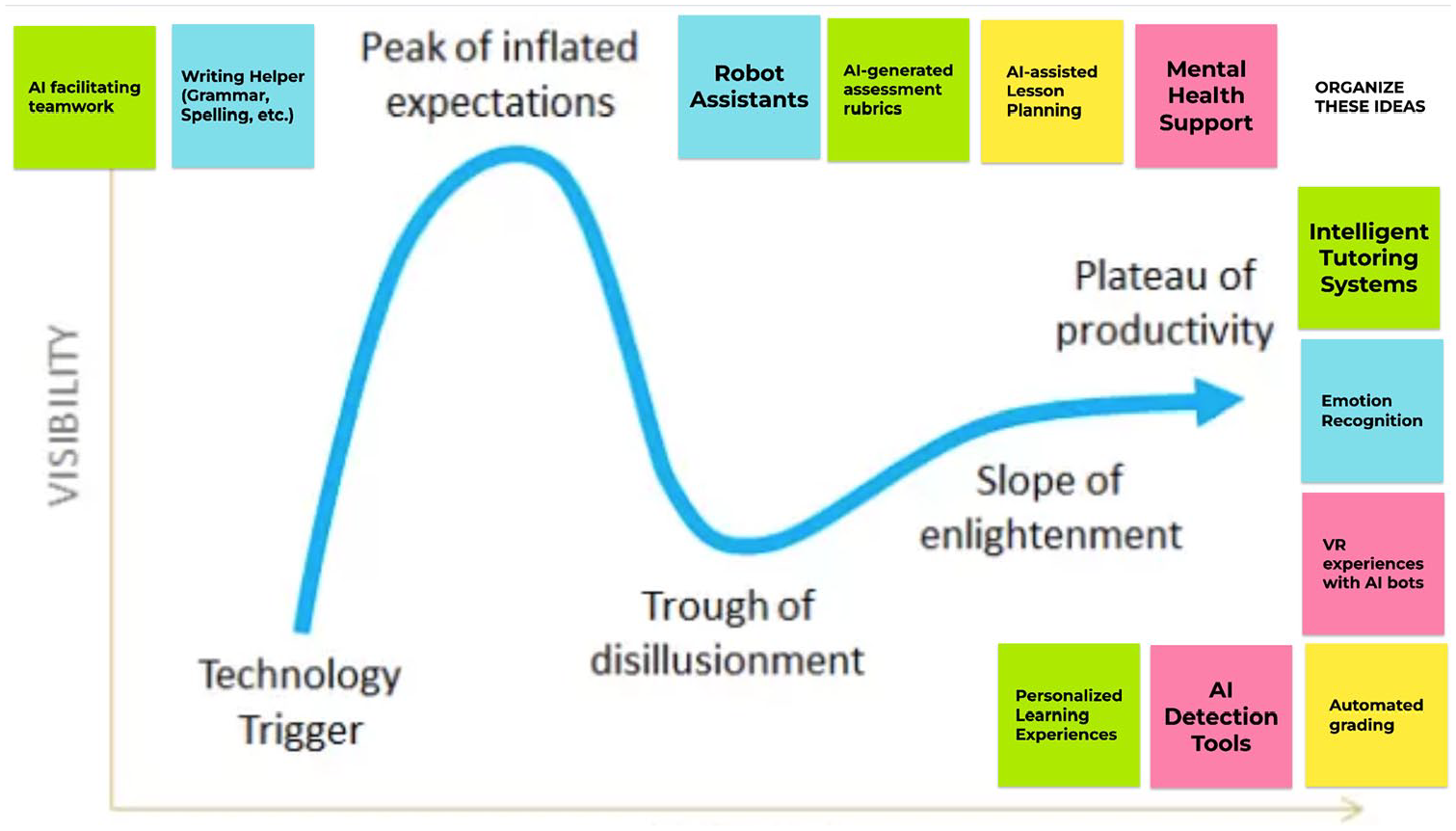
The Hype Cycle Example.
Participants
Nine educators consented to participate in the study (N = 9). Participants were selected based on their enrollment in the course and willingness to engage in the study. The participants included two pre-service teachers enrolled in the Learning Technologies minor program, one PhD student in science education, one instructional designer, and five in-service teachers. Due to their diverse backgrounds and levels of experience, we refer to all participants as “educators” throughout the paper. Among the in-service teachers, five had between 1 and 5 years of experience, while one had over 10 years of experience. The undergraduate students had limited teaching experience, primarily through field teaching. Regarding prior AI use, three of the six educators had integrated AI tools into their teaching, commonly using ChatGPT and Grammarly. Similarly, all undergraduate students showed some familiarity with these AI tools.
Data Sources and Analysis
Data sources for the study included various artifacts created by students during critical co-discovery activities: Collaborative Collage images (n = 27), reflections on a teachable machine assignment (n = 9), Polarity Management activity images (n = 1), and Hype Cycle images and reflections (n = 8). Prior to the study’s implementation, Institutional Review Board (IRB) approval was obtained. Artifact analysis was the primary method used, involving a systematic examination of physical and digital artifacts that participants interacted with or produced. The analysis began with identifying and selecting relevant artifacts, such as student assignments, posts, and visuals. These artifacts were then categorized according to predetermined critical AI literacy components (e.g., foundations, ethics). Finally, we synthesized the findings to draw conclusions about the participants’ experiences.
Trustworthiness
Reflexivity protocols were utilized throughout the research process. These included conducting peer debriefing sessions (Lincoln & Guba, 1985) and engaging in regular team discussions to examine researchers’ positionalities and minimize potential influence on the research process. Reflective memos were maintained to document research decisions and contextual observations. Measures to enhance transferability included providing rich, detailed descriptions of study activities to allow other teacher educators and researchers the applicability of the findings to their own teacher education contexts. Author 1 was responsible for communicating with participants regarding research-related tasks and also contributed to data analysis. Author 2 ensured the course’s alignment with research goals and the interpretation of findings. Author 3 was the primary instructor of the course, facilitating discussions and data analysis. The instructor was not involved in any research-related communication with participants to diminish the instructor’s influence on participants’ responses. In addition, to address potential issues about the dual roles of researcher, instructor involvement in data collection was systematically limited.
Findings
Course artifacts, including images and assignment reflections were analyzed to illustrate how co-discovery activities engaged educators with AI literacy elements: (a) Foundations, (b) ethics, (c) pedagogy, (d) empowerment, and (e) societal impact. Figure 8 shows the alignment between these AI literacy components and the corresponding activities.
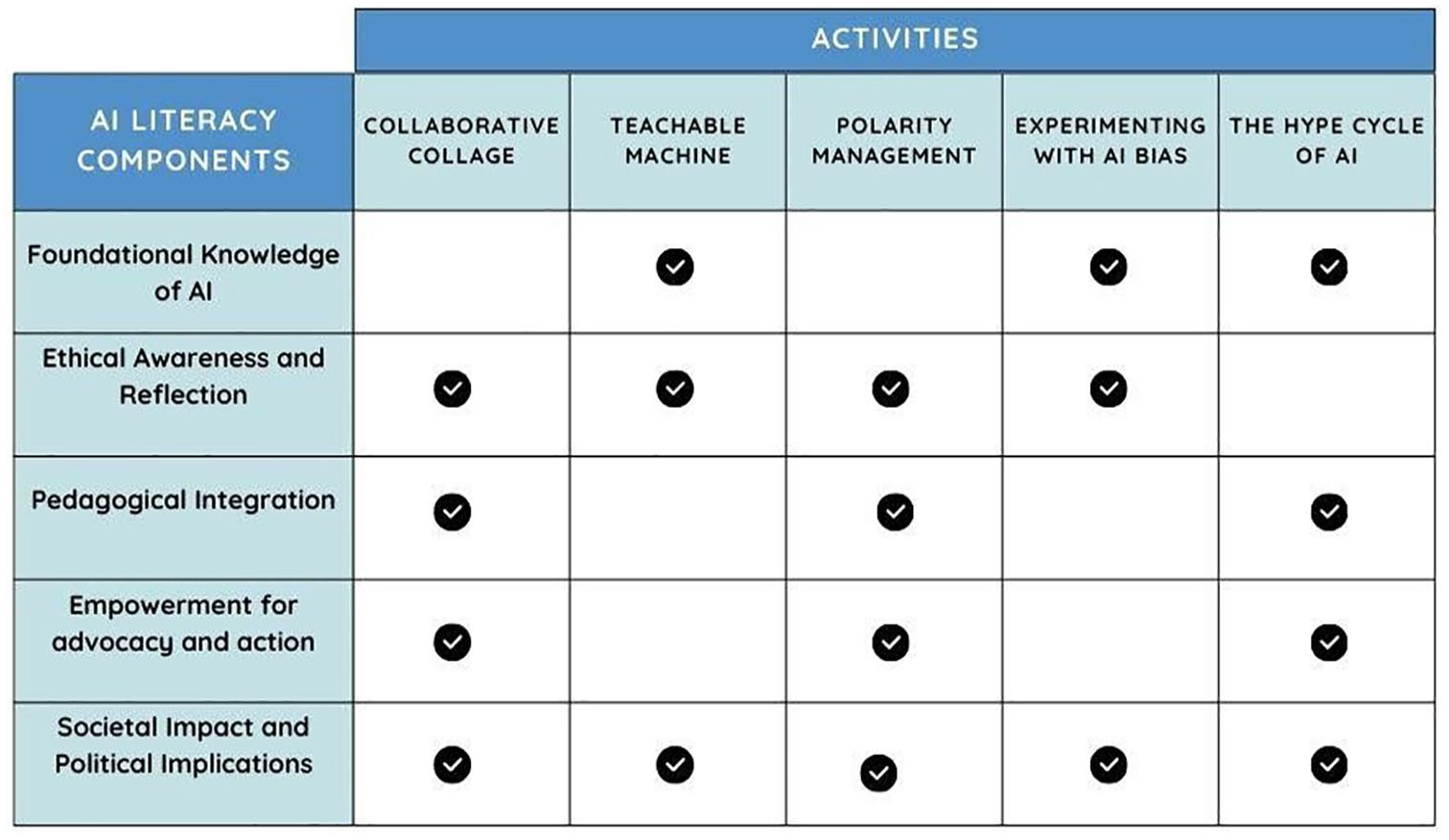
Activity Alignment.
Foundational Knowledge of AI
Critical co-discovery activities, particularly “Teachable Machine” and “Experimenting with AI Bias,” aimed to facilitate educators’ critical engagement with the fundamentals of AI. Apart from merely training the algorithms, all educators reflected on how machine learning produces adverse impacts by questioning the underlying reasons for these biases and its broader implications. For example, in the Teachable Machine activity, educators engaged in hands-on learning to deepen their understanding of how AI systems function. Once each educator had trained their algorithms, they reflected on which limitations they encountered while they trained the algorithms.
One educator reflected, “I learned that the quality of machine learning is dependent on the quality of the information and the variety of information that is input into the machine. Your outputs are dependent on the inputs that the machine starts with. This is particularly important when thinking about the ethical concerns of AI. If a machine is only trained using inputs from one perspective (race, ethnicity, political, and religious), then the outputs will also be limited by that bias. We need to carefully consider the sources of information used to train machines to appropriately value the results we are given.”
“Experimenting with AI Bias” activity also aimed to reinforce these foundational concepts by providing educators with illustrative examples of how bias in training data can manifest in AI outputs. This collaborative activity encouraged educators to engage in collective inquiry, critically analyze AI-generated content, and reflect on the socio-technical implications of bias. By interacting with each other’s posts, educators explored different dimensions of AI bias. One notable bias uncovered by some participants was gender bias. For example, one participant noted, when generating images of CEOs, the AI predominantly produced images of men. The participant commented, “I noticed all of the generated images were of men. If I wanted to create an image of women CEOs, I would have to specifically type ‘women CEOs.’ I believe there is a stereotype around men and women and their roles in society.” Figure 9 shows the AI-generated image created by the educator.

AI Images Representing CEOs.
These findings suggest that while critical co-discovery activities were helpful in helping educators engage with foundational AI concepts, they also highlighted challenges in addressing biases within AI systems. Educators were able to collaboratively explore and question key concepts like machine learning and algorithms. All educator reflections revealed ongoing concerns about the ethical implications of biased data and the reinforcement of stereotypes. These activities appeared to have opened up space for critical reflection by prompting educators to think more deeply about the complexities of AI integration in education.
Ethical Awareness
The ethics component was under discovery throughout all critical co-discovery activities and course modules. Educators were engaged in a collective inquiry process for various ethical concerns associated with AI in educational settings, such as potential dilemmas in AI integration, privacy issues, transparency, accountability in AI decision-making processes, and the risk of perpetuating inequalities or silencing minoritized voices. For example, in the “Algorithmic Bias in Generative AI” activity, one participant observed that the AI often relied on stereotypical indicators, such as flags to signify locations, and defaulted to common visuals like backpacks to identify students. This critical reflection uncovered significant ethical concerns about how AI-generated content can reinforce stereotypes and provide misleading representations of different cultures. One educator noted that a student from Kenya appeared in similar clothing across various countries, reflecting a lack of cultural specificity and diversity in the AI’s outputs. Reflecting on the AI-generated images, the participant commented, “It would be nice to see the text ‘student’ represented as people in classrooms or with books, and what about students of different ages (all mine came out looking like college students!)? I wonder how the results could be improved by adding more details, and if accuracy could be achieved with a bit of research and a more descriptive prompt?” Figure 10 illustrates the educator’s artifact representing students from Kenya, the United States, China, and Mexico.

Educator Artifact Illustrating Students From Different Countries.
Although co-discovery activities prompted critical reflection on the ethical aspects of AI, educators findings also revealed a sense of optimism toward AI developments, situating bias in a more historical context and systematic inequalities embedded in the society. For example, while reflecting on AI Generated images depicting a person, a woman, and a man from Brazil, one educator noted, “As you all can see, these AI image generators still have a lot to learn, and this activity shows how important it is to educate ourselves about the limitations of these systems. However, I have to say that these biases have been part of American education long before the arrival of AI. The misinformation about other countries and cultures in the United States has always been a concern, and hopefully now, with the progress of AI generators and the implementation of unbiased policies, they may educate future generations more accurately.”
These findings suggest that activities were helpful for initiating an exploration of the ethical implications of AI tools by providing educators with opportunities for critical engagement. However, the collaborative inquiry process revealed limited insights into the broader ethical impacts of AI. Discussions primarily centered on the immediate effects of algorithmic bias in AI technologies and strategies for mitigating these biases, rather than addressing long-term ethical and sociopolitical consequences.
Pedagogical Integration
The AI pedagogy component was also addressed through various activities. For example, the “Hype Cycle of AI” activity aimed to support collective inquiry by prompting educators to critically examine how AI technologies have evolved over time and whether they genuinely contribute to education as promised. Through this activity, educators analyzed the impact of these tools within their own educational settings, questioning whether AI tools are truly fulfilling their intended roles. The findings revealed a prevailing sense of optimism regarding AI’s potential to streamline certain tasks and alleviate educators’ workloads.
One educator, reflecting on her Hype Cycle, noted, “I have heard and expect to hear more success stories that come with these AI integrations. We have heard that ChatGPT can write lesson plans for teachers, but we must provide it with a sufficient amount of information to get the lesson plan we want.” Figure 11 illustrates the Hype Cycle shared by the educator’s discussion board activity.
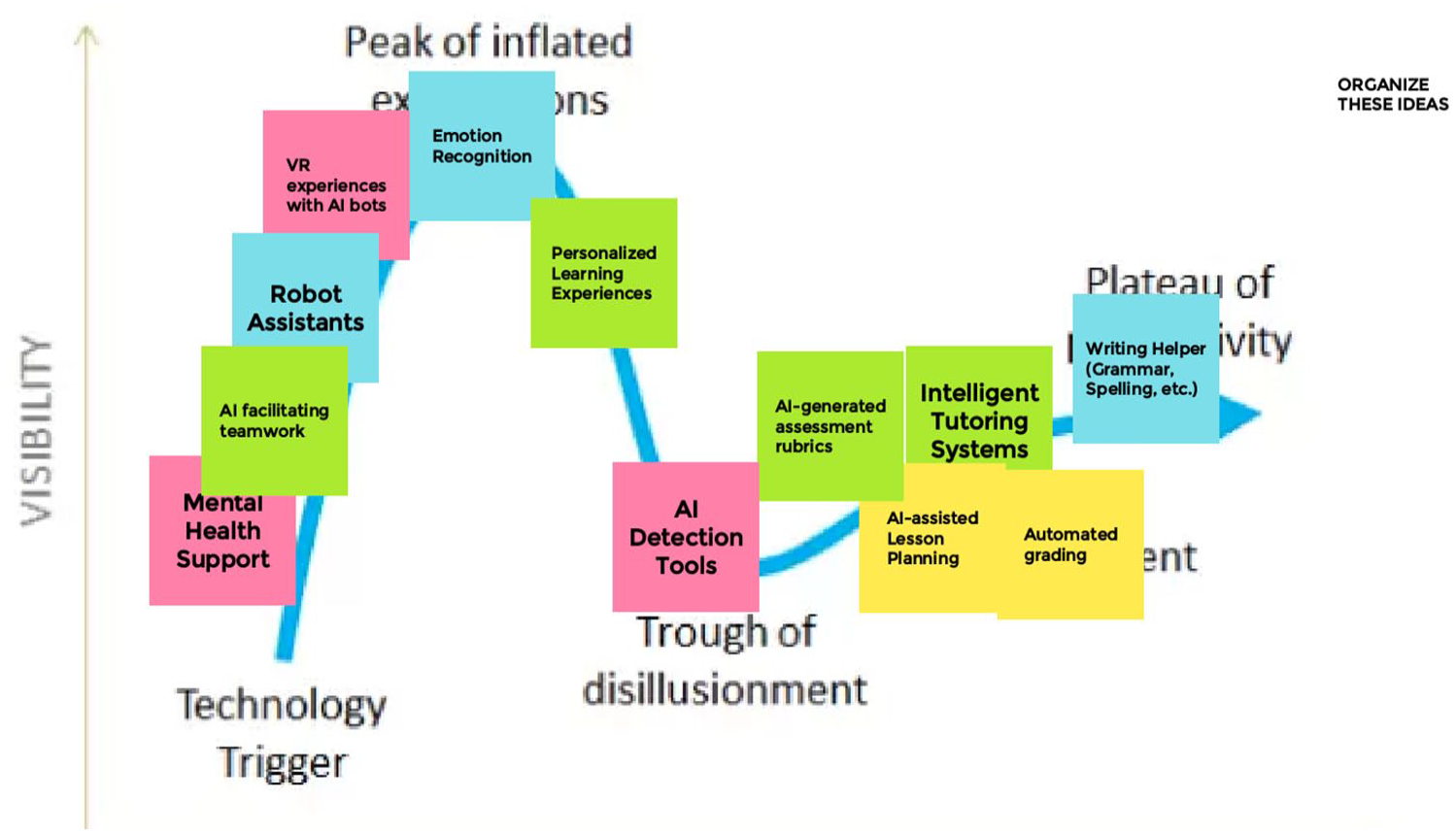
Educator Hype Cycle Artifact.
One educator noted, “I believe we are making positive advancements with AIEd, so my Hype Cycle may look too optimistic to some. But I believe some ideas have already progressed and are here to stay. I see writing helpers (like Grammarly and others) on the Plateau of Productivity—they are on our emails, phone messages, document writing, etc., and are becoming more effective at a fast pace. I doubt you would find someone that totally ignores it when editing a writing piece.” This finding indicates a sense of acceptance for certain AI tools. Another educator shared her optimism about AI and a need for educating themselves about it by stating that while these tools are advancing rapidly, their true potential in education could only be realized if teachers and students received proper guidance on how to use them effectively. One stated, “. . . As we are educated on what tools to use and how to use them, and tools are improved upon, AI can help teachers and students in many ways.”
This activity helped educators to evaluate the pedagogical value of various AI tools and their potential impact on their educational settings. It also helped them distinguish between overhyped tools and those with genuine educational benefits. However, the findings also revealed that educators might still face challenges in assessing the real pedagogical benefits of these technologies, as reflected in their demand for more excellent knowledge about how to use them effectively. The Polarity Management activity provided educators with an opportunity to collaboratively assess both the positive and negative aspects of integrating AI in the classroom and to find a balanced approach to using these tools in their educational settings. In this activity, educators evaluated the benefits and potential unintended consequences of AI and worked to identify a more balanced strategy for incorporating AI into their pedagogy. See Figure 12 for the Polarity Management artifact that was created out of educators’ discussion posts.
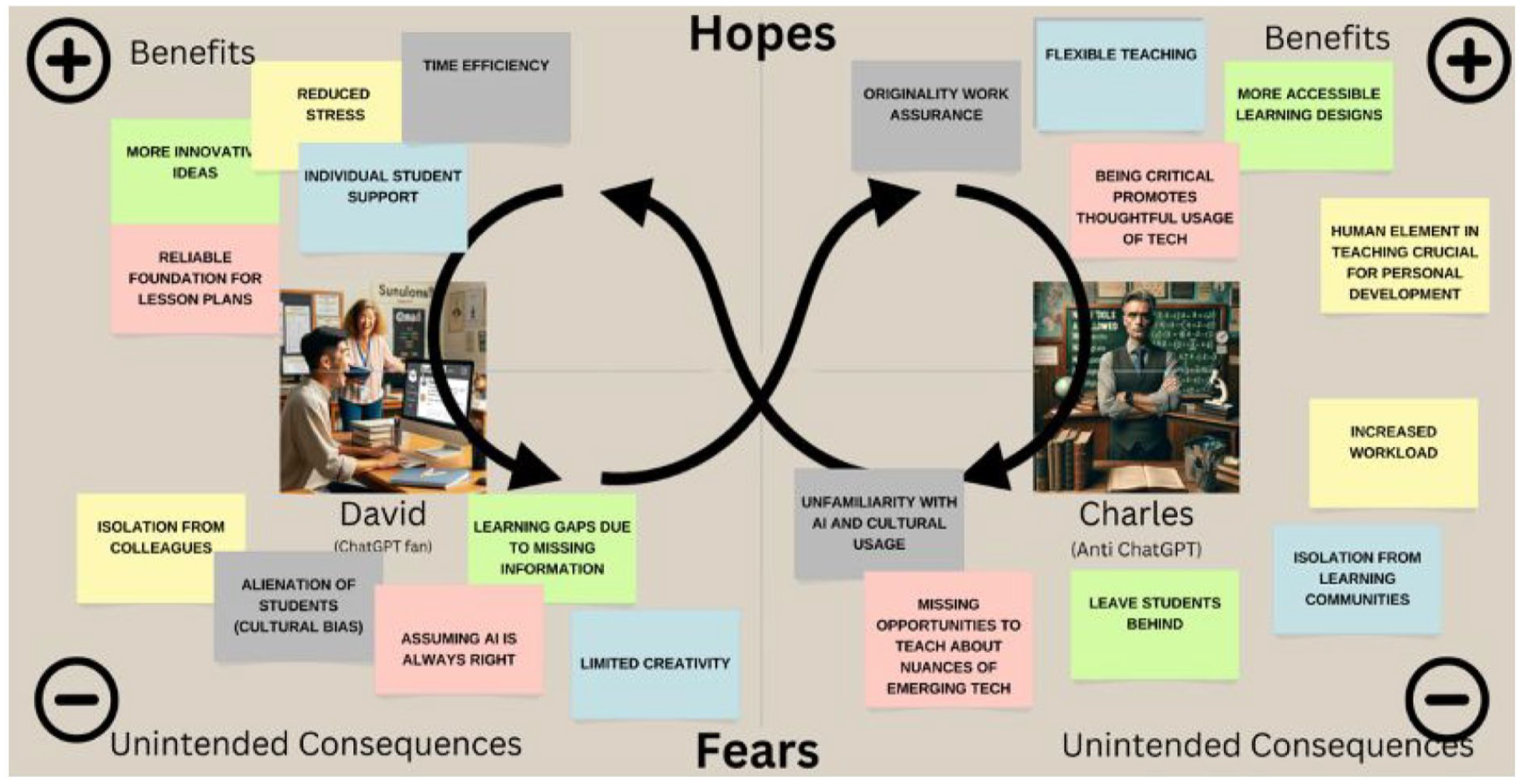
The Polarity Management Activity Artifact.
Discussion posts for Polarity Management activity revealed a spectrum of perspectives on how AI can influence pedagogy. One of the perceived advantages of AI integration was its ability to handle administrative and instructional tasks, allowing educators to dedicate more time to providing emotional support for students and engaging in the creative aspects of teaching. For example, one educator shared, referring to the characters in the polarity map, “David’s Positives: “He has more free time to prepare the class for the lesson and focus on ways to support struggling students.” The same educator also reflected negatives as: “David’s Negatives: Too much trust in the system. He may ignore checking facts, biases, and fake information because the result he is getting looks just perfect.” Another concern regarding the AI usage was a need for a human-centered approach while integrating AI in the classrooms. One educator noted that while AI could save time, it could also reduce the human aspect of the teacher. The Polarity Management activity helped educators pause and reflect on both the positive and negative consequences of AI integration, allowing them to carefully consider its pedagogical implications without fully rejecting or embracing AI in their teaching practices. These findings demonstrate the importance of a balanced approach in AI pedagogy.
Empowerment for Advocacy and Action
Critical co-discovery activities offer educators a way to reflect on their autonomy in integrating AI and making pedagogical decisions in educational settings. For example, in the Collaborative Collage activity, educators considered how AI might shape the future of education by analyzing AI-generated images they created in Padlet. These images depicted future scenarios such as students learning alone by a screen, classrooms without teachers, and robots accompanying human teachers. Figure 13 presents examples of these artifacts.
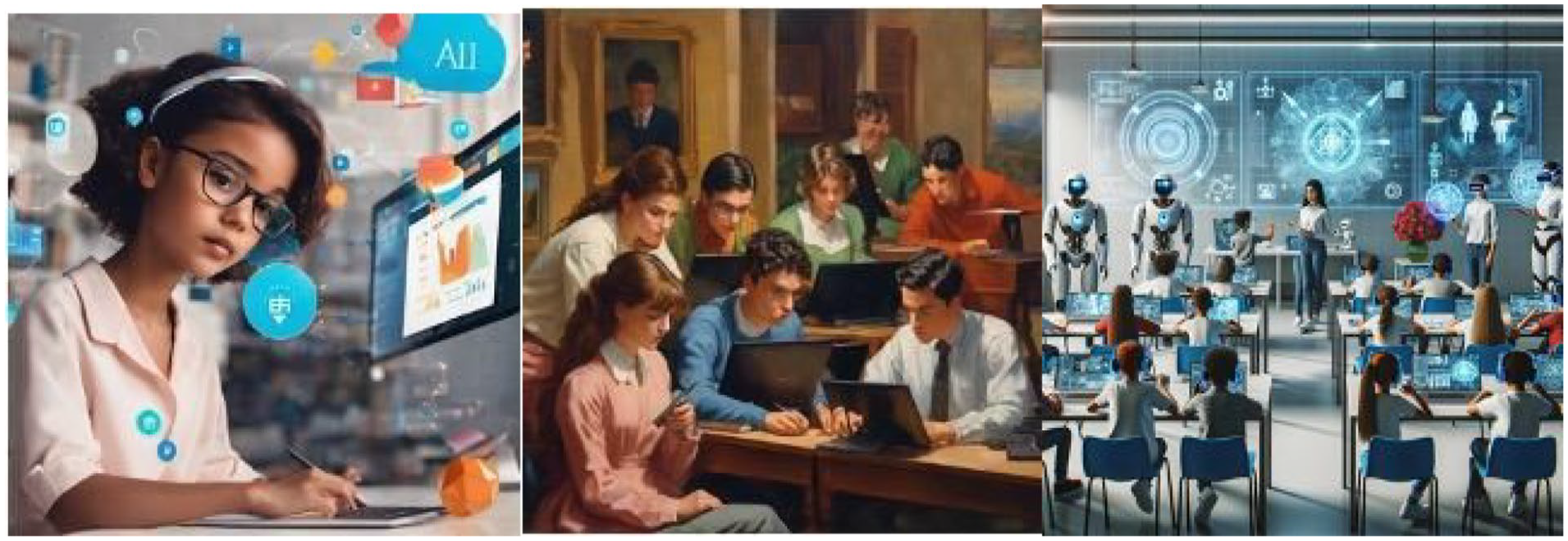
Collaborative Collage Artifacts.
Findings revealed a tension between integrating AI in educational settings and the potential for AI to diminish their roles in the classroom. In their discussion board reflections, one educator remarked, “There is also a common thread between our ideas when it comes to AI taking over jobs. It’s interesting to ponder the idea of AI being in a teacher role versus physical human beings or AI as a tool/resource for teachers.” Educators also expressed hopes that AI could reduce their workload, allowing them to focus more on tasks that require creativity and human insight, such as collaboration, decision-making, and critical thinking. One educator noted, “Although teachers may soon rely on AI to create class activities and structure lesson plans with objectives and standards, the teachers themselves will still need to understand how to help students work together as a team, manage time wisely, and persist when their first idea doesn’t work out.” Findings suggested that some educators merely perceived AI as an assistive technology that can automize certain tasks. For example, one educator noted, “By 2040, I hope that AI is working hard at all levels of our educational system so that teachers feel less burdened, and students feel they each have an equal opportunity to succeed.” These discussions helped educators envision the future of education and encouraged them to critically reflect on their role in educational settings.
Societal Implications
Throughout the critical co-discovery sessions provided opportunities for inquiring societal implications of AI. Educators expressed concerns about the unpredictability of AI, which they believed could affect various societal arenas, including the future of jobs, the economy, culture, politics, and the environment. The Algorithmic Bias in Generative AI activity specifically addressed recognizing cultural issues arising from AI. One educator shared their experience from the activity: “I think the general bias is that AI has to determine one thing that makes individuals stand out in each of these countries, and by doing so, the people are less realistic and more stereotypical. The United States is viewed as being very patriotic, which can be seen in the image with the 4th of July fireworks on the top left. India is known for its culture, which can be seen in the cultural dress of the woman on the top right. Canada is known for its topography, such as the waterfalls and mountains seen in the picture on the bottom left. There can be individuals from these countries who look and act very similar, and yet AI has to determine something that signifies what country you are asking it to depict, which is why there is a bias and generalization.” Another educator reflected on the broader implications of AI in educational applications and the need for awareness of AI bias, stating, “Regarding educational applications and the need for awareness of bias in AI, I think it is important to remember our own entrenched cultural and consumerist biases when presenting images in an international teaching environment. It may be that when we introduce value concepts into the international environment, it may be significant to identify consumerist bias in the foundational thinking of ‘Western’ countries.” Figure 14 shows examples of educator artifacts.

Educator Artifact Examples: (A) Images Depicting the United States, India, and Canada, (B) Christmas Shopping in Different Countries.
Discussion and Implications for Teacher Educators
In this study, we examined how the critical co-discovery approach—integrating inquiry-based, reflective, and critical activities—can facilitate key components of AI literacy in teacher education contexts. Our goal was to empower educators to build agency, critically analyze prevailing AI structures and discourses, and navigate the multifaceted impacts of AI on education. By creating a reflective space through co-discovery, we investigated what aspects of AI literacy can be effectively addressed and how this approach can foster active, critical engagement with AI in educational settings.
Existing AI literacy literature encompasses fundamental AI knowledge while addressing its broader sociopolitical dimensions. Unlike other emerging technologies, AI presents unique ethical challenges, requiring a more complex and layered competency framework. UNESCO AI Literacy Framework for Teachers (Miao & Cukurova, 2024) frames AI literacy in progressive competency levels, emphasizing that engagement with AI requires iterative and progressive learning experiences that evolve over time. In our study, educators engaged with AI in a structured learning environment through a four-module online course. Given this, our findings revealed that while AI literacy includes multiple dimensions, educators’ discovery of deeper sociopolitical aspects of AI remained limited. Instead, their discovery process primarily centered on their immediate educational contexts. These findings not only echo the call for iterative and progressive competency development (Miao & Cukurova, 2024), but also underscore the imperative to extend teacher knowledge development beyond immediate educational contexts, thereby cultivating a more comprehensive and sophisticated understanding of AI’s broader impacts (e.g., social, political, and economic).
The study findings revealed that educators, often burdened by heavy workloads, directed their reflective process toward practical concerns, such as whether AI could plan lessons or redefine classroom roles. In addition, ethical discussions in AI literacy primarily revolved around algorithmic bias and issues of cultural and gender representation. However, these discussions remained anchored in preexisting narratives of AI’s risks and challenges, rather than extending into critical examinations of its systemic and societal implications—such as data ownership, the commercialization of education, and massive energy consumption (Selwyn, 2024). This highlights the need for sustained engagement with AI literacy through critical co-discovery approaches. Short-term exposure alone may not be sufficient for educators to move beyond the dominant framing of AI; instead, a more progressive, deeper ongoing inquiry is essential to foster a deeper exploration of its broader sociopolitical dimensions (Williamson, 2023).
The findings revealed that educators in this study felt significant pressure to integrate AI into their teaching practices, leading to confusion and uncertainty, particularly since AI remains a relatively new concept for many. This sense of obligation suggests that teachers often perceive AI integration as a mandatory requirement (Lee et al., 2024). By fostering an environment that prioritizes exploration over enforcement, the critical co-discovery approach can help alleviate the anxiety associated with AI adoption and empower educators to make informed, confident decisions about when and how to incorporate AI into their classrooms.
Contrary to concerns raised in recent literature (Yang & Appleget, 2024), our findings indicate that many educators viewed AI as a supportive tool rather than a threat to their job security. During the co-discovery activities, educators repeatedly expressed hope that AI could help alleviate their workload, allowing them more time to focus on supporting their students. Holmes et al. (2023) also observed similar sentiments among participants, reflecting a common narrative surrounding emerging technologies. This perspective on AI integration reveals that educators prioritize the socio-emotional aspects of teaching—elements that cannot be replicated by machines. Although discussions about AI often evoke a sense of uncertainty about the future, educators recognize the essential nature of the teacher–student relationship and understand that their role in the classroom is irreplaceable.
Another highlight of the findings was educators’ perception of AI as primarily within the domain of data scientists or engineers, leading them to feel that AI is not something they can easily understand or apply. This perception creates a barrier to engagement, and a feeling of disqualification as educators may view AI as overly complex or technical for their expertise. This sense of complexity might also foster skepticism about the unknown, with some educators fearing that AI may further complicate, rather than enhance, their teaching practices (Selwyn, 2022). These concerns are grounded in the prevalent narrative that AI, framed in deterministic terms, could fundamentally reshape education and potentially push out those unable to adapt to its demands (Campolo & Crawford, 2020).
To alleviate these concerns, it is essential to develop AI literacy curricula specifically tailored to educators, making them directly relevant to their professional contexts. While emerging curricula for students, particularly in K-12 settings (e.g., Su & Zhong, 2022), address AI, there is still a significant need for professional development programs designed with educators in mind. Approaches such as co-design can help create a community of practice where educators can share their experiences and deepen their understanding beyond just the technological aspects of AI. By continuously questioning AI’s affordances, limitations, and broader societal implications, educators can engage in ongoing critique and dialogue, ultimately fostering greater confidence in their role within an AI-integrated educational landscape.
Incorporating AI training into the curriculum for pre-service teachers is also essential for preparing future educators for this complex AI environment. This need can be addressed in several ways. Integrating hands-on AI literacy activities into existing in-pre-service courses can ensure new teachers enter the profession with a strong foundation in AI literacy. These experiences can enable them to engage with AI, aligning with their pedagogical goals and enhancing student learning. As Lan (2024) suggested, a balanced approach to AI literacy, being open to AI technologies while remaining critical of their potential limitations and impacts, can help teachers become autonomous agents in AI integration. Building on Mishra et al.’s (2023) reconceptualization of TPACK, GenAI is more than an automation tool; it can act as a collaborative partner for tasks like building counterarguments, analyzing data, and generating analogies. As teachers enact their agency, they can reimagine their pedagogical approaches, viewing AI as an aid rather than a source of pressure or obligation. The critical co-discovery approach used in this study acknowledges that AI integration is not merely a pedagogical tool but a socio-technical system embedded within existing power structures. This duality, as we emphasized, both calls for alternative approaches to engagement and necessitates more spaces where educators can express their emotions, vulnerabilities, and fears—an essential factor in fostering their agency and professional development (Nazari & Hu, 2024).
As teacher educators integrate similar critical co-discovery approaches into their courses and programs, they must be mindful of certain limitations. The approach requires careful facilitation to balance the critical and collaborative aspects and to ensure that all participants are actively engaged. In addition, the iterative and reflective nature of critical co-discovery can be time-demanding, posing challenges in fast-paced educational settings. Integrating diverse perspectives can lead to conflicts or difficulty in reaching a consensus, requiring skilled mediation. Similar activities can be incorporated into professional development programs for teacher educators to address these challenges. Enhancing teacher educators’ critical AI literacy can better equip them to implement critical co-discovery activities effectively in their courses and programs, maximizing their potential to foster critical AI literacy among pre-service teachers.
Conclusions and Future Research
This paper presents a case where teacher education course activities grounded in a critical co-discovery approach could help facilitate educators’ AIEd literacy. While this paper examines educators’ engagement with critical co-discovery activities without differentiating between educational backgrounds and contexts, future research could explore how a separate group of educators engage with AI. As pre-service teachers and instructional designers have different needs and interactions with AI technologies, future studies could provide deeper insights into their specific experiences and challenges. Moreover, diverse educator groups including teacher trainers, school administrators, and faculty members should also be explored in future research to understand their unique roles, perspectives, and engagement with AI literacy in education.
Teacher educators play a pivotal role in identifying ethical, responsible, and pedagogically meaningful practices for pre-service teacher education. By being the first to engage with these practices, they can effectively translate this knowledge into instructional methods that prepare their students to be critically aware and responsible practitioners. This paper presents an adaptable approach that can be utilized by teacher educators across various teacher education contexts, fostering the development of AIEd literacy and ensuring that future educators are equipped to navigate the complexities of AI in educational settings.
Footnotes
Acknowledgements
We acknowledge the use of AI tools in the preparation of this manuscript. ChatGPT supported the ideation by assisting in brainstorming the article’s structure and outlining key sections. Grammarly was also utilized for grammar and language editing to enhance clarity and readability. In addition, as part of the course activities, students generated AI-created images, which were included as artifacts in the findings section to illustrate their experiences. The authors carefully reviewed all content generated or refined using AI tools to ensure accuracy, originality, and compliance with ethical guidelines.
Declaration of Conflicting Interests
The author(s) declared no potential conflicts of interest with respect to the research, authorship, and/or publication of this article.
Funding
The author(s) received no financial support for the research, authorship, and/or publication of this article.
